Downloaded 53 times
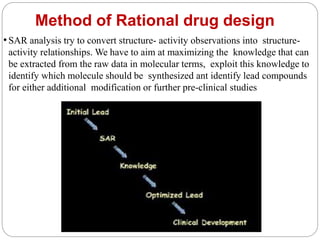
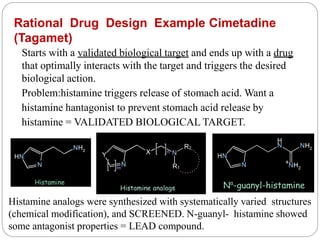
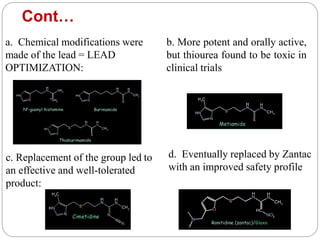
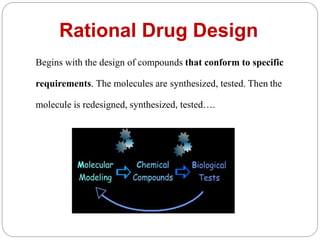
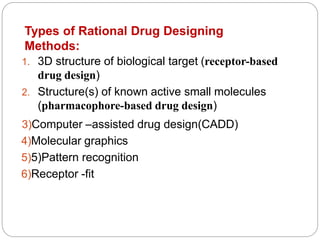
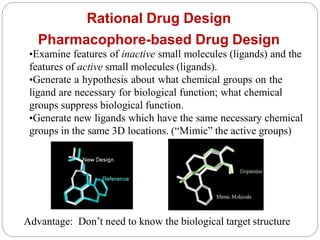
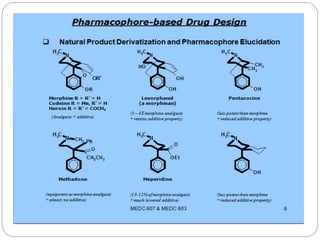
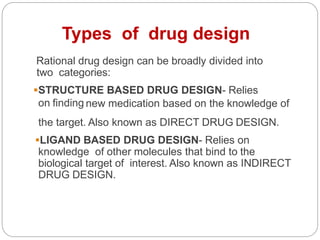
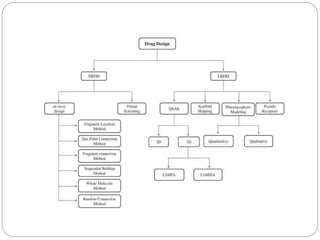
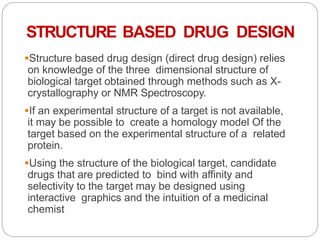
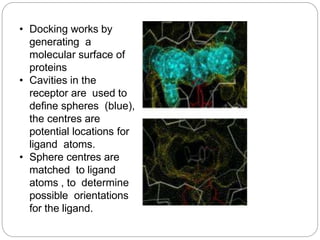
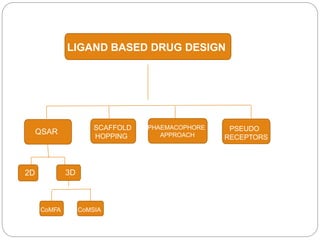

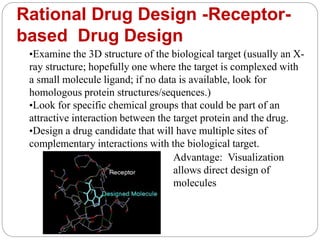
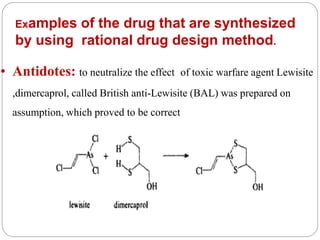
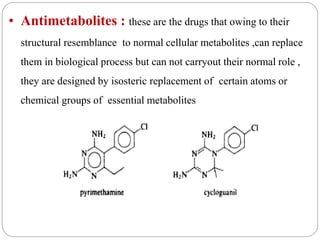
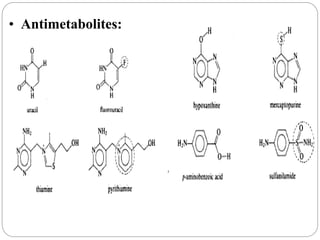
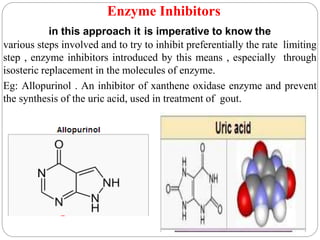


Rational drug design is a systematic approach to creating new medications based on knowledge of biological targets, focusing on molecular shape and charge compatibility. It involves identifying relevant receptors or enzymes, elucidating their structure, and designing drug molecules to interact beneficially, while aiming to avoid off-target interactions. The process employs techniques such as structure-based and ligand-based drug design, alongside methods like high-throughput screening and quantitative structure-activity relationship analysis to optimize drug efficacy and safety.


