Psoas abscess
Dr. S. K. MOHAN
S3 unit
VMMC & SJH
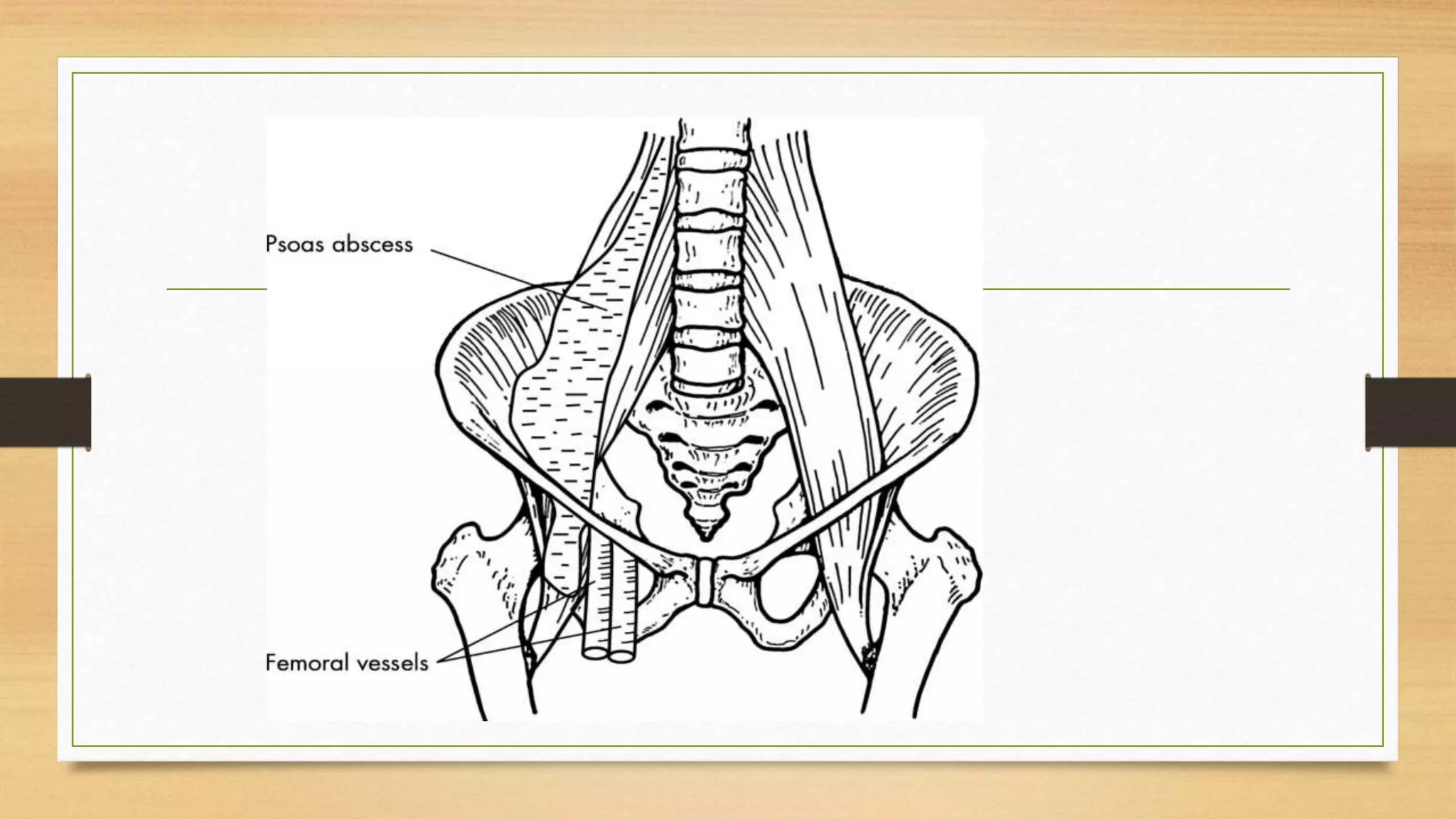
PSOAS MUSCLE
• Fusiform shaped muscle, cover anterio-lateral surface of lumbar vertebral
bodies.
• ORIGIN- Lateral surface, intervertebral disc and transverse process of T12
-L5
• COURSE- passing inferiorly along pelvic brim and iliacus muscle beneath
inguinal ligament towards anterior thigh.
• INSERTION- lesser trochanter of femur
• INNERVATION- L1-L3
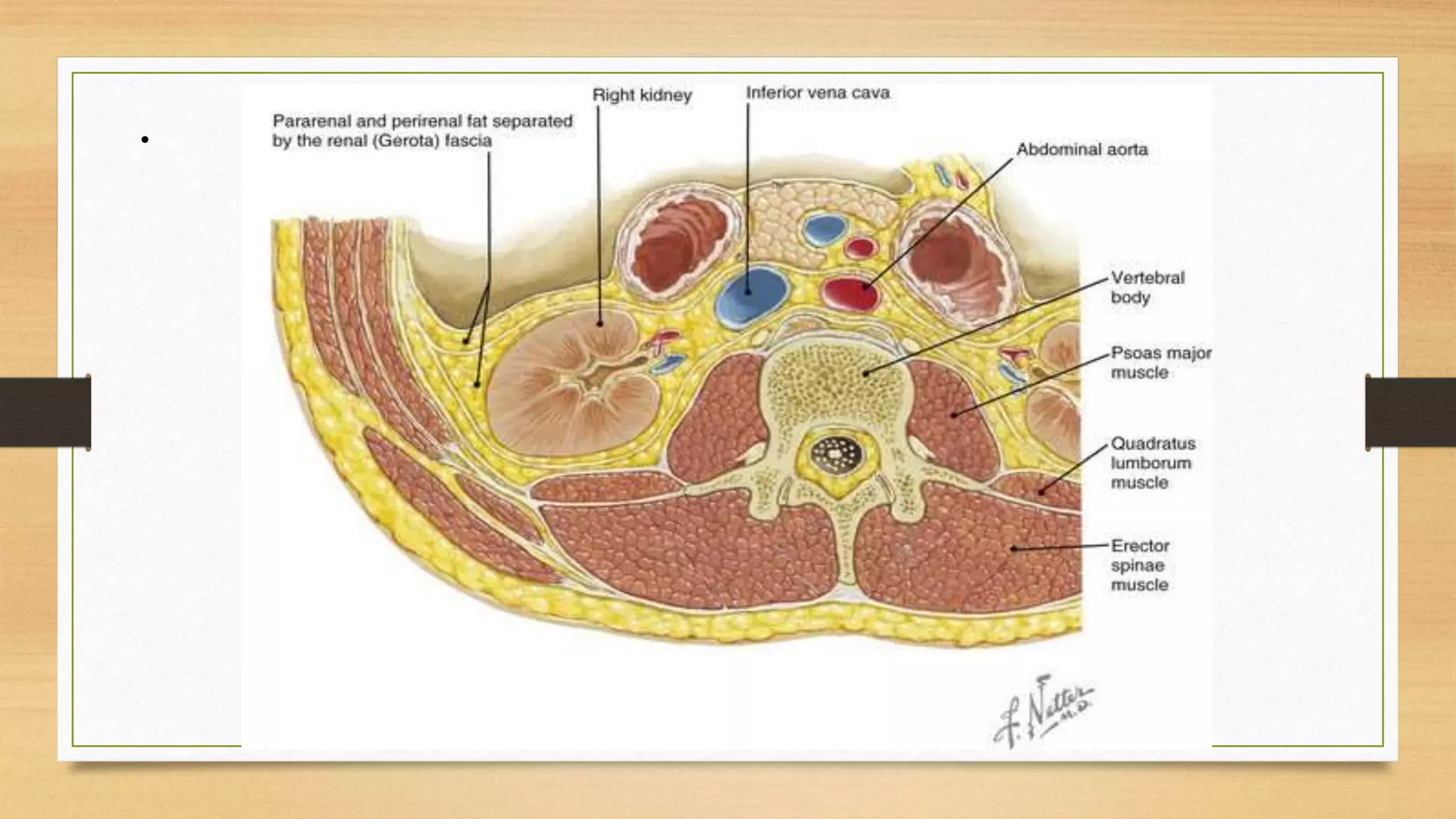
• Lies close to sigmoid colon, appendix, kidney, ureters, LS spine, abdominal
arota, iliac lymph nodes.
• Psoas fascia covers the muscle
•
• Psoas abscess is the collection of pus in psoas compartment, within psoas
fascia
• PRIMARY- from hematogenous spread
• SECONDARY- from adjacent organs
Primary psoas abscess
• Results from hematogenous spread from an occult source.-11%
• Seen in patient with immunocompromised state( AIDS, DM, CRF, )
Secondary psoas abscess
• Due to infections from adjacent organs
• Tubercular-from potts spine
• Pyogenic
1. Renal diseases- chronic uti, malignancies- 47%
2. GI diseases- appendicitis, diverticulitis, crohn’s disease”- 16%
3. Bone infections, including tb spine- 7%
1. Trauma-4.5%
2. Malignant neoplasms-4%
Microbiology
• Related to cause.
• Renal diseases- E. Coli, Proteus,
• GI Tract diseases-polymicrobial- E. Coli, enterococci, bacteroides,
• Hematogenous spread –monomicrobial- staph. Aureus
• Potts spine- M. tuberculi
Clinical features
• Abdominal/flank pain-60-75%
• Fever and chills -30-90%
• Limp.
• Malaise-10-22%, weight loss, nausea.
• Referred pain to hip groin, knee.
• Pain less swelling in inguinal region.
• Postion of comfort- supine with knee flexed and hip mildly externally
rotated.
Clinical tests-PSOAS SIGN
1. Patient lying on normal side , hyperextension of affected hip- PAIN in
lower quadrant.
2. Place hand proximal to knee and tell patient to lift the leg.- PAIN
Investigations
• Elevated total counts, ESR, CRP.
• Blood, urine, pus – culture
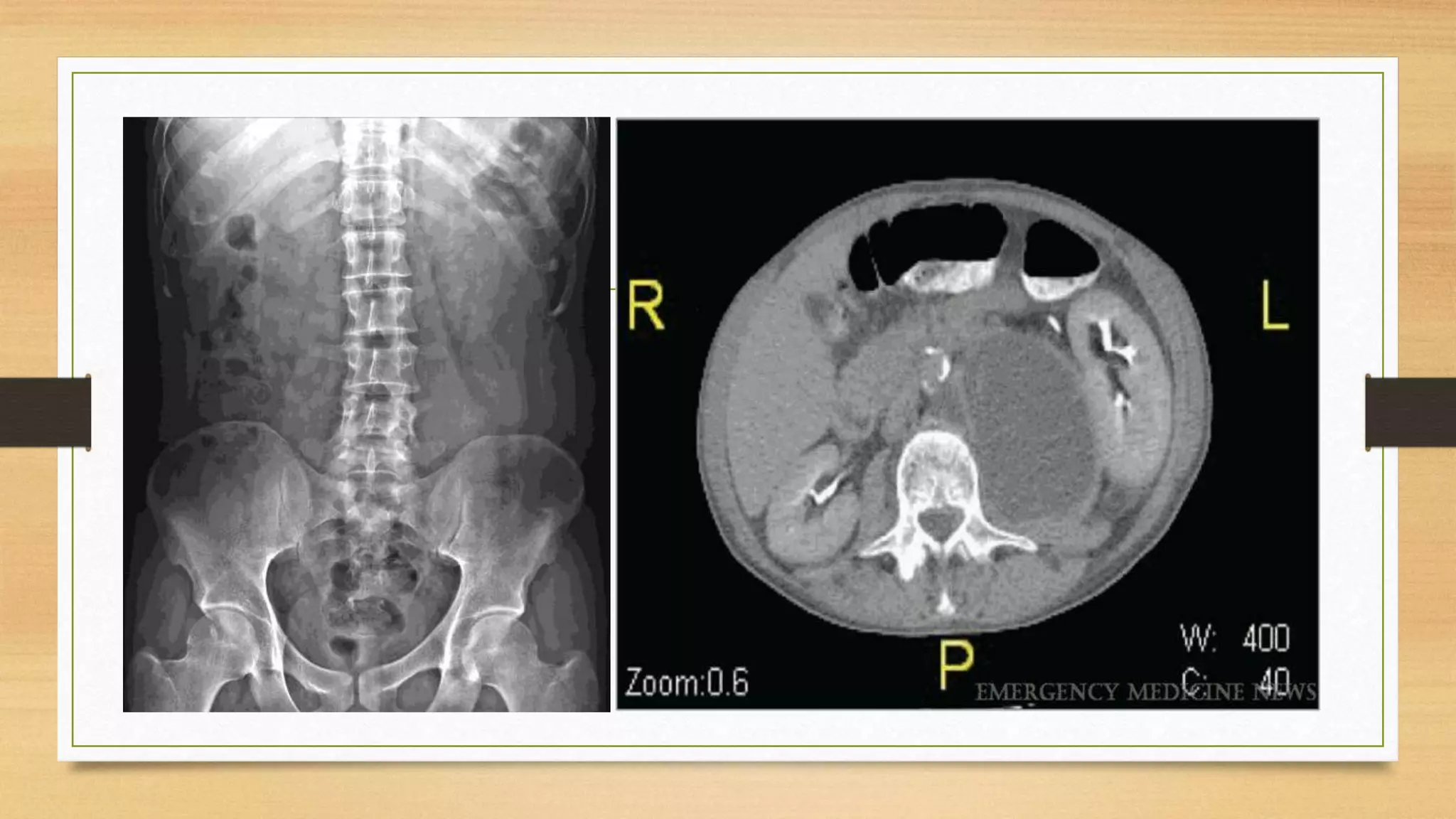
• Radiography of spine, kidney abdomen
• Ultrasonography
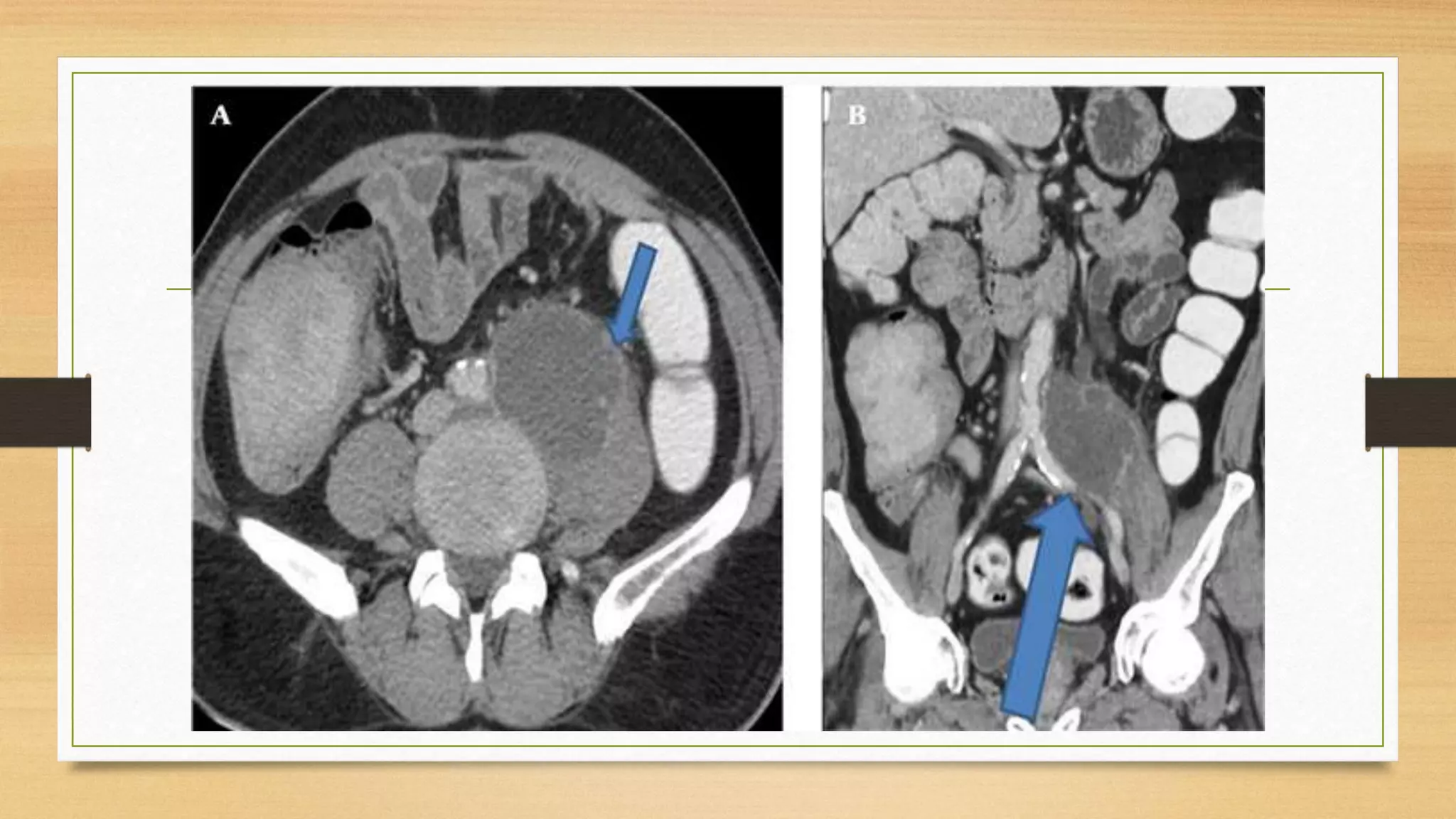
• CT scan- gold standard- shows hypodense lesion
• MRI
MANAGEMENT
• MEDICAL
• empirical antibiotics- anti staph.
• Specific –depends on culture and sensitivity.
• Anti Tubercular drugs if TB.
• Control diabetes and other comorbidities.
• SURGICAL
1. CT/USG guided catheter insertion and drainage.
2. Drainage of abscess
1. Through lateral loin incision- via Petit’s triangle.
2. Through anterior incision
3. Ludloffs approach. When abscess points subcutaneously at adductor region of thigh.
Anterior approach
• 5-7 cm long vertical incision from ASIS to anterior thigh.
• Identify Sartorius-dissect medially to it upto AIIS. Care of femoral nerve
• Insert an artery along medial side of wing of ilium under poupart’s ligament
• Drain abscess and close
Complications
• Intraperitoneal rupture
• Pressure symptoms – hydrouretronephrosis
• Deep vein thrombosis
• Septicemia
Thanks……
skm25

Psoas abscess

  • 1.
    Psoas abscess Dr. S.K. MOHAN S3 unit VMMC & SJH
  • 2.
    PSOAS MUSCLE • Fusiformshaped muscle, cover anterio-lateral surface of lumbar vertebral bodies. • ORIGIN- Lateral surface, intervertebral disc and transverse process of T12 -L5 • COURSE- passing inferiorly along pelvic brim and iliacus muscle beneath inguinal ligament towards anterior thigh. • INSERTION- lesser trochanter of femur
  • 3.
    • INNERVATION- L1-L3 •Lies close to sigmoid colon, appendix, kidney, ureters, LS spine, abdominal arota, iliac lymph nodes. • Psoas fascia covers the muscle
  • 5.
  • 6.
    • Psoas abscessis the collection of pus in psoas compartment, within psoas fascia • PRIMARY- from hematogenous spread • SECONDARY- from adjacent organs
  • 7.
    Primary psoas abscess •Results from hematogenous spread from an occult source.-11% • Seen in patient with immunocompromised state( AIDS, DM, CRF, )
  • 8.
    Secondary psoas abscess •Due to infections from adjacent organs • Tubercular-from potts spine • Pyogenic 1. Renal diseases- chronic uti, malignancies- 47% 2. GI diseases- appendicitis, diverticulitis, crohn’s disease”- 16% 3. Bone infections, including tb spine- 7%
  • 9.
  • 11.
    Microbiology • Related tocause. • Renal diseases- E. Coli, Proteus, • GI Tract diseases-polymicrobial- E. Coli, enterococci, bacteroides, • Hematogenous spread –monomicrobial- staph. Aureus • Potts spine- M. tuberculi
  • 12.
    Clinical features • Abdominal/flankpain-60-75% • Fever and chills -30-90% • Limp. • Malaise-10-22%, weight loss, nausea. • Referred pain to hip groin, knee. • Pain less swelling in inguinal region. • Postion of comfort- supine with knee flexed and hip mildly externally rotated.
  • 14.
    Clinical tests-PSOAS SIGN 1.Patient lying on normal side , hyperextension of affected hip- PAIN in lower quadrant.
  • 15.
    2. Place handproximal to knee and tell patient to lift the leg.- PAIN
  • 16.
    Investigations • Elevated totalcounts, ESR, CRP. • Blood, urine, pus – culture • Radiography of spine, kidney abdomen • Ultrasonography • CT scan- gold standard- shows hypodense lesion • MRI
  • 19.
    MANAGEMENT • MEDICAL • empiricalantibiotics- anti staph. • Specific –depends on culture and sensitivity. • Anti Tubercular drugs if TB. • Control diabetes and other comorbidities.
  • 20.
    • SURGICAL 1. CT/USGguided catheter insertion and drainage. 2. Drainage of abscess 1. Through lateral loin incision- via Petit’s triangle. 2. Through anterior incision 3. Ludloffs approach. When abscess points subcutaneously at adductor region of thigh.
  • 22.
    Anterior approach • 5-7cm long vertical incision from ASIS to anterior thigh. • Identify Sartorius-dissect medially to it upto AIIS. Care of femoral nerve • Insert an artery along medial side of wing of ilium under poupart’s ligament • Drain abscess and close
  • 24.
    Complications • Intraperitoneal rupture •Pressure symptoms – hydrouretronephrosis • Deep vein thrombosis • Septicemia
  • 25.