Protists The world of Protists: Animal-like Protists Plant-like Protists Fungus-like Protists
The  endosymbiotic theory  states that some eukaryotic organelles evolved from prokaryotes. For example, the mitochondrion, chloroplast, and other plastids originated as prokaryotic cells that came to reside within a host cell. They enabled the host cell to use sunlight as an energy source (the chloroplast) and use aerobic cellular respiration (the mitochondrion). In return, the host cell provided the necessary nutrients, a stable chemical environment, and protection. Evolutionary change eventually resulted in this relationship being obligate. Below:  Heterotrophic   prokaryotes  that engulfed (or became infected by) photosynthetic prokaryotes were able to benefit by using the  sugars  produced using solar energy. The prokaryotes benefited by receiving necessary nutrients from their host cell. The chloroplast and other plastids evolved from this photosynthetic endosymbiont.
Protist Diversity 200,000 species come in different shapes, sizes, and colors All are  eukaryotes  – have a nucleus and membrane-bound organelles
Protozoans Animal-like Protists
Protozoans Unicellular  – made up of one cell Heterotrophs  – they eat other organisms or dead organic matter Classified by how they move
Phyla  of Protozoans Amoebas Flagellates Ciliates Sporazoans
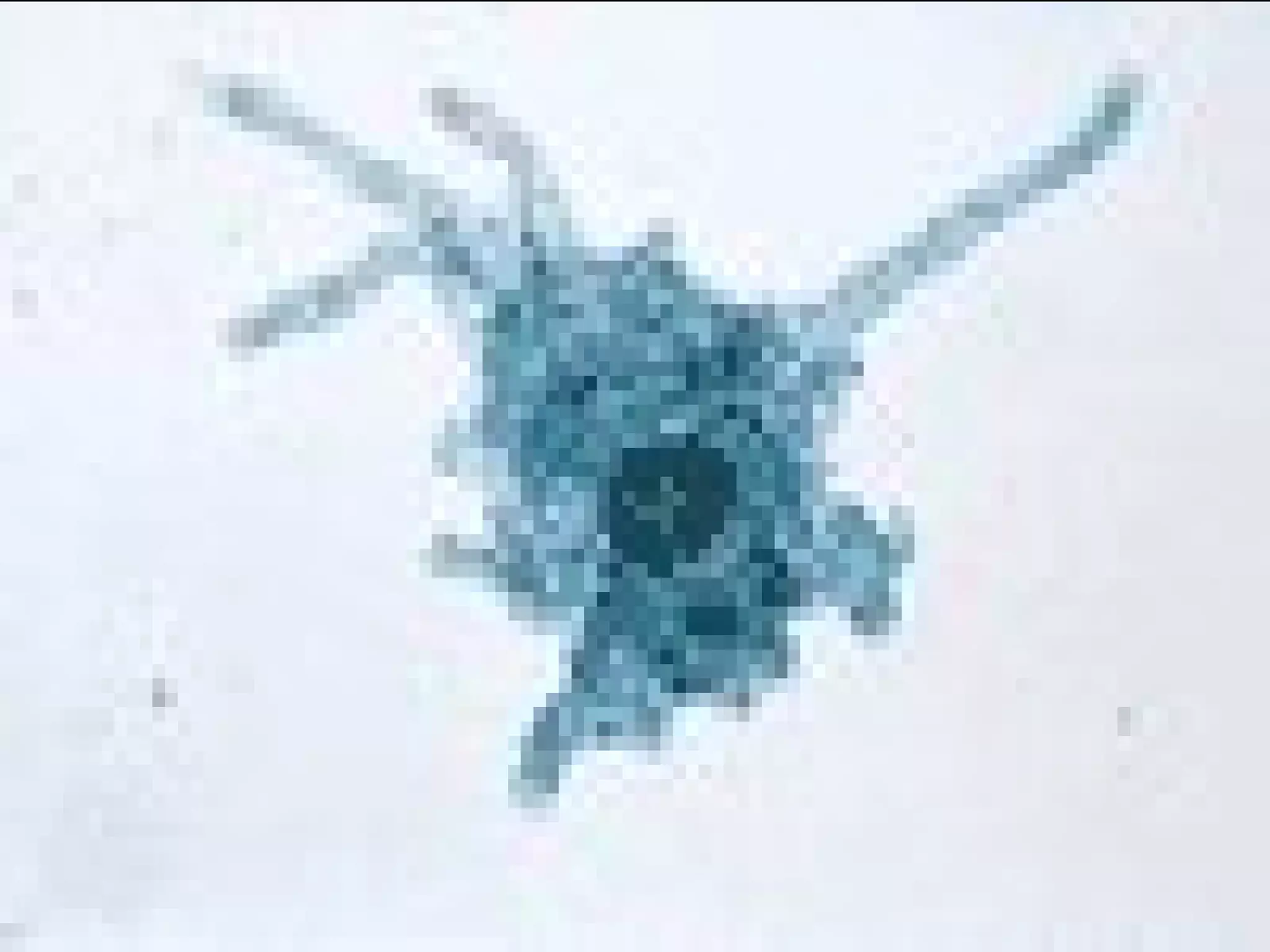
Amoebas : the blobs No cell wall Move using  pseudopods  – plasma extensions Engulf bits of food by flowing around and over them


Flagellates : the motorboats Use a whip-like extension called a  flagella  to move Some cause diseases
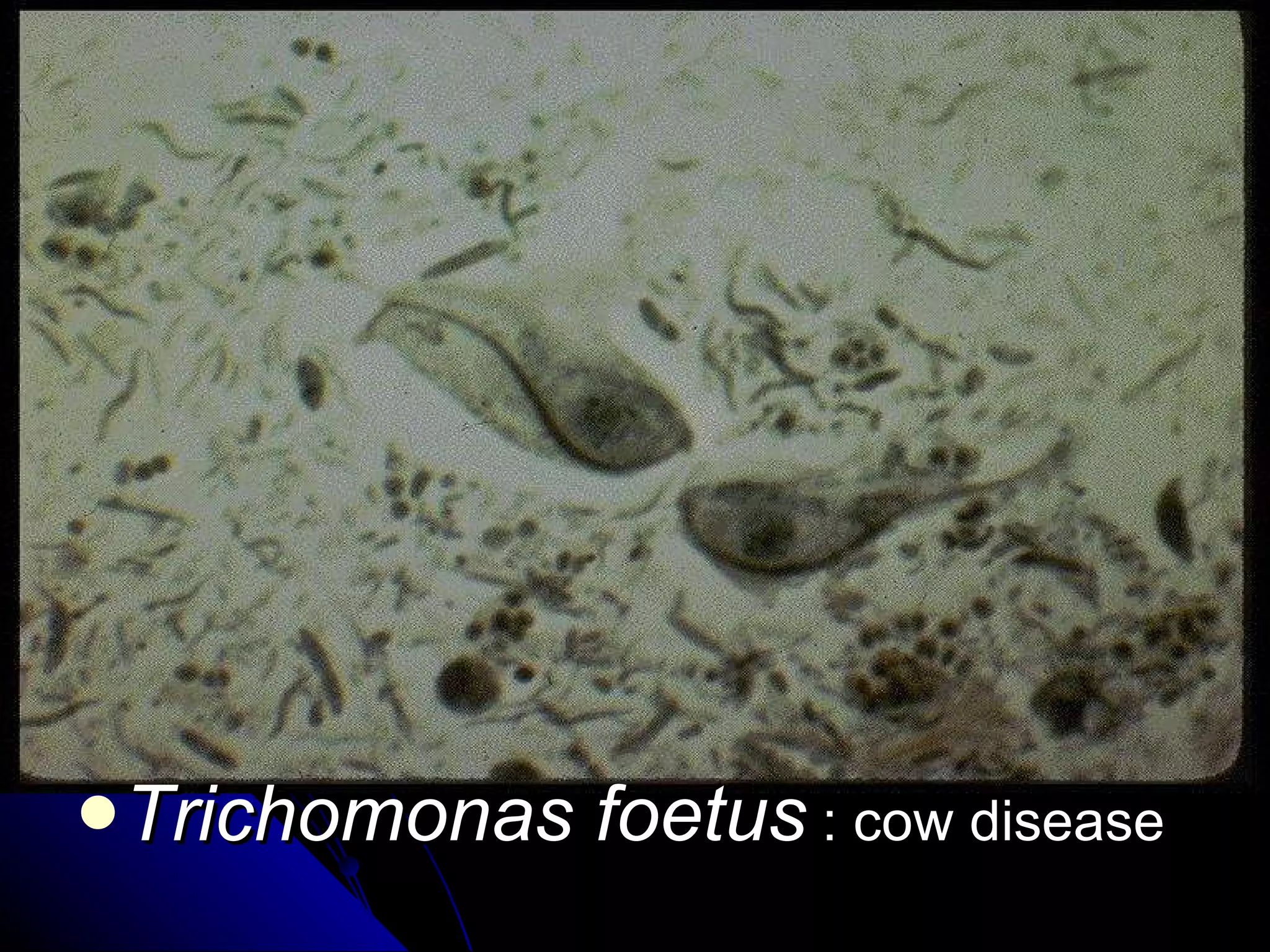
Trichomonas foetus  : cow disease
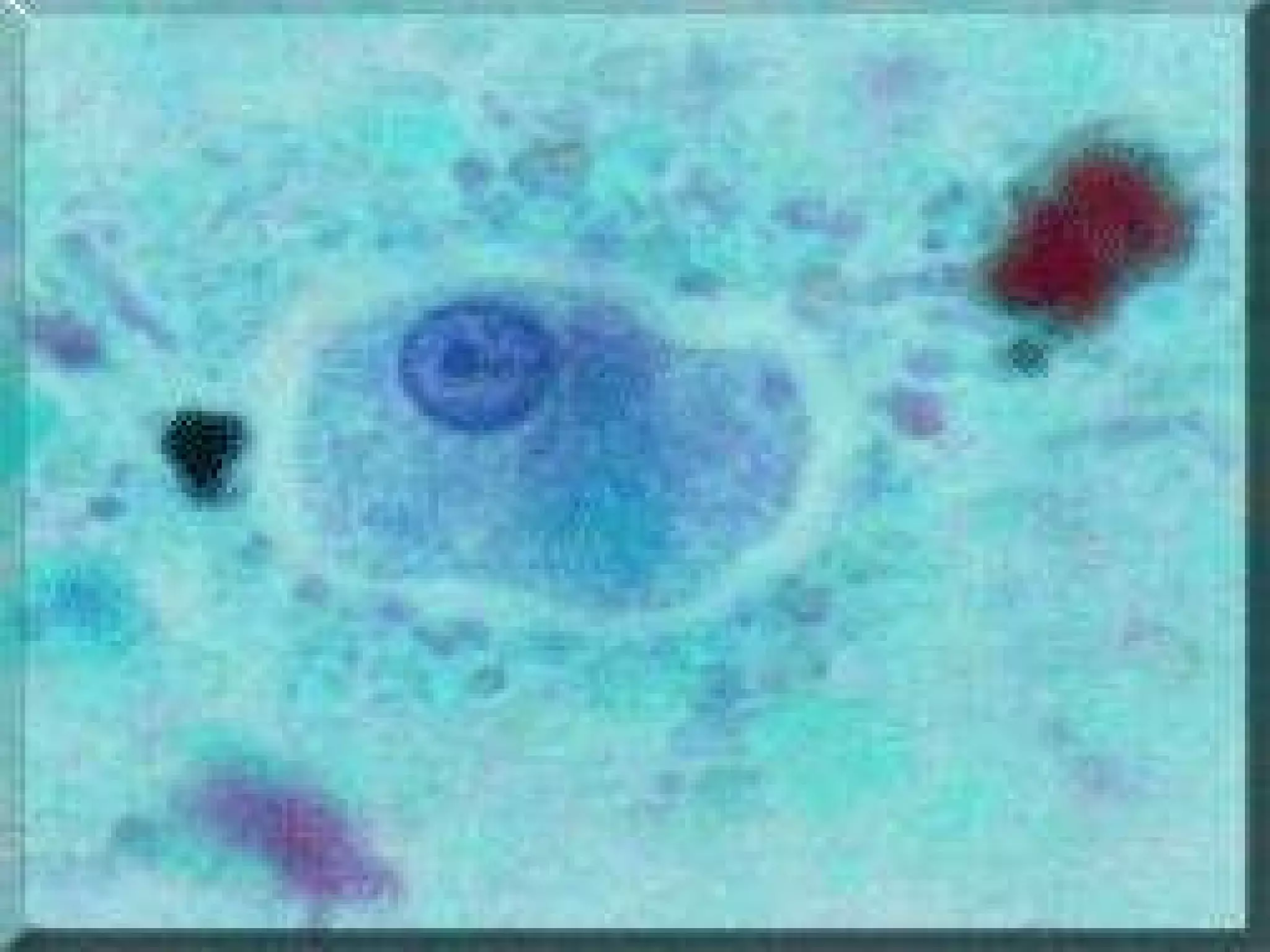
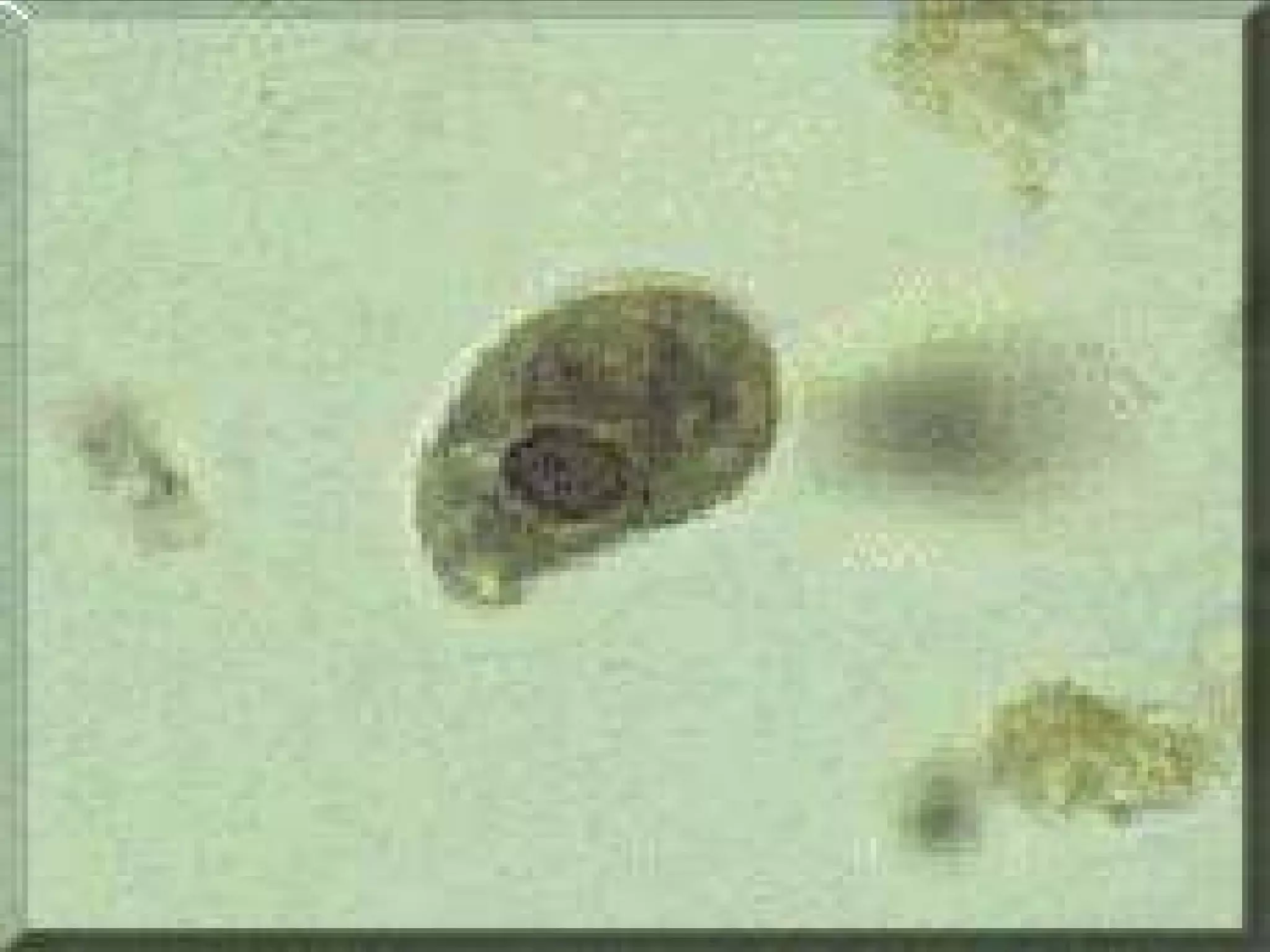
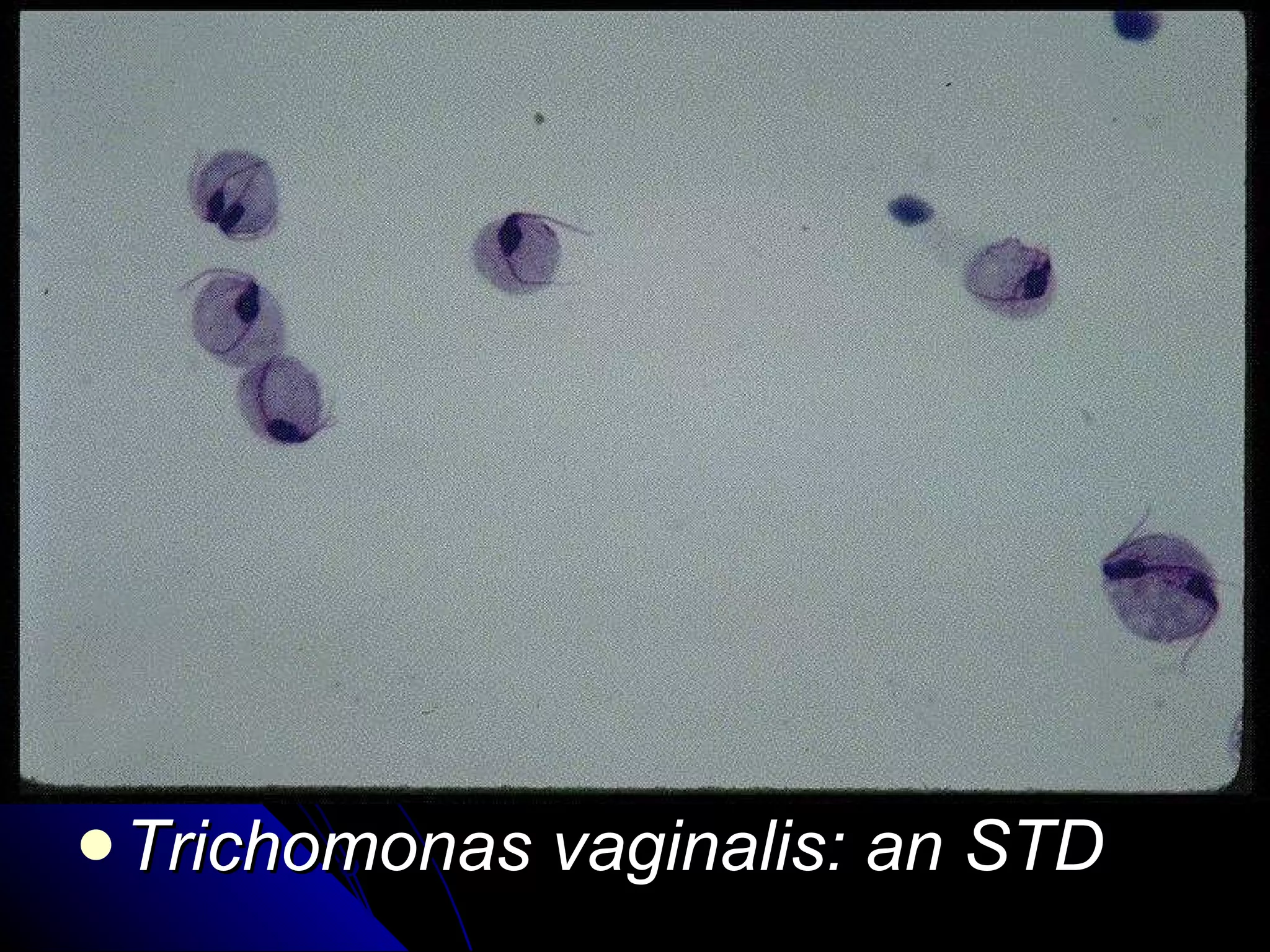
Trichomonas vaginalis: an STD
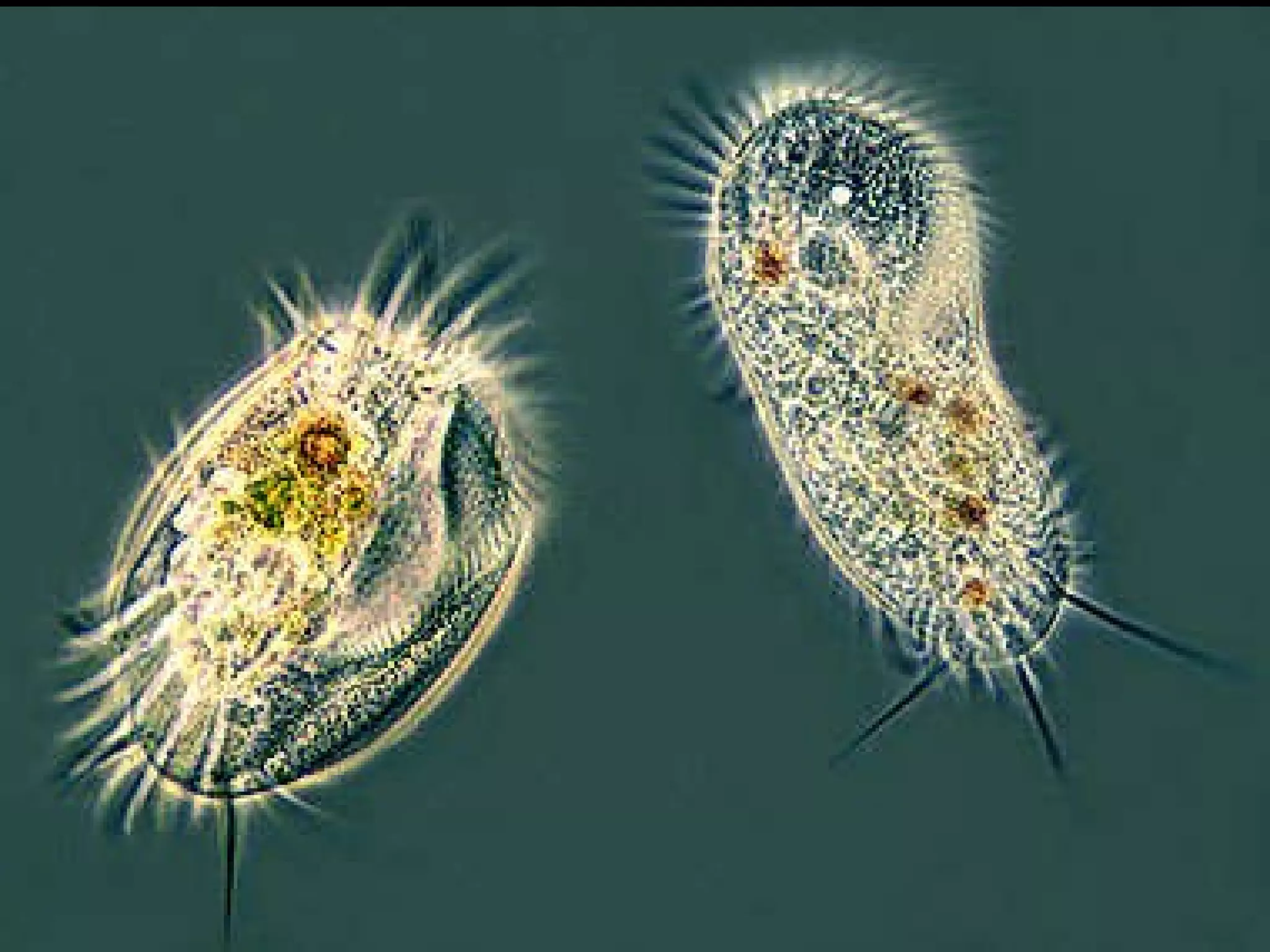
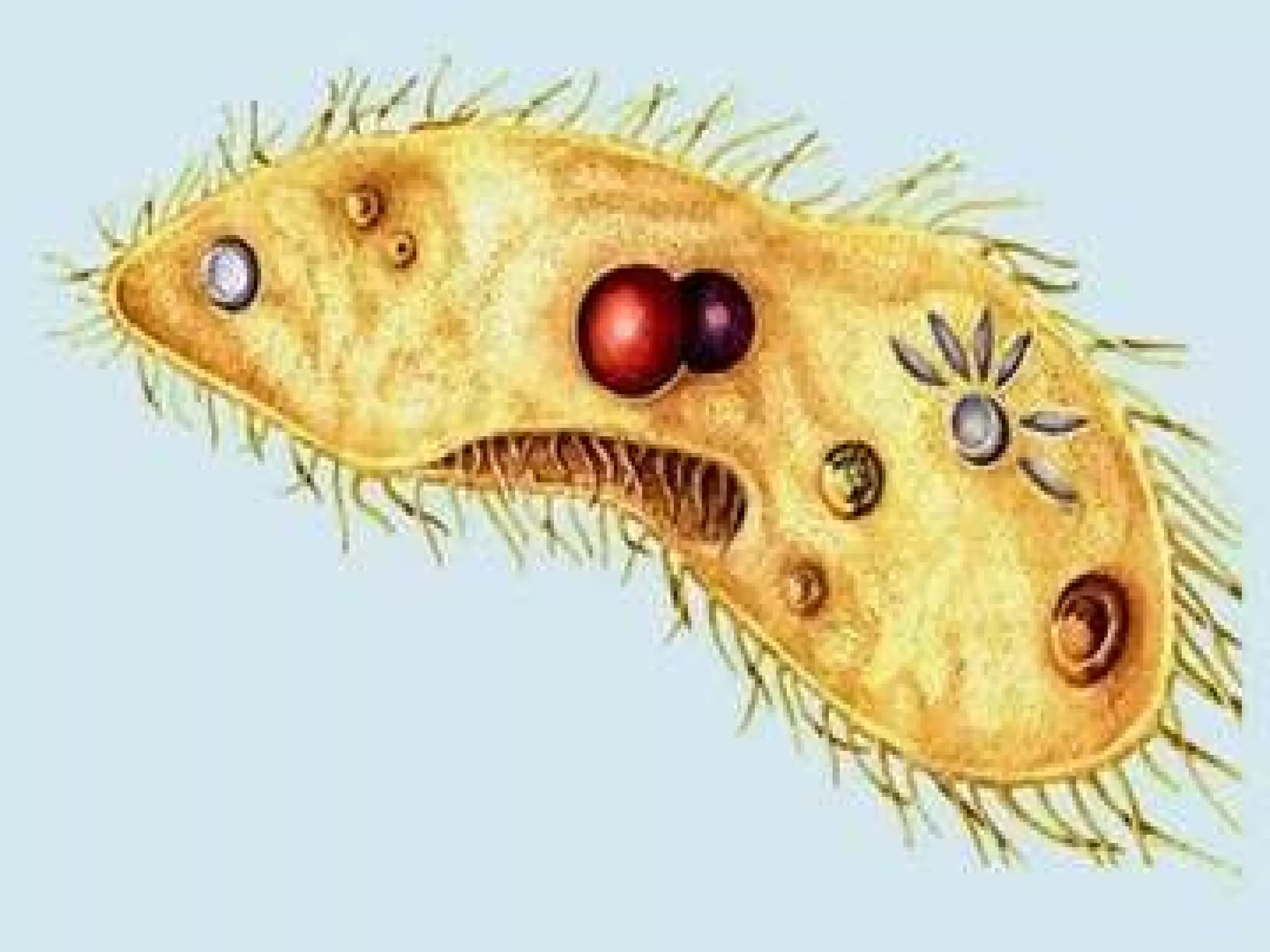
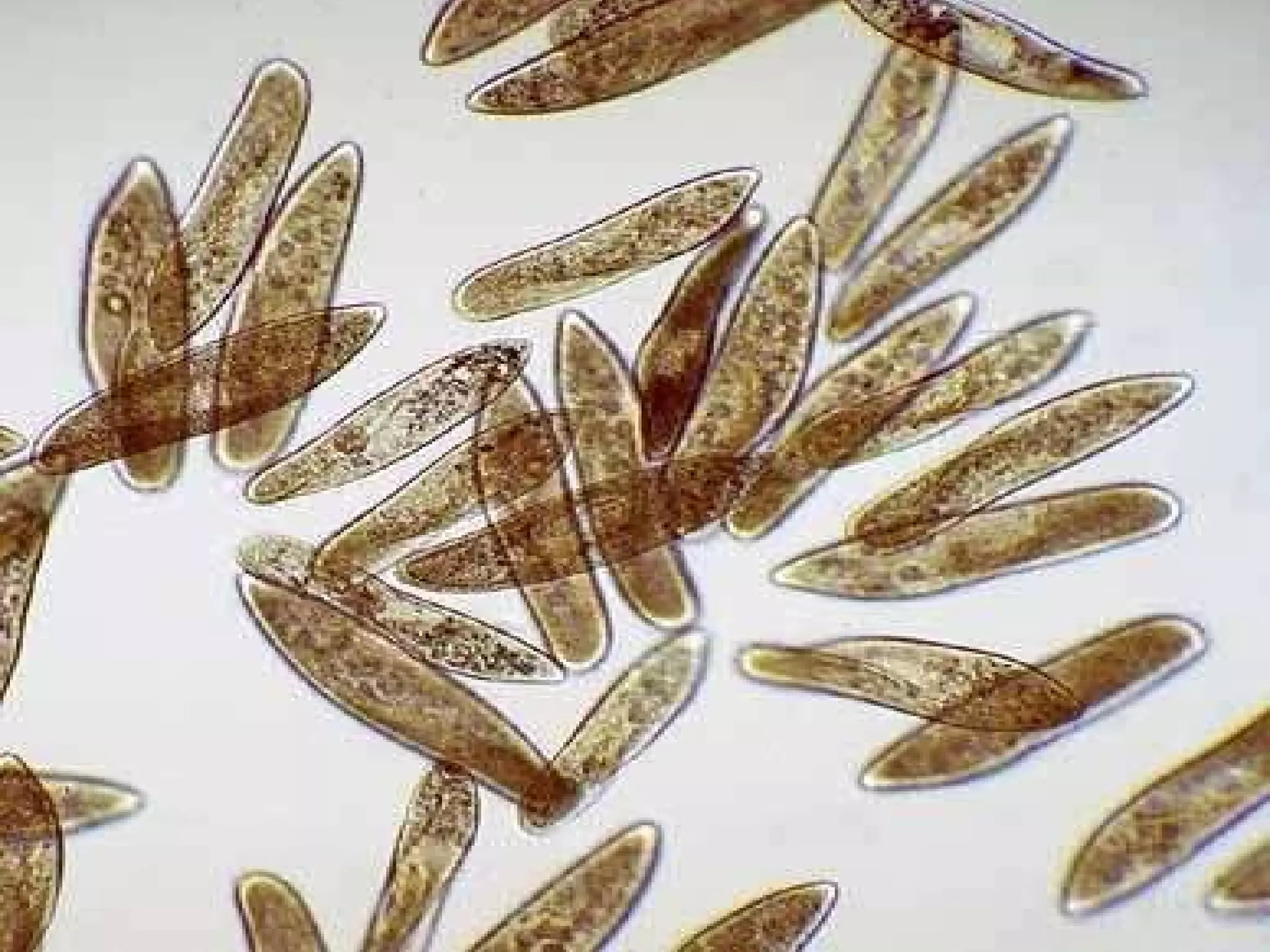
Ciliates : the hairy ones Move beating tiny hairs called  cilia


Sporazoans : the parasite Non-motile  - Do not move Live inside a  host One type causes  malaria
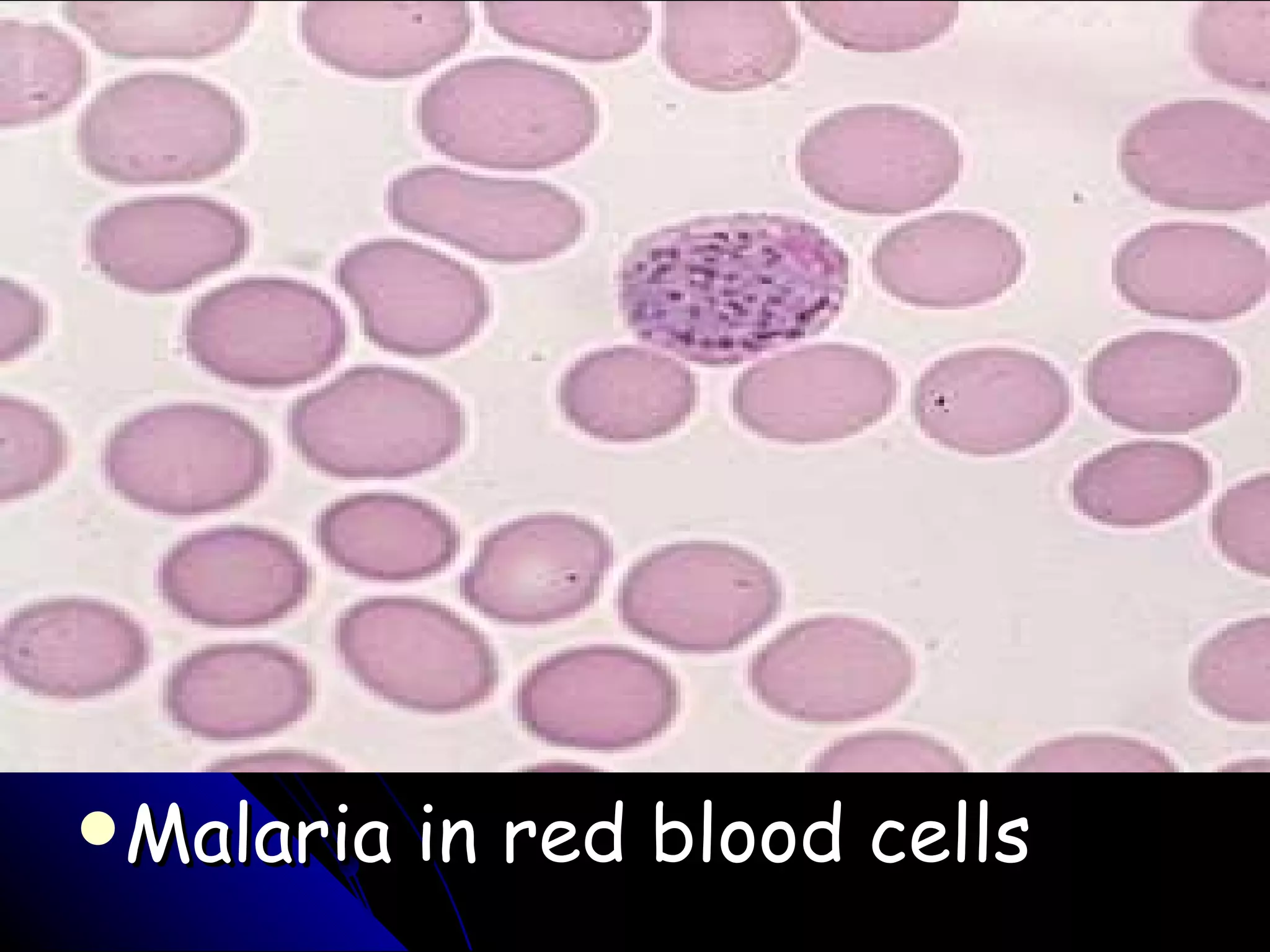
Malaria in red blood cells
Pneumonia in aids patients
Algae Plantlike Protists
What are Algae? Multicellular  – made of more than one cell Photosynthetic  – make their own food No roots, stems, or leaves Each has  chlorophyll   and other  photosynthetic pigments
Phyla  of Algae Euglenoids Diatoms Dinoflagellates Red, Brown, & Green Algae
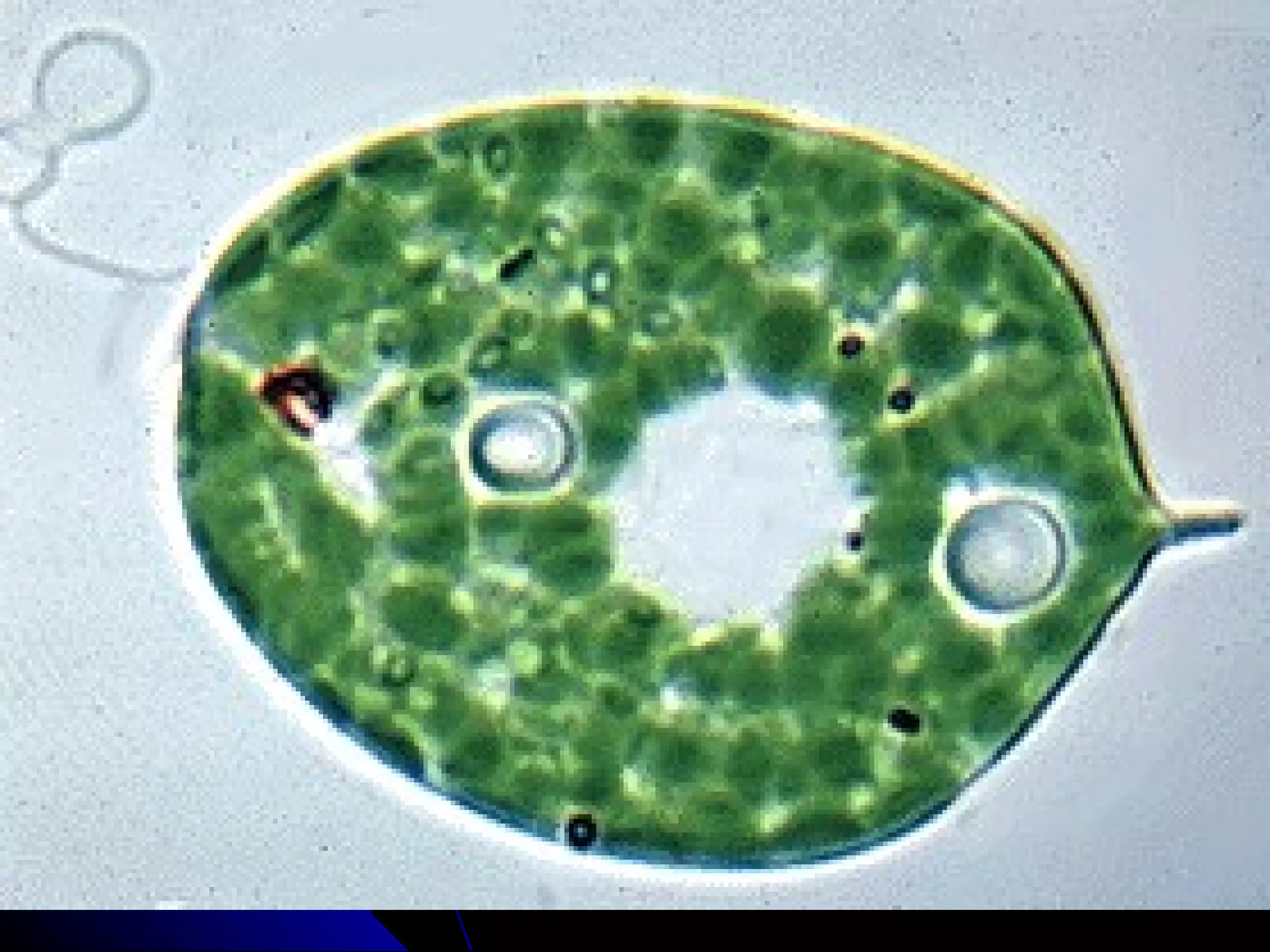
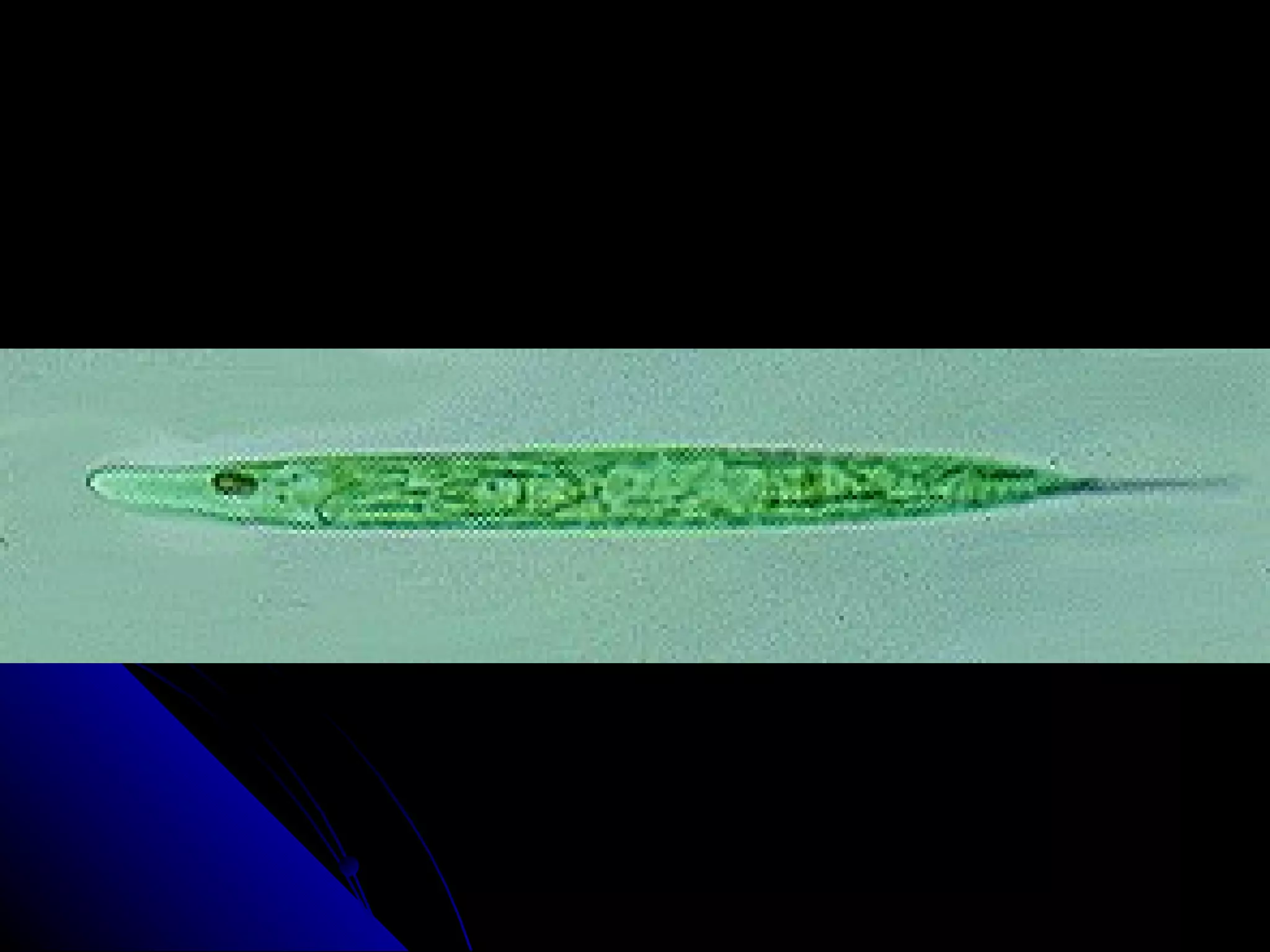
Euglenoids : The Survivors Aquatic Move around like animals Can ingest food from surroundings when light is not available
 
 
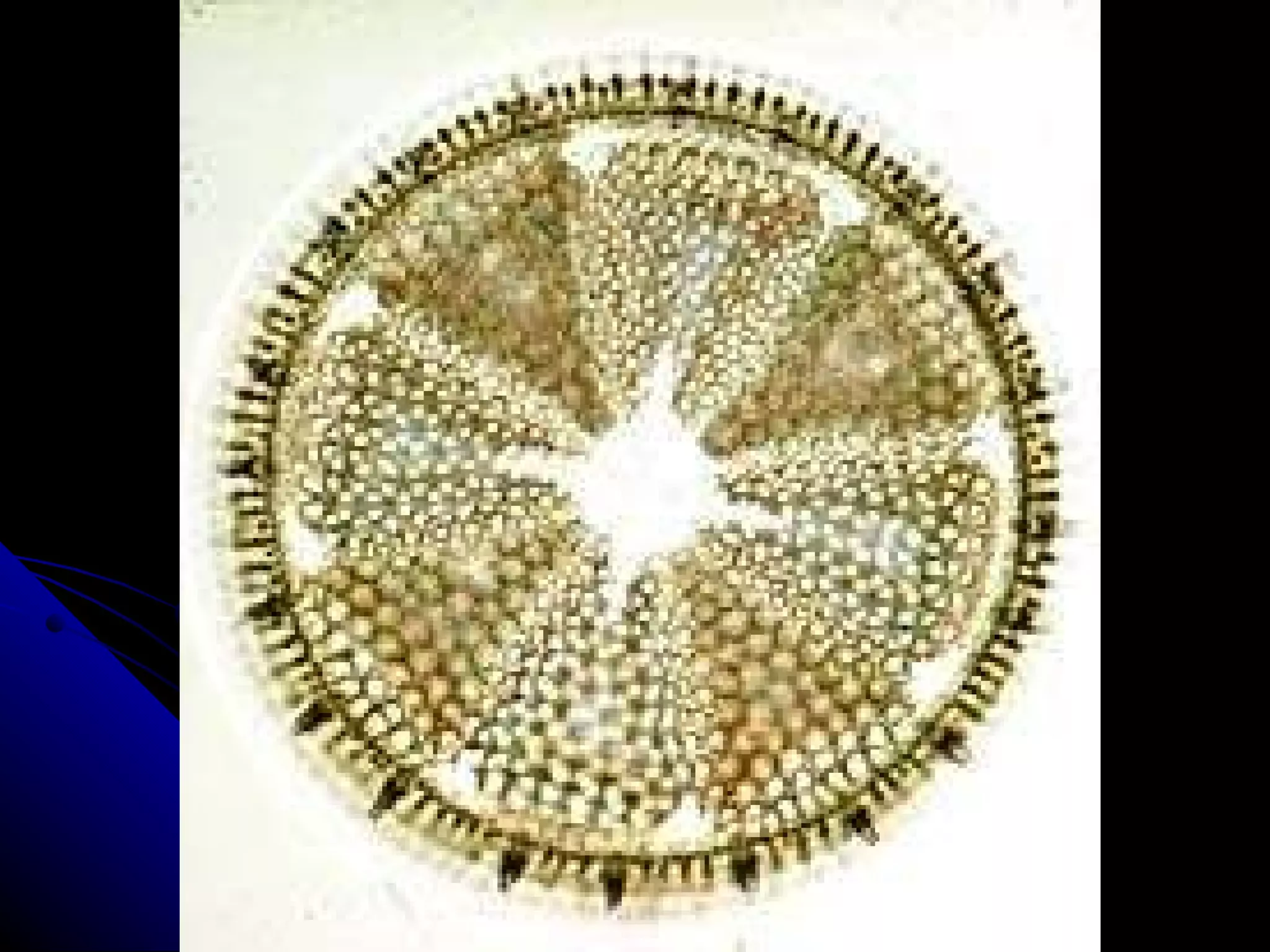
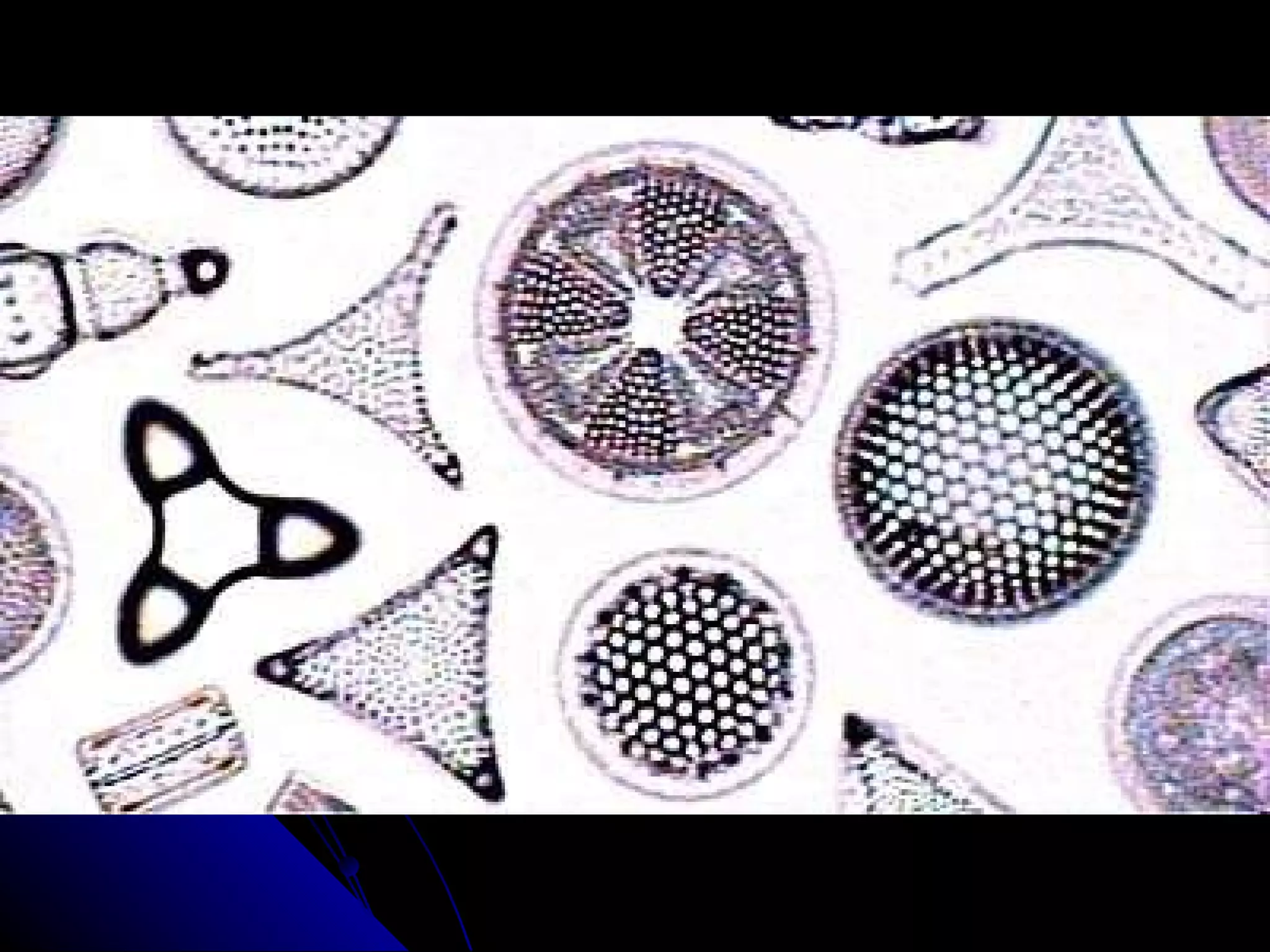
Diatoms : The Golden Ones Have shells made of silica (glass) Photosynthetic pigment called  carotenoids  – give them a golden color
 
 
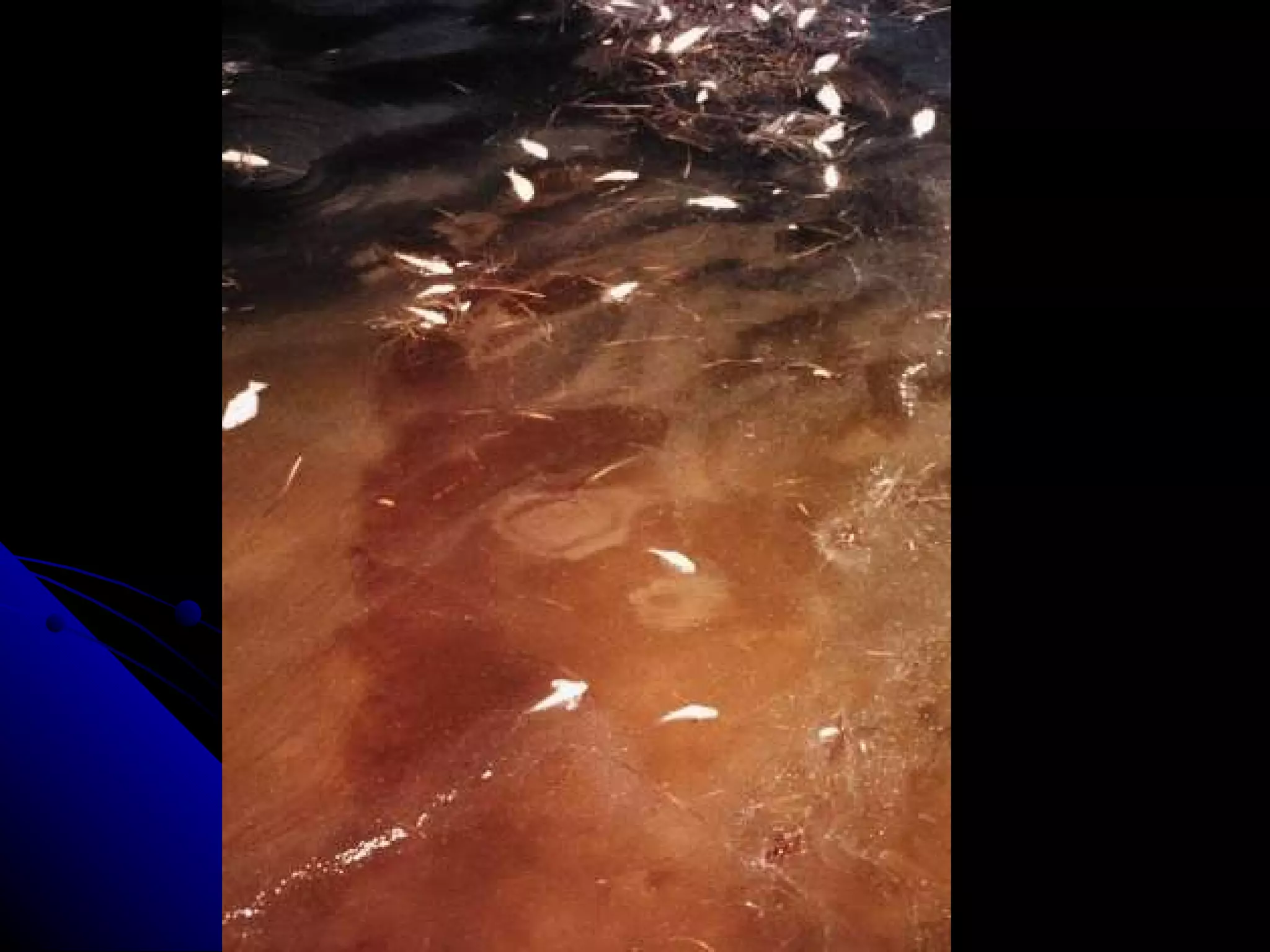
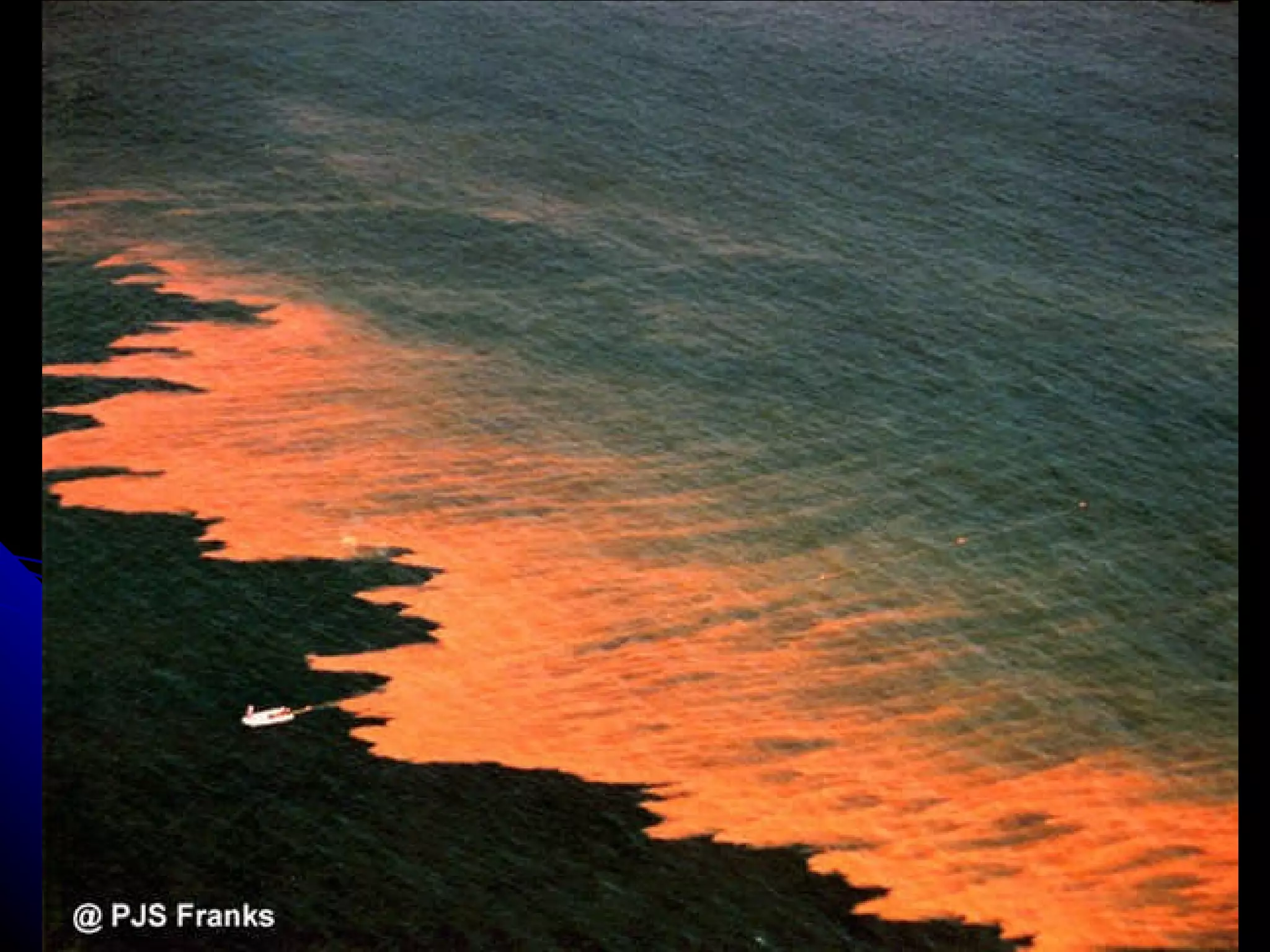
Dinoflagellates : The Spinning Ones Spin around using two flagella Responsible for Red Tides Create toxins that can kill animals and sometimes people


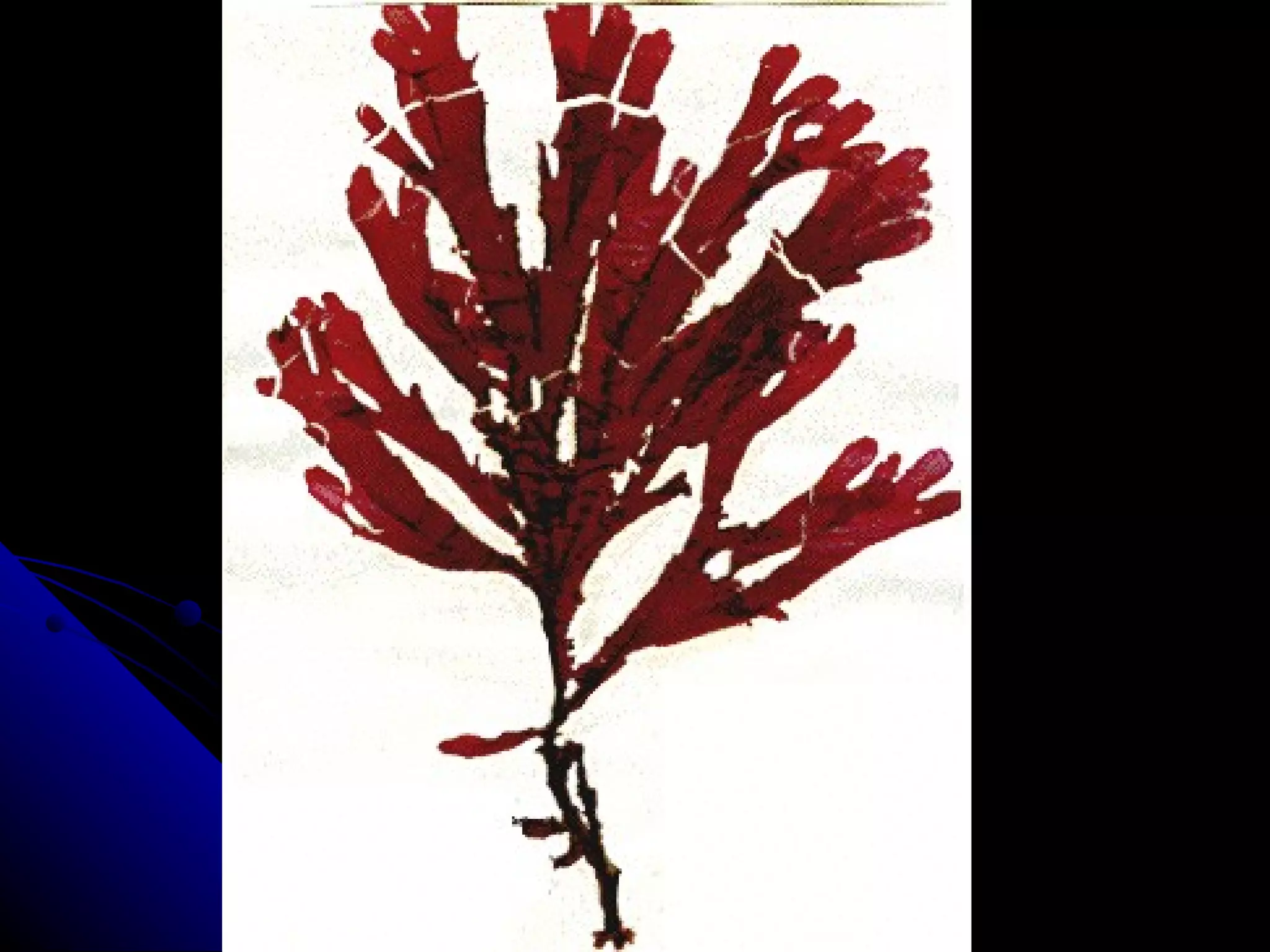
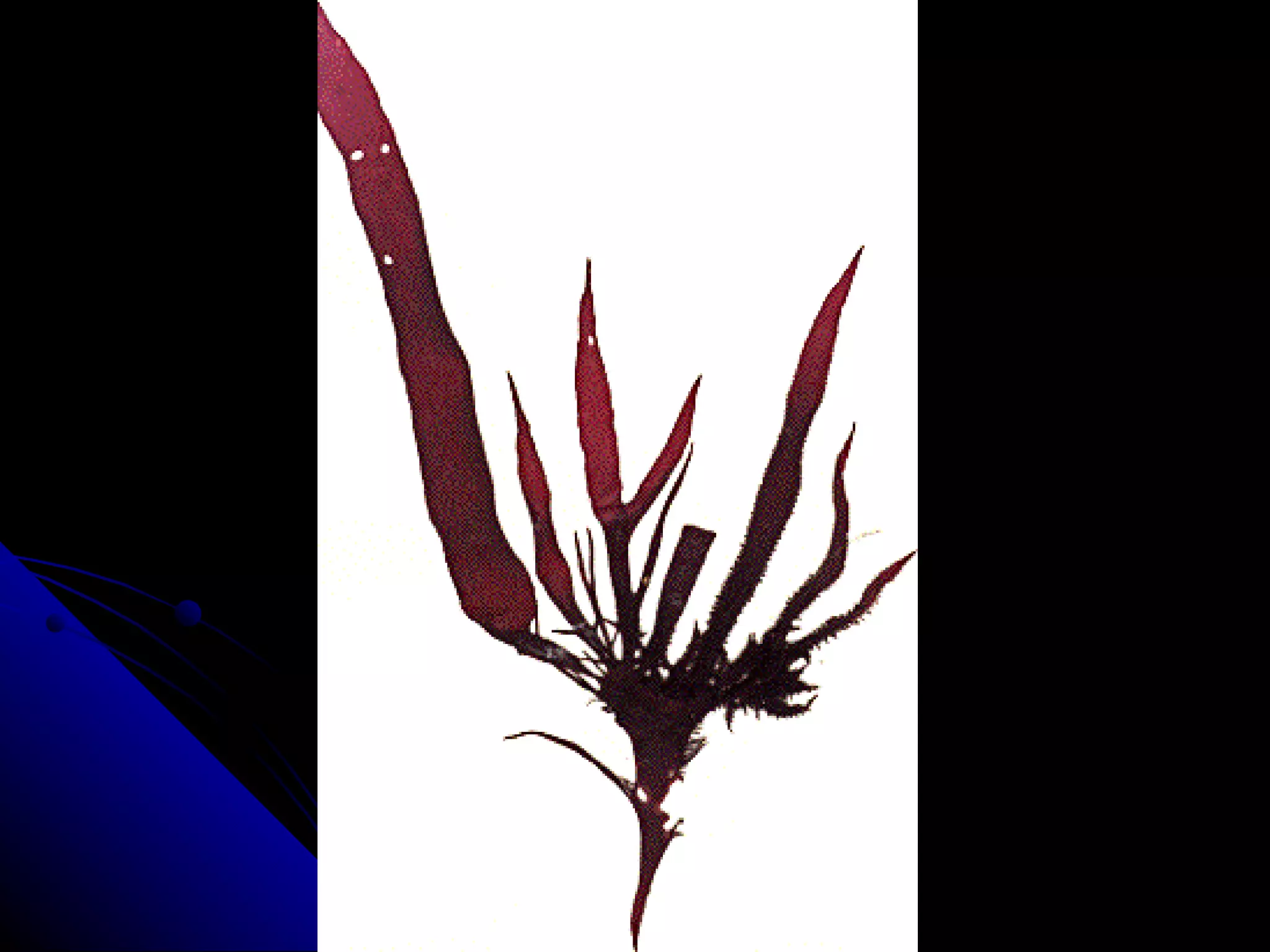
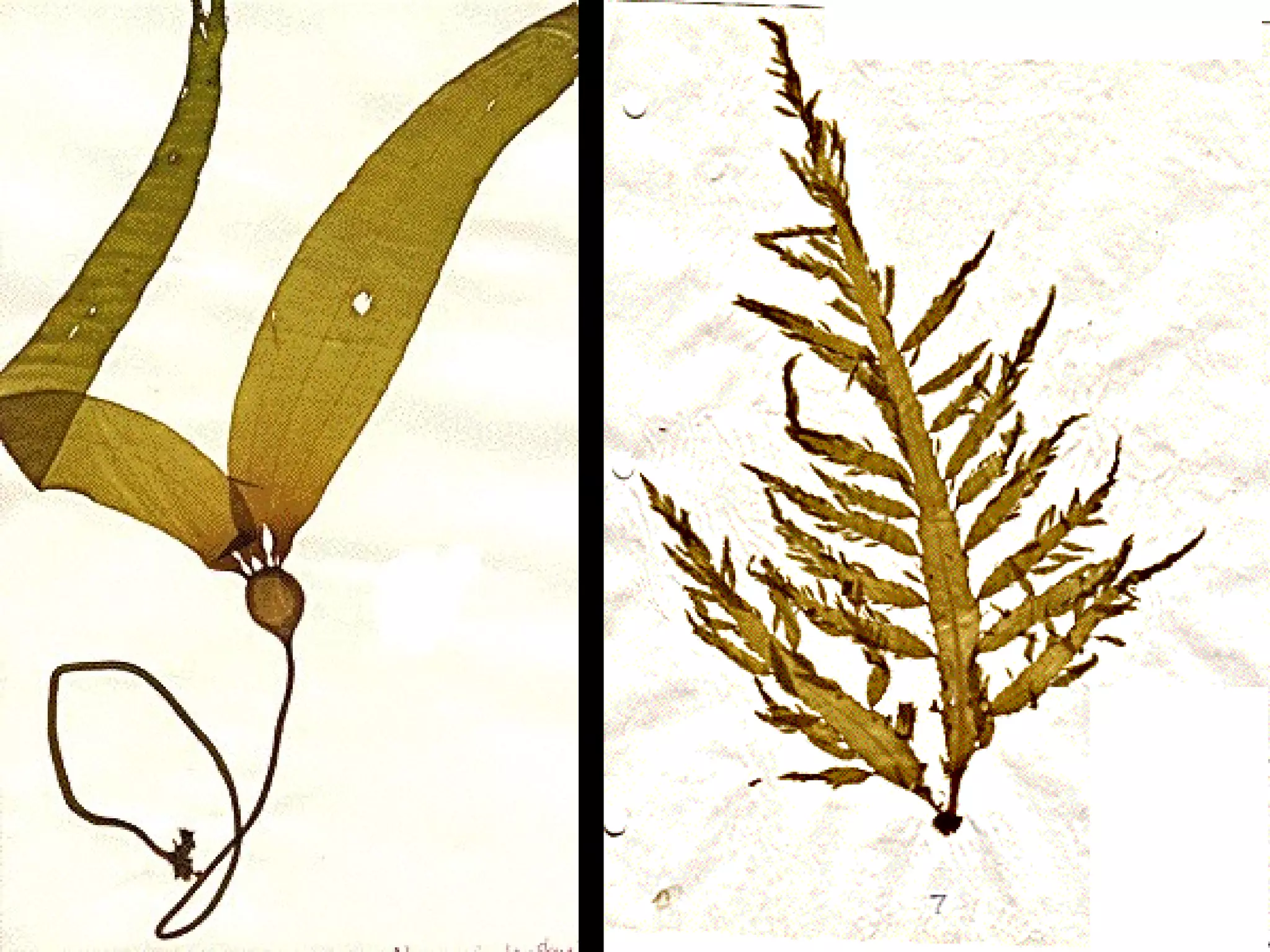
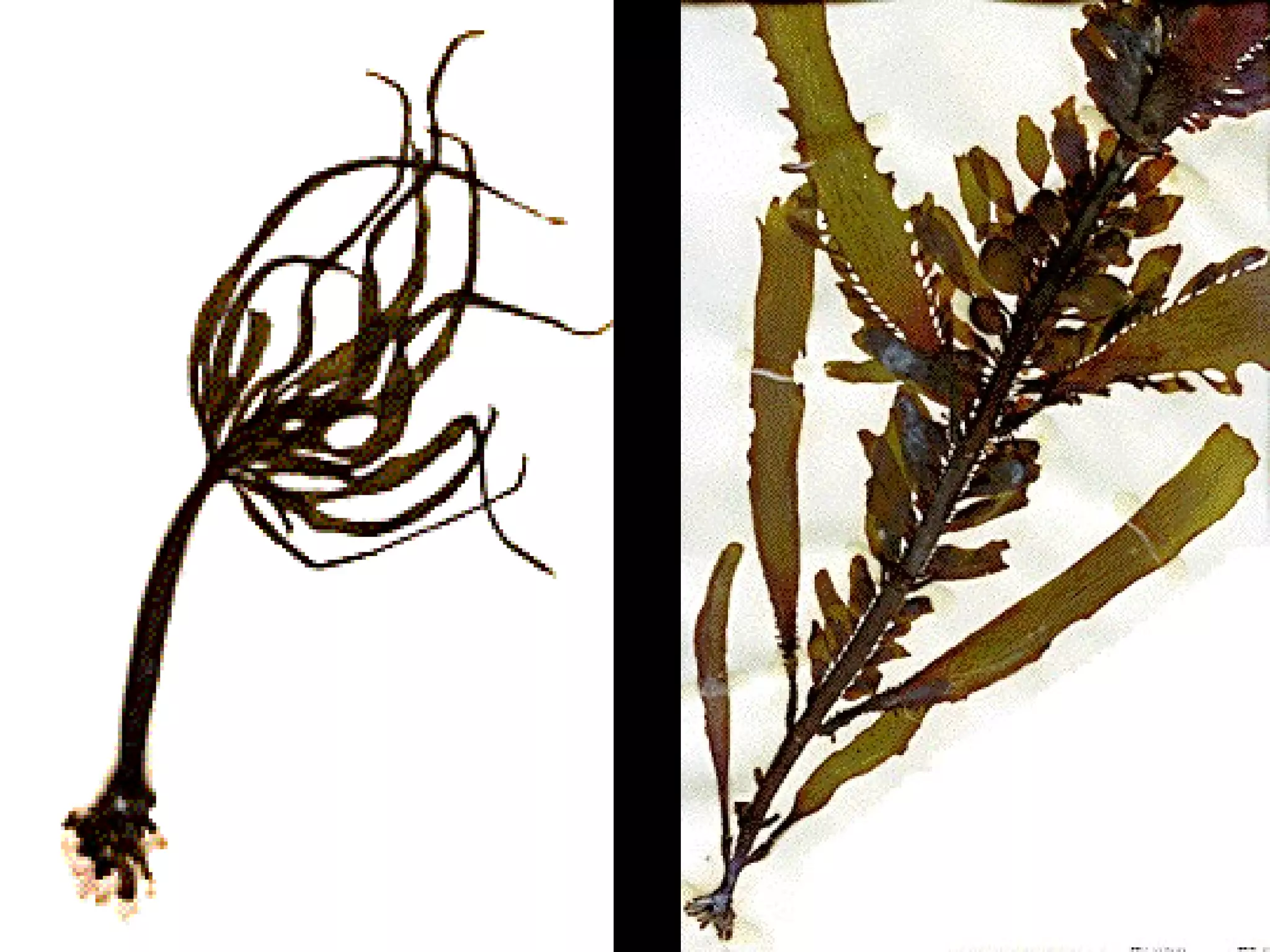
Red Algae :  The…uh…Red Ones (duh) Seaweeds Multicellular, marine organisms Have red and blue pigments
 
 
Brown Algae :  The Brown Ones  (You think?) They have  air bladders  to help them float at the surface – where the light is.
 
 
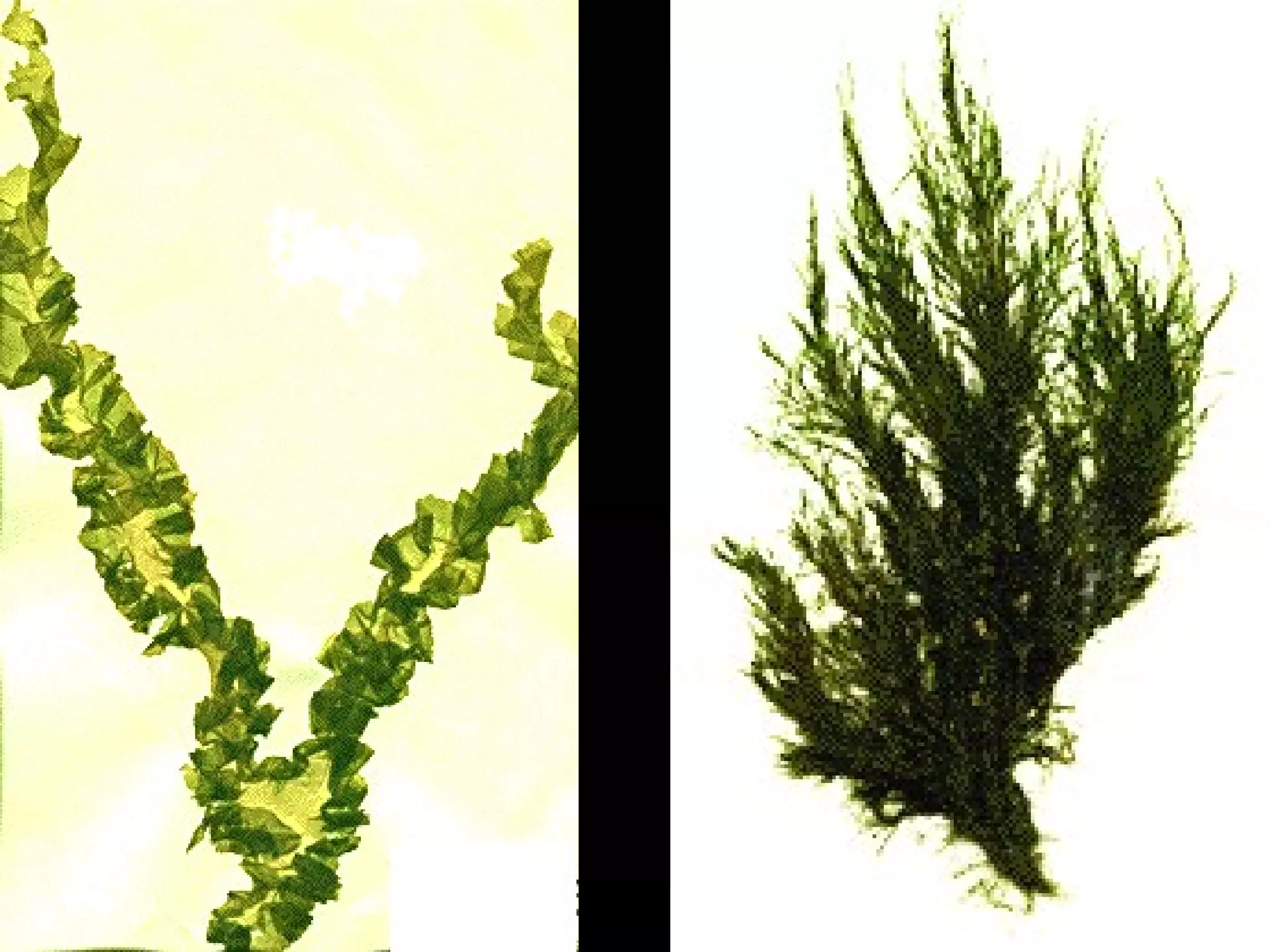
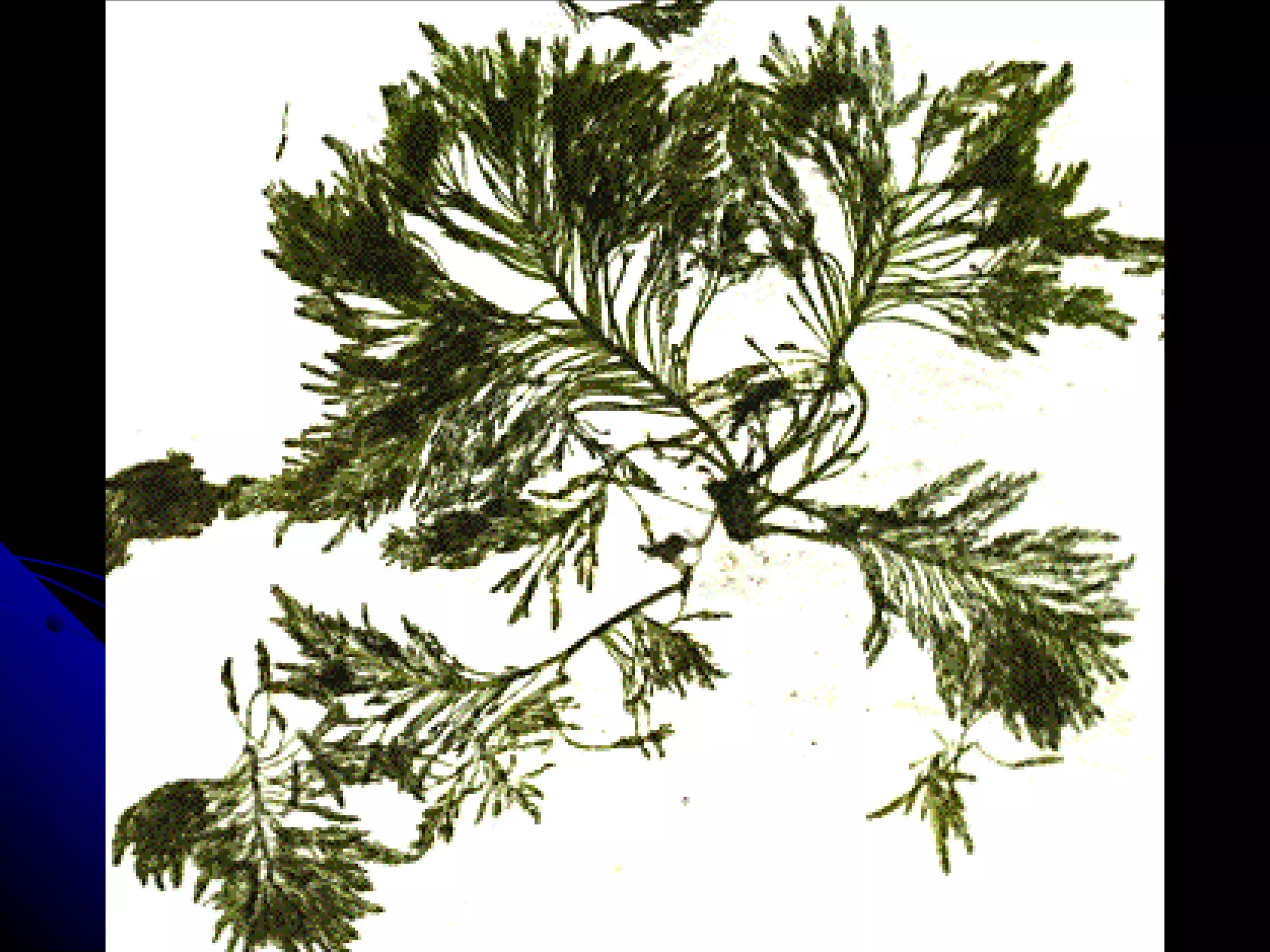
Green Algae :  Yeah, You Guessed it,  The Green Ones Most live in  fresh water Can be unicellular or multicellular Live alone or in groups called  colonies
 
 
Fungus-like Protists
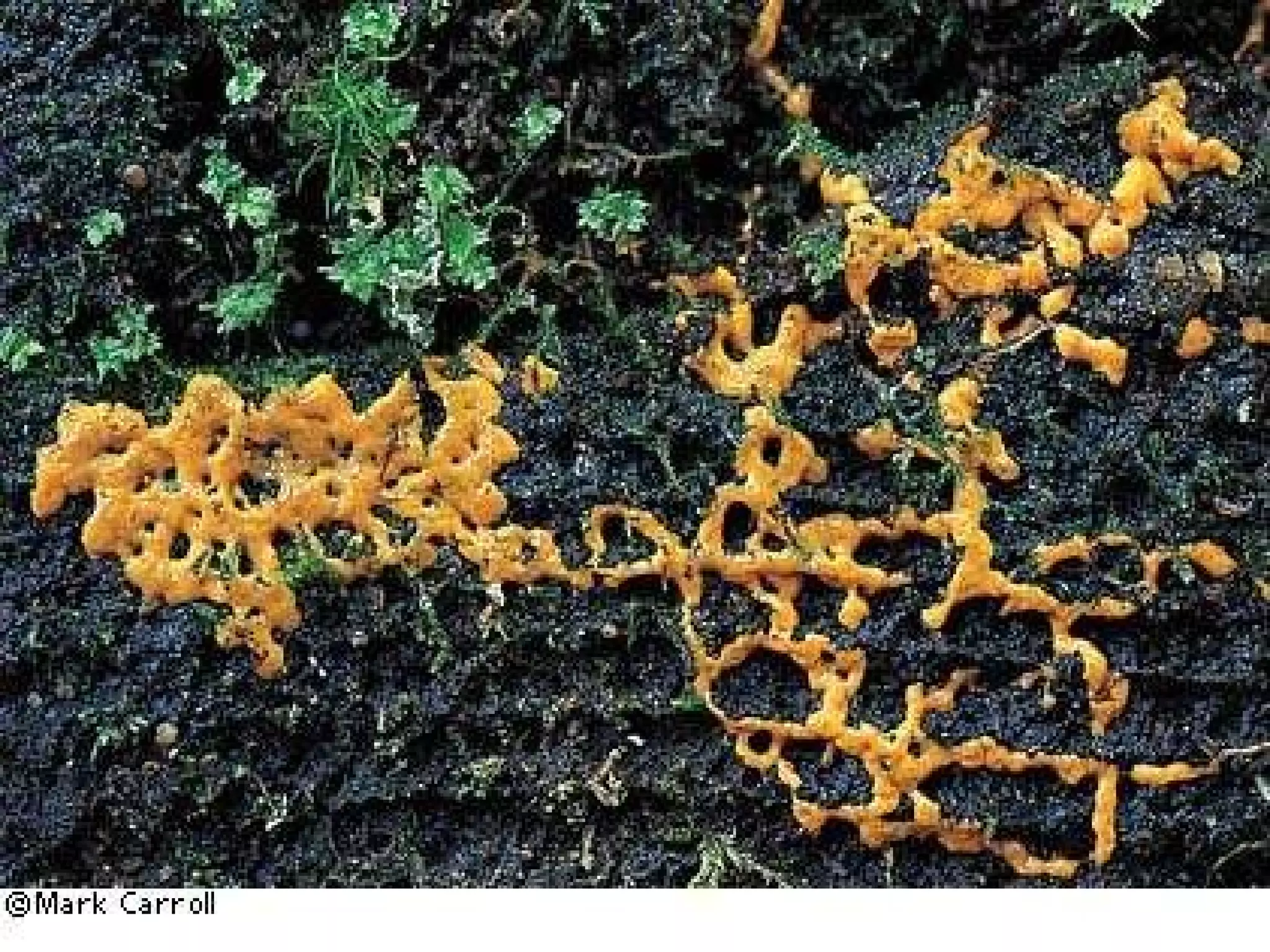
Characteristics in Common All form delicate, netlike structures on the surface of their food source Obtain energy by decomposing organic material
 
Phyla of Fungus-like Protists Plasmodium Slime Molds Cellular Slime Molds Water Molds & Downy Mildews
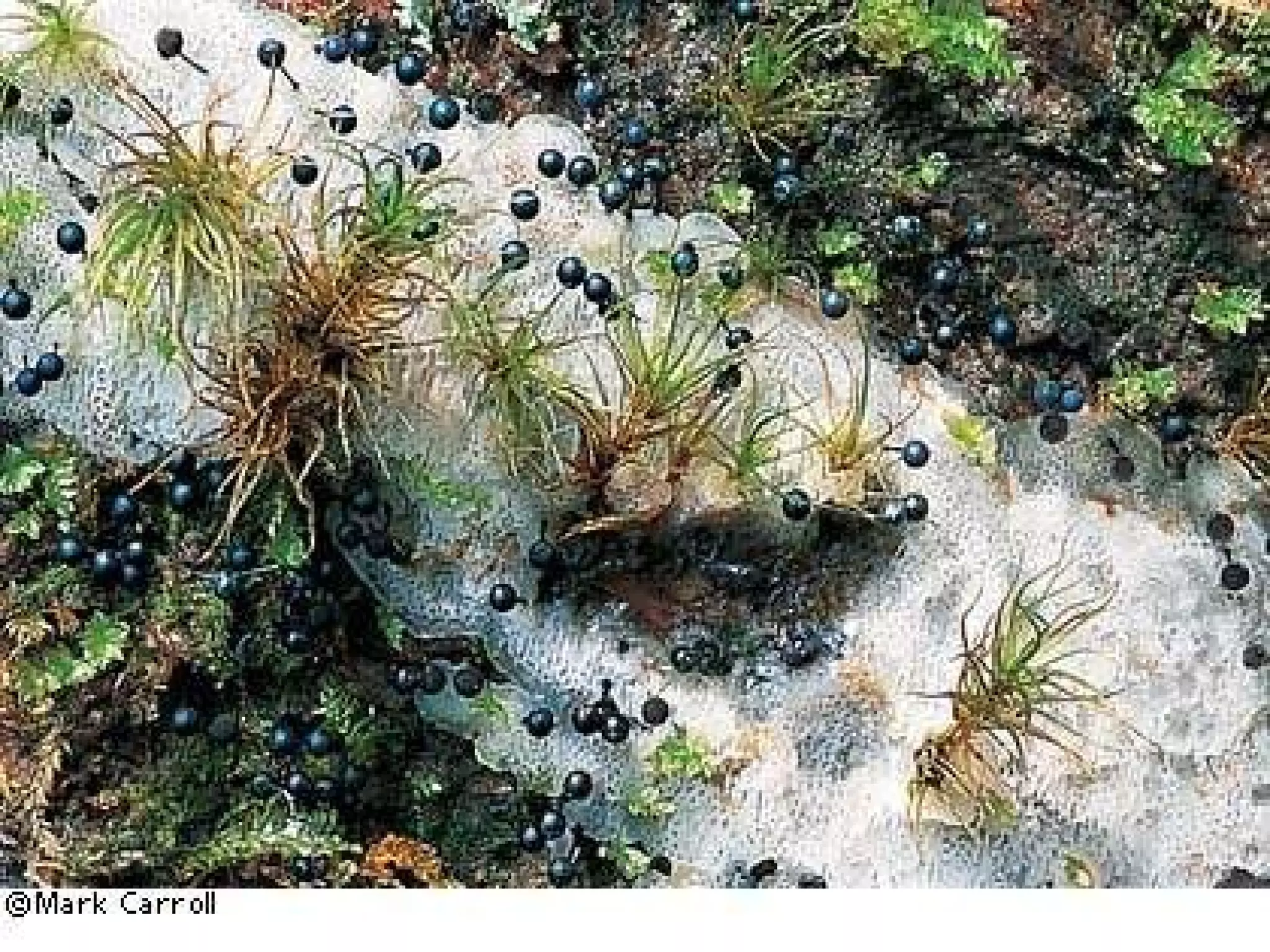
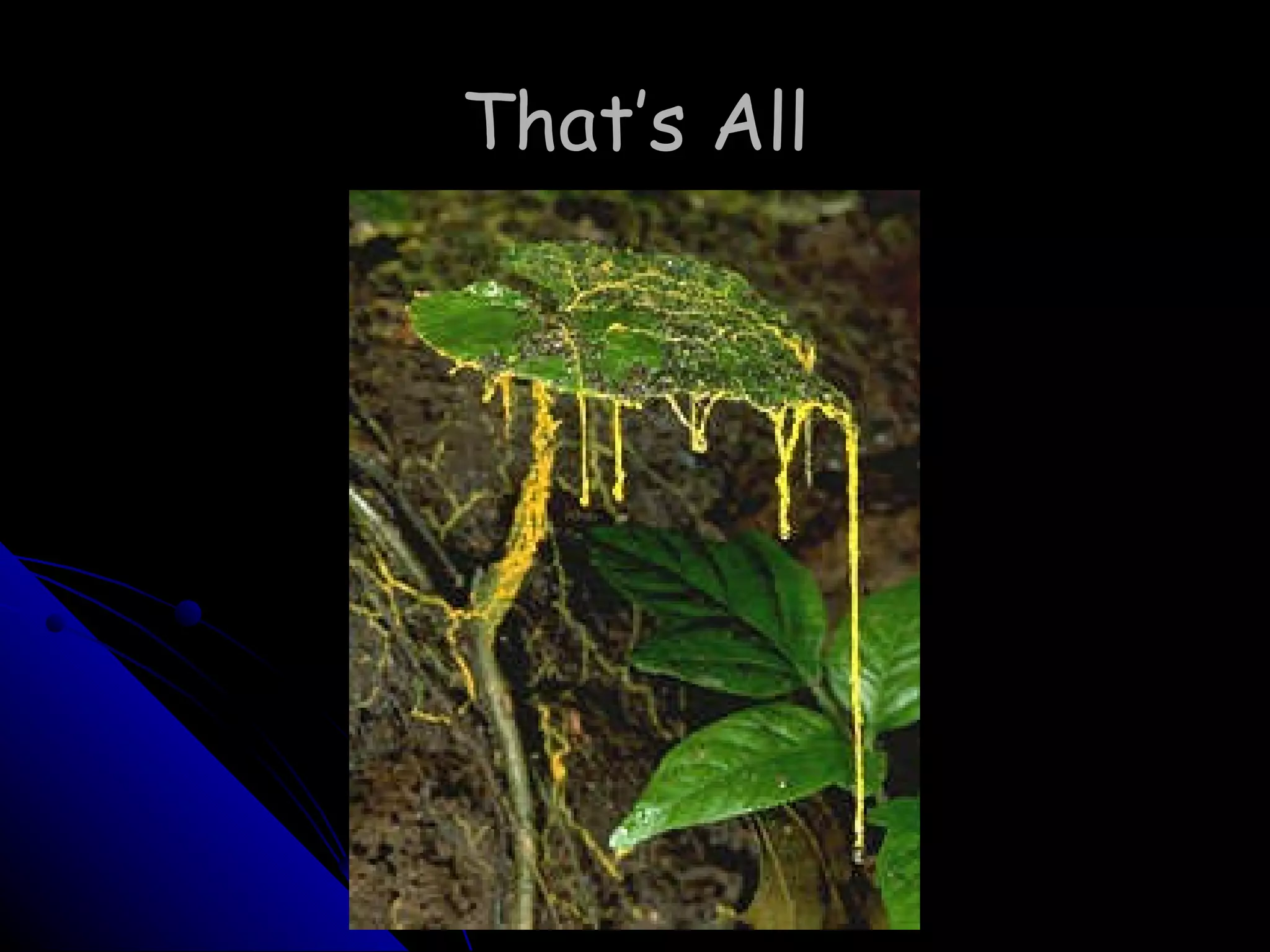
Slime Molds Live in cool moist, shady places where they grow on damp, organic matter
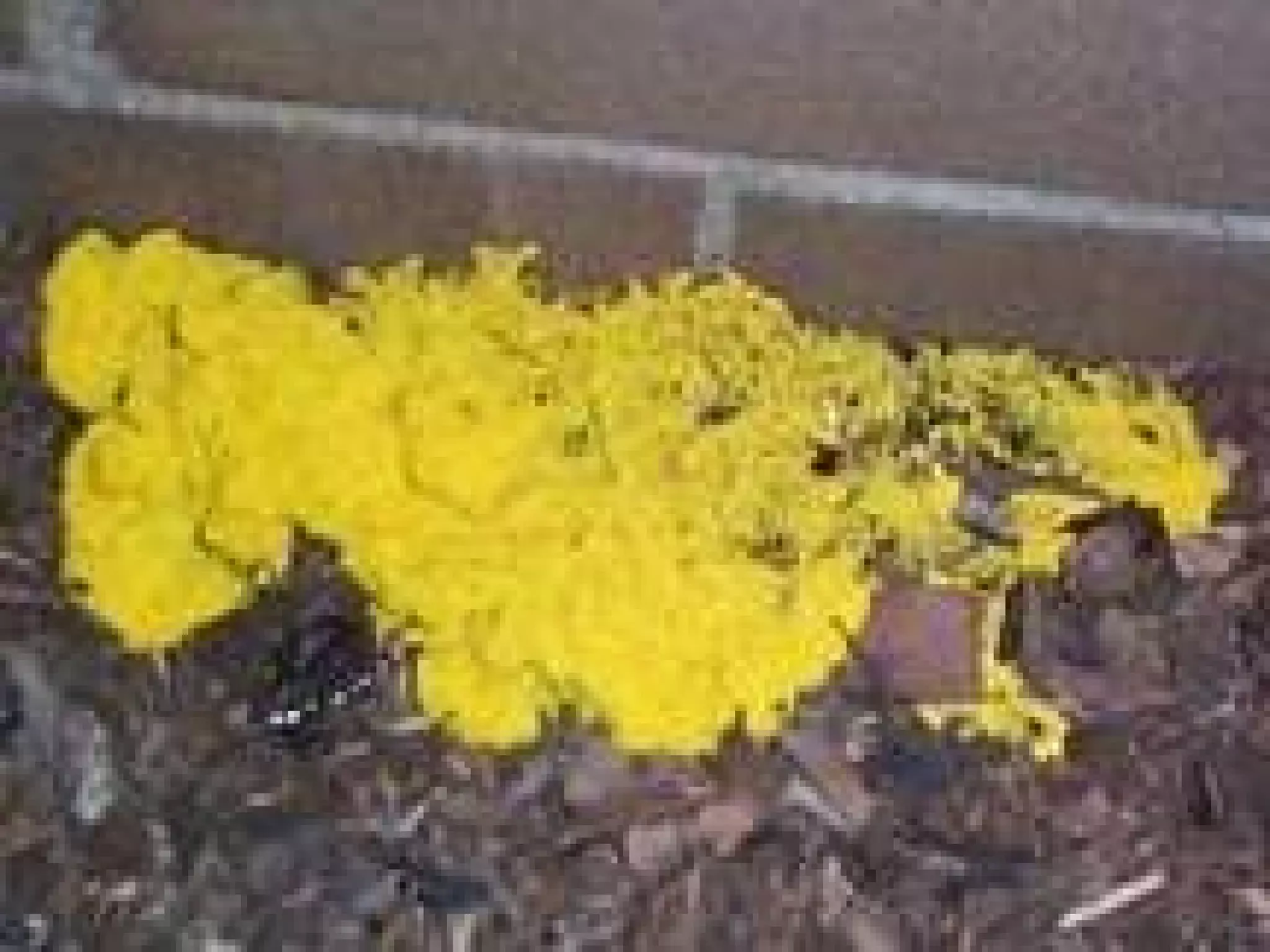
Plasmodium Slime Molds Form  plasmodium : a mass of cytoplasm that contains many diploid nuclei but no cell walls or membranes –  its feeding stage Creeps by amoeboid movement – 2.5 cm/hour
Plasmodium continued… May reach more than a meter in diameter Form reproductive structures when surroundings dry up Spores  are dispersed by the wind and grow into new plasmodium
 
 
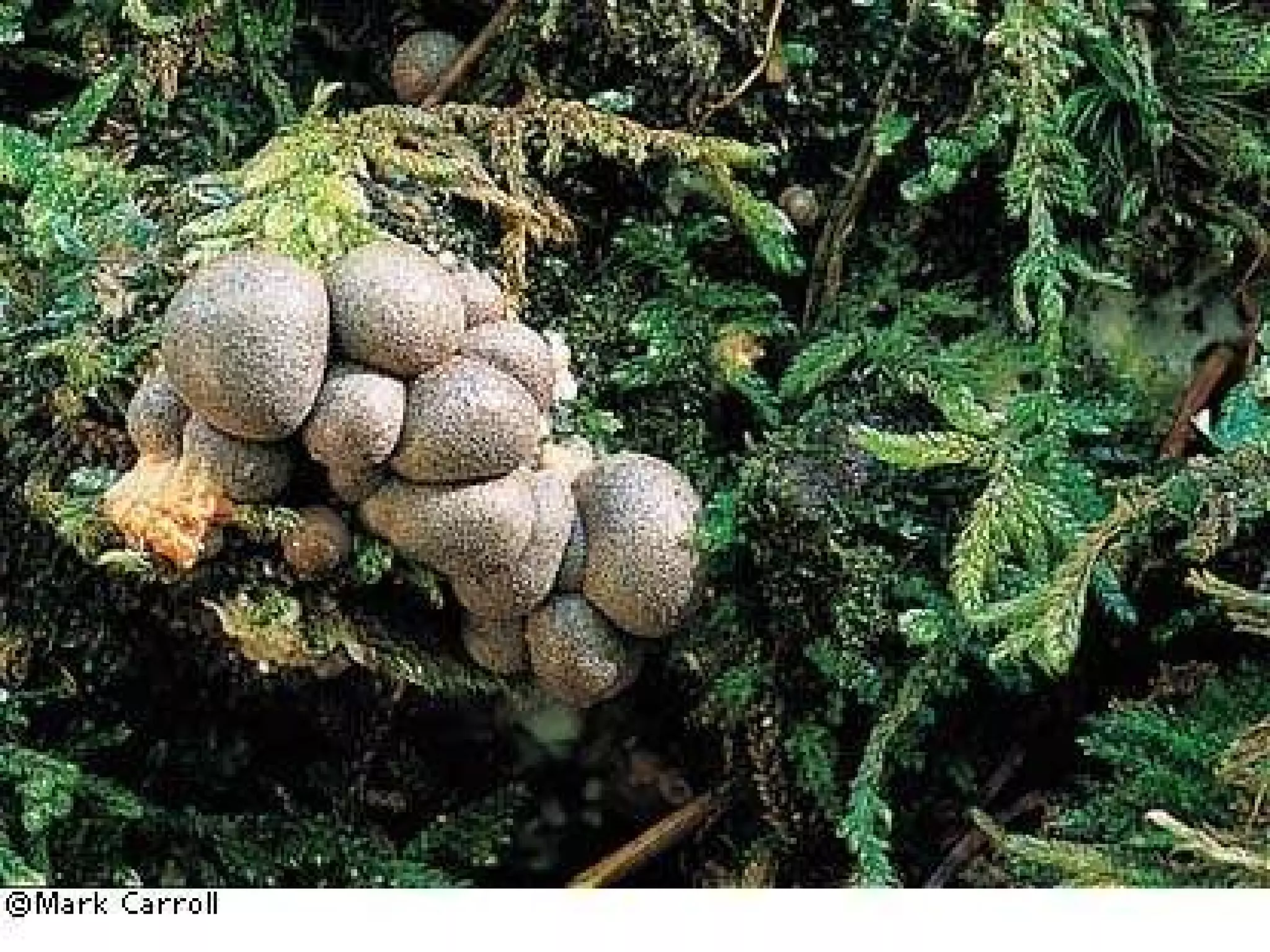
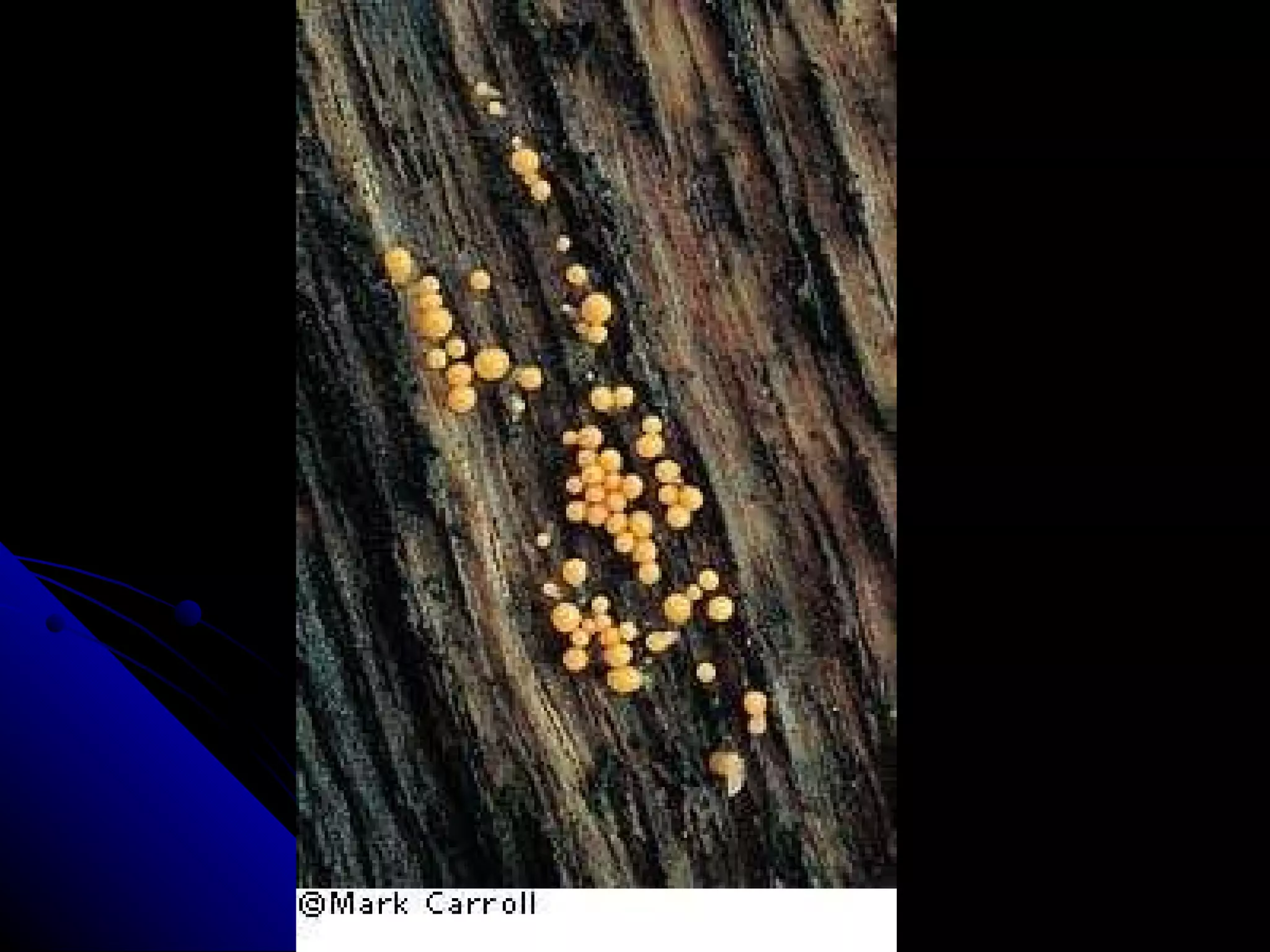
Cellular Slime Molds In feeding mode, they exist as individual amoebic cells When food becomes scarce, they come together with thousands of their own kind to reproduce May look like a plasmodium


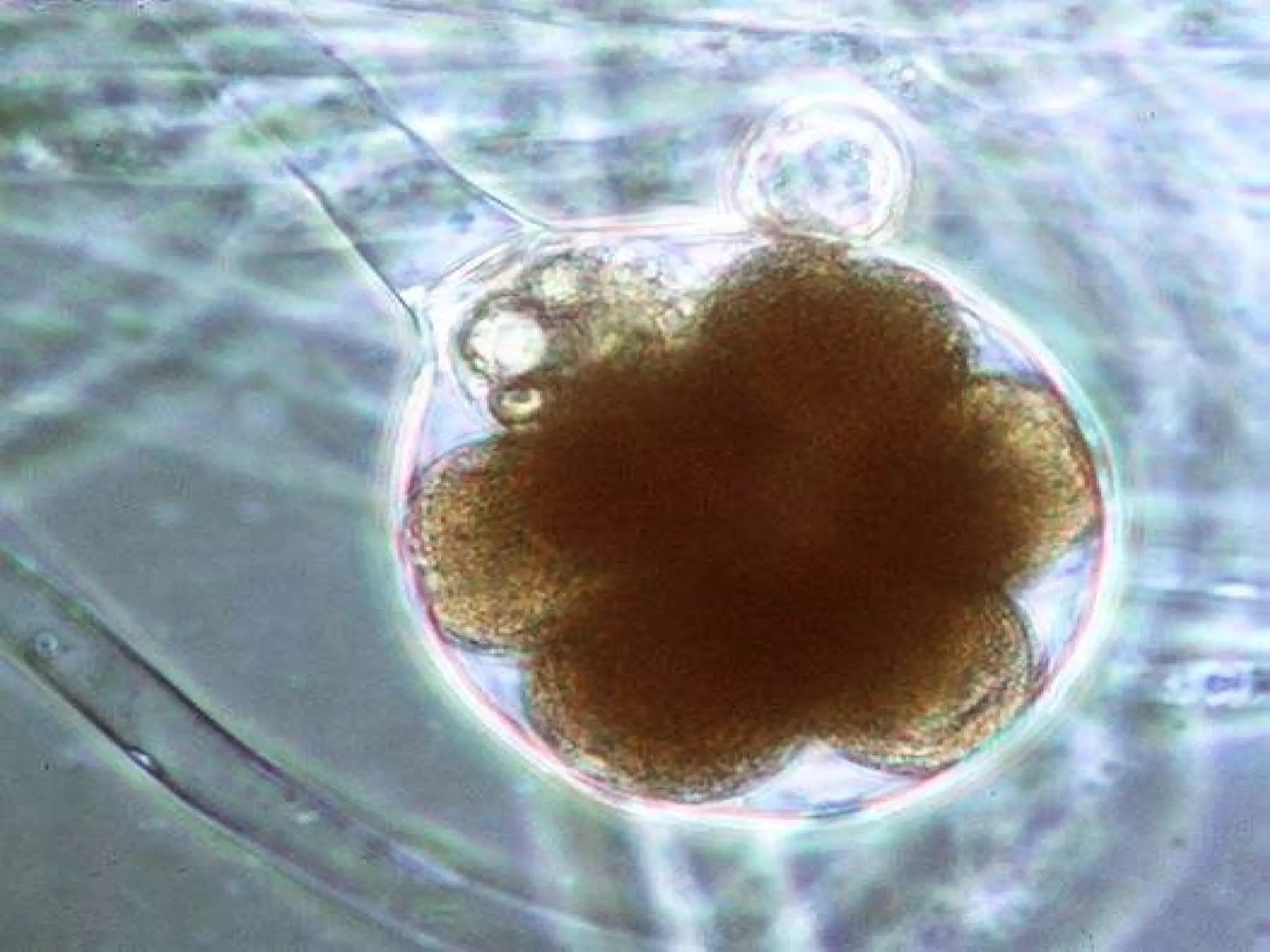
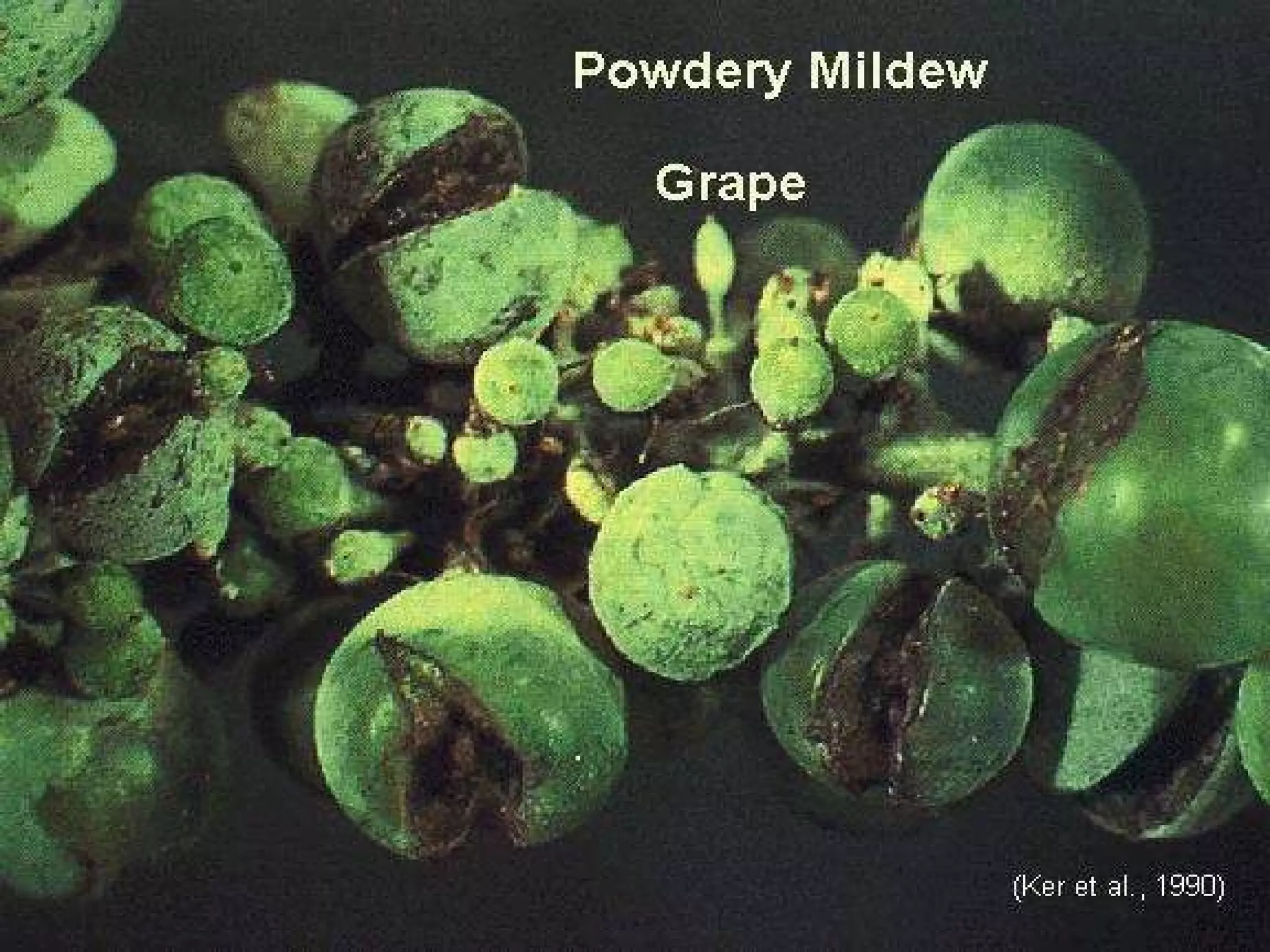
Water Molds and Downy Mildews Live in water or moist places Feed on dead organisms or parasitize plants Fuzzy white growths
 
 
That’s All

Protists types

  • 1.
    Protists The worldof Protists: Animal-like Protists Plant-like Protists Fungus-like Protists
  • 2.
    The endosymbiotictheory states that some eukaryotic organelles evolved from prokaryotes. For example, the mitochondrion, chloroplast, and other plastids originated as prokaryotic cells that came to reside within a host cell. They enabled the host cell to use sunlight as an energy source (the chloroplast) and use aerobic cellular respiration (the mitochondrion). In return, the host cell provided the necessary nutrients, a stable chemical environment, and protection. Evolutionary change eventually resulted in this relationship being obligate. Below: Heterotrophic prokaryotes that engulfed (or became infected by) photosynthetic prokaryotes were able to benefit by using the sugars produced using solar energy. The prokaryotes benefited by receiving necessary nutrients from their host cell. The chloroplast and other plastids evolved from this photosynthetic endosymbiont.
  • 3.
    Protist Diversity 200,000species come in different shapes, sizes, and colors All are eukaryotes – have a nucleus and membrane-bound organelles
  • 4.
  • 5.
    Protozoans Unicellular – made up of one cell Heterotrophs – they eat other organisms or dead organic matter Classified by how they move
  • 6.
    Phyla ofProtozoans Amoebas Flagellates Ciliates Sporazoans
  • 7.
    Amoebas : theblobs No cell wall Move using pseudopods – plasma extensions Engulf bits of food by flowing around and over them
  • 8.
  • 9.
  • 10.
  • 11.
    Flagellates : themotorboats Use a whip-like extension called a flagella to move Some cause diseases
  • 12.
    Trichomonas foetus : cow disease
  • 13.
  • 14.
    Ciliates : thehairy ones Move beating tiny hairs called cilia
  • 15.
  • 16.
  • 17.
  • 18.
    Sporazoans : theparasite Non-motile - Do not move Live inside a host One type causes malaria
  • 19.
    Malaria in redblood cells
  • 20.
  • 21.
  • 22.
    What are Algae?Multicellular – made of more than one cell Photosynthetic – make their own food No roots, stems, or leaves Each has chlorophyll and other photosynthetic pigments
  • 23.
    Phyla ofAlgae Euglenoids Diatoms Dinoflagellates Red, Brown, & Green Algae
  • 24.
    Euglenoids : TheSurvivors Aquatic Move around like animals Can ingest food from surroundings when light is not available
  • 25.
  • 26.
  • 27.
    Diatoms : TheGolden Ones Have shells made of silica (glass) Photosynthetic pigment called carotenoids – give them a golden color
  • 28.
  • 29.
  • 30.
    Dinoflagellates : TheSpinning Ones Spin around using two flagella Responsible for Red Tides Create toxins that can kill animals and sometimes people
  • 31.
  • 32.
  • 33.
  • 34.
    Red Algae : The…uh…Red Ones (duh) Seaweeds Multicellular, marine organisms Have red and blue pigments
  • 35.
  • 36.
  • 37.
    Brown Algae : The Brown Ones (You think?) They have air bladders to help them float at the surface – where the light is.
  • 38.
  • 39.
  • 40.
    Green Algae : Yeah, You Guessed it, The Green Ones Most live in fresh water Can be unicellular or multicellular Live alone or in groups called colonies
  • 41.
  • 42.
  • 43.
  • 44.
    Characteristics in CommonAll form delicate, netlike structures on the surface of their food source Obtain energy by decomposing organic material
  • 45.
  • 46.
    Phyla of Fungus-likeProtists Plasmodium Slime Molds Cellular Slime Molds Water Molds & Downy Mildews
  • 47.
    Slime Molds Livein cool moist, shady places where they grow on damp, organic matter
  • 48.
    Plasmodium Slime MoldsForm plasmodium : a mass of cytoplasm that contains many diploid nuclei but no cell walls or membranes – its feeding stage Creeps by amoeboid movement – 2.5 cm/hour
  • 49.
    Plasmodium continued… Mayreach more than a meter in diameter Form reproductive structures when surroundings dry up Spores are dispersed by the wind and grow into new plasmodium
  • 50.
  • 51.
  • 52.
    Cellular Slime MoldsIn feeding mode, they exist as individual amoebic cells When food becomes scarce, they come together with thousands of their own kind to reproduce May look like a plasmodium
  • 53.
  • 54.
  • 55.
  • 56.
    Water Molds andDowny Mildews Live in water or moist places Feed on dead organisms or parasitize plants Fuzzy white growths
  • 57.
  • 58.
  • 59.