PROMOTIONAL MIX
 Promotion is one of the four elements of marketing
mix (product, price, promotion, place).
 It is the communication link between sellers and
buyers for the purpose of influencing, informing, or
persuading a potential buyer's purchasing decision
 Above the line promotion: Promotion in mass
media. TV, radio, newspapers, internet, mobile
phones.
 Below the line promotion: All other promotion.
sponsorship, product placement, testimonials, sales
promotion, merchandising, direct mail, personal
selling, public relations, trade shows
 The specification of five elements creates
a promotional mix or promotional plan. These
elements are personal selling, advertising, sales
promotion, direct marketing, and publicity
 A promotional mix specifies how much attention to
pay to each of the five subcategories, and how
much money to budget for each.
 A promotional plan can have a wide range of
objectives,
 sales increases, new product acceptance, creation
of brand equity, positioning, competitive advantage,
or creation of a corporate image.
 Fundamentally, there are three basic objectives of
promotion.
 To present information to consumers as well as
others
 To increase demand
 To differentiate a product.
FACTORS INFLUENCING PROMOTION MIX.
 Nature of the product.
 Marketing strategy.(push or pull).
 Buyer readiness stage.
 Product life cycle stage.
SALES PROMOTION.
 Sales promotion is one of the four aspects
of promotional mix.
 Media and non-media marketing communication
are employed for a pre-determined, limited time to
increase consumer demand, stimulate market
demand or improve product availability.
 Collectively comprises the tools used to promote
sales in a specific territory and time.
 They are short-term in nature, and are designed
stimulate quick sales.
 Sales promotions can be directed at either
the customer, sales staff, or distribution channel
members (such as retailers).
 Sales promotions targeted at the consumer are
called consumer sales promotions.
 Sales promotions targeted at retailers
and wholesalers are called trade sales
promotions.
OBJECTIVES AND TYPES OF SALES
PROMOTION.
 Generate consumer interest(which finally reach to
trial).
 Methods- coupons, discount sales, free
samples,contests,demonsrations(in-store).
 Dabbawala- Mangofillz
 Generate enquiry from the target customer group.
 Methods- gifts, mail-in
coupons,catalougue,brochures.
 Hotels,asian paints,
 Build consumer traffic.
 Methods-special events, festival sales, annual
sales.
 Big-bazzar Wednesday bazzar, year end sale.
 Motivate customers to repeat purchase.
 Methods-on pack coupons, continuity promotions,
loyalty cards.
 Manorama sammana varsham-a game for readers
,vanitha-aiswaryolsavam
 Increasing rates of purchase or usage.
 Methods-multi pack, special rate for more than one,
new usage situations.
 Other methods.
 Price deal: A temporary reduction in the price, such
as happy hour. Free-standing insert (FSI): A coupon
booklet is inserted into the local newspaper for
delivery.
 On-shelf couponing: Coupons are present at the
shelf where the product is available.
 Checkout dispensers: On checkout the customer is
given a coupon based on products purchased.
 On-line couponing: Coupons are available online.
Consumers print them out and take them to the
store.
 Mobile couponing: Coupons are available on a
mobile phone. Consumers show the offer on a
mobile phone to a salesperson for redemption.
 Online interactive promotion game: Consumers
play an interactive game associated with the
promoted product. Interactive Internet Ad for tomato
ketchup.
 Point of displays.
TRADE PROMOTION.
 Trade allowances: short term incentive offered to induce
a retailer to stock up on a product.
 Dealer loader: An incentive given to induce a retailer to
purchase and display a product.
 Trade contest: A contest to reward retailers that sell the
most product.
 Point-of-purchase displays: Used to create the urge of
"impulse" buying and selling your product on the spot.
 Training programs: dealer employees are trained in
selling the product.
 Push money: also known as "spliffs". An extra
commission paid to retail employees to push products.
DISADVANTAGES OF SALES PROMOTION.
 Increased price sensitivity.
 Quality image may be affected.
 Merchandising support.
 Dealers will take up undue advantage.
 Short term sales orientation.
ADVERTISEMENT.
 It is any paid form of nonpersonal presentation of
ideas,goods,or services by an identified sponsor.
 It should be based on target market and buyer
motives.
 Five “M”s in advertising.
 Mission-objectives
 Money-budget
 Media-what media
 Message-what message
 Measurement-evaluation
SETTING THE OBJECTIVES(MISSION.)
 It should follow with the decisions of target market
and brand positioning.
 Objectives can be classified according to their aim.
 Informative.
 Aims to create brand awareness and knowledge of
new products or new features of existing products.
 Persuasive.
 Aims to create liking,preference,conviction,and
purchase of a product.
 Reminder.
 Repeat purchase of products and services.
 Re- inforcement
 Convince current purchasers that they made the
right decision.
DECIDING ON THE ADVERTISEMENT
BUDGET.(MONEY)
 How much a firm should spend on advertising its
brand?
 Percent of sales.
 Sales decides advertisement budget.
 Plc stages denies this method.
 Based on affordability.
 If something left after the entire expenses, it will be
allocated for the advertisement.
 Based on competitive parity.
 Follow the crowd method.
 Some firms may well utilize the situation.
 Difference in the firm size is another problem.
 Based on the objective and task.
 Most proactive approach.
 Decides the objective, plan the task, understand
cost and then decide the budget.
FACTORS AFFECTING BUDGET DECISIONS.
 Stage in the plc.
 Market share and consumer base.
 Competition and.
 Advertising frequency.
 Products substitutability.
DEVELOPING THE CAMPAIGN(MESSAGE).
 Message generation and evaluation.
 What the ad says?
 Evaluating the various messages and choosing
one.
 Creative development and execution.
 How the ad says?
 How it can be executed?
 Legal and social issues.
DECIDING ON MEDIA(MEDIA)
 Deciding on reach, frequency and impact.
 Media selection-is finding the most cost effective
media to deliver the desired number and type of
exposures to the target audience.
 Exposures-specified advertising objective and its
response from the target audience.
 Reach-the number of different persons or
households exposed to a particular media schedule
at least once during a specified time period.
 Frequency-the number of times within the specified

time period that an average person or household
exposed to the message.
 Impact-the qualitative value of an exposure through
a given medium.
 (automobile advertisement impact will be higher in
automobile magazines than in fashion magazines.)
 If the reach, frequency and impact is high the
advertisement will have an effectiveness but the
budget will be high.
 Reach-introducing products.
 Frequency-if the competition ifs high
DECIDING ON MEDIA TYPES.
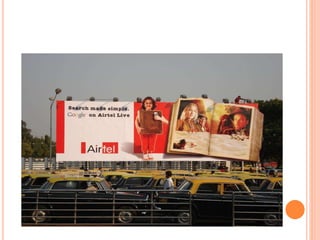
 Each media will differ in their power of
reach,frequency,and impact.
 Media planners should find out the right mix of
media for reach,frequency,and impact.
 Target audience media habits-
youth,elders,rich,middleclass,geographical
differences.
 Product characteristics-high-tech products requires
audio-video visualization, paints
 Message characteristics-timeliness and information
content will influence media choice.
 Limited period offer –radio,t.v,newspaper.
 BJP- Election campaign 2014
ALTERNATIVE ADVERTISING OPTIONS.
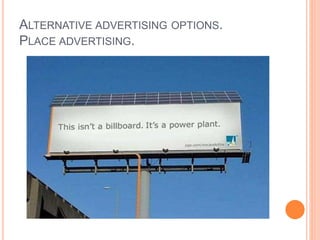
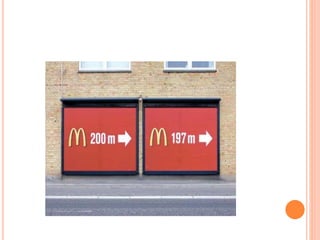
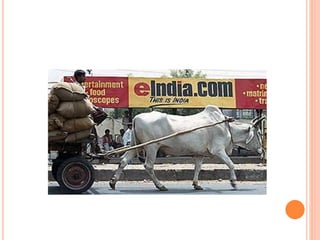
PLACE ADVERTISING.
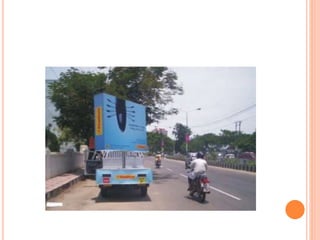
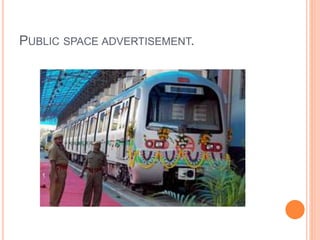
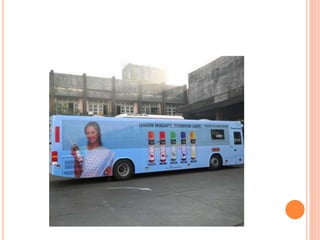
PUBLIC SPACE ADVERTISEMENT.
 Product placement in movies and t.v shows.
 Point of displays.
 Ads can be anywhere, even in toilets where a
customer spends some time.
SELECTING SPECIFIC MEDIA VEHICLE.
 Circulation.
 Audience-readership.
 Effective audience
 Effective ad-exposed audience.
DECIDING ON MEDIA TIMING AND ALLOCATION.
 Macro scheduling.
 Micro scheduling.
 Buyer turnover.
 Purchase frequency.
 Forgetting rate.
 Continuity.
 Concentration.
 Flighting.
 Pulsing.
EVALUATING ADVERTISING EFFECTIVENESS.
 The potential effect on awareness,knowledge,or
preference. also to measure the ad’s sales effect.
 Brand awareness, knowledge about the brand,
preference for the brand, sales effect
 Communication-effect research.
 Consumer – feedback method
 What is the main message that you get from this ad?
 What do you think they want you to know,believ,or do?
 How likely is that this ad will influence you to undertake
the decision?
 What works well and what works poorly?
 How does the make you feel?
 Portfolio tests-ask customers to view or listen to a
portfolio of advertisements, then they are asked to
recall the ads and the content.
 Laboratory test-measure physiological reactions of
the customer.
 Attention getting power can be identified but not
beliefs,attitudes,or intentions.
 Sales effect research.
 Historical method- comparison with the old data.
 Experimental-consumer panel are created and their
purchase behavior linked with a particular ad.
 In-store tests.
MANAGING THE DISTRIBUTION FUNCTION.
 Marketing channels are sets of independent
organizations involved in the process of making a
product or service available for the customer.
 Role and functions of middlemen.
 Information.
 Price-stability.
 Promotion.
 financing.
 Title.
 Type and nature of middlemen.
 Merchant middlemen.
 Take titles of the product and resell them.
 Retailers,wholesalers,dealers.
 Agents.
 Title and risk will not be shared, they will help the firm in
identifying potential customers.
 Commission based on their work.
 Facilitors.
 Independent business units, without holding the title of
the product.
 Service charges can be collected.
 Railway tickets and western union money transfer in
muthoott.
MAJOR DISTRIBUTION ALTERNATIVES.
 Intensive distribution.
 All the possible outlets that can be distributed the
product.
 Soft drinks and candy.
 Easy availability.
 Selective distribution.
 Some selective outlets for the distribution.
 Good relationship with the channel members.
 Optimum market coverage, good control, less cost.
 Consumer durables.
 Exclusive distribution.
 One or two major outlets in a particular area. these
outlets will only sell one brand.
 High prestigious image.
 Woodland shoes,loui Philippe.

Promotional mix

  • 1.
  • 2.
     Promotion isone of the four elements of marketing mix (product, price, promotion, place).  It is the communication link between sellers and buyers for the purpose of influencing, informing, or persuading a potential buyer's purchasing decision  Above the line promotion: Promotion in mass media. TV, radio, newspapers, internet, mobile phones.  Below the line promotion: All other promotion. sponsorship, product placement, testimonials, sales promotion, merchandising, direct mail, personal selling, public relations, trade shows
  • 3.
     The specificationof five elements creates a promotional mix or promotional plan. These elements are personal selling, advertising, sales promotion, direct marketing, and publicity  A promotional mix specifies how much attention to pay to each of the five subcategories, and how much money to budget for each.  A promotional plan can have a wide range of objectives,  sales increases, new product acceptance, creation of brand equity, positioning, competitive advantage, or creation of a corporate image.
  • 4.
     Fundamentally, thereare three basic objectives of promotion.  To present information to consumers as well as others  To increase demand  To differentiate a product.
  • 5.
    FACTORS INFLUENCING PROMOTIONMIX.  Nature of the product.  Marketing strategy.(push or pull).  Buyer readiness stage.  Product life cycle stage.
  • 6.
    SALES PROMOTION.  Salespromotion is one of the four aspects of promotional mix.  Media and non-media marketing communication are employed for a pre-determined, limited time to increase consumer demand, stimulate market demand or improve product availability.  Collectively comprises the tools used to promote sales in a specific territory and time.  They are short-term in nature, and are designed stimulate quick sales.
  • 7.
     Sales promotionscan be directed at either the customer, sales staff, or distribution channel members (such as retailers).  Sales promotions targeted at the consumer are called consumer sales promotions.  Sales promotions targeted at retailers and wholesalers are called trade sales promotions.
  • 8.
    OBJECTIVES AND TYPESOF SALES PROMOTION.  Generate consumer interest(which finally reach to trial).  Methods- coupons, discount sales, free samples,contests,demonsrations(in-store).  Dabbawala- Mangofillz  Generate enquiry from the target customer group.  Methods- gifts, mail-in coupons,catalougue,brochures.  Hotels,asian paints,
  • 9.
     Build consumertraffic.  Methods-special events, festival sales, annual sales.  Big-bazzar Wednesday bazzar, year end sale.  Motivate customers to repeat purchase.  Methods-on pack coupons, continuity promotions, loyalty cards.  Manorama sammana varsham-a game for readers ,vanitha-aiswaryolsavam
  • 10.
     Increasing ratesof purchase or usage.  Methods-multi pack, special rate for more than one, new usage situations.  Other methods.  Price deal: A temporary reduction in the price, such as happy hour. Free-standing insert (FSI): A coupon booklet is inserted into the local newspaper for delivery.  On-shelf couponing: Coupons are present at the shelf where the product is available.  Checkout dispensers: On checkout the customer is given a coupon based on products purchased.
  • 11.
     On-line couponing:Coupons are available online. Consumers print them out and take them to the store.  Mobile couponing: Coupons are available on a mobile phone. Consumers show the offer on a mobile phone to a salesperson for redemption.  Online interactive promotion game: Consumers play an interactive game associated with the promoted product. Interactive Internet Ad for tomato ketchup.  Point of displays.
  • 12.
    TRADE PROMOTION.  Tradeallowances: short term incentive offered to induce a retailer to stock up on a product.  Dealer loader: An incentive given to induce a retailer to purchase and display a product.  Trade contest: A contest to reward retailers that sell the most product.  Point-of-purchase displays: Used to create the urge of "impulse" buying and selling your product on the spot.  Training programs: dealer employees are trained in selling the product.  Push money: also known as "spliffs". An extra commission paid to retail employees to push products.
  • 13.
    DISADVANTAGES OF SALESPROMOTION.  Increased price sensitivity.  Quality image may be affected.  Merchandising support.  Dealers will take up undue advantage.  Short term sales orientation.
  • 14.
    ADVERTISEMENT.  It isany paid form of nonpersonal presentation of ideas,goods,or services by an identified sponsor.  It should be based on target market and buyer motives.  Five “M”s in advertising.  Mission-objectives  Money-budget  Media-what media  Message-what message  Measurement-evaluation
  • 15.
    SETTING THE OBJECTIVES(MISSION.) It should follow with the decisions of target market and brand positioning.  Objectives can be classified according to their aim.  Informative.  Aims to create brand awareness and knowledge of new products or new features of existing products.
  • 16.
     Persuasive.  Aimsto create liking,preference,conviction,and purchase of a product.  Reminder.  Repeat purchase of products and services.  Re- inforcement  Convince current purchasers that they made the right decision.
  • 17.
    DECIDING ON THEADVERTISEMENT BUDGET.(MONEY)  How much a firm should spend on advertising its brand?  Percent of sales.  Sales decides advertisement budget.  Plc stages denies this method.  Based on affordability.  If something left after the entire expenses, it will be allocated for the advertisement.  Based on competitive parity.  Follow the crowd method.  Some firms may well utilize the situation.
  • 18.
     Difference inthe firm size is another problem.  Based on the objective and task.  Most proactive approach.  Decides the objective, plan the task, understand cost and then decide the budget.
  • 19.
    FACTORS AFFECTING BUDGETDECISIONS.  Stage in the plc.  Market share and consumer base.  Competition and.  Advertising frequency.  Products substitutability.
  • 20.
    DEVELOPING THE CAMPAIGN(MESSAGE). Message generation and evaluation.  What the ad says?  Evaluating the various messages and choosing one.  Creative development and execution.  How the ad says?  How it can be executed?  Legal and social issues.
  • 28.
    DECIDING ON MEDIA(MEDIA) Deciding on reach, frequency and impact.  Media selection-is finding the most cost effective media to deliver the desired number and type of exposures to the target audience.  Exposures-specified advertising objective and its response from the target audience.  Reach-the number of different persons or households exposed to a particular media schedule at least once during a specified time period.
  • 29.
     Frequency-the numberof times within the specified time period that an average person or household exposed to the message.  Impact-the qualitative value of an exposure through a given medium.  (automobile advertisement impact will be higher in automobile magazines than in fashion magazines.)
  • 30.
     If thereach, frequency and impact is high the advertisement will have an effectiveness but the budget will be high.  Reach-introducing products.  Frequency-if the competition ifs high
  • 31.
    DECIDING ON MEDIATYPES.  Each media will differ in their power of reach,frequency,and impact.  Media planners should find out the right mix of media for reach,frequency,and impact.  Target audience media habits- youth,elders,rich,middleclass,geographical differences.  Product characteristics-high-tech products requires audio-video visualization, paints  Message characteristics-timeliness and information content will influence media choice.  Limited period offer –radio,t.v,newspaper.
  • 32.
     BJP- Electioncampaign 2014
  • 34.
  • 40.
  • 42.
     Product placementin movies and t.v shows.  Point of displays.  Ads can be anywhere, even in toilets where a customer spends some time.
  • 43.
    SELECTING SPECIFIC MEDIAVEHICLE.  Circulation.  Audience-readership.  Effective audience  Effective ad-exposed audience.
  • 44.
    DECIDING ON MEDIATIMING AND ALLOCATION.  Macro scheduling.  Micro scheduling.  Buyer turnover.  Purchase frequency.  Forgetting rate.  Continuity.  Concentration.  Flighting.  Pulsing.
  • 45.
    EVALUATING ADVERTISING EFFECTIVENESS. The potential effect on awareness,knowledge,or preference. also to measure the ad’s sales effect.  Brand awareness, knowledge about the brand, preference for the brand, sales effect  Communication-effect research.  Consumer – feedback method  What is the main message that you get from this ad?  What do you think they want you to know,believ,or do?  How likely is that this ad will influence you to undertake the decision?  What works well and what works poorly?
  • 46.
     How doesthe make you feel?  Portfolio tests-ask customers to view or listen to a portfolio of advertisements, then they are asked to recall the ads and the content.  Laboratory test-measure physiological reactions of the customer.  Attention getting power can be identified but not beliefs,attitudes,or intentions.
  • 47.
     Sales effectresearch.  Historical method- comparison with the old data.  Experimental-consumer panel are created and their purchase behavior linked with a particular ad.  In-store tests.
  • 48.
    MANAGING THE DISTRIBUTIONFUNCTION.  Marketing channels are sets of independent organizations involved in the process of making a product or service available for the customer.  Role and functions of middlemen.  Information.  Price-stability.  Promotion.  financing.  Title.
  • 49.
     Type andnature of middlemen.  Merchant middlemen.  Take titles of the product and resell them.  Retailers,wholesalers,dealers.  Agents.  Title and risk will not be shared, they will help the firm in identifying potential customers.  Commission based on their work.  Facilitors.  Independent business units, without holding the title of the product.  Service charges can be collected.  Railway tickets and western union money transfer in muthoott.
  • 50.
    MAJOR DISTRIBUTION ALTERNATIVES. Intensive distribution.  All the possible outlets that can be distributed the product.  Soft drinks and candy.  Easy availability.  Selective distribution.  Some selective outlets for the distribution.  Good relationship with the channel members.  Optimum market coverage, good control, less cost.  Consumer durables.
  • 51.
     Exclusive distribution. One or two major outlets in a particular area. these outlets will only sell one brand.  High prestigious image.  Woodland shoes,loui Philippe.