Business Studies
Patrick Ahern
What is promotion?
 Can you provide some good examples of
promotion and explain your reasons?
 Why does a business need to promote?

Identify Product Placement
 Define the need for a business to promote.
 Apply a promotional mix, taking into consideration
target market in a given business.
 Analyse how a small business could utilise
promotional mix effectively to gain sales.

This was illegal (against the law) in the UK till last
year
 It is getting a product seen via different media
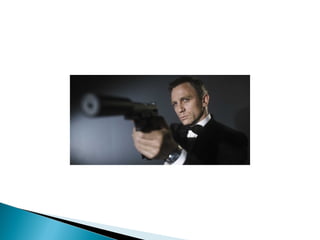
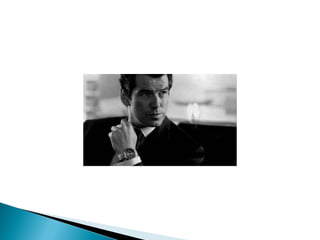
 The last James Bond film made $54million from
companies paying to get their product on the film.
i.e. Omega and Aston Martin

Promotion is all about communication
 You are telling customers about a product.
 The aim is to persuade the customers to buy the
product.
 Build on brand awareness, and for customer to
choose product ahead of competitors.
 The part of the marketing mix where it is decided
how a product should be marketed or sold.



Above the line



Below the line



Any fee is paid to an
advertising agency



Normally focused on
selling the product



Normally several different
techniques used to
achieve effect



Personal selling



Public relations



Direct mail



Merchandising



Point of Sale



Often used to gain brand
awareness or get products
in the mind of consumers
Advertising - is communication with the public
through one or more of the range of media
available. In business, advertising is one aspect
of promotion.
 Promotion - The part of the marketing mix where it
is decided how a product should be marketed or
sold.

Make customers more aware of a product.
 Increase awareness of a product.
 Remind consumers about a product.
 Encourage consumers to switch to rival product.
 Increase market share.










Advertising.
Direct Selling.
Direct Marketing.
Public Relations.
Incentives.
Sales Promotion.
Internet – advertising, social media, search engine.
WOM – word of mouth.


The competitiveness of the market.



Availability of product.



Differentiation of the product.



Competitor’s activity.



The product life-cycle.
Cost.
 Size of target audience.
 Size of the market.
 Consumer – changing trends, media they
consume.
 What competitors are doing.
 Legal constraints.
 Other elements of the marketing mix – integrated
marketing campaign.

◦ Awareness - get the customers aware of the product.
◦ Interest - gain their interest and commitment.
◦ Desire - arouse their desire through special offers and sales
promotions.
◦ Action - get them to buy the product through a call to action.


Advertising - is paid for communication
through media such as television,
newspapers or radio. Most advertising can
be categorised as either informative or
persuasive (or a combination of the two).



This is normally above the line Marketing


Sales Promotion - the use of short term incentives to
purchase, such as free offers, sampling and selling. Can
be aggressive or defensive. Main purpose:
◦ To create the initial surge of demand to persuade shops to stock
a newly launched product.
◦ To attract new buyers who the firm hopes will become a regular
customer.
◦ To lock customers into buyer products when under threat from a
new competitor.
Personal Selling - through sales
representatives, who are mainly used for selling
to business, also trade fairs and exhibitions.
 Branding - establishing an identity for your
product that distinguishes it from the
competition. Successful branding adds value to
an item and can ensure brand loyalty.

After Sales Service and Customer Care
(designed to build up customers’ loyalty so that
they keep coming back).
 Direct Marketing (through personally
addressed mailing etc).
 Sponsorship (of a person or an event).
 Internet – growth of digital marketing.
 WOM – Word of mouth.



Think about Coca Cola - where and how do they
advertise?



Think about local SME’s - where and how do they
advertise?



SME = Small Medium Enterprise
Examiners will always want the promotion to fit the
firm e.g. small business.
 Look at the methods and consider which of these
can be applied to the situation you have been
given.










Above the line promotion is promotion which is run
through media. This includes:
Radio
TV
Newspapers
Cinema
Above the line promotion is used to communicate
with a wide audience.




Below the line promotion refers to those
promotional methods which do not depend upon
media such as TV, radio, cinema and
newspapers.
There will be a mixture of
These include:
◦
◦
◦
◦
◦

Direct Selling
Direct Marketing
Public Relations
Incentives
Sales promotion

activities in a promotional
campaign. It will include
above the line and below the
line promotion.
This is known as the
promotional mix.
Identify product placement
 Define the need for a business to promote.
 Apply a promotional mix, taking into consideration
target market in a given business.
 Analyse how a small business could utilise
promotional mix effectively to gain sales.

Promotion

Promotion

  • 1.
  • 3.
    What is promotion? Can you provide some good examples of promotion and explain your reasons?  Why does a business need to promote? 
  • 4.
    Identify Product Placement Define the need for a business to promote.  Apply a promotional mix, taking into consideration target market in a given business.  Analyse how a small business could utilise promotional mix effectively to gain sales. 
  • 14.
    This was illegal(against the law) in the UK till last year  It is getting a product seen via different media  The last James Bond film made $54million from companies paying to get their product on the film. i.e. Omega and Aston Martin 
  • 15.
    Promotion is allabout communication  You are telling customers about a product.  The aim is to persuade the customers to buy the product.  Build on brand awareness, and for customer to choose product ahead of competitors.  The part of the marketing mix where it is decided how a product should be marketed or sold. 
  • 16.
     Above the line  Belowthe line  Any fee is paid to an advertising agency  Normally focused on selling the product  Normally several different techniques used to achieve effect  Personal selling  Public relations  Direct mail  Merchandising  Point of Sale  Often used to gain brand awareness or get products in the mind of consumers
  • 17.
    Advertising - iscommunication with the public through one or more of the range of media available. In business, advertising is one aspect of promotion.  Promotion - The part of the marketing mix where it is decided how a product should be marketed or sold. 
  • 19.
    Make customers moreaware of a product.  Increase awareness of a product.  Remind consumers about a product.  Encourage consumers to switch to rival product.  Increase market share. 
  • 21.
            Advertising. Direct Selling. Direct Marketing. PublicRelations. Incentives. Sales Promotion. Internet – advertising, social media, search engine. WOM – word of mouth.
  • 22.
     The competitiveness ofthe market.  Availability of product.  Differentiation of the product.  Competitor’s activity.  The product life-cycle.
  • 23.
    Cost.  Size oftarget audience.  Size of the market.  Consumer – changing trends, media they consume.  What competitors are doing.  Legal constraints.  Other elements of the marketing mix – integrated marketing campaign. 
  • 24.
    ◦ Awareness -get the customers aware of the product. ◦ Interest - gain their interest and commitment. ◦ Desire - arouse their desire through special offers and sales promotions. ◦ Action - get them to buy the product through a call to action.
  • 25.
     Advertising - ispaid for communication through media such as television, newspapers or radio. Most advertising can be categorised as either informative or persuasive (or a combination of the two).  This is normally above the line Marketing
  • 26.
     Sales Promotion -the use of short term incentives to purchase, such as free offers, sampling and selling. Can be aggressive or defensive. Main purpose: ◦ To create the initial surge of demand to persuade shops to stock a newly launched product. ◦ To attract new buyers who the firm hopes will become a regular customer. ◦ To lock customers into buyer products when under threat from a new competitor.
  • 27.
    Personal Selling -through sales representatives, who are mainly used for selling to business, also trade fairs and exhibitions.  Branding - establishing an identity for your product that distinguishes it from the competition. Successful branding adds value to an item and can ensure brand loyalty. 
  • 28.
    After Sales Serviceand Customer Care (designed to build up customers’ loyalty so that they keep coming back).  Direct Marketing (through personally addressed mailing etc).  Sponsorship (of a person or an event).  Internet – growth of digital marketing.  WOM – Word of mouth. 
  • 29.
     Think about CocaCola - where and how do they advertise?  Think about local SME’s - where and how do they advertise?  SME = Small Medium Enterprise
  • 30.
    Examiners will alwayswant the promotion to fit the firm e.g. small business.  Look at the methods and consider which of these can be applied to the situation you have been given. 
  • 31.
          Above the linepromotion is promotion which is run through media. This includes: Radio TV Newspapers Cinema Above the line promotion is used to communicate with a wide audience.
  • 32.
      Below the linepromotion refers to those promotional methods which do not depend upon media such as TV, radio, cinema and newspapers. There will be a mixture of These include: ◦ ◦ ◦ ◦ ◦ Direct Selling Direct Marketing Public Relations Incentives Sales promotion activities in a promotional campaign. It will include above the line and below the line promotion. This is known as the promotional mix.
  • 33.
    Identify product placement Define the need for a business to promote.  Apply a promotional mix, taking into consideration target market in a given business.  Analyse how a small business could utilise promotional mix effectively to gain sales. 