PROKARYOTIC CELL
BY-MOHIT HINSU
Definition of prokaryote
■ Any of the typically unicellular microorganisms that lack a
distinct nucleus and membrane-bound organelles and that are
classified as a kingdom (Prokaryotae synonym Monera) or into two
domains (Bacteria and Archaea).
■ What are examples of prokaryotic?----Prokaryotic cells lack
internal cellular bodies (organelles), while eukaryotic cells possess
them. Examples of prokaryotes are bacteria and archaea.
Examples of eukaryotes are protists, fungi, plants, and animals
(everything except prokaryotes).
What are examples of prokaryotes?
■ Prokaryotes can be split into two domains, archaea and
bacteria.
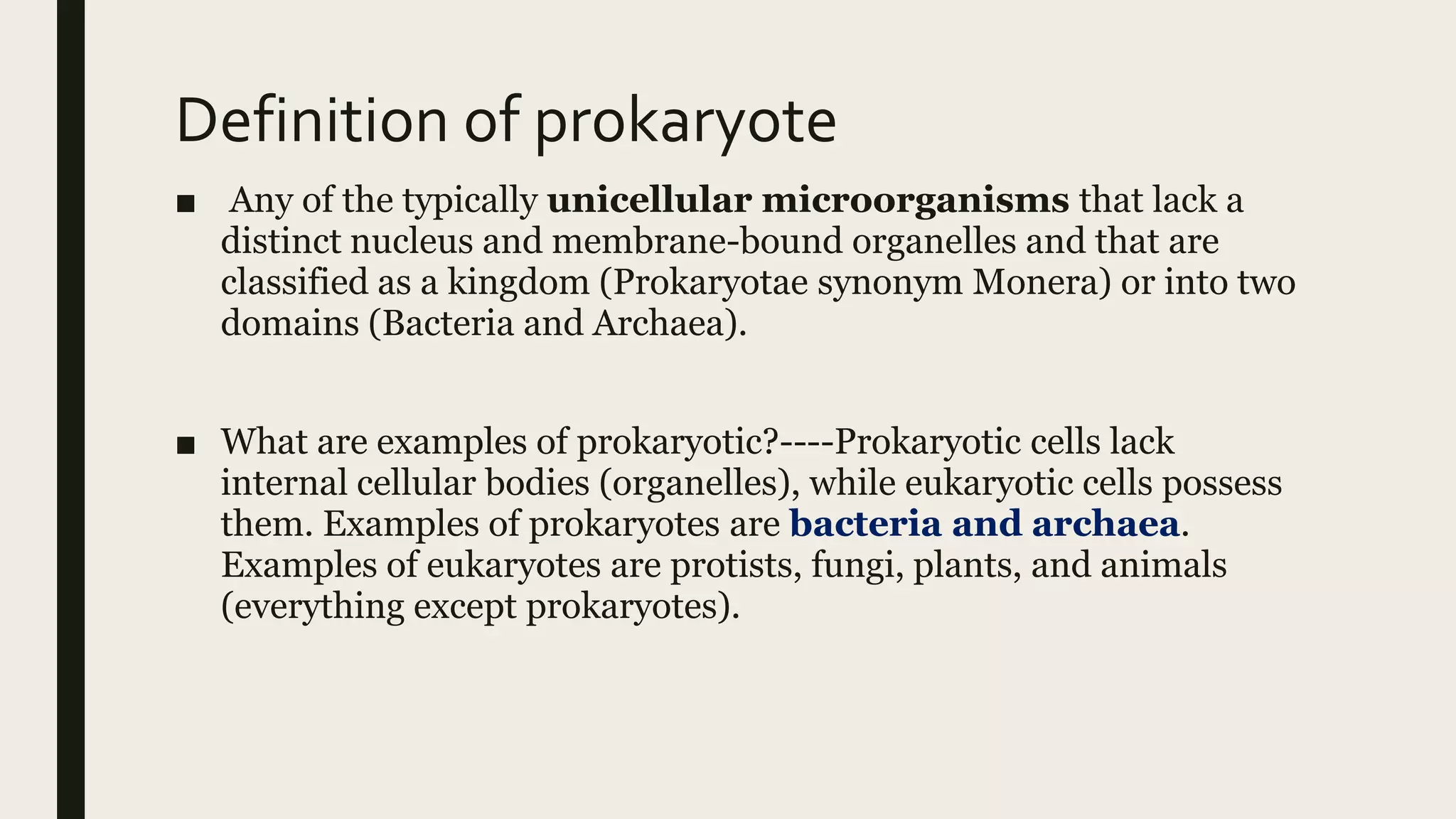
■ Cyanobacteria are sometimes considered algae, but they are
actually bacteria (prokaryotic), where the term "algae" is now
reserved for eukaryotic organisms. They also derive their energy
through photosynthesis, but lack a nucleus or membrane bound
organelles, like chloroplasts.
Components of a prokaryotic cell
■ All cells share four common components:
■ a plasma membrane: an outer covering that separates the cell’s
interior from its surrounding environment.
■ cytoplasm: a jelly-like cytosol within the cell in which other
cellular components are found
■ DNA: the genetic material of the cell
■ ribosomes: where protein synthesis occurs , they also
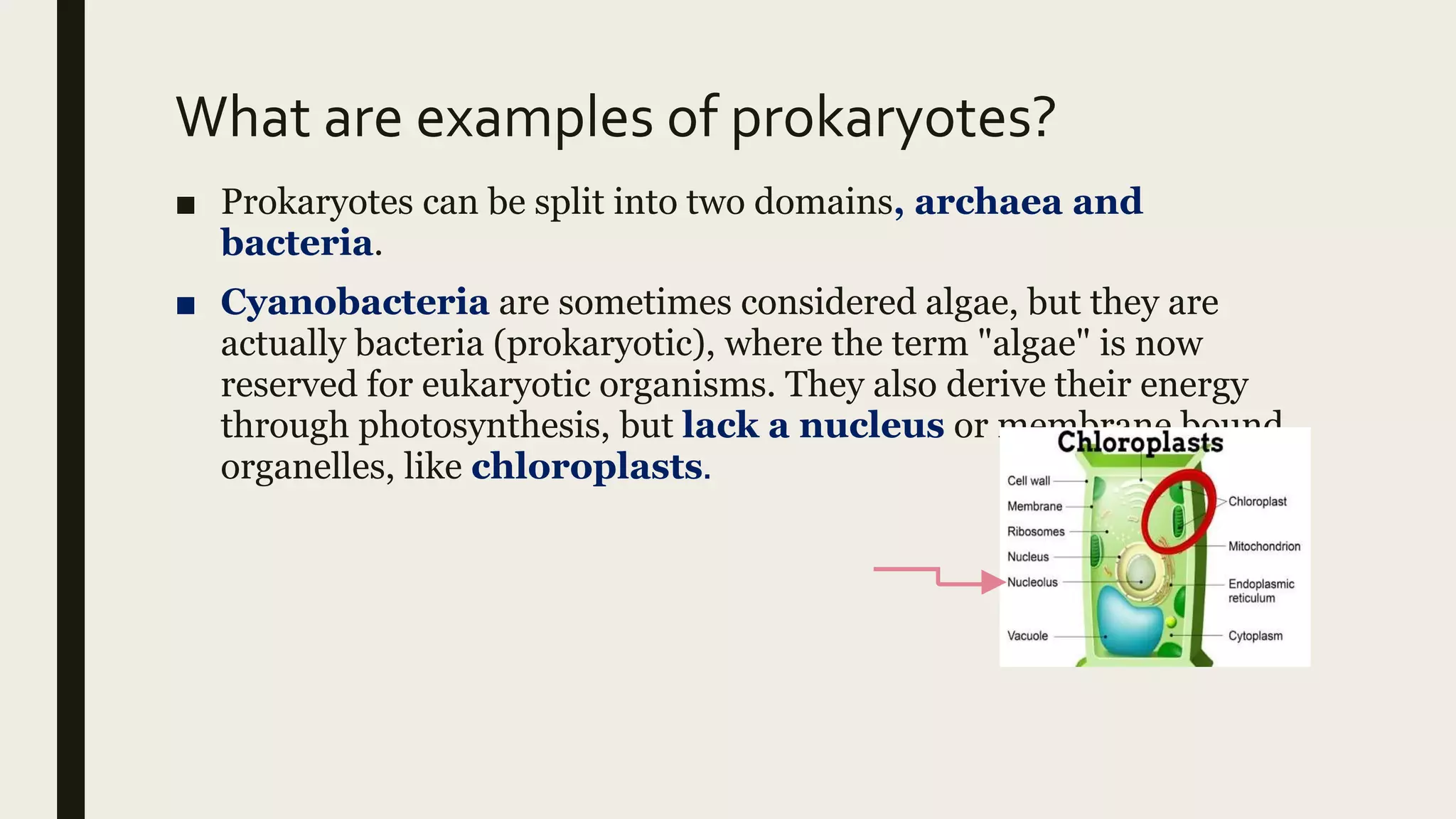
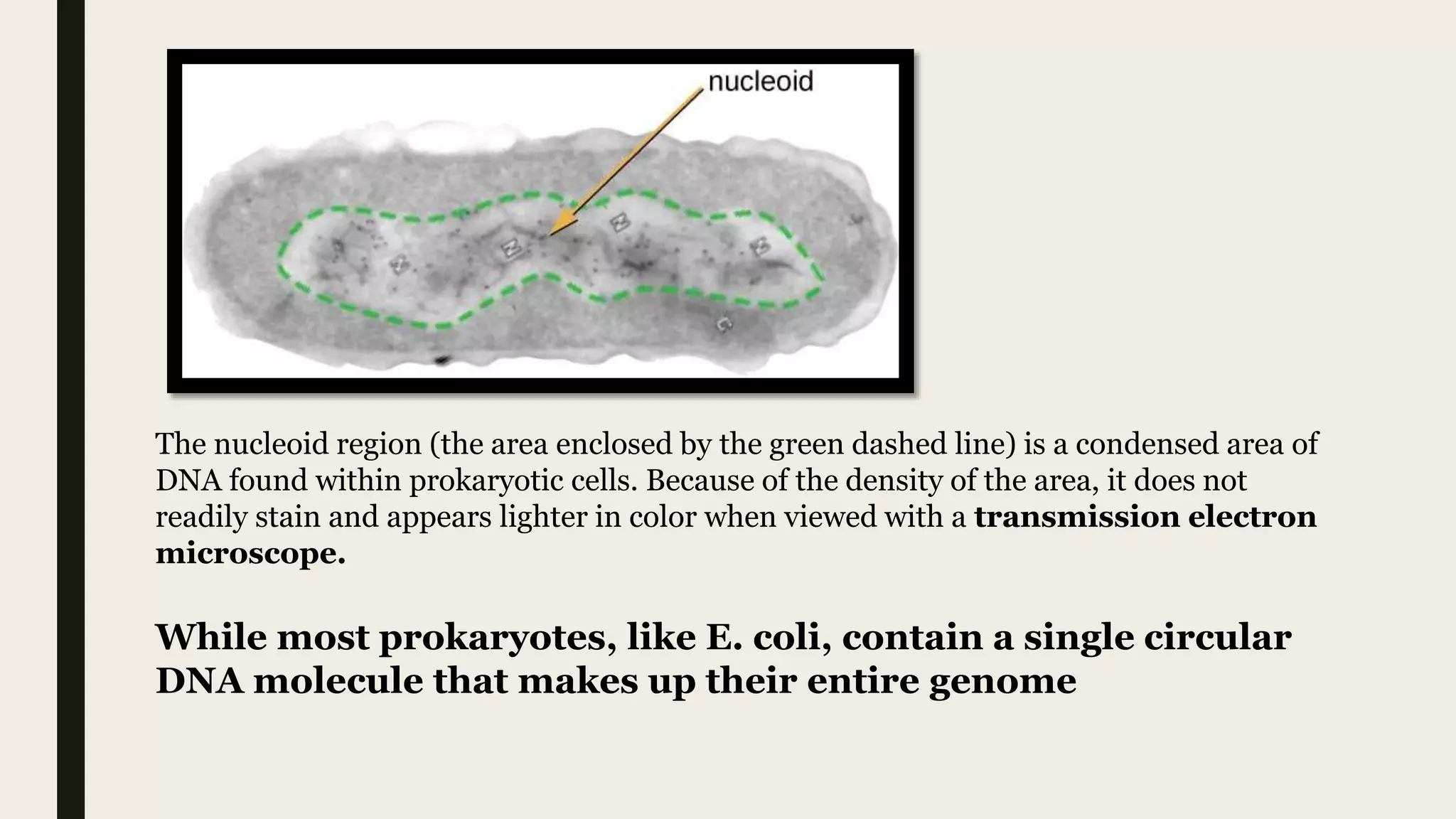
■ Some other components or parts like pilli ,flagella ,fimbriae,
capsule, cell wall, mesosome, chromatophore.
STRUCTURE:
What are the fundamental components of a prokaryotic cell?
The Nucleoid----The nucleoid (meaning nucleus-like) is an
irregularly shaped region within the prokaryotic cell that contains all
or most of the genetic material.[While most prokaryotes, like
E. coli, contain a single circular DNA molecule that makes up
their entire genome]
■ In contrast to the nucleus of a eukaryotic cell, it is not surrounded
by a nuclear membrane.
■ Prokaryotic DNA and DNA-associated proteins are
concentrated within the nucleoid region of the cell .
■ In general, prokaryotic DNA interacts with nucleoid-associated
proteins (NAPs) that assist in the organization and packaging of the
chromosome.
■ NAPs function similar to histones, which are the DNA-organizing
proteins found in eukaryotic cells.
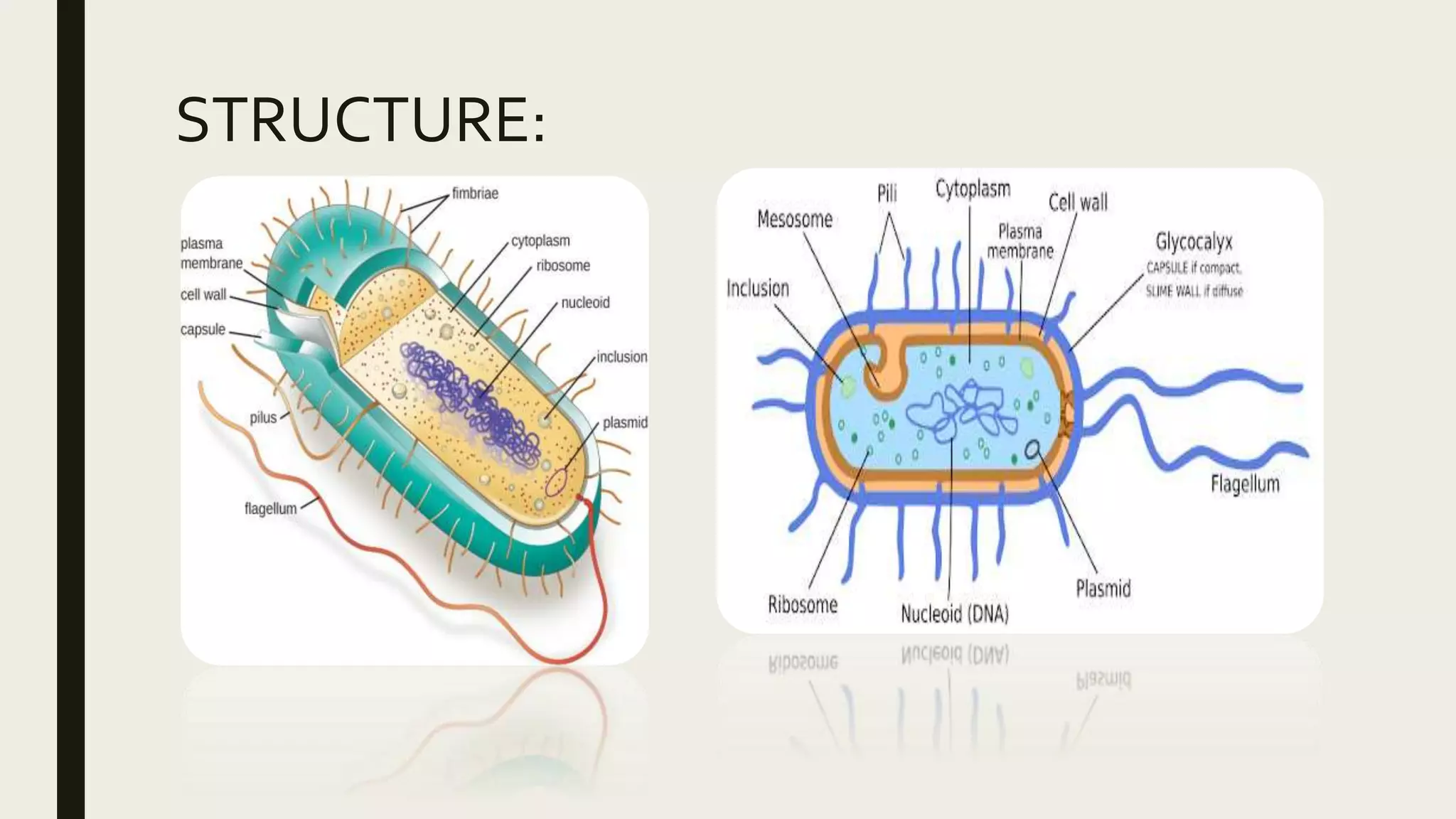
The nucleoid region (the area enclosed by the green dashed line) is a condensed area of
DNA found within prokaryotic cells. Because of the density of the area, it does not
readily stain and appears lighter in color when viewed with a transmission electron
microscope.
While most prokaryotes, like E. coli, contain a single circular
DNA molecule that makes up their entire genome
Plasmids:
■ Prokaryotic cells may also contain extrachromosomal DNA, or
DNA that is not part of the chromosome.
■ This extrachromosomal DNA is found in plasmids, which are
small, circular, double-stranded DNA molecules.
■ Plasmids are more commonly found in bacteria; however,
plasmids have been found in archaea and eukaryotic organisms.
■ Plasmids often carry genes that confer advantageous traits such as
antibiotic resistance; thus, they are important to the survival of the
organism.
■ Cells that have plasmids often have hundreds of them within a
single cell.
Ribosomes
■ Prokaryotic ribosomes are found in the cytoplasm.
■ They are called 70S ribosomes because they have a size of 70S,
whereas eukaryotic cytoplasmic ribosomes have a size of 80S. (The
S stands for Svedberg unit, a measure of sedimentation in an
ultracentrifuge, which is based on size, shape, and surface qualities
of the structure being analyzed).
■ However, ribosomes in each of the three domains are
structurally different.
■ All cellular life synthesizes proteins, and organisms in all three
domains of life possess ribosomes, structures responsible for
protein synthesis.
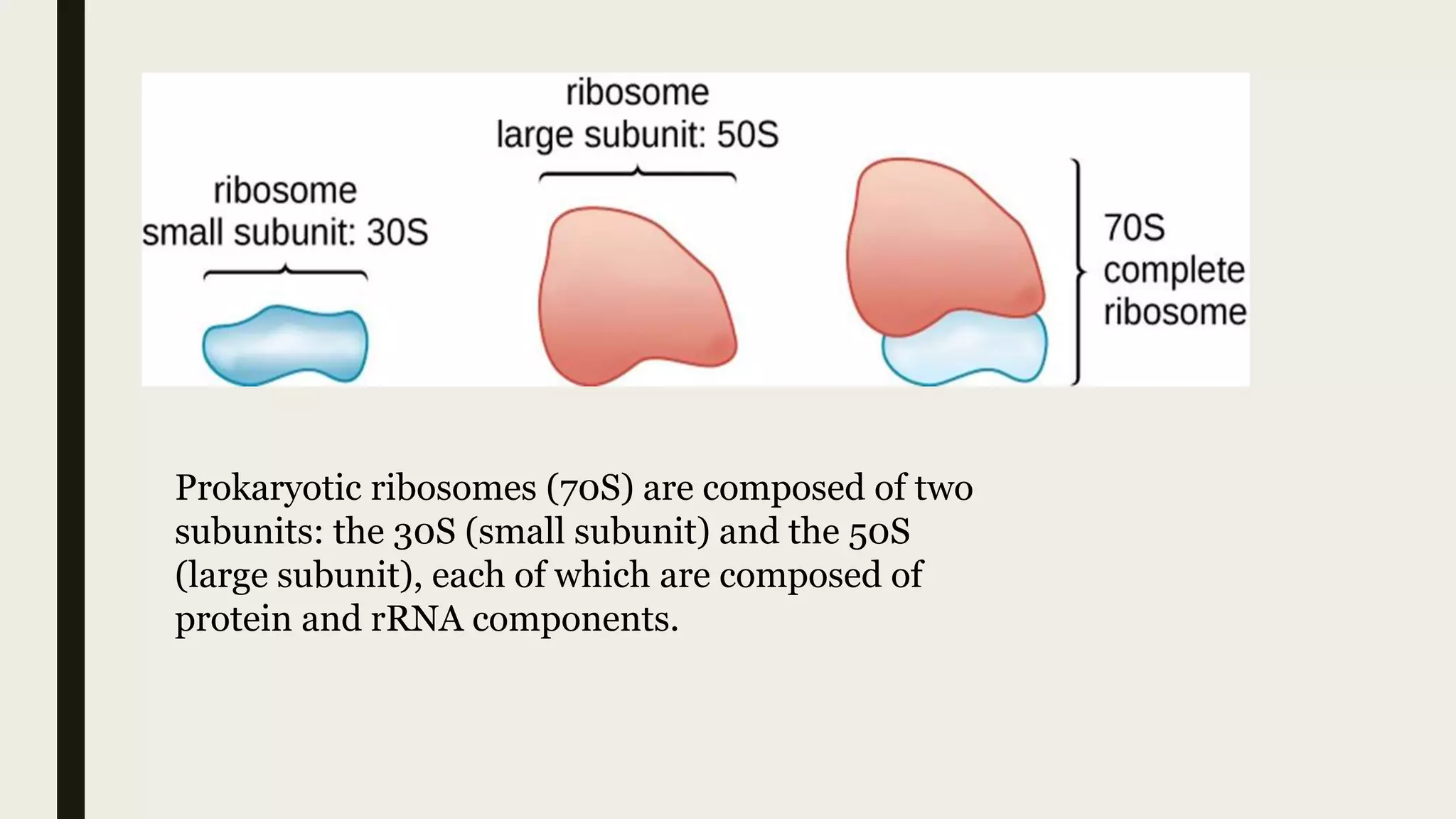
Prokaryotic ribosomes (70S) are composed of two
subunits: the 30S (small subunit) and the 50S
(large subunit), each of which are composed of
protein and rRNA components.
Endospores
■ Bacterial cells are generally observed as vegetative cells, but some
genera of bacteria have the ability to form endospores, structures
that essentially protect the bacterial genome in a dormant state
when environmental conditions are unfavorable.
Vegetative Cells Endospores
Sensitive to extreme temperatures and radiation Resistant to extreme temperatures and radiation
Gram-positive
Do not absorb Gram stain, only special
endospore stains
Normal water content and enzymatic
activity
Dehydrated; no metabolic activity
Capable of active growth and metabolism Dormant; no growth or metabolic activity
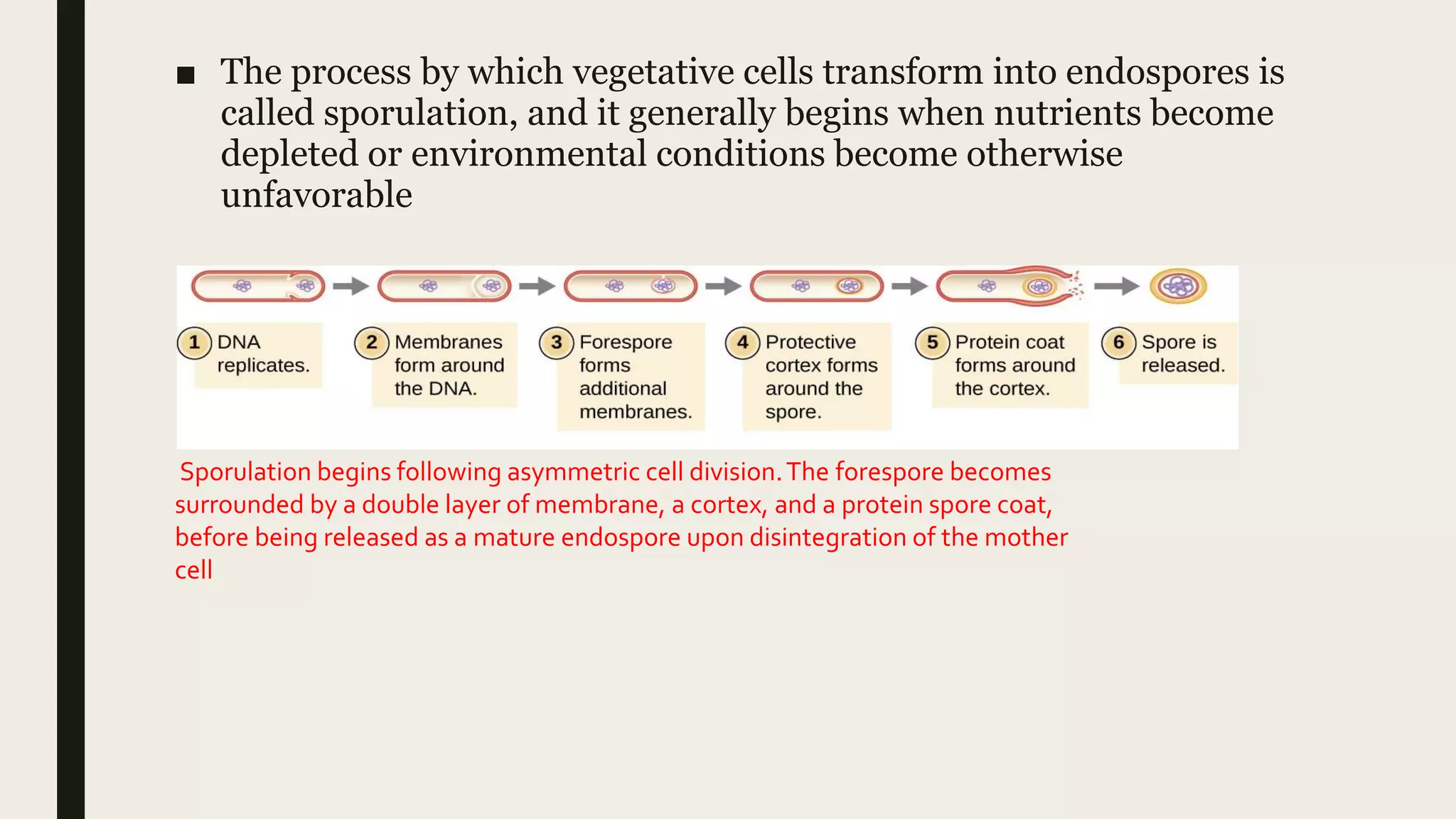
■ The process by which vegetative cells transform into endospores is
called sporulation, and it generally begins when nutrients become
depleted or environmental conditions become otherwise
unfavorable
Sporulation begins following asymmetric cell division.The forespore becomes
surrounded by a double layer of membrane, a cortex, and a protein spore coat,
before being released as a mature endospore upon disintegration of the mother
cell
Plasma Membrane
■ Structures that enclose the cytoplasm and internal structures of the
cell are known collectively as the cell envelope.
■ All cells (prokaryotic and eukaryotic) have a plasma membrane
(also called cytoplasmic membrane or cell membrane) that exhibits
selective permeability, allowing some molecules to enter or leave
the cell while restricting the passage of others.
■ The structure of the plasma membrane is often described in terms
of the fluid mosaic model.
■ The plasma membrane structure of most bacterial and eukaryotic
cell types is a bilayer composed mainly of phospholipids formed
with ester linkages and proteins.
■ These phospholipids and proteins have the ability to move laterally
within the plane of the membranes as well as between the two
phospholipid layers.
[figure]The bacterial plasma membrane is a phospholipid bilayer with a variety of embedded proteins
that perform various functions for the cell. Note the presence of glycoproteins and glycolipids, whose
carbohydrate components extend out from the surface of the cell.The abundance and arrangement of
these proteins and lipids can vary greatly between species.
■ These glycoprotein and glycolipid complexes extend out from the
surface of the cell, allowing the cell to interact with the external
environment.
■ Glycoproteins and glycolipids in the plasma membrane can vary
considerably in chemical composition among archaea, bacteria,
and eukaryotes, allowing scientists to use them to characterize
unique species.
■ Plasma membranes from different cells types also contain unique
phospholipids, which contain fatty acids. Phospholipid-derived
fatty acid analysis (PLFA) profiles can be used to identify unique
types of cells based on differences in fatty acids. Archaea, bacteria,
and eukaryotes each have a unique PFLA profile.
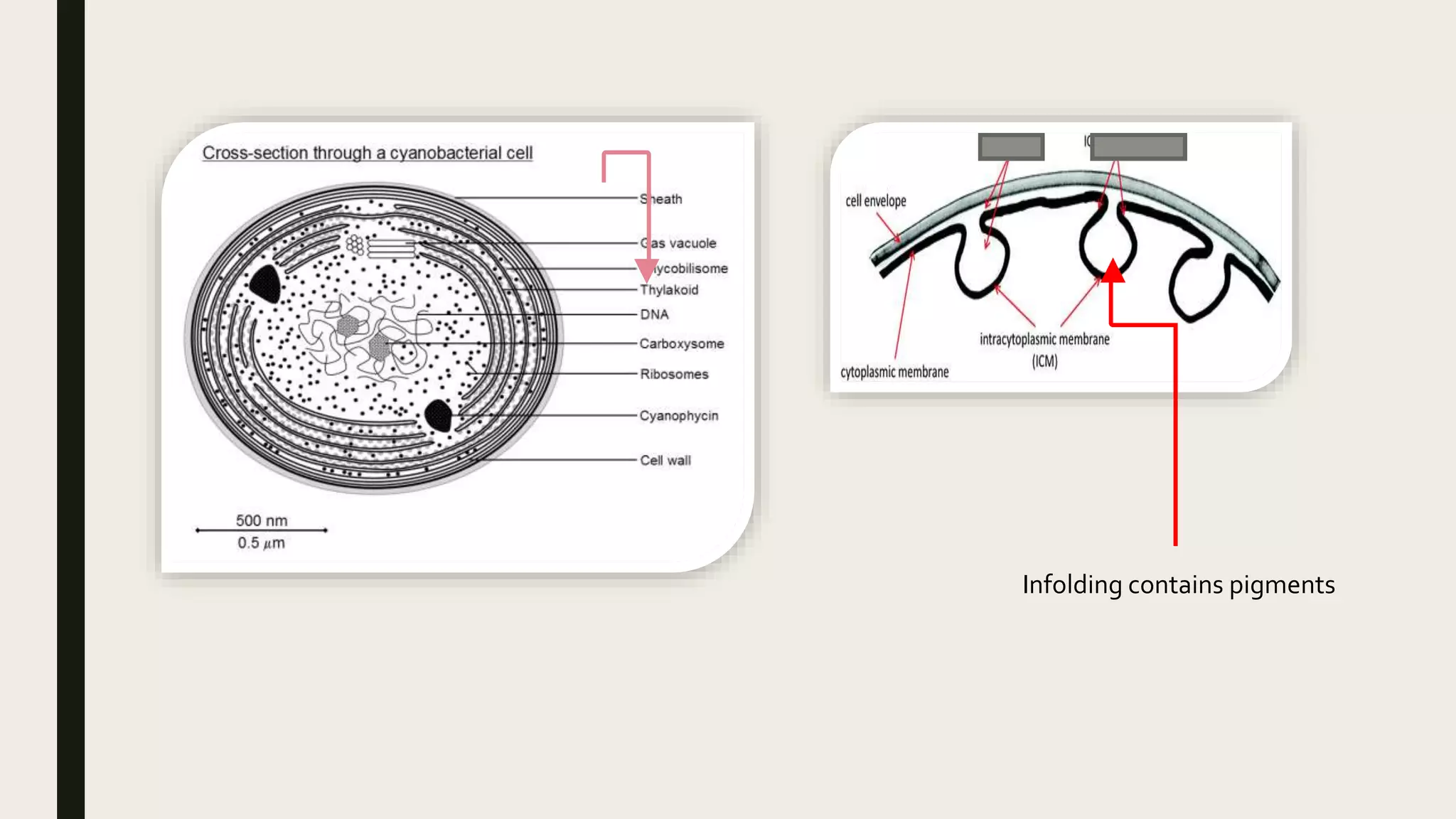
Photosynthetic Membrane Structures [cell
membrane modification]
■ Some prokaryotic cells, namely cyanobacteria and photosynthetic
bacteria, have membrane structures that enable them to perform
photosynthesis.
■ These structures consist of an infolding of the plasma membrane
that encloses photosynthetic pigments such as green chlorophylls
and bacteriochlorophylls.
■ In cyanobacteria, these membrane structures are called thylakoids;
in photosynthetic bacteria, they are called chromatophores,
lamellae, or chlorosomes.
Infolding contains pigments
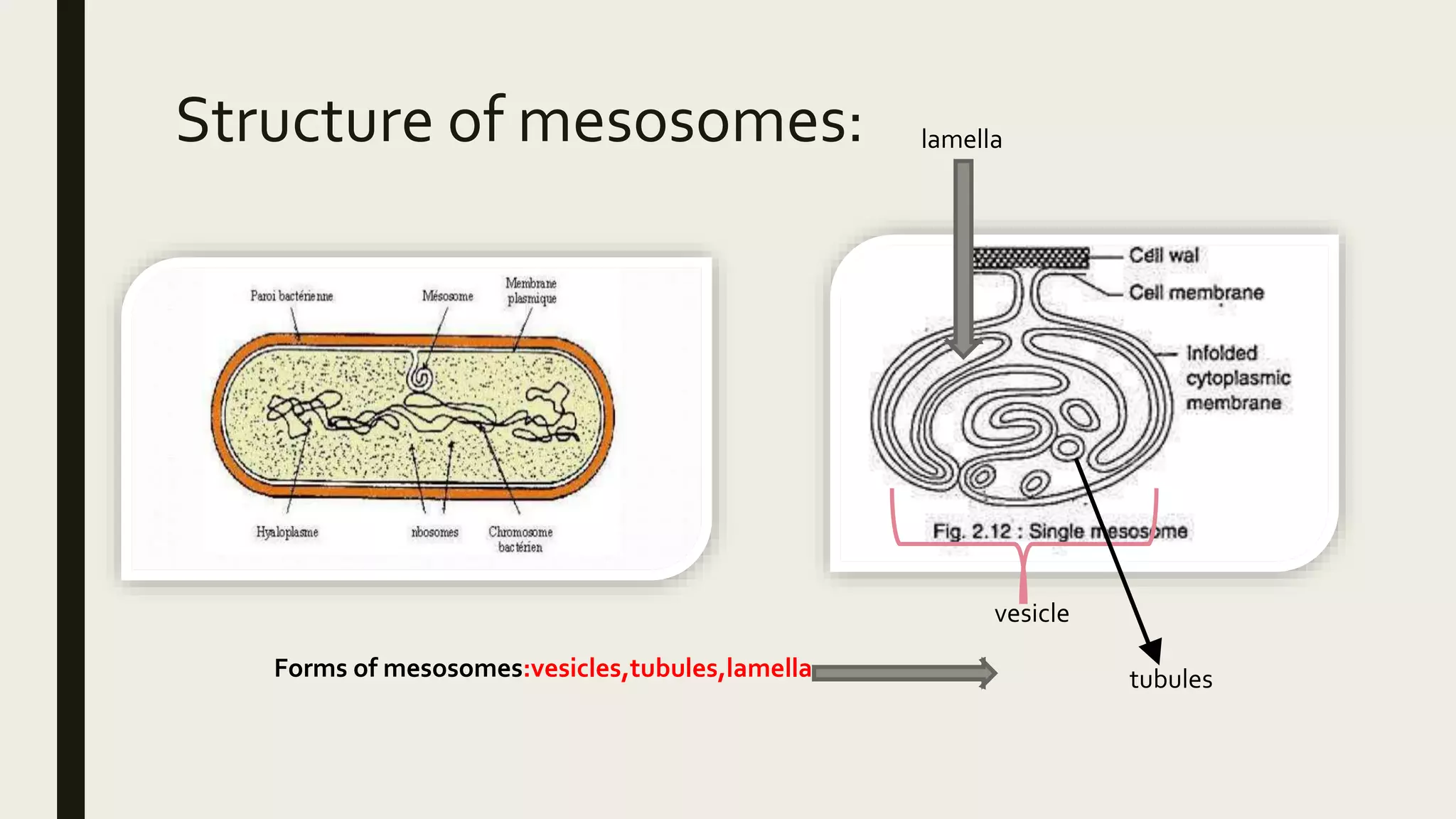
MESOSOMES [CELL MEMBRANE
MODIFICATION]■ Mesosomes or chondrioids are folded invaginations in the
plasma membrane of bacteria.
■ A specialized membraneous structure is a mesosome which is
formed by an extension of plasma membrane into the cell. These
extensions are in the form of vesicle, tubules, and lamellae.
■ FUNCTIONS:(1) These extensions help in the synthesis of the cell
wall and replication of DNA. They also help in the equal
distribution of chromosomes into the daughter cells.
■ (2) It also increases the surface area of the plasma membrane to
carry out various enzymatic activities.
■ (3) It helps in secretion processes as well as in bacterial
respiration.
TYPES OF MESOSOMES:
■ 1]septal or central mesosome.
■ Help in DNA replication and transfer
of replicated DNA to daughter cell.
■ Help in formation of septa / Cross
wall during binary fission.
■ 2]peripheral or lateral mesosome
■ Also called chondroid.
■ Analogous to mitochondria of
eukaryotic cell.
■ Site for respiration bacteria.
■ Has enzyme for electron transport
chain[ETC]
■ Provide large surface area for
enzyme activity.
Structure of mesosomes:
vesicle
lamella
tubulesForms of mesosomes:vesicles,tubules,lamella
CellWall
■ The primary function of the cell wall is to protect the cell from
harsh conditions in the outside environment.
■ When present, there are notable similarities and differences
among the cell walls of archaea, bacteria, and eukaryotes.
■ The major component of bacterial cell walls is called peptidoglycan
(or murein); it is only found in bacteria.
■ Archaeal cell wall structure differs from that of bacteria in several
significant ways.
■ archaeal cell walls do not contain peptidoglycan; instead, they
contain a similar polymer called pseudopeptidoglycan
(pseudomurein)
■ Last, as is the case with some bacterial species, there are a few
archaea that appear to lack cell walls entirely.
■ Like , Mycoplasma.
Glycocalyces and S-Layers:
■ Although most prokaryotic cells have cell walls, some may
have additional cell envelope structures exterior to the cell
wall, such as glycocalyces and S-layers.
■ glycocalyx is a sugar coat, of which there are two important
types: capsules and slime layers.
■ A capsule is a well organized layer located outside of the cell
wall and usually composed of polysaccharides or proteins.
■ A slime layer is a less tightly organized layer that is only
loosely attached to the cell wall and can be more easily
washed off. Slime layers may be composed of polysaccharides,
glycoproteins, or glycolipids.
Also protect cells from predation and hinder the action of
antibiotics and disinfectants.
■ S-layer is another type of cell envelope structure; it is composed of
a mixture of structural proteins and glycoproteins. In bacteria, S-
layers are found outside the cell wall, but in some archaea, the S-
layer serves as the cell wall.
■ The exact function of S-layers is not entirely understood, and they
are difficult to study; but available evidence suggests that they may
play a variety of functions in different prokaryotic cells, such as
helping the cell withstand osmotic pressure and, for certain
pathogens, interacting with the host immune system.
■ The ability to produce a capsule can contribute to a microbe’s
pathogenicity (ability to cause disease) because the capsule can
make it more difficult for phagocytic cells (such as white blood
cells) to engulf and kill the microorganism. Streptococcus
pneumoniae, for example, produces a capsule that is well known to
aid in this bacterium’s pathogenicity.
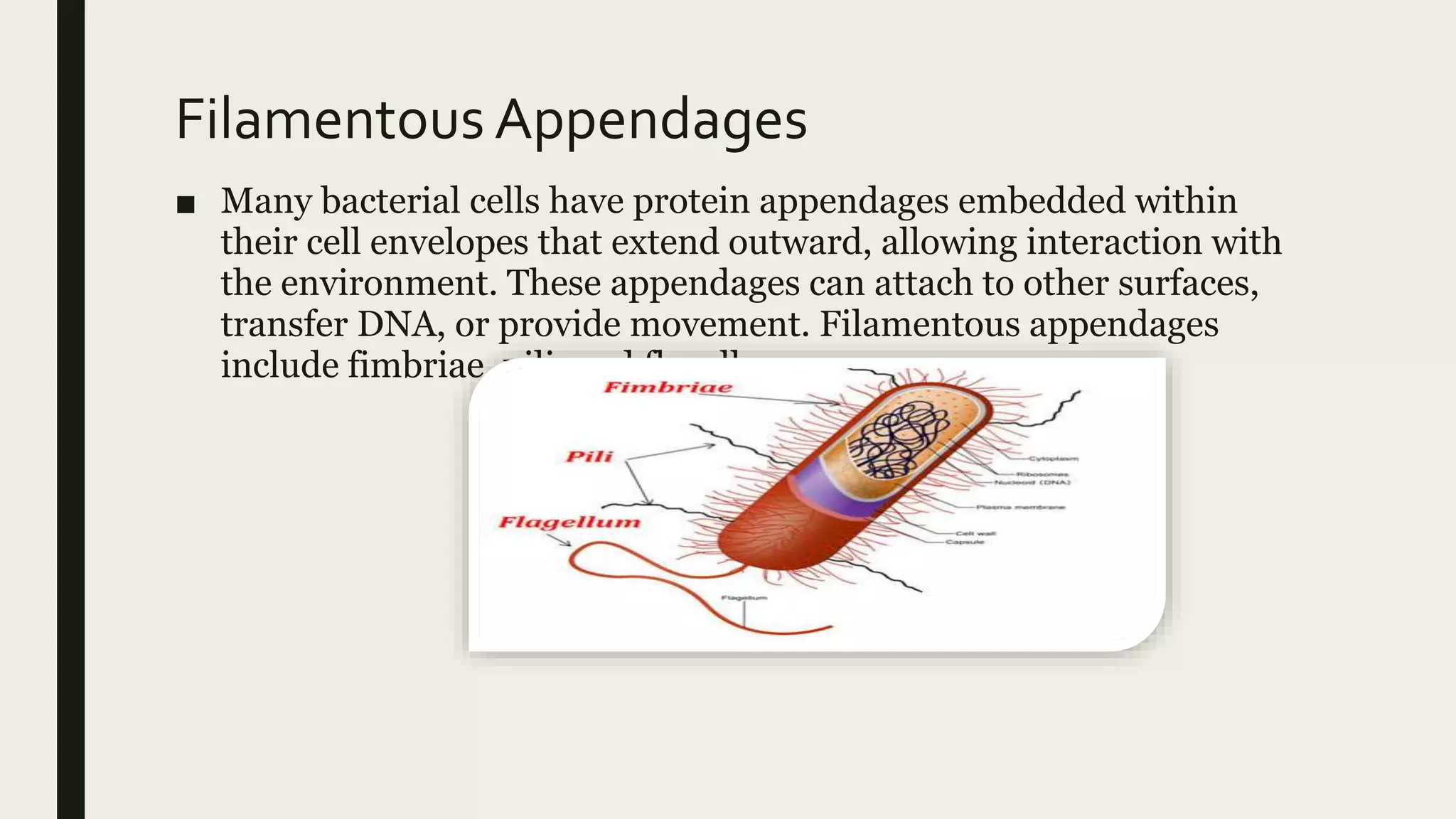
Filamentous Appendages
■ Many bacterial cells have protein appendages embedded within
their cell envelopes that extend outward, allowing interaction with
the environment. These appendages can attach to other surfaces,
transfer DNA, or provide movement. Filamentous appendages
include fimbriae, pili, and flagella.
FLAGELLA:
■ Introduction of Flagella---
■ Flagella are the complex filamentous cytoplasmic structure
protruding through cell wall. These are unbranched, long, thread
like structures, mostly composed of the protein flagellin, intricately
embedded in the cell envelope.
■ They are about 12-30 nm in diameter and 5-16 µm in length.
■ They are responsible for the bacterial motility. Motility plays an
important role in survival and the ability of certain bacteria to
cause disease.
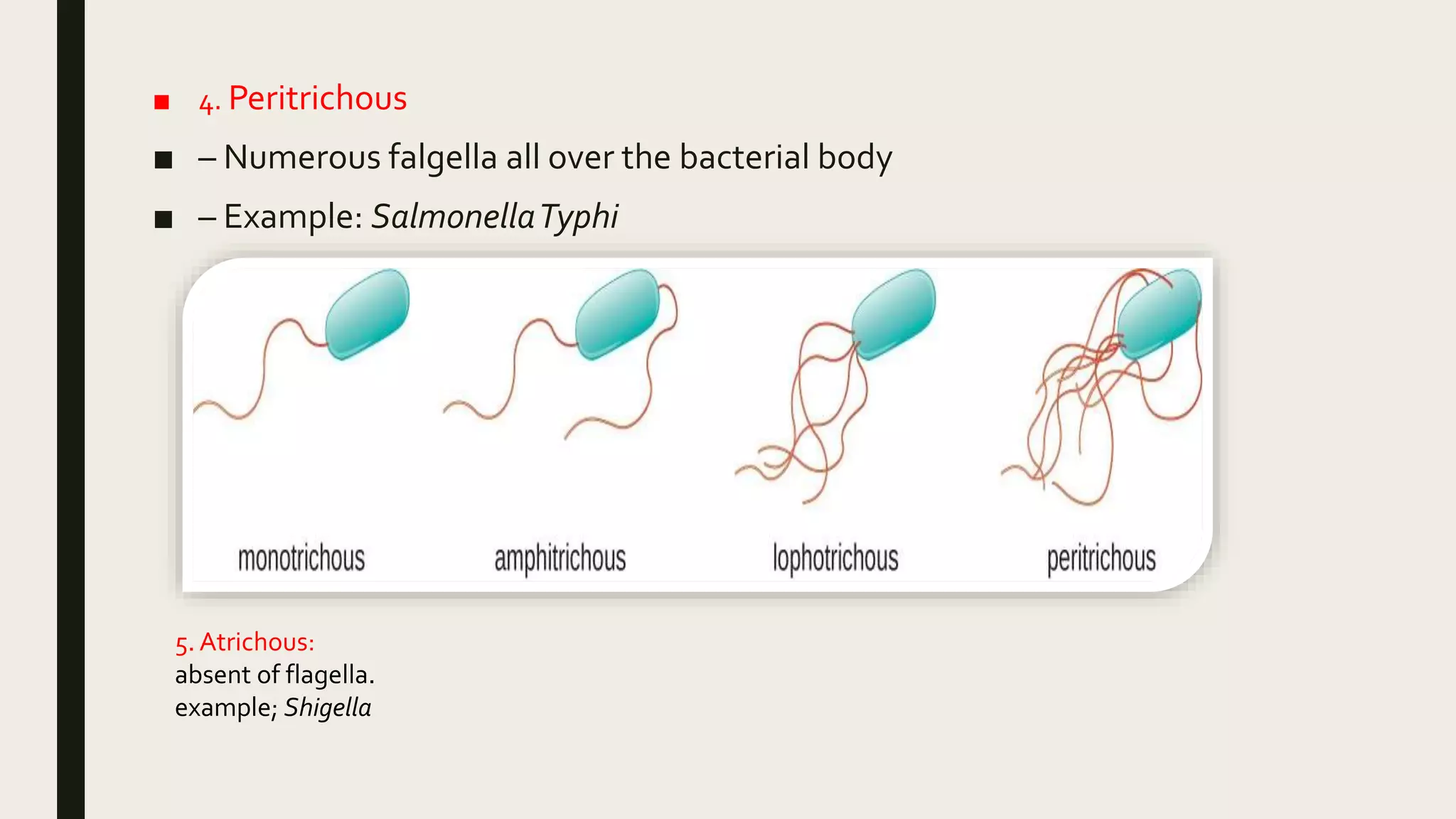
Types and Examples of Flagella
■ 1. Monotrichous:
■ presence of single flagella in one end of cell.
■ examples; Vibrio cholera, Pseudomonas aerogenosa
■ 2. Lophotrichous:
■ presence of bundle of flagella in one end of cell.
■ example: Pseudomanas fluroscence
■ 3. Amphitrichous:
■ presence of single or cluster of flagella at both end of cell.
■ example; Aquaspirillium
■ 4. Peritrichous
■ – Numerous falgella all over the bacterial body
■ – Example: SalmonellaTyphi
5. Atrichous:
absent of flagella.
example; Shigella
Diagram:
Parts of flagella:
■ Flagella is not straight but is helical.
■ It is composed of flagellin protein (globular protein) and known as H
antigen.
■ Flagella has three parts. Basal body, Hook and filament
■ Filament:
■ it is thin hair like structure arises from hook.
■ Hook:
■ it is the wider region at the base of filament
■ it connects filament to the motor protein in the base
■ length of hook is longer in gram +ve bacteria than gram –ve bacteria
■ Basal body:
■ it is composed of central rod inserted into series of rings which is
attached to cytoplasmic memvbrane and cell wall.
■ L-ring: it is the outer ring present only in Gram -ve bacteria, it
anchored in lipopolysaccharide layer
■ P-ring: it is second ring anchored in peptidoglycan layer of cell
wall.
■ M-S ring: anchored in cytoplasmic membrane
■ C ring: anchored in cytoplasm
■ *NOTE---A wet mount technique for staining bacterial flagella is
simple and is useful when the number and arrangement of flagella
are critical in identifying species of motile bacteria.
Flagellar motility:
■ At the base surrounding the inner ring (M-S and C ring) there is a
series of protein called Mot protein.
■ A final set of protein called Fli protein function as motor switch.
The flagella motor rotates the filament as a turbine causing
movement of the cell in the medium.
■ The movement of flagella results from rotation of basal body which
is similar to the movement of the shaft of an electric motor.
■ A turning motion is generated between S-ring and M ring. S-ring
acts as starter while M ring acts as roter.
■ The basal body as a whole give a universal joint to the cell and
allows complete rotation of hook and filament.
■ Flagella moves the cell by rotating the flagella about the basal body.
Rotation of flagella is either clockwise or anticlockwise.
Functions of Flagella
■ Movements
■ Sensation
■ Signal transduction
■ Adhesion
■ For cells anchored in a tissue, like the epithelial cells lining our air
passages, this moves liquid over the surface of the cell (e.g., driving
particle-laden mucus toward the throat).
■ Flagella are generally accepted as being important virulence factors
Fimbriae [short attachment pili]
■ In bacteriology, a fimbria (Latin for 'fringe', plural fimbriae), also
referred to as an "attachment pilus" by some scientists, is a type of
appendage that is found on many Gram-negative and some Gram-
positive bacteria, and that is thinner and shorter than a flagellum
■ Fimbriae are used by bacteria to adhere to one another and to
adhere to animal cells and some inanimate objects. A bacterium
can have as many as 1,000 fimbriae. Fimbriae are only visible with
the use of an electron microscope. They may be straight or flexible.
■ Made up of fimbrillin protein.
■ Comparatively shorter in length than pili and flagella.
■ No role in bacterial motility and conjugation.
Pili:
■ Pilin refers to a class of fibrous proteins that are found in pilus
structures in bacteria.
■ Bacterial pili are used in the exchange of genetic material during
bacterial conjugation, while a shorter type of appendages also
made up of pilin, called fimbriae, are used as a cell adhesion
mechanism. Although not all bacteria have pili or fimbriae.
■ Pili are typically longer and fewer in number than fimbriae. They
are found in virtually all Gram-negative bacteria but not in many
Gram-positive bacteria.
■ The fimbriae and pili have a shaft composed of a protein called
pilin.
■ At the end of the shaft is the adhesive tip structure having a shape
corresponding to that of specific glycoprotein or glycolipid
receptors on a host cell .
■ There are two basic types of pili: short attachment pili and long
conjugation pili.
AdhesiveTip of Bacterial Pili Binding to Host Cell Receptors
 Long conjugation pili, also called "F" or sex pili that are longer and
very few in number AND Common pili [short attachment pili also
called fimbriae
 The conjugation pilus enables conjugation. conjugation is the
transfer of DNA from one bacterium to another by cell-to-cell
contact.
 In gram-negative bacteria it is typically the transfer of DNA from a
donor or "male bacterium" with a sex pilus to a recipient or
"female bacterium" to enable genetic recombination.
Conjugation (Sex) Pilus
Scanning electron micrograph of E.coli bacteria exchanging
genes.
.

Prokaryotic cell

  • 1.
  • 2.
    Definition of prokaryote ■Any of the typically unicellular microorganisms that lack a distinct nucleus and membrane-bound organelles and that are classified as a kingdom (Prokaryotae synonym Monera) or into two domains (Bacteria and Archaea). ■ What are examples of prokaryotic?----Prokaryotic cells lack internal cellular bodies (organelles), while eukaryotic cells possess them. Examples of prokaryotes are bacteria and archaea. Examples of eukaryotes are protists, fungi, plants, and animals (everything except prokaryotes).
  • 3.
    What are examplesof prokaryotes? ■ Prokaryotes can be split into two domains, archaea and bacteria. ■ Cyanobacteria are sometimes considered algae, but they are actually bacteria (prokaryotic), where the term "algae" is now reserved for eukaryotic organisms. They also derive their energy through photosynthesis, but lack a nucleus or membrane bound organelles, like chloroplasts.
  • 4.
    Components of aprokaryotic cell ■ All cells share four common components: ■ a plasma membrane: an outer covering that separates the cell’s interior from its surrounding environment. ■ cytoplasm: a jelly-like cytosol within the cell in which other cellular components are found ■ DNA: the genetic material of the cell ■ ribosomes: where protein synthesis occurs , they also ■ Some other components or parts like pilli ,flagella ,fimbriae, capsule, cell wall, mesosome, chromatophore.
  • 5.
  • 6.
    What are thefundamental components of a prokaryotic cell? The Nucleoid----The nucleoid (meaning nucleus-like) is an irregularly shaped region within the prokaryotic cell that contains all or most of the genetic material.[While most prokaryotes, like E. coli, contain a single circular DNA molecule that makes up their entire genome] ■ In contrast to the nucleus of a eukaryotic cell, it is not surrounded by a nuclear membrane. ■ Prokaryotic DNA and DNA-associated proteins are concentrated within the nucleoid region of the cell . ■ In general, prokaryotic DNA interacts with nucleoid-associated proteins (NAPs) that assist in the organization and packaging of the chromosome. ■ NAPs function similar to histones, which are the DNA-organizing proteins found in eukaryotic cells.
  • 7.
    The nucleoid region(the area enclosed by the green dashed line) is a condensed area of DNA found within prokaryotic cells. Because of the density of the area, it does not readily stain and appears lighter in color when viewed with a transmission electron microscope. While most prokaryotes, like E. coli, contain a single circular DNA molecule that makes up their entire genome
  • 8.
    Plasmids: ■ Prokaryotic cellsmay also contain extrachromosomal DNA, or DNA that is not part of the chromosome. ■ This extrachromosomal DNA is found in plasmids, which are small, circular, double-stranded DNA molecules. ■ Plasmids are more commonly found in bacteria; however, plasmids have been found in archaea and eukaryotic organisms. ■ Plasmids often carry genes that confer advantageous traits such as antibiotic resistance; thus, they are important to the survival of the organism. ■ Cells that have plasmids often have hundreds of them within a single cell.
  • 9.
    Ribosomes ■ Prokaryotic ribosomesare found in the cytoplasm. ■ They are called 70S ribosomes because they have a size of 70S, whereas eukaryotic cytoplasmic ribosomes have a size of 80S. (The S stands for Svedberg unit, a measure of sedimentation in an ultracentrifuge, which is based on size, shape, and surface qualities of the structure being analyzed). ■ However, ribosomes in each of the three domains are structurally different. ■ All cellular life synthesizes proteins, and organisms in all three domains of life possess ribosomes, structures responsible for protein synthesis.
  • 10.
    Prokaryotic ribosomes (70S)are composed of two subunits: the 30S (small subunit) and the 50S (large subunit), each of which are composed of protein and rRNA components.
  • 11.
    Endospores ■ Bacterial cellsare generally observed as vegetative cells, but some genera of bacteria have the ability to form endospores, structures that essentially protect the bacterial genome in a dormant state when environmental conditions are unfavorable. Vegetative Cells Endospores Sensitive to extreme temperatures and radiation Resistant to extreme temperatures and radiation Gram-positive Do not absorb Gram stain, only special endospore stains Normal water content and enzymatic activity Dehydrated; no metabolic activity Capable of active growth and metabolism Dormant; no growth or metabolic activity
  • 12.
    ■ The processby which vegetative cells transform into endospores is called sporulation, and it generally begins when nutrients become depleted or environmental conditions become otherwise unfavorable Sporulation begins following asymmetric cell division.The forespore becomes surrounded by a double layer of membrane, a cortex, and a protein spore coat, before being released as a mature endospore upon disintegration of the mother cell
  • 13.
    Plasma Membrane ■ Structuresthat enclose the cytoplasm and internal structures of the cell are known collectively as the cell envelope. ■ All cells (prokaryotic and eukaryotic) have a plasma membrane (also called cytoplasmic membrane or cell membrane) that exhibits selective permeability, allowing some molecules to enter or leave the cell while restricting the passage of others. ■ The structure of the plasma membrane is often described in terms of the fluid mosaic model. ■ The plasma membrane structure of most bacterial and eukaryotic cell types is a bilayer composed mainly of phospholipids formed with ester linkages and proteins.
  • 14.
    ■ These phospholipidsand proteins have the ability to move laterally within the plane of the membranes as well as between the two phospholipid layers. [figure]The bacterial plasma membrane is a phospholipid bilayer with a variety of embedded proteins that perform various functions for the cell. Note the presence of glycoproteins and glycolipids, whose carbohydrate components extend out from the surface of the cell.The abundance and arrangement of these proteins and lipids can vary greatly between species.
  • 15.
    ■ These glycoproteinand glycolipid complexes extend out from the surface of the cell, allowing the cell to interact with the external environment. ■ Glycoproteins and glycolipids in the plasma membrane can vary considerably in chemical composition among archaea, bacteria, and eukaryotes, allowing scientists to use them to characterize unique species. ■ Plasma membranes from different cells types also contain unique phospholipids, which contain fatty acids. Phospholipid-derived fatty acid analysis (PLFA) profiles can be used to identify unique types of cells based on differences in fatty acids. Archaea, bacteria, and eukaryotes each have a unique PFLA profile.
  • 16.
    Photosynthetic Membrane Structures[cell membrane modification] ■ Some prokaryotic cells, namely cyanobacteria and photosynthetic bacteria, have membrane structures that enable them to perform photosynthesis. ■ These structures consist of an infolding of the plasma membrane that encloses photosynthetic pigments such as green chlorophylls and bacteriochlorophylls. ■ In cyanobacteria, these membrane structures are called thylakoids; in photosynthetic bacteria, they are called chromatophores, lamellae, or chlorosomes.
  • 17.
  • 18.
    MESOSOMES [CELL MEMBRANE MODIFICATION]■Mesosomes or chondrioids are folded invaginations in the plasma membrane of bacteria. ■ A specialized membraneous structure is a mesosome which is formed by an extension of plasma membrane into the cell. These extensions are in the form of vesicle, tubules, and lamellae. ■ FUNCTIONS:(1) These extensions help in the synthesis of the cell wall and replication of DNA. They also help in the equal distribution of chromosomes into the daughter cells. ■ (2) It also increases the surface area of the plasma membrane to carry out various enzymatic activities. ■ (3) It helps in secretion processes as well as in bacterial respiration.
  • 19.
    TYPES OF MESOSOMES: ■1]septal or central mesosome. ■ Help in DNA replication and transfer of replicated DNA to daughter cell. ■ Help in formation of septa / Cross wall during binary fission. ■ 2]peripheral or lateral mesosome ■ Also called chondroid. ■ Analogous to mitochondria of eukaryotic cell. ■ Site for respiration bacteria. ■ Has enzyme for electron transport chain[ETC] ■ Provide large surface area for enzyme activity.
  • 20.
    Structure of mesosomes: vesicle lamella tubulesFormsof mesosomes:vesicles,tubules,lamella
  • 21.
    CellWall ■ The primaryfunction of the cell wall is to protect the cell from harsh conditions in the outside environment. ■ When present, there are notable similarities and differences among the cell walls of archaea, bacteria, and eukaryotes. ■ The major component of bacterial cell walls is called peptidoglycan (or murein); it is only found in bacteria. ■ Archaeal cell wall structure differs from that of bacteria in several significant ways. ■ archaeal cell walls do not contain peptidoglycan; instead, they contain a similar polymer called pseudopeptidoglycan (pseudomurein)
  • 22.
    ■ Last, asis the case with some bacterial species, there are a few archaea that appear to lack cell walls entirely. ■ Like , Mycoplasma.
  • 23.
    Glycocalyces and S-Layers: ■Although most prokaryotic cells have cell walls, some may have additional cell envelope structures exterior to the cell wall, such as glycocalyces and S-layers. ■ glycocalyx is a sugar coat, of which there are two important types: capsules and slime layers. ■ A capsule is a well organized layer located outside of the cell wall and usually composed of polysaccharides or proteins. ■ A slime layer is a less tightly organized layer that is only loosely attached to the cell wall and can be more easily washed off. Slime layers may be composed of polysaccharides, glycoproteins, or glycolipids.
  • 24.
    Also protect cellsfrom predation and hinder the action of antibiotics and disinfectants.
  • 25.
    ■ S-layer isanother type of cell envelope structure; it is composed of a mixture of structural proteins and glycoproteins. In bacteria, S- layers are found outside the cell wall, but in some archaea, the S- layer serves as the cell wall. ■ The exact function of S-layers is not entirely understood, and they are difficult to study; but available evidence suggests that they may play a variety of functions in different prokaryotic cells, such as helping the cell withstand osmotic pressure and, for certain pathogens, interacting with the host immune system. ■ The ability to produce a capsule can contribute to a microbe’s pathogenicity (ability to cause disease) because the capsule can make it more difficult for phagocytic cells (such as white blood cells) to engulf and kill the microorganism. Streptococcus pneumoniae, for example, produces a capsule that is well known to aid in this bacterium’s pathogenicity.
  • 26.
    Filamentous Appendages ■ Manybacterial cells have protein appendages embedded within their cell envelopes that extend outward, allowing interaction with the environment. These appendages can attach to other surfaces, transfer DNA, or provide movement. Filamentous appendages include fimbriae, pili, and flagella.
  • 27.
    FLAGELLA: ■ Introduction ofFlagella--- ■ Flagella are the complex filamentous cytoplasmic structure protruding through cell wall. These are unbranched, long, thread like structures, mostly composed of the protein flagellin, intricately embedded in the cell envelope. ■ They are about 12-30 nm in diameter and 5-16 µm in length. ■ They are responsible for the bacterial motility. Motility plays an important role in survival and the ability of certain bacteria to cause disease.
  • 28.
    Types and Examplesof Flagella ■ 1. Monotrichous: ■ presence of single flagella in one end of cell. ■ examples; Vibrio cholera, Pseudomonas aerogenosa ■ 2. Lophotrichous: ■ presence of bundle of flagella in one end of cell. ■ example: Pseudomanas fluroscence ■ 3. Amphitrichous: ■ presence of single or cluster of flagella at both end of cell. ■ example; Aquaspirillium
  • 29.
    ■ 4. Peritrichous ■– Numerous falgella all over the bacterial body ■ – Example: SalmonellaTyphi 5. Atrichous: absent of flagella. example; Shigella
  • 30.
  • 31.
    Parts of flagella: ■Flagella is not straight but is helical. ■ It is composed of flagellin protein (globular protein) and known as H antigen. ■ Flagella has three parts. Basal body, Hook and filament ■ Filament: ■ it is thin hair like structure arises from hook. ■ Hook: ■ it is the wider region at the base of filament ■ it connects filament to the motor protein in the base ■ length of hook is longer in gram +ve bacteria than gram –ve bacteria
  • 32.
    ■ Basal body: ■it is composed of central rod inserted into series of rings which is attached to cytoplasmic memvbrane and cell wall. ■ L-ring: it is the outer ring present only in Gram -ve bacteria, it anchored in lipopolysaccharide layer ■ P-ring: it is second ring anchored in peptidoglycan layer of cell wall. ■ M-S ring: anchored in cytoplasmic membrane ■ C ring: anchored in cytoplasm ■ *NOTE---A wet mount technique for staining bacterial flagella is simple and is useful when the number and arrangement of flagella are critical in identifying species of motile bacteria.
  • 33.
    Flagellar motility: ■ Atthe base surrounding the inner ring (M-S and C ring) there is a series of protein called Mot protein. ■ A final set of protein called Fli protein function as motor switch. The flagella motor rotates the filament as a turbine causing movement of the cell in the medium. ■ The movement of flagella results from rotation of basal body which is similar to the movement of the shaft of an electric motor. ■ A turning motion is generated between S-ring and M ring. S-ring acts as starter while M ring acts as roter. ■ The basal body as a whole give a universal joint to the cell and allows complete rotation of hook and filament. ■ Flagella moves the cell by rotating the flagella about the basal body. Rotation of flagella is either clockwise or anticlockwise.
  • 34.
    Functions of Flagella ■Movements ■ Sensation ■ Signal transduction ■ Adhesion ■ For cells anchored in a tissue, like the epithelial cells lining our air passages, this moves liquid over the surface of the cell (e.g., driving particle-laden mucus toward the throat). ■ Flagella are generally accepted as being important virulence factors
  • 35.
    Fimbriae [short attachmentpili] ■ In bacteriology, a fimbria (Latin for 'fringe', plural fimbriae), also referred to as an "attachment pilus" by some scientists, is a type of appendage that is found on many Gram-negative and some Gram- positive bacteria, and that is thinner and shorter than a flagellum ■ Fimbriae are used by bacteria to adhere to one another and to adhere to animal cells and some inanimate objects. A bacterium can have as many as 1,000 fimbriae. Fimbriae are only visible with the use of an electron microscope. They may be straight or flexible. ■ Made up of fimbrillin protein. ■ Comparatively shorter in length than pili and flagella. ■ No role in bacterial motility and conjugation.
  • 36.
    Pili: ■ Pilin refersto a class of fibrous proteins that are found in pilus structures in bacteria. ■ Bacterial pili are used in the exchange of genetic material during bacterial conjugation, while a shorter type of appendages also made up of pilin, called fimbriae, are used as a cell adhesion mechanism. Although not all bacteria have pili or fimbriae. ■ Pili are typically longer and fewer in number than fimbriae. They are found in virtually all Gram-negative bacteria but not in many Gram-positive bacteria. ■ The fimbriae and pili have a shaft composed of a protein called pilin.
  • 37.
    ■ At theend of the shaft is the adhesive tip structure having a shape corresponding to that of specific glycoprotein or glycolipid receptors on a host cell . ■ There are two basic types of pili: short attachment pili and long conjugation pili. AdhesiveTip of Bacterial Pili Binding to Host Cell Receptors
  • 38.
     Long conjugationpili, also called "F" or sex pili that are longer and very few in number AND Common pili [short attachment pili also called fimbriae  The conjugation pilus enables conjugation. conjugation is the transfer of DNA from one bacterium to another by cell-to-cell contact.  In gram-negative bacteria it is typically the transfer of DNA from a donor or "male bacterium" with a sex pilus to a recipient or "female bacterium" to enable genetic recombination. Conjugation (Sex) Pilus
  • 39.
    Scanning electron micrographof E.coli bacteria exchanging genes.
  • 40.