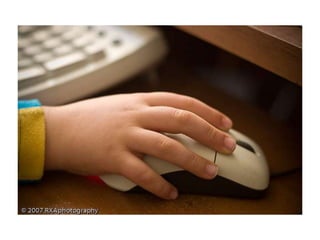
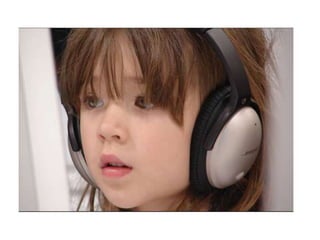
You might know what they are called…
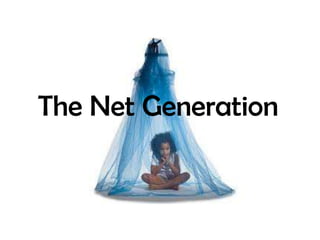
The Net Generation
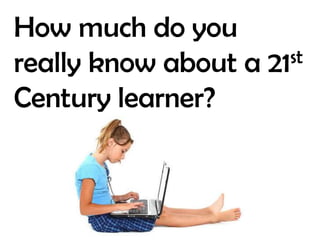
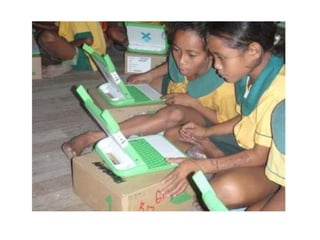
How much do you really know about a 21st Century learner?
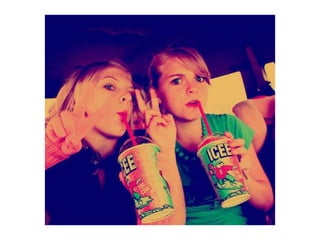
They are ages 8-18
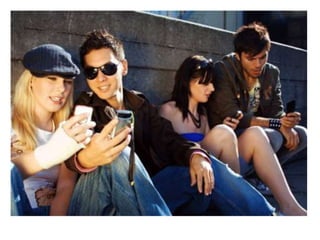
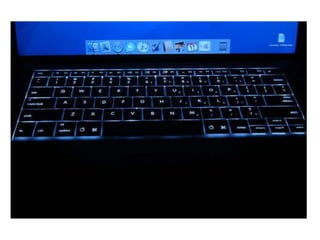
They text
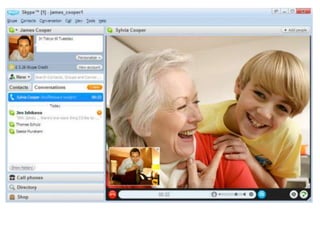
Skype and IM
And blog
Use wikis
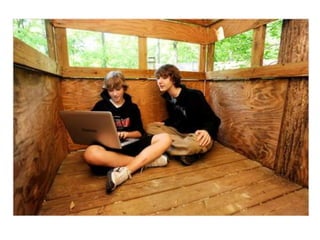
Surf the net
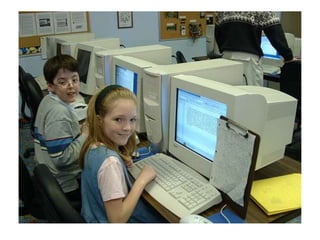
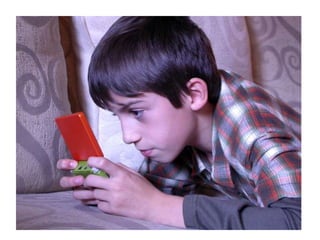
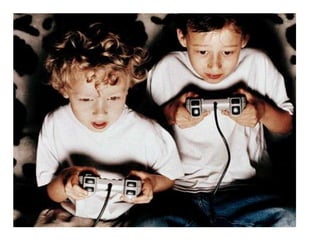
Play video games
8-10 year olds spend almost 8 hours a day consuming media.
Most of that 8 hours is outside of the classroom
The amount of time children and teens spend on the computer has tripled over the last 10 years(1 hour and 29 minutes)
38 minutes is devoted to reading a book
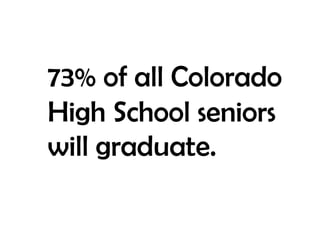
73% of all Colorado High School seniors will graduate.
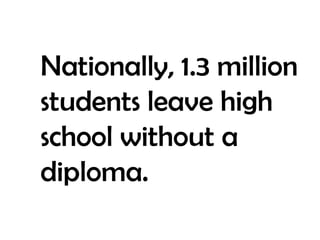
Nationally, 1.3 million students leave high school without a diploma.
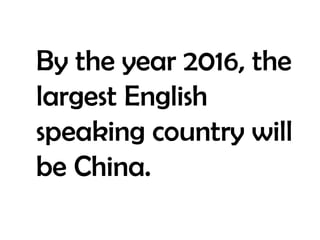
By the year 2016, the largest English speaking country will be China.
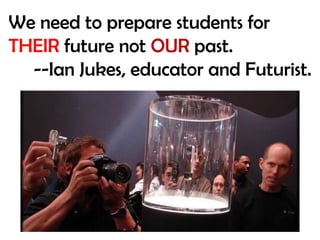
We need to prepare students for THEIR future not OURpast.--Ian Jukes, educator and Futurist.
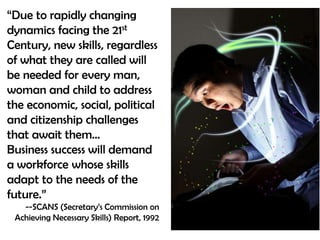
“Due to rapidly changing dynamics facing the 21st Century, new skills, regardless of what they are called will  be needed for every man, woman and child to address the economic, social, political and citizenship challenges that await them…Business success will demand a workforce whose skills adapt to the needs of the future.”--SCANS (Secretary’s Commission on Achieving Necessary Skills) Report, 1992
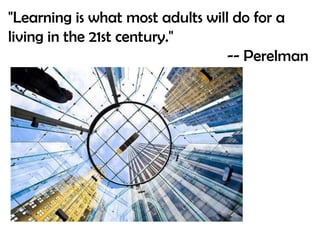
"Learning is what most adults will do for a living in the 21st century." -- Perelman
So how do we prepare them for the future?
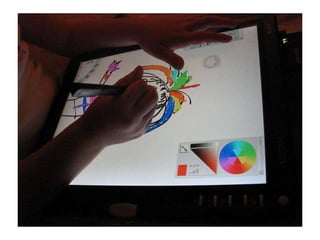
Let them create
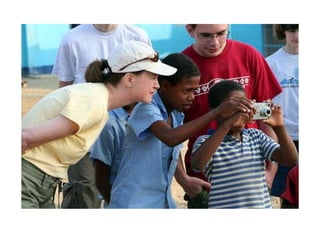
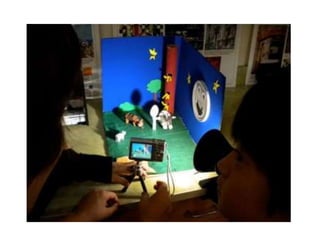
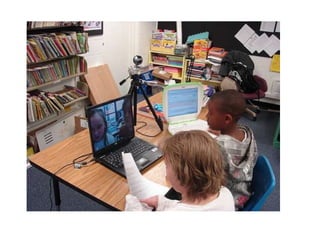
5th Graders created videos to help solve math story problems,  illustrate their personal narrative writing, and present projects.
Let them collaborate
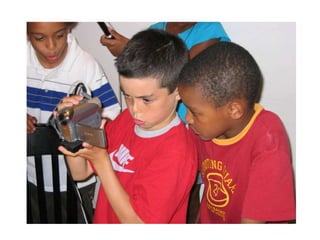
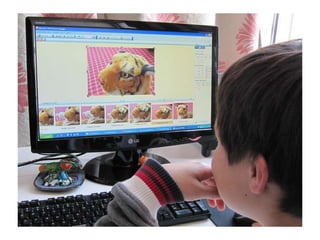
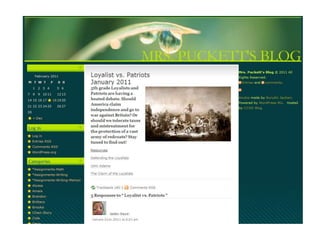
Students created an online wiki about the Loyalists vs. the Patriots going to war to gain American independence.The debate continued on our classroom blog.
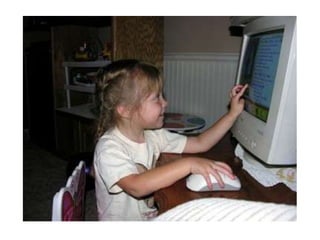
Let them communicate
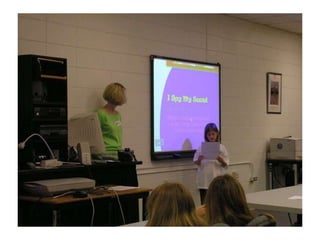
They made podcasts with Voicethread to present a research or group project and to share their stories.
Teachers need to stop saying, “Hand it in,” and start saying “Publish It.” --Alan November
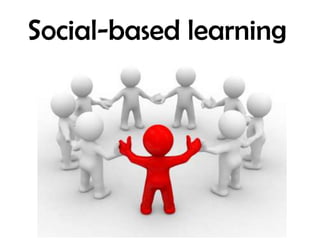
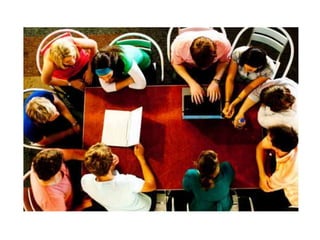
Social-based learning
Students want to leverage emerging communications and collaboration.
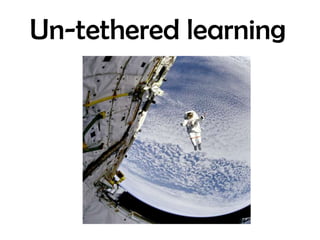
Un-tethered learning
Students envision technology-enabled learning experiences that transcend the classroom walls and are not limited by resource constraints
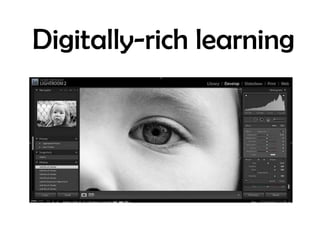
Digitally-rich learning
Students see the use of relevancy-based digital tools, content and resources as a key to driving learning productivity
Digital Media enables us to build more stages for our kids to express themselves.-- Marco Torres
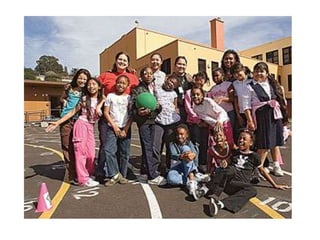
We need to replicate in the classroom the world in which students are living.
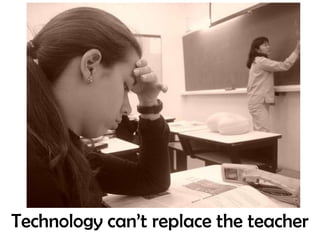
Technology can’t replace the teacher
We have to move from know what learning to know where learning.
Are your students ready for their future?
ReferencesAlliance for Excellent Education. (2009). Understanding High School Graduation Rates in Colorado. Retrieved fromhttp://www.all4ed.org/files/Colorado_wc.pdfBaker, Frank W. (2010). Media Use Statistics. Media Literacy Clearinghouse. Retrieved from http://www.frankwbaker.com/mediause.htmHealy, Melissa. (May 2010). Teenage social media butterflies may not be such a bad idea. Los Angeles Times. 	Retrieved from http://articles.latimes.com/2010/may/18/science/la-sci-socially-connected-kids-20100518Nesbitt, B. (November 2001). A Vision of K-12 Students Today. [YouTube Video]. Retrieved from http://www.youtube.com/watch?v=_A-ZVCjfWf8Rideout, Victoria J., Ulla G. Foehr, and Donald F. Roberts. (January 2010). Generation M2. Kaiser Family Foundation 	Study. Retrieved from http://www.kff.org/entmedia/upload/8010.pdfSpeak Up 2009. (March 2010). Creating Our Future. Retrieved from http://www.tomorrow.org/speakup/pdfs/SU09NationalFindingsStudents&Parents.pdfSpeak Up 2009. (May 2010). Unleashing the Future. Retrieved fromhttp://www.tomorrow.org/speakup/pdfs/SU09UnleashingTheFuture.pdf

Project Makeover
Project Makeover
Project Makeover
Project Makeover

Project Makeover

  • 1.
    You might knowwhat they are called…
  • 5.
  • 7.
    How much doyou really know about a 21st Century learner?
  • 9.
  • 11.
  • 13.
  • 15.
  • 17.
  • 19.
  • 21.
  • 23.
    8-10 year oldsspend almost 8 hours a day consuming media.
  • 25.
    Most of that8 hours is outside of the classroom
  • 26.
    The amount oftime children and teens spend on the computer has tripled over the last 10 years(1 hour and 29 minutes)
  • 28.
    38 minutes isdevoted to reading a book
  • 30.
    73% of allColorado High School seniors will graduate.
  • 32.
    Nationally, 1.3 millionstudents leave high school without a diploma.
  • 34.
    By the year2016, the largest English speaking country will be China.
  • 36.
    We need toprepare students for THEIR future not OURpast.--Ian Jukes, educator and Futurist.
  • 38.
    “Due to rapidlychanging dynamics facing the 21st Century, new skills, regardless of what they are called will be needed for every man, woman and child to address the economic, social, political and citizenship challenges that await them…Business success will demand a workforce whose skills adapt to the needs of the future.”--SCANS (Secretary’s Commission on Achieving Necessary Skills) Report, 1992
  • 41.
    "Learning is whatmost adults will do for a living in the 21st century." -- Perelman
  • 42.
    So how dowe prepare them for the future?
  • 44.
  • 46.
    5th Graders createdvideos to help solve math story problems, illustrate their personal narrative writing, and present projects.
  • 49.
  • 51.
    Students created anonline wiki about the Loyalists vs. the Patriots going to war to gain American independence.The debate continued on our classroom blog.
  • 53.
  • 56.
    They made podcastswith Voicethread to present a research or group project and to share their stories.
  • 58.
    Teachers need tostop saying, “Hand it in,” and start saying “Publish It.” --Alan November
  • 59.
  • 60.
    Students want toleverage emerging communications and collaboration.
  • 62.
  • 63.
    Students envision technology-enabledlearning experiences that transcend the classroom walls and are not limited by resource constraints
  • 66.
  • 67.
    Students see theuse of relevancy-based digital tools, content and resources as a key to driving learning productivity
  • 69.
    Digital Media enablesus to build more stages for our kids to express themselves.-- Marco Torres
  • 70.
    We need toreplicate in the classroom the world in which students are living.
  • 74.
  • 76.
    We have tomove from know what learning to know where learning.
  • 82.
    Are your studentsready for their future?
  • 83.
    ReferencesAlliance for ExcellentEducation. (2009). Understanding High School Graduation Rates in Colorado. Retrieved fromhttp://www.all4ed.org/files/Colorado_wc.pdfBaker, Frank W. (2010). Media Use Statistics. Media Literacy Clearinghouse. Retrieved from http://www.frankwbaker.com/mediause.htmHealy, Melissa. (May 2010). Teenage social media butterflies may not be such a bad idea. Los Angeles Times. Retrieved from http://articles.latimes.com/2010/may/18/science/la-sci-socially-connected-kids-20100518Nesbitt, B. (November 2001). A Vision of K-12 Students Today. [YouTube Video]. Retrieved from http://www.youtube.com/watch?v=_A-ZVCjfWf8Rideout, Victoria J., Ulla G. Foehr, and Donald F. Roberts. (January 2010). Generation M2. Kaiser Family Foundation Study. Retrieved from http://www.kff.org/entmedia/upload/8010.pdfSpeak Up 2009. (March 2010). Creating Our Future. Retrieved from http://www.tomorrow.org/speakup/pdfs/SU09NationalFindingsStudents&Parents.pdfSpeak Up 2009. (May 2010). Unleashing the Future. Retrieved fromhttp://www.tomorrow.org/speakup/pdfs/SU09UnleashingTheFuture.pdf