


Microbiology 
An 
introduction 
Presented by 
D. Mona 
Othman 
Albureikan 
Lecture (9,10)
Microbial Growth 
The Requirements for Growth 
I. The growth of a population is an increase in the 
number of cells. 
2. The requirements for microbial growth are both 
physical and chemical.
Microbial Growth 
The Requirements for Growth 
Physical Requirements 1- Temperature 
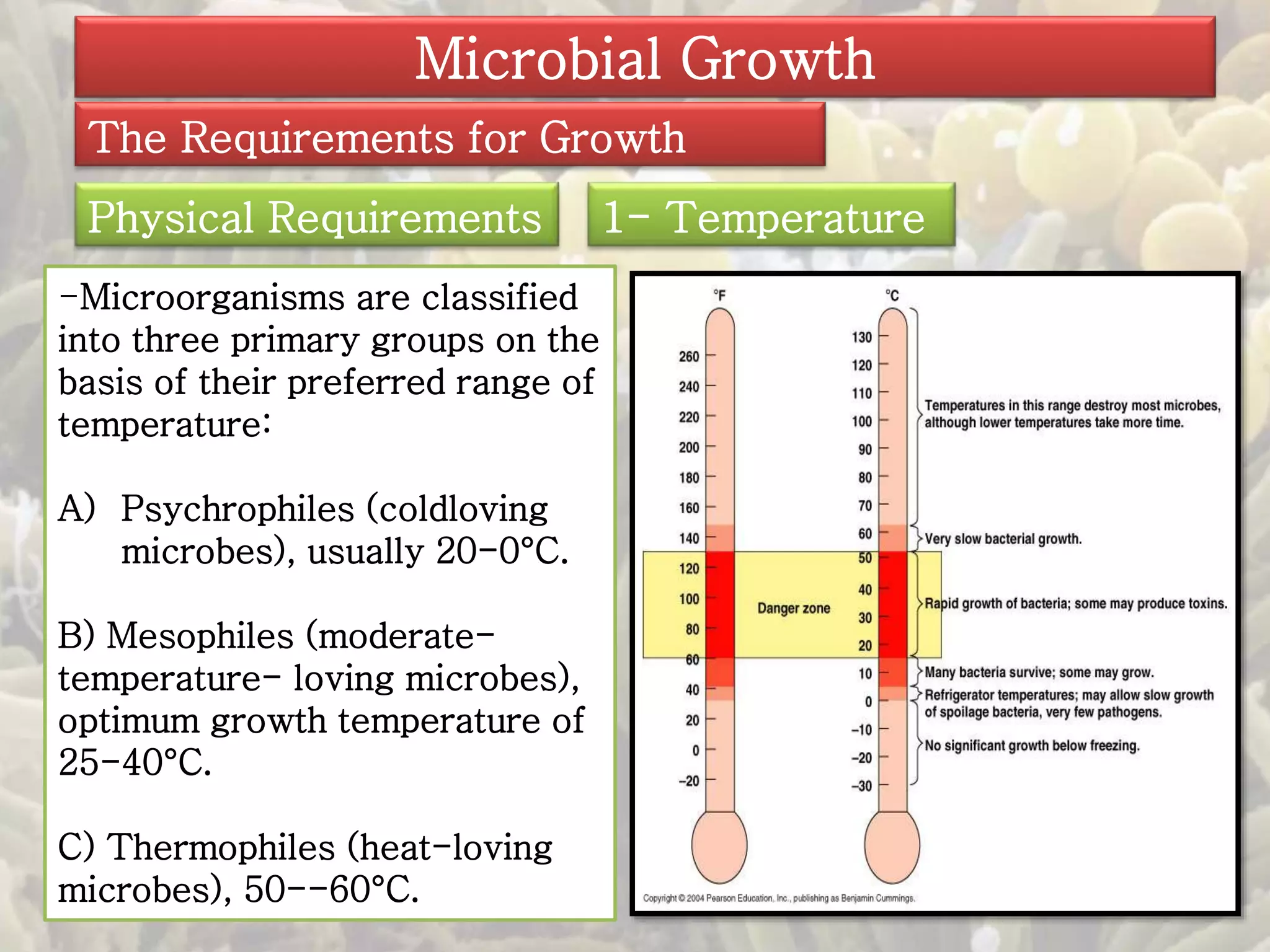
-Microorganisms are classified 
into three primary groups on the 
basis of their preferred range of 
temperature: 
A) Psychrophiles (coldloving 
microbes), usually 20-0°C. 
B) Mesophiles (moderate-temperature- 
loving microbes), 
optimum growth temperature of 
25-40°C. 
C) Thermophiles (heat-loving 
microbes), 50--60°C.
Microbial Growth 
Physical Requirements 1- Temperature 
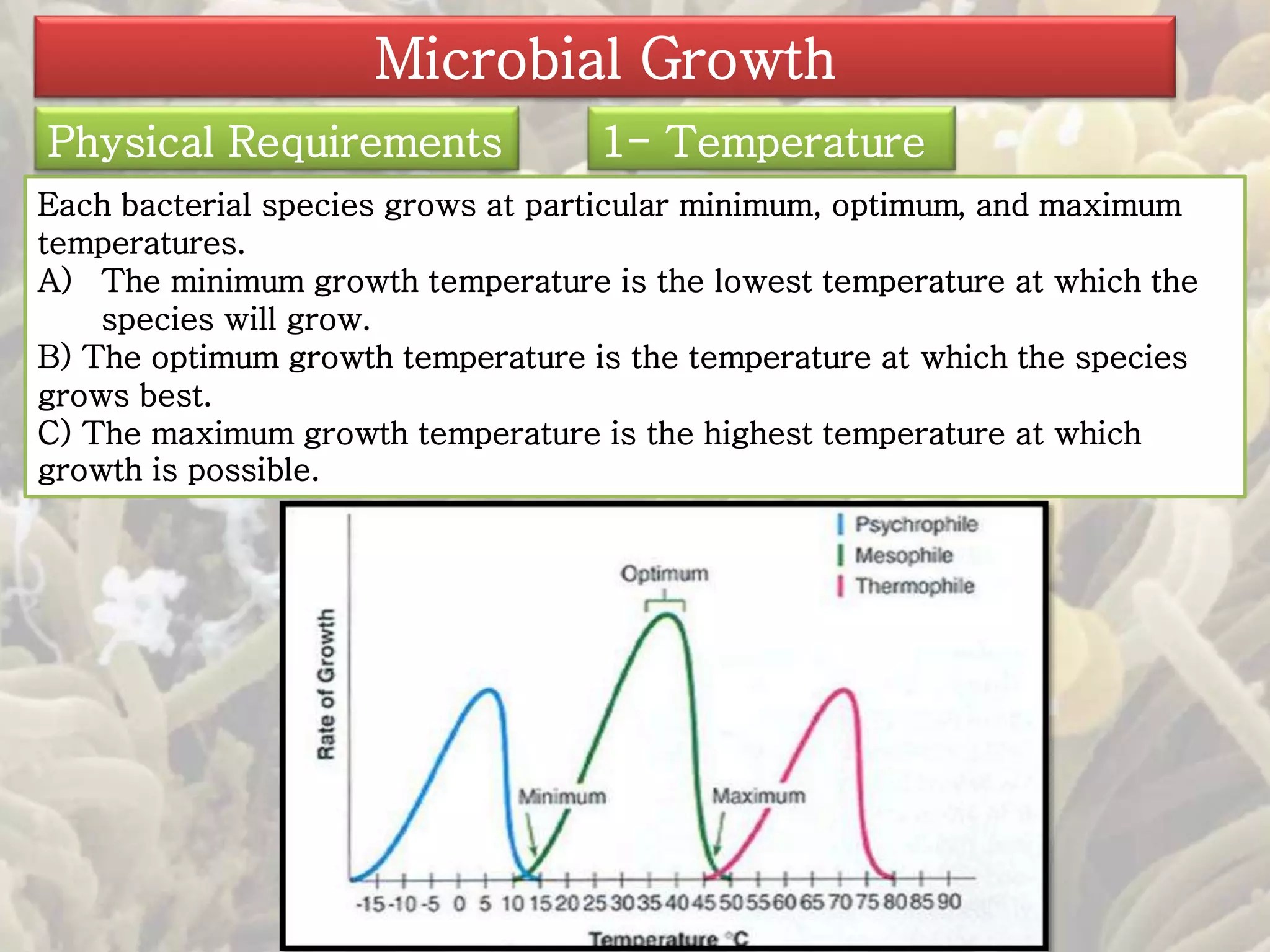
Each bacterial species grows at particular minimum, optimum, and maximum 
temperatures. 
A) The minimum growth temperature is the lowest temperature at which the 
species will grow. 
B) The optimum growth temperature is the temperature at which the species 
grows best. 
C) The maximum growth temperature is the highest temperature at which 
growth is possible.
Microbial Growth 
Physical Requirements 2- pH 
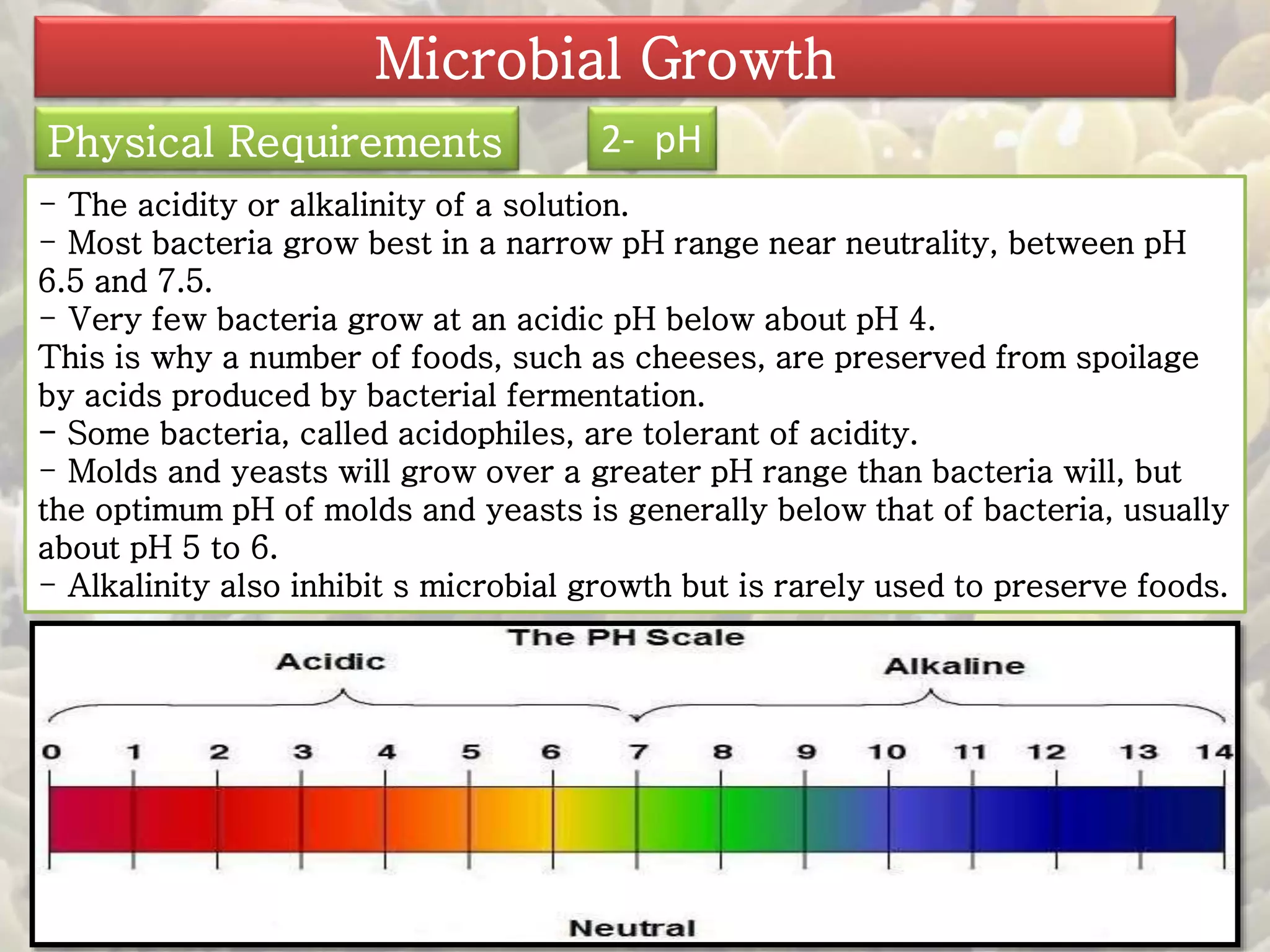
- The acidity or alkalinity of a solution. 
- Most bacteria grow best in a narrow pH range near neutrality, between pH 
6.5 and 7.5. 
- Very few bacteria grow at an acidic pH below about pH 4. 
This is why a number of foods, such as cheeses, are preserved from spoilage 
by acids produced by bacterial fermentation. 
- Some bacteria, called acidophiles, are tolerant of acidity. 
- Molds and yeasts will grow over a greater pH range than bacteria will, but 
the optimum pH of molds and yeasts is generally below that of bacteria, usually 
about pH 5 to 6. 
- Alkalinity also inhibit s microbial growth but is rarely used to preserve foods.
Microbial Growth 
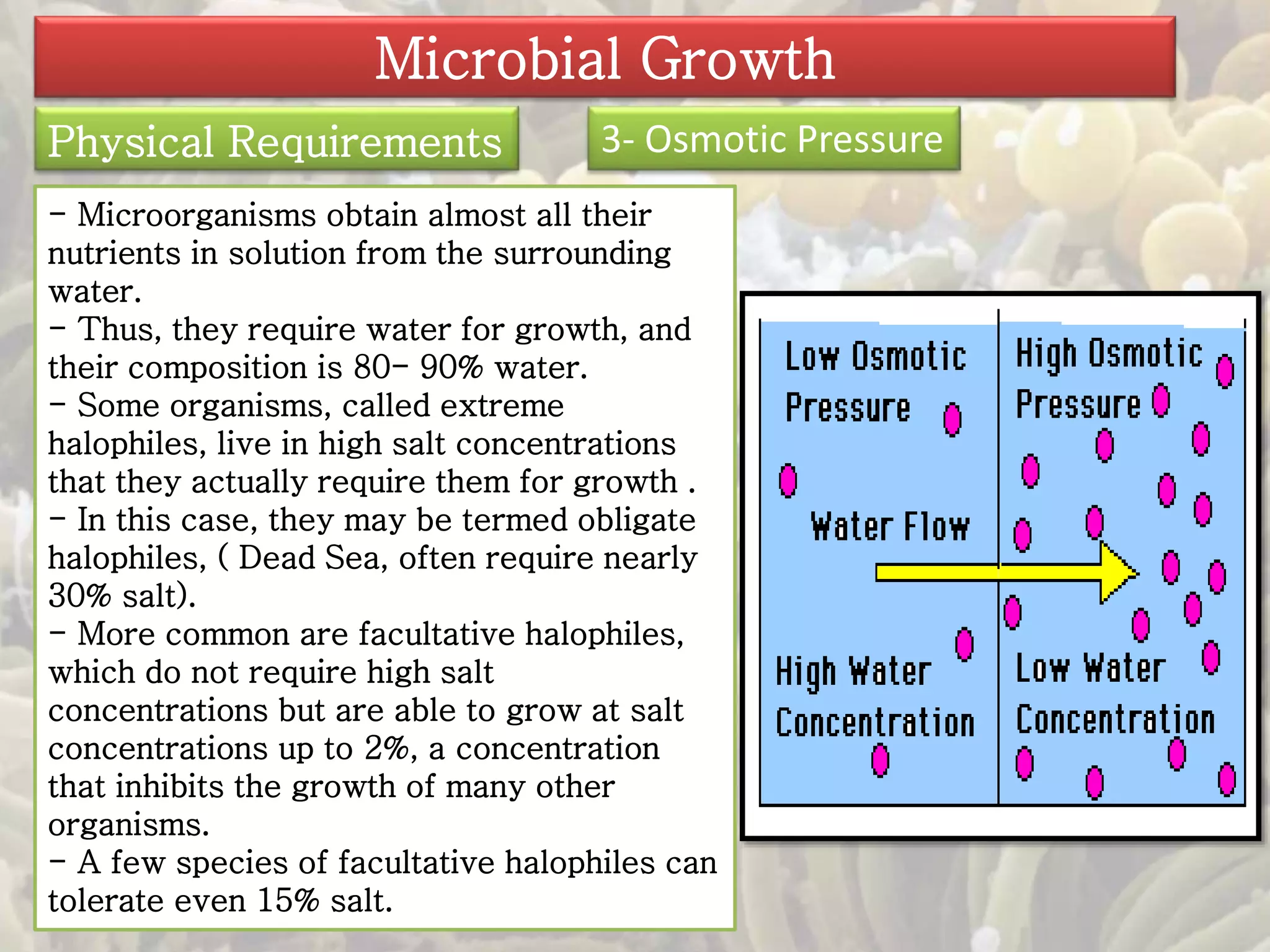
Physical Requirements 3- Osmotic Pressure 
- Microorganisms obtain almost all their 
nutrients in solution from the surrounding 
water. 
- Thus, they require water for growth, and 
their composition is 80- 90% water. 
- Some organisms, called extreme 
halophiles, live in high salt concentrations 
that they actually require them for growth . 
- In this case, they may be termed obligate 
halophiles, ( Dead Sea, often require nearly 
30% salt). 
- More common are facultative halophiles, 
which do not require high salt 
concentrations but are able to grow at salt 
concentrations up to 2%, a concentration 
that inhibits the growth of many other 
organisms. 
- A few species of facultative halophiles can 
tolerate even 15% salt.
Microbial Growth 
Physical Requirements 3- Oxygen requirements 
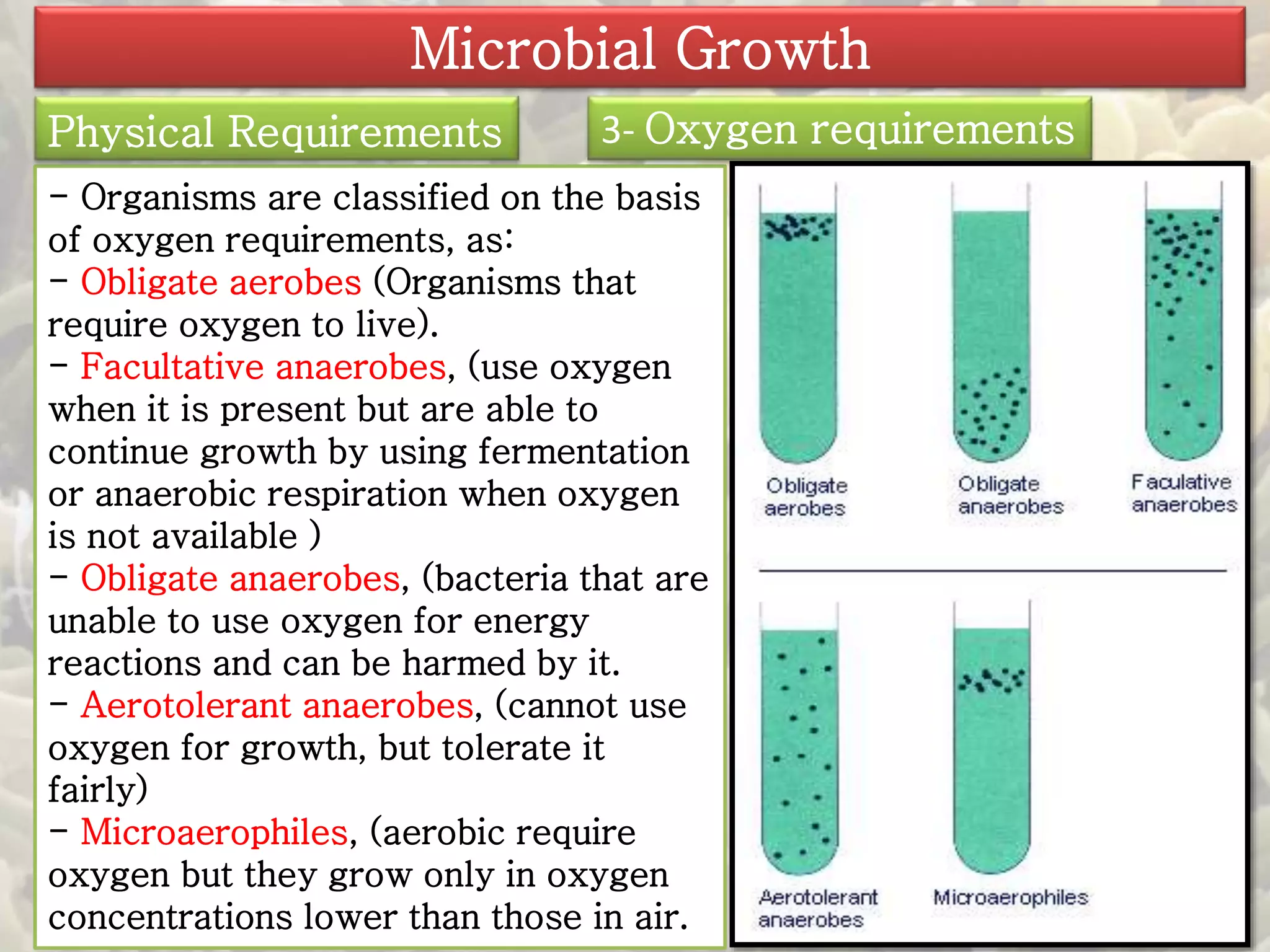
- Organisms are classified on the basis 
of oxygen requirements, as: 
- Obligate aerobes (Organisms that 
require oxygen to live). 
- Facultative anaerobes, (use oxygen 
when it is present but are able to 
continue growth by using fermentation 
or anaerobic respiration when oxygen 
is not available ) 
- Obligate anaerobes, (bacteria that are 
unable to use oxygen for energy 
reactions and can be harmed by it. 
- Aerotolerant anaerobes, (cannot use 
oxygen for growth, but tolerate it 
fairly) 
- Microaerophiles, (aerobic require 
oxygen but they grow only in oxygen 
concentrations lower than those in air.
Microbial Growth 
Physical Requirements 3- Oxygen requirements 
-Normal aerobic microbes prodused catalase, because the hydrogen 
peroxide which produced during normal aerobic respiration is toxic. It 
converts it into water and oxygen. 
- Many of the aerotolerant bacteria characteristically ferment 
carbohydrates to lactic acid. As lactic acid accumulates, it inhibits the 
growth of aerobic competitors and establishes a favorable ecological 
niche for lactic acid producers.
Microbial Growth 
Chemical Requirements 1- Carbon 
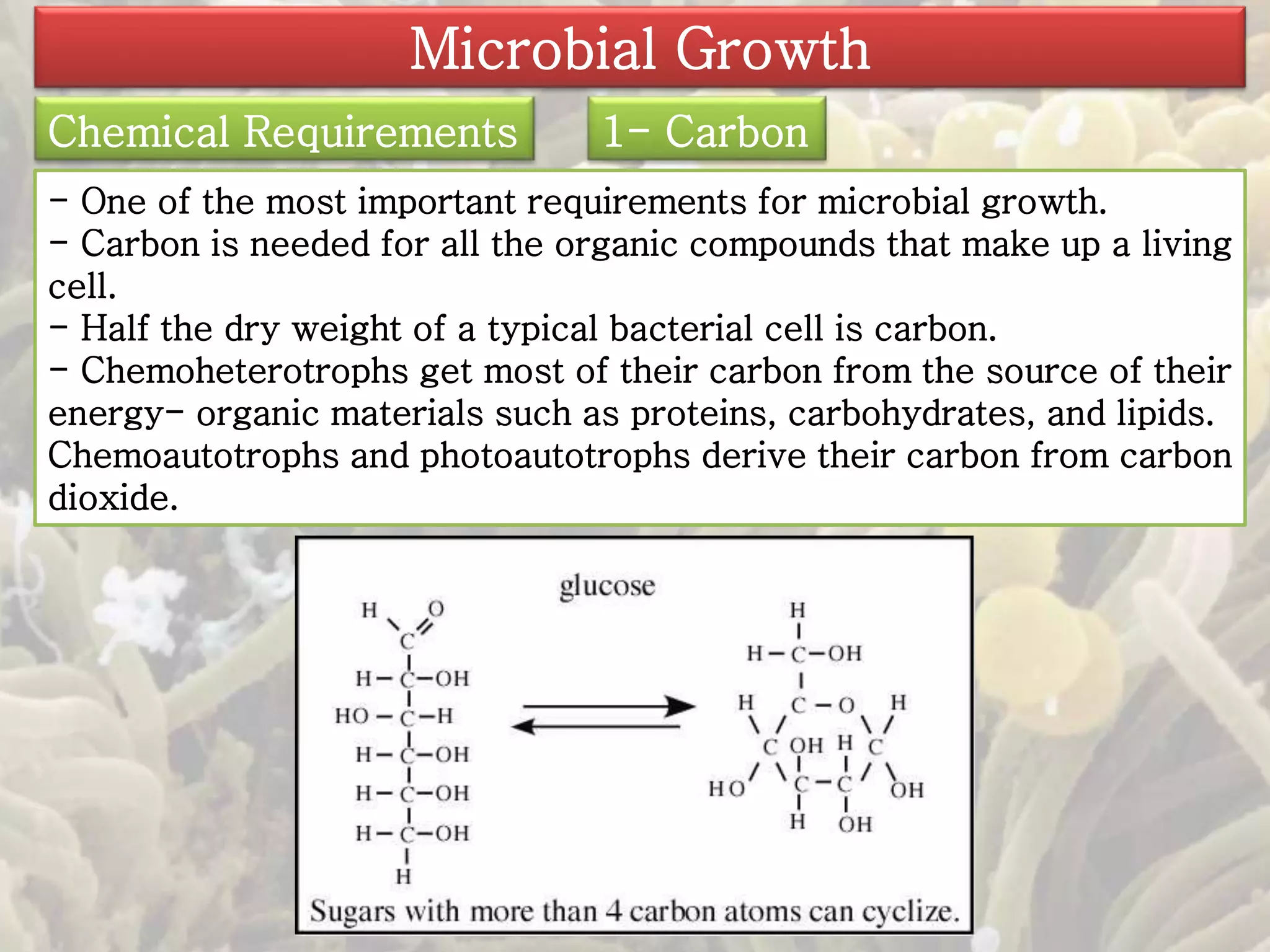
- One of the most important requirements for microbial growth. 
- Carbon is needed for all the organic compounds that make up a living 
cell. 
- Half the dry weight of a typical bacterial cell is carbon. 
- Chemoheterotrophs get most of their carbon from the source of their 
energy- organic materials such as proteins, carbohydrates, and lipids. 
Chemoautotrophs and photoautotrophs derive their carbon from carbon 
dioxide.
Microbial Growth 
Chemical Requirements 2- Nitrogen 
- Organisms requires nitrogen to form the amino group of the 
amino acids of protein. 
- The syntheses of DNA and RNA also require nitrogen. 
- Many bacteria meet this requirement by decomposing protein-containing 
material and reincorporating the amino acids into newly 
synthesized proteins and other nitrogen-containing compounds. 
- Or from NH4 + found in organic cellular material or NO3 - 
(compounds that dissociate to give the nitrate ion, N03- , in 
solution). 
- Some important bacteria, including many of the photosynthesizing 
cyanobacteria (use gaseous nitrogen (N2) directly from the 
atmosphere. 
- This process is called nitrogen fixation. 
- Some organisms that use this method are free-living, in the soil, 
but other bacterium and the plant live in symbiosis with the roots.
Microbial Growth 
Chemical Requirements 3- Sulfur 
- Sulfur is used to synthesize sulfur-containing amino acids and 
vitamins such as thiamine and biotin. 
- Important natural sources of sulfur include the sulfate ion (SO- ), 
hydrogen sulfide, and the sulfur-containing amino acids.
Microbial Growth 
Chemical Requirements 4- Phosphorus 
- Phosphorus is essential for the synthesis of nucleic acids and the 
phospholipids of cell membranes. 
-The synthesis of bonds of ATP, the molecule so important for the 
storage and transfer of chemical energy within the cell (Phosphorus ). 
- A source of phosphorus is the phosphate ion . 
- Potassium, magnesium, and calcium are also elements that 
microorganisms require, often as cofactors for enzymes.
Microbial Growth 
Chemical Requirements 5- Organic Growth Factors 
- Essential organic compounds an organism is unable to synthesize 
are known as organic growth factors. 
- They must be directly obtained from the environment. 
- Many bacteria can synthesize all their own vitamins and do not 
depend on outside sources. 
- Some bacteria lack the enzymes needed for the synthesis of certain 
vitamins. 
- For them those vitamins arc organic growth factors. 
- Other organic growth factors required by some bacteria are 
amino acids, purines, and pyrimidines.
Biofilms 
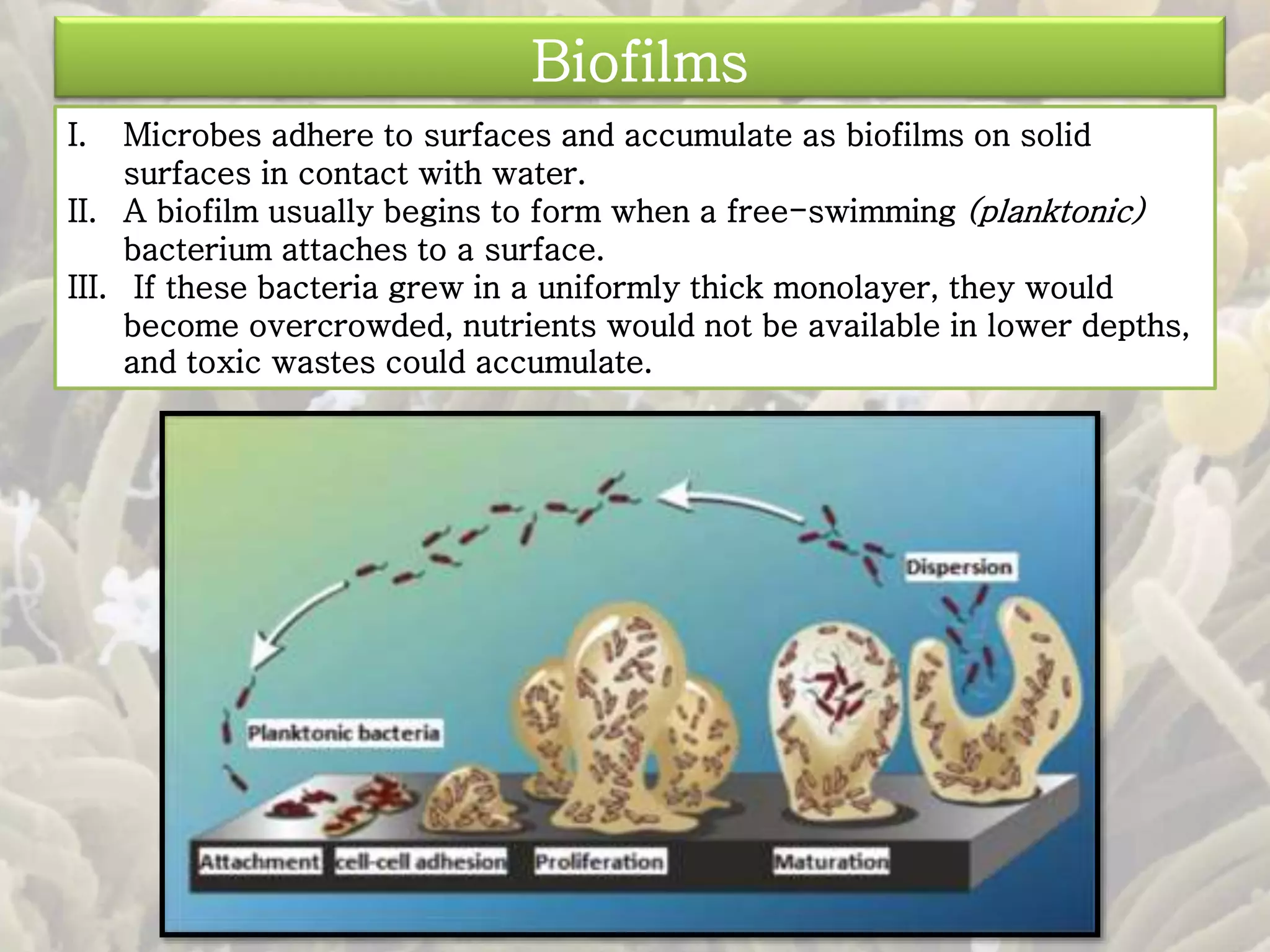
I. Microbes adhere to surfaces and accumulate as biofilms on solid 
surfaces in contact with water. 
II. A biofilm usually begins to form when a free-swimming (planktonic) 
bacterium attaches to a surface. 
III. If these bacteria grew in a uniformly thick monolayer, they would 
become overcrowded, nutrients would not be available in lower depths, 
and toxic wastes could accumulate.
Biofilms 
I. Microorganisms in biofilm communities sometimes avoid these problems 
by forming pillar-like structures with channels between them, through 
which water can carry incoming nutrients and outgoing wastes. 
II. Biofilms form on teeth, contact lenses, and catheters (Candida). 
III. Microbes in biofilms are more resistant of antibiotics than are free 
swimming microbes. 
IV. One approach to preventing biofilm formation is to incorporate 
antimicrobials into surfaces on which biofilms might form.
Culture Media 
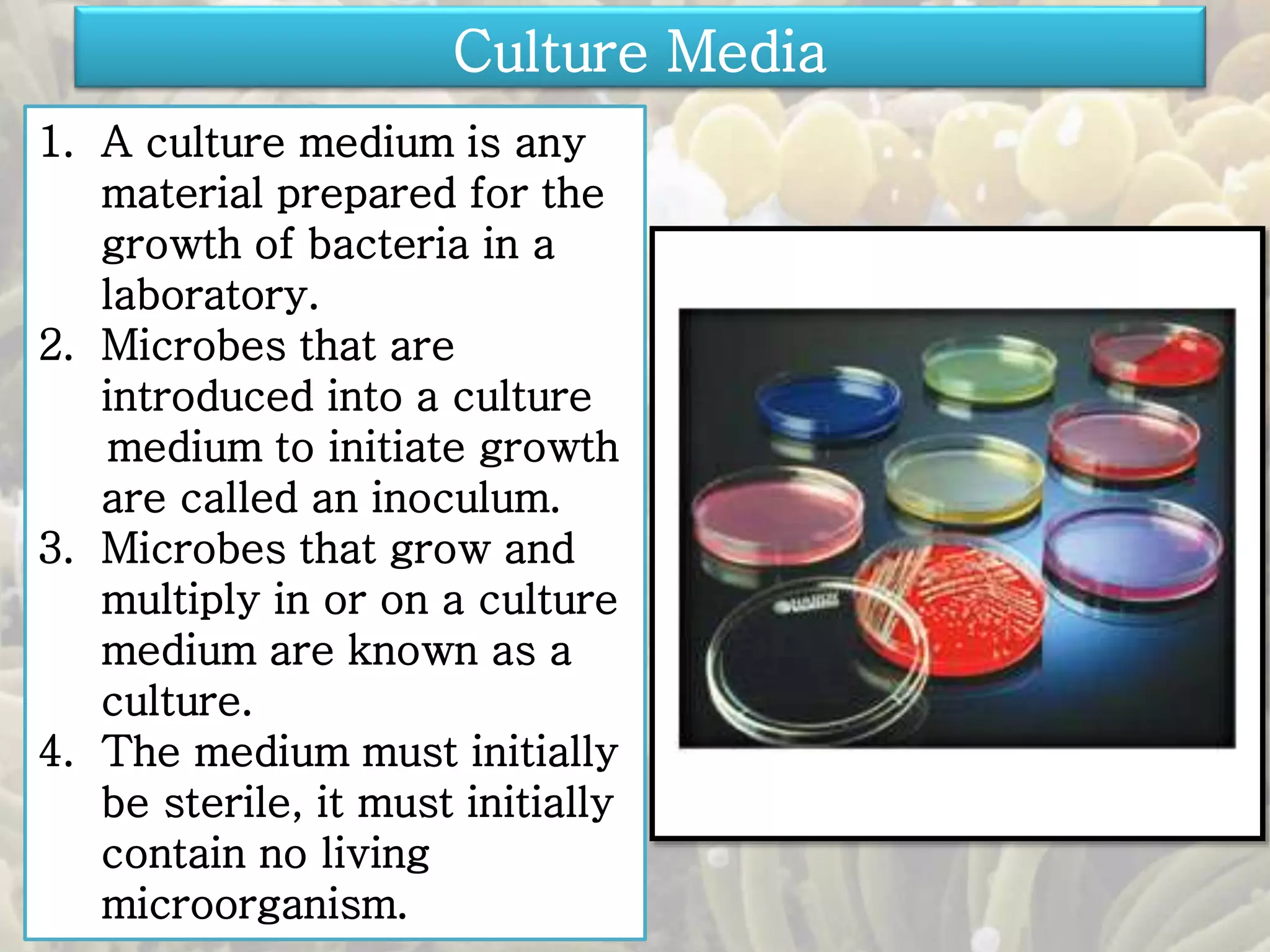
1. A culture medium is any 
material prepared for the 
growth of bacteria in a 
laboratory. 
2. Microbes that are 
introduced into a culture 
medium to initiate growth 
are called an inoculum. 
3. Microbes that grow and 
multiply in or on a culture 
medium are known as a 
culture. 
4. The medium must initially 
be sterile, it must initially 
contain no living 
microorganism.
Culture Media 
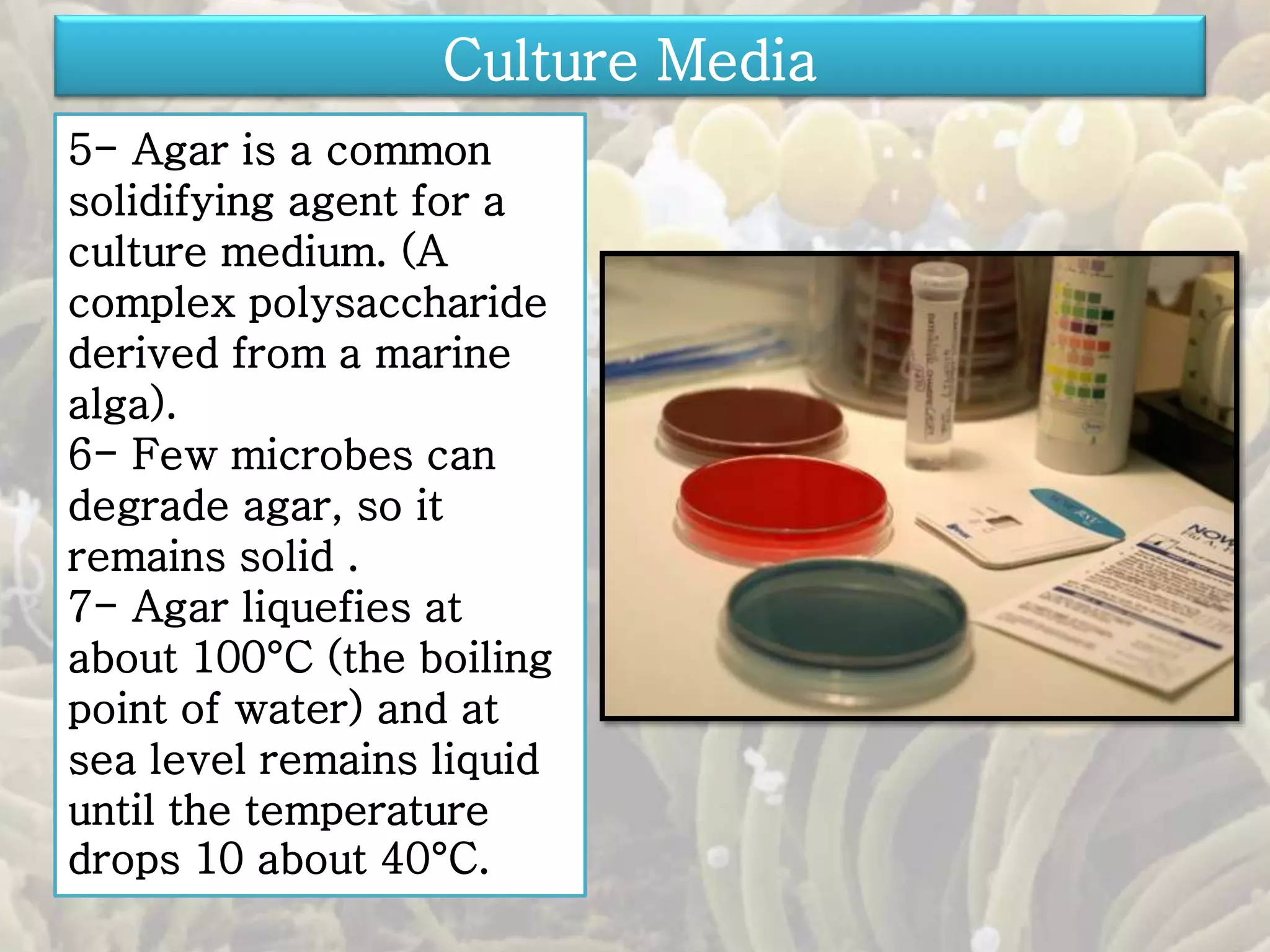
5- Agar is a common 
solidifying agent for a 
culture medium. (A 
complex polysaccharide 
derived from a marine 
alga). 
6- Few microbes can 
degrade agar, so it 
remains solid . 
7- Agar liquefies at 
about 100°C (the boiling 
point of water) and at 
sea level remains liquid 
until the temperature 
drops 10 about 40°C.
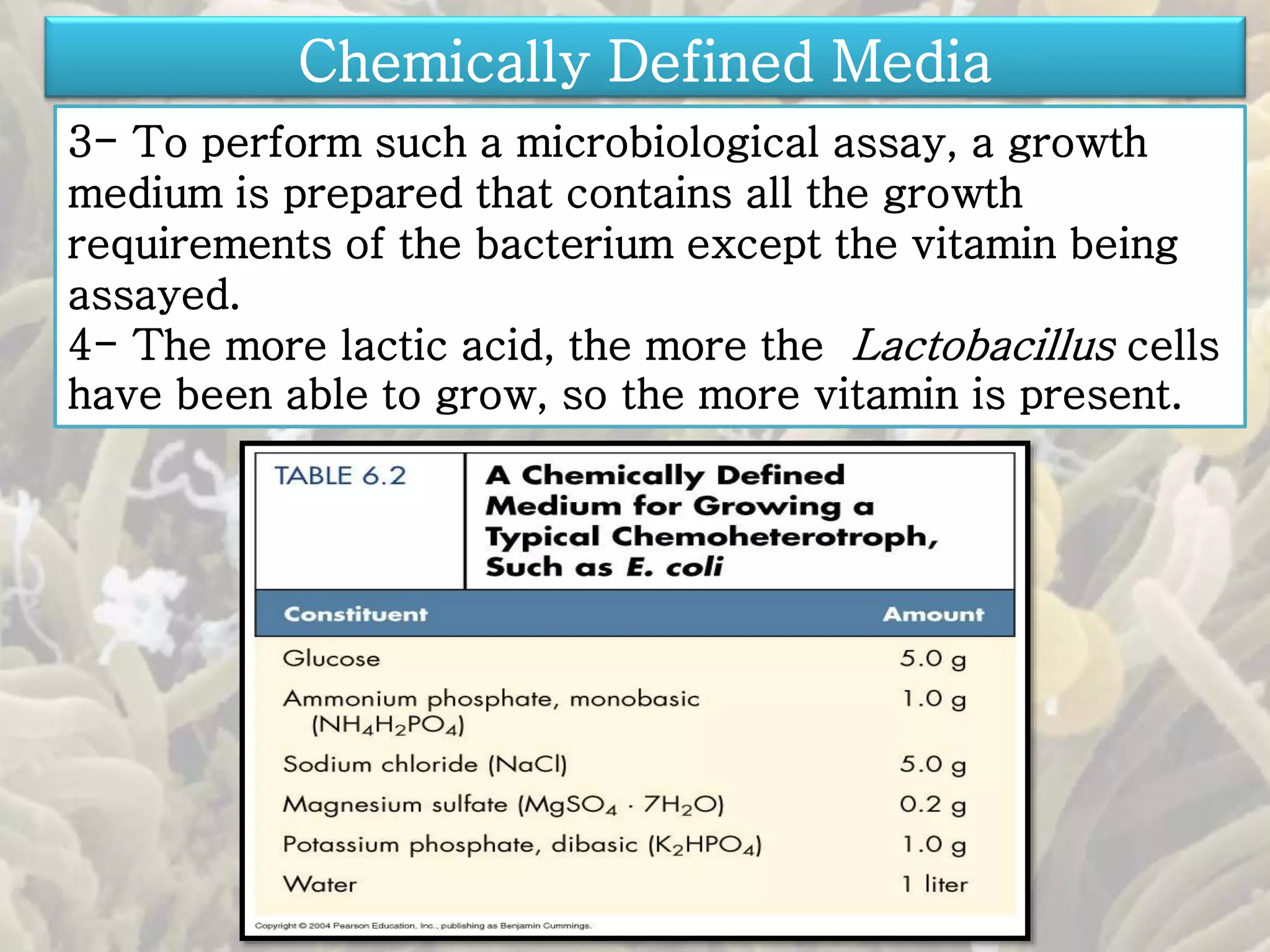
Chemically Defined Media 
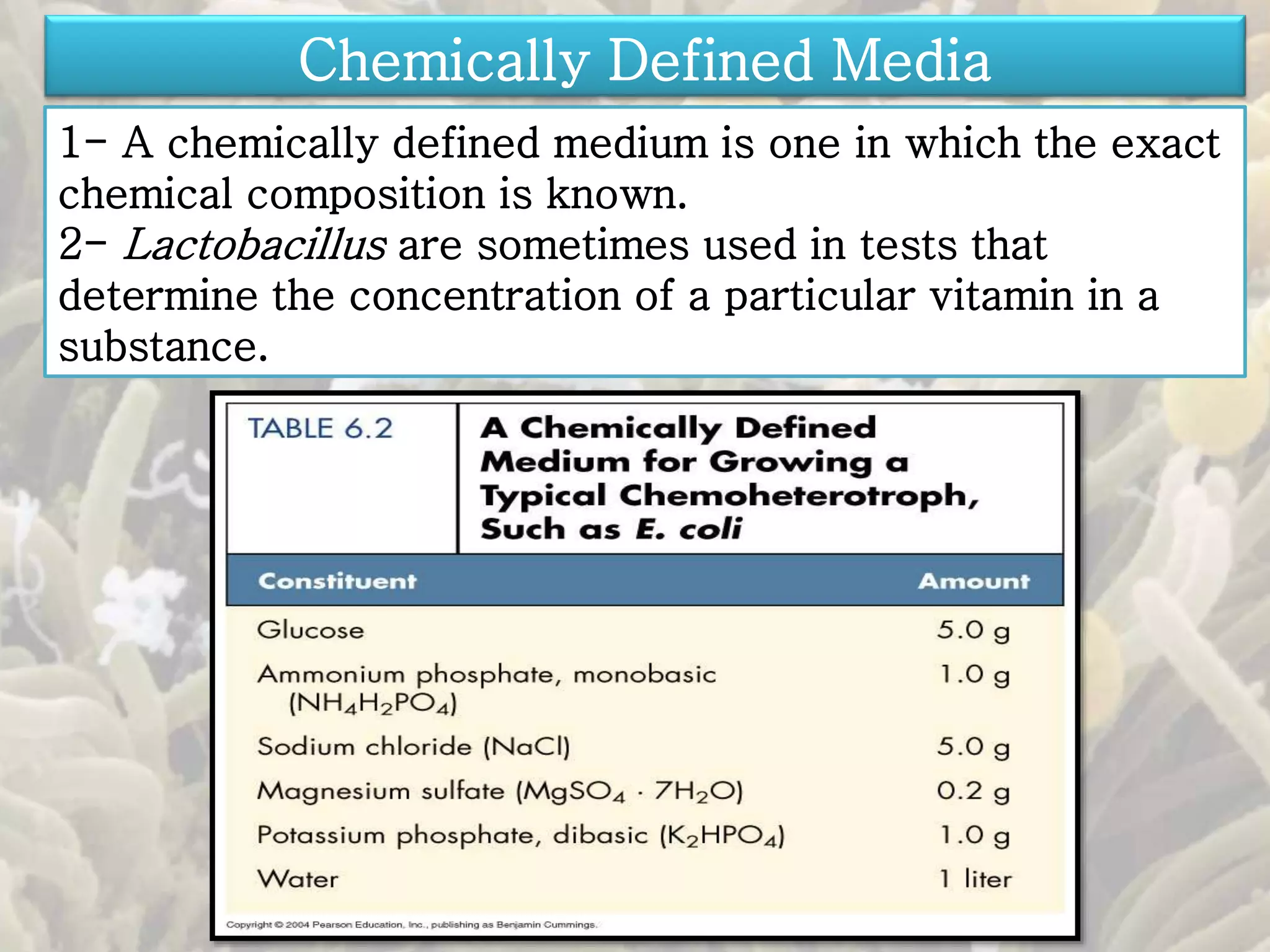
1- A chemically defined medium is one in which the exact 
chemical composition is known. 
2- Lactobacillus are sometimes used in tests that 
determine the concentration of a particular vitamin in a 
substance.
Chemically Defined Media 
3- To perform such a microbiological assay, a growth 
medium is prepared that contains all the growth 
requirements of the bacterium except the vitamin being 
assayed. 
4- The more lactic acid, the more the Lactobacillus cells 
have been able to grow, so the more vitamin is present.
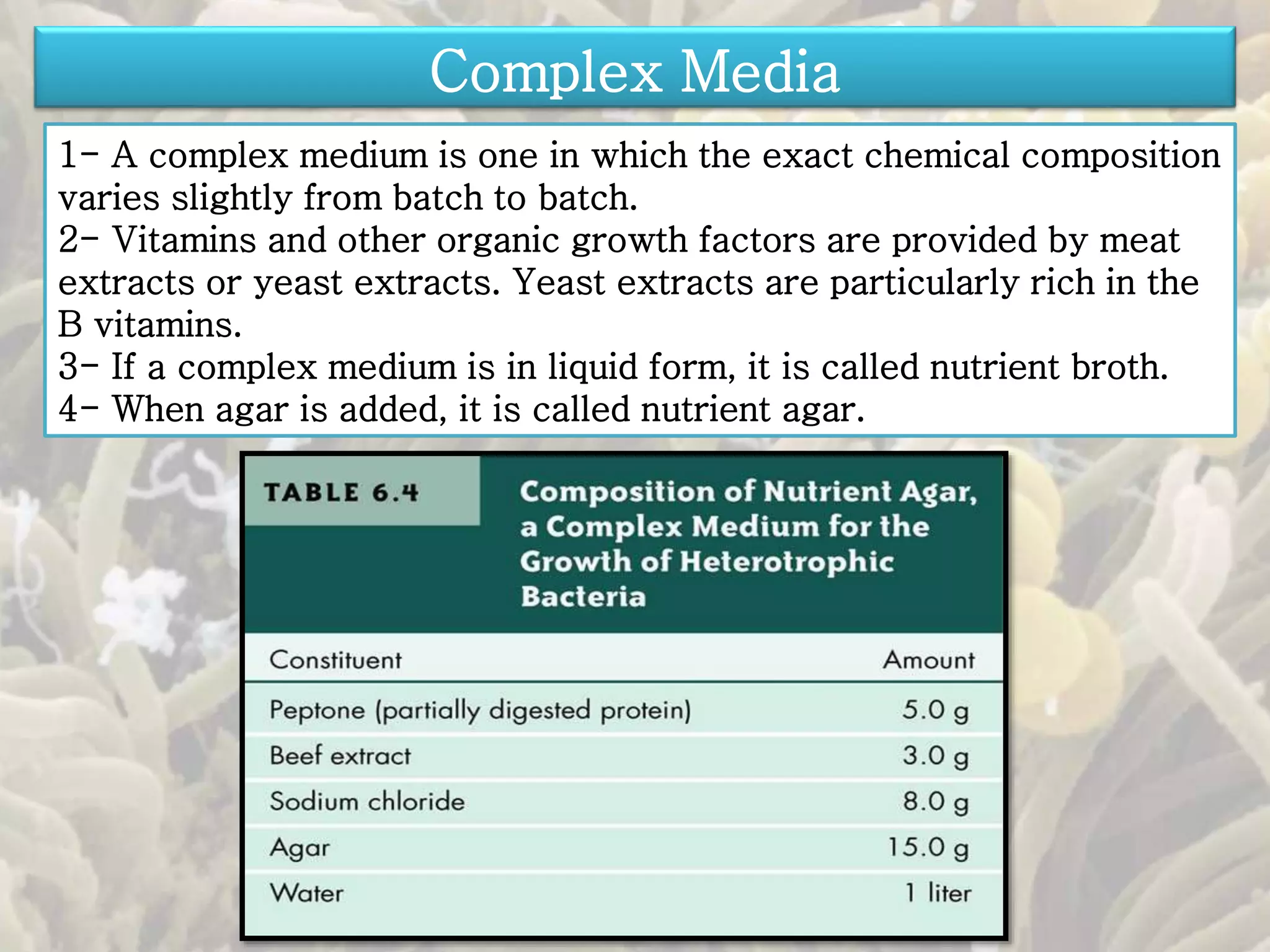
Complex Media 
1- A complex medium is one in which the exact chemical composition 
varies slightly from batch to batch. 
2- Vitamins and other organic growth factors are provided by meat 
extracts or yeast extracts. Yeast extracts are particularly rich in the 
B vitamins. 
3- If a complex medium is in liquid form, it is called nutrient broth. 
4- When agar is added, it is called nutrient agar.
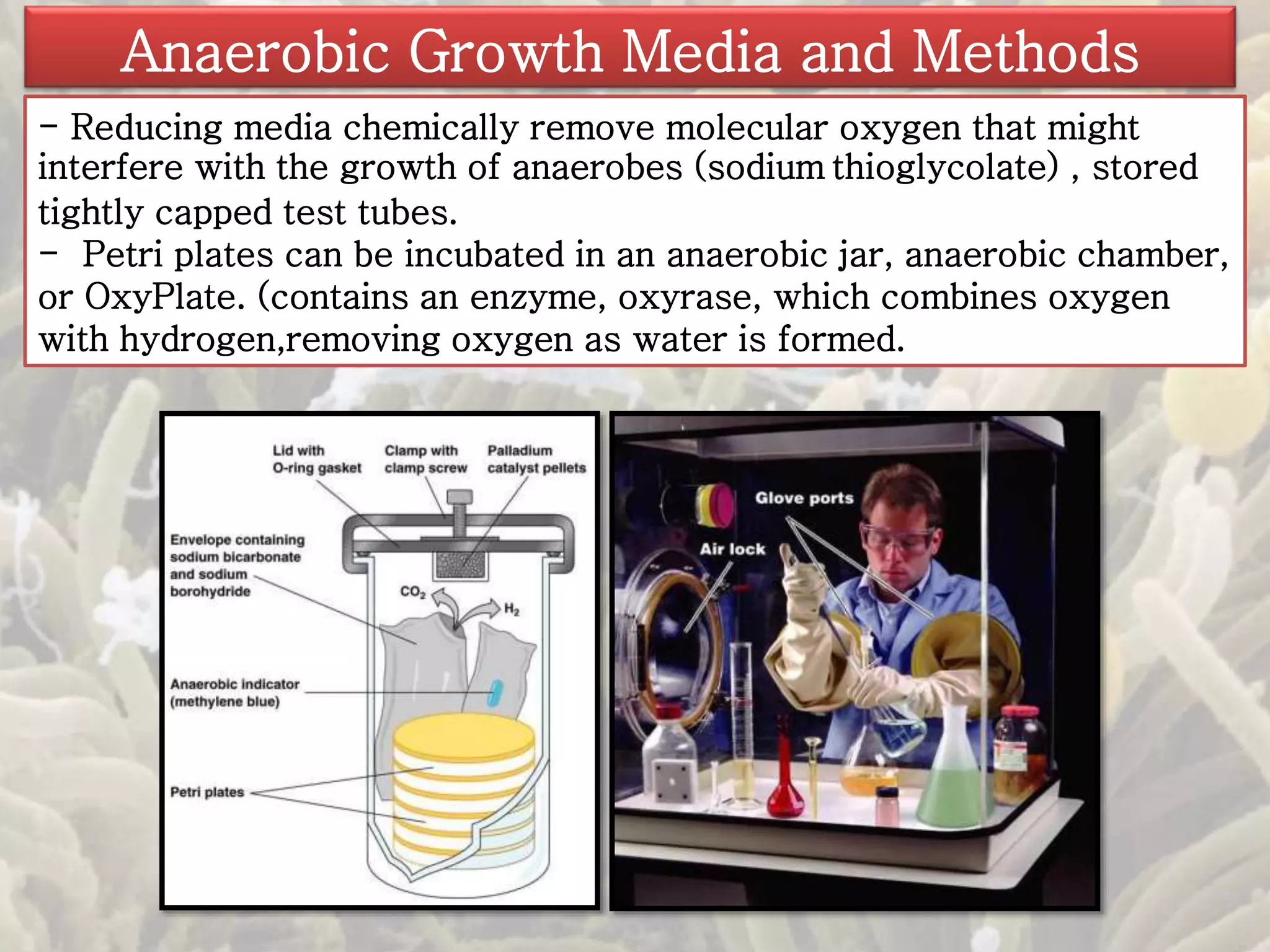
Anaerobic Growth Media and Methods 
- Reducing media chemically remove molecular oxygen that might 
interfere with the growth of anaerobes (sodiumthioglycolate) , stored 
tightly capped test tubes. 
- Petri plates can be incubated in an anaerobic jar, anaerobic chamber, 
or OxyPlate. (contains an enzyme, oxyrase, which combines oxygen 
with hydrogen,removing oxygen as water is formed.
Special Culture Techniques 
- Some parasitic and fastidious bacteria must be cultured in living 
animals or in cell cultures. 
- CO2 incubators or candle jars are used to grow bacteria that 
require an increased CO2 concentration (capnophiles). 
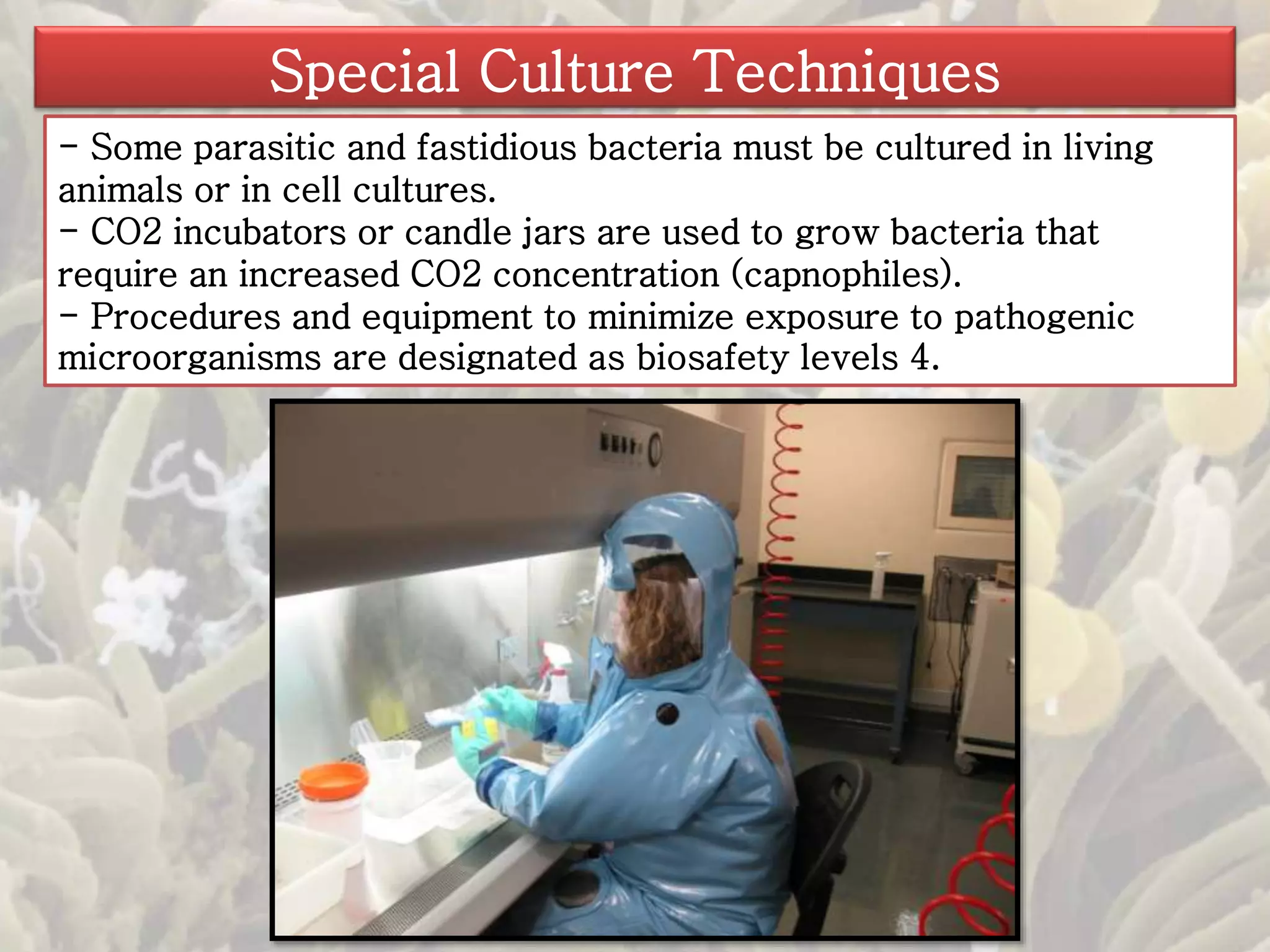
- Procedures and equipment to minimize exposure to pathogenic 
microorganisms are designated as biosafety levels 4.
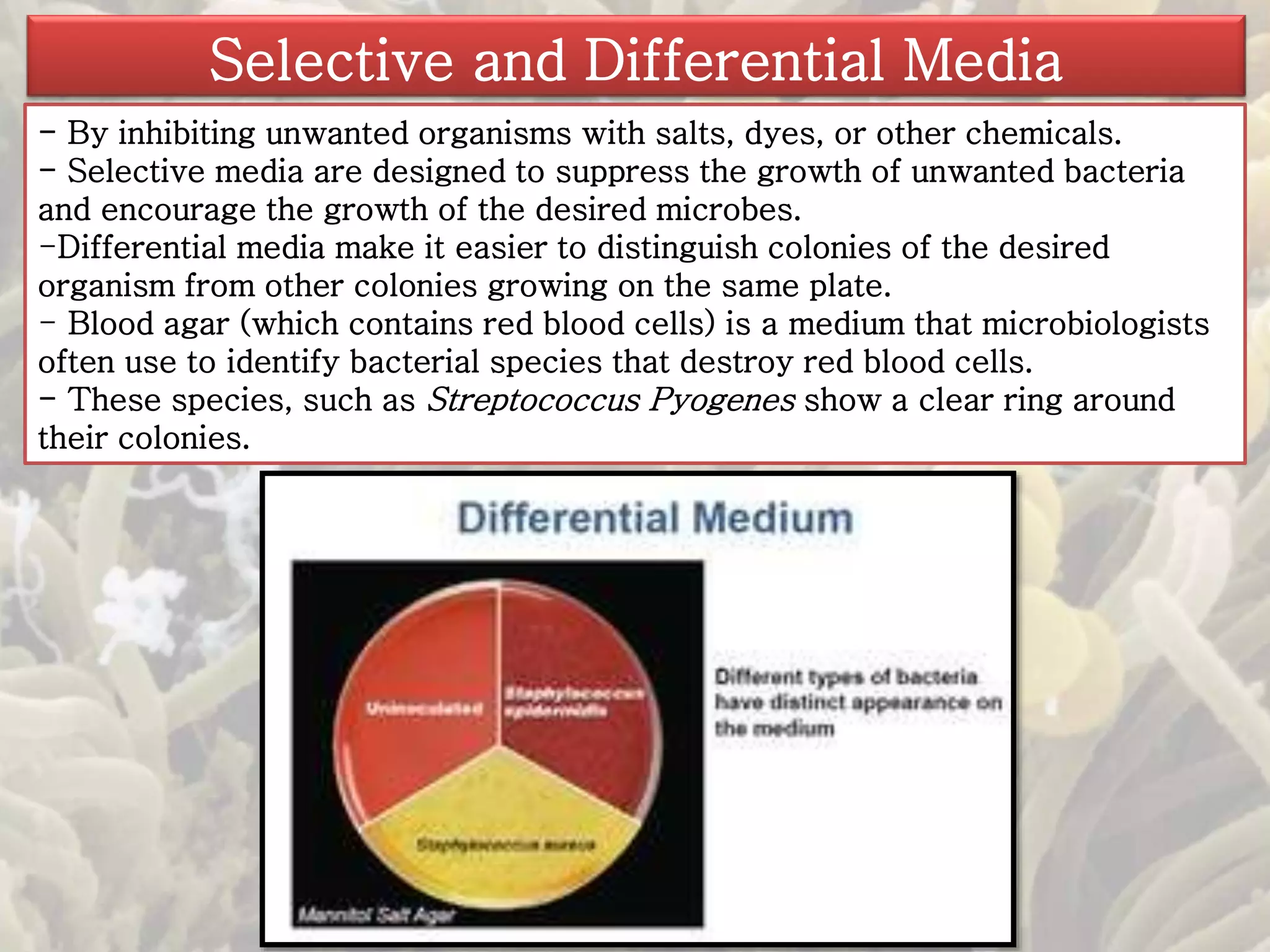
Selective and Differential Media 
- By inhibiting unwanted organisms with salts, dyes, or other chemicals. 
- Selective media are designed to suppress the growth of unwanted bacteria 
and encourage the growth of the desired microbes. 
-Differential media make it easier to distinguish colonies of the desired 
organism from other colonies growing on the same plate. 
- Blood agar (which contains red blood cells) is a medium that microbiologists 
often use to identify bacterial species that destroy red blood cells. 
- These species, such as Streptococcus Pyogenes show a clear ring around 
their colonies.
Enrichment Culture 
- Because bacteria present in small numbers can be 
missed, especially if other bacteria are present in much 
larger numbers, it is sometimes necessary to use an 
enrichment culture. 
- This is often the case for soil or fecal samples. 
The enrichment medium for an enrichment culture is 
usually liquid and provides nutrients and environmental 
conditions that favor the growth of a particular microbe but 
not others. 
- It is also a selective medium. 
- An enrichment culture is used to encourage the growth 
of a particular microorganism in a mixed culture.
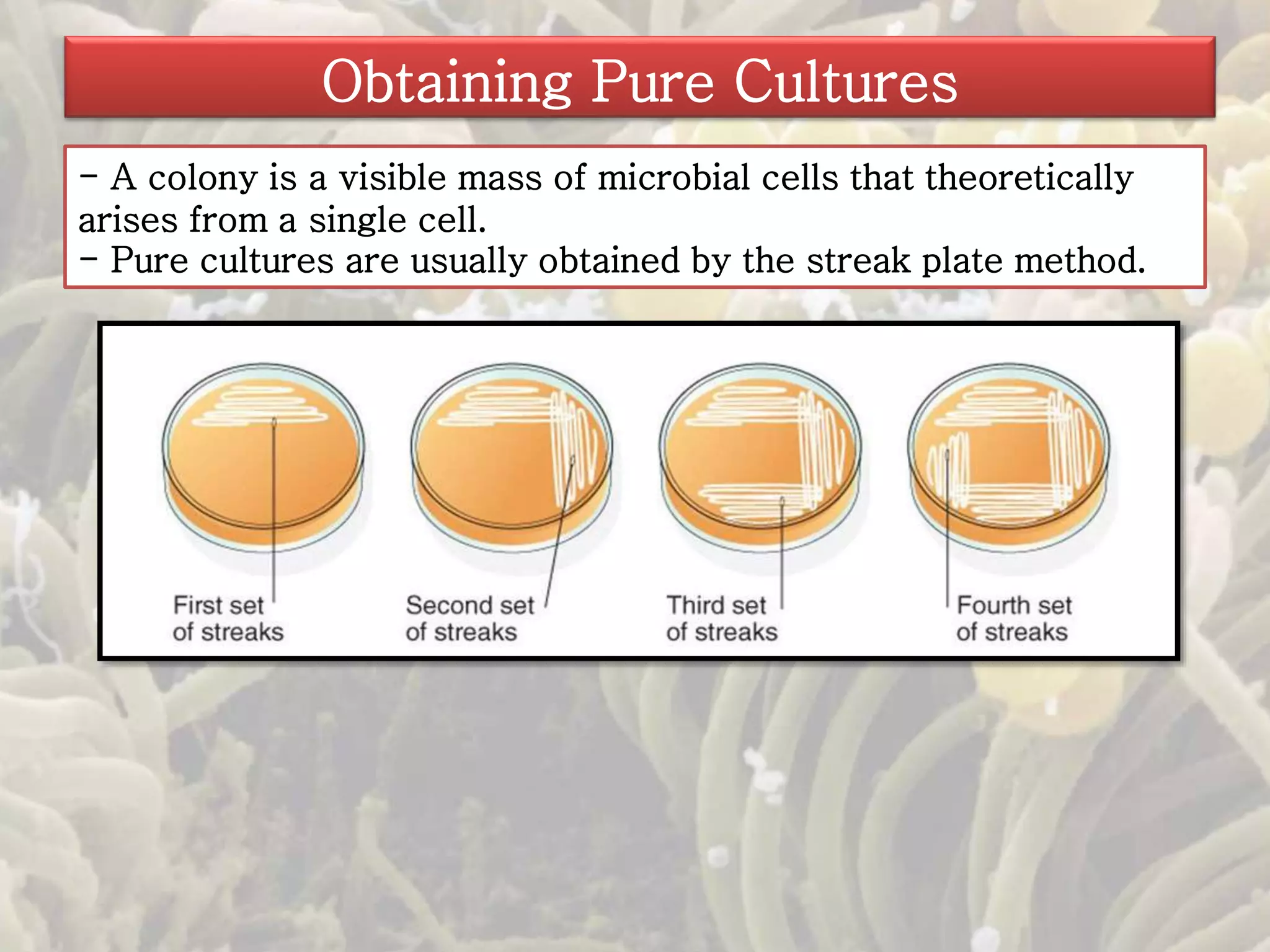
Obtaining Pure Cultures 
- A colony is a visible mass of microbial cells that theoretically 
arises from a single cell. 
- Pure cultures are usually obtained by the streak plate method.
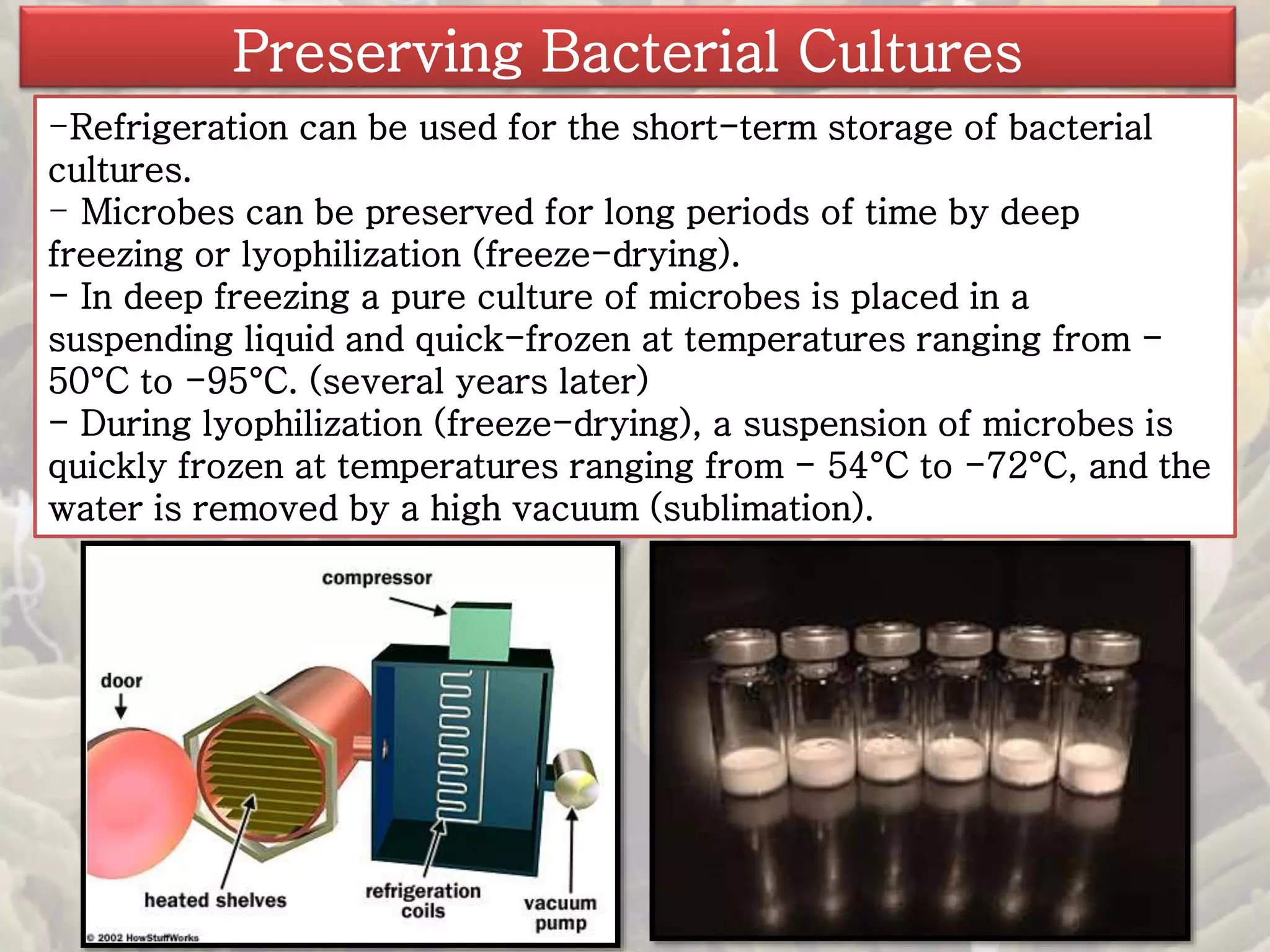
Preserving Bacterial Cultures 
-Refrigeration can be used for the short-term storage of bacterial 
cultures. 
- Microbes can be preserved for long periods of time by deep 
freezing or lyophilization (freeze-drying). 
- In deep freezing a pure culture of microbes is placed in a 
suspending liquid and quick-frozen at temperatures ranging from - 
50°C to -95°C. (several years later) 
- During lyophilization (freeze-drying), a suspension of microbes is 
quickly frozen at temperatures ranging from - 54°C to -72°C, and the 
water is removed by a high vacuum (sublimation).
The Growth of Bacterial Cultures 
( Bacterial Division) 
1. The normal reproductive method of bacteria is binary fission, in 
which a single cell divides into two identical cells. 
2. Some bacteria reproduce by budding, by spore formation, or 
fragmentation. 
The generation time. 
The time required for a cell to divide (and its population to double) 
is called the generation time.
Phases of Growth 
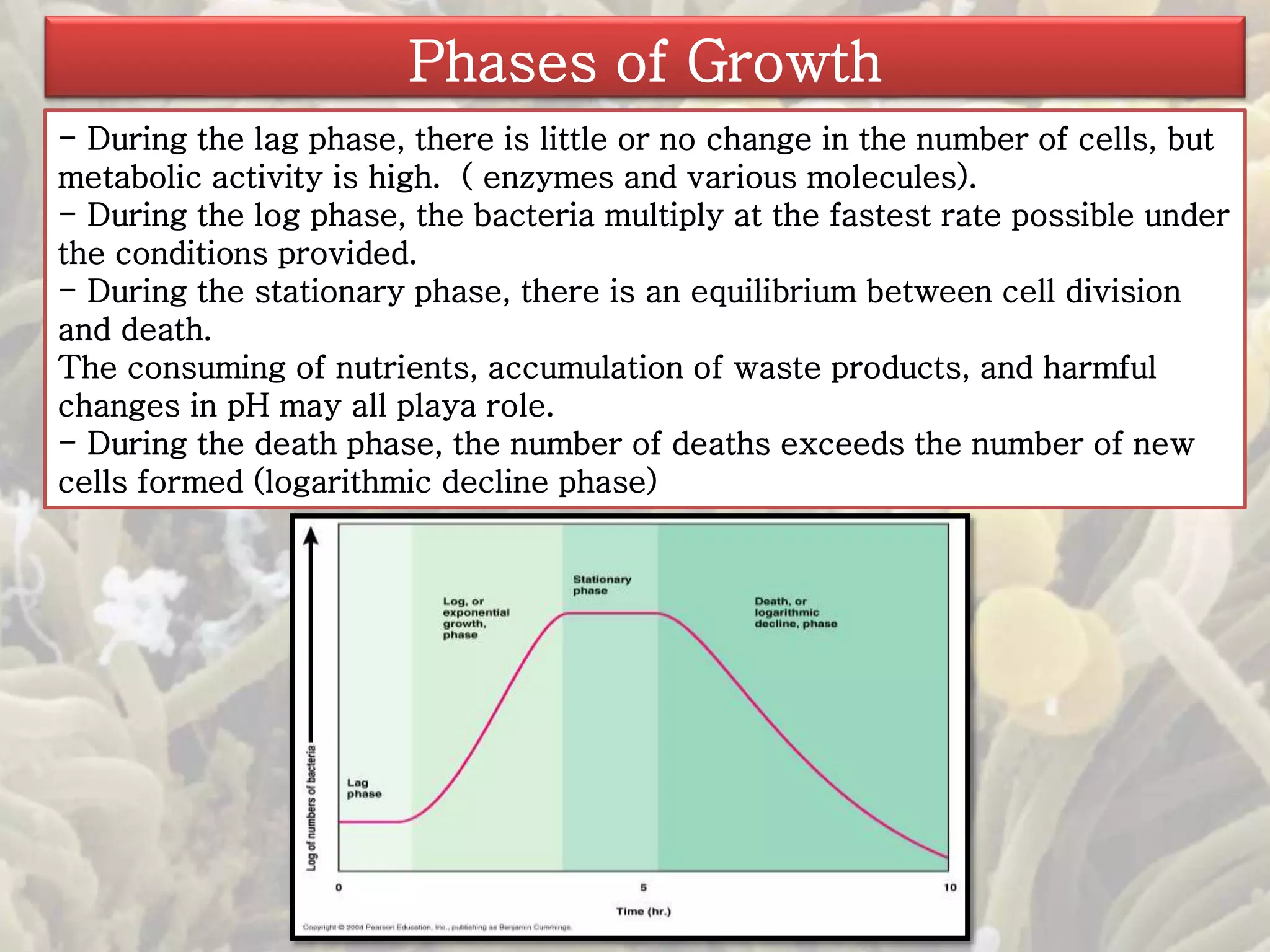
- During the lag phase, there is little or no change in the number of cells, but 
metabolic activity is high. ( enzymes and various molecules). 
- During the log phase, the bacteria multiply at the fastest rate possible under 
the conditions provided. 
- During the stationary phase, there is an equilibrium between cell division 
and death. 
The consuming of nutrients, accumulation of waste products, and harmful 
changes in pH may all playa role. 
- During the death phase, the number of deaths exceeds the number of new 
cells formed (logarithmic decline phase)
Direct Measurement of Microbial Growth 
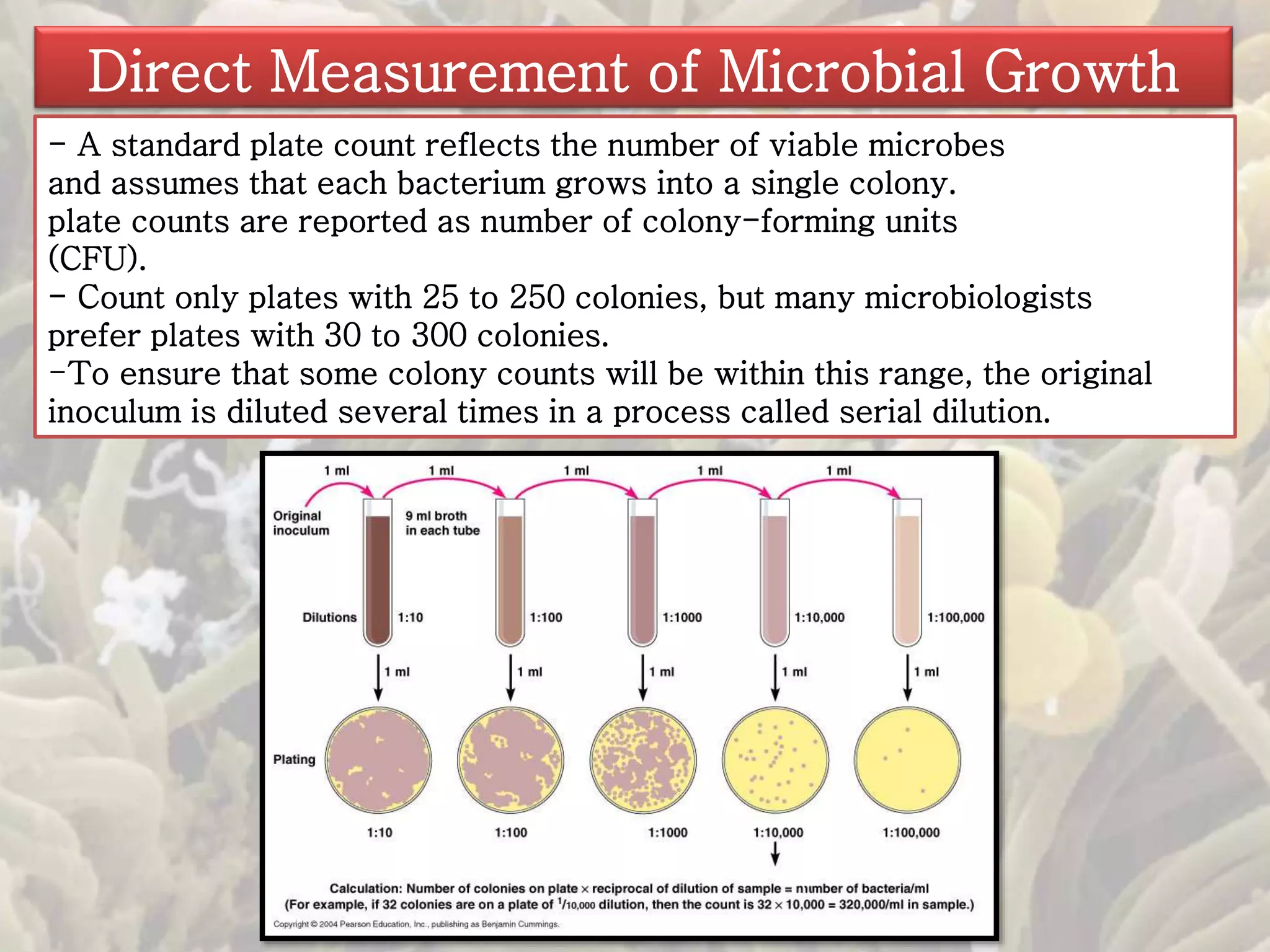
- A standard plate count reflects the number of viable microbes 
and assumes that each bacterium grows into a single colony. 
plate counts are reported as number of colony-forming units 
(CFU). 
- Count only plates with 25 to 250 colonies, but many microbiologists 
prefer plates with 30 to 300 colonies. 
-To ensure that some colony counts will be within this range, the original 
inoculum is diluted several times in a process called serial dilution.
A standard plate count 
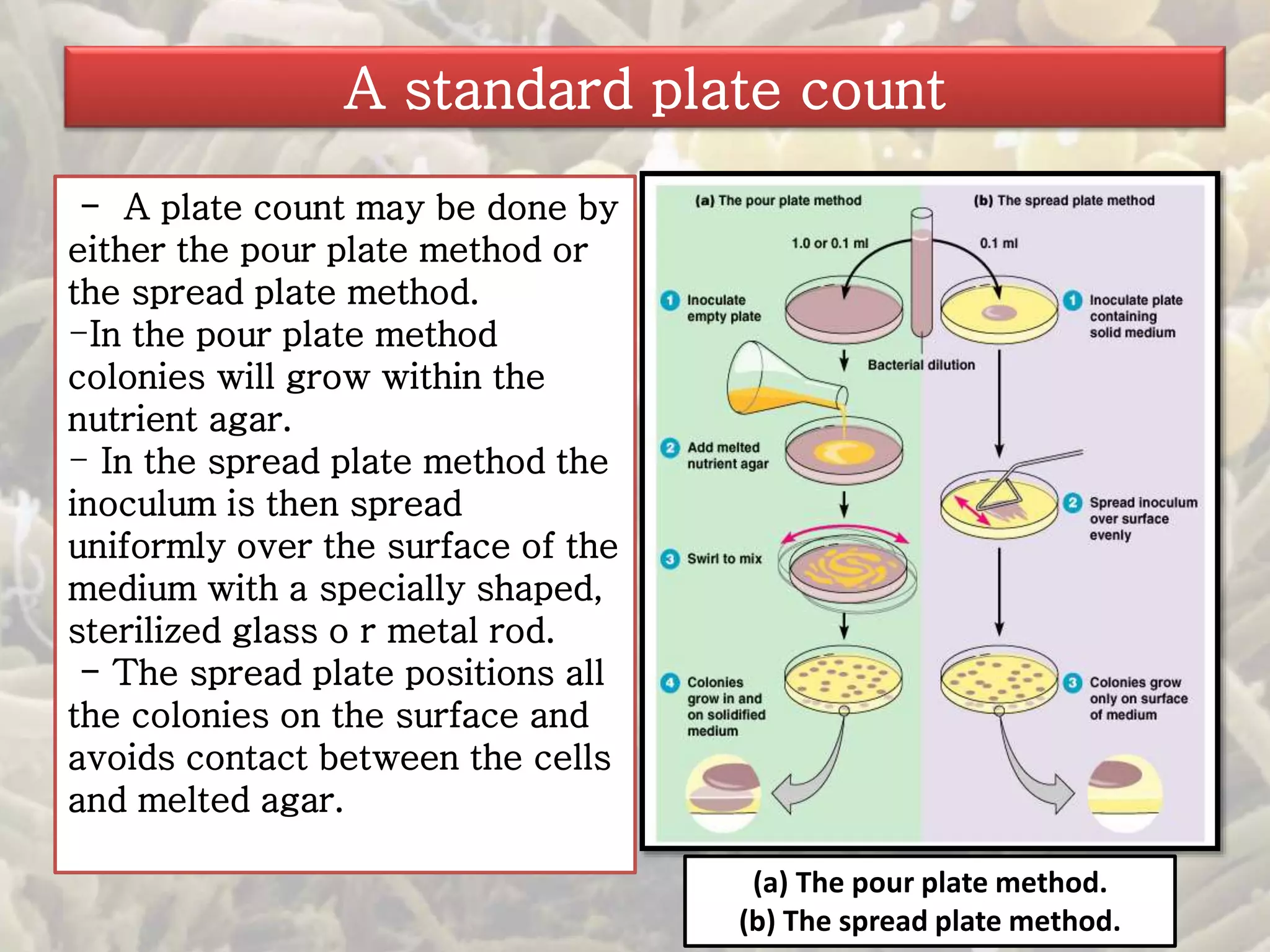
- A plate count may be done by 
either the pour plate method or 
the spread plate method. 
-In the pour plate method 
colonies will grow within the 
nutrient agar. 
- In the spread plate method the 
inoculum is then spread 
uniformly over the surface of the 
medium with a specially shaped, 
sterilized glass o r metal rod. 
- The spread plate positions all 
the colonies on the surface and 
avoids contact between the cells 
and melted agar. 
(a) The pour plate method. 
(b) The spread plate method.
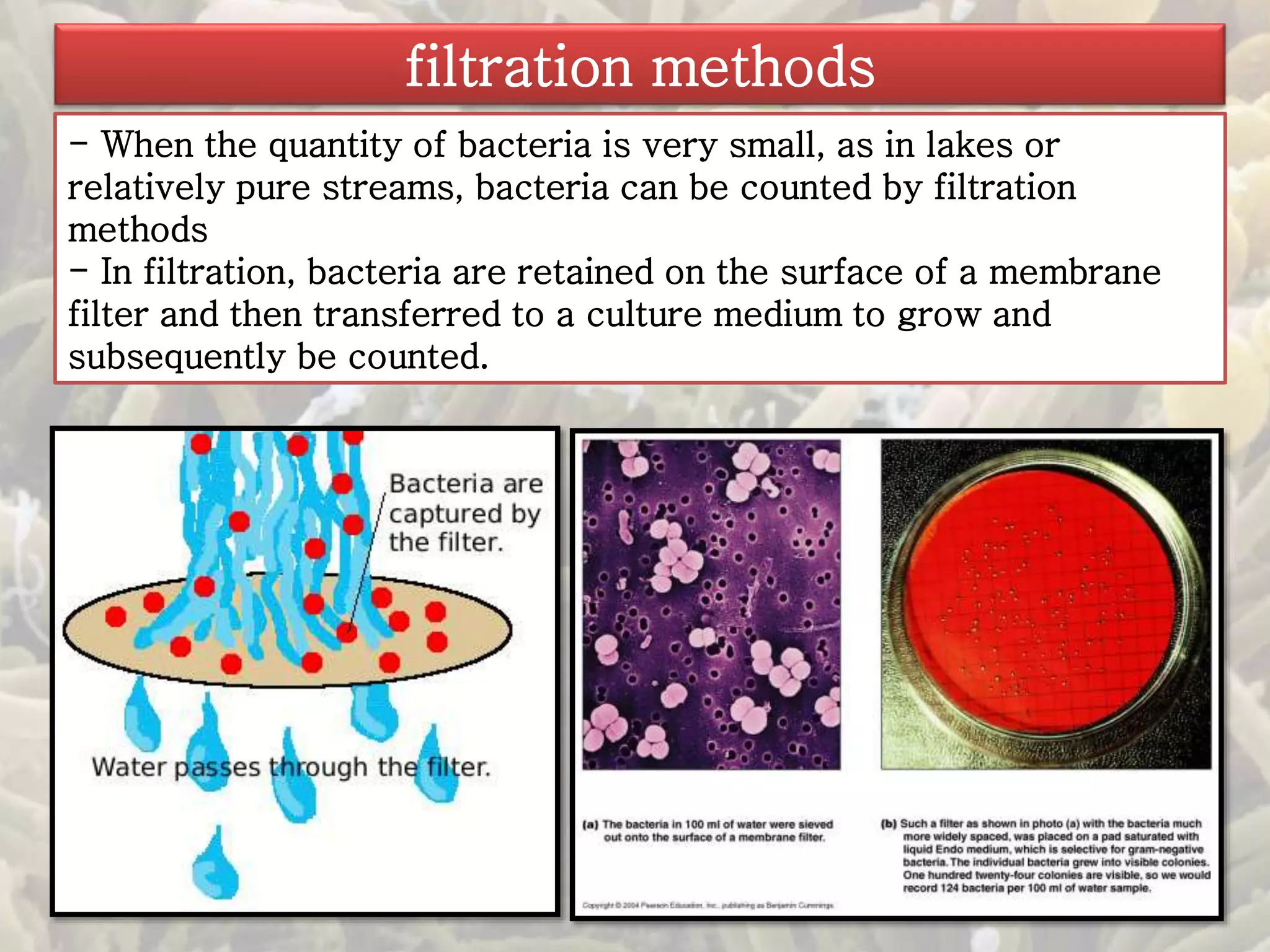
filtration methods 
- When the quantity of bacteria is very small, as in lakes or 
relatively pure streams, bacteria can be counted by filtration 
methods 
- In filtration, bacteria are retained on the surface of a membrane 
filter and then transferred to a culture medium to grow and 
subsequently be counted.
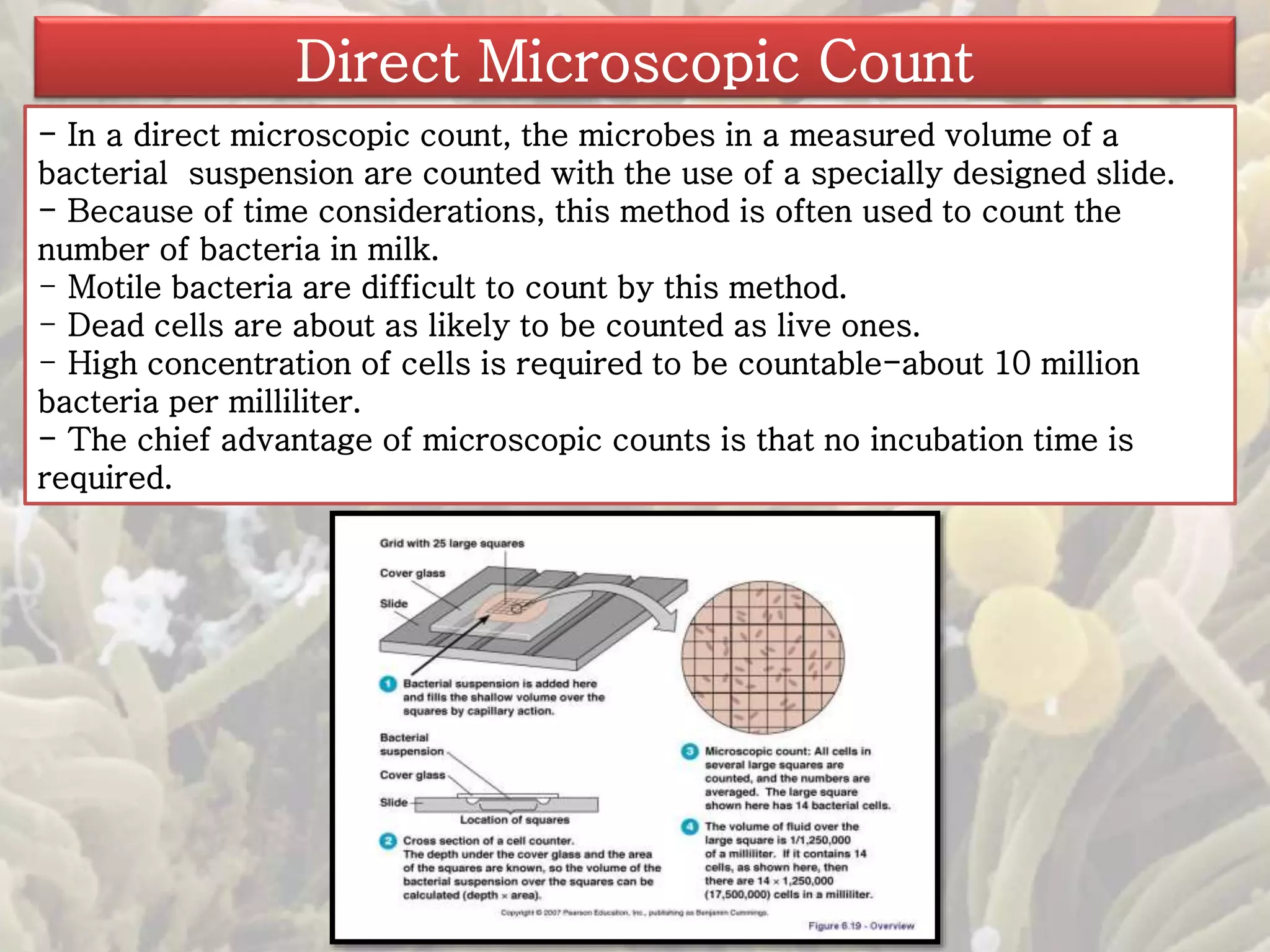
Direct Microscopic Count 
- In a direct microscopic count, the microbes in a measured volume of a 
bacterial suspension are counted with the use of a specially designed slide. 
- Because of time considerations, this method is often used to count the 
number of bacteria in milk. 
- Motile bacteria are difficult to count by this method. 
- Dead cells are about as likely to be counted as live ones. 
- High concentration of cells is required to be countable-about 10 million 
bacteria per milliliter. 
- The chief advantage of microscopic counts is that no incubation time is 
required.
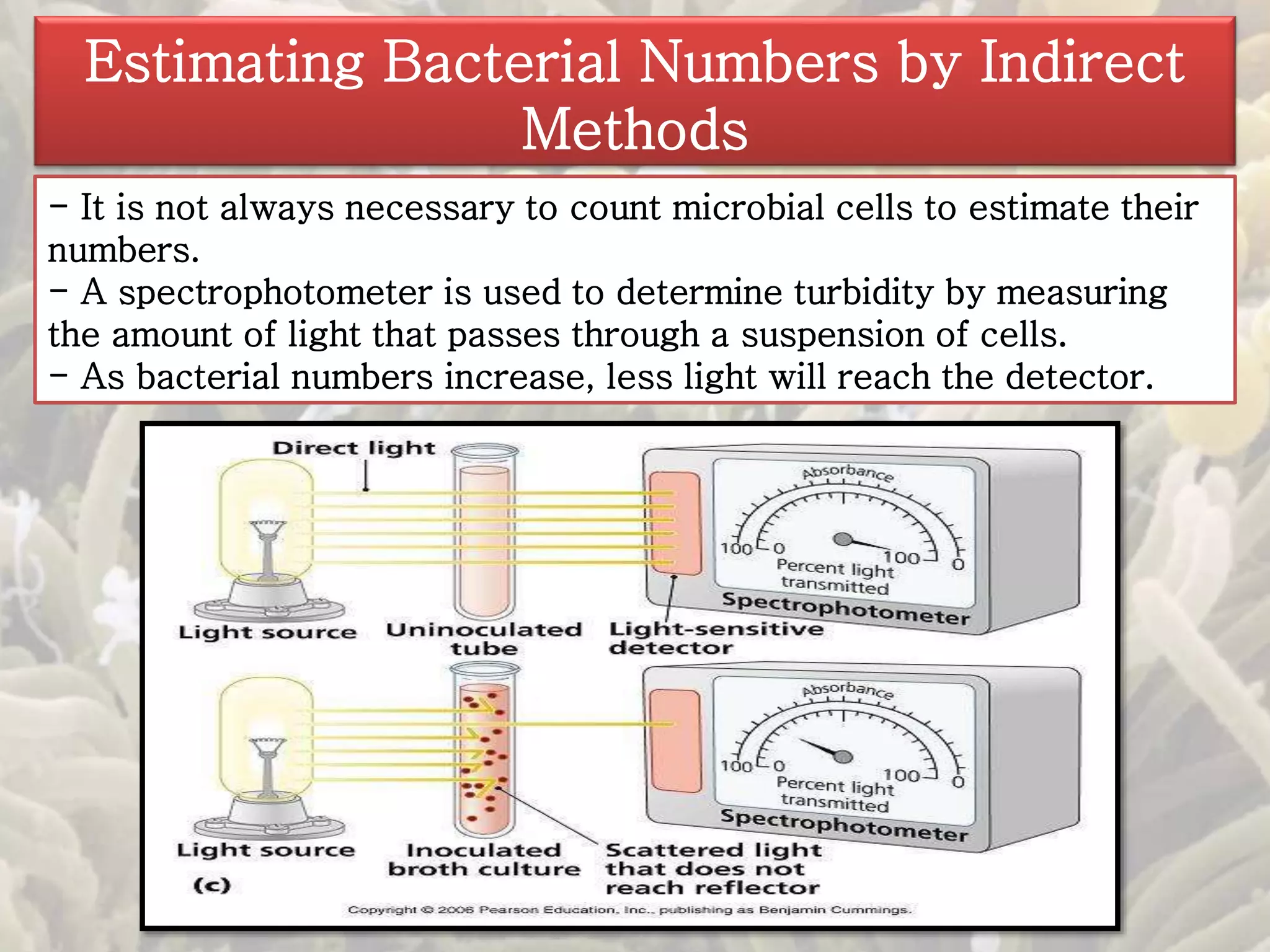
Estimating Bacterial Numbers by Indirect 
Methods 
- It is not always necessary to count microbial cells to estimate their 
numbers. 
- A spectrophotometer is used to determine turbidity by measuring 
the amount of light that passes through a suspension of cells. 
- As bacterial numbers increase, less light will reach the detector.
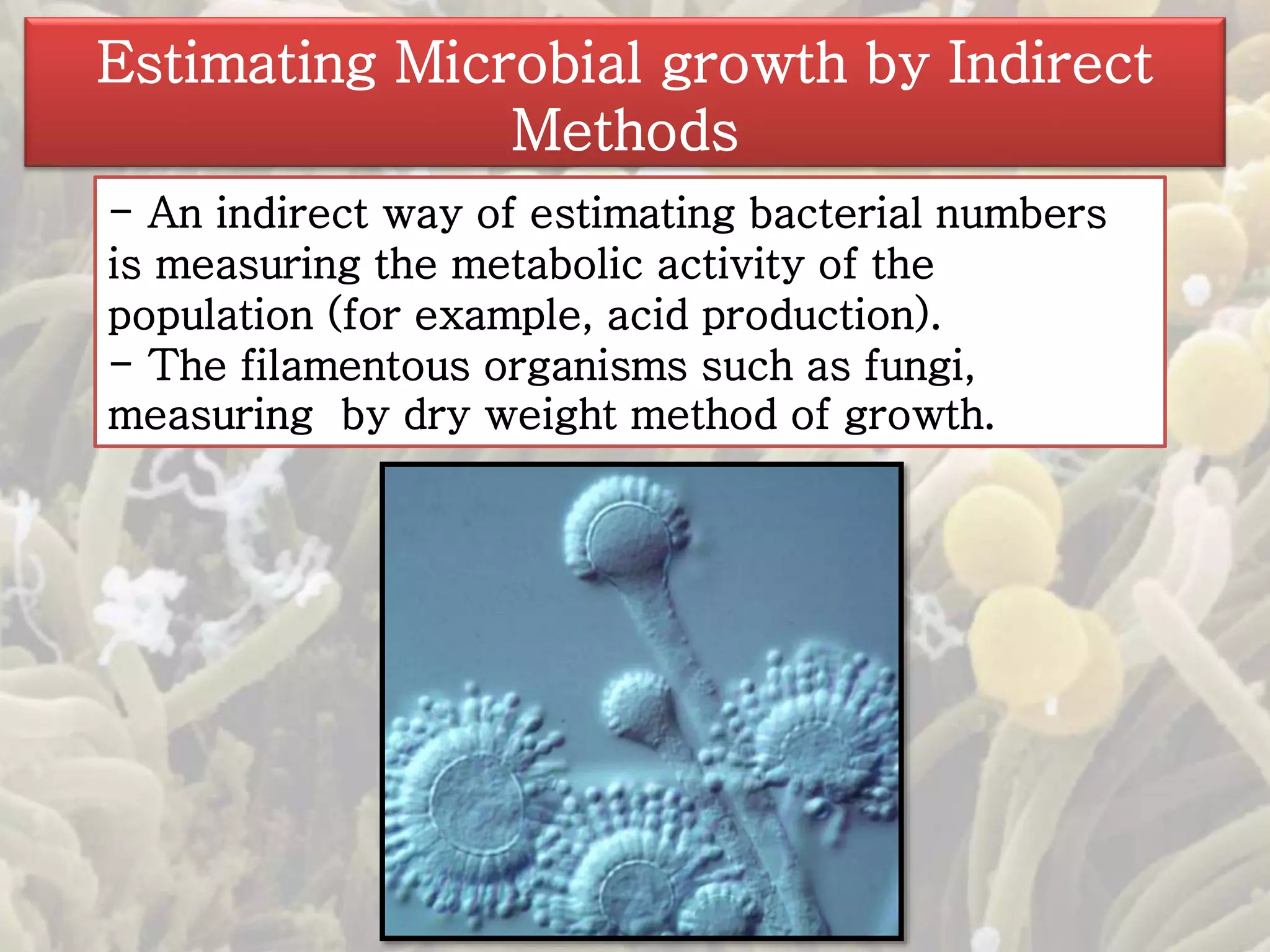
Estimating Microbial growth by Indirect 
Methods 
- An indirect way of estimating bacterial numbers 
is measuring the metabolic activity of the 
population (for example, acid production). 
- The filamentous organisms such as fungi, 
measuring by dry weight method of growth.
References 
• Microbiology: An Introduction Plus 
MasteringMicrobiology with eText - Access Card 
Package (11th Edition) Hardcover – January 2, 2012 
by Gerard J. Tortora, Berdell R. Funke, Christine L. 
Case. 
• Some pictures from different sits.

Presentation 5

  • 1.
    Microbiology An introduction Presented by D. Mona Othman Albureikan Lecture (9,10)
  • 2.
    Microbial Growth TheRequirements for Growth I. The growth of a population is an increase in the number of cells. 2. The requirements for microbial growth are both physical and chemical.
  • 3.
    Microbial Growth TheRequirements for Growth Physical Requirements 1- Temperature -Microorganisms are classified into three primary groups on the basis of their preferred range of temperature: A) Psychrophiles (coldloving microbes), usually 20-0°C. B) Mesophiles (moderate-temperature- loving microbes), optimum growth temperature of 25-40°C. C) Thermophiles (heat-loving microbes), 50--60°C.
  • 4.
    Microbial Growth PhysicalRequirements 1- Temperature Each bacterial species grows at particular minimum, optimum, and maximum temperatures. A) The minimum growth temperature is the lowest temperature at which the species will grow. B) The optimum growth temperature is the temperature at which the species grows best. C) The maximum growth temperature is the highest temperature at which growth is possible.
  • 5.
    Microbial Growth PhysicalRequirements 2- pH - The acidity or alkalinity of a solution. - Most bacteria grow best in a narrow pH range near neutrality, between pH 6.5 and 7.5. - Very few bacteria grow at an acidic pH below about pH 4. This is why a number of foods, such as cheeses, are preserved from spoilage by acids produced by bacterial fermentation. - Some bacteria, called acidophiles, are tolerant of acidity. - Molds and yeasts will grow over a greater pH range than bacteria will, but the optimum pH of molds and yeasts is generally below that of bacteria, usually about pH 5 to 6. - Alkalinity also inhibit s microbial growth but is rarely used to preserve foods.
  • 6.
    Microbial Growth PhysicalRequirements 3- Osmotic Pressure - Microorganisms obtain almost all their nutrients in solution from the surrounding water. - Thus, they require water for growth, and their composition is 80- 90% water. - Some organisms, called extreme halophiles, live in high salt concentrations that they actually require them for growth . - In this case, they may be termed obligate halophiles, ( Dead Sea, often require nearly 30% salt). - More common are facultative halophiles, which do not require high salt concentrations but are able to grow at salt concentrations up to 2%, a concentration that inhibits the growth of many other organisms. - A few species of facultative halophiles can tolerate even 15% salt.
  • 7.
    Microbial Growth PhysicalRequirements 3- Oxygen requirements - Organisms are classified on the basis of oxygen requirements, as: - Obligate aerobes (Organisms that require oxygen to live). - Facultative anaerobes, (use oxygen when it is present but are able to continue growth by using fermentation or anaerobic respiration when oxygen is not available ) - Obligate anaerobes, (bacteria that are unable to use oxygen for energy reactions and can be harmed by it. - Aerotolerant anaerobes, (cannot use oxygen for growth, but tolerate it fairly) - Microaerophiles, (aerobic require oxygen but they grow only in oxygen concentrations lower than those in air.
  • 8.
    Microbial Growth PhysicalRequirements 3- Oxygen requirements -Normal aerobic microbes prodused catalase, because the hydrogen peroxide which produced during normal aerobic respiration is toxic. It converts it into water and oxygen. - Many of the aerotolerant bacteria characteristically ferment carbohydrates to lactic acid. As lactic acid accumulates, it inhibits the growth of aerobic competitors and establishes a favorable ecological niche for lactic acid producers.
  • 9.
    Microbial Growth ChemicalRequirements 1- Carbon - One of the most important requirements for microbial growth. - Carbon is needed for all the organic compounds that make up a living cell. - Half the dry weight of a typical bacterial cell is carbon. - Chemoheterotrophs get most of their carbon from the source of their energy- organic materials such as proteins, carbohydrates, and lipids. Chemoautotrophs and photoautotrophs derive their carbon from carbon dioxide.
  • 10.
    Microbial Growth ChemicalRequirements 2- Nitrogen - Organisms requires nitrogen to form the amino group of the amino acids of protein. - The syntheses of DNA and RNA also require nitrogen. - Many bacteria meet this requirement by decomposing protein-containing material and reincorporating the amino acids into newly synthesized proteins and other nitrogen-containing compounds. - Or from NH4 + found in organic cellular material or NO3 - (compounds that dissociate to give the nitrate ion, N03- , in solution). - Some important bacteria, including many of the photosynthesizing cyanobacteria (use gaseous nitrogen (N2) directly from the atmosphere. - This process is called nitrogen fixation. - Some organisms that use this method are free-living, in the soil, but other bacterium and the plant live in symbiosis with the roots.
  • 11.
    Microbial Growth ChemicalRequirements 3- Sulfur - Sulfur is used to synthesize sulfur-containing amino acids and vitamins such as thiamine and biotin. - Important natural sources of sulfur include the sulfate ion (SO- ), hydrogen sulfide, and the sulfur-containing amino acids.
  • 12.
    Microbial Growth ChemicalRequirements 4- Phosphorus - Phosphorus is essential for the synthesis of nucleic acids and the phospholipids of cell membranes. -The synthesis of bonds of ATP, the molecule so important for the storage and transfer of chemical energy within the cell (Phosphorus ). - A source of phosphorus is the phosphate ion . - Potassium, magnesium, and calcium are also elements that microorganisms require, often as cofactors for enzymes.
  • 13.
    Microbial Growth ChemicalRequirements 5- Organic Growth Factors - Essential organic compounds an organism is unable to synthesize are known as organic growth factors. - They must be directly obtained from the environment. - Many bacteria can synthesize all their own vitamins and do not depend on outside sources. - Some bacteria lack the enzymes needed for the synthesis of certain vitamins. - For them those vitamins arc organic growth factors. - Other organic growth factors required by some bacteria are amino acids, purines, and pyrimidines.
  • 14.
    Biofilms I. Microbesadhere to surfaces and accumulate as biofilms on solid surfaces in contact with water. II. A biofilm usually begins to form when a free-swimming (planktonic) bacterium attaches to a surface. III. If these bacteria grew in a uniformly thick monolayer, they would become overcrowded, nutrients would not be available in lower depths, and toxic wastes could accumulate.
  • 15.
    Biofilms I. Microorganismsin biofilm communities sometimes avoid these problems by forming pillar-like structures with channels between them, through which water can carry incoming nutrients and outgoing wastes. II. Biofilms form on teeth, contact lenses, and catheters (Candida). III. Microbes in biofilms are more resistant of antibiotics than are free swimming microbes. IV. One approach to preventing biofilm formation is to incorporate antimicrobials into surfaces on which biofilms might form.
  • 16.
    Culture Media 1.A culture medium is any material prepared for the growth of bacteria in a laboratory. 2. Microbes that are introduced into a culture medium to initiate growth are called an inoculum. 3. Microbes that grow and multiply in or on a culture medium are known as a culture. 4. The medium must initially be sterile, it must initially contain no living microorganism.
  • 17.
    Culture Media 5-Agar is a common solidifying agent for a culture medium. (A complex polysaccharide derived from a marine alga). 6- Few microbes can degrade agar, so it remains solid . 7- Agar liquefies at about 100°C (the boiling point of water) and at sea level remains liquid until the temperature drops 10 about 40°C.
  • 18.
    Chemically Defined Media 1- A chemically defined medium is one in which the exact chemical composition is known. 2- Lactobacillus are sometimes used in tests that determine the concentration of a particular vitamin in a substance.
  • 19.
    Chemically Defined Media 3- To perform such a microbiological assay, a growth medium is prepared that contains all the growth requirements of the bacterium except the vitamin being assayed. 4- The more lactic acid, the more the Lactobacillus cells have been able to grow, so the more vitamin is present.
  • 20.
    Complex Media 1-A complex medium is one in which the exact chemical composition varies slightly from batch to batch. 2- Vitamins and other organic growth factors are provided by meat extracts or yeast extracts. Yeast extracts are particularly rich in the B vitamins. 3- If a complex medium is in liquid form, it is called nutrient broth. 4- When agar is added, it is called nutrient agar.
  • 21.
    Anaerobic Growth Mediaand Methods - Reducing media chemically remove molecular oxygen that might interfere with the growth of anaerobes (sodiumthioglycolate) , stored tightly capped test tubes. - Petri plates can be incubated in an anaerobic jar, anaerobic chamber, or OxyPlate. (contains an enzyme, oxyrase, which combines oxygen with hydrogen,removing oxygen as water is formed.
  • 22.
    Special Culture Techniques - Some parasitic and fastidious bacteria must be cultured in living animals or in cell cultures. - CO2 incubators or candle jars are used to grow bacteria that require an increased CO2 concentration (capnophiles). - Procedures and equipment to minimize exposure to pathogenic microorganisms are designated as biosafety levels 4.
  • 23.
    Selective and DifferentialMedia - By inhibiting unwanted organisms with salts, dyes, or other chemicals. - Selective media are designed to suppress the growth of unwanted bacteria and encourage the growth of the desired microbes. -Differential media make it easier to distinguish colonies of the desired organism from other colonies growing on the same plate. - Blood agar (which contains red blood cells) is a medium that microbiologists often use to identify bacterial species that destroy red blood cells. - These species, such as Streptococcus Pyogenes show a clear ring around their colonies.
  • 24.
    Enrichment Culture -Because bacteria present in small numbers can be missed, especially if other bacteria are present in much larger numbers, it is sometimes necessary to use an enrichment culture. - This is often the case for soil or fecal samples. The enrichment medium for an enrichment culture is usually liquid and provides nutrients and environmental conditions that favor the growth of a particular microbe but not others. - It is also a selective medium. - An enrichment culture is used to encourage the growth of a particular microorganism in a mixed culture.
  • 25.
    Obtaining Pure Cultures - A colony is a visible mass of microbial cells that theoretically arises from a single cell. - Pure cultures are usually obtained by the streak plate method.
  • 26.
    Preserving Bacterial Cultures -Refrigeration can be used for the short-term storage of bacterial cultures. - Microbes can be preserved for long periods of time by deep freezing or lyophilization (freeze-drying). - In deep freezing a pure culture of microbes is placed in a suspending liquid and quick-frozen at temperatures ranging from - 50°C to -95°C. (several years later) - During lyophilization (freeze-drying), a suspension of microbes is quickly frozen at temperatures ranging from - 54°C to -72°C, and the water is removed by a high vacuum (sublimation).
  • 27.
    The Growth ofBacterial Cultures ( Bacterial Division) 1. The normal reproductive method of bacteria is binary fission, in which a single cell divides into two identical cells. 2. Some bacteria reproduce by budding, by spore formation, or fragmentation. The generation time. The time required for a cell to divide (and its population to double) is called the generation time.
  • 28.
    Phases of Growth - During the lag phase, there is little or no change in the number of cells, but metabolic activity is high. ( enzymes and various molecules). - During the log phase, the bacteria multiply at the fastest rate possible under the conditions provided. - During the stationary phase, there is an equilibrium between cell division and death. The consuming of nutrients, accumulation of waste products, and harmful changes in pH may all playa role. - During the death phase, the number of deaths exceeds the number of new cells formed (logarithmic decline phase)
  • 29.
    Direct Measurement ofMicrobial Growth - A standard plate count reflects the number of viable microbes and assumes that each bacterium grows into a single colony. plate counts are reported as number of colony-forming units (CFU). - Count only plates with 25 to 250 colonies, but many microbiologists prefer plates with 30 to 300 colonies. -To ensure that some colony counts will be within this range, the original inoculum is diluted several times in a process called serial dilution.
  • 30.
    A standard platecount - A plate count may be done by either the pour plate method or the spread plate method. -In the pour plate method colonies will grow within the nutrient agar. - In the spread plate method the inoculum is then spread uniformly over the surface of the medium with a specially shaped, sterilized glass o r metal rod. - The spread plate positions all the colonies on the surface and avoids contact between the cells and melted agar. (a) The pour plate method. (b) The spread plate method.
  • 31.
    filtration methods -When the quantity of bacteria is very small, as in lakes or relatively pure streams, bacteria can be counted by filtration methods - In filtration, bacteria are retained on the surface of a membrane filter and then transferred to a culture medium to grow and subsequently be counted.
  • 32.
    Direct Microscopic Count - In a direct microscopic count, the microbes in a measured volume of a bacterial suspension are counted with the use of a specially designed slide. - Because of time considerations, this method is often used to count the number of bacteria in milk. - Motile bacteria are difficult to count by this method. - Dead cells are about as likely to be counted as live ones. - High concentration of cells is required to be countable-about 10 million bacteria per milliliter. - The chief advantage of microscopic counts is that no incubation time is required.
  • 33.
    Estimating Bacterial Numbersby Indirect Methods - It is not always necessary to count microbial cells to estimate their numbers. - A spectrophotometer is used to determine turbidity by measuring the amount of light that passes through a suspension of cells. - As bacterial numbers increase, less light will reach the detector.
  • 34.
    Estimating Microbial growthby Indirect Methods - An indirect way of estimating bacterial numbers is measuring the metabolic activity of the population (for example, acid production). - The filamentous organisms such as fungi, measuring by dry weight method of growth.
  • 35.
    References • Microbiology:An Introduction Plus MasteringMicrobiology with eText - Access Card Package (11th Edition) Hardcover – January 2, 2012 by Gerard J. Tortora, Berdell R. Funke, Christine L. Case. • Some pictures from different sits.