Preparing
for Writing
Brett Atwood
What is Advertising?
 A form of communication for marketing used
to encourage, persuade or manipulate the
audience to continue or take action.
 Often these are PAID announcements or
information that is disseminated to the public
What is Public Relations?
 A strategic communication process that
builds mutually beneficial relationships
between organizations and their publics
 Definition courtesy of the PRSA
 What are the first words that come to mind
when you think of a public relations
specialist?
Stereotypes
 What are some of the stereotypes associated
with public relations and advertisers?
“Old Skool” vs. “New Skool”
 PR and advertising industries are changing
rapidly
 Technology
 Globalization
 Personalization
 Outsourcing
Campaign Writing vs.
Journalism
 What is different about campaign writing that
distinguishes it from news reporting?
Differences
 Objectives
 Audiences
 Channels
 Skills
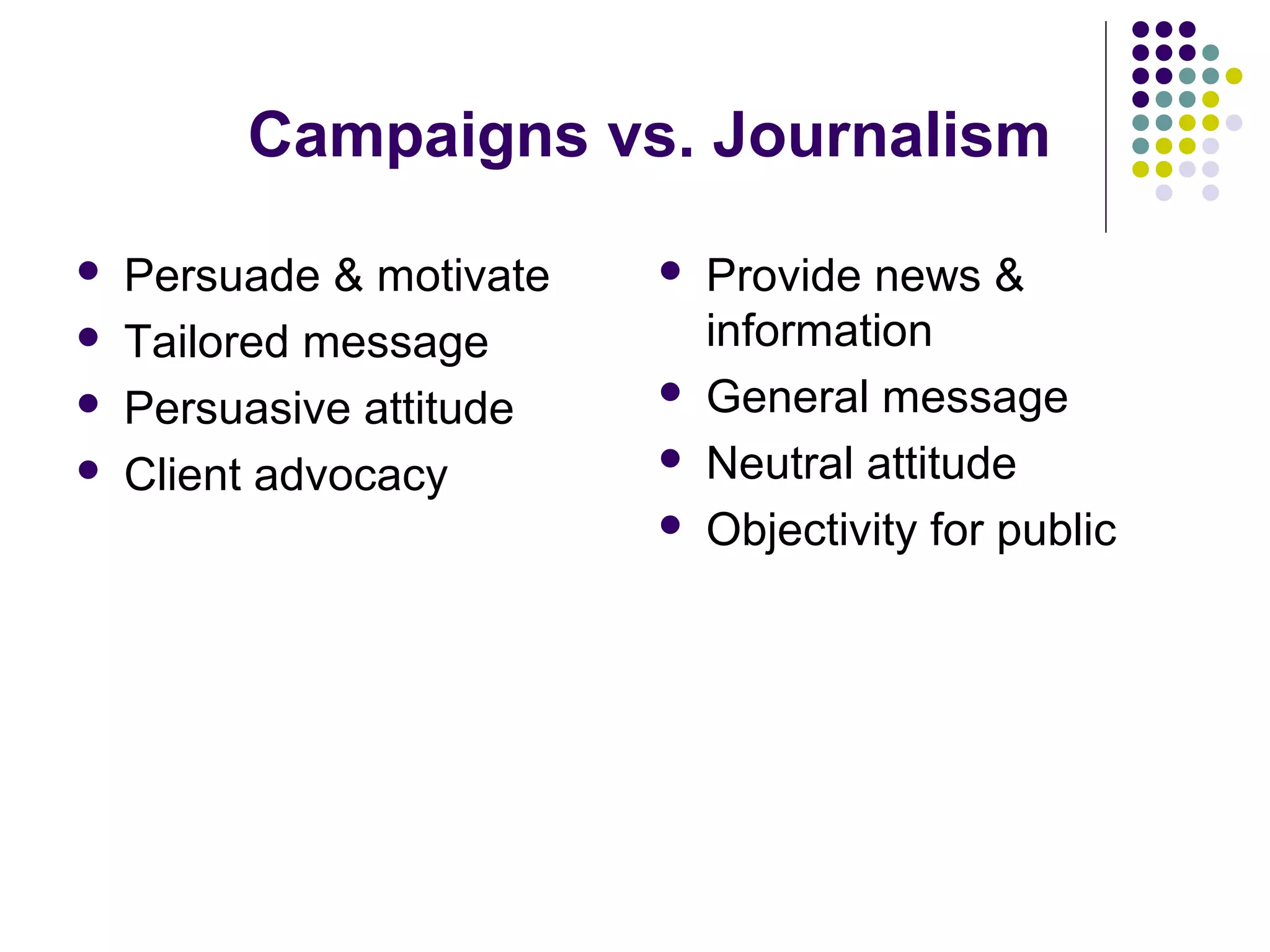
Campaigns vs. Journalism
 Persuade & motivate
 Tailored message
 Persuasive attitude
 Client advocacy
 Provide news &
information
 General message
 Neutral attitude
 Objectivity for public
 Which do you think is more difficult?
Campaigns vs. Journalism
Sample Strategy Case Studies
 We will examine two case studies today:
 Rolling Stone Radio
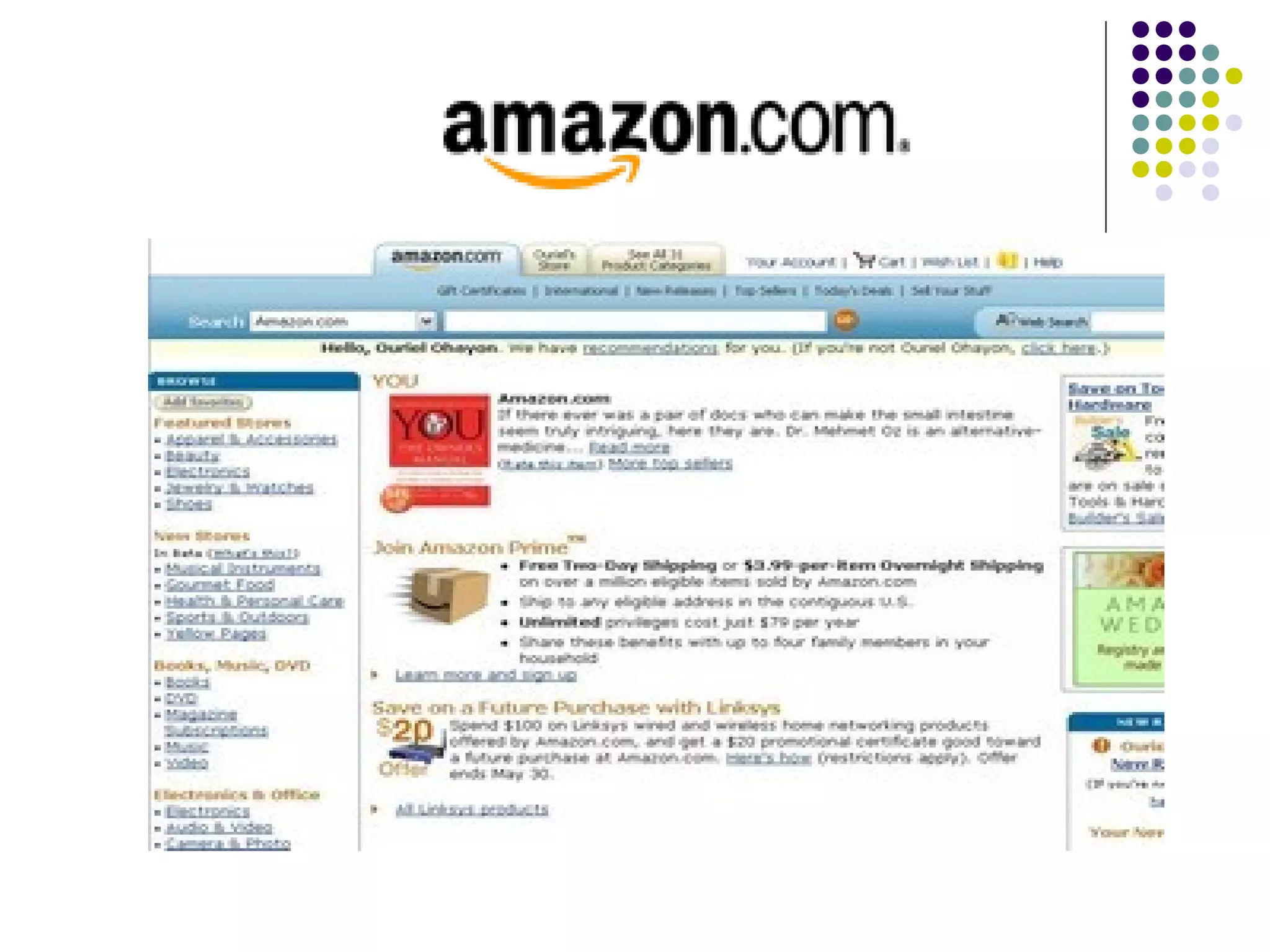
 Amazon.com
Outlining the Purpose
 What is the desired communication
outcome?
 What do we want our audience to do or not
do?
Outlining the Purpose
 Who is our target audience?
 What are our target audience’s needs,
concerns and interests?
Outlining the Purpose
 What is our message?
 What communication channel is most
effective?
 Who is the most believable spokesperson?
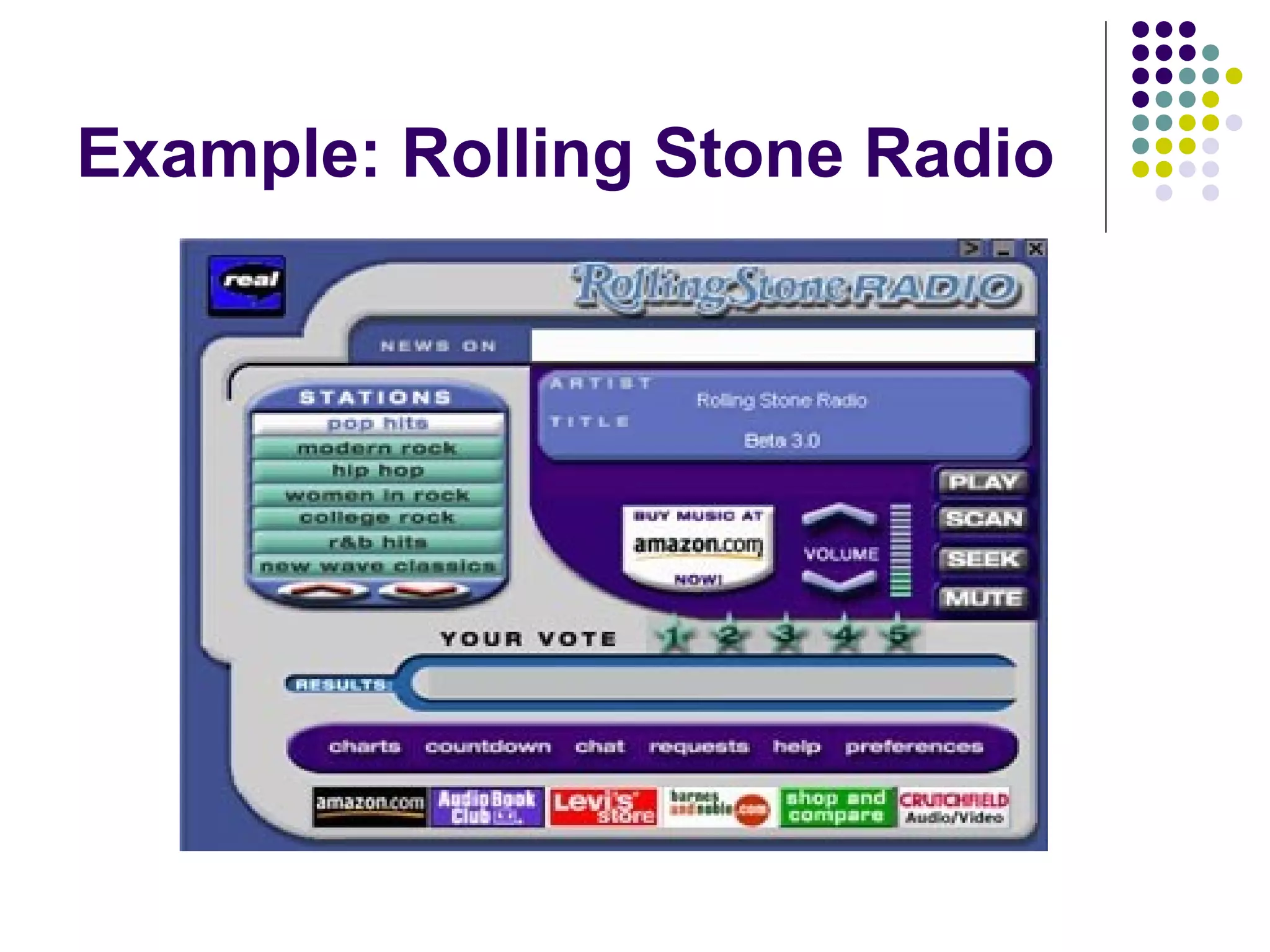
Example: Rolling Stone Radio
 A new Internet music service is about to launch
 How should this be publicized and positioned
in the marketplace?
 What is the desired communication outcome?
 What do we want our audience to do or not do?
 Who is our target audience?
 What are our target audience’s needs, concerns
and interests?
 What is our message?
 What communication channel is most effective?
 Who is the most believable spokesperson?
 Amazon.com is launching a new store
offering computer and video games
 The store will be co-branded with Toys ‘R’ Us
 How should this be publicized and positioned
in the marketplace?
 What is the desired communication outcome?
 What do we want our audience to do or not do?
 Who is our target audience?
 What are our target audience’s needs, concerns and
interests?
 What is our message?
 What communication channel is most effective?
 Who is the most believable spokesperson?
In-Class Activity
 On the next few slides, I will be presenting
potential “clients” for various campaign case
studies
 Use the Internet to research your client and
potential campaign strategies for each case
study
 Low-cost carrier JetBlue is worried that rising
oil prices and recent terrorist threats have
caused consumers to avoid air travel
 What can they do publicize their service as a
safe, inexpensive form of travel?
 What is the desired communication outcome?
 What do we want our audience to do or not do?
 Who is our target audience?
 What are our target audience’s needs, concerns and
interests?
 What is our message?
 What communication channel is most effective?
 Who is the most believable spokesperson?
 Oil giant Exxon is about to announce record
profits for the quarter
 There is known sensitivity due to consumer
frustration with rising gas prices
 Exxon needs to appease investors, but also
calm consumer and federal concerns about
price gouging
 What is the desired communication outcome?
 What do we want our audience to do or not do?
 Who is our target audience?
 What are our target audience’s needs, concerns and
interests?
 What is our message?
 What communication channel is most effective?
 Who is the most believable spokesperson?
 Save the Children is “the leading independent
organization creating real and lasting change for children
in need in the United States and around the world”
 The organization has contributed significantly to help
victims of Hurricane Katrina
 This needs to be communicated and used to spread
awareness of the organization and solicit new donations
 However, the organization needs to be sensitive to how it
portrays this message so that it is not seen as “exploiting”
those that it helps
 What is the desired communication outcome?
 What do we want our audience to do or not do?
 Who is our target audience?
 What are our target audience’s needs, concerns and
interests?
 What is our message?
 What communication channel is most effective?
 Who is the most believable spokesperson?
 Loyal users of Facebook are concerned that
the site is violating the privacy of its users
with many of its new features
 What can be done to help keep its most vocal
critics happy while letting the general user
base know that Facebook values user
privacy?
 What is the desired communication outcome?
 What do we want our audience to do or not do?
 Who is our target audience?
 What are our target audience’s needs, concerns and
interests?
 What is our message?
 What communication channel is most effective?
 Who is the most believable spokesperson?
 Washington State University has a reputation
for being a “party school”
 Administrators want to shake this image!
 What can they do?
 What is the desired communication outcome?
 What do we want our audience to do or not do?
 Who is our target audience?
 What are our target audience’s needs, concerns and
interests?
 What is our message?
 What communication channel is most effective?
 Who is the most believable spokesperson?

Preparing for Writing in PR and Advertising

  • 1.
  • 2.
    What is Advertising? A form of communication for marketing used to encourage, persuade or manipulate the audience to continue or take action.  Often these are PAID announcements or information that is disseminated to the public
  • 3.
    What is PublicRelations?  A strategic communication process that builds mutually beneficial relationships between organizations and their publics  Definition courtesy of the PRSA  What are the first words that come to mind when you think of a public relations specialist?
  • 4.
    Stereotypes  What aresome of the stereotypes associated with public relations and advertisers?
  • 5.
    “Old Skool” vs.“New Skool”  PR and advertising industries are changing rapidly  Technology  Globalization  Personalization  Outsourcing
  • 6.
    Campaign Writing vs. Journalism What is different about campaign writing that distinguishes it from news reporting?
  • 7.
  • 8.
    Campaigns vs. Journalism Persuade & motivate  Tailored message  Persuasive attitude  Client advocacy  Provide news & information  General message  Neutral attitude  Objectivity for public
  • 9.
     Which doyou think is more difficult? Campaigns vs. Journalism
  • 10.
    Sample Strategy CaseStudies  We will examine two case studies today:  Rolling Stone Radio  Amazon.com
  • 11.
    Outlining the Purpose What is the desired communication outcome?  What do we want our audience to do or not do?
  • 12.
    Outlining the Purpose Who is our target audience?  What are our target audience’s needs, concerns and interests?
  • 13.
    Outlining the Purpose What is our message?  What communication channel is most effective?  Who is the most believable spokesperson?
  • 14.
  • 15.
     A newInternet music service is about to launch  How should this be publicized and positioned in the marketplace?
  • 16.
     What isthe desired communication outcome?  What do we want our audience to do or not do?  Who is our target audience?  What are our target audience’s needs, concerns and interests?  What is our message?  What communication channel is most effective?  Who is the most believable spokesperson?
  • 18.
     Amazon.com islaunching a new store offering computer and video games  The store will be co-branded with Toys ‘R’ Us  How should this be publicized and positioned in the marketplace?
  • 19.
     What isthe desired communication outcome?  What do we want our audience to do or not do?  Who is our target audience?  What are our target audience’s needs, concerns and interests?  What is our message?  What communication channel is most effective?  Who is the most believable spokesperson?
  • 20.
    In-Class Activity  Onthe next few slides, I will be presenting potential “clients” for various campaign case studies  Use the Internet to research your client and potential campaign strategies for each case study
  • 21.
     Low-cost carrierJetBlue is worried that rising oil prices and recent terrorist threats have caused consumers to avoid air travel  What can they do publicize their service as a safe, inexpensive form of travel?
  • 22.
     What isthe desired communication outcome?  What do we want our audience to do or not do?  Who is our target audience?  What are our target audience’s needs, concerns and interests?  What is our message?  What communication channel is most effective?  Who is the most believable spokesperson?
  • 23.
     Oil giantExxon is about to announce record profits for the quarter  There is known sensitivity due to consumer frustration with rising gas prices  Exxon needs to appease investors, but also calm consumer and federal concerns about price gouging
  • 24.
     What isthe desired communication outcome?  What do we want our audience to do or not do?  Who is our target audience?  What are our target audience’s needs, concerns and interests?  What is our message?  What communication channel is most effective?  Who is the most believable spokesperson?
  • 25.
     Save theChildren is “the leading independent organization creating real and lasting change for children in need in the United States and around the world”  The organization has contributed significantly to help victims of Hurricane Katrina  This needs to be communicated and used to spread awareness of the organization and solicit new donations  However, the organization needs to be sensitive to how it portrays this message so that it is not seen as “exploiting” those that it helps
  • 26.
     What isthe desired communication outcome?  What do we want our audience to do or not do?  Who is our target audience?  What are our target audience’s needs, concerns and interests?  What is our message?  What communication channel is most effective?  Who is the most believable spokesperson?
  • 27.
     Loyal usersof Facebook are concerned that the site is violating the privacy of its users with many of its new features  What can be done to help keep its most vocal critics happy while letting the general user base know that Facebook values user privacy?
  • 28.
     What isthe desired communication outcome?  What do we want our audience to do or not do?  Who is our target audience?  What are our target audience’s needs, concerns and interests?  What is our message?  What communication channel is most effective?  Who is the most believable spokesperson?
  • 29.
     Washington StateUniversity has a reputation for being a “party school”  Administrators want to shake this image!  What can they do?
  • 30.
     What isthe desired communication outcome?  What do we want our audience to do or not do?  Who is our target audience?  What are our target audience’s needs, concerns and interests?  What is our message?  What communication channel is most effective?  Who is the most believable spokesperson?