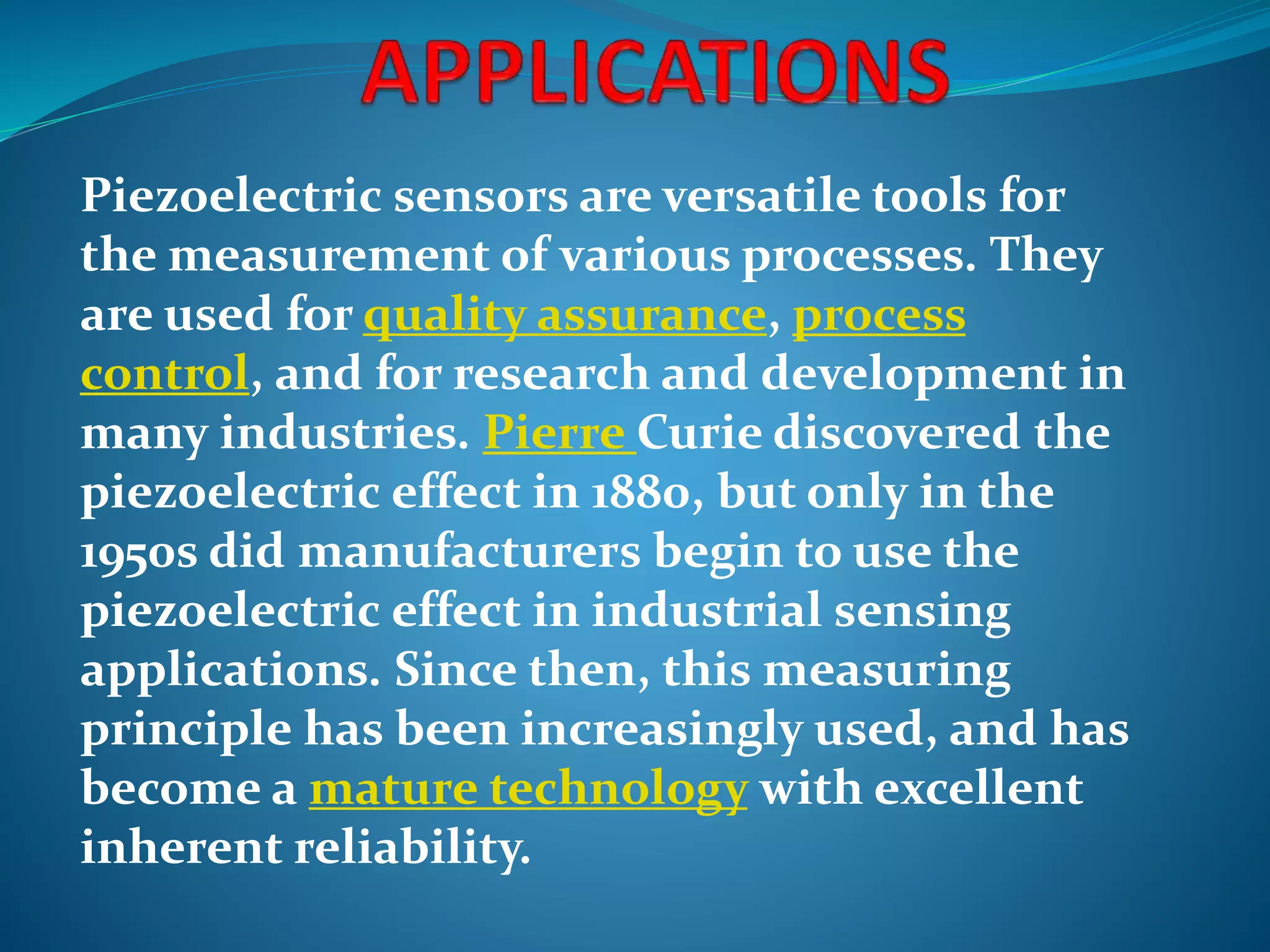
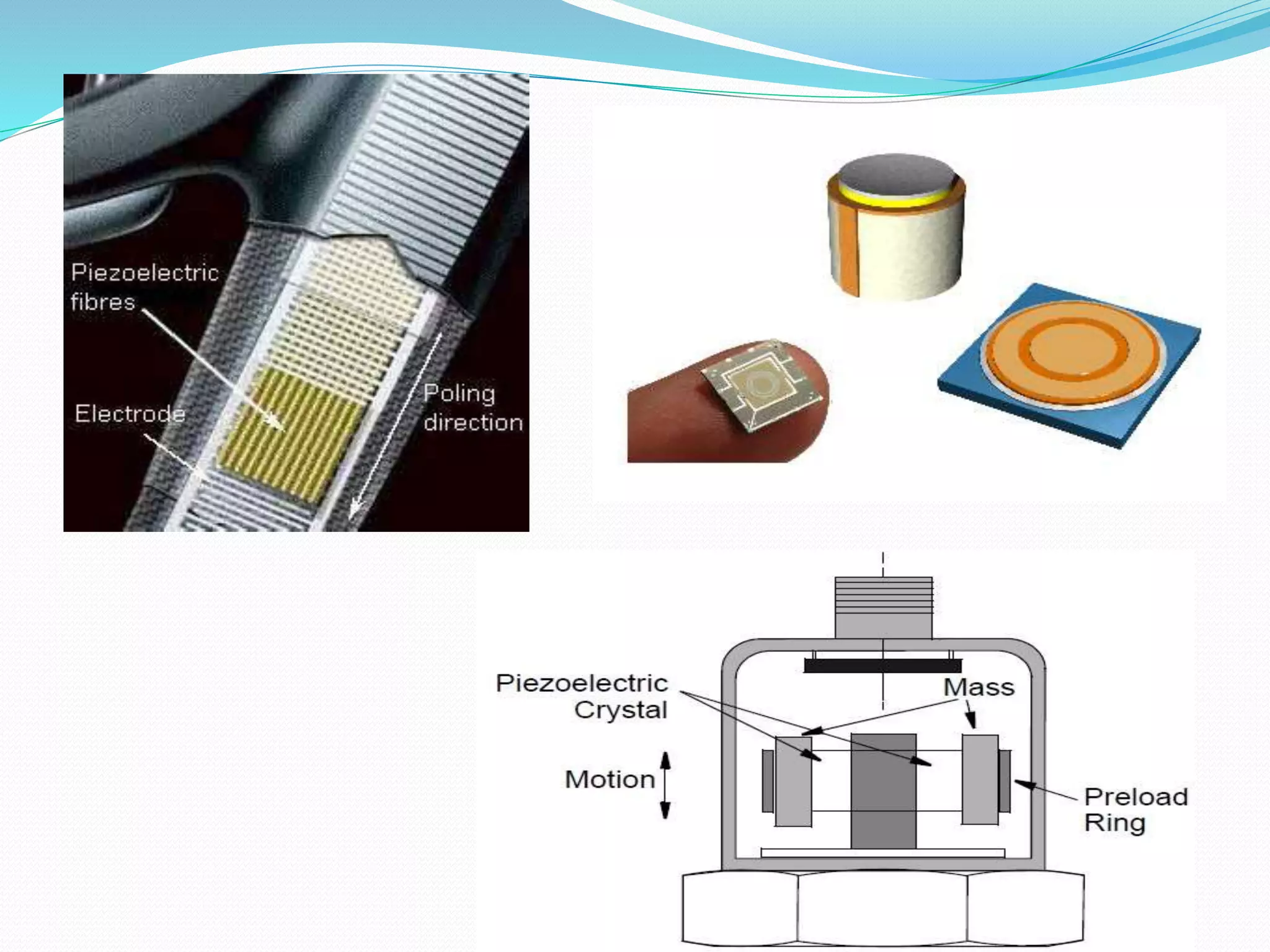
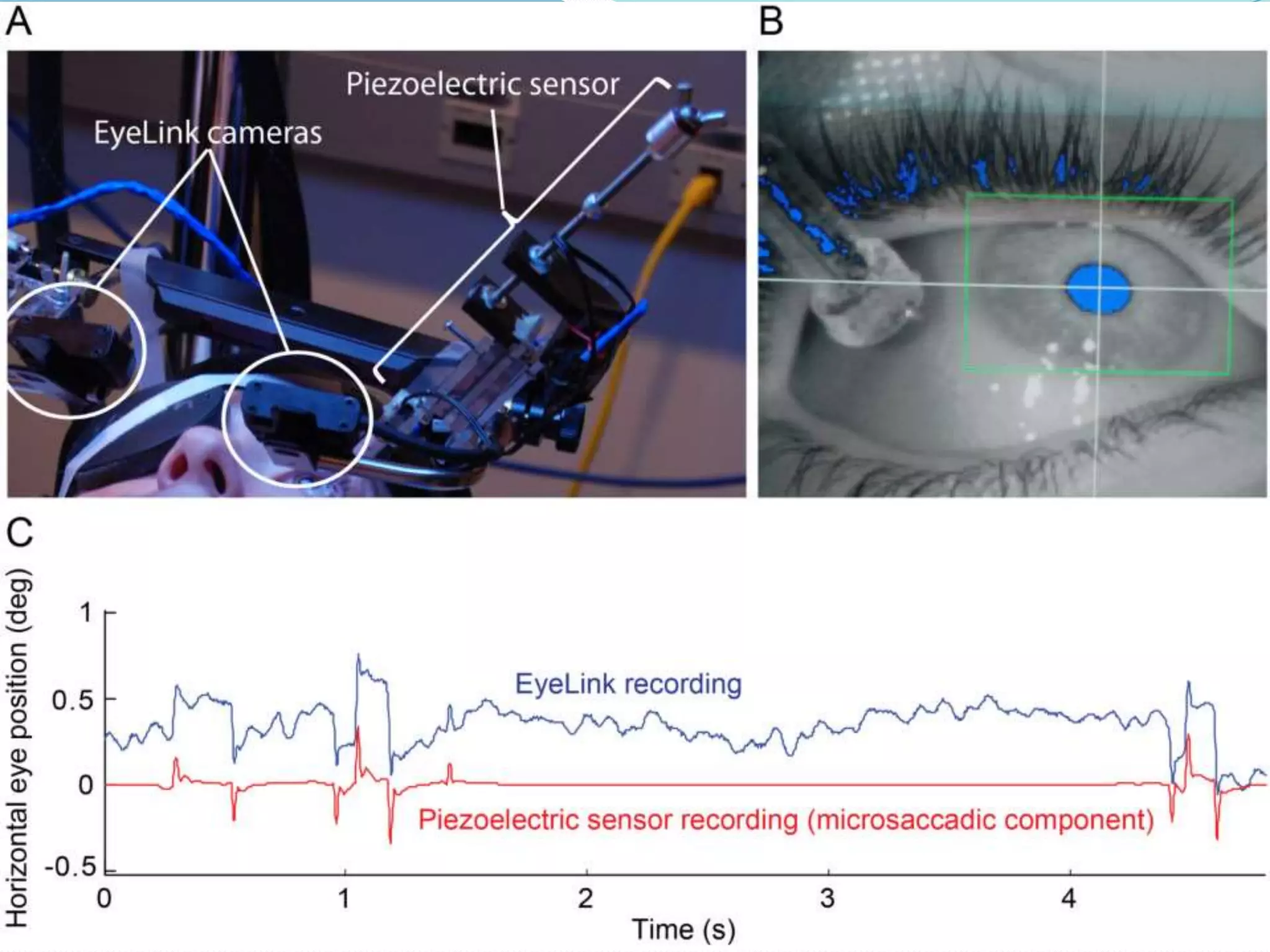
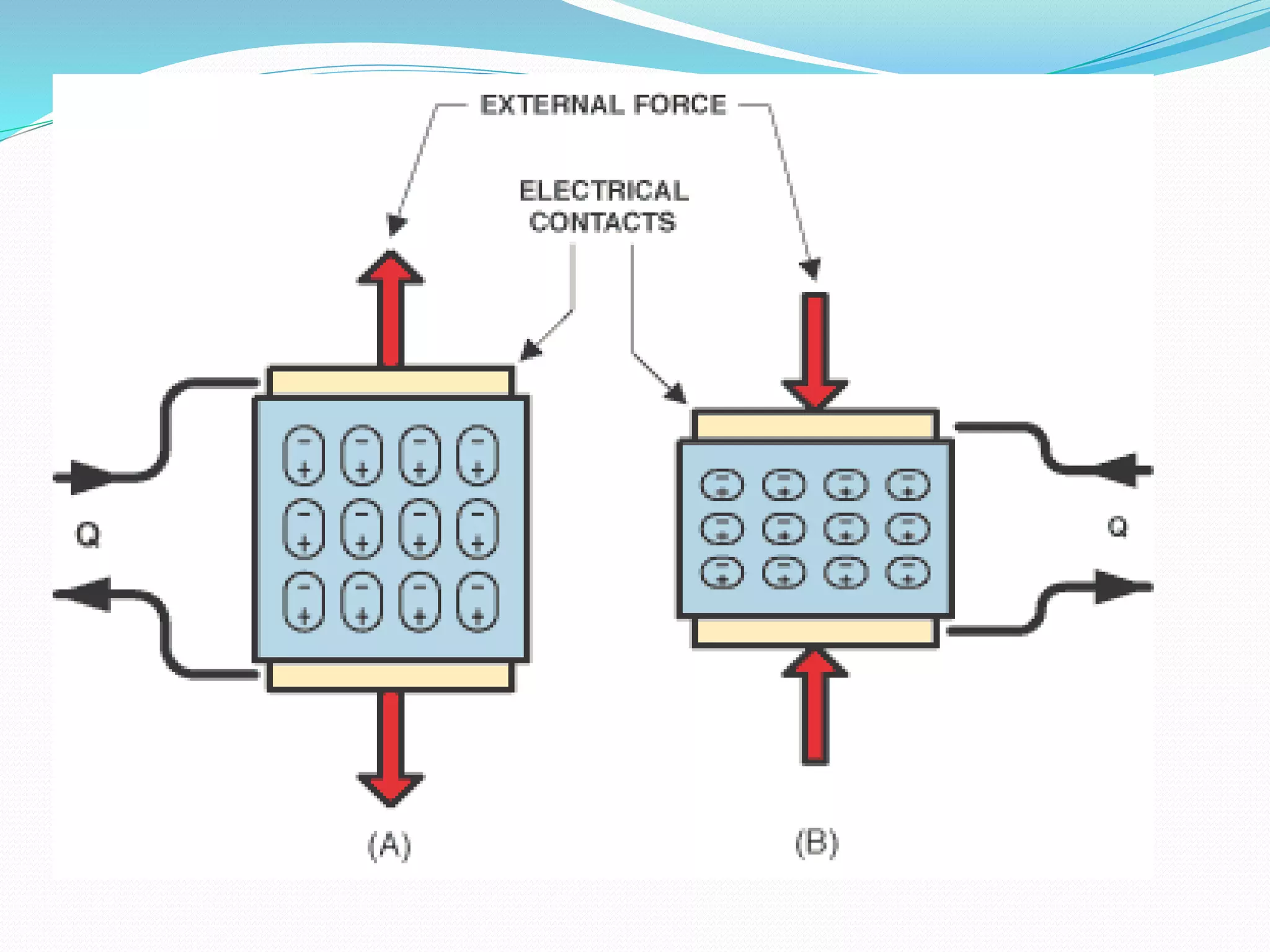
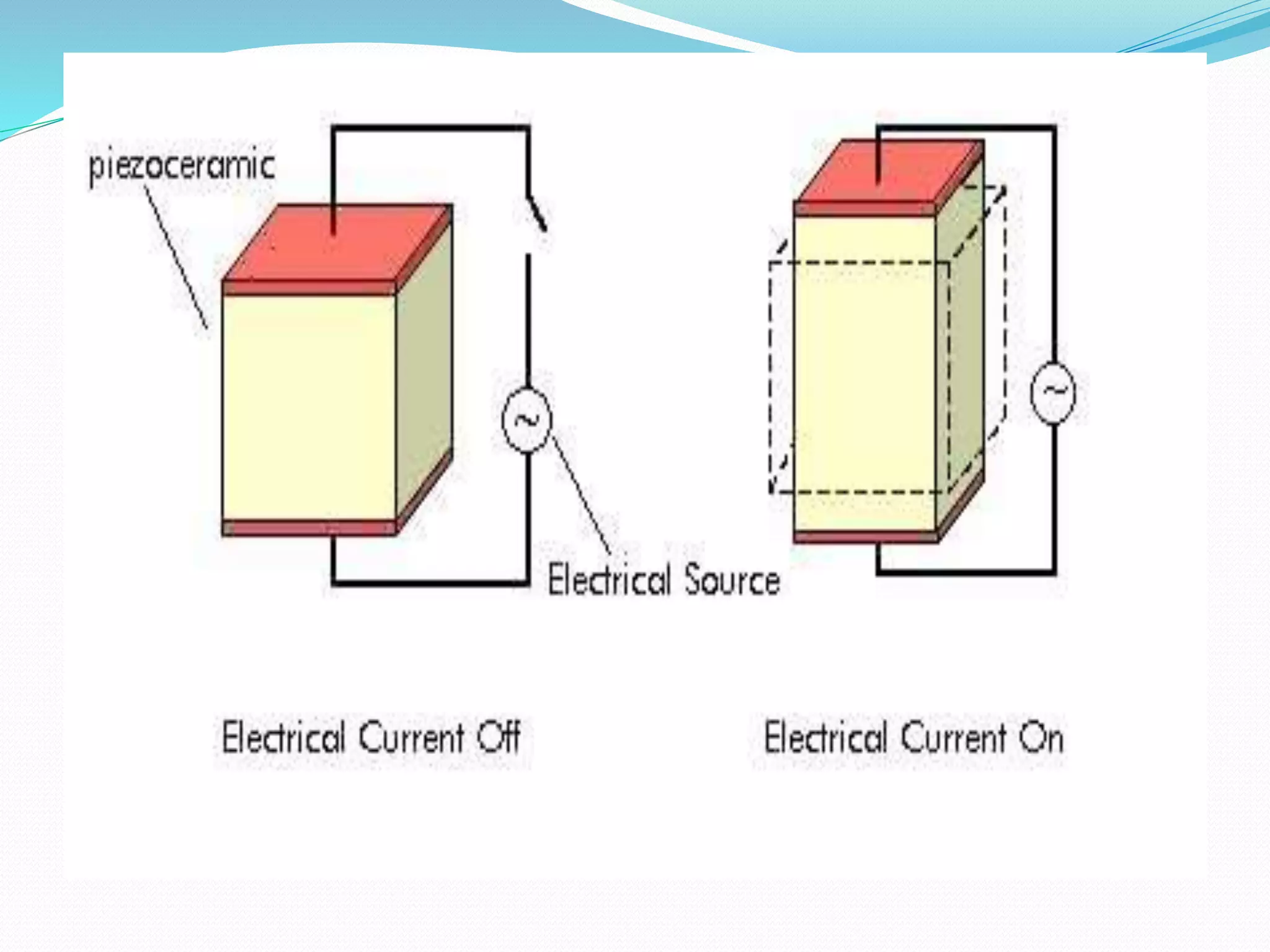
A piezoelectric sensor is a device that uses
the piezoelectric effect, to measure changes
in pressure, acceleration, temperature, strain,
or force by converting them to an electrical
charge.
Piezoelectric sensors are versatile tools for
the measurement of various processes. They
are used for quality assurance, process
control, and for research and development in
many industries. Pierre Curie discovered the
piezoelectric effect in 1880, but only in the
1950s did manufacturers begin to use the
piezoelectric effect in industrial sensing
applications. Since then, this measuring
principle has been increasingly used, and has
become a mature technology with excellent
inherent reliability.
One disadvantage of piezoelectric sensors
is that they cannot be used for truly static
measurements. A static force results in a
fixed amount of charge on the piezoelectric
material. In conventional readout
electronics, imperfect insulating materials
and reduction in internal
sensor resistance causes a constant loss
of electrons and yields a decreasing signal.
Elevated temperatures cause an additional
drop in internal resistance and sensitivity
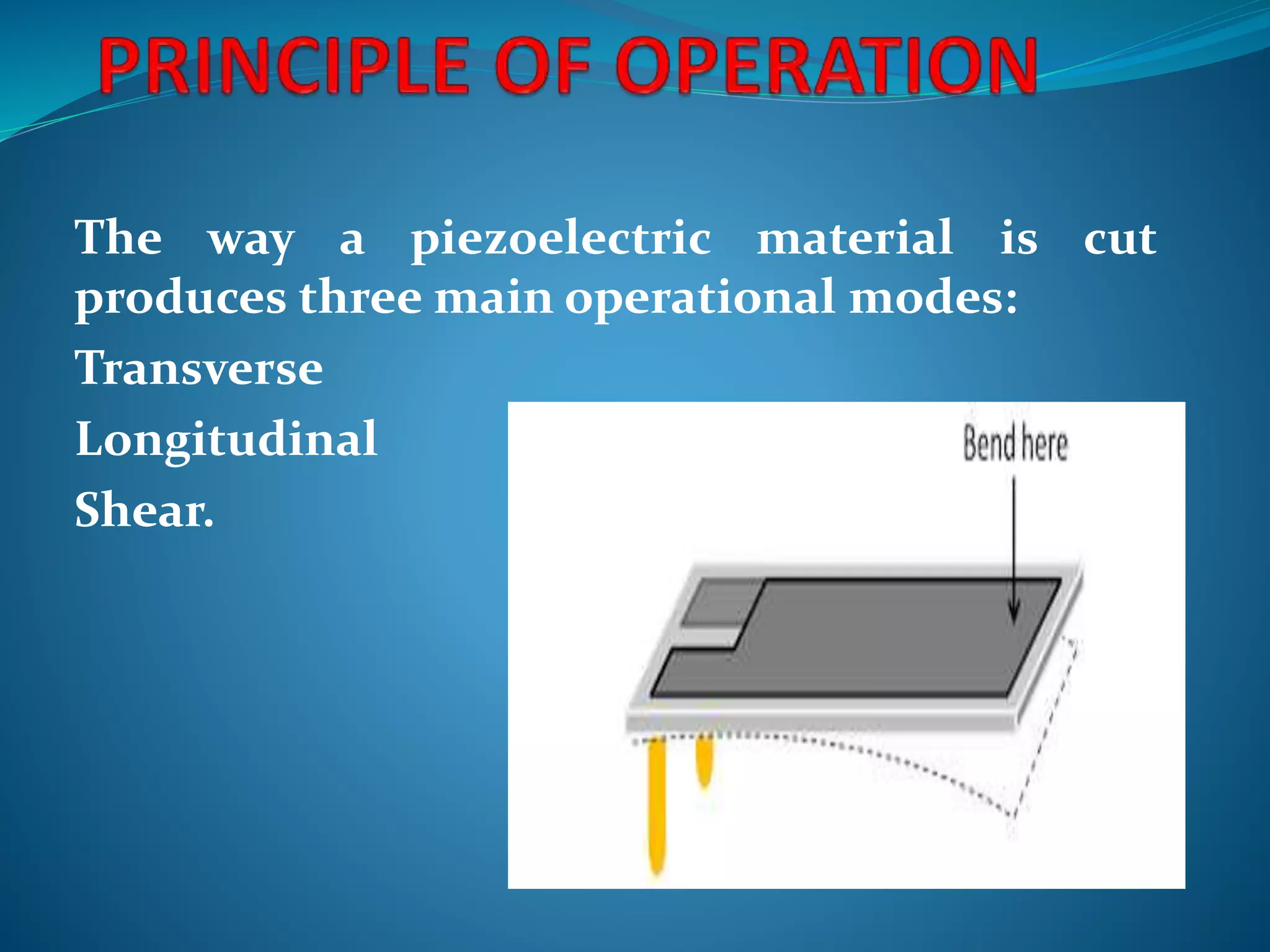
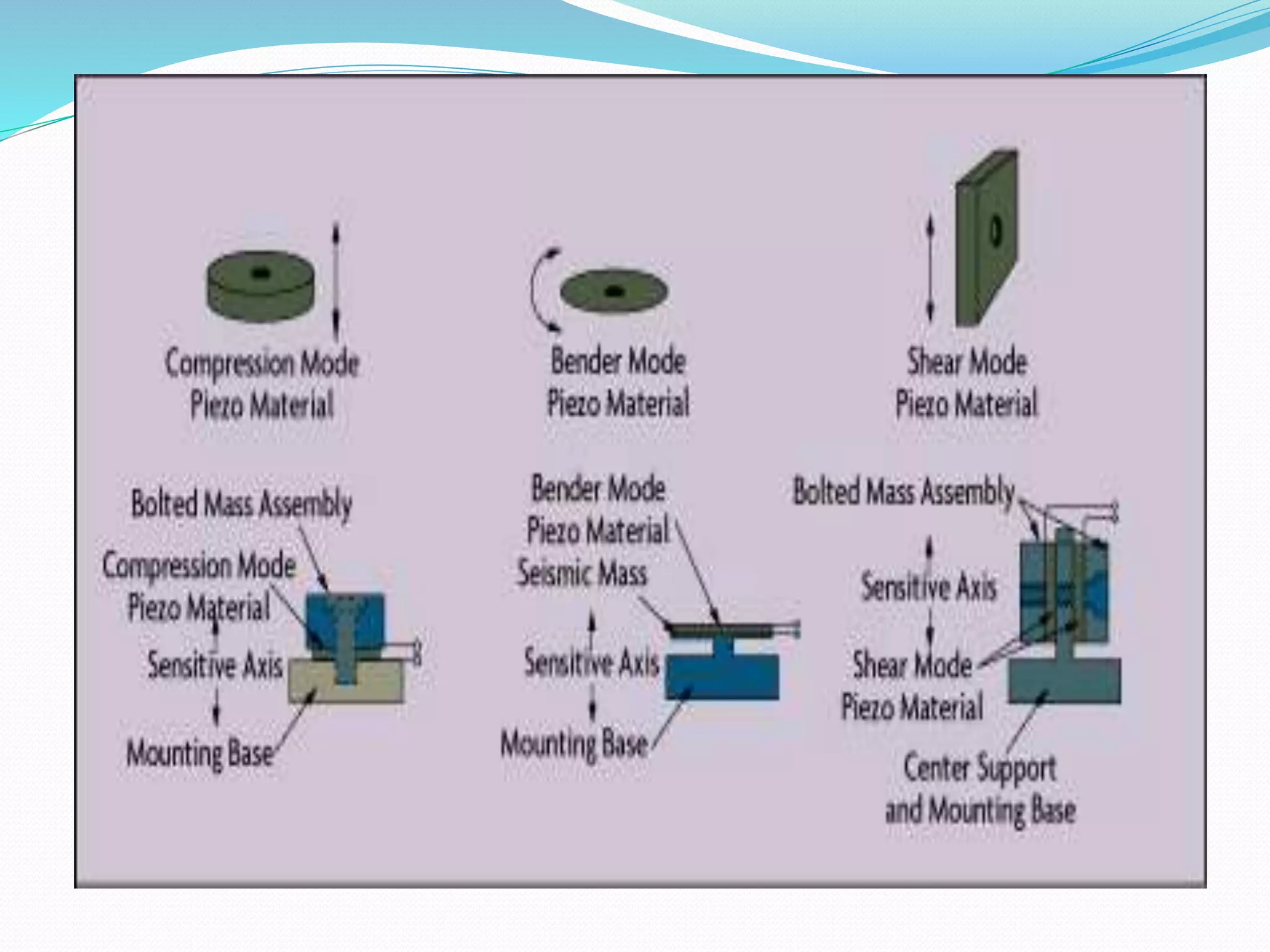
The way a piezoelectric material is cut
produces three main operational modes:
Transverse
Longitudinal
Shear.
A force applied along a neutral axis (y) generates
charges along the (x) direction, perpendicular to the
line of force. The amount of charge ({display style
C_{x}}) depends on the geometrical dimensions of the
respective piezoelectric element. When
dimensions {display style a,b,c} apply,
{display style C_{x}=d_{xy}F_{y}b/a~},where {display
style a} is the dimension in line with the neutral
axis, {display style b} is in line with the charge
generating axis and {display style d} is the
corresponding piezoelectric coefficient
The amount of charge produced is strictly
proportional to the applied force and independent of
the piezoelectric element size and shape. Putting
several elements mechanically in series and
electrically in parallel is the only way to increase the
charge output. The resulting charge is
{display style C_{x}=d_{xx}F_{x}n~},where {display
style d_{xx}} is the piezoelectric coefficient for a
charge in x-direction released by forces applied along
x-direction (in pC/N). {display style F_{x}} is the
applied Force in x-direction [N] and {display style
n} corresponds to the number of stacked elements.
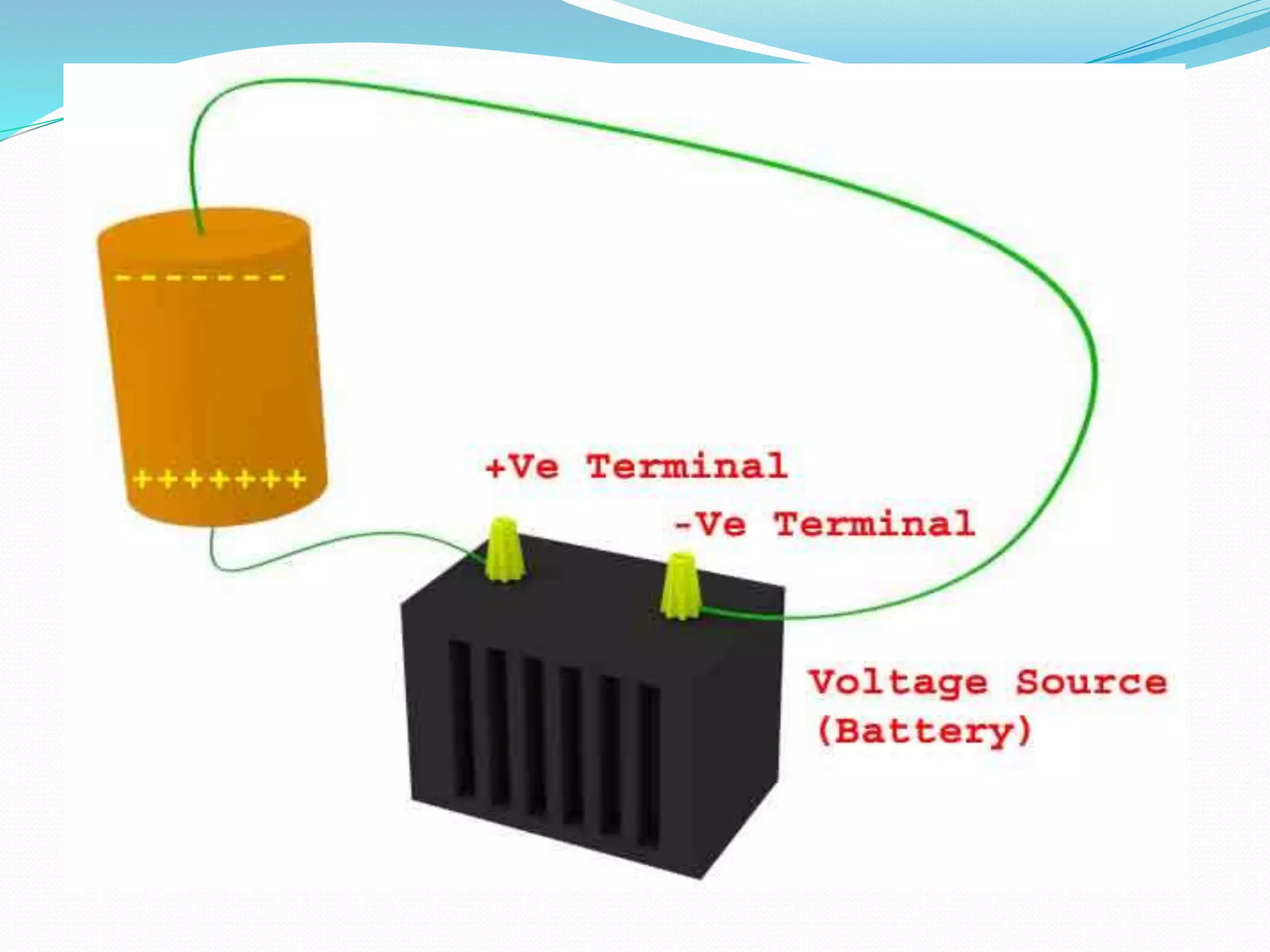
A piezoelectric transducer has very high DC output
impedance and can be modeled as a proportional voltage
source and filter network. The voltage V at the source is
directly proportional to the applied force, pressure, or
strain.
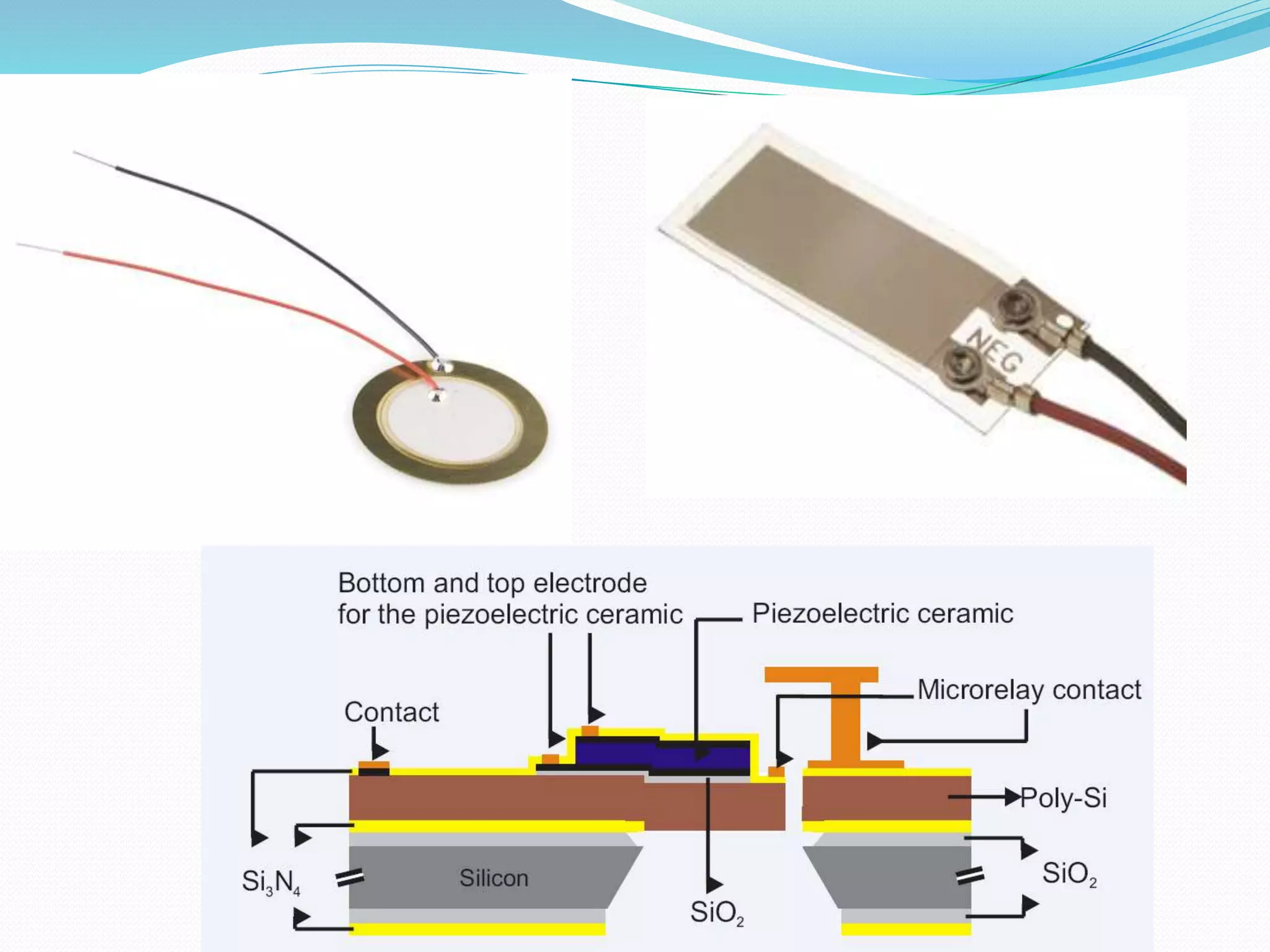
Based on piezoelectric technology various physical
quantities can be measured; the most common are
pressure and acceleration. For pressure sensors, a
thin membrane and a massive base is used, ensuring that
an applied pressure specifically loads the elements in one
direction.
The main difference in working
principle between these two cases
is the way they apply forces to the
sensing elements. In a pressure
sensor, a thin membrane transfers
the force to the elements, while in
accelerometers an attached
seismic mass applies the forces.
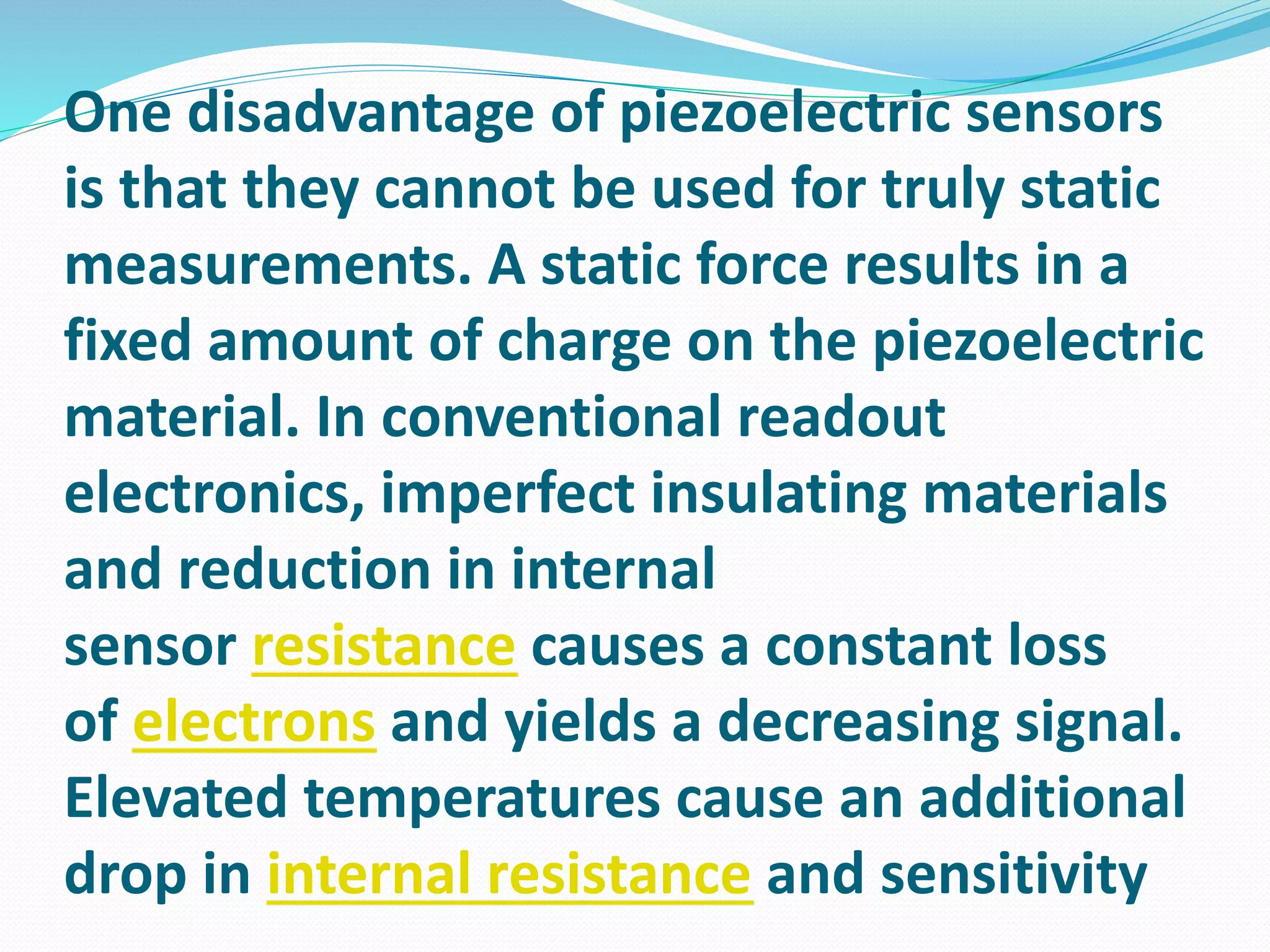
Two main groups of materials are used for
piezoelectric sensors: piezoelectric ceramics and
single crystal materials. The ceramic materials
(such as PZT ceramic) have a piezoelectric
constant/sensitivity that is roughly two orders of
magnitude higher than those of the natural single
crystal materials and can be produced by
inexpensive sintering processes. The piezoeffect in
piezoceramics is "trained", so their high sensitivity
degrades over time.
The piezoresistive effect is a change in the electrical
resistivity of a semiconductor or metal when mechanical
strain is applied. In contrast to the piezoelectric effect,
the piezoresistive effect causes a change only in
electrical resistance, not in electric potential.
The change of electrical resistance in
metal devices due to an applied
mechanical load was first discovered in
1856 by Lord Kelvin. With single
crystal silicon becoming the material of
choice for the design of analog
and digital circuits, the large
piezoresistive effect in silicon and
germanium was first discovered in 1954
(Smith 1954).
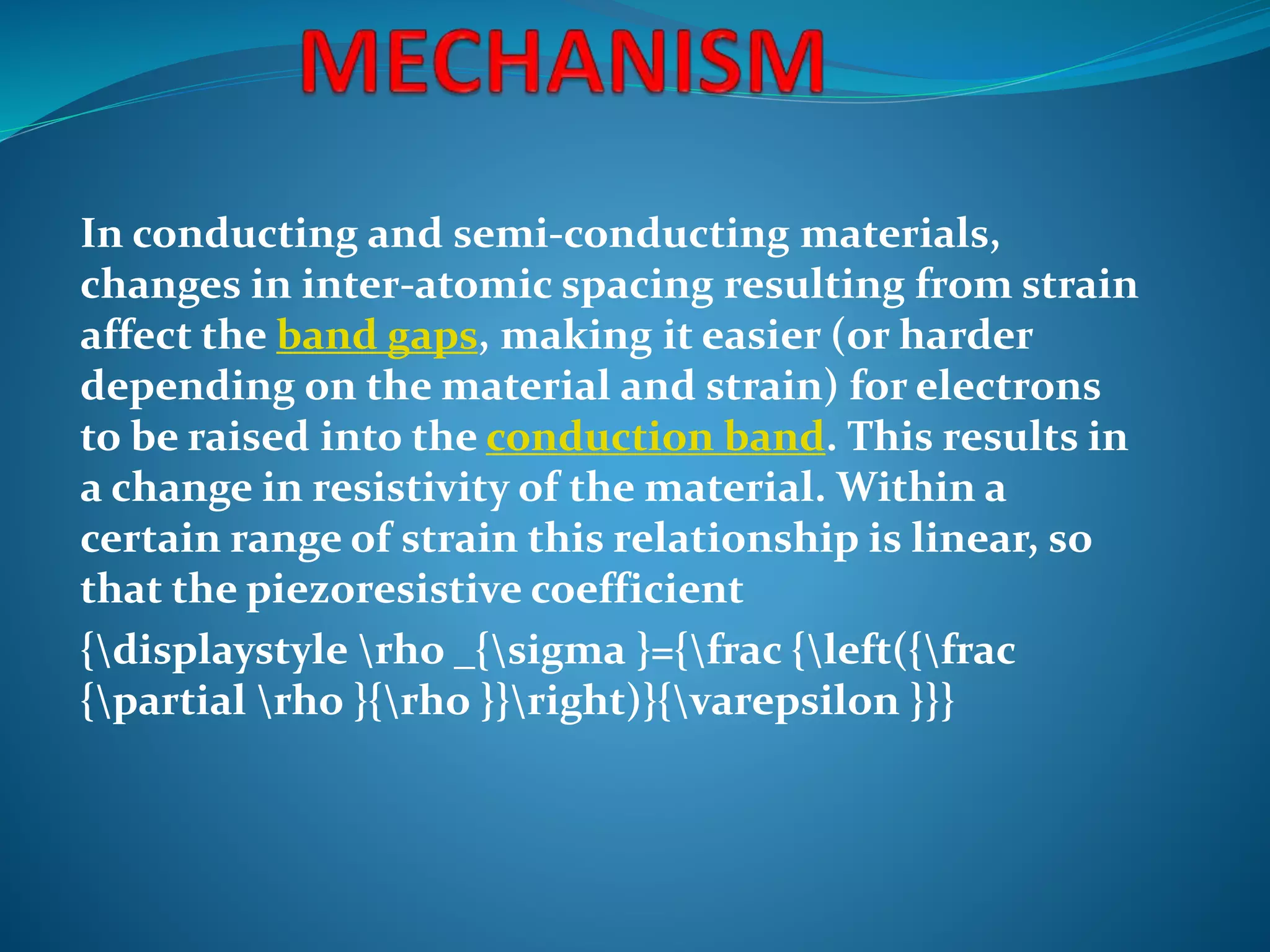
In conducting and semi-conducting materials,
changes in inter-atomic spacing resulting from strain
affect the band gaps, making it easier (or harder
depending on the material and strain) for electrons
to be raised into the conduction band. This results in
a change in resistivity of the material. Within a
certain range of strain this relationship is linear, so
that the piezoresistive coefficient
{displaystyle rho _{sigma }={frac {left({frac
{partial rho }{rho }}right)}{varepsilon }}}
Usually the resistance change in metals
is mostly due to the change of geometry
resulting from applied mechanical
stress. However, even though the
piezoresistive effect is small in those
cases it is often not negligible. In cases
where it is, it can be calculated using the
simple resistance equation derived
from Ohm's law;
The piezoresistive effect of semiconductor
materials can be several orders of magnitudes
larger than the geometrical effect and is
present in materials like germanium,
polycrystalline silicon, amorphous silicon,
silicon carbide, and single crystal silicon.
Hence, semiconductor strain gauges with a
very high coefficient of sensitivity can be
built.
The piezoresistive effect of semiconductors
has been used for sensor devices employing
all kinds of semiconductor materials such
as germanium, polycrystalline silicon,
amorphous silicon, and single crystal silicon.
Since silicon is today the material of choice
for integrated digital and analog circuits the
use of piezoresistive silicon devices has been
of great interest. It enables the easy
integration of stress sensors with Bipolar and
CMOS circuits.
Piezoresistors can be fabricated using wide variety of piezoresistive
materials. The simplest form of piezoresistive silicon sensors are diffused
resistors. Piezoresistors consist of a simple two contact diffused n- or p-
wells within a p- or n-substrate. As the typical square resistances of these
devices are in the range of several hundred ohms, additional p+ or n+ plus
diffusions are necessary to facilitate ohmic contacts to the device.
Piezoelectric sens0 r

Piezoelectric sens0 r

  • 2.
    A piezoelectric sensoris a device that uses the piezoelectric effect, to measure changes in pressure, acceleration, temperature, strain, or force by converting them to an electrical charge.
  • 3.
    Piezoelectric sensors areversatile tools for the measurement of various processes. They are used for quality assurance, process control, and for research and development in many industries. Pierre Curie discovered the piezoelectric effect in 1880, but only in the 1950s did manufacturers begin to use the piezoelectric effect in industrial sensing applications. Since then, this measuring principle has been increasingly used, and has become a mature technology with excellent inherent reliability.
  • 8.
    One disadvantage ofpiezoelectric sensors is that they cannot be used for truly static measurements. A static force results in a fixed amount of charge on the piezoelectric material. In conventional readout electronics, imperfect insulating materials and reduction in internal sensor resistance causes a constant loss of electrons and yields a decreasing signal. Elevated temperatures cause an additional drop in internal resistance and sensitivity
  • 9.
    The way apiezoelectric material is cut produces three main operational modes: Transverse Longitudinal Shear.
  • 10.
    A force appliedalong a neutral axis (y) generates charges along the (x) direction, perpendicular to the line of force. The amount of charge ({display style C_{x}}) depends on the geometrical dimensions of the respective piezoelectric element. When dimensions {display style a,b,c} apply, {display style C_{x}=d_{xy}F_{y}b/a~},where {display style a} is the dimension in line with the neutral axis, {display style b} is in line with the charge generating axis and {display style d} is the corresponding piezoelectric coefficient
  • 11.
    The amount ofcharge produced is strictly proportional to the applied force and independent of the piezoelectric element size and shape. Putting several elements mechanically in series and electrically in parallel is the only way to increase the charge output. The resulting charge is {display style C_{x}=d_{xx}F_{x}n~},where {display style d_{xx}} is the piezoelectric coefficient for a charge in x-direction released by forces applied along x-direction (in pC/N). {display style F_{x}} is the applied Force in x-direction [N] and {display style n} corresponds to the number of stacked elements.
  • 14.
    A piezoelectric transducerhas very high DC output impedance and can be modeled as a proportional voltage source and filter network. The voltage V at the source is directly proportional to the applied force, pressure, or strain.
  • 15.
    Based on piezoelectrictechnology various physical quantities can be measured; the most common are pressure and acceleration. For pressure sensors, a thin membrane and a massive base is used, ensuring that an applied pressure specifically loads the elements in one direction.
  • 16.
    The main differencein working principle between these two cases is the way they apply forces to the sensing elements. In a pressure sensor, a thin membrane transfers the force to the elements, while in accelerometers an attached seismic mass applies the forces.
  • 17.
    Two main groupsof materials are used for piezoelectric sensors: piezoelectric ceramics and single crystal materials. The ceramic materials (such as PZT ceramic) have a piezoelectric constant/sensitivity that is roughly two orders of magnitude higher than those of the natural single crystal materials and can be produced by inexpensive sintering processes. The piezoeffect in piezoceramics is "trained", so their high sensitivity degrades over time.
  • 18.
    The piezoresistive effectis a change in the electrical resistivity of a semiconductor or metal when mechanical strain is applied. In contrast to the piezoelectric effect, the piezoresistive effect causes a change only in electrical resistance, not in electric potential.
  • 22.
    The change ofelectrical resistance in metal devices due to an applied mechanical load was first discovered in 1856 by Lord Kelvin. With single crystal silicon becoming the material of choice for the design of analog and digital circuits, the large piezoresistive effect in silicon and germanium was first discovered in 1954 (Smith 1954).
  • 23.
    In conducting andsemi-conducting materials, changes in inter-atomic spacing resulting from strain affect the band gaps, making it easier (or harder depending on the material and strain) for electrons to be raised into the conduction band. This results in a change in resistivity of the material. Within a certain range of strain this relationship is linear, so that the piezoresistive coefficient {displaystyle rho _{sigma }={frac {left({frac {partial rho }{rho }}right)}{varepsilon }}}
  • 24.
    Usually the resistancechange in metals is mostly due to the change of geometry resulting from applied mechanical stress. However, even though the piezoresistive effect is small in those cases it is often not negligible. In cases where it is, it can be calculated using the simple resistance equation derived from Ohm's law;
  • 26.
    The piezoresistive effectof semiconductor materials can be several orders of magnitudes larger than the geometrical effect and is present in materials like germanium, polycrystalline silicon, amorphous silicon, silicon carbide, and single crystal silicon. Hence, semiconductor strain gauges with a very high coefficient of sensitivity can be built.
  • 27.
    The piezoresistive effectof semiconductors has been used for sensor devices employing all kinds of semiconductor materials such as germanium, polycrystalline silicon, amorphous silicon, and single crystal silicon. Since silicon is today the material of choice for integrated digital and analog circuits the use of piezoresistive silicon devices has been of great interest. It enables the easy integration of stress sensors with Bipolar and CMOS circuits.
  • 28.
    Piezoresistors can befabricated using wide variety of piezoresistive materials. The simplest form of piezoresistive silicon sensors are diffused resistors. Piezoresistors consist of a simple two contact diffused n- or p- wells within a p- or n-substrate. As the typical square resistances of these devices are in the range of several hundred ohms, additional p+ or n+ plus diffusions are necessary to facilitate ohmic contacts to the device.