Ozone layer
ď‚—   The ozone layer is a layer in Earth's
    atmosphere containing relatively high
    concentrations of ozone

ď‚—   The ozone layer was discovered in 1913
    by the French physicists Charles
    Fabry and Henri Buisson.


What is Ozone Layer?
ď‚—   Although the concentration of the ozone in
    the ozone layer is very small, it is vitally
    important to life because it absorbs
    biologically harmful ultraviolet (UV)
    radiation coming from the sun.


Why it is important for Earth?
ď‚—   In 1978, the United
    States, Canada and Norway enacted bans
    on CFC-containing aerosol sprays that are
    thought to damage the ozone layer. The
    European Community rejected an
    analogous proposal to do the same.


Regulation
ď‚—   http://www.educaplay.com/es/recursosed
    ucativos/675702/ozone_layer.htm


Activities
Components
Nitrogen
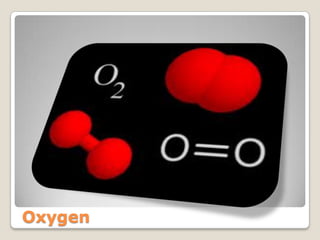
Oxygen
Argon
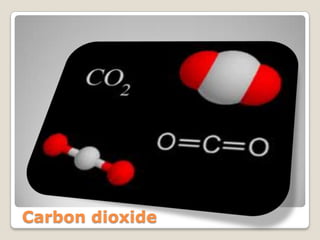
Carbon dioxide
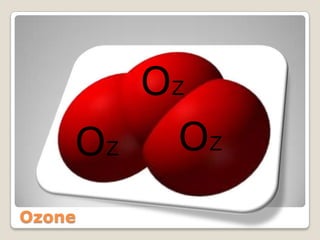
OZ
    OZ   OZ
Ozone
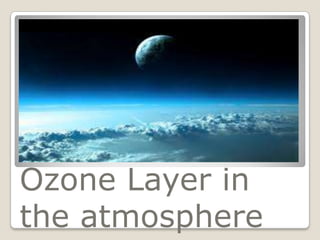
Ozone Layer in
the atmosphere
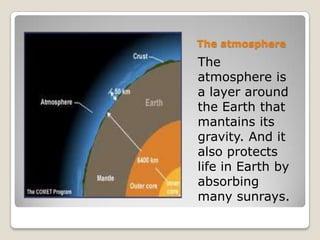
The atmosphere
The
atmosphere is
a layer around
the Earth that
mantains its
gravity. And it
also protects
life in Earth by
absorbing
many sunrays.
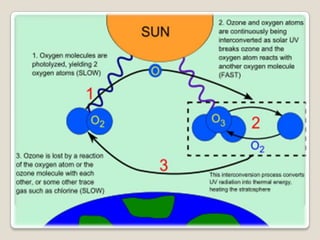
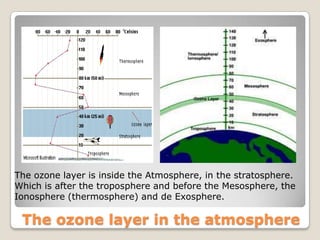
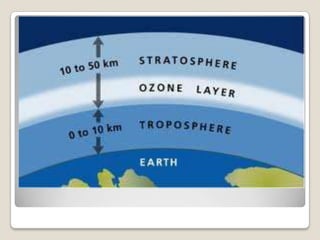
The ozone layer is inside the Atmosphere, in the stratosphere.
Which is after the troposphere and before the Mesosphere, the
Ionosphere (thermosphere) and de Exosphere.

 The ozone layer in the atmosphere
Function
ď‚—   The ozone layer is a layer which protects
    the Earth from the UV (ultra violet)
    radiations which are originated in the sun.
    This UV radiations can cause skin
    cancer, suppressions to the immune
    system and eye cataract.
ď‚—   Today, the ozone layer is being destructed
    by the contamination produced in the
    Earth. As a consequence, many
    phenomena such as Global Warming or
    the Water Crisis are causing great
    damages on the Earth and in society.
Activity & video
http://www.youtube.com/watch?v=WKrPd-8CJBM&feature=related
http://www.educaplay.com/es/recursoseducativos/683252/ozone_layer.htm
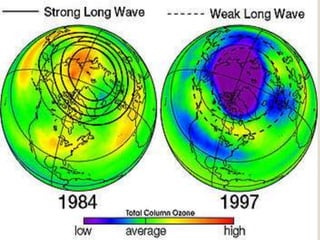
ď‚—   Ozone depletion describes two distinct
    but related phenomena observed since
    the late 1970s: a steady decline of about
    4% per decade in the total volume
    of ozone in Earth's
    stratosphere (the ozone layer), and a
    much larger springtime decrease in
    stratospheric ozone over Earth's polar
    regions. The latter phenomenon is
    referred to as the ozone hole.


Ozone Depletion
ď‚—   Chlorofluorocarbons (CFCs) and other
    halogenated ozone depleting substances
    (ODS) are mainly responsible for man-
    made chemical ozone depletion. The total
    amount of
    effective halogens (chlorine and bromine)
    in the stratosphere can be calculated and
    are known as the equivalent effective
    stratospheric chlorine (EESC).
Chemicals in the
atmosphere
CFCs= Chemistry chlorofluorocarbon, any of a class of synthetic
compounds of carbon, hydrogen, chlorine, and fluorine formerly
used as refrigerants and aerosol propellants and known to be
harmful to the ozone layer.
ď‚—   As explained above, the primary cause of
    ozone depletion is the presence of chlorine-
    containing source gases (primarily CFCs and
    related halocarbons). In the presence of UV
    light, these gases dissociate, releasing
    chlorine atoms, which then go on to catalyze
    ozone destruction. The Cl-catalyzed ozone
    depletion can take place in the gas
    phase, but it is dramatically enhanced in the
    presence ofpolar stratospheric clouds (PSCs).


Ozone hole and it causes
ď‚—   Since the ozone layer absorbs UVB ultraviolet
    light from the sun, ozone layer depletion is
    expected to increase surface UVB levels, which
    could lead to damage, including increase in skin
    cancer. This was the reason for the Montreal
    Protocol. Although decreases in stratospheric
    ozone are well-tied to CFCs and there are good
    theoretical reasons to believe that decreases in
    ozone will lead to increases in surface UVB, there
    is no direct observational evidence linking ozone
    depletion to higher incidence of skin cancer and
    eye damage in human beings.

Consequences of ozone layer
depletion
ď‚—   http://www.youtube.com/watch?v=UfyOJ
    b1widI

    http://www.educaplay.com/es/recursos
    educativos/675706/ozone_layer.htm

    http://www.youtube.com/watch?v=qUf
    VMogIdr8


Link of videos and an excersice:

Ozone layer

  • 1.
  • 2.
    ď‚— The ozone layer is a layer in Earth's atmosphere containing relatively high concentrations of ozone ď‚— The ozone layer was discovered in 1913 by the French physicists Charles Fabry and Henri Buisson. What is Ozone Layer?
  • 3.
    ď‚— Although the concentration of the ozone in the ozone layer is very small, it is vitally important to life because it absorbs biologically harmful ultraviolet (UV) radiation coming from the sun. Why it is important for Earth?
  • 4.
    ď‚— In 1978, the United States, Canada and Norway enacted bans on CFC-containing aerosol sprays that are thought to damage the ozone layer. The European Community rejected an analogous proposal to do the same. Regulation
  • 6.
    ď‚— http://www.educaplay.com/es/recursosed ucativos/675702/ozone_layer.htm Activities
  • 7.
  • 8.
  • 9.
  • 10.
  • 11.
  • 12.
    OZ OZ OZ Ozone
  • 13.
  • 14.
    The atmosphere The atmosphere is alayer around the Earth that mantains its gravity. And it also protects life in Earth by absorbing many sunrays.
  • 15.
    The ozone layeris inside the Atmosphere, in the stratosphere. Which is after the troposphere and before the Mesosphere, the Ionosphere (thermosphere) and de Exosphere. The ozone layer in the atmosphere
  • 17.
  • 18.
    ď‚— The ozone layer is a layer which protects the Earth from the UV (ultra violet) radiations which are originated in the sun. This UV radiations can cause skin cancer, suppressions to the immune system and eye cataract.
  • 19.
    ď‚— Today, the ozone layer is being destructed by the contamination produced in the Earth. As a consequence, many phenomena such as Global Warming or the Water Crisis are causing great damages on the Earth and in society.
  • 22.
  • 23.
    ď‚— Ozone depletion describes two distinct but related phenomena observed since the late 1970s: a steady decline of about 4% per decade in the total volume of ozone in Earth's stratosphere (the ozone layer), and a much larger springtime decrease in stratospheric ozone over Earth's polar regions. The latter phenomenon is referred to as the ozone hole. Ozone Depletion
  • 24.
    ď‚— Chlorofluorocarbons (CFCs) and other halogenated ozone depleting substances (ODS) are mainly responsible for man- made chemical ozone depletion. The total amount of effective halogens (chlorine and bromine) in the stratosphere can be calculated and are known as the equivalent effective stratospheric chlorine (EESC). Chemicals in the atmosphere CFCs= Chemistry chlorofluorocarbon, any of a class of synthetic compounds of carbon, hydrogen, chlorine, and fluorine formerly used as refrigerants and aerosol propellants and known to be harmful to the ozone layer.
  • 26.
    ď‚— As explained above, the primary cause of ozone depletion is the presence of chlorine- containing source gases (primarily CFCs and related halocarbons). In the presence of UV light, these gases dissociate, releasing chlorine atoms, which then go on to catalyze ozone destruction. The Cl-catalyzed ozone depletion can take place in the gas phase, but it is dramatically enhanced in the presence ofpolar stratospheric clouds (PSCs). Ozone hole and it causes
  • 27.
    ď‚— Since the ozone layer absorbs UVB ultraviolet light from the sun, ozone layer depletion is expected to increase surface UVB levels, which could lead to damage, including increase in skin cancer. This was the reason for the Montreal Protocol. Although decreases in stratospheric ozone are well-tied to CFCs and there are good theoretical reasons to believe that decreases in ozone will lead to increases in surface UVB, there is no direct observational evidence linking ozone depletion to higher incidence of skin cancer and eye damage in human beings. Consequences of ozone layer depletion
  • 28.
    ď‚— http://www.youtube.com/watch?v=UfyOJ b1widI http://www.educaplay.com/es/recursos educativos/675706/ozone_layer.htm http://www.youtube.com/watch?v=qUf VMogIdr8 Link of videos and an excersice: