OSCE PEDIATRICS
GRAPHS AND CHARTS
Dr Mandar Haval
DCH DNB Pediatrics Fellow Neonatology
www.dnbpediatrics.com
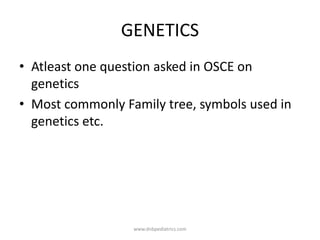
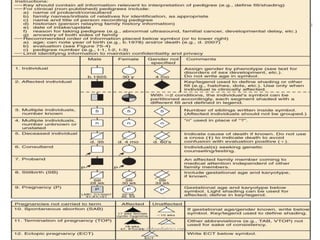
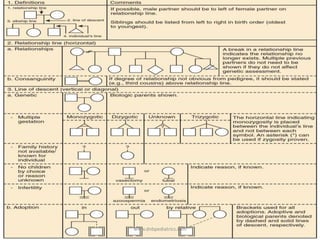
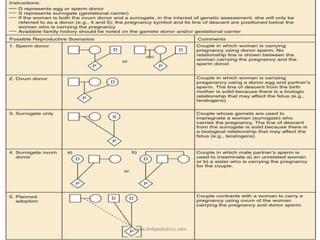
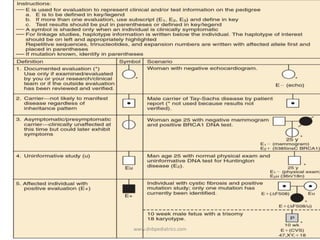
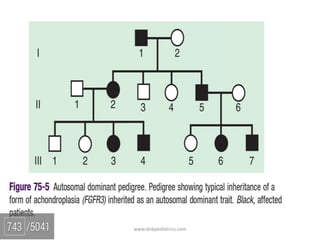
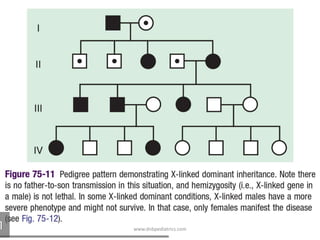
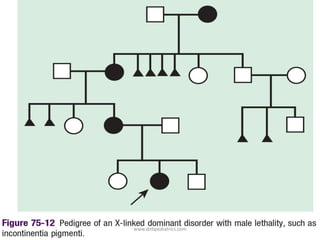
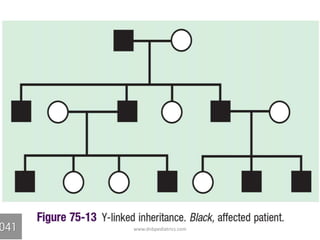
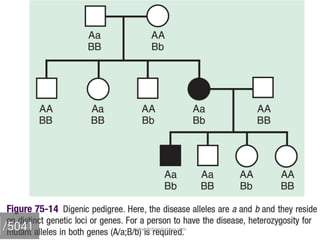
GENETICS
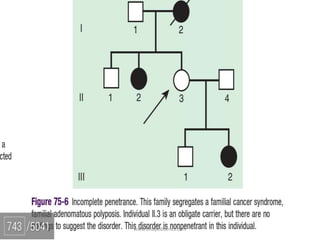
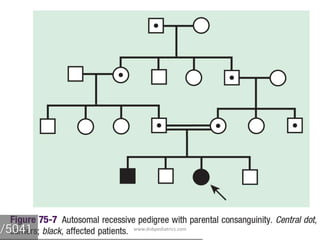
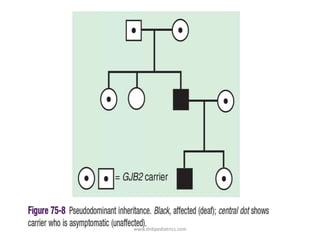
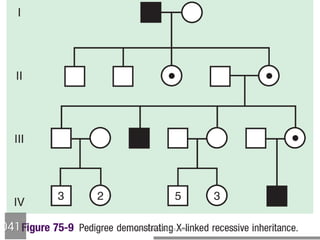
• Atleast one question asked in OSCE on
genetics
• Most commonly Family tree, symbols used in
genetics etc.
www.dnbpediatrics.com
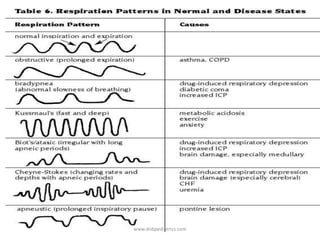
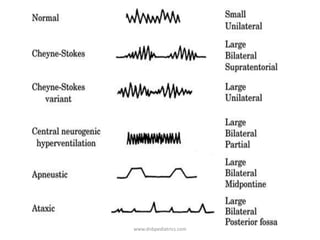
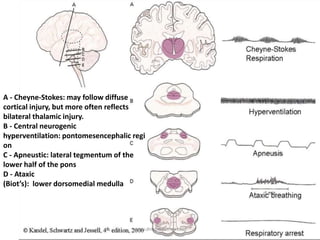
A - Cheyne-Stokes: may follow diffuse
cortical injury, but more often reflects
bilateral thalamic injury.
B - Central neurogenic
hyperventilation: pontomesencephalic regi
on
C - Apneustic: lateral tegmentum of the
lower half of the pons
D - Ataxic
(Biot’s): lower dorsomedial medulla
www.dnbpediatrics.com
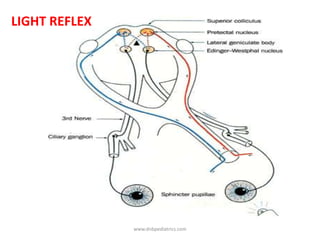
LIGHT REFLEX
www.dnbpediatrics.com
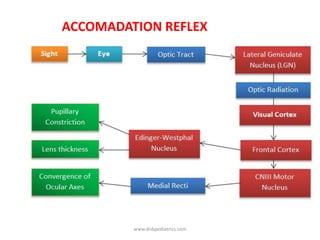
ACCOMADATION REFLEX
www.dnbpediatrics.com
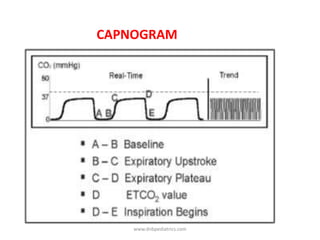
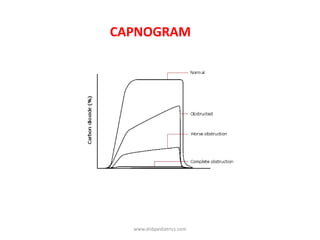
CAPNOGRAM
www.dnbpediatrics.com
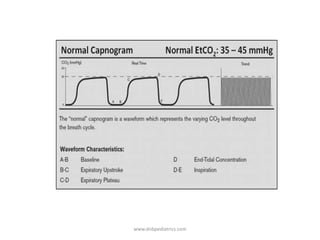
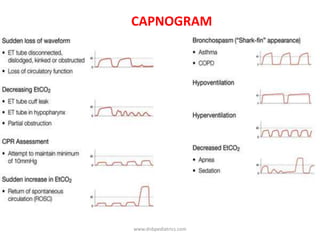
CAPNOGRAM
www.dnbpediatrics.com
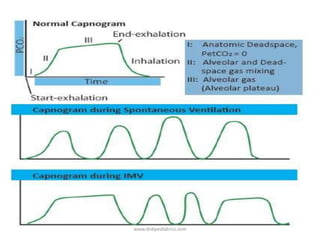
CAPNOGRAM
www.dnbpediatrics.com
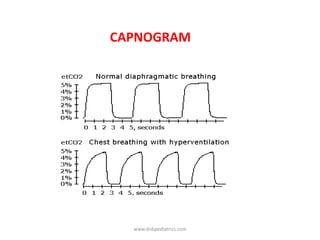
CAPNOGRAM
www.dnbpediatrics.com
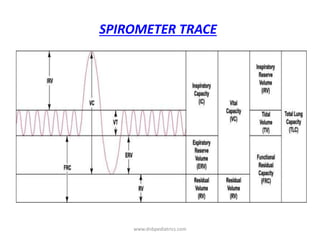
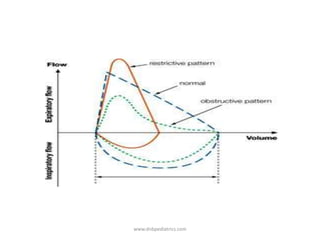
SPIROMETER TRACE
www.dnbpediatrics.com
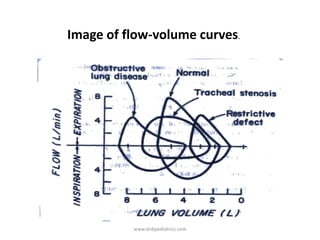
Image of flow-volume curves.
www.dnbpediatrics.com
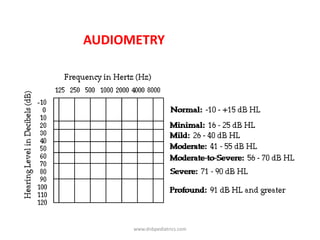
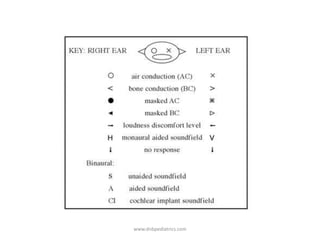
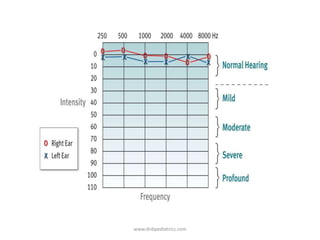
AUDIOMETRY
www.dnbpediatrics.com
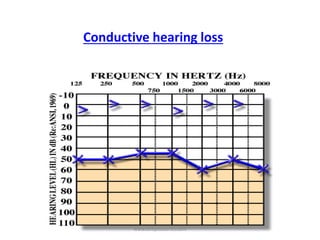
Conductive hearing loss
www.dnbpediatrics.com
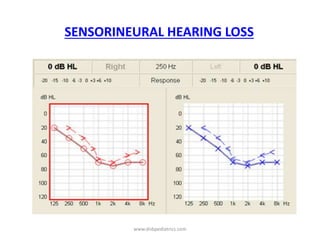
SENSORINEURAL HEARING LOSS
www.dnbpediatrics.com
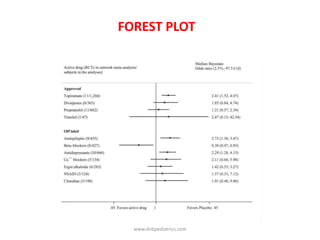
FOREST PLOT
www.dnbpediatrics.com
• Forest plot (forest plot shows information from
individual studies that went into meta-analysis at a
glance. They show the amount of variation between
the studies and an estimate of the overall result.
• Each square symbol represents a study contributing
to metanalysis and the area of square corresponds to
the weight of the corresponding study to the
metaanalysis.
www.dnbpediatrics.com
• The horizontal line through the square shows the
confidence interval. The solid vertical line represents
no effect.
• The diamond represents the overall estimate from
the meta-analysis.
• The centre of diamond represents the pooled point
estimate and the horizontal tips represent the
confidence interval.
www.dnbpediatrics.com
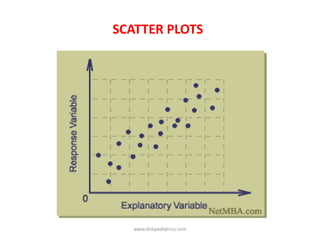
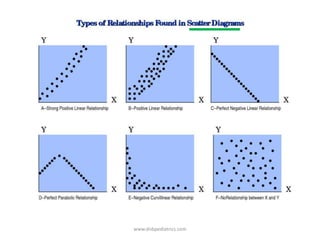
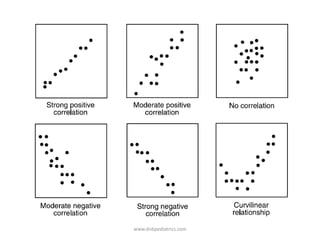
SCATTER PLOTS
www.dnbpediatrics.com
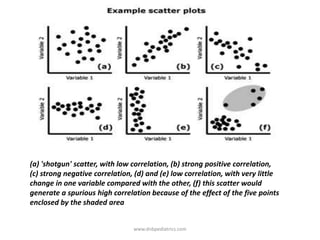
(a) 'shotgun' scatter, with low correlation, (b) strong positive correlation,
(c) strong negative correlation, (d) and (e) low correlation, with very little
change in one variable compared with the other, (f) this scatter would
generate a spurious high correlation because of the effect of the five points
enclosed by the shaded area
www.dnbpediatrics.com
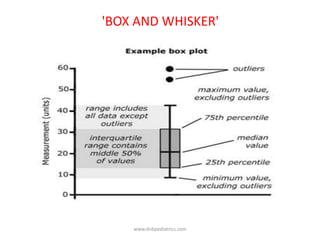
'BOX AND WHISKER'
www.dnbpediatrics.com
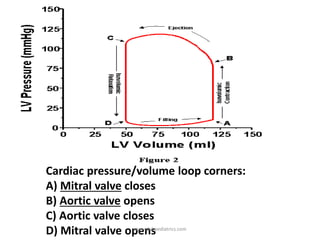
Cardiac pressure/volume loop corners:
A) Mitral valve closes
B) Aortic valve opens
C) Aortic valve closes
D) Mitral valve openswww.dnbpediatrics.com
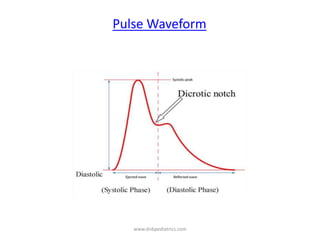
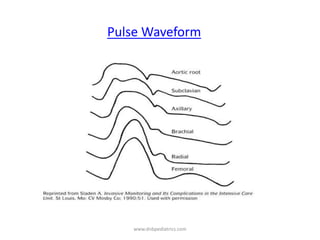
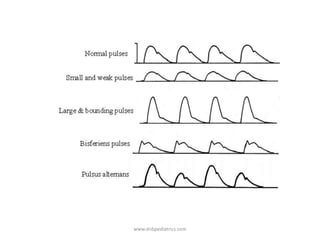
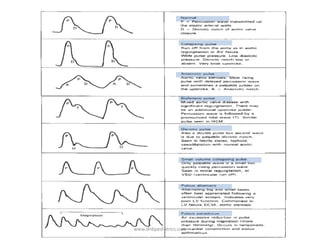
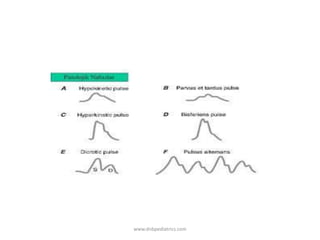
Pulse Waveform
www.dnbpediatrics.com
Pulse Waveform
www.dnbpediatrics.com
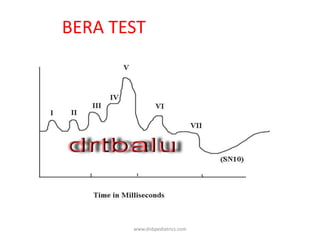
BERA TEST
www.dnbpediatrics.com
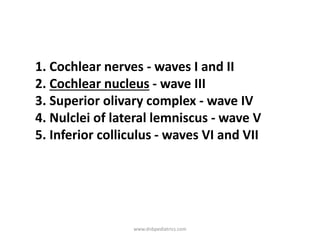
1. Cochlear nerves - waves I and II
2. Cochlear nucleus - wave III
3. Superior olivary complex - wave IV
4. Nulclei of lateral lemniscus - wave V
5. Inferior colliculus - waves VI and VII
www.dnbpediatrics.com
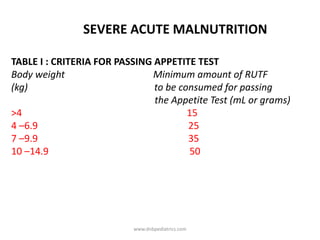
TABLE I : CRITERIA FOR PASSING APPETITE TEST
Body weight Minimum amount of RUTF
(kg) to be consumed for passing
the Appetite Test (mL or grams)
>4 15
4 –6.9 25
7 –9.9 35
10 –14.9 50
SEVERE ACUTE MALNUTRITION
www.dnbpediatrics.com
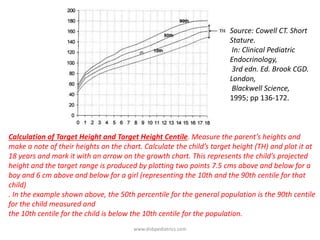
Calculation of Target Height and Target Height Centile. Measure the parent’s heights and
make a note of their heights on the chart. Calculate the child’s target height (TH) and plot it at
18 years and mark it with an arrow on the growth chart. This represents the child’s projected
height and the target range is produced by plotting two points 7.5 cms above and below for a
boy and 6 cm above and below for a girl (representing the 10th and the 90th centile for that
child)
. In the example shown above, the 50th percentile for the general population is the 90th centile
for the child measured and
the 10th centile for the child is below the 10th centile for the population.
Source: Cowell CT. Short
Stature.
In: Clinical Pediatric
Endocrinology,
3rd edn. Ed. Brook CGD.
London,
Blackwell Science,
1995; pp 136-172.
www.dnbpediatrics.com
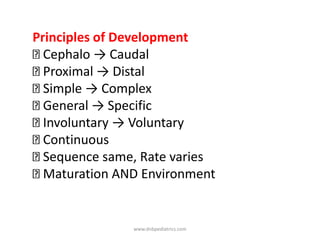
Principles of Development
Cephalo → Caudal
Proximal → Distal
Simple → Complex
General → Specific
Involuntary → Voluntary
Continuous
Sequence same, Rate varies
Maturation AND Environment
www.dnbpediatrics.com
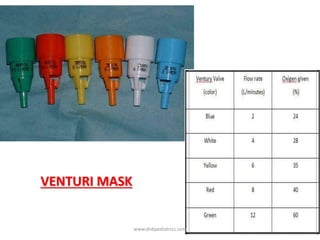
VENTURI MASK
www.dnbpediatrics.com
OSCE Pediatrics: Graphs and Charts
Dr Mandar Haval
DCH DNB Pediatrics, Fellow Neonatology
http://www.dnbpediatrics.com
www.dnbpediatrics.com

Os grp