GOOD MORNING
Obstructive Sleep
Apnea
Presented by:
Dr Kamini Dadsena
Content
 Introduction
 Classification of apneas
 Physiology of sleep
 Epidemiology
 Etiology
 Clinical Signs and Symptoms
 Diagnosis
 Treatment
 Non-surgical
 Surgical
Introduction
 Obstructive sleep apnea (OSA) is a prevalent chronic disease
characterized by pharyngeal collapse during sleep.
 Sleep disorder that involves cessation or significant
decrease in airflow through the upper airway in the
presence of breathing effort.
 Obstructive sleep apnea is the second most common
sleep disorder, insomnia being the most common.
 Associated with recurrent oxyhemoglobin desaturations and
arousals from sleep
Sleep Physiology
1. Slow-wave sleep (non-REM):
Stage 1 NREM 4-5% of total sleep time is
considered normal Increases to 15% by age 70
Stage 2 NREM 45 - 55% of total time
Stage 3 NREM
Stage 4 NREM
2. Rapid Eye Movement Sleep (REM): 20-25%
body paralysis - atonia
mind very active - vivid hallucinatory imagery or
dreaming
Range of total sleep: 10 - 20%
decreases with age
about 40 - 50% in children
total absence by age 40 - 50
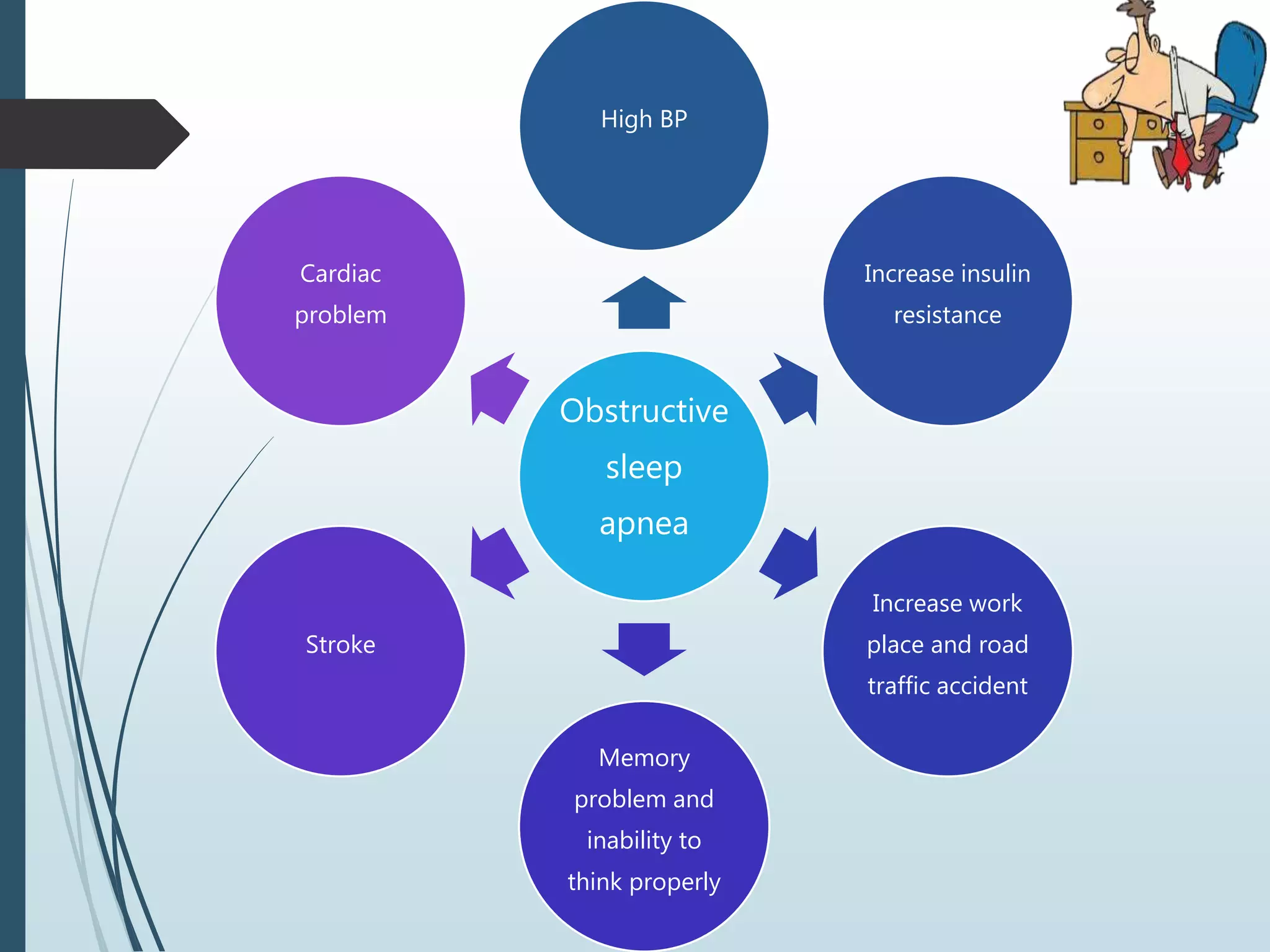
Obstructive
sleep
apnea
High BP
Increase insulin
resistance
Increase work
place and road
traffic accident
Memory
problem and
inability to
think properly
Stroke
Cardiac
problem
Indexes for Sleep Disorder
 Apnea index- no. of apneas /hr of total sleep time.
 AHI (APNEA-HYPOPNEA INDEX)- No of apneas and
hypoapneas/hr of total sleep time.
 RDI (Respiratory Disturbance Index) – no. of apneas,
hypoapneas and respiratory effort related arousals(RERA)/hr
of total sleep time.
Classification
 Obstructive - cessation of air exchange as a result of upper
airway obstruction, usually at the level of the pharynx,
during sleep
 Central - cessation of breathing effort during sleep as a
result of inactivity of the respiratory muscles
 Mixed - cessation of breathing during sleep which begins
centrally, then quickly manifests into an obstructive apnea.
Pathophysiology
 A reduction in the dilating forces of the pharyngeal dilators.
 The negative inspiratory pressure generated by the
diaphragm.
 Abnormal upper airway anatomy.
Pathophysiology
 TRANSMURAL PRESSURE - difference between
intraluminal pressure and the surrounding tissue pressure.
 If transmural pressure decreases the cross-sectional
area of the pharynx decreases.
 If this pressure passes a critical point (Pcrit), pharyngeal
closing pressure is reached. The airway is obstructed.
Pathophysiology
Obstruction of Upper Airway
Classification
Type Level of obstruction Anatomic site
I Upper pharyngeal Upper oropharynx, Palate,
Tonsils
II Upper and lower
pharyngeal
Variable combination
III Lower pharyngeal Lower oropharynx,
Tongue Base, Epiglottis,
Hypopharyngeal
Findings in Obstruction:
 Nasal Obstruction
 Long, thick soft palate
 Retrodisplaced Mandible
 Narrowed oropharynx
 Redundant pharyngeal tissues
 Large lingual tonsil
 Large tongue
 Large or floppy Epiglottis
 Retro-displaced hyoid complex
Clinical Findings
 Choking or gasping during sleep
 Snoring
 Sudden awakenings to restart breathing
 Waking up in a sweat during the night
 Feeling tired in the morning
 Headaches
 Daytime sleepiness
 Lack of concentration,fatigue,irritable
 Attention Deficit Hyperactivity Disorder(ADHD) –
Children 81%
 GERD
 Sexual dysfunction
Clinical Findings
 Hypoxia – cyanosis (Central if severe)
 Hypercarbia – acidosis in severe cases
 Pulmonary hypertension
 Cardiac arrythmias
 Stroke
 DEATH
Epidemiology
 Most common in 3rd - 4th decade of age.
 Male: female ratio - 3:1
 85% of males – some form of obstruction
 2/3rd patients – obese.
 Undiagnosed in approximately 93% of affected women and
82% of affected men.
Diagnosis
 History – ask the relative (Most Reliable)
 Physical examination of nose, oral cavity,
oropharynx
 GOLD STANDARD – Polysomnography
 EEG
 EOG
 submental EMG
 nasal and oral airflow
 respiratory muscle effort
 oxygen saturation
 ECG
 Blood gas evaluations
Diagnosis
 Apnea-Hypoxia Index (AHI)
 Mild - ≥ 5 and < 15 events/hr
 Moderate - ≥ 15 and ≤ 30 events/hr
 Severe - >30 events/hr
 Epworth sleepiness scale – score > 10
 Fluoroscopy
 Endoscopy
 Radiographic investigations
 Cephalometrics
 CT scans
 MRI
 FIBEROPTIC NASOPHARYNGOSCOPY
 Multiple positions
 In awake & asleep patients
Drug-induced sleep endoscopy
(DISE)
 guide more effective surgical intervention.
 DISE involves the use of fiberoptic nasopharyngoscopy to
evaluate the site of airway collapse during
pharmacologically induced sleep.
 Useful tool for assessing the location, severity, and pattern
of airway obstruction during sleep.
Cephalometric Radiograph
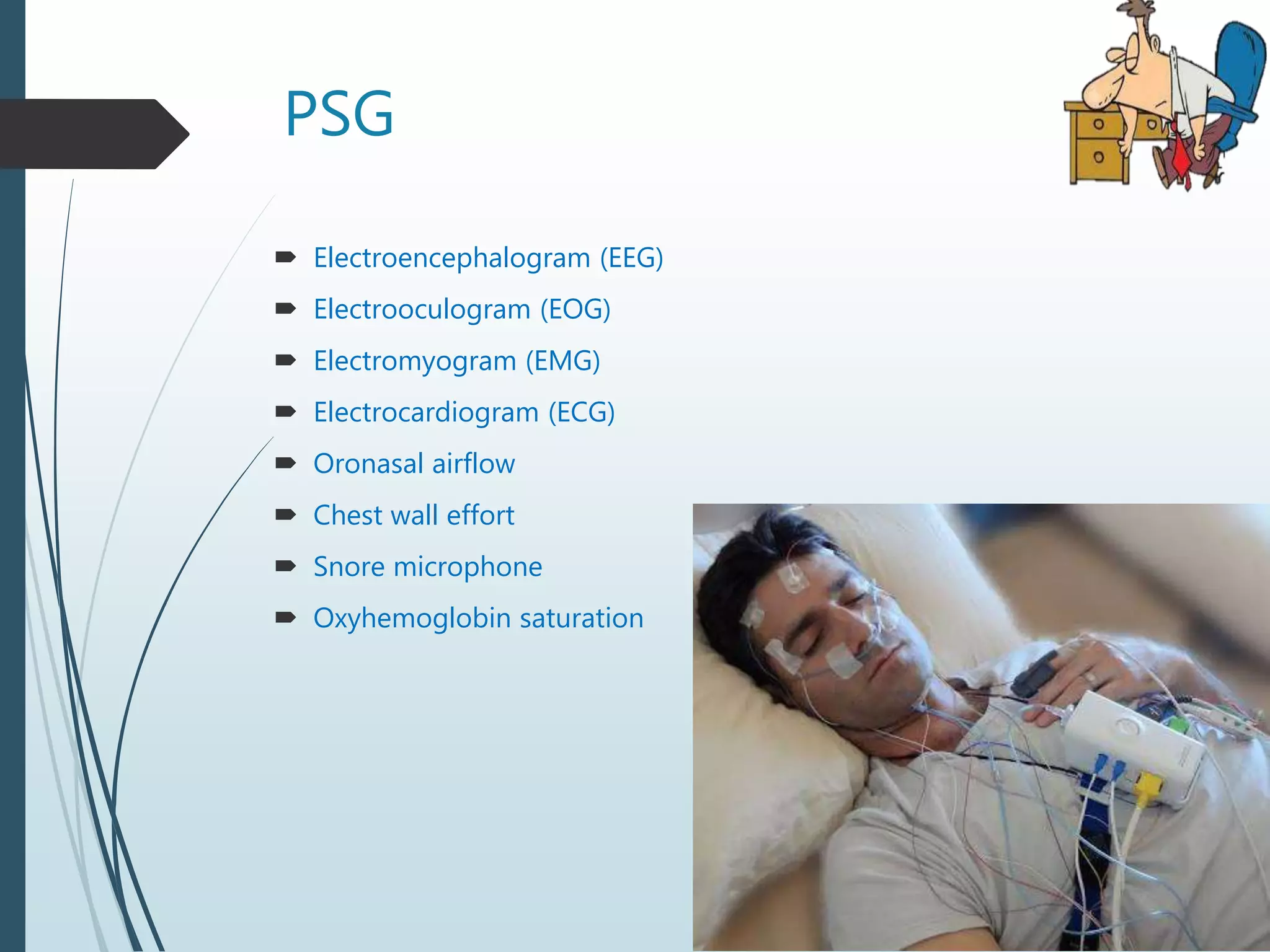
PSG
 Electroencephalogram (EEG)
 Electrooculogram (EOG)
 Electromyogram (EMG)
 Electrocardiogram (ECG)
 Oronasal airflow
 Chest wall effort
 Snore microphone
 Oxyhemoglobin saturation
Management
Medical
 Weight loss
 Continuous positive
airway pressure (CPAP)
 Oral Appliances – TRD,
MPD
 Pharmacologic Theray
Surgical
 Nasal surgery (septoplasty, sinus
surgery, and others)
 Tonsillectomy ± adenoidectomy
 Uvulopalatopharyngoplasty (UPPP)
 Laser assisted uvulopalatoplasty
(LAUP)
 Linguaplasty
 Genioglossus and hyoid advancement
(GAHM)
 Sliding genioplasty
 Maxillo-mandibular advancement
osteotomy
 Tracheostomy
Medical management
 Weight Loss/Exercise
 Nasal Obstruction/Allergy Treatment
 Sedative Avoidance
 Smoking cessation
 Sleep hygiene
 Consistent sleep/wake times
 Avoid alcohol, heavy meals before bedtime
 Position on side
 Avoid caffeine, TV, reading in bed
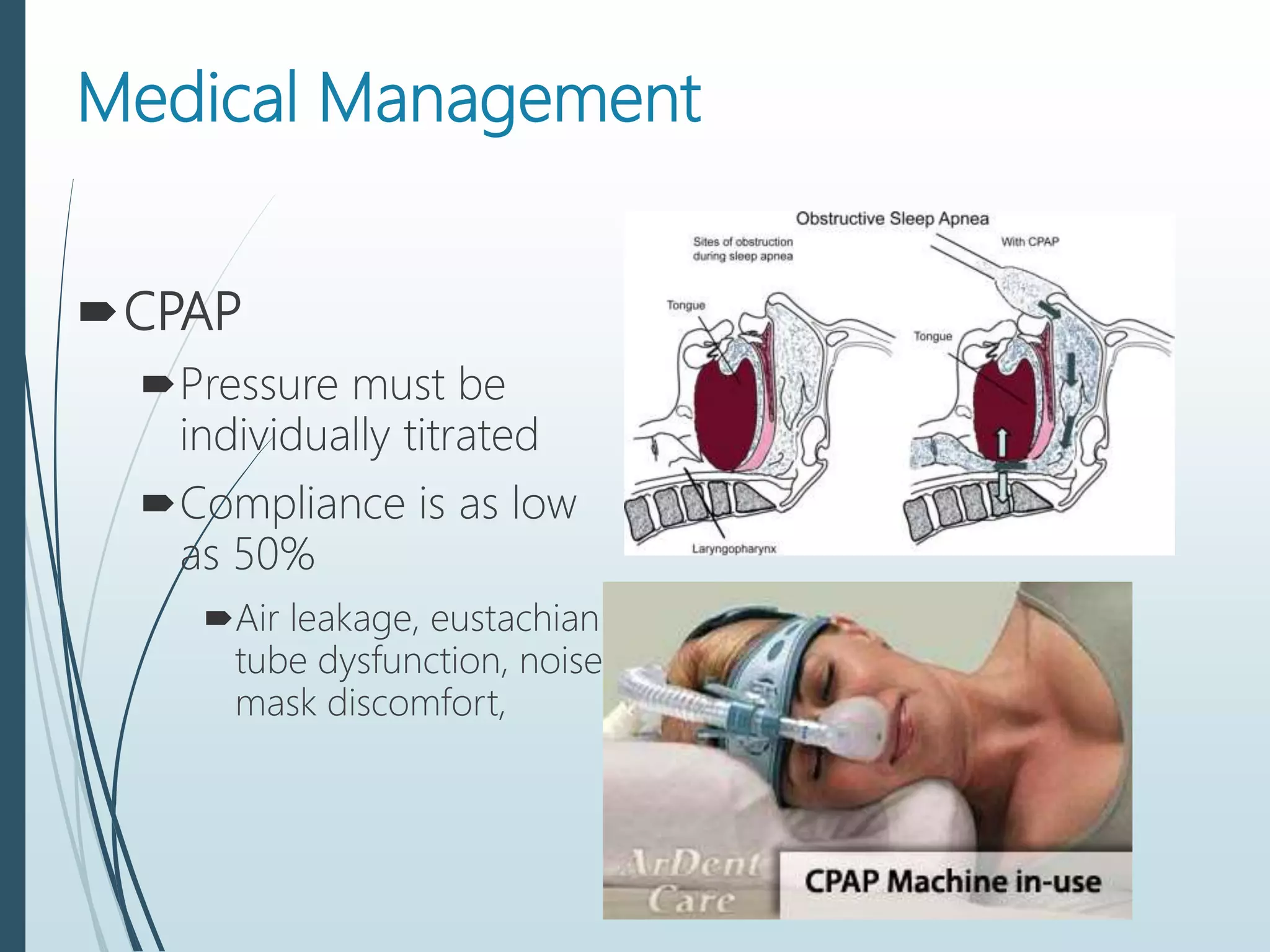
CPAP
 Gold std for moderate to severe OSA
 Pneumatic splint – prevents collapse
 Provides constant +ve intraluminal pressure during
respiration
POSITIVE AIRWAYPRESSURE
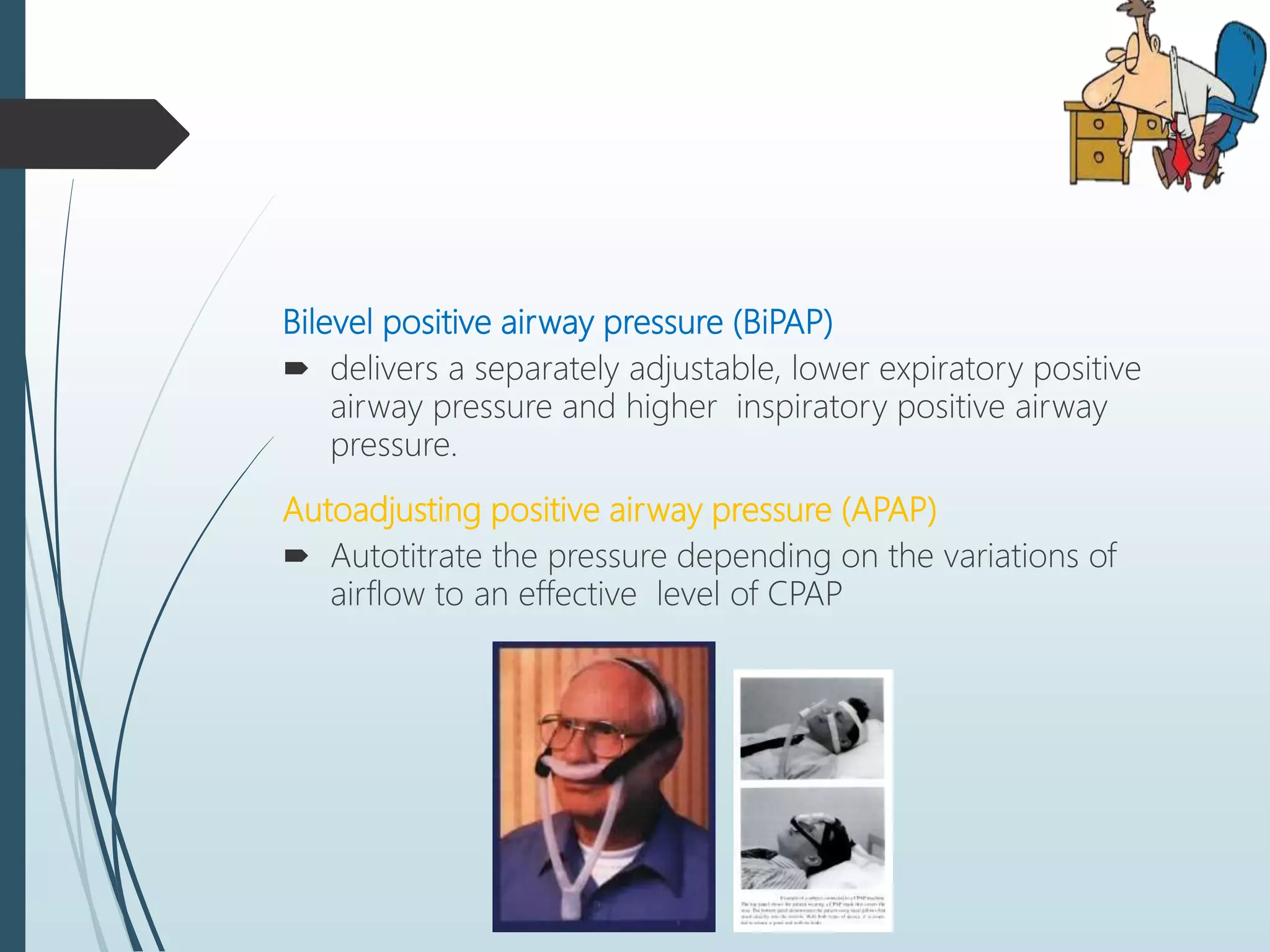
Bilevel positive airway pressure (BiPAP)
 delivers a separately adjustable, lower expiratory positive
airway pressure and higher inspiratory positive airway
pressure.
Autoadjusting positive airway pressure (APAP)
 Autotitrate the pressure depending on the variations of
airflow to an effective level of CPAP
Medical Management
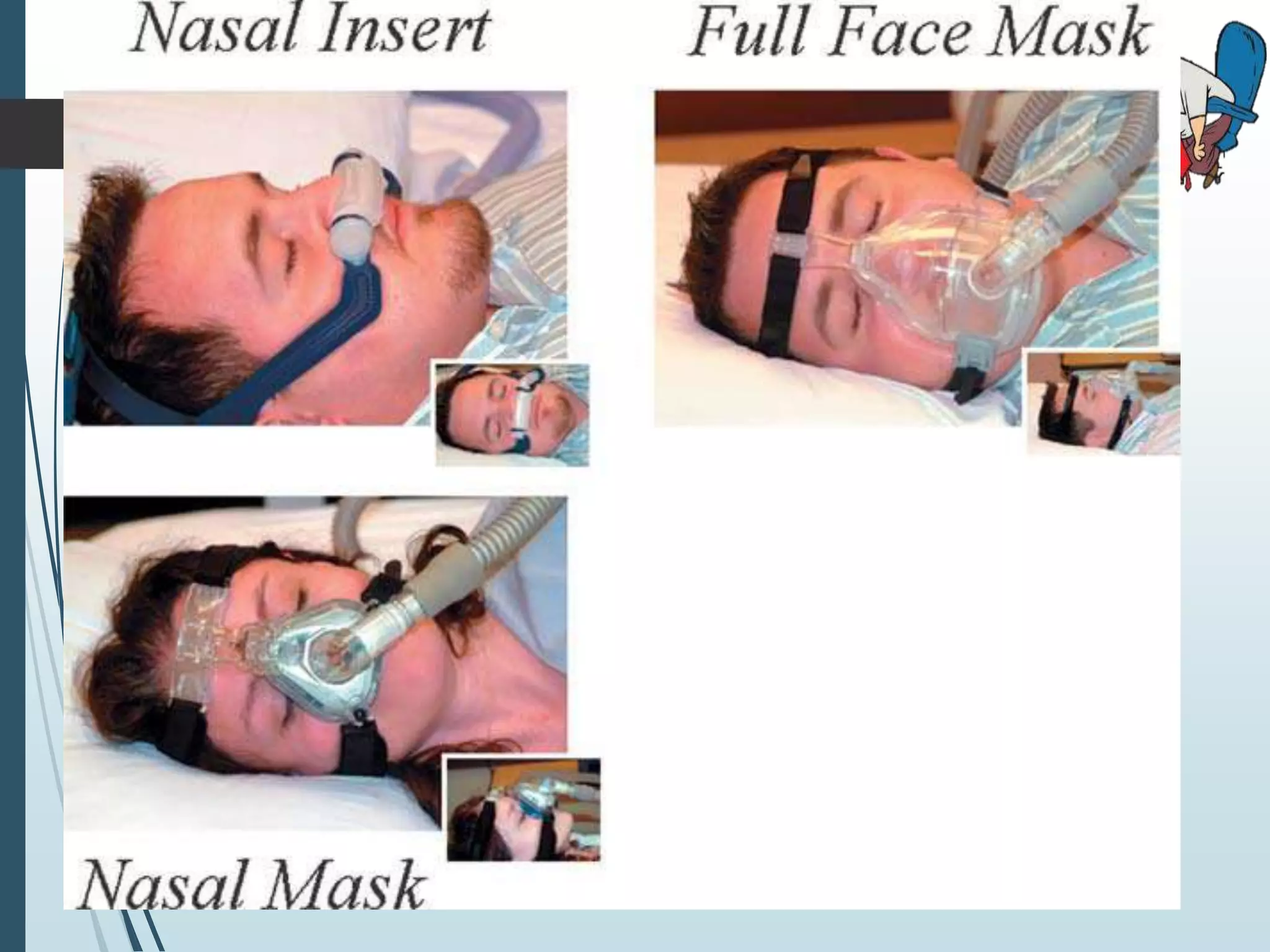
CPAP
Pressure must be
individually titrated
Compliance is as low
as 50%
Air leakage, eustachian
tube dysfunction, noise,
mask discomfort,
Guidelines for use of CPAP
 All patients with an apnea-hypopnea index (AHI) greater
than 15 regardless of symptomatology.
 For patients with an AHI of 5-14.9, CPAP is indicated if the
patient has :
 excessive daytime sleepiness (EDS),
 hypertension, or
 cardiovascular disease.
Nonsurgical Management
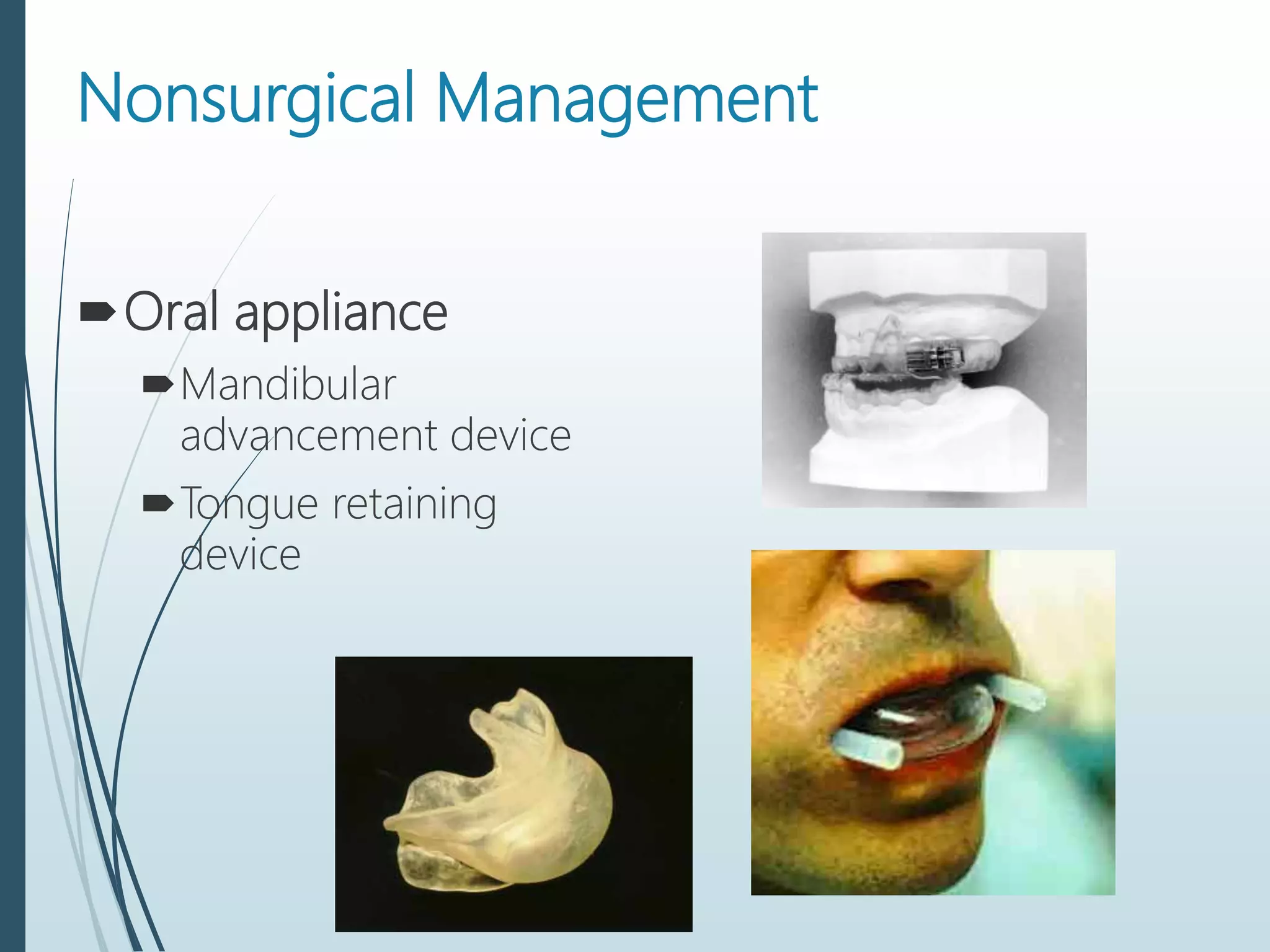
Oral appliance
Mandibular
advancement device
Tongue retaining
device
side effects of oral appliance therapy
include excessive salivation, xerostomia,
soft tissue irritations, transient discomfort
of the teeth and temporomandibular joint
(TMJ), and temporary minor occlusal
changes. Uncommon, more serious complications
include permanent occlusal
changes and significant TMJ discomfort.
Pharmacologic therapy
 Modafinil is approved by the US Food and Drug
Administration (FDA) for use in patients who have residual
daytime sleepiness despite optimal use of CPAP.
 Selective serotonin reuptake inhibitor agents such as
paroxetine (Paxil) and fluoxetine (Prozac) have been shown
to increase genioglossal muscle activity and decrease REM
sleep (apneas are more common in REM), although this has
not translated to a reduction in AHI in apnea patients
Surgeries for Obstructive Sleep
Apnea
 Nasal surgery (septoplasty, sinus surgery, and others)
 Tonsillectomy ± adenoidectomy
 Uvulopalatopharyngoplasty (UPPP)
 Laser assisted uvulopalatoplasty (LAUP)
 Linguaplasty
 Genioglossus and hyoid advancement (GAHM)
 Sliding genioplasty
 Maxillo-mandibular advancement osteotomy
 Tracheostomy
Indications for surgery
 RDI > 20
 Failure to tolerate CPAP, or CPAP is not effective
 RDI < 20 in young patient with congenital facial deformities
 Oxygen desaturation < 85%
 Cardiac arrhythmias associated with obstruction
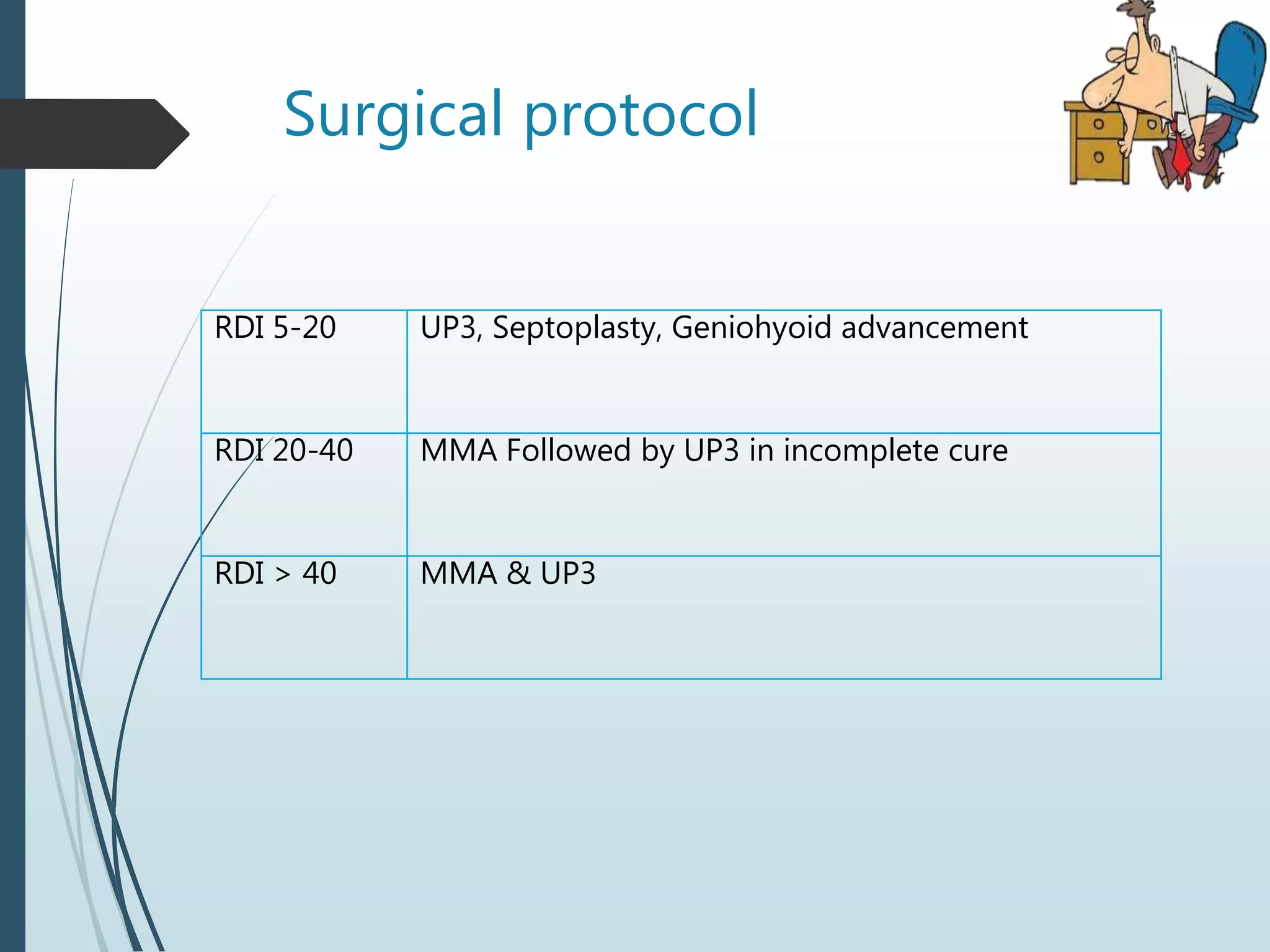
Surgical protocol
RDI 5-20 UP3, Septoplasty, Geniohyoid advancement
RDI 20-40 MMA Followed by UP3 in incomplete cure
RDI > 40 MMA & UP3
Nasal surgery
 Nasal obstruction - poor sleep quality, snoring, and OSA.
 Septoplasty, turbinate reduction, nasal valve surgery, and
sinus surgery .
 However, nasal procedures are unlikely to significantly
improve OSA when used alone.
 Improving nasal patency help to restore physiologic
breathing and may allow for the use of nasal CPAP in
patients previously unable to tolerate it.
Palatal surgery
 1981 – Fujita &colleagues – 1st palatal surgery – UPPP
 Stiffens the soft palate & increases the space behind the
soft palate.
 Complications : temporary nasal reflex ( 12-15%) , post
operative bleeding, infection & rare altered speech.
 Rose’s position
 Partial uvulectomy – excessive mucosa of uvula tip cutoff
without touching musculae uvulae. Tip sutured
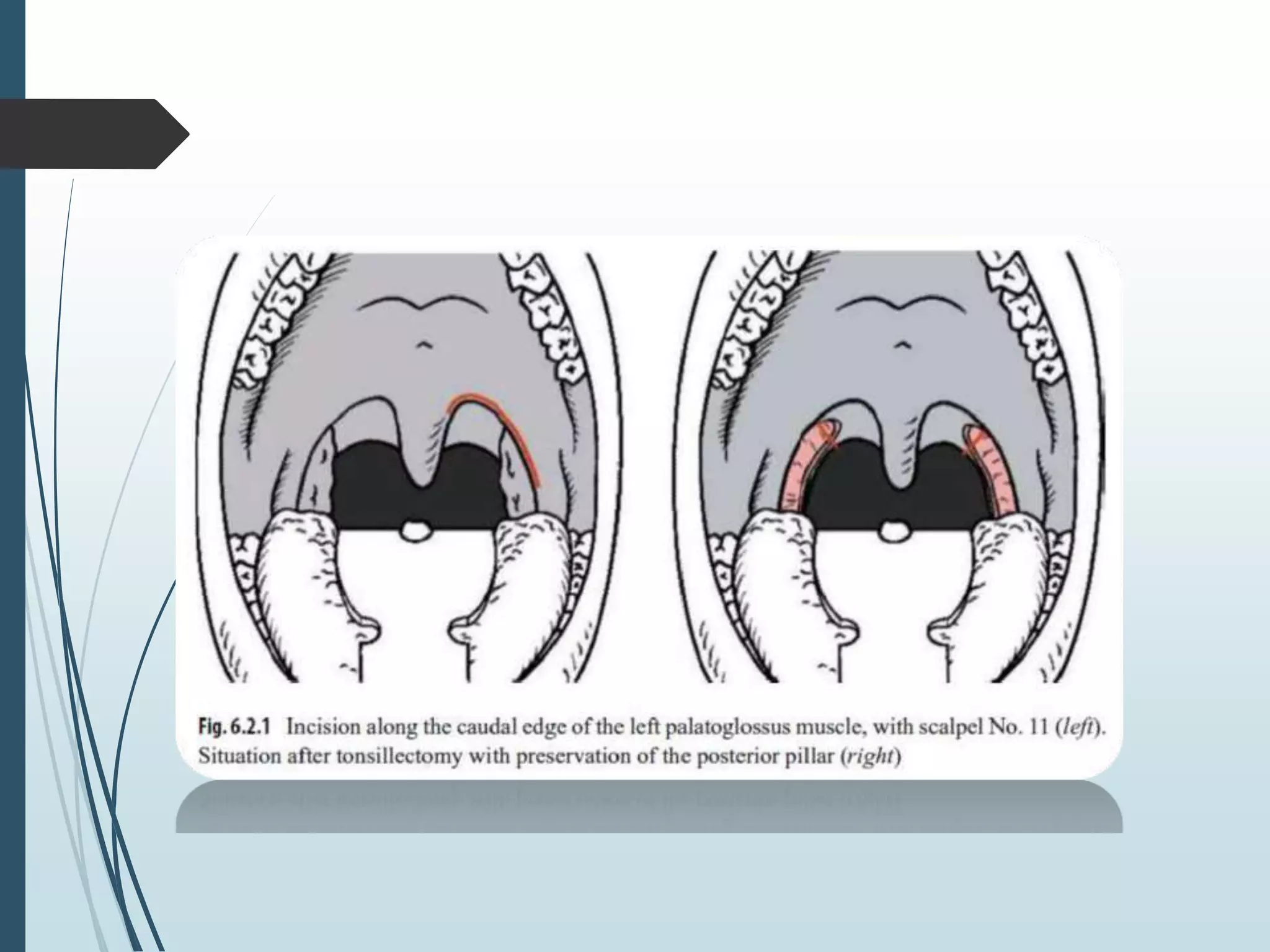
 Incision into the mucosa of the anterior pillar is performed
in the oral fold of the palatoglossus muscle.
 Fibers of the M. palatoglossus are dissected from the tonsil.
Tonsillectomy follows.
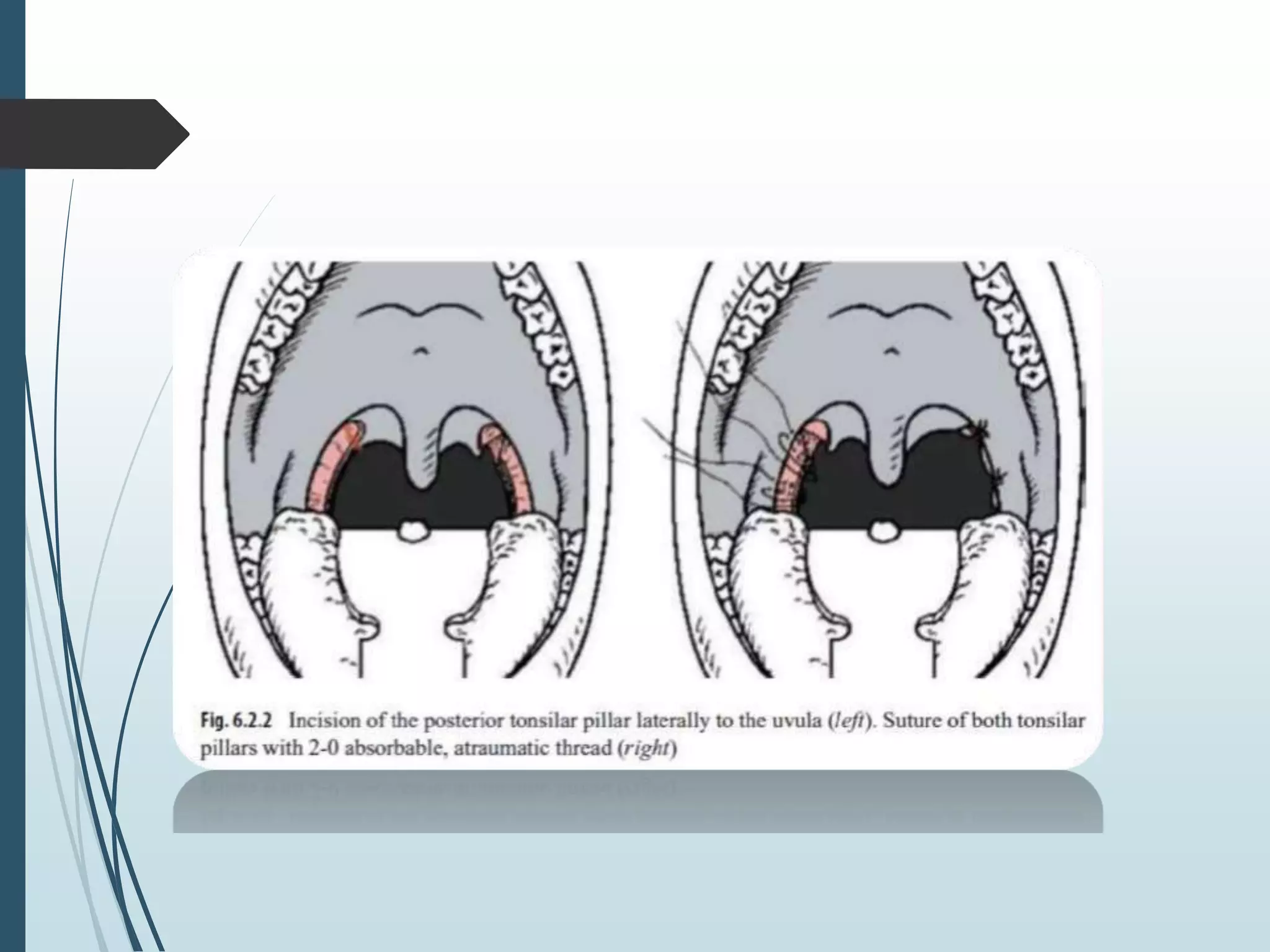
 Posterior tonsilar pillar is partially incised.
 Lengthened posterior pillar edge sewed together with the
anterior pillar.
Semi-elliptical soft palate with a
functioning uvula.
Complications
 Change in voice (rhinolalia aperta)
 Pain with swallowing and pain with speech, usually for 1-2
weeks postoperatively
 Hemorrhage (2-4%)
 Swallowing difficulties, particularly regurgitation of food
 Velopharyngeal Insufficiency
 Disturbance in taste
 Numbness of tongue
 Nasopharyngeal stenosis
 Creation of silent apnea
Laser-Assisted
Uvulopalatoplasty
 In 1980s Dr. Yves-Victor designed a procedure to reshape
and recontour the soft palate under local anesthesia with a
CO2 laser to treat snoring and selected patients with
obstructive sleep apnea syndrome.
 It consisted of two paramedian vertical incisions placed
lateral to the uvula extending up toward the junction of
the hard and soft palates for 2 to 3 cm.
 A second horizontal incision was placed just under the
roof of the uvula leaving a small uvula to prevent
centripetal scar formation.
 Average successful surgical response of 52.2%.
 Main indications for LAUP
 loud habitual snoring
 upper airway resistance syndrome
 mild obstructive sleep apnea (apnea index < 20).
complication following LAUP
 moderate to severe sore throat
 Pain control is achieved with oral analgesics and anesthetic
gels.
 velopharyngeal insufficiency
 The procedure is frequently done in stages and the surgeon
has the opportunity to evaluate speech and soft palate
function
 Low risk for bleeding and infection.
Tongue base procedure
 Glossectomy and radiofrequency ablation of the tongue
base are additional strategies to address hypopharyngeal
obstruction.
 success rates- reported surgical success from 20% to 83%
 Transoral robotic surgery for OSA is less morbid than
glossectomy and appears to be more effective for treating
OSA.
Tongue base procedure
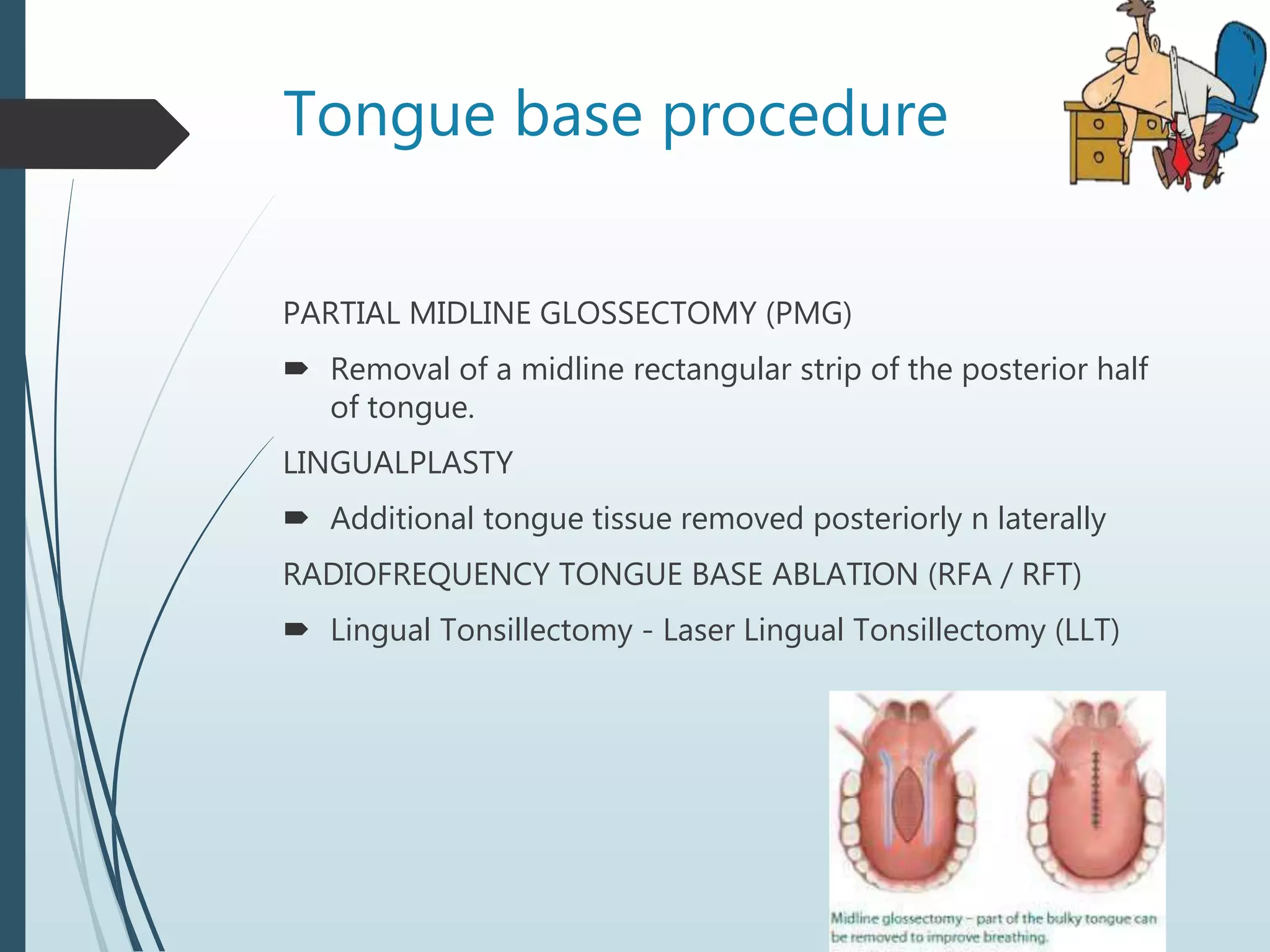
PARTIAL MIDLINE GLOSSECTOMY (PMG)
 Removal of a midline rectangular strip of the posterior half
of tongue.
LINGUALPLASTY
 Additional tongue tissue removed posteriorly n laterally
RADIOFREQUENCY TONGUE BASE ABLATION (RFA / RFT)
 Lingual Tonsillectomy - Laser Lingual Tonsillectomy (LLT)
Orthognathic
surgical procedures
 Mandibular advancement
 genial advancement
 Maxillimandibular advancement
 They work by changing the position of the mandible and
hyoid bone with subsequent effects on the genioglossus
and hyoglossus muscles.
Genial Advancement
 rectangular osteotomy genioplasty
 Sliding gnioplasty
Genial Advancement with Hyoid
Myotomy and Suspension
 In 1984 Riley and colleagues described an alternative technique in
which an inferior mandibular osteotomy and an associated hyoid
myotomy and suspension were used in the treatment of obstructive
sleep apnea.
Inferior sagittal osteotomy
Complications
 severe aspiration
 wound infections,
 transient sensory disturbances of the mental nerve, an
 mandibular fracture.
 An advantage to hyoid suspension is that it circumvents
the need for maxillomandibular fixation and does not affect
the occlusion
Mandibular Advancement
 Total mandibular advancement was the first orthognathic
surgical procedure used in the treatment of obstructive
sleep apnea.
 A bilateral sagittal ramus osteotomy is usually the
procedure of choice for total mandibular advancement.
The amount of advancement is determined preoperatively
from the orthognathic surgery database.
Mandibular Advancement
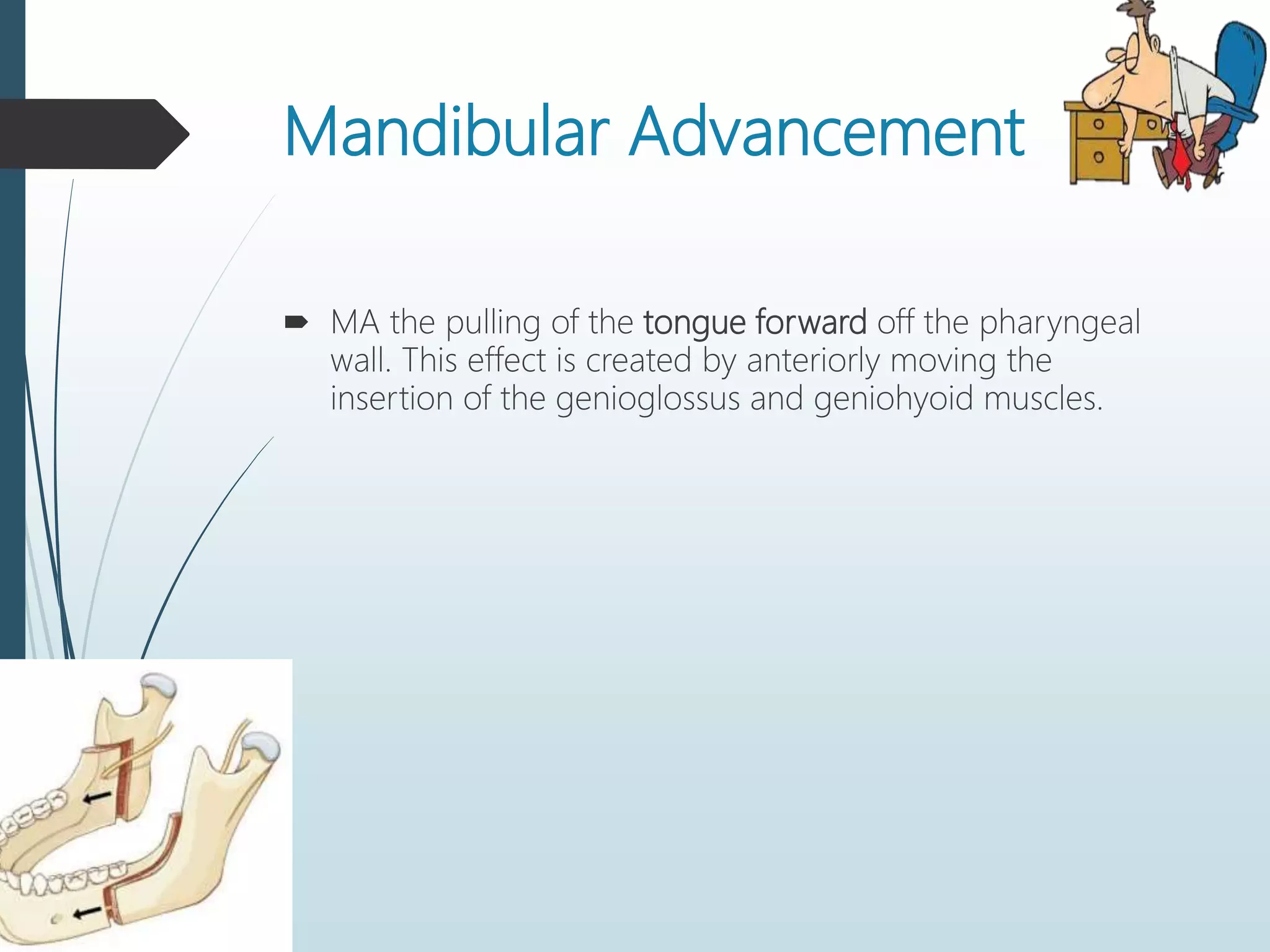
 MA the pulling of the tongue forward off the pharyngeal
wall. This effect is created by anteriorly moving the
insertion of the genioglossus and geniohyoid muscles.
Maxillomandibular
Advancement
 Combined advancement of the maxilla and mandible with
or without hyoid suspension is the most recent and
efficacious surgical procedure for the treatment of
obstructive sleep apnea.
 The surgical technique includes a standard Le Fort I
osteotomy in combination with a mandibular sagittal split
osteotomy for advancement of the maxilla and mandible.
 MMA was initially advocated as phase II surgery for those who
failed to improve after phase I surgery, which included UPPP
and genioglossal advancement with hyoid myotomy.
 However, a recent comparative study evaluated the
effectiveness of MMA and UPPP. The study found that MMA
alone is more effective than UPPP alone and that UPPP
followed by MMA (phase I surgery followed by phase II
surgery) is no more effective than MMA alone.
 Offering MMA as a primary procedure confers additional
benefits over staged surgery, including decreased total
treatment time, fewer surgical and anesthetic risks to the
patient, and an improved cost:benefit ratio.
Distraction osteogenesis
 Accepted procedure in the treatment of severe
maxillomandibular deficiency in syndromic and non
syndromic patients.
 As grossly retropositioned mandible or midface causes a
narrow pharyngeal airway, OSA is often found in these
cases.
Distraction osteogenesis
 An osteotomy of the mandible or midface without
advancement is followed by a short latency period of 4
days.
 Then the two or more bony segments are slowly moved
apart (mostly at 1 mm/day) using some kind of distraction
device.
 Thus the unmineralized tissue filling the osteotomy gap
is slowly stretched until – after cessation of distraction – it
will turn into bone during the 4–10 weeks lasting
consolidation period.
Tracheostomy
 traditional gold standard of surgical management of OSA.
 Relieves OSA by completely bypassing the portion of the
airway that most commonly collapses during sleep.
 should be considered in patients who have failed all other
OSA treatments, in those who have life-threatening OSA
and are unable to tolerate CPAP, or in patients who are
neurodevelopmentally impaired.
Postoperative management
 In multisite surgical treatment of OSA - increased chance of
postoperative airway obstruction because of resultant
edema in multiple sites in the upper airway.
 It is recommended that patients with severe OSA use CPAP
for the first 2 weeks after surgery.
 In addition, it is recommended that postoperative PSG be
carried out in 3 to 4 months to evaluate the response to
surgery.
Conclusion
 Surgery should be considered for patients unable to utilize
nonsurgical management
 Surgical procedures provides effective management for
OSA
 Can be safely performed in most patients with proper
preoperative preparation
References
 Principles of Oral and Maxillofacial Surgery by Peterson
 Oral and maxillofacial surgery 3rd ed. vol 3 by Fonseca
 Oral and maxillofacial surgery 1st ed. vol 2 by Fonseca
Thank You……

Obstructive sleep apnea

  • 1.
  • 2.
  • 3.
    Content  Introduction  Classificationof apneas  Physiology of sleep  Epidemiology  Etiology  Clinical Signs and Symptoms  Diagnosis  Treatment  Non-surgical  Surgical
  • 4.
    Introduction  Obstructive sleepapnea (OSA) is a prevalent chronic disease characterized by pharyngeal collapse during sleep.  Sleep disorder that involves cessation or significant decrease in airflow through the upper airway in the presence of breathing effort.  Obstructive sleep apnea is the second most common sleep disorder, insomnia being the most common.  Associated with recurrent oxyhemoglobin desaturations and arousals from sleep
  • 5.
    Sleep Physiology 1. Slow-wavesleep (non-REM): Stage 1 NREM 4-5% of total sleep time is considered normal Increases to 15% by age 70 Stage 2 NREM 45 - 55% of total time Stage 3 NREM Stage 4 NREM 2. Rapid Eye Movement Sleep (REM): 20-25% body paralysis - atonia mind very active - vivid hallucinatory imagery or dreaming Range of total sleep: 10 - 20% decreases with age about 40 - 50% in children total absence by age 40 - 50
  • 6.
    Obstructive sleep apnea High BP Increase insulin resistance Increasework place and road traffic accident Memory problem and inability to think properly Stroke Cardiac problem
  • 8.
    Indexes for SleepDisorder  Apnea index- no. of apneas /hr of total sleep time.  AHI (APNEA-HYPOPNEA INDEX)- No of apneas and hypoapneas/hr of total sleep time.  RDI (Respiratory Disturbance Index) – no. of apneas, hypoapneas and respiratory effort related arousals(RERA)/hr of total sleep time.
  • 9.
    Classification  Obstructive -cessation of air exchange as a result of upper airway obstruction, usually at the level of the pharynx, during sleep  Central - cessation of breathing effort during sleep as a result of inactivity of the respiratory muscles  Mixed - cessation of breathing during sleep which begins centrally, then quickly manifests into an obstructive apnea.
  • 10.
    Pathophysiology  A reductionin the dilating forces of the pharyngeal dilators.  The negative inspiratory pressure generated by the diaphragm.  Abnormal upper airway anatomy.
  • 11.
    Pathophysiology  TRANSMURAL PRESSURE- difference between intraluminal pressure and the surrounding tissue pressure.  If transmural pressure decreases the cross-sectional area of the pharynx decreases.  If this pressure passes a critical point (Pcrit), pharyngeal closing pressure is reached. The airway is obstructed.
  • 12.
    Pathophysiology Obstruction of UpperAirway Classification Type Level of obstruction Anatomic site I Upper pharyngeal Upper oropharynx, Palate, Tonsils II Upper and lower pharyngeal Variable combination III Lower pharyngeal Lower oropharynx, Tongue Base, Epiglottis, Hypopharyngeal
  • 13.
    Findings in Obstruction: Nasal Obstruction  Long, thick soft palate  Retrodisplaced Mandible  Narrowed oropharynx  Redundant pharyngeal tissues  Large lingual tonsil  Large tongue  Large or floppy Epiglottis  Retro-displaced hyoid complex
  • 14.
    Clinical Findings  Chokingor gasping during sleep  Snoring  Sudden awakenings to restart breathing  Waking up in a sweat during the night  Feeling tired in the morning  Headaches  Daytime sleepiness  Lack of concentration,fatigue,irritable  Attention Deficit Hyperactivity Disorder(ADHD) – Children 81%  GERD  Sexual dysfunction
  • 15.
    Clinical Findings  Hypoxia– cyanosis (Central if severe)  Hypercarbia – acidosis in severe cases  Pulmonary hypertension  Cardiac arrythmias  Stroke  DEATH
  • 16.
    Epidemiology  Most commonin 3rd - 4th decade of age.  Male: female ratio - 3:1  85% of males – some form of obstruction  2/3rd patients – obese.  Undiagnosed in approximately 93% of affected women and 82% of affected men.
  • 17.
    Diagnosis  History –ask the relative (Most Reliable)  Physical examination of nose, oral cavity, oropharynx  GOLD STANDARD – Polysomnography  EEG  EOG  submental EMG  nasal and oral airflow  respiratory muscle effort  oxygen saturation  ECG  Blood gas evaluations
  • 18.
    Diagnosis  Apnea-Hypoxia Index(AHI)  Mild - ≥ 5 and < 15 events/hr  Moderate - ≥ 15 and ≤ 30 events/hr  Severe - >30 events/hr  Epworth sleepiness scale – score > 10  Fluoroscopy  Endoscopy  Radiographic investigations  Cephalometrics  CT scans  MRI  FIBEROPTIC NASOPHARYNGOSCOPY  Multiple positions  In awake & asleep patients
  • 19.
    Drug-induced sleep endoscopy (DISE) guide more effective surgical intervention.  DISE involves the use of fiberoptic nasopharyngoscopy to evaluate the site of airway collapse during pharmacologically induced sleep.  Useful tool for assessing the location, severity, and pattern of airway obstruction during sleep.
  • 20.
  • 21.
    PSG  Electroencephalogram (EEG) Electrooculogram (EOG)  Electromyogram (EMG)  Electrocardiogram (ECG)  Oronasal airflow  Chest wall effort  Snore microphone  Oxyhemoglobin saturation
  • 24.
    Management Medical  Weight loss Continuous positive airway pressure (CPAP)  Oral Appliances – TRD, MPD  Pharmacologic Theray Surgical  Nasal surgery (septoplasty, sinus surgery, and others)  Tonsillectomy ± adenoidectomy  Uvulopalatopharyngoplasty (UPPP)  Laser assisted uvulopalatoplasty (LAUP)  Linguaplasty  Genioglossus and hyoid advancement (GAHM)  Sliding genioplasty  Maxillo-mandibular advancement osteotomy  Tracheostomy
  • 25.
    Medical management  WeightLoss/Exercise  Nasal Obstruction/Allergy Treatment  Sedative Avoidance  Smoking cessation  Sleep hygiene  Consistent sleep/wake times  Avoid alcohol, heavy meals before bedtime  Position on side  Avoid caffeine, TV, reading in bed
  • 26.
    CPAP  Gold stdfor moderate to severe OSA  Pneumatic splint – prevents collapse  Provides constant +ve intraluminal pressure during respiration
  • 27.
  • 28.
    Bilevel positive airwaypressure (BiPAP)  delivers a separately adjustable, lower expiratory positive airway pressure and higher inspiratory positive airway pressure. Autoadjusting positive airway pressure (APAP)  Autotitrate the pressure depending on the variations of airflow to an effective level of CPAP
  • 29.
    Medical Management CPAP Pressure mustbe individually titrated Compliance is as low as 50% Air leakage, eustachian tube dysfunction, noise, mask discomfort,
  • 31.
    Guidelines for useof CPAP  All patients with an apnea-hypopnea index (AHI) greater than 15 regardless of symptomatology.  For patients with an AHI of 5-14.9, CPAP is indicated if the patient has :  excessive daytime sleepiness (EDS),  hypertension, or  cardiovascular disease.
  • 32.
  • 34.
    side effects oforal appliance therapy include excessive salivation, xerostomia, soft tissue irritations, transient discomfort of the teeth and temporomandibular joint (TMJ), and temporary minor occlusal changes. Uncommon, more serious complications include permanent occlusal changes and significant TMJ discomfort.
  • 35.
    Pharmacologic therapy  Modafinilis approved by the US Food and Drug Administration (FDA) for use in patients who have residual daytime sleepiness despite optimal use of CPAP.  Selective serotonin reuptake inhibitor agents such as paroxetine (Paxil) and fluoxetine (Prozac) have been shown to increase genioglossal muscle activity and decrease REM sleep (apneas are more common in REM), although this has not translated to a reduction in AHI in apnea patients
  • 36.
    Surgeries for ObstructiveSleep Apnea  Nasal surgery (septoplasty, sinus surgery, and others)  Tonsillectomy ± adenoidectomy  Uvulopalatopharyngoplasty (UPPP)  Laser assisted uvulopalatoplasty (LAUP)  Linguaplasty  Genioglossus and hyoid advancement (GAHM)  Sliding genioplasty  Maxillo-mandibular advancement osteotomy  Tracheostomy
  • 37.
    Indications for surgery RDI > 20  Failure to tolerate CPAP, or CPAP is not effective  RDI < 20 in young patient with congenital facial deformities  Oxygen desaturation < 85%  Cardiac arrhythmias associated with obstruction
  • 38.
    Surgical protocol RDI 5-20UP3, Septoplasty, Geniohyoid advancement RDI 20-40 MMA Followed by UP3 in incomplete cure RDI > 40 MMA & UP3
  • 39.
    Nasal surgery  Nasalobstruction - poor sleep quality, snoring, and OSA.  Septoplasty, turbinate reduction, nasal valve surgery, and sinus surgery .  However, nasal procedures are unlikely to significantly improve OSA when used alone.  Improving nasal patency help to restore physiologic breathing and may allow for the use of nasal CPAP in patients previously unable to tolerate it.
  • 40.
    Palatal surgery  1981– Fujita &colleagues – 1st palatal surgery – UPPP  Stiffens the soft palate & increases the space behind the soft palate.  Complications : temporary nasal reflex ( 12-15%) , post operative bleeding, infection & rare altered speech.
  • 41.
     Rose’s position Partial uvulectomy – excessive mucosa of uvula tip cutoff without touching musculae uvulae. Tip sutured  Incision into the mucosa of the anterior pillar is performed in the oral fold of the palatoglossus muscle.  Fibers of the M. palatoglossus are dissected from the tonsil. Tonsillectomy follows.  Posterior tonsilar pillar is partially incised.  Lengthened posterior pillar edge sewed together with the anterior pillar.
  • 44.
    Semi-elliptical soft palatewith a functioning uvula.
  • 45.
    Complications  Change invoice (rhinolalia aperta)  Pain with swallowing and pain with speech, usually for 1-2 weeks postoperatively  Hemorrhage (2-4%)  Swallowing difficulties, particularly regurgitation of food  Velopharyngeal Insufficiency  Disturbance in taste  Numbness of tongue  Nasopharyngeal stenosis  Creation of silent apnea
  • 46.
    Laser-Assisted Uvulopalatoplasty  In 1980sDr. Yves-Victor designed a procedure to reshape and recontour the soft palate under local anesthesia with a CO2 laser to treat snoring and selected patients with obstructive sleep apnea syndrome.  It consisted of two paramedian vertical incisions placed lateral to the uvula extending up toward the junction of the hard and soft palates for 2 to 3 cm.  A second horizontal incision was placed just under the roof of the uvula leaving a small uvula to prevent centripetal scar formation.
  • 47.
     Average successfulsurgical response of 52.2%.  Main indications for LAUP  loud habitual snoring  upper airway resistance syndrome  mild obstructive sleep apnea (apnea index < 20).
  • 48.
    complication following LAUP moderate to severe sore throat  Pain control is achieved with oral analgesics and anesthetic gels.  velopharyngeal insufficiency  The procedure is frequently done in stages and the surgeon has the opportunity to evaluate speech and soft palate function  Low risk for bleeding and infection.
  • 49.
    Tongue base procedure Glossectomy and radiofrequency ablation of the tongue base are additional strategies to address hypopharyngeal obstruction.  success rates- reported surgical success from 20% to 83%  Transoral robotic surgery for OSA is less morbid than glossectomy and appears to be more effective for treating OSA.
  • 50.
    Tongue base procedure PARTIALMIDLINE GLOSSECTOMY (PMG)  Removal of a midline rectangular strip of the posterior half of tongue. LINGUALPLASTY  Additional tongue tissue removed posteriorly n laterally RADIOFREQUENCY TONGUE BASE ABLATION (RFA / RFT)  Lingual Tonsillectomy - Laser Lingual Tonsillectomy (LLT)
  • 51.
    Orthognathic surgical procedures  Mandibularadvancement  genial advancement  Maxillimandibular advancement  They work by changing the position of the mandible and hyoid bone with subsequent effects on the genioglossus and hyoglossus muscles.
  • 52.
    Genial Advancement  rectangularosteotomy genioplasty  Sliding gnioplasty
  • 55.
    Genial Advancement withHyoid Myotomy and Suspension  In 1984 Riley and colleagues described an alternative technique in which an inferior mandibular osteotomy and an associated hyoid myotomy and suspension were used in the treatment of obstructive sleep apnea. Inferior sagittal osteotomy
  • 56.
    Complications  severe aspiration wound infections,  transient sensory disturbances of the mental nerve, an  mandibular fracture.  An advantage to hyoid suspension is that it circumvents the need for maxillomandibular fixation and does not affect the occlusion
  • 57.
    Mandibular Advancement  Totalmandibular advancement was the first orthognathic surgical procedure used in the treatment of obstructive sleep apnea.  A bilateral sagittal ramus osteotomy is usually the procedure of choice for total mandibular advancement. The amount of advancement is determined preoperatively from the orthognathic surgery database.
  • 58.
    Mandibular Advancement  MAthe pulling of the tongue forward off the pharyngeal wall. This effect is created by anteriorly moving the insertion of the genioglossus and geniohyoid muscles.
  • 59.
    Maxillomandibular Advancement  Combined advancementof the maxilla and mandible with or without hyoid suspension is the most recent and efficacious surgical procedure for the treatment of obstructive sleep apnea.  The surgical technique includes a standard Le Fort I osteotomy in combination with a mandibular sagittal split osteotomy for advancement of the maxilla and mandible.
  • 60.
     MMA wasinitially advocated as phase II surgery for those who failed to improve after phase I surgery, which included UPPP and genioglossal advancement with hyoid myotomy.  However, a recent comparative study evaluated the effectiveness of MMA and UPPP. The study found that MMA alone is more effective than UPPP alone and that UPPP followed by MMA (phase I surgery followed by phase II surgery) is no more effective than MMA alone.  Offering MMA as a primary procedure confers additional benefits over staged surgery, including decreased total treatment time, fewer surgical and anesthetic risks to the patient, and an improved cost:benefit ratio.
  • 62.
    Distraction osteogenesis  Acceptedprocedure in the treatment of severe maxillomandibular deficiency in syndromic and non syndromic patients.  As grossly retropositioned mandible or midface causes a narrow pharyngeal airway, OSA is often found in these cases.
  • 63.
    Distraction osteogenesis  Anosteotomy of the mandible or midface without advancement is followed by a short latency period of 4 days.  Then the two or more bony segments are slowly moved apart (mostly at 1 mm/day) using some kind of distraction device.  Thus the unmineralized tissue filling the osteotomy gap is slowly stretched until – after cessation of distraction – it will turn into bone during the 4–10 weeks lasting consolidation period.
  • 64.
    Tracheostomy  traditional goldstandard of surgical management of OSA.  Relieves OSA by completely bypassing the portion of the airway that most commonly collapses during sleep.  should be considered in patients who have failed all other OSA treatments, in those who have life-threatening OSA and are unable to tolerate CPAP, or in patients who are neurodevelopmentally impaired.
  • 65.
    Postoperative management  Inmultisite surgical treatment of OSA - increased chance of postoperative airway obstruction because of resultant edema in multiple sites in the upper airway.  It is recommended that patients with severe OSA use CPAP for the first 2 weeks after surgery.  In addition, it is recommended that postoperative PSG be carried out in 3 to 4 months to evaluate the response to surgery.
  • 66.
    Conclusion  Surgery shouldbe considered for patients unable to utilize nonsurgical management  Surgical procedures provides effective management for OSA  Can be safely performed in most patients with proper preoperative preparation
  • 67.
    References  Principles ofOral and Maxillofacial Surgery by Peterson  Oral and maxillofacial surgery 3rd ed. vol 3 by Fonseca  Oral and maxillofacial surgery 1st ed. vol 2 by Fonseca
  • 68.

Editor's Notes

  • #6 Normal sleep cycle 90 Each NREM - REM couplet is equal to one cycle Normally go through a sleep cycle every 90 minutes Go through about 4 - 5 cycles in a good 7 1/2 hour sleep REM cycles get longer and closer as the length of the sleep gets longer.
  • #7 Outcome of osa impaired sleep pattern
  • #10 Central sleep apnea Obstructive sleep apnea Mixed sleep apnea
  • #11 Upper airway is a compliant tube and, therefore, is subject to collapse. OSA is caused by soft tissue collapse in the pharynx.
  • #12 OSA duration is equal to the time that Pcrit is exceeded.
  • #13 fujita
  • #20 With Mullers maneuver – awake pt – generates negative pressure by inhaling against a closed glottis with mouth & nose close – triggers airway collapse.
  • #23 2D representation of the airway, a standardized evaluation system with broad availability and relatively low cost. These films provide information on both the bony skeleton and the overlying soft tissues. Inferior displacement of the hyoid, a smaller posterior airway space, and longer soft palates.
  • #24 Simultaneous recordings of multiple physiological signals during sleep.
  • #27 Episodes of airflow cessation or reduction at the nose and mouth despite continuing respiratory effort ( chest wall movement) are diagnostic of OSA.
  • #29 Radiofrequency volumetric tissue reduction
  • #33 modification
  • #34 claustrophobia
  • #36 Cpap is offered to all
  • #37 The American Sleep Disorders Association recommends that oral appliances may be used in patients with primary snoring, mild obstructive sleep apnea, or in patients with moderate to severe obstructive sleep apnea who refuse or are intolerant of nasal continuous positive airway pressure.
  • #38 A tongue-retaining device (TRD) that pulls the tongue forward without moving the mandible forward has also been used successfully in some patients with mild to moderate obstructive sleep apnea.
  • #39 Common
  • #41 Radiofrequency volumetric tissue reduction
  • #42 Surgical approaches to the treatment of OSA are aimed at Reducing upper airway resistance that results from the collapse of pharyngeal tissue they are usually reserved for patients with RDI (Respiratory Disturbance Index)
  • #44 Nasal obstruction can lead to To remove nasal obstruction Initial step in OSA management so as to facilitate better CPAP adherence.
  • #47 Rose’s position Partial uvulectomy – excessive mucosa of uvula tip cutoff without touching musculae uvulae. Tip sutured Incision into the mucosa of the anterior pillar is performed in the oral fold of the palatoglossus muscle. Fibers of the M. palatoglossus are dissected from the tonsil. Tonsillectomy follows. Posterior tonsilar pillar is partially incised. Lengthened posterior pillar edge sewed together with the anterior pillar.
  • #51 Kamami
  • #52 Overall results for obstructive sleep apnea patients treated with LAUP are far less encouraging, All snoring patients who elect to undergo LAUP should be evaluated for obstructive sleep apnea preoperatively and again postoperatively if obstructive sleep apnea was previously diagnosed. If not, then the patient and surgeon may be lulled into a false sense of security by eliminating the snoring without eliminating the undiagnosed obstructive sleep apnea, potentially increasing patient morbidity and mortality.69
  • #53 . Patients experience pain 8 to 10 days after surgery and reach their peak pain intensity on the fourth or fifth postoperative day. The great majority of patients can eat, drink, and speak almost immediately and can resume full activities the following day
  • #55 Glossectomy and radiofrequency ablation of the tongue base are additional strategies to address hypopharyngeal obstruction. Both strategies have variable success rates, with reported surgical success from 20% to 83% based on AHI.63 Transoral robotic surgery for OSA is less morbid than glossectomy and appears to be more effective for treating OSA.
  • #57 Orthognathic surgical procedures can change the size of the airway in several regions.
  • #58 A rectangular osteotomy apical to the teeth but maintaining the inferior border of the mandible allows the genial tubercles with their muscular attachments to be maximally advanced with minimal cosmetic change.
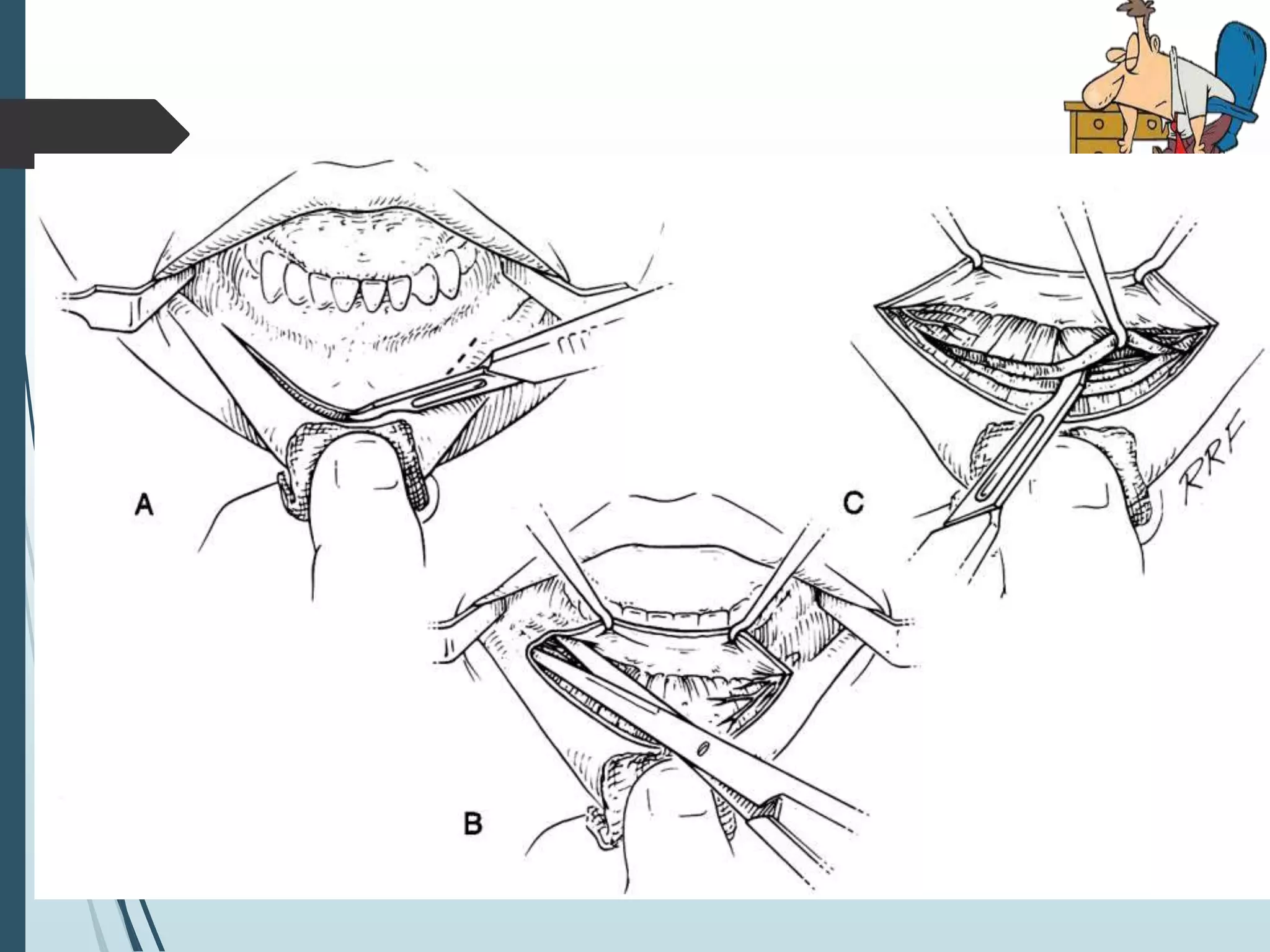
  • #59 A) The mucusal incision. (B) The dissection of the mental nerves. (C) The full-thickness periosteal incision.
  • #60 Inferior sagittal osteotomy to advance the genioglossus musculature for obstructive sleep apnea An anterior mandibular osteotomy showing the advanced and rotated segment, which includes the genial tubercle and genioglossus musculature
  • #61 The osteotomy is designed to include the genial tubercle on the inner cortex of the anterior mandible where the genioglossus muscle attaches. Repositioning the anteroinferior segment of the mandible forward with the attached genioglossus muscle theoretically pulls the tongue forward and improves the hypopharyngeal airway. In conjunction with the osteotomy, the body and greater cornu of the hyoid are isolated through a submental incision. The infrahyoid muscles are transected, taking care to remain on the hyoid bone at all times to avoid injury to the superior laryngeal nerves. This allows the hyoid bone to be pulled anteriorly and superiorly. Strips of fascia or nonresorbable suture are passed around the body of the hyoid and attached to the intact portion of the anterior mandible to complete the hyoid suspension. Inferior sagittal osteotomy to advance the genioglossus musculature for obstructive sleep apnea An anterior mandibular osteotomy showing the advanced and rotated segment, which includes the genial tubercle and genioglossus musculature
  • #62 in which The most serious reported complication from a hyoid suspension has been in one patient. the thyrohyoid membrane was totally sectioned.
  • #63 For large advancements of 7 mm or more, long-term stability is enhanced with a 5- to 7-day course of maxillomandibular fixation and skeletal suspension wires. In advancements of 6 mm or less, maxillomandibular fixation is usually not necessary.
  • #64 For large advancements of 7 mm or more, long-term stability is enhanced with a 5- to 7-day course of maxillomandibular fixation and skeletal suspension wires. In advancements of 6 mm or less, maxillomandibular fixation is usually not necessary.
  • #70 best option for the morbidly obese or as an interim measure for patients undergoing base of tongue surgery.
  • #73 In addition, postanesthesia sedation along with altered respiration secondary to narcotic pain medications can be additive in patients with an already compromised airway.
  • #74 Significant perioperative risks in some patients