Observations
in Business Research
Ibrar Haidar (B3F16MCOM0001)
Presented To:
Prof. Waqas Ahmed Lodhi
Observation ?
─ A critical analysis
─ Watching carefully
─ Penetrate yourself in a situation to solve your ultimate
problem
Observation is more than seeing.
How to Observe
 Sight
 Hearing
 Smell
 Touch
 Taste
What to observe?
 People
 Individual(characteristics)
 Groups(Interactions)
 Communities(behavior)
 Physical setting
 Environmental features
Why we need observations?
 When you want direct information
 When you are trying to understand an ongoing behavior,
process, unfolding situation, or event
 When there is physical evidence, products,
 When written or other data collection methods seem
inappropriate
Types of Observation:
 Unstructured observation
 Structured observation
Unstructured Observation
The researcher monitors all aspects of the phenomena that’s
seems relevant.
 Unplanned .
 Randomly analyze the problem.
 No technique or process used.
Continue….
For Instance;
 As a manager of nestle you are given an assignment to nominate the
reasons why it’s sales graph showing downward trend from last 2 years.
Also observe the consumer behavior towards our New Products.
Role Of Observer In Unstructured Observation
 Complete participant
 Participant as observer
 Observer as participant
 Complete observer
Being more specific to Topic:
Structured Observation:
─quantitative method
─What is to observe? (To observe all the specific aspects of phenomenon)
Systemic observation is a data collecting method in which researchers gather data
without direct involvement with the participants (the researchers watch from afar)
and the collection technique is structured in a well defined and procedural manner.
Continue….
For Instance:
Auditor performing inventory analysis in a store
Role Of Observer In
Structured Observation
 Observer would observe situation sitting far away than
being a participant.
How to record observations under Structured
Observation
It is not good enough to just observe, we are needed to record
our observations systematically:
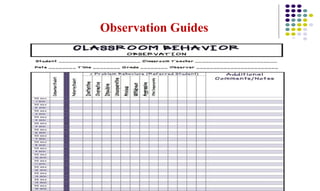
 Observation guide
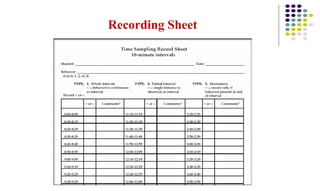
 Recording sheet
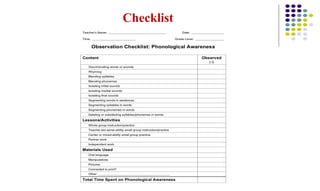
 Checklist
 Field note
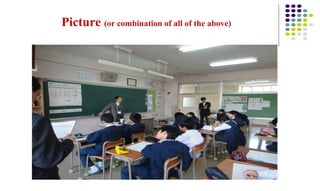
 Picture
 Combination of the above
Observation Guides
Recording Sheet
Checklist
Field note
Picture (or combination of all of the above)
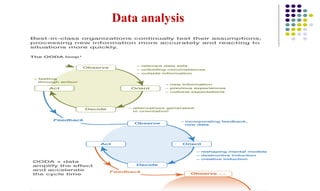
Data analysis
Threats To Reliability & validity
Subject Error:
Main subject is not achieving(order processing firm).
Time Error:
Unsuitable time to observe (retail store).
Observer Effect:
Observation must be kept secret.
Thanks for Tolerating Us


Observations in research

  • 1.
    Observations in Business Research IbrarHaidar (B3F16MCOM0001) Presented To: Prof. Waqas Ahmed Lodhi
  • 2.
    Observation ? ─ Acritical analysis ─ Watching carefully ─ Penetrate yourself in a situation to solve your ultimate problem Observation is more than seeing.
  • 3.
    How to Observe Sight  Hearing  Smell  Touch  Taste
  • 4.
    What to observe? People  Individual(characteristics)  Groups(Interactions)  Communities(behavior)  Physical setting  Environmental features
  • 5.
    Why we needobservations?  When you want direct information  When you are trying to understand an ongoing behavior, process, unfolding situation, or event  When there is physical evidence, products,  When written or other data collection methods seem inappropriate
  • 6.
    Types of Observation: Unstructured observation  Structured observation
  • 7.
    Unstructured Observation The researchermonitors all aspects of the phenomena that’s seems relevant.  Unplanned .  Randomly analyze the problem.  No technique or process used.
  • 8.
    Continue…. For Instance;  Asa manager of nestle you are given an assignment to nominate the reasons why it’s sales graph showing downward trend from last 2 years. Also observe the consumer behavior towards our New Products.
  • 9.
    Role Of ObserverIn Unstructured Observation  Complete participant  Participant as observer  Observer as participant  Complete observer
  • 10.
    Being more specificto Topic: Structured Observation: ─quantitative method ─What is to observe? (To observe all the specific aspects of phenomenon) Systemic observation is a data collecting method in which researchers gather data without direct involvement with the participants (the researchers watch from afar) and the collection technique is structured in a well defined and procedural manner.
  • 11.
    Continue…. For Instance: Auditor performinginventory analysis in a store
  • 12.
    Role Of ObserverIn Structured Observation  Observer would observe situation sitting far away than being a participant.
  • 13.
    How to recordobservations under Structured Observation It is not good enough to just observe, we are needed to record our observations systematically:  Observation guide  Recording sheet  Checklist  Field note  Picture  Combination of the above
  • 14.
  • 15.
  • 16.
  • 17.
  • 18.
    Picture (or combinationof all of the above)
  • 19.
  • 20.
    Threats To Reliability& validity Subject Error: Main subject is not achieving(order processing firm). Time Error: Unsuitable time to observe (retail store). Observer Effect: Observation must be kept secret.
  • 21.