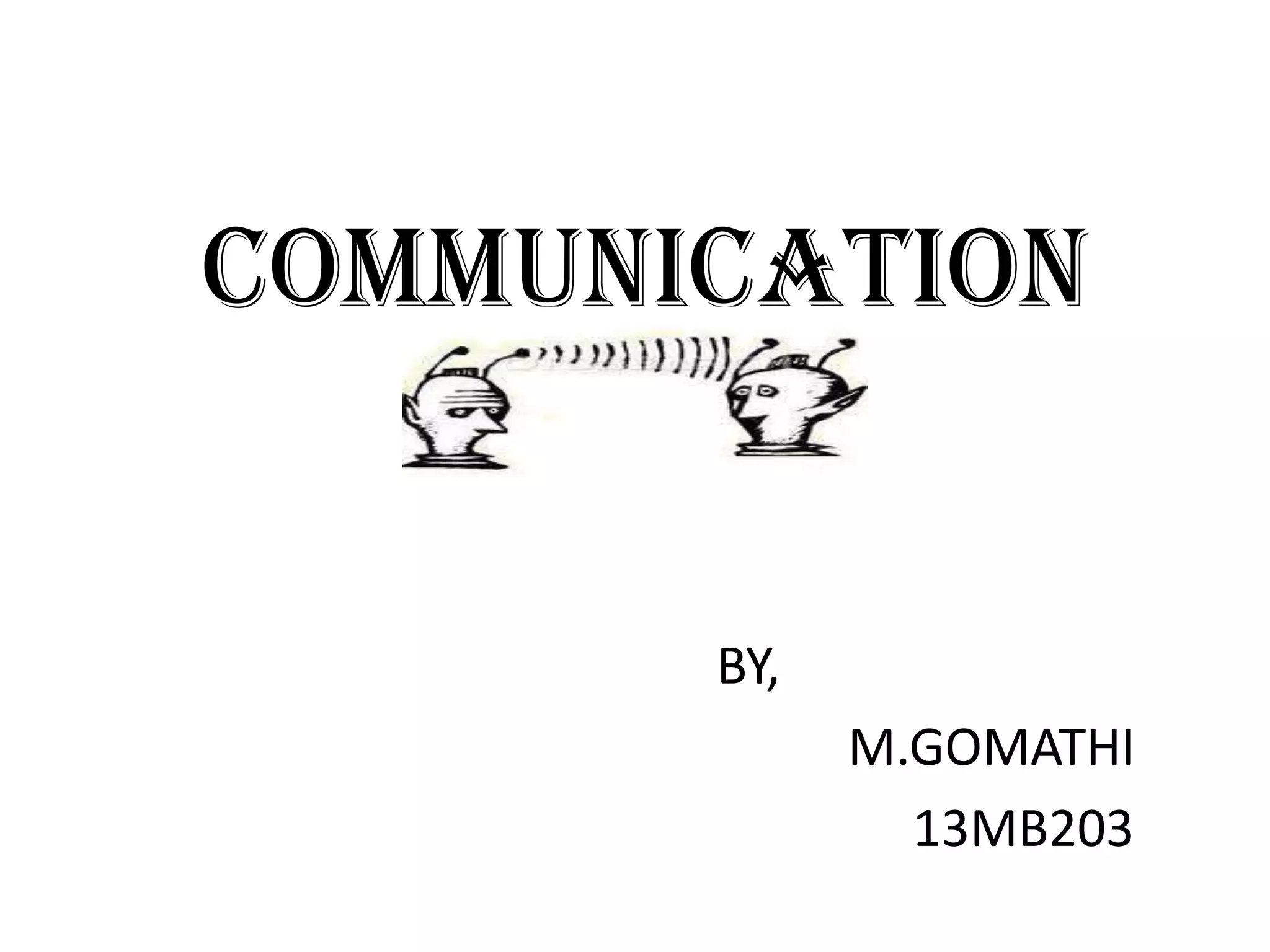
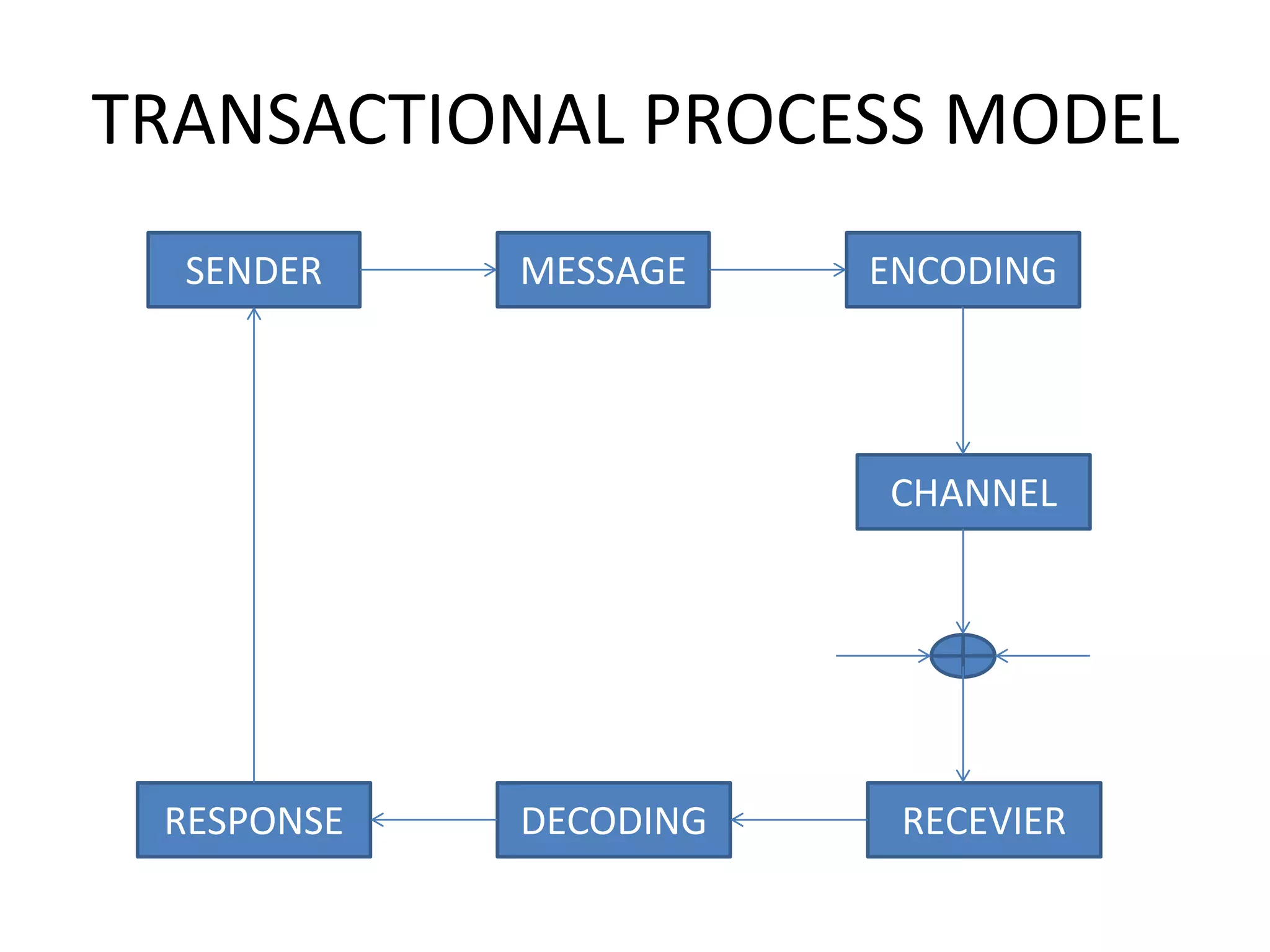
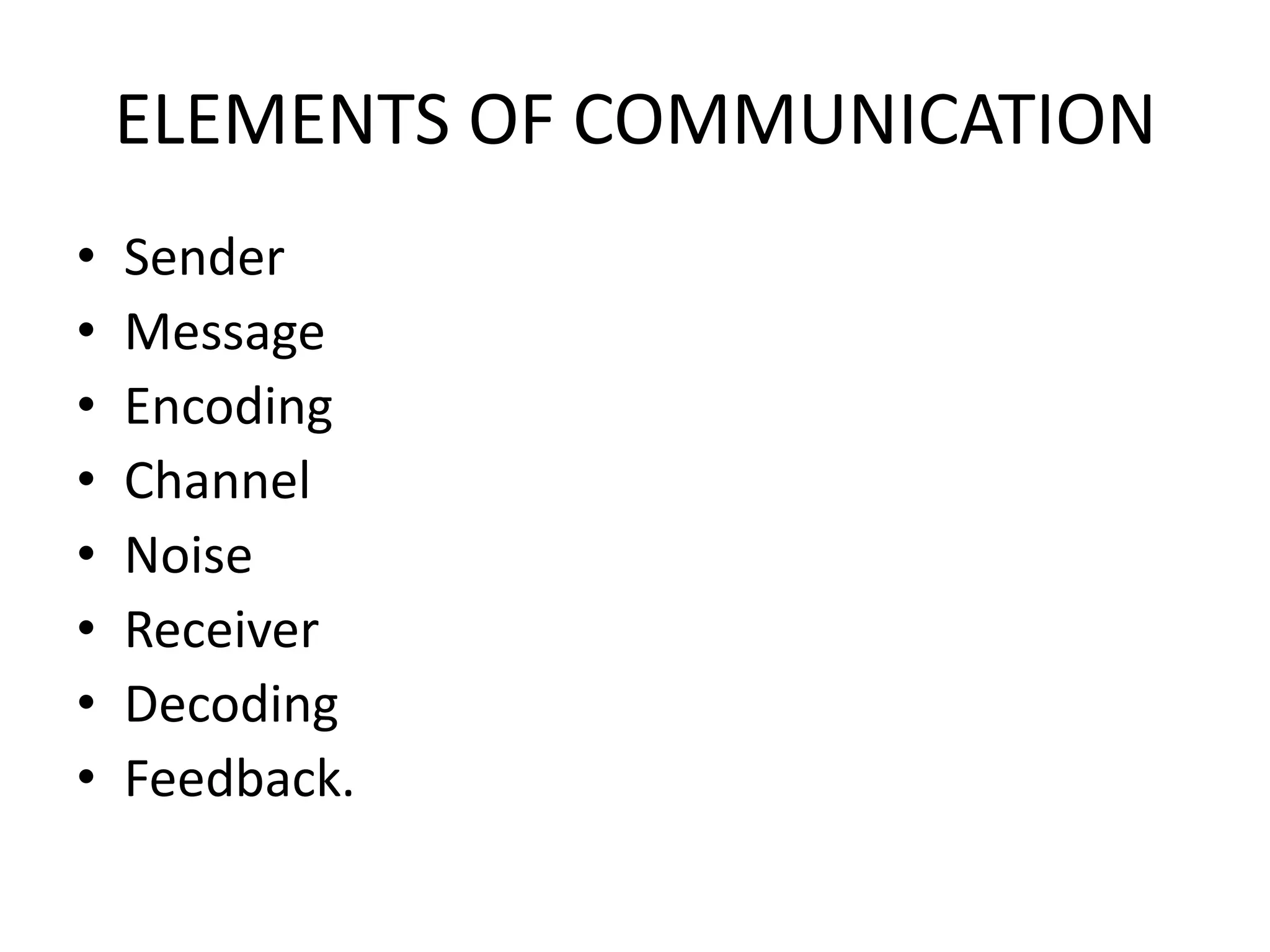
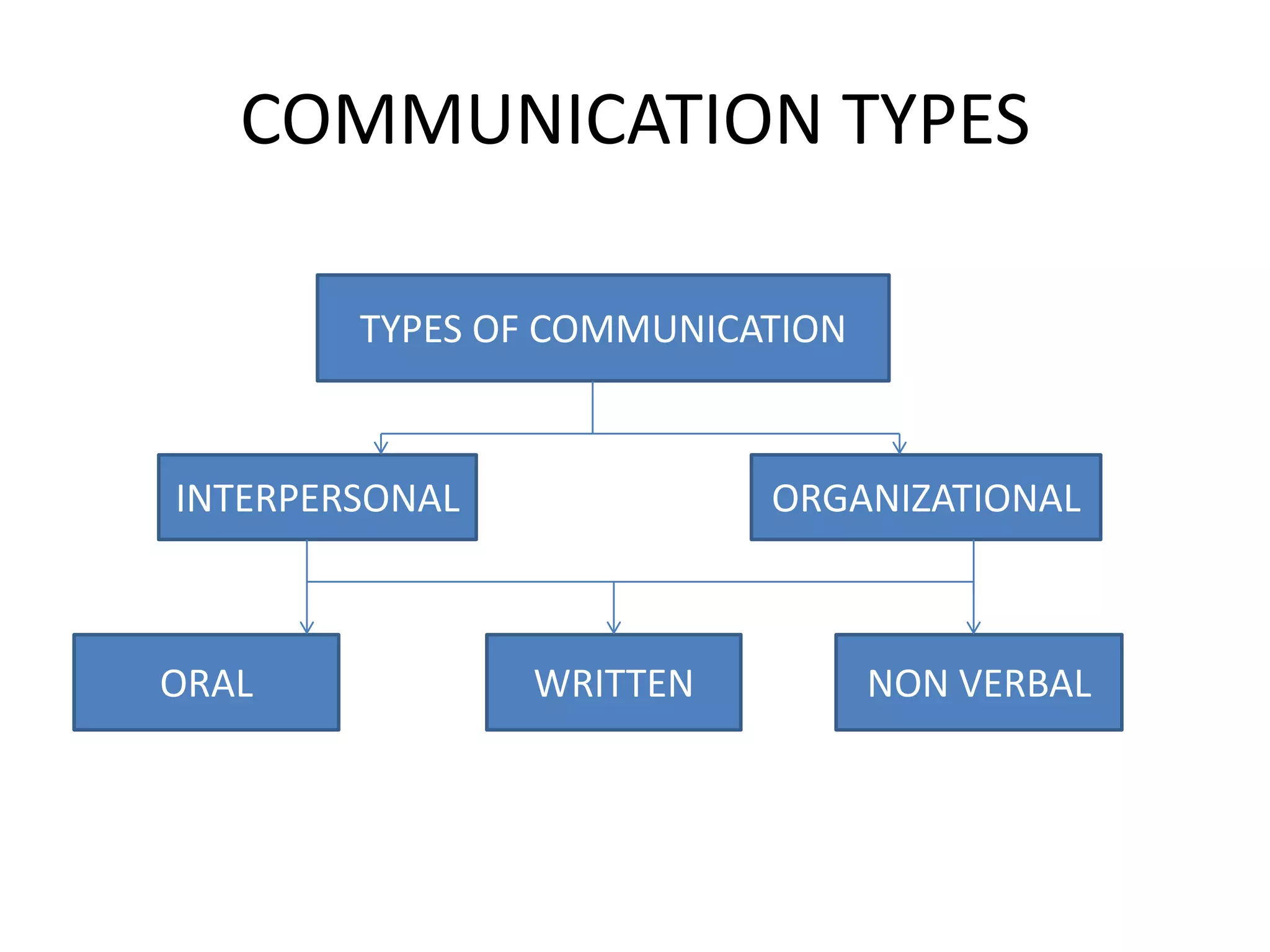
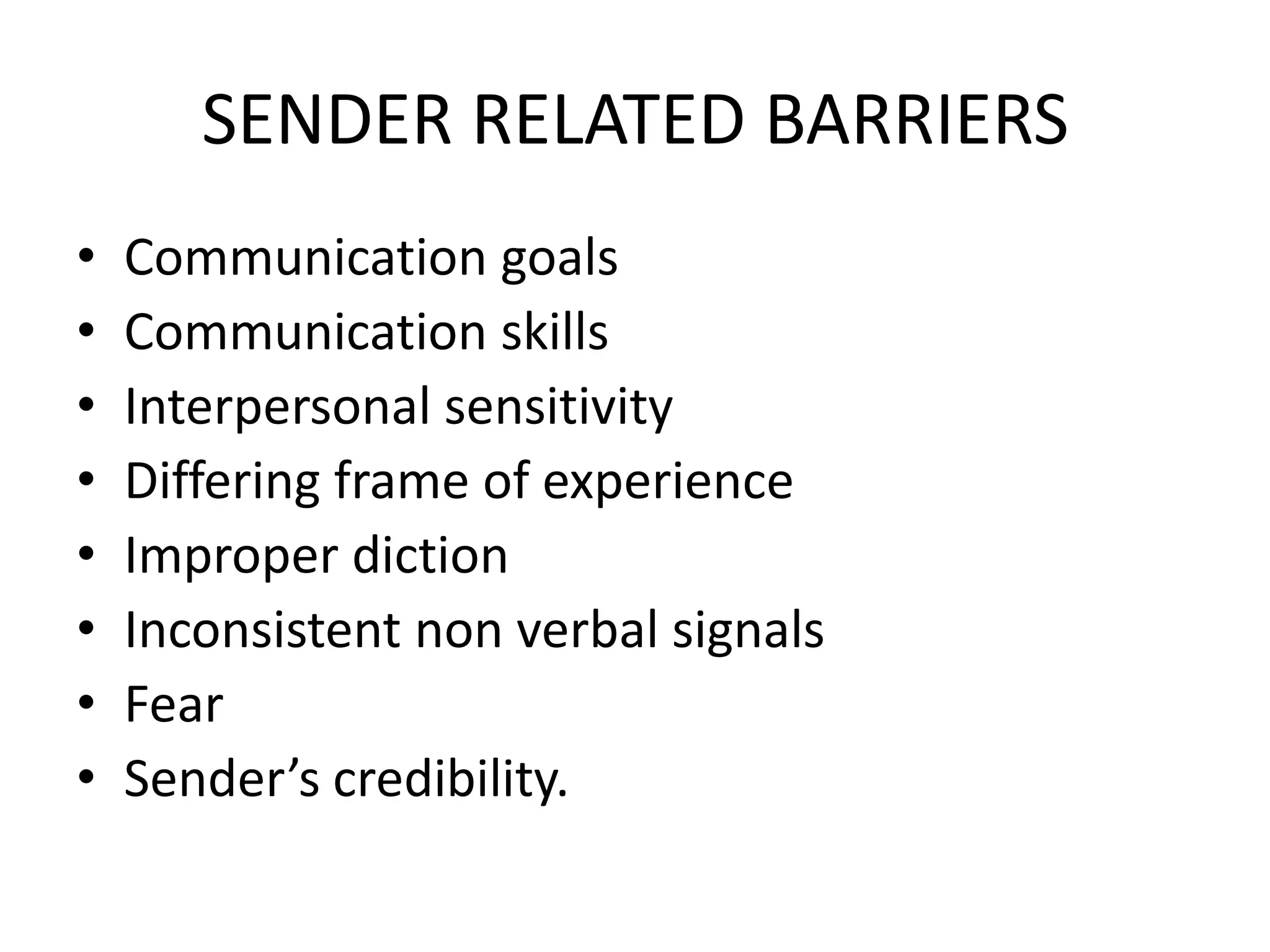
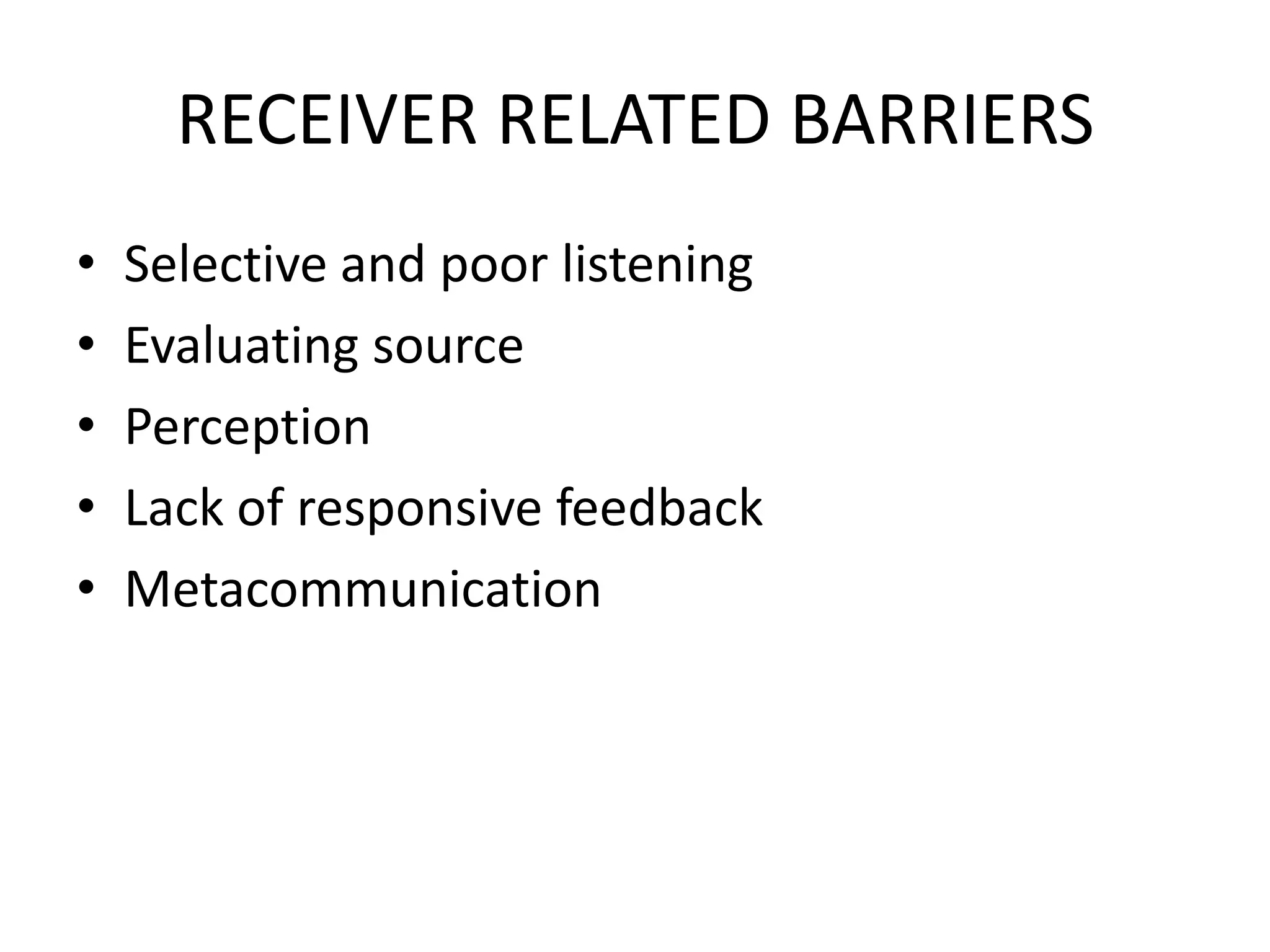
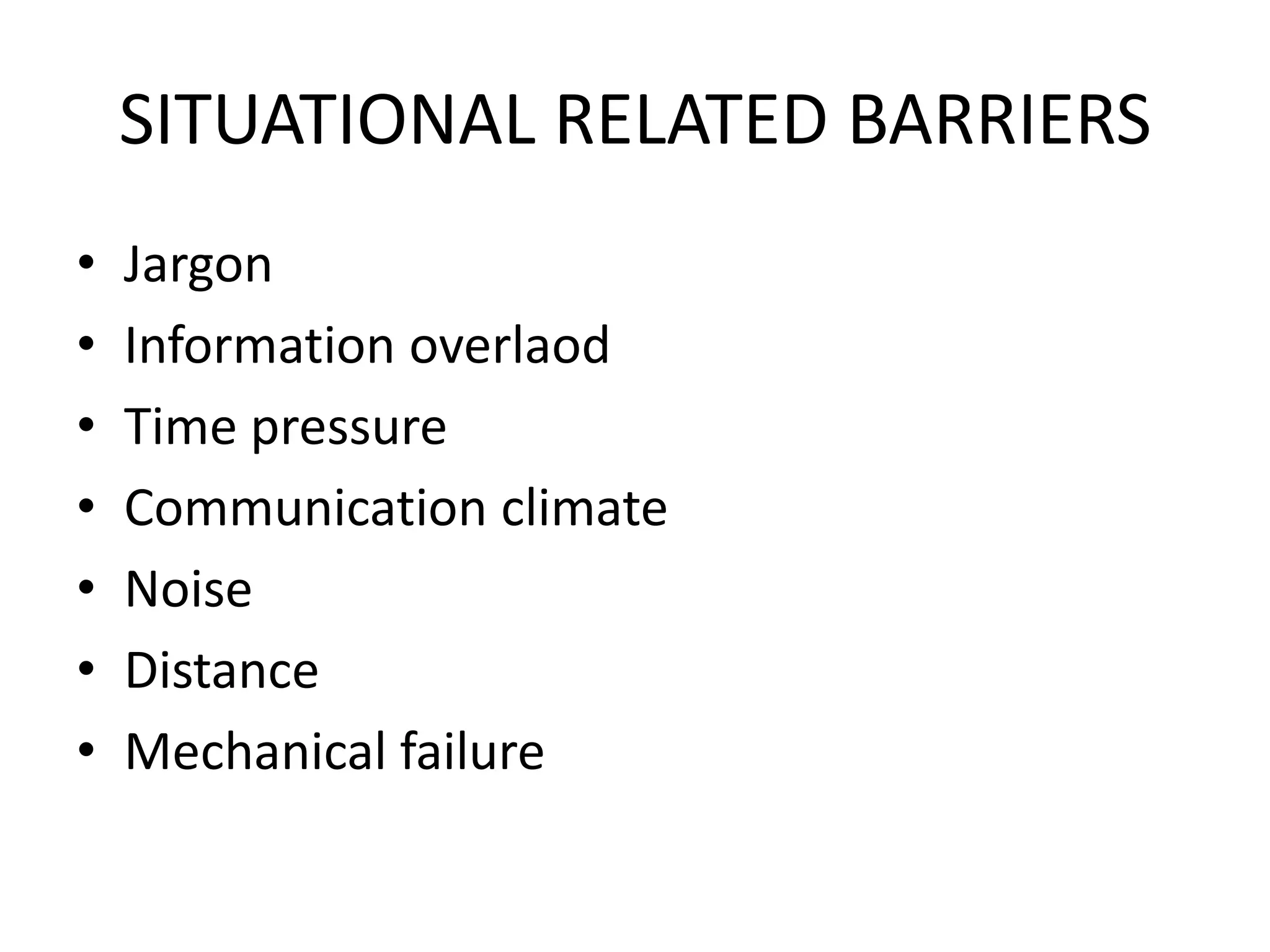
This document discusses communication and its key aspects. It defines communication as the transfer of information from one person to another through transmitting ideas, thoughts, and values. The communication process involves a sender encoding a message and transmitting it through a channel to a receiver who decodes the message. There are different types of communication models, including the transactional process model which shows the back-and-forth interaction between a sender and receiver. Effective communication can be impacted by barriers related to the sender, receiver, or the situation.



![UGC NET communication slide [Autosaved].pptx](https://cdn.slidesharecdn.com/ss_thumbnails/netcommunicationslideautosaved-240109174530-b405bfa4-thumbnail.jpg?width=640&height=640&fit=bounds)


![Coded Agents – with UiPath SDK + LangGraph [Virtual Hands-on Workshop]](https://cdn.slidesharecdn.com/ss_thumbnails/codedagentsdeck-251215155422-5497c599-thumbnail.jpg?width=640&height=640&fit=bounds)

