Nutritional Pathology James L. Fishback, M.D. Associate Professor University of Kansas School of Medicine
Food Safety Numerous natural constituents, toxic substances, and food additives may threaten human health: Carcinogens (safrole in nutmeg, estragole in basil) Natural pesticides (celery, parsnips, parsley) Toxicants (aflatoxin, botulinum) Microorganisms ( E. coli , Salmonella,  etc .) Additives (colors, sweeteners, preservatives) Indirect additives (residual hormones, drugs, pesticides, packaging residue) Industrial contaminants (PCBs,  etc .)  06/07/09 © 2009, James L. Fishback, M.D.
Nutritional Deficiencies Protein energy (calorie) malnutrition (PEM) Anorexia nervosa and bulimia Vitamin deficiencies (more common in alcoholics) Mineral deficiencies 06/07/09 © 2009, James L. Fishback, M.D.
Protein-Energy Malnutrition (PEM) Inadequate intake of protein and calories to meet the body’s needs Most common in underdeveloped and developing countries Up to 25% of children may be affected Major cause of death in children < 5yrs Associated with diarrheal diseases Less common in developed countries Associated with poverty, alcoholism, ignorance, acute or chronic illness, and  voluntary diet restriction A child with weight < 80%  normal is malnourished 06/07/09 © 2009, James L. Fishback, M.D.
Protein Compartments  Somatic protein compartment Skeletal muscles Visceral protein compartment Protein stores in organs (predominantly liver) 06/07/09 © 2009, James L. Fishback, M.D.
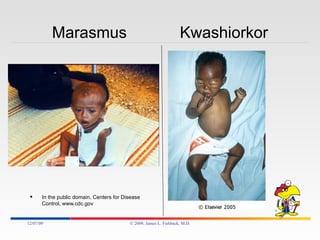
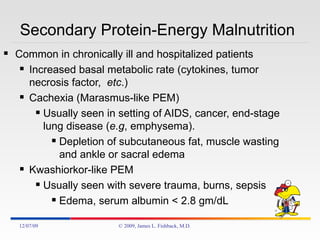
Marasmus  Kwashiorkor Deficiency of total food intake Deficiency of protein intake  Babies who are weaned early (many times because of arrival of another child) and then fed an exclusively carbohydrate diet Less severe forms can occur with  chronic diarrhea (where protein is not absorbed) protein losing enteropathies nephrotic syndrome 06/07/09 © 2009, James L. Fishback, M.D.
Marasmus  Kwashiorkor Somatic protein compartment more severely impacted Spindly arms and legs Serum albumin normal or slightly reduced Visceral protein compartment more severely impacted Apathy, listlessness, loss of appetite Enlarged fatty liver Hypoalbuminemia Anasarca Other characteristics Skin: alternating zones of hyperpigmentation, desquamation  Hair:  loss of color or alternating bands of  pale and darker hair 06/07/09 © 2009, James L. Fishback, M.D.
Both Marasmus and Kwashiorkor Stunted growth Anemia Infections and defects in immunity Multi-vitamin deficiencies 06/07/09 © 2009, James L. Fishback, M.D.
Marasmus  Kwashiorkor In the public domain, Centers for Disease Control, www.cdc.gov 06/07/09 © 2009, James L. Fishback, M.D.
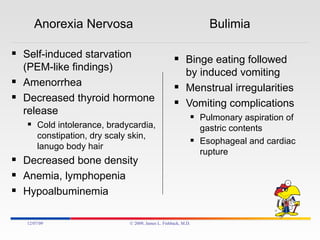
Secondary Protein-Energy Malnutrition Common in chronically ill and hospitalized patients Increased basal metabolic rate (cytokines, tumor necrosis factor,  etc .) Cachexia (Marasmus-like PEM)  Usually seen in setting of AIDS, cancer, end-stage lung disease ( e.g , emphysema). Depletion of subcutaneous fat, muscle wasting and ankle or sacral edema Kwashiorkor-like PEM Usually seen with severe trauma, burns, sepsis Edema, serum albumin < 2.8 gm/dL 06/07/09 © 2009, James L. Fishback, M.D.
Anorexia Nervosa  Bulimia Self-induced starvation (PEM-like findings) Amenorrhea Decreased thyroid hormone release Cold intolerance, bradycardia, constipation, dry scaly skin, lanugo body hair Decreased bone density Anemia, lymphopenia Hypoalbuminemia Binge eating followed by induced vomiting Menstrual irregularities Vomiting complications Pulmonary aspiration of gastric contents Esophageal and cardiac rupture 06/07/09 © 2009, James L. Fishback, M.D.
Anorexia and Bulimia Anorexia: approx 1% of adolescent females Bulimia: approx 4% of college-aged females Approx 10% with anorexia or bulimia are male Prone to hypokalemia Increased risk of sudden death due to cardiac arrhythmia 06/07/09 © 2009, James L. Fishback, M.D.
Vitamin Deficiencies 13 vitamins are essential for health Vitamins A, D, E, and K  are fat soluble Vitamin C and the 8 B-complex vitamins are water soluble Deficiencies in a single vitamin are uncommon Deficiencies can be submerged in PEM These vitamins must be supplied in the diet  Exception:  small amounts of D, K, biotin and niacin can be synthesized endogenously Vitamin D from UV light Vitamin K and biotin from intestinal microflora Niacin from tryptophan (amino acid) 06/07/09 © 2009, James L. Fishback, M.D.
Vitamin A  Group of related natural and synthetic chemicals with hormone-like activity Dietary sources Pre-formed vitamin A animal derived (liver, fish, eggs, milk, butter) Carotenoids ( e.g ., beta-carotene) for synthesis of vitamin A yellow and leafy green vegetables (carrots, squash and spinach) 06/07/09 © 2009, James L. Fishback, M.D.
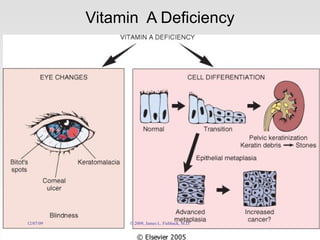
Vitamin A Functions  Deficiency Maintains normal vision  Reduced light Vitamin A (retinol) -containing pigments  rhodopsin (rod cells) and iodopsins (cone cells) Maintains ocular epithelium (lubrication, corneal) Impaired vision (early manifestation) Night blindness Xerophthalmia (dry), keratin build-up (Bitot spots), keratomalacia, and eventual blindness (erosion of the roughened cornea) 06/07/09 © 2009, James L. Fishback, M.D.
Vitamin A Functions  Deficiency Differentiation of epithelial cells Maintains respiratory epithelium (mucociliary) Maintains urothelium Healthy epidermis (skin) Deficiency causes squamous metaplasia Loss of function predisposes to pulmonary infections Hyperplasia and hyperkeratinization  Follicular or papular dermatosis 06/07/09 © 2009, James L. Fishback, M.D.
Vitamin A Functions  Deficiency Enhances immunity to infections Related carotenoids are photoprotective and anti-oxidants Immune deficiency Higher mortality rates from measles, pneumonia, and infectious diarrhea 06/07/09 © 2009, James L. Fishback, M.D.
Vitamin  A Deficiency 06/07/09 © 2009, James L. Fishback, M.D.
Vitamin A Toxicity Acute toxicity Headache, vomiting, stupor, death Chronic toxicity Weight loss, vomiting, dryness of lips Bone and joint pain, hyperostosis, hepatomegaly with fibrosis Predisposition to bone fractures (due to stimulation of osteoclasts) Congenital malformations Synthetic retinoids for acne (Accutane™) contraindicated during pregnancy Cause CNS, cardiac and craniofacial defects 06/07/09 © 2009, James L. Fishback, M.D.
Carotenemia Excess vitamin A precursors Usually from eating too many carrots, or artificial “suntanning” pills Yellow-orange colored skin (mainly palms and soles) Sclera remain white ( vs . real jaundice)  Not associated with toxicity, even in large amounts 06/07/09 © 2009, James L. Fishback, M.D.
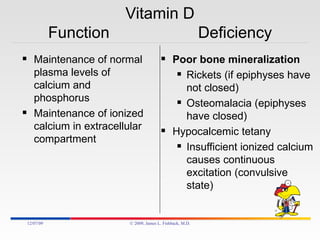
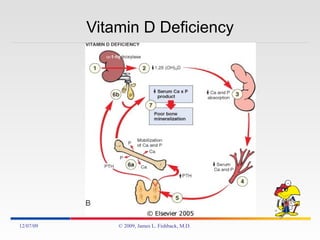
Vitamin D Function  Deficiency Maintenance of normal plasma levels of calcium and phosphorus Maintenance of ionized calcium in extracellular compartment Poor bone mineralization Rickets (if epiphyses have not closed) Osteomalacia (epiphyses have closed) Hypocalcemic tetany Insufficient ionized calcium causes continuous excitation (convulsive state) 06/07/09 © 2009, James L. Fishback, M.D.
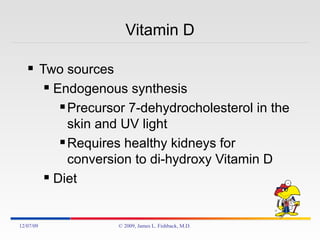
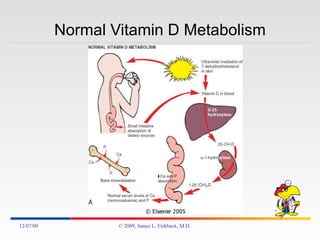
Vitamin D Two sources Endogenous synthesis  Precursor 7-dehydrocholesterol in the skin and UV light Requires healthy kidneys for conversion to di-hydroxy Vitamin D Diet 06/07/09 © 2009, James L. Fishback, M.D.
Normal Vitamin D Metabolism 06/07/09 © 2009, James L. Fishback, M.D.
Vitamin D Deficiency 06/07/09 © 2009, James L. Fishback, M.D.
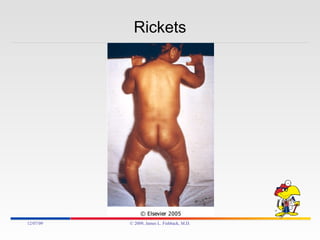
Rickets 06/07/09 © 2009, James L. Fishback, M.D.
Predisposing Conditions for Poorly Mineralized Bone   (Rickets, Osteomalacia) Inadequate synthesis of dietary deficiency of vitamin D No exposure to sunlight or pigmented skin; limited intake of vitamin D Decreased vitamin D absorption Cholestatic liver disease, pancreatic insufficiency, biliary tract obstruction, extensive small bowel disease/severe malabsorption Derangements of vitamin D metabolism Increased degradation by induction of cytochrome P450 enzymes, impaired synthesis of 25 and 1,25(OH) 2 D, inherited deficiency of renal alpha-1 hydroxylase End-organ resistance Inherited absence of or defective receptors for  1,25(OH) 2 D Phosphate depletion Poor phosphate absorption due to aluminum OH antacids Excess renal tubule excretion of phosphate (X-linked hypophosphatemic rickets) 06/07/09 © 2009, James L. Fishback, M.D.
Vitamin E Functions Major anti-oxidant (scavenges free radicals) Sources Vegetables, grains, nuts and their oils, dairy products, fish and meat Deficiency Usually in association with fat malabsorption that accompanies cholestasis, cystic fibrosis and primary small intestinal disease Neurologic manifestations  Absent tendon reflexes, ataxia, dysarthria, loss of vibration and position sense and pain sensation Spinocerebellar degeneration 06/07/09 © 2009, James L. Fishback, M.D.
Vitamin K Functions Required for functional activity of clotting factors II, VII, IX, X and protein C and S Studies suggest it may be helpful in treating osteoporosis It may favor calcification of bone proteins 06/07/09 © 2009, James L. Fishback, M.D.
Vitamin K Deficiency Increased risk with Fat malabsorption syndromes Diffuse liver disease Absence of vitamin K-synthesizing bacterial flora Broad spectrum antibiotics can destroy it Not fully developed in neonates (vitamin K given prophylactically to all newborns) Deficiency causes bleeding diathesis (skin, gums, umbilicus, viscera, intracranial) Coumarin (warfarin) induces deficiency Desirable in thromboembolic disease 06/07/09 © 2009, James L. Fishback, M.D.
B-Complex Vitamins B 1  (thiamine), B 2  (riboflavin), B 3  (niacin), B 5  (pantothenic acid), B 6  (pyridoxine), B 7  (biotin), B 12  and folate 8 of the 9 water soluble vitamins All function as coenzymes, and needs are tied to energy intake Not much is present in polished rice, white flour, white sugar 06/07/09 © 2009, James L. Fishback, M.D.
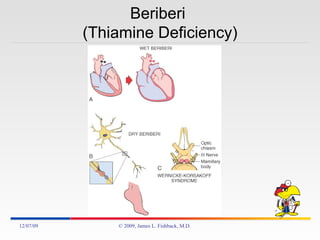
Thiamine (B 1 ) Deficiency Uncommon on a dietary basis in developed countries (widely available in diet) Still occurs in developing countries where polished (white) rice is most of the diet Major targets of deficiency are nerves, heart and brain Dry beriberi (polyneuropathy) Classically presents with toe drop, foot drop, wrist drop Wet beriberi (cardiovascular) Wernicke-Korsakoff syndrome 06/07/09 © 2009, James L. Fishback, M.D.
Beriberi  (Thiamine Deficiency) Common in alcoholics (25% of those admitted) May also occur in  Pernicious vomiting of pregnancy  Debilitating diseases that impair appetite, predispose to vomiting or cause protracted diarrhea Extended  iv  glucose therapy without supplemental vitamins (may convert sub-clinical to overt disease in chronically malnourished individuals) 06/07/09 © 2009, James L. Fishback, M.D.
Beriberi  (Thiamine Deficiency) 06/07/09 © 2009, James L. Fishback, M.D.
Riboflavin (B 2 )  Sources:  meat, dairy, vegetables Absorbed in upper GI tract Ariboflavinosis Persons in economically deprived developing countries Alcoholics, chronic infections, advanced cancer and other debilitating diseases, anorexics and individuals who avoid milk   Morphology Cheliosis (cracks and fissures at angles of mouth) Glossitis (atrophic tongue) Corneal opacities and ulcerations Dermatitis 06/07/09 © 2009, James L. Fishback, M.D.
Niacin (B 3 ) Sources Grains, legumes, seed oils (small quantities in meats) Niacin in corn is in a bound form and unabsorbable Deficency can be seen where corn is most of the diet Can be synthesized endogenously from tryptophan A deficiency of tryptophan can mimic niacin deficiency Deficiency (pellagra)  Alcoholics, chronic debilitating diseases ( e.g ., HIV) 06/07/09 © 2009, James L. Fishback, M.D.
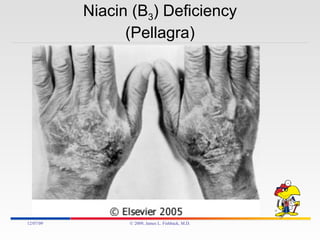
Niacin (B 3 ) Deficiency (Pellagra) Three D’s: Dermatitis Thickened red rough skin, bilaterally symetric on exposed areas of the body Diarrhea Atrophy of columnar epithelium of GI tract  Dementia 06/07/09 © 2009, James L. Fishback, M.D.
Niacin (B 3 ) Deficiency (Pellagra) 06/07/09 © 2009, James L. Fishback, M.D.
Pyridoxine (B 6 ) Clinically overt deficiency of vitamin B 6  is rare in humans Findings resemble riboflavin (B 2 ) and niacin (B 3 ) deficiency 06/07/09 © 2009, James L. Fishback, M.D.
Vitamin C (Ascorbic Acid) Functions:  formation of normal collagen, antioxidant Deficiency disease is called  scurvy Uncommon Those most at risk are elderly who live alone, alcoholics, infants fed exclusively processed milk  Used to be seen with long sea voyages  Symptoms reversible almost immediately with vitamin C 06/07/09 © 2009, James L. Fishback, M.D.
Scurvy (Vitamin C Deficiency) Poor wound healing – poor collagen synthesis Ecchymoses and purpura in skin and gingival mucosa (small vessels have defective collagen) Secondary gum infections Papular rash Sub-periosteal hematomas and hemarthrosis after minimal trauma Retrobulbar, subarachnoid and intracerebral hemorrhages (can be fatal) Skeletal changes due to insufficient osteoid matrix Growing children: bowing of long bones, depression of the sternum with outward projection of the ends of the ribs 06/07/09 © 2009, James L. Fishback, M.D.
Vitamin C Deficiency (Scurvy) 06/07/09 © 2009, James L. Fishback, M.D.
Vitamin Deficiency Comparison Vit C  Vit D Poor osteoid production Bowing of long bones of lower legs Depression of sternum with outward projection of ribs  Poor mineralization (calcification of bone) Bowing of long bones of lower legs Protrusion of sternum with overgrowth of cartilage at costochondral junction “rachitic rosary” 06/07/09 © 2009, James L. Fishback, M.D.
Folate  Sources Whole-wheat flour, beans, nuts, liver, green leafy vegetables Depleted in cooked and processed foods In the U.S. 15-20% of adults probably have a low level Folate requirement is increased during pregnancy! Deficiency can predispose to fetal neural tube defects 06/07/09 © 2009, James L. Fishback, M.D.
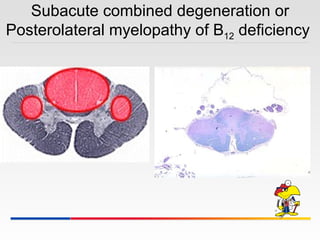
Vitamin B 12  Deficiency Sub-acute combined degeneration of the spinal cord Potentially reversible Numbness and tingling in the lower extremities progressing to spastic weakness and then paraplegia Degeneration of both ascending and descending tracts of the spinal cord 06/07/09 © 2009, James L. Fishback, M.D.
Subacute combined degeneration or Posterolateral myelopathy of B 12  deficiency
Mineral Deficiencies Many trace minerals are found within the body Deficiencies can occur due to Inadequate supplementation in total parenteral nutrition (TPN) Interference with absorption by dietary constituents Inborn errors of metabolism leading to abnormal absorption 06/07/09 © 2009, James L. Fishback, M.D.
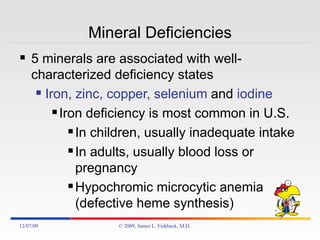
Mineral Deficiencies 5 minerals are associated with well-characterized deficiency states Iron, zinc, copper, selenium  and  iodine Iron deficiency is most common in U.S. In children, usually inadequate intake In adults, usually blood loss or pregnancy Hypochromic microcytic anemia (defective heme synthesis) 06/07/09 © 2009, James L. Fishback, M.D.
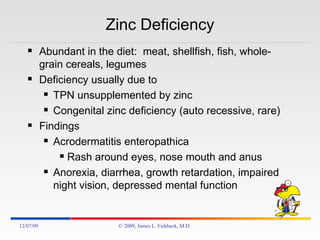
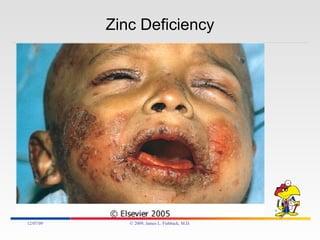
Zinc Deficiency Abundant in the diet:  meat, shellfish, fish, whole-grain cereals, legumes Deficiency usually due to TPN unsupplemented by zinc Congenital zinc deficiency (auto recessive, rare) Findings Acrodermatitis enteropathica Rash around eyes, nose mouth and anus Anorexia, diarrhea, growth retardation, impaired night vision, depressed mental function 06/07/09 © 2009, James L. Fishback, M.D.
Zinc Deficiency 06/07/09 © 2009, James L. Fishback, M.D.
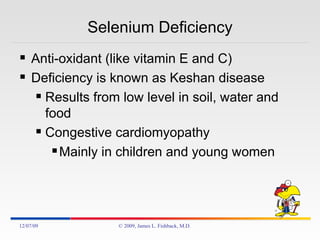
Selenium Deficiency Anti-oxidant (like vitamin E and C) Deficiency is known as Keshan disease Results from low level in soil, water and food Congestive cardiomyopathy Mainly in children and young women 06/07/09 © 2009, James L. Fishback, M.D.
Obesity Food derived energy chronically exceeds energy expenditure Global epidemic Sedentary lifestyles, improved socioeconomic conditions, high calorie fast foods and soft drinks 30% of adults in U.S. are obese Body mass index (BMI)  > 30 kg/m 2  Hypertension, diabetes and coronary artery disease begin to increase at BMI values > 25 06/07/09 © 2009, James L. Fishback, M.D.
Obesity Etiology is extremely complex Genetic, environmental and psychological factors Central or visceral obesity has a higher risk for disease ( vs . diffusely increased subcutaneous fat) 06/07/09 © 2009, James L. Fishback, M.D.
Complications of Obesity Syndrome X (metabolic syndrome) Abdominal obesity, insulin resistance, hypertriglyceridemia, low HDL, hypertension, coronary artery disease Gallstones, pancreatitis, fatty liver, Congestive heart failure, arrhythmias, deep vein thrombosis (and subsequent pulmonary embolus), ischemic stroke Obesity hypoventilation syndrome, sleep apnea Osteoarthritis, gout Endometrial cancer (excess estrogen,  difficulty in screening) 06/07/09 © 2009, James L. Fishback, M.D.

Nutritional Pathology

  • 1.
    Nutritional Pathology JamesL. Fishback, M.D. Associate Professor University of Kansas School of Medicine
  • 2.
    Food Safety Numerousnatural constituents, toxic substances, and food additives may threaten human health: Carcinogens (safrole in nutmeg, estragole in basil) Natural pesticides (celery, parsnips, parsley) Toxicants (aflatoxin, botulinum) Microorganisms ( E. coli , Salmonella, etc .) Additives (colors, sweeteners, preservatives) Indirect additives (residual hormones, drugs, pesticides, packaging residue) Industrial contaminants (PCBs, etc .) 06/07/09 © 2009, James L. Fishback, M.D.
  • 3.
    Nutritional Deficiencies Proteinenergy (calorie) malnutrition (PEM) Anorexia nervosa and bulimia Vitamin deficiencies (more common in alcoholics) Mineral deficiencies 06/07/09 © 2009, James L. Fishback, M.D.
  • 4.
    Protein-Energy Malnutrition (PEM)Inadequate intake of protein and calories to meet the body’s needs Most common in underdeveloped and developing countries Up to 25% of children may be affected Major cause of death in children < 5yrs Associated with diarrheal diseases Less common in developed countries Associated with poverty, alcoholism, ignorance, acute or chronic illness, and voluntary diet restriction A child with weight < 80% normal is malnourished 06/07/09 © 2009, James L. Fishback, M.D.
  • 5.
    Protein Compartments Somatic protein compartment Skeletal muscles Visceral protein compartment Protein stores in organs (predominantly liver) 06/07/09 © 2009, James L. Fishback, M.D.
  • 6.
    Marasmus KwashiorkorDeficiency of total food intake Deficiency of protein intake Babies who are weaned early (many times because of arrival of another child) and then fed an exclusively carbohydrate diet Less severe forms can occur with chronic diarrhea (where protein is not absorbed) protein losing enteropathies nephrotic syndrome 06/07/09 © 2009, James L. Fishback, M.D.
  • 7.
    Marasmus KwashiorkorSomatic protein compartment more severely impacted Spindly arms and legs Serum albumin normal or slightly reduced Visceral protein compartment more severely impacted Apathy, listlessness, loss of appetite Enlarged fatty liver Hypoalbuminemia Anasarca Other characteristics Skin: alternating zones of hyperpigmentation, desquamation Hair: loss of color or alternating bands of pale and darker hair 06/07/09 © 2009, James L. Fishback, M.D.
  • 8.
    Both Marasmus andKwashiorkor Stunted growth Anemia Infections and defects in immunity Multi-vitamin deficiencies 06/07/09 © 2009, James L. Fishback, M.D.
  • 9.
    Marasmus KwashiorkorIn the public domain, Centers for Disease Control, www.cdc.gov 06/07/09 © 2009, James L. Fishback, M.D.
  • 10.
    Secondary Protein-Energy MalnutritionCommon in chronically ill and hospitalized patients Increased basal metabolic rate (cytokines, tumor necrosis factor, etc .) Cachexia (Marasmus-like PEM) Usually seen in setting of AIDS, cancer, end-stage lung disease ( e.g , emphysema). Depletion of subcutaneous fat, muscle wasting and ankle or sacral edema Kwashiorkor-like PEM Usually seen with severe trauma, burns, sepsis Edema, serum albumin < 2.8 gm/dL 06/07/09 © 2009, James L. Fishback, M.D.
  • 11.
    Anorexia Nervosa Bulimia Self-induced starvation (PEM-like findings) Amenorrhea Decreased thyroid hormone release Cold intolerance, bradycardia, constipation, dry scaly skin, lanugo body hair Decreased bone density Anemia, lymphopenia Hypoalbuminemia Binge eating followed by induced vomiting Menstrual irregularities Vomiting complications Pulmonary aspiration of gastric contents Esophageal and cardiac rupture 06/07/09 © 2009, James L. Fishback, M.D.
  • 12.
    Anorexia and BulimiaAnorexia: approx 1% of adolescent females Bulimia: approx 4% of college-aged females Approx 10% with anorexia or bulimia are male Prone to hypokalemia Increased risk of sudden death due to cardiac arrhythmia 06/07/09 © 2009, James L. Fishback, M.D.
  • 13.
    Vitamin Deficiencies 13vitamins are essential for health Vitamins A, D, E, and K are fat soluble Vitamin C and the 8 B-complex vitamins are water soluble Deficiencies in a single vitamin are uncommon Deficiencies can be submerged in PEM These vitamins must be supplied in the diet Exception: small amounts of D, K, biotin and niacin can be synthesized endogenously Vitamin D from UV light Vitamin K and biotin from intestinal microflora Niacin from tryptophan (amino acid) 06/07/09 © 2009, James L. Fishback, M.D.
  • 14.
    Vitamin A Group of related natural and synthetic chemicals with hormone-like activity Dietary sources Pre-formed vitamin A animal derived (liver, fish, eggs, milk, butter) Carotenoids ( e.g ., beta-carotene) for synthesis of vitamin A yellow and leafy green vegetables (carrots, squash and spinach) 06/07/09 © 2009, James L. Fishback, M.D.
  • 15.
    Vitamin A Functions Deficiency Maintains normal vision Reduced light Vitamin A (retinol) -containing pigments rhodopsin (rod cells) and iodopsins (cone cells) Maintains ocular epithelium (lubrication, corneal) Impaired vision (early manifestation) Night blindness Xerophthalmia (dry), keratin build-up (Bitot spots), keratomalacia, and eventual blindness (erosion of the roughened cornea) 06/07/09 © 2009, James L. Fishback, M.D.
  • 16.
    Vitamin A Functions Deficiency Differentiation of epithelial cells Maintains respiratory epithelium (mucociliary) Maintains urothelium Healthy epidermis (skin) Deficiency causes squamous metaplasia Loss of function predisposes to pulmonary infections Hyperplasia and hyperkeratinization Follicular or papular dermatosis 06/07/09 © 2009, James L. Fishback, M.D.
  • 17.
    Vitamin A Functions Deficiency Enhances immunity to infections Related carotenoids are photoprotective and anti-oxidants Immune deficiency Higher mortality rates from measles, pneumonia, and infectious diarrhea 06/07/09 © 2009, James L. Fishback, M.D.
  • 18.
    Vitamin ADeficiency 06/07/09 © 2009, James L. Fishback, M.D.
  • 19.
    Vitamin A ToxicityAcute toxicity Headache, vomiting, stupor, death Chronic toxicity Weight loss, vomiting, dryness of lips Bone and joint pain, hyperostosis, hepatomegaly with fibrosis Predisposition to bone fractures (due to stimulation of osteoclasts) Congenital malformations Synthetic retinoids for acne (Accutane™) contraindicated during pregnancy Cause CNS, cardiac and craniofacial defects 06/07/09 © 2009, James L. Fishback, M.D.
  • 20.
    Carotenemia Excess vitaminA precursors Usually from eating too many carrots, or artificial “suntanning” pills Yellow-orange colored skin (mainly palms and soles) Sclera remain white ( vs . real jaundice) Not associated with toxicity, even in large amounts 06/07/09 © 2009, James L. Fishback, M.D.
  • 21.
    Vitamin D Function Deficiency Maintenance of normal plasma levels of calcium and phosphorus Maintenance of ionized calcium in extracellular compartment Poor bone mineralization Rickets (if epiphyses have not closed) Osteomalacia (epiphyses have closed) Hypocalcemic tetany Insufficient ionized calcium causes continuous excitation (convulsive state) 06/07/09 © 2009, James L. Fishback, M.D.
  • 22.
    Vitamin D Twosources Endogenous synthesis Precursor 7-dehydrocholesterol in the skin and UV light Requires healthy kidneys for conversion to di-hydroxy Vitamin D Diet 06/07/09 © 2009, James L. Fishback, M.D.
  • 23.
    Normal Vitamin DMetabolism 06/07/09 © 2009, James L. Fishback, M.D.
  • 24.
    Vitamin D Deficiency06/07/09 © 2009, James L. Fishback, M.D.
  • 25.
    Rickets 06/07/09 ©2009, James L. Fishback, M.D.
  • 26.
    Predisposing Conditions forPoorly Mineralized Bone (Rickets, Osteomalacia) Inadequate synthesis of dietary deficiency of vitamin D No exposure to sunlight or pigmented skin; limited intake of vitamin D Decreased vitamin D absorption Cholestatic liver disease, pancreatic insufficiency, biliary tract obstruction, extensive small bowel disease/severe malabsorption Derangements of vitamin D metabolism Increased degradation by induction of cytochrome P450 enzymes, impaired synthesis of 25 and 1,25(OH) 2 D, inherited deficiency of renal alpha-1 hydroxylase End-organ resistance Inherited absence of or defective receptors for 1,25(OH) 2 D Phosphate depletion Poor phosphate absorption due to aluminum OH antacids Excess renal tubule excretion of phosphate (X-linked hypophosphatemic rickets) 06/07/09 © 2009, James L. Fishback, M.D.
  • 27.
    Vitamin E FunctionsMajor anti-oxidant (scavenges free radicals) Sources Vegetables, grains, nuts and their oils, dairy products, fish and meat Deficiency Usually in association with fat malabsorption that accompanies cholestasis, cystic fibrosis and primary small intestinal disease Neurologic manifestations Absent tendon reflexes, ataxia, dysarthria, loss of vibration and position sense and pain sensation Spinocerebellar degeneration 06/07/09 © 2009, James L. Fishback, M.D.
  • 28.
    Vitamin K FunctionsRequired for functional activity of clotting factors II, VII, IX, X and protein C and S Studies suggest it may be helpful in treating osteoporosis It may favor calcification of bone proteins 06/07/09 © 2009, James L. Fishback, M.D.
  • 29.
    Vitamin K DeficiencyIncreased risk with Fat malabsorption syndromes Diffuse liver disease Absence of vitamin K-synthesizing bacterial flora Broad spectrum antibiotics can destroy it Not fully developed in neonates (vitamin K given prophylactically to all newborns) Deficiency causes bleeding diathesis (skin, gums, umbilicus, viscera, intracranial) Coumarin (warfarin) induces deficiency Desirable in thromboembolic disease 06/07/09 © 2009, James L. Fishback, M.D.
  • 30.
    B-Complex Vitamins B1 (thiamine), B 2 (riboflavin), B 3 (niacin), B 5 (pantothenic acid), B 6 (pyridoxine), B 7 (biotin), B 12 and folate 8 of the 9 water soluble vitamins All function as coenzymes, and needs are tied to energy intake Not much is present in polished rice, white flour, white sugar 06/07/09 © 2009, James L. Fishback, M.D.
  • 31.
    Thiamine (B 1) Deficiency Uncommon on a dietary basis in developed countries (widely available in diet) Still occurs in developing countries where polished (white) rice is most of the diet Major targets of deficiency are nerves, heart and brain Dry beriberi (polyneuropathy) Classically presents with toe drop, foot drop, wrist drop Wet beriberi (cardiovascular) Wernicke-Korsakoff syndrome 06/07/09 © 2009, James L. Fishback, M.D.
  • 32.
    Beriberi (ThiamineDeficiency) Common in alcoholics (25% of those admitted) May also occur in Pernicious vomiting of pregnancy Debilitating diseases that impair appetite, predispose to vomiting or cause protracted diarrhea Extended iv glucose therapy without supplemental vitamins (may convert sub-clinical to overt disease in chronically malnourished individuals) 06/07/09 © 2009, James L. Fishback, M.D.
  • 33.
    Beriberi (ThiamineDeficiency) 06/07/09 © 2009, James L. Fishback, M.D.
  • 34.
    Riboflavin (B 2) Sources: meat, dairy, vegetables Absorbed in upper GI tract Ariboflavinosis Persons in economically deprived developing countries Alcoholics, chronic infections, advanced cancer and other debilitating diseases, anorexics and individuals who avoid milk Morphology Cheliosis (cracks and fissures at angles of mouth) Glossitis (atrophic tongue) Corneal opacities and ulcerations Dermatitis 06/07/09 © 2009, James L. Fishback, M.D.
  • 35.
    Niacin (B 3) Sources Grains, legumes, seed oils (small quantities in meats) Niacin in corn is in a bound form and unabsorbable Deficency can be seen where corn is most of the diet Can be synthesized endogenously from tryptophan A deficiency of tryptophan can mimic niacin deficiency Deficiency (pellagra) Alcoholics, chronic debilitating diseases ( e.g ., HIV) 06/07/09 © 2009, James L. Fishback, M.D.
  • 36.
    Niacin (B 3) Deficiency (Pellagra) Three D’s: Dermatitis Thickened red rough skin, bilaterally symetric on exposed areas of the body Diarrhea Atrophy of columnar epithelium of GI tract Dementia 06/07/09 © 2009, James L. Fishback, M.D.
  • 37.
    Niacin (B 3) Deficiency (Pellagra) 06/07/09 © 2009, James L. Fishback, M.D.
  • 38.
    Pyridoxine (B 6) Clinically overt deficiency of vitamin B 6 is rare in humans Findings resemble riboflavin (B 2 ) and niacin (B 3 ) deficiency 06/07/09 © 2009, James L. Fishback, M.D.
  • 39.
    Vitamin C (AscorbicAcid) Functions: formation of normal collagen, antioxidant Deficiency disease is called scurvy Uncommon Those most at risk are elderly who live alone, alcoholics, infants fed exclusively processed milk Used to be seen with long sea voyages Symptoms reversible almost immediately with vitamin C 06/07/09 © 2009, James L. Fishback, M.D.
  • 40.
    Scurvy (Vitamin CDeficiency) Poor wound healing – poor collagen synthesis Ecchymoses and purpura in skin and gingival mucosa (small vessels have defective collagen) Secondary gum infections Papular rash Sub-periosteal hematomas and hemarthrosis after minimal trauma Retrobulbar, subarachnoid and intracerebral hemorrhages (can be fatal) Skeletal changes due to insufficient osteoid matrix Growing children: bowing of long bones, depression of the sternum with outward projection of the ends of the ribs 06/07/09 © 2009, James L. Fishback, M.D.
  • 41.
    Vitamin C Deficiency(Scurvy) 06/07/09 © 2009, James L. Fishback, M.D.
  • 42.
    Vitamin Deficiency ComparisonVit C Vit D Poor osteoid production Bowing of long bones of lower legs Depression of sternum with outward projection of ribs Poor mineralization (calcification of bone) Bowing of long bones of lower legs Protrusion of sternum with overgrowth of cartilage at costochondral junction “rachitic rosary” 06/07/09 © 2009, James L. Fishback, M.D.
  • 43.
    Folate SourcesWhole-wheat flour, beans, nuts, liver, green leafy vegetables Depleted in cooked and processed foods In the U.S. 15-20% of adults probably have a low level Folate requirement is increased during pregnancy! Deficiency can predispose to fetal neural tube defects 06/07/09 © 2009, James L. Fishback, M.D.
  • 44.
    Vitamin B 12 Deficiency Sub-acute combined degeneration of the spinal cord Potentially reversible Numbness and tingling in the lower extremities progressing to spastic weakness and then paraplegia Degeneration of both ascending and descending tracts of the spinal cord 06/07/09 © 2009, James L. Fishback, M.D.
  • 45.
    Subacute combined degenerationor Posterolateral myelopathy of B 12 deficiency
  • 46.
    Mineral Deficiencies Manytrace minerals are found within the body Deficiencies can occur due to Inadequate supplementation in total parenteral nutrition (TPN) Interference with absorption by dietary constituents Inborn errors of metabolism leading to abnormal absorption 06/07/09 © 2009, James L. Fishback, M.D.
  • 47.
    Mineral Deficiencies 5minerals are associated with well-characterized deficiency states Iron, zinc, copper, selenium and iodine Iron deficiency is most common in U.S. In children, usually inadequate intake In adults, usually blood loss or pregnancy Hypochromic microcytic anemia (defective heme synthesis) 06/07/09 © 2009, James L. Fishback, M.D.
  • 48.
    Zinc Deficiency Abundantin the diet: meat, shellfish, fish, whole-grain cereals, legumes Deficiency usually due to TPN unsupplemented by zinc Congenital zinc deficiency (auto recessive, rare) Findings Acrodermatitis enteropathica Rash around eyes, nose mouth and anus Anorexia, diarrhea, growth retardation, impaired night vision, depressed mental function 06/07/09 © 2009, James L. Fishback, M.D.
  • 49.
    Zinc Deficiency 06/07/09© 2009, James L. Fishback, M.D.
  • 50.
    Selenium Deficiency Anti-oxidant(like vitamin E and C) Deficiency is known as Keshan disease Results from low level in soil, water and food Congestive cardiomyopathy Mainly in children and young women 06/07/09 © 2009, James L. Fishback, M.D.
  • 51.
    Obesity Food derivedenergy chronically exceeds energy expenditure Global epidemic Sedentary lifestyles, improved socioeconomic conditions, high calorie fast foods and soft drinks 30% of adults in U.S. are obese Body mass index (BMI) > 30 kg/m 2 Hypertension, diabetes and coronary artery disease begin to increase at BMI values > 25 06/07/09 © 2009, James L. Fishback, M.D.
  • 52.
    Obesity Etiology isextremely complex Genetic, environmental and psychological factors Central or visceral obesity has a higher risk for disease ( vs . diffusely increased subcutaneous fat) 06/07/09 © 2009, James L. Fishback, M.D.
  • 53.
    Complications of ObesitySyndrome X (metabolic syndrome) Abdominal obesity, insulin resistance, hypertriglyceridemia, low HDL, hypertension, coronary artery disease Gallstones, pancreatitis, fatty liver, Congestive heart failure, arrhythmias, deep vein thrombosis (and subsequent pulmonary embolus), ischemic stroke Obesity hypoventilation syndrome, sleep apnea Osteoarthritis, gout Endometrial cancer (excess estrogen, difficulty in screening) 06/07/09 © 2009, James L. Fishback, M.D.

Editor's Notes

  • #2 This lecture is a brief overview of the pathology of nutrition. The truth is, most of you will not encounter the diseases of kwashiorkor or marasmus, except on Step 1. Therefore, I would suggest this lecture as a critical one to review just prior to taking the exam, mainly to reacquaint yourself with the names of the vitamins and their various deficiency states. Why does the USMLE insist on asking questions about diseases you will probably never see? I don’t know, for sure, but I suspect it is because the diseases of protein and calorie malnutrition and the hypovitaminoses cause the death or suffering of millions of people worldwide, mainly children, every year, probably since the beginning of our time on earth. The people writing the USMLE exam expect that medical students should care about these social issues, and (they think) by putting them on your licensing exam, you will gain some valuable perspective that you would not otherwise have, unless you have had the enlightening experience of living in a developing country (which I highly recommend). As always, I have tried to follow Robbins, Cotran and Kumar, 7 th Edition, 2005, in my lecture outline, and have included selected portions of the text in my notes.