Daffodil International University, EEE
Name
Md. Mujahiduzzaman
Cellular Network
Half And Full Duplex
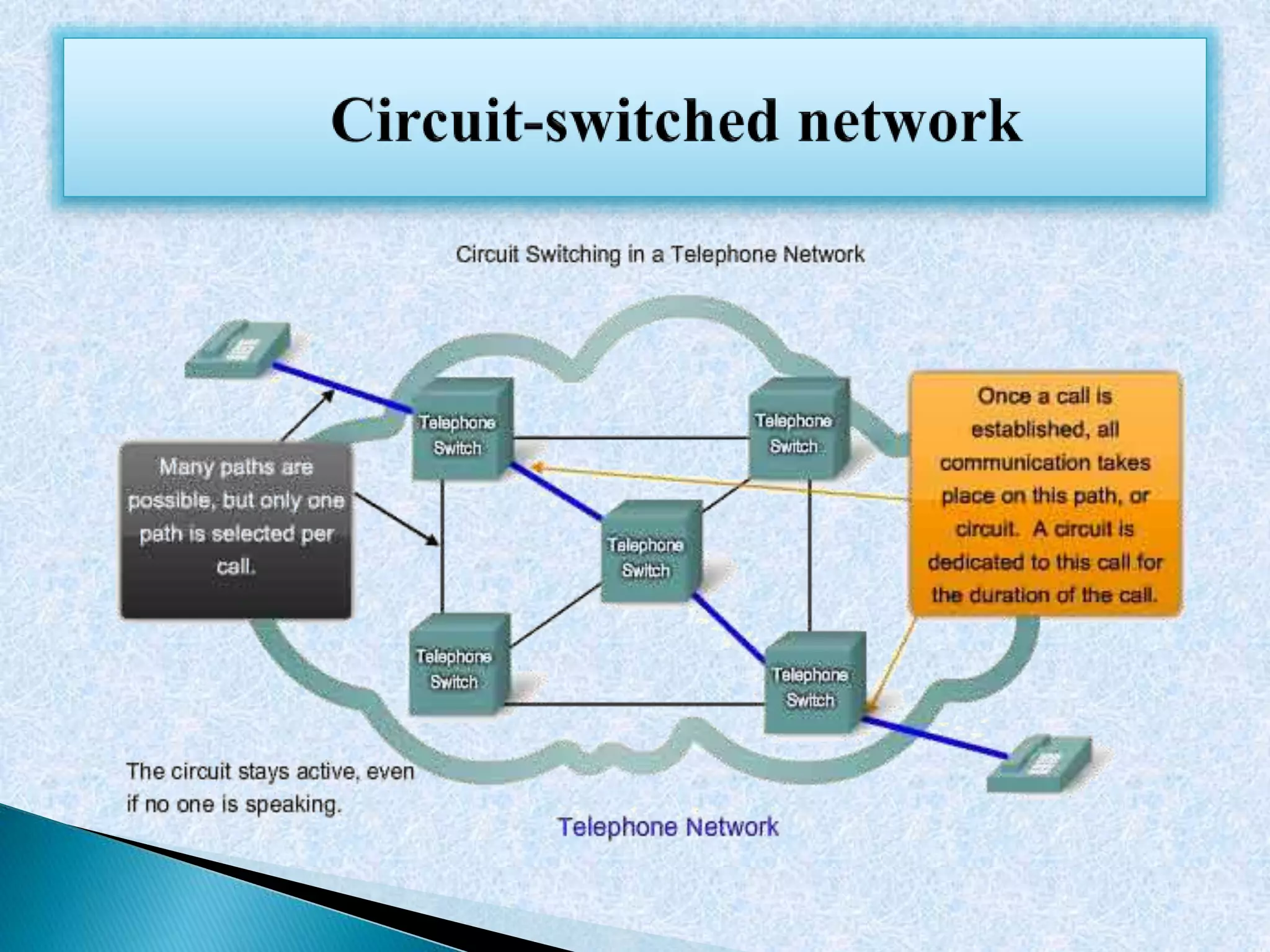
Circuit-switched network
Radio Communication
HTTP Protocol
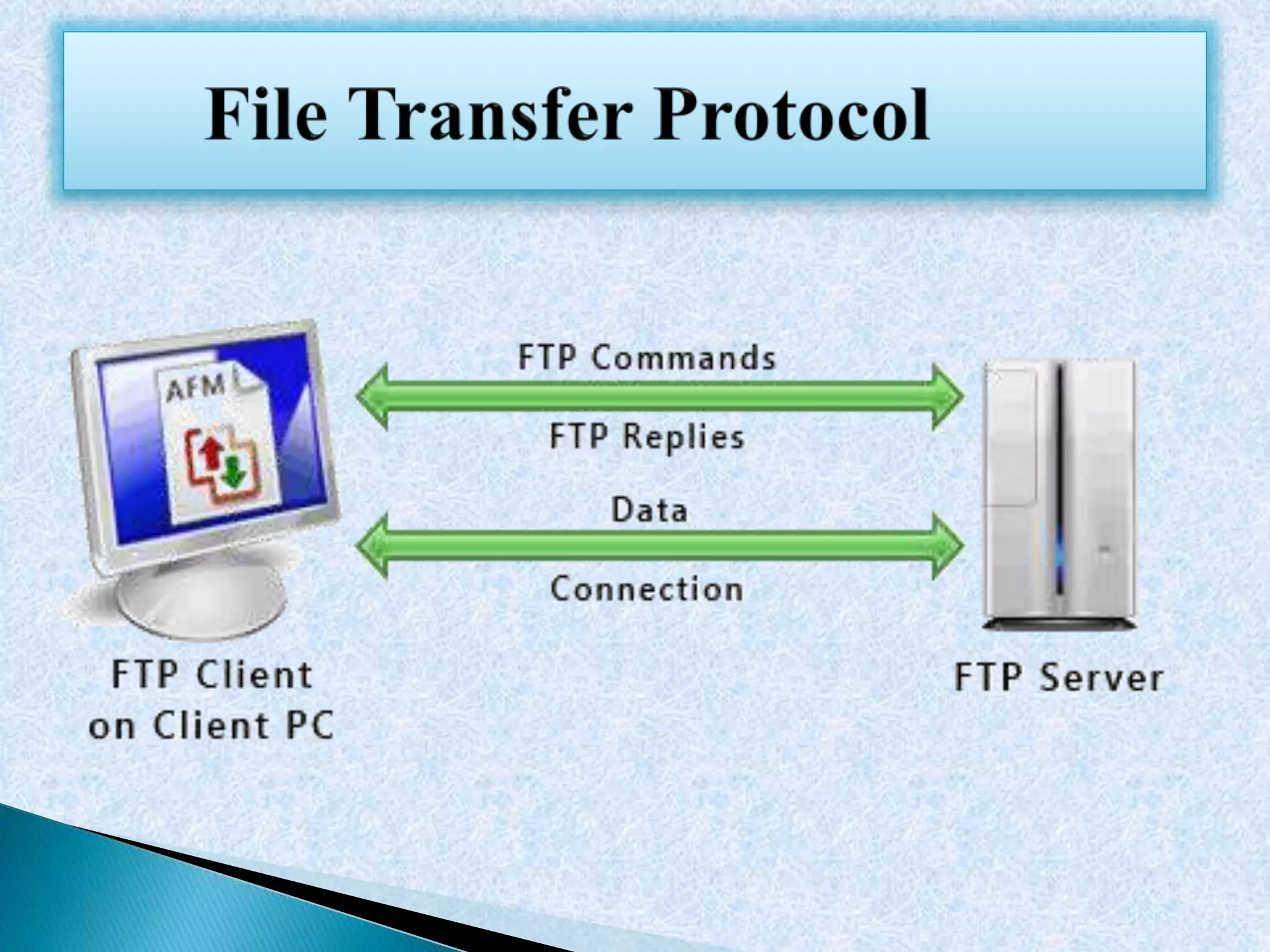
 File Transfer Protocol
NAT
DSL
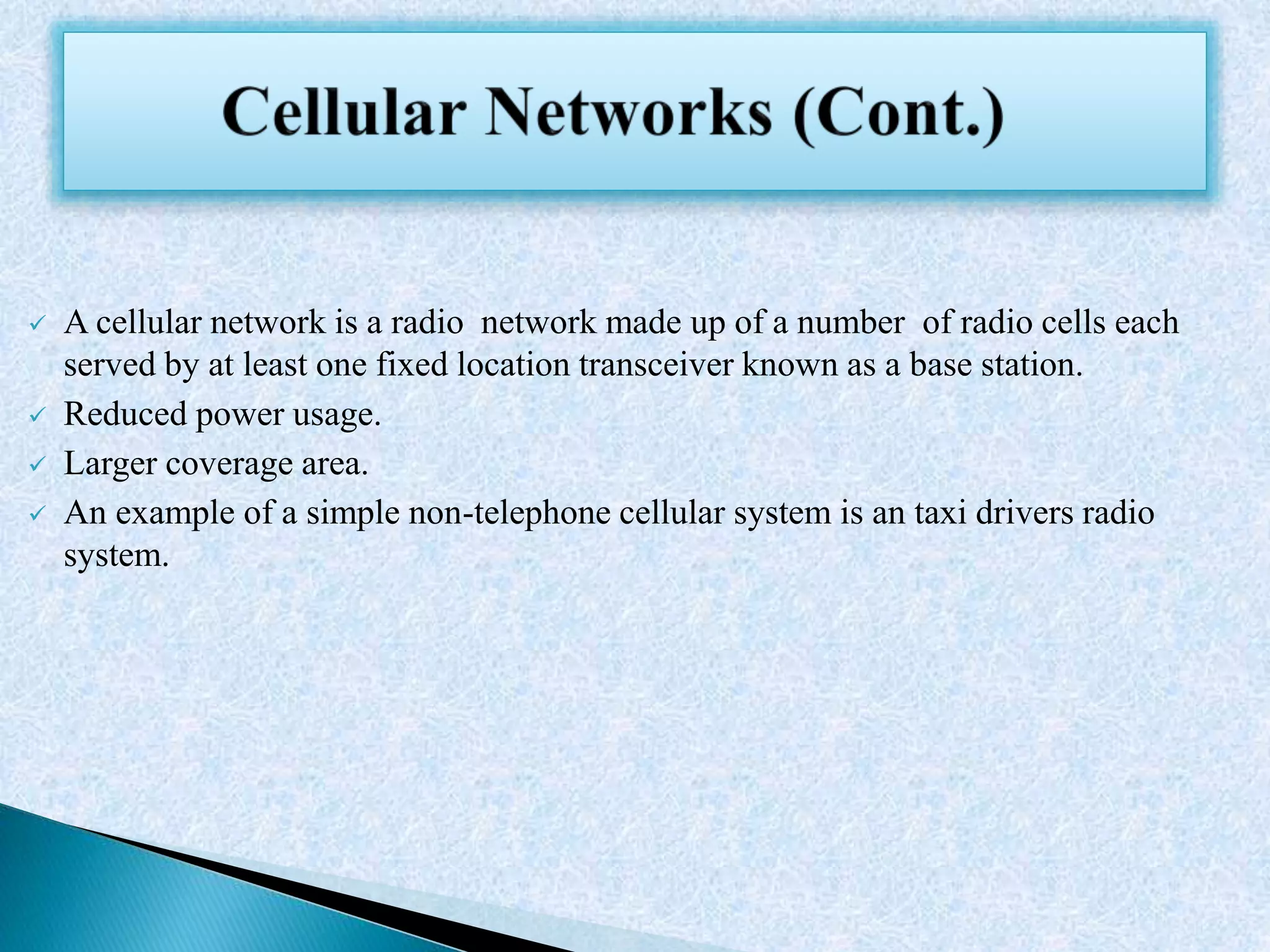
 A cellular network is a radio network made up of a number of radio cells each
served by at least one fixed location transceiver known as a base station.
 Reduced power usage.
 Larger coverage area.
 An example of a simple non-telephone cellular system is an taxi drivers radio
system.
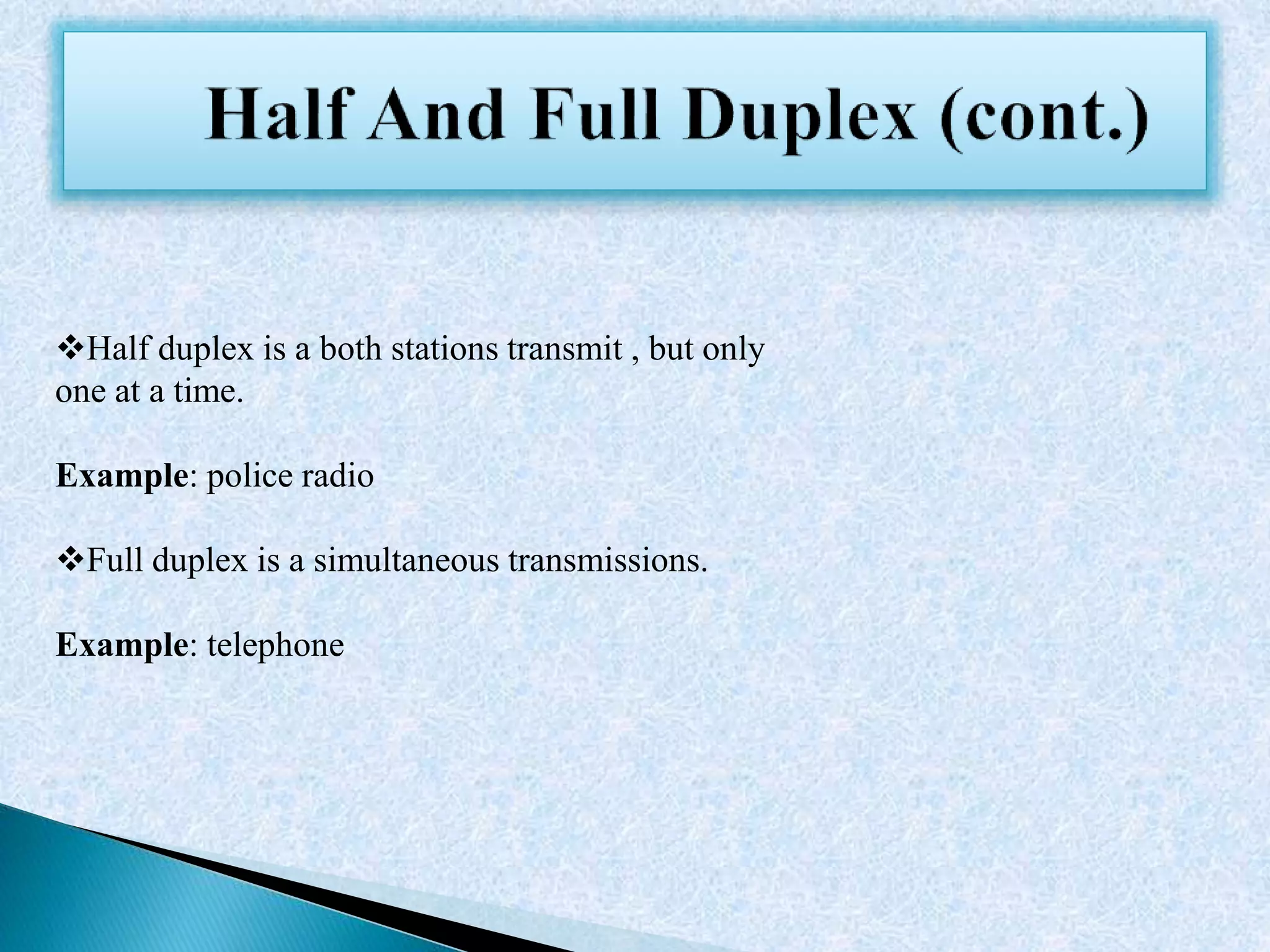
Half duplex is a both stations transmit , but only
one at a time.
Example: police radio
Full duplex is a simultaneous transmissions.
Example: telephone
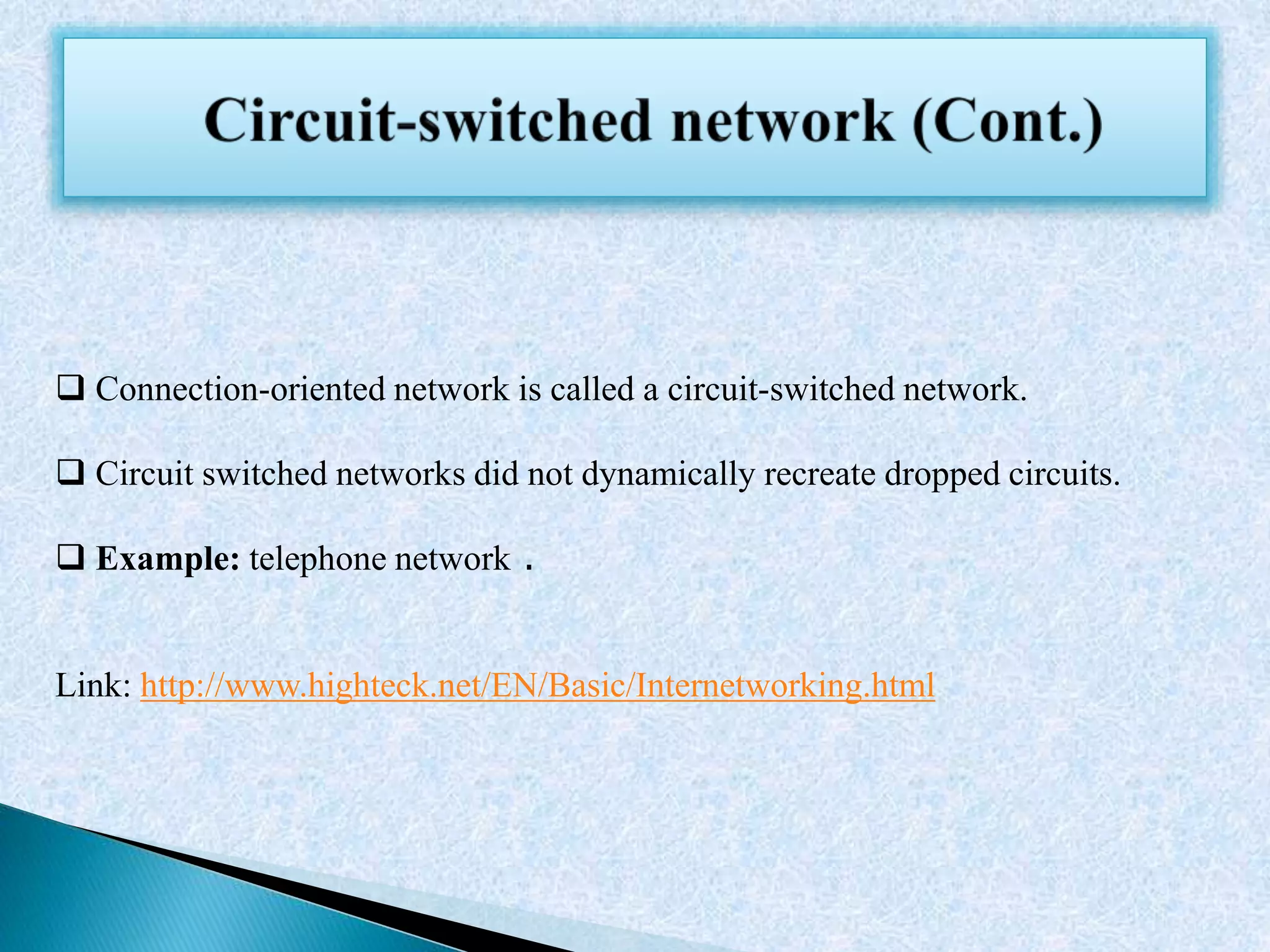
 Connection-oriented network is called a circuit-switched network.
 Circuit switched networks did not dynamically recreate dropped circuits.
 Example: telephone network .
Link: http://www.highteck.net/EN/Basic/Internetworking.html
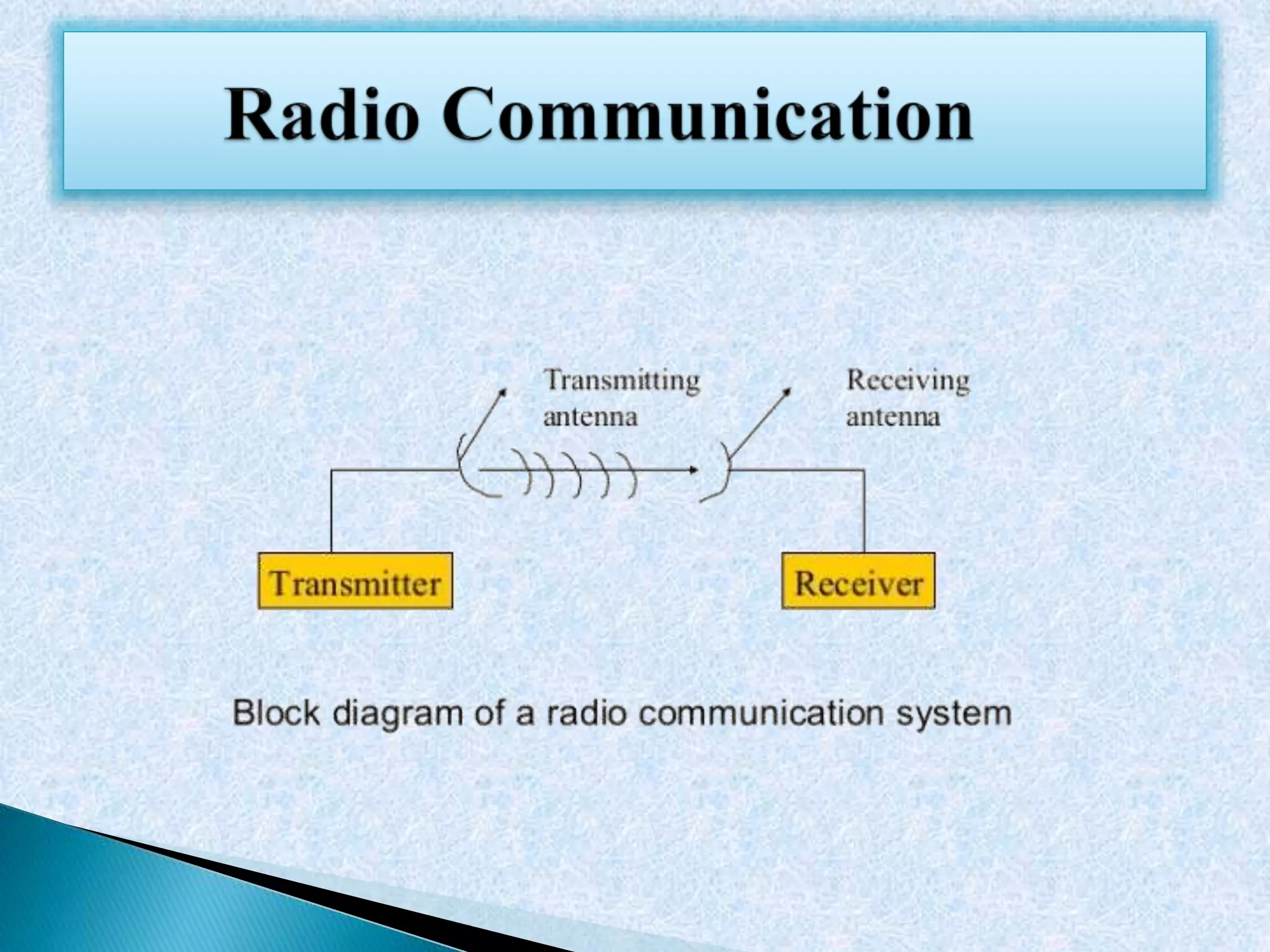
 It is wireless communication system.
 The information is being carried by the electromagnetic waves .
 electromagnetic waves are waves that travel at the speed of light
and made up of an electrical field.
 Hypertext Transfer Protocol.
HTTP client sends a request message to an HTTP server.
 HTTP is a stateless protocol.
Link:
https://www.ntu.edu.sg/home/ehchua/programming/webprogramm
ing/HTTP_Basics.html
 it is very uncommon to share folders over the Internet.
File transfers over the Internet use special techniques, of which
one of the oldest and most widely-used is FTP.
 File Transfer Protocol can transfer files between any
computers that have an Internet connection.
It works between computers using totally different operating
systems.
Link: http://www.deskshare.com/resources/articles/ftp-how-to.aspx
 NAT means Network Address Translation.
 The simplest type of NAT provides a one-to-one translation of
IP addresses.
Basic NATs can be used to interconnect two IP networks that
have incompatible addressing.
Network address translation is not commonly used in IPv6
Link:
https://en.wikipedia.org/wiki/Network_address_translation#NAT_i
n_IPv6
https://en.wikibooks.org/wiki/Communication_Networks/NAT_an
 DNS means Domain Name System.
The root DNS server maintains information about where a top-
level (.com) DNS server is located and returns this information to
the ISP’s DNS Server.
he ISP’s DNS server redirects the query to a top-level (.com)
DNS server.
Lastly, the ISP’s DNS server sends the IP address to the client
computer so the client can access www.yourcompany.com.
Link: http://www.uxworld.com/?p=384
 SMTP means Simple Mail Transfer Protocol.
SMTP sender sends MAIL command indicating the sender of the
mail.
 The SMTP-Sender then sends a command identifying a
recipient of the mail.
Sending machine is operating as a client and the receiving as a
server.
Link:
http://www.ee.surrey.ac.uk/Projects/CAL/networks/Network-
Transport_Application_Layers.htm#smtp
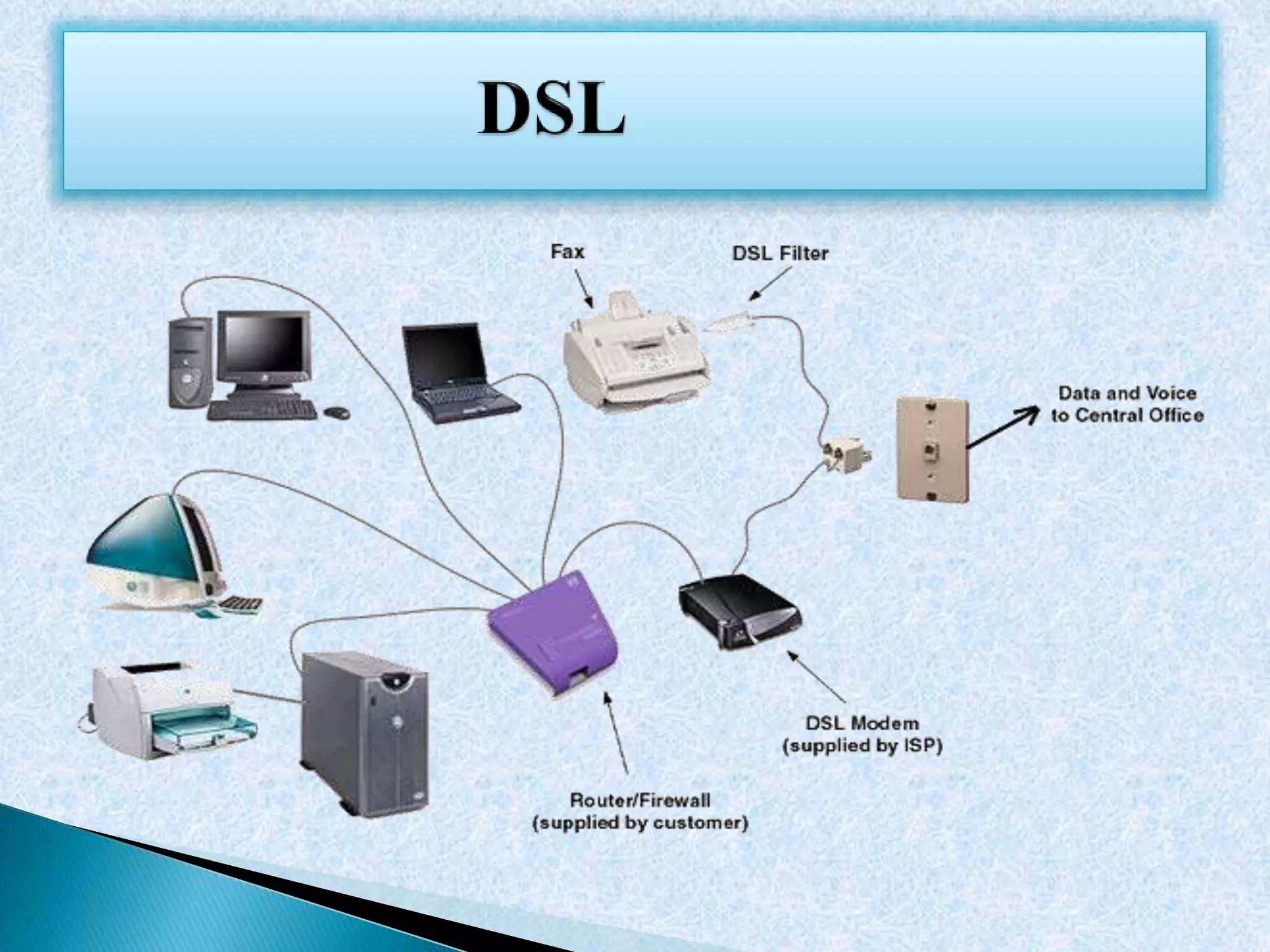
 DSL means Digital Subscriber Lines.
 range from 128 kbps to 1.54 Mbps.
 DSL achieves higher data transfer rates by utilizing more of the
available bandwidth spectrum.
 frequency range 0 ~ 3400 Hz.
 larger bandwidth is available, allowing for greater transfer rates.
Link: http://www.infocellar.com/cable-dsl/DSL.htm
Network communication

Network communication

  • 1.
    Daffodil International University,EEE Name Md. Mujahiduzzaman
  • 2.
    Cellular Network Half AndFull Duplex Circuit-switched network Radio Communication HTTP Protocol  File Transfer Protocol NAT DSL
  • 3.
     A cellularnetwork is a radio network made up of a number of radio cells each served by at least one fixed location transceiver known as a base station.  Reduced power usage.  Larger coverage area.  An example of a simple non-telephone cellular system is an taxi drivers radio system.
  • 5.
    Half duplex isa both stations transmit , but only one at a time. Example: police radio Full duplex is a simultaneous transmissions. Example: telephone
  • 7.
     Connection-oriented networkis called a circuit-switched network.  Circuit switched networks did not dynamically recreate dropped circuits.  Example: telephone network . Link: http://www.highteck.net/EN/Basic/Internetworking.html
  • 9.
     It iswireless communication system.  The information is being carried by the electromagnetic waves .  electromagnetic waves are waves that travel at the speed of light and made up of an electrical field.
  • 11.
     Hypertext TransferProtocol. HTTP client sends a request message to an HTTP server.  HTTP is a stateless protocol. Link: https://www.ntu.edu.sg/home/ehchua/programming/webprogramm ing/HTTP_Basics.html
  • 13.
     it isvery uncommon to share folders over the Internet. File transfers over the Internet use special techniques, of which one of the oldest and most widely-used is FTP.  File Transfer Protocol can transfer files between any computers that have an Internet connection. It works between computers using totally different operating systems. Link: http://www.deskshare.com/resources/articles/ftp-how-to.aspx
  • 15.
     NAT meansNetwork Address Translation.  The simplest type of NAT provides a one-to-one translation of IP addresses. Basic NATs can be used to interconnect two IP networks that have incompatible addressing. Network address translation is not commonly used in IPv6 Link: https://en.wikipedia.org/wiki/Network_address_translation#NAT_i n_IPv6 https://en.wikibooks.org/wiki/Communication_Networks/NAT_an
  • 17.
     DNS meansDomain Name System. The root DNS server maintains information about where a top- level (.com) DNS server is located and returns this information to the ISP’s DNS Server. he ISP’s DNS server redirects the query to a top-level (.com) DNS server. Lastly, the ISP’s DNS server sends the IP address to the client computer so the client can access www.yourcompany.com. Link: http://www.uxworld.com/?p=384
  • 19.
     SMTP meansSimple Mail Transfer Protocol. SMTP sender sends MAIL command indicating the sender of the mail.  The SMTP-Sender then sends a command identifying a recipient of the mail. Sending machine is operating as a client and the receiving as a server. Link: http://www.ee.surrey.ac.uk/Projects/CAL/networks/Network- Transport_Application_Layers.htm#smtp
  • 21.
     DSL meansDigital Subscriber Lines.  range from 128 kbps to 1.54 Mbps.  DSL achieves higher data transfer rates by utilizing more of the available bandwidth spectrum.  frequency range 0 ~ 3400 Hz.  larger bandwidth is available, allowing for greater transfer rates. Link: http://www.infocellar.com/cable-dsl/DSL.htm