Introduction 
Continuedpatientsurvivalandlong-termqualityoflifearethreatenedbytwoclinicalsyndromes-thatmayresultindeathorprofounddisability 
9/17/2014 
2 
www.drjayeshpatidar.blogspot.com
Definition 
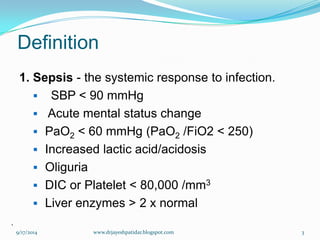
1. Sepsis-the systemic response to infection. 
SBP < 90 mmHg 
Acute mental status change 
PaO2< 60 mmHg (PaO2/FiO2 < 250) 
Increased lactic acid/acidosis 
Oliguria 
DIC or Platelet < 80,000 /mm3 
Liver enzymes > 2 x normal 
. 
9/17/2014 
3 
www.drjayeshpatidar.blogspot.com
Definition 
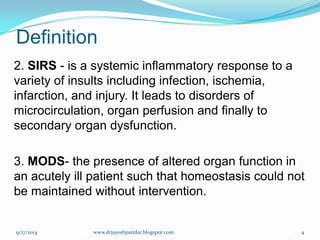
2. SIRS-is a systemic inflammatory response to a variety of insults including infection, ischemia, infarction, and injury. It leads to disorders of microcirculation, organ perfusion and finally to secondary organ dysfunction. 
3.MODS-the presence of altered organ function in an acutely ill patient such that homeostasis could not be maintained without intervention. 
9/17/2014 
4 
www.drjayeshpatidar.blogspot.com
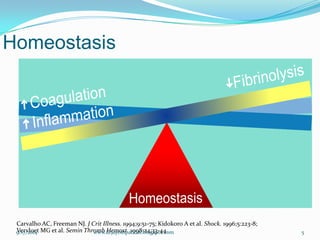
Homeostasis 
Carvalho AC, Freeman NJ. J Crit Illness.1994;9:51-75; Kidokoro A et al. Shock.1996;5:223-8; Vervloet MG et al. Semin Thromb Hemost.1998;24:33-44. 
9/17/2014 
5 
www.drjayeshpatidar.blogspot.com
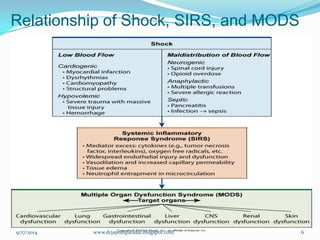
Relationship of Shock, SIRS, and MODS 
Fig. 67-1 
9/17/2014 
6 
www.drjayeshpatidar.blogspot.com
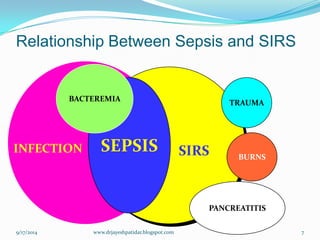
Relationship Between Sepsis and SIRS 
TRAUMA 
BURNS 
PANCREATITIS 
SEPSIS 
SIRS 
INFECTION 
SEPSIS 
BACTEREMIA 
9/17/2014 
7 
www.drjayeshpatidar.blogspot.com
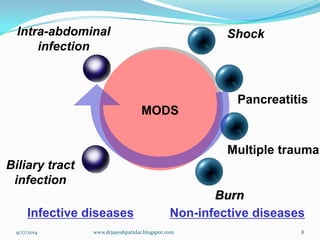
MODS 
Biliary tract infection 
Shock 
Pancreatitis 
Burn 
Intra-abdominal infection 
Infective diseases 
Non-infective diseases 
Multiple trauma 
9/17/2014 
8 
www.drjayeshpatidar.blogspot.com
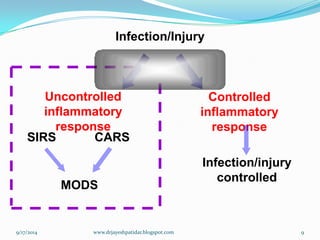
SIRS 
CARS 
MODS 
Uncontrolled inflammatory response 
Infection/Injury 
Controlled inflammatory response 
Infection/injury controlled 
9/17/2014 
9 
www.drjayeshpatidar.blogspot.com
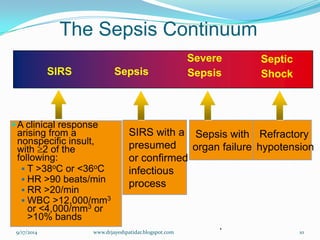
The Sepsis Continuum 
A clinical response arising from a nonspecific insult, with 2 of the following: 
T >38oC or <36oC 
HR >90 beats/min 
RR >20/min 
WBC >12,000/mm3or <4,000/mm3or >10% bands 
SIRS with a 
presumed 
or confirmed 
infectious 
process 
. 
Sepsis 
SIRS 
Severe 
Sepsis 
Septic 
Shock 
Sepsis with 
organ failure 
Refractory 
hypotension 
9/17/2014 
10 
www.drjayeshpatidar.blogspot.com
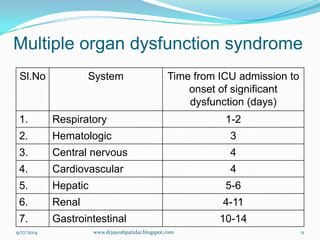
Multiple organ dysfunction syndrome 
Sl.No 
System 
Time from ICUadmission to onset of significant dysfunction (days) 
1. 
Respiratory 
1-2 
2. 
Hematologic 
3 
3. 
Central nervous 
4 
4. 
Cardiovascular 
4 
5. 
Hepatic 
5-6 
6. 
Renal 
4-11 
7. 
Gastrointestinal 
10-14 
9/17/2014 
11 
www.drjayeshpatidar.blogspot.com
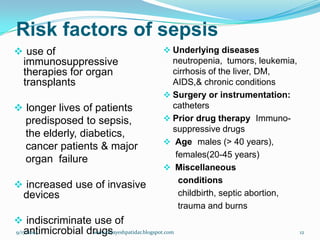
Risk factors of sepsis 
use of immunosuppressive therapies for organ transplants 
longer lives of patients 
predisposed to sepsis, 
theelderly, diabetics, 
cancer patients&major 
organfailure 
increased use of invasive devices 
indiscriminate use of antimicrobial drugs 
Underlying diseasesneutropenia, tumors, leukemia, cirrhosis of the liver, DM, AIDS,&chronic conditions 
Surgery or instrumentation: catheters 
Prior drug therapyImmuno- suppressive drugs 
Agemales (> 40 years), 
females(20-45 years) 
Miscellaneous 
conditions 
childbirth, septic abortion, 
trauma and burns 
9/17/2014 
12 
www.drjayeshpatidar.blogspot.com
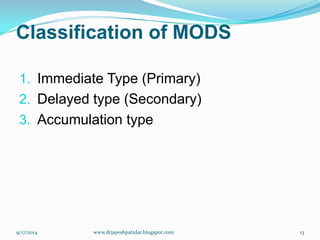
Classification of MODS 
1.Immediate Type (Primary) 
2.Delayed type (Secondary) 
3.Accumulation type 
9/17/2014 
13 
www.drjayeshpatidar.blogspot.com
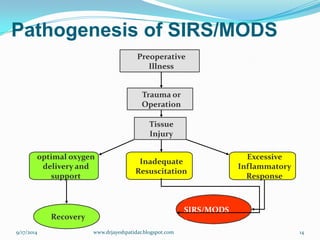
Inadequate Resuscitation 
Preoperative Illness 
Trauma or Operation 
Tissue Injury 
optimal oxygen delivery and support 
Recovery 
Excessive Inflammatory Response 
SIRS/MODS 
Pathogenesis of SIRS/MODS 
9/17/2014 
14 
www.drjayeshpatidar.blogspot.com
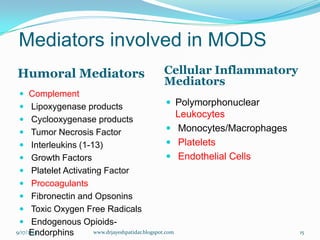
Mediators involved in MODS 
HumoralMediators 
Cellular Inflammatory Mediators 
Complement 
Lipoxygenaseproducts 
Cyclooxygenaseproducts 
Tumor Necrosis Factor 
Interleukins (1-13) 
Growth Factors 
Platelet Activating Factor 
Procoagulants 
Fibronectinand Opsonins 
Toxic Oxygen Free Radicals 
Endogenous Opioids- Endorphins 
PolymorphonuclearLeukocytes 
Monocytes/Macrophages 
Platelets 
Endothelial Cells 
9/17/2014 
15 
www.drjayeshpatidar.blogspot.com
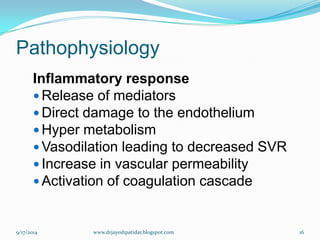
Pathophysiology 
Inflammatory response 
Release of mediators 
Direct damage to the endothelium 
Hyper metabolism 
Vasodilationleading to decreased SVR 
Increase in vascular permeability 
Activation of coagulation cascade 
9/17/2014 
16 
www.drjayeshpatidar.blogspot.com
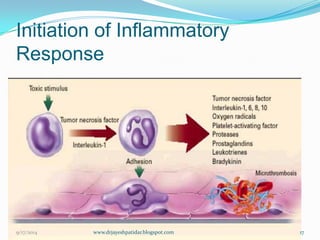
Initiation of Inflammatory Response 
9/17/2014 
17 
www.drjayeshpatidar.blogspot.com
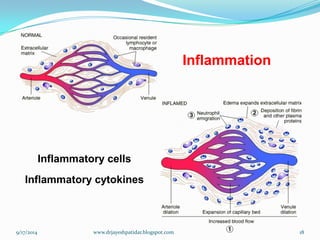
Inflammation 
Inflammatory cells Inflammatory cytokines 
9/17/2014 
18 
www.drjayeshpatidar.blogspot.com
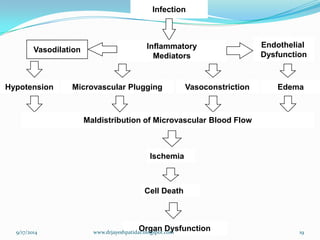
Infection 
Inflammatory 
Mediators 
Endothelial 
Dysfunction 
Vasodilation 
Hypotension 
Vasoconstriction 
Edema 
Maldistributionof MicrovascularBlood Flow 
Organ Dysfunction 
Microvascular Plugging 
Ischemia 
Cell Death 
9/17/2014 
19 
www.drjayeshpatidar.blogspot.com
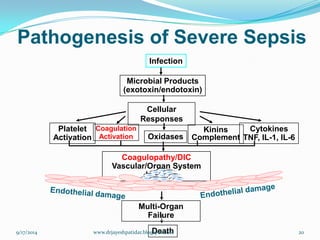
Pathogenesis of Severe Sepsis 
Infection 
Microbial Products 
(exotoxin/endotoxin) 
Cellular Responses 
Oxidases 
Platelet 
Activation 
Kinins 
Complement 
Coagulopathy/DIC 
Vascular/Organ System Injury 
Multi-Organ Failure 
Death 
CoagulationActivation 
Cytokines 
TNF, IL-1, IL-6 
9/17/2014 
20 
www.drjayeshpatidar.blogspot.com
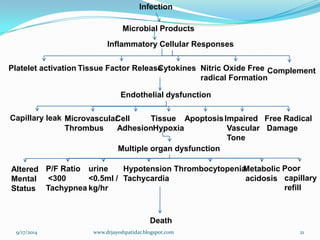
Infection 
Microbial Products 
Inflammatory Cellular Responses 
Platelet activation 
Tissue Factor Release 
Cytokines 
Nitric Oxide Free 
radical Formation 
Complement 
Endothelial dysfunction 
Capillary leak 
Microvascular 
Thrombus 
Cell 
Adhesion 
Tissue 
Hypoxia 
Apoptosis 
Impaired 
Vascular 
Tone 
Free Radical 
Damage 
Multiple organ dysfunction 
Altered 
Mental 
Status 
P/F Ratio 
<300 
Tachypnea 
urine 
<0.5ml / 
kg/hr 
Hypotension 
Tachycardia 
Thrombocytopenia 
Metabolic 
acidosis 
Poor 
capillary 
refill 
Death 
9/17/2014 
21 
www.drjayeshpatidar.blogspot.com
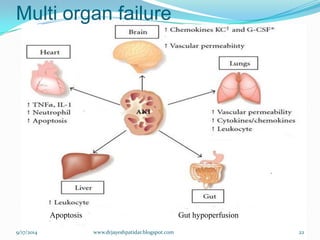
Multi organ failure 
Gut hypoperfusion 
Apoptosis 
9/17/2014 
22 
www.drjayeshpatidar.blogspot.com
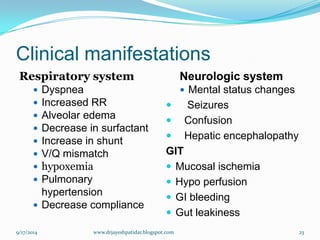
Clinical manifestations 
Respiratory system 
Dyspnea 
Increased RR 
Alveolar edema 
Decrease in surfactant 
Increase in shunt 
V/Q mismatch 
hypoxemia 
Pulmonary hypertension 
Decrease compliance 
Neurologic system 
Mental status changes 
Seizures 
Confusion 
Hepatic encephalopathy 
GIT 
Mucosal ischemia 
Hypo perfusion 
GI bleeding 
Gut leakiness 
9/17/2014 
23 
www.drjayeshpatidar.blogspot.com
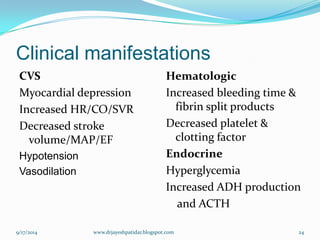
Clinical manifestations 
CVS 
Myocardial depression 
Increased HR/CO/SVR 
Decreased stroke volume/MAP/EF 
Hypotension 
Vasodilation 
Hematologic 
Increased bleeding time & fibrin split products 
Decreased platelet & clotting factor 
Endocrine 
Hyperglycemia 
Increased ADH production 
and ACTH 
9/17/2014 
24 
www.drjayeshpatidar.blogspot.com
Clinical manifestations 
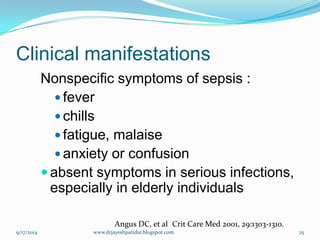
Nonspecific symptoms of sepsis : 
fever 
chills 
fatigue, malaise 
anxiety or confusion 
absent symptoms in serious infections, especially in elderly individuals 
Angus DC, et alCrit Care Med 2001, 29:1303-1310. 
9/17/2014 
25 
www.drjayeshpatidar.blogspot.com
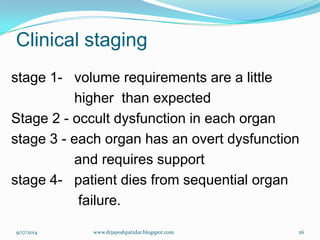
Clinical staging 
stage 1-volume requirements are a little 
higher than expected 
Stage 2 -occult dysfunction in each organ 
stage 3 -each organ has an overt dysfunction 
and requires support 
stage 4-patient dies from sequential organ 
failure. 
9/17/2014 
26 
www.drjayeshpatidar.blogspot.com
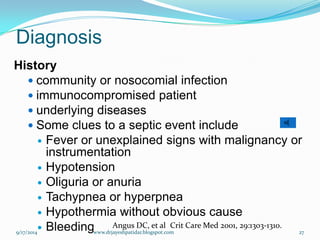
Diagnosis 
History 
community or nosocomial infection 
immunocompromised patient 
underlying diseases 
Some clues to a septic event include 
Fever or unexplained signs with malignancy or instrumentation 
Hypotension 
Oliguria or anuria 
Tachypnea or hyperpnea 
Hypothermia without obvious cause 
Bleeding 
Angus DC, et alCrit Care Med 2001, 29:1303-1310. 
9/17/2014 
27 
www.drjayeshpatidar.blogspot.com
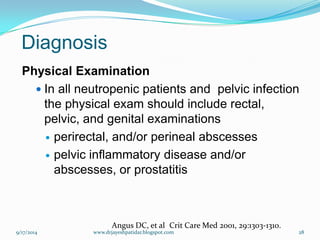
Diagnosis 
Physical Examination 
In all neutropenic patients and pelvic infection the physical exam should include rectal, pelvic, and genital examinations 
perirectal, and/or perineal abscesses 
pelvic inflammatory disease and/or abscesses, or prostatitis 
Angus DC, et alCrit Care Med 2001, 29:1303-1310. 
9/17/2014 
28 
www.drjayeshpatidar.blogspot.com
Diagnosis 
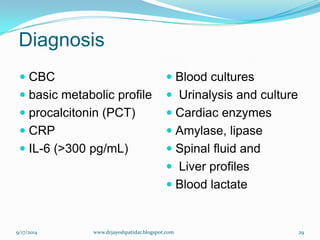
CBC 
basic metabolic profile 
procalcitonin (PCT) 
CRP 
IL-6 (>300 pg/mL) 
Blood cultures 
Urinalysis and culture 
Cardiac enzymes 
Amylase, lipase 
Spinal fluid and 
Liver profiles 
Blood lactate 
9/17/2014 
29 
www.drjayeshpatidar.blogspot.com
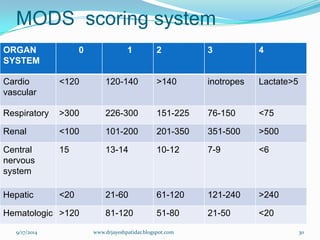
MODS scoring system 
ORGAN SYSTEM 
0 
1 
2 
3 
4 
Cardio 
vascular 
<120 
120-140 
>140 
inotropes 
Lactate>5 
Respiratory 
>300 
226-300 
151-225 
76-150 
<75 
Renal 
<100 
101-200 
201-350 
351-500 
>500 
Central nervous system 
15 
13-14 
10-12 
7-9 
<6 
Hepatic 
<20 
21-60 
61-120 
121-240 
>240 
Hematologic 
>120 
81-120 
51-80 
21-50 
<20 
9/17/2014 
30 
www.drjayeshpatidar.blogspot.com
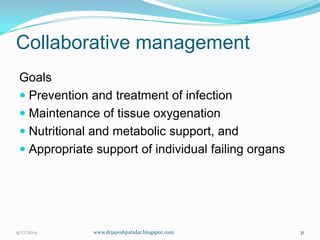
Collaborative management 
Goals 
Prevention and treatment of infection 
Maintenance of tissue oxygenation 
Nutritional and metabolic support, and 
Appropriate support of individual failing organs 
9/17/2014 
31 
www.drjayeshpatidar.blogspot.com
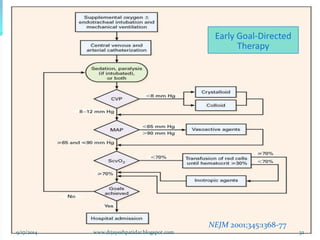
Early Goal-Directed Therapy 
NEJM2001;345:1368-77. 
9/17/2014 
32 
www.drjayeshpatidar.blogspot.com
Complications 
1.Adult respiratory distress syndrome (ARDS 
2.Disseminated Intravascular Coagulation DIC 
3.Acute Renal failure (ARF 
4.Intestinal bleeding 
5.Liver failure 
6.Central Nervous System dysfunction 
7.Heart failure 
8.Death 
Angus DC, et alCrit Care Med 2001, 29:1303-1310. 
9/17/2014 
33 
www.drjayeshpatidar.blogspot.com
List of Nursing Diagnoses 
1.Ineffective airway clearance related to excessive secretion, presence of an artificial airway, neuromuscular dysfunction. 
2.Impaired gas exchange related to VQ mismatch, intrapulmonary shunting, alveolar hypoventilation. 
3.Decreased cardiac output related to alterations to preload, afterload and contractility. 
4.Imbalanced nutrition less than body requirements related to less intake of exogenous nutrients and increased metabolic demand. 
9/17/2014 
34 
www.drjayeshpatidar.blogspot.com
List of Nursing Diagnoses 
5. Ineffective tissue perfusion (cardiopulmonary, renal) related 
to decreased myocardial oxygen supply than demand. 
6. Acute confusion related to sensory overload, sensory 
deprivation and sleep pattern disturbance. 
9/17/2014 
35 
www.drjayeshpatidar.blogspot.com
Nursing intervention 
Prevention and treatment of infection 
1.Aggressive infection control strategies 
2.Appropriate cultures 
3.Initiate broad spectrum antibiotic therapy 
4.Early aggressive surgery to remove necrotic tissue 
5.Aggressive pulmonary management 
6.Strict asepsis 
9/17/2014 
36 
www.drjayeshpatidar.blogspot.com
Nursing intervention 
Maintenance of tissue oxygenation 
1.Sedation 
2.Mechanical ventilation 
3.Analgesia 
4.Paralysis and 
5.Rest 
6.Maintaining normal levels of hemoglobin 
7.Use PEEP 
8.Increase preload and reduce afterload 
9/17/2014 
37 
www.drjayeshpatidar.blogspot.com
Nursing intervention 
Nutritional and metabolic needs 
1.Monitor prealbuminand plasma transferrinlevel 
2.Provide adequate nutrition 
3.Enteralfeeding 
9/17/2014 
38 
www.drjayeshpatidar.blogspot.com
“No great discovery was ever made without a bold guess.” 
Isaac Newton 
(1642-1727) 
9/17/2014 
39 
www.drjayeshpatidar.blogspot.com
THANK YOU! 
9/17/2014 
40 
www.drjayeshpatidar.blogspot.com

Multi organ dysfunction syndrome

  • 2.
  • 3.
    Definition 1. Sepsis-thesystemic response to infection. SBP < 90 mmHg Acute mental status change PaO2< 60 mmHg (PaO2/FiO2 < 250) Increased lactic acid/acidosis Oliguria DIC or Platelet < 80,000 /mm3 Liver enzymes > 2 x normal . 9/17/2014 3 www.drjayeshpatidar.blogspot.com
  • 4.
    Definition 2. SIRS-isa systemic inflammatory response to a variety of insults including infection, ischemia, infarction, and injury. It leads to disorders of microcirculation, organ perfusion and finally to secondary organ dysfunction. 3.MODS-the presence of altered organ function in an acutely ill patient such that homeostasis could not be maintained without intervention. 9/17/2014 4 www.drjayeshpatidar.blogspot.com
  • 5.
    Homeostasis Carvalho AC,Freeman NJ. J Crit Illness.1994;9:51-75; Kidokoro A et al. Shock.1996;5:223-8; Vervloet MG et al. Semin Thromb Hemost.1998;24:33-44. 9/17/2014 5 www.drjayeshpatidar.blogspot.com
  • 6.
    Relationship of Shock,SIRS, and MODS Fig. 67-1 9/17/2014 6 www.drjayeshpatidar.blogspot.com
  • 7.
    Relationship Between Sepsisand SIRS TRAUMA BURNS PANCREATITIS SEPSIS SIRS INFECTION SEPSIS BACTEREMIA 9/17/2014 7 www.drjayeshpatidar.blogspot.com
  • 8.
    MODS Biliary tractinfection Shock Pancreatitis Burn Intra-abdominal infection Infective diseases Non-infective diseases Multiple trauma 9/17/2014 8 www.drjayeshpatidar.blogspot.com
  • 9.
    SIRS CARS MODS Uncontrolled inflammatory response Infection/Injury Controlled inflammatory response Infection/injury controlled 9/17/2014 9 www.drjayeshpatidar.blogspot.com
  • 10.
    The Sepsis Continuum A clinical response arising from a nonspecific insult, with 2 of the following: T >38oC or <36oC HR >90 beats/min RR >20/min WBC >12,000/mm3or <4,000/mm3or >10% bands SIRS with a presumed or confirmed infectious process . Sepsis SIRS Severe Sepsis Septic Shock Sepsis with organ failure Refractory hypotension 9/17/2014 10 www.drjayeshpatidar.blogspot.com
  • 11.
    Multiple organ dysfunctionsyndrome Sl.No System Time from ICUadmission to onset of significant dysfunction (days) 1. Respiratory 1-2 2. Hematologic 3 3. Central nervous 4 4. Cardiovascular 4 5. Hepatic 5-6 6. Renal 4-11 7. Gastrointestinal 10-14 9/17/2014 11 www.drjayeshpatidar.blogspot.com
  • 12.
    Risk factors ofsepsis use of immunosuppressive therapies for organ transplants longer lives of patients predisposed to sepsis, theelderly, diabetics, cancer patients&major organfailure increased use of invasive devices indiscriminate use of antimicrobial drugs Underlying diseasesneutropenia, tumors, leukemia, cirrhosis of the liver, DM, AIDS,&chronic conditions Surgery or instrumentation: catheters Prior drug therapyImmuno- suppressive drugs Agemales (> 40 years), females(20-45 years) Miscellaneous conditions childbirth, septic abortion, trauma and burns 9/17/2014 12 www.drjayeshpatidar.blogspot.com
  • 13.
    Classification of MODS 1.Immediate Type (Primary) 2.Delayed type (Secondary) 3.Accumulation type 9/17/2014 13 www.drjayeshpatidar.blogspot.com
  • 14.
    Inadequate Resuscitation PreoperativeIllness Trauma or Operation Tissue Injury optimal oxygen delivery and support Recovery Excessive Inflammatory Response SIRS/MODS Pathogenesis of SIRS/MODS 9/17/2014 14 www.drjayeshpatidar.blogspot.com
  • 15.
    Mediators involved inMODS HumoralMediators Cellular Inflammatory Mediators Complement Lipoxygenaseproducts Cyclooxygenaseproducts Tumor Necrosis Factor Interleukins (1-13) Growth Factors Platelet Activating Factor Procoagulants Fibronectinand Opsonins Toxic Oxygen Free Radicals Endogenous Opioids- Endorphins PolymorphonuclearLeukocytes Monocytes/Macrophages Platelets Endothelial Cells 9/17/2014 15 www.drjayeshpatidar.blogspot.com
  • 16.
    Pathophysiology Inflammatory response Release of mediators Direct damage to the endothelium Hyper metabolism Vasodilationleading to decreased SVR Increase in vascular permeability Activation of coagulation cascade 9/17/2014 16 www.drjayeshpatidar.blogspot.com
  • 17.
    Initiation of InflammatoryResponse 9/17/2014 17 www.drjayeshpatidar.blogspot.com
  • 18.
    Inflammation Inflammatory cellsInflammatory cytokines 9/17/2014 18 www.drjayeshpatidar.blogspot.com
  • 19.
    Infection Inflammatory Mediators Endothelial Dysfunction Vasodilation Hypotension Vasoconstriction Edema Maldistributionof MicrovascularBlood Flow Organ Dysfunction Microvascular Plugging Ischemia Cell Death 9/17/2014 19 www.drjayeshpatidar.blogspot.com
  • 20.
    Pathogenesis of SevereSepsis Infection Microbial Products (exotoxin/endotoxin) Cellular Responses Oxidases Platelet Activation Kinins Complement Coagulopathy/DIC Vascular/Organ System Injury Multi-Organ Failure Death CoagulationActivation Cytokines TNF, IL-1, IL-6 9/17/2014 20 www.drjayeshpatidar.blogspot.com
  • 21.
    Infection Microbial Products Inflammatory Cellular Responses Platelet activation Tissue Factor Release Cytokines Nitric Oxide Free radical Formation Complement Endothelial dysfunction Capillary leak Microvascular Thrombus Cell Adhesion Tissue Hypoxia Apoptosis Impaired Vascular Tone Free Radical Damage Multiple organ dysfunction Altered Mental Status P/F Ratio <300 Tachypnea urine <0.5ml / kg/hr Hypotension Tachycardia Thrombocytopenia Metabolic acidosis Poor capillary refill Death 9/17/2014 21 www.drjayeshpatidar.blogspot.com
  • 22.
    Multi organ failure Gut hypoperfusion Apoptosis 9/17/2014 22 www.drjayeshpatidar.blogspot.com
  • 23.
    Clinical manifestations Respiratorysystem Dyspnea Increased RR Alveolar edema Decrease in surfactant Increase in shunt V/Q mismatch hypoxemia Pulmonary hypertension Decrease compliance Neurologic system Mental status changes Seizures Confusion Hepatic encephalopathy GIT Mucosal ischemia Hypo perfusion GI bleeding Gut leakiness 9/17/2014 23 www.drjayeshpatidar.blogspot.com
  • 24.
    Clinical manifestations CVS Myocardial depression Increased HR/CO/SVR Decreased stroke volume/MAP/EF Hypotension Vasodilation Hematologic Increased bleeding time & fibrin split products Decreased platelet & clotting factor Endocrine Hyperglycemia Increased ADH production and ACTH 9/17/2014 24 www.drjayeshpatidar.blogspot.com
  • 25.
    Clinical manifestations Nonspecificsymptoms of sepsis : fever chills fatigue, malaise anxiety or confusion absent symptoms in serious infections, especially in elderly individuals Angus DC, et alCrit Care Med 2001, 29:1303-1310. 9/17/2014 25 www.drjayeshpatidar.blogspot.com
  • 26.
    Clinical staging stage1-volume requirements are a little higher than expected Stage 2 -occult dysfunction in each organ stage 3 -each organ has an overt dysfunction and requires support stage 4-patient dies from sequential organ failure. 9/17/2014 26 www.drjayeshpatidar.blogspot.com
  • 27.
    Diagnosis History communityor nosocomial infection immunocompromised patient underlying diseases Some clues to a septic event include Fever or unexplained signs with malignancy or instrumentation Hypotension Oliguria or anuria Tachypnea or hyperpnea Hypothermia without obvious cause Bleeding Angus DC, et alCrit Care Med 2001, 29:1303-1310. 9/17/2014 27 www.drjayeshpatidar.blogspot.com
  • 28.
    Diagnosis Physical Examination In all neutropenic patients and pelvic infection the physical exam should include rectal, pelvic, and genital examinations perirectal, and/or perineal abscesses pelvic inflammatory disease and/or abscesses, or prostatitis Angus DC, et alCrit Care Med 2001, 29:1303-1310. 9/17/2014 28 www.drjayeshpatidar.blogspot.com
  • 29.
    Diagnosis CBC basicmetabolic profile procalcitonin (PCT) CRP IL-6 (>300 pg/mL) Blood cultures Urinalysis and culture Cardiac enzymes Amylase, lipase Spinal fluid and Liver profiles Blood lactate 9/17/2014 29 www.drjayeshpatidar.blogspot.com
  • 30.
    MODS scoring system ORGAN SYSTEM 0 1 2 3 4 Cardio vascular <120 120-140 >140 inotropes Lactate>5 Respiratory >300 226-300 151-225 76-150 <75 Renal <100 101-200 201-350 351-500 >500 Central nervous system 15 13-14 10-12 7-9 <6 Hepatic <20 21-60 61-120 121-240 >240 Hematologic >120 81-120 51-80 21-50 <20 9/17/2014 30 www.drjayeshpatidar.blogspot.com
  • 31.
    Collaborative management Goals Prevention and treatment of infection Maintenance of tissue oxygenation Nutritional and metabolic support, and Appropriate support of individual failing organs 9/17/2014 31 www.drjayeshpatidar.blogspot.com
  • 32.
    Early Goal-Directed Therapy NEJM2001;345:1368-77. 9/17/2014 32 www.drjayeshpatidar.blogspot.com
  • 33.
    Complications 1.Adult respiratorydistress syndrome (ARDS 2.Disseminated Intravascular Coagulation DIC 3.Acute Renal failure (ARF 4.Intestinal bleeding 5.Liver failure 6.Central Nervous System dysfunction 7.Heart failure 8.Death Angus DC, et alCrit Care Med 2001, 29:1303-1310. 9/17/2014 33 www.drjayeshpatidar.blogspot.com
  • 34.
    List of NursingDiagnoses 1.Ineffective airway clearance related to excessive secretion, presence of an artificial airway, neuromuscular dysfunction. 2.Impaired gas exchange related to VQ mismatch, intrapulmonary shunting, alveolar hypoventilation. 3.Decreased cardiac output related to alterations to preload, afterload and contractility. 4.Imbalanced nutrition less than body requirements related to less intake of exogenous nutrients and increased metabolic demand. 9/17/2014 34 www.drjayeshpatidar.blogspot.com
  • 35.
    List of NursingDiagnoses 5. Ineffective tissue perfusion (cardiopulmonary, renal) related to decreased myocardial oxygen supply than demand. 6. Acute confusion related to sensory overload, sensory deprivation and sleep pattern disturbance. 9/17/2014 35 www.drjayeshpatidar.blogspot.com
  • 36.
    Nursing intervention Preventionand treatment of infection 1.Aggressive infection control strategies 2.Appropriate cultures 3.Initiate broad spectrum antibiotic therapy 4.Early aggressive surgery to remove necrotic tissue 5.Aggressive pulmonary management 6.Strict asepsis 9/17/2014 36 www.drjayeshpatidar.blogspot.com
  • 37.
    Nursing intervention Maintenanceof tissue oxygenation 1.Sedation 2.Mechanical ventilation 3.Analgesia 4.Paralysis and 5.Rest 6.Maintaining normal levels of hemoglobin 7.Use PEEP 8.Increase preload and reduce afterload 9/17/2014 37 www.drjayeshpatidar.blogspot.com
  • 38.
    Nursing intervention Nutritionaland metabolic needs 1.Monitor prealbuminand plasma transferrinlevel 2.Provide adequate nutrition 3.Enteralfeeding 9/17/2014 38 www.drjayeshpatidar.blogspot.com
  • 39.
    “No great discoverywas ever made without a bold guess.” Isaac Newton (1642-1727) 9/17/2014 39 www.drjayeshpatidar.blogspot.com
  • 40.
    THANK YOU! 9/17/2014 40 www.drjayeshpatidar.blogspot.com