Dr.M Rath
 Its a continuum, with incremental degrees of
physiologic derangements in individual organs.
 It is a process rather than a single event.
 Alteration in organ function can vary widely from a
mild degree to completely irreversible organ failure.
 MODS is defined as a clinical syndrome characterized
by the development of progressive and potentially
reversible physiologic dysfunction in 2 or more
organs or organ systems that is induced by a variety of
acute insults, including sepsis.
Etiology
Etiology High risk patients
 Sepsis
 Polytrauma
 Burns
 Pancreatitis
 Aspiration
 Extracorporeal circulation
 Multiple transfusions
 Ischemia reperfusion injury
 Autoimmune
 toxins
 Age >65years
 Comorbidities
 With infection
 Polytrauma
 Massive blood transfusion
 Shock associated with sepsis,
burn.
 Emergency surgery
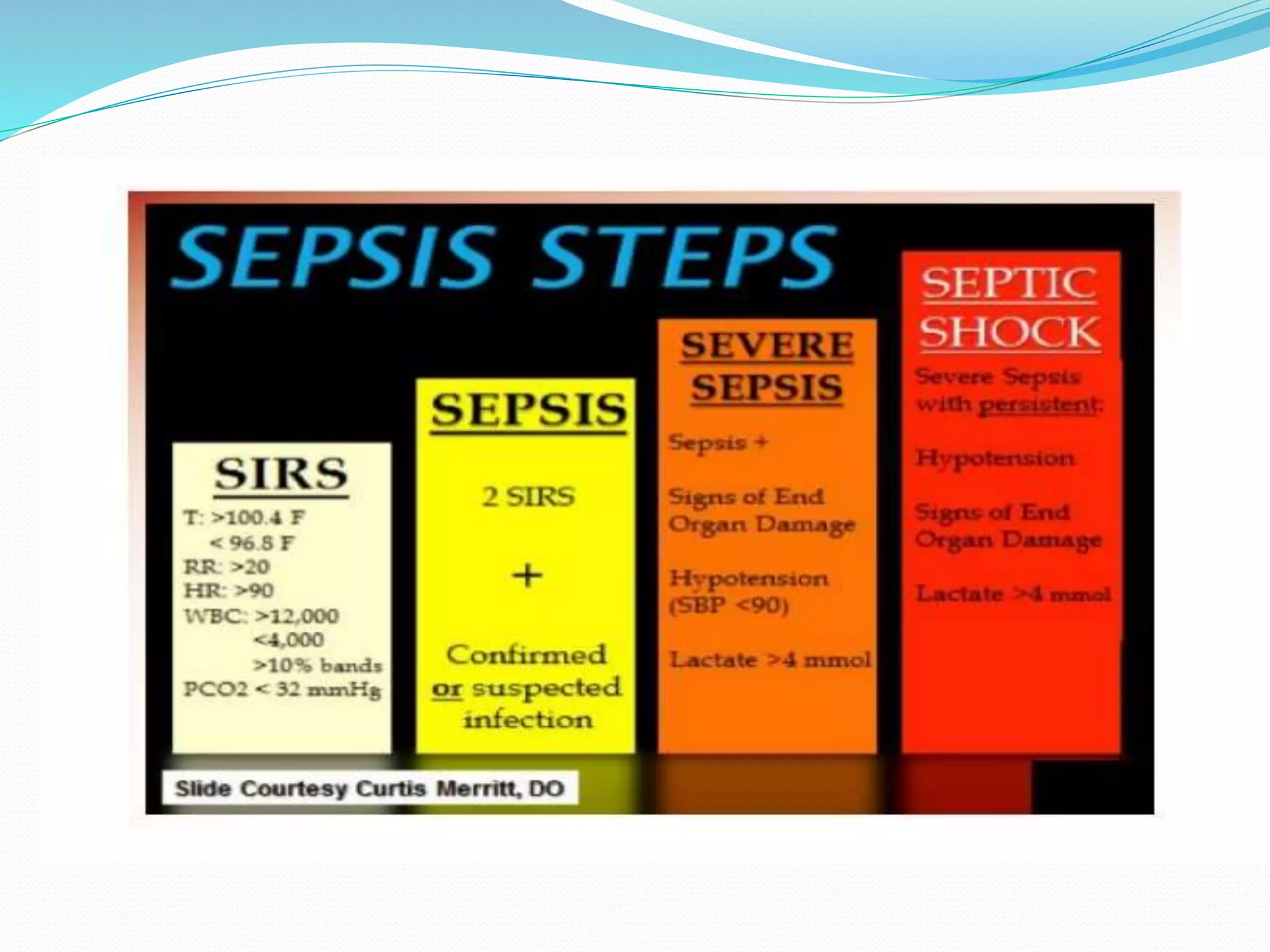
 SIRS may follow a variety of clinical insults, including
infection, pancreatitis, ischemia, polytrauma, tissue
injury, hemorrhagic shock, or immune-mediated
organ injury.
 Sepsis is a systemic response to infection.
 It is identical to SIRS, except that it must result
specifically from infection rather than from any
noninfectious insults.
 Sepsis and SIRS are phenotypically similar, having a
common inflammatory pathway causing both.
 Septic shock is defined as a subset of sepsis in which
profound circulatory, cellular, and metabolic
abnormalities are associated with a greater risk of
mortality than with sepsis alone.
 Clinically identified by a vasopressor requirement to
maintain a mean arterial pressure of 65 mm Hg or
greater and serum lactate level greater than 2 mmol/L
in the absence of hypovolemia.
 associated with hospital mortality rates greater than
40%.
 Organ dysfunction is represented by an increase in the
Sequential [sepsis-related] SOFA scoreof 2 points or
more, which is associated with an in-hospital
mortality greater than 10%.
 Primary MODS is the direct result of a well-defined
insult in which organ dysfunction occurs early and can
be directly attributable to the insult itself.
 Secondary MODS develops as a consequence of a
host response and is identified within the context of
SIRS.
 In out-of-hospital, emergency department or general
hospital ward settings, adult patients with suspected
infection can be rapidly identified as being more likely
to have poor outcomes if they have at least two of the
following clinical criteria that together constitute a
new bedside clinical score termed quick SOFA
(qSOFA)
 respiratory rate of 22/min or greater.
 altered mental status
 systolic blood pressure of 100 mm Hg or less.
Pathogenesis..
 Can be defined in 2 ways:
 Intervention employed to support the failing organ
system( mehanical ventilation, vasopressor, HD,TPN)
 Acute physiologic derangements that made such
intervention necessary.
 Upragulation of both proinflammatory and anti-
inflammatory mediators suggesting that failure of host
defence homeostasis is the final pathway from sepsis to
MODS, rather than simple hypotension-induced end-
organ injury, as may occur with hemorrhagic shock.
 Survival from severe sepsis with MODS is usually
associated with a generalized reduction in both the
proinflammatory and anti-inflammatory response.
 MODS may by the host’s adaptive response to
overwhelming inflammation, allowing inflammation to
clear without causing permanent end-organ harm.
Dysfunction of organ systems
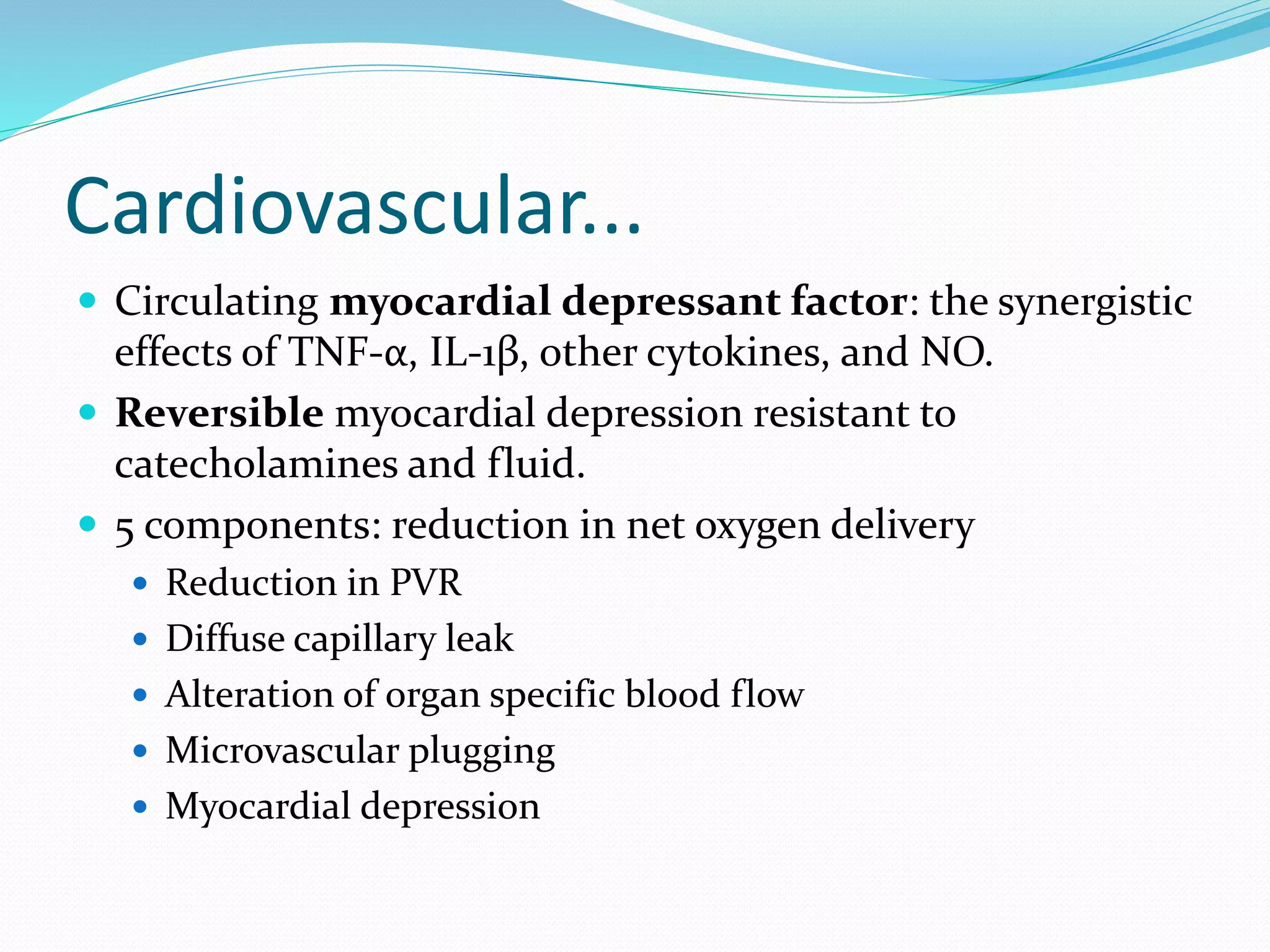
Cardiovascular...
 Circulating myocardial depressant factor: the synergistic
effects of TNF-α, IL-1β, other cytokines, and NO.
 Reversible myocardial depression resistant to
catecholamines and fluid.
 5 components: reduction in net oxygen delivery
 Reduction in PVR
 Diffuse capillary leak
 Alteration of organ specific blood flow
 Microvascular plugging
 Myocardial depression
Early response Late response
 Myocardial depression
 Fall in SVR
 Fall in RAP
 Rise in venous capicitance
 Rise in HR, CO, DO2
 Ventricles dilate
 Decreased contractility
 Decrease in CO
 Requirement of vasopressures
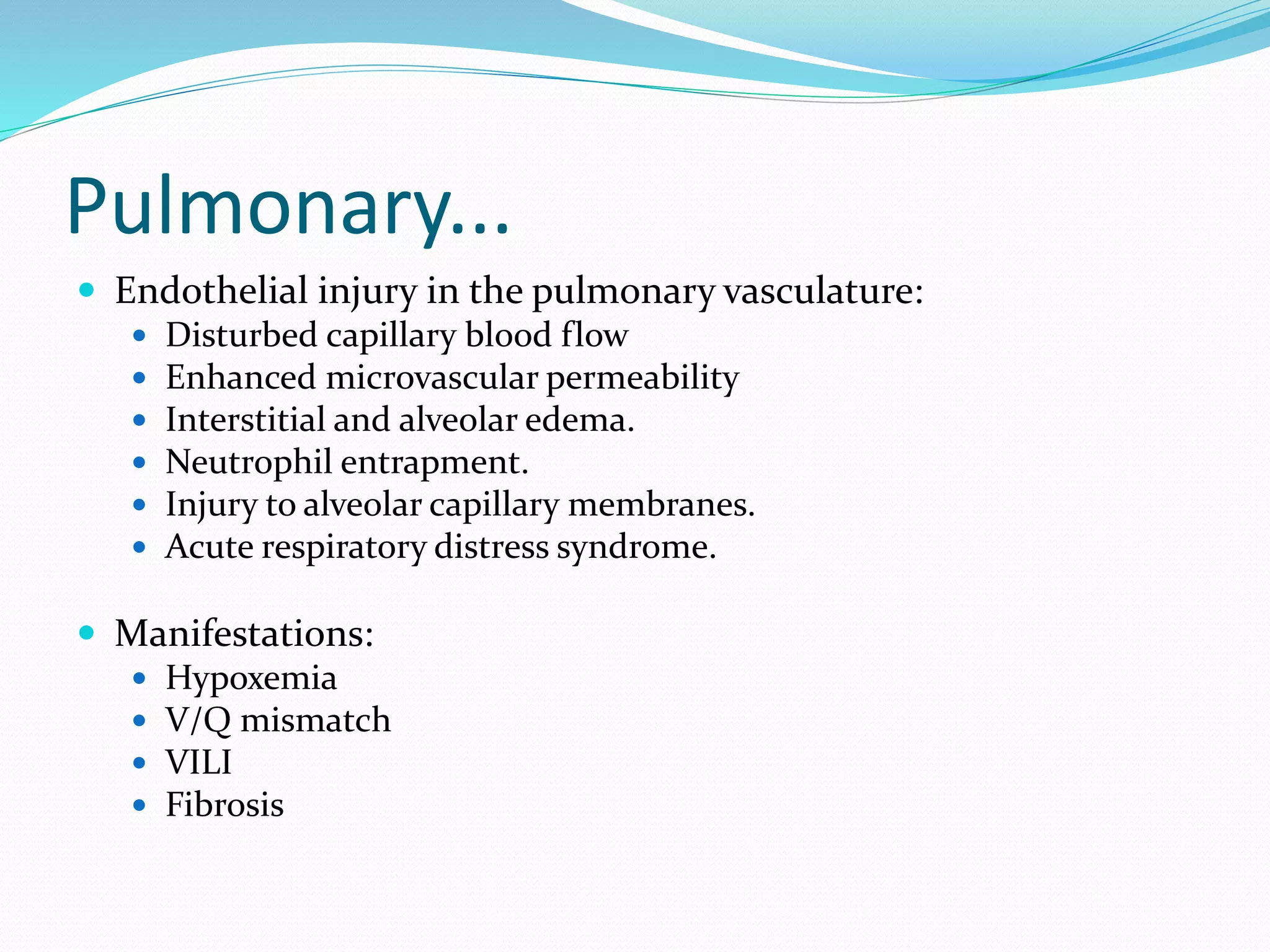
Pulmonary...
 Endothelial injury in the pulmonary vasculature:
 Disturbed capillary blood flow
 Enhanced microvascular permeability
 Interstitial and alveolar edema.
 Neutrophil entrapment.
 Injury to alveolar capillary membranes.
 Acute respiratory distress syndrome.
 Manifestations:
 Hypoxemia
 V/Q mismatch
 VILI
 Fibrosis
Gastrointestinal..
SIRS Aspiration pneumonitis
Translocation of GI flora Colonisation of GI flora into oropharynx
Hypoperfusion/ gut ischemia
Decreased integrity of gut lining Decreased peristalsis
 Other factors:
 Stress ulcer
 Septic shock can cause paralytic ileus: delay in the
institution of enteral feeding.
 Excess NO production: agent of sepsis-induced ileus.
 High protein and calorie requirements.
 Narcotics and muscle relaxants: worsen GI tract motility.
Hepatobiliary...
 The hepatic reticuloendothelial system dysfunction
leads to a spillover of toxins into systemic circulation.
 Inchemic hepatitis, acalculus cholelithiasis
 Menifestations:
 elevations in liver enzymes and bilirubin
 coagulation defects
 failure to excrete toxins such as ammonia:
encephalopathy
 Acute phase response
Renal...
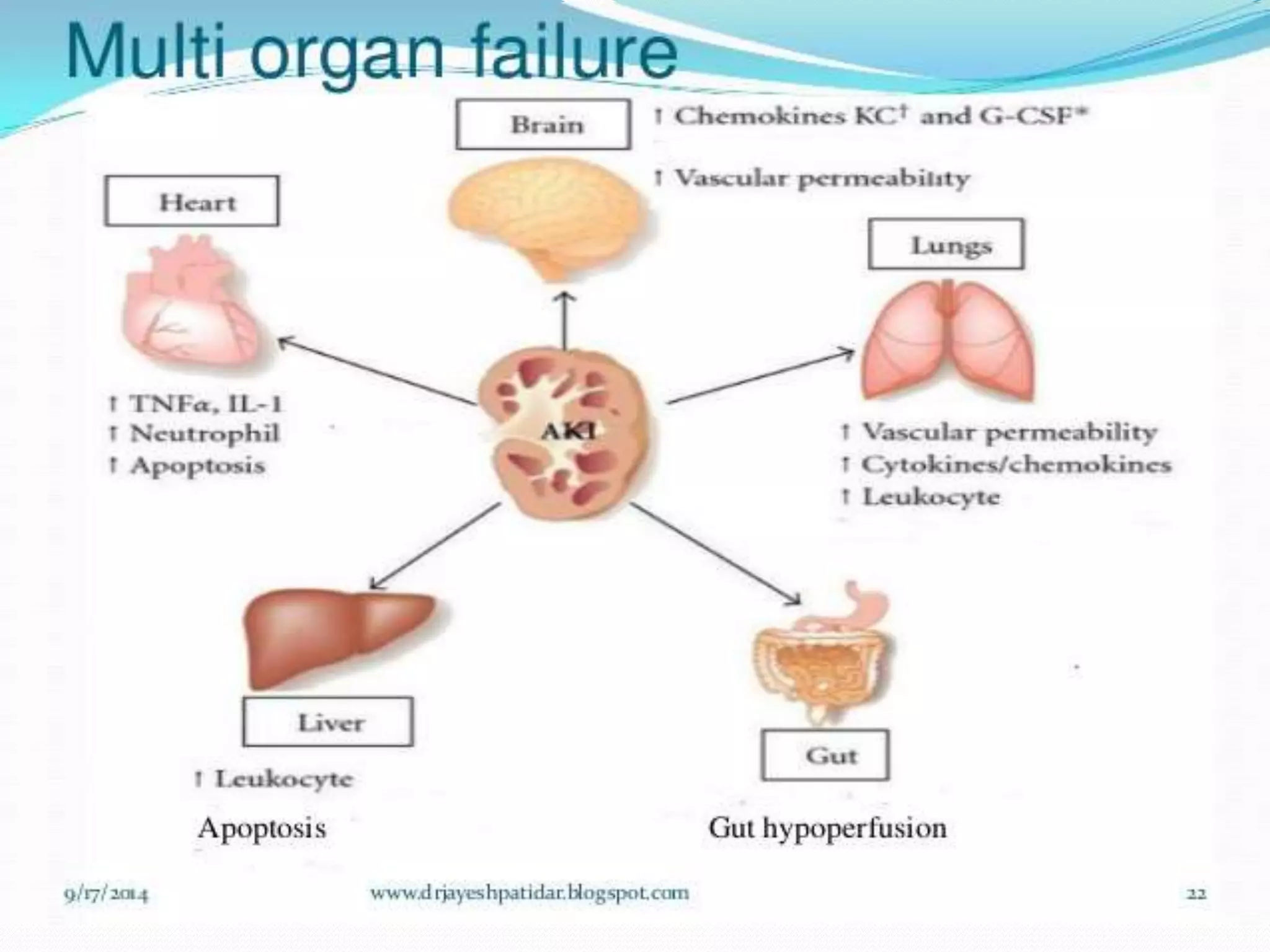
 Mechanism of AKI is complex: decrease in effective
intravascular volume, direct renal vasoconstriction, release
of cytokines, and activation of neutrophils by endotoxins
and other peptides.
 Mostly renal and prerenal causes:
 Hypovolemia
 Nephrotoxic drugs
 Vasopressors
 Abdominal compartment syndrome
 Infectious
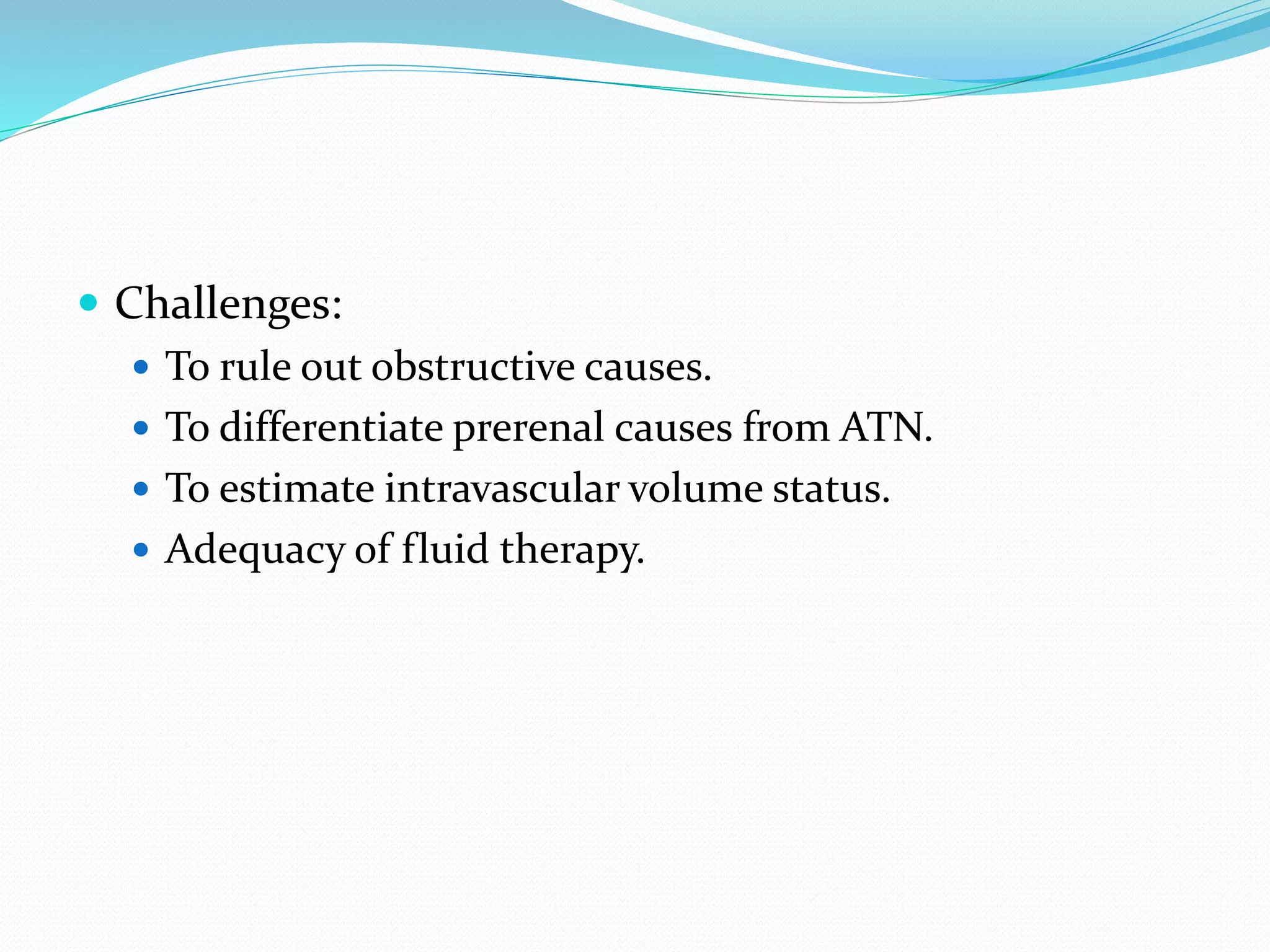
 Challenges:
 To rule out obstructive causes.
 To differentiate prerenal causes from ATN.
 To estimate intravascular volume status.
 Adequacy of fluid therapy.
Neurological...
 Altered sensorium, delirium, psychosis.
 Critical illness Polyneuropathy
 GCS
 Important component of SOFA score.
 Easily recognised neurologic manifestation in MODS.
 Causes:
 Cerebral hypoperfusion
 Subclinical cerebral edema
 Sedatives
 Metabolic alterations
 microabscess
Coagulopathy...
 Subclinical coagulopathy:
 mild elevation of the thrombin time (TT)
 activated partial thromboplastin time (aPTT)
 moderate reduction in the platelet count.
 Overt disseminated intravascular coagulation (DIC)
may also develop.
Immunoligical...
 Nonspecific dysregulation of immune system.
 Impaired antibody response
 Abnormal regulation of lymphocyte responses.
 Prone for nosocomial infections.
Endocrine...
 Insulin resistance
 Sick euthyroid syndrome
 Relative adrenal insufficiency.
 Receptor downregulation.
Workup...
 CBC with DC:
 adequate Hb concentration is necessary to ensure oxygen
delivery.
 Neutrophil band count higher than 1500/µL is associated with
a high likelihood of bacterial infection.
 Acute-phase reactants.
 ABG
 Coagulation studies.
 A metabolic assessment:
 serum electrolytes, including magnesium, calcium,
phosphate, and glucose, at regular intervals.
 Renal and hepatic function.
 Blood CS
 Urine analysis and CS: 15% incidence of occult UTI
 Secretion or tissue gram stain and CS
 CSF studies
 Imaging
 Others:
 serum ammonia
 Procalcitonin
 kidney injury molecules.
Monitorings...
 Basic: pulseoxymetry, NIBP,ECG, urinary catheter
 Advanced:
 Central venous catheter
 Pulmonary artery catheter
 Invasive BP monitoring: SPV,PPV.
 Mixed venous oxygen saturation
 Arterial oxygen saturation
 USG:
 Estimation of intravascular volume status
 Detecting various pulmonary conditions
 DVT scan
 ONSD measuring.
Approach...
 Principles:
 Decrease severity of risk factors
 Prevent inflammation: drainage, antibiotics
 Resuscitation and infection control
 Treat malnutrition
 Treat and support the organ systems.
 Correction of ischemia
 Stabilization of internal environment: acis-base, electrolytes
 Glycemic control
Antimicrobial therapy...
 Goal : effective IV antimicrobials within the first hour of
recognition of septic shock and severe sepsis.
 Initial empiric anti-infective therapy: one or more drugs that
have activity against all likely pathogens (bacterial and/or fungal
or viral) and that penetrate in adequate concentrations into
tissues presumed to be the source of sepsis
 Reassess daily for potential deescalation
 Use of low procalcitonin levels to assist the clinician in the
discontinuation of empiric antibiotics .
 Combination empirical therapy for neutropenic patients with
severe sepsis and for patients with difficult-to-treat, multidrug-
resistant bacterial pathogens.
 Duration of therapy typically 7-10 days; longer courses
may be appropriate in patients who have a slow clinical
response, undrainable foci of infection, bacteremia with
Staphylococcus aureus, some fungal and viral infections, or
immunologic deficiencies (including neutropenia)
 Antiviral therapy initiated as early as possible in patients
with severe sepsis or septic shock of viral origin
 Antimicrobial agents should not be used in patients with
severe inflammatory states determined to be of
noninfectious cause.
Vasopressors and inotropes...
 Noradrenalin: no effects on splanchnic oxygen
consumption and hepatic glucose production, provided
adequate cardiac output is maintained.
 Adrenalin: increased lactate concentration, potential
production of myocardial ischemia and arrhythmias, and
reduced splanchnic flow.
 Dopamine: inotropic effect, which is useful in patients
who have concomitant reduced cardiac function
 Phenylephrine: good choice when tachyarrhythmias limit
therapy with other vasopressors.
 Vasopressin
 Levosimendan
 dobutamine
Challenges in our ICU...
 Vigilant monitoring:
 During routine care?
 During transport?
 Dyselectrolytemia and acid base abnormalities:
 Approach for metabolic acidosis?
 Glycaemic control:
 target?
 insulin regimen?
 Nutrition:
 Initiating feed..
 Role of dietician?
 DVT prophylaxis:
 Timing
 agents
 Infection control team, own ICU protocol and training
Conclusion...
 No definitive treatment
 Management revolves around organ support
 Emphasis on early recognition and prevention
 Anti infective measures
 Maintenance of tissue oxygenation, nutrition and
glycaemic control
 Vigilant monitoring, scoring systems
Ongoing research...
 administration of recombinant human activated
protein C (drotrecogin alfa) resulted in lower mortality
(24.7%) in the treatment group than in the placebo
group (30.8%)
 Antibodies against gram-negative endotoxin
 Gamma globulins
 Monoclonal antibodies against tumor necrosis factor
 Blockade of eicosanoid production
 Blockade of interleukin (IL)–1 activity
 Inhibition of nitric oxide (NO) synthase
 Thank you...

Multiple organ dysfunction syndrome

  • 1.
  • 2.
     Its acontinuum, with incremental degrees of physiologic derangements in individual organs.  It is a process rather than a single event.  Alteration in organ function can vary widely from a mild degree to completely irreversible organ failure.  MODS is defined as a clinical syndrome characterized by the development of progressive and potentially reversible physiologic dysfunction in 2 or more organs or organ systems that is induced by a variety of acute insults, including sepsis.
  • 4.
  • 5.
    Etiology High riskpatients  Sepsis  Polytrauma  Burns  Pancreatitis  Aspiration  Extracorporeal circulation  Multiple transfusions  Ischemia reperfusion injury  Autoimmune  toxins  Age >65years  Comorbidities  With infection  Polytrauma  Massive blood transfusion  Shock associated with sepsis, burn.  Emergency surgery
  • 7.
     SIRS mayfollow a variety of clinical insults, including infection, pancreatitis, ischemia, polytrauma, tissue injury, hemorrhagic shock, or immune-mediated organ injury.  Sepsis is a systemic response to infection.  It is identical to SIRS, except that it must result specifically from infection rather than from any noninfectious insults.  Sepsis and SIRS are phenotypically similar, having a common inflammatory pathway causing both.
  • 8.
     Septic shockis defined as a subset of sepsis in which profound circulatory, cellular, and metabolic abnormalities are associated with a greater risk of mortality than with sepsis alone.  Clinically identified by a vasopressor requirement to maintain a mean arterial pressure of 65 mm Hg or greater and serum lactate level greater than 2 mmol/L in the absence of hypovolemia.  associated with hospital mortality rates greater than 40%.
  • 9.
     Organ dysfunctionis represented by an increase in the Sequential [sepsis-related] SOFA scoreof 2 points or more, which is associated with an in-hospital mortality greater than 10%.  Primary MODS is the direct result of a well-defined insult in which organ dysfunction occurs early and can be directly attributable to the insult itself.  Secondary MODS develops as a consequence of a host response and is identified within the context of SIRS.
  • 11.
     In out-of-hospital,emergency department or general hospital ward settings, adult patients with suspected infection can be rapidly identified as being more likely to have poor outcomes if they have at least two of the following clinical criteria that together constitute a new bedside clinical score termed quick SOFA (qSOFA)  respiratory rate of 22/min or greater.  altered mental status  systolic blood pressure of 100 mm Hg or less.
  • 13.
    Pathogenesis..  Can bedefined in 2 ways:  Intervention employed to support the failing organ system( mehanical ventilation, vasopressor, HD,TPN)  Acute physiologic derangements that made such intervention necessary.
  • 16.
     Upragulation ofboth proinflammatory and anti- inflammatory mediators suggesting that failure of host defence homeostasis is the final pathway from sepsis to MODS, rather than simple hypotension-induced end- organ injury, as may occur with hemorrhagic shock.  Survival from severe sepsis with MODS is usually associated with a generalized reduction in both the proinflammatory and anti-inflammatory response.  MODS may by the host’s adaptive response to overwhelming inflammation, allowing inflammation to clear without causing permanent end-organ harm.
  • 17.
  • 18.
    Cardiovascular...  Circulating myocardialdepressant factor: the synergistic effects of TNF-α, IL-1β, other cytokines, and NO.  Reversible myocardial depression resistant to catecholamines and fluid.  5 components: reduction in net oxygen delivery  Reduction in PVR  Diffuse capillary leak  Alteration of organ specific blood flow  Microvascular plugging  Myocardial depression
  • 19.
    Early response Lateresponse  Myocardial depression  Fall in SVR  Fall in RAP  Rise in venous capicitance  Rise in HR, CO, DO2  Ventricles dilate  Decreased contractility  Decrease in CO  Requirement of vasopressures
  • 20.
    Pulmonary...  Endothelial injuryin the pulmonary vasculature:  Disturbed capillary blood flow  Enhanced microvascular permeability  Interstitial and alveolar edema.  Neutrophil entrapment.  Injury to alveolar capillary membranes.  Acute respiratory distress syndrome.  Manifestations:  Hypoxemia  V/Q mismatch  VILI  Fibrosis
  • 21.
    Gastrointestinal.. SIRS Aspiration pneumonitis Translocationof GI flora Colonisation of GI flora into oropharynx Hypoperfusion/ gut ischemia Decreased integrity of gut lining Decreased peristalsis
  • 22.
     Other factors: Stress ulcer  Septic shock can cause paralytic ileus: delay in the institution of enteral feeding.  Excess NO production: agent of sepsis-induced ileus.  High protein and calorie requirements.  Narcotics and muscle relaxants: worsen GI tract motility.
  • 23.
    Hepatobiliary...  The hepaticreticuloendothelial system dysfunction leads to a spillover of toxins into systemic circulation.  Inchemic hepatitis, acalculus cholelithiasis  Menifestations:  elevations in liver enzymes and bilirubin  coagulation defects  failure to excrete toxins such as ammonia: encephalopathy  Acute phase response
  • 24.
    Renal...  Mechanism ofAKI is complex: decrease in effective intravascular volume, direct renal vasoconstriction, release of cytokines, and activation of neutrophils by endotoxins and other peptides.  Mostly renal and prerenal causes:  Hypovolemia  Nephrotoxic drugs  Vasopressors  Abdominal compartment syndrome  Infectious
  • 25.
     Challenges:  Torule out obstructive causes.  To differentiate prerenal causes from ATN.  To estimate intravascular volume status.  Adequacy of fluid therapy.
  • 26.
    Neurological...  Altered sensorium,delirium, psychosis.  Critical illness Polyneuropathy  GCS  Important component of SOFA score.  Easily recognised neurologic manifestation in MODS.  Causes:  Cerebral hypoperfusion  Subclinical cerebral edema  Sedatives  Metabolic alterations  microabscess
  • 27.
    Coagulopathy...  Subclinical coagulopathy: mild elevation of the thrombin time (TT)  activated partial thromboplastin time (aPTT)  moderate reduction in the platelet count.  Overt disseminated intravascular coagulation (DIC) may also develop.
  • 28.
    Immunoligical...  Nonspecific dysregulationof immune system.  Impaired antibody response  Abnormal regulation of lymphocyte responses.  Prone for nosocomial infections.
  • 29.
    Endocrine...  Insulin resistance Sick euthyroid syndrome  Relative adrenal insufficiency.  Receptor downregulation.
  • 30.
    Workup...  CBC withDC:  adequate Hb concentration is necessary to ensure oxygen delivery.  Neutrophil band count higher than 1500/µL is associated with a high likelihood of bacterial infection.  Acute-phase reactants.  ABG  Coagulation studies.  A metabolic assessment:  serum electrolytes, including magnesium, calcium, phosphate, and glucose, at regular intervals.  Renal and hepatic function.
  • 31.
     Blood CS Urine analysis and CS: 15% incidence of occult UTI  Secretion or tissue gram stain and CS  CSF studies  Imaging  Others:  serum ammonia  Procalcitonin  kidney injury molecules.
  • 32.
    Monitorings...  Basic: pulseoxymetry,NIBP,ECG, urinary catheter  Advanced:  Central venous catheter  Pulmonary artery catheter  Invasive BP monitoring: SPV,PPV.  Mixed venous oxygen saturation  Arterial oxygen saturation  USG:  Estimation of intravascular volume status  Detecting various pulmonary conditions  DVT scan  ONSD measuring.
  • 33.
    Approach...  Principles:  Decreaseseverity of risk factors  Prevent inflammation: drainage, antibiotics  Resuscitation and infection control  Treat malnutrition  Treat and support the organ systems.  Correction of ischemia  Stabilization of internal environment: acis-base, electrolytes  Glycemic control
  • 36.
    Antimicrobial therapy...  Goal: effective IV antimicrobials within the first hour of recognition of septic shock and severe sepsis.  Initial empiric anti-infective therapy: one or more drugs that have activity against all likely pathogens (bacterial and/or fungal or viral) and that penetrate in adequate concentrations into tissues presumed to be the source of sepsis  Reassess daily for potential deescalation  Use of low procalcitonin levels to assist the clinician in the discontinuation of empiric antibiotics .  Combination empirical therapy for neutropenic patients with severe sepsis and for patients with difficult-to-treat, multidrug- resistant bacterial pathogens.
  • 37.
     Duration oftherapy typically 7-10 days; longer courses may be appropriate in patients who have a slow clinical response, undrainable foci of infection, bacteremia with Staphylococcus aureus, some fungal and viral infections, or immunologic deficiencies (including neutropenia)  Antiviral therapy initiated as early as possible in patients with severe sepsis or septic shock of viral origin  Antimicrobial agents should not be used in patients with severe inflammatory states determined to be of noninfectious cause.
  • 38.
    Vasopressors and inotropes... Noradrenalin: no effects on splanchnic oxygen consumption and hepatic glucose production, provided adequate cardiac output is maintained.  Adrenalin: increased lactate concentration, potential production of myocardial ischemia and arrhythmias, and reduced splanchnic flow.  Dopamine: inotropic effect, which is useful in patients who have concomitant reduced cardiac function  Phenylephrine: good choice when tachyarrhythmias limit therapy with other vasopressors.  Vasopressin  Levosimendan  dobutamine
  • 39.
    Challenges in ourICU...  Vigilant monitoring:  During routine care?  During transport?  Dyselectrolytemia and acid base abnormalities:  Approach for metabolic acidosis?  Glycaemic control:  target?  insulin regimen?  Nutrition:  Initiating feed..  Role of dietician?  DVT prophylaxis:  Timing  agents  Infection control team, own ICU protocol and training
  • 40.
    Conclusion...  No definitivetreatment  Management revolves around organ support  Emphasis on early recognition and prevention  Anti infective measures  Maintenance of tissue oxygenation, nutrition and glycaemic control  Vigilant monitoring, scoring systems
  • 41.
    Ongoing research...  administrationof recombinant human activated protein C (drotrecogin alfa) resulted in lower mortality (24.7%) in the treatment group than in the placebo group (30.8%)  Antibodies against gram-negative endotoxin  Gamma globulins  Monoclonal antibodies against tumor necrosis factor  Blockade of eicosanoid production  Blockade of interleukin (IL)–1 activity  Inhibition of nitric oxide (NO) synthase
  • 42.