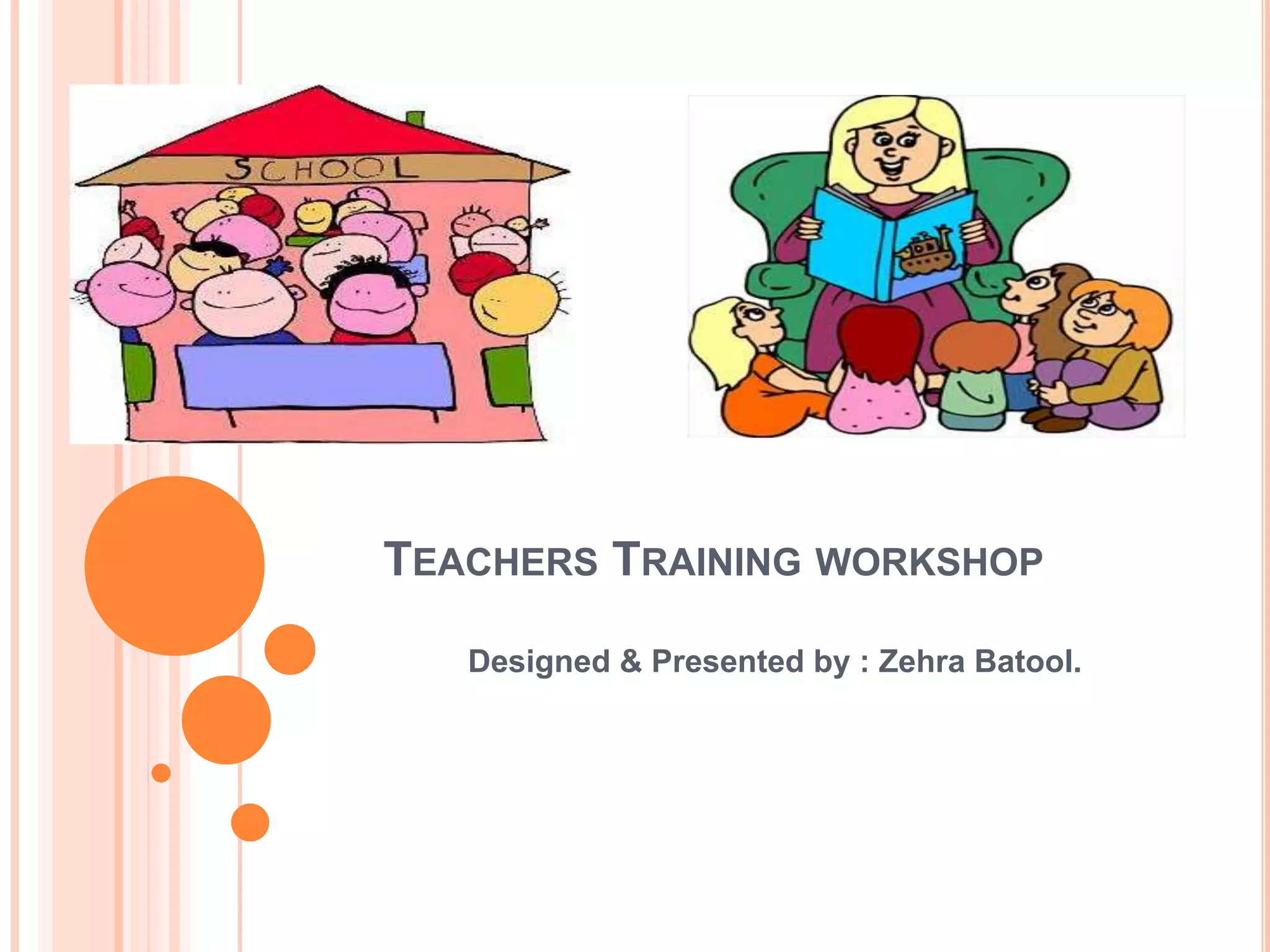
TEACHERS TRAINING WORKSHOP
Designed & Presented by : Zehra Batool.
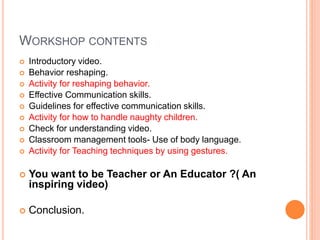
WORKSHOP CONTENTS
 Introductory video.
 Behavior reshaping.
 Activity for reshaping behavior.
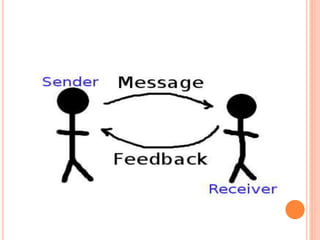
 Effective Communication skills.
 Guidelines for effective communication skills.
 Activity for how to handle naughty children.
 Check for understanding video.
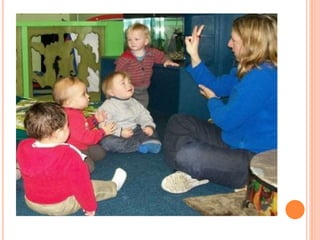
 Classroom management tools- Use of body language.
 Activity for Teaching techniques by using gestures.
 You want to be Teacher or An Educator ?( An
inspiring video)
 Conclusion.
BEHAVIOR MANAGEMENT TECHNIQUES TO HELP
CHILDREN TO BE SUCCESSFUL IN SCHOOL AND AT
HOME
What is Behavior?
•Anything that is observable and measurable
•Behavior is learned over time through the environment
Learned
• It was taught
Time
• It takes time to change
Environment
•Interaction with people, places, and things
What we do as adults often affects
child behavior.
 Remember, reinforcers increase the likelihood that a behavior
will occur again.
 Punishers decrease the likelihood that a behavior will occur
again.
Is your response reinforcing or
punishing?
Challenging Behaviors
Beliefs
•Behavior is an interaction between the individual and the context in which it occurs
•Problem behavior is learned behavior and is inadvertently strengthened by our
interventions
•Planning is a multi-step process
•Better teaching is needed, not “more discipline”
Deciding Factors
The behavior targeted for change should be for the student’s good, not your
convenience
REMINDERS FOR CHANGING BEHAVIOR
 If you keep doing the same things, expect the same
outcomes.
 If you attempt to change too much at the same
time, you won’t change much at all.
 Accept and develop approximations of behavior.
MORE REMINDERS FOR CHANGING
BEHAVIOR
 People keep behaviors in their repertoires because
they serve certain functions.
 The more you understand about the function of a
behavior, the better the chance of changing that
behavior.
MORE REMINDERS FOR CHANGING
BEHAVIOR
If a child can only demonstrate a
skill or behavior for you, you have
taught nothing meaningful.
Be aware of the many ways we
contribute to behavior problems.
Use language that tells a child
what to do vs. what not to do.
MORE REMINDERS FOR CHANGING
BEHAVIOR
Try using “when/then” statements vs.
“if/then” statements.
Only frame behavioral expectations
as a question if a choice really exists.
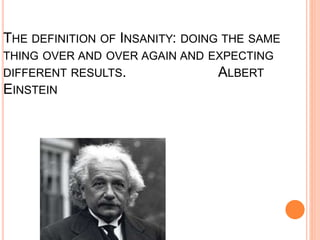
THE DEFINITION OF INSANITY: DOING THE SAME
THING OVER AND OVER AGAIN AND EXPECTING
DIFFERENT RESULTS. ALBERT
EINSTEIN
ACTIVITY
HOW CAN TEACHERS MAKE THEIR
COMMUNICATION SKILLS EFFECTIVE?
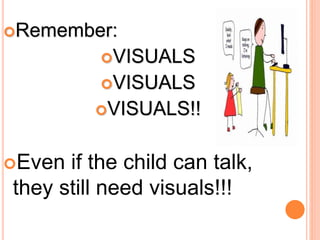
Remember:
VISUALS
VISUALS
VISUALS!!
Even if the child can talk,
they still need visuals!!!
ACTIVITY # 2
 This activity is especially designed for how to
handling naughty students and effects of poor
teaching on intelligent students.
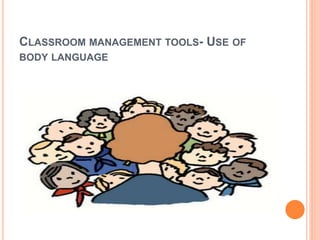
CLASSROOM MANAGEMENT TOOLS- USE OF
BODY LANGUAGE
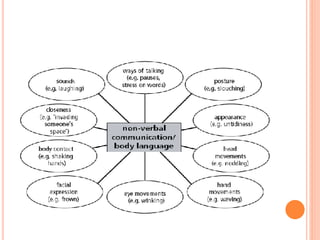
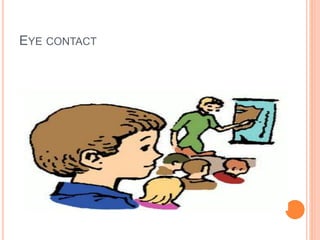
EYE CONTACT
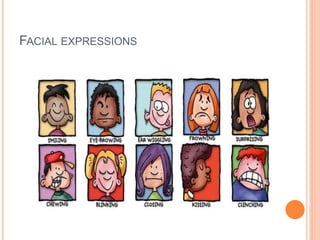
FACIAL EXPRESSIONS
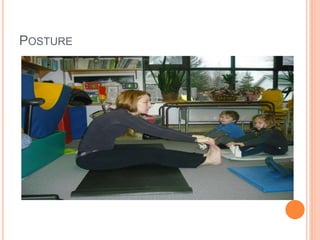
POSTURE
ACTIVITY
 For teaching skills by using gestures.
CONCLUSION

Montessori Teachers training module

  • 1.
    TEACHERS TRAINING WORKSHOP Designed& Presented by : Zehra Batool.
  • 2.
    WORKSHOP CONTENTS  Introductoryvideo.  Behavior reshaping.  Activity for reshaping behavior.  Effective Communication skills.  Guidelines for effective communication skills.  Activity for how to handle naughty children.  Check for understanding video.  Classroom management tools- Use of body language.  Activity for Teaching techniques by using gestures.  You want to be Teacher or An Educator ?( An inspiring video)  Conclusion.
  • 5.
    BEHAVIOR MANAGEMENT TECHNIQUESTO HELP CHILDREN TO BE SUCCESSFUL IN SCHOOL AND AT HOME
  • 6.
    What is Behavior? •Anythingthat is observable and measurable •Behavior is learned over time through the environment Learned • It was taught Time • It takes time to change Environment •Interaction with people, places, and things
  • 7.
    What we doas adults often affects child behavior.  Remember, reinforcers increase the likelihood that a behavior will occur again.  Punishers decrease the likelihood that a behavior will occur again. Is your response reinforcing or punishing?
  • 8.
    Challenging Behaviors Beliefs •Behavior isan interaction between the individual and the context in which it occurs •Problem behavior is learned behavior and is inadvertently strengthened by our interventions •Planning is a multi-step process •Better teaching is needed, not “more discipline”
  • 9.
    Deciding Factors The behaviortargeted for change should be for the student’s good, not your convenience
  • 10.
    REMINDERS FOR CHANGINGBEHAVIOR  If you keep doing the same things, expect the same outcomes.  If you attempt to change too much at the same time, you won’t change much at all.  Accept and develop approximations of behavior.
  • 11.
    MORE REMINDERS FORCHANGING BEHAVIOR  People keep behaviors in their repertoires because they serve certain functions.  The more you understand about the function of a behavior, the better the chance of changing that behavior.
  • 12.
    MORE REMINDERS FORCHANGING BEHAVIOR If a child can only demonstrate a skill or behavior for you, you have taught nothing meaningful. Be aware of the many ways we contribute to behavior problems. Use language that tells a child what to do vs. what not to do.
  • 13.
    MORE REMINDERS FORCHANGING BEHAVIOR Try using “when/then” statements vs. “if/then” statements. Only frame behavioral expectations as a question if a choice really exists.
  • 14.
    THE DEFINITION OFINSANITY: DOING THE SAME THING OVER AND OVER AGAIN AND EXPECTING DIFFERENT RESULTS. ALBERT EINSTEIN
  • 16.
  • 17.
    HOW CAN TEACHERSMAKE THEIR COMMUNICATION SKILLS EFFECTIVE?
  • 18.
    Remember: VISUALS VISUALS VISUALS!! Even if thechild can talk, they still need visuals!!!
  • 22.
    ACTIVITY # 2 This activity is especially designed for how to handling naughty students and effects of poor teaching on intelligent students.
  • 23.
    CLASSROOM MANAGEMENT TOOLS-USE OF BODY LANGUAGE
  • 25.
  • 26.
  • 27.
  • 28.
    ACTIVITY  For teachingskills by using gestures.
  • 30.