MALROTATION
Dr. zaidoon m. Altaee
Pediatric surgery center
• As noted by Ladd in 1932, malrotation is a “condition
rare enough that it is likely to escape the mind, and it
is common enough to be important.”
• normal rotation of the human intestine requires
transformation from a simple, straight alimentary tube
into the mature fixed and folded configuration present at
birth.
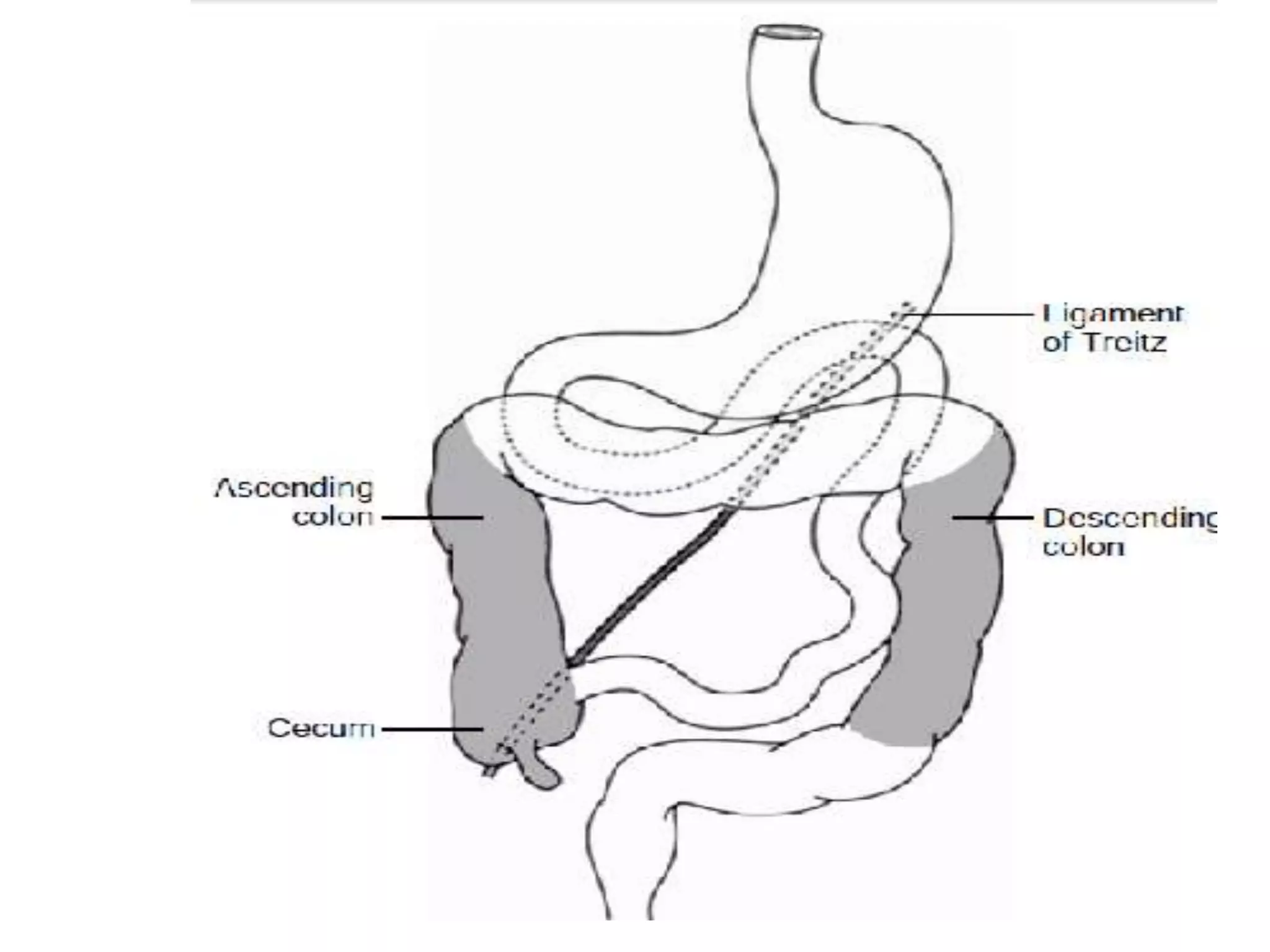
• Through precise embryologic events, the duodenojejunal
junction becomes fixed in the left upper abdomen while
the cecum is anchored in the right lower quadrant.
• The midgut, defined as the portion of the intestine
supplied by the superior mesenteric artery, is thus
suspended from a wide mesenteric base.
EMBRYOLOGY
• The development of the midgut begins with the differentiation
of the primitive intestinal tract into the foregut, midgut, and
hindgut at the fourth week of gestation.
• The mature alimentary tract and all associated digestive
organs are formed from this primitive tube.
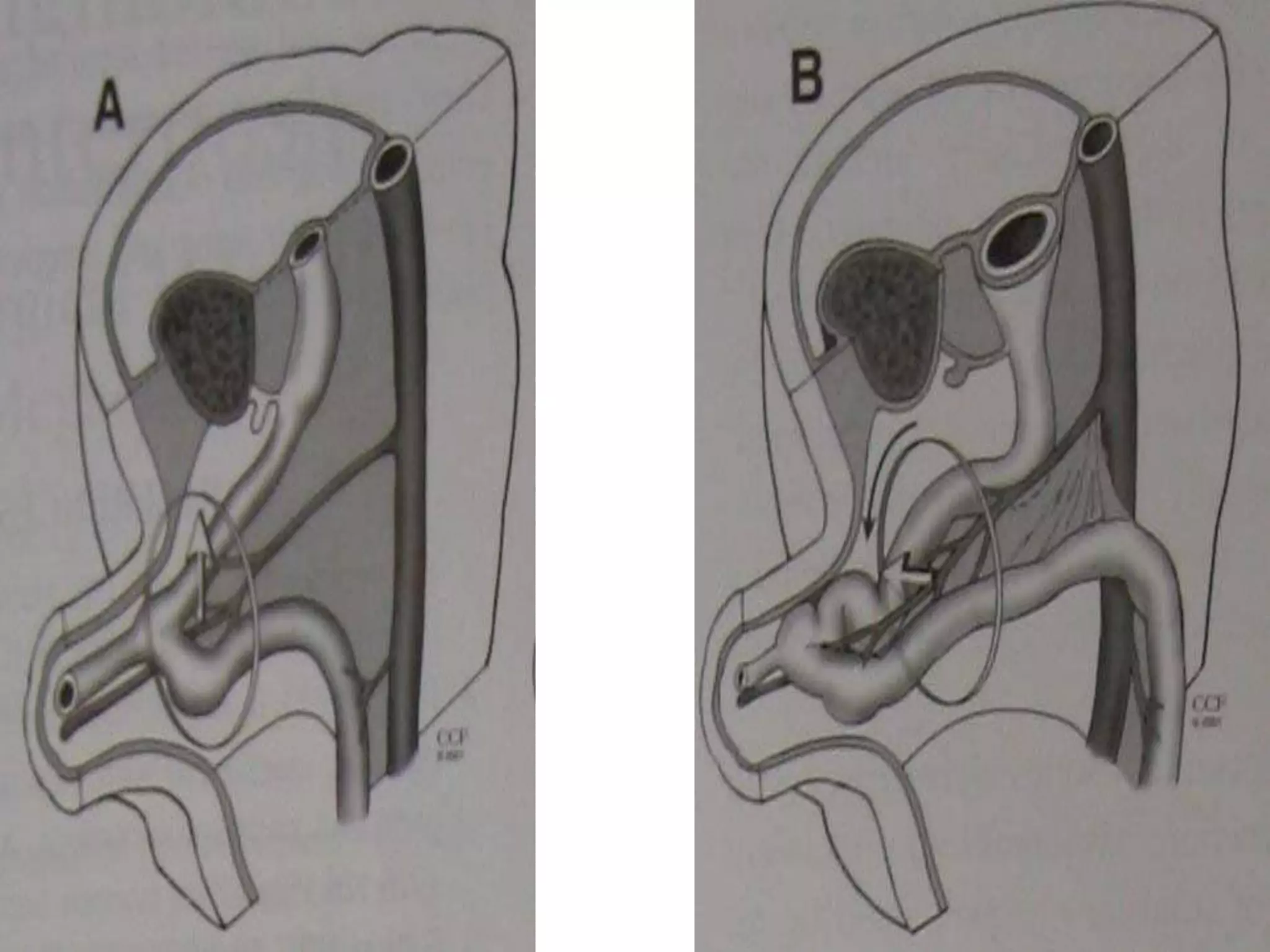
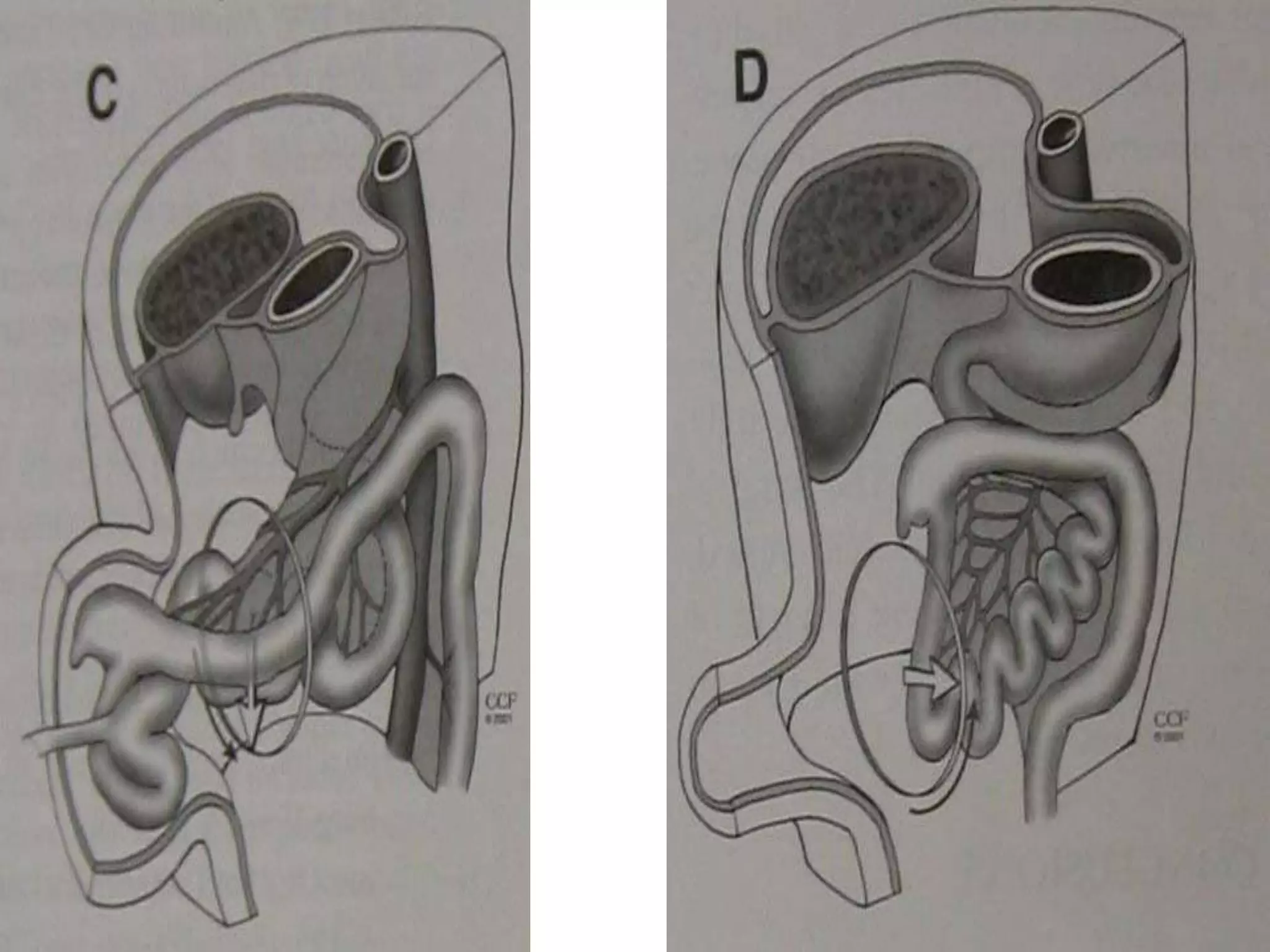
• The most accepted model of midgut maturation involves four
distinct stages:
• (1) herniation.
• (2) rotation.
• (3) retraction.
• (4) fixation
• The intestinal loop can be divided into the cephalic
(duodenojejunal) limb and the caudal (cecocolic) limb, which
rotate separately but in parallel.
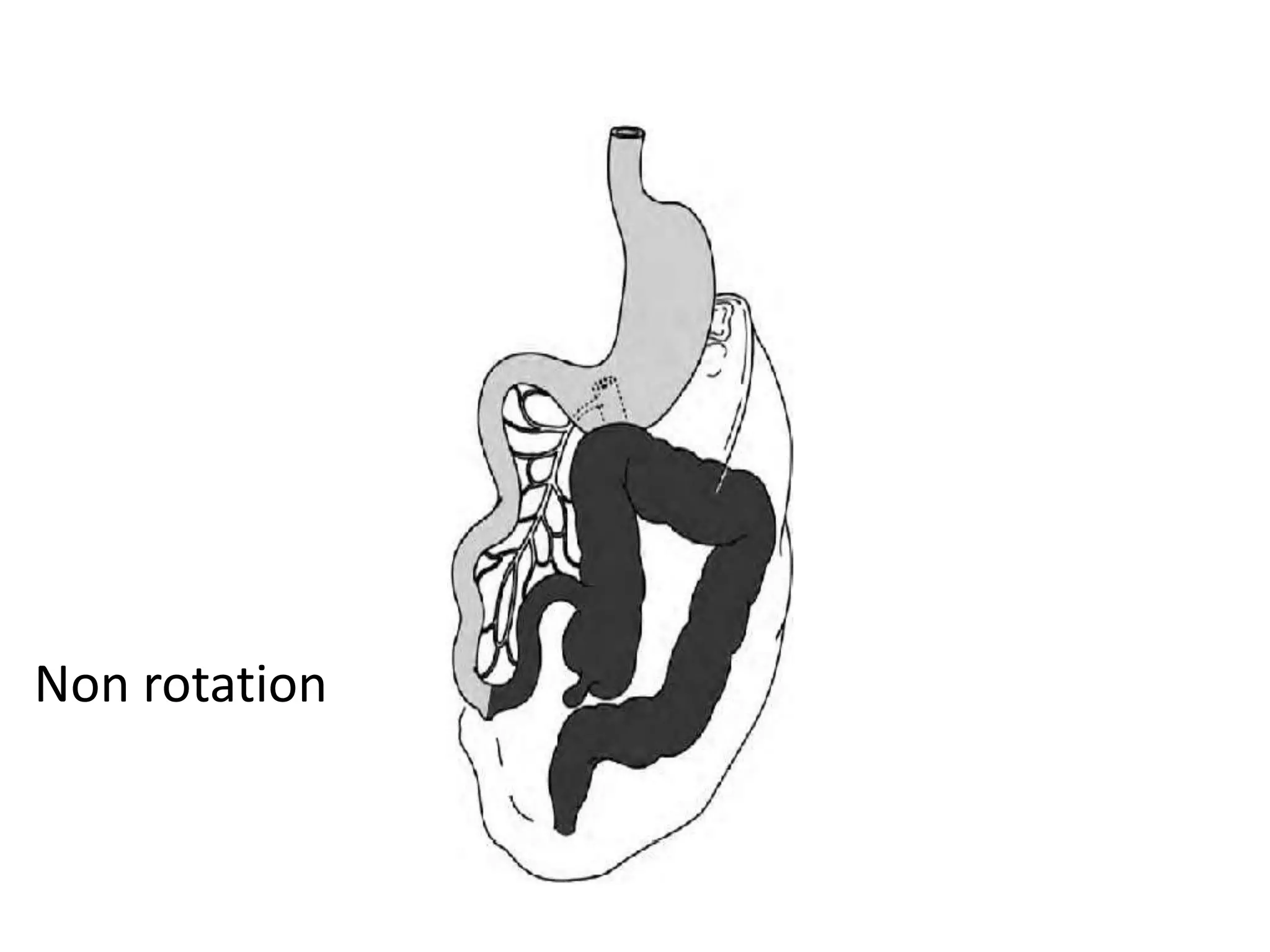
Non rotation
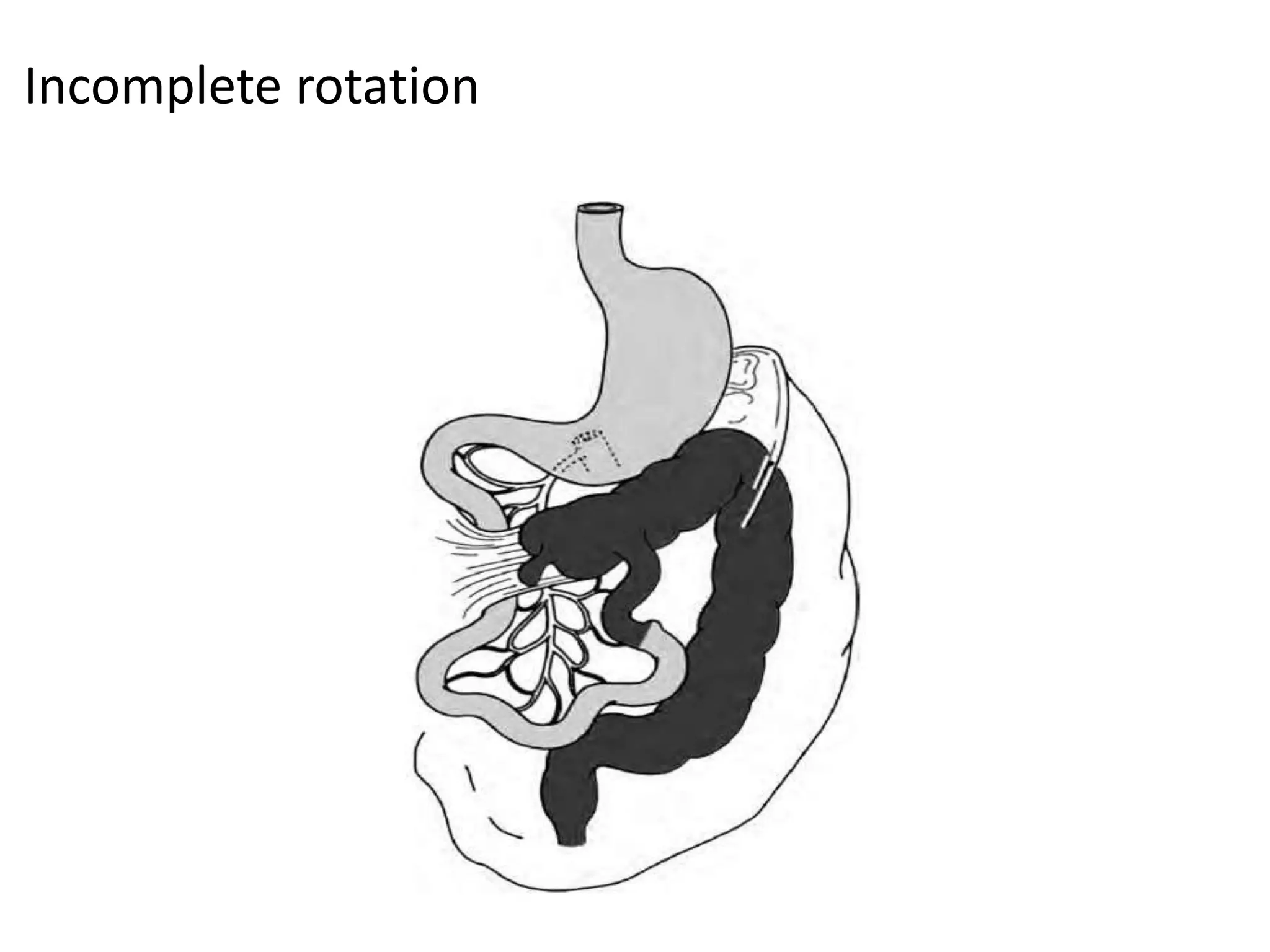
Incomplete rotation
PRESENTATION
• The incidence of malrotation has been estimated at 1 in 6000
live births.
• Up to 75% of patients present during the first month of
life.
• Another 15% will present within the first year.
• Volvulus, intestinal gangrene, and mortality have been
noted regardless of the patient’s age or chronicity of
symptoms.
• Bilious vomiting remains the cardinal sign of neonatal
intestinal obstruction, and malrotation must be the
presumed diagnosis until proven otherwise.
• Other signs in the neonate include abdominal pain and
distention.
• The inconsolable infant may rapidly deteriorate as metabolic
acidosis quickly advances to hypovolemic shock.
• Late signs include abdominal wall erythema and hematemesis
or melena from progressive mucosal ischemia.
• Many other cases will present less dramatically.
• Failure to thrive, gastro esophageal reflux, early satiety, and
mild abdominal discomfort are routinely reported.
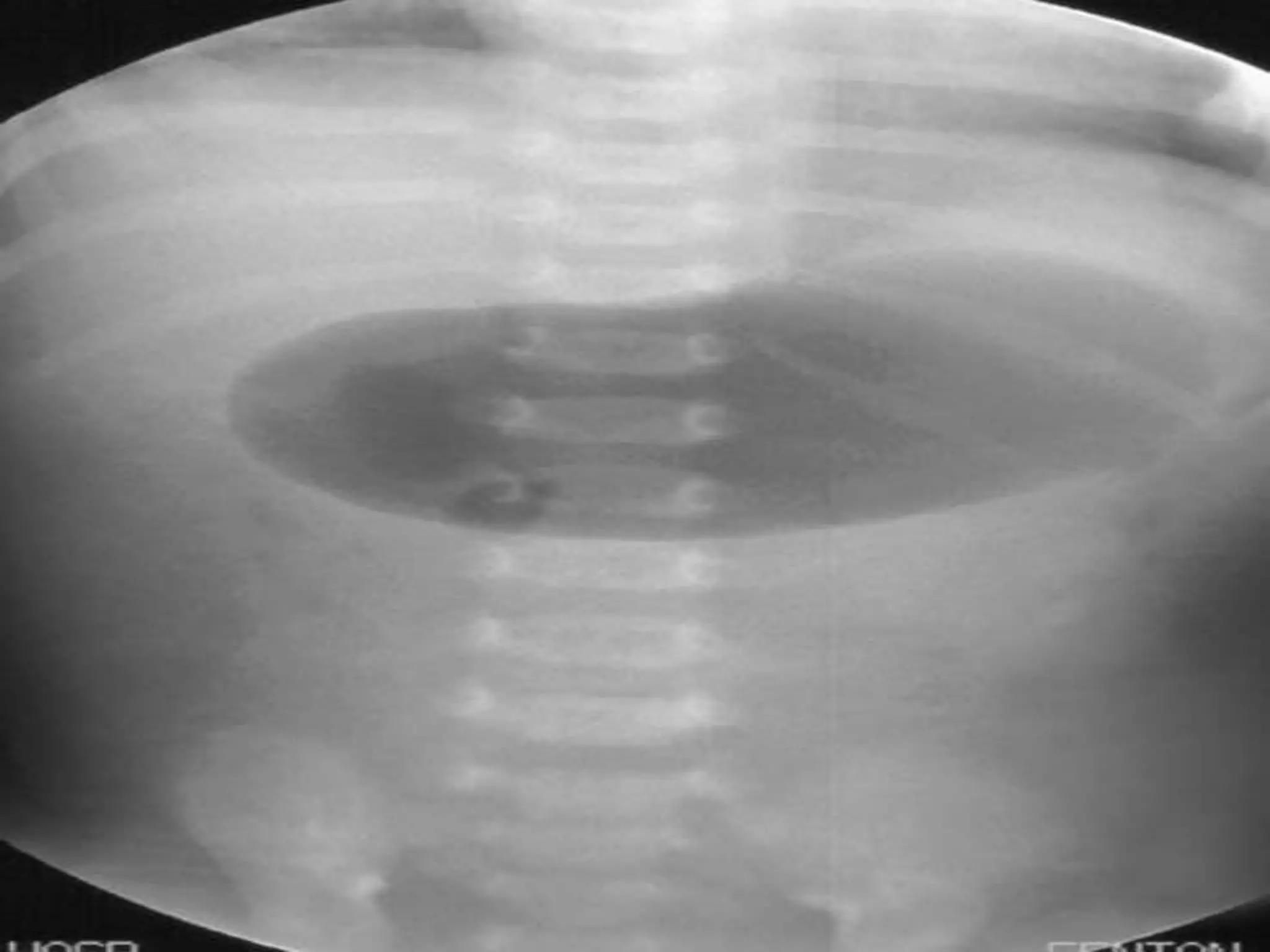
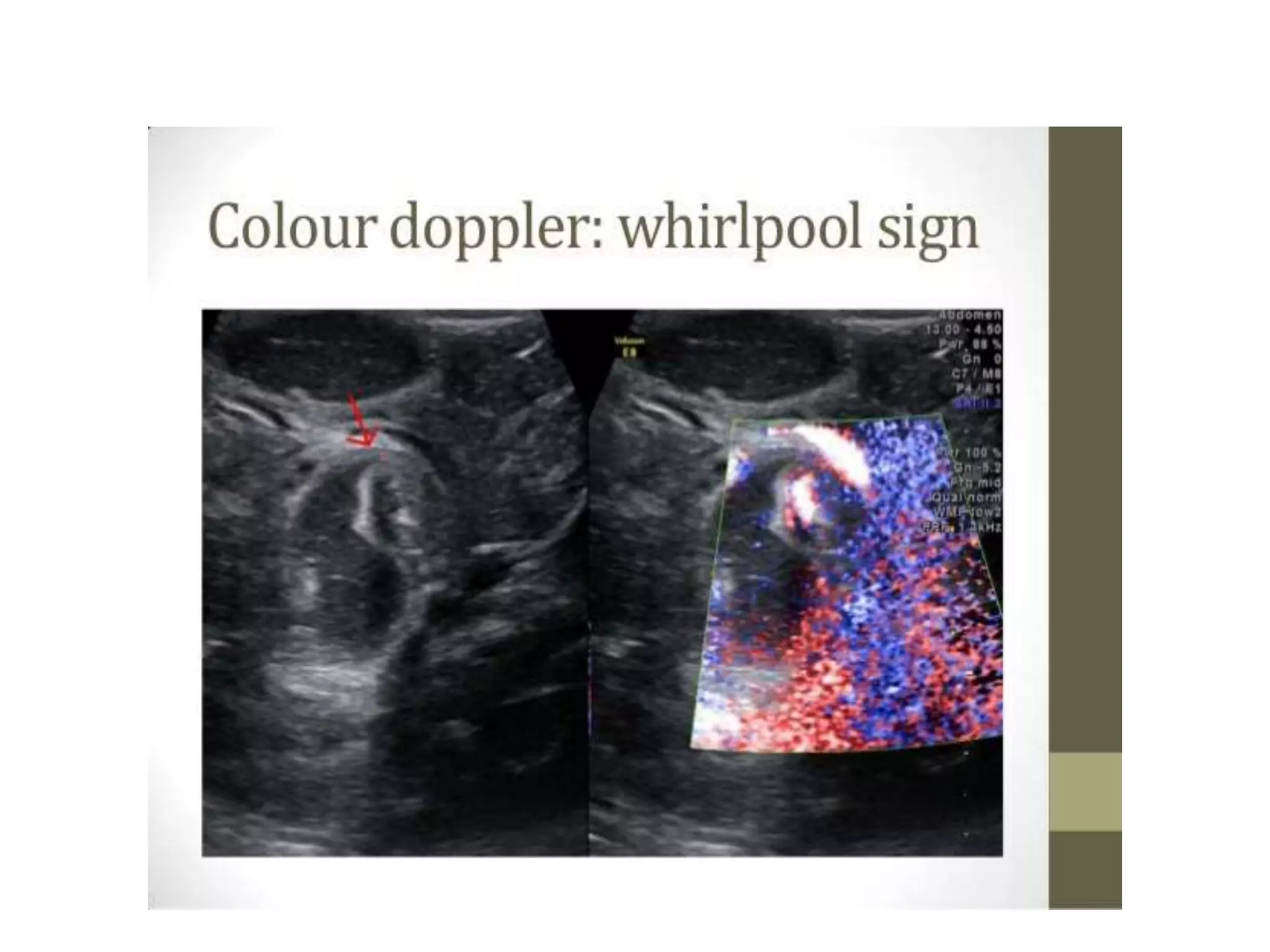
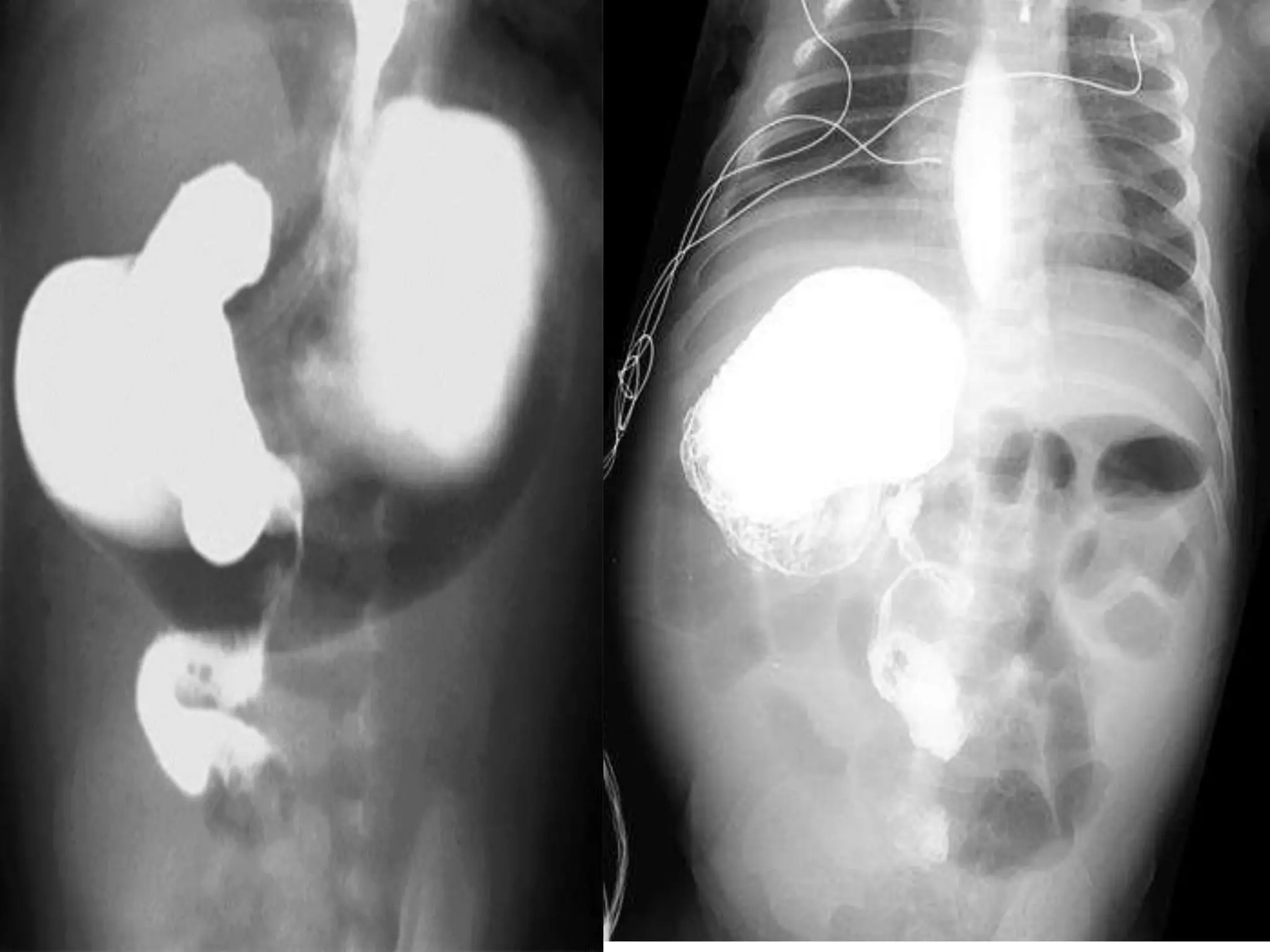
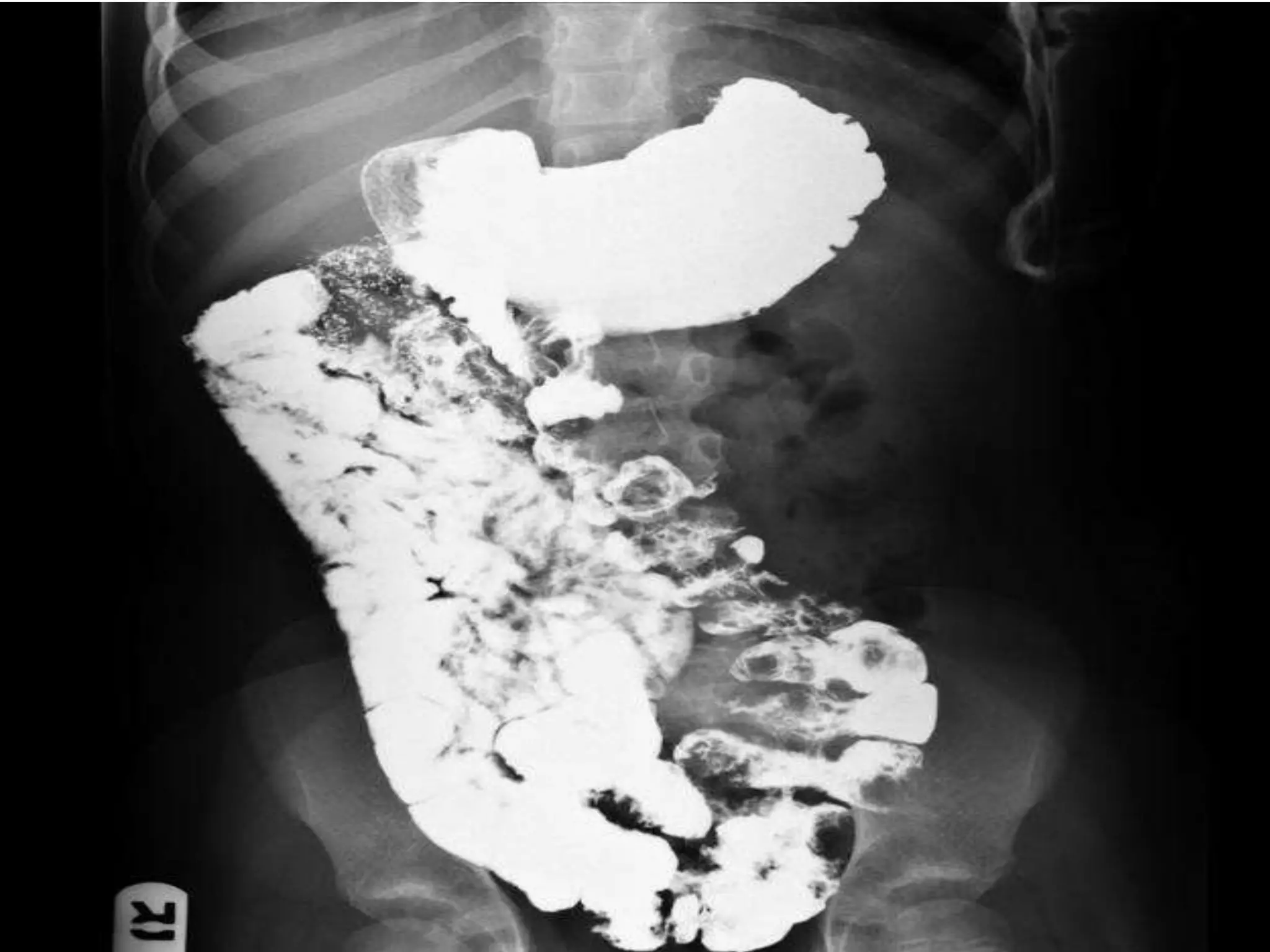
DIAGNOSIS
• Plain X-Ray.
• Doppler study.
• Upper contrast study.
• CT- scan.
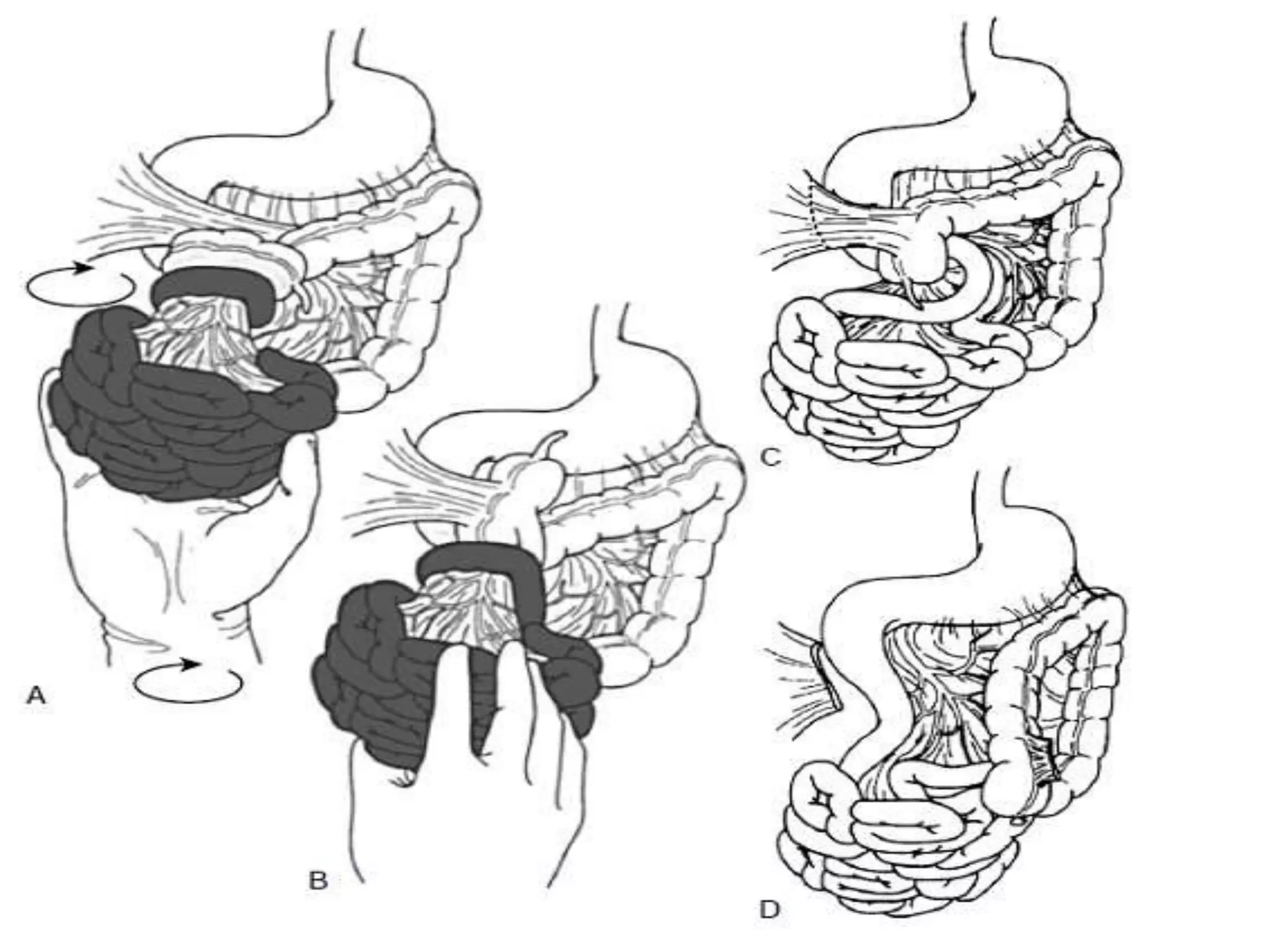
Treatment:
(ladd’s procedure)
• The aim of surgery:
• 1. Entry into abdominal cavity and evisceration
(open)
• 2. Counterclockwise detorsion of the bowel
(acute cases)
• 3. Division of Ladd’s cecal bands
• 4. Broadening of the small intestine mesentery
• 5. Incidental appendectomy
• 6. Placement of small bowel along the right
lateral gutter and colon along the left gutter
laparoscopy
• The laparoscopic treatment for intestinal
rotation anomalies in neonates, infants, and
children with or without midgut volvulus has
been proposed by several authors since van
der Zee’s original report in 1995.
• Reverse trendelenberg position
• 4 port technique used.
Summary
• Rotational anomalies are the result of arrest of
normal rotation of the embryonic gut
• Early diagnosis and surgical intervention reduces
morbidity and mortality .
• Must have a high index of suspicion for infants
with bilious vomiting.
• Malrotation, regardless of age and presence of
symptoms is treated surgically with Ladd
procedure
Malrotation

Malrotation

  • 1.
    MALROTATION Dr. zaidoon m.Altaee Pediatric surgery center
  • 2.
    • As notedby Ladd in 1932, malrotation is a “condition rare enough that it is likely to escape the mind, and it is common enough to be important.” • normal rotation of the human intestine requires transformation from a simple, straight alimentary tube into the mature fixed and folded configuration present at birth. • Through precise embryologic events, the duodenojejunal junction becomes fixed in the left upper abdomen while the cecum is anchored in the right lower quadrant. • The midgut, defined as the portion of the intestine supplied by the superior mesenteric artery, is thus suspended from a wide mesenteric base.
  • 3.
    EMBRYOLOGY • The developmentof the midgut begins with the differentiation of the primitive intestinal tract into the foregut, midgut, and hindgut at the fourth week of gestation. • The mature alimentary tract and all associated digestive organs are formed from this primitive tube. • The most accepted model of midgut maturation involves four distinct stages: • (1) herniation. • (2) rotation. • (3) retraction. • (4) fixation • The intestinal loop can be divided into the cephalic (duodenojejunal) limb and the caudal (cecocolic) limb, which rotate separately but in parallel.
  • 7.
  • 8.
  • 9.
    PRESENTATION • The incidenceof malrotation has been estimated at 1 in 6000 live births. • Up to 75% of patients present during the first month of life. • Another 15% will present within the first year. • Volvulus, intestinal gangrene, and mortality have been noted regardless of the patient’s age or chronicity of symptoms. • Bilious vomiting remains the cardinal sign of neonatal intestinal obstruction, and malrotation must be the presumed diagnosis until proven otherwise.
  • 10.
    • Other signsin the neonate include abdominal pain and distention. • The inconsolable infant may rapidly deteriorate as metabolic acidosis quickly advances to hypovolemic shock. • Late signs include abdominal wall erythema and hematemesis or melena from progressive mucosal ischemia. • Many other cases will present less dramatically. • Failure to thrive, gastro esophageal reflux, early satiety, and mild abdominal discomfort are routinely reported.
  • 12.
    DIAGNOSIS • Plain X-Ray. •Doppler study. • Upper contrast study. • CT- scan.
  • 17.
    Treatment: (ladd’s procedure) • Theaim of surgery: • 1. Entry into abdominal cavity and evisceration (open) • 2. Counterclockwise detorsion of the bowel (acute cases) • 3. Division of Ladd’s cecal bands • 4. Broadening of the small intestine mesentery • 5. Incidental appendectomy • 6. Placement of small bowel along the right lateral gutter and colon along the left gutter
  • 19.
    laparoscopy • The laparoscopictreatment for intestinal rotation anomalies in neonates, infants, and children with or without midgut volvulus has been proposed by several authors since van der Zee’s original report in 1995. • Reverse trendelenberg position • 4 port technique used.
  • 20.
    Summary • Rotational anomaliesare the result of arrest of normal rotation of the embryonic gut • Early diagnosis and surgical intervention reduces morbidity and mortality . • Must have a high index of suspicion for infants with bilious vomiting. • Malrotation, regardless of age and presence of symptoms is treated surgically with Ladd procedure