Downloaded 835 times
















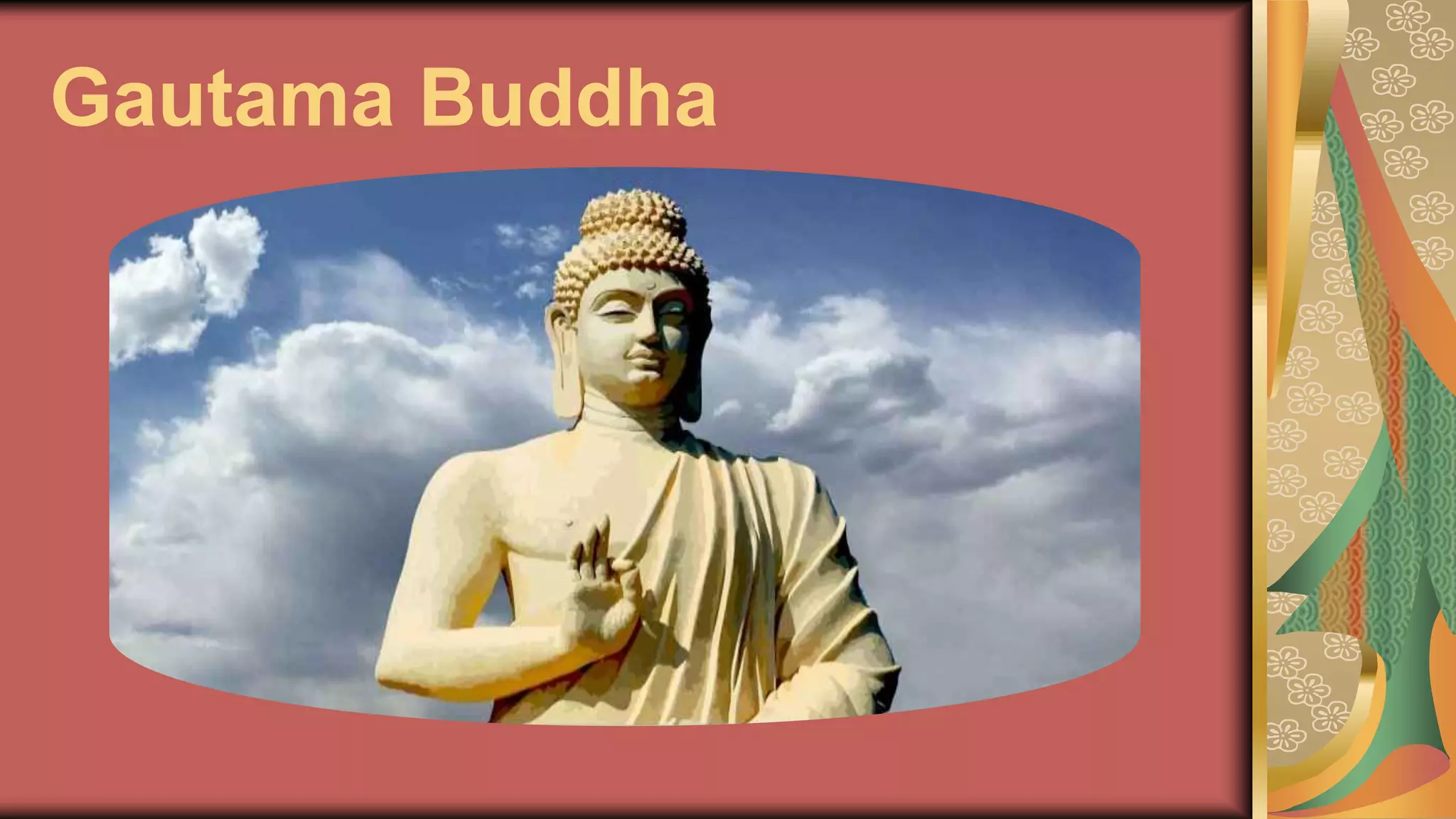
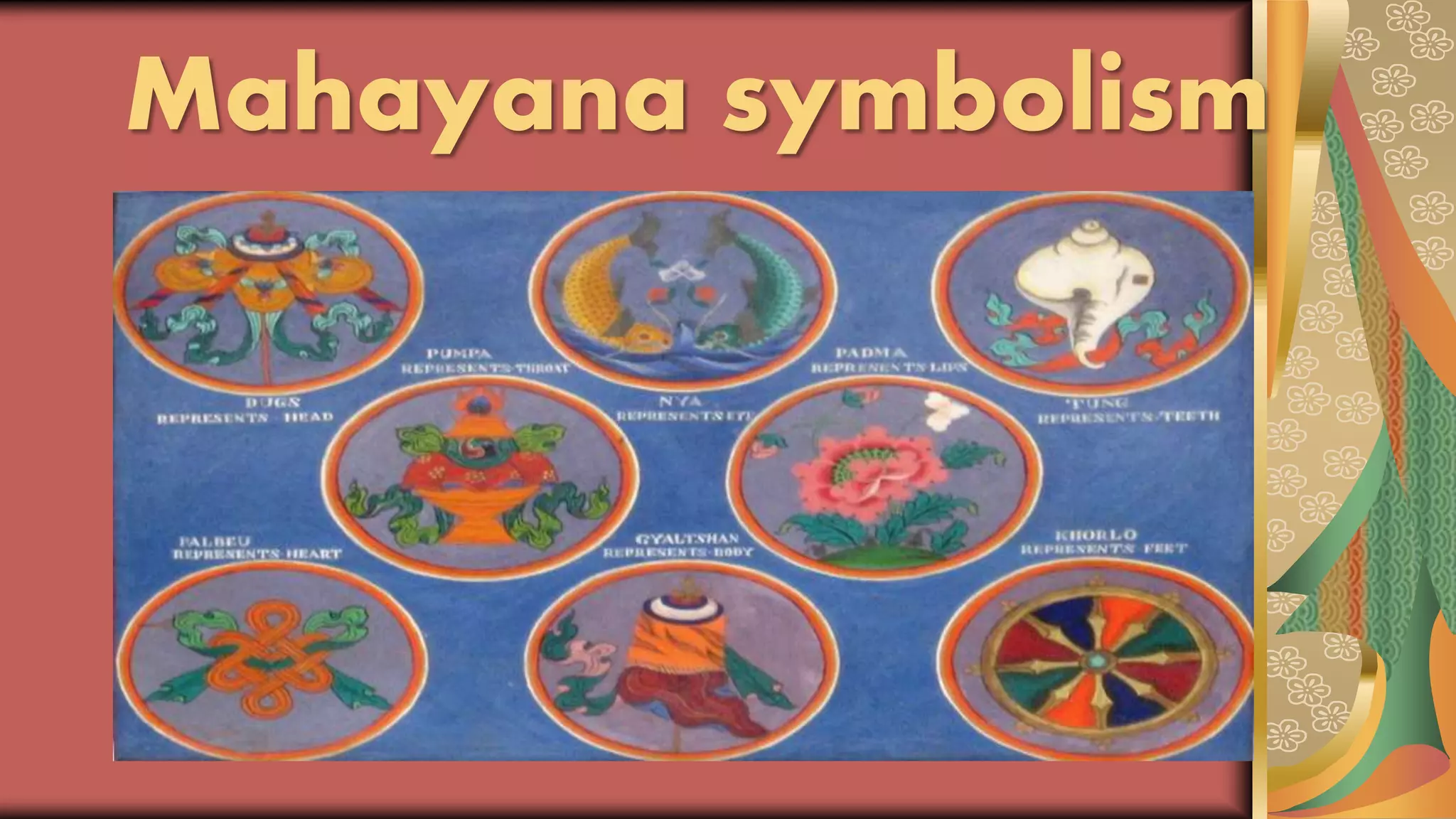


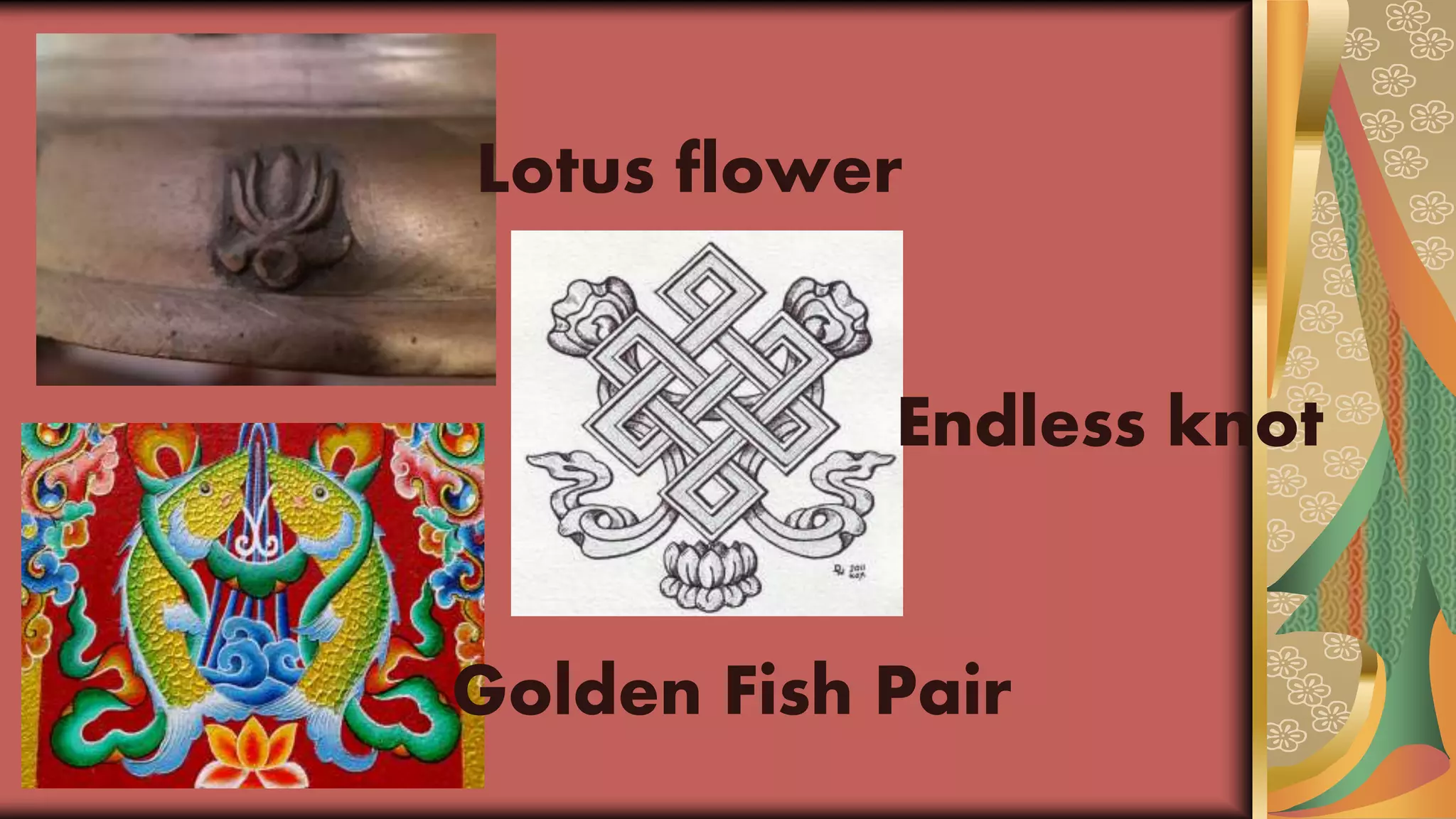
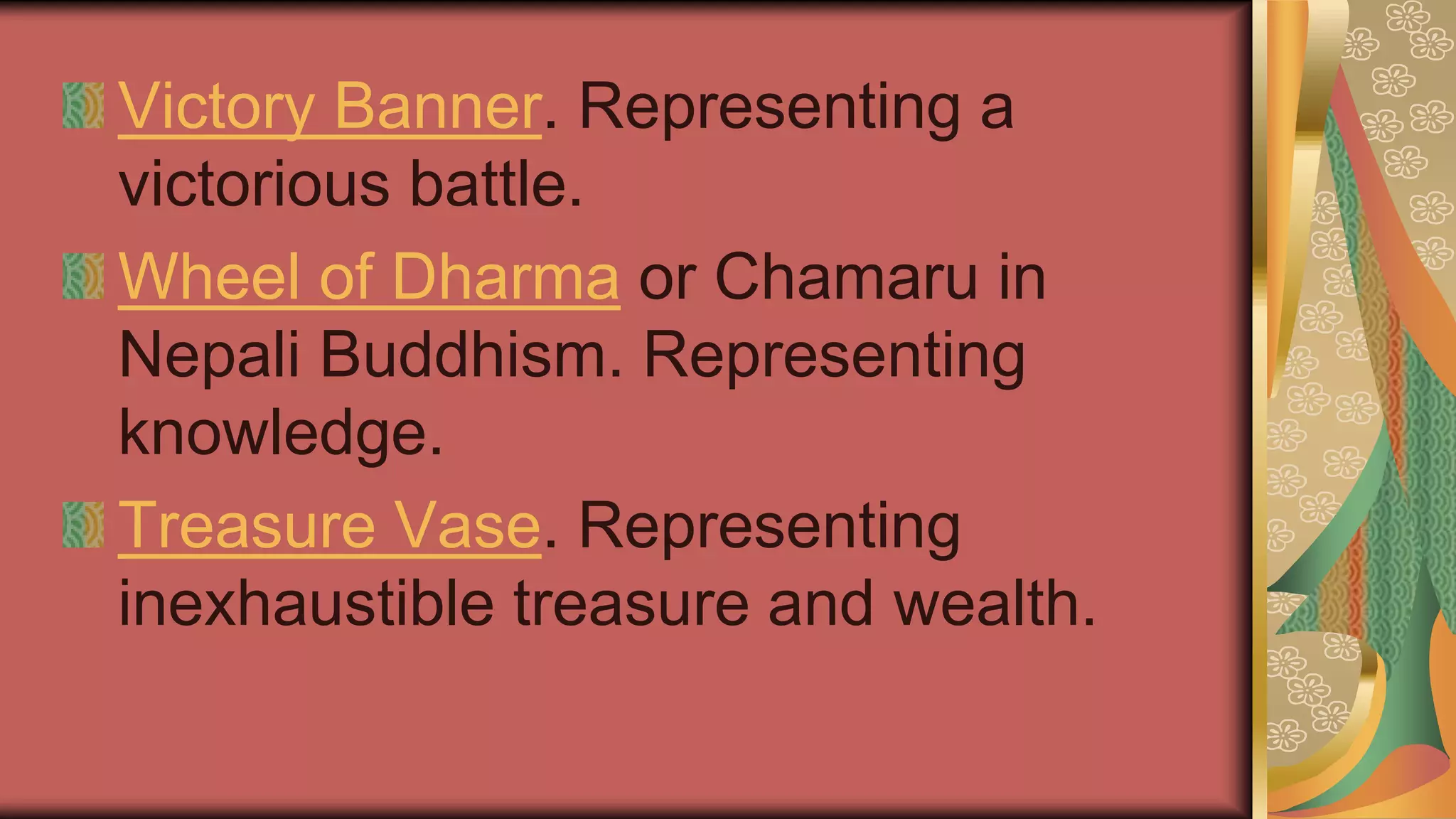
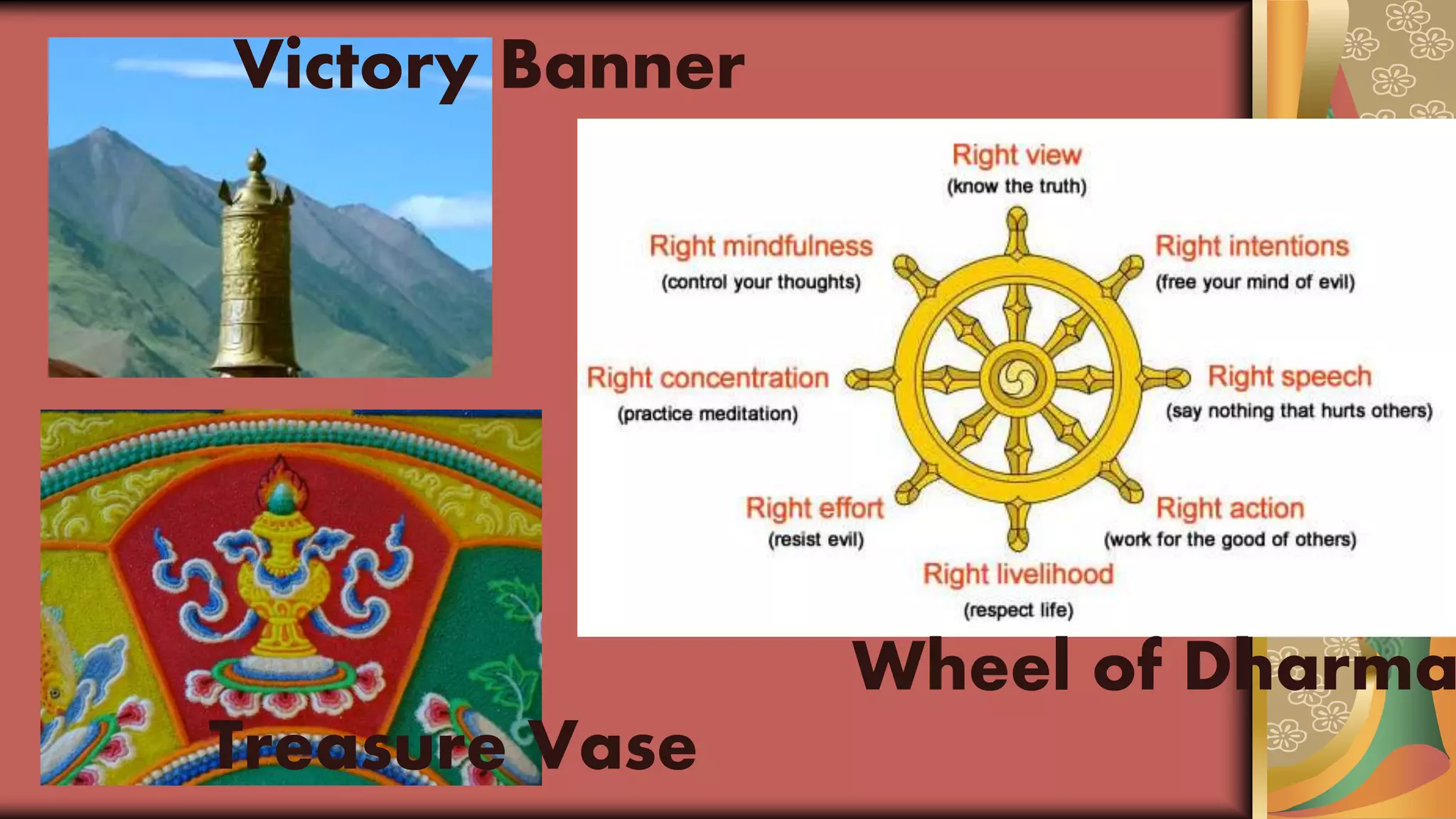

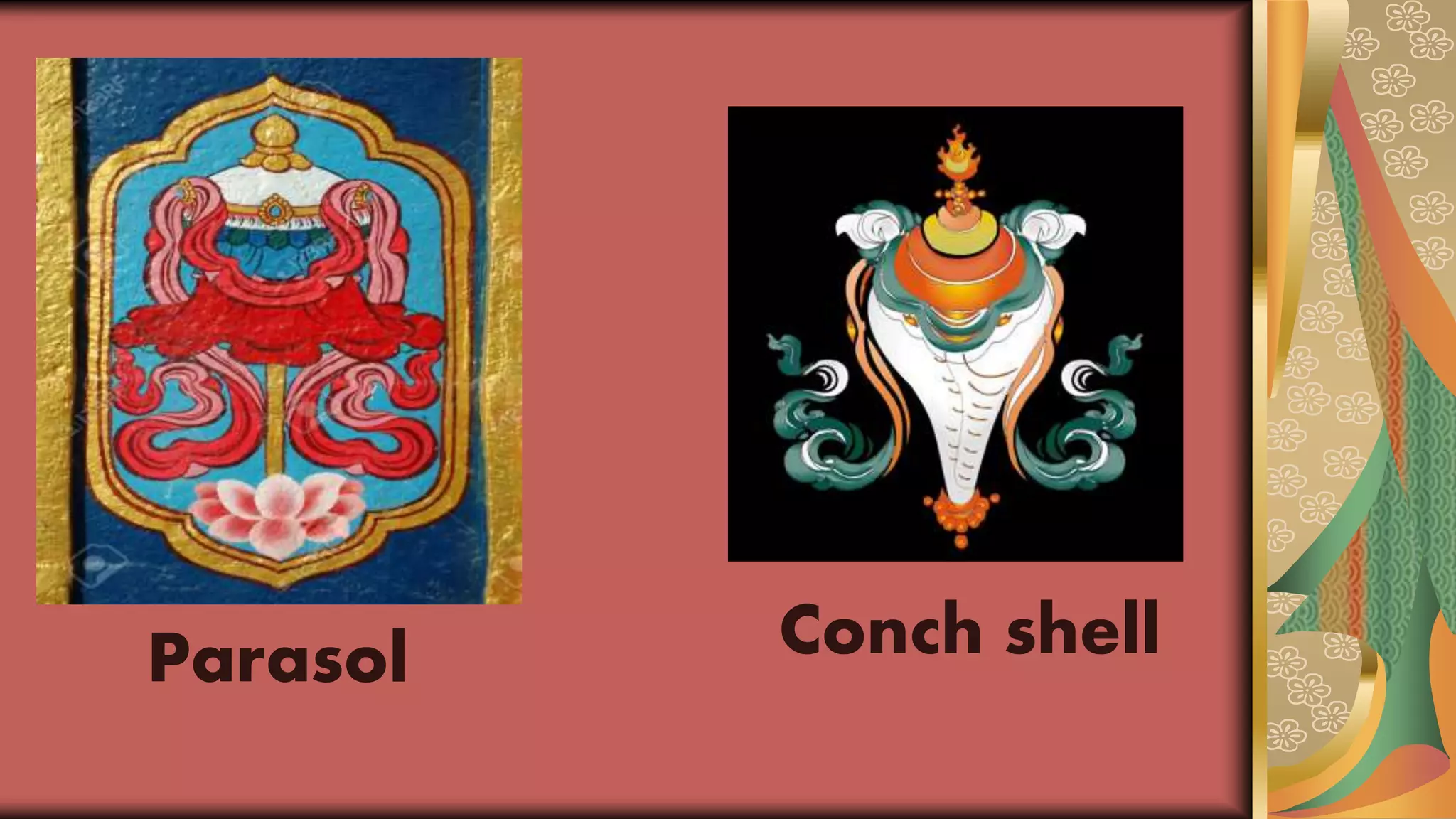


Mahayana Buddhism emerged around the 1st century CE in India as one of the major traditions of Buddhism. It is now practiced in East Asia and Tibet. Key doctrines include sunyata (emptiness), Buddha Nature, and the Trikaya teaching that each Buddha has three bodies - the dharmakaya (truth body), sambhogakaya (bliss body), and nirmanakaya (emanation body). Mahayana Buddhism also emphasizes the bodhisattva ideal of postponing full enlightenment to help all beings attain nirvana. Symbolic representations and mandalas play an important role in Mahayana art and teachings.


![Vimalakititsutra[1] (1)](https://cdn.slidesharecdn.com/ss_thumbnails/vimalakititsutra11-130818113318-phpapp02-thumbnail.jpg?width=640&height=640&fit=bounds)


