Locating SourcesDanielle Carlock480 425 6765d.carlock@sccmail.maricopa.edu
LOCATING SOURCES Method depends on type of source seeking (book, article website, etc)Today we are going to primarily focus on finding magazine, newspaper, and scholarly journal articlesBut first some web searching tips
WEB SEARCHING TIPSBy using the advanced search feature in Google, can limit to a specific domain (.edu, .gov, etc)  There are also specialized search engines for different domains http://searchedu.com/http://www.usa.gov/
ARTICLE SEARCHINGNot effective to use Google. Why?Library databasesAvailable thru the library webpageOnly contain articles (i.e. no websites, etc)Full text with no charge
SUGGESTED DATABASESAcademic Search PremierAcademic One FileCQ ResearcherOpposing ViewpointsPossibly a subject specific database related to your topicALL AVAILABLE THRU THE LIBRARY HOMEPAGE
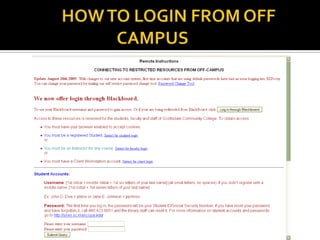
	HOW TO LOGIN FROM OFF CAMPUS
STEP 1: IDENTIFY YOUR GOAL STATEMENTExample: My goal is to convince my audience that climate change is causing extreme weather around the globe and therefore my audience needs to write their congressional representatives and senators, urging them to do more about this issue.
What is a keyword search?A type of search that looks for matching documents that contain the words specified by the user.By doing this you hope to get back results about your topicThe database cannot think for you/anticipate what you wantExample: you want articles about heart attacks. You type in heart attacks. You won’t get articles that you use the term cardiac arrest instead.
STEP 2: IDENTIFY YOUR KEY CONCEPTSWhen using any type of search engine, do not type whole sentences, questions, etc. into search boxes. INSTEAD: DETERMINE WHAT YOUR KEYCONCEPTS ARE
DETERMINING KEYCONCEPTSKey concepts Usually verbs or nounsThey describe your topicWhat are the key concepts in this topic?
STEP 3: IDENTIFY SYNONYMS FOR YOUR KEY CONCEPTSThe english language is very rich. There are many words to describe the same concept.Synonyms for concept 1:Synonyms for concept 2:
STEP 4: COMBINE YOUR CONCEPTS
AND A command you give to the database
It is put between the key concepts in the search
Ex: climate change AND extreme weather
It tells the database to only find articles which include each of these termsORAnother command you give to the databaseIt is put between synonyms EX: extreme weatherORmegastormsIt tells the database to look for articles in which either of the words appear

Locating sources

  • 1.
    Locating SourcesDanielle Carlock480425 6765d.carlock@sccmail.maricopa.edu
  • 2.
    LOCATING SOURCES Methoddepends on type of source seeking (book, article website, etc)Today we are going to primarily focus on finding magazine, newspaper, and scholarly journal articlesBut first some web searching tips
  • 3.
    WEB SEARCHING TIPSByusing the advanced search feature in Google, can limit to a specific domain (.edu, .gov, etc) There are also specialized search engines for different domains http://searchedu.com/http://www.usa.gov/
  • 4.
    ARTICLE SEARCHINGNot effectiveto use Google. Why?Library databasesAvailable thru the library webpageOnly contain articles (i.e. no websites, etc)Full text with no charge
  • 5.
    SUGGESTED DATABASESAcademic SearchPremierAcademic One FileCQ ResearcherOpposing ViewpointsPossibly a subject specific database related to your topicALL AVAILABLE THRU THE LIBRARY HOMEPAGE
  • 6.
    HOW TO LOGINFROM OFF CAMPUS
  • 7.
    STEP 1: IDENTIFYYOUR GOAL STATEMENTExample: My goal is to convince my audience that climate change is causing extreme weather around the globe and therefore my audience needs to write their congressional representatives and senators, urging them to do more about this issue.
  • 8.
    What is akeyword search?A type of search that looks for matching documents that contain the words specified by the user.By doing this you hope to get back results about your topicThe database cannot think for you/anticipate what you wantExample: you want articles about heart attacks. You type in heart attacks. You won’t get articles that you use the term cardiac arrest instead.
  • 9.
    STEP 2: IDENTIFYYOUR KEY CONCEPTSWhen using any type of search engine, do not type whole sentences, questions, etc. into search boxes. INSTEAD: DETERMINE WHAT YOUR KEYCONCEPTS ARE
  • 10.
    DETERMINING KEYCONCEPTSKey conceptsUsually verbs or nounsThey describe your topicWhat are the key concepts in this topic?
  • 11.
    STEP 3: IDENTIFYSYNONYMS FOR YOUR KEY CONCEPTSThe english language is very rich. There are many words to describe the same concept.Synonyms for concept 1:Synonyms for concept 2:
  • 12.
    STEP 4: COMBINEYOUR CONCEPTS
  • 13.
    AND A commandyou give to the database
  • 14.
    It is putbetween the key concepts in the search
  • 15.
    Ex: climate changeAND extreme weather
  • 16.
    It tells thedatabase to only find articles which include each of these termsORAnother command you give to the databaseIt is put between synonyms EX: extreme weatherORmegastormsIt tells the database to look for articles in which either of the words appear