Introduction to Realism:
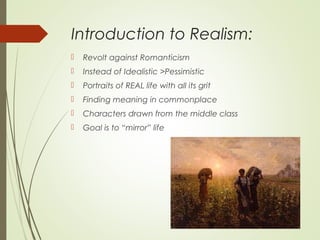
 Revolt against Romanticism
 Instead of Idealistic >Pessimistic
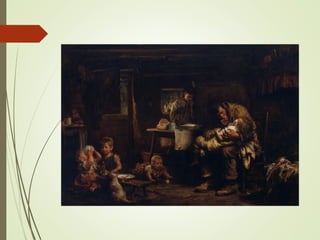
 Portraits of REAL life with all its grit
 Finding meaning in commonplace
 Characters drawn from the middle class
 Goal is to “mirror” life
Introduction to Naturalism
(an “ism” that is prevalent in the Western
World during the Realism Period)
You are a product of your environment!
(1870’s to mid-1900’s)
“A Man Said to the Universe”
by Stephen Crane
A man said to the universe,
“Sir, I exist!”
“However,” replied the universe,
“The fact has not created in me
A sense of obligation.”
Naturalism Background
 Naturalism is an extension and
refinement of Realism, based
on the theories of the French
novelist, Emile Zola (1840 –
1902) .
 Influenced by the scientific
discoveries of the time,
Naturalist saw humans as one
of the pack…not individuals.
Emile Zola coined the term
“human beasts” to
demonstrate this.
 Inspired by Charles Darwin &
Thomas Huxley, Zola believed
people’s actions and beliefs
resulted not from freewill but
from arbitrary, outside forces of
heredity and environment.
What was going on in the
world?
 Western Expansion
 “Manifest Destiny” (Expansion of the US throughout the
continent-belief that this growth was justified and
inevitable> or, dead Native Americans)
 Gold rushes-push to the West
 Growth of cities-population density and resulting crime
and disease
 Industrialism-dissolution of agrarian lifestyles
Major Tenets of NaturalismMajor Tenets of Naturalism
 Writer must examine people and society objectively and, like a
scientist, draw conclusions from what is observed.
 Reality: the inescapable working out of natural forces
 Destiny is decided by heredity and environment, physical
drives, and economic circumstances.
 Tended to be pessimistic.
 Direct opposite of Romanticism and Transcendentalism, which
saw nature as holy or mystical
 Despite their underlying powerlessness, characters generally
conduct themselves with strength and dignity in the face of
adversity, thereby affirming the significance of their existence.
Key themes of Naturalism in literature
 The "brute within" each individual, comprised of
strong and often warring emotions: passions, such
as lust, greed, or the desire for dominance or
pleasure; and the fight for survival in an amoral,
indifferent universe.
 The indifference of nature as man struggles to
survive.
 The forces of heredity and environment as they
affect—and afflict—individual lives.
 Determinism: the inability to express free will.
How Culture Influenced Literature and LedHow Culture Influenced Literature and Led
to Naturalism:to Naturalism:
 Darwin says it's natural selection, not a divine blueprint of
some sort, that determines which organisms live and die in the
world -- it's mere "survival of the fittest." 
 Marx says the masses are at the mercy of a capitalist
economy, which more often than not brutally exploits them. 
 Freud says we're all at the mercy of dark internal drives and
desires we can scarcely hope to control. 
Expanding ideas of naturalism
 Another side to nature controlling our destiny, is the nature inside
of us such as the need for food, sex, shelter, social dominance,
etc.
 Naturalism doesn’t just focus on nature’s influence. It
encompasses many environments, the man-made environment,
or finance, industry, and the economy.  Something is always
beating down and controlling the lives of lowly individual humans.
 Naturalist works are more likely to be political than traditional
realist works.  A great many naturalists (like Upton Sinclair in The
Jungle, which is about the plight of the working poor in Chicago's
meat-packing industry) want to expose the cruelty of certain
"larger forces," more often than not America's voracious capitalist
economy.
In a nutshell
 Donald Prizer states, "The naturalistic novelist is willing
to concede that there are fundamental limitations to
man's freedom, but he is unwilling to concede that
man is thereby stripped of all value."

Literary Naturalism

  • 1.
    Introduction to Realism: Revolt against Romanticism  Instead of Idealistic >Pessimistic  Portraits of REAL life with all its grit  Finding meaning in commonplace  Characters drawn from the middle class  Goal is to “mirror” life
  • 2.
    Introduction to Naturalism (an“ism” that is prevalent in the Western World during the Realism Period) You are a product of your environment! (1870’s to mid-1900’s)
  • 4.
    “A Man Saidto the Universe” by Stephen Crane A man said to the universe, “Sir, I exist!” “However,” replied the universe, “The fact has not created in me A sense of obligation.”
  • 5.
    Naturalism Background  Naturalismis an extension and refinement of Realism, based on the theories of the French novelist, Emile Zola (1840 – 1902) .  Influenced by the scientific discoveries of the time, Naturalist saw humans as one of the pack…not individuals. Emile Zola coined the term “human beasts” to demonstrate this.  Inspired by Charles Darwin & Thomas Huxley, Zola believed people’s actions and beliefs resulted not from freewill but from arbitrary, outside forces of heredity and environment.
  • 6.
    What was goingon in the world?  Western Expansion  “Manifest Destiny” (Expansion of the US throughout the continent-belief that this growth was justified and inevitable> or, dead Native Americans)  Gold rushes-push to the West  Growth of cities-population density and resulting crime and disease  Industrialism-dissolution of agrarian lifestyles
  • 7.
    Major Tenets ofNaturalismMajor Tenets of Naturalism  Writer must examine people and society objectively and, like a scientist, draw conclusions from what is observed.  Reality: the inescapable working out of natural forces  Destiny is decided by heredity and environment, physical drives, and economic circumstances.  Tended to be pessimistic.  Direct opposite of Romanticism and Transcendentalism, which saw nature as holy or mystical  Despite their underlying powerlessness, characters generally conduct themselves with strength and dignity in the face of adversity, thereby affirming the significance of their existence.
  • 8.
    Key themes ofNaturalism in literature  The "brute within" each individual, comprised of strong and often warring emotions: passions, such as lust, greed, or the desire for dominance or pleasure; and the fight for survival in an amoral, indifferent universe.  The indifference of nature as man struggles to survive.  The forces of heredity and environment as they affect—and afflict—individual lives.  Determinism: the inability to express free will.
  • 9.
    How Culture InfluencedLiterature and LedHow Culture Influenced Literature and Led to Naturalism:to Naturalism:  Darwin says it's natural selection, not a divine blueprint of some sort, that determines which organisms live and die in the world -- it's mere "survival of the fittest."   Marx says the masses are at the mercy of a capitalist economy, which more often than not brutally exploits them.   Freud says we're all at the mercy of dark internal drives and desires we can scarcely hope to control. 
  • 10.
    Expanding ideas ofnaturalism  Another side to nature controlling our destiny, is the nature inside of us such as the need for food, sex, shelter, social dominance, etc.  Naturalism doesn’t just focus on nature’s influence. It encompasses many environments, the man-made environment, or finance, industry, and the economy.  Something is always beating down and controlling the lives of lowly individual humans.  Naturalist works are more likely to be political than traditional realist works.  A great many naturalists (like Upton Sinclair in The Jungle, which is about the plight of the working poor in Chicago's meat-packing industry) want to expose the cruelty of certain "larger forces," more often than not America's voracious capitalist economy.
  • 11.
    In a nutshell Donald Prizer states, "The naturalistic novelist is willing to concede that there are fundamental limitations to man's freedom, but he is unwilling to concede that man is thereby stripped of all value."