LAERINGSINHOLD
TIL SMARTPHONE
OGTABLET (LIST)
Lund, AF Borgen, Sverige. Kick Off 5e september 2016
Ebba Ossiannilsson@gmail.com
UNESCO
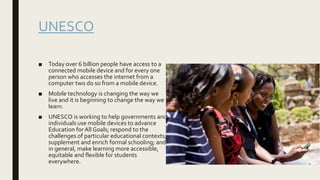
■ Today over 6 billion people have access to a
connected mobile device and for every one
person who accesses the internet from a
computer two do so from a mobile device.
■ Mobile technology is changing the way we
live and it is beginning to change the way we
learn.
■ UNESCO is working to help governments and
individuals use mobile devices to advance
Education forAll Goals; respond to the
challenges of particular educational contexts;
supplement and enrich formal schooling; and,
in general, make learning more accessible,
equitable and flexible for students
everywhere.
UNESCO
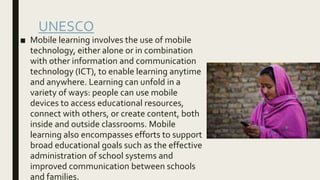
■ Mobile learning involves the use of mobile
technology, either alone or in combination
with other information and communication
technology (ICT), to enable learning anytime
and anywhere. Learning can unfold in a
variety of ways: people can use mobile
devices to access educational resources,
connect with others, or create content, both
inside and outside classrooms. Mobile
learning also encompasses efforts to support
broad educational goals such as the effective
administration of school systems and
improved communication between schools
and families.
Mobile learning is bridging the GAP
UNESCO
■ Mobile learning is part of a new
learning landscape created by the
availability of technologies
supporting flexible, accessible,
personalized education. Learners’
everyday uses of mobile phones and
other devices such as games
consoles, which can also be used for
learning, are now major drivers for
the rapid uptake of mobile learning
throughout the world. Crucially,
mobile learning can contribute to the
global commitment to provide
quality education for children, youth
and adults, as expressed in the goals
of Education for All (EFA).
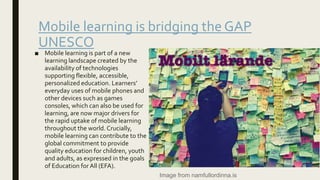
Image from namfullordinna.is
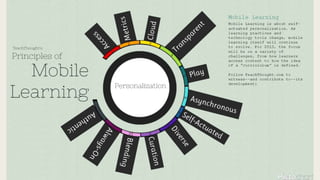
Personal vs Personalized learning
S Downes 17e febrauri 2016
http://www.downes.ca/post/65065
■ Personal learning often begins informally, on an ad hoc basis, driven by the need to complete some
task or achieve some objective.The learning is a means to an end, rather than the end in itself.
Curricula and pedagogy are selected pragmatically. If the need is short term and urgent, a simple
learning resource may be provided. If the person wants to understand at a deep level, then a course
might be the best option.
■ Personalized learning is like being served at a restaurant. Someone else selects the food and prepares
it.There is some customization – you can tell the waiter how you want your meat cooked – but
essentially everyone at the restaurant gets the same experience.
■ Personal learning is like shopping at a grocery store.You need to assemble the ingredients yourself
and create your own meals. It’s harder, but it’s a lot cheaper, and you can have an endless variety of
meals. Sure, you might not get the best meals possible, but you control the experience, and you
control the outcome
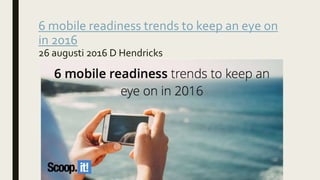
6 mobile readiness trends to keep an eye on
in 2016
26 augusti 2016 D Hendricks
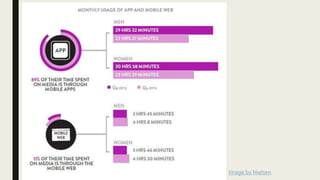
Image by Nielsen
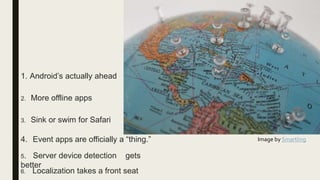
1. Android’s actually ahead
2. More offline apps
3. Sink or swim for Safari
4. Event apps are officially a “thing.”
5. Server device detection gets
better
6. Localization takes a front seat
Image by Smartling
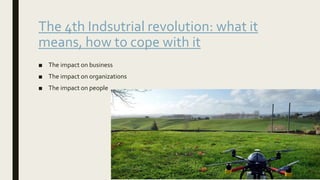
The 4th Indsutrial revolution: what it
means, how to cope with it
■ The impact on business
■ The impact on organizations
■ The impact on people
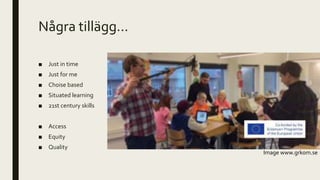
Några tillägg…
■ Just in time
■ Just for me
■ Choise based
■ Situated learning
■ 21st century skills
■ Access
■ Equity
■ Quality
Image www.grkom.se
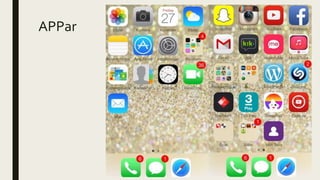
APPar
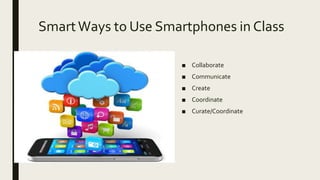
SmartWays to Use Smartphones in Class
■ Collaborate
■ Communicate
■ Create
■ Coordinate
■ Curate/Coordinate

List kick off lund_5sept2016

  • 1.
    LAERINGSINHOLD TIL SMARTPHONE OGTABLET (LIST) Lund,AF Borgen, Sverige. Kick Off 5e september 2016 Ebba Ossiannilsson@gmail.com
  • 2.
    UNESCO ■ Today over6 billion people have access to a connected mobile device and for every one person who accesses the internet from a computer two do so from a mobile device. ■ Mobile technology is changing the way we live and it is beginning to change the way we learn. ■ UNESCO is working to help governments and individuals use mobile devices to advance Education forAll Goals; respond to the challenges of particular educational contexts; supplement and enrich formal schooling; and, in general, make learning more accessible, equitable and flexible for students everywhere.
  • 3.
    UNESCO ■ Mobile learninginvolves the use of mobile technology, either alone or in combination with other information and communication technology (ICT), to enable learning anytime and anywhere. Learning can unfold in a variety of ways: people can use mobile devices to access educational resources, connect with others, or create content, both inside and outside classrooms. Mobile learning also encompasses efforts to support broad educational goals such as the effective administration of school systems and improved communication between schools and families.
  • 4.
    Mobile learning isbridging the GAP UNESCO ■ Mobile learning is part of a new learning landscape created by the availability of technologies supporting flexible, accessible, personalized education. Learners’ everyday uses of mobile phones and other devices such as games consoles, which can also be used for learning, are now major drivers for the rapid uptake of mobile learning throughout the world. Crucially, mobile learning can contribute to the global commitment to provide quality education for children, youth and adults, as expressed in the goals of Education for All (EFA). Image from namfullordinna.is
  • 5.
    Personal vs Personalizedlearning S Downes 17e febrauri 2016 http://www.downes.ca/post/65065 ■ Personal learning often begins informally, on an ad hoc basis, driven by the need to complete some task or achieve some objective.The learning is a means to an end, rather than the end in itself. Curricula and pedagogy are selected pragmatically. If the need is short term and urgent, a simple learning resource may be provided. If the person wants to understand at a deep level, then a course might be the best option. ■ Personalized learning is like being served at a restaurant. Someone else selects the food and prepares it.There is some customization – you can tell the waiter how you want your meat cooked – but essentially everyone at the restaurant gets the same experience. ■ Personal learning is like shopping at a grocery store.You need to assemble the ingredients yourself and create your own meals. It’s harder, but it’s a lot cheaper, and you can have an endless variety of meals. Sure, you might not get the best meals possible, but you control the experience, and you control the outcome
  • 6.
    6 mobile readinesstrends to keep an eye on in 2016 26 augusti 2016 D Hendricks
  • 7.
  • 8.
    1. Android’s actuallyahead 2. More offline apps 3. Sink or swim for Safari 4. Event apps are officially a “thing.” 5. Server device detection gets better 6. Localization takes a front seat Image by Smartling
  • 9.
    The 4th Indsutrialrevolution: what it means, how to cope with it ■ The impact on business ■ The impact on organizations ■ The impact on people
  • 11.
    Några tillägg… ■ Justin time ■ Just for me ■ Choise based ■ Situated learning ■ 21st century skills ■ Access ■ Equity ■ Quality Image www.grkom.se
  • 12.
  • 13.
    SmartWays to UseSmartphones in Class ■ Collaborate ■ Communicate ■ Create ■ Coordinate ■ Curate/Coordinate