Language Functions 
TEXT-CATEGORIES AND TEXT-TYPES
Text types according to functions of language 
1) Expressive 
2) Informative 
3) Vocative 
4) Aesthetic 
5) Phatic 
6) Metalingual
Expressive Function 
The main core of this expression is the mind of the 
speaker, the writer, the originator of the utterance. 
• Utterance is to express the feeling irrespective of 
any response.
According to Peter Newmark: 
• The main feature of the Expressive Funtion of 
language is the mind of the writer.
The characteristic of expressive 
text-types
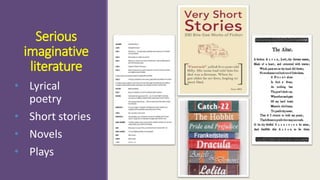
Serious 
imaginative 
literature 
• Lyrical 
poetry 
• Short stories 
• Novels 
• Plays
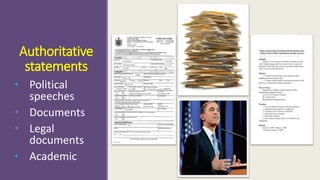
Authoritative 
statements 
• Political 
speeches 
• Documents 
• Legal 
documents 
• Academic
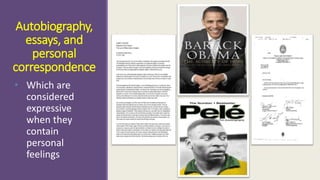
Autobiography, 
essays, and 
personal 
correspondence 
• Which are 
considered 
expressive 
when they 
contain 
personal 
feelings
Informative function 
The core of this informative function of language is 
external situation, the facts of a topic, reality outside 
language, including reported ideas or theories. 
The purpose of this informative function is concerned 
with the topic of knowledge and literary subject.
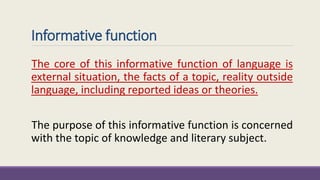
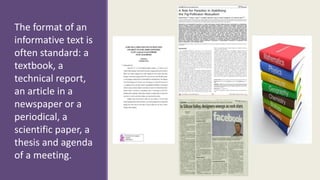
The format of an 
informative text is 
often standard: a 
textbook, a 
technical report, 
an article in a 
newspaper or a 
periodical, a 
scientific paper, a 
thesis and agenda 
of a meeting.
However, note two points: 
• First: 'informative' texts constitute the vast majority of the 
staff translator's work in international organisations, multi-nationals, 
private companies and translation agencies. 
• Secondly, a high proportion of such texts are poorly written 
and sometimes inaccurate, and it is usually the translator's 
job to 'correct' their facts and their style.
The vocative function 
• The core of the vocative function of language is the 
readership, the addressee. 
• The vocative is the case used for addressing your reader in 
some inflected language.
Inflected language 
• A language that changes the form or ending of some words 
when the way in which they are used in sentences changes.
Inflection in English include: 
the genitive 's. 
the plural -s . 
the third-person singular -s . 
the past tense -d, - ed, or –t. 
the negative particle 'nt. 
ing forms of verbs 
the comparative -er and the superlative -est
This function of languages has been given 
many other names 
• Conative( denoted effort.) 
• Instrumental 
• Operative 
• Pragmatic
For the purposes of translation 
• Notices 
• Instruction 
• Publicity 
• Propaganda 
• Persuasive writing(requests ,case, theses) 
• Popular fiction whose purpose is to sell the book/entertain the 
reader as typical vocative.
Factors of vocative function 
• The first factor in all vocative text is the relationship between 
the writer and the readership. 
• The second factor is that these text must be written in a 
language that is immediately comprehensible to the 
readership.
The aesthetic function 
• The aesthetic function (called by Lakobson the poetic) 
• This is a language designed to please the senses, firstly through its 
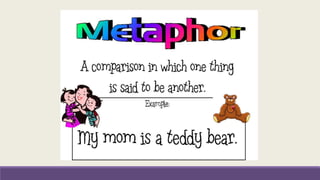
actual or imagined sound, and secondly through its metaphors. 
•In many case it is no possible to translate sound effect unless one 
transfers the relevant language units: compensation of the kind is 
usually possible but not hard to translate, unless the word is simply 
missing in the other language( lexical gap.)
Lexical gap 
• Lexical gap or lacuna is when there is no word in 
another language to describe a concept.
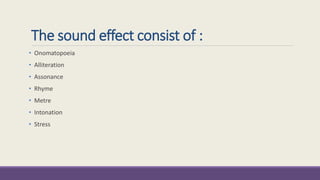
The sound effect consist of : 
• Onomatopoeia 
• Alliteration 
• Assonance 
• Rhyme 
• Metre 
• Intonation 
• Stress
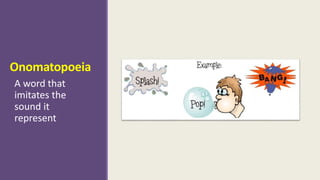
Onomatopoeia 
A word that 
imitates the 
sound it 
represent
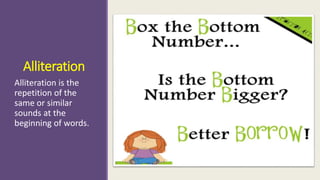
Alliteration 
Alliteration is the 
repetition of the 
same or similar 
sounds at the 
beginning of words.
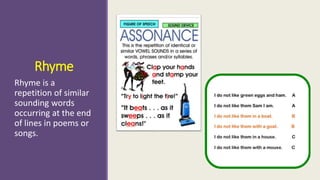
Rhyme 
Rhyme is a 
repetition of similar 
sounding words 
occurring at the end 
of lines in poems or 
songs.
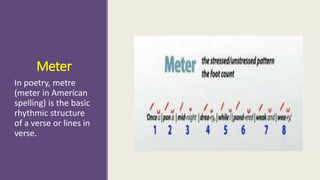
Meter 
In poetry, metre 
(meter in American 
spelling) is the basic 
rhythmic structure 
of a verse or lines in 
verse.
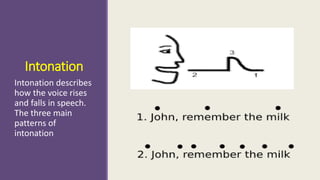
Intonation 
Intonation describes 
how the voice rises 
and falls in speech. 
The three main 
patterns of 
intonation
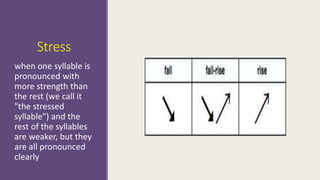
Stress 
when one syllable is 
pronounced with 
more strength than 
the rest (we call it 
"the stressed 
syllable") and the 
rest of the syllables 
are weaker, but they 
are all pronounced 
clearly
Language funtions in translation

Language funtions in translation

  • 1.
  • 2.
    Text types accordingto functions of language 1) Expressive 2) Informative 3) Vocative 4) Aesthetic 5) Phatic 6) Metalingual
  • 3.
    Expressive Function Themain core of this expression is the mind of the speaker, the writer, the originator of the utterance. • Utterance is to express the feeling irrespective of any response.
  • 4.
    According to PeterNewmark: • The main feature of the Expressive Funtion of language is the mind of the writer.
  • 5.
    The characteristic ofexpressive text-types
  • 6.
    Serious imaginative literature • Lyrical poetry • Short stories • Novels • Plays
  • 7.
    Authoritative statements •Political speeches • Documents • Legal documents • Academic
  • 8.
    Autobiography, essays, and personal correspondence • Which are considered expressive when they contain personal feelings
  • 9.
    Informative function Thecore of this informative function of language is external situation, the facts of a topic, reality outside language, including reported ideas or theories. The purpose of this informative function is concerned with the topic of knowledge and literary subject.
  • 10.
    The format ofan informative text is often standard: a textbook, a technical report, an article in a newspaper or a periodical, a scientific paper, a thesis and agenda of a meeting.
  • 11.
    However, note twopoints: • First: 'informative' texts constitute the vast majority of the staff translator's work in international organisations, multi-nationals, private companies and translation agencies. • Secondly, a high proportion of such texts are poorly written and sometimes inaccurate, and it is usually the translator's job to 'correct' their facts and their style.
  • 12.
    The vocative function • The core of the vocative function of language is the readership, the addressee. • The vocative is the case used for addressing your reader in some inflected language.
  • 13.
    Inflected language •A language that changes the form or ending of some words when the way in which they are used in sentences changes.
  • 14.
    Inflection in Englishinclude: the genitive 's. the plural -s . the third-person singular -s . the past tense -d, - ed, or –t. the negative particle 'nt. ing forms of verbs the comparative -er and the superlative -est
  • 15.
    This function oflanguages has been given many other names • Conative( denoted effort.) • Instrumental • Operative • Pragmatic
  • 16.
    For the purposesof translation • Notices • Instruction • Publicity • Propaganda • Persuasive writing(requests ,case, theses) • Popular fiction whose purpose is to sell the book/entertain the reader as typical vocative.
  • 17.
    Factors of vocativefunction • The first factor in all vocative text is the relationship between the writer and the readership. • The second factor is that these text must be written in a language that is immediately comprehensible to the readership.
  • 18.
    The aesthetic function • The aesthetic function (called by Lakobson the poetic) • This is a language designed to please the senses, firstly through its actual or imagined sound, and secondly through its metaphors. •In many case it is no possible to translate sound effect unless one transfers the relevant language units: compensation of the kind is usually possible but not hard to translate, unless the word is simply missing in the other language( lexical gap.)
  • 19.
    Lexical gap •Lexical gap or lacuna is when there is no word in another language to describe a concept.
  • 20.
    The sound effectconsist of : • Onomatopoeia • Alliteration • Assonance • Rhyme • Metre • Intonation • Stress
  • 21.
    Onomatopoeia A wordthat imitates the sound it represent
  • 22.
    Alliteration Alliteration isthe repetition of the same or similar sounds at the beginning of words.
  • 23.
    Rhyme Rhyme isa repetition of similar sounding words occurring at the end of lines in poems or songs.
  • 24.
    Meter In poetry,metre (meter in American spelling) is the basic rhythmic structure of a verse or lines in verse.
  • 25.
    Intonation Intonation describes how the voice rises and falls in speech. The three main patterns of intonation
  • 26.
    Stress when onesyllable is pronounced with more strength than the rest (we call it "the stressed syllable") and the rest of the syllables are weaker, but they are all pronounced clearly