Putting the Big Literacy Ideas to
 Work in Primary Classrooms
                 Kamloops	
  
     Tuesday,	
  October	
  30th,	
  2012	
  
           Faye	
  Brownlie	
  
Learning Intentions
•  I	
  can	
  find	
  evidence	
  of	
  current	
  reading	
  research	
  
   and	
  the	
  big	
  ideas	
  of	
  literacy	
  in	
  my	
  pracCce	
  and	
  
   become	
  curious	
  about	
  incorporaCng	
  a	
  pracCce	
  
   that	
  is	
  different	
  to	
  me	
  

•  I	
  can	
  consider	
  the	
  impact	
  of	
  my	
  language	
  on	
  
   my	
  learning	
  community	
  

•  I	
  am	
  leaving	
  with	
  a	
  quesCon	
  
“Every	
  Child,	
  Every	
  Day”	
  –	
  Richard	
  Allington	
  and	
  
   Rachael	
  Gabriel	
  
In	
  EducaConal	
  Leadership,	
  March	
  2012	
  

6	
  elements	
  of	
  instrucCon	
  for	
  ALL	
  students!	
  
1.	
  	
  Every	
  child	
  reads	
  something	
  he	
  or	
  she	
  
          chooses.	
  
2.  Every	
  child	
  reads	
  accurately.	
  

-­‐intensity	
  and	
  volume	
  count!	
  
-­‐98%	
  accuracy	
  
-­‐less	
  than	
  90%	
  accuracy,	
  doesn’t	
  improve	
  
      reading	
  at	
  all	
  
3.  Every	
  child	
  reads	
  something	
  he	
  or	
  she	
  
       understands.	


  -­‐at	
  least	
  2/3	
  of	
  Cme	
  spent	
  reading	
  and	
  
       rereading	
  NOT	
  doing	
  isolated	
  skill	
  pracCce	
  or	
  
       worksheets	


  -­‐build	
  background	
  knowledge	
  before	
  
       entering	
  the	
  text	


  -­‐read	
  with	
  quesCons	
  in	
  mind	


4.  Every	
  child	
  writes	
  about	
  something	
  
    personally	
  meaningful.	
  
       	
  -­‐connected	
  to	
  text	
  
       	
  -­‐connected	
  to	
  themselves	
  
       	
  -­‐real	
  purpose,	
  real	
  audience	
  
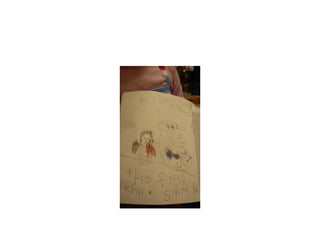
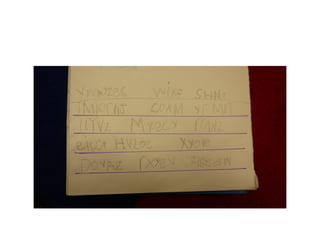
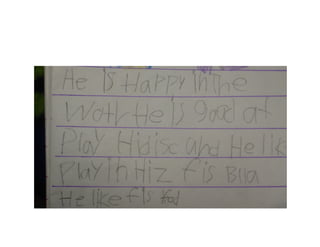
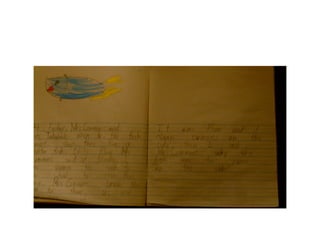
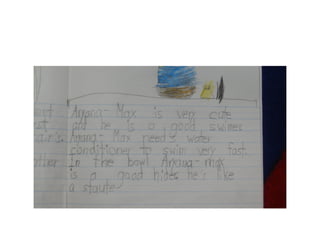
K/Grade	
  1	
  WriCng	
  
 Commons	
  &	
  Jakovac	


Samples	
  from	
  June	
  7th,	
  2012	
  
5.	
  	
  Every	
  child	
  talks	
  with	
  peers	
  about	
  reading	
  
   and	
  wriCng.	
  
6.  Every	
  child	
  listens	
  to	
  a	
  fluent	
  adult	
  read	
  
       aloud.	


  -­‐different	
  kinds	
  of	
  text	


  -­‐with	
  some	
  commentary	
  
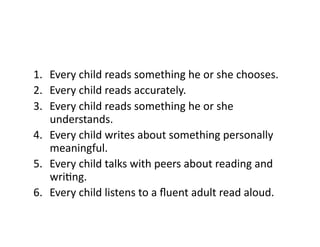
1.  Every	
  child	
  reads	
  something	
  he	
  or	
  she	
  chooses.	
  
2.  Every	
  child	
  reads	
  accurately.	
  
3.  Every	
  child	
  reads	
  something	
  he	
  or	
  she	
  
    understands.	
  
4.  Every	
  child	
  writes	
  about	
  something	
  personally	
  
    meaningful.	
  
5.  Every	
  child	
  talks	
  with	
  peers	
  about	
  reading	
  and	
  
    wriCng.	
  
6.  Every	
  child	
  listens	
  to	
  a	
  fluent	
  adult	
  read	
  aloud.	
  
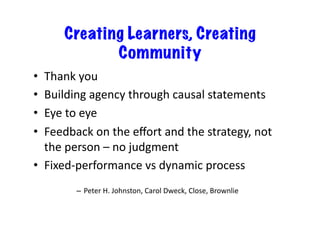
Creating Learners, Creating
                Community
•  Thank	
  you	
  
•  Building	
  agency	
  through	
  causal	
  statements	
  
•  Eye	
  to	
  eye	
  
•  Feedback	
  on	
  the	
  effort	
  and	
  the	
  strategy,	
  not	
  
   the	
  person	
  –	
  no	
  judgment	
  
•  Fixed-­‐performance	
  vs	
  dynamic	
  process	
  
            –  Peter	
  H.	
  Johnston,	
  Carol	
  Dweck,	
  Close,	
  Brownlie	
  

Kamloops.oct.2012

  • 1.
    Putting the BigLiteracy Ideas to Work in Primary Classrooms Kamloops   Tuesday,  October  30th,  2012   Faye  Brownlie  
  • 2.
    Learning Intentions •  I  can  find  evidence  of  current  reading  research   and  the  big  ideas  of  literacy  in  my  pracCce  and   become  curious  about  incorporaCng  a  pracCce   that  is  different  to  me   •  I  can  consider  the  impact  of  my  language  on   my  learning  community   •  I  am  leaving  with  a  quesCon  
  • 3.
    “Every  Child,  Every  Day”  –  Richard  Allington  and   Rachael  Gabriel   In  EducaConal  Leadership,  March  2012   6  elements  of  instrucCon  for  ALL  students!  
  • 4.
    1.    Every  child  reads  something  he  or  she   chooses.  
  • 5.
    2.  Every  child  reads  accurately.   -­‐intensity  and  volume  count!   -­‐98%  accuracy   -­‐less  than  90%  accuracy,  doesn’t  improve   reading  at  all  
  • 6.
    3.  Every  child  reads  something  he  or  she   understands.      -­‐at  least  2/3  of  Cme  spent  reading  and   rereading  NOT  doing  isolated  skill  pracCce  or   worksheets      -­‐build  background  knowledge  before   entering  the  text      -­‐read  with  quesCons  in  mind        
  • 7.
    4.  Every  child  writes  about  something   personally  meaningful.    -­‐connected  to  text    -­‐connected  to  themselves    -­‐real  purpose,  real  audience  
  • 8.
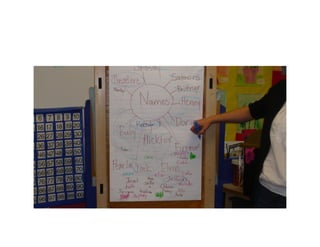
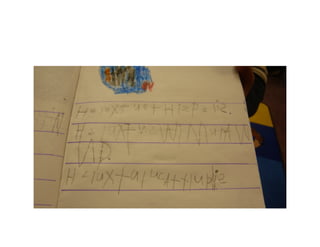
    K/Grade  1  WriCng   Commons  &  Jakovac   Samples  from  June  7th,  2012  
  • 18.
    5.    Every  child  talks  with  peers  about  reading   and  wriCng.  
  • 19.
    6.  Every  child  listens  to  a  fluent  adult  read   aloud.      -­‐different  kinds  of  text      -­‐with  some  commentary  
  • 20.
    1.  Every  child  reads  something  he  or  she  chooses.   2.  Every  child  reads  accurately.   3.  Every  child  reads  something  he  or  she   understands.   4.  Every  child  writes  about  something  personally   meaningful.   5.  Every  child  talks  with  peers  about  reading  and   wriCng.   6.  Every  child  listens  to  a  fluent  adult  read  aloud.  
  • 21.
    Creating Learners, Creating Community •  Thank  you   •  Building  agency  through  causal  statements   •  Eye  to  eye   •  Feedback  on  the  effort  and  the  strategy,  not   the  person  –  no  judgment   •  Fixed-­‐performance  vs  dynamic  process   –  Peter  H.  Johnston,  Carol  Dweck,  Close,  Brownlie