
INTROGRESSION BREEDING FOR
SUBMERGENCE TOLERANCE IN
RICE
GEETANJALI BARUAH
JRF & Ph.D. Scholar
Assam Agricultural University,
Jorhat-13, Assam
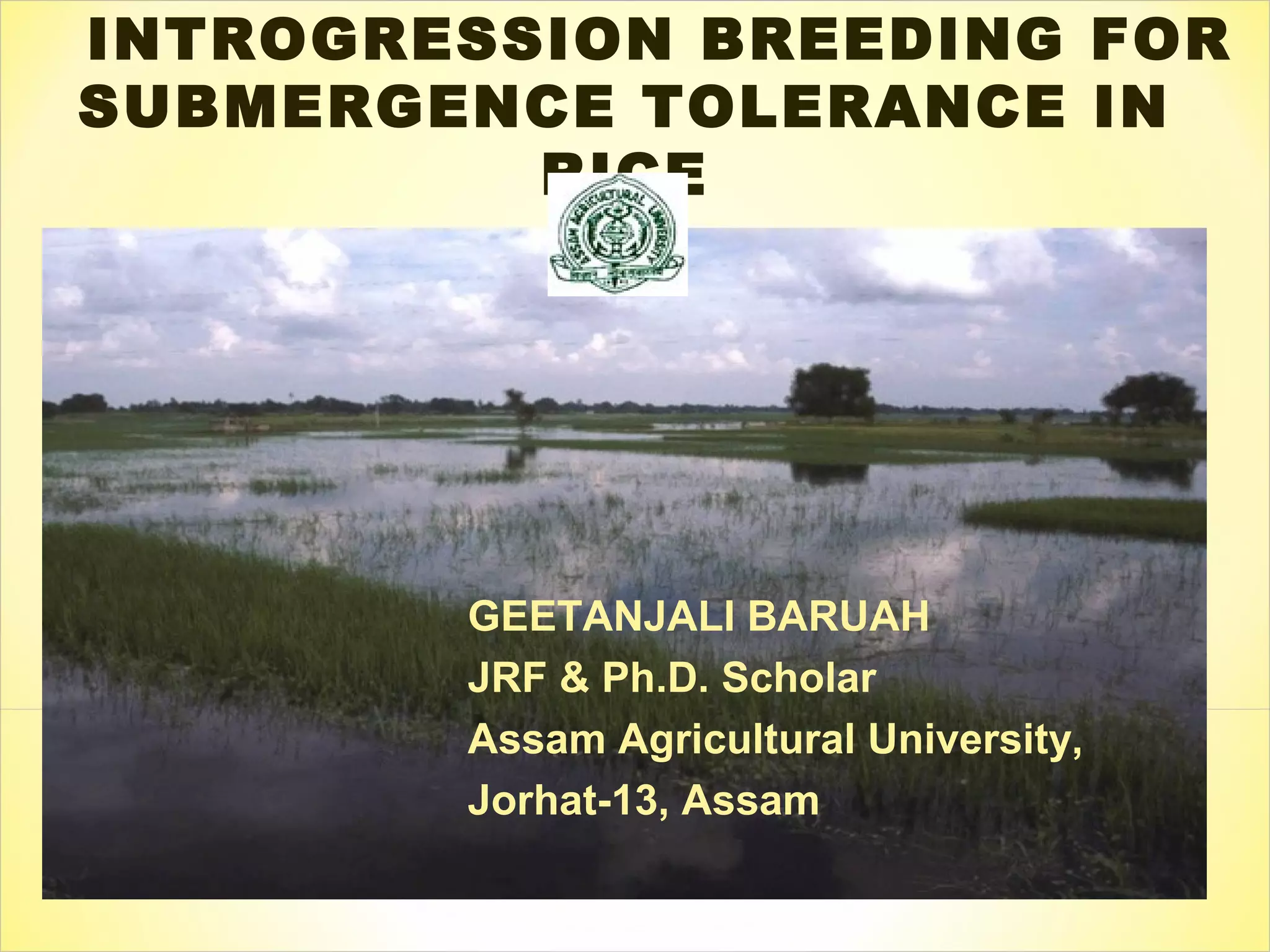
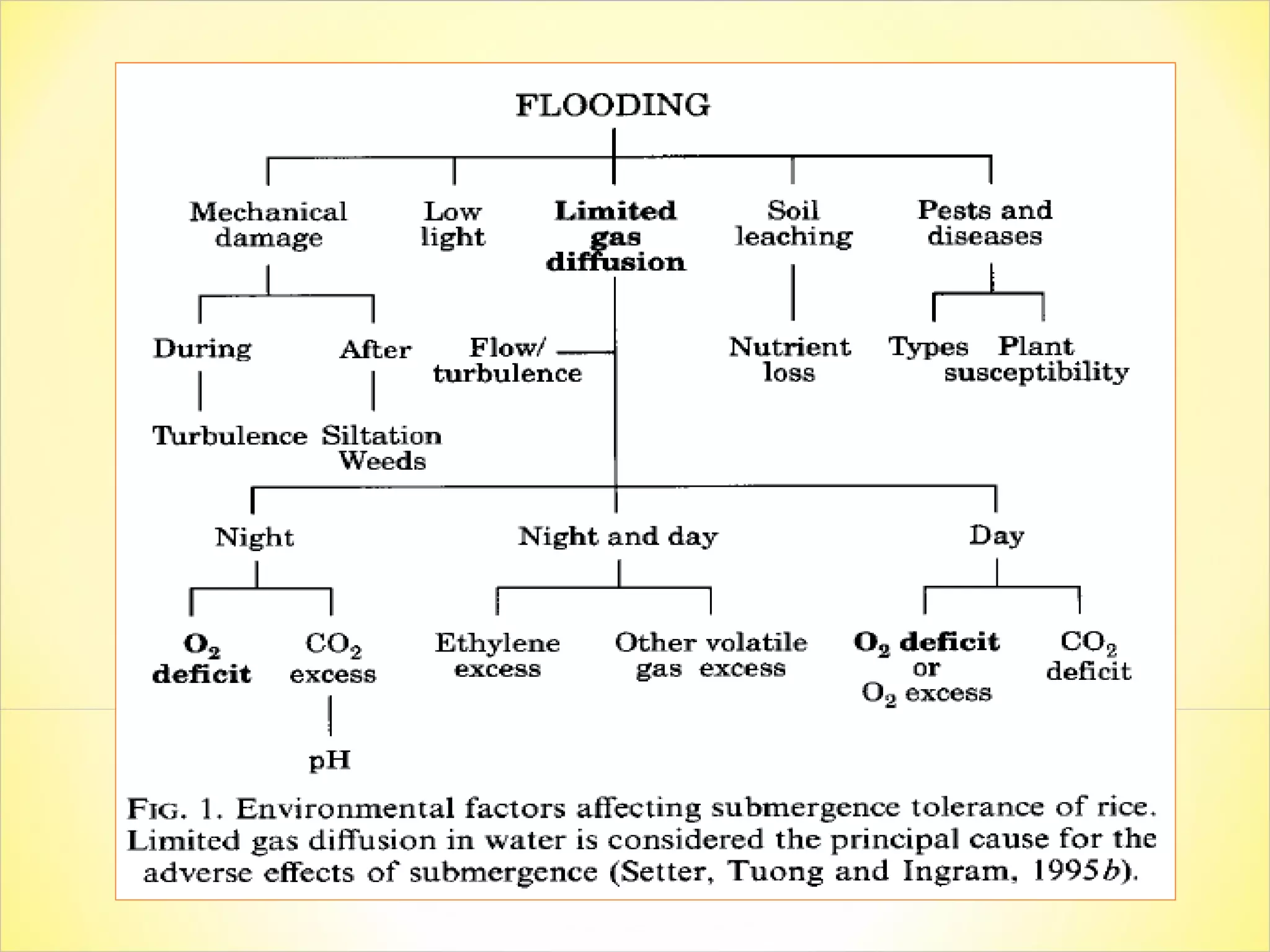
Flooding is one of the most important environmental stresses
worldwide
Flash flooding adversely affects at least 16 % of the rice lands of the
world (Khush, 1984)
In the rainfed lowland areas of eastern India, submergence is the third
most important limitation to rice production (Widawsky and O'Toole,
1990)
Complete submergence due to frequent flooding adversely affects
plant growth and yield
The problem
Rice is the only crop plant adapted to aquatic environments
because of its well-developed aerenchyma tissues
However, complete submergence due to frequent flooding can
adversely affect plant growth and yield
Two types of flooding cause damages to rice:
 Flash flooding
 Deepwater flooding
Submergence tolerance is required in rainfed areas
The problem
Carbohydrate concentration
• A strong positive correlation
• Influenced by growth conditions before submergence
• Level of carbohydrates remaining after submergence is more critical
Alcoholic Fermentation (AF)
• Major metabolic adaptation
• ATP produced by this process is very small (5%)
Experimental observations (Fukao et al. 2006):
(1) Enzymes of AF often increase under flooding
(2) Hypoxia pretreatment increased tolerance
(3) Mutants lacking ADH die more quickly
(4) Rates of AF are related to the tolerance
(5) High sugar supply improved survival
PHYSIOLOGY OF SUBMERGENCE
TOLERANCE
Stem elongation
• A strong negative correlation
• Sensitive cultivars survived on application of a gibberellins biosynthesis
inhibitor, paclobutrazol
• Addition of GA reduced survival of submergence tolerant lines
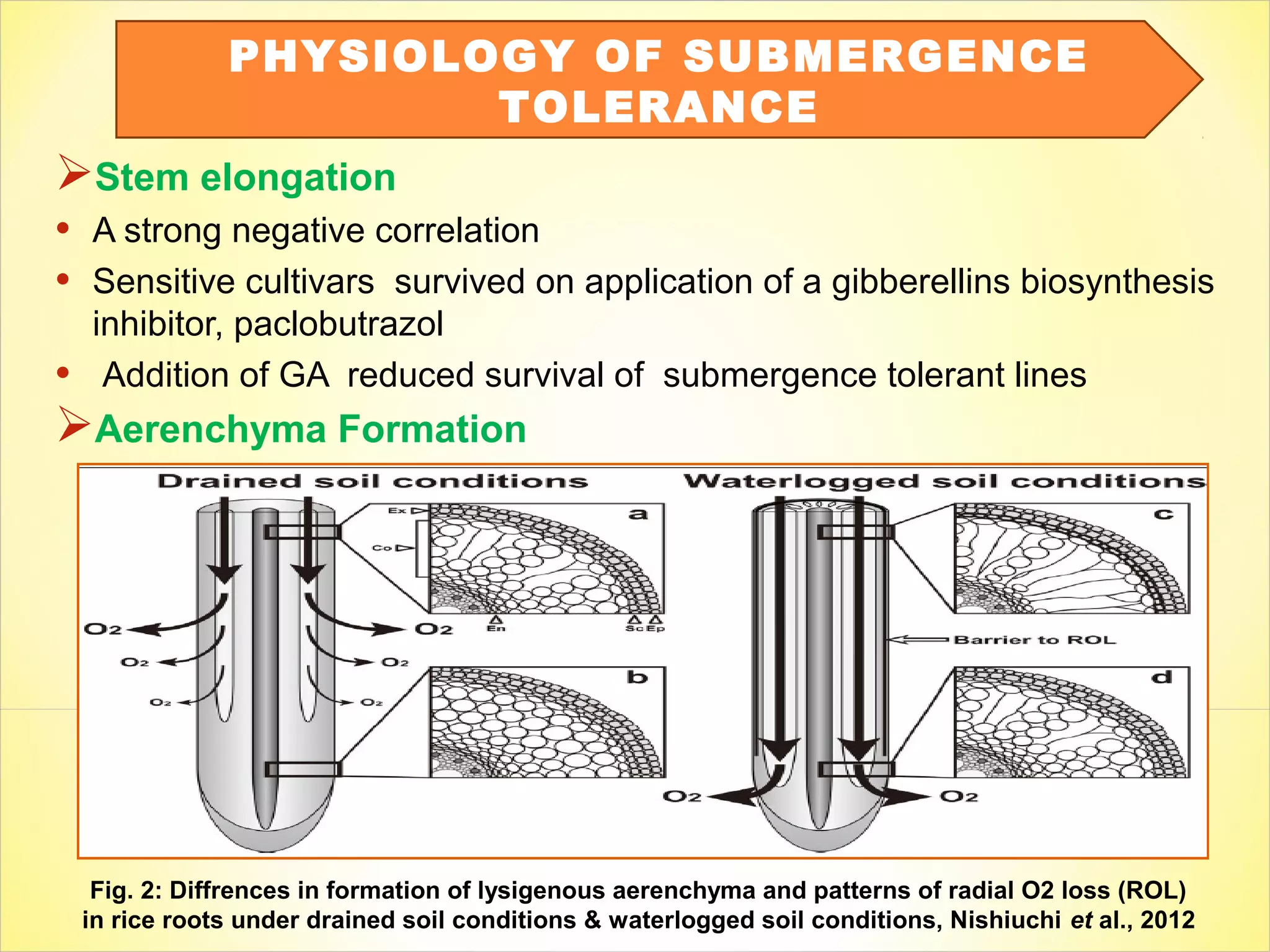
Aerenchyma Formation
PHYSIOLOGY OF SUBMERGENCE
TOLERANCE
Fig. 2: Diffrences in formation of lysigenous aerenchyma and patterns of radial O2 loss (ROL)
in rice roots under drained soil conditions & waterlogged soil conditions, Nishiuchi et al., 2012
Post Submergence Events
• High light intensity and higher oxygen levels
• Generation of reactive oxygen species and toxic oxidative products as
acetaldehyde
• Two mechanisms:
Presence of natural antioxidants: ascorbate, α-tocopherol, carotenoids,
glutathione etc.
Presence of antioxidant enzyme systems: superoxide dismutase,
catalase, peroxidase etc.
Role of Ethylene generated during submergence
• Submergence-intolerant cultivars usually showed increased levels of leaf
chlorosis
• Ethylene produced during submergence trigger leaf senescence
• This was proved by using an ethylene inhibitor, 1-methyl cyclopropene (MCP).
PHYSIOLOGY OF SUBMERGENCE
TOLERANCE
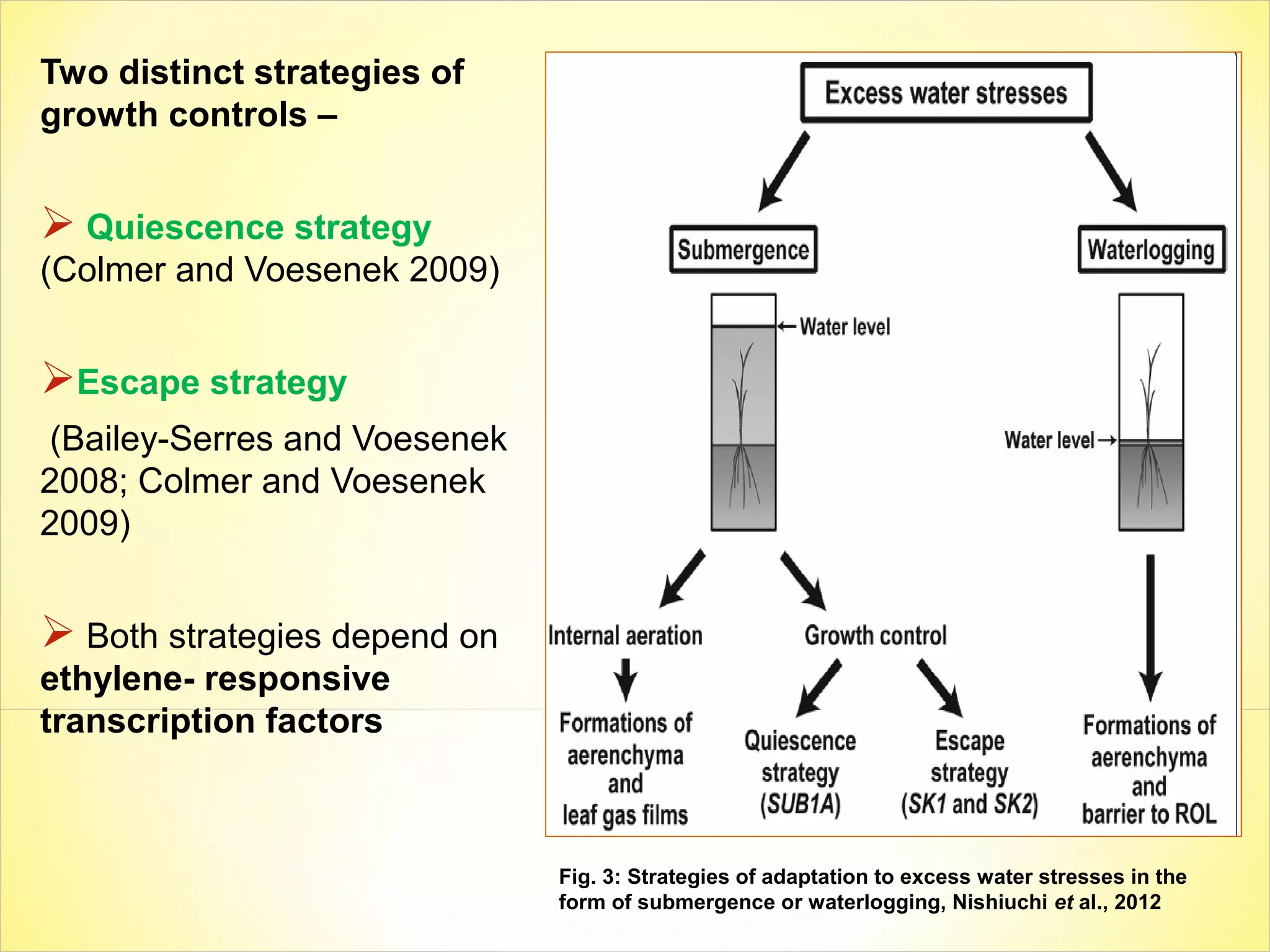
Two distinct strategies of
growth controls –
 Quiescence strategy
(Colmer and Voesenek 2009)
Escape strategy
(Bailey-Serres and Voesenek
2008; Colmer and Voesenek
2009)
 Both strategies depend on
ethylene- responsive
transcription factors
Fig. 3: Strategies of adaptation to excess water stresses in the
form of submergence or waterlogging, Nishiuchi et al., 2012
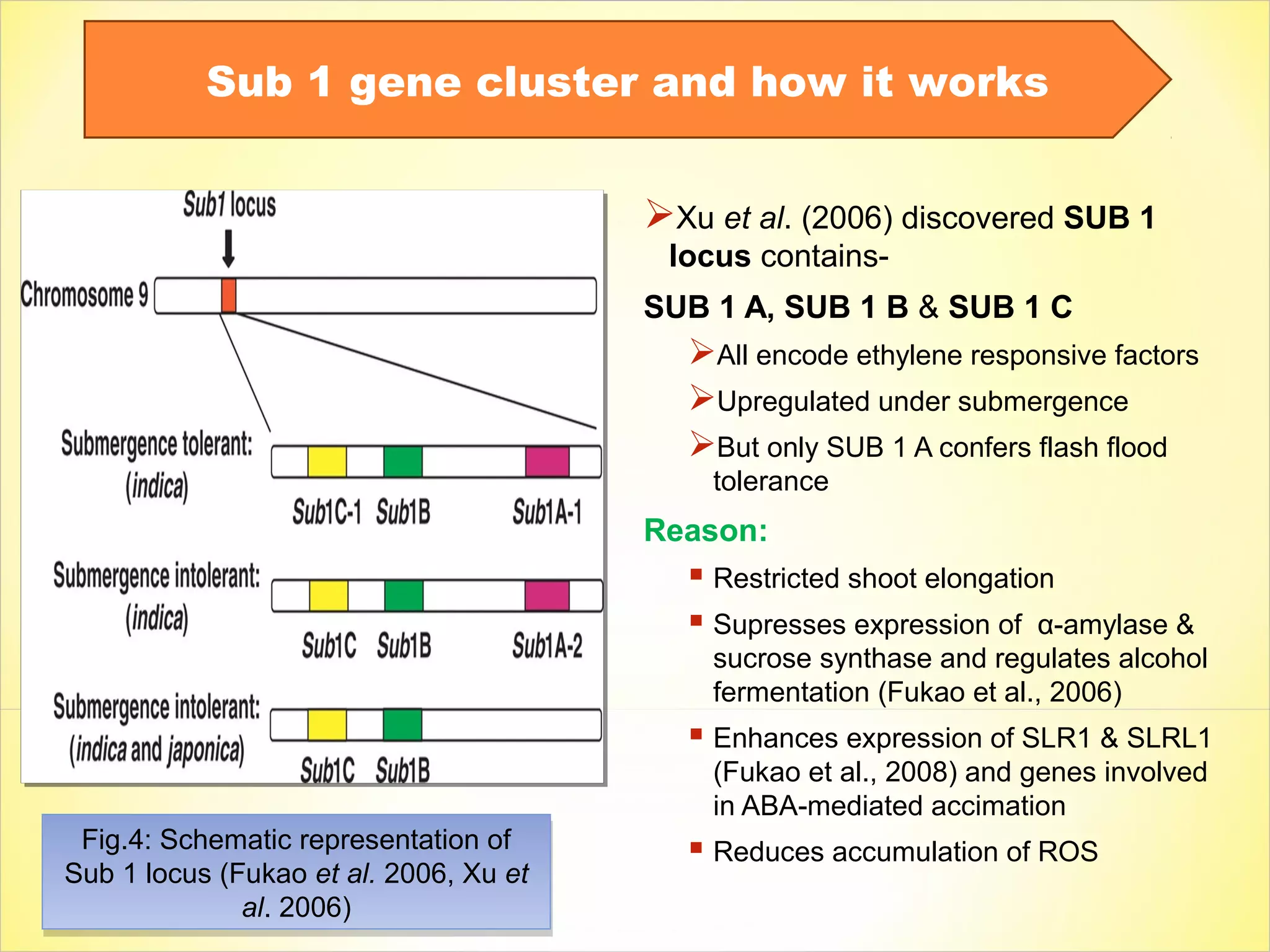
Xu et al. (2006) discovered SUB 1
locus contains-
SUB 1 A, SUB 1 B & SUB 1 C
All encode ethylene responsive factors
Upregulated under submergence
But only SUB 1 A confers flash flood
tolerance
Reason:
 Restricted shoot elongation
 Supresses expression of α-amylase &
sucrose synthase and regulates alcohol
fermentation (Fukao et al., 2006)
 Enhances expression of SLR1 & SLRL1
(Fukao et al., 2008) and genes involved
in ABA-mediated accimation
 Reduces accumulation of ROSFig.4: Schematic representation of
Sub 1 locus (Fukao et al. 2006, Xu et
al. 2006)
Fig.4: Schematic representation of
Sub 1 locus (Fukao et al. 2006, Xu et
al. 2006)
Sub 1 gene cluster and how it works
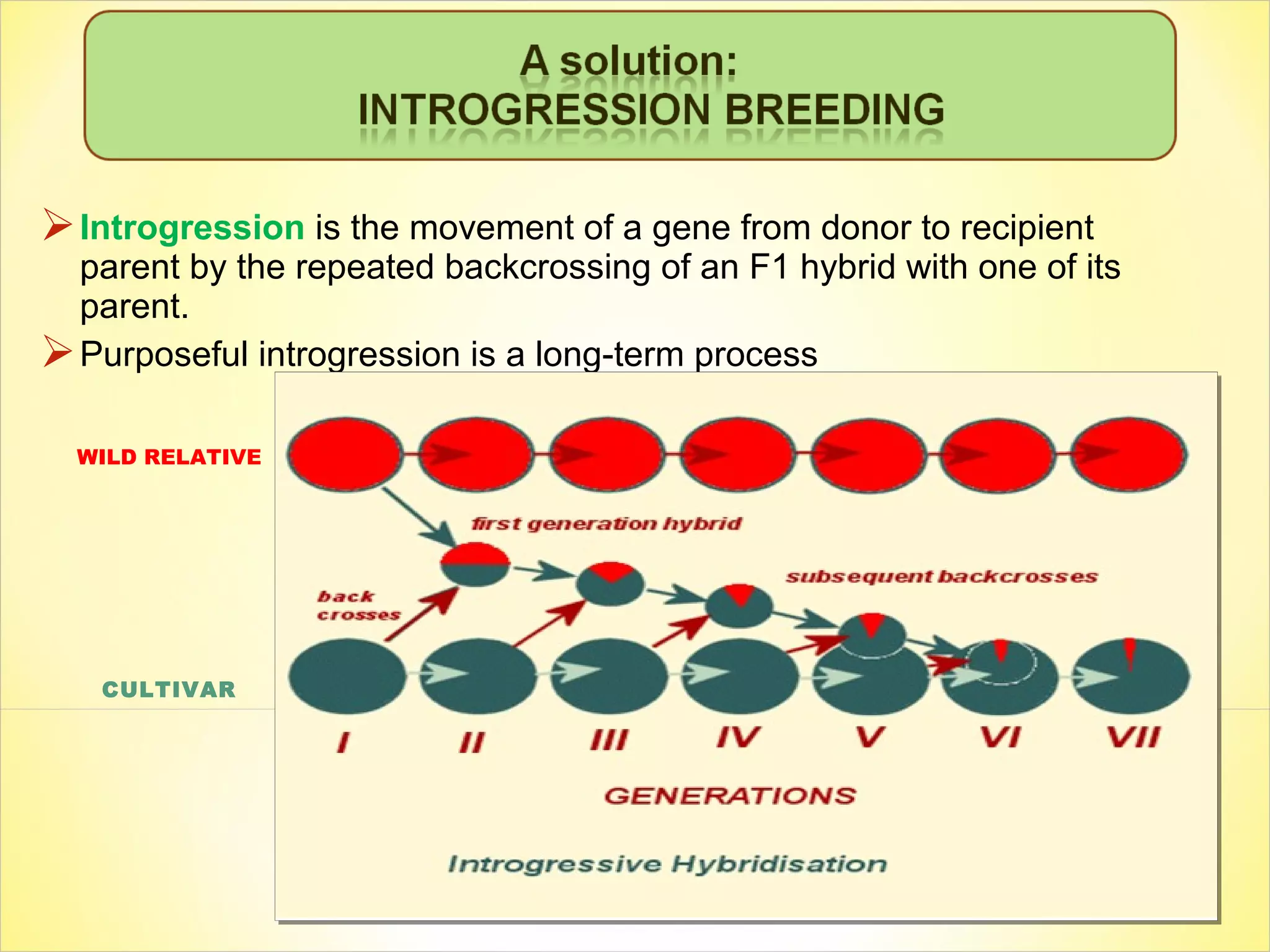
Introgression is the movement of a gene from donor to recipient
parent by the repeated backcrossing of an F1 hybrid with one of its
parent.
Purposeful introgression is a long-term process
WILD RELATIVE
CULTIVAR
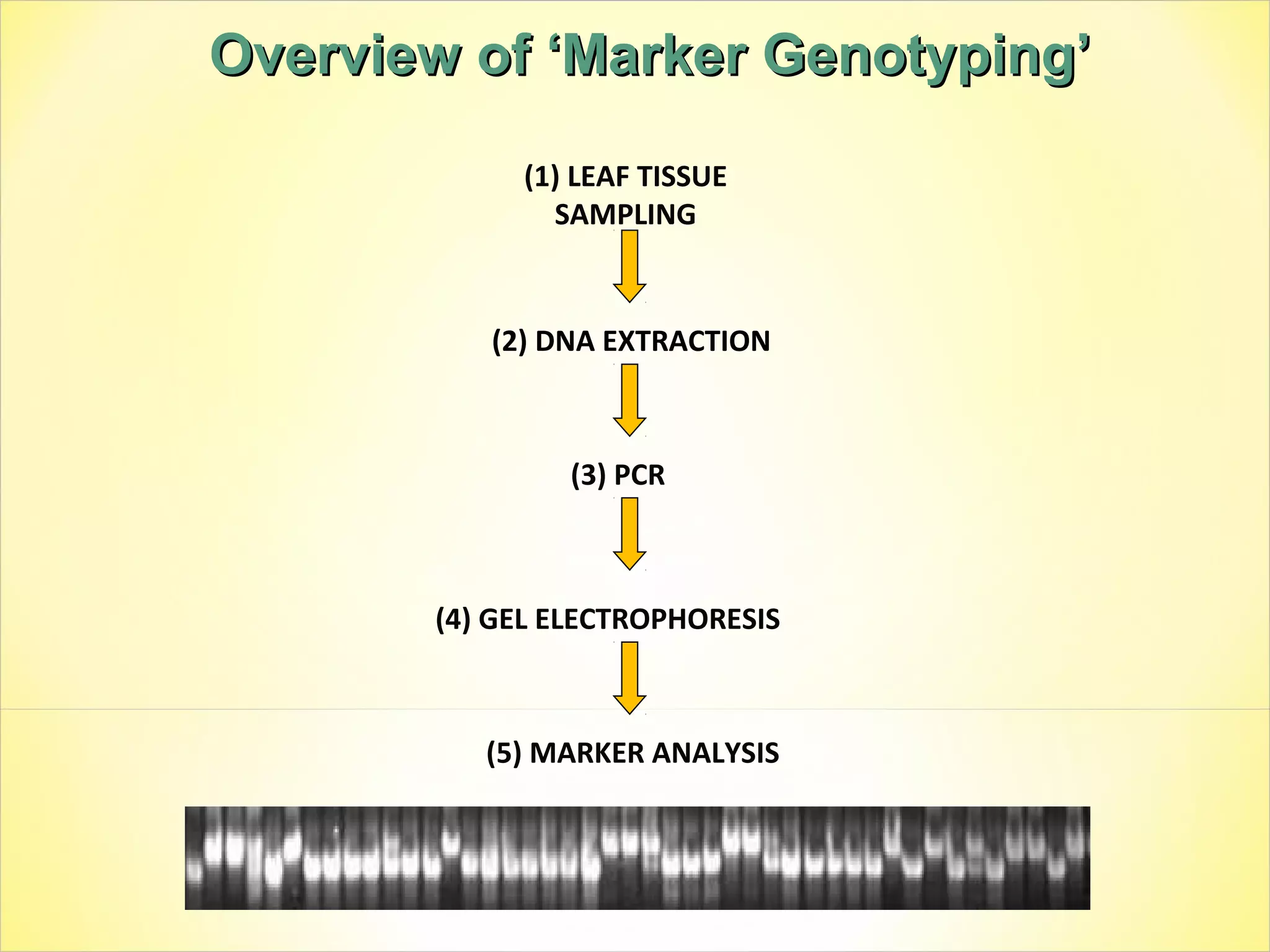
(1) LEAF TISSUE
SAMPLING
(2) DNA EXTRACTION
(3) PCR
(4) GEL ELECTROPHORESIS
(5) MARKER ANALYSIS
Overview of ‘Marker Genotyping’Overview of ‘Marker Genotyping’
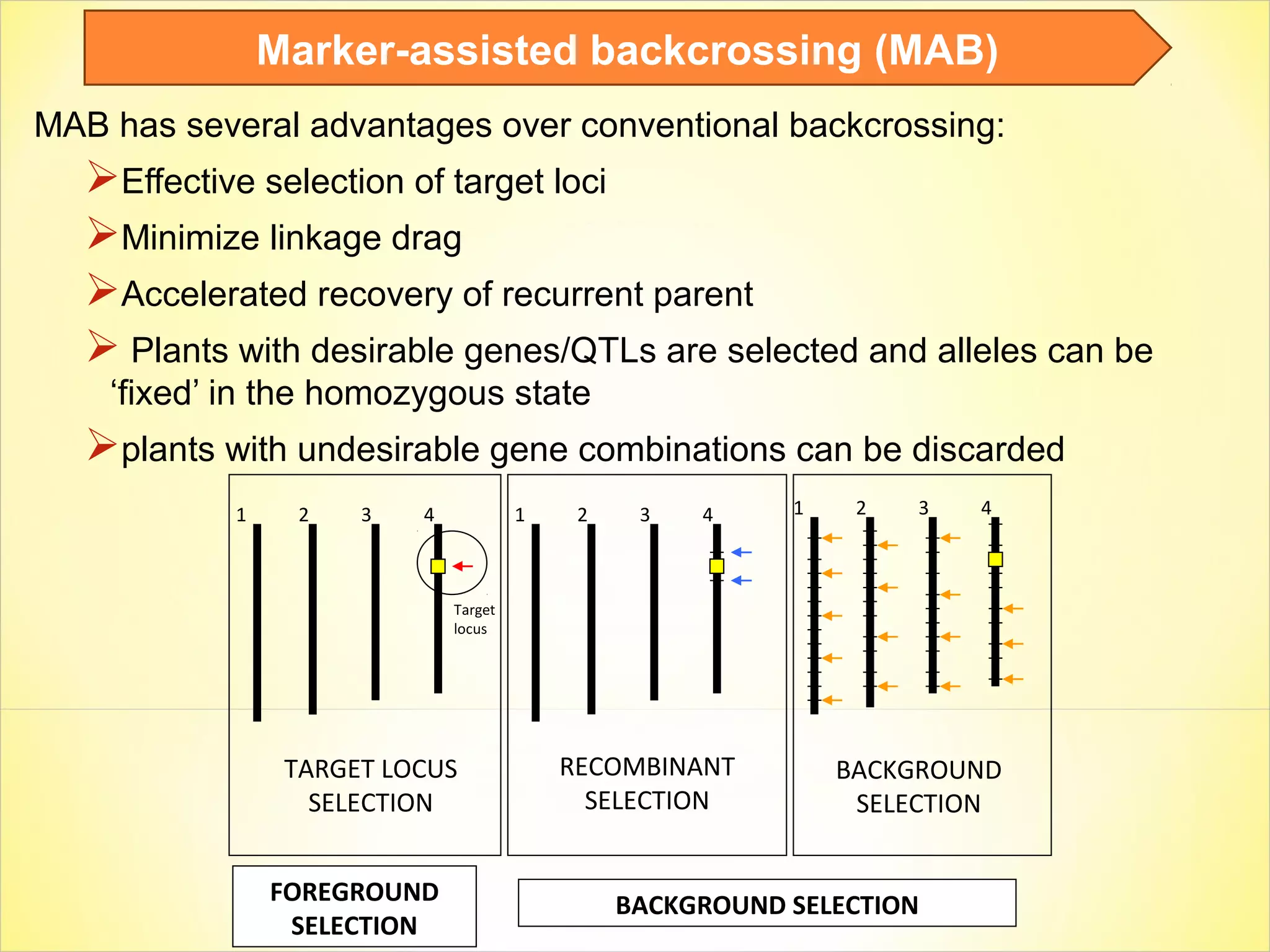
MAB has several advantages over conventional backcrossing:
Effective selection of target loci
Minimize linkage drag
Accelerated recovery of recurrent parent
 Plants with desirable genes/QTLs are selected and alleles can be
‘fixed’ in the homozygous state
plants with undesirable gene combinations can be discarded
1 2 3 4
Target
locus
1 2 3 4
RECOMBINANT
SELECTION
1 2 3 4
BACKGROUND
SELECTION
TARGET LOCUS
SELECTION
FOREGROUND
SELECTION
BACKGROUND SELECTION
Marker-assisted backcrossing (MAB)
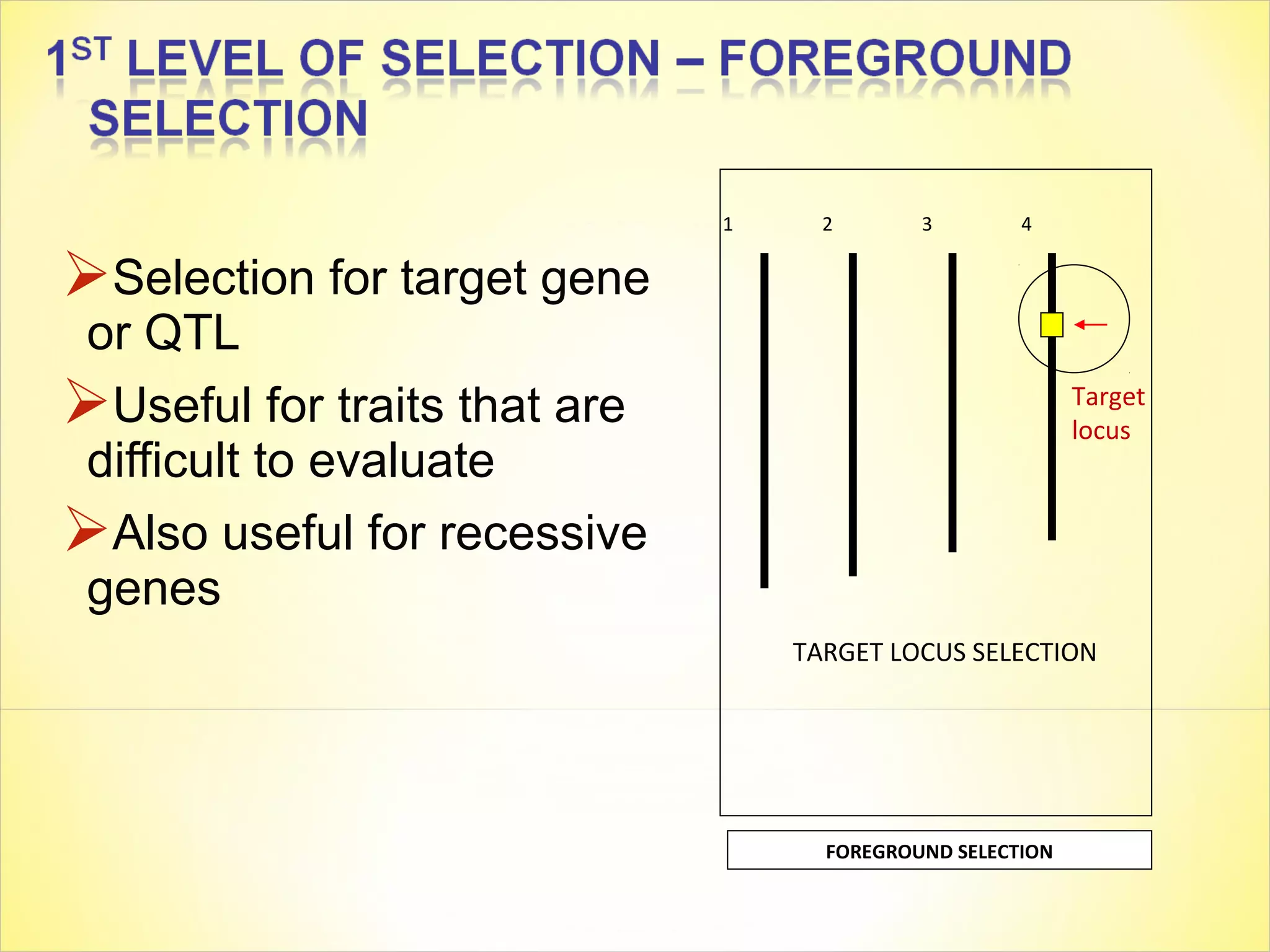
Selection for target gene
or QTL
Useful for traits that are
difficult to evaluate
Also useful for recessive
genes
1 2 3 4
Target
locus
TARGET LOCUS SELECTION
FOREGROUND SELECTION
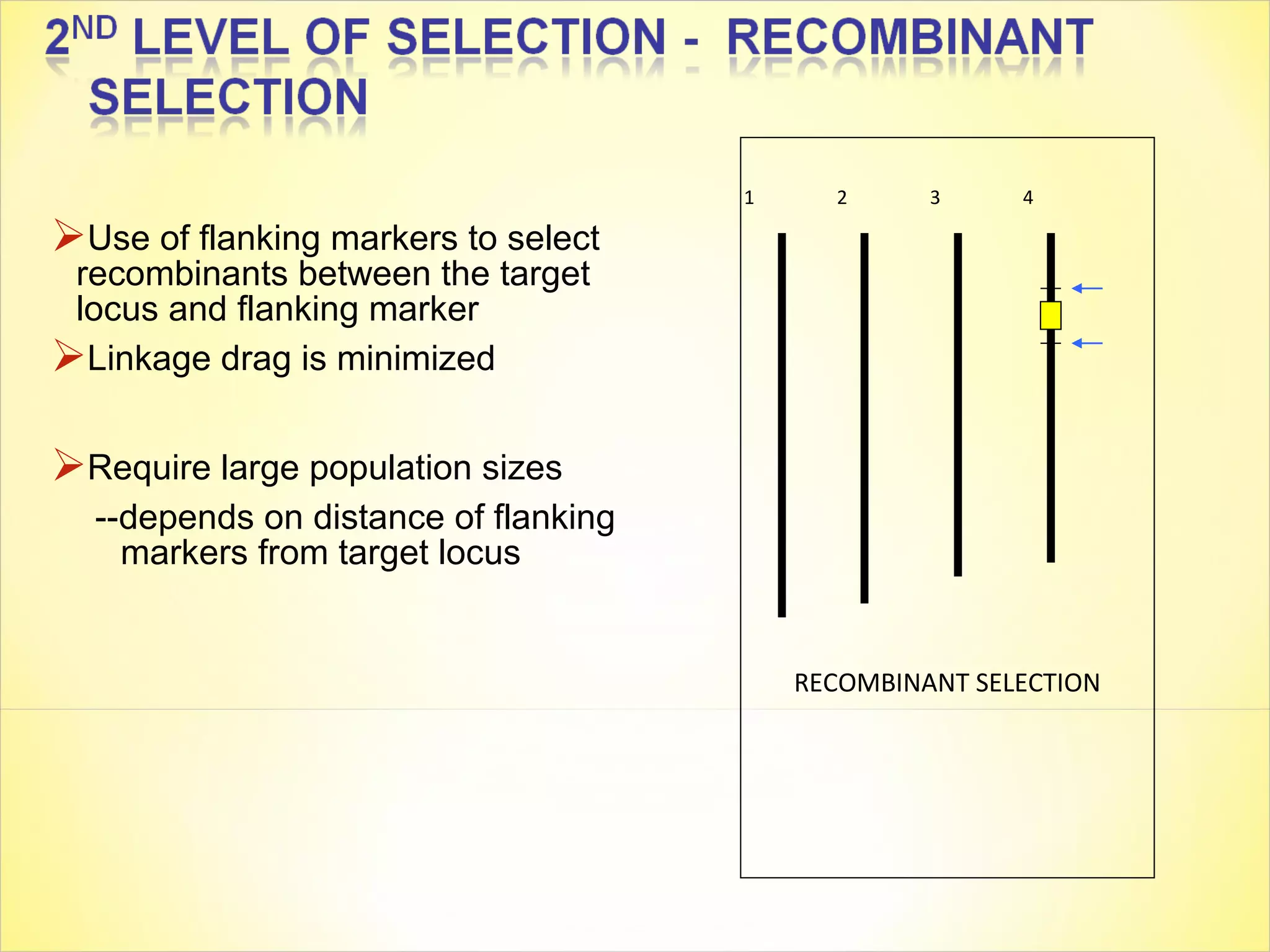
Use of flanking markers to select
recombinants between the target
locus and flanking marker
Linkage drag is minimized
Require large population sizes
--depends on distance of flanking
markers from target locus
RECOMBINANT SELECTION
1 2 3 4
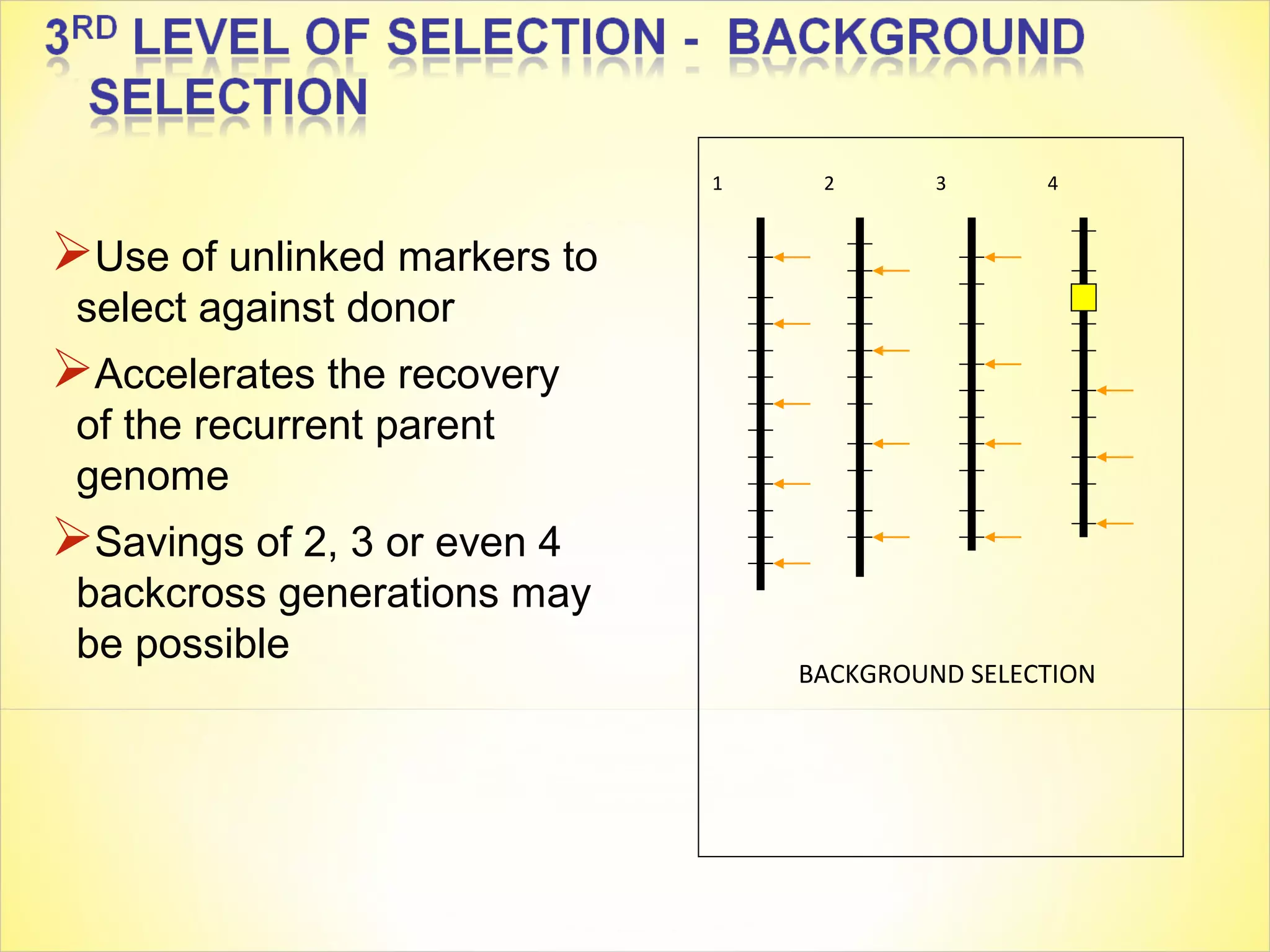
Use of unlinked markers to
select against donor
Accelerates the recovery
of the recurrent parent
genome
Savings of 2, 3 or even 4
backcross generations may
be possible
1 2 3 4
BACKGROUND SELECTION
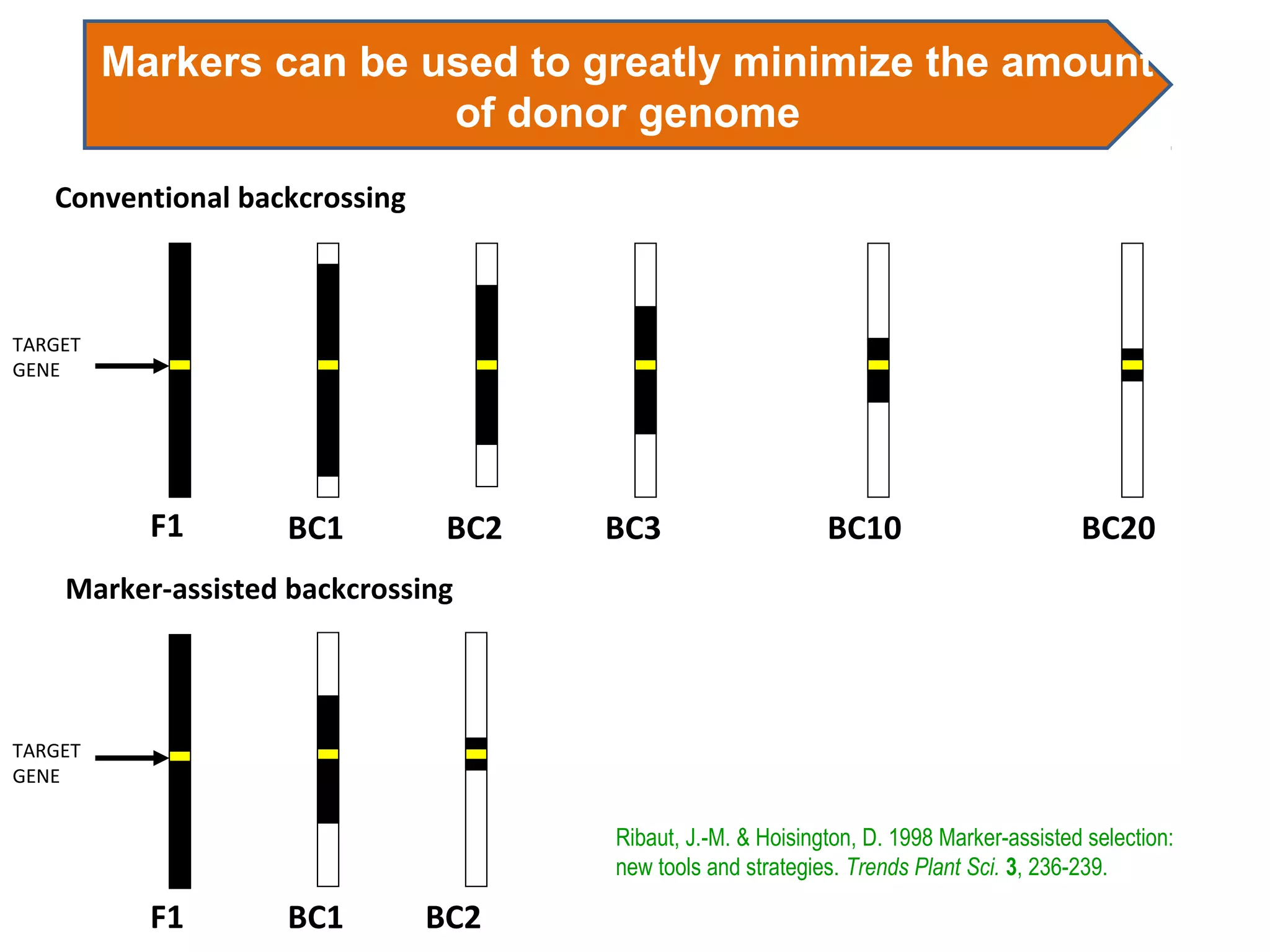
Conventional backcrossing
Marker-assisted backcrossing
F1 BC1
c
BC2
c
BC3 BC10 BC20
F1
c
BC1 BC2
TARGET
GENE
TARGET
GENE
Ribaut, J.-M. & Hoisington, D. 1998 Marker-assisted selection:
new tools and strategies. Trends Plant Sci. 3, 236-239.
Markers can be used to greatly minimize the amount
of donor genome
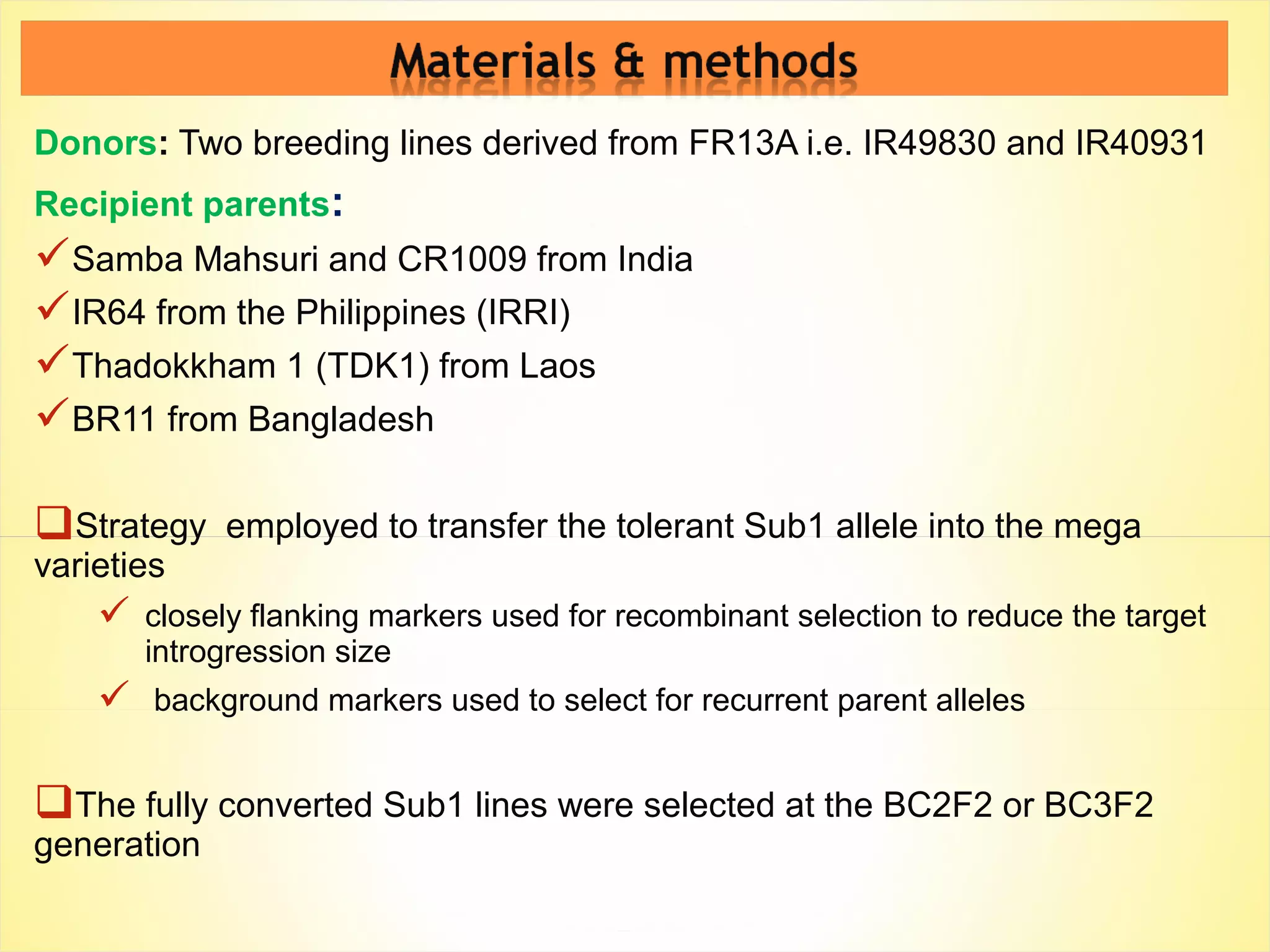
Donors: Two breeding lines derived from FR13A i.e. IR49830 and IR40931
Recipient parents:
Samba Mahsuri and CR1009 from India
IR64 from the Philippines (IRRI)
Thadokkham 1 (TDK1) from Laos
BR11 from Bangladesh
Strategy employed to transfer the tolerant Sub1 allele into the mega
varieties
 closely flanking markers used for recombinant selection to reduce the target
introgression size
 background markers used to select for recurrent parent alleles
The fully converted Sub1 lines were selected at the BC2F2 or BC3F2
generation
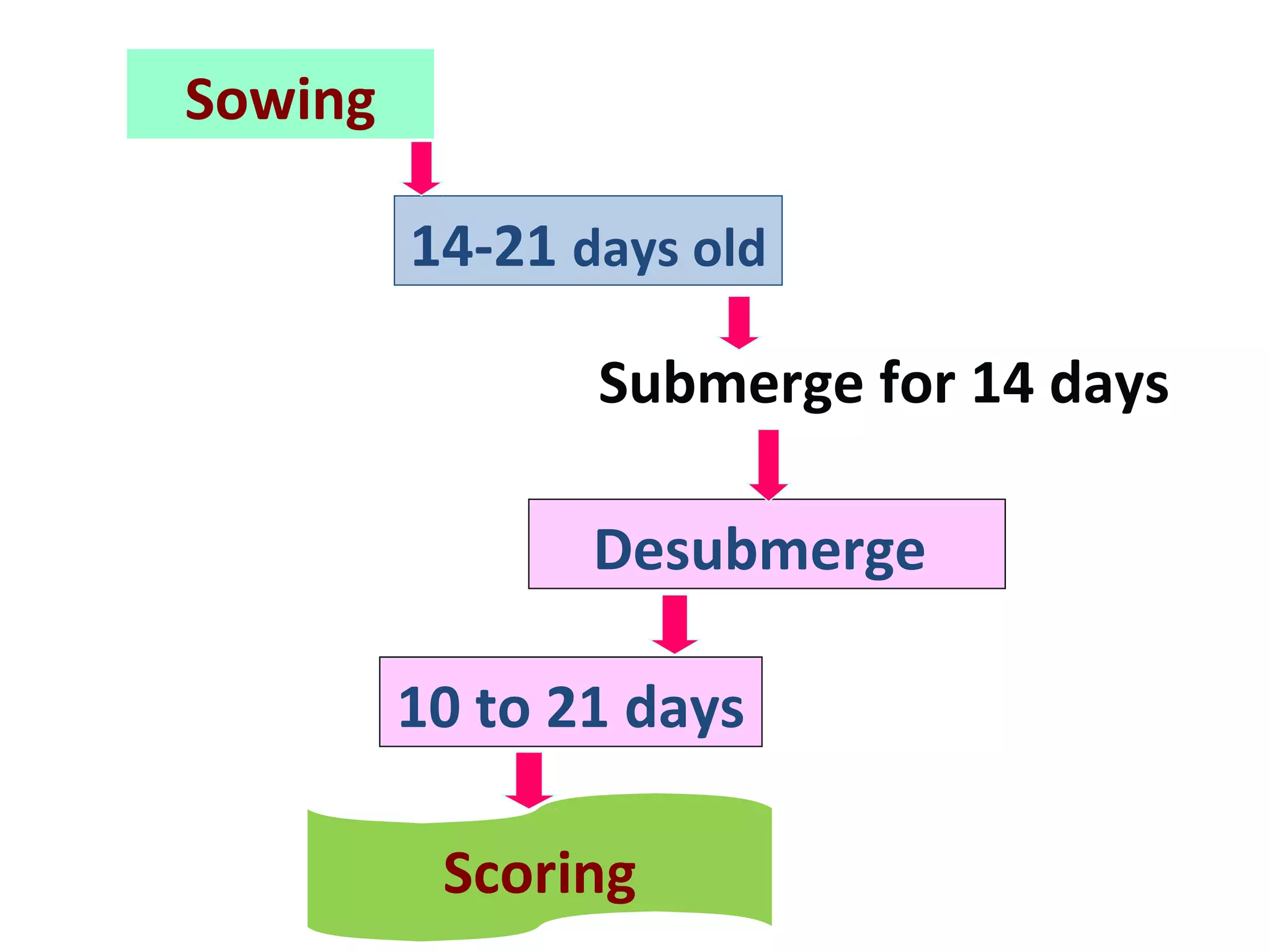
Sowing
14-21 days old
Submerge for 14 days
10 to 21 days
Desubmerge
Scoring
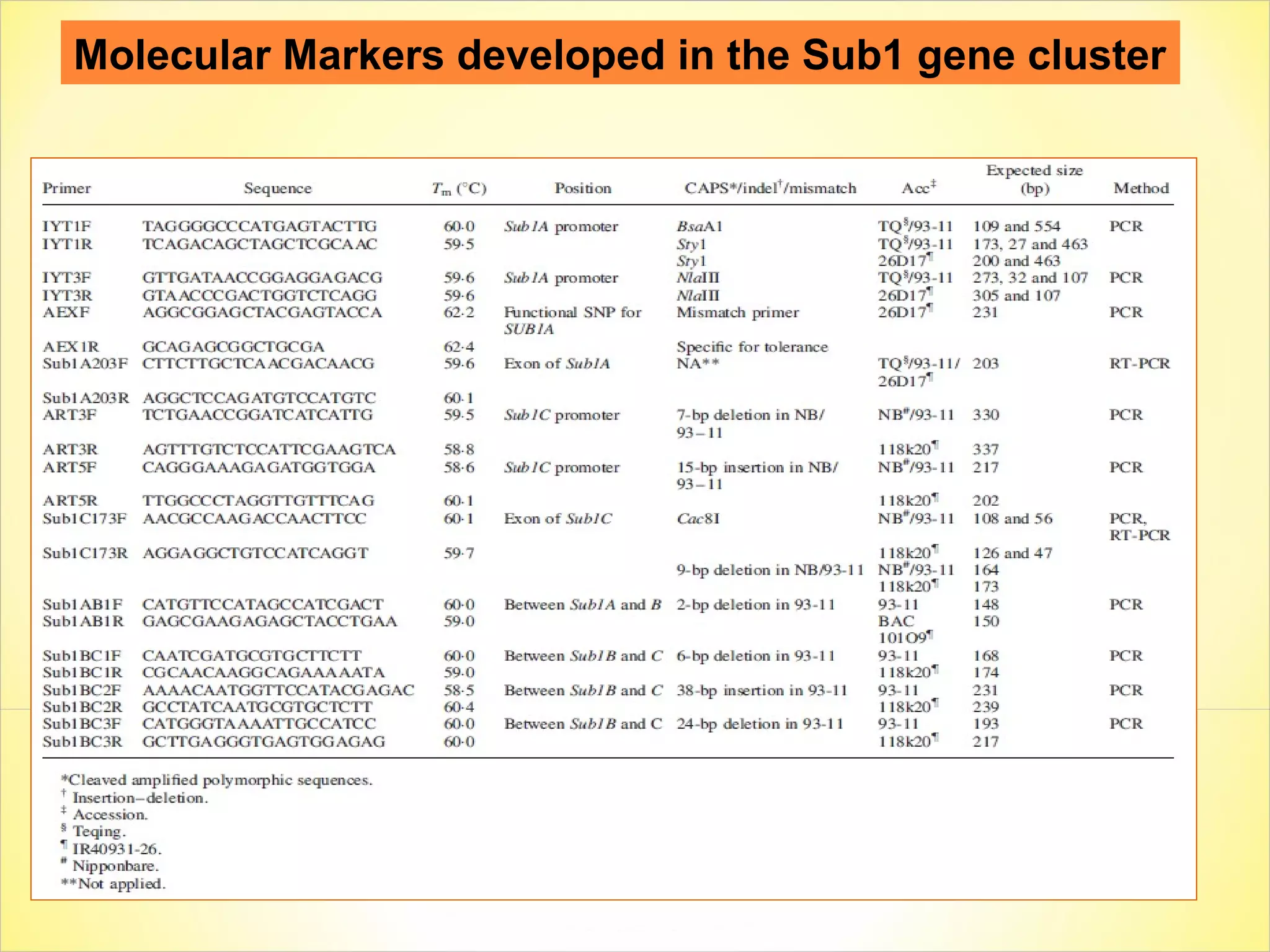
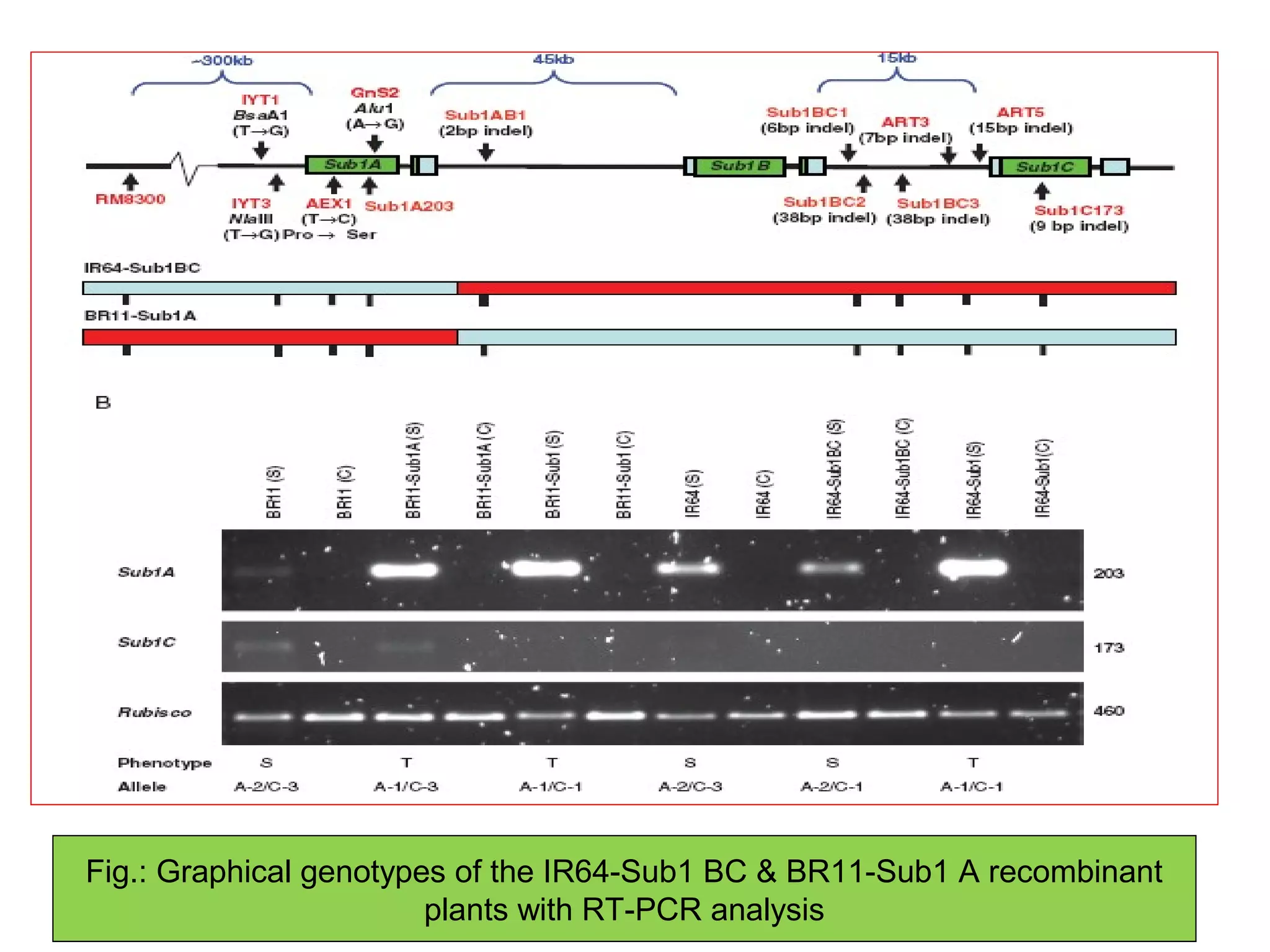
Molecular Markers developed in the Sub1 gene cluster
Fig.: Graphical genotypes of the IR64-Sub1 BC & BR11-Sub1 A recombinant
plants with RT-PCR analysis
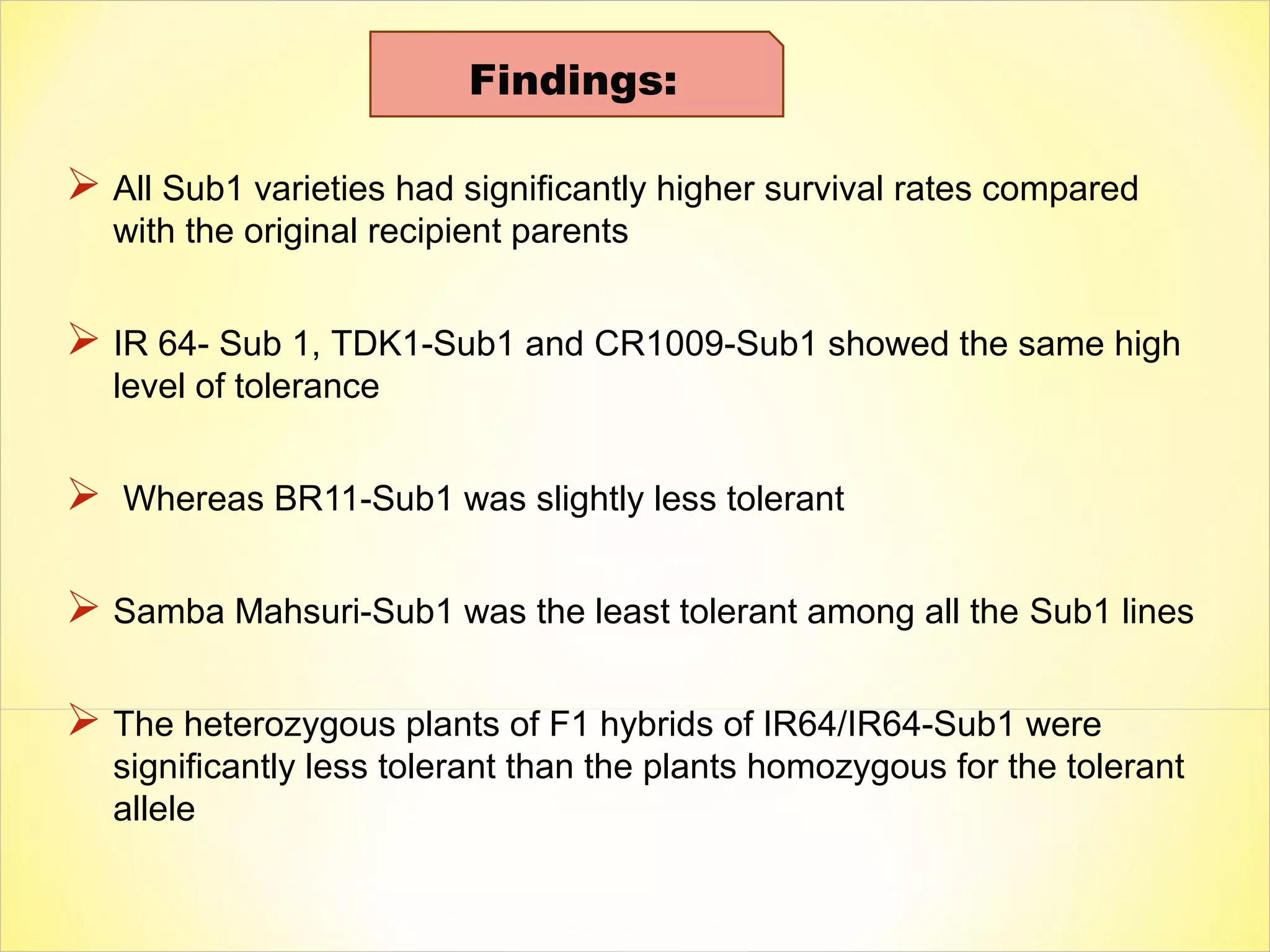
 All Sub1 varieties had significantly higher survival rates compared
with the original recipient parents
 IR 64- Sub 1, TDK1-Sub1 and CR1009-Sub1 showed the same high
level of tolerance
 Whereas BR11-Sub1 was slightly less tolerant
 Samba Mahsuri-Sub1 was the least tolerant among all the Sub1 lines
 The heterozygous plants of F1 hybrids of IR64/IR64-Sub1 were
significantly less tolerant than the plants homozygous for the tolerant
allele
Findings:
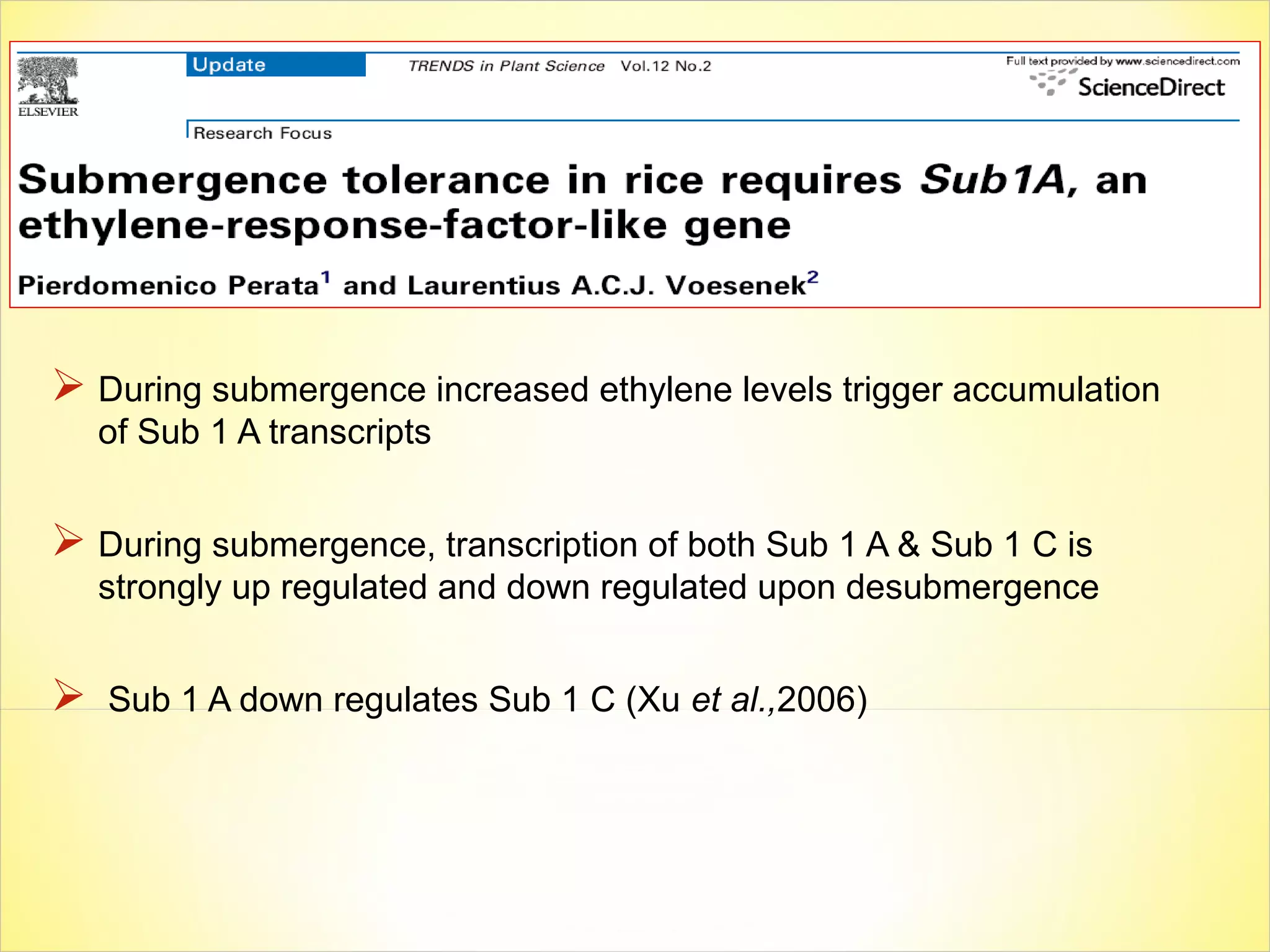
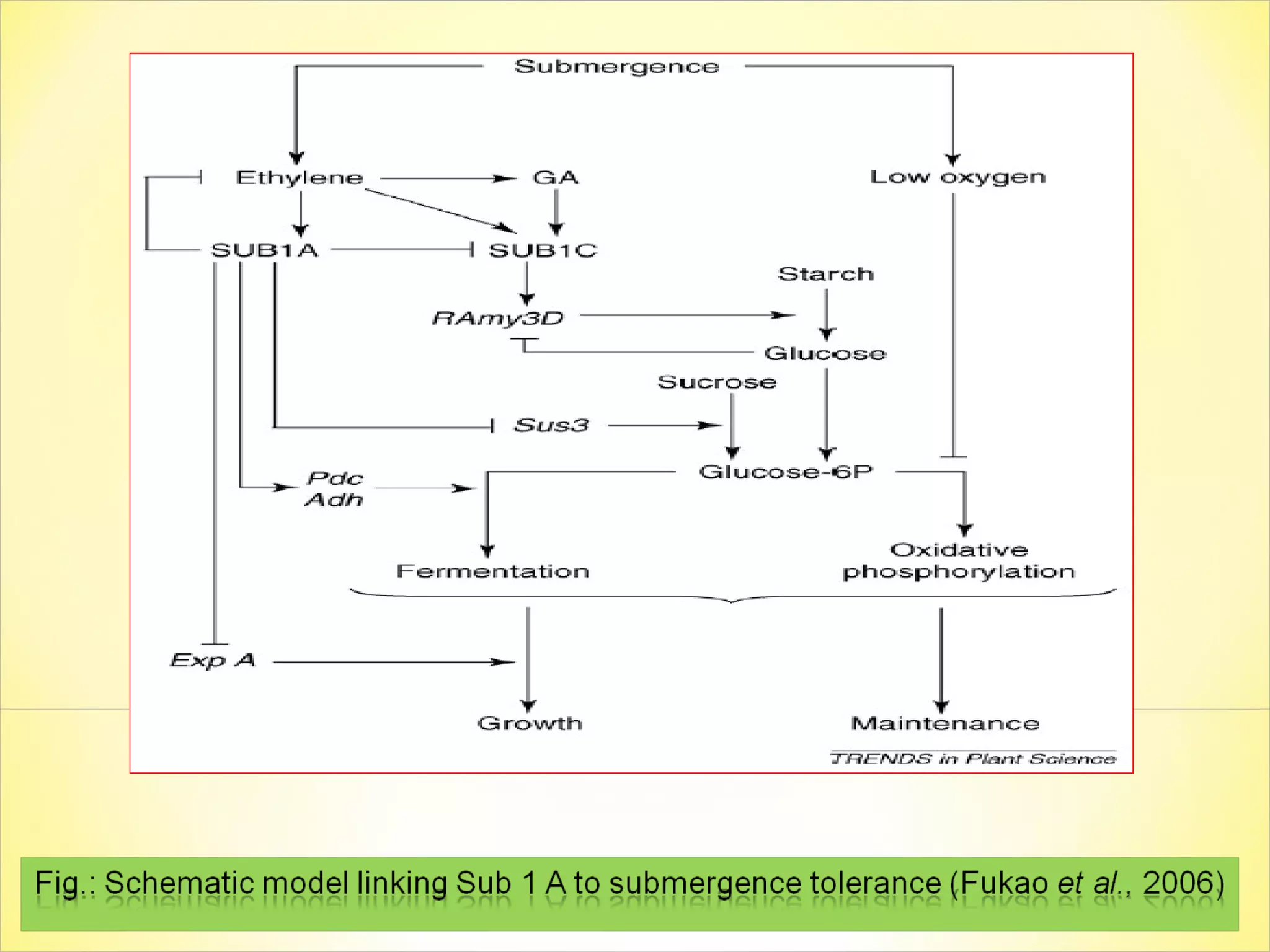
 During submergence increased ethylene levels trigger accumulation
of Sub 1 A transcripts
 During submergence, transcription of both Sub 1 A & Sub 1 C is
strongly up regulated and down regulated upon desubmergence
 Sub 1 A down regulates Sub 1 C (Xu et al.,2006)
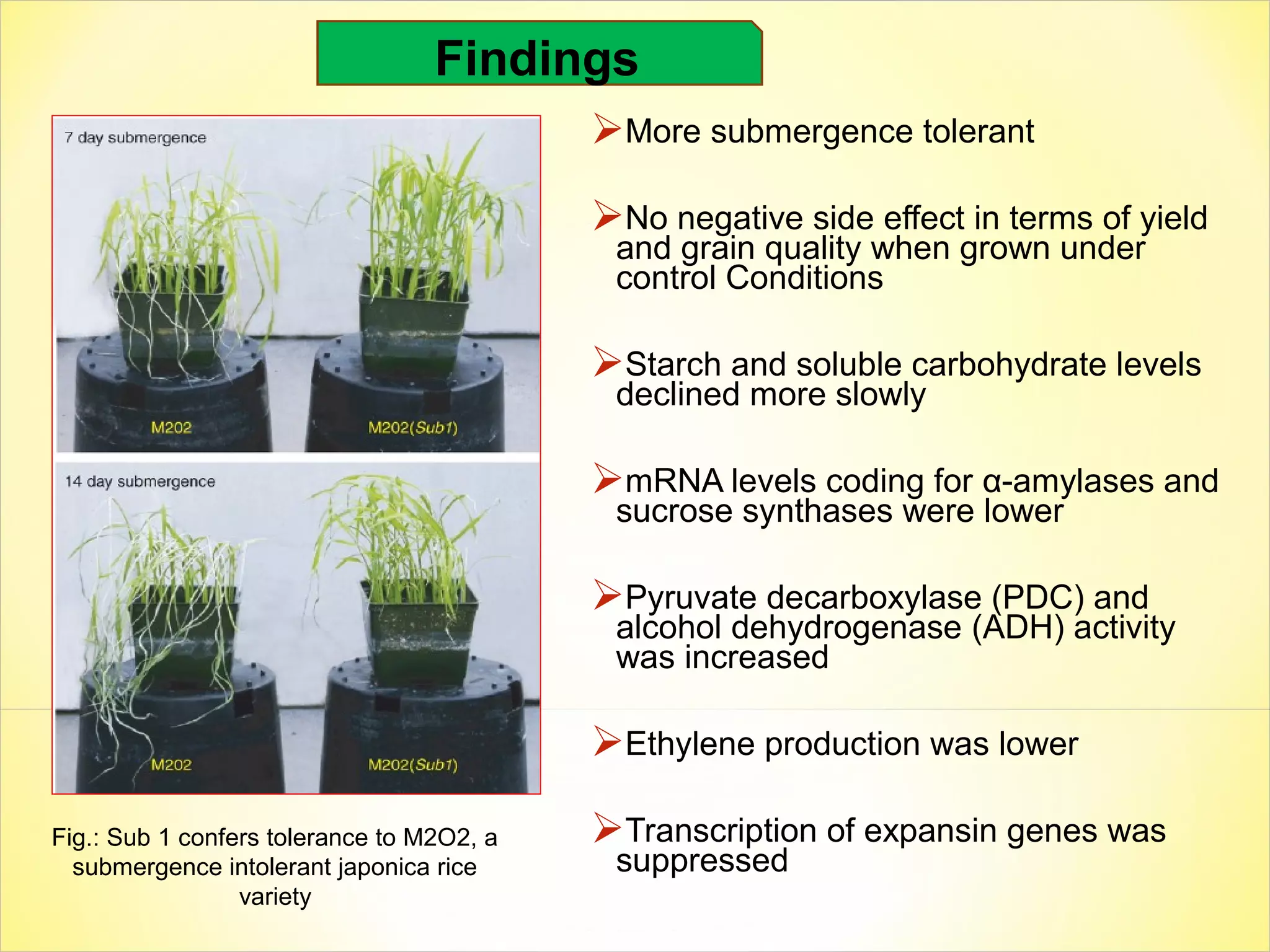
More submergence tolerant
No negative side effect in terms of yield
and grain quality when grown under
control Conditions
Starch and soluble carbohydrate levels
declined more slowly
mRNA levels coding for α-amylases and
sucrose synthases were lower
Pyruvate decarboxylase (PDC) and
alcohol dehydrogenase (ADH) activity
was increased
Ethylene production was lower
Transcription of expansin genes was
suppressed
Fig.: Sub 1 confers tolerance to M2O2, a
submergence intolerant japonica rice
variety
Findings
Sub1A is confirmed as the primary contributor to tolerance, while
Sub1C alleles do not seem important
Lack of dominance of Sub1 suggests that the Sub1A-1 allele should
be carried by both parents for developing tolerant rice hybrids
Sub1 could be solution for providing a substantial enhancement in
the level of tolerance of sensitive mega varieties
With the identification of physiological traits, DNA markers and
genes associated with submergence tolerance the prospects for
breeding suitable rice cultivars for rainfed lowlands have been
improved
Summary &
conclusion
THANK YOU
FOR YOUR ATTENTION

Introgression breeding for rice submergence tolerance_geetanjali

  • 1.
    INTROGRESSION BREEDING FOR SUBMERGENCETOLERANCE IN RICE GEETANJALI BARUAH JRF & Ph.D. Scholar Assam Agricultural University, Jorhat-13, Assam
  • 2.
    Flooding is oneof the most important environmental stresses worldwide Flash flooding adversely affects at least 16 % of the rice lands of the world (Khush, 1984) In the rainfed lowland areas of eastern India, submergence is the third most important limitation to rice production (Widawsky and O'Toole, 1990) Complete submergence due to frequent flooding adversely affects plant growth and yield The problem
  • 3.
    Rice is theonly crop plant adapted to aquatic environments because of its well-developed aerenchyma tissues However, complete submergence due to frequent flooding can adversely affect plant growth and yield Two types of flooding cause damages to rice:  Flash flooding  Deepwater flooding Submergence tolerance is required in rainfed areas The problem
  • 5.
    Carbohydrate concentration • Astrong positive correlation • Influenced by growth conditions before submergence • Level of carbohydrates remaining after submergence is more critical Alcoholic Fermentation (AF) • Major metabolic adaptation • ATP produced by this process is very small (5%) Experimental observations (Fukao et al. 2006): (1) Enzymes of AF often increase under flooding (2) Hypoxia pretreatment increased tolerance (3) Mutants lacking ADH die more quickly (4) Rates of AF are related to the tolerance (5) High sugar supply improved survival PHYSIOLOGY OF SUBMERGENCE TOLERANCE
  • 6.
    Stem elongation • Astrong negative correlation • Sensitive cultivars survived on application of a gibberellins biosynthesis inhibitor, paclobutrazol • Addition of GA reduced survival of submergence tolerant lines Aerenchyma Formation PHYSIOLOGY OF SUBMERGENCE TOLERANCE Fig. 2: Diffrences in formation of lysigenous aerenchyma and patterns of radial O2 loss (ROL) in rice roots under drained soil conditions & waterlogged soil conditions, Nishiuchi et al., 2012
  • 7.
    Post Submergence Events •High light intensity and higher oxygen levels • Generation of reactive oxygen species and toxic oxidative products as acetaldehyde • Two mechanisms: Presence of natural antioxidants: ascorbate, α-tocopherol, carotenoids, glutathione etc. Presence of antioxidant enzyme systems: superoxide dismutase, catalase, peroxidase etc. Role of Ethylene generated during submergence • Submergence-intolerant cultivars usually showed increased levels of leaf chlorosis • Ethylene produced during submergence trigger leaf senescence • This was proved by using an ethylene inhibitor, 1-methyl cyclopropene (MCP). PHYSIOLOGY OF SUBMERGENCE TOLERANCE
  • 8.
    Two distinct strategiesof growth controls –  Quiescence strategy (Colmer and Voesenek 2009) Escape strategy (Bailey-Serres and Voesenek 2008; Colmer and Voesenek 2009)  Both strategies depend on ethylene- responsive transcription factors Fig. 3: Strategies of adaptation to excess water stresses in the form of submergence or waterlogging, Nishiuchi et al., 2012
  • 9.
    Xu et al.(2006) discovered SUB 1 locus contains- SUB 1 A, SUB 1 B & SUB 1 C All encode ethylene responsive factors Upregulated under submergence But only SUB 1 A confers flash flood tolerance Reason:  Restricted shoot elongation  Supresses expression of α-amylase & sucrose synthase and regulates alcohol fermentation (Fukao et al., 2006)  Enhances expression of SLR1 & SLRL1 (Fukao et al., 2008) and genes involved in ABA-mediated accimation  Reduces accumulation of ROSFig.4: Schematic representation of Sub 1 locus (Fukao et al. 2006, Xu et al. 2006) Fig.4: Schematic representation of Sub 1 locus (Fukao et al. 2006, Xu et al. 2006) Sub 1 gene cluster and how it works
  • 10.
    Introgression is themovement of a gene from donor to recipient parent by the repeated backcrossing of an F1 hybrid with one of its parent. Purposeful introgression is a long-term process WILD RELATIVE CULTIVAR
  • 11.
    (1) LEAF TISSUE SAMPLING (2)DNA EXTRACTION (3) PCR (4) GEL ELECTROPHORESIS (5) MARKER ANALYSIS Overview of ‘Marker Genotyping’Overview of ‘Marker Genotyping’
  • 12.
    MAB has severaladvantages over conventional backcrossing: Effective selection of target loci Minimize linkage drag Accelerated recovery of recurrent parent  Plants with desirable genes/QTLs are selected and alleles can be ‘fixed’ in the homozygous state plants with undesirable gene combinations can be discarded 1 2 3 4 Target locus 1 2 3 4 RECOMBINANT SELECTION 1 2 3 4 BACKGROUND SELECTION TARGET LOCUS SELECTION FOREGROUND SELECTION BACKGROUND SELECTION Marker-assisted backcrossing (MAB)
  • 13.
    Selection for targetgene or QTL Useful for traits that are difficult to evaluate Also useful for recessive genes 1 2 3 4 Target locus TARGET LOCUS SELECTION FOREGROUND SELECTION
  • 14.
    Use of flankingmarkers to select recombinants between the target locus and flanking marker Linkage drag is minimized Require large population sizes --depends on distance of flanking markers from target locus RECOMBINANT SELECTION 1 2 3 4
  • 15.
    Use of unlinkedmarkers to select against donor Accelerates the recovery of the recurrent parent genome Savings of 2, 3 or even 4 backcross generations may be possible 1 2 3 4 BACKGROUND SELECTION
  • 16.
    Conventional backcrossing Marker-assisted backcrossing F1BC1 c BC2 c BC3 BC10 BC20 F1 c BC1 BC2 TARGET GENE TARGET GENE Ribaut, J.-M. & Hoisington, D. 1998 Marker-assisted selection: new tools and strategies. Trends Plant Sci. 3, 236-239. Markers can be used to greatly minimize the amount of donor genome
  • 18.
    Donors: Two breedinglines derived from FR13A i.e. IR49830 and IR40931 Recipient parents: Samba Mahsuri and CR1009 from India IR64 from the Philippines (IRRI) Thadokkham 1 (TDK1) from Laos BR11 from Bangladesh Strategy employed to transfer the tolerant Sub1 allele into the mega varieties  closely flanking markers used for recombinant selection to reduce the target introgression size  background markers used to select for recurrent parent alleles The fully converted Sub1 lines were selected at the BC2F2 or BC3F2 generation
  • 19.
    Sowing 14-21 days old Submergefor 14 days 10 to 21 days Desubmerge Scoring
  • 20.
    Molecular Markers developedin the Sub1 gene cluster
  • 21.
    Fig.: Graphical genotypesof the IR64-Sub1 BC & BR11-Sub1 A recombinant plants with RT-PCR analysis
  • 22.
     All Sub1varieties had significantly higher survival rates compared with the original recipient parents  IR 64- Sub 1, TDK1-Sub1 and CR1009-Sub1 showed the same high level of tolerance  Whereas BR11-Sub1 was slightly less tolerant  Samba Mahsuri-Sub1 was the least tolerant among all the Sub1 lines  The heterozygous plants of F1 hybrids of IR64/IR64-Sub1 were significantly less tolerant than the plants homozygous for the tolerant allele Findings:
  • 23.
     During submergenceincreased ethylene levels trigger accumulation of Sub 1 A transcripts  During submergence, transcription of both Sub 1 A & Sub 1 C is strongly up regulated and down regulated upon desubmergence  Sub 1 A down regulates Sub 1 C (Xu et al.,2006)
  • 25.
    More submergence tolerant Nonegative side effect in terms of yield and grain quality when grown under control Conditions Starch and soluble carbohydrate levels declined more slowly mRNA levels coding for α-amylases and sucrose synthases were lower Pyruvate decarboxylase (PDC) and alcohol dehydrogenase (ADH) activity was increased Ethylene production was lower Transcription of expansin genes was suppressed Fig.: Sub 1 confers tolerance to M2O2, a submergence intolerant japonica rice variety Findings
  • 26.
    Sub1A is confirmedas the primary contributor to tolerance, while Sub1C alleles do not seem important Lack of dominance of Sub1 suggests that the Sub1A-1 allele should be carried by both parents for developing tolerant rice hybrids Sub1 could be solution for providing a substantial enhancement in the level of tolerance of sensitive mega varieties With the identification of physiological traits, DNA markers and genes associated with submergence tolerance the prospects for breeding suitable rice cultivars for rainfed lowlands have been improved Summary & conclusion
  • 27.