By: John Christian Villanueva

INTRODUCTION
MEANING OF CURRICULUM
TRADITIONAL SCHOOLS
• Traditional schools defined curriculum as
a group of subjects arranged in a certain
sequence peculiar to the subject field itself
for the purpose of instruction.
• Unique needs and interests have been
placed second to “the common needs of
all.”
MODERN DIMENSIONS OF
CURRICULUM
• The modern dimension of curriculum
consists of all experiences for learning
which are planned and organized by the
school.
• It is composed of the actual experiences
and activities of learners inside or outside
the classroom under the guidance of the
teacher and for which the school accepts
responsibility.
DEFINITIONS OF CURRICULUM
• Some authors define curriculum as “the
total effort of the school to bring about
desired outcomes, to fulfil the rising needs
of the dynamic society, in school and outof-school situations” or “a sequence of
potential experiences set up in school for
the purpose of disciplining children and
youth in group ways of thinking and
acting”.
KINDS OF CURRICULUM
(according to the four families of
learning theories)
SOCIAL
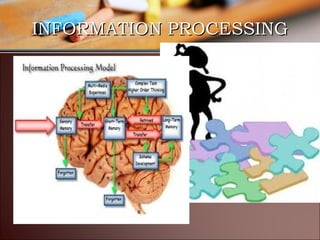
INFORMATION PROCESSING
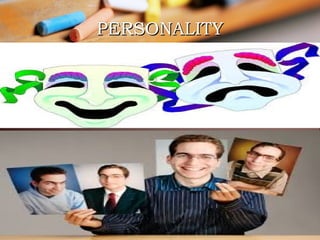
PERSONALITY
BEHAVIORAL
ORIENTATIONS TO CURRICULUM
•
•
•
•

child-centered,
society-centered,
knowledge-centered
eclectic
TYPES OF CURRICULUM
• 1.Overt, explicit, or written curriculum
• 2.Societal curriculum
• 3. The hidden or covert curriculum
• 4.The null curriculum
• 5.Phantom curriculum
• 6.Concomitant curriculum
• 7.Rhetorical curriculum
TYPES OF CURRICULUM
• 8.Curriculum-in-use
• 9.Received curriculum
• 10. The internal curriculum
• 11.The electronic curriculum
• 12.Competency Curriculum
OVERT, EXPLICIT, OR WRITTEN
CURRICULUM
• that which is written as part of formal instruction
of schooling experiences.
• refers to a curriculum document, texts, films, and
supportive teaching materials that are overtly
chosen to support the intentional instructional
agenda of a school.
• usually confined to those written understandings
and directions formally designated and reviewed
by administrators, curriculum directors and
teachers, often collectively.
SOCIETAL CURRICULUM
• The massive, ongoing, informal curriculum
of family, peer groups, neighborhoods,
churches organizations, occupations,
mass, media and other socializing forces
that "educate" all of us throughout our
lives
HIDDEN OR COVERT
CURRICULUM
• That which is implied by the very structure
and nature of schools, much of what
revolves around daily or established
routines.
• • the "hidden curriculum," which refers to
the kind of learning children derive from
the very nature and organizational design
of the public school, as well as from the
behaviors and attitudes of teachers and
administrators
NULL CURRICULUM
• That which we do not teach, thus giving
students the message that these elements
are not important in their educational
experiences or in our society
• Unfortunately, without some level of
awareness that there is also a well-defined
implicit agenda in schools, school
personnel send this same type of
message via the hidden curriculum.
PHANTOM CURRICULUM
• the enculturation of students into the
predominant meta-culture
• acculturating students into narrower or
generational subcultures.
CONCOMITANT CURRICULUM
• What is taught, or emphasized at home, or
those experiences that are part of a
family's experiences, or related
experiences sanctioned by the family.
RHETORICAL CURRICULUM
• comprised from ideas offered by policymakers,
school officials, administrators, or politicians.
• come from those professionals involved in concept
formation and content changes
• from those educational initiatives resulting from
decisions based on national and state reports,
public speeches,
• from texts critiquing outdated educational practices.
• also from the publicized works offering updates in
pedagogical knowledge.
CURRICULUM-IN-USE
• The formal curriculum (written or overt)
comprises those things in textbooks, and
content and concepts in the district
curriculum guides. However, those
"formal" elements are frequently not
taught.
• The curriculum-in-use is the actual
curriculum that is delivered and presented
by each teacher.
RECEIVED CURRICULUM
• Those things that students actually take
out of classroom;
• those concepts and content that are truly
learned and remembered
INTERNAL CURRICULUM
• Processes, content, knowledge combined
with the experiences and realities of the
learner to create new knowledge. While
educators should be aware of this
curriculum, they have little control over the
internal curriculum since it is unique to
each student.
ELECTRONIC CURRICULUM
• through searching the Internet for information, or
through using e-forms of communication.
• either formal or informal, and inherent lessons
may be overt or covert, good or bad, correct or
incorrect depending on ones' views.
• both for recreational purposes (as in blogs,
chatrooms, listserves, through instant
messenger on-line conversations, or through
personal e-mails) and for research and
information,
COMPETENCY CURRICULUM
• Consists of competencies.
• Assessment and certification of
achievement of the competencies is
sequentially integrated into each year of
the curriculum culminating with a
competency transcript upon graduation
MEANING OF CURRICULUM
DEVELOPMENT
• Curriculum development is the process of
deciding what to teach and learn, along
with the considerations needed to make
such decisions. It includes aspects such
as tasks, roles, expectations, resources,
time and space, and the ordering of all
these elements to create a curriculum plan
or document
MEANING OF CURRICULUM
DEVELOPMENT
• Curriculum development is
institutionalized change, which means that
it is sanctioned by the formal structures in
the educational institution. It is usually
aimed at improving the situation, and
therefore includes some form of evaluation
and is carefully documented or described
CURRICLUM PLANNING &
DEVELOPMENT
• Curriculum planning is a complex activity
involving the interplay of ideas from the
curriculum field and other related disciplines.
• However, the ultimate purpose of curriculum
planning is to describe the learning opportunities
available to students.
• Thus, curriculum planning is ultimately
concerned with the experiences of learners.
FOUNDATIONS OF
CURRICULUM PLANNING
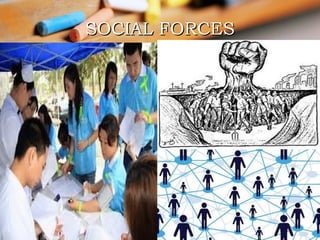
SOCIAL FORCES
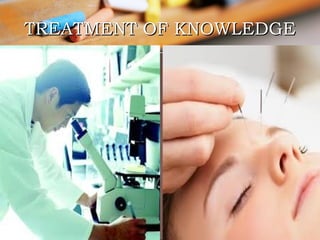
TREATMENT OF KNOWLEDGE
HUMAN GROWTH AND
DEVELOPMENT
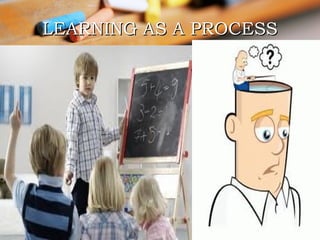
LEARNING AS A PROCESS
ISSUES IN CURRICULUM
PLANNING
• Subject-centred vs. Learner-centred
curriculum
• Who plans the curriculum?
• The basics that constitute learning
CHARACTERISTICS OF GOOD
CURRICULUM & CURRICULUM
DEVELOPMENT
1. The Curriculum is continuously evolving.
2. The Curriculum is based on the needs of
the people.
3. The Curriculum is democratically

conceived.
4. The Curriculum is the result of a long-

term effort.
5. The Curriculum is a complex of
details.
6. The Curriculum provides for the logical
sequence of subject matter.
7. The Curriculum complements and cooperates

with other programs of the community.
8. The Curriculum has educational quality.
9. The Curriculum has administrative

flexibility.
Thank you for LISTENING
GUYS!

Introduction

  • 1.
    By: John ChristianVillanueva INTRODUCTION
  • 2.
  • 3.
    TRADITIONAL SCHOOLS • Traditionalschools defined curriculum as a group of subjects arranged in a certain sequence peculiar to the subject field itself for the purpose of instruction. • Unique needs and interests have been placed second to “the common needs of all.”
  • 4.
    MODERN DIMENSIONS OF CURRICULUM •The modern dimension of curriculum consists of all experiences for learning which are planned and organized by the school. • It is composed of the actual experiences and activities of learners inside or outside the classroom under the guidance of the teacher and for which the school accepts responsibility.
  • 5.
    DEFINITIONS OF CURRICULUM •Some authors define curriculum as “the total effort of the school to bring about desired outcomes, to fulfil the rising needs of the dynamic society, in school and outof-school situations” or “a sequence of potential experiences set up in school for the purpose of disciplining children and youth in group ways of thinking and acting”.
  • 6.
    KINDS OF CURRICULUM (accordingto the four families of learning theories)
  • 7.
  • 8.
  • 9.
  • 10.
  • 11.
  • 12.
    TYPES OF CURRICULUM •1.Overt, explicit, or written curriculum • 2.Societal curriculum • 3. The hidden or covert curriculum • 4.The null curriculum • 5.Phantom curriculum • 6.Concomitant curriculum • 7.Rhetorical curriculum
  • 13.
    TYPES OF CURRICULUM •8.Curriculum-in-use • 9.Received curriculum • 10. The internal curriculum • 11.The electronic curriculum • 12.Competency Curriculum
  • 14.
    OVERT, EXPLICIT, ORWRITTEN CURRICULUM • that which is written as part of formal instruction of schooling experiences. • refers to a curriculum document, texts, films, and supportive teaching materials that are overtly chosen to support the intentional instructional agenda of a school. • usually confined to those written understandings and directions formally designated and reviewed by administrators, curriculum directors and teachers, often collectively.
  • 15.
    SOCIETAL CURRICULUM • Themassive, ongoing, informal curriculum of family, peer groups, neighborhoods, churches organizations, occupations, mass, media and other socializing forces that "educate" all of us throughout our lives
  • 16.
    HIDDEN OR COVERT CURRICULUM •That which is implied by the very structure and nature of schools, much of what revolves around daily or established routines. • • the "hidden curriculum," which refers to the kind of learning children derive from the very nature and organizational design of the public school, as well as from the behaviors and attitudes of teachers and administrators
  • 17.
    NULL CURRICULUM • Thatwhich we do not teach, thus giving students the message that these elements are not important in their educational experiences or in our society • Unfortunately, without some level of awareness that there is also a well-defined implicit agenda in schools, school personnel send this same type of message via the hidden curriculum.
  • 18.
    PHANTOM CURRICULUM • theenculturation of students into the predominant meta-culture • acculturating students into narrower or generational subcultures.
  • 19.
    CONCOMITANT CURRICULUM • Whatis taught, or emphasized at home, or those experiences that are part of a family's experiences, or related experiences sanctioned by the family.
  • 20.
    RHETORICAL CURRICULUM • comprisedfrom ideas offered by policymakers, school officials, administrators, or politicians. • come from those professionals involved in concept formation and content changes • from those educational initiatives resulting from decisions based on national and state reports, public speeches, • from texts critiquing outdated educational practices. • also from the publicized works offering updates in pedagogical knowledge.
  • 21.
    CURRICULUM-IN-USE • The formalcurriculum (written or overt) comprises those things in textbooks, and content and concepts in the district curriculum guides. However, those "formal" elements are frequently not taught. • The curriculum-in-use is the actual curriculum that is delivered and presented by each teacher.
  • 22.
    RECEIVED CURRICULUM • Thosethings that students actually take out of classroom; • those concepts and content that are truly learned and remembered
  • 23.
    INTERNAL CURRICULUM • Processes,content, knowledge combined with the experiences and realities of the learner to create new knowledge. While educators should be aware of this curriculum, they have little control over the internal curriculum since it is unique to each student.
  • 24.
    ELECTRONIC CURRICULUM • throughsearching the Internet for information, or through using e-forms of communication. • either formal or informal, and inherent lessons may be overt or covert, good or bad, correct or incorrect depending on ones' views. • both for recreational purposes (as in blogs, chatrooms, listserves, through instant messenger on-line conversations, or through personal e-mails) and for research and information,
  • 25.
    COMPETENCY CURRICULUM • Consistsof competencies. • Assessment and certification of achievement of the competencies is sequentially integrated into each year of the curriculum culminating with a competency transcript upon graduation
  • 26.
    MEANING OF CURRICULUM DEVELOPMENT •Curriculum development is the process of deciding what to teach and learn, along with the considerations needed to make such decisions. It includes aspects such as tasks, roles, expectations, resources, time and space, and the ordering of all these elements to create a curriculum plan or document
  • 27.
    MEANING OF CURRICULUM DEVELOPMENT •Curriculum development is institutionalized change, which means that it is sanctioned by the formal structures in the educational institution. It is usually aimed at improving the situation, and therefore includes some form of evaluation and is carefully documented or described
  • 28.
    CURRICLUM PLANNING & DEVELOPMENT •Curriculum planning is a complex activity involving the interplay of ideas from the curriculum field and other related disciplines. • However, the ultimate purpose of curriculum planning is to describe the learning opportunities available to students. • Thus, curriculum planning is ultimately concerned with the experiences of learners.
  • 29.
  • 30.
  • 31.
  • 32.
  • 33.
  • 34.
    ISSUES IN CURRICULUM PLANNING •Subject-centred vs. Learner-centred curriculum • Who plans the curriculum? • The basics that constitute learning
  • 35.
    CHARACTERISTICS OF GOOD CURRICULUM& CURRICULUM DEVELOPMENT
  • 36.
    1. The Curriculumis continuously evolving.
  • 37.
    2. The Curriculumis based on the needs of the people.
  • 38.
    3. The Curriculumis democratically conceived.
  • 39.
    4. The Curriculumis the result of a long- term effort.
  • 40.
    5. The Curriculumis a complex of details.
  • 41.
    6. The Curriculumprovides for the logical sequence of subject matter.
  • 42.
    7. The Curriculumcomplements and cooperates with other programs of the community.
  • 43.
    8. The Curriculumhas educational quality.
  • 44.
    9. The Curriculumhas administrative flexibility.
  • 45.
    Thank you forLISTENING GUYS!