INTERSPECIFIC
ASSOCIATION
SUBMITTED TO DR. ASHUN CHAUDHARY
SUBMITTED BY UDAYPAL
ROLL NO CUHP20PLS30
INTERSPECIFIC ASSOCIATION
• Interspecific association is the conceptual basis of direct and indirect interactions
between species.
• Interaction between different species in a community are called interspecific
interaction.
• Different types of interspecific interactions have different effects on two
participants, which may be positive, negative, or neutral.
TYPES OF INTERSPECIFIC INTERACTION
• (1) positive (+)
• (2) negative (-)
• (3) neutral (0)
• (1) positive interaction:-that types of interaction in which members of one or both the
interacting species are benifitted and not harm to each other.
• (2) negative interaction:-that types of interaction in which members of one or both the
interacting species are harmed.
• (3) neutral interaction:- that types of interaction in which neither of species is
benifitted or harmed.
TYPES OF POSITIVE INTERACTION
• (1) Mutualism (+/+)
• (2) commensalism (+/0)
• Mutualism:- types of positive interaction in which both the interacting species favour the growth
and survival of each other and both benifitted. Further mutualism is two types
• Proto-cooperation
• Symbiosis
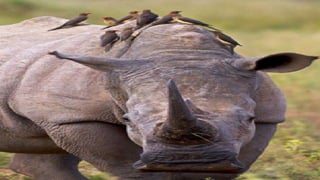
• Proto-cooperation:-mutualism in which both the species are mutually benifitted to each other but
their association is facultative or optional and so can live separately.
• E.g :- Tick bird and rhinoceros.
• Symbiosis:- types of mutualism in which both the species are benifitted but their
association is obligatoey so the partner cannot survive when isolated.
• E.g Lichen – algae and fungi
• (2) Commensalism:- types of positive interaction in which a smaller partner called
commensal is benifitted while the larger partner called host is neither benifitted nor
harmed.
• An association between two organisms in which one benifits and other derives neither
benefit nor harm.
• Commensalism epiphtes is a plant that grows upon another plant gives the
epipytes Better access to sunlight and moisture.
• They have specilized roots to absorb moisture and nutrients from humid air to
prepare food, so they are not dependent on the supporting species.
TYPES OF NEGATIVE INTERACTION
• (1) predation
• (2) parasitism
• (3) competition
• (4) ammensalism
• (1) Predation:-types of negative interaction in which larger species called predator
attack kills and feed on the smaller species is called prey. It also help in biological
control in which members of harmful species are regulated by the members of useful
predator species.
• Predation is when one organisms of one species (predator) consumes part or all of
another organisms of another species(prey).
• (2) Parasitism:-types of negative interaction which one smaller partner called
parasite is benifitted and derive food and shelter from the body of larger partner is
called host. The parasite maybbe of following types:-
• Ectoparasite:-it is found on the outer surface of host’s body.
• E.g :- Leeches, Head lice, ticks in skin.
• Endoparasite:-it is found in inside the host body.
• E.g :- Malarial parasite, Ascais,
• (3) Competition:- types of negative interaction in which both the interacting
species decrease the chance of growth and survival of each other and this with
each other for common resource compete like food, water, space.
• (4) Ammensalism :- types of negative interaction in which one species is harmed
while other species is neither benifitted nor harmed.
• E.g:- Juglone secreted from the roots of black walnut destroying it’s surrounding
plants.
Interspecific association

Interspecific association

  • 1.
    INTERSPECIFIC ASSOCIATION SUBMITTED TO DR.ASHUN CHAUDHARY SUBMITTED BY UDAYPAL ROLL NO CUHP20PLS30
  • 2.
    INTERSPECIFIC ASSOCIATION • Interspecificassociation is the conceptual basis of direct and indirect interactions between species. • Interaction between different species in a community are called interspecific interaction. • Different types of interspecific interactions have different effects on two participants, which may be positive, negative, or neutral.
  • 3.
    TYPES OF INTERSPECIFICINTERACTION • (1) positive (+) • (2) negative (-) • (3) neutral (0) • (1) positive interaction:-that types of interaction in which members of one or both the interacting species are benifitted and not harm to each other. • (2) negative interaction:-that types of interaction in which members of one or both the interacting species are harmed. • (3) neutral interaction:- that types of interaction in which neither of species is benifitted or harmed.
  • 4.
    TYPES OF POSITIVEINTERACTION • (1) Mutualism (+/+) • (2) commensalism (+/0) • Mutualism:- types of positive interaction in which both the interacting species favour the growth and survival of each other and both benifitted. Further mutualism is two types • Proto-cooperation • Symbiosis • Proto-cooperation:-mutualism in which both the species are mutually benifitted to each other but their association is facultative or optional and so can live separately. • E.g :- Tick bird and rhinoceros.
  • 6.
    • Symbiosis:- typesof mutualism in which both the species are benifitted but their association is obligatoey so the partner cannot survive when isolated. • E.g Lichen – algae and fungi • (2) Commensalism:- types of positive interaction in which a smaller partner called commensal is benifitted while the larger partner called host is neither benifitted nor harmed. • An association between two organisms in which one benifits and other derives neither benefit nor harm.
  • 7.
    • Commensalism epiphtesis a plant that grows upon another plant gives the epipytes Better access to sunlight and moisture. • They have specilized roots to absorb moisture and nutrients from humid air to prepare food, so they are not dependent on the supporting species.
  • 10.
    TYPES OF NEGATIVEINTERACTION • (1) predation • (2) parasitism • (3) competition • (4) ammensalism • (1) Predation:-types of negative interaction in which larger species called predator attack kills and feed on the smaller species is called prey. It also help in biological control in which members of harmful species are regulated by the members of useful predator species. • Predation is when one organisms of one species (predator) consumes part or all of another organisms of another species(prey).
  • 12.
    • (2) Parasitism:-typesof negative interaction which one smaller partner called parasite is benifitted and derive food and shelter from the body of larger partner is called host. The parasite maybbe of following types:- • Ectoparasite:-it is found on the outer surface of host’s body. • E.g :- Leeches, Head lice, ticks in skin. • Endoparasite:-it is found in inside the host body. • E.g :- Malarial parasite, Ascais,
  • 14.
    • (3) Competition:-types of negative interaction in which both the interacting species decrease the chance of growth and survival of each other and this with each other for common resource compete like food, water, space.
  • 17.
    • (4) Ammensalism:- types of negative interaction in which one species is harmed while other species is neither benifitted nor harmed. • E.g:- Juglone secreted from the roots of black walnut destroying it’s surrounding plants.