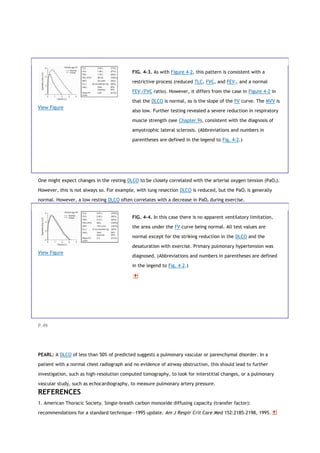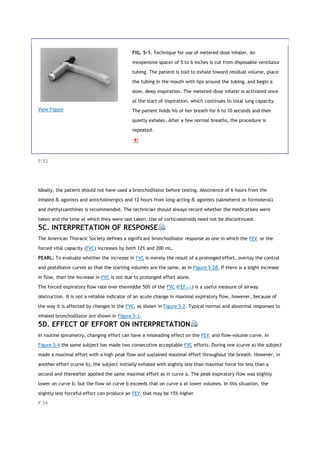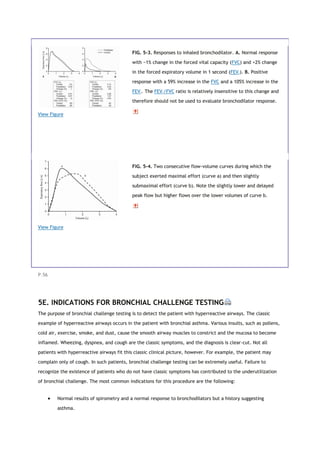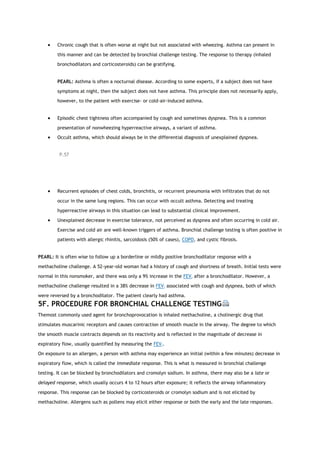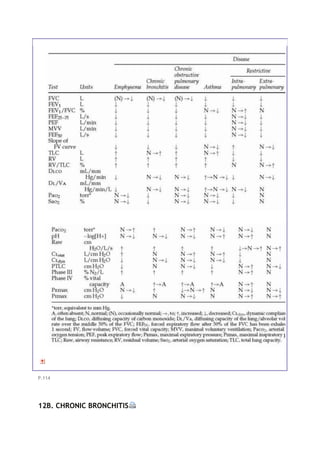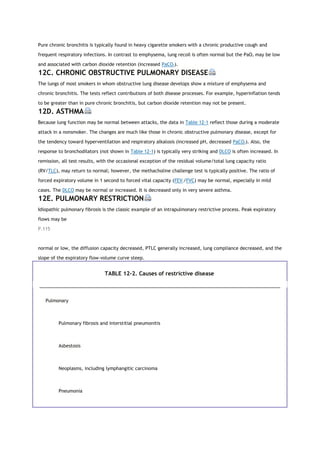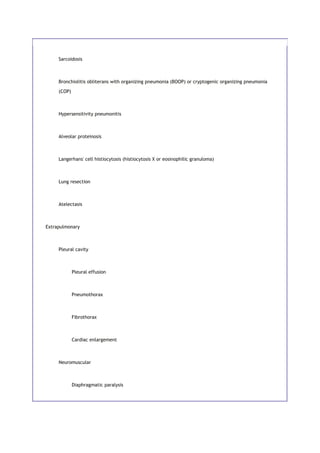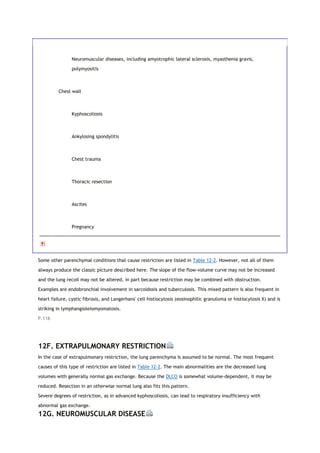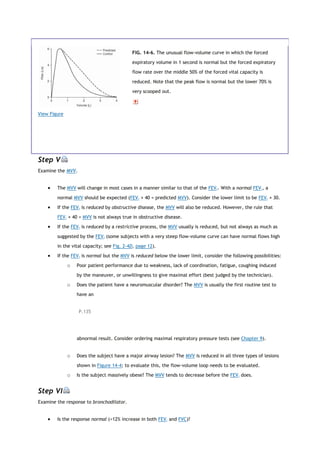


Authors
Robert E. Hyatt MD
Emeritus Member
Division of Pulmonary and Critical Care Medicine
Mayo Clinic, Rochester, Minnesota;
Emeritus Professor of Medicine and of Physiology
College of Medicine, Mayo Clinic, Rochester, Minnesota
Paul D. Scanlon MD
Consultant
Division of Pulmonary and Critical Care Medicine
Mayo Clinic, Rochester, Minnesota;
Professor of Medicine, College of Medicine,
Mayo Clinic, Rochester, Minnesota
Masao Nakamura MD
Division of Pulmonary Medicine
Ooizumi-kinen Hospital
Shiroisi-shi Miyagi-ken, Japan
Preface
The first two editions of Interpretation of Pulmonary Function Tests were well-received and met our goal of
appealing to a wide, varied audience of health professionals. In this, the third edition, we have added a section
to Chapter 7 on the forced oscillation technique for measuring respiratory system resistance, a procedure that
has become popular in recent years. Other additions include a discussion in Chapter 5 of the measurement of
exhaled nitric oxide, which is becoming useful in the study of asthma. The most recent guidelines (2005) on
standardization of pulmonary function testing and interpretation published by the American Thoracic
Society/European Respiratory Society Task Force have been added to Chapter 14.
Robert E. Hyatt MD
Paul D. Scanlon MD
Masao Nakamura MD
Acknowledgments
We thank Patricia A. Muldrow for her secretarial contributions. We appreciate the assistance of the Division of
Media Support Services in revising the illustrations. Without the help of LeAnn Stee, Jane M. Craig, Kenna
Atherton, and Roberta Schwartz in the Section of Scientific Publications this book would not have reached
fruition.
List of Abbreviations
(A - a) DO2
difference between the oxygen tensions of alveolar gas and arterial blood
BMI
body mass index
CaO2
arterial oxygen-carrying capacity
Ccw
chest wall compliance
CL
compliance of the lung
CLdyn
dynamic compliance of the lung
CLstat
static compliance of the lung
COHb
carboxyhemoglobin
COPD
chronic obstructive pulmonary disease
Crs
static compliance of entire respiratory system
DL
diffusing capacity of the lungs
DLCO
diffusing capacity of carbon monoxide
DLO2
diffusing capacity of oxygen
ERV
expiratory reserve volume
F
female
FEF
forced expiratory flow
FEFmax
maximal forced expiratory flow
FEF25
forced expiratory flow after 25% of the FVC has been exhaled
FEF25-75
forced expiratory flow over the middle 50% of the FVC
FEF50
forced expiratory flow after 50% of the FVC has been exhaled
FEF75
forced expiratory flow after 75% of the FVC has been exhaled
FEV1
forced expiratory volume in 1 second
FEV6
forced expiratory volume in 6 seconds
FEV1/FVC
ratio of FEV1 to the FVC
FIF50
forced inspiratory flow after 50% of the VC has been inhaled
FIO2
fraction of inspired oxygen
FRC
functional residual capacity
P.xii
FV
flow-volume
FVC
forced expiratory vital capacity
Hb
hemoglobin
M
male
MetHb
methemoglobin
MFSR
maximal flow static recoil (curve)
MIF
maximal inspiratory flow
MVV
maximal voluntary ventilation
NO
nitric oxide
P
pressure
PaCO2
arterial carbon dioxide tension
PACO2
partial pressure of carbon dioxide in the alveoli
Palv
alveolar pressure
Pao
pressure at the mouth
PaO2
arterial oxygen tension
PAO2
partial pressure of oxygen in the alveoli
Patm
atmospheric pressure
PCO2
partial pressure of carbon dioxide
PEF
peak expiratory flow
PEmax
maximal expiratory pressure
PH2O
partial pressure of water
PImax
maximal inspiratory pressure
PO2
partial pressure of oxygen
Ppl
pleural pressure
Pst
lung static elastic recoil pressure
PTLC
lung recoil pressure at TLC
Ptr
pressure inside the trachea
P[v with bar above]O2
mixed venous oxygen tension
[Q with dot above]
perfusion
R
resistance
Raw
airway resistance
Rpulm
pulmonary resistance
RQ
respiratory quotient
RV
residual volume
SAD
small airway disease
SBDLCO
single-breath method for estimating DLCO
SBN2
single-breath nitrogen (test)
SVC
slow vital capacity
TLC
total lung capacity
V
volume
P.xiii
[V with dot above]
ventilation
VA
alveolar volume
[V with dot above]A
alveolar ventilation
VC
vital capacity
[V with dot above]CO2
carbon dioxide production
VD
dead space volume
[V with dot above]E
ventilation measured at the mouth
[V with dot above]max
maximal expiratory flow
[V with dot above]O2
oxygen consumption
[V with dot above]O2 max
maximal oxygen consumption
[V with dot above]/[Q with dot above]
ventilation-perfusion
VR
ventilatory reserve
VT
tidal volume
1
Introduction
Pulmonary function tests can provide important clinical information, yet they are vastly underused. They are
designed to identify and quantify defects and abnormalities in the function of the respiratory system and
answer questions such as the following: How badly impaired is the patient's lung function? Is airway obstruction
present? How severe is it? Does it respond to bronchodilators? Is gas exchange impaired? Is diffusion of oxygen
from alveoli to pulmonary capillary blood impaired? Is treatment helping the patient? How great is the surgical
risk?
Pulmonary function tests can also answer other clinical questions: Is the patient's dyspnea due to cardiac or
pulmonary dysfunction? Does the patient with chronic cough have occult asthma? Is obesity impairing the
patient's pulmonary function? Is the patient's dyspnea due to weakness of the respiratory muscles?
The tests alone, however, cannot be expected to lead to a clinical diagnosis of, for example, pulmonary
fibrosis or emphysema. Test results must be evaluated in light of the history; physical examination; chest
radiograph; computed tomogram scan, if available; and pertinent laboratory findings. Nevertheless, some test
patterns strongly suggest the presence of certain conditions, such as pulmonary fibrosis. Also, the flow-volume
loop associated with lesions of the trachea and upper airway is often so characteristic as to be nearly
diagnostic of the presence of such a lesion (see Chapter 2).
As with any procedure, pulmonary function tests have shortcomings. There is some variability in the normal
predicted values of various tests. In some studies, this variability is in part due to mixing asymptomatic
smokers with nonsmokers in a “normal” population. Some variability also occurs among laboratories in
P.2
the ways the tests are performed, the equipment is used, and the results are calculated.
This text assumes that the tests are performed accurately, and it focuses on their clinical significance. This
approach is not to downplay the importance of the technician in obtaining accurate data. Procedures such as
electrocardiography require relatively little technician training, especially with the new equipment that can
detect errors such as faulty lead placement. And, of course, all the patient need do is lie still. In marked
contrast is the considerable training required before a pulmonary function technician becomes proficient. With
spirometry, for example, the patient must be exhorted to put forth maximal effort, and the technician must
learn to detect submaximal effort. The patient is a very active participant in several of the tests that are
discussed. Many of these tests have been likened to an athletic event—an apt analogy. In our experience, it
takes several weeks of intense training before a technician becomes expert in administering common tests such
as spirometry. If at all possible, the person interpreting the test results should undergo pulmonary function
testing. Experiencing the tests is the best way to appreciate the challenges faced when administering the test
to sick, often frightened patients.
However, the main problem with pulmonary function tests is that they are not ordered often enough.
Population surveys generally document some abnormality in respiratory function in 5% to 20% of subjects
studied. Chronic obstructive pulmonary disease (COPD) is currently the fourth leading cause of death in the
United States. It causes more than 100,000 deaths per year. It is estimated that 16 million people in the United
States have COPD. All too often the condition is not diagnosed until the disease is far advanced. In a significant
number of cases, lung disease is still not being detected. If we are to make an impact on COPD, it needs to be
detected in the early stage, at which point smoking cessation markedly reduces the likelihood of progression to
severe COPD. Figure 1-1 shows the progression of a typical case of COPD. By the time dyspnea occurs, airway
obstruction is moderately or severely advanced. Looked at differently, spirometry can detect airway
obstruction in COPD 5 to 10 years before dyspnea occurs.
Nevertheless, few primary care physicians routinely order pulmonary function tests for their patients who
smoke or for patients with mild to moderate dyspnea. For patients with dyspnea, however, in all likelihood the
blood pressure has been checked and
P.3
chest radiography and electrocardiography have been performed. Wehave seen patientswho have had coronary
angiography before simple spirometry identified the true cause of their dyspnea.
View Figure
FIG. 1-1. Typical progression of the symptoms of chronic
obstructive pulmonary disease (COPD). Only spirometry enables the
detection of COPD years before shortness of breath develops. (From
PL Enright, RE Hyatt [eds]: Office Spirometry: A Practical Guide to
the Selection and Use of Spirometers. Philadelphia: Lea & Febiger,
1987. Used with permission of Mayo Foundation for Medical
Education and Research.)
Whyare so few pulmonary function tests done? It is our impression that a great many clinicians are
uncomfortable interpreting the test results. They are not sure what the tests measure or what they mean, and,
hence, the tests are not ordered. Unfortunately, very little time is devoted to this subject in medical school
and in residency training. Furthermore, it is difficult to determine the practical clinical value of pulmonary
function tests from currently available texts of pulmonary physiology and pulmonary function testing. The 2007
Joint Commission Disease-Specific Care program for the management of COPD may prompt primary care
practitioners to adopt more sensitive and specific diagnostic methods.
The sole purpose of, and justification for, this text is to make pulmonary function tests user-friendly. The text
targets the basic clinical utility of the most common tests, which also happen to be the most important.
Interesting but more complex procedures that have a less important clinical role are left to the standard
physiologic texts.
2
Spirometry: Dynamic Lung Volumes
Spirometry is used to measure the rate at which the lung changes volume during forced breathing maneuvers.
The most commonly performed test uses the forced expiratory vital capacity (FVC) maneuver, in which the
subject inhales maximally and then exhales as rapidly and completely as possible. Of all the tests considered in
this book, the FVC test is both the simplest and the most important. Generally, it provides most of the
information that is to be obtained from pulmonary function testing. It behooves the reader to have a thorough
understanding of this procedure.
2A. SPIROGRAMS AND FLOW-VOLUME CURVE
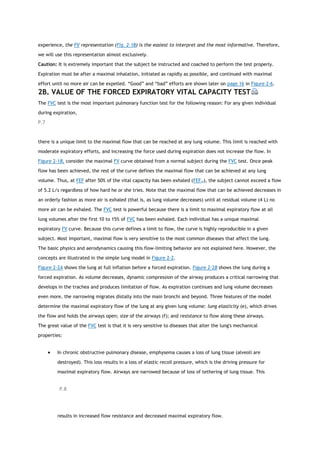
The two methods of recording the FVC test are shown in Figure 2-1. In Figure 2-1A, the subject blows into a
spirometer that records the volume exhaled, which is plotted as a function of time, the solid line. This is the
classic spirogram showing the time course of a 4-L FVC. Two of the most common measurements made from
this curve are the forced expiratory volume in 1 second (FEV1) and the average forced expiratory flow rate over
the middle 50% of the FVC (FEF25-75). These are discussed later in this chapter.
The FVC test can also be plotted as a flow-volume (FV) curve, as in Figure 2-1B. The subject again exhales
forcefully into the spirometer through a flowmeter that measures the flow rate (in liters per second) at which
the subject exhales. The volume and the rapidity at which the volume is exhaled (flow in liters per second) are
plotted as the FV curve. Several of the common measurements made from this curve are discussed later in this
chapter.
P.6
View Figure
FIG. 2-1. The two ways to record the forced vital capacity (FVC)
maneuver. A. Volume recorded as a function of time, the
spirogram. FEV1, forced expiratory volume in 1 second; FEF25-75,
average forced expiratory flow rate over the middle 50% of the FVC.
B. Flow recorded as a function of volume exhaled, the flow-volume
curve. FEF25(50,75), forced expiratory flow after 25% (50%, 75%) of the
FVC has been exhaled.
The two curves reflect the same data, and a computerized spirometer can easily plot both curves with the
subject exhaling through either a flowmeter or a volume recorder. Integration of flow provides volume, which,
in turn, can be plotted as a function of time, and all the measurements shown in Figure 2-1 are also readily
computed. Conversely, the volume signal can be differentiated with respect to time to determine flow. In our
experience, the FV representation (Fig. 2-1B) is the easiest to interpret and the most informative. Therefore,
we will use this representation almost exclusively.
Caution: It is extremely important that the subject be instructed and coached to perform the test properly.
Expiration must be after a maximal inhalation, initiated as rapidly as possible, and continued with maximal
effort until no more air can be expelled. “Good” and “bad” efforts are shown later on page 16 in Figure 2-6.
2B. VALUE OF THE FORCED EXPIRATORY VITAL CAPACITY TEST
The FVC test is the most important pulmonary function test for the following reason: For any given individual
during expiration,
P.7
there is a unique limit to the maximal flow that can be reached at any lung volume. This limit is reached with
moderate expiratory efforts, and increasing the force used during expiration does not increase the flow. In
Figure 2-1B, consider the maximal FV curve obtained from a normal subject during the FVC test. Once peak
flow has been achieved, the rest of the curve defines the maximal flow that can be achieved at any lung
volume. Thus, at FEF after 50% of the vital capacity has been exhaled (FEF50), the subject cannot exceed a flow
of 5.2 L/s regardless of how hard he or she tries. Note that the maximal flow that can be achieved decreases in
an orderly fashion as more air is exhaled (that is, as lung volume decreases) until at residual volume (4 L) no
more air can be exhaled. The FVC test is powerful because there is a limit to maximal expiratory flow at all
lung volumes after the first 10 to 15% of FVC has been exhaled. Each individual has a unique maximal
expiratory FV curve. Because this curve defines a limit to flow, the curve is highly reproducible in a given
subject. Most important, maximal flow is very sensitive to the most common diseases that affect the lung.
The basic physics and aerodynamics causing this flow-limiting behavior are not explained here. However, the
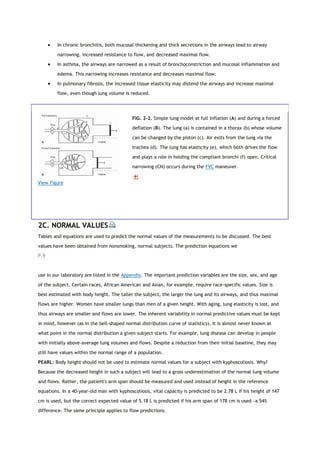
concepts are illustrated in the simple lung model in Figure 2-2.
Figure 2-2A shows the lung at full inflation before a forced expiration. Figure 2-2B shows the lung during a
forced expiration. As volume decreases, dynamic compression of the airway produces a critical narrowing that
develops in the trachea and produces limitation of flow. As expiration continues and lung volume decreases
even more, the narrowing migrates distally into the main bronchi and beyond. Three features of the model
determine the maximal expiratory flow of the lung at any given lung volume: lung elasticity (e), which drives
the flow and holds the airways open; size of the airways (f); and resistance to flow along these airways.
The great value of the FVC test is that it is very sensitive to diseases that alter the lung's mechanical
properties:
 In chronic obstructive pulmonary disease, emphysema causes a loss of lung tissue (alveoli are
destroyed). This loss results in a loss of elastic recoil pressure, which is the driving pressure for
maximal expiratory flow. Airways are narrowed because of loss of tethering of lung tissue. This
P.8
results in increased flow resistance and decreased maximal expiratory flow.
 In chronic bronchitis, both mucosal thickening and thick secretions in the airways lead to airway
narrowing, increased resistance to flow, and decreased maximal flow.
 In asthma, the airways are narrowed as a result of bronchoconstriction and mucosal inflammation and
edema. This narrowing increases resistance and decreases maximal flow.
 In pulmonary fibrosis, the increased tissue elasticity may distend the airways and increase maximal
flow, even though lung volume is reduced.
View Figure
FIG. 2-2. Simple lung model at full inflation (A) and during a forced
deflation (B). The lung (a) is contained in a thorax (b) whose volume
can be changed by the piston (c). Air exits from the lung via the
trachea (d). The lung has elasticity (e), which both drives the flow
and plays a role in holding the compliant bronchi (f) open. Critical
narrowing (CN) occurs during the FVC maneuver.
2C. NORMAL VALUES
Tables and equations are used to predict the normal values of the measurements to be discussed. The best
values have been obtained from nonsmoking, normal subjects. The prediction equations we
P.9
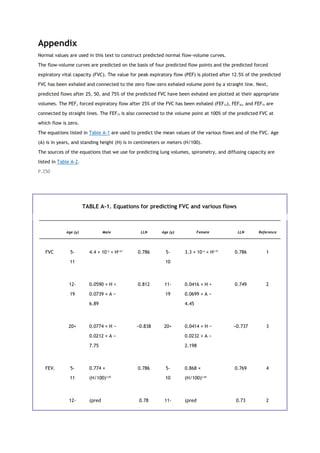
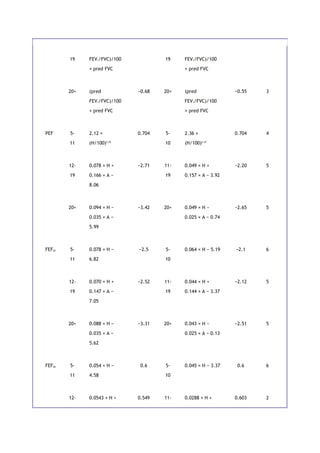
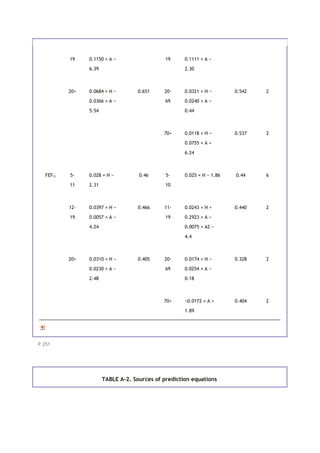
use in our laboratory are listed in the Appendix. The important prediction variables are the size, sex, and age
of the subject. Certain races, African American and Asian, for example, require race-specific values. Size is
best estimated with body height. The taller the subject, the larger the lung and its airways, and thus maximal
flows are higher. Women have smaller lungs than men of a given height. With aging, lung elasticity is lost, and
thus airways are smaller and flows are lower. The inherent variability in normal predictive values must be kept
in mind, however (as in the bell-shaped normal distribution curve of statistics). It is almost never known at
what point in the normal distribution a given subject starts. For example, lung disease can develop in people
with initially above-average lung volumes and flows. Despite a reduction from their initial baseline, they may
still have values within the normal range of a population.
PEARL: Body height should not be used to estimate normal values for a subject with kyphoscoliosis. Why?
Because the decreased height in such a subject will lead to a gross underestimation of the normal lung volume
and flows. Rather, the patient's arm span should be measured and used instead of height in the reference
equations. In a 40-year-old man with kyphoscoliosis, vital capacity is predicted to be 2.78 L if his height of 147
cm is used, but the correct expected value of 5.18 L is predicted if his arm span of 178 cm is used—a 54%
difference. The same principle applies to flow predictions.
2D. FORCED EXPIRATORY VITAL CAPACITY
The FVC is the volume expired during the FVC test; in Figure 2-1 the FVC is 4.0 L. Many abnormalities can cause
a decrease in the FVC.
PEARL: To our knowledge, only one disorder, acromegaly, causes an abnormal increase in the FVC. The results
of other tests of lung function are usually normal in this condition. However, persons with acromegaly are at
increased risk for development of obstructive sleep apnea as a result of hypertrophy of the soft tissues of the
upper airway.
Figure 2-3 presents a logical approach to considering possible causes of a decrease in FVC:
 The problem may be with the lung itself. There may have been a resectional surgical procedure or
areas of collapse. Various other conditions can render the lung less
P.10
expandable, such as fibrosis, congestive heart failure, and thickened pleura. Obstructive lung diseases
may reduce the FVC by limiting deflation of the lung (Fig. 2-3).
 The problem may be in the pleural cavity, such as an enlarged heart, pleural fluid, or a tumor
encroaching on the lung.
 Another possibility is restriction of the chest wall. The lung cannot inflate and deflate normally if the
motion of the chest wall (which includes its abdominal components) is restricted.
 Inflation and deflation of the system require normal function of the respiratory muscles, primarily the
diaphragm, the intercostal muscles, and the abdominal muscles.
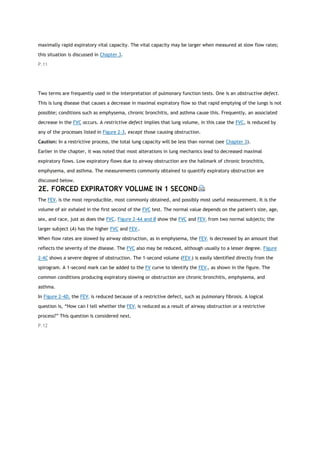
View Figure
FIG. 2-3. Various conditions that can restrict the forced expiratory
vital capacity. CHF, congestive heart failure.
If the four possibilities listed are considered (lung, pleura, chest wall, muscles), the cause(s) of decreased FVC
is usually determined. Of course, combinations of conditions occur, such as the enlarged failing heart with
engorgement of the pulmonary vessels and pleural effusions. It should be remembered that the FVC is a
maximally rapid expiratory vital capacity. The vital capacity may be larger when measured at slow flow rates;
this situation is discussed in Chapter 3.
P.11
Two terms are frequently used in the interpretation of pulmonary function tests. One is an obstructive defect.
This is lung disease that causes a decrease in maximal expiratory flow so that rapid emptying of the lungs is not
possible; conditions such as emphysema, chronic bronchitis, and asthma cause this. Frequently, an associated
decrease in the FVC occurs. A restrictive defect implies that lung volume, in this case the FVC, is reduced by
any of the processes listed in Figure 2-3, except those causing obstruction.
Caution: In a restrictive process, the total lung capacity will be less than normal (see Chapter 3).
Earlier in the chapter, it was noted that most alterations in lung mechanics lead to decreased maximal
expiratory flows. Low expiratory flows due to airway obstruction are the hallmark of chronic bronchitis,
emphysema, and asthma. The measurements commonly obtained to quantify expiratory obstruction are
discussed below.
2E. FORCED EXPIRATORY VOLUME IN 1 SECOND
The FEV1 is the most reproducible, most commonly obtained, and possibly most useful measurement. It is the
volume of air exhaled in the first second of the FVC test. The normal value depends on the patient's size, age,
sex, and race, just as does the FVC. Figure 2-4A and B show the FVC and FEV1 from two normal subjects; the
larger subject (A) has the higher FVC and FEV1.
When flow rates are slowed by airway obstruction, as in emphysema, the FEV1 is decreased by an amount that
reflects the severity of the disease. The FVC also may be reduced, although usually to a lesser degree. Figure
2-4C shows a severe degree of obstruction. The 1-second volume (FEV1) is easily identified directly from the
spirogram. A 1-second mark can be added to the FV curve to identify the FEV1, as shown in the figure. The
common conditions producing expiratory slowing or obstruction are chronic bronchitis, emphysema, and
asthma.
In Figure 2-4D, the FEV1 is reduced because of a restrictive defect, such as pulmonary fibrosis. A logical
question is, “How can I tell whether the FEV1 is reduced as a result of airway obstruction or a restrictive
process?” This question is considered next.
P.12
View Figure
FIG. 2-4. Typical spirograms and flow-volume curves during forced
expiration. A and B. Normal subjects of different sizes. C. Patient with
severe airway obstruction. D. Values typical of a pulmonary restrictive
process. The arrows indicate the forced expiratory volume in 1 second
(FEV1). The ratios of FEV1 to forced expiratory vital capacity (FEV1/FVC) and
the slopes of the flow-volume curves (dashed lines) are also shown.
2F. FEV1/FVC RATIO
The FEV1/FVC ratio is generally expressed as a percentage. The amount exhaled during the first second is a
fairly constant fraction of the FVC, irrespective of lung size. In the normal adult, the ratio
P.13
ranges from 75 to 85%, but it decreases somewhat with aging. Children have high flows for their size, and thus,
their ratios are higher, up to 90%.
The significance of this ratio is twofold. First, it aids in quickly identifying persons with airway obstruction in
whom the FVC is reduced. For example, in Figure 2-4C, the FEV1/FVC is very low at 43%, indicating that the low
FVC is due to airway obstruction and not pulmonary restriction. Second, the ratio is valuable for identifying the
cause of a low FEV1. In pulmonary restriction (without any associated obstruction), the FEV1 and FVC are
decreased proportionally; hence, the ratio is in the normal range, as in the case of fibrosis in Figure 2-4D, in
which it is 87%. Indeed, in some cases of pulmonary fibrosis, the ratio may increase even more because of the
increased elastic recoil of such a lung.
Thus, in regard to the question of how to determine whether airway obstruction or a restrictive process is
causing a reduced FEV1, the answer is to check the FEV1/FVC ratio. A low FEV1 with a normal ratio usually
indicates a restrictive process, whereas a low FEV1 and a decreased ratio signify a predominantly obstructive
process.
In severe obstructive lung disease near the end of a forced expiration, the flows may be very low, barely
perceptible. Continuation of the forced expiration can be very tiring and uncomfortable. To avoid patient
fatigue, one can substitute the volume expired in 6 seconds, the FEV6, for the FVC in the ratio. Normal values
for FEV1/FEV6 were developed in the third National Health and Nutrition Examination Survey (NHANES III) [1].
PEARL: Look at the FV curve. If significant scooping or concavity can be seen, as in Figure 2-4C, obstruction is
usually present (older normal adults usually have some degree of scooping). In addition, look at the slope of
the FV curve, the average change in flow divided by the change in volume. In normal subjects, this is roughly
2.5 (2.5 L/s per liter). The normal range is approximately 2.0 to 3.0. In the case of airway obstruction (Fig. 2-
4C), the average slope is lower, 1.1. In the patient with fibrosis (Fig. 2-4D), the slope is normal to increased,
5.5. The whole curve needs to be studied.
Caution: Recall that a low FEV1 or FVC and a normal FEV1/FVC ratio usually indicate restriction. However, a
subset of patients with a low FEV1 and normal FEV1/FVC ratio also have a normal total lung capacity, which
rules out significant restriction. This
P.14
is termed a nonspecific ventilatory limitation (see pages 37-39, including Fig. 3-8).
2G. OTHER MEASURES OF MAXIMAL EXPIRATORY FLOW
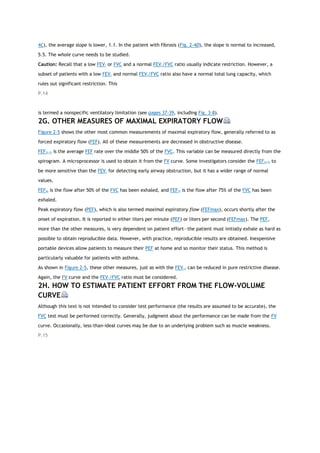
Figure 2-5 shows the other most common measurements of maximal expiratory flow, generally referred to as
forced expiratory flow (FEF). All of these measurements are decreased in obstructive disease.
FEF25-75 is the average FEF rate over the middle 50% of the FVC. This variable can be measured directly from the
spirogram. A microprocessor is used to obtain it from the FV curve. Some investigators consider the FEF25-75 to
be more sensitive than the FEV1 for detecting early airway obstruction, but it has a wider range of normal
values.
FEF50 is the flow after 50% of the FVC has been exhaled, and FEF75 is the flow after 75% of the FVC has been
exhaled.
Peak expiratory flow (PEF), which is also termed maximal expiratory flow (FEFmax), occurs shortly after the
onset of expiration. It is reported in either liters per minute (PEF) or liters per second (FEFmax). The PEF,
more than the other measures, is very dependent on patient effort—the patient must initially exhale as hard as
possible to obtain reproducible data. However, with practice, reproducible results are obtained. Inexpensive
portable devices allow patients to measure their PEF at home and so monitor their status. This method is
particularly valuable for patients with asthma.
As shown in Figure 2-5, these other measures, just as with the FEV1, can be reduced in pure restrictive disease.
Again, the FV curve and the FEV1/FVC ratio must be considered.
2H. HOW TO ESTIMATE PATIENT EFFORT FROM THE FLOW-VOLUME
CURVE
Although this text is not intended to consider test performance (the results are assumed to be accurate), the
FVC test must be performed correctly. Generally, judgment about the performance can be made from the FV
curve. Occasionally, less-than-ideal curves may be due to an underlying problem such as muscle weakness.
P.15
View Figure
FIG. 2-5. Other measurements of maximal expiratory flow in three typical
conditions—normal, obstructive disease, and pulmonary restrictive disease.
The average forced expiratory flow (FEF) rate over the middle 50% of the
forced expiratory vital capacity (FVC) (FEF25-75) is obtained by measuring the
volume exhaled over the middle portion of the FVC maneuvers and dividing it
by the time required to exhale that volume. FEF25, FEF after 25% of the FVC
has been exhaled; FEF50, flow after 50% of FVC has been exhaled; FEF75, flow
after 75% of FVC has been exhaled; PEF, peak expiratory flow.
P.16
View Figure
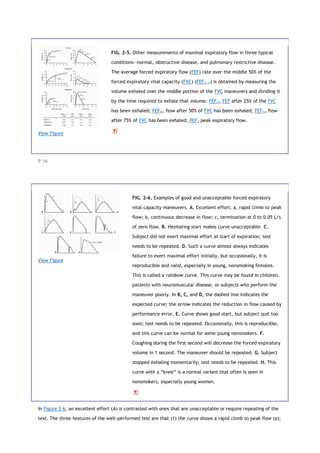
FIG. 2-6. Examples of good and unacceptable forced expiratory
vital capacity maneuvers. A. Excellent effort. a, rapid climb to peak
flow; b, continuous decrease in flow; c, termination at 0 to 0.05 L/s
of zero flow. B. Hesitating start makes curve unacceptable. C.
Subject did not exert maximal effort at start of expiration; test
needs to be repeated. D. Such a curve almost always indicates
failure to exert maximal effort initially, but occasionally, it is
reproducible and valid, especially in young, nonsmoking females.
This is called a rainbow curve. This curve may be found in children,
patients with neuromuscular disease, or subjects who perform the
maneuver poorly. In B, C, and D, the dashed line indicates the
expected curve; the arrow indicates the reduction in flow caused by
performance error. E. Curve shows good start, but subject quit too
soon; test needs to be repeated. Occasionally, this is reproducible,
and this curve can be normal for some young nonsmokers. F.
Coughing during the first second will decrease the forced expiratory
volume in 1 second. The maneuver should be repeated. G. Subject
stopped exhaling momentarily; test needs to be repeated. H. This
curve with a “knee” is a normal variant that often is seen in
nonsmokers, especially young women.
In Figure 2-6, an excellent effort (A) is contrasted with ones that are unacceptable or require repeating of the
test. The three features of the well-performed test are that (1) the curve shows a rapid climb to peak flow (a);
(2) the curve then has a fairly smooth, continuous decrease in flow (b); and (3) the curve terminates at a flow
within 0.05 L/s of zero flow or ideally at zero flow (c). The other curves in Figure 2-6 do not satisfy at least one
of these features.
P.17
An additional important criterion is that the curves should be repeatable. Ideally, two curves should exhibit the
above-described features and have peak flows within 10% of each other and FVC and FEV1 volumes within 150
mL or 5% of each other. The technician needs to work with the patient to satisfy these repeatability criteria.
The physician must examine the selected curve for the contour characteristics. If the results are not
satisfactory, the test may be repeated so that the data truly reflect the mechanical properties of a patient's
lungs. A suboptimal test must be interpreted with caution because it may suggest the presence of disease when
none exists.
2I. MAXIMAL VOLUNTARY VENTILATION
The test for maximal voluntary ventilation (MVV) is an athletic event. The subject is instructed to breathe as
hard and fast as possible for 10 to 15 seconds. The result is extrapolated to 60 seconds and reported in liters
per minute. There can be a significant learning effect with this test, but a skilled technician can often avoid
this problem.
A low MVV can occur in obstructive disease, in restrictive disease, in neuromuscular disease, in heart disease,
in a patient who does not try or who does not understand, or in a frail patient. Thus, this test is very
nonspecific, and yet it correlates well with a subject's exercise capacity and with the complaint of dyspnea. It
is also useful for estimating the subject's ability to withstand certain types of major operation (see Chapter
10).
PEARL: In a well-performed MVV test in a normal subject, the MVV is approximately equal to the FEV1 × 40. If
the FEV1 is 3.0 L, the MVV should be approximately 120 L/min (40 × 3). On the basis of a review of many
pulmonary function tests, we set the lower limit of the predicted MVV at FEV1 × 30. Example: A patient's FEV1 is
2.5 L, and the MVV is 65 L/min. The FEV1 × 30 is 75 L/min, and thus, the MVV of 65 L/min leads to a suspicion
of poor test performance or fatigue. There are two important pathologic causes for the MVV to be less than the
predicted lower limit in an otherwise normal subject: obstructing lesions of the major airways (see section 2K,
page 18) and respiratory muscle weakness (see section 9D, page 97). An MVV much greater than FEV1 × 40 may
mean that the FEV1 test was poorly performed. However, this product estimate may be less useful in advanced
obstructive disease, when the subject's MVV sometimes exceeds that predicted from the FEV1 (see Chapter 15
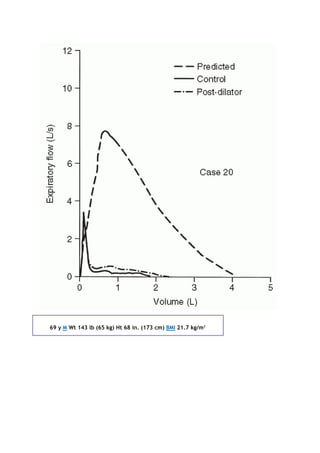
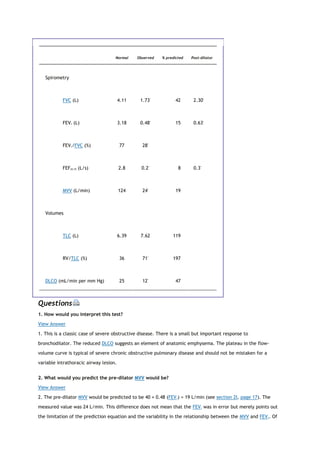
case 20, page 202).
P.18
PEARL: Some lesions of the major airway (see page 21, the Pearl) cause the MVV to be reduced out of
proportion to the FEV1. The same result can occur in patients who have muscle weakness, as in neuromuscular
diseases (amyotrophic lateral sclerosis, myasthenia gravis, polymyositis). Thus, all these conditions need to be
considered when the MVV is reduced out of proportion to the FEV1.
2J. MAXIMAL INSPIRATORY FLOWS
With spirometer systems that measure both expiratory and inspiratory flows, the maximal inspiratory flow (MIF)
can be measured. The usual approach is shown in Figure 2-7A. The subject exhales maximally (the FVC test)
and then immediately inhales as rapidly and completely as possible, producing an inspiratory curve. The
combined expiratory and inspiratory FV curves form the FV loop. Increased airway resistance decreases both
maximal expiratory flow and MIF. However, unlike expiration, in which there is a limit to maximal flow, no
mechanism such as dynamic compression limits MIF. Thus, it is very effort-dependent.
For these reasons, measurements of MIF are not widely obtained. They add little, other than cost, to the
evaluation of most patients undergoing pulmonary function tests. The main value of testing MIF is for detecting
lesions of the major airway.
2K. OBSTRUCTING LESIONS OF THE MAJOR AIRWAY
Obstructing lesions involving the major airway (carina to oral pharynx) are relatively uncommon. When
present, however, they can often be detected by changes in the FV loop [2]. This is a very important diagnosis
to make.
The identification of these lesions from the FV loop depends on two characteristics. One is the behavior of the
lesion during rapid expiration and inspiration. Does the lesion narrow and decrease flow excessively during one
or the other phases of respiration? If it does, the lesion is categorized as variable. If the lesion is narrowed and
decreases flow equally during both phases, the lesion is categorized as fixed. The other characteristic is the
location of the lesion. Is it extrathoracic (above the thoracic outlet) or intrathoracic (to and including the
carina but generally not beyond)?
P.19
View Figure
FIG. 2-7. Comparison of typical flow-volume loops (A-C) with the
classic flow-volume loops in cases of lesions of the major airway (D-
F). FEF50, forced expiratory flow (expir flow) after 50% of the FVC
has been exhaled; FIF50, forced inspiratory flow (inspir flow)
measured at the same volume as FEF50.
Figure 2-7 illustrates typical FV loops in normal subjects (Fig. 2-7A), various disease states (Fig. 2-7B and C),
and the three classic loops caused by lesions of the major airway (Fig. 2-7D-F). The factors that determine the
unique contours of the curves for lesions of the major airway can be appreciated by considering the
relationship between the intra-airway and extra-airway pressures during these forced maneuvers.
During forced expiration, the airway pressure in the intrathoracic trachea (Ptr) is less than the surrounding
pleural pressure (Ppl), and this airway region normally narrows. The airway pressure in the extrathoracic
trachea (Ptr) is higher than the surrounding atmospheric pressure (Patm), and the region tends to stay
distended. During forced inspiration, Ptr in the extrathoracic portion is lower than the surrounding pressure
(that is, Patm), and therefore this region tends to narrow. In the intrathoracic trachea, the surrounding Ppl is
more negative than Ptr, which favors dilatation of
P.20
this region. In the variable lesions, these normal changes in airway size are greatly exaggerated.
Figure 2-7D shows results with a variable lesion in the extrathoracic trachea. This may be caused by, for
example, paralyzed but mobile vocal cords. This is explained by the model in Figure 2-8 (left). During
expiration, the high intra-airway pressure (Ptr) keeps the cords distended and there may be little effect on
expiratory flow. Ptr is greater than Patm acting on the outside of this lesion. During inspiration, however, the
low pressure in the trachea causes marked narrowing of the cords with the remarkable reduction in flow seen
in the inspiratory FV loop because Patm now greatly exceeds airway pressure, Ptr.
The model in Figure 2-8 (right) also explains Figure 2-7E, a variable intrathoracic lesion, for example, a
compressible tracheal malignancy. During forced expiration, the high Ppl relative to airway pressure (Ptr)
produces a marked narrowing with a dramatic constant reduction in expiratory flow in the FV loop. Yet
inspiratory flow may be little affected because Ppl is more negative than airway pressure and the lesion
distends.
Figure 2-7F shows the characteristic loop with a fixed, orifice-like lesion. Such a lesion—a napkin-ring cancer of
the trachea or fixed, narrowed, paralyzed vocal cords—interferes almost equally with expiratory and
inspiratory flows. The location of the lesion does
P.21
not matter because the lesion does not change size regardless of the intra-airway and extra-airway pressures.
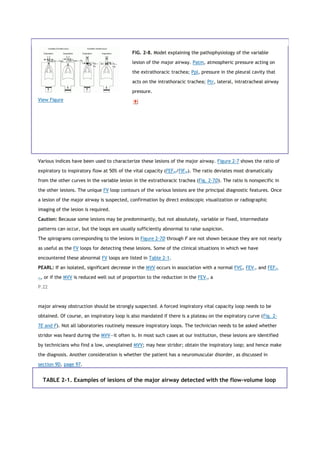
View Figure
FIG. 2-8. Model explaining the pathophysiology of the variable
lesion of the major airway. Patm, atmospheric pressure acting on
the extrathoracic trachea; Ppl, pressure in the pleural cavity that
acts on the intrathoracic trachea; Ptr, lateral, intratracheal airway
pressure.
Various indices have been used to characterize these lesions of the major airway. Figure 2-7 shows the ratio of
expiratory to inspiratory flow at 50% of the vital capacity (FEF50/FIF50). The ratio deviates most dramatically
from the other curves in the variable lesion in the extrathoracic trachea (Fig. 2-7D). The ratio is nonspecific in
the other lesions. The unique FV loop contours of the various lesions are the principal diagnostic features. Once
a lesion of the major airway is suspected, confirmation by direct endoscopic visualization or radiographic
imaging of the lesion is required.
Caution: Because some lesions may be predominantly, but not absolutely, variable or fixed, intermediate
patterns can occur, but the loops are usually sufficiently abnormal to raise suspicion.
The spirograms corresponding to the lesions in Figure 2-7D through F are not shown because they are not nearly
as useful as the FV loops for detecting these lesions. Some of the clinical situations in which we have
encountered these abnormal FV loops are listed in Table 2-1.
PEARL: If an isolated, significant decrease in the MVV occurs in association with a normal FVC, FEV1, and FEF25-
75, or if the MVV is reduced well out of proportion to the reduction in the FEV1, a
P.22
major airway obstruction should be strongly suspected. A forced inspiratory vital capacity loop needs to be
obtained. Of course, an inspiratory loop is also mandated if there is a plateau on the expiratory curve (Fig. 2-
7E and F). Not all laboratories routinely measure inspiratory loops. The technician needs to be asked whether
stridor was heard during the MVV—it often is. In most such cases at our institution, these lesions are identified
by technicians who find a low, unexplained MVV; may hear stridor; obtain the inspiratory loop; and hence make
the diagnosis. Another consideration is whether the patient has a neuromuscular disorder, as discussed in
section 9D, page 97.
TABLE 2-1. Examples of lesions of the major airway detected with the flow-volume loop
Variable extrathoracic lesions
Vocal cord paralysis (due to thyroid operation, tumor invading recurrent laryngeal nerve,
amyotrophic lateral sclerosis, post-polio)
Subglottic stenosis
Neoplasm (primary hypopharyngeal or tracheal, metastatic from primary lesion in lung or breast)
Goiter
Variable intrathoracic lesions
Tumor of lower trachea (below sternal notch)
Tracheomalacia
Strictures
Wegener's granulomatosis or relapsing polychondritis
Fixed lesions
Fixed neoplasm in central airway (at any level)
Vocal cord paralysis with fixed stenosis
Fibrotic stricture
2L. SMALL AIRWAY DISEASE
Small airway disease, that is, disease of the peripheral airways, is an established pathologic finding. However,
it has been difficult to develop tests that are specific indicators of small airway dysfunction. Tests such as
density dependence of maximal expiratory flow and frequency dependence of compliance are difficult to
perform and relatively nonspecific. (They are not discussed here.) Chapter 8 discusses the closing volume and
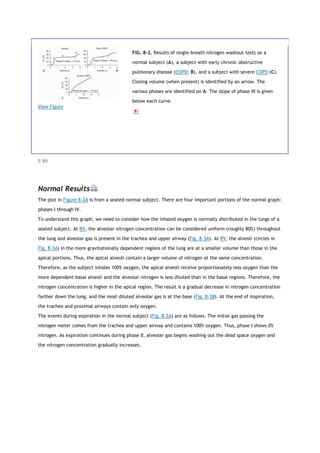
the slope of phase III. The slope of phase III is very sensitive but relatively nonspecific. The data that may best
reflect peripheral airway function are the flows measured at low lung volumes during the FVC tests. These
include the FEF25-75, FEF50, and FEF75 (see Fig. 2-5, page 15), but these tests do have a wide range of normal
values.
2M. TYPICAL SPIROMETRIC PATTERNS
The typical test patterns discussed are summarized in Table 2-2. Because test results are nonspecific in lesions
of the major airway, they are not included, the most diagnostically useful measure being the contour of the
full FV loop.
2N. GESTALT APPROACH TO INTERPRETATION
Rather than merely memorizing patterns such as those listed in Table 2-2, another approach that is very useful
is to visually compare the individual FV curve to the normal predicted curve (see Chapter 14).
P.23
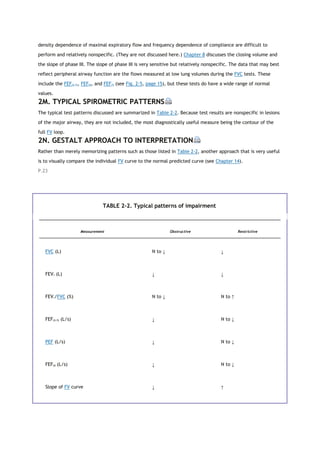
TABLE 2-2. Typical patterns of impairment
Measurement Obstructive Restrictive
FVC (L) N to ↓ ↓
FEV1 (L) ↓ ↓
FEV1/FVC (%) N to ↓ N to ↑
FEF25-75 (L/s) ↓ N to ↓
PEF (L/s) ↓ N to ↓
FEF50 (L/s) ↓ N to ↓
Slope of FV curve ↓ ↑
MVV (L/min) ↓ N to ↓
FEF25-75, forced expiratory flow rate over the middle 50% of the FVC; FEF50, forced expiratory flow after
50% of the FVC has been exhaled; FEV1, forced expiratory volume in 1 second; FV, flow-volume; FVC,
forced expiratory vital capacity; MVV, maximal voluntary ventilation; N, normal; PEF, peak expiratory
flow; ↓, decreased; ↑, increased.
Comments:
1. If pulmonary fibrosis is suspected as the cause of restriction, diffusing capacity (see Chapter 4)
and total lung capacity (see Chapter 3) should be determined.
2. If muscle weakness is suspected as a cause of restriction, maximal respiratory pressures should
be determined (see Chapter 9).
3. For assessing the degree of emphysema, total lung capacity and diffusing capacity (see
Chapters 3 and 4) should be determined.
4. If asthma is suspected, testing should be repeated after bronchodilator therapy (see Chapter
5).
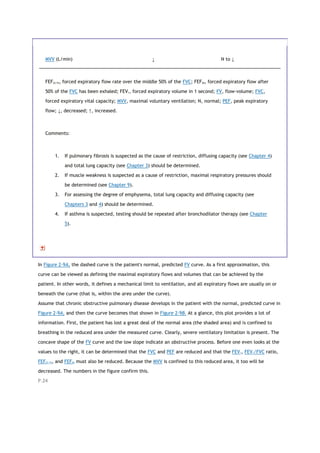
In Figure 2-9A, the dashed curve is the patient's normal, predicted FV curve. As a first approximation, this
curve can be viewed as defining the maximal expiratory flows and volumes that can be achieved by the
patient. In other words, it defines a mechanical limit to ventilation, and all expiratory flows are usually on or
beneath the curve (that is, within the area under the curve).
Assume that chronic obstructive pulmonary disease develops in the patient with the normal, predicted curve in
Figure 2-9A, and then the curve becomes that shown in Figure 2-9B. At a glance, this plot provides a lot of
information. First, the patient has lost a great deal of the normal area (the shaded area) and is confined to
breathing in the reduced area under the measured curve. Clearly, severe ventilatory limitation is present. The
concave shape of the FV curve and the low slope indicate an obstructive process. Before one even looks at the
values to the right, it can be determined that the FVC and PEF are reduced and that the FEV1, FEV1/FVC ratio,
FEF25-75, and FEF50 must also be reduced. Because the MVV is confined to this reduced area, it too will be
decreased. The numbers in the figure confirm this.
P.24
View Figure
FIG. 2-9. The gestalt approach to interpreting pulmonary function
data when the predicted and observed flow-volume curves are
available. The shaded area between the predicted and measured
curves (B and C) provides a visual index of the degree of ventilatory
limitation, there being none for the normal subject in A. B is typical
of severe airway obstruction. C is typical of a severe pulmonary
restrictive process. FEF25-75, forced expiratory flow rate over the
middle 50% of the FVC; FEF50, forced expiratory flow after 50% of
the FVC has been exhaled; FEV1, forced expiratory volume in 1
second; FVC, forced vital capacity; MVV, maximal voluntary
ventilation.
Next, consider Figure 2-9C, in which the patient has interstitial pulmonary fibrosis. Again, a glance at the plot
reveals a substantial loss of area, indicating a moderately severe ventilatory limitation. The steep slope of the
FV curve and the reduced FVC are consistent with the process being restrictive. A reduced FEV1 but a normal
FEV1/FVC ratio can also be determined, and the flow rates (FEF25-75 and FEF50) can be expected to be normal to
reduced. The MVV will be better preserved than that shown in Figure 2-9B because high expiratory flows can
still develop, albeit over a restricted volume range. The numbers confirm these conclusions.
The gestalt approach is a very useful first step in analyzing pulmonary function data. The degree of ventilatory
limitation can
P.25
be defined according to loss of area under the normal predicted FV curve, the shaded areas in Figure 2-9B and
C. We arbitrarily define an area loss of 25% as mild, 50% as moderate, and 75% as severe ventilatory limitation.
REFERENCES
1. Hankinson JL, Odencrantz JR, Fedan KB. Spirometric reference values from a sample of the general U.S.
population. Am J Respir Crit Care Med 159:179-187, 1999.
2. Miller RD, Hyatt RE. Obstructing lesions of the larynx and trachea: clinical and physiologic characteristics.
Mayo Clin Proc 44:145-161, 1969.
3
Static (Absolute) Lung Volumes
Measures of the so-called static (or absolute) lung volumes are often informative [1]. The most important are
the vital capacity, residual volume, and total lung capacity. The vital capacity (VC) is measured by having the
subject inhale maximally and then exhale slowly and completely. This VC is called the slow vital capacity
(SVC). Similar to the SVC is the inspiratory vital capacity (IVC). The patient breathes normally and then exhales
slowly and completely and inhales maximally. The SVC and the IVC provide similar results. The SVC is used in
this book.
With complete exhaling, air still remains in the lung. This remaining volume is the residual volume (RV). The
RV can be visualized by comparing the inspiratory and expiratory chest radiographs (Fig. 3-1). The fact that the
lungs do not collapse completely on full expiration is important physiologically. With complete collapse,
transient hypoxemia would occur because mixed venous blood reaching the lung would have no oxygen to pick
up. Furthermore, inflation of a collapsed lung requires very high inflating pressures, which would quickly
fatigue the respiratory muscles and could tear the lung, leading to a pneumothorax. This is the problem in
infants born with respiratory distress syndrome, in which portions of the lung can collapse (individual acinar
units, up to whole lobes) at the end of exhalation.
The RV can be measured and added to the SVC to obtain the total lung capacity (TLC). Alternatively, the TLC
can be measured and the SVC subtracted from it to obtain the RV. The value of these volumes is discussed on
page 35.
P.28
View Figure
FIG. 3-1. Radiographs obtained from a healthy subject at full
inspiration (that is, at total lung capacity; A) and full expiration (B),
in which the air remaining in the lung is the residual volume.
P.29
View Figure
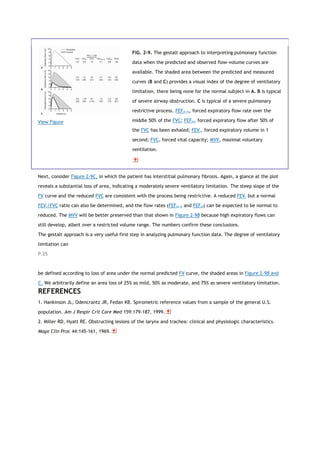
FIG. 3-2. Spirogram for a normal subject during various maneuvers
compared with that of a subject with obstructive lung disease who
shows trapping. Expir, expiration; FVC, forced expiratory vital
capacity; Inspir, inspiration; SVC, slow vital capacity.
3A. SLOW VITAL CAPACITY
Normally, the SVC and forced expiratory vital capacity (FVC; discussed in Chapter 2) are identical, as shown in
the top panel of Figure 3-2. With airway obstruction, as in chronic obstructive pulmonary disease (COPD) or
asthma, the FVC can be considerably smaller than the SVC, as shown in the lower panel of Figure 3-2. The
difference between SVC and FVC reflects trapping of air in the lungs. The higher flows during the FVC
maneuver cause excessive narrowing and closure of diseased airways in COPD, and thus the lung cannot empty
as completely as during the SVC maneuver. Although trapping is of interest to the physiologist, it is of little
value as a clinical measure. However, it does explain the possible discrepancies between the volumes of the
SVC and the FVC.
3B. RESIDUAL VOLUME AND TOTAL LUNG CAPACITY
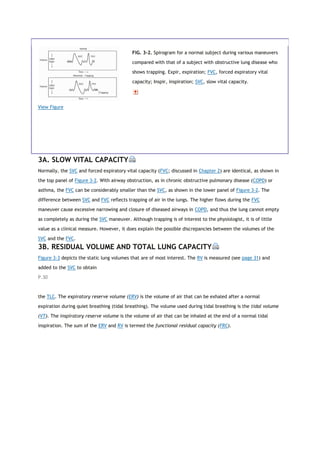
Figure 3-3 depicts the static lung volumes that are of most interest. The RV is measured (see page 31) and
added to the SVC to obtain
P.30
the TLC. The expiratory reserve volume (ERV) is the volume of air that can be exhaled after a normal
expiration during quiet breathing (tidal breathing). The volume used during tidal breathing is the tidal volume
(VT). The inspiratory reserve volume is the volume of air that can be inhaled at the end of a normal tidal
inspiration. The sum of the ERV and RV is termed the functional residual capacity (FRC).
View Figure
FIG. 3-3. Various static (or absolute) lung volumes. Total lung
capacity (TLC) is the sum of the residual volume (RV) and slow vital
capacity (SVC). The SVC is the sumof the inspiratory reserve volume
(IRV), the tidal volume (VT), and the expiratory reserve volume
(ERV). The functional residual capacity (FRC) is the sum of the RV
and the ERV. Expir, expiration; Inspir, inspiration.
RV is the remaining volume of air in the lung at the end of a complete expiratory maneuver. It is determined by
the limits of either the chest wall excursion or airway collapse or compression. In restrictive disorders, the
limit of chest wall compression by the chest wall muscles determines RV. In obstructive disorders, the collapse
of airways prevents air escape from the lungs, thereby determining the maximal amount exhaled. In
obstructive disease, the RV is increased. There is one exception. The RV can be increased in a few young,
healthy adults who are unable to completely compress their chest wall. In these cases, a curve like the one
shown in Figure 2-6E is produced. The TLC is increased in most patients with chronic obstruction. However, TLC
is often not increased in asthma. Finally, for a confident diagnosis of a restrictive process, the TLC must be
decreased.
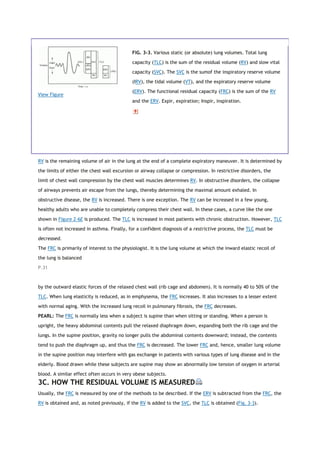
The FRC is primarily of interest to the physiologist. It is the lung volume at which the inward elastic recoil of
the lung is balanced
P.31
by the outward elastic forces of the relaxed chest wall (rib cage and abdomen). It is normally 40 to 50% of the
TLC. When lung elasticity is reduced, as in emphysema, the FRC increases. It also increases to a lesser extent
with normal aging. With the increased lung recoil in pulmonary fibrosis, the FRC decreases.
PEARL: The FRC is normally less when a subject is supine than when sitting or standing. When a person is
upright, the heavy abdominal contents pull the relaxed diaphragm down, expanding both the rib cage and the
lungs. In the supine position, gravity no longer pulls the abdominal contents downward; instead, the contents
tend to push the diaphragm up, and thus the FRC is decreased. The lower FRC and, hence, smaller lung volume
in the supine position may interfere with gas exchange in patients with various types of lung disease and in the
elderly. Blood drawn while these subjects are supine may show an abnormally low tension of oxygen in arterial
blood. A similar effect often occurs in very obese subjects.
3C. HOW THE RESIDUAL VOLUME IS MEASURED
Usually, the FRC is measured by one of the methods to be described. If the ERV is subtracted from the FRC, the
RV is obtained and, as noted previously, if the RV is added to the SVC, the TLC is obtained (Fig. 3-3).
As shown in Figure 3-2, the SVC may be larger than the FVC in obstructive disease. If the FVC is added to the
RV, the TLC will be smaller than if the SVC is used. Conversely, if the FVC is less than the SVC and the RV is
calculated by subtracting the FVC from the measured TLC, you will calculate an RV that is high. By convention,
and in this book, the SVC is used to compute static lung volume. Alternatively, in the United States, the FVC,
not the SVC, is used to compute the FEV1/FVC ratio (ratio of the forced expiratory volume in 1 second to the
FVC). European reference equations use FEV1/SVC, also called the Tiffeneau index.
The three most commonly used methods of measuring the FRC (from which the RV is obtained) are nitrogen
washout, inert gas dilution, and plethysmography. If these are not available, a radiographic method can be
used.
Nitrogen Washout Method
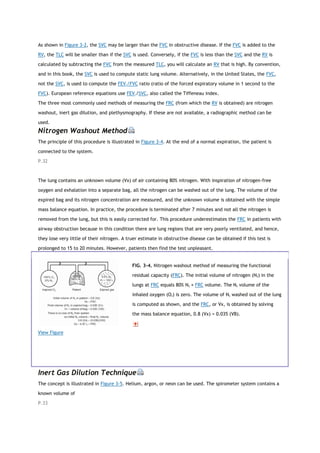
The principle of this procedure is illustrated in Figure 3-4. At the end of a normal expiration, the patient is
connected to the system.
P.32
The lung contains an unknown volume (Vx) of air containing 80% nitrogen. With inspiration of nitrogen-free
oxygen and exhalation into a separate bag, all the nitrogen can be washed out of the lung. The volume of the
expired bag and its nitrogen concentration are measured, and the unknown volume is obtained with the simple
mass balance equation. In practice, the procedure is terminated after 7 minutes and not all the nitrogen is
removed from the lung, but this is easily corrected for. This procedure underestimates the FRC in patients with
airway obstruction because in this condition there are lung regions that are very poorly ventilated, and hence,
they lose very little of their nitrogen. A truer estimate in obstructive disease can be obtained if this test is
prolonged to 15 to 20 minutes. However, patients then find the test unpleasant.
View Figure
FIG. 3-4. Nitrogen washout method of measuring the functional
residual capacity (FRC). The initial volume of nitrogen (N2) in the
lungs at FRC equals 80% N2 × FRC volume. The N2 volume of the
inhaled oxygen (O2) is zero. The volume of N2 washed out of the lung
is computed as shown, and the FRC, or Vx, is obtained by solving
the mass balance equation, 0.8 (Vx) = 0.035 (VB).
Inert Gas Dilution Technique
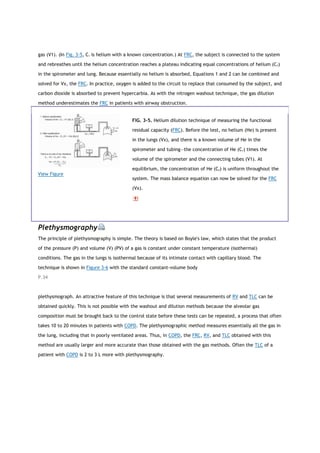
The concept is illustrated in Figure 3-5. Helium, argon, or neon can be used. The spirometer system contains a
known volume of
P.33
gas (V1). (In Fig. 3-5, C1 is helium with a known concentration.) At FRC, the subject is connected to the system
and rebreathes until the helium concentration reaches a plateau indicating equal concentrations of helium (C2)
in the spirometer and lung. Because essentially no helium is absorbed, Equations 1 and 2 can be combined and
solved for Vx, the FRC. In practice, oxygen is added to the circuit to replace that consumed by the subject, and
carbon dioxide is absorbed to prevent hypercarbia. As with the nitrogen washout technique, the gas dilution
method underestimates the FRC in patients with airway obstruction.
View Figure
FIG. 3-5. Helium dilution technique of measuring the functional
residual capacity (FRC). Before the test, no helium (He) is present
in the lungs (Vx), and there is a known volume of He in the
spirometer and tubing—the concentration of He (C1) times the
volume of the spirometer and the connecting tubes (V1). At
equilibrium, the concentration of He (C2) is uniform throughout the
system. The mass balance equation can now be solved for the FRC
(Vx).
Plethysmography
The principle of plethysmography is simple. The theory is based on Boyle's law, which states that the product
of the pressure (P) and volume (V) (PV) of a gas is constant under constant temperature (isothermal)
conditions. The gas in the lungs is isothermal because of its intimate contact with capillary blood. The
technique is shown in Figure 3-6 with the standard constant-volume body
P.34
plethysmograph. An attractive feature of this technique is that several measurements of RV and TLC can be
obtained quickly. This is not possible with the washout and dilution methods because the alveolar gas
composition must be brought back to the control state before these tests can be repeated, a process that often
takes 10 to 20 minutes in patients with COPD. The plethysmographic method measures essentially all the gas in
the lung, including that in poorly ventilated areas. Thus, in COPD, the FRC, RV, and TLC obtained with this
method are usually larger and more accurate than those obtained with the gas methods. Often the TLC of a
patient with COPD is 2 to 3 L more with plethysmography.
View Figure
FIG. 3-6. The equipment and the measurements needed to measure
the functional residual capacity (FRC) by using a body
plethysmograph and applying Boyle's law (Eq 1). The subject is
seated in an airtight plethysmograph and the pressure in the
plethysmograph (Ppleth) changes with changes in lung volume.
When the subject stops breathing, alveolar pressure equals
barometric pressure (PB). Consider what happens if the valve at the
mouth is closed at the end of a quiet expiration, that is, FRC, and
the subject makes an expiratory effort. Alveolar pressure increases
by an amount (ΔP) that is measured by the mouth gauge, P. Lung
volume decreases as a result of gas compression, there being no
airflow, and hence Ppleth decreases. The change in Ppleth provides
a measure of the change in volume (ΔV), as follows. With the
subject momentarily not breathing, the piston pump is cycled and
the known volume changes produce known changes in Ppleth. These
measurements provide all the data needed to solve the above
equation for VF. The final equation is simplified by omitting ΔP from
the quantity (PB +ΔP). Because ΔP is small (˜20 cm H2O) compared
with PB (˜1,000 cm H2O), it can be neglected. PV, product of
pressure and volume.
P.35
Radiographic Method
If the above-described methods are not available, radiographic methods can provide a good estimate of TLC.
Posterior-anterior and lateral radiographs are obtained while the subject holds his or her breath at TLC. TLC is
estimated by either planimetry or the elliptic method [2]. The radiographic technique compares favorably with
the body plethysmographic method and is more accurate than the gas methods in patients with COPD. It is also
accurate in patients with pulmonary fibrosis. The technique is not difficult but requires that radiographs be
obtained at maximal inspiration.
3D. SIGNIFICANCE OF RESIDUAL VOLUME AND TOTAL LUNG CAPACITY
Knowledge of the RV and TLC can help in determining whether a restrictive or an obstructive process is the
cause of a decrease in FVC and FEV1. This distinction is not always apparent from the flow-volume (FV) curves.
The chest radiographs may help when obvious hyperinflation or fibrosis is present.
As noted in section 2F, page 12, the FEV1/FVC ratio usually provides the answer. However, in a patient with
asthma who is not wheezing and has a decreased FVC and FEV1
, both the FEV1
/FVC ratio and the slope of the FV
curve may be normal. In this case the RV should be mildly increased, but often the TLC is normal.
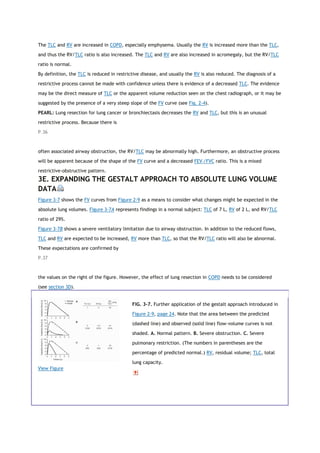
The TLC and RV are increased in COPD, especially emphysema. Usually the RV is increased more than the TLC,
and thus the RV/TLC ratio is also increased. The TLC and RV are also increased in acromegaly, but the RV/TLC
ratio is normal.
By definition, the TLC is reduced in restrictive disease, and usually the RV is also reduced. The diagnosis of a
restrictive process cannot be made with confidence unless there is evidence of a decreased TLC. The evidence
may be the direct measure of TLC or the apparent volume reduction seen on the chest radiograph, or it may be
suggested by the presence of a very steep slope of the FV curve (see Fig. 2-4).
PEARL: Lung resection for lung cancer or bronchiectasis decreases the RV and TLC, but this is an unusual
restrictive process. Because there is
P.36
often associated airway obstruction, the RV/TLC may be abnormally high. Furthermore, an obstructive process
will be apparent because of the shape of the FV curve and a decreased FEV1/FVC ratio. This is a mixed
restrictive-obstructive pattern.
3E. EXPANDING THE GESTALT APPROACH TO ABSOLUTE LUNG VOLUME
DATA
Figure 3-7 shows the FV curves from Figure 2-9 as a means to consider what changes might be expected in the
absolute lung volumes. Figure 3-7A represents findings in a normal subject: TLC of 7 L, RV of 2 L, and RV/TLC
ratio of 29%.
Figure 3-7B shows a severe ventilatory limitation due to airway obstruction. In addition to the reduced flows,
TLC and RV are expected to be increased, RV more than TLC, so that the RV/TLC ratio will also be abnormal.
These expectations are confirmed by
P.37
the values on the right of the figure. However, the effect of lung resection in COPD needs to be considered
(see section 3D).
View Figure
FIG. 3-7. Further application of the gestalt approach introduced in
Figure 2-9, page 24. Note that the area between the predicted
(dashed line) and observed (solid line) flow-volume curves is not
shaded. A. Normal pattern. B. Severe obstruction. C. Severe
pulmonary restriction. (The numbers in parentheses are the
percentage of predicted normal.) RV, residual volume; TLC, total
lung capacity.
The FV curve in Figure 3-7C is consistent with severe ventilatory limitation due to a restrictive process. This
diagnosis requires the TLC to be decreased, and the RV/TLC ratio is expected to be essentially normal. The
values on the right of the figure confirm these expectations.
A question in regard to Figure 3-7C is, What is the cause of this restrictive process? The answer to this question
requires review of Figure 2-3 (page 10), in which all but the obstructive diseases need to be considered. Most
restrictive processes can be evaluated from the history, physical examination, and chest radiograph. In fibrosis,
diffusing capacity (discussed in Chapter 4) is expected to be reduced and radiographic changes evident. Poor
patient effort can be excluded by evaluating the FV curve (see Fig. 2-6, page 16) and by noting that the patient
gives reproducible efforts.
A curve similar to that in Figure 3-7C but with reduced peak flows is found in patients with normal lungs in
whom a neuromuscular disorder such as amyotrophic lateral sclerosis or muscular dystrophy develops. In this
case, the maximal voluntary ventilation is often reduced (see section 2I, page 17). In addition,with this
reduction in the FVC, the maximal respiratory muscle strength is reduced, as discussed in Chapter 9.
Interestingly, patients with bilateral diaphragmatic paralysis can present with this pattern. However, these
patients differ in that their dyspnea becomes extreme, and often intolerable, when they lie down.
Some massively obese subjects also show the pattern in Figure 3-7C. They have a very abnormal ratio of weight
(in kilograms) to height2
(in meters), the body mass index (BMI), which has become the standard index for
obesity. A BMI more than 25 is considered overweight. Anyone with a BMI of 30 or more is considered obese. In
our laboratory, we find that a BMI more than 35 is associated with an average reduction in FVC of 5 to 10%
(unpublished data). There is a large variation, however: Some obese individuals have normal lung volumes, and
others are more severely affected. This difference may be related to fat distribution or to the relationship
between fat mass and muscle mass [3].
Figure 3-8 shows two curves in which the FEV1 and FVC are reduced and the FEV1/FVC ratio is normal. Both are
consistent with a restrictive process. However, in both cases the TLC is normal. Therefore, the diagnosis of a
restrictive process cannot
P.38
be made. In this case, the term nonspecific ventilatory limitation is applied (see section 2F, pages 12-14).
View Figure
FIG. 3-8. A and B. Examples of nonspecific ventilatory impairment
in which the forced expiratory volume in 1 second (FEV1) and forced
expiratory vital capacity (FVC) are reduced proportionately, giving a
normal FEV1/FVC ratio, and the total lung capacity (TLC) is normal.
The numbers in parentheses are the percentage of predicted
normal. Note that residual volume (RV) is increased. This should not
be confused with the previously discussed obstructive disorders in
which RV is also increased.
Sometimes a more definitive diagnosis can be made. For example, Figure 3-8A shows a parallel shift of the FV
curve. Ventilatory limitation is mild to moderate. This finding is common in mild asthma [4]. The TLC is
normal, and the RV and RV/TLC are mildly increased. The history may be consistent with asthma with or
without wheezing. The subject often has a higher than normal increase in expiratory flows on the FV curve
after use of an inhaled bronchodilator. If this does not occur, a methacholine challenge test is often
recommended in an attempt to uncover a possible asthmatic process. These procedures are discussed in
Chapter 5.
Figure 3-8B is a nonspecific ventilatory limitation of moderate degree. In this case, the slope of the FV curve is
increased, but there is no clinical evidence of parenchymal involvement, and the pulmonary diffusing capacity
(DLCO, see Chapter 4) is normal, as is the TLC. This pattern can also occur in patients with relatively
P.39
quiescent asthma. A thorough history and physical examination may uncover the problem. The response to a
bronchodilator may be marked, or results of the methacholine challenge test may be positive.
We recently studied a random sample of 100 patients with the nonspecific ventilatory limitation pattern. All
had a TLC by plethysmography and a diffusing capacity within normal limits; thus, restriction was ruled out.
There were 62 men and 38 women 20 years or older. Airway hyperreactivity based on bronchodilator response
or methacholine challenge was present in 56. Fifty of the subjects were obese. Chronic obstructive disease was
present in 16%. Forty-one subjects had multiple tests, and 56% of these had, on one occasion, either an
obstructive pattern or a normal test result. Thus, airway hyperreactivity and obesity are commonly associated
with the nonspecific pattern, and the pattern may vacillate between normal and obstructive. If this nonspecific
pattern is found, testing for airway hyperreactivity should be done by either the bronchodilator or the
methacholine method, and occasionally both may be indicated. Normal predicted values of the FV curves are
relied on heavily. The values used in our laboratory are given in the Appendix.
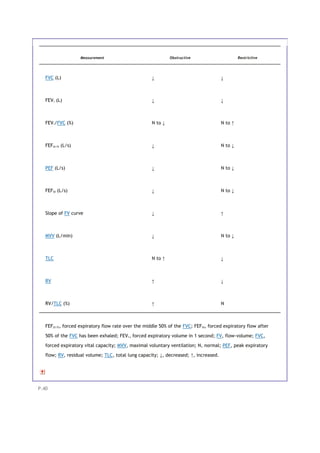
Table 3-1 is an expansion of Table 2-2 (page 23): the TLC, RV, and RV/TLC ratio are added.
TABLE 3-1. Typical patterns of impairment
Measurement Obstructive Restrictive
FVC (L) ↓ ↓
FEV1 (L) ↓ ↓
FEV1/FVC (%) N to ↓ N to ↑
FEF25-75 (L/s) ↓ N to ↓
PEF (L/s) ↓ N to ↓
FEF50 (L/s) ↓ N to ↓
Slope of FV curve ↓ ↑
MVV (L/min) ↓ N to ↓
TLC N to ↑ ↓
RV ↑ ↓
RV/TLC (%) ↑ N
FEF25-75, forced expiratory flow rate over the middle 50% of the FVC; FEF50, forced expiratory flow after
50% of the FVC has been exhaled; FEV1, forced expiratory volume in 1 second; FV, flow-volume; FVC,
forced expiratory vital capacity; MVV, maximal voluntary ventilation; N, normal; PEF, peak expiratory
flow; RV, residual volume; TLC, total lung capacity; ↓, decreased; ↑, increased.
P.40
PEARL: Assume you had estimates of TLC by the plethysmographic method and the dilution method (nitrogen
or helium). If the plethysmographic TLC exceeds that of the dilution method, you have an estimate of the
volume of poorly ventilated lung, which is characteristic of airway obstruction. In section 4C, page 43, another
estimate of poorly ventilated volume is described when the DLCO is measured.
PEARL: What determines RV? As healthy adults exhale slowly and completely, airway resistance increases
dramatically at very low volumes as the airways narrow (see Fig. 7-4, page 78). When airway resistance
approaches infinity, no further exhalation occurs and RV is reached. At this point, the small, peripheral airways
are essentially closed. An increase in RV is sometimes the first sign of early airway disease. An interesting
exception to this description of how RV in adults is determined can occur in children and young adults. Their FV
curve shows an abrupt cessation of flow with a contour similar to that seen in Figure 2-6E (page 16). An
increase in airway resistance does not cause exhalation to cease. Rather, the respiratory muscles are not
strong enough to compress the chest wall and abdomen any further. This increase in RV is not abnormal and
usually disappears with growth and aging.
REFERENCES
1. Gibson GJ. Lung volumes and elasticity. Clin Chest Med 22:623-635, 2001.
Bibliographic Links
ExternalResolverBasic
2. Miller RD, Offord KP. Roentgenologic determination of total lung capacity. Mayo Clin Proc 55:694-699, 1980.
Bibliographic Links
ExternalResolverBasic
3. Cotes JE, Chinn DJ, Reed JW. Body mass, fat percentage, and fat free mass as reference variables for lung
function: effects on terms for age and sex. Thorax 56:839-844, 2001.
4. Olive JT Jr, Hyatt RE. Maximal expiratory flow and total respiratory resistance during induced
bronchoconstriction in asthmatic subjects. Am Rev Respir Dis 106:366-376, 1972
4
Diffusing Capacity of the Lungs
An important step in the transfer of oxygen from ambient air to the arterial blood is the process of diffusion,
that is, the transfer of oxygen from the alveolar gas to the hemoglobin within the red cell. The pertinent
anatomy is shown in Figure 4-1A. The path taken by oxygen molecules is shown in Figure 4-1B. They must
traverse the alveolar wall, capillary wall, plasma, and red cell membrane and then combine with hemoglobin.
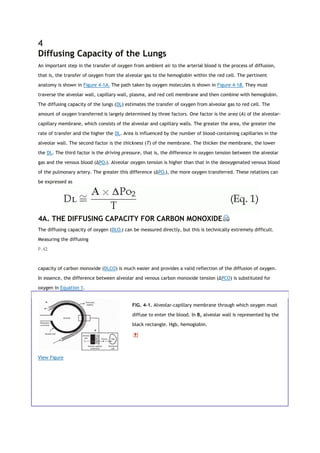
The diffusing capacity of the lungs (DL) estimates the transfer of oxygen from alveolar gas to red cell. The
amount of oxygen transferred is largely determined by three factors. One factor is the area (A) of the alveolar-
capillary membrane, which consists of the alveolar and capillary walls. The greater the area, the greater the
rate of transfer and the higher the DL. Area is influenced by the number of blood-containing capillaries in the
alveolar wall. The second factor is the thickness (T) of the membrane. The thicker the membrane, the lower
the DL. The third factor is the driving pressure, that is, the difference in oxygen tension between the alveolar
gas and the venous blood (ΔPO2). Alveolar oxygen tension is higher than that in the deoxygenated venous blood
of the pulmonary artery. The greater this difference (ΔPO2), the more oxygen transferred. These relations can
be expressed as
4A. THE DIFFUSING CAPACITY FOR CARBON MONOXIDE
The diffusing capacity of oxygen (DLO2) can be measured directly, but this is technically extremely difficult.
Measuring the diffusing
P.42
capacity of carbon monoxide (DLCO) is much easier and provides a valid reflection of the diffusion of oxygen.
In essence, the difference between alveolar and venous carbon monoxide tension (ΔPCO) is substituted for
oxygen in Equation 1.
View Figure
FIG. 4-1. Alveolar-capillary membrane through which oxygen must
diffuse to enter the blood. In B, alveolar wall is represented by the
black rectangle. Hgb, hemoglobin.
Several techniques for estimating DLCO have been described. The most widely used is the single-breath (SB)
method (SBDLCO). The subject exhales to residual volume and then inhales a gas mixture containing a very low
concentration of carbon monoxide plus an inert gas, usually helium. After a maximal inhalation to total lung
capacity (TLC), the patient holds his or her breath for 10 seconds and then exhales completely. A sample of
exhaled alveolar gas is collected and analyzed. By measuring the concentration of the exhaled carbon
monoxide and helium, the value of the DLCO can be computed. The helium is used to calculate TLC, and the
exhaled carbon monoxide is used to calculate the amount of carbon monoxide transferred to the blood.
The technical details of measurement of SBDLCO are complex. To improve accuracy and reproducibility of
testing among laboratories, the American Thoracic Society has established standards for performance of the
test [1,2].
P.43
4B. NORMAL VALUES OF DLCO
An average normal value is 20 to 30 mL/min per mm Hg; that is, 20 to 30 mL carbon monoxide is transferred
per minute per mm Hg difference in the driving pressure of carbon monoxide. The normal values depend on age
(decrease with aging), sex (slightly lower in females), and size (taller people have larger lungs and therefore a
higher DLCO). The inclusion of helium provides an estimate of total alveolar volume (VA). Dividing DLCO by VA
tends to normalize for difference in size and therefore the DLCO/VA ratio (or Krogh constant) tends to be the
same in various-sized normal subjects. To an extent in a given subject, the DLCO is also directly related to the
volume of the inhaled breath. The smaller the volume, the lower the DLCO. The DLCO/VA in this situation
would change little, however, if at all. This fact is useful, especially when repeated tests are obtained over
time. The volume inhaled might vary from year to year, but the DLCO/VA tends to correct for this. Most
patients can hold their breath for 10 seconds, but some subjects with very small vital capacities cannot inhale
a sufficient quantity of the gas mixture to give a valid test.
PEARL: In the healthy subject, the VA is essentially the same as the TLC and can be used as an estimate of
TLC. The VA is also a good estimate of TLC in most restrictive conditions. With obstructive disease, VA
underestimates TLC, just as the nitrogen washout and inert gas dilution techniques do (see section 3C, page
31). However, TLC obtained with plethysmography minus the VA provides an estimate of the severity of
nonuniform gas distribution, that is, the volume of poorly ventilated lung (see Chapter 3, first Pearl, page 40).
4C. CAUSES OF INCREASED DLCO
Usually, an increased DLCO is not a concern. However, there are some interesting causes of an increased DLCO,
as follows:
 Supine position: Rarely is the DLCO measured while the subject is supine, but this position produces a
higher value because of increased perfusion and blood volume of the upper lobes.
 Exercise: It is difficult to hold one's breath for 10 seconds during exercise. When this is done just after
exercise,
P.44
however, DLCO is increased because of increased pulmonary blood volumes.
 Asthma: Some patients with asthma, especially when symptom-free, have an increased DLCO, possibly
because of more uniform distribution of pulmonary blood flow.
 Obesity: The DLCO can be increased in obese persons, especially those who are massively obese. This
increase is thought to be due to an increased pulmonary blood volume.
 Polycythemia: This is an increase in capillary red cell mass. This essentially amounts to an increase in
area (A) in Equation 1.
 Intra-alveolar hemorrhage: In conditions such as Goodpasture's syndrome, the hemoglobin in the
alveoli combines with carbon monoxide to produce an artificially high uptake of carbon monoxide,
which causes an increase in the calculated DLCO. Indeed, sequential DLCO measurements have been
used to follow increases or decreases in intra-alveolar hemorrhage.
 Left-to-right intracardiac shunts: These lead to an increased pulmonary capillary volume.
4D. CAUSES OF DECREASED DLCO
Any process that decreases the surface area available for diffusion or thickens the alveolar-capillary membrane
will decrease the DLCO (Fig. 4-1B and Eq. 1). On the basis of these considerations, conditions that reduce the
diffusing capacity can be determined (Table 4-1). The major ones are listed here.
Conditions That Decrease Surface Area
 Emphysema: Although lung volume is increased, alveolar walls and capillaries are destroyed, and thus,
the total surface area is reduced. Reduction of the DLCO in a patient with significant airway
obstruction strongly suggests underlying emphysema.
 Lung resection: If only a small portion of lung is resected (such as a lobe in an otherwise healthy
patient), capillary
P.45
recruitment from the remaining normal lung can result in an unchanged DLCO. If sufficient capillary
surface area is lost, as with a pneumonectomy, the DLCO is reduced.
 Bronchial obstruction: A tumor obstructing a bronchus obviously reduces area and lung volume. Again,
the DLCO/VA might be normal.
 Multiple pulmonary emboli: By blocking perfusion to alveolar capillaries, emboli effectively reduce
area. Also, primary pulmonary hypertension causes a reduction in capillary area.
 Anemia: By reducing pulmonary capillary hemoglobin, anemia also effectively reduces area, as does
any condition that lowers capillary blood volume. The usual correction for men with anemia is this
equation:
where cor is corrected, unc is uncorrected, and Hb is hemoglobin. For women, the factor in the first
set of brackets is 9.38 instead of 10.22.
TABLE 4-1. Causes of a decreased diffusing capacity
Decreased area for diffusion
Emphysema
Lung/lobe resection
Bronchial obstruction, as by tumor
Multiple pulmonary emboli
Anemia
Increased thickness of alveolar-capillary membrane
Idiopathic pulmonary fibrosis
Congestive heart failure
Asbestosis
Sarcoidosis, involving parenchyma
Collagen vascular disease—scleroderma, systemic lupus erythematosus
Drug-induced alveolitis or fibrosis—bleomycin, nitrofurantoin, amiodarone, methotrexate
Hypersensitivity pneumonitis, including farmer's lung
Histiocytosis X (eosinophilic granuloma)
Alveolar proteinosis
Miscellanous
High carbon monoxide back pressure from smoking
Pregnancy
Ventilation-perfusion mismatch
P.46
Conditions That Effectively Increase Wall Thickness
As is discussed in Chapter 6, however, much of the reduction in DLCO in these fibrotic conditions is thought to
be due to mismatching of ventilation and perfusion.
 Idiopathic pulmonary fibrosis: This is also called cryptogenic fibrosing alveolitis. It thickens the
alveolar-capillary membrane and also decreases lung volume.
 Congestive heart failure: In this disorder, transudation of fluid into the interstitial space (tissue
edema) or into the alveoli lengthens the pathway for diffusion.
 Asbestosis: This is pulmonary fibrosis caused by exposure to asbestos.
 Sarcoidosis: The lesions thicken the alveolar walls.
 Collagen vascular disease: Conditions such as scleroderma and systemic lupus erythematosus probably
alter or obliterate capillary walls, a situation that effectively increases the barrier to diffusion. This
may be the first pulmonary function test result to become abnormal in these conditions.
 Drug-induced alveolitis or fibrosis: Bleomycin, nitrofurantoin, amiodarone, and methotrexate can be
involved in these conditions.
 Hypersensitivity pneumonitis: This condition includes farmer's lung.
 Histiocytosis X: This condition is eosinophilic granuloma of the lung or Langerhans' cell histiocytosis.
 Alveolar proteinosis: Alveoli are filled with a phospholipidrich material.
Miscellaneous Causes
 The high carbon monoxide tension in the blood of a heavy smoker can decrease the ΔPCO or driving
pressure. This lowers the DLCO (Eq. 1).
 Pregnancy usually reduces the DLCO by approximately 15%, but the mechanism is not fully understood.
 With an isolated, unexplained reduction in DLCO (with normal results on spirometry and normal lung
volumes), pulmonary vascular disease, such as primary pulmonary hypertension, recurrent pulmonary
emboli, or obliterative
P.47
vasculopathy, should be considered. A recent study in which computed tomography was used to
evaluate an isolated reduction in DLCO found mild emphysema or mild fibrosis to explain most of the
cases [3].
View Figure
FIG. 4-2. Case of severe restrictive disease. Total lung capacity
(TLC) is markedly reduced, the ratio of forced expiratory volume in
1 second to forced vital capacity (FEV1/FVC) is normal, the carbon
monoxide diffusing capacity of the lung (DLCO) is reduced, and the
oxygen saturation (SaO2) is decreased with exercise. The maximal
voluntary ventilation (MVV) is not as severely reduced as the FEV1;
thus, the calculation of FEV1 × 40 does not work in this situation.
The steep slope of the flow-volume (FV) curve and the reduced
DLCO suggest a pulmonary parenchymal cause of the severe
restriction. The diagnosis in this case was idiopathic pulmonary
fibrosis. Numbers in parentheses are percent of predicted, except
for slope FV curve, in which numbers are a range.
Figures 4-2 through 4-4 present cases in which knowledge of the DLCO is very useful.
4E. OTHER CONSIDERATIONS
The test for DLCO is very sensitive. We have found transient decreases of 3 to 5 mL/min per mm Hg with mild
respiratory infections in healthy subjects. It is a useful test for following the course of patients with idiopathic
pulmonary fibrosis or sarcoidosis and for monitoring the toxicity of chemotherapy or for evaluating therapeutic
interventions. The test has also been used to follow the extent of intra-alveolar hemorrhage in conditions such
as Goodpasture's syndrome.
P.48
View Figure
FIG. 4-3. As with Figure 4-2, this pattern is consistent with a
restrictive process (reduced TLC, FVC, and FEV1, and a normal
FEV1/FVC ratio). However, it differs from the case in Figure 4-2 in
that the DLCO is normal, as is the slope of the FV curve. The MVV is
also low. Further testing revealed a severe reduction in respiratory
muscle strength (see Chapter 9), consistent with the diagnosis of
amyotrophic lateral sclerosis. (Abbreviations and numbers in
parentheses are defined in the legend to Fig. 4-2.)
One might expect changes in the resting DLCO to be closely correlated with the arterial oxygen tension (PaO2).
However, this is not always so. For example, with lung resection DLCO is reduced, but the PaO2 is generally
normal. However, a low resting DLCO often correlates with a decrease in PaO2 during exercise.
View Figure
FIG. 4-4. In this case there is no apparent ventilatory limitation,
the area under the FV curve being normal. All test values are
normal except for the striking reduction in the DLCO and the
desaturation with exercise. Primary pulmonary hypertension was
diagnosed. (Abbreviations and numbers in parentheses are defined
in the legend to Fig. 4-2.)
P.49
PEARL: A DLCO of less than 50% of predicted suggests a pulmonary vascular or parenchymal disorder. In a
patient with a normal chest radiograph and no evidence of airway obstruction, this should lead to further
investigation, such as high-resolution computed tomography, to look for interstitial changes, or a pulmonary
vascular study, such as echocardiography, to measure pulmonary artery pressure.
REFERENCES
1. American Thoracic Society. Single-breath carbon monoxide diffusing capacity (transfer factor):
recommendations for a standard technique—1995 update. Am J Respir Crit Care Med 152:2185-2198, 1995.
Bibliographic Links
ExternalResolverBasic
2. Crapo RO, Jensen RL, Wanger JS. Single-breath carbon monoxide diffusing capacity. Clin Chest Med 22:637-
649, 2001.
3. Aduen JF, Zisman DA, Mobin SI, Venegas C, Alvarez F, Biewend M, et al. Retrospective study of pulmonary
function tests in patients presenting with isolated reduction in single-breath diffusion capacity: implications for
the diagnosis of combined obstructive and restrictive lung disease. Mayo Clin Proc 82:48-54, 2007.
5
Bronchodilators and Bronchial Challenge Testing
When a patient undergoes pulmonary function tests for the first time, it is almost always worthwhile to have
spirometry performed before and after the administration of an inhaled bronchodilator.
5A. REASONS FOR BRONCHODILATOR TESTING
Administering a β2 agonist is rarely contraindicated. Ipratropium bromide can be used if the β2 agonist is
contraindicated. The major values of bronchodilator testing are as follows:
 If the patient shows a positive response (see section 5C below), one is inclined to treat more
aggressively with bronchodilators and possibly with inhaled corticosteroids. The improvement can be
shown to the patient, and compliance is thus often improved. However, even if no measurable
improvement occurs, a therapeutic trial (2 weeks) of an inhaled bronchodilator in patients with
obstructive disease may provide symptomatic and objective improvement.
 Patients with chronic obstructive pulmonary disease (COPD) who acutely show a heightened response
to a bronchodilator have been found to have an accelerated decrease in pulmonary function over
time. In such cases, aggressive therapy of the COPD seems warranted.
PEARL: Some pulmonologists believe that a positive response to a bronchodilator in COPD warrants a
trial of
P.52
inhaled corticosteroid therapy. However, bronchodilator response does not predict response to inhaled
corticosteroid. Inhaled corticosteroid therapy is indicated for patients with moderate to severe COPD
(forced expiratory volume in 1 second [FEV1] <80% predicted) with frequent (more than once a year) or
recent exacerbations. This therapy reduces the frequency of exacerbations and improves symptoms
and quality of life [1,2].
 Possibly the most important result is the detection of unsuspected asthma in a person with low-normal
results on spirometry.
5B. ADMINISTRATION OF BRONCHODILATOR
The agent can be administered either by a nebulizer unit or by use of a metered-dose inhaler. The technique
for the inhaler is described in Figure 5-1.
View Figure
FIG. 5-1. Technique for use of metered-dose inhaler. An
inexpensive spacer of 5 to 6 inches is cut from disposable ventilator
tubing. The patient is told to exhale toward residual volume, place
the tubing in the mouth with lips around the tubing, and begin a
slow, deep inspiration. The metered-dose inhaler is activated once
at the start of inspiration, which continues to total lung capacity.
The patient holds his or her breath for 6 to 10 seconds and then
quietly exhales. After a few normal breaths, the procedure is
repeated.
P.53
Ideally, the patient should not have used a bronchodilator before testing. Abstinence of 6 hours from the
inhaled β2 agonists and anticholinergics and 12 hours from long-acting β2 agonists (salmeterol or formoterol)
and methylxanthines is recommended. The technician should always record whether the medications were
taken and the time at which they were last taken. Use of corticosteroids need not be discontinued.
5C. INTERPRETATION OF RESPONSE
The American Thoracic Society defines a significant bronchodilator response as one in which the FEV1 or the
forced vital capacity (FVC) increases by both 12% and 200 mL.
PEARL: To evaluate whether the increase in FVC is merely the result of a prolonged effort, overlay the control
and postdilator curves so that the starting volumes are the same, as in Figure 5-2B. If there is a slight increase
in flow, then the increase in FVC is not due to prolonged effort alone.
The forced expiratory flow rate over themiddle 50% of the FVC (FEF25-75) is a useful measure of airway
obstruction. It is not a reliable indicator of an acute change in maximal expiratory flow, however, because of
the way it is affected by changes in the FVC, as shown in Figure 5-2. Typical normal and abnormal responses to
inhaled bronchodilator are shown in Figure 5-3.
5D. EFFECT OF EFFORT ON INTERPRETATION
In routine spirometry, changing effort can have a misleading effect on the FEV1 and flow-volume curve. In
Figure 5-4 the same subject has made two consecutive acceptable FVC efforts. During one (curve a) the subject
made a maximal effort with a high peak flow and sustained maximal effort throughout the breath. However, in
another effort (curve b), the subject initially exhaled with slightly less than maximal force for less than a
second and thereafter applied the same maximal effort as in curve a. The peak expiratory flow was slightly
lower on curve b, but the flow on curve b exceeds that on curve a at lower volumes. In this situation, the
slightly less forceful effort can produce an FEV1 that may be 15% higher
P.54
than the maximal effort. This result could be interpreted as a significant bronchodilator effect. Clearly, the
subject's lungs and airways have not changed, however. The increase of FEV1 with less effort shown on curve b
can be considered an artifact resulting from the slight difference in initial effort.
View Figure
FIG. 5-2. By definition, the FEF25-75 (forced expiratory flow rate) is
measured over the middle 50% of the vital capacity (A). The
spirograms and flow-volume curves show an increase in both flow
and volume after use of a bronchodilator. Yet the control FEF25-75
(0.67 L/s) is higher than the postdilator value (0.5 L/s). The reason
for this apparent paradox can be appreciated from the flow-volume
curves (B). The solid arrows indicate the volume range over which
the control FEF25-75 is calculated. The dashed arrows show the
volume range over which the postdilator FEF25-75 is calculated. The
flows are lower at the end of the 25 to 75% volume range on the
postdilator curve than those on the control curve. More time is
spent at the low flows, which, in turn, causes the postdilator FEF25-75
to be lower than the control value. Recommendation: Do not use
the FEF25-75 to evaluate bronchodilator response. Instead use the
forced expiratory volume in 1 second and always look at the curves.
There is a physiologic explanation for this apparent paradox, and the interested reader is referred to Krowka
and associates [3], but it is sufficient that one be alert to this potentially confusing occurrence, which can be
very marked in patients with obstructive lung disease. The best way to avoid this problem is to require that all
flow-volume curves have sharp peak flows, as in curve a on Figure 5-4, especially when two efforts are
compared. Short of that, the peak flows should be very nearly identical (<10-15% difference). The principle
also applies to bronchial challenge testing (see below). This paradoxical behavior can easily be identified from
flow-volume curves; it is almost impossible to recognize it from volume-time graphs.
P.55
View Figure
FIG. 5-3. Responses to inhaled bronchodilator. A. Normal response
with −1% change in the forced vital capacity (FVC) and +2% change
in the forced expiratory volume in 1 second (FEV1). B. Positive
response with a 59% increase in the FVC and a 105% increase in the
FEV1. The FEV1/FVC ratio is relatively insensitive to this change and
therefore should not be used to evaluate bronchodilator response.
View Figure
FIG. 5-4. Two consecutive flow-volume curves during which the
subject exerted maximal effort (curve a) and then slightly
submaximal effort (curve b). Note the slightly lower and delayed
peak flow but higher flows over the lower volumes of curve b.
P.56
5E. INDICATIONS FOR BRONCHIAL CHALLENGE TESTING
The purpose of bronchial challenge testing is to detect the patient with hyperreactive airways. The classic
example of hyperreactive airways occurs in the patient with bronchial asthma. Various insults, such as pollens,
cold air, exercise, smoke, and dust, cause the smooth airway muscles to constrict and the mucosa to become
inflamed. Wheezing, dyspnea, and cough are the classic symptoms, and the diagnosis is clear-cut. Not all
patients with hyperreactive airways fit this classic clinical picture, however. For example, the patient may
complain only of cough. In such patients, bronchial challenge testing can be extremely useful. Failure to
recognize the existence of patients who do not have classic symptoms has contributed to the underutilization
of bronchial challenge. The most common indications for this procedure are the following:
 Normal results of spirometry and a normal response to bronchodilators but a history suggesting
asthma.
 Chronic cough that is often worse at night but not associated with wheezing. Asthma can present in
this manner and can be detected by bronchial challenge testing. The response to therapy (inhaled
bronchodilators and corticosteroids) can be gratifying.
PEARL: Asthma is often a nocturnal disease. According to some experts, if a subject does not have
symptoms at night, then the subject does not have asthma. This principle does not necessarily apply,
however, to the patient with exercise- or cold-air-induced asthma.
 Episodic chest tightness often accompanied by cough and sometimes dyspnea. This is a common
presentation of nonwheezing hyperreactive airways, a variant of asthma.
 Occult asthma, which should always be in the differential diagnosis of unexplained dyspnea.
P.57
 Recurrent episodes of chest colds, bronchitis, or recurrent pneumonia with infiltrates that do not
occur in the same lung regions. This can occur with occult asthma. Detecting and treating
hyperreactive airways in this situation can lead to substantial clinical improvement.
 Unexplained decrease in exercise tolerance, not perceived as dyspnea and often occurring in cold air.
Exercise and cold air are well-known triggers of asthma. Bronchial challenge testing is often positive in
patients with allergic rhinitis, sarcoidosis (50% of cases), COPD, and cystic fibrosis.
PEARL: It is often wise to follow up a borderline or mildly positive bronchodilator response with a
methacholine challenge. A 52-year-old woman had a history of cough and shortness of breath. Initial tests were
normal in this nonsmoker, and there was only a 9% increase in the FEV1 after a bronchodilator. However, a
methacholine challenge resulted in a 38% decrease in FEV1 associated with cough and dyspnea, both of which
were reversed by a bronchodilator. The patient clearly had asthma.
5F. PROCEDURE FOR BRONCHIAL CHALLENGE TESTING
Themost commonly used agent for bronchoprovocation is inhaled methacholine, a cholinergic drug that
stimulates muscarinic receptors and causes contraction of smooth muscle in the airway. The degree to which
the smooth muscle contracts depends on its reactivity and is reflected in the magnitude of decrease in
expiratory flow, usually quantified by measuring the FEV1.
On exposure to an allergen, a person with asthma may experience an initial (within a few minutes) decrease in
expiratory flow, which is called the immediate response. This is what is measured in bronchial challenge
testing. It can be blocked by bronchodilators and cromolyn sodium. In asthma, there may also be a late or
delayed response, which usually occurs 4 to 12 hours after exposure; it reflects the airway inflammatory
response. This response can be blocked by corticosteroids or cromolyn sodium and is not elicited by
methacholine. Allergens such as pollens may elicit either response or both the early and the late responses.
Although methacholine provokes only the early phase of the classic asthmatic hyperreactive airway response, it
nevertheless is an excellent predictor of the presence of asthma. Thus, a positive
P.58
result on methacholine challenge testing is predictive of asthma attacks provoked by, for example, cold air,
exercise, pollens, or infection. An example of a positive methacholine challenge study is illustrated in Figure 5-
5.
View Figure
FIG. 5-5. Results of bronchial challenge testing in a 43-year-old
woman who had a 3-year history of persistent cough, often at night.
She denied wheezing but had mild dyspnea on exertion. One breath
of methacholine produced a parallel shift in the flow-volume curve,
no change in the ratio of forced expiratory volume in 1 second to
forced vital capacity (FEV1/FVC), a decrease of 11% in the FEV1, and
mild chest tightness. She was given four additional breaths of
methacholine, and cough and chest tightness developed, but there
was no audible wheezing. This is a positive test result with a 36%
decrease in the FEV1. Note that at five breaths, the flow-volume
curve shows scooping and is no longer parallel with the control
curve. The curve after one breath demonstrates that mild
bronchoconstriction may produce only a mild decrease in FEV1 and
no change in the FEV1/FVC ratio (see section 3E, page 36 and Fig. 3-
8A, page 38). Further constriction (curve after five breaths) leads to
a flow-volume curve that is classic for obstruction, with scooping, a
low FEV1, and a decreased FEV1/FVC ratio.
Several protocols have been developed for bronchial challenge testing [4]. Clinically, the goal is to determine
whether the patient has asthma. For this purpose, we favor a simple screening procedure such as that
described by Parker and associates [5] in 1965. The procedure is as follows:
 Five milliliters of a 25 mg/mL solution of methacholine chloride in normal saline is freshly prepared,
and 2 to 3 mL
P.59
is placed in a standard nebulizer. It is not advisable to subject a patient to bronchial challenge if the
baseline FEV1 is less than 65% of predicted. If the FEV1 is between 65 and 75% of predicted, the test is
done with caution. If very hyperreactive airways are suspected, a concentration of 5 mg/mL or lower
is used rather than 25 mg/mL. The low concentration is used in children, who often show a very
severe response.
 Baseline spirometry is performed to obtain a reproducible FEV1. The subject then inhales a deep
breath of methacholine, holds the breath for 5 to 10 seconds, and then breathes quietly.
 Spirometry is repeated in 1 minute to obtain two reproducible measurements of FEV1. If the FEV1 has
decreased by 20%, the result is positive. If the FEV1 has decreased less than 15%, four more breaths of
methacholine are inhaled. If the decrease is between 15 and 19%, only two more breaths are inhaled.
 Spirometry is repeated in 1 minute.
A response is positive if the FEV1 decreases by 20% or more of control. In this case, a β2 agonist is administered
to reverse the effect of the methacholine.
Technicians should always note whether the methacholine causes symptoms, such as chest tightness,
substernal burning, cough, or wheezing. If the patient's symptoms are reproduced but the decrease in FEV1 is
less than but near to 20% (15-19%), we are inclined to consider that a borderline positive result.
Clinicians need to always be alert to the confounding effect of effort dependence on the FEV1 (see section 5D,
page 53 and Fig. 5-4). For example, a control effort that is less than maximal may yield a value of FEV1 that is
falsely high compared with the value on a truly maximal effort after the inhalation of methacholine. A
decrease in FEV1 in this situation could be due to varying effort and not hyperreactive airways.
There are, of course, modifications to this approach that can be considered. For example, in a patient who
becomes dyspneic or has chest tightness when cross-country skiing, cold air may be the cause. Baseline
spirometry needs to be performed. Then the patient should walk or jog outside in the cold to reproduce the
symptoms, and retest is done immediately after the patient
P.60
comes inside. The question of whether workplace exposure is causing symptoms can similarly be evaluated by
testing before and immediately after work.
The following points need to be kept in mind:
 Healthy patients may show a transient (for several months) increase in bronchial reactivity after viral
respiratory infections, but they do not necessarily have asthma. This phenomenon is called the
postviral airway hyperresponsiveness syndrome, and generally it responds well to inhaled
bronchodilator and corticosteroid therapy.
 In some persons with asthma, deep inspirations, such as occur with FVC maneuvers, can cause
bronchoconstriction. This can lead to a progressive decrease in the FVC and FEV1 on repeated efforts
during routine testing.
 Patients with hyperreactive airways (that is, a positive result on methacholine challenge) may have an
exacerbation of asthma or a severe asthma attack if given a β-adrenergic blocking agent. For
example, this situation has been reported with use of eyedrops for the treatment of glaucoma, in
which the eyedrops contain a β-adrenergic antagonist.
 Many patients with COPD or chronic bronchitis have an increase in bronchial reactivity. Their results
on methacholine challenge will usually be between those of normal subjects and persons with asthma.
The clinical history is usually sufficiently different in the two groups to permit distinction; however,
there can be considerable overlap, leading to confusion in diagnosis and treatment.
 Airway reactivity may vary over time. Airway responsiveness in asthma improves with long-term
inhaled corticosteroid therapy. The degree of responsiveness correlates with the degree of airway
narrowing because narrowed airways need to constrict only slightly to increase resistance and
decrease the FEV1 markedly.
5G. EXHALED NITRIC OXIDE IN LABORATORY ASSESSMENT OF ASTHMA
Asthma is recognized as a disease characterized by airway obstruction, airway hyperresponsiveness to
contractile stimuli, and
P.61
airway inflammation. The challenges in the laboratory assessment of asthma are to identify evidence of
inflammation or airway hyperresponsiveness in patients without baseline airway obstruction and to distinguish
asthma as a cause of airway obstruction from other causes. Spirometry is helpful for grading the degree of
airway obstruction both at baseline and after bronchodilator administration. Bronchoprovocation, most
commonly with methacholine, is not always used because there are safety issues for patients with moderate to
severe obstruction and for certain other patients (for example, pregnant women and patients with other
medical conditions). Measures of airway inflammation are even less commonly used. Bronchial mucosal biopsy
is invasive, and quantification of sputum eosinophils is challenging to perform accurately, although it has been
standardized.
For these reasons, an alternative assessment of airway inflammation could be helpful. Measurement of exhaled
nitric oxide (NO) has been shown to correlate well with the presence of eosinophilic mucosal inflammation in
patients with asthma [6]. NO was first described in exhaled breath in 1991. NO has been shown to be increased
in most asthmatics and to be reduced by therapy with inhaled corticosteroids. It is also increased in viral
respiratory tract infections, lupus erythematosus, hepatic cirrhosis, and lung transplant rejection. It is reduced
or variable in COPD and cystic fibrosis and human immunodeficiency virus infection with pulmonary
hypertension. It is decreased both acutely and chronically by cigarette smoking. Measurement of exhaled NO
has been most widely applied for the diagnosis and management of asthma. The normal value for exhaled NO
from the mouth is 3 to 7 parts per billion (ppb). The upper limit of normal, used to distinguish healthy persons
from patients with asthma, has been variously reported between 15 and 30 ppb.
The method for measuring exhaled NO is somewhat complex and very dependent on a precise method for
reproducible results. Care must be taken to maintain a stable airway pressure and expiratory flow rate and to
avoid contamination with nasal air, which has a much higher concentration of NO. Methods also have been
developed for measuring nasal exhaled NO as an indicator of allergic rhinitis. The American Thoracic Society
and European Respiratory Society [7] published recommendations for standardized procedures for online and
offline measurement of exhaled lower respiratory tract NO and nasal NO in 2005.
P.62
There are several manufacturers of equipment for measuring NO. All equipment is based on
chemiluminescence, a photochemical reaction of NO with ozone under high-vacuum conditions. The devices
cost $40,000 to $50,000. A new CPT code, 95012, was approved by the American Medical Association in 2007
for billing for procedures.
The role of measurement of exhaled NO in the diagnosis and management of asthma is evolving. The value
should be clarified with ongoing studies.
REFERENCES
1. GOLD: The global initiative for chronic obstructive lung disease [homepage on the Internet]. Bethesda (MD):
National Heart, Lung, and Blood Institute, National Institutes of Health, USA, and the World Health
Organization [cited 2007 Dec 17]. Available from: http://www.goldcopd.com.
2. COPD guidelines. New York: American Thoracic Society; c2007 [cited 2007 Dec 17]. Available from:
http://www.thoracic.org/sections/copd/.
3. Krowka MJ, Enright PL, Rodarte JR, Hyatt RE. Effect of effort on measurement of forced expiratory volume
in one second. Am Rev Respir Dis 136:829-833, 1987.
4. Crapo RO, Casaburi R, Coates AL, et al. Guidelines for methacholine and exercise challenge testing—1999.
Am J Respir Crit Care Med 161:309-329, 2000.
5. Parker CD, Bilbo RE, Reed CE. Methacholine aerosol as test for bronchial asthma. Arch Intern Med 115:452-
458, 1965.
6. Payne DN, Adcock IM, Wilson NM, et al. Relationship between exhaled nitric oxide and mucosal eosinophilic
inflammation in children with difficult asthma, after treatment with oral prednisolone. Am J Respir Crit Care
Med 164:1376-1381, 2001.
7. American Thoracic Society; European Respiratory Society. ATS/ERS recommendations for standardized
procedures for the online and offline measurement of exhaled lower respiratory nitric oxide and nasal nitric
oxide, 2005. Am J Respir Crit Care Med 171:912-930, 2005
6
Arterial Blood Gases
Arterial blood gas analysis is performed to answer various clinical questions: Is gas exchange normal? Is there
carbon dioxide retention in the patient with chronic obstructive pulmonary disease (COPD), severe asthma, or
severe restrictive disease? Is there hypoxemia (low oxygen saturation)? Does the saturation decrease with
exercise? What is the acid-base status?
Several important aspects need to be considered for obtaining and handling arterial blood specimens. The
laboratory must always indicate on the report form whether the patient was breathing room air or an increased
oxygen concentration. As stated in section 3B (page 29), the arterial oxygen tension may be lower in the supine
position than the upright posture. Therefore, the posture of the patient should be noted. The patient should be
neither hyperventilating nor holding his or her breath. The specimen should not contain any air bubbles, and it
should be quickly iced and promptly analyzed. Similar precautions apply to analysis of the pH of pleural fluid
when empyema is a possibility.
6A. ARTERIAL OXYGEN TENSION
There are four major steps in the transfer of oxygen from inhaled air to the tissues:
 Ventilation of the alveoli must be adequate.
 Within the lung, the inhaled air must come in contact with venous blood; that is, there must be
adequate matching of ventilation ([V with dot above]) to perfusion ([Q with dot above]).
 There must be diffusion of the oxygen through the alveolar wall into the hemoglobin in the red cells
(see Chapter 4).
P.64
 Oxygenated hemoglobin must then be transported by the cardiovascular system to the tissues.
The first two steps are discussed in this chapter. Transport, or so-called internal respiration, deals with the
oxygen content of blood, the cardiac output, and the distribution of blood flow to the organs, and this topic is
outside the province of this book.
The tension of oxygen in the arterial blood (Pao2) reflects the adequacy of the transfer of oxygen from ambient
air to blood. In normal young adults, the Pao2 values at sea level range from 85 to 100 mm Hg. The values
decrease slightly with age, to about 80 mm Hg at age 70. Hypoxemia exists when the Pao2 is less than these
values. The oxygen dissociation curve is useful in the consideration of hypoxemia. Figure 6-1 shows the average
values for the oxygen tension of mixed venous blood (V ˜ P[v with bar above]o2 = 40 mm Hg, saturation 75%)
and arterial blood (a ˜ Pao2 = 100 mm Hg, saturation 96%). The curve is very steep at and below the venous
point where small changes in oxygen tension produce dramatic change in the oxygen content of blood, and
hence the saturation. Conversely, at oxygen tensions of more than 60 to 70 mm Hg, large changes in tension
have a relatively small effect on saturation.
P.65
Hence, very little additional oxygen can normally be added to the blood by using very high inspired oxygen
tensions. Cyanosis is not easily appreciated until the saturation has decreased to less than 75%.
View Figure
FIG. 6-1. Oxyhemoglobin dissociation curve for hemoglobin that
plots oxygen saturation against the partial pressure of oxygen (Po2)
and also the oxygen content (Co2). P50 is the partial pressure of
oxygen that results in a 50% saturation of hemoglobin. a, arterial
blood; v, mixed venous blood. (From AE Taylor, K Rehder, RE Hyatt,
et al [eds]. Clinical Respiratory Physiology. Philadelphia: Saunders,
1989. Used with permission.)
The four common causes of hypoxemia occurring with a normal inspired oxygen tension and barometric
pressure are hypoventilation, ventilation-perfusion ([V with dot above]/[Q with dot above]) mismatch, shunt,
and impaired diffusion.
Hypoventilation
This term refers specifically to alveolar hypoventilation. There are two important, distinguishing features of
alveolar hypoventilation. One feature is that arterial carbon dioxide tension (Paco2) is always increased. The
following simple equation defines the relationship between Paco2 and alveolar ventilation ([V with dot above]A)
and carbon dioxide production by the body ([V with dot above]co2) (“k” is a constant):
Assume [V with dot above]co2 stays constant. When ([V with dot above]A) decreases, Paco2 must increase.
Similarly, an increase in [V with dot above]co2 can increase Paco2, unless alveolar ventilation increases
proportionately.
A way to think of alveolar ventilation is as follows. When a subject inhales a tidal volume breath (designated
VT), a certain amount of that breath does not reach the gas-exchanging alveoli. A portion stays in the upper
airway, trachea, and bronchi, and a portion may go to alveoli with no perfusion (especially in disease), so that
gas exchange does not occur in either case. This fraction of the inhaled VT is referred to as the dead space
volume (VD). The VD is small in normal conditions but increased in diseases such as emphysema and chronic
bronchitis. If total ventilation ([V with dot above]E) is defined as the ventilation measured at the mouth, then
That is, alveolar ventilation is the total ventilation minus the amount ventilating the dead space. Thus, [V with
dot above]A in Equation 1 may be reduced by a decrease in [V with dot above]E or by an increase in VD/VT.
The second feature is that the hypoxemia due to alveolar hypoventilation can always be corrected by
increasing the inspired
P.66
oxygen concentration. An increase of approximately 1 mm Hg in inspired oxygen tension produces a 1-mm Hg
increase in arterial oxygen tension. Inspired oxygen can be increased several hundred millimeters of mercury,
and the hypoxemia is easily corrected. Some of the more common causes of hypoventilation are listed in Table
6-1; all reflect abnormalities in the function of the respiratory pump.
TABLE 6-1. Some causes of alveolar hypoventilation
Central nervous system depression caused by drugs, anesthesia, hypothyroidism
Disorders of the medullary respiratory center caused by trauma, hemorrhage, encephalitis, stroke,
tumor
Disorders of respiratory control such as sleep apnea and the obesity hypoventilation syndrome
Chest trauma with flail chest, kyphoscoliosis, thoracoplasty
Neuromuscular disease affecting the efferent nerves (such as poliomyelitis, Guillain-Barré syndrome,
and amyotrophic lateral sclerosis); the neuromuscular junction (such as myasthenia gravis); or the
respiratory muscles (such as muscular dystrophy, acid maltase deficiency, and other myopathies)
Hypoventilation can be identified as a cause of hypoxia with use of the alveolar air equation:
where PAO2 is the partial pressure of oxygen in the alveoli, Patm is atmospheric pressure, PH2O is the partial
pressure of water (47 mm Hg at body temperature), FIO2 is the fraction of inspired oxygen, PACO2 is the partial
pressure of carbon dioxide in the alveoli, and RQ is respiratory quotient (usually 0.7-0.8 with a normal diet).
PAO2-Pao2 is usually called the A-a gradient or, (A-a) Do2. It is typically less than 10 in a young person and less
than 20 in an older person. If it is normal, hypoxia is due to hypoventilation or a low FIO2. If it is high, hypoxia
may be due to [V with dot above]/[Q with dot above] mismatch, shunt, or diffusion impairment.
Ventilation-Perfusion Mismatch
Instead of the normal situation in which nearly equal volumes of air and venous blood go to all alveoli, a
disparity (mismatch) may develop. Increased blood flow ([Q with dot above]) may go to alveoli whose
ventilation ([V with dot above]) is reduced. Conversely, increased ventilation may go to areas with reduced
blood flow. The result in either case is impaired gas exchange, often of a significant degree. In the
P.67
ultimate hypothetical mismatch, all the blood goes to one lung and all the ventilation to the other, a situation
incompatible with life. In the real-life situation, hypoxemia due to [V with dot above]/[Q with dot above]
mismatch can be improved and usually corrected by increased inspired oxygen concentrations.
[V with dot above]/[Q with dot above] mismatch is the most common cause of hypoxemia encountered in
clinical practice. It explains the hypoxemia in chronic bronchitis, emphysema, and asthma. It also explains
much of the hypoxemia in interstitial lung disease and pulmonary edema.
Estimating the degree and type of mismatch is complex and beyond the scope of this book. Suffice it to say, an
increase in the (A-a) Do2 most often suggests the existence of lung regions with a low [V with dot above]/[Q
with dot above] ratio, due to perfusion exceeding ventilation. The so-called physiologic dead space (VD) can
also be estimated; an increase implies the existence of lung regions with a high [V with dot above]/[Q with dot
above] ratio due to a relative increase in ventilation. To pursue this interesting subject further, the reader
should consult a standard text of respiratory physiology.
Right-to-Left Shunt
In this situation, a quantity of venous blood totally bypasses the alveoli. The shunt may be intracardiac, as in
atrial septal defect or tetralogy of Fallot, or it may occur within the lung, such as with arteriovenous fistulas in
hereditary hemorrhagic telangiectasia (the Osler-Weber-Rendu syndrome). Blood flow through a region of total
pneumonic consolidation or atelectasis also constitutes a right-to-left shunt. In shunt, the hypoxemia cannot be
abolished by breathing 100% oxygen.
Impaired Diffusion
Diffusion is discussed in detail in Chapter 4. As mentioned before, [V with dot above]/[Q with dot above]
mismatch may contribute to the reduction in the diffusing capacity that is measured in the laboratory.
Breathing a high-oxygen concentration can usually correct the hypoxemia caused by the diffusion impairment.
Mixed Causes
There are also mixed causes of hypoxemia. The patient with COPD and pneumonia has both [V with dot
above]/[Q with dot above] mismatch and right-to-left
P.68
shunting. The patient with pulmonary fibrosis has both a diffusion defect and [V with dot above]/[Q with dot
above] mismatch.
6B. ARTERIAL CARBON DIOXIDE TENSION
The normal values for Paco2 range from 35 to 45 mm Hg and, unlike Pao2, are not affected by age. Figure 6-2
contrasts the dissociation curve of carbon dioxide with that of oxygen. The carbon dioxide curve does not have
a plateau. Thus, the carbon dioxide content of blood is strongly dependent on Paco2, which in turn is inversely
proportional to the level of alveolar ventilation (Eq. 1).
Hypercapnia (that is, carbon dioxide retention with increased Paco2) can result from either of two mechanisms.
The first mechanism, hypoventilation (Table 6-1), is more readily understood. Section 6A explains that Paco2 is
inversely proportional to
P.69
alveolar ventilation (Eq. 1). When alveolar ventilation decreases, Paco2 increases.
View Figure
FIG. 6-2. Comparison of the shape of the oxyhemoglobin and carbon
dioxide dissociation curves. The slope of the carbon dioxide
dissociation curve is about three times steeper than that of the
oxyhemoglobin dissociation curve. Cco2 is the carbon dioxide
content of blood, Co2 is the oxygen content of blood, and Pco2 and
Po2 are the partial pressures of carbon dioxide and oxygen in blood,
respectively. (Modified from JB West [ed]. Respiratory Physiology:
The Essentials [3rd ed]. Baltimore: Williams & Wilkins, 1985. Used
with permission.)
The second mechanism is that severe [V with dot above]/[Q with dot above] mismatch can also lead to carbon
dioxide retention. When Pao2 decreases as a result of [V with dot above]/[Q with dot above] mismatch, as
discussed previously, Paco2 increases. This commonly occurs in COPD. However, in some patients ventilation
increases to maintain a normal Paco2. Pao2 also improves some. These are the “pink puffers.” In other patients
with COPD, the Paco2 increases and the Pao2 decreases as a result of [V with dot above]/[Q with dot above]
mismatch. These are the classic “blue bloaters,” the cyanotic hypoventilators. Of course, many patients with
COPD have a course between these two extremes.
6C. ARTERIAL pH
pH is the negative log of the hydrogen ion concentration. This means that in acidosis (low pH) there is an
increase in H+
ions. The converse holds for alkalosis, with its decrease in H+
ions and increased pH.
The acid-base status of the blood is classically analyzed in terms of the Henderson-Hasselbalch equation for the
bicarbonate buffer system, which highlights the importance of the arterial partial pressure of carbon dioxide
(Pco2).
The pK is a constant related to the dissociation of carbonic acid. Note that with constant bicarbonate,
increases in the Pco2 lower the pH. Conversely, lowering the Pco2 by increasing ventilation produces alkalosis
(increased pH).
Respiratory alterations in acid-base status are related to elimination of carbon dioxide. Metabolic
abnormalities, however, entail either a gain or a loss of fixed acid or bicarbonate in the extracellular fluid.
Metabolic alterations in acid-base balance are rapidly compensated for by alternating the amount of carbon
dioxide eliminated by ventilation. This is followed by the slower elimination by the kidneys of excess acid or
base.
The Davenport pH-[HCO3
−
] diagram shown in Figure 6-3 is a useful way of looking at the body's response to acid-
base alterations. It is a graphic representation of the Henderson-Hasselbalch equation. Shown are three
different buffer lines
P.70
(slanting down and to the right) defining the [HCO3
−
] and pH responses resulting from adding metabolic acid or
base to plasma. Also shown are three isopleths (slanting up and to the right) relating pH to [HCO3
−
] for three
levels of Pco2. Point A indicates the normal situation: pH = 7.4, [HCO3
−
] = 24 mEq/L, and Pco2 = 40 mm Hg.
View Figure
FIG. 6-3. Davenport diagram showing [HCO3
−
] as a function of pH
and partial pressure of carbon dioxide (Pco2). (From AE Taylor, K
Rehder, RE Hyatt, et al [eds]. Clinical Respiratory Physiology.
Philadelphia: Saunders, 1989. Used with permission.)
Compensatory Mechanisms
 Respiratory acidosis: Point B in Figure 6-3 shows the result of acute hypoventilation; Pco2 increases
and pH decreases. The kidney seeks to compensate for the acidosis when hypoventilation becomes
chronic, as in COPD, by conserving [HCO3
−
]. The result is that point B moves toward point D and pH
returns toward normal.
 Respiratory alkalosis: Point C shows what occurs with acute hyperventilation; Pco2 decreases and pH
increases. As hyperventilation persists, for example, during acclimatization to altitude, the kidneys
excrete [HCO3
−
], and as predicted from Equation 2 the pH is normalized from C toward F.
P.71
 Metabolic acidosis: Point G represents acidosis due to the accumulation of fixed acids with a lowering
of plasma [HCO3
−
]. The respiratory system attempts to compensate by increasing ventilation, thus
lowering Pco2 and moving from G toward F. The classic example is the hyperpnea of diabetic acidosis.
 Metabolic alkalosis: Loss of fixed acids, as with repeated vomiting, causes a shift from A to E. The
respiratory response is a decrease in ventilation resulting in an increase in Pco2 and movement from E
toward D.
6D. AN ALTERNATIVE APPROACH TO ACID-BASE ANALYSIS
An alternative approach to the Davenport diagram is preferred by some and may be easier to use in the
community hospital. Not all laboratories that perform arterial blood gas analysis have a co-oximeter to
determine the bicarbonate level. The bicarbonate level can be calculated with the Henderson equation, in
which [H+
] is the hydrogen ion concentration:
This can be rearranged to calculate the bicarbonate concentration:
The hydrogen ion concentration (in mEq) can be calculated from the pH. Typical values are listed in Table 6-2.
Intermediate values can be calculated by interpolation. Once the bicarbonate,
P.72
the pH, and the Pco2 values are found, the acid-base status can be determined, and respiratory and metabolic
causes of acidosis and alkalosis can be distinguished, as discussed in section 6C and Figure 6-3. A complete
discussion of acid-base disturbances is beyond the scope of this book.
TABLE 6-2. Relation of pH to hydrogen ion concentration
pH [H+
]
7.50 32
7.40 40
7.30 50
7.22 60
7.15 71
7.10 79
7.05 89
7.00 100
6E. ADDITIONAL CONSIDERATIONS
Many blood gas laboratories use a co-oximeter to measure total hemoglobin (Hb), hemoglobin saturation,
carboxyhemoglobin (COHb), and methemoglobin (MetHb) and to calculate bicarbonate and arterial oxygen-
carrying capacity (Cao2). In the emergency department, measurement of COHb and MetHb is valuable for
detecting carbon monoxide poisoning and toxicity from various medications that cause methemoglobinemia. In
the intensive care unit, arterial blood gas values are checked frequently, and co-oximeter results often provide
the first sign of blood loss in patients who have a high risk of gastrointestinal hemorrhage.
Mandated procedures and inspections under the Clinical Laboratories Improvement Act have improved quality
control in arterial blood gas laboratories. Physicians should be aware of issues related to sample contamination
and calibration of medical instrumentation. A useful rule is that the sum of the Pco2 and partial pressure of
oxygen (Po2) should not exceed roughly 150 mm Hg with the subject breathing room air. If the sum is more than
this, the instrument's calibration should be checked.
6F. SOME POSSIBLE PROBLEMS
Case 1
The following blood gas results are from a 40-year-old patient who was sitting when the arterial blood was
drawn:
Pao2 = 110 mm Hg
Paco2 = 30 mm Hg
pH = 7.50
Question: How should these results be interpreted, and what is the underlying problem?
P.73
View Answer
Answer: The data indicate uncompensated acute respiratory alkalosis. The patient was frightened by the
needle and hyperventilated as the blood was drawn.
Case 2
The patient is a small, 70-year-old woman with lobar pneumonia. The Pao2 value on admission was 50 mm Hg
and saturation was 80%; she was given 40% inspired oxygen. Two hours later the patient looked somewhat
better, but the Pao2 value was not improved. However, when the saturation was measured by pulse oximetry,
it had increased to 92%.
Question: What might be the cause of the disparity between the blood gas and oximetry data? If the blood
gas study was correct, intubation was indicated.
View Answer
Answer: The technician was asked to draw another blood sample while saturation was monitored by pulse
oximetry. As this was done, it was obvious that the patient held her breath during the needlestick and blood
sampling and saturation decreased. Because of her small lung volumes, further reduced by pneumonia, her
alveolar oxygen tension decreased drastically, leading to the low Pao2. In a sample drawn when she did not
hold her breath, the Pao2 was 80 mm Hg and the saturation was 92%.
Case 3
A 55-year-old man is being evaluated for weakness and chronic cough. He has had progressive difficulty
swallowing for 6 months. His chest radiograph shows small lung volumes and bibasilar atelectasis with a
superior segment infiltrate in the left lower lobe. Po2 is 45 mm Hg breathing room air, and Pco2 is 62 mm Hg.
Question: What is the cause of his hypoxia?
View Answer
7
Other Tests of Lung Mechanics: Resistance and
Compliance
The tests described here are usually performed in fully equipped laboratories. In the outpatient setting, they
add relatively little to the basic evaluations discussed in previous chapters (spirometry, lung volumes, diffusing
capacity, and arterial blood gases). However, these tests might be encountered in either graduate training or
in laboratory reports and therefore are considered briefly. Also, understanding these concepts is important in
the management of patients requiring mechanical ventilation.
7A. RESISTANCE
Resistance is the pressure required to produce a flow of 1 L/s into or out of the lung. The units are centimeters
of water per liter per second, (cm H2O per liter per second). This general concept is illustrated in Figure 7-1, in
which the pertinent driving pressure (ΔP) is the pressure difference between the ends of the tubes. The
pressure required to produce a flow of 1 L/s in a large tube is less than that in a small tube. Hence, the
resistance (R) of the small tube is much higher than that of the large tube.
In the lung, measurement of the resistance of the entire system is of interest. Figure 7-2 illustrates how this
can be obtained. Flow at the mouth can be measured with a flowmeter. The pressure driving the flow can be
measured in either of two ways. Pleural pressure (Ppl) can be measured from a small balloon-catheter unit
placed in the lower third of the esophagus and attached to
P.76
a pressure transducer. Pressure changes in the esophagus have been shown to reflect those in the pleural
cavity. The difference between Ppl and Pao (the pressure at the mouth) is the driving pressure, which divided
by flow ([V with dot above]) is defined as the pulmonary resistance (Rpulm). Rpulm includes airway resistance
plus a small component due to the resistance of the lung tissue.
View Figure
FIG. 7-1. Measurement of resistance (R) through a large tube (A)
and small tube (B). Flow ([V with dot above]) is measured by the
flowmeter, and driving pressure (ΔP) is measured by a differential
pressure transducer. To drive the same flow, the decrease in
pressure is greater in tube B and hence the resistance (R) of tube B
is higher than that of tube A.
The other and much more common resistance measurement is obtained by measuring alveolar pressure (Palv)
and relating this to Pao. Palv can be measured in a body plethysmograph and does not require swallowing an
esophageal balloon. In this method, the driving pressure is Palv minus Pao. This result is divided by flow to
determine the airway resistance, Raw. Raw is slightly lower than Rpulm because of the absence of tissue
resistance. Both Rpulm and Raw can be measured during either inspiration or expiration, or as an average of
both. Figure 7-3 describes how Raw is measured.
Average resistance in normal adults is 1 to 3 cm H2O/L per second. It is higher in the small lungs of children
because the airways are smaller. Occasionally, the term conductance is used. Conductance is a term borrowed
from the electrical engineering field and is the reciprocal of resistance, its units being liters per second per
centimeter of water, L/s per cm H2O. Thus, a high resistance means a low conductance—flow is not
“conducted” well.
P.77
View Figure
FIG. 7-2. Model illustrating how pulmonary resistance (Rpulm) and
airway resistance (Raw) are measured. An esophageal balloon is
required to measure pleural pressure (Ppl). Palv, alveolar pressure;
Pao, pressure at the mouth; [V with dot above], flow.
View Figure
FIG. 7-3. The equipment used to measure lung volume by the body
plethysmograph (see Fig. 3-6, page 34) has been modified by
inserting a flowmeter between the patient's mouth and the pressure
gauge and valve. The flowmeter measures airflow ([V with dot
above]). The subject is instructed to pant shallowly through the
system with the valve open. This provides a measure of
plethsymographic pressure as a function of flow, that is, Ppleth/[V
with dot above]. With the subject still panting, the valve is closed.
This provides a measure of alveolar pressure as a function of
plethysmographic pressure, that is, Palv/Ppleth. As shown, airway
resistance (Raw) is obtained by multiplying these two ratios.
P.78
View Figure
FIG. 7-4. Resistance is a hyperbolic function of lung volume. When
its reciprocal, conductance, is plotted, a straight line results. Note
that the conductance line intersects the volume axis at 1 liter,
which is the residual volume in this example. At the same time,
resistance is becoming infinitely high.
Resistance varies inversely with lung volume (Figure 7-4). At high lung volumes, the airways are wider and the
resistance is lower. To standardize for this effect, resistance is typically measured during breathing at
functional residual capacity.
Resistance is increased when the airways are narrowed. Narrowing may be due to bronchoconstriction of
inflamed airways in asthma, mucus and thickened bronchi in chronic bronchitis, or floppy airways in
emphysema.
There is a strong negative correlation between resistance and maximal expiratory flow. A high resistance is
associated with decreased flows, evidenced by decreases in the forced expiratory volume in 1 second (FEV1)
and forced expiratory flow rate over the middle 50% of the forced vital capacity (FEF25-75). There are, however,
a few exceptions to this relationship. One is illustrated in Figure 7-5. This type of maximal expiratory flow-
volume curve is occasionally seen in the elderly. Resistance in this case is
P.79
normal, but flow low in the vital capacity, such as the FEF25-75, is decreased. The converse also can occur,
namely, normal forced flows and an increased resistance.
View Figure
FIG. 7-5. Flow-volume curve showing normal flow at high lung
volumes but abnormally low flows over the lower 50% of the vital
capacity. In this case, resistance is often normal, but the forced
expiratory flow rate over the middle 50% of the forced vital
capacity is low.
PEARL: A patient with a variable obstructing lesion in the extrathoracic trachea (see Fig. 2-7D, page 19) may
have a considerable increase in resistance but normal maximal expiratory flow. The increased resistance
reflects the markedly decreased inspiratory flows caused by the high inspiratory resistance.
7B. PULMONARY COMPLIANCE
Compliance is a measure of the lungs' elasticity. Compliance of the lungs (CL) is defined as the change in lung
volume resulting from a change of 1 cm H2O in the elastic pressure of the lungs. Figure 7-6 is similar to Figure
7-2, but a spirometer is added to measure volume (V). When the lung is not moving (that is, airflow is zero),
the Ppl is negative (subatmospheric). The lungs are elastic and always tend to collapse. This is resisted by the
chest wall, so the Ppl when volume is not changing reflects the static elastic pressure or recoil of the lung at
that volume. If lung volume is increased by a known amount (ΔV) and volume is again held constant, the new
Ppl is more negative (the recoil of the lung is greater). This ΔV divided by the difference in the two static Ppl
values
P.80
(ΔPpl) defines the lung compliance, CL = ΔV/ΔPpl (L/cm H2O) at that volume. In addition, it is common practice
to measure the elastic recoil pressure with the subject holding his or her breath at total lung capacity (TLC);
this is termed the PTLC (recoil pressure at TLC). The measurement of lung compliance requires the
introduction of an esophageal balloon (to measure Ppl).
View Figure
FIG. 7-6. Model demonstrating the measurement of compliance. An
esophageal balloon is required. CL, compliance of the lungs; Pao,
pressure at the mouth; Ppl, pleural pressure.
Compliance measured when there is no airflow, as in the above discussion, is termed static compliance (CLstat).
Compliance is often measured during quiet breathing, also with an esophageal balloon-catheter system. During
a breath, there are two times when airflow is zero. These occur at the end of inspiration and the end of
expiration. The difference in Ppl at these two times also defines a change in elastic recoil pressure. This ΔPpl
divided into the volume change is called the dynamic compliance of the lung (CLdyn).
In normal adult subjects, CLstat and CLdyn are nearly the same and range from 0.150 to 0.250 L/cm H2O. CL varies
directly with lung size, compliance being lower in subjects with small lungs.
Compliance is reduced in subjects with pulmonary fibrosis, often to values as low as 0.050 L/cm H2O, reflecting
the fact that these lungs are very stiff. Large changes in pressure produce only small changes in volume. Again,
static and dynamic compliance are similar.
P.81
The situation in chronic obstructive pulmonary disease (COPD), especially emphysema, is different. Static
compliance is much increased, to values often more than 0.500 L/cm H2O. This high compliance reflects the
floppy, inelastic lungs. However, CLdyn is much lower, often in the normal range. The explanation for this
apparent paradox relates to the very nonuniform ventilation of the lungs in COPD, as discussed in Chapter 8. In
essence, during breathing in COPD, air preferentially flows into and out of the more normal regions of the lung.
Because the elasticity of these regions is not as severely impaired, CLdyn is nearer normal values. This difference
between CLstat and CLdyn is referred to as frequency dependence of compliance. It is important to remember that
a low CLdyn in COPD does not mean that the lung is stiff or fibrotic.
7C. RESPIRATORY SYSTEM COMPLIANCE
The compliance of the entire respiratory system (Crs) can also be measured. It requires that the respiratory
muscles be relaxed. This measurement is most often made when a patient is on a ventilator. The patient's
lungs are inflated, the airway is occluded, and the occluded airway pressure is measured. The lungs are
allowed to deflate a measured amount, and a second occlusion pressure is obtained. Crs is the change in
volume divided by the difference in the two pressures. Because the lungs and chest wall are in series, Crs
includes both lung (CLstat) and chest wall (CCW) compliance. Because the reciprocals of the compliances are
added, the equation describing this relationship is as follows:
Thus, a decrease in Crs may be due to a decrease in either lung or chest wall compliance (or both), a fact that
is sometimes overlooked.
7D. PATHOPHYSIOLOGY OF LUNG MECHANICS
The basics of lung mechanics have been presented. This section details the mechanical handicaps associated
with obstructive and restrictive lung diseases.
P.82
View Figure
FIG. 7-7. Lung static elastic recoil pressure (Pst) is plotted against
absolute lung volume for three typical subjects: a patient with
emphysema (E), a normal subject (N), and a patient with pulmonary
fibrosis (F).
Lung Static Elastic Recoil Pressure
We noted previously that the Ppl measured when the lung is not moving is the static elastic recoil pressure of
the lung, which we now define as Pst. This pressure is measured from a small balloon placed in the lower
esophagus.
In Figure 7-7, Pst is plotted during deflation of the lung from total lung capacity to residual volume. Three
cases are shown: a normal subject (N); a patient with emphysema, an obstructive disorder (E); and a patient
with pulmonary fibrosis, a restrictive disease (F). The curves are plotted as a function of absolute lung volume.
Note the loss of lung recoil and hyperinflation in emphysema (E). This contrasts with the reduced lung volume
and increased lung recoil in pulmonary fibrosis (F).
The E curve emphasizes two problems faced by the patient with emphysema and by most patients with COPD.
First, the loss of recoil pressure means that the lung parenchyma cannot distend the airways as much as in the
normal case (see the tethering springs in Fig. 2-2, page 8). Second, as shown in Figure 9-2 (page 94), the ability
of the inspiratory muscles to generate force is reduced because of the hyperinflation.
P.83
In the F curve, representing the subject with pulmonary fibrosis, the ability of the expiratory muscles to
develop force is reduced (see Fig. 9-2, page 94) because of the reduced lung volume. In addition, the increased
recoil of the fibrotic lung requires the respiratory muscles to exert greater than normal force to expand the
lung.
PEARL: You might think that the Pst derives from the elastic and collagen fibers in the lung. However, the
major contribution to the elastic recoil comes from surface tension forces acting at the air-fluid interface in
the alveoli. This is demonstrated in Figure 7-8, in which are plotted static inflation and deflation airway
pressures in a lung containing air (the normal situation) and the same lung inflated and deflated with saline
after the air has been removed. With saline filling, the alveolar air-fluid interface is abolished, as is the surface
tension. Note how little recoil pressure remains in the saline lung, and what does remain reflects the relatively
small tissue contribution. The markedly different inflation and deflation curves, especially in the air-filled
lung, represent hysteresis—a common property of biologic tissues.
View Figure
FIG. 7-8. Plot of static airway pressure versus lung volume in an
excised lung first inflated and deflated with air. The arrows indicate
the inflation and deflation paths. The lung is then degassed (all the
air is removed) and inflated and deflated with saline. The marked
shift to the left of the saline curve reflects the loss of recoil when
surface tension at the alveolar air-fluid interface is abolished. The
difference between the inflation-deflation curves is called
hysteresis.
P.84
Work of Breathing
Figure 7-9 illustrates the effects of the alterations in Pst and in airflow resistance on the work of breathing
required of the respiratory muscles. The static curves of Figure 7-7 have been replotted; the Ppl during
inspiration has been added to each curve. Work is a product of pressure and volume. In each case, the hatched
area between the inspiratory loop (identified by the arrows) and the static curve represents the resistive work
of that breath. It is much increased in the E curve. The area between the static curve and the zero pressure
axis reflects the work required to keep the lung inflated, that is, the elastic work. Compared with the normal
curve, the subject with emphysema has large increases in work due to increased airflow resistance, whereas
the subject with fibrosis has large increases in elastic work due to the stiffness of the lung. Although the total
inspiratory work loop is less in emphysema than in fibrosis, more work is required during
P.85
expiration. In addition, the hyperinflation in emphysema puts the system at a distinct mechanical
disadvantage.
View Figure
FIG. 7-9. The pleural pressure generated during an inspiratory
breath is plotted for a normal subject (N), a patient with
emphysema (E), and a patient with fibrosis (F). The inspiratory
loops are plotted on the static recoil curves of Figure 7-7. The
hatched areas reflect the work of breathing required to overcome
the resistance to airflow (RS). The areas between the static curve
and the zero-pressure line reflect the work required to keep the
lung inflated, the elastic work (EL). See text for further discussion.
Static Lung Recoil Pressure and Maximal Expiratory Flow
In section 2B (page 6) and Figure 2-2 (page 8), we noted that lung elasticity, specifically Pst, is the pressure
that drives maximal expiratory flow. It is informative to evaluate the relationship between maximal expiratory
flow and Pst. Figure 7-10A shows how this relationship is obtained, and Figure 7-10B shows its behavior in
normal and diseased lungs.
In Figure 7-10A, flow-volume and static lung recoil curves for a normal subject and a patient with pure
emphysema are plotted on the common vertical axis of absolute lung volume. Thus, at any lung volume
corresponding to the decreasing portion of the flow-volume curve, it is possible to measure simultaneous values
of maximal expiratory flow ([V with dot above]max) and Pst.
View Figure
FIG. 7-10. Relationships between maximal expiratory flow ([V with
dot above] max) and lung static elastic recoil pressure (Pst). A. [V
with dot above]max and Pst are plotted on a common vertical
absolute volume axis for a normal subject and a patient with pure
emphysema. B. Corresponding values of [V with dot above]max and
Pst obtained at various lung volumes are plotted with [V with dot
above]max as a function of Pst. This is called a maximal flow static
recoil curve. In the case of chronic bronchitis, the flow-volume and
Pst-volume curves are not shown. See text for further discussion.
P.86
In Figure 7-10B, Pst is plotted against [V with dot above]max at various lung volumes. Such a graph is called a
maximal flow static recoil (MFSR) curve. The normal range of values is shown by the two dashed lines. Values
obtained from the normal curve in Figure 7-10A are connected by the solid line. The same has been done for
the case of pure emphysema. Because the subject has no airway disease, the values fall within the normal
range. This indicates that the decrease in maximal flow is mainly due to loss of lung recoil. However, if there is
significant chronic bronchitis, the MFSR curve is shifted down and to the right, indicating that although there
may be some loss of recoil pressure, this does not explain the decrease in flow, which is largely due to airway
disease and associated increased airway resistance. The MFSR curve is useful in that it stresses the fact that
maximal expiratory flow may be reduced by a loss of recoil pressure or significant airway disease or by both.
7E. FORCED OSCILLATION TECHNIQUE
This procedure has been used for more than 40 years and has had a rebirth because of improved
instrumentation. Briefly, the patient breathes quietly on a closed system. Small (˜1 cm H2O) oscillations of
pressure are superimposed on the patient's breathing. Measurement of airway pressure and flow and
application of electric circuit analysis allow total respiratory resistance (that of the lung and the thorax) to be
computed and related to the frequency of the oscillation. Because the thorax is a relatively small and stable
component, the technique can provide much information about pulmonary resistance.
The advantages of the forced oscillation technique are many. It is the only noninvasive way to estimate
pulmonary resistance—an esophageal balloon or body plethysmograph is not needed. It can be used in infants
and children—no special breathing maneuvers are used. It can be used in sleep studies and in the intensive care
unit. It also may prove to be the simplest and best way to test for airway hyperreactivity. It does not require a
deep inhalation, which can alter bronchomotor tone (see Case 32, page 226), nor forced expiratory maneuvers,
which can be tiring and may alter bronchial tone. We expect use of the forced oscillation technique to
increase.
8
Distribution of Ventilation
Various pathologic processes alter the normal pattern of ventilation distribution (that is, the uniformity with
which an inhaled breath is distributed to all the alveoli). For this reason, tests that detect abnormal patterns
of ventilation distribution are fairly nonspecific and rarely of diagnostic importance. Their major contribution
is that such abnormal patterns almost always are associated with alterations in ventilation-perfusion
relationships (see page 66-67). Abnormal distribution of ventilation also contributes to the frequency
dependence of compliance (see page 81).
There are several tests of ventilation distribution. Some are complex and require sophisticated equipment and
complex analysis. This chapter discusses only the simplest procedure, the single-breath nitrogen (SBN2) test.
8A. SINGLE-BREATH NITROGEN TEST
Procedure
The testing equipment and procedure are illustrated in Figure 8-1. The subject exhales to residual volume (RV)
and then inhales a full breath of 100% oxygen from the bag on the left. A slow, complete exhalation is directed
by the one-way valve through the orifice past the nitrogen meter into the spirometer. The orifice ensures that
expiratory flow will be steady and slow (<0.5 L/s), and we recommend its use. The nitrogen meter continuously
records the nitrogen concentration of the expired gas as it enters the spirometer. With simultaneous plotting of
the expired nitrogen concentration against expired volume, the normal graph shown in Figure 8-1 and in Figure
8-2A is obtained.
P.88
View Figure
FIG. 8-1. Equipment required to perform the single-breath nitrogen
washout test. A plot of exhaled nitrogen concentration (N2 conc)
against exhaled volume is shown at the lower right.
View Figure
FIG. 8-2. Results of single-breath nitrogen washout tests on a
normal subject (A), a subject with early chronic obstructive
pulmonary disease (COPD; B), and a subject with severe COPD (C).
Closing volume (when present) is identified by an arrow. The
various phases are identified on A. The slope of phase III is given
below each curve.
P.89
Normal Results
The plot in Figure 8-2A is from a seated normal subject. There are four important portions of the normal graph:
phases I through IV.
To understand this graph, we need to consider how the inhaled oxygen is normally distributed in the lungs of a
seated subject. At RV, the alveolar nitrogen concentration can be considered uniform (roughly 80%) throughout
the lung and alveolar gas is present in the trachea and upper airway (Fig. 8-3A). At RV, the alveoli (circles in
Fig. 8-3A) in the more gravitationally dependent regions of the lung are at a smaller volume than those in the
apical portions. Thus, the apical alveoli contain a larger volume of nitrogen at the same concentration.
Therefore, as the subject inhales 100% oxygen, the apical alveoli receive proportionately less oxygen than the
more dependent basal alveoli and the alveolar nitrogen is less diluted than in the basal regions. Therefore, the
nitrogen concentration is higher in the apical region. The result is a gradual decrease in nitrogen concentration
farther down the lung, and the most diluted alveolar gas is at the base (Fig. 8-3B). At the end of inspiration,
the trachea and proximal airways contain only oxygen.
The events during expiration in the normal subject (Fig. 8-2A) are as follows. The initial gas passing the
nitrogen meter comes from the trachea and upper airway and contains 100% oxygen. Thus, phase I shows 0%
nitrogen. As expiration continues during phase II, alveolar gas begins washing out the dead space oxygen and
the nitrogen concentration gradually increases.
View Figure
FIG. 8-3. Normal distribution of a breath of oxygen inhaled from
residual volume and the resulting gravity-dependent alveolar
nitrogen concentration (N2 conc). A. Lung at residual volume. B.
Lung after a maximal inspiration to total lung capacity.
P.90
Phase III consists entirely of alveolar gas. During a slow expiration, initially gas comes predominantly from the
dependent alveolar regions, where the nitrogen concentration is lowest. As expiration continues, increasing
amounts of gas come from the more superior regions, where nitrogen concentrations are higher. This sequence
of events produces a gradually increasing nitrogen concentration during phase III. The normal slope of phase III
is 1.0 to 2.5% nitrogen per liter expired. This value increases in the elderly.
An abrupt increase in nitrogen concentration occurs at the onset of phase IV. This reflects the decreased
emptying of the dependent regions of the lung. Most of the final expiration comes from the apical regions,
which have a higher concentration of nitrogen. The onset of phase IV is said to reflect the onset of airway
closure in the dependent regions, and it is often called the closing volume. Whether airway closure actually
occurs at this volume is debatable [1]. Normally, phase IV occurs with approximately 15% of the vital capacity
still remaining. This value increases during normal aging, up to values of 25% vital capacity.
8B. CHANGES IN THE SINGLE-BREATH NITROGEN TEST IN DISEASE
In obstructive lung disease, the SBN2 test is altered in two ways (Fig. 8-2B). The lung volume at which phase IV
occurs (closing volume) increases. In addition, the slope of phase III increases. This occurs because the normal
pattern of gas distribution, including the vertical gradient of nitrogen concentration described previously, is
gradually abolished. Disease occurs unevenly throughout the lung. Regions of greater disease with high airway
flow resistance empty less completely and hence receive less oxygen, and thus their nitrogen concentration is
well above normal levels. Because the diseased areas empty more slowly than the more normal regions, the
slope of phase III is greatly increased.
In more advanced obstructive disease (Fig. 8-2C), there is no longer a phase IV. It becomes lost in the very
steep slope of phase III.
P.91
8C. INTERPRETATION OF THE SINGLE-BREATH NITROGEN TEST
The more nonuniform the distribution of ventilation, the steeper the slope of phase III. There are associated
increases in the nonuniformity of the perfusion of the alveolar capillaries. The impact of these changes on
arterial blood gases is noted in section 6A, page 63.
It was thought that the increase in phase IV volume would be a useful, sensitive indicator of early airway
disease. Unfortunately, it was not, and phase IV is rarely measured now. However, for many years phase III has
been recognized as an excellent index of nonuniform ventilation. As shown in Figure 8-2, with the progress of
obstructive airway disease, the slope of phase III progressively increases.
However, any measure of ventilation distribution is nonspecific. Increases in phase III are not limited to cases
of airway obstruction. Increases also occur in pulmonary fibrosis, congestive heart failure, sarcoidosis, and
other conditions in which airway disease is not the principal abnormality.
In conclusion, consideration of the distribution of ventilation tells much about lung physiology. Disorders of
ventilation distribution are extremely important in the pathophysiology of conditions such as chronic
bronchitis, asthma, and emphysema. In clinical practice, however, tests of ventilation distribution add very
little to a basic battery of spirometry and tests of lung volumes, diffusing capacity, and arterial blood gases.
REFERENCE
1. Hyatt RE, Okeson GC, Rodarte JR. Influence of expiratory flow limitation on the pattern of lung emptying in
normal man. J Appl Physiol 35:411-419, 1973
9
Maximal Respiratory Pressures
In some clinical situations, evaluation of the strength of the respiratory muscles is very helpful. The strength of
skeletal muscles, such as those of the arm, is easily tested by determining the force that they can develop, as
by lifting weights. In contrast, the strength of the respiratory muscles can be determined by measuring the
pressures developed against an occluded airway.
9A. PHYSIOLOGIC PRINCIPLES
Some basic muscle physiology is reviewed here to aid in determining the best way of estimating the strength of
respiratory muscles. Muscles, when maximally stimulated at different lengths, exhibit a characteristic length-
tension behavior, as depicted in Figure 9-1. The greatest tension developed by the muscle occurs when it is at
its optimal physiologic length. Less tension is developed at other lengths. To apply this concept to respiratory
muscles, volume can be thought of as equivalent to length, and pressure as equivalent to tension. The
expiratory muscles (chest wall and abdominal muscles) are at their optimal lengths near total lung capacity.
Figure 9-2 shows, as expected, that the highest expiratory pressures are generated near total lung capacity.
The subject blows as hard as possible against an occluded airway. Conversely, near residual volume, the
inspiratory muscles (primarily the diaphragm) are at their optimal lengths. Near residual volume, they develop
the most negative pressure when the subject is sucking against an occluded airway. Therefore, the maximal
strength of the expiratory muscles is measured near total lung capacity and that of the inspiratory muscles is
measured near residual volume.
P.94
View Figure
FIG. 9-1. Classic length-tension behavior of striated muscle. L max
is the length at which maximal tension can be developed.
View Figure
FIG. 9-2. Maximal respiratory pressure that can be developed
statically at various lung volumes (vital capacity, VC). Expiratory
pressures are positive, and inspiratory pressures are negative. Total
lung capacity is at 100% VC and residual volume at 0% VC.
P.95
9B. MEASUREMENT TECHNIQUES
The classic device used for these measurements is shown in Figure 9-3. It consists of a hollow stainless-steel
tube to which are attached negative- and positive-pressure gauges. The distal end of the tube is occluded,
except for a 2-mm hole. Modern equipment has electronic pressure transducers connected to computer
processors. Function is the same, but is less obvious on physical inspection.
Maximal expiratory pressure (PEmax) is measured as follows. The subject inhales maximally, holds the foam
rubber mouthpiece firmly against the mouth, and exhales as hard as possible. Several reproducible efforts are
obtained, and the highest positive pressure maintained for 0.8 second is recorded. Foam rubber mouthpiece
held firmly against the lips is used rather than a standard snorkel-type mouthpiece because at high pressures
(150 cm H2O or more) air leaks around a conventional mouthpiece, the buccal muscles not being strong enough
to maintain a tight seal. A nose clip is not usually required except for certain patients with severe muscle
weakness.
Maximal inspiratory pressure (PImax) is measured by having the subject exhale to residual volume, hold the
tubing against the lips, and suck as hard as possible. Again, the greatest negative pressure sustained for 0.8
second is recorded. The small 2-mm hole at the distal end ensures that the device is measuring the pressure
developed in the lung by the inspiratory muscles. Without it, if the subject closes the glottis and sucks with the
cheeks, a very large negative pressure can be developed. The leak prevents this from happening because the
pressure produced by sucking with a closed glottis decreases rapidly and cannot be sustained. To ensure
accuracy, the subject must exert maximal effort. Herein lies a shortcoming of the test. These efforts can be
uncomfortable. Some subjects are unable, or unwilling, to make such effort. Determined coaching by the
technician is essential.
P.96
View Figure
FIG. 9-3. Classical instrument used to measure maximal static expiratory and
inspiratory pressures. The expiratory gauge measures 0 to +300 cm H2O, and the
inspiratory gauge 0 to −300 cm H2O. Gauges are alternately connected to the
cylinder by a three-way stopcock, as indicated by the arrows on the right-hand
gauge (A). The side view (B) shows the small 2-mm hole at the distal end of the
metal tube.
P.97
TABLE 9-1. Normal values for maximal respiratory pressures, by age
Age (yr)
Pressure 20-54 55-59 60-64 65-69 70-74
PImax, cm H2O*
Male −124 ± 44 −103 ± 32 −103 ± 32 −103 ± 32 −103 ± 32
Female −87 ± 32 −77 ± 26 −73 ± 26 −70 ± 26 −65 ± 26
PEmax, cm H2O*
Male 233 ± 84 218 ± 74 209 ± 74 197 ± 74 185 ± 74
Female 152 ± 54 145 ± 40 140 ± 40 135 ± 40 128 ± 40
PEmax, maximal expiratory pressure; PImax, maximal inspiratory pressure.
*
Numbers represent mean ±2 standard deviations.
9C. NORMAL VALUES
Normal values obtained from a motivated group of 60 healthy male and 60 healthy female subjects are listed in
Table 9-1. As anticipated from Figure 9-2, PEmax is roughly double the PImax. Male subjects developed greater
pressures than female subjects, and both sexes had a decline in pressure with age, except for inspiratory
pressures in male subjects.
9D. INDICATIONS FOR MAXIMAL PRESSURE MEASUREMENTS
 In patients with neuromuscular disease who have dyspnea, measurement of respiratory muscle
strength is a more sensitive test than spirometry or maximal voluntary ventilation [1]. We studied 10
patients with early neuromuscular diseases (amyotrophic lateral sclerosis, myasthenia gravis, and
polymyositis). Eight of the 10 had considerable dyspnea, but only 2 had a significant reduction in the
vital capacity (77%). Five had a reduced maximal voluntary ventilation (73%). However, nine patients
had significant reductions in PEmax (47% predicted) and PImax (34% predicted). In the early stages,
dyspnea was best explained by a reduction in respiratory muscle strength at a time when the strength
of other skeletal muscles was little impaired. Table 9-2 lists some neuromuscular conditions in which
respiratory muscle weakness has been encountered.
P.98
 It is useful to measure respiratory muscle strength in the cooperative subject with an isolated,
unexplained decrease in the vital capacity or maximal voluntary ventilation. Such decreases could be
early signs of respiratory muscle weakness and could explain a complaint of dyspnea. Other conditions
in which muscle weakness has been documented are lupus erythematosus, lead poisoning,
scleroderma, and hyperthyroidism.
PEARLS: An effective cough is generally not possible when maximal expiratory pressure is less than 40
cm H2O.
Unexplained fainting may be due to cough syncope in the subject with severe chronic bronchitis.
Sustained airway pressures of more than 300 cm H2O have been measured in this condition during
paroxysms of coughing. Such pressures are sufficient to reduce venous return and thus cardiac output,
leading to syncope, occasionally even when the subject is supine.
 Measurement of respiratory muscle strength in the intensive care unit has been used as an assessment
of readiness to wean from mechanical ventilation. A pressure transducer can be connected to the 15-
mm adapter on the endotracheal tube. If testing is performed for patients who are not intubated (as a
measure of risk of respiratory failure in patients with respiratory muscle weakness), it is important to
have the small leak in the device described in section 9B.
TABLE 9-2. Neuromuscular disorders associated with respiratory muscle weakness
Amyotrophic lateral sclerosis Guillain-Barré syndrome
Myasthenia gravis Syringomyelia
Muscular dystrophy Parkinson's disease
Polymyositis Steroid myopathy
Poliomyelitis, postpolio syndrome Polyneuropathy
Stroke Spinal cord injury
Diaphragm paralysis Acid maltase deficiency
When maximal respiratory pressures are used for assessment of weaning potential, an inspiratory pressure
greater than −20 cm H2O and an expiratory pressure greater than +50 cm H2O have been identified as predictive
of the ability to wean most patients from ventilatory support. However, use of a single factor in
P.99
deciding about weaning potential is not encouraged. It must be kept in mind that the ability to breathe
unassisted depends on the balance between the capacity of the respiratory muscles to perform work and the
workload imposed on the respiratory muscles by the chest wall and lungs.
REFERENCE
1. Black LF, Hyatt RE. Maximal static respiratory pressures in generalized neuromuscular disease. Am Rev
Respir Dis 103:641-650, 1971.
10
Preoperative Pulmonary Function Testing
The goals of preoperative pulmonary function testing are (1) to detect unrecognized lung disease, (2) to
estimate the risk of operation compared with the potential benefit, (3) to plan perioperative care, and (4) to
estimate postoperative lung function. Several studies have shown a high prevalence of unsuspected impairment
of lung function in surgical patients and suggest that preoperative pulmonary function testing is underutilized.
There is evidence that appropriate perioperative management improves surgical outcome in patients with
impaired lung function.
10A. WHO SHOULD BE TESTED?
The indications for testing depend on the characteristics of the patient and on the planned surgical procedure.
Table 10-1 lists the characteristics of the patient and the surgical procedures for which testing is
recommended. We believe that preoperative testing should be done on all patients scheduled for any lung
resection. We also recommend testing before upper abdominal and thoracic operation in patients with known
lung disease and for smokers older than 40 (up to one-fourth of such smokers have abnormal lung function)
because these procedures present the greatest risk for patients with impaired lung function. When a significant
abnormality is detected, appropriate perioperative intervention may reduce the morbidity and mortality
related to operation. Such intervention includes use of bronchodilators and postoperative use of incentive
spirometry. Although the benefit
P.102
of smoking cessation before operation has not been proved, it is common practice to recommend that smokers,
especially those with impaired lung function, stop smoking preoperatively.
TABLE 10-1. Indications for preoperative pulmonary function testing
Patient
Known pulmonary dysfunction
Currently smoking, especially if >1 pack per day
Chronic productive cough
Recent respiratory infection
Advanced age
Obesity >30% over ideal weight
Thoracic cage deformity, such as kyphoscoliosis
Neuromuscular disease, such as amyotrophic lateral sclerosis or myasthenia gravis
Procedure
Thoracic or upper abdominal operation
Pulmonary resection
Prolonged anesthesia
10B. WHAT TESTS SHOULD BE DONE?
For patients with obstructive disorders, spirometry before and after bronchodilator therapy may be sufficient
preoperative testing. However, for those with moderate to severe airway obstruction, arterial carbon dioxide
tension (blood gases) should also be measured. Table 10-2 lists general guidelines for interpreting the test
results in terms of risk to the patient.
The risk of surgical procedures for patients with restrictive disorders is less well studied than that for patients
with obstructive disorders. We recommend following similar guidelines, but
P.103
keeping in mind the cause of restriction (lung parenchymal disease, chest wall disorders, muscle weakness,
obesity).
TABLE 10-2. Guidelines for estimating risk for postoperative respiratory complications
Test Increased risk High risk
FVC <50% predicted ≤1.5 L
FEV1 <2.0 L or <50% predicted <1.0 L
MVV <50% predicted
PaCO2 ≥45 mm Hg
FEV1, forced expiratory volume in 1 second; FVC, forced vital capacity; MVV, maximal voluntary
ventilation; PaCO2, arterial tension of carbon dioxide.
Indications for measurement of the diffusing capacity of the lungs (DLCO) are not clearly established. We
recommend that the DLCO be measured in patients with restrictive disorders to evaluate the severity of gas
exchange abnormality. In pulmonary parenchymal disorders, such as pulmonary fibrosis, this abnormality is
often more severe than expected from the degree of ventilatory impairment alone.
Oximetry is an inexpensive measure of gas exchange but is relatively nonspecific and insensitive, even when
performed during exercise. We do not recommend its use for determining operative risk. It is useful, however,
for monitoring oxygen therapy postoperatively.
Maximal voluntary ventilation is also used as a predictor of postoperative respiratory complications. It is less
reproducible than the forced expiratory volume in 1 second (FEV1) and is more dependent on muscle strength
and effort. For these reasons it is no longer used to determine a subject's eligibility for Social Security
disability payments. However, it does have a role in preoperative assessment and is comparable to the FEV1 for
predicting postoperative respiratory complications.
10C. ADDITIONAL STUDIES
Quantitative radionuclide scintigraphy has been used to determine regional ventilation and perfusion of the
lungs. The results have been used to improve estimates of postoperative pulmonary function, especially for
patients with marginal lung function.
Maximal cardiopulmonary exercise studies have been used for preoperative assessment. Several authors have
reported low rates of postoperative complications in patients with a maximal oxygen uptake of more than 20
mL/kg per minute and high rates of complications with a maximal oxygen uptake of less than 15 mL/kg per
minute. This form of testing requires sophisticated equipment and considerable technical expertise. It is
therefore more expensive than other tests. Yet the cost of testing is small compared with that of most surgical
procedures.
P.104
10D. WHAT IS PROHIBITIVE RISK?
Several algorithms have been developed for calculation of lung function after resection of lung tissue. One
approach requires an estimation of the number of lung segments, out of a total of 18, that are likely to be
removed. Then the following calculation is performed:
Thus, if five segments are to be removed and the preoperative FEV1 is 2.0 L, the predicted postoperative FEV1
is 1.4 L
The postoperative FEV1 predicted from this calculation is the estimated level of lung function after full
recovery, not immediately after operation. In the past, a common recommendation was that surgical resection
should not be performed if the predicted postoperative FEV1 was less than 0.8 L. However, several studies
show that with modern postoperative care this is no longer an absolute contraindication. Specialized centers
with excellent perioperative care have reported low morbidity and mortality in such severely impaired patients
[1].
REFERENCE
1. Cerfolio RJ, Allen MS, Trastek VF, Deschamps C, Scanlon PD, Pairolero PC. Lung resection in patients with
compromised pulmonary function. Ann Thorac Surg 62:348-351, 1996.
11
Simple Tests of Exercise Capacity
In most instances the clinician has an estimate of a patient's exercise capacity. This is based on the history,
results of physical examination, and pertinent data such as chest radiographs, electrocardiogram, blood cell
count, and standard pulmonary function tests, possibly including arterial blood gas values.
However, in some situations a quantitative estimate of a patient's exercise capacity is needed. Before formal
exercise studies are requested, some relatively simple tests can be performed. These can be done in the office
or in a hospital's pulmonary function laboratory. They may obviate more extensive testing by providing a
sufficient assessment of a patient's limitation.
11A. EXERCISE OXIMETRY
Pulse oximetry, available in most hospitals, is an inexpensive and noninvasive method of estimating arterial
oxygen saturation in the absence of high concentrations of abnormal hemoglobins. After an appropriate site for
exercising is selected and the pulse oximetry quality assurance criteria are satisfied, the oxygen saturation at
rest is recorded. If the resting saturation is normal or near normal, the patient exercises until he or she is short
of breath. In some disease entities, such as pulmonary fibrosis, pulmonary hypertension, and emphysema,
values at rest are normal but surprising desaturation is noted with exercise. In this situation, a wise step is to
repeat the exercise with the patient breathing oxygen to determine whether the saturation is easily corrected
and the dyspnea ameliorated.
P.106
If a patient's resting saturation is low, this may be all the information needed. If supplemental oxygen is to be
prescribed, however, the flow rate of oxygen that will provide an adequate resting saturation and the flow
needed to maintain adequate saturation with mild exertion may need to be determined.
For such studies, it is important to record the distance and time walked. For prescribing oxygen, the levels of
exercise (distance walked) can be compared without and with supplemental oxygen. In some patients with
chronic obstructive pulmonary disease (COPD) and those with chest wall and neuromuscular limitations in
whom carbon dioxide retention may be of concern, resting arterial blood gas values while the patient is
breathing the prescribed oxygen concentration should be obtained to rule out progressive hypercapnia.
Determining arterial blood gas values during exercise while breathing the prescribed oxygen concentration is
generally not necessary.
PEARL: In a few situations, the saturation is falsely low when the pulse oximeter is used on the finger. These
situations include thick calluses, excessive ambient light, use of dark shades of nail polish, jaundice, and
conditions with poor peripheral circulation such as scleroderma and Raynaud's disease. In cases with a poor
pulse signal, the earlobe or forehead is an alternative site. If there is any doubt about the reliability of the
oximeter readings, or if the reading does not match the clinical situation, arterial blood gas studies are
recommended.
11B. WALKING TESTS: 6- AND 12-MINUTE
These simple walking tests are useful for quantifying and documenting over time a patient's exercise capacity.
They can be utilized in both pulmonary and cardiac disease with reasonable precautions. They are also valuable
for quantifying the progress of patients in rehabilitation programs [1].
The tests are best performed in a building with unobstructed, level corridors. A distance of 100 ft can be
measured and the number of laps counted. Neither test is superior over the other. Because the 6-minute test is
less demanding, it is used more often, especially in very sick patients. The subject is instructed to walk back
and forth over the course and go as far as possible in 6 minutes. The subject should be encouraged by
standardized statements such as “You're doing well” or “Keep up the
P.107
good work.” Subjects are allowed to stop and rest during the test but are asked to resume walking as soon as
possible. Pulse rate is recorded before and after the test. If the patient is receiving oxygen, the flow rate and
mode of transport, such as carried or pulled unit, are recorded.
TABLE 11-1. Relation of 6- and 12-minute walks to speed*
Distance (ft) walked in:
Speed (mph) 6 min 12 min
3 1,584 3,168
2 1,056 2,112
1 528 1,056
0.5 264 528
0.25 132 264
*
Prediction equations for the distance walked during the 6-minute (6MWD) test for adults of ages 40 to
80 years. Results are given in meters (1 meter = 3.28 ft) [2]. Men: 6MWD = (7.57 × height cm) - (5.02 ×
age yr) - (1.76 × weight kg) - 309 meters. Women: 6MWD= (2.11 × height cm) - (5.78 × age yr) - (2.29 ×

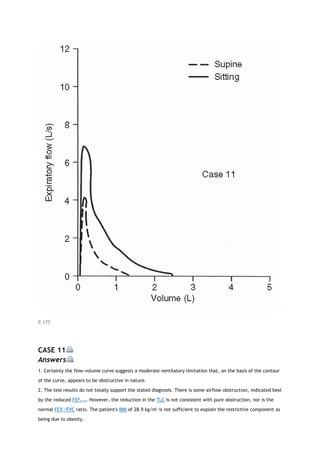
weight kg) + 667 meters [2].
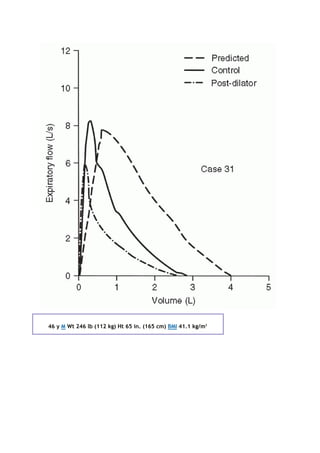
Table 11-1 relates the distances walked to the average rate of walking in miles per hour. Prediction equations
for the 6-minute test are available for average healthy adults of ages 40 to 80 years [2]. These are listed in
Table 11-1. The use of the test is twofold. First, by comparing a patient's results with the predicted norm, the
patient's degree of impairment can be estimated. Second, the test is most valuable as a measure of the
patient's response to therapy or the progression of disease.
11C. STAIR-CLIMBING TEST
For many years, physicians have used stair climbing to estimate a patient's cardiopulmonary reserve. The
empirical nature of stair climbing has been a drawback. However, in one study, subjects with COPD climbed
stairs until they became limited by symptoms and stopped [3]. A significant correlation was found between the
number of steps climbed and (1) peak oxygen consumption and (2) maximal exercise ventilation. This test is
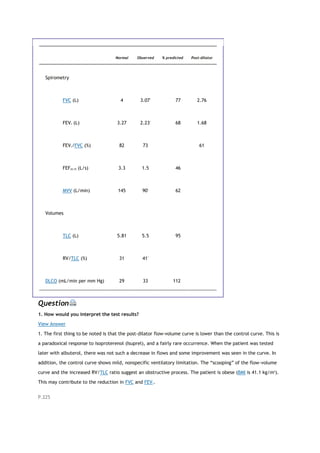
another way to estimate operative risk in patients with COPD who are to undergo thoracic operation. The study
found that, on average, the ability to
P.108
climb 83 steps was equivalent to a maximal oxygen consumption ([V with dot above]O2 max) of 20 mL/kg per
minute. The ability to reach a maximal oxygen consumption of 20 mL/kg per minute has been reported to be
associated with fewer complications after lung resection or thoracotomy.
Stair climbing is more cumbersome than the 6- or 12-minute walk. However, it does push most patients closer
to their maximal oxygen consumption, [V with dot above]O2 max, an end point of greater physiologic
significance.
11D. VENTILATORY RESERVE
Measuring a subject's ventilation during a given task or exercise provides an estimate of the demand of that
task. The definition of ventilatory reserve (VR) is given by this relationship:
Given a maximal voluntary ventilation (MVV) of 60 L/min and an exercise ventilation ([V with dot above]E) of
30 L/min during a given task, the VR is 50% . The greater the [V with dot above]E, the lower
the reserve and the more likely it is that the patient will become dyspneic. A VR of less than 50% is usually
associated with dyspnea. Another approach is to subtract [V with dot above]E from the MVV. A value of MVV -
[V with dot above]E less than 20 L/min indicates severe ventilatory limitation.
11E. RATING OF RESPIRATORY IMPAIRMENT
Another approach to estimating respiratory impairment is based on the percentage reduction in various
pulmonary function tests. One recommendation presented by the American Thoracic Society is summarized in
Table 11-2. It provides useful guidelines. If a patient complains of severe dyspnea but the tests show only mild
to moderate impairment, muscle weakness, upper airway obstruction, or causes other than respiratory should
be considered. If none are found, cardiopulmonary exercise testing might be appropriate.
P.109
TABLE 11-2. Estimations of respiratory impairment based on results of pulmonary function
tests
Test*
Condition FVC FEV1 FEV1/FVC DLCO [V with dot
above]O2 max
Normal >80 >80 >75 >80 >75
Mild impairment 60-
80
60-
80
60-75 60-
80
60-75
Moderate impairment (unable to meet
physical requirements of many jobs)
50-
60
40-
60
40-60 40-
60
40-60
Severe impairment (unable to meet most
job demands, including travel to work)
<50 <40 <40 <40 <40
*
All tests relate to the percentage of the normal predicted value for an individual.
DLCO, diffusing capacity of carbon monoxide; FEV1, forced expiratory volume in 1 second; FVC, forced
vital capacity; [V with dot above]O2 max, maximal oxygen consumption.
Data from Ad Hoc Committee on Impairment/Disability Evaluation: Evaluation of impairment/disability
secondary to respiratory disorders. Am Rev Respir Dis 133:1205-1209, 1986.
11F. CARDIOPULMONARY EXERCISE TESTING
Cardiopulmonary exercise testing requires sophisticated equipment and should be performed only by
laboratories with strict quality control, experienced physiologic direction, appropriate medical supervision, and
considerable experience in doing such tests [4]. Numerous variables of gas exchange and cardiac function,
often requiring an indwelling arterial catheter for repeated blood gas determinations, are measured. The
measurements include ventilation ([V with dot above]), oxygen consumption ([V with dot above]O2), carbon
dioxide production ([V with dot above]CO2), dead space ventilation, and alveolararterial oxygen gradients. In
some laboratories, [V with dot above]O2 and [V with dot above]CO2 are measured breath by breath. Also
measured are the heart rate, blood pressure, and lactate levels, and electrocardiography is performed.
Some of the indications for cardiopulmonary exercise testing are as follows:
 To distinguish between cardiac and pulmonary causes of dyspnea in complex cases
 To determine whether the patient's symptoms are due to deconditioning
P.110
 To detect the malingering patient
 To provide disability evaluation in problem cases
 To determine level of fitness, including whether a subject can meet the work requirements of a given
work assignment
REFERENCES
1. Crapo RO, Casaburi R, Coates AL, et al. ATS statement: Guidelines for the six-minute walk test. Am J Respir
Crit Care Med 166:111-117, 2002.
2. Enright PL, Sherrill DL. Reference equations for the six-minute walk in healthy adults. Am J Respir Crit Care
Med 158:1384-1387, 1998.
Bibliographic Links
ExternalResolverBasic
3. Pollock M, Roa J, Benditt J, Celli B. Estimation of ventilatory reserve by stair climbing: A study in patients
with chronic airflow obstruction. Chest 104:1378-1383, 1993.
4. Jones NL, Killian KJ. Exercise limitation in health and disease. N Engl J Med 343:632-641, 2000
12
Patterns in Various Diseases
There are patterns of pulmonary function test abnormalities that are typical for most patients with a particular
disease. Table 12-1 expands on Table 3-1, adding data on lung volumes, arterial blood gas values, diffusing
capacity, lung compliance and resistance, the single-breath nitrogen test, and maximal respiratory pressures. It
should be emphasized that a clinical diagnosis is not made from these test results alone. Rather they quantify
the lung impairment and are to be interpreted in the context of the total clinical picture. For this discussion,
obstructive disease is categorized into four conditions: emphysema, chronic bronchitis, chronic obstructive
pulmonary disease, and asthma. Restrictive conditions are divided into those due to pulmonary parenchymal
disease and extrapulmonary causes.
12A. EMPHYSEMA
Pure emphysema (such as α1-antitrypsin deficiency) is associated with hyperinflation (increased total lung
capacity [TLC]); a significant loss of lung elasticity (decreased recoil pressure at TLC and increased static
compliance of the lung [PTLC and CLstat]); and often a substantial decrease in the diffusing capacity of the lung
(DLCO, reflecting destruction of alveoli). Resting arterial tension of oxygen (PaO2) and carbon dioxide (PaCO2)
are generally normal until the condition is far advanced. Bullae, predominantly in the lower lung fields, are
typical in α1-antitrypsin deficiency.
P.112
P.113
TABLE 12-1. Patterns of pulmonary function tests in disease
P.114
12B. CHRONIC BRONCHITIS
Pure chronic bronchitis is typically found in heavy cigarette smokers with a chronic productive cough and
frequent respiratory infections. In contrast to emphysema, lung recoil is often normal but the PaO2 may be low
and associated with carbon dioxide retention (increased PaCO2).
12C. CHRONIC OBSTRUCTIVE PULMONARY DISEASE
The lungs of most smokers in whom obstructive lung disease develops show a mixture of emphysema and
chronic bronchitis. The tests reflect contributions of both disease processes. For example, hyperinflation tends
to be greater than in pure chronic bronchitis, but carbon dioxide retention may not be present.
12D. ASTHMA
Because lung function may be normal between attacks, the data in Table 12-1 reflect those during a moderate
attack in a nonsmoker. The changes are much like those in chronic obstructive pulmonary disease, except for
the tendency toward hyperventilation and respiratory alkalosis (increased pH, decreased PaCO2). Also, the
response to bronchodilators (not shown in Table 12-1) is typically very striking and DLCO is often increased. In
remission, all test results, with the occasional exception of the residual volume/total lung capacity ratio
(RV/TLC), may return to normal; however, the methacholine challenge test is typically positive. The ratio of
forced expiratory volume in 1 second to forced vital capacity (FEV1/FVC) may be normal, especially in mild
cases. The DLCO may be normal or increased. It is decreased only in very severe asthma.
12E. PULMONARY RESTRICTION
Idiopathic pulmonary fibrosis is the classic example of an intrapulmonary restrictive process. Peak expiratory
flows may be
P.115
normal or low, the diffusion capacity decreased, PTLC generally increased, lung compliance decreased, and the
slope of the expiratory flow-volume curve steep.
TABLE 12-2. Causes of restrictive disease
Pulmonary
Pulmonary fibrosis and interstitial pneumonitis
Asbestosis
Neoplasms, including lymphangitic carcinoma
Pneumonia
Sarcoidosis
Bronchiolitis obliterans with organizing pneumonia (BOOP) or cryptogenic organizing pneumonia
(COP)
Hypersensitivity pneumonitis
Alveolar proteinosis
Langerhans' cell histiocytosis (histiocytosis X or eosinophilic granuloma)
Lung resection
Atelectasis
Extrapulmonary
Pleural cavity
Pleural effusion
Pneumothorax
Fibrothorax
Cardiac enlargement
Neuromuscular
Diaphragmatic paralysis
Neuromuscular diseases, including amyotrophic lateral sclerosis, myasthenia gravis,
polymyositis
Chest wall
Kyphoscoliosis
Ankylosing spondylitis
Chest trauma
Thoracic resection
Ascites
Pregnancy
Some other parenchymal conditions that cause restriction are listed in Table 12-2. However, not all of them
always produce the classic picture described here. The slope of the flow-volume curve may not be increased
and the lung recoil may not be altered, in part because restriction may be combined with obstruction.
Examples are endobronchial involvement in sarcoidosis and tuberculosis. This mixed pattern is also frequent in
heart failure, cystic fibrosis, and Langerhans' cell histiocytosis (eosinophilic granuloma or histiocytosis X) and is
striking in lymphangioleiomyomatosis.
P.116
12F. EXTRAPULMONARY RESTRICTION
In the case of extrapulmonary restriction, the lung parenchyma is assumed to be normal. The most frequent
causes of this type of restriction are listed in Table 12-2. The main abnormalities are the decreased lung
volumes with generally normal gas exchange. Because the DLCO is somewhat volume-dependent, it may be
reduced. Resection in an otherwise normal lung also fits this pattern.
Severe degrees of restriction, as in advanced kyphoscoliosis, can lead to respiratory insufficiency with
abnormal gas exchange.
12G. NEUROMUSCULAR DISEASE
The hallmark of early neuromuscular disease is a decrease in respiratory muscle strength reflected in decreases
in maximal expiratory and inspiratory pressures. At this stage, all other test results can be normal despite the
patient complaining of exertional dyspnea. As the process progresses, the maximal voluntary ventilation is next
to decrease, followed by decreases in the FVC and TLC with accompanying impairment of gas exchange.
Ultimately, the picture fits that of a restrictive extrapulmonary disorder.
These patterns are most frequent in amyotrophic lateral sclerosis, myasthenia gravis, and polymyositis. They
have also been noted in syringomyelia, muscular dystrophy, parkinsonism, various myopathies, and Guillain-
Barré syndrome.
12H. CONGESTIVE HEART FAILURE
The effects of left-sided congestive heart failure with pulmonary congestion on the function of an otherwise
normal lung are often not appreciated. In some cases, the predominant change is one of pure restriction with a
normal FEV1/FVC ratio, flows decreased in proportion to the FVC, and a normal flow-volume curve slope. There
is often associated cardiomegaly, which contributes to the restriction. The chest radiograph may be
interpreted as suggesting interstitial fibrosis, but the computed tomographic appearance is distinctly different.
P.117
In other cases, there may be a mixed restrictive-obstructive pattern with decreases in flow out of proportion to
volume reduction. The FEV1/FVC ratio is reduced, as is the slope of the flow-volume curve. The obstructive
component is in part due to peribronchial edema, which narrows the airways and produces “cardiac asthma.”
Of interest, the result of the methacholine challenge test may be positive for reasons that are unclear.
In years past, the effectiveness of therapy for pulmonary congestion was sometimes monitored by measuring
changes in the vital capacity. Congestive heart failure is highlighted here because it is often overlooked as a
possible cause of a restrictive or obstructive pattern.
12I. OBESITY
The changes in pulmonary function tests associated with obesity are indicated in Table 12-1. These changes do
not seem to differ substantially between male and female patients. Some test results, such as the TLC, are
abnormal only at very high body mass indexes. Others, such as decreases in functional residual capacity and
expiratory reserve volume (not included in Table 12-1), occur with milder degrees of obesity. The results for
RV and RV/TLC ratio may depend in part on whether the RV was calculated using the FVC or slow vital capacity
(see section 3C, page 31). Even in the massively obese patient, the FEV1/FVC ratio can be normal. The adverse
effects of obesity are greater in patients with a truncal fat distribution (“apple” versus “pear”) and may be
greater in the elderly and in smokers, variables that are not always reported. In this respect, one study [1]
found that male patients who had obstructive lung disease and gained weight after quitting smoking had a loss
of 17.4 mL in FVC for every kilogram of weight gained. Their FEV1 also decreased by 11.1 mL per kilogram of
weight gained. Similar but smaller changes of 10.6 mL FVC and 5.6 mL FEV1 were found in women.
A very interesting development has been the apparent association between obesity and asthma. Does obesity
increase the risk of asthma? The final answer is not in. A recent review [2] concluded that obesity has an
important but modest impact on the incidence and prevalence of asthma.
P.118
REFERENCES
1. Wise RA, Enright PL, Connett JE, et al. Effect of weight gain on pulmonary function after smoking cessation
in the Lung Health Study. Am J Respir Crit Care Med 157:866-872, 1998.
2. Beuther DA, Weiss ST, Sutherland ER. Obesity and asthma. Am J Respir Crit Care Med 174:112-119, 2006
13
When to Test and What to Order
The recommendations for preoperative testing are listed in Chapter 10. Although there are many other
situations in which pulmonary function testing is indicated, for reasons that are unclear these tests are
underutilized. This chapter describes instances in which testing is warranted and includes the basic tests to be
ordered. Depending on the initial test results, additional studies may be indicated.
13A. THE SMOKER
Even if smokers have minimal respiratory symptoms, they should be tested by age 40. Depending on the results
and a patient's smoking habits, repeat testing every 3 to 5 years is reasonable. The logic for early testing is
shown in Figure 13-1. This shows the typical pattern of development of chronic obstructive pulmonary disease
(COPD). Spirometry is the first test to have abnormal results. The innocuous cigarette cough may indicate
significant airway obstruction. When confronted with an abnormal test result, a patient can often be convinced
to make a serious attempt to stop smoking, which is a most important step to improving health. Figure 13-2
shows the average rates of decline in function in smokers with COPD and nonsmokers. The earlier the rapid loss
of function can be interrupted in the smoker, the greater will be the life expectancy.
Test: Spirometry before and after bronchodilator
P.120
View Figure
FIG. 13-1. Progression of symptoms in chronic obstructive
pulmonary disease (COPD) reflected by spirometry, arterial blood
gas studies, and chest radiographs as a function of age in a typical
case. Spirometry can detect COPD years before significant dyspnea
occurs. (From PL Enright, RE Hyatt [eds]. Office Spirometry: A
Practical Guide to the Selection and Use of Spirometers.
Philadelphia: Lea & Febiger, 1987. Used with permission of Mayo
Foundation for Medical Education and Research.)
View Figure
FIG. 13-2. Normal decline in forced expiratory volume in 1 second
(FEV1) with age contrasted with the accelerated decline in
continuing smoking in chronic obstructive pulmonary disease
(COPD). Smoking cessation can halt this rapid decline. (From PL
Enright, RE Hyatt [eds]. Office Spirometry: A Practical Guide to the
Selection and Use of Spirometers. Philadelphia: Lea & Febiger,
1987. Used with permission of Mayo Foundation for Medical
Education and Research.)
P.121
13B. CHRONIC OBSTRUCTIVE PULMONARY DISEASE
Even if the clinical diagnosis of COPD is clear-cut, it is important to quantify the degree of impairment of
pulmonary function. A forced expiratory volume in 1 second (FEV1) of 50% of predicted portends future
disabling disease. An FEV1 of less than 800 mL predicts future carbon dioxide retention (respiratory
insufficiency).
Repeating spirometry every 1 to 2 years establishes the rate of decline of values such as the FEV1. The FEV1
declines an average of 60 mL/yr in persons with COPD who continue to smoke, compared with 25 to 30 mL/yr
in normal subjects and persons who quit smoking.
Tests:
 Initially, spirometry before and after bronchodilator and determination of the diffusing capacity of
carbon monoxide (DLCO). Arterial blood gas studies are recommended when the FEV1 is less than 50%
predicted.
 Initially, if available, static lung volumes such as total lung capacity (TLC) and residual volume (RV).
 Follow-up testing with spirometry is usually adequate.
13C. ASTHMA
It is important to be sure that the patient with apparent asthma really has this disease. Remember that “not
all that wheezes is asthma.” Major airway lesions can cause stridor or wheezing, which has been mistaken for
asthma. The flow-volume loop often identifies such lesions (see section 2K, page 18).
Testing is also important in patients with asthma in remission or with minimal symptoms. This provides a
baseline against which to compare results of function tests during an attack and thus quantify the severity of
the episode.
The patient should be taught to use a peak flowmeter. He or she should establish a baseline of peak expiratory
flows when asthma is in remission by measuring flows each morning and evening before taking any treatment.
Then the patient should continue to measure and record peak flows on a daily basis.
P.122
PEARL: It is crucial that the patients be taught to use a peak flowmeter correctly. They must take a maximal
inhalation, place their lips around the mouthpiece (a nose clip is not needed), and give a short, hard blast.
They should avoid making a full exhalation; the exhalation should mimic the quick exhalation used to blow out
candles on a birthday cake.
Having the patient with asthma monitor his or her pulmonary status is extremely important. An exacerbation is
usually preceded by a gradual decline in peak flow, which the patient may not perceive. By the time the
patient becomes symptomatic and dyspneic, flows may have greatly deteriorated. A decrease of about 20%
from the symptom-free, baseline peak flow usually means treatments should be reinstated or increased and the
physician contacted. It should be impressed on the patient and family that asthma is a serious, potentially
fatal disease and that it must be respected and appropriately monitored and treated. Marked airway
hyperresponsiveness and highly variable function are harbingers of severe attacks.
Tests:
 Initial evaluation includes spirometry before and after bronchodilator—determination of DLCO is
optional. If pulmonary function is normal or nearly so and there is any question about the diagnosis, a
methacholine challenge study should be done (see Chapter 5). The eventual role of expired nitric
oxide (eNO) is still to be determined (see section 5G, page 60).
 For monitoring on a daily basis, a peak flowmeter is used.
 Periodic (annual) monitoring with spirometry and bronchodilator (more often in severe cases).
13D. ALLERGIC RHINITIS
Allergic rhinitis is often associated with asymptomatic hyperreactive airways. It may evolve into asthma. Thus,
establishing a subject's baseline function and airway reactivity is justified.
Tests: Spirometry before and after bronchodilator. If the bronchodilator response is normal but concerns still
exist, a methacholine challenge study (see Chapter 5) is indicated.
P.123
13E. CHEST RADIOGRAPH WITH DIFFUSE INTERSTITIAL OR ALVEOLAR
PATTERN
Several disorders can present with these patterns (see Table 12-2, page 115). Pulmonary function tests are
performed to answer the following questions: Are the lung volumes decreased and, if so, by how much? Is the
diffusing capacity reduced? Is there arterial oxygen desaturation at rest or with exercise? Not infrequently,
oxygen saturation is normal at rest but decreases during exercise. The tests are also used to follow the course
of the disease and the response to therapy.
Tests:
 Spirometry before and after bronchodilator, determination of DLCO, and pulse oximetry at rest and
during exercise. The bronchodilator is used because a subject with inherent hyperreactive airways
might develop one of these disorders.
 Static lung volumes (such as TLC and RV).
 Lung compliance and recoil pressure at TLC.
PEARL: Rarely, an interstitial or alveolar pattern is associated with an increased DLCO. This can occur with
intra-alveolar hemorrhage, such as in idiopathic hemosiderosis (Goodpasture's syndrome), in which hemoglobin
in the alveoli binds to carbon monoxide. The DLCO will decrease as the process improves.
13F. EXERTIONAL DYSPNEA
In almost every case of exertional dyspnea, pulmonary function tests should be performed. This approach
applies even if the major abnormality appears to be nonpulmonary. We have seen patients with dyspnea who
have received elaborate, and expensive, cardiovascular studies before pulmonary function studies were done,
and the lungs proved to be the cause of the dyspnea. Also, exercise-induced bronchospasm, often associated
with inhalation of cold air, can be a cause of exertional dyspnea.
Tests: Spirometry before and after dilators and DLCO testing. Determination of oxygen saturation at rest and
exercise may be appropriate. For evaluation of exercise-induced bronchospasm, a
P.124
methacholine challenge test should be done. In difficult cases, cardiopulmonary exercise testing may be
helpful (see section 11F, page 109).
13G. CHEST TIGHTNESS
Is the tightness caused by angina or episodic bronchospasm? The distinction is not always easy. Dyspnea is often
associated with either disorder. If there is doubt, lung function testing, in addition to cardiac evaluation, is
warranted.
Tests: Spirometry before and after bronchodilator. Methacholine challenge testing is done if bronchospasm
remains a distinct possibility.
13H. UNEXPLAINED CHRONIC COUGH
Some patients have cough that is not related to chronic bronchitis, bronchiectasis, or a current viral infection.
The cough is usually nonproductive. The most frequent causes are listed in Table 13-1. Obviously, many causes
are nonpulmonary. Those in which pulmonary function testing can be helpful are asthma, congestive heart
failure, diffuse interstitial disease, and tracheal tumors.
TABLE 13-1. Frequent causes of chronic cough
Postnasal drip
Asthma
Gastroesophageal reflux
Congestive heart failure
Diffuse interstitial disease
Postviral tracheitis
Angiotensin-converting enzyme inhibitor use
Bronchogenic carcinoma
Miscellaneous
Tracheal tumors
Temporal arteritis
Oculopharyngeal muscular dystrophy
Ulcerative colitis, Crohn's disease
Foreign body
P.125
Tests: Spirometry before and after bronchodilator, DLCO test, methacholine challenge. A flow-volume loop also
should be considered.
PEARL: In patients whose cough follows a viral tracheitis, systemic or inhaled steroids may provide relief,
presumably by decreasing smoldering inflammation that is stimulating cough receptors.
13I. CORONARY ARTERY DISEASE
Because most patients with coronary artery disease have been smokers, they have an increased risk of also
having COPD. A strong case can be made for testing all such patients to assess their lung function. And, as
noted in section 12H (page 116), congestive heart failure itself can impair lung function.
Test: Spirometry before and after bronchodilator.
PEARL: In addition to patients with coronary artery disease, those with hypertension may need to be tested,
especially if therapy with β-adrenergic blockers is planned. Nonselective β-adrenergic antagonists are usually
contraindicated in COPD, but selective β1 antagonists are generally well tolerated by patients with COPD and
most patients with asthma.
13J. RECURRENT BRONCHITIS OR PNEUMONIA
Not infrequently, asthma is mistaken for recurrent attacks of bronchitis or pneumonia. This mistake can be
avoided by appropriate pulmonary function testing.
A subset of patients have recurrent bouts of pneumonia presenting as small pulmonary infiltrates. We have
seen several such patients in whom the basic problem was occult asthma. Presumably the bronchoconstriction
interfered with mucociliary clearance, thus predisposing to pneumonia. Regular use of inhaled steroids and β-
agonists led to correction of the problem.
Tests: Spirometry before and after bronchodilator. Methacholine challenge testing is performed if undetected
bronchospasm remains a possibility.
P.126
13K. NEUROMUSCULAR DISEASE
There are two reasons for performing pulmonary function tests, including maximal respiratory pressure tests, in
patients with neuromuscular disease. First, dyspnea frequently develops in such patients, and it is important to
establish the pathogenesis of the complaint. It might be pulmonary or cardiac in origin. Pulmonary function
tests help to answer the question. Second, the tests can be useful for following the course of the disease.
Tests: Spirometry before and after bronchodilator, DLCO test, and determination of maximal respiratory
pressures.
13L. OCCUPATIONAL AND ENVIRONMENTAL EXPOSURES
Table 13-2 lists substances and occupations that can produce pulmonary abnormalities reflected in abnormal
results of pulmonary tests. Some farsighted industries are monitoring workers'
P.127
pulmonary function on a regular basis. This testing protects both the worker and the employer.
TABLE 13-2. Occupational and environmental exposures that can lead to pulmonary
conditions
Industrial dusts
Coal dust (coal workers' pneumoconiosis)
Asbestos (asbestosis, pleural plaques, pleural effusion, lung cancer, mesothelioma)
Silica, quartz (silicosis)
Cotton dust (byssinosis)
Beryllium (berylliosis)
Talc (talcosis)
Occupational asthma
Plastics
Isocyanates
Animal dander, urine, feces
Enzyme dusts
Tea and coffee dust
Grain dust
Polyvinyl chloride (PVC) fumes
Wood dusts, especially Western red cedar
Hypersensitivity pneumonitis
Farmer's lung
Bird-fancier's disease
Mushroom workers, other moldy dusts
Humidifiers
Tests: Spirometry before and after bronchodilator.
13M. SYSTEMIC DISEASES
Several nonpulmonary conditions are frequently associated with altered pulmonary function. Some of the more
common ones are listed below, followed by the commonly abnormal pulmonary function test result(s).
 Rheumatoid arthritis: DLCO reduction is often the first change. Vital capacity may also be reduced,
and airflow obstruction occurs in a few cases.
 Scleroderma (systemic sclerosis): Reduced DLCO is the first change, caused by minimal fibrosis often
not visible by radiography. Later, lung volumes can decrease.
 Systemic lupus erythematosus: Early decrease in DLCO. Later, volumes may decrease dramatically,
producing a “vanishing lung,” which may be more related to respiratory muscle weakness than to
pulmonary fibrosis.
 Wegener's granulomatosis: Both restrictive and obstructive patterns may be found, as well as major
airway lesions.
 Dermatomyositis: Muscle weakness and interstitial disease with low DLCO (most often nonspecific
interstitial pneumonia) often occur.
 Cirrhosis of the liver: In some cases, arterial oxygen desaturation is found. This is due to the
development of arteriovenous shunts in the lungs or mediastinum. In many cases, the saturation is
lower when the subject is standing (rather than lying), so-called orthodeoxia.
 Relapsing polychondritis: Inflammatory degeneration of tracheal and bronchial cartilage can lead to a
considerable reduction in expiratory flows, an obstructive pattern.
 Sjögren's syndrome: As many as half of affected patients have airway obstruction resistant to
bronchodilators.
14
Approaches to Interpreting Pulmonary Function Tests
Different experts follow different approaches to interpretation of pulmonary function tests. There is no
universally accepted standard for interpretation, but the two most commonly cited standards have been the
1986 American Thoracic Society Disability Standard [1] and the 1991 statement of the American Thoracic
Society [2]. In 2005, the American Thoracic Society and the European Respiratory Society updated the
pulmonary function interpretation strategies [3].
This chapter describes three approaches. The first uses the flow-volume curve and the normal predicted
values. The second uses the test data without the flow-volume curve. The third uses a pulmonary function test
“crib sheet” developed in the Mayo Clinic Division of Pulmonary and Critical Care Medicine as an instructional
tool for residents and fellows.
14A. FLOW-VOLUME CURVE AVAILABLE
Step I
Examine the flow-volume curve and compare it with the normal predicted curve (see the Appendix for how to
construct the normal curve). Is there any ventilatory limitation (that is, any loss of area)? If not, the test result
is most likely normal.
 Is the forced vital capacity (FVC) normal? If so, any significant restriction is essentially ruled out.
 Is the FVC reduced? If so, either obstruction or restriction could be the cause (see Fig. 2-3, page 10).
 Examine the contour of the flow-volume curve.
o Is it normal-appearing (Fig. 14-1)? If so, and if the FVC is normal, the test result is almost
always normal. Proceed to steps V, VI, and VII. If the FVC is reduced and the flow-volume
slope and ratio of forced expiratory volume in 1 second to FVC (FEV1/FVC ratio) are normal,
restriction, occult asthma, or a nonspecific abnormality may be present (see section 2F, page
12, and section 3E, page 36). The total lung capacity (TLC) will have to be measured to make
the differentiation.
o Is the curve scooped out with reduced flow-volume slope and low flows (Fig. 14-2)? An
obstructive defect is most likely. Remember the occasional mixed restrictive-obstructive
disorder.
 Is the slope of the flow-volume curve increased (Fig. 14-3)? This finding is consistent with a pulmonary
parenchymal restrictive process. The FVC, TLC, and diffusing capacity of carbon monoxide (DLCO)
must be reduced to be certain. (Grading the degree of restriction is described in section 14C, page
139.)
 If there is a flow-volume loop, is there any suggestion of a major airway lesion (Fig. 14-4)?
P.130
View Figure
FIG. 14-1. Normal flow-volume curve.
View Figure
FIG. 14-2. Flow-volume curve in severe chronic obstructive
pulmonary disease.
P.131
View Figure
FIG. 14-3. Flow-volume curve in pulmonary fibrosis. Note steep
slope and decreased volume.
View Figure
FIG. 14-4. Typical flow-volume curves associated with lesions of the
major airway (carina to mouth). A. Typical variable extrathoracic
lesion. B. Variable intrathoracic lesion. C. Fixed lesion. Expir,
expiratory; Inspir, inspiratory.
P.132
Step II
Examine the FEV1 value.
 Is it normal? If so, all but borderline obstruction or restriction is ruled out. There are exceptions,
namely, the rare variable extrathoracic lesion in which the FEV1 can be normal but the maximal
voluntary ventilation (MVV) is reduced because of inspiratory obstruction (as in Fig. 14-4A). Also,
subjects with respiratory muscle weakness (see section 9D, page 97) can initially present with dyspnea
and a normal FEV1.
 Is the FEV1 reduced below the lower limit of normal? (The equation used to determine the lower limit
of normal is in the Appendix.) If FEV1 is reduced, the decrease is most often due to airway obstruction.
It could be caused by a restrictive process, however, and thus, the FEV1/FVC ratio needs to be
evaluated. Nevertheless, if the TLC value is available, check it first. An increase in TLC by more than
15 to 20% favors obstructive disease. A normal or increased TLC value excludes a pulmonary restrictive
process by definition. A normal TLC can occur in the rare mixed obstructive-restrictive disorder. A
reduced TLC is expected with a restrictive process.
Step III
Examine the FEV1/FVC ratio.
 If the absolute ratio is decreased to below the lower limit of normal, an obstructive process is present.
(Grading the degree of obstruction is described in section 14C.)
 If the ratio is normal, an obstructive process is usually excluded. An exception is the case of
nonspecific ventilatory limitation, in which the FVC and FEV1 are reduced and the FEV1/FVC ratio,
flow-volume slope, and TLC are all normal (see section 3E, page 36). Administration of a
bronchodilator often exposes occult asthma (Fig. 14-5), but occasionally a methacholine challenge test
is needed. Airway resistance, if available, is often increased and can be helpful in identifying the
patient with occult asthma.
 The ratio is normal or increased with a pure restrictive disorder. Patients with a reduced FVC, reduced
FEV1,
P.133
normal to increased FEV1/FVC ratio, and normal response to bronchodilator may have a restrictive
process. If there is doubt, have the TLC or DLCO measured; they should be abnormally low. If the TLC
test is not available, check the chest radiograph for evidence of reduction in TLC, or estimate TLC by
the radiographic technique discussed in section 3C (page 31). The alveolar volume (VA) can also be
checked, as discussed in the Pearl in section 4B, page 43.
View Figure
FIG. 14-5. Control curve shows mild reduction in forced vital
capacity (FVC) and forced expiratory volume in 1 second (FEV1) and
a normal FEV1/FVC ratio. After administration of a bronchodilator,
the flow-volume curve (dashed line) shows a parallel shift to the
right with an increase in FVC and FEV1 but no change in the
FEV1/FVC ratio. The patient has occult asthma.
Step IV
Examine the expiratory flow values.
 The forced expiratory flow rate over the middle 50% of the FVC (FEF25-75) almost always changes in the
same direction as the FEV1. This test may be more sensitive for detecting early airway obstruction.
The FEF25-75 is occasionally reduced in the face of a normal FVC, FEV1, and MVV. The flow-volume curve
has a characteristic appearance. This result tends to occur in elderly persons with minimal symptoms
(Fig. 14-6). Also see section 7A (page 75).
 FEF25,50,75. These flows change directionally in concert with the FEV1 and FEF25-75.
P.134
View Figure
FIG. 14-6. The unusual flow-volume curve in which the forced
expiratory volume in 1 second is normal but the forced expiratory
flow rate over the middle 50% of the forced vital capacity is
reduced. Note that the peak flow is normal but the lower 70% is
very scooped out.
Step V
Examine the MVV.
 The MVV will change in most cases in a manner similar to that of the FEV1. With a normal FEV1, a
normal MVV should be expected (FEV1 × 40 = predicted MVV). Consider the lower limit to be FEV1 × 30.
 If the FEV1 is reduced by obstructive disease, the MVV will also be reduced. However, the rule that
FEV1 × 40 = MVV is not always true in obstructive disease.
 If the FEV1 is reduced by a restrictive process, the MVV usually is reduced, but not always as much as
suggested by the FEV1 (some subjects with a very steep flow-volume curve can have normal flows high
in the vital capacity; see Fig. 2-4D, page 12).
 If the FEV1 is normal but the MVV is reduced below the lower limit, consider the following possibilities:
o Poor patient performance due to weakness, lack of coordination, fatigue, coughing induced
by the maneuver, or unwillingness to give maximal effort (best judged by the technician).
o Does the patient have a neuromuscular disorder? The MVV is usually the first routine test to
have an
P.135
abnormal result. Consider ordering maximal respiratory pressure tests (see Chapter 9).
o Does the subject have a major airway lesion? The MVV is reduced in all three types of lesions
shown in Figure 14-4; to evaluate this, the flow-volume loop needs to be evaluated.
o Is the subject massively obese? The MVV tends to decrease before the FEV1 does.
Step VI
Examine the response to bronchodilator.
 Is the response normal (<12% increase in both FEV1 and FVC)?
 Is the response increased (FEV1 or FVC increased by 12% and 200 mL)? If so, this finding is consistent
with hyperreactive airways. A case of occult asthma may be exposed by such a response. (Remember
the possible effect of effort on the FEV1, section 5D, page 53, and Fig. 5-4, page 55.) However, the
patient with asthma may not always have an increased response. The response can vary with the state
of the disease.
Step VII
Examine the DLCO.
 Is the DLCO normal? This result is consistent with normal lungs. However, the DLCO may also be
normal in chronic bronchitis, asthma, major airway lesions, extrapulmonary restriction, neuromuscular
disease, and obesity.
 Is the DLCO reduced? This finding is characteristic of pulmonary parenchymal restrictive disorders. It is
also consistent with anatomic emphysema and pulmonary vascular disorders. However, values can also
be reduced in chronic bronchitis, asthma, and heart failure.
An isolated reduction in the DLCO (other tests within normal limits) should raise the possibility of
pulmonary vascular disorders, such as scleroderma, primary pulmonary hypertension, recurrent
emboli, and various vasculitides. Chemotherapeutic agents can also produce this finding.
P.136
 Is the DLCO increased? This result occurs in some patients with asthma and in some very obese
subjects. Alveolar hemorrhage may also increase the DLCO, as can polycythemia vera, left-to-right
intracardiac shunt, or any process that produces pulmonary vascular engorgement.
Step VIII
Examine other test results that you may have available. They should confirm the interpretation at which you
have already arrived and fit the patterns in Table 12-1, pages 112-113.
14B. FLOW-VOLUME CURVE NOT AVAILABLE
A spirogram (volume versus time curve) may be available; (see Fig. 2-5, page 15.)
Step I
Examine the FVC.
 Is it normal? If so, any significant restriction is ruled out.
 Is it reduced? If so, this finding could be due to either obstruction or restriction (see Fig. 2-3, page
10). If restriction is present, it can be graded (see section 14C, page 139).
Step II
Examine the FEV1.
 Is it normal? If so, any significant obstruction or restriction is ruled out. There are exceptions, namely,
the rare variable extrathoracic lesion in which the FEV1 can be normal but the MVV is reduced because
of the inspiratory obstruction. Also, subjects with respiratory muscle weakness can initially present
with dyspnea and a normal FEV1.
 Is it reduced below the lower limit of normal? (The equation used to determine the lower limit of
normal is in the Appendix.) If so, this finding is most often due to airway obstruction. However, it
could be caused by a restrictive process, and thus the FEV1/FVC ratio needs to be
P.137
evaluated. First, though, if the TLC is available, it should be checked. A TLC that is increased more
than 15 to 20% favors obstruction. By definition, a normal or increased TLC rules out pure
parenchymal restriction. The TLC is occasionally normal in a mixed obstructive-restrictive disorder. A
reduced TLC is expected in a pure restrictive process.
Step III
Examine the FEV1/FVC.
 If the absolute ratio is decreased to below the lower limit of normal, an obstructive process is present.
(Grading the degree of obstruction is described in section 14C, page 139.)
 If the ratio is normal, this finding excludes the usual obstructive process. An exception is nonspecific
ventilatory limitation, in which the FVC and FEV1 are reduced and the FEV1/FVC ratio and TLC are
normal (see section 3E, page 36). Administration of a bronchodilator usually exposes occult asthma,
but occasionally a methacholine challenge test is needed.
 Otherwise, the ratio is normal or increased in a pure restrictive process. A reduced FVC, reduced FEV1,
normal to increased FEV1/FVC ratio, and normal response to bronchodilator may indicate a restrictive
defect. If there is any doubt, the TLC or DLCO should be measured; they should be low. If the TLC is
not available, the chest radiograph can be checked for evidence of reduction in the TLC, or the TLC
can be estimated by the radiographic technique described in section 3C, page 31. The VA can also be
checked, as discussed in the Pearl in section 4B, page 43.
Step IV
Examine the expiratory flow values.
 The FEF25-75 almost invariably changes in the same direction as the FEV1. This test may be more
sensitive than the FEV1 for detecting early airway disease.
 Rarely, the FEF25-75 is reduced in the face of a normal FVC, FEV1, and MVV. This situation tends to occur
in elderly persons who have few symptoms (see section 7A, page 75).
P.138
Step V
Examine the MVV.
 The MVV will, in most cases, change in a manner similar to that of the FEV1. With a normal FEV1, a
normal MVV should be expected (that is, FEV1 × 40 = predicted MVV). Consider the lower limit to be
FEV1 × 30.
 If the FEV1 is reduced by obstructive disease, the MVV will also be reduced. However, the rule that
FEV1 × 40 = MVV is not always true in obstructive disease.
 If the FEV1 is reduced by a restrictive process, the MVV usually is reduced. However, the MVV is not
always reduced as much as suggested by the reduction in FEV1 because some subjects with a
restrictive process have normal flows high in the vital capacity.
 If the FEV1 is normal but the MVV is reduced, consider the following possibilities:
o The patient's performance was poor because of weakness, lack of coordination, fatigue,
coughing induced by the maneuver, or unwillingness to give a maximal effort (best judged by
the technician).
o Does the patient have a neuromuscular disorder? The MVV test is usually the first routine test
to have an abnormal result. Determination of maximal respiratory pressures should be
considered (see Chapter 9).
o Does the patient have a major airway lesion? The MVV is reduced in all three types of lesions
(see Fig. 2-7, page 19).
o Is the subject massively obese? The MVV tends to decrease before the FEV1 does.
Step VI
Examine the response to bronchodilator.
 Is the response normal (<12% increase in both FEV1 and FVC)?
 Is the response increased (FEV1 or FVC increased by 12% and 200 mL)? If so, this finding is consistent
with hyperreactive airways. A case of occult asthma may be exposed by such a response. (The possible
effect of effort on the FEV1 needs
P.139
to be considered; see section 5D, page 53.) However, the patient with asthma may not always have an
increased response. It can vary with the state of the disease.
Step VII
Examine the DLCO.
 Is the DLCO normal? This finding is consistent with normal lungs. However, the DLCO may also be
normal in chronic bronchitis, asthma, major airway lesions, extrapulmonary restriction, neuromuscular
disease, and obesity.
 Is the DLCO reduced? This finding is characteristic of pulmonary restrictive disorders. It is also
consistent with anatomic emphysema and pulmonary vascular disease. However, values can also be
reduced in chronic bronchitis, asthma, chronic obstructive pulmonary disease, and heart failure.
An isolated reduction in the DLCO (other test results are within normal limits) should raise the
possibility of pulmonary vascular disorders such as scleroderma, primary pulmonary hypertension,
recurrent emboli, and various vasculitides.
 Is the DLCO increased? This finding occurs in some patients with asthma and in some very obese
subjects. Alveolar hemorrhage may also increase the DLCO, as can polycythemia vera, left-to-right
intracardiac shunt, or any process that produces pulmonary vascular engorgement.
Step VIII
Examine other test results that may be available. They should confirm the interpretation already arrived at
and fit the patterns given in Table 12-1, pages 112-113.
14C. PULMONARY FUNCTION TEST CRIB SHEET
This summary was developed for use by internal medicine residents and pulmonary fellows at Mayo Clinic.
P.140
Spirometry Interpretation
Look at the flow-volume curve, the FVC, and the FEV1/FVC ratio:
 Does the curve suggest obstruction (scooped out), restriction (shaped like a witch's hat), or a special
case (see below)?
 Is the FEV1/FVC ratio reduced (below the lower limit of normal), indicating obstruction?
If the FEV1/FVC ratio is below the lower limit of normal (LLN)
→ obstruction algorithm
 FEV1 ≥ LN Borderline
 <LLN-60% Mild
 59-40% Moderate
 39-30% Severe
 <30% Very severe
REMEMBER: Obstruction, 60/40/30
If the FEV1/FVC ratio is normal and the TLC is below the lower limit of normal → restriction algorithm
 FVC < LLN-60% Mild
 59-50% Moderate
 49-35% Severe
 <35% Very severe
REMEMBER: Restriction, 60/50/35
(Caution: In some cases the FEV1/FVC ratio is normal but obstruction is present. See “Nonspecific Pattern,”
below. A bronchodilator response, increased airway resistance, or a positive methacholine challenge test can
be helpful in some of these cases.)
Bronchodilator response is positive if either the FEV1 or FVC increases ≥ 12% and ≥ 200 mL.
A large bronchodilator response is predictive of:
 More rapid decrease in lung function
 More severe exacerbations
 Increased risk for rapid decline and death
Flow-Volume Curve
 Gives clues about the presence of obstruction or restriction (see Fig. 2-5, 2-7B and C).
P.141
 2. Is the best indicator of test quality (see Fig. 2-6):
The curve should be examined for maneuver errors, including the following (letters correspond to the
parts of Fig. 2-6): B) slow start, C&D) poor blast, E) early termination, F&G) cough or interruption in
the first second.
 Gives clues about unusual conditions, such as the following:
o Plateau on curve may indicate a central airway obstructive process (see Fig. 2-7F, page 19)
o Normal variant curve (tracheal plateau) common in young adults, especially women (see Fig.
2-6H, page 16)
o Inspiratory obstruction with variable extrathoracic obstruction (see Fig. 2-7D, page 19) (for
example, goiter, tracheal tumor, subglottic stenosis, rheumatoid arthritis with cricoarytenoid
fusion)
o Expiratory obstruction with variable intrathoracic (tracheal) obstruction (see Fig. 2-7E, page
19)
o A convex flow-volume curve (see Fig. 2-6D, page 16) may be found in the following:
Children
Neuromuscular weakness (see below)
Poor performance
Methacholine Challenge
This is positive if there is a 20% decrease in FEV1 after 25 mg/mL (concentration threshold varies among
laboratories). Elements needed for asthma diagnosis: (1) evidence of airway hyperresponsiveness, (2)
obstruction varying over time, (3) evidence of airway inflammation.
Lung Volumes
Gas-dilution techniques (He dilution or N2 washout) underestimate lung volumes in obstructive disorders
compared with plethysmography:
Obstructive disorders have a TLC that is high (hyperinflation) or normal
An increased residual volume (RV) (air trapping) and an increased RV/TLC ratio
Restrictive disorders have a reduced TLC
P.142
RV may be high (muscular restriction, chest wall limitation, superimposed obstruction)
Neuromuscular Restriction
This looks like pulmonary restriction in spirometry, but: Lung volumes usually show decreased TLC but
increased RV FVC is disproportionately reduced relative to TLC (quantify severity based on FVC, not TLC)
RV/TLC is increased (obstruction is not the only cause of high RV/TLC)
Maximal respiratory pressures are reduced
Flow-volume curve looks like poor performance or a child's curve (see Fig. 2-6D, page 16)
Early in the course of disorders causing muscular weakness (for example, amyotrophic lateral sclerosis),
maximal respiratory pressures may be reduced, but lung volume, FVC, FEV1, and MVV are still normal (see
Table 12-1, page 112-113 and section 9D, page 97).
Nonspecific Pattern
A nonspecific pattern is sometimes termed a “spirometric restriction.” These patients have a low FEV1 and FVC,
normal FEV1/FVC ratio, and normal TLC. If possible, airway resistance should be measured. If it is increased,
we consider it an obstructive disorder and grade severity based on FEV1. Otherwise, we call it a nonspecific
pattern (see section 2F, pages 12-14 and page 38). The most common associated clinical conditions are asthma
and obesity. Airway hyperreactivity can be documented in more than half the cases.
DLCO
This is reduced in patients with a gas exchange abnormality (for example, emphysema, idiopathic pulmonary
fibrosis, other parenchymal or vascular processes).
A low DLCO is characteristic of emphysema (not as sensitive or specific as high-resolution computed
tomography), whereas in asthma and some cases of obstructive chronic bronchitis DLCO is normal.
P.143
DLCO may be reduced in pulmonary hypertension, but it is insensitive for detecting cases.
DLCO is often used to monitor for an adverse pulmonary effect of chemotherapy.
DLCO should be adjusted for low hemoglobin for anemic patients.
DLCO may be increased in (1) asthma, (2) obesity, (3) left-to-right shunt, (4) polycythemia, (5) hyperdynamic
states, postexercise, (6) pulmonary hemorrhage, and (7) supine position.
Maximal Respiratory Pressures (“Bugles”)
These are used to assess respiratory muscle strength. If low, they indicate muscle weakness or poor
performance. Inspiratory pressure is mostly a function of diaphragmatic strength. Tetraplegics show reduced
expiratory pressures with inspiratory pressures (diaphragm) relatively preserved. Diaphragmatic paralysis is the
opposite.
Obesity
Obesity has a small but sometimes considerable effect on pulmonary function. The increased chest wall
impedance causes a restrictive pattern in some obese patients. On average, a person with a body mass index of
35 will have a 5 to 10% reduction in FVC. TLC is usually not reduced to the same degree as FVC. Obese people
may wheeze when they breathe near residual volume, sometimes called pseudo-asthma. DLCO is normal or
increased. Additional effects of obesity on pulmonary function are discussed in section 12I (page 117) and
Table 12-1 (page 112-113).
14D. NEW STANDARD FOR PULMONARY FUNCTION TESTING AND
INTERPRETATION
The American Thoracic Society (ATS) has provided standards for the performance of pulmonary function testing
[1,2]. The standards have been periodically updated. British and European societies published standards for
their respective countries. The most recent update, including lung volume measurements, was developed in
conjunction with the European Respiratory Society
P.144
(ERS) and included a strategy for interpreting the results of lung function tests [3]. The basic sequence for
interpretation (Fig. 14-7) is not changed from the methods described in this chapter. However, several aspects
of the new standard are troublesome.
View Figure
FIG. 14-7. Algorithm for interpretation of results of pulmonary
function tests. CB, chronic bronchitis; CW, chest wall; DLCO,
diffusing capacity of carbon monoxide; FEV1, forced expiratory
volume in 1 second; ILD, interstitial lung disease; LLN, lower limit
of normal; NM, neuromuscular; PV, pulmonary vascular; TLC, total
lung capacity; VC, vital capacity.
The three points of concern are (1) the recommendation to use the FEV1/VC (vital capacity) ratio rather than
FEV1/FVC; (2) the “nonspecific abnormality” with normal FEV1/FVC ratio, low FVC, and normal TLC; and (3) the
isolated reduction in DLCO with normal spirometry and lung volumes.
The recommendation for use of the FEV1/VC ratio rather than FEV1/FVC ratio for diagnosis of obstruction is
based on European
P.145
reference equations. The VC reported is the largest of any VC maneuver regardless of how it was obtained.
Hence, the VC is always equal to or more than the FVC, and the FEV1/VC is always equal to or less than the
FEV1/FVC. The reference equation used is from a U.S. population and calculates an expected value for
FEV1/FVC, not FEV1/VC [4]. Arbitrarily substituting FEV1/VC for FEV1/FVC will cause a systematic bias toward
overdiagnosis of obstruction.
With use of ATS-ERS flow diagram, the “nonspecific abnormality” (normal FEV1/FVC ratio, low FVC and normal
TLC) is interpreted as obstruction (that is, asthma or chronic bronchitis). At Mayo Clinic, this common pattern
accounts for nearly 10% of all pulmonary function tests. As noted in section 3E, page 36, most cases are
associated with asthma, airway hyperreactivity, obesity, and chronic lung disease. However, 25% of the cases
studied had no evidence of airway obstruction.
The isolated reduction in DLCO with normal spirometry and lung volumes is said to be due to pulmonary
vascular disorders. It is true that pulmonary vascular disorders, such as pulmonary hypertension, can cause this
pattern; however, they are relatively rare. The most common cause of an isolated reduction in DLCO with
normal lung mechanics is emphysema, and it is not always mild when examined with computed tomography. In
addition, relatively mild cases of interstitial lung disease often present with low DLCO with lung volumes in the
low-normal range [5].
The new ATS-ERS interpretation strategy changes the thresholds defining the severity of obstruction or
restriction without providing any rationale for doing so. However, we use the classification of severity shown in
Table 14-1.
Meanwhile, guidelines for chronic obstructive pulmonary disease have been established by numerous groups,
most notably the Global Initiative for Chronic Obstructive Lung Disease and the ATS. These standards have
shifted the grading of severity compared with older standards. This change is said to be motivated by a desire
to improve early recognition of disease, but it may prompt prescription of expensive medications with
associated adverse effects for asymptomatic patients who may not benefit as clearly as more severely affected
patients. These concerns are discussed in references [6] and [7].
P.146
TABLE 14-1. Impairment and severity stratifications
Obstruction (60/40/30)*
Restriction (60/50/35)†
FEV1/FVC < LLN and: FEV1≥LLN Borderline <LLN-
60% Mild 59-40% Moderate 39-30% Severe <30%
Very severe
FEV1/FVC ≥ LLN and TLC < LLN and: FVC < LLN-
60% Mild 59-50% Moderate 49-35% Severe <35%
Very severe
*
Numbers in parentheses are forced expiratory volume in 1 second.
†
Numbers in parentheses are forced expiratory vital capacity. FEV1, forced expiratory volume in 1
second; FVC, forced expiratory vital capacity; LLN, lower limit of normal.
REFERENCES
1. American Thoracic Society. Evaluation of impairment/disability secondary to respiratory disorders. Am Rev
Respir Dis 133:1205-1209, 1986.
ExternalResolverBasic
2. American Thoracic Society. Lung function testing: Selection of reference values and interpretative
strategies. Am Rev Respir Dis 144:1202-1218, 1991.
Bibliographic Links
ExternalResolverBasic
3. Pellegrino R, Viegi G, Brusasco V, et al. Interpretative strategies for lung function tests. Eur Respir J 26:948-
968, 2005.
4. Hankinson JL, Odencrantz JR, Fedan KB. Spirometric reference values from a sample of the general U.S.
population. Am J Respir Crit Care Med 159:179-187, 1999.
5. Aduen JF, Zisman DA, Mobin SI, et al. Retrospective study of pulmonary function tests in patients presenting
with isolated reduction in single-breath diffusion capacity: implications for the diagnosis of combined
obstructive and restrictive lung disease. Mayo Clin Proc 82:48-54, 2007.
6. Enright P. Flawed interpretative strategies for lung function tests harm patients [editorial]. Eur Respir J
27:1322-1323, 2006.
Bibliographic Links
ExternalResolverBasic
7. Pellegrino R, Brusasco V, Crapo RO, et al. From the authors [editorial]. Eur Respir J 27:1323-1324, 2006.
15
Illustrative Cases
The cases presented in this chapter demonstrate many of the points made in the preceding text. A few
examples are of unusual cases, but most present problems that are commonly evaluated in the pulmonary
function laboratory.
For most of the cases, the flow-volume curve should be studied first. After a preliminary interpretation is
reached, the measurements should be reviewed to determine whether they support or change this
interpretation. Frequently, some questions are posed, and an attempt should be made to answer them before
the answers are read. (The cases are not arranged in a particular order. In the tables, the normal predicted
value, observed value, and the percentage of the predicted value are listed. Abnormal values that are less or
more than the normal range are indicated by an asterisk [*
]. The equations used to predict these values are
given in the Appendix. The types of cases are listed on pages 247 and 248. Also, the abbreviations used in the
chapter are defined on pages xi-xiii.
P.148
CASE 1
71 y M Wt 195 lb (88 kg) Ht 69 in. (175 cm) BMI 28.7 kg/m2
Normal Observed % predicted Post-dilator
Spirometry
FVC (L) 4.29 1.94*
45 2.76
FEV1 (L) 3.29 1.03*
31 1.25
FEV1/FVC (%) 77 53*
FEF25-75 (L/s) 2.8 0.4*
15 0.5
MVV (L/min) 125 51*
41
Volumes
TLC (L) 6.61 9.37*
142
RV/TLC (%) 35 75*
214
DLCO (mL/min per mm Hg) 25 10*
40
P.149
Comments and Questions
This patient had a smoking history of 74 pack-years and was still smoking. He complained of progressive
breathlessness and wheezing on mild exertion. He had a family history of pulmonary disease.
1. How would you interpret this test?
View Answer
1. The patient has severe ventilatory limitation on an obstructive basis. Significant hyperinflation is present
with an increased TLC and RV/TLC ratio. There is a considerable response to bronchodilator. The reduced
diffusing capacity suggests the presence of anatomic emphysema.
2. Can you make a statement as to the patient's underlying lung disease?
View Answer
2. If only the results of spirometry were available, it could be said that “there is severe ventilatory limitation
on an obstructive basis, but a small restrictive component cannot be ruled out without a measurement of total
lung capacity.” Of course, if a chest radiograph showed hyperinflation, then it is almost certain that the
abnormalities were all obstructive.
3. Does the reduced DLCO suggest anything?
View Answer
3. In this case with the hyperinflation and obstruction, the low DLCO is consistent with anatomic emphysema,
and high-resolution computed tomography would be expected to confirm this. In case 10 (page 173), in which
the TLC is very low and the slope of the flow-volume curve is steep, the low DLCO probably reflects the
presence of some type of fibrosis. Often when the DLCO is low, however, only a general statement can be
made, such as “the low DLCO suggests the presence of a parenchymal or vascular abnormality.”
P.150
CASE 1
Answers
1. The patient has severe ventilatory limitation on an obstructive basis. Significant hyperinflation is present
with an increased TLC and RV/TLC ratio. There is a considerable response to bronchodilator. The reduced
diffusing capacity suggests the presence of anatomic emphysema.
2. If only the results of spirometry were available, it could be said that “there is severe ventilatory limitation
on an obstructive basis, but a small restrictive component cannot be ruled out without a measurement of total
lung capacity.” Of course, if a chest radiograph showed hyperinflation, then it is almost certain that the
abnormalities were all obstructive.
3. In this case with the hyperinflation and obstruction, the low DLCO is consistent with anatomic emphysema,
and high-resolution computed tomography would be expected to confirm this. In case 10 (page 173), in which
the TLC is very low and the slope of the flow-volume curve is steep, the low DLCO probably reflects the
presence of some type of fibrosis. Often when the DLCO is low, however, only a general statement can be
made, such as “the low DLCO suggests the presence of a parenchymal or vascular abnormality.”
P.151
CASE 2
36 y F Wt 183 lb (83 kg) Ht 64 in. (162 cm) BMI 31.6 kg/m2
Normal Observed % predicted Post-dilator
Spirometry
FVC (L) 3.69 3.27 89 3.36
FEV1 (L) 3.10 2.93 94 2.93
FEV1/FVC (%) 84 89
FEF25-75 (L/s) 3.1 4.0 131
MVV (L/min) 113 121 106
Volumes
TLC (L) 5.04 4.62 92
RV/TLC (%) 27 21 78
DLCO (mL/min per mm Hg) 24 24 100
Questions
1. Does the patient have ventilatory limitation?
View Answer
1. There is no ventilatory limitation.
2. Do the test values support your impression?
View Answer
2. The test values are all normal.
3. Is the configuration of the flow-volume curve normal?
View Answer
3. Over most of the vital capacity, flow decreases in a relatively gradual, steady fashion. However, at 2.4 L of
expired volume, there is a “knee” in the curve after which flow decreases rapidly. This contour is not due to a
major airway lesion but is a normal variant that is often found in nonsmokers, especially women. This patient
had never smoked. This curve shape is due to the point of critical narrowing staying in the trachea until the
“knee” is reached (see Fig. 2-6H, page 16). This is called a tracheal plateau.
P.152
CASE 2
Answers
1. There is no ventilatory limitation.
2. The test values are all normal.
3. Over most of the vital capacity, flow decreases in a relatively gradual, steady fashion. However, at 2.4 L of
expired volume, there is a “knee” in the curve after which flow decreases rapidly. This contour is not due to a
major airway lesion but is a normal variant that is often found in nonsmokers, especially women. This patient
had never smoked. This curve shape is due to the point of critical narrowing staying in the trachea until the
“knee” is reached (see Fig. 2-6H, page 16). This is called a tracheal plateau.
P.153
CASE 3
29 y F Wt 284 lb (129 kg) Ht 65 in. (165 cm) BMI 47.4 kg/m2
Normal Observed % predicted
Spirometry
FVC (L) 3.94 3.06*
78
FEV1 (L) 3.34 2.64*
79
FEV1/FVC (%) 85 86
FEF25-75 (L/s) 3.4 2.8 85
MVV (L/min) 120 90 75
Volumes
TLC (L) 5.18 4.23 82
RV/TLC (%) 24 28 117
DLCO (mL/min per mm Hg) 25 24 96
P.154
Questions
1. Is there any ventilatory limitation?
View Answer
1. The control flow-volume curve shows some loss of area, consistent with a mild ventilatory limitation.
2. On the basis of the given data, what diagnosis would you give?
View Answer
2. The low but normal TLC, the proportionate reduction in FVC and FEV1, the normal FEV1/FVC ratio, and the
normal DLCO indicate the presence of “nonspecific ventilatory limitation” (see section 3E, page 36).
3. Is there anything unique about this patient?
View Answer
3. The patient is obese; the BMI is 47.4 kg/m2
(normal, <30).
4. The patient had been a light smoker since age 20 years, smoking an average of eight cigarettes a day, or
3.6 pack-years. She reported episodes of bronchitis with wheezing and breathlessness. Is there any other
test you would order?
View Answer
4. On the basis of the history, a methacholine challenge test is a reasonable procedure to order because many
patients with asthma are diagnosed as having bronchitis.
P.155
CASE 3
Answers
1. The control flow-volume curve shows some loss of area, consistent with a mild ventilatory limitation.
2. The low but normal TLC, the proportionate reduction in FVC and FEV1, the normal FEV1/FVC ratio, and the
normal DLCO indicate the presence of “nonspecific ventilatory limitation” (see section 3E, page 36).
3. The patient is obese; the BMI is 47.4 kg/m2
(normal, <30).
4. On the basis of the history, a methacholine challenge test is a reasonable procedure to order because many
patients with asthma are diagnosed as having bronchitis.
As shown in the figure, the patient has hyperreactive airways with a markedly reduced flow-volume curve after
methacholine. The FEV1 decreased 21%.
The diagnosis now becomes “mild ventilatory limitation due to asthma and probably obesity.”
P.156
CASE 4
76 y M Wt 170 lb (77 kg) Ht 66 in. (168 cm) BMI 27.3 kg/m2
Spirometry Normal Observed % predicted
FVC (L) 3.69 2.44*
66
FEV1 (L) 2.83 1.33*
47
FEV1/FVC (%) 77 55*
FEF25-75 (L/s) 2.6 0.7*
MVV (L/min) 112 30*
27
Questions
1. What is your estimate of the degree of limitation?
View Answer
1. There is a moderate degree of expiratory flow limitation.
2. What is causing the limitation?
View Answer
2. On the basis of the test data, the limitation is obstructive.
3. Is there anything unusual about the test data?
View Answer
3. The decrease in the MVV to 27% predicted is greater than might be expected from an FEV1 of 47% predicted.
This finding should suggest poor patient effort, a neuromuscular process, or a major airway lesion. In this case,
the technicians thought the patient gave a good effort.
4. Is there anything unusual about the flow-volume curve?
View Answer
4. There is something unusual about the flow-volume curve; namely, there is a plateau in flow at about 1.3 L/s
over the upper 50% of the FVC that is abnormal. It is characteristic of a major airway lesion.
5. Is there any other test that you would order?
View Answer
5. The test that should be ordered is an inspiratory flow-volume loop. The expiratory curve and the
corresponding inspiratory loop are reproduced in the figure below as the solid lines. The nearly equal reduction
in maximal expiratory and inspiratory flows points to a relatively fixed airway lesion.
P.157
CASE 4
Answers
1. There is a moderate degree of expiratory flow limitation.
2. On the basis of the test data, the limitation is obstructive.
3. The decrease in the MVV to 27% predicted is greater than might be expected from an FEV1 of 47% predicted.
This finding should suggest poor patient effort, a neuromuscular process, or a major airway lesion. In this case,
the technicians thought the patient gave a good effort.
4. There is something unusual about the flow-volume curve; namely, there is a plateau in flow at about 1.3 L/s
over the upper 50% of the FVC that is abnormal. It is characteristic of a major airway lesion.
5. The test that should be ordered is an inspiratory flow-volume loop. The expiratory curve and the
corresponding inspiratory loop are reproduced in the figure below as the solid lines. The nearly equal reduction
in maximal expiratory and inspiratory flows points to a relatively fixed airway lesion.
P.158
The patient was found to have Wegener's granulomatosis. Bronchoscopy showed narrowing of both main stem
bronchi and of several lobar bronchi. Ordinarily, single obstructing lesions below the carina cannot be detected
with certainty. However, because both main stem bronchi were involved, a characteristic abnormality in the
flow-volume loop could be detected.
With the patient under general anesthesia, the left main stem bronchus and bronchus intermedius were
dilated, and stents were placed in both. The right main stem bronchus was also dilated. The dashed flow-
volume loop in the figure above was obtained 1 month after this procedure, and although the flows are not
normal, they are much improved.
P.159
CASE 5
52 y F Wt 207 lb (94 kg) Ht 63 in. (160 cm) BMI 36.7 kg/m2
Spirometry Normal Observed % predicted Post-challenge
FVC (L) 3.17 3.37 106
FEV1 (L) 2.61 2.45 94 2.10 (−14%)
FEV1/FVC (%) 83 73
FEF25-75 (L/s) 2.6 1.7 67
Comments
This 52-year-old woman complained of chronic cough and mild dyspnea on exertion. She had never smoked. She
was heavy for her height; the BMI is 36.7 kg/m2
.
The control flow-volume curve in the figure is normal and typical of a nonsmoker. Spirometry data are also
normal, but the flow-volume curve shows increased curvature over the lower 50% of the FVC, suggesting mild
airway obstruction.
The patient underwent a methacholine challenge study, and the FEV1 decreased 14%, which is a negative test
result. The
P.160
post-challenge curve, selected because it had the largest FEV1, is shown in the first figure.
The peak expiratory flow of the effort in the first figure is 4.5 L/s. Another post-challenge effort with a peak
expiratory flow of 5.6 L/s was obtained, as shown below. This curve is curvilinear, consistent with airway
obstruction. Because of the better effort reflected in the higher peak flow, this curve should have been
selected. Its FEV1 is 1.88 L, showing a 23% decrease and hence a positive result of methacholine challenge. This
example confirms the statement in section 5D (page 53), namely, that a slightly submaximal effort can lead to
an overestimation of the FEV1, especially when there is airway obstruction.
P.161
CASE 6
51 y F Wt 182 lb (83 kg) Ht 63 in. (160 cm) BMI 32.4 kg/m2
Normal Observed % predicted Post-challenge
Spirometry
FVC (L) 3.24 2.38*
73 1.98 (−17%)
FEV1 (L) 2.67 1.96*
73 1.55 (−21%)
FEV1/FVC (%) 82 83 78
FEF25-75 (L/s) 2.6 2.1 80
MVV (L/min) 101 83 82
Volumes
TLC (L) 4.9 4.06 83
RV/TLC (%) 34 33 97
DLCO (mL/min per mm Hg) 22 21 95
P.162
Comments
This 51-year-old woman had active rheumatoid arthritis and was receiving low-dose prednisone. She had never
smoked. Because of a history of an allergic reaction to a medication that produced mild dyspnea and cough, a
methacholine challenge test was ordered.
The control study fit our definition of mild “nonspecific ventilatory limitation” (see section 3E, page 36); that
is, the TLC is within normal limits, the FEV1 and FVC are both abnormally low, and the FEV1/FVC ratio is
normal. The normal DLCO does not suggest any parenchymal problem, such as fibrosis, even though the flow-
volume curve is rather steep. The patient is heavy for height; the BMI is 32.4 kg/m2
.
Despite the normal FEV1/FVC ratio, the patient has hyperreactive airways with a 21% decrease in the FEV1
associated with cough and some chest tightness. Thus, in this patient a “nonspecific” pattern is obscuring a
mild case of asthma. There is a hint of increased curvature of the control flow-volume plot low in the vital
capacity, but this is very subtle.
P.163
CASE 7
67 y F Wt 198 lb (90 kg) Ht 64 in. (162 cm) BMI 34.3 kg/m2
Normal Observed % predicted
Spirometry
FVC (L) 2.92 1.95*
67
FEV1 (L) 2.33 1.68*
72
FEV1/FVC (%) 80 86
FEF25-75 (L/s) 2.1 2.2 105
MVV (L/min) 90 64 71
Volumes
TLC (L) 4.96 3.95 80
RV/TLC (%) 41 47 113
DLCO (mL/min per mm Hg) 21 21 100
P.164
Comments and Questions
The patient is a nonsmoker and complains of shortness of breath at times while hurrying on a level surface. On
occasion she has noted some wheezing.
1. Does the patient have ventilatory limitation? If so, on what basis?
View Answer
1. The patient does have mild ventilatory limitation. This appears to be nonspecific, with equal reduction in
the FEV1 and FVC and thus a normal ratio. The low-normal TLC suggests a possible mild restrictive defect, as
does the initial steep slope of the flow-volume curve. In addition, however, the increased curvature of the
flow-volume curve raises the possibility of a mild airway obstruction. Thus, the limitation is likely due to a
mixed restrictive-obstructive process.
2. Is there anything unusual about the patient?
View Answer
2. The patient is heavy for her height; the BMI is 34.3 kg/m2
. This may contribute to the reduced FVC and low
TLC.
3. Is there any additional study you would want?
View Answer
3. With a history of wheezing in a nonsmoker, a methacholine challenge study is in order. The figure below
shows a markedly positive result of methacholine challenge with a 41% decrease in the FEV1. Despite this, the
FEV1/FVC ratio stayed in the high-normal range. The patient experienced some dyspnea, which was promptly
relieved by an inhaled bronchodilator.
P.165
CASE 7
Answers
1. The patient does have mild ventilatory limitation. This appears to be nonspecific, with equal reduction in
the FEV1 and FVC and thus a normal ratio. The low-normal TLC suggests a possible mild restrictive defect, as
does the initial steep slope of the flow-volume curve. In addition, however, the increased curvature of the
flow-volume curve raises the possibility of a mild airway obstruction. Thus, the limitation is likely due to a
mixed restrictive-obstructive process.
2. The patient is heavy for her height; the BMI is 34.3 kg/m2
. This may contribute to the reduced FVC and low
TLC.
3. With a history of wheezing in a nonsmoker, a methacholine challenge study is in order. The figure below
shows a markedly positive result of methacholine challenge with a 41% decrease in the FEV1. Despite this, the
FEV1/FVC ratio stayed in the high-normal range. The patient experienced some dyspnea, which was promptly
relieved by an inhaled bronchodilator.
P.166
In summary, this is another case of asthma in an obese subject in whom the FEV1/FVC ratio was high-normal on
presentation. Usually, this finding does not suggest airway obstruction. Also, the low-normal TLC does not
suggest obstruction; however, in this case it may be due to obesity.
P.167
CASE 8
43 y F Wt 134 lb (61 kg) Ht 66 in. (168 cm) BMI 21.6 kg/m2
Normal Observed % predicted
Spirometry
FVC (L) 3.71 1.22*
33
FEV1 (L) 3.05 0.51*
17
FEV1/FVC (%) 82 42*
FEF25-75 (L/s) 2.8 0.1*
MVV (L/min) 111 40*
36
Volumes
TLC (L) 5.34 6.07 114
RV/TLC (%) 31 32 103
DLCO (mL/min per mm Hg) 24 23 96
P.168
Comments and Questions
The inspiratory loop was obtained after a slow expiration to residual volume. This SVC was used to compute the
RV/TLC ratio. This 43-year-old woman with a 16 pack-year smoking history had the recent onset of chest
discomfort, shortness of breath, and wheezing after a viral-like illness, 3 weeks before this study.
1. What features of the control flow-volume loop are unusual?
View Answer
1. The striking features of the control flow-volume loop are as follows:
 The marked reduction in expiratory flows with reasonably normal inspiratory flows—variable
intrathoracic lesion
 The marked difference between the expiratory FVC (1.2 L) and the inspiratory vital capacity (4.0 L)
2. Are any features of the function data unusual?
View Answer
2. The spirometric values are typical of severe obstruction. The only possibly unusual finding is the normal
DLCO with this degree of obstruction, but this situation can occur.
3. What might be the patient's problem?
View Answer
3. The sudden onset of this degree of obstruction and the marked difference in the inspiratory and expiratory
flows and volumes suggest a major airway lesion.
4. Is there a procedure you might request?
View Answer
4. The appropriate procedure would be bronchoscopy.
P.169
CASE 8
Answers
1. The striking features of the control flow-volume loop are as follows:
 The marked reduction in expiratory flows with reasonably normal inspiratory flows—variable
intrathoracic lesion
 The marked difference between the expiratory FVC (1.2 L) and the inspiratory vital capacity (4.0 L)
2. The spirometric values are typical of severe obstruction. The only possibly unusual finding is the normal
DLCO with this degree of obstruction, but this situation can occur.
3. The sudden onset of this degree of obstruction and the marked difference in the inspiratory and expiratory
flows and volumes suggest a major airway lesion.
4. The appropriate procedure would be bronchoscopy.
The patient had an abnormal chest radiograph with hilar enlargement, and bronchoscopy revealed a large
lesion almost occluding the intrathoracic trachea. The squamous cell lesion was managed initially with laser
therapy; the symptoms and the second flow-volume loop improved. Thoracic radiation and chemotherapy led
to disappearance of the tumor, and the third flow-volume loop was normal.
P.170
CASE 9
67 y M Wt 189 lb (86 kg) Ht 71 in. (180 cm) BMI 26.5 kg/m2
Normal Observed % predicted Post-dilator
Spirometry
FVC (L) 4.79 2.06*
43 2.67
FEV1 (L) 3.67 0.56*
15 0.75
FEV1/FVC (%) 77 27*
FEF25-75 (L/s) 31 0.2*
6
MVV (L/min) 136 29*
21
Volumes
TLC (L) 7.02 8.64*
123
RV/TLC (%) 32 69*
216
DLCO (mL/min per mm Hg) 27 21 79
P.171
Comments and Questions
This 67-year-old man had a history of 59 pack-years of smoking. He had complained 5 years previously of
shortness of breath while walking on a level surface. His dyspnea, often accompanied by wheezing, had
become progressively worse, to the point that he had to stop walking after one block.
1. How would you describe the flow-volume curve?
View Answer
1. There is a considerable loss of area under the flow-volume curve, and the curve is typical of obstruction.
Thus, “severe ventilatory limitation secondary to airway obstruction” would be correct.
2. Do the test results support your impression? (Incidentally, the post-dilator flow-volume curve is not
shown for the sake of clarity, but it did show a positive response with higher flows and volumes.)
View Answer
2. The increased TLC and RV are consistent with this interpretation, as are the markedly reduced FEV1 and
FEF25-75.
P.172
CASE 9
Answers
1. There is a considerable loss of area under the flow-volume curve, and the curve is typical of obstruction.
Thus, “severe ventilatory limitation secondary to airway obstruction” would be correct.
2. The increased TLC and RV are consistent with this interpretation, as are the markedly reduced FEV1 and
FEF25-75.
The DLCO is in the low-normal range, which argues against significant anatomic emphysema. This is a good
example of a patient with chronic bronchitis who responds to a bronchodilator and has desaturation with
exercise. Not shown was the oximetry result—a resting oxygen saturation of 94% that decreased to 86% with
mild exercise.
P.173
CASE 10
30 y M Wt 151 lb (68 kg) Ht 73 in. (186 cm) BMI 19.7 kg/m2
Normal Observed % predicted
Spirometry
FVC (L) 6.01 1.12*
19
FEV1 (L) 4.89 1.04*
21
FEV1/FVC (%) 81 93
FEF25-75 (L/s) 4.6 2.2*
48
MVV (L/min) 190 81*
43
Volumes
TLC (L) 7.45 2.09*
28
RV/TLC (%) 19 44*
232
DLCO (mL/min per mm Hg) 35 9*
26
Questions
1. What is your initial impression of the flow-volume curve?
View Answer
1. The initial impression is of very severe ventilatory limitation on a restrictive basis because of the marked
decrease in the FVC and the steep slope of the flow-volume curve . Also, the FEV1/FVC ratio
is high.
2. Do the data confirm your initial impression?
View Answer
2. The extremely low TLC supports a restrictive process as the cause of the limitation. In addition, the
markedly reduced DLCO suggests disease of the lung parenchyma. Indeed, this man had severe interstitial
fibrosis of unknown cause. He also had cor pulmonale. His oxygen saturation at rest was 95%, and it decreased
to 85% with mild stair climbing.
3. Could obesity or a severe chest wall deformity produce these results?
View Answer
3. Although extreme obesity can reduce the TLC, it probably never does it to this extent. Also, a normal to
increased DLCO might be expected in obesity. A severe chest deformity should not be associated with this
degree of reduction in the DLCO. Furthermore, the steep slope of the flow-volume curve is very unlikely with
either extreme obesity or chest wall deformity.
P.174
CASE 10
Answers
1. The initial impression is of very severe ventilatory limitation on a restrictive basis because of the marked
decrease in the FVC and the steep slope of the flow-volume curve . Also, the FEV1/FVC ratio
is high.
2. The extremely low TLC supports a restrictive process as the cause of the limitation. In addition, the
markedly reduced DLCO suggests disease of the lung parenchyma. Indeed, this man had severe interstitial
fibrosis of unknown cause. He also had cor pulmonale. His oxygen saturation at rest was 95%, and it decreased
to 85% with mild stair climbing.
3. Although extreme obesity can reduce the TLC, it probably never does it to this extent. Also, a normal to
increased DLCO might be expected in obesity. A severe chest deformity should not be associated with this
degree of reduction in the DLCO. Furthermore, the steep slope of the flow-volume curve is very unlikely with
either extreme obesity or chest wall deformity.
P.175
CASE 11
68 y M Wt 224 lb (102 kg) Ht 74 in. (188 cm) BMI 28.9 kg/m2
Normal Observed % predicted
Spirometry
FVC (L) 4.36 2.43*
56
FEV1 (L) 3.05 1.59*
52
FEV1/FVC (%) 70 66
FEF25-75 (L/s) 2.7 0.7*
26
MVV (L/min) 117 87*
75
Volumes
TLC (L) 7.84 4.95*
63
RV/TLC (%) 44 51 116
DLCO (mL/min per mm Hg) 36 28 78
P.176
Questions
1. This 68-year-old man had recently noted becoming quite short of breath when first lying down. Because
this then decreased, he was able to sleep at night. He denied any significant dyspnea while walking or
climbing stairs. He had been a heavy smoker but quit 15 years ago. What is your initial impression of the
flow-volume curve?
View Answer
1. Certainly the flow-volume curve suggests a moderate ventilatory limitation that, on the basis of the contour
of the curve, appears to be obstructive in nature.
2. Do the test results agree with your initial assessment?
View Answer
2. The test results do not totally support the stated diagnosis. There is some airflow obstruction, indicated best
by the reduced FEF25-75. However, the reduction in the TLC is not consistent with pure obstruction, nor is the
normal FEV1/FVC ratio. The patient's BMI of 28.9 kg/m2
is not sufficient to explain the restrictive component as
being due to obesity.
3. Are there any other tests you might order?
View Answer
3. The history suggested to the clinician that the patient might have bilateral diaphragmatic paralysis. He
ordered fluoroscopy, which showed paralyzed diaphragms. He also ordered a supine flow-volume curve. Note
the marked reduction of the second flow-volume curve obtained in the supine posture.
P.177
CASE 11
Answers
1. Certainly the flow-volume curve suggests a moderate ventilatory limitation that, on the basis of the contour
of the curve, appears to be obstructive in nature.
2. The test results do not totally support the stated diagnosis. There is some airflow obstruction, indicated best
by the reduced FEF25-75. However, the reduction in the TLC is not consistent with pure obstruction, nor is the
normal FEV1/FVC ratio. The patient's BMI of 28.9 kg/m2
is not sufficient to explain the restrictive component as
being due to obesity.
3. The history suggested to the clinician that the patient might have bilateral diaphragmatic paralysis. He
ordered fluoroscopy, which showed paralyzed diaphragms. He also ordered a supine flow-volume curve. Note
the marked reduction of the second flow-volume curve obtained in the supine posture.
P.178
The physician also ordered maximal respiratory pressure measurements:
Pemax was 215 cm H2O (normal, 200)
Pimax was −36 cm H2O (normal, 103)
These data are consistent with almost complete paralysis of the diaphragm. In summary, this was a limitation
due to a mixed restrictive-obstructive process. The restrictive process dominated and was due to idiopathic
diaphragmatic paralysis.
P.179
CASE 12
49 y F Wt 158 lb (72 kg) Ht 66 in. (168 cm) BMI 25.5 kg/m2
Normal Observed % predicted
Spirometry
FVC (L) 3.55 2.43 68
FEV1 (L) 2.89 2.20 76
FEV1/FVC (%) 81 91
FEF25-75 (L/s) 2.7 3.3 123
MVV (L/min) 106 92 87
Volumes
TLC (L) 5.31 4.39 83
RV/TLC (%) 33 36 109
DLCO (mL/min per mm Hg) 23 14*
61
Comments and Questions
The patient complained of dyspnea climbing one flight of stairs. She had never smoked. She had some joint
stiffness and pain.
1. What does the flow-volume curve suggest?
View Answer
1. The lost area under the normal curve suggests mild ventilatory limitation. The rather steep slope of the
flow-volume curve suggests either a restrictive process or a nonspecific process, depending on the TLC.
2. Considering the test results, what is your final interpretation? (Note that during the past 3 years the
TLC, FVC, and DLCO have gradually declined.)
View Answer
2. The mild reduction in the TLC does not quite qualify for a restrictive dysfunction, but it should raise your
suspicion. The best interpretation is that of a mild nonspecific ventilatory limitation associated with a reduced
diffusing capacity.
P.180
CASE 12
Answers
1. The lost area under the normal curve suggests mild ventilatory limitation. The rather steep slope of the
flow-volume curve suggests either a restrictive process or a nonspecific process, depending on the TLC.
2. The mild reduction in the TLC does not quite qualify for a restrictive dysfunction, but it should raise your
suspicion. The best interpretation is that of a mild nonspecific ventilatory limitation associated with a reduced
diffusing capacity.
The patient has scleroderma with minimal interstitial fibrosis shown by radiography, which explains the
reduced DLCO and probably the steep slope of the flow-volume curve. The fibrosis and the chest skin changes
of scleroderma are reducing the TLC.
P.181
CASE 13
39 y M Wt 170 lb (77 kg) Arm span 79 in. (200 cm) BMI 19.3 kg/m2
Normal Observed % predicted
Spirometry
FVC (L) 6.32 2.37*
38
FEV1 (L) 5 1.94*
39
FEV1/FVC (%) 79 82
FEF25-75 (L/s) 4.4 1.7*
38
MVV (L/min) 186 121*
65
Volumes
TLC (L) 7.94 3.62*
46
RV/TLC (%) 20 33 165
DLCO (mL/min per mm Hg) 39 19*
50
Questions
1. How do you classify the flow-volume curve?
View Answer
1. The flow-volume curve can be described as showing severe ventilatory limitation, and the slope of the curve
suggests a restrictive component.
2. What is your interpretation after reviewing the test results?
View Answer
2. The reduced TLC confirms the presence of a restrictive defect. In addition, the reduced DLCO suggests a
parenchymal abnormality. Therefore, this is a severe ventilatory limitation on the basis of a restrictive process
with an impaired diffusing capacity suggesting a parenchymal abnormality.
3. What is the diagnosis?
View Answer
3. Note that the patient's arm span was used to predict his normal values. The patient has severe idiopathic
scoliosis with areas of compressed lung. Use of the measured height would have underestimated the severity of
his problem, as seen below.
P.182
CASE 13
Answers
1. The flow-volume curve can be described as showing severe ventilatory limitation, and the slope of the curve
suggests a restrictive component.
2. The reduced TLC confirms the presence of a restrictive defect. In addition, the reduced DLCO suggests a
parenchymal abnormality. Therefore, this is a severe ventilatory limitation on the basis of a restrictive process
with an impaired diffusing capacity suggesting a parenchymal abnormality.
3. Note that the patient's arm span was used to predict his normal values. The patient has severe idiopathic
scoliosis with areas of compressed lung. Use of the measured height would have underestimated the severity of
his problem, as seen below.
The flow-volume curve below shows the patient's curve plotted against the predicted curve for his actual
height of 167.6 cm. Now the FVC is 54% of predicted versus 38%, and the FEV1 shows a similar difference.
P.183
This is a complex case. The main point is that the technicians must measure the arm span and use it to predict
the normal values in all subjects with spinal deformities.
P.184
CASE 14
22 y F Wt 117 lb (53 kg) Ht 60 in. (152 cm) BMI 22.9 kg/m2
Normal Observed % predicted Post-dilator
Spirometry
FVC (L) 3.63 2.83*
78 2.65
FEV1 (L) 3.21 2.58*
81 2.49
FEV1/FVC (%) 88 92
FEF25-75 (L/s) 3.7 3.8 103
MVV (L/min) 118 88 75
Volumes
TLC (L) 4.45 3.6 81
RV/TLC (%) 18 22 122
DLCO (mL/min per mm Hg) 24 23 93
P.185
Comments and Questions
This 22-year-old woman was seen for a lump in her throat that interfered with swallowing and for anxiety. She
noted in passing that sometimes she became short of breath, but she denied wheezing. Results of physical
examination were negative.
1. How would you interpret the flow-volume curve and test data?
View Answer
1. On the basis of the area loss at lower volumes, the low-normal TLC, the proportional reduction in FVC and
FEV1 resulting in a normal ratio, the lack of a dilator response, and the normal DLCO, this test fits the
“nonspecific ventilatory limitation” category. Airway resistance was measured and was normal.
2. Is there any other procedure you would order?
View Answer
2. Because the results of cardiac examination were normal and the cause of her dyspnea was unknown, a
methacholine challenge test was ordered. The curve after five breaths of methacholine is shown below. There
was a 35% decrease in the FEV1 associated with chest tightness and dyspnea similar to what the patient had
been experiencing.
P.186
CASE 14
Answers
1. On the basis of the area loss at lower volumes, the low-normal TLC, the proportional reduction in FVC and
FEV1 resulting in a normal ratio, the lack of a dilator response, and the normal DLCO, this test fits the
“nonspecific ventilatory limitation” category. Airway resistance was measured and was normal.
2. Because the results of cardiac examination were normal and the cause of her dyspnea was unknown, a
methacholine challenge test was ordered. The curve after five breaths of methacholine is shown below. There
was a 35% decrease in the FEV1 associated with chest tightness and dyspnea similar to what the patient had
been experiencing.
An interesting feature is the parallel shift in the postmethacholine curve resulting in an FEV1/FVC ratio that
was 90% despite the severe bronchoconstriction. Also, the measurement of airway resistance during the initial
part of the study failed to detect any abnormality. The slightly increased slope
P.187
of the control curve and the low-normal TLC might raise the question of mild pulmonary fibrosis but, of course,
the normal DLCO argues against this. In fact, this is an example of occult asthma characterized mainly by a
decrease in the FEV1 and FVC and some increase in the slope of the flow-volume curve, that is, a nonspecific
abnormality.
P.188
CASE 15
64 y F Wt 377 lb (171 kg) Ht 65 in. (165 cm) BMI 62.8 kg/m2
Normal Observed % predicted Post-dilator
Spirometry
FVC (L) 3.13 2.89 92 2.81
FEV1 (L) 2.48 2.15 87 2.1
FEV1/FVC (%) 80 74
FEF25-75 (L/s) 2.2 1.6 73
MVV (L/min) 94 90 96
DLCO (mL/min per mm Hg) 21 25 119
Question
1. How would you interpret this test?
View Answer
1. The contour of the flow-volume curve suggests borderline airway obstruction. Measurement of TLC would be
needed to determine whether a restrictive component is present. The patient's excessive weight for her height
may be playing a role in the mild limitation.
P.189
CASE 15
Answer
1. The contour of the flow-volume curve suggests borderline airway obstruction. Measurement of TLC would be
needed to determine whether a restrictive component is present. The patient's excessive weight for her height
may be playing a role in the mild limitation.
This case illustrates that even in an elderly nonsmoker, morbid obesity (the BMI is 62.8 kg/m2
) may have only a
mild effect on pulmonary function. Of course, this is not always the case.
P.190
CASE 16
17 y M Wt 170 lb (77 kg) Ht 69 in. (175 cm) BMI 25.1 kg/m2
Normal Observed % predicted Post-challenge % change
Spirometry
FVC (L) 4.67 5.37 115 2.72 −49
FEV1 (L) 4.02 3.88 96 1.45 −63
FEV1/FVC (%) 86 72*
53
FEF25-75 (L/s) 4.5 2.8 63 0.6
MVV (L/min) 161 144 89
Volumes
TLC (L) 6.06 6.68 110
RV/TLC (%) 19 20 105
DLCO (mL/min per mm Hg) 32 30 95
P.191
Comments
This young man has had asthma and hay fever since age 6 years. He also has exercise-induced asthma and is
allergic to certain seafood.
He is presented here to show how extreme the response can be to one breath of methacholine (5 mg/mL). The
control curve suggests borderline ventilatory limitation on an obstructive basis, the slope of the flow-volume
curve being decreased and the FEV1/FVC ratio slightly reduced. The other test results are normal, and on the
basis of these results one would not expect the 63% decrease in the FEV1, which was associated with wheezing
and significant dyspnea.
P.192
CASE 17
29 y F Wt 110 lb (50 kg) Ht 65 in. (165 cm) BMI 18.4 kg/m2
Normal Observed % predicted Post-dilator
Spirometry
FVC (L) 3.93 2.39*
61 2.86
FEV1 (L) 3.34 0.62*
19 0.67
FEV1/FVC (%) 85 26*
FEF25-75 (L/s) 3.4 0.2*
6 0.2
MVV (L/min) 119 28*
23
Volumes
TLC (L) 5.18 6.63 128
RV/TLC (%) 24 59*
246
DLCO (mL/min per mm Hg) 25 7*
28
P.193
Comment and Questions
This young woman was a nonsmoker with no history of asthma.
1. How would you grade the limitation based on the flow-volume curve?
View Answer
1. The flow-volume curve shows severe ventilatory limitation due to an obstructive process. The shape of the
curve is characteristic of obstruction.
2. Do the spirometry results support your impression? (The post-dilator curve is not shown because it
could not be distinguished from the control curve.)
View Answer
2. Spirometry results are consistent with severe obstruction.
3. Are the volumes and DLCO also consistent?
View Answer
3. The high normal TLC and reduced DLCO are consistent. The low DLCO suggests a parenchymal abnormality
such as emphysema.
4. What is unusual about this case?
View Answer
4. The patient was a nonsmoker with no history of asthma. This degree of obstruction in such a young person is
rare. One possibility would be α1-antitrypsin deficiency, but results of blood tests were normal. On open-lung
biopsy, the patient was found to have lymphangioleiomyomatosis. This is a rare disease in which there is
proliferation of atypical smooth muscle throughout the peribronchial, perivascular, and perilymphatic regions
of the lung. Pulmonary infiltrates were prominent on chest radiography (these do not occur in α1-antitrypsin
deficiency) and contribute to the reduction in the DLCO. Note that she had a 20% increase in the FVC after a
bronchodilator.
P.194
CASE 17
Answers
1. The flow-volume curve shows severe ventilatory limitation due to an obstructive process. The shape of the
curve is characteristic of obstruction.
2. Spirometry results are consistent with severe obstruction.
3. The high normal TLC and reduced DLCO are consistent. The low DLCO suggests a parenchymal abnormality
such as emphysema.
4. The patient was a nonsmoker with no history of asthma. This degree of obstruction in such a young person is
rare. One possibility would be α1-antitrypsin deficiency, but results of blood tests were normal. On open-lung
biopsy, the patient was found to have lymphangioleiomyomatosis. This is a rare disease in which there is
proliferation of atypical smooth muscle throughout the peribronchial, perivascular, and perilymphatic regions
of the lung. Pulmonary infiltrates were prominent on chest radiography (these do not occur in α1-antitrypsin
deficiency) and contribute to the reduction in the DLCO. Note that she had a 20% increase in the FVC after a
bronchodilator.
P.195
CASE 18
73 y F Wt 150 lb (68 kg) Ht 64 in. (162 cm) BMI 25.9 kg/m2
Normal Observed % predicted
Spirometry
FVC (L) 3.19 2.72 85
FEV1 (L) 2.33 1.83 79
FEV1/FVC (%) 79 67
FEF25-75 (L/s) 1.9 1.7 89
MVV (L/min) 88 81 92
DLCO (mL/min per mm Hg) 18 9.4*
52
Comments and Questions
This 73-year-old woman complained of cough for 2 months. The cough had begun after a flu-like illness. She
was a nonsmoker. She denied wheezing and dyspnea. On examination, her lungs were clear. She had a grade
4/6 harsh precordial systolic murmur.
1. How would you interpret this test? (She did not show any response to inhaled bronchodilator.)
View Answer
1. On the basis of the area comparison, there is suggestion of a mild ventilatory limitation of a nonspecific
nature, the FEV1/FVC ratio being in the normal range. However, the terminal portion of the flow-volume curve
suggests the presence of mild obstruction. The markedly reduced diffusing capacity is consistent with a
restrictive process due to a lung parenchymal abnormality, but because there is not a measure of TLC, this
cannot be confirmed.
2. What might be the cause of her problem?
View Answer
2. The loud murmur was the important clue. Her chest radiograph showed an interstitial pattern (easily
confused with fibrosis), small bilateral pleural effusions, and an enlarged heart. Results of electrocardiography
were also abnormal. With therapy for the congestive heart failure, her cough disappeared, and she lost 12 lb.
The flow-volume curve below was then obtained. It was totally normal, and the diffusing capacity also
returned to normal.
P.196
CASE 18
Answers
1. On the basis of the area comparison, there is suggestion of a mild ventilatory limitation of a nonspecific
nature, the FEV1/FVC ratio being in the normal range. However, the terminal portion of the flow-volume curve
suggests the presence of mild obstruction. The markedly reduced diffusing capacity is consistent with a
restrictive process due to a lung parenchymal abnormality, but because there is not a measure of TLC, this
cannot be confirmed.
2. The loud murmur was the important clue. Her chest radiograph showed an interstitial pattern (easily
confused with fibrosis), small bilateral pleural effusions, and an enlarged heart. Results of electrocardiography
were also abnormal. With therapy for the congestive heart failure, her cough disappeared, and she lost 12 lb.
The flow-volume curve below was then obtained. It was totally normal, and the diffusing capacity also
returned to normal.
P.197
Congestive heart failure can present with cough as the only significant complaint. The pulmonary function test
can mimic a restrictive process due to congested lymphatics and perivascular and peribronchial edema.
Comparison of the flow-volume curves indicates that initially mild obstruction was present. Sometimes this can
be quite marked and lead to “cardiac asthma.”
P.198
CASE 19
40 y F Wt 213 lb (97 kg) Ht 62 in. (157 cm) BMI 39.4 kg/m2
Normal Observed % predicted
Spirometry
FVC (L) 3.32 2.14*
64
FEV1 (L) 2.59 1.94*
75
FEV1/FVC (%) 77 90
FEF25-75 (L/s) 3.07 2.72 89
MVV (L/min) 107 79 74
Volumes
TLC (L) 4.65 4.02 86
RV/TLC (%) 32 35 109
P.199
Comments and Questions
The patient gave a 4-year history of episodes of shortness of breath. Typically, she awoke in the morning with
dyspnea and no wheezing, but some nocturnal cough. Attacks would subside in 1 to 2 days, and she knew of
nothing that precipitated them. She was a nonsmoker. Results of physical examination were unremarkable. The
lungs were clear, and the heart was normal.
1. What is your interpretation of this test?
View Answer
1. The proportionate reduction in the FVC and FEV1 with a normal FEV1/FVC ratio suggests a restrictive process.
However, the normal TLC essentially rules out restriction. Thus, “mild ventilatory limitation on a nonspecific
basis” is the remaining possibility.
2. What do you think the problem is?
View Answer
2. As shown previously, a normal FEV1/FVC ratio does not rule out obstruction. Because of the nocturnal nature
of the patient's symptoms, you may have suspected asthma.
3. Are there any other procedures you would order?
View Answer
3. If you ordered a bronchodilator, you were correct. As can be seen from the flow-volume curves below, the
post-dilator curve is normal. The FEV1 increased by 25%.
P.200
CASE 19
Answers
1. The proportionate reduction in the FVC and FEV1 with a normal FEV1/FVC ratio suggests a restrictive process.
However, the normal TLC essentially rules out restriction. Thus, “mild ventilatory limitation on a nonspecific
basis” is the remaining possibility.
2. As shown previously, a normal FEV1/FVC ratio does not rule out obstruction. Because of the nocturnal nature
of the patient's symptoms, you may have suspected asthma.
3. If you ordered a bronchodilator, you were correct. As can be seen from the flow-volume curves below, the
post-dilator curve is normal. The FEV1 increased by 25%.
This case reinforces several points:
Not all asthma wheezes.
Asthma is often a nocturnal disorder.
The patient's excess weight for her height (BMI is 39.4 kg/m2
) may have tended to make the TLC a bit low.
P.201
This is another example of the FEV1/FVC ratio not being an infallible test of obstruction.
The two flow-volume curves really show a parallel shift, as is often seen in mild asthma. In these instances, the
FEV1/FVC ratio does not decrease until obstruction increases to a significant degree.
P.202
CASE 20
69 y M Wt 143 lb (65 kg) Ht 68 in. (173 cm) BMI 21.7 kg/m2
Normal Observed % predicted Post-dilator
Spirometry
FVC (L) 4.11 1.73*
42 2.30*
FEV1 (L) 3.18 0.48*
15 0.63*
FEV1/FVC (%) 77 28*
FEF25-75 (L/s) 2.8 0.2*
8 0.3*
MVV (L/min) 124 24*
19
Volumes
TLC (L) 6.39 7.62 119
RV/TLC (%) 36 71*
197
DLCO (mL/min per mm Hg) 25 12*
47
Questions
1. How would you interpret this test?
View Answer
1. This is a classic case of severe obstructive disease. There is a small but important response to
bronchodilator. The reduced DLCO suggests an element of anatomic emphysema. The plateau in the flow-
volume curve is typical of severe chronic obstructive pulmonary disease and should not be mistaken for a
variable intrathoracic airway lesion.
2. What would you predict the pre-dilator MVV would be?
View Answer
2. The pre-dilator MVV would be predicted to be 40 × 0.48 (FEV1) = 19 L/min (see section 2I, page 17). The
measured value was 24 L/min. This difference does not mean that the FEV1 was in error but merely points out
the limitation of the prediction equation and the variability in the relationship between the MVV and FEV1. Of
interest, during an exercise study done on the same day, the patient achieved a minute ventilation of 36
L/min. Thus, predicting maximal ventilation during exercise from the FEV1 or MVV may also not be exact.
P.203
CASE 20
Answers
1. This is a classic case of severe obstructive disease. There is a small but important response to
bronchodilator. The reduced DLCO suggests an element of anatomic emphysema. The plateau in the flow-
volume curve is typical of severe chronic obstructive pulmonary disease and should not be mistaken for a
variable intrathoracic airway lesion.
2. The pre-dilator MVV would be predicted to be 40 × 0.48 (FEV1) = 19 L/min (see section 2I, page 17). The
measured value was 24 L/min. This difference does not mean that the FEV1 was in error but merely points out
the limitation of the prediction equation and the variability in the relationship between the MVV and FEV1. Of
interest, during an exercise study done on the same day, the patient achieved a minute ventilation of 36
L/min. Thus, predicting maximal ventilation during exercise from the FEV1 or MVV may also not be exact.
P.204
CASE 21
50 y M Wt 161 lb (73 kg) Ht 68 in. (173 cm) BMI 24.4 kg/m2
Spirometry Normal Observed % predicted
FVC (L) 4.61 4.02 87
FEV1 (L) 3.69 3.23 88
FEV1/FVC (%) 80 80
FEF25-75 (L/s) 3.4 3.0 88
MVV (L/min) 150 46*
31
Comments and Questions
This patient complained of dyspnea on climbing stairs. He was a nonsmoker. Results of cardiac examination
were negative. Auscultation revealed some decrease in breath sounds. Nineteen years previously he had had
bulbar poliomyelitis, from which he recovered completely. No improvement was seen after he was given a
bronchodilator.
1. What is your interpretation?
View Answer
1. There is a slight loss of area, but otherwise the flow-volume curve is normal. However, there is a
considerable reduction in the MVV. This might reflect a major airway lesion, a neuromuscular problem, or
submaximal patient effort.
2. Is there any other procedure you would order?
View Answer
2. Because the technician thought the patient made a maximal effort on the MVV, you should order an
inspiratory flow-volume curve. This was obtained (shown below) and indicated that the patient had a variable
extrathoracic major airway lesion. This was due to total paralysis of the right vocal cord and partial paralysis of
the left, which resulted in an orifice-like constriction during inspiration.
P.205
CASE 21
Answers
1. There is a slight loss of area, but otherwise the flow-volume curve is normal. However, there is a
considerable reduction in the MVV. This might reflect a major airway lesion, a neuromuscular problem, or
submaximal patient effort.
2. Because the technician thought the patient made a maximal effort on the MVV, you should order an
inspiratory flow-volume curve. This was obtained (shown below) and indicated that the patient had a variable
extrathoracic major airway lesion. This was due to total paralysis of the right vocal cord and partial paralysis of
the left, which resulted in an orifice-like constriction during inspiration.
The tip-off to the diagnosis was the unexplained reduction in the MVV with what seemed to be a good effort.
On the basis of the FEV1, you would expect the MVV to be about 129 L/min (3.23 × 40). Thus, this was a striking
reduction. However, if the inspiratory flow-volume loop was normal, you would then order maximal respiratory
pressure measurements.
P.206
CASE 22
68 y M Wt 217 lb (99 kg) Ht 74 in. (188 cm) BMI 28 kg/m2
Normal Observed % predicted Post-dilator
Spirometry
FVC (L) 5.46 2.33*
43 2.2
FEV1 (L) 4.10 1.17*
28 1.19
FEV1/FVC (%) 75 50*
FEF25-75 (L/s) 3.3 0.4*
12 0.4
MVV (L/min) 145 50*
34
Volumes
TLC (L) 7.69 4.74*
62
RV/TLC (%) 29 46*
159
DLCO (mL/min per mm Hg) 28 17*
60
Question
1. How would you interpret the results?
View Answer
1. There is very severe ventilatory limitation on a mixed obstructive and restrictive basis. The restriction is
reflected in the reduced TLC. The obstruction is reflected in the decreased expiratory flows and increased
curvature of the flow-volume curve. There is a mild reduction of the diffusing capacity.
P.207
CASE 22
Answer
1. There is very severe ventilatory limitation on a mixed obstructive and restrictive basis. The restriction is
reflected in the reduced TLC. The obstruction is reflected in the decreased expiratory flows and increased
curvature of the flow-volume curve. There is a mild reduction of the diffusing capacity.
This is an unusual pattern with severe obstruction and yet a reduced TLC. The patient had undergone a left
pneumonectomy 10 years previously for squamous cell lung cancer. Considering this, the DLCO is well
preserved.
P.208
CASE 23
45 y F Wt 131 lb (60 kg) Ht 62 in. (157 cm) BMI 24.3 kg/m2
Spirometry Normal Observed % predicted Post-dilator
FVC (L) 3.44 3.96 115 4.0
FEV1 (L) 2.84 2.98 105
FEV1/FVC (%) 82 75
FEF25-75 (L/s) 2.7 3.51 130
MVV (L/min) 106 122 115
Comments and Questions
The patient is a 45-year-old woman who for the past 1 to 2 years had noted dyspnea when hurrying on the level
or when climbing stairs. She had noted slight arm weakness.
1. What is your interpretation of this test?
View Answer
1. The study results are normal. The shape of the flow-volume curve suggests that the patient was a
nonsmoker, which, indeed, she was.
2. Is there any other test you would order?
View Answer
2. Did you order maximal respiratory pressure measurements? Unexplained dyspnea and slight muscle weakness
should alert you to the possibility of an early neuromuscular disorder.
P.209
CASE 23
Answers
1. The study results are normal. The shape of the flow-volume curve suggests that the patient was a
nonsmoker, which, indeed, she was.
2. Did you order maximal respiratory pressure measurements? Unexplained dyspnea and slight muscle weakness
should alert you to the possibility of an early neuromuscular disorder.
Normal Observed % of normal
Pimax (cm H2O) −70 −26*
37
Pemax (cm H2O) 135 90*
67
The maximal inspiratory pressure was more reduced than the expiratory pressure. Eventually, amyotrophic
lateral sclerosis was diagnosed. This is an example of dyspnea due to muscle weakness appearing at a time
when spirometry results were still normal.
P.210
CASE 24
72 y F Wt 249 lb (113 kg) Ht 63 in. (160 cm) BMI 44.1 kg/m2
Normal Observed % predicted
Spirometry
FVC (L) 2.75 1.56*
57
FEV1 (L) 2.18 1.34*
62
FEV1/FVC (%) 79 86
FEF25-75 (L/s) 2 1.7
MVV (L/min) 86 53*
62
Volumes
TLC (L) 4.88 3.77*
77
RV/TLC (%) 44 51 116
DLCO (mL/min per mm Hg) 20 16 79
Question
1. What is your interpretation of the results in this 72-year-old nonsmoking woman?
View Answer
1. Because there is a loss of area, she has moderate ventilatory limitation. The limitation is restrictive in
nature on the basis of the reduced TLC. Although the flow-volume curve is a bit steep, the normal DLCO is
against a severe parenchymal process causing the restriction. Thus, the restriction is extrapulmonary and most
likely due to the patient's obesity, her BMI being 44.1 kg/m2
. This case contrasts with case 15 (page 188), in
which even more massive obesity caused no reduction in the FVC and presumably no change in the TLC. On
average, obesity with a BMI kg/m2
more than 35 causes a reduction of 5% to 10% in FVC, but the effect of
obesity is highly variable. It may be marked, as in this case, or negligible, as in case 15.
P.211
CASE 24
Answer
1. Because there is a loss of area, she has moderate ventilatory limitation. The limitation is restrictive in
nature on the basis of the reduced TLC. Although the flow-volume curve is a bit steep, the normal DLCO is
against a severe parenchymal process causing the restriction. Thus, the restriction is extrapulmonary and most
likely due to the patient's obesity, her BMI being 44.1 kg/m2
. This case contrasts with case 15 (page 188), in
which even more massive obesity caused no reduction in the FVC and presumably no change in the TLC. On
average, obesity with a BMI kg/m2
more than 35 causes a reduction of 5% to 10% in FVC, but the effect of
obesity is highly variable. It may be marked, as in this case, or negligible, as in case 15.
P.212
CASE 25
42 y F Wt 152 lb (69 kg) Ht 62 in. (157 cm) BMI 28 kg/m2
Normal Observed % predicted Post-FVC
Spirometry
FVC (L) 3.32 3.34 101 2.11*
FEV1 (L) 2.81 2.16*
77 1.46*
FEV1/FVC (%) 85 65*
FEF25-75 (L/s) 5.9 4.2 71
MVV (L/min) 106 41*
39
Volumes
TLC (L) 4.69 4.26 91
RV/TLC (%) 1.37 0.92 67
DLCO (mL/min per mm Hg) 23 18 77
P.213
Comments
The control flow-volume curve and data are consistent with mild airway obstruction. After the control FVC
maneuver, however, audible wheezing developed and the post-FVC curve was obtained. FEV1 was reduced by
32%. This is an example of FVC-induced bronchoconstriction, which occasionally occurs in patients with
hyperreactive airways, such as in asthma. The MVV was measured after the FVC maneuver and is reduced
because of the induced bronchospasm.
P.214
CASE 26
86 y M Wt 137 lb (62 kg) Ht 67 in. (170 cm) BMI 21.5 kg/m2
Normal Observed % predicted Post-dilator
Spirometry
FVC (L) 3.6 3.85 107 3.95
FEV1 (L) 2.7 2.87 106 2.66
FEV1/FVC (%) 75 75
FEF25-75 (L/s) 2.4 2.2 92
MVV (L/min) 100 83 83
Volumes
TLC (L) 6.24 5.71 92
RV/TLC (%) 42 31 74
DLCO (mL/min per mm Hg) 21 4*
20
Comment and Questions
This is a case of an isolated reduction in the DLCO.
1. What might be the cause of this finding?
View Answer
1. A poor effort or equipment problems could cause this low DLCO value. However, the test was repeated on a
different unit and was not changed. The patient was not anemic, but severe anemia could contribute to a
reduced DLCO. The tests showed no evidence of emphysema. The chest radiograph did show an extensive fine
interstitial infiltrate thought to represent metastatic cancer. The mildly reduced RV/TLC ratio might reflect an
early restrictive process, but essentially the volumes and spirometry results are normal.
2. Is there any significance to the contour of the flow-volume curve?
View Answer
2. The notch in the flow-volume curve was not seen on other efforts and is of no significance.
P.215
CASE 26
Answers
1. A poor effort or equipment problems could cause this low DLCO value. However, the test was repeated on a
different unit and was not changed. The patient was not anemic, but severe anemia could contribute to a
reduced DLCO. The tests showed no evidence of emphysema. The chest radiograph did show an extensive fine
interstitial infiltrate thought to represent metastatic cancer. The mildly reduced RV/TLC ratio might reflect an
early restrictive process, but essentially the volumes and spirometry results are normal.
2. The notch in the flow-volume curve was not seen on other efforts and is of no significance.
P.216
CASE 27
42 y M Wt 214 lb (97 kg) Ht 74 in. (188 cm) BMI 27.4 kg/m2
Normal Observed % predicted Post-dilator
Spirometry
FVC (L) 5.91 5.15 87 5.10
FEV1 (L) 4.68 3.82*
82 3.87
FEV1/FVC (%) 79 74
FEF25-75 (L/s) 4.1 2.8 67
MVV (L/min) 177 174 99
Volumes
TLC (L) 7.60 7.75 102
RV/TLC (%) 22 30*
DLCO (mL/min per mm Hg) 34 56 163
Comment and Questions
The patient is a moderate smoker.
1. How would you interpret this study?
View Answer
1. The flow-volume curve suggests mild airway obstruction. The reduced FEV1 is consistent with this
impression, even with the normal FEV1/FVC ratio.
2. What is particularly unusual, and what might be the cause?
View Answer
2. The unusual feature is the remarkable increase in the DLCO. Such an increase can occur in asthma, obesity,
and polycythemia. The patient had an atrial septal defect with a significant left-to-right shunt. This produced
an increased pulmonary capillary blood volume and, hence, the high DLCO.
P.217
CASE 27
Answers
1. The flow-volume curve suggests mild airway obstruction. The reduced FEV1 is consistent with this
impression, even with the normal FEV1/FVC ratio.
2. The unusual feature is the remarkable increase in the DLCO. Such an increase can occur in asthma, obesity,
and polycythemia. The patient had an atrial septal defect with a significant left-to-right shunt. This produced
an increased pulmonary capillary blood volume and, hence, the high DLCO.
P.218
CASE 28
31 y F Wt 105 lb (48 kg) Ht 65 in. (165 cm) BMI 17.6 kg/m2
Normal Observed % predicted Post-dilator
Spirometry
FVC (L) 3.94 1.73*
44 1.67
FEV1 (L) 3.32 1.67*
50 1.62
FEV1/FVC (%) 84 96
FEF25-75 (L/s) 3.3 3.1 93
MVV (L/min) 119 58*
49
Volumes
TLC (L) 5.26 5.43 103
RV/TLC (%) 25 68*
DLCO (mL/min per mm Hg) 25 29 114
Questions
1. How would you interpret this test?
View Answer
1. There is significant ventilatory limitation (that is, loss of area under the flow-volume curve). The curve is
steep, but the normal TLC and diffusing capacity rule out a pulmonary parenchymal restrictive process. At this
point, this case can be classified as a nonspecific abnormality.
2. Do the flow-volume curve and test data suggest the need for other tests?
View Answer
2. There are no findings to suggest a major airway lesion. However, another possible cause of such a pattern is
a neuromuscular problem. Maximal respiratory pressures should be determined to assess respiratory muscle
strength.
P.219
CASE 28
Answers
1. There is significant ventilatory limitation (that is, loss of area under the flow-volume curve). The curve is
steep, but the normal TLC and diffusing capacity rule out a pulmonary parenchymal restrictive process. At this
point, this case can be classified as a nonspecific abnormality.
2. There are no findings to suggest a major airway lesion. However, another possible cause of such a pattern is
a neuromuscular problem. Maximal respiratory pressures should be determined to assess respiratory muscle
strength.
The values follow:
Normal Patient % normal
Pimax (cm H2O) −88 −64*
30
Pemax (cm H2O) 154 113*
23
The patient has severe amyotrophic lateral sclerosis. The muscle weakness led to the decreased FVC and FEV1
and the increased RV/TLC ratio. Surprisingly, a normal TLC was maintained. Compare this case to case 23 (page
208), a less severe case of muscle weakness.
P.220
CASE 29
64 y F Wt 142 lb (64 kg) Ht 60 in. (152 cm) BMI 27.7 kg/m2
Spirometry Normal Observed % predicted Post-dilator
FVC (L) 2.60 2.76 106 2.70
FEV1 (L) 2.13 1.84 86 1.85
FEV1/FVC (%) 82 67 82 69
FEF25-75 (L/s) 2.2 2 91
MVV (L/min) 87 27*
31
Comment and Question
This nonsmoker complained of the gradual onset over 5 years of dyspnea on exertion, often associated with
noisy breathing.
1. What is your preliminary diagnosis, and how would you proceed?
View Answer
1. The history, shape of the flow-volume curve, and isolated reduction in MVV should suggest “major airway
lesion.” Then, a flow-volume loop would be ordered, which is shown in the figure below.
P.221
CASE 29
Answer
1. The history, shape of the flow-volume curve, and isolated reduction in MVV should suggest “major airway
lesion.” Then, a flow-volume loop would be ordered, which is shown in the figure below.
The patient had an idiopathic subglottic stenosis leading to the pattern of a fixed major airway lesion. The
stricture was removed, and the postoperative flow-volume loop was normal.
P.222
CASE 30
31 y M Wt 226 lb (103 kg) Ht 72 in. (182 cm) BMI 31.1 kg/m2
Normal Observed % predicted
Spirometry
FVC (L) 5.23 4.43 85
FEV1 (L) 4.12 3.48 84
FEV1/FVC (%) 79 78
FEF25-75 (L/s) 3.6 2.6 73
MVV (L/min) 158 137 87
Volumes
TLC (L) 7.11 7.38 104
RV/TLC (%) 27 36*
DLCO (mL/min per mm Hg) 33 26 79
O2 saturation (%)
Rest 96 90*
Exercise 96 85*
Questions
1. Is there anything in the data to explain the subject's desaturation?
View Answer
1. Nothing in the data indicates the cause of the subject's desaturation. The mild increase in the RV/TLC ratio
is not helpful.
2. Can you rule out some possible causes?
View Answer
2. The flow-volume curve shows borderline ventilatory limitation, but nothing indicates the cause of the
problem. The TLC and DLCO effectively rule out lung parenchymal disease. The patient is mildly overweight
(BMI is 31.1 kg/m2
), but the weight is not severe enough to cause this problem.
P.223
CASE 30
Answers
1. Nothing in the data indicates the cause of the subject's desaturation. The mild increase in the RV/TLC ratio
is not helpful.
2. The flow-volume curve shows borderline ventilatory limitation, but nothing indicates the cause of the
problem. The TLC and DLCO effectively rule out lung parenchymal disease. The patient is mildly overweight
(BMI is 31.1 kg/m2
), but the weight is not severe enough to cause this problem.
The patient had advanced liver disease with small intrathoracic right-to-left shunts causing the desaturation.
The patient exhibited orthodeoxia; namely, the saturation decreased when he went from the recumbent to the
standing position. He underwent liver transplantation, which was successful, and the desaturation was
abolished.
P.224
CASE 31
46 y M Wt 246 lb (112 kg) Ht 65 in. (165 cm) BMI 41.1 kg/m2
Normal Observed % predicted Post-dilator
Spirometry
FVC (L) 4 3.07*
77 2.76
FEV1 (L) 3.27 2.23*
68 1.68
FEV1/FVC (%) 82 73 61
FEF25-75 (L/s) 3.3 1.5 46
MVV (L/min) 145 90*
62
Volumes
TLC (L) 5.81 5.5 95
RV/TLC (%) 31 41*
DLCO (mL/min per mm Hg) 29 33 112
Question
1. How would you interpret the test results?
View Answer
1. The first thing to be noted is that the post-dilator flow-volume curve is lower than the control curve. This is
a paradoxical response to isoproterenol (Isuprel), and a fairly rare occurrence. When the patient was tested
later with albuterol, there was not such a decrease in flows and some improvement was seen in the curve. In
addition, the control curve shows mild, nonspecific ventilatory limitation. The “scooping” of the flow-volume
curve and the increased RV/TLC ratio suggest an obstructive process. The patient is obese (BMI is 41.1 kg/m2
).
This may contribute to the reduction in FVC and FEV1.
P.225
CASE 31
Answer
1. The first thing to be noted is that the post-dilator flow-volume curve is lower than the control curve. This is
a paradoxical response to isoproterenol (Isuprel), and a fairly rare occurrence. When the patient was tested
later with albuterol, there was not such a decrease in flows and some improvement was seen in the curve. In
addition, the control curve shows mild, nonspecific ventilatory limitation. The “scooping” of the flow-volume
curve and the increased RV/TLC ratio suggest an obstructive process. The patient is obese (BMI is 41.1 kg/m2
).
This may contribute to the reduction in FVC and FEV1.
P.226
CASE 32
14 y F Wt 110 lb (50 kg) Ht 64 in. (162 cm) BMI 19.1 kg/m2
Normal Observed % predicted
Spirometry
FVC (L) 3.28 3.28 100
FEV1 (L) 2.9 2.93 101
FEV1/FVC (%) 88 89
FEF25-75 (L/s) 3.5 3.1 88
MVV (L/min) 116 117 101
Volumes
TLC (L) 4.5 4.3 96
RV/TLC (%) 19 21
DLCO (mL/min per mm Hg) 23 23 100
P.227
Comments
The baseline data are all normal. Because of the patient's history of intermittent wheezing and shortness of
breath, a methacholine challenge test was performed. The patient inhaled five breaths of methacholine and
her flows promptly decreased (curve 1), and the FEV1 decreased 62%. As repeated FVCs were obtained, the
bronchospasm progressively decreased, and eventually the FEV1 was reduced by only 14%, which is usually
considered a negative test result. However, in this situation, it seems clear that the patient has hyperreactive
airways. In this case, the mere effort of inhaling to TLC decreased the degree of bronchoconstriction, which
can occur during a methacholine challenge, although this is an extreme example. The more usual behavior in
the way we do the challenge is shown in Figure 5-5.
Also note the terminal portion of the control flow-volume curve. At approximately 3.2 L exhaled volume, the
flow decreases precipitously to zero. As shown in Fig. 2-6E (page 16), such a curve can be a normal variant, as
in this case. With bronchoconstriction, this feature is lost, but it is seen again as the bronchoconstriction
subsides (see determinants of RV, page 30 and the second Pearl, page 40).
P.228
CASE 33
36 y F Wt 211 lb (95.5 kg) Ht 63 in. (160 cm) BMI 37.3 kg/m2
Normal Observed % predicted
Spirometry
FVC (L) 3.57 1.90*
53
FEV1 (L) 3.02 0.72*
24
FEV1/FVC (%) 85 38*
FEF25-75 (L/s) 3.1 0.8*
26
MVV (L/min) 100 58*
58
Volumes
TLC (L) 5.20 4.91 94
RV/TLC (%) 30 61*
DLCO (mL/min per mm Hg) 24 11*
46
Comments and Questions
This 36-year-old woman had noted progressive shortness of breath during the past 6 years. She was a
nonsmoker and had no history of asthma or a family history of lung disease. The chest radiograph revealed
diffuse interstitial infiltrates. There was no response to bronchodilator.
1. What is your impression based on the above data?
View Answer
1. This is a puzzling case. Obstruction is reflected in the flow-volume curve contour and the very low FEV1,
FEF25-75, and FEV1/FVC and the increased RV/TLC. The TLC is not increased, which is unusual with this degree of
obstruction. The low DLCO and the chest radiograph suggest a possible restrictive component.
2. Are there aspects of the data that are unusual?
View Answer
2. Lung mechanics testing was performed. Resistance was increased threefold, whereas CLstat was reduced to
56% of predicted and CLdyn to 30% predicted. The graphic data emphasize the lack of hyperinflation, the low
maximal expiratory flows, and the relatively normal lung recoil curve. The resulting MFSR curve is consistent
with extensive airway disease.
3. Are there additional tests that might be informative?
View Answer
3. A lung biopsy helped with the diagnosis of lymphangio-leiomyomatosis. In this case, despite the severe
obstruction, there was no increase in either the TLC or CLstat, a very unusual situation, which often occurs in
this disease (see page 115, and case 17, page 192).
P.229
CASE 33
Answers
1. This is a puzzling case. Obstruction is reflected in the flow-volume curve contour and the very low FEV1,
FEF25-75, and FEV1/FVC and the increased RV/TLC. The TLC is not increased, which is unusual with this degree of
obstruction. The low DLCO and the chest radiograph suggest a possible restrictive component.
2. Lung mechanics testing was performed. Resistance was increased threefold, whereas CLstat was reduced to
56% of predicted and CLdyn to 30% predicted. The graphic data emphasize the lack of hyperinflation, the low
maximal expiratory flows, and the relatively normal lung recoil curve. The resulting MFSR curve is consistent
with extensive airway disease.
3. A lung biopsy helped with the diagnosis of lymphangio-leiomyomatosis. In this case, despite the severe
obstruction, there was no increase in either the TLC or CLstat, a very unusual situation, which often occurs in
this disease (see page 115, and case 17, page 192).
P.230
CASE 34
62 y F Wt 90 lb (40 kg) Ht 63 in. (160 cm) BMI 15.6 kg/m2
Normal Observed % predicted Post-dilator
Spirometry
FVC (L) 2.6 1.95*
75 1.95
FEV1 (L) 1.9 0.35*
18 0.35
FEV1/FVC (%) 74 18*
FEF25-75 (L/s) 2.9 0.3*
10
MVV (L/min) 62 16*
25
Volumes
TLC (L) 4.6 5.5 120
RV/TLC (%) 43 66*
153
DLCO (mL/min per mm Hg) 22 8*
36
Comments and Questions
This 62-year-old woman complained of weight loss, rectal bleeding, nervousness, and some shortness of breath
on exertion. She noted dyspnea after having the Hong Kong flu. She had never smoked and had no family
history of respiratory disease. The chest radiograph revealed cystic changes at both bases. The TLC measured
with the nitrogen washout technique was 1 liter less than that with the plethysmographic TLC reported here.
1. How would you describe these data?
View Answer
1. The test results are consistent with severe airway obstruction with hyperinflation, yet dyspnea was not a
major complaint. The chest radiograph and the low diffusing capacity suggest the presence of emphysema.
2. Are there any additional tests you would order?
View Answer
2. A test for α1-antitrypsin deficiency revealed she was homozygous for the Z gene. Special mechanics studies
were ordered. Note the severe loss of lung recoil and hyperinflation. The MFSR curve lies in the normal range,
consistent with the condition being pure emphysema. CLstat was increased (0.389 L/cm H2O), whereas CLdyn was
low (0.132 L/cm H2O) (see section 7B, page 79). Resistance was increased at 6.2 cm H2O/L per second.
P.231
CASE 34
Answers
1. The test results are consistent with severe airway obstruction with hyperinflation, yet dyspnea was not a
major complaint. The chest radiograph and the low diffusing capacity suggest the presence of emphysema.
2. A test for α1-antitrypsin deficiency revealed she was homozygous for the Z gene. Special mechanics studies
were ordered. Note the severe loss of lung recoil and hyperinflation. The MFSR curve lies in the normal range,
consistent with the condition being pure emphysema. CLstat was increased (0.389 L/cm H2O), whereas CLdyn was
low (0.132 L/cm H2O) (see section 7B, page 79). Resistance was increased at 6.2 cm H2O/L per second.
P.232
CASE 35
56 y M Wt 162 lb (73.6 kg) Ht 66 in. (168 cm) BMI 26.1 kg/m2
Normal Observed % predicted Post-dilator
Spirometry
FVC (L) 3.3 4.67 141 4.67
FEV1 (L) 2.4 1.72*
72 2.02
FEV1/FVC (%) 73 37*
FEF25-75 (L/s) 3.4 0.7*
21
MVV (L/min) 103 79*
79
Volumes
TLC (L) 5.7 8.1*
142
RV/TLC (%) 42 42 101
DLCO (mL/min per mm Hg) 27 26 96
Comments and Questions
This 56-year-old man had a 4-year history of progressive dyspnea on exertion. He reported a productive
morning cough and occasional wheezing. He had a 30 pack-year history of cigarette smoking. Coarse inspiratory
and expiratory wheezes and rhonchi were heard. The chest radiograph was normal. Arterial blood gas tests at
rest showed an O2 saturation of 93%, PaO2 64 mm Hg, PaCO2 33 mm Hg, and pH 7.52.
1. How would you classify these data?
View Answer
1. There is a mild degree of airway obstruction with a good FEV1 response (17%) to bronchodilator. The normal
DLCO is not compatible with an extensive degree of emphysema.
2. Are there any concerns you have about these data?
View Answer
2. Note that the patient was hyperventilating (low PaCO2 and increased pH) when the arterial sample was
drawn.
3. Are there other data you would like to have?
View Answer
3. To rule out emphysema, a mechanics study was done (see below). Note that despite the hyperinflation, the
lung recoil is normal and the MFSR curve is to the right of the normal range, indicating that airway disease
(chronic bronchitis) was the cause of the low expiratory flows. Rpulm was high (5.0 cm H2O/L per second), CLstat
was normal (0.250 L/cm H2O), and CLdyn was low (0.133 L/cm H2O).
P.233
CASE 35
Answers
1. There is a mild degree of airway obstruction with a good FEV1 response (17%) to bronchodilator. The normal
DLCO is not compatible with an extensive degree of emphysema.
2. Note that the patient was hyperventilating (low PaCO2 and increased pH) when the arterial sample was
drawn.
3. To rule out emphysema, a mechanics study was done (see below). Note that despite the hyperinflation, the
lung recoil is normal and the MFSR curve is to the right of the normal range, indicating that airway disease
(chronic bronchitis) was the cause of the low expiratory flows. Rpulm was high (5.0 cm H2O/L per second), CLstat
was normal (0.250 L/cm H2O), and CLdyn was low (0.133 L/cm H2O).
P.234
CASE 36
18 y F Wt 126 lb (57 kg) Ht 64 in. (162 cm) BMI 21.7 kg/m2
Normal Observed % predicted Post-dilator
Spirometry
FVC (L) 3.59 4.06 113 4.06
FEV1 (L) 3.26 3.40 104 3.51
FEV1/FVC (%) 90.8 80 93
FEF25-75 (L/s) 4 3.6 88
MVV (L/min) 131 127 97
Volumes
TLC (L) 4.57 4.94 108
RV/TLC (%) 19.4 17
DLCO (mL/min per mm Hg) 24 30 123
Questions
1. What is your interpretation?
View Answer
1. The test is normal. Note the high-normal DLCO. This may be a subtle sign of underlying asthma.
2. The patient had a history of colds with some wheezing. Is there anything else that should be done?
View Answer
2. Because of the history, you probably ordered a methacholine challenge test. The test was strongly positive
after one breath of 25 mg/mL methacholine.
P.235
CASE 36
Answers
1. The test is normal. Note the high-normal DLCO. This may be a subtle sign of underlying asthma.
2. Because of the history, you probably ordered a methacholine challenge test. The test was strongly positive
after one breath of 25 mg/mL methacholine.
This case illustrates the importance of considering the reactivity of the airways at the time of testing. When
the first test was done, the airways were fully dilated and there was no response to bronchodilator. Hence,
methacholine was needed to confirm the diagnosis. In some situations, the airways may be constricted such
that methacholine will have no effect but a dilator will. In this case, the control FEV1/FVC ratio was 80%,
during the 67% reduction in FEV1 the ratio was 76%, and it was 81% on the post-dilator curve. This again shows
that the ratio does not always detect airway obstruction.
P.236
CASE 37
45 y F Wt 265 lb (119 kg) Ht 65.8 in. (167 cm) BMI 42.7 kg/m2
Normal Observed % predicted Post-challenge
Spirometry
FVC (L) 3.68 3.66 100
FEV1 (L) 3.01 2.83 94 −14
FEV1/FVC (%) 82 77
FEF25-75 (L/s) 2.8 2.4 87
MVV (L/min) 110 100 92
DLCO (mL/min per mm Hg) 24 31 129
Comments and Questions
This 45-year-old nurse was being treated for hypertension and complained of cough and wheezing with
exertion. Physical examination was normal except for a blood pressure of 160/96 mm Hg. Her medications
were not the cause of her cough. Note the negative methacholine challenge study.
1. What may be important in the data above?
View Answer
1. The patient is obese with a weight/height ratio of 0.72 and BMI of 42.7 kg/m2
. Obesity likely explains the
increased DLCO because the challenge was negative for asthma.
2. Would you order any additional studies?
View Answer
2. An exercise study was ordered and flow-volume loops were obtained. Both at rest and during exercise, as
shown below, the patient breathed very near residual volume and on the expiratory limb of her maximal flow-
volume curve.
P.237
CASE 37
Answers
1. The patient is obese with a weight/height ratio of 0.72 and BMI of 42.7 kg/m2
. Obesity likely explains the
increased DLCO because the challenge was negative for asthma.
2. An exercise study was ordered and flow-volume loops were obtained. Both at rest and during exercise, as
shown below, the patient breathed very near residual volume and on the expiratory limb of her maximal flow-
volume curve.
Breathing on the flow-volume curve often occurs in obese subjects and produces expiratory wheezing due to
compression of the airways. Try breathing near residual volume and you likely will also wheeze. We term this
pseudoasthma, and it almost always is associated with obesity and, often, many trips to the emergency
department.
P.238
CASE 38
43 y F Wt 131 lb (59 kg) Ht 68 in. (173 cm) BMI 19.7 kg/m2
Spirometry Normal Observed % predicted Post-challenge
FVC (L) 3.93 3.81 97 2.97
FEV1 (L) 3.18 2.80 88 2.18*
FEV1/FVC (%) 81 73
FEF25-75 (L/s) 2.8 2.1 75
MVV (L/min) 114 99 87
Comments
The observed values are all within normal limits. However, the slope of the flow-volume curve is reduced to
1.44 L/s per liter, whereas it should be 2.0 or more (see section 2F, page 12). Because of this finding and a
history of episodes of bronchitis with mild dyspnea, a methacholine challenge was performed. There was a 22%
decrease in the FEV1 after only three breaths of methacholine (see section 5F, page 57). A reduced slope of the
flow-volume curve may mean airway disease, in this case asthma (see case 16, page 190). However,
occasionally a reduced slope is found in normal subjects who are thin and taller than 6 feet.
P.239
CASE 39
77 y M Wt 150 lb (68 kg) Ht 72 in. (182 cm) BMI 20.5 kg/m2
Normal Observed % predicted
Spirometry
FVC (L) 4.72 1.83*
39
FEV1 (L) 3.53 1.83*
52
FEV1/FVC (%) 75 99.7
FEF25-75 (L/s) 2.8 6.1 216
MVV (L/min) 126 93*
74
Volumes
TLC (L) 7.16 4.75*
66
RV/TLC (%) 34 61*
179
DLCO (mL/min per mm Hg) 25
P.240
Comments
There was no response to bronchodilator. Oxygen saturation was normal at rest and exercise. The shape of the
flow-volume curve, reduced TLC and DLCO, and high FEV1/FVC ratio are all consistent with a moderate
parenchymal restrictive process such as fibrosis. However, the normal oximetry result is not compatible with
this. The patient had congestive heart failure with bilateral pleural effusions. Basilar fibrosis was noted.
Congestive heart failure can mimic pulmonary fibrosis. Contrast this case with case 18, page 195, which had a
suggestion of obstruction. Thus, congestive heart failure may present with either a restrictive or an obstructive
pattern.
P.241
CASE 40
Annual monitoring of change in lung function can identify persons with accelerated decline due to smoking,
occupational exposures, or other causes. This person has normal lung function, which is stable over 9 years of
employment. The estimated rate of decline in FEV1 is −17 mL/y, which is normal.
(This is an actual trend report with data from individual tests plus grades for maneuver quality.)
P.242
CASE 41
This person, a smoker in a respiratory protection program, has had a rapid decline in lung function over 8
years. Mild obstruction has developed, and he is likely to be disabled before retirement unless appropriate
preventive measures are taken. The estimated rate of decline in FEV1 is −138 mL/y.
P.243
CASE 42
More frequent monitoring may be needed for persons with labile lung function, such as those with asthma, and
for persons with lung injury or lung transplantation. This trend shows gradual improvement in lung function of
an employee of a chemical plant who was exposed to chlorine in an industrial accident. Lung function improved
rapidly during the first month after his injury, then slowly during the following 5 years.
P.244
CASE 43
This trend from a patient who had lung transplantation shows gradual improvement over 2 months, then an
episode of rejection, which was treated successfully 7 months after transplantation. Values indicated by an “X”
were deleted from analysis because they were outliers caused by a wet flow element (see Case 45).
P.245
CASE 44
This trend shows the progressive decline in function of a patient with obliterative bronchiolitis after lung
transplantation.
P.246
CASE 45
This trend is highly variable with frequent “spikes” showing artifactual increases in FEV1. These were due to
the patient's use of a wet spirometer flow sensor. The moisture increases the flow resistance of the element,
giving an increase in driving pressure and causing an overestimate of his FEV1. Values indicated by an “X” were
deleted from analysis because they were outliers caused by a wet flow element. After the patient was
reinstructed in proper care of the spirometer, the artifact was eliminated.
P.247
TYPES OF CASES
P.248
Case Condition Page no.
1 Classic emphysema 148
2 Normal variant flow-volume curve in a nonsmoker 151
3 Obesity and asthma with nonspecific pattern 153
4 Fixed major airway lesion: Wegener's granulomatosis 156
5 Effect of variable effort on flow-volume curve 159
6 Nonspecific pattern with positive result of methacholine challenge test 161
7 Nonspecific pattern with positive result of methacholine challenge test 163
8 Variable intrathoracic major airway lesion with slow inspiratory vital capacity much longer than FVC 167
9 Classic chronic bronchitis 170
10 Classic pulmonary fibrosis 173
11 Near complete paralysis of the diaphragm 175
12 Reduced DLCO due to scleroderma 179
13 Scoliosis—prediction with use of arm span instead of height 181
14 Occult asthma with nonspecific pattern 184
15 Obesity with little effect on the flow-volume curve 188
16 Markedly positive methacholine challenge test 190
17 Severe obstruction in lymphangioleiomyomatosis 192
18 Congestive heart failure 195
19 Occult asthma uncovered by bronchodilator in a patient with a nonspecific pattern 198
20 Severe chronic obstructive pulmonary disease with reduced DLCO 202
21 Major airway lesion—variable extrathoracic 204
22 Mixed restrictive-obstructive pattern after pneumonectomy 206
23 Respiratory muscle weakness 208
24 Obesity with reduction in lung volumes 210
25 FVC-induced bronchospasm 212
26 Isolated reduced DLCO 214
27 Increased DLCO due to left-to-right shunt 216
28 Severe amyotrophic lateral sclerosis 218
29 Fixed major airway lesion, repaired 220
30 Desaturation due to liver disease with orthodeoxia 222
31 Paradoxical response to isoproterenol 224
32 Variable flow-volume curve during methacholine challenge test 226
33 Lymphangioleiomyomatosis 228
34 Emphysema, α1-antitrypsin deficiency 230
35 Chronic bronchitis 232
36 Asthma 234
37 Pseudoasthma due to obesity 236
38 Asthma 238
39 Congestive heart failure—restrictive pattern 239
40 Normal annual decline 241
41 Accelerated decline 242
42 Acute injury, recovery 243
43 Lung transplant, rejection episode 244
44 Lung transplant, obliterative bronchiolitis 245
45 Artifactual “spikes” 246
Appendix
Normal values are used in this text to construct predicted normal flow-volume curves.
The flow-volume curves are predicted on the basis of four predicted flow points and the predicted forced
expiratory vital capacity (FVC). The value for peak expiratory flow (PEF) is plotted after 12.5% of the predicted
FVC has been exhaled and connected to the zero flow-zero exhaled volume point by a straight line. Next,
predicted flows after 25, 50, and 75% of the predicted FVC have been exhaled are plotted at their appropriate
volumes. The PEF, forced expiratory flow after 25% of the FVC has been exhaled (FEF25), FEF50, and FEF75 are
connected by straight lines. The FEF75 is also connected to the volume point at 100% of the predicted FVC at
which flow is zero.
The equations listed in Table A-1 are used to predict the mean values of the various flows and of the FVC. Age
(A) is in years, and standing height (H) is in centimeters or meters (H/100).
The sources of the equations that we use for predicting lung volumes, spirometry, and diffusing capacity are
listed in Table A-2.
P.250
TABLE A-1. Equations for predicting FVC and various flows
Age (y) Male LLN Age (y) Female LLN Reference
FVC 5-
11
4.4 × 10⁻⁶
× H2.67
0.786 5-
10
3.3 × 10⁻⁶
× H2.72
0.786 1
12-
19
0.0590 × H +
0.0739 × A −
6.89
0.812 11-
19
0.0416 × H +
0.0699 × A −
4.45
0.749 2
20+ 0.0774 × H −
0.0212 × A −
7.75
−0.838 20+ 0.0414 × H −
0.0232 × A −
2.198
−0.737 3
FEV1 5-
11
0.774 ×
(H/100)3.00
0.786 5-
10
0.868 ×
(H/100)2.68
0.769 4
12- (pred 0.78 11- (pred 0.73 2
19 FEV1/FVC)/100
× pred FVC
19 FEV1/FVC)/100
× pred FVC
20+ (pred
FEV1/FVC)/100
× pred FVC
−0.68 20+ (pred
FEV1/FVC)/100
× pred FVC
−0.55 3
PEF 5-
11
2.12 ×
(H/100)2.79
0.704 5-
10
2.36 ×
(H/100)2.37
0.704 4
12-
19
0.078 × H +
0.166 × A −
8.06
−2.71 11-
19
0.049 × H +
0.157 × A − 3.92
−2.20 5
20+ 0.094 × H −
0.035 × A −
5.99
−3.42 20+ 0.049 × H −
0.025 × A − 0.74
−2.65 5
FEF25 5-
11
0.078 × H −
6.82
−2.5 5-
10
0.064 × H − 5.19 −2.1 6
12-
19
0.070 × H +
0.147 × A −
7.05
−2.52 11-
19
0.044 × H +
0.144 × A − 3.37
−2.12 5
20+ 0.088 × H −
0.035 × A −
5.62
−3.31 20+ 0.043 × H −
0.025 × A − 0.13
−2.51 5
FEF50 5-
11
0.054 × H −
4.58
0.6 5-
10
0.045 × H − 3.37 0.6 6
12- 0.0543 × H + 0.549 11- 0.0288 × H + 0.603 2
19 0.1150 × A −
6.39
19 0.1111 × A −
2.30
20+ 0.0684 × H −
0.0366 × A −
5.54
0.651 20-
69
0.0321 × H −
0.0240 × A −
0.44
0.542 2
70+ 0.0118 × H −
0.0755 × A +
6.24
0.537 2
FEF75 5-
11
0.028 × H −
2.31
0.46 5-
10
0.025 × H − 1.86 0.44 6
12-
19
0.0397 × H −
0.0057 × A −
4.24
0.466 11-
19
0.0243 × H +
0.2923 × A −
0.0075 × A2 −
4.4
0.440 2
20+ 0.0310 × H −
0.0230 × A −
2.48
0.405 20-
69
0.0174 × H −
0.0254 × A −
0.18
0.328 2
70+ −0.0172 × A +
1.89
0.404 2
P.251
TABLE A-2. Sources of prediction equations
Total lung capacity
Miller A, Thornton JC, Warshaw R, et al. Single breath diffusing capacity in a representative
sample of the population of Michigan, a large industrial state: Predicted values, lower limits of
normal, and frequencies of abnormality by smoking history. Am Rev Respir Dis 127:270-277, 1983.
Spirometry
Miller A, Thornton JC, Warshaw R, et al. Mean and instantaneous expiratory flows, FVC and FEV1:
prediction equations from a probability sample of Michigan, a large industrial state. Bull Eur
Physiopathol Respir 22:589-597, 1986.
REFERENCES
1. Polgar G, Promadhat V [eds]: Pulmonary Function Testing in Children: Techniques and Standards.
Philadelphia: Saunders, 1971.
2. Knudson RJ, Lebowitz MD, Holberg CJ, Burrows B. Changes in the normal maximal expiratory flow-volume
curve with growth and aging. Am Rev Respir Dis 127: 725-734, 1983.
3. Miller A, Thornton JC, Warshaw R, et al. Mean and instantaneous expiratory flows, FVC and FEV1: prediction
equations from a probability sample of Michigan, a large industrial state. Bull Eur Physiopathol Respir 22: 589-
597, 1986.
4. Hsu KH, Jenkins DE, Hsi BP, et al. Ventilatory functions of normal children and young adults: Mexican-
American, white, and black. I. Spirometry. J Pediatr 95: 14-23, 1979.
5. Knudson RJ, Slatin RC, Lebowitz MD, Burrows B. The maximal expiratory flow-volume curve: Normal
standards, variability, and effects of age. Am Rev Respir Dis 113: 587-600, 1976.
6. Zapletal A, Motoyama EK, Van De Woestijne KP, et al. Maximum expiratory flow-volume curves and airway
conductance in children and adolescents. J Appl Physiol 26: 308-316, 1969.
Interpretation of pulmonary function tests.a practical guide

Interpretation of pulmonary function tests.a practical guide

  • 1.
    Authors Robert E. HyattMD Emeritus Member Division of Pulmonary and Critical Care Medicine Mayo Clinic, Rochester, Minnesota; Emeritus Professor of Medicine and of Physiology College of Medicine, Mayo Clinic, Rochester, Minnesota Paul D. Scanlon MD Consultant Division of Pulmonary and Critical Care Medicine Mayo Clinic, Rochester, Minnesota; Professor of Medicine, College of Medicine, Mayo Clinic, Rochester, Minnesota Masao Nakamura MD Division of Pulmonary Medicine Ooizumi-kinen Hospital Shiroisi-shi Miyagi-ken, Japan
  • 2.
    Preface The first twoeditions of Interpretation of Pulmonary Function Tests were well-received and met our goal of appealing to a wide, varied audience of health professionals. In this, the third edition, we have added a section to Chapter 7 on the forced oscillation technique for measuring respiratory system resistance, a procedure that has become popular in recent years. Other additions include a discussion in Chapter 5 of the measurement of exhaled nitric oxide, which is becoming useful in the study of asthma. The most recent guidelines (2005) on standardization of pulmonary function testing and interpretation published by the American Thoracic Society/European Respiratory Society Task Force have been added to Chapter 14. Robert E. Hyatt MD Paul D. Scanlon MD Masao Nakamura MD
  • 3.
    Acknowledgments We thank PatriciaA. Muldrow for her secretarial contributions. We appreciate the assistance of the Division of Media Support Services in revising the illustrations. Without the help of LeAnn Stee, Jane M. Craig, Kenna Atherton, and Roberta Schwartz in the Section of Scientific Publications this book would not have reached fruition.
  • 4.
    List of Abbreviations (A- a) DO2 difference between the oxygen tensions of alveolar gas and arterial blood BMI body mass index CaO2 arterial oxygen-carrying capacity Ccw chest wall compliance CL compliance of the lung CLdyn dynamic compliance of the lung CLstat static compliance of the lung COHb carboxyhemoglobin COPD chronic obstructive pulmonary disease Crs static compliance of entire respiratory system DL diffusing capacity of the lungs DLCO diffusing capacity of carbon monoxide DLO2 diffusing capacity of oxygen ERV expiratory reserve volume F female FEF forced expiratory flow FEFmax maximal forced expiratory flow FEF25 forced expiratory flow after 25% of the FVC has been exhaled FEF25-75 forced expiratory flow over the middle 50% of the FVC
  • 5.
    FEF50 forced expiratory flowafter 50% of the FVC has been exhaled FEF75 forced expiratory flow after 75% of the FVC has been exhaled FEV1 forced expiratory volume in 1 second FEV6 forced expiratory volume in 6 seconds FEV1/FVC ratio of FEV1 to the FVC FIF50 forced inspiratory flow after 50% of the VC has been inhaled FIO2 fraction of inspired oxygen FRC functional residual capacity P.xii FV flow-volume FVC forced expiratory vital capacity Hb hemoglobin M male MetHb methemoglobin MFSR maximal flow static recoil (curve) MIF maximal inspiratory flow MVV maximal voluntary ventilation NO nitric oxide P pressure
  • 6.
    PaCO2 arterial carbon dioxidetension PACO2 partial pressure of carbon dioxide in the alveoli Palv alveolar pressure Pao pressure at the mouth PaO2 arterial oxygen tension PAO2 partial pressure of oxygen in the alveoli Patm atmospheric pressure PCO2 partial pressure of carbon dioxide PEF peak expiratory flow PEmax maximal expiratory pressure PH2O partial pressure of water PImax maximal inspiratory pressure PO2 partial pressure of oxygen Ppl pleural pressure Pst lung static elastic recoil pressure PTLC lung recoil pressure at TLC Ptr pressure inside the trachea P[v with bar above]O2 mixed venous oxygen tension [Q with dot above] perfusion R
  • 7.
    resistance Raw airway resistance Rpulm pulmonary resistance RQ respiratoryquotient RV residual volume SAD small airway disease SBDLCO single-breath method for estimating DLCO SBN2 single-breath nitrogen (test) SVC slow vital capacity TLC total lung capacity V volume P.xiii [V with dot above] ventilation VA alveolar volume [V with dot above]A alveolar ventilation VC vital capacity [V with dot above]CO2 carbon dioxide production VD dead space volume [V with dot above]E ventilation measured at the mouth [V with dot above]max
  • 8.
    maximal expiratory flow [Vwith dot above]O2 oxygen consumption [V with dot above]O2 max maximal oxygen consumption [V with dot above]/[Q with dot above] ventilation-perfusion VR ventilatory reserve VT tidal volume
  • 9.
    1 Introduction Pulmonary function testscan provide important clinical information, yet they are vastly underused. They are designed to identify and quantify defects and abnormalities in the function of the respiratory system and answer questions such as the following: How badly impaired is the patient's lung function? Is airway obstruction present? How severe is it? Does it respond to bronchodilators? Is gas exchange impaired? Is diffusion of oxygen from alveoli to pulmonary capillary blood impaired? Is treatment helping the patient? How great is the surgical risk? Pulmonary function tests can also answer other clinical questions: Is the patient's dyspnea due to cardiac or pulmonary dysfunction? Does the patient with chronic cough have occult asthma? Is obesity impairing the patient's pulmonary function? Is the patient's dyspnea due to weakness of the respiratory muscles? The tests alone, however, cannot be expected to lead to a clinical diagnosis of, for example, pulmonary fibrosis or emphysema. Test results must be evaluated in light of the history; physical examination; chest radiograph; computed tomogram scan, if available; and pertinent laboratory findings. Nevertheless, some test patterns strongly suggest the presence of certain conditions, such as pulmonary fibrosis. Also, the flow-volume loop associated with lesions of the trachea and upper airway is often so characteristic as to be nearly diagnostic of the presence of such a lesion (see Chapter 2). As with any procedure, pulmonary function tests have shortcomings. There is some variability in the normal predicted values of various tests. In some studies, this variability is in part due to mixing asymptomatic smokers with nonsmokers in a “normal” population. Some variability also occurs among laboratories in P.2 the ways the tests are performed, the equipment is used, and the results are calculated. This text assumes that the tests are performed accurately, and it focuses on their clinical significance. This approach is not to downplay the importance of the technician in obtaining accurate data. Procedures such as electrocardiography require relatively little technician training, especially with the new equipment that can detect errors such as faulty lead placement. And, of course, all the patient need do is lie still. In marked contrast is the considerable training required before a pulmonary function technician becomes proficient. With spirometry, for example, the patient must be exhorted to put forth maximal effort, and the technician must learn to detect submaximal effort. The patient is a very active participant in several of the tests that are discussed. Many of these tests have been likened to an athletic event—an apt analogy. In our experience, it takes several weeks of intense training before a technician becomes expert in administering common tests such as spirometry. If at all possible, the person interpreting the test results should undergo pulmonary function testing. Experiencing the tests is the best way to appreciate the challenges faced when administering the test to sick, often frightened patients. However, the main problem with pulmonary function tests is that they are not ordered often enough. Population surveys generally document some abnormality in respiratory function in 5% to 20% of subjects studied. Chronic obstructive pulmonary disease (COPD) is currently the fourth leading cause of death in the United States. It causes more than 100,000 deaths per year. It is estimated that 16 million people in the United
  • 10.
    States have COPD.All too often the condition is not diagnosed until the disease is far advanced. In a significant number of cases, lung disease is still not being detected. If we are to make an impact on COPD, it needs to be detected in the early stage, at which point smoking cessation markedly reduces the likelihood of progression to severe COPD. Figure 1-1 shows the progression of a typical case of COPD. By the time dyspnea occurs, airway obstruction is moderately or severely advanced. Looked at differently, spirometry can detect airway obstruction in COPD 5 to 10 years before dyspnea occurs. Nevertheless, few primary care physicians routinely order pulmonary function tests for their patients who smoke or for patients with mild to moderate dyspnea. For patients with dyspnea, however, in all likelihood the blood pressure has been checked and P.3 chest radiography and electrocardiography have been performed. Wehave seen patientswho have had coronary angiography before simple spirometry identified the true cause of their dyspnea. View Figure FIG. 1-1. Typical progression of the symptoms of chronic obstructive pulmonary disease (COPD). Only spirometry enables the detection of COPD years before shortness of breath develops. (From PL Enright, RE Hyatt [eds]: Office Spirometry: A Practical Guide to the Selection and Use of Spirometers. Philadelphia: Lea & Febiger, 1987. Used with permission of Mayo Foundation for Medical Education and Research.) Whyare so few pulmonary function tests done? It is our impression that a great many clinicians are uncomfortable interpreting the test results. They are not sure what the tests measure or what they mean, and, hence, the tests are not ordered. Unfortunately, very little time is devoted to this subject in medical school and in residency training. Furthermore, it is difficult to determine the practical clinical value of pulmonary function tests from currently available texts of pulmonary physiology and pulmonary function testing. The 2007 Joint Commission Disease-Specific Care program for the management of COPD may prompt primary care practitioners to adopt more sensitive and specific diagnostic methods. The sole purpose of, and justification for, this text is to make pulmonary function tests user-friendly. The text targets the basic clinical utility of the most common tests, which also happen to be the most important. Interesting but more complex procedures that have a less important clinical role are left to the standard physiologic texts.
  • 11.
    2 Spirometry: Dynamic LungVolumes Spirometry is used to measure the rate at which the lung changes volume during forced breathing maneuvers. The most commonly performed test uses the forced expiratory vital capacity (FVC) maneuver, in which the subject inhales maximally and then exhales as rapidly and completely as possible. Of all the tests considered in this book, the FVC test is both the simplest and the most important. Generally, it provides most of the information that is to be obtained from pulmonary function testing. It behooves the reader to have a thorough understanding of this procedure. 2A. SPIROGRAMS AND FLOW-VOLUME CURVE The two methods of recording the FVC test are shown in Figure 2-1. In Figure 2-1A, the subject blows into a spirometer that records the volume exhaled, which is plotted as a function of time, the solid line. This is the classic spirogram showing the time course of a 4-L FVC. Two of the most common measurements made from this curve are the forced expiratory volume in 1 second (FEV1) and the average forced expiratory flow rate over the middle 50% of the FVC (FEF25-75). These are discussed later in this chapter. The FVC test can also be plotted as a flow-volume (FV) curve, as in Figure 2-1B. The subject again exhales forcefully into the spirometer through a flowmeter that measures the flow rate (in liters per second) at which the subject exhales. The volume and the rapidity at which the volume is exhaled (flow in liters per second) are plotted as the FV curve. Several of the common measurements made from this curve are discussed later in this chapter. P.6 View Figure FIG. 2-1. The two ways to record the forced vital capacity (FVC) maneuver. A. Volume recorded as a function of time, the spirogram. FEV1, forced expiratory volume in 1 second; FEF25-75, average forced expiratory flow rate over the middle 50% of the FVC. B. Flow recorded as a function of volume exhaled, the flow-volume curve. FEF25(50,75), forced expiratory flow after 25% (50%, 75%) of the FVC has been exhaled. The two curves reflect the same data, and a computerized spirometer can easily plot both curves with the subject exhaling through either a flowmeter or a volume recorder. Integration of flow provides volume, which, in turn, can be plotted as a function of time, and all the measurements shown in Figure 2-1 are also readily computed. Conversely, the volume signal can be differentiated with respect to time to determine flow. In our
  • 12.
    experience, the FVrepresentation (Fig. 2-1B) is the easiest to interpret and the most informative. Therefore, we will use this representation almost exclusively. Caution: It is extremely important that the subject be instructed and coached to perform the test properly. Expiration must be after a maximal inhalation, initiated as rapidly as possible, and continued with maximal effort until no more air can be expelled. “Good” and “bad” efforts are shown later on page 16 in Figure 2-6. 2B. VALUE OF THE FORCED EXPIRATORY VITAL CAPACITY TEST The FVC test is the most important pulmonary function test for the following reason: For any given individual during expiration, P.7 there is a unique limit to the maximal flow that can be reached at any lung volume. This limit is reached with moderate expiratory efforts, and increasing the force used during expiration does not increase the flow. In Figure 2-1B, consider the maximal FV curve obtained from a normal subject during the FVC test. Once peak flow has been achieved, the rest of the curve defines the maximal flow that can be achieved at any lung volume. Thus, at FEF after 50% of the vital capacity has been exhaled (FEF50), the subject cannot exceed a flow of 5.2 L/s regardless of how hard he or she tries. Note that the maximal flow that can be achieved decreases in an orderly fashion as more air is exhaled (that is, as lung volume decreases) until at residual volume (4 L) no more air can be exhaled. The FVC test is powerful because there is a limit to maximal expiratory flow at all lung volumes after the first 10 to 15% of FVC has been exhaled. Each individual has a unique maximal expiratory FV curve. Because this curve defines a limit to flow, the curve is highly reproducible in a given subject. Most important, maximal flow is very sensitive to the most common diseases that affect the lung. The basic physics and aerodynamics causing this flow-limiting behavior are not explained here. However, the concepts are illustrated in the simple lung model in Figure 2-2. Figure 2-2A shows the lung at full inflation before a forced expiration. Figure 2-2B shows the lung during a forced expiration. As volume decreases, dynamic compression of the airway produces a critical narrowing that develops in the trachea and produces limitation of flow. As expiration continues and lung volume decreases even more, the narrowing migrates distally into the main bronchi and beyond. Three features of the model determine the maximal expiratory flow of the lung at any given lung volume: lung elasticity (e), which drives the flow and holds the airways open; size of the airways (f); and resistance to flow along these airways. The great value of the FVC test is that it is very sensitive to diseases that alter the lung's mechanical properties:  In chronic obstructive pulmonary disease, emphysema causes a loss of lung tissue (alveoli are destroyed). This loss results in a loss of elastic recoil pressure, which is the driving pressure for maximal expiratory flow. Airways are narrowed because of loss of tethering of lung tissue. This P.8 results in increased flow resistance and decreased maximal expiratory flow.
  • 13.
     In chronicbronchitis, both mucosal thickening and thick secretions in the airways lead to airway narrowing, increased resistance to flow, and decreased maximal flow.  In asthma, the airways are narrowed as a result of bronchoconstriction and mucosal inflammation and edema. This narrowing increases resistance and decreases maximal flow.  In pulmonary fibrosis, the increased tissue elasticity may distend the airways and increase maximal flow, even though lung volume is reduced. View Figure FIG. 2-2. Simple lung model at full inflation (A) and during a forced deflation (B). The lung (a) is contained in a thorax (b) whose volume can be changed by the piston (c). Air exits from the lung via the trachea (d). The lung has elasticity (e), which both drives the flow and plays a role in holding the compliant bronchi (f) open. Critical narrowing (CN) occurs during the FVC maneuver. 2C. NORMAL VALUES Tables and equations are used to predict the normal values of the measurements to be discussed. The best values have been obtained from nonsmoking, normal subjects. The prediction equations we P.9 use in our laboratory are listed in the Appendix. The important prediction variables are the size, sex, and age of the subject. Certain races, African American and Asian, for example, require race-specific values. Size is best estimated with body height. The taller the subject, the larger the lung and its airways, and thus maximal flows are higher. Women have smaller lungs than men of a given height. With aging, lung elasticity is lost, and thus airways are smaller and flows are lower. The inherent variability in normal predictive values must be kept in mind, however (as in the bell-shaped normal distribution curve of statistics). It is almost never known at what point in the normal distribution a given subject starts. For example, lung disease can develop in people with initially above-average lung volumes and flows. Despite a reduction from their initial baseline, they may still have values within the normal range of a population. PEARL: Body height should not be used to estimate normal values for a subject with kyphoscoliosis. Why? Because the decreased height in such a subject will lead to a gross underestimation of the normal lung volume and flows. Rather, the patient's arm span should be measured and used instead of height in the reference equations. In a 40-year-old man with kyphoscoliosis, vital capacity is predicted to be 2.78 L if his height of 147 cm is used, but the correct expected value of 5.18 L is predicted if his arm span of 178 cm is used—a 54% difference. The same principle applies to flow predictions.
  • 14.
    2D. FORCED EXPIRATORYVITAL CAPACITY The FVC is the volume expired during the FVC test; in Figure 2-1 the FVC is 4.0 L. Many abnormalities can cause a decrease in the FVC. PEARL: To our knowledge, only one disorder, acromegaly, causes an abnormal increase in the FVC. The results of other tests of lung function are usually normal in this condition. However, persons with acromegaly are at increased risk for development of obstructive sleep apnea as a result of hypertrophy of the soft tissues of the upper airway. Figure 2-3 presents a logical approach to considering possible causes of a decrease in FVC:  The problem may be with the lung itself. There may have been a resectional surgical procedure or areas of collapse. Various other conditions can render the lung less P.10 expandable, such as fibrosis, congestive heart failure, and thickened pleura. Obstructive lung diseases may reduce the FVC by limiting deflation of the lung (Fig. 2-3).  The problem may be in the pleural cavity, such as an enlarged heart, pleural fluid, or a tumor encroaching on the lung.  Another possibility is restriction of the chest wall. The lung cannot inflate and deflate normally if the motion of the chest wall (which includes its abdominal components) is restricted.  Inflation and deflation of the system require normal function of the respiratory muscles, primarily the diaphragm, the intercostal muscles, and the abdominal muscles. View Figure FIG. 2-3. Various conditions that can restrict the forced expiratory vital capacity. CHF, congestive heart failure. If the four possibilities listed are considered (lung, pleura, chest wall, muscles), the cause(s) of decreased FVC is usually determined. Of course, combinations of conditions occur, such as the enlarged failing heart with engorgement of the pulmonary vessels and pleural effusions. It should be remembered that the FVC is a
  • 15.
    maximally rapid expiratoryvital capacity. The vital capacity may be larger when measured at slow flow rates; this situation is discussed in Chapter 3. P.11 Two terms are frequently used in the interpretation of pulmonary function tests. One is an obstructive defect. This is lung disease that causes a decrease in maximal expiratory flow so that rapid emptying of the lungs is not possible; conditions such as emphysema, chronic bronchitis, and asthma cause this. Frequently, an associated decrease in the FVC occurs. A restrictive defect implies that lung volume, in this case the FVC, is reduced by any of the processes listed in Figure 2-3, except those causing obstruction. Caution: In a restrictive process, the total lung capacity will be less than normal (see Chapter 3). Earlier in the chapter, it was noted that most alterations in lung mechanics lead to decreased maximal expiratory flows. Low expiratory flows due to airway obstruction are the hallmark of chronic bronchitis, emphysema, and asthma. The measurements commonly obtained to quantify expiratory obstruction are discussed below. 2E. FORCED EXPIRATORY VOLUME IN 1 SECOND The FEV1 is the most reproducible, most commonly obtained, and possibly most useful measurement. It is the volume of air exhaled in the first second of the FVC test. The normal value depends on the patient's size, age, sex, and race, just as does the FVC. Figure 2-4A and B show the FVC and FEV1 from two normal subjects; the larger subject (A) has the higher FVC and FEV1. When flow rates are slowed by airway obstruction, as in emphysema, the FEV1 is decreased by an amount that reflects the severity of the disease. The FVC also may be reduced, although usually to a lesser degree. Figure 2-4C shows a severe degree of obstruction. The 1-second volume (FEV1) is easily identified directly from the spirogram. A 1-second mark can be added to the FV curve to identify the FEV1, as shown in the figure. The common conditions producing expiratory slowing or obstruction are chronic bronchitis, emphysema, and asthma. In Figure 2-4D, the FEV1 is reduced because of a restrictive defect, such as pulmonary fibrosis. A logical question is, “How can I tell whether the FEV1 is reduced as a result of airway obstruction or a restrictive process?” This question is considered next. P.12
  • 16.
    View Figure FIG. 2-4.Typical spirograms and flow-volume curves during forced expiration. A and B. Normal subjects of different sizes. C. Patient with severe airway obstruction. D. Values typical of a pulmonary restrictive process. The arrows indicate the forced expiratory volume in 1 second (FEV1). The ratios of FEV1 to forced expiratory vital capacity (FEV1/FVC) and the slopes of the flow-volume curves (dashed lines) are also shown. 2F. FEV1/FVC RATIO The FEV1/FVC ratio is generally expressed as a percentage. The amount exhaled during the first second is a fairly constant fraction of the FVC, irrespective of lung size. In the normal adult, the ratio P.13 ranges from 75 to 85%, but it decreases somewhat with aging. Children have high flows for their size, and thus, their ratios are higher, up to 90%. The significance of this ratio is twofold. First, it aids in quickly identifying persons with airway obstruction in whom the FVC is reduced. For example, in Figure 2-4C, the FEV1/FVC is very low at 43%, indicating that the low FVC is due to airway obstruction and not pulmonary restriction. Second, the ratio is valuable for identifying the cause of a low FEV1. In pulmonary restriction (without any associated obstruction), the FEV1 and FVC are decreased proportionally; hence, the ratio is in the normal range, as in the case of fibrosis in Figure 2-4D, in which it is 87%. Indeed, in some cases of pulmonary fibrosis, the ratio may increase even more because of the increased elastic recoil of such a lung. Thus, in regard to the question of how to determine whether airway obstruction or a restrictive process is causing a reduced FEV1, the answer is to check the FEV1/FVC ratio. A low FEV1 with a normal ratio usually indicates a restrictive process, whereas a low FEV1 and a decreased ratio signify a predominantly obstructive process. In severe obstructive lung disease near the end of a forced expiration, the flows may be very low, barely perceptible. Continuation of the forced expiration can be very tiring and uncomfortable. To avoid patient fatigue, one can substitute the volume expired in 6 seconds, the FEV6, for the FVC in the ratio. Normal values for FEV1/FEV6 were developed in the third National Health and Nutrition Examination Survey (NHANES III) [1]. PEARL: Look at the FV curve. If significant scooping or concavity can be seen, as in Figure 2-4C, obstruction is usually present (older normal adults usually have some degree of scooping). In addition, look at the slope of the FV curve, the average change in flow divided by the change in volume. In normal subjects, this is roughly 2.5 (2.5 L/s per liter). The normal range is approximately 2.0 to 3.0. In the case of airway obstruction (Fig. 2-
  • 17.
    4C), the averageslope is lower, 1.1. In the patient with fibrosis (Fig. 2-4D), the slope is normal to increased, 5.5. The whole curve needs to be studied. Caution: Recall that a low FEV1 or FVC and a normal FEV1/FVC ratio usually indicate restriction. However, a subset of patients with a low FEV1 and normal FEV1/FVC ratio also have a normal total lung capacity, which rules out significant restriction. This P.14 is termed a nonspecific ventilatory limitation (see pages 37-39, including Fig. 3-8). 2G. OTHER MEASURES OF MAXIMAL EXPIRATORY FLOW Figure 2-5 shows the other most common measurements of maximal expiratory flow, generally referred to as forced expiratory flow (FEF). All of these measurements are decreased in obstructive disease. FEF25-75 is the average FEF rate over the middle 50% of the FVC. This variable can be measured directly from the spirogram. A microprocessor is used to obtain it from the FV curve. Some investigators consider the FEF25-75 to be more sensitive than the FEV1 for detecting early airway obstruction, but it has a wider range of normal values. FEF50 is the flow after 50% of the FVC has been exhaled, and FEF75 is the flow after 75% of the FVC has been exhaled. Peak expiratory flow (PEF), which is also termed maximal expiratory flow (FEFmax), occurs shortly after the onset of expiration. It is reported in either liters per minute (PEF) or liters per second (FEFmax). The PEF, more than the other measures, is very dependent on patient effort—the patient must initially exhale as hard as possible to obtain reproducible data. However, with practice, reproducible results are obtained. Inexpensive portable devices allow patients to measure their PEF at home and so monitor their status. This method is particularly valuable for patients with asthma. As shown in Figure 2-5, these other measures, just as with the FEV1, can be reduced in pure restrictive disease. Again, the FV curve and the FEV1/FVC ratio must be considered. 2H. HOW TO ESTIMATE PATIENT EFFORT FROM THE FLOW-VOLUME CURVE Although this text is not intended to consider test performance (the results are assumed to be accurate), the FVC test must be performed correctly. Generally, judgment about the performance can be made from the FV curve. Occasionally, less-than-ideal curves may be due to an underlying problem such as muscle weakness. P.15
  • 18.
    View Figure FIG. 2-5.Other measurements of maximal expiratory flow in three typical conditions—normal, obstructive disease, and pulmonary restrictive disease. The average forced expiratory flow (FEF) rate over the middle 50% of the forced expiratory vital capacity (FVC) (FEF25-75) is obtained by measuring the volume exhaled over the middle portion of the FVC maneuvers and dividing it by the time required to exhale that volume. FEF25, FEF after 25% of the FVC has been exhaled; FEF50, flow after 50% of FVC has been exhaled; FEF75, flow after 75% of FVC has been exhaled; PEF, peak expiratory flow. P.16 View Figure FIG. 2-6. Examples of good and unacceptable forced expiratory vital capacity maneuvers. A. Excellent effort. a, rapid climb to peak flow; b, continuous decrease in flow; c, termination at 0 to 0.05 L/s of zero flow. B. Hesitating start makes curve unacceptable. C. Subject did not exert maximal effort at start of expiration; test needs to be repeated. D. Such a curve almost always indicates failure to exert maximal effort initially, but occasionally, it is reproducible and valid, especially in young, nonsmoking females. This is called a rainbow curve. This curve may be found in children, patients with neuromuscular disease, or subjects who perform the maneuver poorly. In B, C, and D, the dashed line indicates the expected curve; the arrow indicates the reduction in flow caused by performance error. E. Curve shows good start, but subject quit too soon; test needs to be repeated. Occasionally, this is reproducible, and this curve can be normal for some young nonsmokers. F. Coughing during the first second will decrease the forced expiratory volume in 1 second. The maneuver should be repeated. G. Subject stopped exhaling momentarily; test needs to be repeated. H. This curve with a “knee” is a normal variant that often is seen in nonsmokers, especially young women. In Figure 2-6, an excellent effort (A) is contrasted with ones that are unacceptable or require repeating of the test. The three features of the well-performed test are that (1) the curve shows a rapid climb to peak flow (a);
  • 19.
    (2) the curvethen has a fairly smooth, continuous decrease in flow (b); and (3) the curve terminates at a flow within 0.05 L/s of zero flow or ideally at zero flow (c). The other curves in Figure 2-6 do not satisfy at least one of these features. P.17 An additional important criterion is that the curves should be repeatable. Ideally, two curves should exhibit the above-described features and have peak flows within 10% of each other and FVC and FEV1 volumes within 150 mL or 5% of each other. The technician needs to work with the patient to satisfy these repeatability criteria. The physician must examine the selected curve for the contour characteristics. If the results are not satisfactory, the test may be repeated so that the data truly reflect the mechanical properties of a patient's lungs. A suboptimal test must be interpreted with caution because it may suggest the presence of disease when none exists. 2I. MAXIMAL VOLUNTARY VENTILATION The test for maximal voluntary ventilation (MVV) is an athletic event. The subject is instructed to breathe as hard and fast as possible for 10 to 15 seconds. The result is extrapolated to 60 seconds and reported in liters per minute. There can be a significant learning effect with this test, but a skilled technician can often avoid this problem. A low MVV can occur in obstructive disease, in restrictive disease, in neuromuscular disease, in heart disease, in a patient who does not try or who does not understand, or in a frail patient. Thus, this test is very nonspecific, and yet it correlates well with a subject's exercise capacity and with the complaint of dyspnea. It is also useful for estimating the subject's ability to withstand certain types of major operation (see Chapter 10). PEARL: In a well-performed MVV test in a normal subject, the MVV is approximately equal to the FEV1 × 40. If the FEV1 is 3.0 L, the MVV should be approximately 120 L/min (40 × 3). On the basis of a review of many pulmonary function tests, we set the lower limit of the predicted MVV at FEV1 × 30. Example: A patient's FEV1 is 2.5 L, and the MVV is 65 L/min. The FEV1 × 30 is 75 L/min, and thus, the MVV of 65 L/min leads to a suspicion of poor test performance or fatigue. There are two important pathologic causes for the MVV to be less than the predicted lower limit in an otherwise normal subject: obstructing lesions of the major airways (see section 2K, page 18) and respiratory muscle weakness (see section 9D, page 97). An MVV much greater than FEV1 × 40 may mean that the FEV1 test was poorly performed. However, this product estimate may be less useful in advanced obstructive disease, when the subject's MVV sometimes exceeds that predicted from the FEV1 (see Chapter 15 case 20, page 202). P.18 PEARL: Some lesions of the major airway (see page 21, the Pearl) cause the MVV to be reduced out of proportion to the FEV1. The same result can occur in patients who have muscle weakness, as in neuromuscular
  • 20.
    diseases (amyotrophic lateralsclerosis, myasthenia gravis, polymyositis). Thus, all these conditions need to be considered when the MVV is reduced out of proportion to the FEV1. 2J. MAXIMAL INSPIRATORY FLOWS With spirometer systems that measure both expiratory and inspiratory flows, the maximal inspiratory flow (MIF) can be measured. The usual approach is shown in Figure 2-7A. The subject exhales maximally (the FVC test) and then immediately inhales as rapidly and completely as possible, producing an inspiratory curve. The combined expiratory and inspiratory FV curves form the FV loop. Increased airway resistance decreases both maximal expiratory flow and MIF. However, unlike expiration, in which there is a limit to maximal flow, no mechanism such as dynamic compression limits MIF. Thus, it is very effort-dependent. For these reasons, measurements of MIF are not widely obtained. They add little, other than cost, to the evaluation of most patients undergoing pulmonary function tests. The main value of testing MIF is for detecting lesions of the major airway. 2K. OBSTRUCTING LESIONS OF THE MAJOR AIRWAY Obstructing lesions involving the major airway (carina to oral pharynx) are relatively uncommon. When present, however, they can often be detected by changes in the FV loop [2]. This is a very important diagnosis to make. The identification of these lesions from the FV loop depends on two characteristics. One is the behavior of the lesion during rapid expiration and inspiration. Does the lesion narrow and decrease flow excessively during one or the other phases of respiration? If it does, the lesion is categorized as variable. If the lesion is narrowed and decreases flow equally during both phases, the lesion is categorized as fixed. The other characteristic is the location of the lesion. Is it extrathoracic (above the thoracic outlet) or intrathoracic (to and including the carina but generally not beyond)? P.19 View Figure FIG. 2-7. Comparison of typical flow-volume loops (A-C) with the classic flow-volume loops in cases of lesions of the major airway (D- F). FEF50, forced expiratory flow (expir flow) after 50% of the FVC has been exhaled; FIF50, forced inspiratory flow (inspir flow) measured at the same volume as FEF50. Figure 2-7 illustrates typical FV loops in normal subjects (Fig. 2-7A), various disease states (Fig. 2-7B and C), and the three classic loops caused by lesions of the major airway (Fig. 2-7D-F). The factors that determine the
  • 21.
    unique contours ofthe curves for lesions of the major airway can be appreciated by considering the relationship between the intra-airway and extra-airway pressures during these forced maneuvers. During forced expiration, the airway pressure in the intrathoracic trachea (Ptr) is less than the surrounding pleural pressure (Ppl), and this airway region normally narrows. The airway pressure in the extrathoracic trachea (Ptr) is higher than the surrounding atmospheric pressure (Patm), and the region tends to stay distended. During forced inspiration, Ptr in the extrathoracic portion is lower than the surrounding pressure (that is, Patm), and therefore this region tends to narrow. In the intrathoracic trachea, the surrounding Ppl is more negative than Ptr, which favors dilatation of P.20 this region. In the variable lesions, these normal changes in airway size are greatly exaggerated. Figure 2-7D shows results with a variable lesion in the extrathoracic trachea. This may be caused by, for example, paralyzed but mobile vocal cords. This is explained by the model in Figure 2-8 (left). During expiration, the high intra-airway pressure (Ptr) keeps the cords distended and there may be little effect on expiratory flow. Ptr is greater than Patm acting on the outside of this lesion. During inspiration, however, the low pressure in the trachea causes marked narrowing of the cords with the remarkable reduction in flow seen in the inspiratory FV loop because Patm now greatly exceeds airway pressure, Ptr. The model in Figure 2-8 (right) also explains Figure 2-7E, a variable intrathoracic lesion, for example, a compressible tracheal malignancy. During forced expiration, the high Ppl relative to airway pressure (Ptr) produces a marked narrowing with a dramatic constant reduction in expiratory flow in the FV loop. Yet inspiratory flow may be little affected because Ppl is more negative than airway pressure and the lesion distends. Figure 2-7F shows the characteristic loop with a fixed, orifice-like lesion. Such a lesion—a napkin-ring cancer of the trachea or fixed, narrowed, paralyzed vocal cords—interferes almost equally with expiratory and inspiratory flows. The location of the lesion does P.21 not matter because the lesion does not change size regardless of the intra-airway and extra-airway pressures.
  • 22.
    View Figure FIG. 2-8.Model explaining the pathophysiology of the variable lesion of the major airway. Patm, atmospheric pressure acting on the extrathoracic trachea; Ppl, pressure in the pleural cavity that acts on the intrathoracic trachea; Ptr, lateral, intratracheal airway pressure. Various indices have been used to characterize these lesions of the major airway. Figure 2-7 shows the ratio of expiratory to inspiratory flow at 50% of the vital capacity (FEF50/FIF50). The ratio deviates most dramatically from the other curves in the variable lesion in the extrathoracic trachea (Fig. 2-7D). The ratio is nonspecific in the other lesions. The unique FV loop contours of the various lesions are the principal diagnostic features. Once a lesion of the major airway is suspected, confirmation by direct endoscopic visualization or radiographic imaging of the lesion is required. Caution: Because some lesions may be predominantly, but not absolutely, variable or fixed, intermediate patterns can occur, but the loops are usually sufficiently abnormal to raise suspicion. The spirograms corresponding to the lesions in Figure 2-7D through F are not shown because they are not nearly as useful as the FV loops for detecting these lesions. Some of the clinical situations in which we have encountered these abnormal FV loops are listed in Table 2-1. PEARL: If an isolated, significant decrease in the MVV occurs in association with a normal FVC, FEV1, and FEF25- 75, or if the MVV is reduced well out of proportion to the reduction in the FEV1, a P.22 major airway obstruction should be strongly suspected. A forced inspiratory vital capacity loop needs to be obtained. Of course, an inspiratory loop is also mandated if there is a plateau on the expiratory curve (Fig. 2- 7E and F). Not all laboratories routinely measure inspiratory loops. The technician needs to be asked whether stridor was heard during the MVV—it often is. In most such cases at our institution, these lesions are identified by technicians who find a low, unexplained MVV; may hear stridor; obtain the inspiratory loop; and hence make the diagnosis. Another consideration is whether the patient has a neuromuscular disorder, as discussed in section 9D, page 97. TABLE 2-1. Examples of lesions of the major airway detected with the flow-volume loop
  • 23.
    Variable extrathoracic lesions Vocalcord paralysis (due to thyroid operation, tumor invading recurrent laryngeal nerve, amyotrophic lateral sclerosis, post-polio) Subglottic stenosis Neoplasm (primary hypopharyngeal or tracheal, metastatic from primary lesion in lung or breast) Goiter Variable intrathoracic lesions Tumor of lower trachea (below sternal notch) Tracheomalacia Strictures Wegener's granulomatosis or relapsing polychondritis Fixed lesions Fixed neoplasm in central airway (at any level) Vocal cord paralysis with fixed stenosis Fibrotic stricture 2L. SMALL AIRWAY DISEASE Small airway disease, that is, disease of the peripheral airways, is an established pathologic finding. However, it has been difficult to develop tests that are specific indicators of small airway dysfunction. Tests such as
  • 24.
    density dependence ofmaximal expiratory flow and frequency dependence of compliance are difficult to perform and relatively nonspecific. (They are not discussed here.) Chapter 8 discusses the closing volume and the slope of phase III. The slope of phase III is very sensitive but relatively nonspecific. The data that may best reflect peripheral airway function are the flows measured at low lung volumes during the FVC tests. These include the FEF25-75, FEF50, and FEF75 (see Fig. 2-5, page 15), but these tests do have a wide range of normal values. 2M. TYPICAL SPIROMETRIC PATTERNS The typical test patterns discussed are summarized in Table 2-2. Because test results are nonspecific in lesions of the major airway, they are not included, the most diagnostically useful measure being the contour of the full FV loop. 2N. GESTALT APPROACH TO INTERPRETATION Rather than merely memorizing patterns such as those listed in Table 2-2, another approach that is very useful is to visually compare the individual FV curve to the normal predicted curve (see Chapter 14). P.23 TABLE 2-2. Typical patterns of impairment Measurement Obstructive Restrictive FVC (L) N to ↓ ↓ FEV1 (L) ↓ ↓ FEV1/FVC (%) N to ↓ N to ↑ FEF25-75 (L/s) ↓ N to ↓ PEF (L/s) ↓ N to ↓ FEF50 (L/s) ↓ N to ↓ Slope of FV curve ↓ ↑
  • 25.
    MVV (L/min) ↓N to ↓ FEF25-75, forced expiratory flow rate over the middle 50% of the FVC; FEF50, forced expiratory flow after 50% of the FVC has been exhaled; FEV1, forced expiratory volume in 1 second; FV, flow-volume; FVC, forced expiratory vital capacity; MVV, maximal voluntary ventilation; N, normal; PEF, peak expiratory flow; ↓, decreased; ↑, increased. Comments: 1. If pulmonary fibrosis is suspected as the cause of restriction, diffusing capacity (see Chapter 4) and total lung capacity (see Chapter 3) should be determined. 2. If muscle weakness is suspected as a cause of restriction, maximal respiratory pressures should be determined (see Chapter 9). 3. For assessing the degree of emphysema, total lung capacity and diffusing capacity (see Chapters 3 and 4) should be determined. 4. If asthma is suspected, testing should be repeated after bronchodilator therapy (see Chapter 5). In Figure 2-9A, the dashed curve is the patient's normal, predicted FV curve. As a first approximation, this curve can be viewed as defining the maximal expiratory flows and volumes that can be achieved by the patient. In other words, it defines a mechanical limit to ventilation, and all expiratory flows are usually on or beneath the curve (that is, within the area under the curve). Assume that chronic obstructive pulmonary disease develops in the patient with the normal, predicted curve in Figure 2-9A, and then the curve becomes that shown in Figure 2-9B. At a glance, this plot provides a lot of information. First, the patient has lost a great deal of the normal area (the shaded area) and is confined to breathing in the reduced area under the measured curve. Clearly, severe ventilatory limitation is present. The concave shape of the FV curve and the low slope indicate an obstructive process. Before one even looks at the values to the right, it can be determined that the FVC and PEF are reduced and that the FEV1, FEV1/FVC ratio, FEF25-75, and FEF50 must also be reduced. Because the MVV is confined to this reduced area, it too will be decreased. The numbers in the figure confirm this. P.24
  • 26.
    View Figure FIG. 2-9.The gestalt approach to interpreting pulmonary function data when the predicted and observed flow-volume curves are available. The shaded area between the predicted and measured curves (B and C) provides a visual index of the degree of ventilatory limitation, there being none for the normal subject in A. B is typical of severe airway obstruction. C is typical of a severe pulmonary restrictive process. FEF25-75, forced expiratory flow rate over the middle 50% of the FVC; FEF50, forced expiratory flow after 50% of the FVC has been exhaled; FEV1, forced expiratory volume in 1 second; FVC, forced vital capacity; MVV, maximal voluntary ventilation. Next, consider Figure 2-9C, in which the patient has interstitial pulmonary fibrosis. Again, a glance at the plot reveals a substantial loss of area, indicating a moderately severe ventilatory limitation. The steep slope of the FV curve and the reduced FVC are consistent with the process being restrictive. A reduced FEV1 but a normal FEV1/FVC ratio can also be determined, and the flow rates (FEF25-75 and FEF50) can be expected to be normal to reduced. The MVV will be better preserved than that shown in Figure 2-9B because high expiratory flows can still develop, albeit over a restricted volume range. The numbers confirm these conclusions. The gestalt approach is a very useful first step in analyzing pulmonary function data. The degree of ventilatory limitation can P.25 be defined according to loss of area under the normal predicted FV curve, the shaded areas in Figure 2-9B and C. We arbitrarily define an area loss of 25% as mild, 50% as moderate, and 75% as severe ventilatory limitation. REFERENCES 1. Hankinson JL, Odencrantz JR, Fedan KB. Spirometric reference values from a sample of the general U.S. population. Am J Respir Crit Care Med 159:179-187, 1999. 2. Miller RD, Hyatt RE. Obstructing lesions of the larynx and trachea: clinical and physiologic characteristics. Mayo Clin Proc 44:145-161, 1969.
  • 27.
    3 Static (Absolute) LungVolumes Measures of the so-called static (or absolute) lung volumes are often informative [1]. The most important are the vital capacity, residual volume, and total lung capacity. The vital capacity (VC) is measured by having the subject inhale maximally and then exhale slowly and completely. This VC is called the slow vital capacity (SVC). Similar to the SVC is the inspiratory vital capacity (IVC). The patient breathes normally and then exhales slowly and completely and inhales maximally. The SVC and the IVC provide similar results. The SVC is used in this book. With complete exhaling, air still remains in the lung. This remaining volume is the residual volume (RV). The RV can be visualized by comparing the inspiratory and expiratory chest radiographs (Fig. 3-1). The fact that the lungs do not collapse completely on full expiration is important physiologically. With complete collapse, transient hypoxemia would occur because mixed venous blood reaching the lung would have no oxygen to pick up. Furthermore, inflation of a collapsed lung requires very high inflating pressures, which would quickly fatigue the respiratory muscles and could tear the lung, leading to a pneumothorax. This is the problem in infants born with respiratory distress syndrome, in which portions of the lung can collapse (individual acinar units, up to whole lobes) at the end of exhalation. The RV can be measured and added to the SVC to obtain the total lung capacity (TLC). Alternatively, the TLC can be measured and the SVC subtracted from it to obtain the RV. The value of these volumes is discussed on page 35. P.28 View Figure FIG. 3-1. Radiographs obtained from a healthy subject at full inspiration (that is, at total lung capacity; A) and full expiration (B), in which the air remaining in the lung is the residual volume. P.29
  • 28.
    View Figure FIG. 3-2.Spirogram for a normal subject during various maneuvers compared with that of a subject with obstructive lung disease who shows trapping. Expir, expiration; FVC, forced expiratory vital capacity; Inspir, inspiration; SVC, slow vital capacity. 3A. SLOW VITAL CAPACITY Normally, the SVC and forced expiratory vital capacity (FVC; discussed in Chapter 2) are identical, as shown in the top panel of Figure 3-2. With airway obstruction, as in chronic obstructive pulmonary disease (COPD) or asthma, the FVC can be considerably smaller than the SVC, as shown in the lower panel of Figure 3-2. The difference between SVC and FVC reflects trapping of air in the lungs. The higher flows during the FVC maneuver cause excessive narrowing and closure of diseased airways in COPD, and thus the lung cannot empty as completely as during the SVC maneuver. Although trapping is of interest to the physiologist, it is of little value as a clinical measure. However, it does explain the possible discrepancies between the volumes of the SVC and the FVC. 3B. RESIDUAL VOLUME AND TOTAL LUNG CAPACITY Figure 3-3 depicts the static lung volumes that are of most interest. The RV is measured (see page 31) and added to the SVC to obtain P.30 the TLC. The expiratory reserve volume (ERV) is the volume of air that can be exhaled after a normal expiration during quiet breathing (tidal breathing). The volume used during tidal breathing is the tidal volume (VT). The inspiratory reserve volume is the volume of air that can be inhaled at the end of a normal tidal inspiration. The sum of the ERV and RV is termed the functional residual capacity (FRC).
  • 29.
    View Figure FIG. 3-3.Various static (or absolute) lung volumes. Total lung capacity (TLC) is the sum of the residual volume (RV) and slow vital capacity (SVC). The SVC is the sumof the inspiratory reserve volume (IRV), the tidal volume (VT), and the expiratory reserve volume (ERV). The functional residual capacity (FRC) is the sum of the RV and the ERV. Expir, expiration; Inspir, inspiration. RV is the remaining volume of air in the lung at the end of a complete expiratory maneuver. It is determined by the limits of either the chest wall excursion or airway collapse or compression. In restrictive disorders, the limit of chest wall compression by the chest wall muscles determines RV. In obstructive disorders, the collapse of airways prevents air escape from the lungs, thereby determining the maximal amount exhaled. In obstructive disease, the RV is increased. There is one exception. The RV can be increased in a few young, healthy adults who are unable to completely compress their chest wall. In these cases, a curve like the one shown in Figure 2-6E is produced. The TLC is increased in most patients with chronic obstruction. However, TLC is often not increased in asthma. Finally, for a confident diagnosis of a restrictive process, the TLC must be decreased. The FRC is primarily of interest to the physiologist. It is the lung volume at which the inward elastic recoil of the lung is balanced P.31 by the outward elastic forces of the relaxed chest wall (rib cage and abdomen). It is normally 40 to 50% of the TLC. When lung elasticity is reduced, as in emphysema, the FRC increases. It also increases to a lesser extent with normal aging. With the increased lung recoil in pulmonary fibrosis, the FRC decreases. PEARL: The FRC is normally less when a subject is supine than when sitting or standing. When a person is upright, the heavy abdominal contents pull the relaxed diaphragm down, expanding both the rib cage and the lungs. In the supine position, gravity no longer pulls the abdominal contents downward; instead, the contents tend to push the diaphragm up, and thus the FRC is decreased. The lower FRC and, hence, smaller lung volume in the supine position may interfere with gas exchange in patients with various types of lung disease and in the elderly. Blood drawn while these subjects are supine may show an abnormally low tension of oxygen in arterial blood. A similar effect often occurs in very obese subjects. 3C. HOW THE RESIDUAL VOLUME IS MEASURED Usually, the FRC is measured by one of the methods to be described. If the ERV is subtracted from the FRC, the RV is obtained and, as noted previously, if the RV is added to the SVC, the TLC is obtained (Fig. 3-3).
  • 30.
    As shown inFigure 3-2, the SVC may be larger than the FVC in obstructive disease. If the FVC is added to the RV, the TLC will be smaller than if the SVC is used. Conversely, if the FVC is less than the SVC and the RV is calculated by subtracting the FVC from the measured TLC, you will calculate an RV that is high. By convention, and in this book, the SVC is used to compute static lung volume. Alternatively, in the United States, the FVC, not the SVC, is used to compute the FEV1/FVC ratio (ratio of the forced expiratory volume in 1 second to the FVC). European reference equations use FEV1/SVC, also called the Tiffeneau index. The three most commonly used methods of measuring the FRC (from which the RV is obtained) are nitrogen washout, inert gas dilution, and plethysmography. If these are not available, a radiographic method can be used. Nitrogen Washout Method The principle of this procedure is illustrated in Figure 3-4. At the end of a normal expiration, the patient is connected to the system. P.32 The lung contains an unknown volume (Vx) of air containing 80% nitrogen. With inspiration of nitrogen-free oxygen and exhalation into a separate bag, all the nitrogen can be washed out of the lung. The volume of the expired bag and its nitrogen concentration are measured, and the unknown volume is obtained with the simple mass balance equation. In practice, the procedure is terminated after 7 minutes and not all the nitrogen is removed from the lung, but this is easily corrected for. This procedure underestimates the FRC in patients with airway obstruction because in this condition there are lung regions that are very poorly ventilated, and hence, they lose very little of their nitrogen. A truer estimate in obstructive disease can be obtained if this test is prolonged to 15 to 20 minutes. However, patients then find the test unpleasant. View Figure FIG. 3-4. Nitrogen washout method of measuring the functional residual capacity (FRC). The initial volume of nitrogen (N2) in the lungs at FRC equals 80% N2 × FRC volume. The N2 volume of the inhaled oxygen (O2) is zero. The volume of N2 washed out of the lung is computed as shown, and the FRC, or Vx, is obtained by solving the mass balance equation, 0.8 (Vx) = 0.035 (VB). Inert Gas Dilution Technique The concept is illustrated in Figure 3-5. Helium, argon, or neon can be used. The spirometer system contains a known volume of P.33
  • 31.
    gas (V1). (InFig. 3-5, C1 is helium with a known concentration.) At FRC, the subject is connected to the system and rebreathes until the helium concentration reaches a plateau indicating equal concentrations of helium (C2) in the spirometer and lung. Because essentially no helium is absorbed, Equations 1 and 2 can be combined and solved for Vx, the FRC. In practice, oxygen is added to the circuit to replace that consumed by the subject, and carbon dioxide is absorbed to prevent hypercarbia. As with the nitrogen washout technique, the gas dilution method underestimates the FRC in patients with airway obstruction. View Figure FIG. 3-5. Helium dilution technique of measuring the functional residual capacity (FRC). Before the test, no helium (He) is present in the lungs (Vx), and there is a known volume of He in the spirometer and tubing—the concentration of He (C1) times the volume of the spirometer and the connecting tubes (V1). At equilibrium, the concentration of He (C2) is uniform throughout the system. The mass balance equation can now be solved for the FRC (Vx). Plethysmography The principle of plethysmography is simple. The theory is based on Boyle's law, which states that the product of the pressure (P) and volume (V) (PV) of a gas is constant under constant temperature (isothermal) conditions. The gas in the lungs is isothermal because of its intimate contact with capillary blood. The technique is shown in Figure 3-6 with the standard constant-volume body P.34 plethysmograph. An attractive feature of this technique is that several measurements of RV and TLC can be obtained quickly. This is not possible with the washout and dilution methods because the alveolar gas composition must be brought back to the control state before these tests can be repeated, a process that often takes 10 to 20 minutes in patients with COPD. The plethysmographic method measures essentially all the gas in the lung, including that in poorly ventilated areas. Thus, in COPD, the FRC, RV, and TLC obtained with this method are usually larger and more accurate than those obtained with the gas methods. Often the TLC of a patient with COPD is 2 to 3 L more with plethysmography.
  • 32.
    View Figure FIG. 3-6.The equipment and the measurements needed to measure the functional residual capacity (FRC) by using a body plethysmograph and applying Boyle's law (Eq 1). The subject is seated in an airtight plethysmograph and the pressure in the plethysmograph (Ppleth) changes with changes in lung volume. When the subject stops breathing, alveolar pressure equals barometric pressure (PB). Consider what happens if the valve at the mouth is closed at the end of a quiet expiration, that is, FRC, and the subject makes an expiratory effort. Alveolar pressure increases by an amount (ΔP) that is measured by the mouth gauge, P. Lung volume decreases as a result of gas compression, there being no airflow, and hence Ppleth decreases. The change in Ppleth provides a measure of the change in volume (ΔV), as follows. With the subject momentarily not breathing, the piston pump is cycled and the known volume changes produce known changes in Ppleth. These measurements provide all the data needed to solve the above equation for VF. The final equation is simplified by omitting ΔP from the quantity (PB +ΔP). Because ΔP is small (˜20 cm H2O) compared with PB (˜1,000 cm H2O), it can be neglected. PV, product of pressure and volume. P.35 Radiographic Method If the above-described methods are not available, radiographic methods can provide a good estimate of TLC. Posterior-anterior and lateral radiographs are obtained while the subject holds his or her breath at TLC. TLC is estimated by either planimetry or the elliptic method [2]. The radiographic technique compares favorably with the body plethysmographic method and is more accurate than the gas methods in patients with COPD. It is also accurate in patients with pulmonary fibrosis. The technique is not difficult but requires that radiographs be obtained at maximal inspiration. 3D. SIGNIFICANCE OF RESIDUAL VOLUME AND TOTAL LUNG CAPACITY Knowledge of the RV and TLC can help in determining whether a restrictive or an obstructive process is the cause of a decrease in FVC and FEV1. This distinction is not always apparent from the flow-volume (FV) curves. The chest radiographs may help when obvious hyperinflation or fibrosis is present. As noted in section 2F, page 12, the FEV1/FVC ratio usually provides the answer. However, in a patient with asthma who is not wheezing and has a decreased FVC and FEV1 , both the FEV1 /FVC ratio and the slope of the FV curve may be normal. In this case the RV should be mildly increased, but often the TLC is normal.
  • 33.
    The TLC andRV are increased in COPD, especially emphysema. Usually the RV is increased more than the TLC, and thus the RV/TLC ratio is also increased. The TLC and RV are also increased in acromegaly, but the RV/TLC ratio is normal. By definition, the TLC is reduced in restrictive disease, and usually the RV is also reduced. The diagnosis of a restrictive process cannot be made with confidence unless there is evidence of a decreased TLC. The evidence may be the direct measure of TLC or the apparent volume reduction seen on the chest radiograph, or it may be suggested by the presence of a very steep slope of the FV curve (see Fig. 2-4). PEARL: Lung resection for lung cancer or bronchiectasis decreases the RV and TLC, but this is an unusual restrictive process. Because there is P.36 often associated airway obstruction, the RV/TLC may be abnormally high. Furthermore, an obstructive process will be apparent because of the shape of the FV curve and a decreased FEV1/FVC ratio. This is a mixed restrictive-obstructive pattern. 3E. EXPANDING THE GESTALT APPROACH TO ABSOLUTE LUNG VOLUME DATA Figure 3-7 shows the FV curves from Figure 2-9 as a means to consider what changes might be expected in the absolute lung volumes. Figure 3-7A represents findings in a normal subject: TLC of 7 L, RV of 2 L, and RV/TLC ratio of 29%. Figure 3-7B shows a severe ventilatory limitation due to airway obstruction. In addition to the reduced flows, TLC and RV are expected to be increased, RV more than TLC, so that the RV/TLC ratio will also be abnormal. These expectations are confirmed by P.37 the values on the right of the figure. However, the effect of lung resection in COPD needs to be considered (see section 3D). View Figure FIG. 3-7. Further application of the gestalt approach introduced in Figure 2-9, page 24. Note that the area between the predicted (dashed line) and observed (solid line) flow-volume curves is not shaded. A. Normal pattern. B. Severe obstruction. C. Severe pulmonary restriction. (The numbers in parentheses are the percentage of predicted normal.) RV, residual volume; TLC, total lung capacity.
  • 34.
    The FV curvein Figure 3-7C is consistent with severe ventilatory limitation due to a restrictive process. This diagnosis requires the TLC to be decreased, and the RV/TLC ratio is expected to be essentially normal. The values on the right of the figure confirm these expectations. A question in regard to Figure 3-7C is, What is the cause of this restrictive process? The answer to this question requires review of Figure 2-3 (page 10), in which all but the obstructive diseases need to be considered. Most restrictive processes can be evaluated from the history, physical examination, and chest radiograph. In fibrosis, diffusing capacity (discussed in Chapter 4) is expected to be reduced and radiographic changes evident. Poor patient effort can be excluded by evaluating the FV curve (see Fig. 2-6, page 16) and by noting that the patient gives reproducible efforts. A curve similar to that in Figure 3-7C but with reduced peak flows is found in patients with normal lungs in whom a neuromuscular disorder such as amyotrophic lateral sclerosis or muscular dystrophy develops. In this case, the maximal voluntary ventilation is often reduced (see section 2I, page 17). In addition,with this reduction in the FVC, the maximal respiratory muscle strength is reduced, as discussed in Chapter 9. Interestingly, patients with bilateral diaphragmatic paralysis can present with this pattern. However, these patients differ in that their dyspnea becomes extreme, and often intolerable, when they lie down. Some massively obese subjects also show the pattern in Figure 3-7C. They have a very abnormal ratio of weight (in kilograms) to height2 (in meters), the body mass index (BMI), which has become the standard index for obesity. A BMI more than 25 is considered overweight. Anyone with a BMI of 30 or more is considered obese. In our laboratory, we find that a BMI more than 35 is associated with an average reduction in FVC of 5 to 10% (unpublished data). There is a large variation, however: Some obese individuals have normal lung volumes, and others are more severely affected. This difference may be related to fat distribution or to the relationship between fat mass and muscle mass [3]. Figure 3-8 shows two curves in which the FEV1 and FVC are reduced and the FEV1/FVC ratio is normal. Both are consistent with a restrictive process. However, in both cases the TLC is normal. Therefore, the diagnosis of a restrictive process cannot P.38 be made. In this case, the term nonspecific ventilatory limitation is applied (see section 2F, pages 12-14).
  • 35.
    View Figure FIG. 3-8.A and B. Examples of nonspecific ventilatory impairment in which the forced expiratory volume in 1 second (FEV1) and forced expiratory vital capacity (FVC) are reduced proportionately, giving a normal FEV1/FVC ratio, and the total lung capacity (TLC) is normal. The numbers in parentheses are the percentage of predicted normal. Note that residual volume (RV) is increased. This should not be confused with the previously discussed obstructive disorders in which RV is also increased. Sometimes a more definitive diagnosis can be made. For example, Figure 3-8A shows a parallel shift of the FV curve. Ventilatory limitation is mild to moderate. This finding is common in mild asthma [4]. The TLC is normal, and the RV and RV/TLC are mildly increased. The history may be consistent with asthma with or without wheezing. The subject often has a higher than normal increase in expiratory flows on the FV curve after use of an inhaled bronchodilator. If this does not occur, a methacholine challenge test is often recommended in an attempt to uncover a possible asthmatic process. These procedures are discussed in Chapter 5. Figure 3-8B is a nonspecific ventilatory limitation of moderate degree. In this case, the slope of the FV curve is increased, but there is no clinical evidence of parenchymal involvement, and the pulmonary diffusing capacity (DLCO, see Chapter 4) is normal, as is the TLC. This pattern can also occur in patients with relatively P.39 quiescent asthma. A thorough history and physical examination may uncover the problem. The response to a bronchodilator may be marked, or results of the methacholine challenge test may be positive. We recently studied a random sample of 100 patients with the nonspecific ventilatory limitation pattern. All had a TLC by plethysmography and a diffusing capacity within normal limits; thus, restriction was ruled out. There were 62 men and 38 women 20 years or older. Airway hyperreactivity based on bronchodilator response or methacholine challenge was present in 56. Fifty of the subjects were obese. Chronic obstructive disease was present in 16%. Forty-one subjects had multiple tests, and 56% of these had, on one occasion, either an obstructive pattern or a normal test result. Thus, airway hyperreactivity and obesity are commonly associated with the nonspecific pattern, and the pattern may vacillate between normal and obstructive. If this nonspecific pattern is found, testing for airway hyperreactivity should be done by either the bronchodilator or the methacholine method, and occasionally both may be indicated. Normal predicted values of the FV curves are relied on heavily. The values used in our laboratory are given in the Appendix. Table 3-1 is an expansion of Table 2-2 (page 23): the TLC, RV, and RV/TLC ratio are added. TABLE 3-1. Typical patterns of impairment
  • 36.
    Measurement Obstructive Restrictive FVC(L) ↓ ↓ FEV1 (L) ↓ ↓ FEV1/FVC (%) N to ↓ N to ↑ FEF25-75 (L/s) ↓ N to ↓ PEF (L/s) ↓ N to ↓ FEF50 (L/s) ↓ N to ↓ Slope of FV curve ↓ ↑ MVV (L/min) ↓ N to ↓ TLC N to ↑ ↓ RV ↑ ↓ RV/TLC (%) ↑ N FEF25-75, forced expiratory flow rate over the middle 50% of the FVC; FEF50, forced expiratory flow after 50% of the FVC has been exhaled; FEV1, forced expiratory volume in 1 second; FV, flow-volume; FVC, forced expiratory vital capacity; MVV, maximal voluntary ventilation; N, normal; PEF, peak expiratory flow; RV, residual volume; TLC, total lung capacity; ↓, decreased; ↑, increased. P.40
  • 37.
    PEARL: Assume youhad estimates of TLC by the plethysmographic method and the dilution method (nitrogen or helium). If the plethysmographic TLC exceeds that of the dilution method, you have an estimate of the volume of poorly ventilated lung, which is characteristic of airway obstruction. In section 4C, page 43, another estimate of poorly ventilated volume is described when the DLCO is measured. PEARL: What determines RV? As healthy adults exhale slowly and completely, airway resistance increases dramatically at very low volumes as the airways narrow (see Fig. 7-4, page 78). When airway resistance approaches infinity, no further exhalation occurs and RV is reached. At this point, the small, peripheral airways are essentially closed. An increase in RV is sometimes the first sign of early airway disease. An interesting exception to this description of how RV in adults is determined can occur in children and young adults. Their FV curve shows an abrupt cessation of flow with a contour similar to that seen in Figure 2-6E (page 16). An increase in airway resistance does not cause exhalation to cease. Rather, the respiratory muscles are not strong enough to compress the chest wall and abdomen any further. This increase in RV is not abnormal and usually disappears with growth and aging. REFERENCES 1. Gibson GJ. Lung volumes and elasticity. Clin Chest Med 22:623-635, 2001. Bibliographic Links ExternalResolverBasic 2. Miller RD, Offord KP. Roentgenologic determination of total lung capacity. Mayo Clin Proc 55:694-699, 1980. Bibliographic Links ExternalResolverBasic 3. Cotes JE, Chinn DJ, Reed JW. Body mass, fat percentage, and fat free mass as reference variables for lung function: effects on terms for age and sex. Thorax 56:839-844, 2001. 4. Olive JT Jr, Hyatt RE. Maximal expiratory flow and total respiratory resistance during induced bronchoconstriction in asthmatic subjects. Am Rev Respir Dis 106:366-376, 1972
  • 38.
    4 Diffusing Capacity ofthe Lungs An important step in the transfer of oxygen from ambient air to the arterial blood is the process of diffusion, that is, the transfer of oxygen from the alveolar gas to the hemoglobin within the red cell. The pertinent anatomy is shown in Figure 4-1A. The path taken by oxygen molecules is shown in Figure 4-1B. They must traverse the alveolar wall, capillary wall, plasma, and red cell membrane and then combine with hemoglobin. The diffusing capacity of the lungs (DL) estimates the transfer of oxygen from alveolar gas to red cell. The amount of oxygen transferred is largely determined by three factors. One factor is the area (A) of the alveolar- capillary membrane, which consists of the alveolar and capillary walls. The greater the area, the greater the rate of transfer and the higher the DL. Area is influenced by the number of blood-containing capillaries in the alveolar wall. The second factor is the thickness (T) of the membrane. The thicker the membrane, the lower the DL. The third factor is the driving pressure, that is, the difference in oxygen tension between the alveolar gas and the venous blood (ΔPO2). Alveolar oxygen tension is higher than that in the deoxygenated venous blood of the pulmonary artery. The greater this difference (ΔPO2), the more oxygen transferred. These relations can be expressed as 4A. THE DIFFUSING CAPACITY FOR CARBON MONOXIDE The diffusing capacity of oxygen (DLO2) can be measured directly, but this is technically extremely difficult. Measuring the diffusing P.42 capacity of carbon monoxide (DLCO) is much easier and provides a valid reflection of the diffusion of oxygen. In essence, the difference between alveolar and venous carbon monoxide tension (ΔPCO) is substituted for oxygen in Equation 1. View Figure FIG. 4-1. Alveolar-capillary membrane through which oxygen must diffuse to enter the blood. In B, alveolar wall is represented by the black rectangle. Hgb, hemoglobin.
  • 39.
    Several techniques forestimating DLCO have been described. The most widely used is the single-breath (SB) method (SBDLCO). The subject exhales to residual volume and then inhales a gas mixture containing a very low concentration of carbon monoxide plus an inert gas, usually helium. After a maximal inhalation to total lung capacity (TLC), the patient holds his or her breath for 10 seconds and then exhales completely. A sample of exhaled alveolar gas is collected and analyzed. By measuring the concentration of the exhaled carbon monoxide and helium, the value of the DLCO can be computed. The helium is used to calculate TLC, and the exhaled carbon monoxide is used to calculate the amount of carbon monoxide transferred to the blood. The technical details of measurement of SBDLCO are complex. To improve accuracy and reproducibility of testing among laboratories, the American Thoracic Society has established standards for performance of the test [1,2]. P.43 4B. NORMAL VALUES OF DLCO An average normal value is 20 to 30 mL/min per mm Hg; that is, 20 to 30 mL carbon monoxide is transferred per minute per mm Hg difference in the driving pressure of carbon monoxide. The normal values depend on age (decrease with aging), sex (slightly lower in females), and size (taller people have larger lungs and therefore a higher DLCO). The inclusion of helium provides an estimate of total alveolar volume (VA). Dividing DLCO by VA tends to normalize for difference in size and therefore the DLCO/VA ratio (or Krogh constant) tends to be the same in various-sized normal subjects. To an extent in a given subject, the DLCO is also directly related to the volume of the inhaled breath. The smaller the volume, the lower the DLCO. The DLCO/VA in this situation would change little, however, if at all. This fact is useful, especially when repeated tests are obtained over time. The volume inhaled might vary from year to year, but the DLCO/VA tends to correct for this. Most patients can hold their breath for 10 seconds, but some subjects with very small vital capacities cannot inhale a sufficient quantity of the gas mixture to give a valid test. PEARL: In the healthy subject, the VA is essentially the same as the TLC and can be used as an estimate of TLC. The VA is also a good estimate of TLC in most restrictive conditions. With obstructive disease, VA underestimates TLC, just as the nitrogen washout and inert gas dilution techniques do (see section 3C, page 31). However, TLC obtained with plethysmography minus the VA provides an estimate of the severity of nonuniform gas distribution, that is, the volume of poorly ventilated lung (see Chapter 3, first Pearl, page 40). 4C. CAUSES OF INCREASED DLCO Usually, an increased DLCO is not a concern. However, there are some interesting causes of an increased DLCO, as follows:  Supine position: Rarely is the DLCO measured while the subject is supine, but this position produces a higher value because of increased perfusion and blood volume of the upper lobes.  Exercise: It is difficult to hold one's breath for 10 seconds during exercise. When this is done just after exercise, P.44
  • 40.
    however, DLCO isincreased because of increased pulmonary blood volumes.  Asthma: Some patients with asthma, especially when symptom-free, have an increased DLCO, possibly because of more uniform distribution of pulmonary blood flow.  Obesity: The DLCO can be increased in obese persons, especially those who are massively obese. This increase is thought to be due to an increased pulmonary blood volume.  Polycythemia: This is an increase in capillary red cell mass. This essentially amounts to an increase in area (A) in Equation 1.  Intra-alveolar hemorrhage: In conditions such as Goodpasture's syndrome, the hemoglobin in the alveoli combines with carbon monoxide to produce an artificially high uptake of carbon monoxide, which causes an increase in the calculated DLCO. Indeed, sequential DLCO measurements have been used to follow increases or decreases in intra-alveolar hemorrhage.  Left-to-right intracardiac shunts: These lead to an increased pulmonary capillary volume. 4D. CAUSES OF DECREASED DLCO Any process that decreases the surface area available for diffusion or thickens the alveolar-capillary membrane will decrease the DLCO (Fig. 4-1B and Eq. 1). On the basis of these considerations, conditions that reduce the diffusing capacity can be determined (Table 4-1). The major ones are listed here. Conditions That Decrease Surface Area  Emphysema: Although lung volume is increased, alveolar walls and capillaries are destroyed, and thus, the total surface area is reduced. Reduction of the DLCO in a patient with significant airway obstruction strongly suggests underlying emphysema.  Lung resection: If only a small portion of lung is resected (such as a lobe in an otherwise healthy patient), capillary P.45 recruitment from the remaining normal lung can result in an unchanged DLCO. If sufficient capillary surface area is lost, as with a pneumonectomy, the DLCO is reduced.  Bronchial obstruction: A tumor obstructing a bronchus obviously reduces area and lung volume. Again, the DLCO/VA might be normal.  Multiple pulmonary emboli: By blocking perfusion to alveolar capillaries, emboli effectively reduce area. Also, primary pulmonary hypertension causes a reduction in capillary area.  Anemia: By reducing pulmonary capillary hemoglobin, anemia also effectively reduces area, as does any condition that lowers capillary blood volume. The usual correction for men with anemia is this equation:
  • 41.
    where cor iscorrected, unc is uncorrected, and Hb is hemoglobin. For women, the factor in the first set of brackets is 9.38 instead of 10.22. TABLE 4-1. Causes of a decreased diffusing capacity Decreased area for diffusion Emphysema Lung/lobe resection Bronchial obstruction, as by tumor Multiple pulmonary emboli Anemia Increased thickness of alveolar-capillary membrane Idiopathic pulmonary fibrosis Congestive heart failure Asbestosis Sarcoidosis, involving parenchyma Collagen vascular disease—scleroderma, systemic lupus erythematosus Drug-induced alveolitis or fibrosis—bleomycin, nitrofurantoin, amiodarone, methotrexate
  • 42.
    Hypersensitivity pneumonitis, includingfarmer's lung Histiocytosis X (eosinophilic granuloma) Alveolar proteinosis Miscellanous High carbon monoxide back pressure from smoking Pregnancy Ventilation-perfusion mismatch P.46 Conditions That Effectively Increase Wall Thickness As is discussed in Chapter 6, however, much of the reduction in DLCO in these fibrotic conditions is thought to be due to mismatching of ventilation and perfusion.  Idiopathic pulmonary fibrosis: This is also called cryptogenic fibrosing alveolitis. It thickens the alveolar-capillary membrane and also decreases lung volume.  Congestive heart failure: In this disorder, transudation of fluid into the interstitial space (tissue edema) or into the alveoli lengthens the pathway for diffusion.  Asbestosis: This is pulmonary fibrosis caused by exposure to asbestos.  Sarcoidosis: The lesions thicken the alveolar walls.  Collagen vascular disease: Conditions such as scleroderma and systemic lupus erythematosus probably alter or obliterate capillary walls, a situation that effectively increases the barrier to diffusion. This may be the first pulmonary function test result to become abnormal in these conditions.  Drug-induced alveolitis or fibrosis: Bleomycin, nitrofurantoin, amiodarone, and methotrexate can be involved in these conditions.  Hypersensitivity pneumonitis: This condition includes farmer's lung.  Histiocytosis X: This condition is eosinophilic granuloma of the lung or Langerhans' cell histiocytosis.
  • 43.
     Alveolar proteinosis:Alveoli are filled with a phospholipidrich material. Miscellaneous Causes  The high carbon monoxide tension in the blood of a heavy smoker can decrease the ΔPCO or driving pressure. This lowers the DLCO (Eq. 1).  Pregnancy usually reduces the DLCO by approximately 15%, but the mechanism is not fully understood.  With an isolated, unexplained reduction in DLCO (with normal results on spirometry and normal lung volumes), pulmonary vascular disease, such as primary pulmonary hypertension, recurrent pulmonary emboli, or obliterative P.47 vasculopathy, should be considered. A recent study in which computed tomography was used to evaluate an isolated reduction in DLCO found mild emphysema or mild fibrosis to explain most of the cases [3]. View Figure FIG. 4-2. Case of severe restrictive disease. Total lung capacity (TLC) is markedly reduced, the ratio of forced expiratory volume in 1 second to forced vital capacity (FEV1/FVC) is normal, the carbon monoxide diffusing capacity of the lung (DLCO) is reduced, and the oxygen saturation (SaO2) is decreased with exercise. The maximal voluntary ventilation (MVV) is not as severely reduced as the FEV1; thus, the calculation of FEV1 × 40 does not work in this situation. The steep slope of the flow-volume (FV) curve and the reduced DLCO suggest a pulmonary parenchymal cause of the severe restriction. The diagnosis in this case was idiopathic pulmonary fibrosis. Numbers in parentheses are percent of predicted, except for slope FV curve, in which numbers are a range. Figures 4-2 through 4-4 present cases in which knowledge of the DLCO is very useful. 4E. OTHER CONSIDERATIONS The test for DLCO is very sensitive. We have found transient decreases of 3 to 5 mL/min per mm Hg with mild respiratory infections in healthy subjects. It is a useful test for following the course of patients with idiopathic pulmonary fibrosis or sarcoidosis and for monitoring the toxicity of chemotherapy or for evaluating therapeutic interventions. The test has also been used to follow the extent of intra-alveolar hemorrhage in conditions such as Goodpasture's syndrome. P.48
  • 44.
    View Figure FIG. 4-3.As with Figure 4-2, this pattern is consistent with a restrictive process (reduced TLC, FVC, and FEV1, and a normal FEV1/FVC ratio). However, it differs from the case in Figure 4-2 in that the DLCO is normal, as is the slope of the FV curve. The MVV is also low. Further testing revealed a severe reduction in respiratory muscle strength (see Chapter 9), consistent with the diagnosis of amyotrophic lateral sclerosis. (Abbreviations and numbers in parentheses are defined in the legend to Fig. 4-2.) One might expect changes in the resting DLCO to be closely correlated with the arterial oxygen tension (PaO2). However, this is not always so. For example, with lung resection DLCO is reduced, but the PaO2 is generally normal. However, a low resting DLCO often correlates with a decrease in PaO2 during exercise. View Figure FIG. 4-4. In this case there is no apparent ventilatory limitation, the area under the FV curve being normal. All test values are normal except for the striking reduction in the DLCO and the desaturation with exercise. Primary pulmonary hypertension was diagnosed. (Abbreviations and numbers in parentheses are defined in the legend to Fig. 4-2.) P.49 PEARL: A DLCO of less than 50% of predicted suggests a pulmonary vascular or parenchymal disorder. In a patient with a normal chest radiograph and no evidence of airway obstruction, this should lead to further investigation, such as high-resolution computed tomography, to look for interstitial changes, or a pulmonary vascular study, such as echocardiography, to measure pulmonary artery pressure. REFERENCES 1. American Thoracic Society. Single-breath carbon monoxide diffusing capacity (transfer factor): recommendations for a standard technique—1995 update. Am J Respir Crit Care Med 152:2185-2198, 1995.
  • 45.
    Bibliographic Links ExternalResolverBasic 2. CrapoRO, Jensen RL, Wanger JS. Single-breath carbon monoxide diffusing capacity. Clin Chest Med 22:637- 649, 2001. 3. Aduen JF, Zisman DA, Mobin SI, Venegas C, Alvarez F, Biewend M, et al. Retrospective study of pulmonary function tests in patients presenting with isolated reduction in single-breath diffusion capacity: implications for the diagnosis of combined obstructive and restrictive lung disease. Mayo Clin Proc 82:48-54, 2007.
  • 46.
    5 Bronchodilators and BronchialChallenge Testing When a patient undergoes pulmonary function tests for the first time, it is almost always worthwhile to have spirometry performed before and after the administration of an inhaled bronchodilator. 5A. REASONS FOR BRONCHODILATOR TESTING Administering a β2 agonist is rarely contraindicated. Ipratropium bromide can be used if the β2 agonist is contraindicated. The major values of bronchodilator testing are as follows:  If the patient shows a positive response (see section 5C below), one is inclined to treat more aggressively with bronchodilators and possibly with inhaled corticosteroids. The improvement can be shown to the patient, and compliance is thus often improved. However, even if no measurable improvement occurs, a therapeutic trial (2 weeks) of an inhaled bronchodilator in patients with obstructive disease may provide symptomatic and objective improvement.  Patients with chronic obstructive pulmonary disease (COPD) who acutely show a heightened response to a bronchodilator have been found to have an accelerated decrease in pulmonary function over time. In such cases, aggressive therapy of the COPD seems warranted. PEARL: Some pulmonologists believe that a positive response to a bronchodilator in COPD warrants a trial of P.52 inhaled corticosteroid therapy. However, bronchodilator response does not predict response to inhaled corticosteroid. Inhaled corticosteroid therapy is indicated for patients with moderate to severe COPD (forced expiratory volume in 1 second [FEV1] <80% predicted) with frequent (more than once a year) or recent exacerbations. This therapy reduces the frequency of exacerbations and improves symptoms and quality of life [1,2].  Possibly the most important result is the detection of unsuspected asthma in a person with low-normal results on spirometry. 5B. ADMINISTRATION OF BRONCHODILATOR The agent can be administered either by a nebulizer unit or by use of a metered-dose inhaler. The technique for the inhaler is described in Figure 5-1.
  • 47.
    View Figure FIG. 5-1.Technique for use of metered-dose inhaler. An inexpensive spacer of 5 to 6 inches is cut from disposable ventilator tubing. The patient is told to exhale toward residual volume, place the tubing in the mouth with lips around the tubing, and begin a slow, deep inspiration. The metered-dose inhaler is activated once at the start of inspiration, which continues to total lung capacity. The patient holds his or her breath for 6 to 10 seconds and then quietly exhales. After a few normal breaths, the procedure is repeated. P.53 Ideally, the patient should not have used a bronchodilator before testing. Abstinence of 6 hours from the inhaled β2 agonists and anticholinergics and 12 hours from long-acting β2 agonists (salmeterol or formoterol) and methylxanthines is recommended. The technician should always record whether the medications were taken and the time at which they were last taken. Use of corticosteroids need not be discontinued. 5C. INTERPRETATION OF RESPONSE The American Thoracic Society defines a significant bronchodilator response as one in which the FEV1 or the forced vital capacity (FVC) increases by both 12% and 200 mL. PEARL: To evaluate whether the increase in FVC is merely the result of a prolonged effort, overlay the control and postdilator curves so that the starting volumes are the same, as in Figure 5-2B. If there is a slight increase in flow, then the increase in FVC is not due to prolonged effort alone. The forced expiratory flow rate over themiddle 50% of the FVC (FEF25-75) is a useful measure of airway obstruction. It is not a reliable indicator of an acute change in maximal expiratory flow, however, because of the way it is affected by changes in the FVC, as shown in Figure 5-2. Typical normal and abnormal responses to inhaled bronchodilator are shown in Figure 5-3. 5D. EFFECT OF EFFORT ON INTERPRETATION In routine spirometry, changing effort can have a misleading effect on the FEV1 and flow-volume curve. In Figure 5-4 the same subject has made two consecutive acceptable FVC efforts. During one (curve a) the subject made a maximal effort with a high peak flow and sustained maximal effort throughout the breath. However, in another effort (curve b), the subject initially exhaled with slightly less than maximal force for less than a second and thereafter applied the same maximal effort as in curve a. The peak expiratory flow was slightly lower on curve b, but the flow on curve b exceeds that on curve a at lower volumes. In this situation, the slightly less forceful effort can produce an FEV1 that may be 15% higher P.54
  • 48.
    than the maximaleffort. This result could be interpreted as a significant bronchodilator effect. Clearly, the subject's lungs and airways have not changed, however. The increase of FEV1 with less effort shown on curve b can be considered an artifact resulting from the slight difference in initial effort. View Figure FIG. 5-2. By definition, the FEF25-75 (forced expiratory flow rate) is measured over the middle 50% of the vital capacity (A). The spirograms and flow-volume curves show an increase in both flow and volume after use of a bronchodilator. Yet the control FEF25-75 (0.67 L/s) is higher than the postdilator value (0.5 L/s). The reason for this apparent paradox can be appreciated from the flow-volume curves (B). The solid arrows indicate the volume range over which the control FEF25-75 is calculated. The dashed arrows show the volume range over which the postdilator FEF25-75 is calculated. The flows are lower at the end of the 25 to 75% volume range on the postdilator curve than those on the control curve. More time is spent at the low flows, which, in turn, causes the postdilator FEF25-75 to be lower than the control value. Recommendation: Do not use the FEF25-75 to evaluate bronchodilator response. Instead use the forced expiratory volume in 1 second and always look at the curves. There is a physiologic explanation for this apparent paradox, and the interested reader is referred to Krowka and associates [3], but it is sufficient that one be alert to this potentially confusing occurrence, which can be very marked in patients with obstructive lung disease. The best way to avoid this problem is to require that all flow-volume curves have sharp peak flows, as in curve a on Figure 5-4, especially when two efforts are compared. Short of that, the peak flows should be very nearly identical (<10-15% difference). The principle also applies to bronchial challenge testing (see below). This paradoxical behavior can easily be identified from flow-volume curves; it is almost impossible to recognize it from volume-time graphs. P.55
  • 49.
    View Figure FIG. 5-3.Responses to inhaled bronchodilator. A. Normal response with −1% change in the forced vital capacity (FVC) and +2% change in the forced expiratory volume in 1 second (FEV1). B. Positive response with a 59% increase in the FVC and a 105% increase in the FEV1. The FEV1/FVC ratio is relatively insensitive to this change and therefore should not be used to evaluate bronchodilator response. View Figure FIG. 5-4. Two consecutive flow-volume curves during which the subject exerted maximal effort (curve a) and then slightly submaximal effort (curve b). Note the slightly lower and delayed peak flow but higher flows over the lower volumes of curve b. P.56 5E. INDICATIONS FOR BRONCHIAL CHALLENGE TESTING The purpose of bronchial challenge testing is to detect the patient with hyperreactive airways. The classic example of hyperreactive airways occurs in the patient with bronchial asthma. Various insults, such as pollens, cold air, exercise, smoke, and dust, cause the smooth airway muscles to constrict and the mucosa to become inflamed. Wheezing, dyspnea, and cough are the classic symptoms, and the diagnosis is clear-cut. Not all patients with hyperreactive airways fit this classic clinical picture, however. For example, the patient may complain only of cough. In such patients, bronchial challenge testing can be extremely useful. Failure to recognize the existence of patients who do not have classic symptoms has contributed to the underutilization of bronchial challenge. The most common indications for this procedure are the following:  Normal results of spirometry and a normal response to bronchodilators but a history suggesting asthma.
  • 50.
     Chronic coughthat is often worse at night but not associated with wheezing. Asthma can present in this manner and can be detected by bronchial challenge testing. The response to therapy (inhaled bronchodilators and corticosteroids) can be gratifying. PEARL: Asthma is often a nocturnal disease. According to some experts, if a subject does not have symptoms at night, then the subject does not have asthma. This principle does not necessarily apply, however, to the patient with exercise- or cold-air-induced asthma.  Episodic chest tightness often accompanied by cough and sometimes dyspnea. This is a common presentation of nonwheezing hyperreactive airways, a variant of asthma.  Occult asthma, which should always be in the differential diagnosis of unexplained dyspnea. P.57  Recurrent episodes of chest colds, bronchitis, or recurrent pneumonia with infiltrates that do not occur in the same lung regions. This can occur with occult asthma. Detecting and treating hyperreactive airways in this situation can lead to substantial clinical improvement.  Unexplained decrease in exercise tolerance, not perceived as dyspnea and often occurring in cold air. Exercise and cold air are well-known triggers of asthma. Bronchial challenge testing is often positive in patients with allergic rhinitis, sarcoidosis (50% of cases), COPD, and cystic fibrosis. PEARL: It is often wise to follow up a borderline or mildly positive bronchodilator response with a methacholine challenge. A 52-year-old woman had a history of cough and shortness of breath. Initial tests were normal in this nonsmoker, and there was only a 9% increase in the FEV1 after a bronchodilator. However, a methacholine challenge resulted in a 38% decrease in FEV1 associated with cough and dyspnea, both of which were reversed by a bronchodilator. The patient clearly had asthma. 5F. PROCEDURE FOR BRONCHIAL CHALLENGE TESTING Themost commonly used agent for bronchoprovocation is inhaled methacholine, a cholinergic drug that stimulates muscarinic receptors and causes contraction of smooth muscle in the airway. The degree to which the smooth muscle contracts depends on its reactivity and is reflected in the magnitude of decrease in expiratory flow, usually quantified by measuring the FEV1. On exposure to an allergen, a person with asthma may experience an initial (within a few minutes) decrease in expiratory flow, which is called the immediate response. This is what is measured in bronchial challenge testing. It can be blocked by bronchodilators and cromolyn sodium. In asthma, there may also be a late or delayed response, which usually occurs 4 to 12 hours after exposure; it reflects the airway inflammatory response. This response can be blocked by corticosteroids or cromolyn sodium and is not elicited by methacholine. Allergens such as pollens may elicit either response or both the early and the late responses.
  • 51.
    Although methacholine provokesonly the early phase of the classic asthmatic hyperreactive airway response, it nevertheless is an excellent predictor of the presence of asthma. Thus, a positive P.58 result on methacholine challenge testing is predictive of asthma attacks provoked by, for example, cold air, exercise, pollens, or infection. An example of a positive methacholine challenge study is illustrated in Figure 5- 5. View Figure FIG. 5-5. Results of bronchial challenge testing in a 43-year-old woman who had a 3-year history of persistent cough, often at night. She denied wheezing but had mild dyspnea on exertion. One breath of methacholine produced a parallel shift in the flow-volume curve, no change in the ratio of forced expiratory volume in 1 second to forced vital capacity (FEV1/FVC), a decrease of 11% in the FEV1, and mild chest tightness. She was given four additional breaths of methacholine, and cough and chest tightness developed, but there was no audible wheezing. This is a positive test result with a 36% decrease in the FEV1. Note that at five breaths, the flow-volume curve shows scooping and is no longer parallel with the control curve. The curve after one breath demonstrates that mild bronchoconstriction may produce only a mild decrease in FEV1 and no change in the FEV1/FVC ratio (see section 3E, page 36 and Fig. 3- 8A, page 38). Further constriction (curve after five breaths) leads to a flow-volume curve that is classic for obstruction, with scooping, a low FEV1, and a decreased FEV1/FVC ratio. Several protocols have been developed for bronchial challenge testing [4]. Clinically, the goal is to determine whether the patient has asthma. For this purpose, we favor a simple screening procedure such as that described by Parker and associates [5] in 1965. The procedure is as follows:  Five milliliters of a 25 mg/mL solution of methacholine chloride in normal saline is freshly prepared, and 2 to 3 mL P.59 is placed in a standard nebulizer. It is not advisable to subject a patient to bronchial challenge if the baseline FEV1 is less than 65% of predicted. If the FEV1 is between 65 and 75% of predicted, the test is done with caution. If very hyperreactive airways are suspected, a concentration of 5 mg/mL or lower
  • 52.
    is used ratherthan 25 mg/mL. The low concentration is used in children, who often show a very severe response.  Baseline spirometry is performed to obtain a reproducible FEV1. The subject then inhales a deep breath of methacholine, holds the breath for 5 to 10 seconds, and then breathes quietly.  Spirometry is repeated in 1 minute to obtain two reproducible measurements of FEV1. If the FEV1 has decreased by 20%, the result is positive. If the FEV1 has decreased less than 15%, four more breaths of methacholine are inhaled. If the decrease is between 15 and 19%, only two more breaths are inhaled.  Spirometry is repeated in 1 minute. A response is positive if the FEV1 decreases by 20% or more of control. In this case, a β2 agonist is administered to reverse the effect of the methacholine. Technicians should always note whether the methacholine causes symptoms, such as chest tightness, substernal burning, cough, or wheezing. If the patient's symptoms are reproduced but the decrease in FEV1 is less than but near to 20% (15-19%), we are inclined to consider that a borderline positive result. Clinicians need to always be alert to the confounding effect of effort dependence on the FEV1 (see section 5D, page 53 and Fig. 5-4). For example, a control effort that is less than maximal may yield a value of FEV1 that is falsely high compared with the value on a truly maximal effort after the inhalation of methacholine. A decrease in FEV1 in this situation could be due to varying effort and not hyperreactive airways. There are, of course, modifications to this approach that can be considered. For example, in a patient who becomes dyspneic or has chest tightness when cross-country skiing, cold air may be the cause. Baseline spirometry needs to be performed. Then the patient should walk or jog outside in the cold to reproduce the symptoms, and retest is done immediately after the patient P.60 comes inside. The question of whether workplace exposure is causing symptoms can similarly be evaluated by testing before and immediately after work. The following points need to be kept in mind:  Healthy patients may show a transient (for several months) increase in bronchial reactivity after viral respiratory infections, but they do not necessarily have asthma. This phenomenon is called the postviral airway hyperresponsiveness syndrome, and generally it responds well to inhaled bronchodilator and corticosteroid therapy.  In some persons with asthma, deep inspirations, such as occur with FVC maneuvers, can cause bronchoconstriction. This can lead to a progressive decrease in the FVC and FEV1 on repeated efforts during routine testing.  Patients with hyperreactive airways (that is, a positive result on methacholine challenge) may have an exacerbation of asthma or a severe asthma attack if given a β-adrenergic blocking agent. For example, this situation has been reported with use of eyedrops for the treatment of glaucoma, in which the eyedrops contain a β-adrenergic antagonist.
  • 53.
     Many patientswith COPD or chronic bronchitis have an increase in bronchial reactivity. Their results on methacholine challenge will usually be between those of normal subjects and persons with asthma. The clinical history is usually sufficiently different in the two groups to permit distinction; however, there can be considerable overlap, leading to confusion in diagnosis and treatment.  Airway reactivity may vary over time. Airway responsiveness in asthma improves with long-term inhaled corticosteroid therapy. The degree of responsiveness correlates with the degree of airway narrowing because narrowed airways need to constrict only slightly to increase resistance and decrease the FEV1 markedly. 5G. EXHALED NITRIC OXIDE IN LABORATORY ASSESSMENT OF ASTHMA Asthma is recognized as a disease characterized by airway obstruction, airway hyperresponsiveness to contractile stimuli, and P.61 airway inflammation. The challenges in the laboratory assessment of asthma are to identify evidence of inflammation or airway hyperresponsiveness in patients without baseline airway obstruction and to distinguish asthma as a cause of airway obstruction from other causes. Spirometry is helpful for grading the degree of airway obstruction both at baseline and after bronchodilator administration. Bronchoprovocation, most commonly with methacholine, is not always used because there are safety issues for patients with moderate to severe obstruction and for certain other patients (for example, pregnant women and patients with other medical conditions). Measures of airway inflammation are even less commonly used. Bronchial mucosal biopsy is invasive, and quantification of sputum eosinophils is challenging to perform accurately, although it has been standardized. For these reasons, an alternative assessment of airway inflammation could be helpful. Measurement of exhaled nitric oxide (NO) has been shown to correlate well with the presence of eosinophilic mucosal inflammation in patients with asthma [6]. NO was first described in exhaled breath in 1991. NO has been shown to be increased in most asthmatics and to be reduced by therapy with inhaled corticosteroids. It is also increased in viral respiratory tract infections, lupus erythematosus, hepatic cirrhosis, and lung transplant rejection. It is reduced or variable in COPD and cystic fibrosis and human immunodeficiency virus infection with pulmonary hypertension. It is decreased both acutely and chronically by cigarette smoking. Measurement of exhaled NO has been most widely applied for the diagnosis and management of asthma. The normal value for exhaled NO from the mouth is 3 to 7 parts per billion (ppb). The upper limit of normal, used to distinguish healthy persons from patients with asthma, has been variously reported between 15 and 30 ppb. The method for measuring exhaled NO is somewhat complex and very dependent on a precise method for reproducible results. Care must be taken to maintain a stable airway pressure and expiratory flow rate and to avoid contamination with nasal air, which has a much higher concentration of NO. Methods also have been developed for measuring nasal exhaled NO as an indicator of allergic rhinitis. The American Thoracic Society and European Respiratory Society [7] published recommendations for standardized procedures for online and offline measurement of exhaled lower respiratory tract NO and nasal NO in 2005.
  • 54.
    P.62 There are severalmanufacturers of equipment for measuring NO. All equipment is based on chemiluminescence, a photochemical reaction of NO with ozone under high-vacuum conditions. The devices cost $40,000 to $50,000. A new CPT code, 95012, was approved by the American Medical Association in 2007 for billing for procedures. The role of measurement of exhaled NO in the diagnosis and management of asthma is evolving. The value should be clarified with ongoing studies. REFERENCES 1. GOLD: The global initiative for chronic obstructive lung disease [homepage on the Internet]. Bethesda (MD): National Heart, Lung, and Blood Institute, National Institutes of Health, USA, and the World Health Organization [cited 2007 Dec 17]. Available from: http://www.goldcopd.com. 2. COPD guidelines. New York: American Thoracic Society; c2007 [cited 2007 Dec 17]. Available from: http://www.thoracic.org/sections/copd/. 3. Krowka MJ, Enright PL, Rodarte JR, Hyatt RE. Effect of effort on measurement of forced expiratory volume in one second. Am Rev Respir Dis 136:829-833, 1987. 4. Crapo RO, Casaburi R, Coates AL, et al. Guidelines for methacholine and exercise challenge testing—1999. Am J Respir Crit Care Med 161:309-329, 2000. 5. Parker CD, Bilbo RE, Reed CE. Methacholine aerosol as test for bronchial asthma. Arch Intern Med 115:452- 458, 1965. 6. Payne DN, Adcock IM, Wilson NM, et al. Relationship between exhaled nitric oxide and mucosal eosinophilic inflammation in children with difficult asthma, after treatment with oral prednisolone. Am J Respir Crit Care Med 164:1376-1381, 2001. 7. American Thoracic Society; European Respiratory Society. ATS/ERS recommendations for standardized procedures for the online and offline measurement of exhaled lower respiratory nitric oxide and nasal nitric oxide, 2005. Am J Respir Crit Care Med 171:912-930, 2005
  • 55.
    6 Arterial Blood Gases Arterialblood gas analysis is performed to answer various clinical questions: Is gas exchange normal? Is there carbon dioxide retention in the patient with chronic obstructive pulmonary disease (COPD), severe asthma, or severe restrictive disease? Is there hypoxemia (low oxygen saturation)? Does the saturation decrease with exercise? What is the acid-base status? Several important aspects need to be considered for obtaining and handling arterial blood specimens. The laboratory must always indicate on the report form whether the patient was breathing room air or an increased oxygen concentration. As stated in section 3B (page 29), the arterial oxygen tension may be lower in the supine position than the upright posture. Therefore, the posture of the patient should be noted. The patient should be neither hyperventilating nor holding his or her breath. The specimen should not contain any air bubbles, and it should be quickly iced and promptly analyzed. Similar precautions apply to analysis of the pH of pleural fluid when empyema is a possibility. 6A. ARTERIAL OXYGEN TENSION There are four major steps in the transfer of oxygen from inhaled air to the tissues:  Ventilation of the alveoli must be adequate.  Within the lung, the inhaled air must come in contact with venous blood; that is, there must be adequate matching of ventilation ([V with dot above]) to perfusion ([Q with dot above]).  There must be diffusion of the oxygen through the alveolar wall into the hemoglobin in the red cells (see Chapter 4). P.64  Oxygenated hemoglobin must then be transported by the cardiovascular system to the tissues. The first two steps are discussed in this chapter. Transport, or so-called internal respiration, deals with the oxygen content of blood, the cardiac output, and the distribution of blood flow to the organs, and this topic is outside the province of this book. The tension of oxygen in the arterial blood (Pao2) reflects the adequacy of the transfer of oxygen from ambient air to blood. In normal young adults, the Pao2 values at sea level range from 85 to 100 mm Hg. The values decrease slightly with age, to about 80 mm Hg at age 70. Hypoxemia exists when the Pao2 is less than these values. The oxygen dissociation curve is useful in the consideration of hypoxemia. Figure 6-1 shows the average values for the oxygen tension of mixed venous blood (V ˜ P[v with bar above]o2 = 40 mm Hg, saturation 75%) and arterial blood (a ˜ Pao2 = 100 mm Hg, saturation 96%). The curve is very steep at and below the venous point where small changes in oxygen tension produce dramatic change in the oxygen content of blood, and hence the saturation. Conversely, at oxygen tensions of more than 60 to 70 mm Hg, large changes in tension have a relatively small effect on saturation.
  • 56.
    P.65 Hence, very littleadditional oxygen can normally be added to the blood by using very high inspired oxygen tensions. Cyanosis is not easily appreciated until the saturation has decreased to less than 75%. View Figure FIG. 6-1. Oxyhemoglobin dissociation curve for hemoglobin that plots oxygen saturation against the partial pressure of oxygen (Po2) and also the oxygen content (Co2). P50 is the partial pressure of oxygen that results in a 50% saturation of hemoglobin. a, arterial blood; v, mixed venous blood. (From AE Taylor, K Rehder, RE Hyatt, et al [eds]. Clinical Respiratory Physiology. Philadelphia: Saunders, 1989. Used with permission.) The four common causes of hypoxemia occurring with a normal inspired oxygen tension and barometric pressure are hypoventilation, ventilation-perfusion ([V with dot above]/[Q with dot above]) mismatch, shunt, and impaired diffusion. Hypoventilation This term refers specifically to alveolar hypoventilation. There are two important, distinguishing features of alveolar hypoventilation. One feature is that arterial carbon dioxide tension (Paco2) is always increased. The following simple equation defines the relationship between Paco2 and alveolar ventilation ([V with dot above]A) and carbon dioxide production by the body ([V with dot above]co2) (“k” is a constant): Assume [V with dot above]co2 stays constant. When ([V with dot above]A) decreases, Paco2 must increase. Similarly, an increase in [V with dot above]co2 can increase Paco2, unless alveolar ventilation increases proportionately. A way to think of alveolar ventilation is as follows. When a subject inhales a tidal volume breath (designated VT), a certain amount of that breath does not reach the gas-exchanging alveoli. A portion stays in the upper airway, trachea, and bronchi, and a portion may go to alveoli with no perfusion (especially in disease), so that gas exchange does not occur in either case. This fraction of the inhaled VT is referred to as the dead space volume (VD). The VD is small in normal conditions but increased in diseases such as emphysema and chronic bronchitis. If total ventilation ([V with dot above]E) is defined as the ventilation measured at the mouth, then
  • 57.
    That is, alveolarventilation is the total ventilation minus the amount ventilating the dead space. Thus, [V with dot above]A in Equation 1 may be reduced by a decrease in [V with dot above]E or by an increase in VD/VT. The second feature is that the hypoxemia due to alveolar hypoventilation can always be corrected by increasing the inspired P.66 oxygen concentration. An increase of approximately 1 mm Hg in inspired oxygen tension produces a 1-mm Hg increase in arterial oxygen tension. Inspired oxygen can be increased several hundred millimeters of mercury, and the hypoxemia is easily corrected. Some of the more common causes of hypoventilation are listed in Table 6-1; all reflect abnormalities in the function of the respiratory pump. TABLE 6-1. Some causes of alveolar hypoventilation Central nervous system depression caused by drugs, anesthesia, hypothyroidism Disorders of the medullary respiratory center caused by trauma, hemorrhage, encephalitis, stroke, tumor Disorders of respiratory control such as sleep apnea and the obesity hypoventilation syndrome Chest trauma with flail chest, kyphoscoliosis, thoracoplasty Neuromuscular disease affecting the efferent nerves (such as poliomyelitis, Guillain-Barré syndrome, and amyotrophic lateral sclerosis); the neuromuscular junction (such as myasthenia gravis); or the respiratory muscles (such as muscular dystrophy, acid maltase deficiency, and other myopathies) Hypoventilation can be identified as a cause of hypoxia with use of the alveolar air equation: where PAO2 is the partial pressure of oxygen in the alveoli, Patm is atmospheric pressure, PH2O is the partial pressure of water (47 mm Hg at body temperature), FIO2 is the fraction of inspired oxygen, PACO2 is the partial pressure of carbon dioxide in the alveoli, and RQ is respiratory quotient (usually 0.7-0.8 with a normal diet). PAO2-Pao2 is usually called the A-a gradient or, (A-a) Do2. It is typically less than 10 in a young person and less than 20 in an older person. If it is normal, hypoxia is due to hypoventilation or a low FIO2. If it is high, hypoxia may be due to [V with dot above]/[Q with dot above] mismatch, shunt, or diffusion impairment.
  • 58.
    Ventilation-Perfusion Mismatch Instead ofthe normal situation in which nearly equal volumes of air and venous blood go to all alveoli, a disparity (mismatch) may develop. Increased blood flow ([Q with dot above]) may go to alveoli whose ventilation ([V with dot above]) is reduced. Conversely, increased ventilation may go to areas with reduced blood flow. The result in either case is impaired gas exchange, often of a significant degree. In the P.67 ultimate hypothetical mismatch, all the blood goes to one lung and all the ventilation to the other, a situation incompatible with life. In the real-life situation, hypoxemia due to [V with dot above]/[Q with dot above] mismatch can be improved and usually corrected by increased inspired oxygen concentrations. [V with dot above]/[Q with dot above] mismatch is the most common cause of hypoxemia encountered in clinical practice. It explains the hypoxemia in chronic bronchitis, emphysema, and asthma. It also explains much of the hypoxemia in interstitial lung disease and pulmonary edema. Estimating the degree and type of mismatch is complex and beyond the scope of this book. Suffice it to say, an increase in the (A-a) Do2 most often suggests the existence of lung regions with a low [V with dot above]/[Q with dot above] ratio, due to perfusion exceeding ventilation. The so-called physiologic dead space (VD) can also be estimated; an increase implies the existence of lung regions with a high [V with dot above]/[Q with dot above] ratio due to a relative increase in ventilation. To pursue this interesting subject further, the reader should consult a standard text of respiratory physiology. Right-to-Left Shunt In this situation, a quantity of venous blood totally bypasses the alveoli. The shunt may be intracardiac, as in atrial septal defect or tetralogy of Fallot, or it may occur within the lung, such as with arteriovenous fistulas in hereditary hemorrhagic telangiectasia (the Osler-Weber-Rendu syndrome). Blood flow through a region of total pneumonic consolidation or atelectasis also constitutes a right-to-left shunt. In shunt, the hypoxemia cannot be abolished by breathing 100% oxygen. Impaired Diffusion Diffusion is discussed in detail in Chapter 4. As mentioned before, [V with dot above]/[Q with dot above] mismatch may contribute to the reduction in the diffusing capacity that is measured in the laboratory. Breathing a high-oxygen concentration can usually correct the hypoxemia caused by the diffusion impairment. Mixed Causes There are also mixed causes of hypoxemia. The patient with COPD and pneumonia has both [V with dot above]/[Q with dot above] mismatch and right-to-left P.68 shunting. The patient with pulmonary fibrosis has both a diffusion defect and [V with dot above]/[Q with dot above] mismatch. 6B. ARTERIAL CARBON DIOXIDE TENSION The normal values for Paco2 range from 35 to 45 mm Hg and, unlike Pao2, are not affected by age. Figure 6-2 contrasts the dissociation curve of carbon dioxide with that of oxygen. The carbon dioxide curve does not have
  • 59.
    a plateau. Thus,the carbon dioxide content of blood is strongly dependent on Paco2, which in turn is inversely proportional to the level of alveolar ventilation (Eq. 1). Hypercapnia (that is, carbon dioxide retention with increased Paco2) can result from either of two mechanisms. The first mechanism, hypoventilation (Table 6-1), is more readily understood. Section 6A explains that Paco2 is inversely proportional to P.69 alveolar ventilation (Eq. 1). When alveolar ventilation decreases, Paco2 increases. View Figure FIG. 6-2. Comparison of the shape of the oxyhemoglobin and carbon dioxide dissociation curves. The slope of the carbon dioxide dissociation curve is about three times steeper than that of the oxyhemoglobin dissociation curve. Cco2 is the carbon dioxide content of blood, Co2 is the oxygen content of blood, and Pco2 and Po2 are the partial pressures of carbon dioxide and oxygen in blood, respectively. (Modified from JB West [ed]. Respiratory Physiology: The Essentials [3rd ed]. Baltimore: Williams & Wilkins, 1985. Used with permission.) The second mechanism is that severe [V with dot above]/[Q with dot above] mismatch can also lead to carbon dioxide retention. When Pao2 decreases as a result of [V with dot above]/[Q with dot above] mismatch, as discussed previously, Paco2 increases. This commonly occurs in COPD. However, in some patients ventilation increases to maintain a normal Paco2. Pao2 also improves some. These are the “pink puffers.” In other patients with COPD, the Paco2 increases and the Pao2 decreases as a result of [V with dot above]/[Q with dot above] mismatch. These are the classic “blue bloaters,” the cyanotic hypoventilators. Of course, many patients with COPD have a course between these two extremes. 6C. ARTERIAL pH pH is the negative log of the hydrogen ion concentration. This means that in acidosis (low pH) there is an increase in H+ ions. The converse holds for alkalosis, with its decrease in H+ ions and increased pH. The acid-base status of the blood is classically analyzed in terms of the Henderson-Hasselbalch equation for the bicarbonate buffer system, which highlights the importance of the arterial partial pressure of carbon dioxide (Pco2). The pK is a constant related to the dissociation of carbonic acid. Note that with constant bicarbonate, increases in the Pco2 lower the pH. Conversely, lowering the Pco2 by increasing ventilation produces alkalosis (increased pH).
  • 60.
    Respiratory alterations inacid-base status are related to elimination of carbon dioxide. Metabolic abnormalities, however, entail either a gain or a loss of fixed acid or bicarbonate in the extracellular fluid. Metabolic alterations in acid-base balance are rapidly compensated for by alternating the amount of carbon dioxide eliminated by ventilation. This is followed by the slower elimination by the kidneys of excess acid or base. The Davenport pH-[HCO3 − ] diagram shown in Figure 6-3 is a useful way of looking at the body's response to acid- base alterations. It is a graphic representation of the Henderson-Hasselbalch equation. Shown are three different buffer lines P.70 (slanting down and to the right) defining the [HCO3 − ] and pH responses resulting from adding metabolic acid or base to plasma. Also shown are three isopleths (slanting up and to the right) relating pH to [HCO3 − ] for three levels of Pco2. Point A indicates the normal situation: pH = 7.4, [HCO3 − ] = 24 mEq/L, and Pco2 = 40 mm Hg. View Figure FIG. 6-3. Davenport diagram showing [HCO3 − ] as a function of pH and partial pressure of carbon dioxide (Pco2). (From AE Taylor, K Rehder, RE Hyatt, et al [eds]. Clinical Respiratory Physiology. Philadelphia: Saunders, 1989. Used with permission.) Compensatory Mechanisms  Respiratory acidosis: Point B in Figure 6-3 shows the result of acute hypoventilation; Pco2 increases and pH decreases. The kidney seeks to compensate for the acidosis when hypoventilation becomes chronic, as in COPD, by conserving [HCO3 − ]. The result is that point B moves toward point D and pH returns toward normal.  Respiratory alkalosis: Point C shows what occurs with acute hyperventilation; Pco2 decreases and pH increases. As hyperventilation persists, for example, during acclimatization to altitude, the kidneys excrete [HCO3 − ], and as predicted from Equation 2 the pH is normalized from C toward F. P.71
  • 61.
     Metabolic acidosis:Point G represents acidosis due to the accumulation of fixed acids with a lowering of plasma [HCO3 − ]. The respiratory system attempts to compensate by increasing ventilation, thus lowering Pco2 and moving from G toward F. The classic example is the hyperpnea of diabetic acidosis.  Metabolic alkalosis: Loss of fixed acids, as with repeated vomiting, causes a shift from A to E. The respiratory response is a decrease in ventilation resulting in an increase in Pco2 and movement from E toward D. 6D. AN ALTERNATIVE APPROACH TO ACID-BASE ANALYSIS An alternative approach to the Davenport diagram is preferred by some and may be easier to use in the community hospital. Not all laboratories that perform arterial blood gas analysis have a co-oximeter to determine the bicarbonate level. The bicarbonate level can be calculated with the Henderson equation, in which [H+ ] is the hydrogen ion concentration: This can be rearranged to calculate the bicarbonate concentration: The hydrogen ion concentration (in mEq) can be calculated from the pH. Typical values are listed in Table 6-2. Intermediate values can be calculated by interpolation. Once the bicarbonate, P.72 the pH, and the Pco2 values are found, the acid-base status can be determined, and respiratory and metabolic causes of acidosis and alkalosis can be distinguished, as discussed in section 6C and Figure 6-3. A complete discussion of acid-base disturbances is beyond the scope of this book. TABLE 6-2. Relation of pH to hydrogen ion concentration pH [H+ ] 7.50 32 7.40 40 7.30 50 7.22 60
  • 62.
    7.15 71 7.10 79 7.0589 7.00 100 6E. ADDITIONAL CONSIDERATIONS Many blood gas laboratories use a co-oximeter to measure total hemoglobin (Hb), hemoglobin saturation, carboxyhemoglobin (COHb), and methemoglobin (MetHb) and to calculate bicarbonate and arterial oxygen- carrying capacity (Cao2). In the emergency department, measurement of COHb and MetHb is valuable for detecting carbon monoxide poisoning and toxicity from various medications that cause methemoglobinemia. In the intensive care unit, arterial blood gas values are checked frequently, and co-oximeter results often provide the first sign of blood loss in patients who have a high risk of gastrointestinal hemorrhage. Mandated procedures and inspections under the Clinical Laboratories Improvement Act have improved quality control in arterial blood gas laboratories. Physicians should be aware of issues related to sample contamination and calibration of medical instrumentation. A useful rule is that the sum of the Pco2 and partial pressure of oxygen (Po2) should not exceed roughly 150 mm Hg with the subject breathing room air. If the sum is more than this, the instrument's calibration should be checked. 6F. SOME POSSIBLE PROBLEMS Case 1 The following blood gas results are from a 40-year-old patient who was sitting when the arterial blood was drawn: Pao2 = 110 mm Hg Paco2 = 30 mm Hg pH = 7.50 Question: How should these results be interpreted, and what is the underlying problem? P.73 View Answer Answer: The data indicate uncompensated acute respiratory alkalosis. The patient was frightened by the needle and hyperventilated as the blood was drawn. Case 2
  • 63.
    The patient isa small, 70-year-old woman with lobar pneumonia. The Pao2 value on admission was 50 mm Hg and saturation was 80%; she was given 40% inspired oxygen. Two hours later the patient looked somewhat better, but the Pao2 value was not improved. However, when the saturation was measured by pulse oximetry, it had increased to 92%. Question: What might be the cause of the disparity between the blood gas and oximetry data? If the blood gas study was correct, intubation was indicated. View Answer Answer: The technician was asked to draw another blood sample while saturation was monitored by pulse oximetry. As this was done, it was obvious that the patient held her breath during the needlestick and blood sampling and saturation decreased. Because of her small lung volumes, further reduced by pneumonia, her alveolar oxygen tension decreased drastically, leading to the low Pao2. In a sample drawn when she did not hold her breath, the Pao2 was 80 mm Hg and the saturation was 92%. Case 3 A 55-year-old man is being evaluated for weakness and chronic cough. He has had progressive difficulty swallowing for 6 months. His chest radiograph shows small lung volumes and bibasilar atelectasis with a superior segment infiltrate in the left lower lobe. Po2 is 45 mm Hg breathing room air, and Pco2 is 62 mm Hg. Question: What is the cause of his hypoxia? View Answer
  • 64.
    7 Other Tests ofLung Mechanics: Resistance and Compliance The tests described here are usually performed in fully equipped laboratories. In the outpatient setting, they add relatively little to the basic evaluations discussed in previous chapters (spirometry, lung volumes, diffusing capacity, and arterial blood gases). However, these tests might be encountered in either graduate training or in laboratory reports and therefore are considered briefly. Also, understanding these concepts is important in the management of patients requiring mechanical ventilation. 7A. RESISTANCE Resistance is the pressure required to produce a flow of 1 L/s into or out of the lung. The units are centimeters of water per liter per second, (cm H2O per liter per second). This general concept is illustrated in Figure 7-1, in which the pertinent driving pressure (ΔP) is the pressure difference between the ends of the tubes. The pressure required to produce a flow of 1 L/s in a large tube is less than that in a small tube. Hence, the resistance (R) of the small tube is much higher than that of the large tube. In the lung, measurement of the resistance of the entire system is of interest. Figure 7-2 illustrates how this can be obtained. Flow at the mouth can be measured with a flowmeter. The pressure driving the flow can be measured in either of two ways. Pleural pressure (Ppl) can be measured from a small balloon-catheter unit placed in the lower third of the esophagus and attached to P.76 a pressure transducer. Pressure changes in the esophagus have been shown to reflect those in the pleural cavity. The difference between Ppl and Pao (the pressure at the mouth) is the driving pressure, which divided by flow ([V with dot above]) is defined as the pulmonary resistance (Rpulm). Rpulm includes airway resistance plus a small component due to the resistance of the lung tissue. View Figure FIG. 7-1. Measurement of resistance (R) through a large tube (A) and small tube (B). Flow ([V with dot above]) is measured by the flowmeter, and driving pressure (ΔP) is measured by a differential pressure transducer. To drive the same flow, the decrease in pressure is greater in tube B and hence the resistance (R) of tube B is higher than that of tube A. The other and much more common resistance measurement is obtained by measuring alveolar pressure (Palv) and relating this to Pao. Palv can be measured in a body plethysmograph and does not require swallowing an esophageal balloon. In this method, the driving pressure is Palv minus Pao. This result is divided by flow to
  • 65.
    determine the airwayresistance, Raw. Raw is slightly lower than Rpulm because of the absence of tissue resistance. Both Rpulm and Raw can be measured during either inspiration or expiration, or as an average of both. Figure 7-3 describes how Raw is measured. Average resistance in normal adults is 1 to 3 cm H2O/L per second. It is higher in the small lungs of children because the airways are smaller. Occasionally, the term conductance is used. Conductance is a term borrowed from the electrical engineering field and is the reciprocal of resistance, its units being liters per second per centimeter of water, L/s per cm H2O. Thus, a high resistance means a low conductance—flow is not “conducted” well. P.77 View Figure FIG. 7-2. Model illustrating how pulmonary resistance (Rpulm) and airway resistance (Raw) are measured. An esophageal balloon is required to measure pleural pressure (Ppl). Palv, alveolar pressure; Pao, pressure at the mouth; [V with dot above], flow. View Figure FIG. 7-3. The equipment used to measure lung volume by the body plethysmograph (see Fig. 3-6, page 34) has been modified by inserting a flowmeter between the patient's mouth and the pressure gauge and valve. The flowmeter measures airflow ([V with dot above]). The subject is instructed to pant shallowly through the system with the valve open. This provides a measure of plethsymographic pressure as a function of flow, that is, Ppleth/[V with dot above]. With the subject still panting, the valve is closed. This provides a measure of alveolar pressure as a function of plethysmographic pressure, that is, Palv/Ppleth. As shown, airway resistance (Raw) is obtained by multiplying these two ratios. P.78
  • 66.
    View Figure FIG. 7-4.Resistance is a hyperbolic function of lung volume. When its reciprocal, conductance, is plotted, a straight line results. Note that the conductance line intersects the volume axis at 1 liter, which is the residual volume in this example. At the same time, resistance is becoming infinitely high. Resistance varies inversely with lung volume (Figure 7-4). At high lung volumes, the airways are wider and the resistance is lower. To standardize for this effect, resistance is typically measured during breathing at functional residual capacity. Resistance is increased when the airways are narrowed. Narrowing may be due to bronchoconstriction of inflamed airways in asthma, mucus and thickened bronchi in chronic bronchitis, or floppy airways in emphysema. There is a strong negative correlation between resistance and maximal expiratory flow. A high resistance is associated with decreased flows, evidenced by decreases in the forced expiratory volume in 1 second (FEV1) and forced expiratory flow rate over the middle 50% of the forced vital capacity (FEF25-75). There are, however, a few exceptions to this relationship. One is illustrated in Figure 7-5. This type of maximal expiratory flow- volume curve is occasionally seen in the elderly. Resistance in this case is P.79 normal, but flow low in the vital capacity, such as the FEF25-75, is decreased. The converse also can occur, namely, normal forced flows and an increased resistance. View Figure FIG. 7-5. Flow-volume curve showing normal flow at high lung volumes but abnormally low flows over the lower 50% of the vital capacity. In this case, resistance is often normal, but the forced expiratory flow rate over the middle 50% of the forced vital capacity is low.
  • 67.
    PEARL: A patientwith a variable obstructing lesion in the extrathoracic trachea (see Fig. 2-7D, page 19) may have a considerable increase in resistance but normal maximal expiratory flow. The increased resistance reflects the markedly decreased inspiratory flows caused by the high inspiratory resistance. 7B. PULMONARY COMPLIANCE Compliance is a measure of the lungs' elasticity. Compliance of the lungs (CL) is defined as the change in lung volume resulting from a change of 1 cm H2O in the elastic pressure of the lungs. Figure 7-6 is similar to Figure 7-2, but a spirometer is added to measure volume (V). When the lung is not moving (that is, airflow is zero), the Ppl is negative (subatmospheric). The lungs are elastic and always tend to collapse. This is resisted by the chest wall, so the Ppl when volume is not changing reflects the static elastic pressure or recoil of the lung at that volume. If lung volume is increased by a known amount (ΔV) and volume is again held constant, the new Ppl is more negative (the recoil of the lung is greater). This ΔV divided by the difference in the two static Ppl values P.80 (ΔPpl) defines the lung compliance, CL = ΔV/ΔPpl (L/cm H2O) at that volume. In addition, it is common practice to measure the elastic recoil pressure with the subject holding his or her breath at total lung capacity (TLC); this is termed the PTLC (recoil pressure at TLC). The measurement of lung compliance requires the introduction of an esophageal balloon (to measure Ppl). View Figure FIG. 7-6. Model demonstrating the measurement of compliance. An esophageal balloon is required. CL, compliance of the lungs; Pao, pressure at the mouth; Ppl, pleural pressure. Compliance measured when there is no airflow, as in the above discussion, is termed static compliance (CLstat). Compliance is often measured during quiet breathing, also with an esophageal balloon-catheter system. During a breath, there are two times when airflow is zero. These occur at the end of inspiration and the end of expiration. The difference in Ppl at these two times also defines a change in elastic recoil pressure. This ΔPpl divided into the volume change is called the dynamic compliance of the lung (CLdyn). In normal adult subjects, CLstat and CLdyn are nearly the same and range from 0.150 to 0.250 L/cm H2O. CL varies directly with lung size, compliance being lower in subjects with small lungs.
  • 68.
    Compliance is reducedin subjects with pulmonary fibrosis, often to values as low as 0.050 L/cm H2O, reflecting the fact that these lungs are very stiff. Large changes in pressure produce only small changes in volume. Again, static and dynamic compliance are similar. P.81 The situation in chronic obstructive pulmonary disease (COPD), especially emphysema, is different. Static compliance is much increased, to values often more than 0.500 L/cm H2O. This high compliance reflects the floppy, inelastic lungs. However, CLdyn is much lower, often in the normal range. The explanation for this apparent paradox relates to the very nonuniform ventilation of the lungs in COPD, as discussed in Chapter 8. In essence, during breathing in COPD, air preferentially flows into and out of the more normal regions of the lung. Because the elasticity of these regions is not as severely impaired, CLdyn is nearer normal values. This difference between CLstat and CLdyn is referred to as frequency dependence of compliance. It is important to remember that a low CLdyn in COPD does not mean that the lung is stiff or fibrotic. 7C. RESPIRATORY SYSTEM COMPLIANCE The compliance of the entire respiratory system (Crs) can also be measured. It requires that the respiratory muscles be relaxed. This measurement is most often made when a patient is on a ventilator. The patient's lungs are inflated, the airway is occluded, and the occluded airway pressure is measured. The lungs are allowed to deflate a measured amount, and a second occlusion pressure is obtained. Crs is the change in volume divided by the difference in the two pressures. Because the lungs and chest wall are in series, Crs includes both lung (CLstat) and chest wall (CCW) compliance. Because the reciprocals of the compliances are added, the equation describing this relationship is as follows: Thus, a decrease in Crs may be due to a decrease in either lung or chest wall compliance (or both), a fact that is sometimes overlooked. 7D. PATHOPHYSIOLOGY OF LUNG MECHANICS The basics of lung mechanics have been presented. This section details the mechanical handicaps associated with obstructive and restrictive lung diseases. P.82
  • 69.
    View Figure FIG. 7-7.Lung static elastic recoil pressure (Pst) is plotted against absolute lung volume for three typical subjects: a patient with emphysema (E), a normal subject (N), and a patient with pulmonary fibrosis (F). Lung Static Elastic Recoil Pressure We noted previously that the Ppl measured when the lung is not moving is the static elastic recoil pressure of the lung, which we now define as Pst. This pressure is measured from a small balloon placed in the lower esophagus. In Figure 7-7, Pst is plotted during deflation of the lung from total lung capacity to residual volume. Three cases are shown: a normal subject (N); a patient with emphysema, an obstructive disorder (E); and a patient with pulmonary fibrosis, a restrictive disease (F). The curves are plotted as a function of absolute lung volume. Note the loss of lung recoil and hyperinflation in emphysema (E). This contrasts with the reduced lung volume and increased lung recoil in pulmonary fibrosis (F). The E curve emphasizes two problems faced by the patient with emphysema and by most patients with COPD. First, the loss of recoil pressure means that the lung parenchyma cannot distend the airways as much as in the normal case (see the tethering springs in Fig. 2-2, page 8). Second, as shown in Figure 9-2 (page 94), the ability of the inspiratory muscles to generate force is reduced because of the hyperinflation. P.83 In the F curve, representing the subject with pulmonary fibrosis, the ability of the expiratory muscles to develop force is reduced (see Fig. 9-2, page 94) because of the reduced lung volume. In addition, the increased recoil of the fibrotic lung requires the respiratory muscles to exert greater than normal force to expand the lung. PEARL: You might think that the Pst derives from the elastic and collagen fibers in the lung. However, the major contribution to the elastic recoil comes from surface tension forces acting at the air-fluid interface in the alveoli. This is demonstrated in Figure 7-8, in which are plotted static inflation and deflation airway pressures in a lung containing air (the normal situation) and the same lung inflated and deflated with saline after the air has been removed. With saline filling, the alveolar air-fluid interface is abolished, as is the surface tension. Note how little recoil pressure remains in the saline lung, and what does remain reflects the relatively
  • 70.
    small tissue contribution.The markedly different inflation and deflation curves, especially in the air-filled lung, represent hysteresis—a common property of biologic tissues. View Figure FIG. 7-8. Plot of static airway pressure versus lung volume in an excised lung first inflated and deflated with air. The arrows indicate the inflation and deflation paths. The lung is then degassed (all the air is removed) and inflated and deflated with saline. The marked shift to the left of the saline curve reflects the loss of recoil when surface tension at the alveolar air-fluid interface is abolished. The difference between the inflation-deflation curves is called hysteresis. P.84 Work of Breathing Figure 7-9 illustrates the effects of the alterations in Pst and in airflow resistance on the work of breathing required of the respiratory muscles. The static curves of Figure 7-7 have been replotted; the Ppl during inspiration has been added to each curve. Work is a product of pressure and volume. In each case, the hatched area between the inspiratory loop (identified by the arrows) and the static curve represents the resistive work of that breath. It is much increased in the E curve. The area between the static curve and the zero pressure axis reflects the work required to keep the lung inflated, that is, the elastic work. Compared with the normal curve, the subject with emphysema has large increases in work due to increased airflow resistance, whereas the subject with fibrosis has large increases in elastic work due to the stiffness of the lung. Although the total inspiratory work loop is less in emphysema than in fibrosis, more work is required during P.85 expiration. In addition, the hyperinflation in emphysema puts the system at a distinct mechanical disadvantage.
  • 71.
    View Figure FIG. 7-9.The pleural pressure generated during an inspiratory breath is plotted for a normal subject (N), a patient with emphysema (E), and a patient with fibrosis (F). The inspiratory loops are plotted on the static recoil curves of Figure 7-7. The hatched areas reflect the work of breathing required to overcome the resistance to airflow (RS). The areas between the static curve and the zero-pressure line reflect the work required to keep the lung inflated, the elastic work (EL). See text for further discussion. Static Lung Recoil Pressure and Maximal Expiratory Flow In section 2B (page 6) and Figure 2-2 (page 8), we noted that lung elasticity, specifically Pst, is the pressure that drives maximal expiratory flow. It is informative to evaluate the relationship between maximal expiratory flow and Pst. Figure 7-10A shows how this relationship is obtained, and Figure 7-10B shows its behavior in normal and diseased lungs. In Figure 7-10A, flow-volume and static lung recoil curves for a normal subject and a patient with pure emphysema are plotted on the common vertical axis of absolute lung volume. Thus, at any lung volume corresponding to the decreasing portion of the flow-volume curve, it is possible to measure simultaneous values of maximal expiratory flow ([V with dot above]max) and Pst. View Figure FIG. 7-10. Relationships between maximal expiratory flow ([V with dot above] max) and lung static elastic recoil pressure (Pst). A. [V with dot above]max and Pst are plotted on a common vertical absolute volume axis for a normal subject and a patient with pure emphysema. B. Corresponding values of [V with dot above]max and Pst obtained at various lung volumes are plotted with [V with dot above]max as a function of Pst. This is called a maximal flow static recoil curve. In the case of chronic bronchitis, the flow-volume and Pst-volume curves are not shown. See text for further discussion. P.86 In Figure 7-10B, Pst is plotted against [V with dot above]max at various lung volumes. Such a graph is called a maximal flow static recoil (MFSR) curve. The normal range of values is shown by the two dashed lines. Values obtained from the normal curve in Figure 7-10A are connected by the solid line. The same has been done for
  • 72.
    the case ofpure emphysema. Because the subject has no airway disease, the values fall within the normal range. This indicates that the decrease in maximal flow is mainly due to loss of lung recoil. However, if there is significant chronic bronchitis, the MFSR curve is shifted down and to the right, indicating that although there may be some loss of recoil pressure, this does not explain the decrease in flow, which is largely due to airway disease and associated increased airway resistance. The MFSR curve is useful in that it stresses the fact that maximal expiratory flow may be reduced by a loss of recoil pressure or significant airway disease or by both. 7E. FORCED OSCILLATION TECHNIQUE This procedure has been used for more than 40 years and has had a rebirth because of improved instrumentation. Briefly, the patient breathes quietly on a closed system. Small (˜1 cm H2O) oscillations of pressure are superimposed on the patient's breathing. Measurement of airway pressure and flow and application of electric circuit analysis allow total respiratory resistance (that of the lung and the thorax) to be computed and related to the frequency of the oscillation. Because the thorax is a relatively small and stable component, the technique can provide much information about pulmonary resistance. The advantages of the forced oscillation technique are many. It is the only noninvasive way to estimate pulmonary resistance—an esophageal balloon or body plethysmograph is not needed. It can be used in infants and children—no special breathing maneuvers are used. It can be used in sleep studies and in the intensive care unit. It also may prove to be the simplest and best way to test for airway hyperreactivity. It does not require a deep inhalation, which can alter bronchomotor tone (see Case 32, page 226), nor forced expiratory maneuvers, which can be tiring and may alter bronchial tone. We expect use of the forced oscillation technique to increase.
  • 73.
    8 Distribution of Ventilation Variouspathologic processes alter the normal pattern of ventilation distribution (that is, the uniformity with which an inhaled breath is distributed to all the alveoli). For this reason, tests that detect abnormal patterns of ventilation distribution are fairly nonspecific and rarely of diagnostic importance. Their major contribution is that such abnormal patterns almost always are associated with alterations in ventilation-perfusion relationships (see page 66-67). Abnormal distribution of ventilation also contributes to the frequency dependence of compliance (see page 81). There are several tests of ventilation distribution. Some are complex and require sophisticated equipment and complex analysis. This chapter discusses only the simplest procedure, the single-breath nitrogen (SBN2) test. 8A. SINGLE-BREATH NITROGEN TEST Procedure The testing equipment and procedure are illustrated in Figure 8-1. The subject exhales to residual volume (RV) and then inhales a full breath of 100% oxygen from the bag on the left. A slow, complete exhalation is directed by the one-way valve through the orifice past the nitrogen meter into the spirometer. The orifice ensures that expiratory flow will be steady and slow (<0.5 L/s), and we recommend its use. The nitrogen meter continuously records the nitrogen concentration of the expired gas as it enters the spirometer. With simultaneous plotting of the expired nitrogen concentration against expired volume, the normal graph shown in Figure 8-1 and in Figure 8-2A is obtained. P.88 View Figure FIG. 8-1. Equipment required to perform the single-breath nitrogen washout test. A plot of exhaled nitrogen concentration (N2 conc) against exhaled volume is shown at the lower right.
  • 74.
    View Figure FIG. 8-2.Results of single-breath nitrogen washout tests on a normal subject (A), a subject with early chronic obstructive pulmonary disease (COPD; B), and a subject with severe COPD (C). Closing volume (when present) is identified by an arrow. The various phases are identified on A. The slope of phase III is given below each curve. P.89 Normal Results The plot in Figure 8-2A is from a seated normal subject. There are four important portions of the normal graph: phases I through IV. To understand this graph, we need to consider how the inhaled oxygen is normally distributed in the lungs of a seated subject. At RV, the alveolar nitrogen concentration can be considered uniform (roughly 80%) throughout the lung and alveolar gas is present in the trachea and upper airway (Fig. 8-3A). At RV, the alveoli (circles in Fig. 8-3A) in the more gravitationally dependent regions of the lung are at a smaller volume than those in the apical portions. Thus, the apical alveoli contain a larger volume of nitrogen at the same concentration. Therefore, as the subject inhales 100% oxygen, the apical alveoli receive proportionately less oxygen than the more dependent basal alveoli and the alveolar nitrogen is less diluted than in the basal regions. Therefore, the nitrogen concentration is higher in the apical region. The result is a gradual decrease in nitrogen concentration farther down the lung, and the most diluted alveolar gas is at the base (Fig. 8-3B). At the end of inspiration, the trachea and proximal airways contain only oxygen. The events during expiration in the normal subject (Fig. 8-2A) are as follows. The initial gas passing the nitrogen meter comes from the trachea and upper airway and contains 100% oxygen. Thus, phase I shows 0% nitrogen. As expiration continues during phase II, alveolar gas begins washing out the dead space oxygen and the nitrogen concentration gradually increases.
  • 75.
    View Figure FIG. 8-3.Normal distribution of a breath of oxygen inhaled from residual volume and the resulting gravity-dependent alveolar nitrogen concentration (N2 conc). A. Lung at residual volume. B. Lung after a maximal inspiration to total lung capacity. P.90 Phase III consists entirely of alveolar gas. During a slow expiration, initially gas comes predominantly from the dependent alveolar regions, where the nitrogen concentration is lowest. As expiration continues, increasing amounts of gas come from the more superior regions, where nitrogen concentrations are higher. This sequence of events produces a gradually increasing nitrogen concentration during phase III. The normal slope of phase III is 1.0 to 2.5% nitrogen per liter expired. This value increases in the elderly. An abrupt increase in nitrogen concentration occurs at the onset of phase IV. This reflects the decreased emptying of the dependent regions of the lung. Most of the final expiration comes from the apical regions, which have a higher concentration of nitrogen. The onset of phase IV is said to reflect the onset of airway closure in the dependent regions, and it is often called the closing volume. Whether airway closure actually occurs at this volume is debatable [1]. Normally, phase IV occurs with approximately 15% of the vital capacity still remaining. This value increases during normal aging, up to values of 25% vital capacity. 8B. CHANGES IN THE SINGLE-BREATH NITROGEN TEST IN DISEASE In obstructive lung disease, the SBN2 test is altered in two ways (Fig. 8-2B). The lung volume at which phase IV occurs (closing volume) increases. In addition, the slope of phase III increases. This occurs because the normal pattern of gas distribution, including the vertical gradient of nitrogen concentration described previously, is gradually abolished. Disease occurs unevenly throughout the lung. Regions of greater disease with high airway flow resistance empty less completely and hence receive less oxygen, and thus their nitrogen concentration is well above normal levels. Because the diseased areas empty more slowly than the more normal regions, the slope of phase III is greatly increased. In more advanced obstructive disease (Fig. 8-2C), there is no longer a phase IV. It becomes lost in the very steep slope of phase III. P.91
  • 76.
    8C. INTERPRETATION OFTHE SINGLE-BREATH NITROGEN TEST The more nonuniform the distribution of ventilation, the steeper the slope of phase III. There are associated increases in the nonuniformity of the perfusion of the alveolar capillaries. The impact of these changes on arterial blood gases is noted in section 6A, page 63. It was thought that the increase in phase IV volume would be a useful, sensitive indicator of early airway disease. Unfortunately, it was not, and phase IV is rarely measured now. However, for many years phase III has been recognized as an excellent index of nonuniform ventilation. As shown in Figure 8-2, with the progress of obstructive airway disease, the slope of phase III progressively increases. However, any measure of ventilation distribution is nonspecific. Increases in phase III are not limited to cases of airway obstruction. Increases also occur in pulmonary fibrosis, congestive heart failure, sarcoidosis, and other conditions in which airway disease is not the principal abnormality. In conclusion, consideration of the distribution of ventilation tells much about lung physiology. Disorders of ventilation distribution are extremely important in the pathophysiology of conditions such as chronic bronchitis, asthma, and emphysema. In clinical practice, however, tests of ventilation distribution add very little to a basic battery of spirometry and tests of lung volumes, diffusing capacity, and arterial blood gases. REFERENCE 1. Hyatt RE, Okeson GC, Rodarte JR. Influence of expiratory flow limitation on the pattern of lung emptying in normal man. J Appl Physiol 35:411-419, 1973
  • 77.
    9 Maximal Respiratory Pressures Insome clinical situations, evaluation of the strength of the respiratory muscles is very helpful. The strength of skeletal muscles, such as those of the arm, is easily tested by determining the force that they can develop, as by lifting weights. In contrast, the strength of the respiratory muscles can be determined by measuring the pressures developed against an occluded airway. 9A. PHYSIOLOGIC PRINCIPLES Some basic muscle physiology is reviewed here to aid in determining the best way of estimating the strength of respiratory muscles. Muscles, when maximally stimulated at different lengths, exhibit a characteristic length- tension behavior, as depicted in Figure 9-1. The greatest tension developed by the muscle occurs when it is at its optimal physiologic length. Less tension is developed at other lengths. To apply this concept to respiratory muscles, volume can be thought of as equivalent to length, and pressure as equivalent to tension. The expiratory muscles (chest wall and abdominal muscles) are at their optimal lengths near total lung capacity. Figure 9-2 shows, as expected, that the highest expiratory pressures are generated near total lung capacity. The subject blows as hard as possible against an occluded airway. Conversely, near residual volume, the inspiratory muscles (primarily the diaphragm) are at their optimal lengths. Near residual volume, they develop the most negative pressure when the subject is sucking against an occluded airway. Therefore, the maximal strength of the expiratory muscles is measured near total lung capacity and that of the inspiratory muscles is measured near residual volume. P.94 View Figure FIG. 9-1. Classic length-tension behavior of striated muscle. L max is the length at which maximal tension can be developed.
  • 78.
    View Figure FIG. 9-2.Maximal respiratory pressure that can be developed statically at various lung volumes (vital capacity, VC). Expiratory pressures are positive, and inspiratory pressures are negative. Total lung capacity is at 100% VC and residual volume at 0% VC. P.95 9B. MEASUREMENT TECHNIQUES The classic device used for these measurements is shown in Figure 9-3. It consists of a hollow stainless-steel tube to which are attached negative- and positive-pressure gauges. The distal end of the tube is occluded, except for a 2-mm hole. Modern equipment has electronic pressure transducers connected to computer processors. Function is the same, but is less obvious on physical inspection. Maximal expiratory pressure (PEmax) is measured as follows. The subject inhales maximally, holds the foam rubber mouthpiece firmly against the mouth, and exhales as hard as possible. Several reproducible efforts are obtained, and the highest positive pressure maintained for 0.8 second is recorded. Foam rubber mouthpiece held firmly against the lips is used rather than a standard snorkel-type mouthpiece because at high pressures (150 cm H2O or more) air leaks around a conventional mouthpiece, the buccal muscles not being strong enough to maintain a tight seal. A nose clip is not usually required except for certain patients with severe muscle weakness. Maximal inspiratory pressure (PImax) is measured by having the subject exhale to residual volume, hold the tubing against the lips, and suck as hard as possible. Again, the greatest negative pressure sustained for 0.8 second is recorded. The small 2-mm hole at the distal end ensures that the device is measuring the pressure developed in the lung by the inspiratory muscles. Without it, if the subject closes the glottis and sucks with the cheeks, a very large negative pressure can be developed. The leak prevents this from happening because the pressure produced by sucking with a closed glottis decreases rapidly and cannot be sustained. To ensure accuracy, the subject must exert maximal effort. Herein lies a shortcoming of the test. These efforts can be uncomfortable. Some subjects are unable, or unwilling, to make such effort. Determined coaching by the technician is essential. P.96
  • 79.
    View Figure FIG. 9-3.Classical instrument used to measure maximal static expiratory and inspiratory pressures. The expiratory gauge measures 0 to +300 cm H2O, and the inspiratory gauge 0 to −300 cm H2O. Gauges are alternately connected to the cylinder by a three-way stopcock, as indicated by the arrows on the right-hand gauge (A). The side view (B) shows the small 2-mm hole at the distal end of the metal tube. P.97 TABLE 9-1. Normal values for maximal respiratory pressures, by age Age (yr) Pressure 20-54 55-59 60-64 65-69 70-74 PImax, cm H2O* Male −124 ± 44 −103 ± 32 −103 ± 32 −103 ± 32 −103 ± 32 Female −87 ± 32 −77 ± 26 −73 ± 26 −70 ± 26 −65 ± 26 PEmax, cm H2O* Male 233 ± 84 218 ± 74 209 ± 74 197 ± 74 185 ± 74 Female 152 ± 54 145 ± 40 140 ± 40 135 ± 40 128 ± 40 PEmax, maximal expiratory pressure; PImax, maximal inspiratory pressure.
  • 80.
    * Numbers represent mean±2 standard deviations. 9C. NORMAL VALUES Normal values obtained from a motivated group of 60 healthy male and 60 healthy female subjects are listed in Table 9-1. As anticipated from Figure 9-2, PEmax is roughly double the PImax. Male subjects developed greater pressures than female subjects, and both sexes had a decline in pressure with age, except for inspiratory pressures in male subjects. 9D. INDICATIONS FOR MAXIMAL PRESSURE MEASUREMENTS  In patients with neuromuscular disease who have dyspnea, measurement of respiratory muscle strength is a more sensitive test than spirometry or maximal voluntary ventilation [1]. We studied 10 patients with early neuromuscular diseases (amyotrophic lateral sclerosis, myasthenia gravis, and polymyositis). Eight of the 10 had considerable dyspnea, but only 2 had a significant reduction in the vital capacity (77%). Five had a reduced maximal voluntary ventilation (73%). However, nine patients had significant reductions in PEmax (47% predicted) and PImax (34% predicted). In the early stages, dyspnea was best explained by a reduction in respiratory muscle strength at a time when the strength of other skeletal muscles was little impaired. Table 9-2 lists some neuromuscular conditions in which respiratory muscle weakness has been encountered. P.98  It is useful to measure respiratory muscle strength in the cooperative subject with an isolated, unexplained decrease in the vital capacity or maximal voluntary ventilation. Such decreases could be early signs of respiratory muscle weakness and could explain a complaint of dyspnea. Other conditions in which muscle weakness has been documented are lupus erythematosus, lead poisoning, scleroderma, and hyperthyroidism.
  • 81.
    PEARLS: An effectivecough is generally not possible when maximal expiratory pressure is less than 40 cm H2O. Unexplained fainting may be due to cough syncope in the subject with severe chronic bronchitis. Sustained airway pressures of more than 300 cm H2O have been measured in this condition during paroxysms of coughing. Such pressures are sufficient to reduce venous return and thus cardiac output, leading to syncope, occasionally even when the subject is supine.  Measurement of respiratory muscle strength in the intensive care unit has been used as an assessment of readiness to wean from mechanical ventilation. A pressure transducer can be connected to the 15- mm adapter on the endotracheal tube. If testing is performed for patients who are not intubated (as a measure of risk of respiratory failure in patients with respiratory muscle weakness), it is important to have the small leak in the device described in section 9B. TABLE 9-2. Neuromuscular disorders associated with respiratory muscle weakness Amyotrophic lateral sclerosis Guillain-Barré syndrome Myasthenia gravis Syringomyelia Muscular dystrophy Parkinson's disease Polymyositis Steroid myopathy Poliomyelitis, postpolio syndrome Polyneuropathy Stroke Spinal cord injury Diaphragm paralysis Acid maltase deficiency When maximal respiratory pressures are used for assessment of weaning potential, an inspiratory pressure greater than −20 cm H2O and an expiratory pressure greater than +50 cm H2O have been identified as predictive of the ability to wean most patients from ventilatory support. However, use of a single factor in P.99
  • 82.
    deciding about weaningpotential is not encouraged. It must be kept in mind that the ability to breathe unassisted depends on the balance between the capacity of the respiratory muscles to perform work and the workload imposed on the respiratory muscles by the chest wall and lungs. REFERENCE 1. Black LF, Hyatt RE. Maximal static respiratory pressures in generalized neuromuscular disease. Am Rev Respir Dis 103:641-650, 1971.
  • 83.
    10 Preoperative Pulmonary FunctionTesting The goals of preoperative pulmonary function testing are (1) to detect unrecognized lung disease, (2) to estimate the risk of operation compared with the potential benefit, (3) to plan perioperative care, and (4) to estimate postoperative lung function. Several studies have shown a high prevalence of unsuspected impairment of lung function in surgical patients and suggest that preoperative pulmonary function testing is underutilized. There is evidence that appropriate perioperative management improves surgical outcome in patients with impaired lung function. 10A. WHO SHOULD BE TESTED? The indications for testing depend on the characteristics of the patient and on the planned surgical procedure. Table 10-1 lists the characteristics of the patient and the surgical procedures for which testing is recommended. We believe that preoperative testing should be done on all patients scheduled for any lung resection. We also recommend testing before upper abdominal and thoracic operation in patients with known lung disease and for smokers older than 40 (up to one-fourth of such smokers have abnormal lung function) because these procedures present the greatest risk for patients with impaired lung function. When a significant abnormality is detected, appropriate perioperative intervention may reduce the morbidity and mortality related to operation. Such intervention includes use of bronchodilators and postoperative use of incentive spirometry. Although the benefit P.102 of smoking cessation before operation has not been proved, it is common practice to recommend that smokers, especially those with impaired lung function, stop smoking preoperatively. TABLE 10-1. Indications for preoperative pulmonary function testing Patient Known pulmonary dysfunction Currently smoking, especially if >1 pack per day Chronic productive cough Recent respiratory infection Advanced age
  • 84.
    Obesity >30% overideal weight Thoracic cage deformity, such as kyphoscoliosis Neuromuscular disease, such as amyotrophic lateral sclerosis or myasthenia gravis Procedure Thoracic or upper abdominal operation Pulmonary resection Prolonged anesthesia 10B. WHAT TESTS SHOULD BE DONE? For patients with obstructive disorders, spirometry before and after bronchodilator therapy may be sufficient preoperative testing. However, for those with moderate to severe airway obstruction, arterial carbon dioxide tension (blood gases) should also be measured. Table 10-2 lists general guidelines for interpreting the test results in terms of risk to the patient. The risk of surgical procedures for patients with restrictive disorders is less well studied than that for patients with obstructive disorders. We recommend following similar guidelines, but P.103 keeping in mind the cause of restriction (lung parenchymal disease, chest wall disorders, muscle weakness, obesity). TABLE 10-2. Guidelines for estimating risk for postoperative respiratory complications
  • 85.
    Test Increased riskHigh risk FVC <50% predicted ≤1.5 L FEV1 <2.0 L or <50% predicted <1.0 L MVV <50% predicted PaCO2 ≥45 mm Hg FEV1, forced expiratory volume in 1 second; FVC, forced vital capacity; MVV, maximal voluntary ventilation; PaCO2, arterial tension of carbon dioxide. Indications for measurement of the diffusing capacity of the lungs (DLCO) are not clearly established. We recommend that the DLCO be measured in patients with restrictive disorders to evaluate the severity of gas exchange abnormality. In pulmonary parenchymal disorders, such as pulmonary fibrosis, this abnormality is often more severe than expected from the degree of ventilatory impairment alone. Oximetry is an inexpensive measure of gas exchange but is relatively nonspecific and insensitive, even when performed during exercise. We do not recommend its use for determining operative risk. It is useful, however, for monitoring oxygen therapy postoperatively. Maximal voluntary ventilation is also used as a predictor of postoperative respiratory complications. It is less reproducible than the forced expiratory volume in 1 second (FEV1) and is more dependent on muscle strength and effort. For these reasons it is no longer used to determine a subject's eligibility for Social Security disability payments. However, it does have a role in preoperative assessment and is comparable to the FEV1 for predicting postoperative respiratory complications. 10C. ADDITIONAL STUDIES Quantitative radionuclide scintigraphy has been used to determine regional ventilation and perfusion of the lungs. The results have been used to improve estimates of postoperative pulmonary function, especially for patients with marginal lung function. Maximal cardiopulmonary exercise studies have been used for preoperative assessment. Several authors have reported low rates of postoperative complications in patients with a maximal oxygen uptake of more than 20 mL/kg per minute and high rates of complications with a maximal oxygen uptake of less than 15 mL/kg per minute. This form of testing requires sophisticated equipment and considerable technical expertise. It is therefore more expensive than other tests. Yet the cost of testing is small compared with that of most surgical procedures.
  • 86.
    P.104 10D. WHAT ISPROHIBITIVE RISK? Several algorithms have been developed for calculation of lung function after resection of lung tissue. One approach requires an estimation of the number of lung segments, out of a total of 18, that are likely to be removed. Then the following calculation is performed: Thus, if five segments are to be removed and the preoperative FEV1 is 2.0 L, the predicted postoperative FEV1 is 1.4 L The postoperative FEV1 predicted from this calculation is the estimated level of lung function after full recovery, not immediately after operation. In the past, a common recommendation was that surgical resection should not be performed if the predicted postoperative FEV1 was less than 0.8 L. However, several studies show that with modern postoperative care this is no longer an absolute contraindication. Specialized centers with excellent perioperative care have reported low morbidity and mortality in such severely impaired patients [1]. REFERENCE 1. Cerfolio RJ, Allen MS, Trastek VF, Deschamps C, Scanlon PD, Pairolero PC. Lung resection in patients with compromised pulmonary function. Ann Thorac Surg 62:348-351, 1996.
  • 87.
    11 Simple Tests ofExercise Capacity In most instances the clinician has an estimate of a patient's exercise capacity. This is based on the history, results of physical examination, and pertinent data such as chest radiographs, electrocardiogram, blood cell count, and standard pulmonary function tests, possibly including arterial blood gas values. However, in some situations a quantitative estimate of a patient's exercise capacity is needed. Before formal exercise studies are requested, some relatively simple tests can be performed. These can be done in the office or in a hospital's pulmonary function laboratory. They may obviate more extensive testing by providing a sufficient assessment of a patient's limitation. 11A. EXERCISE OXIMETRY Pulse oximetry, available in most hospitals, is an inexpensive and noninvasive method of estimating arterial oxygen saturation in the absence of high concentrations of abnormal hemoglobins. After an appropriate site for exercising is selected and the pulse oximetry quality assurance criteria are satisfied, the oxygen saturation at rest is recorded. If the resting saturation is normal or near normal, the patient exercises until he or she is short of breath. In some disease entities, such as pulmonary fibrosis, pulmonary hypertension, and emphysema, values at rest are normal but surprising desaturation is noted with exercise. In this situation, a wise step is to repeat the exercise with the patient breathing oxygen to determine whether the saturation is easily corrected and the dyspnea ameliorated. P.106 If a patient's resting saturation is low, this may be all the information needed. If supplemental oxygen is to be prescribed, however, the flow rate of oxygen that will provide an adequate resting saturation and the flow needed to maintain adequate saturation with mild exertion may need to be determined. For such studies, it is important to record the distance and time walked. For prescribing oxygen, the levels of exercise (distance walked) can be compared without and with supplemental oxygen. In some patients with chronic obstructive pulmonary disease (COPD) and those with chest wall and neuromuscular limitations in whom carbon dioxide retention may be of concern, resting arterial blood gas values while the patient is breathing the prescribed oxygen concentration should be obtained to rule out progressive hypercapnia. Determining arterial blood gas values during exercise while breathing the prescribed oxygen concentration is generally not necessary. PEARL: In a few situations, the saturation is falsely low when the pulse oximeter is used on the finger. These situations include thick calluses, excessive ambient light, use of dark shades of nail polish, jaundice, and conditions with poor peripheral circulation such as scleroderma and Raynaud's disease. In cases with a poor pulse signal, the earlobe or forehead is an alternative site. If there is any doubt about the reliability of the oximeter readings, or if the reading does not match the clinical situation, arterial blood gas studies are recommended. 11B. WALKING TESTS: 6- AND 12-MINUTE
  • 88.
    These simple walkingtests are useful for quantifying and documenting over time a patient's exercise capacity. They can be utilized in both pulmonary and cardiac disease with reasonable precautions. They are also valuable for quantifying the progress of patients in rehabilitation programs [1]. The tests are best performed in a building with unobstructed, level corridors. A distance of 100 ft can be measured and the number of laps counted. Neither test is superior over the other. Because the 6-minute test is less demanding, it is used more often, especially in very sick patients. The subject is instructed to walk back and forth over the course and go as far as possible in 6 minutes. The subject should be encouraged by standardized statements such as “You're doing well” or “Keep up the P.107 good work.” Subjects are allowed to stop and rest during the test but are asked to resume walking as soon as possible. Pulse rate is recorded before and after the test. If the patient is receiving oxygen, the flow rate and mode of transport, such as carried or pulled unit, are recorded. TABLE 11-1. Relation of 6- and 12-minute walks to speed* Distance (ft) walked in: Speed (mph) 6 min 12 min 3 1,584 3,168 2 1,056 2,112 1 528 1,056 0.5 264 528 0.25 132 264 * Prediction equations for the distance walked during the 6-minute (6MWD) test for adults of ages 40 to 80 years. Results are given in meters (1 meter = 3.28 ft) [2]. Men: 6MWD = (7.57 × height cm) - (5.02 × age yr) - (1.76 × weight kg) - 309 meters. Women: 6MWD= (2.11 × height cm) - (5.78 × age yr) - (2.29 × weight kg) + 667 meters [2].
  • 89.
    Table 11-1 relatesthe distances walked to the average rate of walking in miles per hour. Prediction equations for the 6-minute test are available for average healthy adults of ages 40 to 80 years [2]. These are listed in Table 11-1. The use of the test is twofold. First, by comparing a patient's results with the predicted norm, the patient's degree of impairment can be estimated. Second, the test is most valuable as a measure of the patient's response to therapy or the progression of disease. 11C. STAIR-CLIMBING TEST For many years, physicians have used stair climbing to estimate a patient's cardiopulmonary reserve. The empirical nature of stair climbing has been a drawback. However, in one study, subjects with COPD climbed stairs until they became limited by symptoms and stopped [3]. A significant correlation was found between the number of steps climbed and (1) peak oxygen consumption and (2) maximal exercise ventilation. This test is another way to estimate operative risk in patients with COPD who are to undergo thoracic operation. The study found that, on average, the ability to P.108 climb 83 steps was equivalent to a maximal oxygen consumption ([V with dot above]O2 max) of 20 mL/kg per minute. The ability to reach a maximal oxygen consumption of 20 mL/kg per minute has been reported to be associated with fewer complications after lung resection or thoracotomy. Stair climbing is more cumbersome than the 6- or 12-minute walk. However, it does push most patients closer to their maximal oxygen consumption, [V with dot above]O2 max, an end point of greater physiologic significance. 11D. VENTILATORY RESERVE Measuring a subject's ventilation during a given task or exercise provides an estimate of the demand of that task. The definition of ventilatory reserve (VR) is given by this relationship: Given a maximal voluntary ventilation (MVV) of 60 L/min and an exercise ventilation ([V with dot above]E) of 30 L/min during a given task, the VR is 50% . The greater the [V with dot above]E, the lower the reserve and the more likely it is that the patient will become dyspneic. A VR of less than 50% is usually associated with dyspnea. Another approach is to subtract [V with dot above]E from the MVV. A value of MVV - [V with dot above]E less than 20 L/min indicates severe ventilatory limitation. 11E. RATING OF RESPIRATORY IMPAIRMENT Another approach to estimating respiratory impairment is based on the percentage reduction in various pulmonary function tests. One recommendation presented by the American Thoracic Society is summarized in Table 11-2. It provides useful guidelines. If a patient complains of severe dyspnea but the tests show only mild to moderate impairment, muscle weakness, upper airway obstruction, or causes other than respiratory should be considered. If none are found, cardiopulmonary exercise testing might be appropriate. P.109
  • 90.
    TABLE 11-2. Estimationsof respiratory impairment based on results of pulmonary function tests Test* Condition FVC FEV1 FEV1/FVC DLCO [V with dot above]O2 max Normal >80 >80 >75 >80 >75 Mild impairment 60- 80 60- 80 60-75 60- 80 60-75 Moderate impairment (unable to meet physical requirements of many jobs) 50- 60 40- 60 40-60 40- 60 40-60 Severe impairment (unable to meet most job demands, including travel to work) <50 <40 <40 <40 <40 * All tests relate to the percentage of the normal predicted value for an individual. DLCO, diffusing capacity of carbon monoxide; FEV1, forced expiratory volume in 1 second; FVC, forced vital capacity; [V with dot above]O2 max, maximal oxygen consumption. Data from Ad Hoc Committee on Impairment/Disability Evaluation: Evaluation of impairment/disability secondary to respiratory disorders. Am Rev Respir Dis 133:1205-1209, 1986. 11F. CARDIOPULMONARY EXERCISE TESTING Cardiopulmonary exercise testing requires sophisticated equipment and should be performed only by laboratories with strict quality control, experienced physiologic direction, appropriate medical supervision, and considerable experience in doing such tests [4]. Numerous variables of gas exchange and cardiac function, often requiring an indwelling arterial catheter for repeated blood gas determinations, are measured. The measurements include ventilation ([V with dot above]), oxygen consumption ([V with dot above]O2), carbon
  • 91.
    dioxide production ([Vwith dot above]CO2), dead space ventilation, and alveolararterial oxygen gradients. In some laboratories, [V with dot above]O2 and [V with dot above]CO2 are measured breath by breath. Also measured are the heart rate, blood pressure, and lactate levels, and electrocardiography is performed. Some of the indications for cardiopulmonary exercise testing are as follows:  To distinguish between cardiac and pulmonary causes of dyspnea in complex cases  To determine whether the patient's symptoms are due to deconditioning P.110  To detect the malingering patient  To provide disability evaluation in problem cases  To determine level of fitness, including whether a subject can meet the work requirements of a given work assignment REFERENCES 1. Crapo RO, Casaburi R, Coates AL, et al. ATS statement: Guidelines for the six-minute walk test. Am J Respir Crit Care Med 166:111-117, 2002. 2. Enright PL, Sherrill DL. Reference equations for the six-minute walk in healthy adults. Am J Respir Crit Care Med 158:1384-1387, 1998. Bibliographic Links ExternalResolverBasic 3. Pollock M, Roa J, Benditt J, Celli B. Estimation of ventilatory reserve by stair climbing: A study in patients with chronic airflow obstruction. Chest 104:1378-1383, 1993. 4. Jones NL, Killian KJ. Exercise limitation in health and disease. N Engl J Med 343:632-641, 2000
  • 92.
    12 Patterns in VariousDiseases There are patterns of pulmonary function test abnormalities that are typical for most patients with a particular disease. Table 12-1 expands on Table 3-1, adding data on lung volumes, arterial blood gas values, diffusing capacity, lung compliance and resistance, the single-breath nitrogen test, and maximal respiratory pressures. It should be emphasized that a clinical diagnosis is not made from these test results alone. Rather they quantify the lung impairment and are to be interpreted in the context of the total clinical picture. For this discussion, obstructive disease is categorized into four conditions: emphysema, chronic bronchitis, chronic obstructive pulmonary disease, and asthma. Restrictive conditions are divided into those due to pulmonary parenchymal disease and extrapulmonary causes. 12A. EMPHYSEMA Pure emphysema (such as α1-antitrypsin deficiency) is associated with hyperinflation (increased total lung capacity [TLC]); a significant loss of lung elasticity (decreased recoil pressure at TLC and increased static compliance of the lung [PTLC and CLstat]); and often a substantial decrease in the diffusing capacity of the lung (DLCO, reflecting destruction of alveoli). Resting arterial tension of oxygen (PaO2) and carbon dioxide (PaCO2) are generally normal until the condition is far advanced. Bullae, predominantly in the lower lung fields, are typical in α1-antitrypsin deficiency. P.112 P.113 TABLE 12-1. Patterns of pulmonary function tests in disease
  • 93.
  • 94.
    Pure chronic bronchitisis typically found in heavy cigarette smokers with a chronic productive cough and frequent respiratory infections. In contrast to emphysema, lung recoil is often normal but the PaO2 may be low and associated with carbon dioxide retention (increased PaCO2). 12C. CHRONIC OBSTRUCTIVE PULMONARY DISEASE The lungs of most smokers in whom obstructive lung disease develops show a mixture of emphysema and chronic bronchitis. The tests reflect contributions of both disease processes. For example, hyperinflation tends to be greater than in pure chronic bronchitis, but carbon dioxide retention may not be present. 12D. ASTHMA Because lung function may be normal between attacks, the data in Table 12-1 reflect those during a moderate attack in a nonsmoker. The changes are much like those in chronic obstructive pulmonary disease, except for the tendency toward hyperventilation and respiratory alkalosis (increased pH, decreased PaCO2). Also, the response to bronchodilators (not shown in Table 12-1) is typically very striking and DLCO is often increased. In remission, all test results, with the occasional exception of the residual volume/total lung capacity ratio (RV/TLC), may return to normal; however, the methacholine challenge test is typically positive. The ratio of forced expiratory volume in 1 second to forced vital capacity (FEV1/FVC) may be normal, especially in mild cases. The DLCO may be normal or increased. It is decreased only in very severe asthma. 12E. PULMONARY RESTRICTION Idiopathic pulmonary fibrosis is the classic example of an intrapulmonary restrictive process. Peak expiratory flows may be P.115 normal or low, the diffusion capacity decreased, PTLC generally increased, lung compliance decreased, and the slope of the expiratory flow-volume curve steep. TABLE 12-2. Causes of restrictive disease Pulmonary Pulmonary fibrosis and interstitial pneumonitis Asbestosis Neoplasms, including lymphangitic carcinoma Pneumonia
  • 95.
    Sarcoidosis Bronchiolitis obliterans withorganizing pneumonia (BOOP) or cryptogenic organizing pneumonia (COP) Hypersensitivity pneumonitis Alveolar proteinosis Langerhans' cell histiocytosis (histiocytosis X or eosinophilic granuloma) Lung resection Atelectasis Extrapulmonary Pleural cavity Pleural effusion Pneumothorax Fibrothorax Cardiac enlargement Neuromuscular Diaphragmatic paralysis
  • 96.
    Neuromuscular diseases, includingamyotrophic lateral sclerosis, myasthenia gravis, polymyositis Chest wall Kyphoscoliosis Ankylosing spondylitis Chest trauma Thoracic resection Ascites Pregnancy Some other parenchymal conditions that cause restriction are listed in Table 12-2. However, not all of them always produce the classic picture described here. The slope of the flow-volume curve may not be increased and the lung recoil may not be altered, in part because restriction may be combined with obstruction. Examples are endobronchial involvement in sarcoidosis and tuberculosis. This mixed pattern is also frequent in heart failure, cystic fibrosis, and Langerhans' cell histiocytosis (eosinophilic granuloma or histiocytosis X) and is striking in lymphangioleiomyomatosis. P.116 12F. EXTRAPULMONARY RESTRICTION In the case of extrapulmonary restriction, the lung parenchyma is assumed to be normal. The most frequent causes of this type of restriction are listed in Table 12-2. The main abnormalities are the decreased lung volumes with generally normal gas exchange. Because the DLCO is somewhat volume-dependent, it may be reduced. Resection in an otherwise normal lung also fits this pattern. Severe degrees of restriction, as in advanced kyphoscoliosis, can lead to respiratory insufficiency with abnormal gas exchange. 12G. NEUROMUSCULAR DISEASE
  • 97.
    The hallmark ofearly neuromuscular disease is a decrease in respiratory muscle strength reflected in decreases in maximal expiratory and inspiratory pressures. At this stage, all other test results can be normal despite the patient complaining of exertional dyspnea. As the process progresses, the maximal voluntary ventilation is next to decrease, followed by decreases in the FVC and TLC with accompanying impairment of gas exchange. Ultimately, the picture fits that of a restrictive extrapulmonary disorder. These patterns are most frequent in amyotrophic lateral sclerosis, myasthenia gravis, and polymyositis. They have also been noted in syringomyelia, muscular dystrophy, parkinsonism, various myopathies, and Guillain- Barré syndrome. 12H. CONGESTIVE HEART FAILURE The effects of left-sided congestive heart failure with pulmonary congestion on the function of an otherwise normal lung are often not appreciated. In some cases, the predominant change is one of pure restriction with a normal FEV1/FVC ratio, flows decreased in proportion to the FVC, and a normal flow-volume curve slope. There is often associated cardiomegaly, which contributes to the restriction. The chest radiograph may be interpreted as suggesting interstitial fibrosis, but the computed tomographic appearance is distinctly different. P.117 In other cases, there may be a mixed restrictive-obstructive pattern with decreases in flow out of proportion to volume reduction. The FEV1/FVC ratio is reduced, as is the slope of the flow-volume curve. The obstructive component is in part due to peribronchial edema, which narrows the airways and produces “cardiac asthma.” Of interest, the result of the methacholine challenge test may be positive for reasons that are unclear. In years past, the effectiveness of therapy for pulmonary congestion was sometimes monitored by measuring changes in the vital capacity. Congestive heart failure is highlighted here because it is often overlooked as a possible cause of a restrictive or obstructive pattern. 12I. OBESITY The changes in pulmonary function tests associated with obesity are indicated in Table 12-1. These changes do not seem to differ substantially between male and female patients. Some test results, such as the TLC, are abnormal only at very high body mass indexes. Others, such as decreases in functional residual capacity and expiratory reserve volume (not included in Table 12-1), occur with milder degrees of obesity. The results for RV and RV/TLC ratio may depend in part on whether the RV was calculated using the FVC or slow vital capacity (see section 3C, page 31). Even in the massively obese patient, the FEV1/FVC ratio can be normal. The adverse effects of obesity are greater in patients with a truncal fat distribution (“apple” versus “pear”) and may be greater in the elderly and in smokers, variables that are not always reported. In this respect, one study [1] found that male patients who had obstructive lung disease and gained weight after quitting smoking had a loss of 17.4 mL in FVC for every kilogram of weight gained. Their FEV1 also decreased by 11.1 mL per kilogram of weight gained. Similar but smaller changes of 10.6 mL FVC and 5.6 mL FEV1 were found in women. A very interesting development has been the apparent association between obesity and asthma. Does obesity increase the risk of asthma? The final answer is not in. A recent review [2] concluded that obesity has an important but modest impact on the incidence and prevalence of asthma.
  • 98.
    P.118 REFERENCES 1. Wise RA,Enright PL, Connett JE, et al. Effect of weight gain on pulmonary function after smoking cessation in the Lung Health Study. Am J Respir Crit Care Med 157:866-872, 1998. 2. Beuther DA, Weiss ST, Sutherland ER. Obesity and asthma. Am J Respir Crit Care Med 174:112-119, 2006
  • 99.
    13 When to Testand What to Order The recommendations for preoperative testing are listed in Chapter 10. Although there are many other situations in which pulmonary function testing is indicated, for reasons that are unclear these tests are underutilized. This chapter describes instances in which testing is warranted and includes the basic tests to be ordered. Depending on the initial test results, additional studies may be indicated. 13A. THE SMOKER Even if smokers have minimal respiratory symptoms, they should be tested by age 40. Depending on the results and a patient's smoking habits, repeat testing every 3 to 5 years is reasonable. The logic for early testing is shown in Figure 13-1. This shows the typical pattern of development of chronic obstructive pulmonary disease (COPD). Spirometry is the first test to have abnormal results. The innocuous cigarette cough may indicate significant airway obstruction. When confronted with an abnormal test result, a patient can often be convinced to make a serious attempt to stop smoking, which is a most important step to improving health. Figure 13-2 shows the average rates of decline in function in smokers with COPD and nonsmokers. The earlier the rapid loss of function can be interrupted in the smoker, the greater will be the life expectancy. Test: Spirometry before and after bronchodilator P.120 View Figure FIG. 13-1. Progression of symptoms in chronic obstructive pulmonary disease (COPD) reflected by spirometry, arterial blood gas studies, and chest radiographs as a function of age in a typical case. Spirometry can detect COPD years before significant dyspnea occurs. (From PL Enright, RE Hyatt [eds]. Office Spirometry: A Practical Guide to the Selection and Use of Spirometers. Philadelphia: Lea & Febiger, 1987. Used with permission of Mayo Foundation for Medical Education and Research.)
  • 100.
    View Figure FIG. 13-2.Normal decline in forced expiratory volume in 1 second (FEV1) with age contrasted with the accelerated decline in continuing smoking in chronic obstructive pulmonary disease (COPD). Smoking cessation can halt this rapid decline. (From PL Enright, RE Hyatt [eds]. Office Spirometry: A Practical Guide to the Selection and Use of Spirometers. Philadelphia: Lea & Febiger, 1987. Used with permission of Mayo Foundation for Medical Education and Research.) P.121 13B. CHRONIC OBSTRUCTIVE PULMONARY DISEASE Even if the clinical diagnosis of COPD is clear-cut, it is important to quantify the degree of impairment of pulmonary function. A forced expiratory volume in 1 second (FEV1) of 50% of predicted portends future disabling disease. An FEV1 of less than 800 mL predicts future carbon dioxide retention (respiratory insufficiency). Repeating spirometry every 1 to 2 years establishes the rate of decline of values such as the FEV1. The FEV1 declines an average of 60 mL/yr in persons with COPD who continue to smoke, compared with 25 to 30 mL/yr in normal subjects and persons who quit smoking. Tests:  Initially, spirometry before and after bronchodilator and determination of the diffusing capacity of carbon monoxide (DLCO). Arterial blood gas studies are recommended when the FEV1 is less than 50% predicted.  Initially, if available, static lung volumes such as total lung capacity (TLC) and residual volume (RV).  Follow-up testing with spirometry is usually adequate. 13C. ASTHMA It is important to be sure that the patient with apparent asthma really has this disease. Remember that “not all that wheezes is asthma.” Major airway lesions can cause stridor or wheezing, which has been mistaken for asthma. The flow-volume loop often identifies such lesions (see section 2K, page 18). Testing is also important in patients with asthma in remission or with minimal symptoms. This provides a baseline against which to compare results of function tests during an attack and thus quantify the severity of the episode.
  • 101.
    The patient shouldbe taught to use a peak flowmeter. He or she should establish a baseline of peak expiratory flows when asthma is in remission by measuring flows each morning and evening before taking any treatment. Then the patient should continue to measure and record peak flows on a daily basis. P.122 PEARL: It is crucial that the patients be taught to use a peak flowmeter correctly. They must take a maximal inhalation, place their lips around the mouthpiece (a nose clip is not needed), and give a short, hard blast. They should avoid making a full exhalation; the exhalation should mimic the quick exhalation used to blow out candles on a birthday cake. Having the patient with asthma monitor his or her pulmonary status is extremely important. An exacerbation is usually preceded by a gradual decline in peak flow, which the patient may not perceive. By the time the patient becomes symptomatic and dyspneic, flows may have greatly deteriorated. A decrease of about 20% from the symptom-free, baseline peak flow usually means treatments should be reinstated or increased and the physician contacted. It should be impressed on the patient and family that asthma is a serious, potentially fatal disease and that it must be respected and appropriately monitored and treated. Marked airway hyperresponsiveness and highly variable function are harbingers of severe attacks. Tests:  Initial evaluation includes spirometry before and after bronchodilator—determination of DLCO is optional. If pulmonary function is normal or nearly so and there is any question about the diagnosis, a methacholine challenge study should be done (see Chapter 5). The eventual role of expired nitric oxide (eNO) is still to be determined (see section 5G, page 60).  For monitoring on a daily basis, a peak flowmeter is used.  Periodic (annual) monitoring with spirometry and bronchodilator (more often in severe cases). 13D. ALLERGIC RHINITIS Allergic rhinitis is often associated with asymptomatic hyperreactive airways. It may evolve into asthma. Thus, establishing a subject's baseline function and airway reactivity is justified. Tests: Spirometry before and after bronchodilator. If the bronchodilator response is normal but concerns still exist, a methacholine challenge study (see Chapter 5) is indicated. P.123 13E. CHEST RADIOGRAPH WITH DIFFUSE INTERSTITIAL OR ALVEOLAR PATTERN Several disorders can present with these patterns (see Table 12-2, page 115). Pulmonary function tests are performed to answer the following questions: Are the lung volumes decreased and, if so, by how much? Is the diffusing capacity reduced? Is there arterial oxygen desaturation at rest or with exercise? Not infrequently,
  • 102.
    oxygen saturation isnormal at rest but decreases during exercise. The tests are also used to follow the course of the disease and the response to therapy. Tests:  Spirometry before and after bronchodilator, determination of DLCO, and pulse oximetry at rest and during exercise. The bronchodilator is used because a subject with inherent hyperreactive airways might develop one of these disorders.  Static lung volumes (such as TLC and RV).  Lung compliance and recoil pressure at TLC. PEARL: Rarely, an interstitial or alveolar pattern is associated with an increased DLCO. This can occur with intra-alveolar hemorrhage, such as in idiopathic hemosiderosis (Goodpasture's syndrome), in which hemoglobin in the alveoli binds to carbon monoxide. The DLCO will decrease as the process improves. 13F. EXERTIONAL DYSPNEA In almost every case of exertional dyspnea, pulmonary function tests should be performed. This approach applies even if the major abnormality appears to be nonpulmonary. We have seen patients with dyspnea who have received elaborate, and expensive, cardiovascular studies before pulmonary function studies were done, and the lungs proved to be the cause of the dyspnea. Also, exercise-induced bronchospasm, often associated with inhalation of cold air, can be a cause of exertional dyspnea. Tests: Spirometry before and after dilators and DLCO testing. Determination of oxygen saturation at rest and exercise may be appropriate. For evaluation of exercise-induced bronchospasm, a P.124 methacholine challenge test should be done. In difficult cases, cardiopulmonary exercise testing may be helpful (see section 11F, page 109). 13G. CHEST TIGHTNESS Is the tightness caused by angina or episodic bronchospasm? The distinction is not always easy. Dyspnea is often associated with either disorder. If there is doubt, lung function testing, in addition to cardiac evaluation, is warranted. Tests: Spirometry before and after bronchodilator. Methacholine challenge testing is done if bronchospasm remains a distinct possibility. 13H. UNEXPLAINED CHRONIC COUGH Some patients have cough that is not related to chronic bronchitis, bronchiectasis, or a current viral infection. The cough is usually nonproductive. The most frequent causes are listed in Table 13-1. Obviously, many causes are nonpulmonary. Those in which pulmonary function testing can be helpful are asthma, congestive heart failure, diffuse interstitial disease, and tracheal tumors. TABLE 13-1. Frequent causes of chronic cough
  • 103.
    Postnasal drip Asthma Gastroesophageal reflux Congestiveheart failure Diffuse interstitial disease Postviral tracheitis Angiotensin-converting enzyme inhibitor use Bronchogenic carcinoma Miscellaneous Tracheal tumors Temporal arteritis Oculopharyngeal muscular dystrophy Ulcerative colitis, Crohn's disease Foreign body P.125
  • 104.
    Tests: Spirometry beforeand after bronchodilator, DLCO test, methacholine challenge. A flow-volume loop also should be considered. PEARL: In patients whose cough follows a viral tracheitis, systemic or inhaled steroids may provide relief, presumably by decreasing smoldering inflammation that is stimulating cough receptors. 13I. CORONARY ARTERY DISEASE Because most patients with coronary artery disease have been smokers, they have an increased risk of also having COPD. A strong case can be made for testing all such patients to assess their lung function. And, as noted in section 12H (page 116), congestive heart failure itself can impair lung function. Test: Spirometry before and after bronchodilator. PEARL: In addition to patients with coronary artery disease, those with hypertension may need to be tested, especially if therapy with β-adrenergic blockers is planned. Nonselective β-adrenergic antagonists are usually contraindicated in COPD, but selective β1 antagonists are generally well tolerated by patients with COPD and most patients with asthma. 13J. RECURRENT BRONCHITIS OR PNEUMONIA Not infrequently, asthma is mistaken for recurrent attacks of bronchitis or pneumonia. This mistake can be avoided by appropriate pulmonary function testing. A subset of patients have recurrent bouts of pneumonia presenting as small pulmonary infiltrates. We have seen several such patients in whom the basic problem was occult asthma. Presumably the bronchoconstriction interfered with mucociliary clearance, thus predisposing to pneumonia. Regular use of inhaled steroids and β- agonists led to correction of the problem. Tests: Spirometry before and after bronchodilator. Methacholine challenge testing is performed if undetected bronchospasm remains a possibility. P.126 13K. NEUROMUSCULAR DISEASE There are two reasons for performing pulmonary function tests, including maximal respiratory pressure tests, in patients with neuromuscular disease. First, dyspnea frequently develops in such patients, and it is important to establish the pathogenesis of the complaint. It might be pulmonary or cardiac in origin. Pulmonary function tests help to answer the question. Second, the tests can be useful for following the course of the disease. Tests: Spirometry before and after bronchodilator, DLCO test, and determination of maximal respiratory pressures. 13L. OCCUPATIONAL AND ENVIRONMENTAL EXPOSURES Table 13-2 lists substances and occupations that can produce pulmonary abnormalities reflected in abnormal results of pulmonary tests. Some farsighted industries are monitoring workers' P.127 pulmonary function on a regular basis. This testing protects both the worker and the employer.
  • 105.
    TABLE 13-2. Occupationaland environmental exposures that can lead to pulmonary conditions Industrial dusts Coal dust (coal workers' pneumoconiosis) Asbestos (asbestosis, pleural plaques, pleural effusion, lung cancer, mesothelioma) Silica, quartz (silicosis) Cotton dust (byssinosis) Beryllium (berylliosis) Talc (talcosis) Occupational asthma Plastics Isocyanates Animal dander, urine, feces Enzyme dusts Tea and coffee dust Grain dust Polyvinyl chloride (PVC) fumes
  • 106.
    Wood dusts, especiallyWestern red cedar Hypersensitivity pneumonitis Farmer's lung Bird-fancier's disease Mushroom workers, other moldy dusts Humidifiers Tests: Spirometry before and after bronchodilator. 13M. SYSTEMIC DISEASES Several nonpulmonary conditions are frequently associated with altered pulmonary function. Some of the more common ones are listed below, followed by the commonly abnormal pulmonary function test result(s).  Rheumatoid arthritis: DLCO reduction is often the first change. Vital capacity may also be reduced, and airflow obstruction occurs in a few cases.  Scleroderma (systemic sclerosis): Reduced DLCO is the first change, caused by minimal fibrosis often not visible by radiography. Later, lung volumes can decrease.  Systemic lupus erythematosus: Early decrease in DLCO. Later, volumes may decrease dramatically, producing a “vanishing lung,” which may be more related to respiratory muscle weakness than to pulmonary fibrosis.  Wegener's granulomatosis: Both restrictive and obstructive patterns may be found, as well as major airway lesions.  Dermatomyositis: Muscle weakness and interstitial disease with low DLCO (most often nonspecific interstitial pneumonia) often occur.  Cirrhosis of the liver: In some cases, arterial oxygen desaturation is found. This is due to the development of arteriovenous shunts in the lungs or mediastinum. In many cases, the saturation is lower when the subject is standing (rather than lying), so-called orthodeoxia.  Relapsing polychondritis: Inflammatory degeneration of tracheal and bronchial cartilage can lead to a considerable reduction in expiratory flows, an obstructive pattern.  Sjögren's syndrome: As many as half of affected patients have airway obstruction resistant to bronchodilators.
  • 107.
    14 Approaches to InterpretingPulmonary Function Tests Different experts follow different approaches to interpretation of pulmonary function tests. There is no universally accepted standard for interpretation, but the two most commonly cited standards have been the 1986 American Thoracic Society Disability Standard [1] and the 1991 statement of the American Thoracic Society [2]. In 2005, the American Thoracic Society and the European Respiratory Society updated the pulmonary function interpretation strategies [3]. This chapter describes three approaches. The first uses the flow-volume curve and the normal predicted values. The second uses the test data without the flow-volume curve. The third uses a pulmonary function test “crib sheet” developed in the Mayo Clinic Division of Pulmonary and Critical Care Medicine as an instructional tool for residents and fellows. 14A. FLOW-VOLUME CURVE AVAILABLE Step I Examine the flow-volume curve and compare it with the normal predicted curve (see the Appendix for how to construct the normal curve). Is there any ventilatory limitation (that is, any loss of area)? If not, the test result is most likely normal.  Is the forced vital capacity (FVC) normal? If so, any significant restriction is essentially ruled out.  Is the FVC reduced? If so, either obstruction or restriction could be the cause (see Fig. 2-3, page 10).  Examine the contour of the flow-volume curve. o Is it normal-appearing (Fig. 14-1)? If so, and if the FVC is normal, the test result is almost always normal. Proceed to steps V, VI, and VII. If the FVC is reduced and the flow-volume slope and ratio of forced expiratory volume in 1 second to FVC (FEV1/FVC ratio) are normal, restriction, occult asthma, or a nonspecific abnormality may be present (see section 2F, page 12, and section 3E, page 36). The total lung capacity (TLC) will have to be measured to make the differentiation. o Is the curve scooped out with reduced flow-volume slope and low flows (Fig. 14-2)? An obstructive defect is most likely. Remember the occasional mixed restrictive-obstructive disorder.  Is the slope of the flow-volume curve increased (Fig. 14-3)? This finding is consistent with a pulmonary parenchymal restrictive process. The FVC, TLC, and diffusing capacity of carbon monoxide (DLCO) must be reduced to be certain. (Grading the degree of restriction is described in section 14C, page 139.)  If there is a flow-volume loop, is there any suggestion of a major airway lesion (Fig. 14-4)? P.130
  • 108.
    View Figure FIG. 14-1.Normal flow-volume curve. View Figure FIG. 14-2. Flow-volume curve in severe chronic obstructive pulmonary disease. P.131 View Figure FIG. 14-3. Flow-volume curve in pulmonary fibrosis. Note steep slope and decreased volume.
  • 109.
    View Figure FIG. 14-4.Typical flow-volume curves associated with lesions of the major airway (carina to mouth). A. Typical variable extrathoracic lesion. B. Variable intrathoracic lesion. C. Fixed lesion. Expir, expiratory; Inspir, inspiratory. P.132 Step II Examine the FEV1 value.  Is it normal? If so, all but borderline obstruction or restriction is ruled out. There are exceptions, namely, the rare variable extrathoracic lesion in which the FEV1 can be normal but the maximal voluntary ventilation (MVV) is reduced because of inspiratory obstruction (as in Fig. 14-4A). Also, subjects with respiratory muscle weakness (see section 9D, page 97) can initially present with dyspnea and a normal FEV1.  Is the FEV1 reduced below the lower limit of normal? (The equation used to determine the lower limit of normal is in the Appendix.) If FEV1 is reduced, the decrease is most often due to airway obstruction. It could be caused by a restrictive process, however, and thus, the FEV1/FVC ratio needs to be evaluated. Nevertheless, if the TLC value is available, check it first. An increase in TLC by more than 15 to 20% favors obstructive disease. A normal or increased TLC value excludes a pulmonary restrictive process by definition. A normal TLC can occur in the rare mixed obstructive-restrictive disorder. A reduced TLC is expected with a restrictive process. Step III Examine the FEV1/FVC ratio.  If the absolute ratio is decreased to below the lower limit of normal, an obstructive process is present. (Grading the degree of obstruction is described in section 14C.)  If the ratio is normal, an obstructive process is usually excluded. An exception is the case of nonspecific ventilatory limitation, in which the FVC and FEV1 are reduced and the FEV1/FVC ratio, flow-volume slope, and TLC are all normal (see section 3E, page 36). Administration of a bronchodilator often exposes occult asthma (Fig. 14-5), but occasionally a methacholine challenge test
  • 110.
    is needed. Airwayresistance, if available, is often increased and can be helpful in identifying the patient with occult asthma.  The ratio is normal or increased with a pure restrictive disorder. Patients with a reduced FVC, reduced FEV1, P.133 normal to increased FEV1/FVC ratio, and normal response to bronchodilator may have a restrictive process. If there is doubt, have the TLC or DLCO measured; they should be abnormally low. If the TLC test is not available, check the chest radiograph for evidence of reduction in TLC, or estimate TLC by the radiographic technique discussed in section 3C (page 31). The alveolar volume (VA) can also be checked, as discussed in the Pearl in section 4B, page 43. View Figure FIG. 14-5. Control curve shows mild reduction in forced vital capacity (FVC) and forced expiratory volume in 1 second (FEV1) and a normal FEV1/FVC ratio. After administration of a bronchodilator, the flow-volume curve (dashed line) shows a parallel shift to the right with an increase in FVC and FEV1 but no change in the FEV1/FVC ratio. The patient has occult asthma. Step IV Examine the expiratory flow values.  The forced expiratory flow rate over the middle 50% of the FVC (FEF25-75) almost always changes in the same direction as the FEV1. This test may be more sensitive for detecting early airway obstruction. The FEF25-75 is occasionally reduced in the face of a normal FVC, FEV1, and MVV. The flow-volume curve has a characteristic appearance. This result tends to occur in elderly persons with minimal symptoms (Fig. 14-6). Also see section 7A (page 75).  FEF25,50,75. These flows change directionally in concert with the FEV1 and FEF25-75. P.134
  • 111.
    View Figure FIG. 14-6.The unusual flow-volume curve in which the forced expiratory volume in 1 second is normal but the forced expiratory flow rate over the middle 50% of the forced vital capacity is reduced. Note that the peak flow is normal but the lower 70% is very scooped out. Step V Examine the MVV.  The MVV will change in most cases in a manner similar to that of the FEV1. With a normal FEV1, a normal MVV should be expected (FEV1 × 40 = predicted MVV). Consider the lower limit to be FEV1 × 30.  If the FEV1 is reduced by obstructive disease, the MVV will also be reduced. However, the rule that FEV1 × 40 = MVV is not always true in obstructive disease.  If the FEV1 is reduced by a restrictive process, the MVV usually is reduced, but not always as much as suggested by the FEV1 (some subjects with a very steep flow-volume curve can have normal flows high in the vital capacity; see Fig. 2-4D, page 12).  If the FEV1 is normal but the MVV is reduced below the lower limit, consider the following possibilities: o Poor patient performance due to weakness, lack of coordination, fatigue, coughing induced by the maneuver, or unwillingness to give maximal effort (best judged by the technician). o Does the patient have a neuromuscular disorder? The MVV is usually the first routine test to have an P.135 abnormal result. Consider ordering maximal respiratory pressure tests (see Chapter 9). o Does the subject have a major airway lesion? The MVV is reduced in all three types of lesions shown in Figure 14-4; to evaluate this, the flow-volume loop needs to be evaluated. o Is the subject massively obese? The MVV tends to decrease before the FEV1 does. Step VI Examine the response to bronchodilator.  Is the response normal (<12% increase in both FEV1 and FVC)?
  • 112.
     Is theresponse increased (FEV1 or FVC increased by 12% and 200 mL)? If so, this finding is consistent with hyperreactive airways. A case of occult asthma may be exposed by such a response. (Remember the possible effect of effort on the FEV1, section 5D, page 53, and Fig. 5-4, page 55.) However, the patient with asthma may not always have an increased response. The response can vary with the state of the disease. Step VII Examine the DLCO.  Is the DLCO normal? This result is consistent with normal lungs. However, the DLCO may also be normal in chronic bronchitis, asthma, major airway lesions, extrapulmonary restriction, neuromuscular disease, and obesity.  Is the DLCO reduced? This finding is characteristic of pulmonary parenchymal restrictive disorders. It is also consistent with anatomic emphysema and pulmonary vascular disorders. However, values can also be reduced in chronic bronchitis, asthma, and heart failure. An isolated reduction in the DLCO (other tests within normal limits) should raise the possibility of pulmonary vascular disorders, such as scleroderma, primary pulmonary hypertension, recurrent emboli, and various vasculitides. Chemotherapeutic agents can also produce this finding. P.136  Is the DLCO increased? This result occurs in some patients with asthma and in some very obese subjects. Alveolar hemorrhage may also increase the DLCO, as can polycythemia vera, left-to-right intracardiac shunt, or any process that produces pulmonary vascular engorgement. Step VIII Examine other test results that you may have available. They should confirm the interpretation at which you have already arrived and fit the patterns in Table 12-1, pages 112-113. 14B. FLOW-VOLUME CURVE NOT AVAILABLE A spirogram (volume versus time curve) may be available; (see Fig. 2-5, page 15.) Step I Examine the FVC.  Is it normal? If so, any significant restriction is ruled out.  Is it reduced? If so, this finding could be due to either obstruction or restriction (see Fig. 2-3, page 10). If restriction is present, it can be graded (see section 14C, page 139). Step II
  • 113.
    Examine the FEV1. Is it normal? If so, any significant obstruction or restriction is ruled out. There are exceptions, namely, the rare variable extrathoracic lesion in which the FEV1 can be normal but the MVV is reduced because of the inspiratory obstruction. Also, subjects with respiratory muscle weakness can initially present with dyspnea and a normal FEV1.  Is it reduced below the lower limit of normal? (The equation used to determine the lower limit of normal is in the Appendix.) If so, this finding is most often due to airway obstruction. However, it could be caused by a restrictive process, and thus the FEV1/FVC ratio needs to be P.137 evaluated. First, though, if the TLC is available, it should be checked. A TLC that is increased more than 15 to 20% favors obstruction. By definition, a normal or increased TLC rules out pure parenchymal restriction. The TLC is occasionally normal in a mixed obstructive-restrictive disorder. A reduced TLC is expected in a pure restrictive process. Step III Examine the FEV1/FVC.  If the absolute ratio is decreased to below the lower limit of normal, an obstructive process is present. (Grading the degree of obstruction is described in section 14C, page 139.)  If the ratio is normal, this finding excludes the usual obstructive process. An exception is nonspecific ventilatory limitation, in which the FVC and FEV1 are reduced and the FEV1/FVC ratio and TLC are normal (see section 3E, page 36). Administration of a bronchodilator usually exposes occult asthma, but occasionally a methacholine challenge test is needed.  Otherwise, the ratio is normal or increased in a pure restrictive process. A reduced FVC, reduced FEV1, normal to increased FEV1/FVC ratio, and normal response to bronchodilator may indicate a restrictive defect. If there is any doubt, the TLC or DLCO should be measured; they should be low. If the TLC is not available, the chest radiograph can be checked for evidence of reduction in the TLC, or the TLC can be estimated by the radiographic technique described in section 3C, page 31. The VA can also be checked, as discussed in the Pearl in section 4B, page 43. Step IV Examine the expiratory flow values.  The FEF25-75 almost invariably changes in the same direction as the FEV1. This test may be more sensitive than the FEV1 for detecting early airway disease.  Rarely, the FEF25-75 is reduced in the face of a normal FVC, FEV1, and MVV. This situation tends to occur in elderly persons who have few symptoms (see section 7A, page 75).
  • 114.
    P.138 Step V Examine theMVV.  The MVV will, in most cases, change in a manner similar to that of the FEV1. With a normal FEV1, a normal MVV should be expected (that is, FEV1 × 40 = predicted MVV). Consider the lower limit to be FEV1 × 30.  If the FEV1 is reduced by obstructive disease, the MVV will also be reduced. However, the rule that FEV1 × 40 = MVV is not always true in obstructive disease.  If the FEV1 is reduced by a restrictive process, the MVV usually is reduced. However, the MVV is not always reduced as much as suggested by the reduction in FEV1 because some subjects with a restrictive process have normal flows high in the vital capacity.  If the FEV1 is normal but the MVV is reduced, consider the following possibilities: o The patient's performance was poor because of weakness, lack of coordination, fatigue, coughing induced by the maneuver, or unwillingness to give a maximal effort (best judged by the technician). o Does the patient have a neuromuscular disorder? The MVV test is usually the first routine test to have an abnormal result. Determination of maximal respiratory pressures should be considered (see Chapter 9). o Does the patient have a major airway lesion? The MVV is reduced in all three types of lesions (see Fig. 2-7, page 19). o Is the subject massively obese? The MVV tends to decrease before the FEV1 does. Step VI Examine the response to bronchodilator.  Is the response normal (<12% increase in both FEV1 and FVC)?  Is the response increased (FEV1 or FVC increased by 12% and 200 mL)? If so, this finding is consistent with hyperreactive airways. A case of occult asthma may be exposed by such a response. (The possible effect of effort on the FEV1 needs P.139 to be considered; see section 5D, page 53.) However, the patient with asthma may not always have an increased response. It can vary with the state of the disease. Step VII Examine the DLCO.
  • 115.
     Is theDLCO normal? This finding is consistent with normal lungs. However, the DLCO may also be normal in chronic bronchitis, asthma, major airway lesions, extrapulmonary restriction, neuromuscular disease, and obesity.  Is the DLCO reduced? This finding is characteristic of pulmonary restrictive disorders. It is also consistent with anatomic emphysema and pulmonary vascular disease. However, values can also be reduced in chronic bronchitis, asthma, chronic obstructive pulmonary disease, and heart failure. An isolated reduction in the DLCO (other test results are within normal limits) should raise the possibility of pulmonary vascular disorders such as scleroderma, primary pulmonary hypertension, recurrent emboli, and various vasculitides.  Is the DLCO increased? This finding occurs in some patients with asthma and in some very obese subjects. Alveolar hemorrhage may also increase the DLCO, as can polycythemia vera, left-to-right intracardiac shunt, or any process that produces pulmonary vascular engorgement. Step VIII Examine other test results that may be available. They should confirm the interpretation already arrived at and fit the patterns given in Table 12-1, pages 112-113. 14C. PULMONARY FUNCTION TEST CRIB SHEET This summary was developed for use by internal medicine residents and pulmonary fellows at Mayo Clinic. P.140 Spirometry Interpretation Look at the flow-volume curve, the FVC, and the FEV1/FVC ratio:  Does the curve suggest obstruction (scooped out), restriction (shaped like a witch's hat), or a special case (see below)?  Is the FEV1/FVC ratio reduced (below the lower limit of normal), indicating obstruction? If the FEV1/FVC ratio is below the lower limit of normal (LLN) → obstruction algorithm  FEV1 ≥ LN Borderline  <LLN-60% Mild  59-40% Moderate  39-30% Severe  <30% Very severe REMEMBER: Obstruction, 60/40/30 If the FEV1/FVC ratio is normal and the TLC is below the lower limit of normal → restriction algorithm
  • 116.
     FVC <LLN-60% Mild  59-50% Moderate  49-35% Severe  <35% Very severe REMEMBER: Restriction, 60/50/35 (Caution: In some cases the FEV1/FVC ratio is normal but obstruction is present. See “Nonspecific Pattern,” below. A bronchodilator response, increased airway resistance, or a positive methacholine challenge test can be helpful in some of these cases.) Bronchodilator response is positive if either the FEV1 or FVC increases ≥ 12% and ≥ 200 mL. A large bronchodilator response is predictive of:  More rapid decrease in lung function  More severe exacerbations  Increased risk for rapid decline and death Flow-Volume Curve  Gives clues about the presence of obstruction or restriction (see Fig. 2-5, 2-7B and C). P.141  2. Is the best indicator of test quality (see Fig. 2-6): The curve should be examined for maneuver errors, including the following (letters correspond to the parts of Fig. 2-6): B) slow start, C&D) poor blast, E) early termination, F&G) cough or interruption in the first second.  Gives clues about unusual conditions, such as the following: o Plateau on curve may indicate a central airway obstructive process (see Fig. 2-7F, page 19) o Normal variant curve (tracheal plateau) common in young adults, especially women (see Fig. 2-6H, page 16) o Inspiratory obstruction with variable extrathoracic obstruction (see Fig. 2-7D, page 19) (for example, goiter, tracheal tumor, subglottic stenosis, rheumatoid arthritis with cricoarytenoid fusion) o Expiratory obstruction with variable intrathoracic (tracheal) obstruction (see Fig. 2-7E, page 19) o A convex flow-volume curve (see Fig. 2-6D, page 16) may be found in the following:
  • 117.
    Children Neuromuscular weakness (seebelow) Poor performance Methacholine Challenge This is positive if there is a 20% decrease in FEV1 after 25 mg/mL (concentration threshold varies among laboratories). Elements needed for asthma diagnosis: (1) evidence of airway hyperresponsiveness, (2) obstruction varying over time, (3) evidence of airway inflammation. Lung Volumes Gas-dilution techniques (He dilution or N2 washout) underestimate lung volumes in obstructive disorders compared with plethysmography: Obstructive disorders have a TLC that is high (hyperinflation) or normal An increased residual volume (RV) (air trapping) and an increased RV/TLC ratio Restrictive disorders have a reduced TLC P.142 RV may be high (muscular restriction, chest wall limitation, superimposed obstruction) Neuromuscular Restriction This looks like pulmonary restriction in spirometry, but: Lung volumes usually show decreased TLC but increased RV FVC is disproportionately reduced relative to TLC (quantify severity based on FVC, not TLC) RV/TLC is increased (obstruction is not the only cause of high RV/TLC) Maximal respiratory pressures are reduced Flow-volume curve looks like poor performance or a child's curve (see Fig. 2-6D, page 16) Early in the course of disorders causing muscular weakness (for example, amyotrophic lateral sclerosis), maximal respiratory pressures may be reduced, but lung volume, FVC, FEV1, and MVV are still normal (see Table 12-1, page 112-113 and section 9D, page 97). Nonspecific Pattern A nonspecific pattern is sometimes termed a “spirometric restriction.” These patients have a low FEV1 and FVC, normal FEV1/FVC ratio, and normal TLC. If possible, airway resistance should be measured. If it is increased, we consider it an obstructive disorder and grade severity based on FEV1. Otherwise, we call it a nonspecific pattern (see section 2F, pages 12-14 and page 38). The most common associated clinical conditions are asthma and obesity. Airway hyperreactivity can be documented in more than half the cases. DLCO This is reduced in patients with a gas exchange abnormality (for example, emphysema, idiopathic pulmonary fibrosis, other parenchymal or vascular processes). A low DLCO is characteristic of emphysema (not as sensitive or specific as high-resolution computed tomography), whereas in asthma and some cases of obstructive chronic bronchitis DLCO is normal. P.143
  • 118.
    DLCO may bereduced in pulmonary hypertension, but it is insensitive for detecting cases. DLCO is often used to monitor for an adverse pulmonary effect of chemotherapy. DLCO should be adjusted for low hemoglobin for anemic patients. DLCO may be increased in (1) asthma, (2) obesity, (3) left-to-right shunt, (4) polycythemia, (5) hyperdynamic states, postexercise, (6) pulmonary hemorrhage, and (7) supine position. Maximal Respiratory Pressures (“Bugles”) These are used to assess respiratory muscle strength. If low, they indicate muscle weakness or poor performance. Inspiratory pressure is mostly a function of diaphragmatic strength. Tetraplegics show reduced expiratory pressures with inspiratory pressures (diaphragm) relatively preserved. Diaphragmatic paralysis is the opposite. Obesity Obesity has a small but sometimes considerable effect on pulmonary function. The increased chest wall impedance causes a restrictive pattern in some obese patients. On average, a person with a body mass index of 35 will have a 5 to 10% reduction in FVC. TLC is usually not reduced to the same degree as FVC. Obese people may wheeze when they breathe near residual volume, sometimes called pseudo-asthma. DLCO is normal or increased. Additional effects of obesity on pulmonary function are discussed in section 12I (page 117) and Table 12-1 (page 112-113). 14D. NEW STANDARD FOR PULMONARY FUNCTION TESTING AND INTERPRETATION The American Thoracic Society (ATS) has provided standards for the performance of pulmonary function testing [1,2]. The standards have been periodically updated. British and European societies published standards for their respective countries. The most recent update, including lung volume measurements, was developed in conjunction with the European Respiratory Society P.144 (ERS) and included a strategy for interpreting the results of lung function tests [3]. The basic sequence for interpretation (Fig. 14-7) is not changed from the methods described in this chapter. However, several aspects of the new standard are troublesome.
  • 119.
    View Figure FIG. 14-7.Algorithm for interpretation of results of pulmonary function tests. CB, chronic bronchitis; CW, chest wall; DLCO, diffusing capacity of carbon monoxide; FEV1, forced expiratory volume in 1 second; ILD, interstitial lung disease; LLN, lower limit of normal; NM, neuromuscular; PV, pulmonary vascular; TLC, total lung capacity; VC, vital capacity. The three points of concern are (1) the recommendation to use the FEV1/VC (vital capacity) ratio rather than FEV1/FVC; (2) the “nonspecific abnormality” with normal FEV1/FVC ratio, low FVC, and normal TLC; and (3) the isolated reduction in DLCO with normal spirometry and lung volumes. The recommendation for use of the FEV1/VC ratio rather than FEV1/FVC ratio for diagnosis of obstruction is based on European P.145 reference equations. The VC reported is the largest of any VC maneuver regardless of how it was obtained. Hence, the VC is always equal to or more than the FVC, and the FEV1/VC is always equal to or less than the FEV1/FVC. The reference equation used is from a U.S. population and calculates an expected value for FEV1/FVC, not FEV1/VC [4]. Arbitrarily substituting FEV1/VC for FEV1/FVC will cause a systematic bias toward overdiagnosis of obstruction. With use of ATS-ERS flow diagram, the “nonspecific abnormality” (normal FEV1/FVC ratio, low FVC and normal TLC) is interpreted as obstruction (that is, asthma or chronic bronchitis). At Mayo Clinic, this common pattern accounts for nearly 10% of all pulmonary function tests. As noted in section 3E, page 36, most cases are associated with asthma, airway hyperreactivity, obesity, and chronic lung disease. However, 25% of the cases studied had no evidence of airway obstruction. The isolated reduction in DLCO with normal spirometry and lung volumes is said to be due to pulmonary vascular disorders. It is true that pulmonary vascular disorders, such as pulmonary hypertension, can cause this pattern; however, they are relatively rare. The most common cause of an isolated reduction in DLCO with normal lung mechanics is emphysema, and it is not always mild when examined with computed tomography. In addition, relatively mild cases of interstitial lung disease often present with low DLCO with lung volumes in the low-normal range [5]. The new ATS-ERS interpretation strategy changes the thresholds defining the severity of obstruction or restriction without providing any rationale for doing so. However, we use the classification of severity shown in Table 14-1.
  • 120.
    Meanwhile, guidelines forchronic obstructive pulmonary disease have been established by numerous groups, most notably the Global Initiative for Chronic Obstructive Lung Disease and the ATS. These standards have shifted the grading of severity compared with older standards. This change is said to be motivated by a desire to improve early recognition of disease, but it may prompt prescription of expensive medications with associated adverse effects for asymptomatic patients who may not benefit as clearly as more severely affected patients. These concerns are discussed in references [6] and [7]. P.146 TABLE 14-1. Impairment and severity stratifications Obstruction (60/40/30)* Restriction (60/50/35)† FEV1/FVC < LLN and: FEV1≥LLN Borderline <LLN- 60% Mild 59-40% Moderate 39-30% Severe <30% Very severe FEV1/FVC ≥ LLN and TLC < LLN and: FVC < LLN- 60% Mild 59-50% Moderate 49-35% Severe <35% Very severe * Numbers in parentheses are forced expiratory volume in 1 second. † Numbers in parentheses are forced expiratory vital capacity. FEV1, forced expiratory volume in 1 second; FVC, forced expiratory vital capacity; LLN, lower limit of normal. REFERENCES 1. American Thoracic Society. Evaluation of impairment/disability secondary to respiratory disorders. Am Rev Respir Dis 133:1205-1209, 1986. ExternalResolverBasic 2. American Thoracic Society. Lung function testing: Selection of reference values and interpretative strategies. Am Rev Respir Dis 144:1202-1218, 1991. Bibliographic Links ExternalResolverBasic 3. Pellegrino R, Viegi G, Brusasco V, et al. Interpretative strategies for lung function tests. Eur Respir J 26:948- 968, 2005. 4. Hankinson JL, Odencrantz JR, Fedan KB. Spirometric reference values from a sample of the general U.S. population. Am J Respir Crit Care Med 159:179-187, 1999.
  • 121.
    5. Aduen JF,Zisman DA, Mobin SI, et al. Retrospective study of pulmonary function tests in patients presenting with isolated reduction in single-breath diffusion capacity: implications for the diagnosis of combined obstructive and restrictive lung disease. Mayo Clin Proc 82:48-54, 2007. 6. Enright P. Flawed interpretative strategies for lung function tests harm patients [editorial]. Eur Respir J 27:1322-1323, 2006. Bibliographic Links ExternalResolverBasic 7. Pellegrino R, Brusasco V, Crapo RO, et al. From the authors [editorial]. Eur Respir J 27:1323-1324, 2006.
  • 122.
    15 Illustrative Cases The casespresented in this chapter demonstrate many of the points made in the preceding text. A few examples are of unusual cases, but most present problems that are commonly evaluated in the pulmonary function laboratory. For most of the cases, the flow-volume curve should be studied first. After a preliminary interpretation is reached, the measurements should be reviewed to determine whether they support or change this interpretation. Frequently, some questions are posed, and an attempt should be made to answer them before the answers are read. (The cases are not arranged in a particular order. In the tables, the normal predicted value, observed value, and the percentage of the predicted value are listed. Abnormal values that are less or more than the normal range are indicated by an asterisk [* ]. The equations used to predict these values are given in the Appendix. The types of cases are listed on pages 247 and 248. Also, the abbreviations used in the chapter are defined on pages xi-xiii. P.148 CASE 1
  • 123.
    71 y MWt 195 lb (88 kg) Ht 69 in. (175 cm) BMI 28.7 kg/m2
  • 124.
    Normal Observed %predicted Post-dilator Spirometry FVC (L) 4.29 1.94* 45 2.76 FEV1 (L) 3.29 1.03* 31 1.25 FEV1/FVC (%) 77 53* FEF25-75 (L/s) 2.8 0.4* 15 0.5 MVV (L/min) 125 51* 41 Volumes TLC (L) 6.61 9.37* 142 RV/TLC (%) 35 75* 214 DLCO (mL/min per mm Hg) 25 10* 40 P.149 Comments and Questions This patient had a smoking history of 74 pack-years and was still smoking. He complained of progressive breathlessness and wheezing on mild exertion. He had a family history of pulmonary disease. 1. How would you interpret this test? View Answer 1. The patient has severe ventilatory limitation on an obstructive basis. Significant hyperinflation is present with an increased TLC and RV/TLC ratio. There is a considerable response to bronchodilator. The reduced diffusing capacity suggests the presence of anatomic emphysema. 2. Can you make a statement as to the patient's underlying lung disease?
  • 125.
    View Answer 2. Ifonly the results of spirometry were available, it could be said that “there is severe ventilatory limitation on an obstructive basis, but a small restrictive component cannot be ruled out without a measurement of total lung capacity.” Of course, if a chest radiograph showed hyperinflation, then it is almost certain that the abnormalities were all obstructive. 3. Does the reduced DLCO suggest anything? View Answer 3. In this case with the hyperinflation and obstruction, the low DLCO is consistent with anatomic emphysema, and high-resolution computed tomography would be expected to confirm this. In case 10 (page 173), in which the TLC is very low and the slope of the flow-volume curve is steep, the low DLCO probably reflects the presence of some type of fibrosis. Often when the DLCO is low, however, only a general statement can be made, such as “the low DLCO suggests the presence of a parenchymal or vascular abnormality.” P.150 CASE 1 Answers 1. The patient has severe ventilatory limitation on an obstructive basis. Significant hyperinflation is present with an increased TLC and RV/TLC ratio. There is a considerable response to bronchodilator. The reduced diffusing capacity suggests the presence of anatomic emphysema. 2. If only the results of spirometry were available, it could be said that “there is severe ventilatory limitation on an obstructive basis, but a small restrictive component cannot be ruled out without a measurement of total lung capacity.” Of course, if a chest radiograph showed hyperinflation, then it is almost certain that the abnormalities were all obstructive. 3. In this case with the hyperinflation and obstruction, the low DLCO is consistent with anatomic emphysema, and high-resolution computed tomography would be expected to confirm this. In case 10 (page 173), in which the TLC is very low and the slope of the flow-volume curve is steep, the low DLCO probably reflects the presence of some type of fibrosis. Often when the DLCO is low, however, only a general statement can be made, such as “the low DLCO suggests the presence of a parenchymal or vascular abnormality.” P.151 CASE 2
  • 126.
    36 y FWt 183 lb (83 kg) Ht 64 in. (162 cm) BMI 31.6 kg/m2
  • 127.
    Normal Observed %predicted Post-dilator Spirometry FVC (L) 3.69 3.27 89 3.36 FEV1 (L) 3.10 2.93 94 2.93 FEV1/FVC (%) 84 89 FEF25-75 (L/s) 3.1 4.0 131 MVV (L/min) 113 121 106 Volumes TLC (L) 5.04 4.62 92 RV/TLC (%) 27 21 78 DLCO (mL/min per mm Hg) 24 24 100 Questions 1. Does the patient have ventilatory limitation? View Answer 1. There is no ventilatory limitation. 2. Do the test values support your impression? View Answer 2. The test values are all normal. 3. Is the configuration of the flow-volume curve normal? View Answer 3. Over most of the vital capacity, flow decreases in a relatively gradual, steady fashion. However, at 2.4 L of expired volume, there is a “knee” in the curve after which flow decreases rapidly. This contour is not due to a
  • 128.
    major airway lesionbut is a normal variant that is often found in nonsmokers, especially women. This patient had never smoked. This curve shape is due to the point of critical narrowing staying in the trachea until the “knee” is reached (see Fig. 2-6H, page 16). This is called a tracheal plateau. P.152 CASE 2 Answers 1. There is no ventilatory limitation. 2. The test values are all normal. 3. Over most of the vital capacity, flow decreases in a relatively gradual, steady fashion. However, at 2.4 L of expired volume, there is a “knee” in the curve after which flow decreases rapidly. This contour is not due to a major airway lesion but is a normal variant that is often found in nonsmokers, especially women. This patient had never smoked. This curve shape is due to the point of critical narrowing staying in the trachea until the “knee” is reached (see Fig. 2-6H, page 16). This is called a tracheal plateau. P.153 CASE 3
  • 129.
    29 y FWt 284 lb (129 kg) Ht 65 in. (165 cm) BMI 47.4 kg/m2
  • 130.
    Normal Observed %predicted Spirometry FVC (L) 3.94 3.06* 78 FEV1 (L) 3.34 2.64* 79 FEV1/FVC (%) 85 86 FEF25-75 (L/s) 3.4 2.8 85 MVV (L/min) 120 90 75 Volumes TLC (L) 5.18 4.23 82 RV/TLC (%) 24 28 117 DLCO (mL/min per mm Hg) 25 24 96 P.154 Questions 1. Is there any ventilatory limitation? View Answer 1. The control flow-volume curve shows some loss of area, consistent with a mild ventilatory limitation. 2. On the basis of the given data, what diagnosis would you give? View Answer 2. The low but normal TLC, the proportionate reduction in FVC and FEV1, the normal FEV1/FVC ratio, and the normal DLCO indicate the presence of “nonspecific ventilatory limitation” (see section 3E, page 36).
  • 131.
    3. Is thereanything unique about this patient? View Answer 3. The patient is obese; the BMI is 47.4 kg/m2 (normal, <30). 4. The patient had been a light smoker since age 20 years, smoking an average of eight cigarettes a day, or 3.6 pack-years. She reported episodes of bronchitis with wheezing and breathlessness. Is there any other test you would order? View Answer 4. On the basis of the history, a methacholine challenge test is a reasonable procedure to order because many patients with asthma are diagnosed as having bronchitis.
  • 132.
    P.155 CASE 3 Answers 1. Thecontrol flow-volume curve shows some loss of area, consistent with a mild ventilatory limitation. 2. The low but normal TLC, the proportionate reduction in FVC and FEV1, the normal FEV1/FVC ratio, and the normal DLCO indicate the presence of “nonspecific ventilatory limitation” (see section 3E, page 36). 3. The patient is obese; the BMI is 47.4 kg/m2 (normal, <30). 4. On the basis of the history, a methacholine challenge test is a reasonable procedure to order because many patients with asthma are diagnosed as having bronchitis.
  • 133.
    As shown inthe figure, the patient has hyperreactive airways with a markedly reduced flow-volume curve after methacholine. The FEV1 decreased 21%. The diagnosis now becomes “mild ventilatory limitation due to asthma and probably obesity.” P.156 CASE 4 76 y M Wt 170 lb (77 kg) Ht 66 in. (168 cm) BMI 27.3 kg/m2
  • 134.
    Spirometry Normal Observed% predicted FVC (L) 3.69 2.44* 66 FEV1 (L) 2.83 1.33* 47 FEV1/FVC (%) 77 55* FEF25-75 (L/s) 2.6 0.7* MVV (L/min) 112 30* 27 Questions 1. What is your estimate of the degree of limitation? View Answer 1. There is a moderate degree of expiratory flow limitation. 2. What is causing the limitation? View Answer 2. On the basis of the test data, the limitation is obstructive. 3. Is there anything unusual about the test data? View Answer 3. The decrease in the MVV to 27% predicted is greater than might be expected from an FEV1 of 47% predicted. This finding should suggest poor patient effort, a neuromuscular process, or a major airway lesion. In this case, the technicians thought the patient gave a good effort. 4. Is there anything unusual about the flow-volume curve? View Answer 4. There is something unusual about the flow-volume curve; namely, there is a plateau in flow at about 1.3 L/s over the upper 50% of the FVC that is abnormal. It is characteristic of a major airway lesion. 5. Is there any other test that you would order? View Answer 5. The test that should be ordered is an inspiratory flow-volume loop. The expiratory curve and the corresponding inspiratory loop are reproduced in the figure below as the solid lines. The nearly equal reduction in maximal expiratory and inspiratory flows points to a relatively fixed airway lesion.
  • 135.
    P.157 CASE 4 Answers 1. Thereis a moderate degree of expiratory flow limitation. 2. On the basis of the test data, the limitation is obstructive.
  • 136.
    3. The decreasein the MVV to 27% predicted is greater than might be expected from an FEV1 of 47% predicted. This finding should suggest poor patient effort, a neuromuscular process, or a major airway lesion. In this case, the technicians thought the patient gave a good effort. 4. There is something unusual about the flow-volume curve; namely, there is a plateau in flow at about 1.3 L/s over the upper 50% of the FVC that is abnormal. It is characteristic of a major airway lesion. 5. The test that should be ordered is an inspiratory flow-volume loop. The expiratory curve and the corresponding inspiratory loop are reproduced in the figure below as the solid lines. The nearly equal reduction in maximal expiratory and inspiratory flows points to a relatively fixed airway lesion. P.158
  • 137.
    The patient wasfound to have Wegener's granulomatosis. Bronchoscopy showed narrowing of both main stem bronchi and of several lobar bronchi. Ordinarily, single obstructing lesions below the carina cannot be detected with certainty. However, because both main stem bronchi were involved, a characteristic abnormality in the flow-volume loop could be detected. With the patient under general anesthesia, the left main stem bronchus and bronchus intermedius were dilated, and stents were placed in both. The right main stem bronchus was also dilated. The dashed flow- volume loop in the figure above was obtained 1 month after this procedure, and although the flows are not normal, they are much improved. P.159 CASE 5
  • 138.
    52 y FWt 207 lb (94 kg) Ht 63 in. (160 cm) BMI 36.7 kg/m2
  • 139.
    Spirometry Normal Observed% predicted Post-challenge FVC (L) 3.17 3.37 106 FEV1 (L) 2.61 2.45 94 2.10 (−14%) FEV1/FVC (%) 83 73 FEF25-75 (L/s) 2.6 1.7 67 Comments This 52-year-old woman complained of chronic cough and mild dyspnea on exertion. She had never smoked. She was heavy for her height; the BMI is 36.7 kg/m2 . The control flow-volume curve in the figure is normal and typical of a nonsmoker. Spirometry data are also normal, but the flow-volume curve shows increased curvature over the lower 50% of the FVC, suggesting mild airway obstruction. The patient underwent a methacholine challenge study, and the FEV1 decreased 14%, which is a negative test result. The P.160 post-challenge curve, selected because it had the largest FEV1, is shown in the first figure. The peak expiratory flow of the effort in the first figure is 4.5 L/s. Another post-challenge effort with a peak expiratory flow of 5.6 L/s was obtained, as shown below. This curve is curvilinear, consistent with airway obstruction. Because of the better effort reflected in the higher peak flow, this curve should have been selected. Its FEV1 is 1.88 L, showing a 23% decrease and hence a positive result of methacholine challenge. This example confirms the statement in section 5D (page 53), namely, that a slightly submaximal effort can lead to an overestimation of the FEV1, especially when there is airway obstruction.
  • 140.
  • 141.
    51 y FWt 182 lb (83 kg) Ht 63 in. (160 cm) BMI 32.4 kg/m2
  • 142.
    Normal Observed %predicted Post-challenge Spirometry FVC (L) 3.24 2.38* 73 1.98 (−17%) FEV1 (L) 2.67 1.96* 73 1.55 (−21%) FEV1/FVC (%) 82 83 78 FEF25-75 (L/s) 2.6 2.1 80 MVV (L/min) 101 83 82 Volumes TLC (L) 4.9 4.06 83 RV/TLC (%) 34 33 97 DLCO (mL/min per mm Hg) 22 21 95 P.162 Comments This 51-year-old woman had active rheumatoid arthritis and was receiving low-dose prednisone. She had never smoked. Because of a history of an allergic reaction to a medication that produced mild dyspnea and cough, a methacholine challenge test was ordered. The control study fit our definition of mild “nonspecific ventilatory limitation” (see section 3E, page 36); that is, the TLC is within normal limits, the FEV1 and FVC are both abnormally low, and the FEV1/FVC ratio is normal. The normal DLCO does not suggest any parenchymal problem, such as fibrosis, even though the flow- volume curve is rather steep. The patient is heavy for height; the BMI is 32.4 kg/m2 .
  • 143.
    Despite the normalFEV1/FVC ratio, the patient has hyperreactive airways with a 21% decrease in the FEV1 associated with cough and some chest tightness. Thus, in this patient a “nonspecific” pattern is obscuring a mild case of asthma. There is a hint of increased curvature of the control flow-volume plot low in the vital capacity, but this is very subtle. P.163 CASE 7 67 y F Wt 198 lb (90 kg) Ht 64 in. (162 cm) BMI 34.3 kg/m2
  • 144.
    Normal Observed %predicted Spirometry FVC (L) 2.92 1.95* 67 FEV1 (L) 2.33 1.68* 72 FEV1/FVC (%) 80 86 FEF25-75 (L/s) 2.1 2.2 105 MVV (L/min) 90 64 71 Volumes TLC (L) 4.96 3.95 80 RV/TLC (%) 41 47 113 DLCO (mL/min per mm Hg) 21 21 100 P.164 Comments and Questions The patient is a nonsmoker and complains of shortness of breath at times while hurrying on a level surface. On occasion she has noted some wheezing. 1. Does the patient have ventilatory limitation? If so, on what basis? View Answer 1. The patient does have mild ventilatory limitation. This appears to be nonspecific, with equal reduction in the FEV1 and FVC and thus a normal ratio. The low-normal TLC suggests a possible mild restrictive defect, as does the initial steep slope of the flow-volume curve. In addition, however, the increased curvature of the
  • 145.
    flow-volume curve raisesthe possibility of a mild airway obstruction. Thus, the limitation is likely due to a mixed restrictive-obstructive process. 2. Is there anything unusual about the patient? View Answer 2. The patient is heavy for her height; the BMI is 34.3 kg/m2 . This may contribute to the reduced FVC and low TLC. 3. Is there any additional study you would want? View Answer 3. With a history of wheezing in a nonsmoker, a methacholine challenge study is in order. The figure below shows a markedly positive result of methacholine challenge with a 41% decrease in the FEV1. Despite this, the FEV1/FVC ratio stayed in the high-normal range. The patient experienced some dyspnea, which was promptly relieved by an inhaled bronchodilator.
  • 146.
    P.165 CASE 7 Answers 1. Thepatient does have mild ventilatory limitation. This appears to be nonspecific, with equal reduction in the FEV1 and FVC and thus a normal ratio. The low-normal TLC suggests a possible mild restrictive defect, as does the initial steep slope of the flow-volume curve. In addition, however, the increased curvature of the flow-volume curve raises the possibility of a mild airway obstruction. Thus, the limitation is likely due to a mixed restrictive-obstructive process. 2. The patient is heavy for her height; the BMI is 34.3 kg/m2 . This may contribute to the reduced FVC and low TLC.
  • 147.
    3. With ahistory of wheezing in a nonsmoker, a methacholine challenge study is in order. The figure below shows a markedly positive result of methacholine challenge with a 41% decrease in the FEV1. Despite this, the FEV1/FVC ratio stayed in the high-normal range. The patient experienced some dyspnea, which was promptly relieved by an inhaled bronchodilator. P.166 In summary, this is another case of asthma in an obese subject in whom the FEV1/FVC ratio was high-normal on presentation. Usually, this finding does not suggest airway obstruction. Also, the low-normal TLC does not suggest obstruction; however, in this case it may be due to obesity. P.167
  • 148.
    CASE 8 43 yF Wt 134 lb (61 kg) Ht 66 in. (168 cm) BMI 21.6 kg/m2
  • 149.
    Normal Observed %predicted Spirometry FVC (L) 3.71 1.22* 33 FEV1 (L) 3.05 0.51* 17 FEV1/FVC (%) 82 42* FEF25-75 (L/s) 2.8 0.1* MVV (L/min) 111 40* 36 Volumes TLC (L) 5.34 6.07 114 RV/TLC (%) 31 32 103 DLCO (mL/min per mm Hg) 24 23 96 P.168 Comments and Questions The inspiratory loop was obtained after a slow expiration to residual volume. This SVC was used to compute the RV/TLC ratio. This 43-year-old woman with a 16 pack-year smoking history had the recent onset of chest discomfort, shortness of breath, and wheezing after a viral-like illness, 3 weeks before this study. 1. What features of the control flow-volume loop are unusual? View Answer 1. The striking features of the control flow-volume loop are as follows:  The marked reduction in expiratory flows with reasonably normal inspiratory flows—variable intrathoracic lesion
  • 150.
     The markeddifference between the expiratory FVC (1.2 L) and the inspiratory vital capacity (4.0 L) 2. Are any features of the function data unusual? View Answer 2. The spirometric values are typical of severe obstruction. The only possibly unusual finding is the normal DLCO with this degree of obstruction, but this situation can occur. 3. What might be the patient's problem? View Answer 3. The sudden onset of this degree of obstruction and the marked difference in the inspiratory and expiratory flows and volumes suggest a major airway lesion. 4. Is there a procedure you might request? View Answer 4. The appropriate procedure would be bronchoscopy. P.169 CASE 8 Answers 1. The striking features of the control flow-volume loop are as follows:  The marked reduction in expiratory flows with reasonably normal inspiratory flows—variable intrathoracic lesion  The marked difference between the expiratory FVC (1.2 L) and the inspiratory vital capacity (4.0 L) 2. The spirometric values are typical of severe obstruction. The only possibly unusual finding is the normal DLCO with this degree of obstruction, but this situation can occur. 3. The sudden onset of this degree of obstruction and the marked difference in the inspiratory and expiratory flows and volumes suggest a major airway lesion. 4. The appropriate procedure would be bronchoscopy. The patient had an abnormal chest radiograph with hilar enlargement, and bronchoscopy revealed a large lesion almost occluding the intrathoracic trachea. The squamous cell lesion was managed initially with laser therapy; the symptoms and the second flow-volume loop improved. Thoracic radiation and chemotherapy led to disappearance of the tumor, and the third flow-volume loop was normal.
  • 151.
  • 152.
    67 y MWt 189 lb (86 kg) Ht 71 in. (180 cm) BMI 26.5 kg/m2
  • 153.
    Normal Observed %predicted Post-dilator Spirometry FVC (L) 4.79 2.06* 43 2.67 FEV1 (L) 3.67 0.56* 15 0.75 FEV1/FVC (%) 77 27* FEF25-75 (L/s) 31 0.2* 6 MVV (L/min) 136 29* 21 Volumes TLC (L) 7.02 8.64* 123 RV/TLC (%) 32 69* 216 DLCO (mL/min per mm Hg) 27 21 79 P.171 Comments and Questions This 67-year-old man had a history of 59 pack-years of smoking. He had complained 5 years previously of shortness of breath while walking on a level surface. His dyspnea, often accompanied by wheezing, had become progressively worse, to the point that he had to stop walking after one block. 1. How would you describe the flow-volume curve? View Answer 1. There is a considerable loss of area under the flow-volume curve, and the curve is typical of obstruction. Thus, “severe ventilatory limitation secondary to airway obstruction” would be correct.
  • 154.
    2. Do thetest results support your impression? (Incidentally, the post-dilator flow-volume curve is not shown for the sake of clarity, but it did show a positive response with higher flows and volumes.) View Answer 2. The increased TLC and RV are consistent with this interpretation, as are the markedly reduced FEV1 and FEF25-75. P.172 CASE 9 Answers 1. There is a considerable loss of area under the flow-volume curve, and the curve is typical of obstruction. Thus, “severe ventilatory limitation secondary to airway obstruction” would be correct. 2. The increased TLC and RV are consistent with this interpretation, as are the markedly reduced FEV1 and FEF25-75. The DLCO is in the low-normal range, which argues against significant anatomic emphysema. This is a good example of a patient with chronic bronchitis who responds to a bronchodilator and has desaturation with exercise. Not shown was the oximetry result—a resting oxygen saturation of 94% that decreased to 86% with mild exercise. P.173 CASE 10
  • 155.
    30 y MWt 151 lb (68 kg) Ht 73 in. (186 cm) BMI 19.7 kg/m2 Normal Observed % predicted Spirometry FVC (L) 6.01 1.12* 19 FEV1 (L) 4.89 1.04* 21
  • 156.
    FEV1/FVC (%) 8193 FEF25-75 (L/s) 4.6 2.2* 48 MVV (L/min) 190 81* 43 Volumes TLC (L) 7.45 2.09* 28 RV/TLC (%) 19 44* 232 DLCO (mL/min per mm Hg) 35 9* 26 Questions 1. What is your initial impression of the flow-volume curve? View Answer 1. The initial impression is of very severe ventilatory limitation on a restrictive basis because of the marked decrease in the FVC and the steep slope of the flow-volume curve . Also, the FEV1/FVC ratio is high. 2. Do the data confirm your initial impression? View Answer 2. The extremely low TLC supports a restrictive process as the cause of the limitation. In addition, the markedly reduced DLCO suggests disease of the lung parenchyma. Indeed, this man had severe interstitial fibrosis of unknown cause. He also had cor pulmonale. His oxygen saturation at rest was 95%, and it decreased to 85% with mild stair climbing. 3. Could obesity or a severe chest wall deformity produce these results? View Answer 3. Although extreme obesity can reduce the TLC, it probably never does it to this extent. Also, a normal to increased DLCO might be expected in obesity. A severe chest deformity should not be associated with this degree of reduction in the DLCO. Furthermore, the steep slope of the flow-volume curve is very unlikely with either extreme obesity or chest wall deformity. P.174
  • 157.
    CASE 10 Answers 1. Theinitial impression is of very severe ventilatory limitation on a restrictive basis because of the marked decrease in the FVC and the steep slope of the flow-volume curve . Also, the FEV1/FVC ratio is high. 2. The extremely low TLC supports a restrictive process as the cause of the limitation. In addition, the markedly reduced DLCO suggests disease of the lung parenchyma. Indeed, this man had severe interstitial fibrosis of unknown cause. He also had cor pulmonale. His oxygen saturation at rest was 95%, and it decreased to 85% with mild stair climbing. 3. Although extreme obesity can reduce the TLC, it probably never does it to this extent. Also, a normal to increased DLCO might be expected in obesity. A severe chest deformity should not be associated with this degree of reduction in the DLCO. Furthermore, the steep slope of the flow-volume curve is very unlikely with either extreme obesity or chest wall deformity. P.175 CASE 11
  • 158.
    68 y MWt 224 lb (102 kg) Ht 74 in. (188 cm) BMI 28.9 kg/m2
  • 159.
    Normal Observed %predicted Spirometry FVC (L) 4.36 2.43* 56 FEV1 (L) 3.05 1.59* 52 FEV1/FVC (%) 70 66 FEF25-75 (L/s) 2.7 0.7* 26 MVV (L/min) 117 87* 75 Volumes TLC (L) 7.84 4.95* 63 RV/TLC (%) 44 51 116 DLCO (mL/min per mm Hg) 36 28 78 P.176 Questions 1. This 68-year-old man had recently noted becoming quite short of breath when first lying down. Because this then decreased, he was able to sleep at night. He denied any significant dyspnea while walking or climbing stairs. He had been a heavy smoker but quit 15 years ago. What is your initial impression of the flow-volume curve? View Answer 1. Certainly the flow-volume curve suggests a moderate ventilatory limitation that, on the basis of the contour of the curve, appears to be obstructive in nature. 2. Do the test results agree with your initial assessment?
  • 160.
    View Answer 2. Thetest results do not totally support the stated diagnosis. There is some airflow obstruction, indicated best by the reduced FEF25-75. However, the reduction in the TLC is not consistent with pure obstruction, nor is the normal FEV1/FVC ratio. The patient's BMI of 28.9 kg/m2 is not sufficient to explain the restrictive component as being due to obesity. 3. Are there any other tests you might order? View Answer 3. The history suggested to the clinician that the patient might have bilateral diaphragmatic paralysis. He ordered fluoroscopy, which showed paralyzed diaphragms. He also ordered a supine flow-volume curve. Note the marked reduction of the second flow-volume curve obtained in the supine posture.
  • 161.
    P.177 CASE 11 Answers 1. Certainlythe flow-volume curve suggests a moderate ventilatory limitation that, on the basis of the contour of the curve, appears to be obstructive in nature. 2. The test results do not totally support the stated diagnosis. There is some airflow obstruction, indicated best by the reduced FEF25-75. However, the reduction in the TLC is not consistent with pure obstruction, nor is the normal FEV1/FVC ratio. The patient's BMI of 28.9 kg/m2 is not sufficient to explain the restrictive component as being due to obesity.
  • 162.
    3. The historysuggested to the clinician that the patient might have bilateral diaphragmatic paralysis. He ordered fluoroscopy, which showed paralyzed diaphragms. He also ordered a supine flow-volume curve. Note the marked reduction of the second flow-volume curve obtained in the supine posture. P.178 The physician also ordered maximal respiratory pressure measurements: Pemax was 215 cm H2O (normal, 200) Pimax was −36 cm H2O (normal, 103)
  • 163.
    These data areconsistent with almost complete paralysis of the diaphragm. In summary, this was a limitation due to a mixed restrictive-obstructive process. The restrictive process dominated and was due to idiopathic diaphragmatic paralysis. P.179 CASE 12 49 y F Wt 158 lb (72 kg) Ht 66 in. (168 cm) BMI 25.5 kg/m2
  • 164.
    Normal Observed %predicted Spirometry FVC (L) 3.55 2.43 68 FEV1 (L) 2.89 2.20 76 FEV1/FVC (%) 81 91 FEF25-75 (L/s) 2.7 3.3 123 MVV (L/min) 106 92 87 Volumes TLC (L) 5.31 4.39 83 RV/TLC (%) 33 36 109 DLCO (mL/min per mm Hg) 23 14* 61 Comments and Questions The patient complained of dyspnea climbing one flight of stairs. She had never smoked. She had some joint stiffness and pain. 1. What does the flow-volume curve suggest? View Answer 1. The lost area under the normal curve suggests mild ventilatory limitation. The rather steep slope of the flow-volume curve suggests either a restrictive process or a nonspecific process, depending on the TLC. 2. Considering the test results, what is your final interpretation? (Note that during the past 3 years the TLC, FVC, and DLCO have gradually declined.) View Answer
  • 165.
    2. The mildreduction in the TLC does not quite qualify for a restrictive dysfunction, but it should raise your suspicion. The best interpretation is that of a mild nonspecific ventilatory limitation associated with a reduced diffusing capacity. P.180 CASE 12 Answers 1. The lost area under the normal curve suggests mild ventilatory limitation. The rather steep slope of the flow-volume curve suggests either a restrictive process or a nonspecific process, depending on the TLC. 2. The mild reduction in the TLC does not quite qualify for a restrictive dysfunction, but it should raise your suspicion. The best interpretation is that of a mild nonspecific ventilatory limitation associated with a reduced diffusing capacity. The patient has scleroderma with minimal interstitial fibrosis shown by radiography, which explains the reduced DLCO and probably the steep slope of the flow-volume curve. The fibrosis and the chest skin changes of scleroderma are reducing the TLC. P.181 CASE 13
  • 166.
    39 y MWt 170 lb (77 kg) Arm span 79 in. (200 cm) BMI 19.3 kg/m2 Normal Observed % predicted Spirometry FVC (L) 6.32 2.37* 38 FEV1 (L) 5 1.94* 39 FEV1/FVC (%) 79 82
  • 167.
    FEF25-75 (L/s) 4.41.7* 38 MVV (L/min) 186 121* 65 Volumes TLC (L) 7.94 3.62* 46 RV/TLC (%) 20 33 165 DLCO (mL/min per mm Hg) 39 19* 50 Questions 1. How do you classify the flow-volume curve? View Answer 1. The flow-volume curve can be described as showing severe ventilatory limitation, and the slope of the curve suggests a restrictive component. 2. What is your interpretation after reviewing the test results? View Answer 2. The reduced TLC confirms the presence of a restrictive defect. In addition, the reduced DLCO suggests a parenchymal abnormality. Therefore, this is a severe ventilatory limitation on the basis of a restrictive process with an impaired diffusing capacity suggesting a parenchymal abnormality. 3. What is the diagnosis? View Answer 3. Note that the patient's arm span was used to predict his normal values. The patient has severe idiopathic scoliosis with areas of compressed lung. Use of the measured height would have underestimated the severity of his problem, as seen below. P.182 CASE 13 Answers 1. The flow-volume curve can be described as showing severe ventilatory limitation, and the slope of the curve suggests a restrictive component.
  • 168.
    2. The reducedTLC confirms the presence of a restrictive defect. In addition, the reduced DLCO suggests a parenchymal abnormality. Therefore, this is a severe ventilatory limitation on the basis of a restrictive process with an impaired diffusing capacity suggesting a parenchymal abnormality. 3. Note that the patient's arm span was used to predict his normal values. The patient has severe idiopathic scoliosis with areas of compressed lung. Use of the measured height would have underestimated the severity of his problem, as seen below. The flow-volume curve below shows the patient's curve plotted against the predicted curve for his actual height of 167.6 cm. Now the FVC is 54% of predicted versus 38%, and the FEV1 shows a similar difference. P.183
  • 169.
    This is acomplex case. The main point is that the technicians must measure the arm span and use it to predict the normal values in all subjects with spinal deformities. P.184 CASE 14 22 y F Wt 117 lb (53 kg) Ht 60 in. (152 cm) BMI 22.9 kg/m2
  • 170.
    Normal Observed %predicted Post-dilator Spirometry FVC (L) 3.63 2.83* 78 2.65 FEV1 (L) 3.21 2.58* 81 2.49 FEV1/FVC (%) 88 92 FEF25-75 (L/s) 3.7 3.8 103 MVV (L/min) 118 88 75 Volumes TLC (L) 4.45 3.6 81 RV/TLC (%) 18 22 122 DLCO (mL/min per mm Hg) 24 23 93 P.185 Comments and Questions This 22-year-old woman was seen for a lump in her throat that interfered with swallowing and for anxiety. She noted in passing that sometimes she became short of breath, but she denied wheezing. Results of physical examination were negative. 1. How would you interpret the flow-volume curve and test data? View Answer 1. On the basis of the area loss at lower volumes, the low-normal TLC, the proportional reduction in FVC and FEV1 resulting in a normal ratio, the lack of a dilator response, and the normal DLCO, this test fits the “nonspecific ventilatory limitation” category. Airway resistance was measured and was normal.
  • 171.
    2. Is thereany other procedure you would order? View Answer 2. Because the results of cardiac examination were normal and the cause of her dyspnea was unknown, a methacholine challenge test was ordered. The curve after five breaths of methacholine is shown below. There was a 35% decrease in the FEV1 associated with chest tightness and dyspnea similar to what the patient had been experiencing. P.186 CASE 14
  • 172.
    Answers 1. On thebasis of the area loss at lower volumes, the low-normal TLC, the proportional reduction in FVC and FEV1 resulting in a normal ratio, the lack of a dilator response, and the normal DLCO, this test fits the “nonspecific ventilatory limitation” category. Airway resistance was measured and was normal. 2. Because the results of cardiac examination were normal and the cause of her dyspnea was unknown, a methacholine challenge test was ordered. The curve after five breaths of methacholine is shown below. There was a 35% decrease in the FEV1 associated with chest tightness and dyspnea similar to what the patient had been experiencing. An interesting feature is the parallel shift in the postmethacholine curve resulting in an FEV1/FVC ratio that was 90% despite the severe bronchoconstriction. Also, the measurement of airway resistance during the initial part of the study failed to detect any abnormality. The slightly increased slope
  • 173.
    P.187 of the controlcurve and the low-normal TLC might raise the question of mild pulmonary fibrosis but, of course, the normal DLCO argues against this. In fact, this is an example of occult asthma characterized mainly by a decrease in the FEV1 and FVC and some increase in the slope of the flow-volume curve, that is, a nonspecific abnormality. P.188 CASE 15
  • 174.
    64 y FWt 377 lb (171 kg) Ht 65 in. (165 cm) BMI 62.8 kg/m2 Normal Observed % predicted Post-dilator Spirometry FVC (L) 3.13 2.89 92 2.81 FEV1 (L) 2.48 2.15 87 2.1 FEV1/FVC (%) 80 74 FEF25-75 (L/s) 2.2 1.6 73 MVV (L/min) 94 90 96 DLCO (mL/min per mm Hg) 21 25 119 Question 1. How would you interpret this test? View Answer 1. The contour of the flow-volume curve suggests borderline airway obstruction. Measurement of TLC would be needed to determine whether a restrictive component is present. The patient's excessive weight for her height may be playing a role in the mild limitation. P.189 CASE 15 Answer 1. The contour of the flow-volume curve suggests borderline airway obstruction. Measurement of TLC would be needed to determine whether a restrictive component is present. The patient's excessive weight for her height may be playing a role in the mild limitation. This case illustrates that even in an elderly nonsmoker, morbid obesity (the BMI is 62.8 kg/m2 ) may have only a mild effect on pulmonary function. Of course, this is not always the case. P.190
  • 175.
    CASE 16 17 yM Wt 170 lb (77 kg) Ht 69 in. (175 cm) BMI 25.1 kg/m2
  • 176.
    Normal Observed %predicted Post-challenge % change Spirometry FVC (L) 4.67 5.37 115 2.72 −49 FEV1 (L) 4.02 3.88 96 1.45 −63 FEV1/FVC (%) 86 72* 53 FEF25-75 (L/s) 4.5 2.8 63 0.6 MVV (L/min) 161 144 89 Volumes TLC (L) 6.06 6.68 110 RV/TLC (%) 19 20 105 DLCO (mL/min per mm Hg) 32 30 95 P.191 Comments This young man has had asthma and hay fever since age 6 years. He also has exercise-induced asthma and is allergic to certain seafood. He is presented here to show how extreme the response can be to one breath of methacholine (5 mg/mL). The control curve suggests borderline ventilatory limitation on an obstructive basis, the slope of the flow-volume curve being decreased and the FEV1/FVC ratio slightly reduced. The other test results are normal, and on the basis of these results one would not expect the 63% decrease in the FEV1, which was associated with wheezing and significant dyspnea. P.192
  • 177.
    CASE 17 29 yF Wt 110 lb (50 kg) Ht 65 in. (165 cm) BMI 18.4 kg/m2
  • 178.
    Normal Observed %predicted Post-dilator Spirometry FVC (L) 3.93 2.39* 61 2.86 FEV1 (L) 3.34 0.62* 19 0.67 FEV1/FVC (%) 85 26* FEF25-75 (L/s) 3.4 0.2* 6 0.2 MVV (L/min) 119 28* 23 Volumes TLC (L) 5.18 6.63 128 RV/TLC (%) 24 59* 246 DLCO (mL/min per mm Hg) 25 7* 28 P.193 Comment and Questions This young woman was a nonsmoker with no history of asthma. 1. How would you grade the limitation based on the flow-volume curve? View Answer 1. The flow-volume curve shows severe ventilatory limitation due to an obstructive process. The shape of the curve is characteristic of obstruction. 2. Do the spirometry results support your impression? (The post-dilator curve is not shown because it could not be distinguished from the control curve.) View Answer
  • 179.
    2. Spirometry resultsare consistent with severe obstruction. 3. Are the volumes and DLCO also consistent? View Answer 3. The high normal TLC and reduced DLCO are consistent. The low DLCO suggests a parenchymal abnormality such as emphysema. 4. What is unusual about this case? View Answer 4. The patient was a nonsmoker with no history of asthma. This degree of obstruction in such a young person is rare. One possibility would be α1-antitrypsin deficiency, but results of blood tests were normal. On open-lung biopsy, the patient was found to have lymphangioleiomyomatosis. This is a rare disease in which there is proliferation of atypical smooth muscle throughout the peribronchial, perivascular, and perilymphatic regions of the lung. Pulmonary infiltrates were prominent on chest radiography (these do not occur in α1-antitrypsin deficiency) and contribute to the reduction in the DLCO. Note that she had a 20% increase in the FVC after a bronchodilator. P.194 CASE 17 Answers 1. The flow-volume curve shows severe ventilatory limitation due to an obstructive process. The shape of the curve is characteristic of obstruction. 2. Spirometry results are consistent with severe obstruction. 3. The high normal TLC and reduced DLCO are consistent. The low DLCO suggests a parenchymal abnormality such as emphysema. 4. The patient was a nonsmoker with no history of asthma. This degree of obstruction in such a young person is rare. One possibility would be α1-antitrypsin deficiency, but results of blood tests were normal. On open-lung biopsy, the patient was found to have lymphangioleiomyomatosis. This is a rare disease in which there is proliferation of atypical smooth muscle throughout the peribronchial, perivascular, and perilymphatic regions of the lung. Pulmonary infiltrates were prominent on chest radiography (these do not occur in α1-antitrypsin deficiency) and contribute to the reduction in the DLCO. Note that she had a 20% increase in the FVC after a bronchodilator. P.195 CASE 18
  • 180.
    73 y FWt 150 lb (68 kg) Ht 64 in. (162 cm) BMI 25.9 kg/m2
  • 181.
    Normal Observed %predicted Spirometry FVC (L) 3.19 2.72 85 FEV1 (L) 2.33 1.83 79 FEV1/FVC (%) 79 67 FEF25-75 (L/s) 1.9 1.7 89 MVV (L/min) 88 81 92 DLCO (mL/min per mm Hg) 18 9.4* 52 Comments and Questions This 73-year-old woman complained of cough for 2 months. The cough had begun after a flu-like illness. She was a nonsmoker. She denied wheezing and dyspnea. On examination, her lungs were clear. She had a grade 4/6 harsh precordial systolic murmur. 1. How would you interpret this test? (She did not show any response to inhaled bronchodilator.) View Answer 1. On the basis of the area comparison, there is suggestion of a mild ventilatory limitation of a nonspecific nature, the FEV1/FVC ratio being in the normal range. However, the terminal portion of the flow-volume curve suggests the presence of mild obstruction. The markedly reduced diffusing capacity is consistent with a restrictive process due to a lung parenchymal abnormality, but because there is not a measure of TLC, this cannot be confirmed. 2. What might be the cause of her problem? View Answer 2. The loud murmur was the important clue. Her chest radiograph showed an interstitial pattern (easily confused with fibrosis), small bilateral pleural effusions, and an enlarged heart. Results of electrocardiography were also abnormal. With therapy for the congestive heart failure, her cough disappeared, and she lost 12 lb. The flow-volume curve below was then obtained. It was totally normal, and the diffusing capacity also returned to normal.
  • 182.
    P.196 CASE 18 Answers 1. Onthe basis of the area comparison, there is suggestion of a mild ventilatory limitation of a nonspecific nature, the FEV1/FVC ratio being in the normal range. However, the terminal portion of the flow-volume curve suggests the presence of mild obstruction. The markedly reduced diffusing capacity is consistent with a restrictive process due to a lung parenchymal abnormality, but because there is not a measure of TLC, this cannot be confirmed.
  • 183.
    2. The loudmurmur was the important clue. Her chest radiograph showed an interstitial pattern (easily confused with fibrosis), small bilateral pleural effusions, and an enlarged heart. Results of electrocardiography were also abnormal. With therapy for the congestive heart failure, her cough disappeared, and she lost 12 lb. The flow-volume curve below was then obtained. It was totally normal, and the diffusing capacity also returned to normal. P.197 Congestive heart failure can present with cough as the only significant complaint. The pulmonary function test can mimic a restrictive process due to congested lymphatics and perivascular and peribronchial edema.
  • 184.
    Comparison of theflow-volume curves indicates that initially mild obstruction was present. Sometimes this can be quite marked and lead to “cardiac asthma.” P.198 CASE 19 40 y F Wt 213 lb (97 kg) Ht 62 in. (157 cm) BMI 39.4 kg/m2
  • 185.
    Normal Observed %predicted Spirometry FVC (L) 3.32 2.14* 64 FEV1 (L) 2.59 1.94* 75 FEV1/FVC (%) 77 90 FEF25-75 (L/s) 3.07 2.72 89 MVV (L/min) 107 79 74 Volumes TLC (L) 4.65 4.02 86 RV/TLC (%) 32 35 109 P.199 Comments and Questions The patient gave a 4-year history of episodes of shortness of breath. Typically, she awoke in the morning with dyspnea and no wheezing, but some nocturnal cough. Attacks would subside in 1 to 2 days, and she knew of nothing that precipitated them. She was a nonsmoker. Results of physical examination were unremarkable. The lungs were clear, and the heart was normal. 1. What is your interpretation of this test? View Answer 1. The proportionate reduction in the FVC and FEV1 with a normal FEV1/FVC ratio suggests a restrictive process. However, the normal TLC essentially rules out restriction. Thus, “mild ventilatory limitation on a nonspecific basis” is the remaining possibility. 2. What do you think the problem is?
  • 186.
    View Answer 2. Asshown previously, a normal FEV1/FVC ratio does not rule out obstruction. Because of the nocturnal nature of the patient's symptoms, you may have suspected asthma. 3. Are there any other procedures you would order? View Answer 3. If you ordered a bronchodilator, you were correct. As can be seen from the flow-volume curves below, the post-dilator curve is normal. The FEV1 increased by 25%. P.200
  • 187.
    CASE 19 Answers 1. Theproportionate reduction in the FVC and FEV1 with a normal FEV1/FVC ratio suggests a restrictive process. However, the normal TLC essentially rules out restriction. Thus, “mild ventilatory limitation on a nonspecific basis” is the remaining possibility. 2. As shown previously, a normal FEV1/FVC ratio does not rule out obstruction. Because of the nocturnal nature of the patient's symptoms, you may have suspected asthma. 3. If you ordered a bronchodilator, you were correct. As can be seen from the flow-volume curves below, the post-dilator curve is normal. The FEV1 increased by 25%.
  • 188.
    This case reinforcesseveral points: Not all asthma wheezes. Asthma is often a nocturnal disorder. The patient's excess weight for her height (BMI is 39.4 kg/m2 ) may have tended to make the TLC a bit low. P.201 This is another example of the FEV1/FVC ratio not being an infallible test of obstruction. The two flow-volume curves really show a parallel shift, as is often seen in mild asthma. In these instances, the FEV1/FVC ratio does not decrease until obstruction increases to a significant degree. P.202 CASE 20
  • 189.
    69 y MWt 143 lb (65 kg) Ht 68 in. (173 cm) BMI 21.7 kg/m2
  • 190.
    Normal Observed %predicted Post-dilator Spirometry FVC (L) 4.11 1.73* 42 2.30* FEV1 (L) 3.18 0.48* 15 0.63* FEV1/FVC (%) 77 28* FEF25-75 (L/s) 2.8 0.2* 8 0.3* MVV (L/min) 124 24* 19 Volumes TLC (L) 6.39 7.62 119 RV/TLC (%) 36 71* 197 DLCO (mL/min per mm Hg) 25 12* 47 Questions 1. How would you interpret this test? View Answer 1. This is a classic case of severe obstructive disease. There is a small but important response to bronchodilator. The reduced DLCO suggests an element of anatomic emphysema. The plateau in the flow- volume curve is typical of severe chronic obstructive pulmonary disease and should not be mistaken for a variable intrathoracic airway lesion. 2. What would you predict the pre-dilator MVV would be? View Answer 2. The pre-dilator MVV would be predicted to be 40 × 0.48 (FEV1) = 19 L/min (see section 2I, page 17). The measured value was 24 L/min. This difference does not mean that the FEV1 was in error but merely points out the limitation of the prediction equation and the variability in the relationship between the MVV and FEV1. Of
  • 191.
    interest, during anexercise study done on the same day, the patient achieved a minute ventilation of 36 L/min. Thus, predicting maximal ventilation during exercise from the FEV1 or MVV may also not be exact. P.203 CASE 20 Answers 1. This is a classic case of severe obstructive disease. There is a small but important response to bronchodilator. The reduced DLCO suggests an element of anatomic emphysema. The plateau in the flow- volume curve is typical of severe chronic obstructive pulmonary disease and should not be mistaken for a variable intrathoracic airway lesion. 2. The pre-dilator MVV would be predicted to be 40 × 0.48 (FEV1) = 19 L/min (see section 2I, page 17). The measured value was 24 L/min. This difference does not mean that the FEV1 was in error but merely points out the limitation of the prediction equation and the variability in the relationship between the MVV and FEV1. Of interest, during an exercise study done on the same day, the patient achieved a minute ventilation of 36 L/min. Thus, predicting maximal ventilation during exercise from the FEV1 or MVV may also not be exact. P.204 CASE 21
  • 192.
    50 y MWt 161 lb (73 kg) Ht 68 in. (173 cm) BMI 24.4 kg/m2
  • 193.
    Spirometry Normal Observed% predicted FVC (L) 4.61 4.02 87 FEV1 (L) 3.69 3.23 88 FEV1/FVC (%) 80 80 FEF25-75 (L/s) 3.4 3.0 88 MVV (L/min) 150 46* 31 Comments and Questions This patient complained of dyspnea on climbing stairs. He was a nonsmoker. Results of cardiac examination were negative. Auscultation revealed some decrease in breath sounds. Nineteen years previously he had had bulbar poliomyelitis, from which he recovered completely. No improvement was seen after he was given a bronchodilator. 1. What is your interpretation? View Answer 1. There is a slight loss of area, but otherwise the flow-volume curve is normal. However, there is a considerable reduction in the MVV. This might reflect a major airway lesion, a neuromuscular problem, or submaximal patient effort. 2. Is there any other procedure you would order? View Answer 2. Because the technician thought the patient made a maximal effort on the MVV, you should order an inspiratory flow-volume curve. This was obtained (shown below) and indicated that the patient had a variable extrathoracic major airway lesion. This was due to total paralysis of the right vocal cord and partial paralysis of the left, which resulted in an orifice-like constriction during inspiration.
  • 194.
    P.205 CASE 21 Answers 1. Thereis a slight loss of area, but otherwise the flow-volume curve is normal. However, there is a considerable reduction in the MVV. This might reflect a major airway lesion, a neuromuscular problem, or submaximal patient effort. 2. Because the technician thought the patient made a maximal effort on the MVV, you should order an inspiratory flow-volume curve. This was obtained (shown below) and indicated that the patient had a variable
  • 195.
    extrathoracic major airwaylesion. This was due to total paralysis of the right vocal cord and partial paralysis of the left, which resulted in an orifice-like constriction during inspiration. The tip-off to the diagnosis was the unexplained reduction in the MVV with what seemed to be a good effort. On the basis of the FEV1, you would expect the MVV to be about 129 L/min (3.23 × 40). Thus, this was a striking reduction. However, if the inspiratory flow-volume loop was normal, you would then order maximal respiratory pressure measurements. P.206 CASE 22
  • 196.
    68 y MWt 217 lb (99 kg) Ht 74 in. (188 cm) BMI 28 kg/m2 Normal Observed % predicted Post-dilator Spirometry FVC (L) 5.46 2.33* 43 2.2 FEV1 (L) 4.10 1.17* 28 1.19
  • 197.
    FEV1/FVC (%) 7550* FEF25-75 (L/s) 3.3 0.4* 12 0.4 MVV (L/min) 145 50* 34 Volumes TLC (L) 7.69 4.74* 62 RV/TLC (%) 29 46* 159 DLCO (mL/min per mm Hg) 28 17* 60 Question 1. How would you interpret the results? View Answer 1. There is very severe ventilatory limitation on a mixed obstructive and restrictive basis. The restriction is reflected in the reduced TLC. The obstruction is reflected in the decreased expiratory flows and increased curvature of the flow-volume curve. There is a mild reduction of the diffusing capacity. P.207 CASE 22 Answer 1. There is very severe ventilatory limitation on a mixed obstructive and restrictive basis. The restriction is reflected in the reduced TLC. The obstruction is reflected in the decreased expiratory flows and increased curvature of the flow-volume curve. There is a mild reduction of the diffusing capacity. This is an unusual pattern with severe obstruction and yet a reduced TLC. The patient had undergone a left pneumonectomy 10 years previously for squamous cell lung cancer. Considering this, the DLCO is well preserved. P.208 CASE 23
  • 198.
    45 y FWt 131 lb (60 kg) Ht 62 in. (157 cm) BMI 24.3 kg/m2
  • 199.
    Spirometry Normal Observed% predicted Post-dilator FVC (L) 3.44 3.96 115 4.0 FEV1 (L) 2.84 2.98 105 FEV1/FVC (%) 82 75 FEF25-75 (L/s) 2.7 3.51 130 MVV (L/min) 106 122 115 Comments and Questions The patient is a 45-year-old woman who for the past 1 to 2 years had noted dyspnea when hurrying on the level or when climbing stairs. She had noted slight arm weakness. 1. What is your interpretation of this test? View Answer 1. The study results are normal. The shape of the flow-volume curve suggests that the patient was a nonsmoker, which, indeed, she was. 2. Is there any other test you would order? View Answer 2. Did you order maximal respiratory pressure measurements? Unexplained dyspnea and slight muscle weakness should alert you to the possibility of an early neuromuscular disorder. P.209 CASE 23 Answers 1. The study results are normal. The shape of the flow-volume curve suggests that the patient was a nonsmoker, which, indeed, she was. 2. Did you order maximal respiratory pressure measurements? Unexplained dyspnea and slight muscle weakness should alert you to the possibility of an early neuromuscular disorder. Normal Observed % of normal
  • 200.
    Pimax (cm H2O)−70 −26* 37 Pemax (cm H2O) 135 90* 67 The maximal inspiratory pressure was more reduced than the expiratory pressure. Eventually, amyotrophic lateral sclerosis was diagnosed. This is an example of dyspnea due to muscle weakness appearing at a time when spirometry results were still normal. P.210 CASE 24
  • 201.
    72 y FWt 249 lb (113 kg) Ht 63 in. (160 cm) BMI 44.1 kg/m2 Normal Observed % predicted Spirometry FVC (L) 2.75 1.56* 57 FEV1 (L) 2.18 1.34* 62 FEV1/FVC (%) 79 86 FEF25-75 (L/s) 2 1.7 MVV (L/min) 86 53* 62 Volumes TLC (L) 4.88 3.77* 77 RV/TLC (%) 44 51 116 DLCO (mL/min per mm Hg) 20 16 79 Question 1. What is your interpretation of the results in this 72-year-old nonsmoking woman? View Answer 1. Because there is a loss of area, she has moderate ventilatory limitation. The limitation is restrictive in nature on the basis of the reduced TLC. Although the flow-volume curve is a bit steep, the normal DLCO is against a severe parenchymal process causing the restriction. Thus, the restriction is extrapulmonary and most likely due to the patient's obesity, her BMI being 44.1 kg/m2 . This case contrasts with case 15 (page 188), in which even more massive obesity caused no reduction in the FVC and presumably no change in the TLC. On average, obesity with a BMI kg/m2 more than 35 causes a reduction of 5% to 10% in FVC, but the effect of obesity is highly variable. It may be marked, as in this case, or negligible, as in case 15.
  • 202.
    P.211 CASE 24 Answer 1. Becausethere is a loss of area, she has moderate ventilatory limitation. The limitation is restrictive in nature on the basis of the reduced TLC. Although the flow-volume curve is a bit steep, the normal DLCO is against a severe parenchymal process causing the restriction. Thus, the restriction is extrapulmonary and most likely due to the patient's obesity, her BMI being 44.1 kg/m2 . This case contrasts with case 15 (page 188), in which even more massive obesity caused no reduction in the FVC and presumably no change in the TLC. On average, obesity with a BMI kg/m2 more than 35 causes a reduction of 5% to 10% in FVC, but the effect of obesity is highly variable. It may be marked, as in this case, or negligible, as in case 15. P.212 CASE 25
  • 203.
    42 y FWt 152 lb (69 kg) Ht 62 in. (157 cm) BMI 28 kg/m2
  • 204.
    Normal Observed %predicted Post-FVC Spirometry FVC (L) 3.32 3.34 101 2.11* FEV1 (L) 2.81 2.16* 77 1.46* FEV1/FVC (%) 85 65* FEF25-75 (L/s) 5.9 4.2 71 MVV (L/min) 106 41* 39 Volumes TLC (L) 4.69 4.26 91 RV/TLC (%) 1.37 0.92 67 DLCO (mL/min per mm Hg) 23 18 77 P.213 Comments The control flow-volume curve and data are consistent with mild airway obstruction. After the control FVC maneuver, however, audible wheezing developed and the post-FVC curve was obtained. FEV1 was reduced by 32%. This is an example of FVC-induced bronchoconstriction, which occasionally occurs in patients with hyperreactive airways, such as in asthma. The MVV was measured after the FVC maneuver and is reduced because of the induced bronchospasm. P.214
  • 205.
    CASE 26 86 yM Wt 137 lb (62 kg) Ht 67 in. (170 cm) BMI 21.5 kg/m2
  • 206.
    Normal Observed %predicted Post-dilator Spirometry FVC (L) 3.6 3.85 107 3.95 FEV1 (L) 2.7 2.87 106 2.66 FEV1/FVC (%) 75 75 FEF25-75 (L/s) 2.4 2.2 92 MVV (L/min) 100 83 83 Volumes TLC (L) 6.24 5.71 92 RV/TLC (%) 42 31 74 DLCO (mL/min per mm Hg) 21 4* 20 Comment and Questions This is a case of an isolated reduction in the DLCO. 1. What might be the cause of this finding? View Answer 1. A poor effort or equipment problems could cause this low DLCO value. However, the test was repeated on a different unit and was not changed. The patient was not anemic, but severe anemia could contribute to a reduced DLCO. The tests showed no evidence of emphysema. The chest radiograph did show an extensive fine interstitial infiltrate thought to represent metastatic cancer. The mildly reduced RV/TLC ratio might reflect an early restrictive process, but essentially the volumes and spirometry results are normal. 2. Is there any significance to the contour of the flow-volume curve? View Answer 2. The notch in the flow-volume curve was not seen on other efforts and is of no significance.
  • 207.
    P.215 CASE 26 Answers 1. Apoor effort or equipment problems could cause this low DLCO value. However, the test was repeated on a different unit and was not changed. The patient was not anemic, but severe anemia could contribute to a reduced DLCO. The tests showed no evidence of emphysema. The chest radiograph did show an extensive fine interstitial infiltrate thought to represent metastatic cancer. The mildly reduced RV/TLC ratio might reflect an early restrictive process, but essentially the volumes and spirometry results are normal. 2. The notch in the flow-volume curve was not seen on other efforts and is of no significance. P.216 CASE 27
  • 208.
    42 y MWt 214 lb (97 kg) Ht 74 in. (188 cm) BMI 27.4 kg/m2 Normal Observed % predicted Post-dilator Spirometry FVC (L) 5.91 5.15 87 5.10 FEV1 (L) 4.68 3.82* 82 3.87
  • 209.
    FEV1/FVC (%) 7974 FEF25-75 (L/s) 4.1 2.8 67 MVV (L/min) 177 174 99 Volumes TLC (L) 7.60 7.75 102 RV/TLC (%) 22 30* DLCO (mL/min per mm Hg) 34 56 163 Comment and Questions The patient is a moderate smoker. 1. How would you interpret this study? View Answer 1. The flow-volume curve suggests mild airway obstruction. The reduced FEV1 is consistent with this impression, even with the normal FEV1/FVC ratio. 2. What is particularly unusual, and what might be the cause? View Answer 2. The unusual feature is the remarkable increase in the DLCO. Such an increase can occur in asthma, obesity, and polycythemia. The patient had an atrial septal defect with a significant left-to-right shunt. This produced an increased pulmonary capillary blood volume and, hence, the high DLCO. P.217 CASE 27 Answers 1. The flow-volume curve suggests mild airway obstruction. The reduced FEV1 is consistent with this impression, even with the normal FEV1/FVC ratio.
  • 210.
    2. The unusualfeature is the remarkable increase in the DLCO. Such an increase can occur in asthma, obesity, and polycythemia. The patient had an atrial septal defect with a significant left-to-right shunt. This produced an increased pulmonary capillary blood volume and, hence, the high DLCO. P.218 CASE 28 31 y F Wt 105 lb (48 kg) Ht 65 in. (165 cm) BMI 17.6 kg/m2
  • 211.
    Normal Observed %predicted Post-dilator Spirometry FVC (L) 3.94 1.73* 44 1.67 FEV1 (L) 3.32 1.67* 50 1.62 FEV1/FVC (%) 84 96 FEF25-75 (L/s) 3.3 3.1 93 MVV (L/min) 119 58* 49 Volumes TLC (L) 5.26 5.43 103 RV/TLC (%) 25 68* DLCO (mL/min per mm Hg) 25 29 114 Questions 1. How would you interpret this test? View Answer 1. There is significant ventilatory limitation (that is, loss of area under the flow-volume curve). The curve is steep, but the normal TLC and diffusing capacity rule out a pulmonary parenchymal restrictive process. At this point, this case can be classified as a nonspecific abnormality. 2. Do the flow-volume curve and test data suggest the need for other tests? View Answer 2. There are no findings to suggest a major airway lesion. However, another possible cause of such a pattern is a neuromuscular problem. Maximal respiratory pressures should be determined to assess respiratory muscle strength.
  • 212.
    P.219 CASE 28 Answers 1. Thereis significant ventilatory limitation (that is, loss of area under the flow-volume curve). The curve is steep, but the normal TLC and diffusing capacity rule out a pulmonary parenchymal restrictive process. At this point, this case can be classified as a nonspecific abnormality. 2. There are no findings to suggest a major airway lesion. However, another possible cause of such a pattern is a neuromuscular problem. Maximal respiratory pressures should be determined to assess respiratory muscle strength. The values follow: Normal Patient % normal Pimax (cm H2O) −88 −64* 30 Pemax (cm H2O) 154 113* 23 The patient has severe amyotrophic lateral sclerosis. The muscle weakness led to the decreased FVC and FEV1 and the increased RV/TLC ratio. Surprisingly, a normal TLC was maintained. Compare this case to case 23 (page 208), a less severe case of muscle weakness. P.220 CASE 29
  • 213.
    64 y FWt 142 lb (64 kg) Ht 60 in. (152 cm) BMI 27.7 kg/m2
  • 214.
    Spirometry Normal Observed% predicted Post-dilator FVC (L) 2.60 2.76 106 2.70 FEV1 (L) 2.13 1.84 86 1.85 FEV1/FVC (%) 82 67 82 69 FEF25-75 (L/s) 2.2 2 91 MVV (L/min) 87 27* 31 Comment and Question This nonsmoker complained of the gradual onset over 5 years of dyspnea on exertion, often associated with noisy breathing. 1. What is your preliminary diagnosis, and how would you proceed? View Answer 1. The history, shape of the flow-volume curve, and isolated reduction in MVV should suggest “major airway lesion.” Then, a flow-volume loop would be ordered, which is shown in the figure below.
  • 215.
    P.221 CASE 29 Answer 1. Thehistory, shape of the flow-volume curve, and isolated reduction in MVV should suggest “major airway lesion.” Then, a flow-volume loop would be ordered, which is shown in the figure below.
  • 216.
    The patient hadan idiopathic subglottic stenosis leading to the pattern of a fixed major airway lesion. The stricture was removed, and the postoperative flow-volume loop was normal. P.222 CASE 30
  • 217.
    31 y MWt 226 lb (103 kg) Ht 72 in. (182 cm) BMI 31.1 kg/m2
  • 218.
    Normal Observed %predicted Spirometry FVC (L) 5.23 4.43 85 FEV1 (L) 4.12 3.48 84 FEV1/FVC (%) 79 78 FEF25-75 (L/s) 3.6 2.6 73 MVV (L/min) 158 137 87 Volumes TLC (L) 7.11 7.38 104 RV/TLC (%) 27 36* DLCO (mL/min per mm Hg) 33 26 79 O2 saturation (%) Rest 96 90* Exercise 96 85* Questions 1. Is there anything in the data to explain the subject's desaturation? View Answer 1. Nothing in the data indicates the cause of the subject's desaturation. The mild increase in the RV/TLC ratio is not helpful.
  • 219.
    2. Can yourule out some possible causes? View Answer 2. The flow-volume curve shows borderline ventilatory limitation, but nothing indicates the cause of the problem. The TLC and DLCO effectively rule out lung parenchymal disease. The patient is mildly overweight (BMI is 31.1 kg/m2 ), but the weight is not severe enough to cause this problem. P.223 CASE 30 Answers 1. Nothing in the data indicates the cause of the subject's desaturation. The mild increase in the RV/TLC ratio is not helpful. 2. The flow-volume curve shows borderline ventilatory limitation, but nothing indicates the cause of the problem. The TLC and DLCO effectively rule out lung parenchymal disease. The patient is mildly overweight (BMI is 31.1 kg/m2 ), but the weight is not severe enough to cause this problem. The patient had advanced liver disease with small intrathoracic right-to-left shunts causing the desaturation. The patient exhibited orthodeoxia; namely, the saturation decreased when he went from the recumbent to the standing position. He underwent liver transplantation, which was successful, and the desaturation was abolished. P.224 CASE 31
  • 220.
    46 y MWt 246 lb (112 kg) Ht 65 in. (165 cm) BMI 41.1 kg/m2
  • 221.
    Normal Observed %predicted Post-dilator Spirometry FVC (L) 4 3.07* 77 2.76 FEV1 (L) 3.27 2.23* 68 1.68 FEV1/FVC (%) 82 73 61 FEF25-75 (L/s) 3.3 1.5 46 MVV (L/min) 145 90* 62 Volumes TLC (L) 5.81 5.5 95 RV/TLC (%) 31 41* DLCO (mL/min per mm Hg) 29 33 112 Question 1. How would you interpret the test results? View Answer 1. The first thing to be noted is that the post-dilator flow-volume curve is lower than the control curve. This is a paradoxical response to isoproterenol (Isuprel), and a fairly rare occurrence. When the patient was tested later with albuterol, there was not such a decrease in flows and some improvement was seen in the curve. In addition, the control curve shows mild, nonspecific ventilatory limitation. The “scooping” of the flow-volume curve and the increased RV/TLC ratio suggest an obstructive process. The patient is obese (BMI is 41.1 kg/m2 ). This may contribute to the reduction in FVC and FEV1. P.225
  • 222.
    CASE 31 Answer 1. Thefirst thing to be noted is that the post-dilator flow-volume curve is lower than the control curve. This is a paradoxical response to isoproterenol (Isuprel), and a fairly rare occurrence. When the patient was tested later with albuterol, there was not such a decrease in flows and some improvement was seen in the curve. In addition, the control curve shows mild, nonspecific ventilatory limitation. The “scooping” of the flow-volume curve and the increased RV/TLC ratio suggest an obstructive process. The patient is obese (BMI is 41.1 kg/m2 ). This may contribute to the reduction in FVC and FEV1. P.226 CASE 32 14 y F Wt 110 lb (50 kg) Ht 64 in. (162 cm) BMI 19.1 kg/m2
  • 223.
    Normal Observed %predicted Spirometry FVC (L) 3.28 3.28 100 FEV1 (L) 2.9 2.93 101 FEV1/FVC (%) 88 89 FEF25-75 (L/s) 3.5 3.1 88 MVV (L/min) 116 117 101 Volumes TLC (L) 4.5 4.3 96 RV/TLC (%) 19 21 DLCO (mL/min per mm Hg) 23 23 100 P.227 Comments The baseline data are all normal. Because of the patient's history of intermittent wheezing and shortness of breath, a methacholine challenge test was performed. The patient inhaled five breaths of methacholine and her flows promptly decreased (curve 1), and the FEV1 decreased 62%. As repeated FVCs were obtained, the bronchospasm progressively decreased, and eventually the FEV1 was reduced by only 14%, which is usually considered a negative test result. However, in this situation, it seems clear that the patient has hyperreactive airways. In this case, the mere effort of inhaling to TLC decreased the degree of bronchoconstriction, which can occur during a methacholine challenge, although this is an extreme example. The more usual behavior in the way we do the challenge is shown in Figure 5-5.
  • 224.
    Also note theterminal portion of the control flow-volume curve. At approximately 3.2 L exhaled volume, the flow decreases precipitously to zero. As shown in Fig. 2-6E (page 16), such a curve can be a normal variant, as in this case. With bronchoconstriction, this feature is lost, but it is seen again as the bronchoconstriction subsides (see determinants of RV, page 30 and the second Pearl, page 40). P.228 CASE 33 36 y F Wt 211 lb (95.5 kg) Ht 63 in. (160 cm) BMI 37.3 kg/m2 Normal Observed % predicted Spirometry FVC (L) 3.57 1.90* 53 FEV1 (L) 3.02 0.72* 24 FEV1/FVC (%) 85 38* FEF25-75 (L/s) 3.1 0.8* 26 MVV (L/min) 100 58* 58 Volumes TLC (L) 5.20 4.91 94 RV/TLC (%) 30 61* DLCO (mL/min per mm Hg) 24 11* 46 Comments and Questions
  • 225.
    This 36-year-old womanhad noted progressive shortness of breath during the past 6 years. She was a nonsmoker and had no history of asthma or a family history of lung disease. The chest radiograph revealed diffuse interstitial infiltrates. There was no response to bronchodilator. 1. What is your impression based on the above data? View Answer 1. This is a puzzling case. Obstruction is reflected in the flow-volume curve contour and the very low FEV1, FEF25-75, and FEV1/FVC and the increased RV/TLC. The TLC is not increased, which is unusual with this degree of obstruction. The low DLCO and the chest radiograph suggest a possible restrictive component. 2. Are there aspects of the data that are unusual? View Answer 2. Lung mechanics testing was performed. Resistance was increased threefold, whereas CLstat was reduced to 56% of predicted and CLdyn to 30% predicted. The graphic data emphasize the lack of hyperinflation, the low maximal expiratory flows, and the relatively normal lung recoil curve. The resulting MFSR curve is consistent with extensive airway disease. 3. Are there additional tests that might be informative? View Answer
  • 226.
    3. A lungbiopsy helped with the diagnosis of lymphangio-leiomyomatosis. In this case, despite the severe obstruction, there was no increase in either the TLC or CLstat, a very unusual situation, which often occurs in this disease (see page 115, and case 17, page 192). P.229 CASE 33 Answers 1. This is a puzzling case. Obstruction is reflected in the flow-volume curve contour and the very low FEV1, FEF25-75, and FEV1/FVC and the increased RV/TLC. The TLC is not increased, which is unusual with this degree of obstruction. The low DLCO and the chest radiograph suggest a possible restrictive component. 2. Lung mechanics testing was performed. Resistance was increased threefold, whereas CLstat was reduced to 56% of predicted and CLdyn to 30% predicted. The graphic data emphasize the lack of hyperinflation, the low maximal expiratory flows, and the relatively normal lung recoil curve. The resulting MFSR curve is consistent with extensive airway disease.
  • 227.
    3. A lungbiopsy helped with the diagnosis of lymphangio-leiomyomatosis. In this case, despite the severe obstruction, there was no increase in either the TLC or CLstat, a very unusual situation, which often occurs in this disease (see page 115, and case 17, page 192). P.230 CASE 34 62 y F Wt 90 lb (40 kg) Ht 63 in. (160 cm) BMI 15.6 kg/m2 Normal Observed % predicted Post-dilator Spirometry FVC (L) 2.6 1.95* 75 1.95 FEV1 (L) 1.9 0.35* 18 0.35 FEV1/FVC (%) 74 18* FEF25-75 (L/s) 2.9 0.3* 10 MVV (L/min) 62 16* 25 Volumes TLC (L) 4.6 5.5 120 RV/TLC (%) 43 66* 153 DLCO (mL/min per mm Hg) 22 8* 36 Comments and Questions This 62-year-old woman complained of weight loss, rectal bleeding, nervousness, and some shortness of breath on exertion. She noted dyspnea after having the Hong Kong flu. She had never smoked and had no family
  • 228.
    history of respiratorydisease. The chest radiograph revealed cystic changes at both bases. The TLC measured with the nitrogen washout technique was 1 liter less than that with the plethysmographic TLC reported here. 1. How would you describe these data? View Answer 1. The test results are consistent with severe airway obstruction with hyperinflation, yet dyspnea was not a major complaint. The chest radiograph and the low diffusing capacity suggest the presence of emphysema. 2. Are there any additional tests you would order? View Answer 2. A test for α1-antitrypsin deficiency revealed she was homozygous for the Z gene. Special mechanics studies were ordered. Note the severe loss of lung recoil and hyperinflation. The MFSR curve lies in the normal range, consistent with the condition being pure emphysema. CLstat was increased (0.389 L/cm H2O), whereas CLdyn was low (0.132 L/cm H2O) (see section 7B, page 79). Resistance was increased at 6.2 cm H2O/L per second. P.231
  • 229.
    CASE 34 Answers 1. Thetest results are consistent with severe airway obstruction with hyperinflation, yet dyspnea was not a major complaint. The chest radiograph and the low diffusing capacity suggest the presence of emphysema. 2. A test for α1-antitrypsin deficiency revealed she was homozygous for the Z gene. Special mechanics studies were ordered. Note the severe loss of lung recoil and hyperinflation. The MFSR curve lies in the normal range, consistent with the condition being pure emphysema. CLstat was increased (0.389 L/cm H2O), whereas CLdyn was low (0.132 L/cm H2O) (see section 7B, page 79). Resistance was increased at 6.2 cm H2O/L per second. P.232 CASE 35
  • 230.
    56 y MWt 162 lb (73.6 kg) Ht 66 in. (168 cm) BMI 26.1 kg/m2 Normal Observed % predicted Post-dilator Spirometry FVC (L) 3.3 4.67 141 4.67 FEV1 (L) 2.4 1.72* 72 2.02 FEV1/FVC (%) 73 37* FEF25-75 (L/s) 3.4 0.7* 21 MVV (L/min) 103 79* 79 Volumes TLC (L) 5.7 8.1* 142 RV/TLC (%) 42 42 101 DLCO (mL/min per mm Hg) 27 26 96 Comments and Questions This 56-year-old man had a 4-year history of progressive dyspnea on exertion. He reported a productive morning cough and occasional wheezing. He had a 30 pack-year history of cigarette smoking. Coarse inspiratory and expiratory wheezes and rhonchi were heard. The chest radiograph was normal. Arterial blood gas tests at rest showed an O2 saturation of 93%, PaO2 64 mm Hg, PaCO2 33 mm Hg, and pH 7.52. 1. How would you classify these data? View Answer 1. There is a mild degree of airway obstruction with a good FEV1 response (17%) to bronchodilator. The normal DLCO is not compatible with an extensive degree of emphysema. 2. Are there any concerns you have about these data?
  • 231.
    View Answer 2. Notethat the patient was hyperventilating (low PaCO2 and increased pH) when the arterial sample was drawn. 3. Are there other data you would like to have? View Answer 3. To rule out emphysema, a mechanics study was done (see below). Note that despite the hyperinflation, the lung recoil is normal and the MFSR curve is to the right of the normal range, indicating that airway disease (chronic bronchitis) was the cause of the low expiratory flows. Rpulm was high (5.0 cm H2O/L per second), CLstat was normal (0.250 L/cm H2O), and CLdyn was low (0.133 L/cm H2O). P.233 CASE 35 Answers 1. There is a mild degree of airway obstruction with a good FEV1 response (17%) to bronchodilator. The normal DLCO is not compatible with an extensive degree of emphysema.
  • 232.
    2. Note thatthe patient was hyperventilating (low PaCO2 and increased pH) when the arterial sample was drawn. 3. To rule out emphysema, a mechanics study was done (see below). Note that despite the hyperinflation, the lung recoil is normal and the MFSR curve is to the right of the normal range, indicating that airway disease (chronic bronchitis) was the cause of the low expiratory flows. Rpulm was high (5.0 cm H2O/L per second), CLstat was normal (0.250 L/cm H2O), and CLdyn was low (0.133 L/cm H2O). P.234 CASE 36
  • 233.
    18 y FWt 126 lb (57 kg) Ht 64 in. (162 cm) BMI 21.7 kg/m2 Normal Observed % predicted Post-dilator Spirometry FVC (L) 3.59 4.06 113 4.06 FEV1 (L) 3.26 3.40 104 3.51 FEV1/FVC (%) 90.8 80 93
  • 234.
    FEF25-75 (L/s) 43.6 88 MVV (L/min) 131 127 97 Volumes TLC (L) 4.57 4.94 108 RV/TLC (%) 19.4 17 DLCO (mL/min per mm Hg) 24 30 123 Questions 1. What is your interpretation? View Answer 1. The test is normal. Note the high-normal DLCO. This may be a subtle sign of underlying asthma. 2. The patient had a history of colds with some wheezing. Is there anything else that should be done? View Answer 2. Because of the history, you probably ordered a methacholine challenge test. The test was strongly positive after one breath of 25 mg/mL methacholine.
  • 235.
    P.235 CASE 36 Answers 1. Thetest is normal. Note the high-normal DLCO. This may be a subtle sign of underlying asthma. 2. Because of the history, you probably ordered a methacholine challenge test. The test was strongly positive after one breath of 25 mg/mL methacholine.
  • 236.
    This case illustratesthe importance of considering the reactivity of the airways at the time of testing. When the first test was done, the airways were fully dilated and there was no response to bronchodilator. Hence, methacholine was needed to confirm the diagnosis. In some situations, the airways may be constricted such that methacholine will have no effect but a dilator will. In this case, the control FEV1/FVC ratio was 80%, during the 67% reduction in FEV1 the ratio was 76%, and it was 81% on the post-dilator curve. This again shows that the ratio does not always detect airway obstruction. P.236 CASE 37
  • 237.
    45 y FWt 265 lb (119 kg) Ht 65.8 in. (167 cm) BMI 42.7 kg/m2 Normal Observed % predicted Post-challenge Spirometry FVC (L) 3.68 3.66 100 FEV1 (L) 3.01 2.83 94 −14
  • 238.
    FEV1/FVC (%) 8277 FEF25-75 (L/s) 2.8 2.4 87 MVV (L/min) 110 100 92 DLCO (mL/min per mm Hg) 24 31 129 Comments and Questions This 45-year-old nurse was being treated for hypertension and complained of cough and wheezing with exertion. Physical examination was normal except for a blood pressure of 160/96 mm Hg. Her medications were not the cause of her cough. Note the negative methacholine challenge study. 1. What may be important in the data above? View Answer 1. The patient is obese with a weight/height ratio of 0.72 and BMI of 42.7 kg/m2 . Obesity likely explains the increased DLCO because the challenge was negative for asthma. 2. Would you order any additional studies? View Answer 2. An exercise study was ordered and flow-volume loops were obtained. Both at rest and during exercise, as shown below, the patient breathed very near residual volume and on the expiratory limb of her maximal flow- volume curve.
  • 239.
    P.237 CASE 37 Answers 1. Thepatient is obese with a weight/height ratio of 0.72 and BMI of 42.7 kg/m2 . Obesity likely explains the increased DLCO because the challenge was negative for asthma. 2. An exercise study was ordered and flow-volume loops were obtained. Both at rest and during exercise, as shown below, the patient breathed very near residual volume and on the expiratory limb of her maximal flow- volume curve.
  • 240.
    Breathing on theflow-volume curve often occurs in obese subjects and produces expiratory wheezing due to compression of the airways. Try breathing near residual volume and you likely will also wheeze. We term this pseudoasthma, and it almost always is associated with obesity and, often, many trips to the emergency department. P.238 CASE 38
  • 241.
    43 y FWt 131 lb (59 kg) Ht 68 in. (173 cm) BMI 19.7 kg/m2 Spirometry Normal Observed % predicted Post-challenge FVC (L) 3.93 3.81 97 2.97 FEV1 (L) 3.18 2.80 88 2.18* FEV1/FVC (%) 81 73
  • 242.
    FEF25-75 (L/s) 2.82.1 75 MVV (L/min) 114 99 87 Comments The observed values are all within normal limits. However, the slope of the flow-volume curve is reduced to 1.44 L/s per liter, whereas it should be 2.0 or more (see section 2F, page 12). Because of this finding and a history of episodes of bronchitis with mild dyspnea, a methacholine challenge was performed. There was a 22% decrease in the FEV1 after only three breaths of methacholine (see section 5F, page 57). A reduced slope of the flow-volume curve may mean airway disease, in this case asthma (see case 16, page 190). However, occasionally a reduced slope is found in normal subjects who are thin and taller than 6 feet. P.239 CASE 39
  • 243.
    77 y MWt 150 lb (68 kg) Ht 72 in. (182 cm) BMI 20.5 kg/m2 Normal Observed % predicted Spirometry FVC (L) 4.72 1.83* 39 FEV1 (L) 3.53 1.83* 52
  • 244.
    FEV1/FVC (%) 7599.7 FEF25-75 (L/s) 2.8 6.1 216 MVV (L/min) 126 93* 74 Volumes TLC (L) 7.16 4.75* 66 RV/TLC (%) 34 61* 179 DLCO (mL/min per mm Hg) 25 P.240 Comments There was no response to bronchodilator. Oxygen saturation was normal at rest and exercise. The shape of the flow-volume curve, reduced TLC and DLCO, and high FEV1/FVC ratio are all consistent with a moderate parenchymal restrictive process such as fibrosis. However, the normal oximetry result is not compatible with this. The patient had congestive heart failure with bilateral pleural effusions. Basilar fibrosis was noted. Congestive heart failure can mimic pulmonary fibrosis. Contrast this case with case 18, page 195, which had a suggestion of obstruction. Thus, congestive heart failure may present with either a restrictive or an obstructive pattern. P.241 CASE 40 Annual monitoring of change in lung function can identify persons with accelerated decline due to smoking, occupational exposures, or other causes. This person has normal lung function, which is stable over 9 years of employment. The estimated rate of decline in FEV1 is −17 mL/y, which is normal.
  • 245.
    (This is anactual trend report with data from individual tests plus grades for maneuver quality.) P.242 CASE 41 This person, a smoker in a respiratory protection program, has had a rapid decline in lung function over 8 years. Mild obstruction has developed, and he is likely to be disabled before retirement unless appropriate preventive measures are taken. The estimated rate of decline in FEV1 is −138 mL/y.
  • 246.
    P.243 CASE 42 More frequentmonitoring may be needed for persons with labile lung function, such as those with asthma, and for persons with lung injury or lung transplantation. This trend shows gradual improvement in lung function of an employee of a chemical plant who was exposed to chlorine in an industrial accident. Lung function improved rapidly during the first month after his injury, then slowly during the following 5 years.
  • 247.
    P.244 CASE 43 This trendfrom a patient who had lung transplantation shows gradual improvement over 2 months, then an episode of rejection, which was treated successfully 7 months after transplantation. Values indicated by an “X” were deleted from analysis because they were outliers caused by a wet flow element (see Case 45).
  • 248.
    P.245 CASE 44 This trendshows the progressive decline in function of a patient with obliterative bronchiolitis after lung transplantation.
  • 249.
    P.246 CASE 45 This trendis highly variable with frequent “spikes” showing artifactual increases in FEV1. These were due to the patient's use of a wet spirometer flow sensor. The moisture increases the flow resistance of the element, giving an increase in driving pressure and causing an overestimate of his FEV1. Values indicated by an “X” were deleted from analysis because they were outliers caused by a wet flow element. After the patient was reinstructed in proper care of the spirometer, the artifact was eliminated.
  • 250.
    P.247 TYPES OF CASES P.248 CaseCondition Page no. 1 Classic emphysema 148 2 Normal variant flow-volume curve in a nonsmoker 151 3 Obesity and asthma with nonspecific pattern 153
  • 251.
    4 Fixed majorairway lesion: Wegener's granulomatosis 156 5 Effect of variable effort on flow-volume curve 159 6 Nonspecific pattern with positive result of methacholine challenge test 161 7 Nonspecific pattern with positive result of methacholine challenge test 163 8 Variable intrathoracic major airway lesion with slow inspiratory vital capacity much longer than FVC 167 9 Classic chronic bronchitis 170 10 Classic pulmonary fibrosis 173 11 Near complete paralysis of the diaphragm 175 12 Reduced DLCO due to scleroderma 179 13 Scoliosis—prediction with use of arm span instead of height 181 14 Occult asthma with nonspecific pattern 184 15 Obesity with little effect on the flow-volume curve 188 16 Markedly positive methacholine challenge test 190 17 Severe obstruction in lymphangioleiomyomatosis 192 18 Congestive heart failure 195 19 Occult asthma uncovered by bronchodilator in a patient with a nonspecific pattern 198 20 Severe chronic obstructive pulmonary disease with reduced DLCO 202 21 Major airway lesion—variable extrathoracic 204 22 Mixed restrictive-obstructive pattern after pneumonectomy 206 23 Respiratory muscle weakness 208 24 Obesity with reduction in lung volumes 210
  • 252.
    25 FVC-induced bronchospasm212 26 Isolated reduced DLCO 214 27 Increased DLCO due to left-to-right shunt 216 28 Severe amyotrophic lateral sclerosis 218 29 Fixed major airway lesion, repaired 220 30 Desaturation due to liver disease with orthodeoxia 222 31 Paradoxical response to isoproterenol 224 32 Variable flow-volume curve during methacholine challenge test 226 33 Lymphangioleiomyomatosis 228 34 Emphysema, α1-antitrypsin deficiency 230 35 Chronic bronchitis 232 36 Asthma 234 37 Pseudoasthma due to obesity 236 38 Asthma 238 39 Congestive heart failure—restrictive pattern 239 40 Normal annual decline 241 41 Accelerated decline 242 42 Acute injury, recovery 243 43 Lung transplant, rejection episode 244 44 Lung transplant, obliterative bronchiolitis 245 45 Artifactual “spikes” 246
  • 253.
    Appendix Normal values areused in this text to construct predicted normal flow-volume curves. The flow-volume curves are predicted on the basis of four predicted flow points and the predicted forced expiratory vital capacity (FVC). The value for peak expiratory flow (PEF) is plotted after 12.5% of the predicted FVC has been exhaled and connected to the zero flow-zero exhaled volume point by a straight line. Next, predicted flows after 25, 50, and 75% of the predicted FVC have been exhaled are plotted at their appropriate volumes. The PEF, forced expiratory flow after 25% of the FVC has been exhaled (FEF25), FEF50, and FEF75 are connected by straight lines. The FEF75 is also connected to the volume point at 100% of the predicted FVC at which flow is zero. The equations listed in Table A-1 are used to predict the mean values of the various flows and of the FVC. Age (A) is in years, and standing height (H) is in centimeters or meters (H/100). The sources of the equations that we use for predicting lung volumes, spirometry, and diffusing capacity are listed in Table A-2. P.250 TABLE A-1. Equations for predicting FVC and various flows Age (y) Male LLN Age (y) Female LLN Reference FVC 5- 11 4.4 × 10⁻⁶ × H2.67 0.786 5- 10 3.3 × 10⁻⁶ × H2.72 0.786 1 12- 19 0.0590 × H + 0.0739 × A − 6.89 0.812 11- 19 0.0416 × H + 0.0699 × A − 4.45 0.749 2 20+ 0.0774 × H − 0.0212 × A − 7.75 −0.838 20+ 0.0414 × H − 0.0232 × A − 2.198 −0.737 3 FEV1 5- 11 0.774 × (H/100)3.00 0.786 5- 10 0.868 × (H/100)2.68 0.769 4 12- (pred 0.78 11- (pred 0.73 2
  • 254.
    19 FEV1/FVC)/100 × predFVC 19 FEV1/FVC)/100 × pred FVC 20+ (pred FEV1/FVC)/100 × pred FVC −0.68 20+ (pred FEV1/FVC)/100 × pred FVC −0.55 3 PEF 5- 11 2.12 × (H/100)2.79 0.704 5- 10 2.36 × (H/100)2.37 0.704 4 12- 19 0.078 × H + 0.166 × A − 8.06 −2.71 11- 19 0.049 × H + 0.157 × A − 3.92 −2.20 5 20+ 0.094 × H − 0.035 × A − 5.99 −3.42 20+ 0.049 × H − 0.025 × A − 0.74 −2.65 5 FEF25 5- 11 0.078 × H − 6.82 −2.5 5- 10 0.064 × H − 5.19 −2.1 6 12- 19 0.070 × H + 0.147 × A − 7.05 −2.52 11- 19 0.044 × H + 0.144 × A − 3.37 −2.12 5 20+ 0.088 × H − 0.035 × A − 5.62 −3.31 20+ 0.043 × H − 0.025 × A − 0.13 −2.51 5 FEF50 5- 11 0.054 × H − 4.58 0.6 5- 10 0.045 × H − 3.37 0.6 6 12- 0.0543 × H + 0.549 11- 0.0288 × H + 0.603 2
  • 255.
    19 0.1150 ×A − 6.39 19 0.1111 × A − 2.30 20+ 0.0684 × H − 0.0366 × A − 5.54 0.651 20- 69 0.0321 × H − 0.0240 × A − 0.44 0.542 2 70+ 0.0118 × H − 0.0755 × A + 6.24 0.537 2 FEF75 5- 11 0.028 × H − 2.31 0.46 5- 10 0.025 × H − 1.86 0.44 6 12- 19 0.0397 × H − 0.0057 × A − 4.24 0.466 11- 19 0.0243 × H + 0.2923 × A − 0.0075 × A2 − 4.4 0.440 2 20+ 0.0310 × H − 0.0230 × A − 2.48 0.405 20- 69 0.0174 × H − 0.0254 × A − 0.18 0.328 2 70+ −0.0172 × A + 1.89 0.404 2 P.251 TABLE A-2. Sources of prediction equations
  • 256.
    Total lung capacity MillerA, Thornton JC, Warshaw R, et al. Single breath diffusing capacity in a representative sample of the population of Michigan, a large industrial state: Predicted values, lower limits of normal, and frequencies of abnormality by smoking history. Am Rev Respir Dis 127:270-277, 1983. Spirometry Miller A, Thornton JC, Warshaw R, et al. Mean and instantaneous expiratory flows, FVC and FEV1: prediction equations from a probability sample of Michigan, a large industrial state. Bull Eur Physiopathol Respir 22:589-597, 1986. REFERENCES 1. Polgar G, Promadhat V [eds]: Pulmonary Function Testing in Children: Techniques and Standards. Philadelphia: Saunders, 1971. 2. Knudson RJ, Lebowitz MD, Holberg CJ, Burrows B. Changes in the normal maximal expiratory flow-volume curve with growth and aging. Am Rev Respir Dis 127: 725-734, 1983. 3. Miller A, Thornton JC, Warshaw R, et al. Mean and instantaneous expiratory flows, FVC and FEV1: prediction equations from a probability sample of Michigan, a large industrial state. Bull Eur Physiopathol Respir 22: 589- 597, 1986. 4. Hsu KH, Jenkins DE, Hsi BP, et al. Ventilatory functions of normal children and young adults: Mexican- American, white, and black. I. Spirometry. J Pediatr 95: 14-23, 1979. 5. Knudson RJ, Slatin RC, Lebowitz MD, Burrows B. The maximal expiratory flow-volume curve: Normal standards, variability, and effects of age. Am Rev Respir Dis 113: 587-600, 1976. 6. Zapletal A, Motoyama EK, Van De Woestijne KP, et al. Maximum expiratory flow-volume curves and airway conductance in children and adolescents. J Appl Physiol 26: 308-316, 1969.