 (Most respectfully)
 Sir Kamran Sibtain
(Before the advent of Islam in Sub-continent)
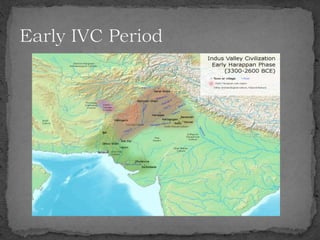
 Indus Valley Civilization was a Bronze age
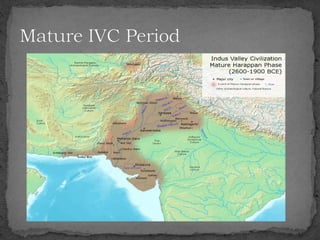
civilization originating from around 3300 BC and
matured in a period 2600-1900 BC.
 It is considered one of the three civilizations of the
old world alongwith the civilizations of
Mesopotamia(modern-day Iraq) and Egypt.
 No one exactly knows what happened to it and
became the cause of its extinction.(different opinions
are given on this topic)
 Its name originated from the mighty river “Indus” as it
flourished alongside the Indus river...
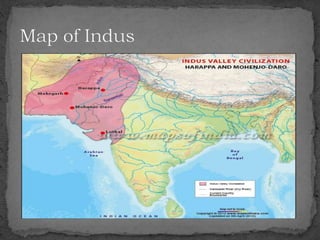
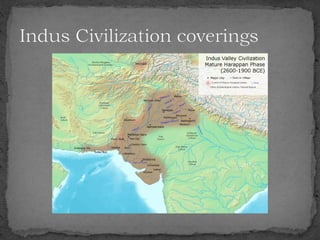
 It extended from south-eastern Agfhanistan to north-
western india with its centre lied in Pakistan
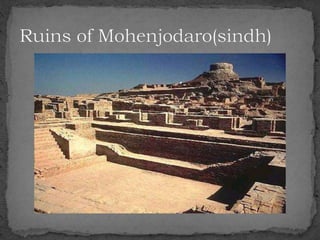
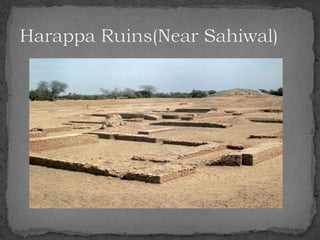
 Ruins of Indus Valley Civilization were discovered in
Punjab province of then british india (1920) now
Pakistan by Sir John Marshal(head of archealogical
team discovering the ruins)
 The Indus Valley Civilization was wide spread from
iran,afghanistan,pakistan and india.
 Moreover small isolated colonies related to IVC were
also found far in Turkmenistan and state of
Gujrat(india).
 It was flourishing alongside river indus(Pakistan) and
some of it was was with ghagar-hakra river in India.
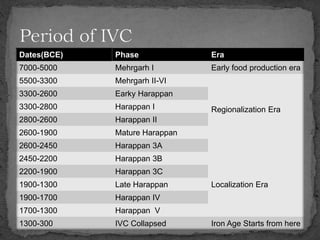
Dates(BCE) Phase Era
7000-5000 Mehrgarh I Early food production era
5500-3300 Mehrgarh II-VI
Regionalization Era
3300-2600 Earky Harappan
3300-2800 Harappan I
2800-2600 Harappan II
2600-1900 Mature Harappan
2600-2450 Harappan 3A
2450-2200 Harappan 3B
2200-1900 Harappan 3C
1900-1300 Late Harappan Localization Era
1900-1700 Harappan IV
1700-1300 Harappan V
1300-300 IVC Collapsed Iron Age Starts from here
Like every other civilizations,IVC had belief about God
too.
They were poly-atheists.
Findings have shown that some of the gods of
the.local inhabitants were also worshipped.
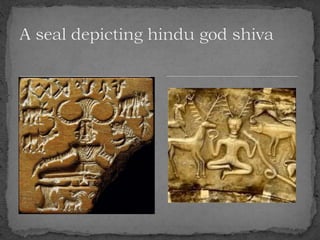
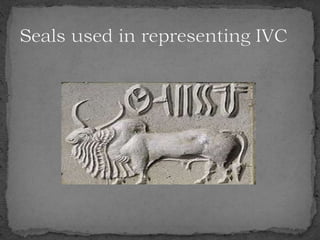
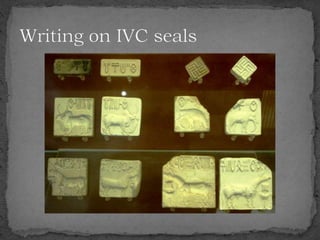
Carved pictures on stone tablets and seals found in
exploration shows that they worshipped gods,even
the river Indus as it gave water to them.
Modern day hinduism has a lot common to share with
IVC.
 IVC was quite modern in those days.They knew how
to use wheel and could carve stones.They wore fine
dresses.
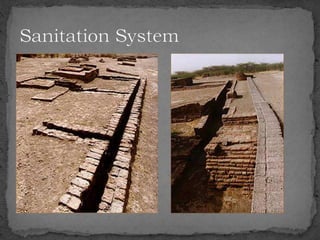
 They had the worlds’ earliest known sanitation
system even in that era.
 They all lived in peace and harmony.
 No sign of any war have been found.
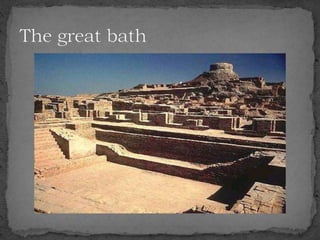
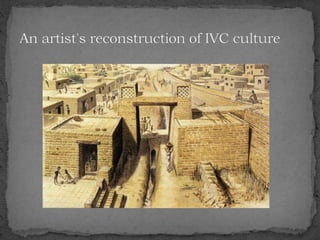
 Ruins have revealed they made cities.
 A sophisticated and technologically advanced urban
culture is evident in the Indus Valley Civilization
making them the first urban centres in the region.
 The quality of municipal town planning suggests the
knowledge of urban planning and efficient municipal
governments which placed a high priority
on hygiene.
 it had the world's first known
urban sanitation systems in hydraulic engineering of
the Indus Valley Civilization.
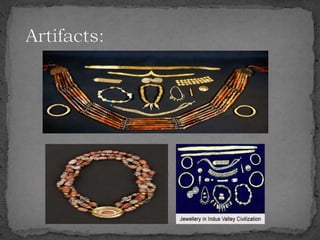
 The IVC people knew the art of metallurgy.Which
can be seen in the jewelry and coins found in the
ruins.
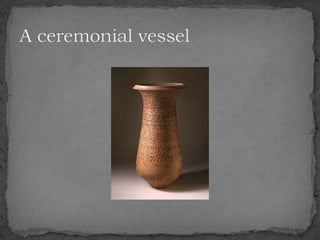
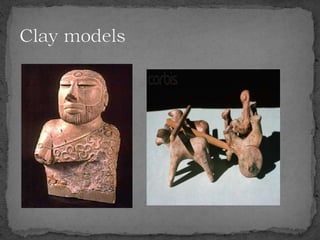
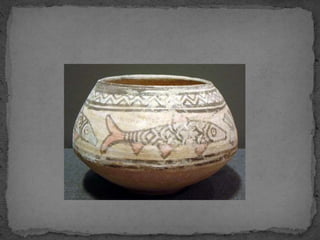
 They were very artistic people.Vases,jars and other
artifacts have been found from the ruins.
 They also had the knowledge of dental surgery as
human jaw bone have been found with a tooth
drilled.(dating back to 7500-9000 years ago)
 Indus people were quite harmonius and didn’t bother
to quarrell among each other.
 Their main occupation was farming along with
making pottery products and selling them to other
countries.
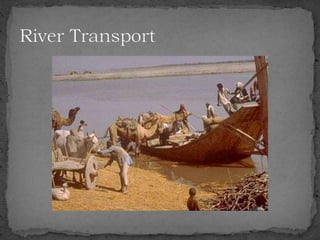
 People of IVC used bull carts,horse carriages as
means of common transport.
 They also had trade links with mesopotamian
civilization as well.
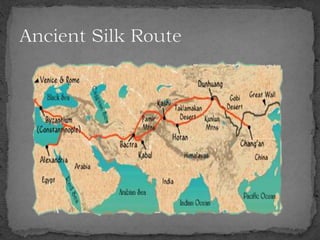
 Traders would take the the ancient silk route(still
present) to go to mesopotamia.
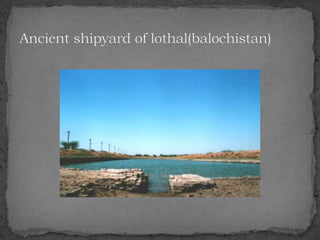
 They had made their own ship docks which is really
sophisticated at that time.
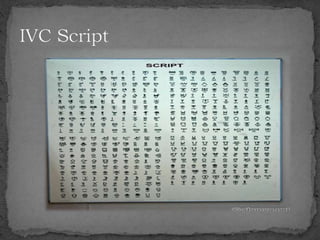
 Between 400 and as many as 600 distinct Indus
symbols have been found on seals, small tablets,
ceramic pots and more than a dozen other materials,
including a "signboard" that apparently once hung
over the gate of the inner citadel of the Indus city of
Dholavira.
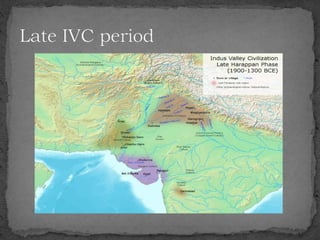
 Around 1800 BCE, signs of a gradual decline began
to emerge, and by around 1700 BCE, most of the
cities were abandoned.
 Nobody has the exact prove of what happened to
this civilization.
 Some experts call it drought,some put it on the
aryans,natural disaster etc etc.
 But it is true that it all started with the advent of
aryans.
 In the aftermath of the Indus Civilization's collapse,
regional cultures emerged, to varying degrees
showing the influence of the Indus Civilization.
 Among of them experts says are indo-dravidian
culture and sanskiriti culture.
 The Vedic period (or Vedic age) (ca.1750–500
BCE) was the period in Indian history during which
the Vedas, the oldest scriptures of Hinduism, were
composed.
 It can also be said as the basic form of hinduism
origins.
 During this era,several other movements like
buddhism and jainism occurred.
 It is the fusion of the culture aryans brought with
themselves and local culture of india.
 After vedic culture,this area constantly kept coming
in possessions of the great empires of that time one
by one after the fall of empires.
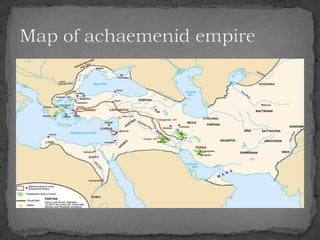
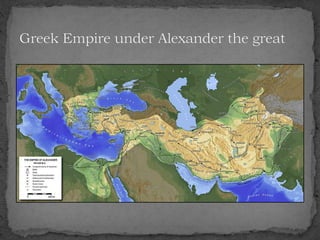
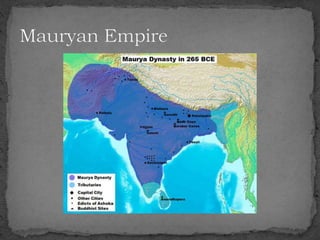
 These Empires include Achaemenid Empire of
iran,mauryan empire,selucid empire,greek
empire,parthian empire,sassanid empire,gupta
empire,rajput dynasties,rai dynasty.
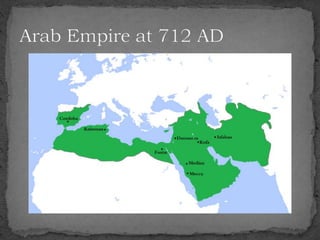
 Advent of Islam is regarded with the conquest of
Muhammad bin Qasim (712 AD).
 But before his conquest,arab traders used to come
to this region to trade.
 It was the ummayad dynasty at that time when
Muhammad bin Qasim came.
Indus Valley Civilization

Indus Valley Civilization

  • 2.
     (Most respectfully) Sir Kamran Sibtain
  • 3.
    (Before the adventof Islam in Sub-continent)
  • 4.
     Indus ValleyCivilization was a Bronze age civilization originating from around 3300 BC and matured in a period 2600-1900 BC.  It is considered one of the three civilizations of the old world alongwith the civilizations of Mesopotamia(modern-day Iraq) and Egypt.  No one exactly knows what happened to it and became the cause of its extinction.(different opinions are given on this topic)
  • 6.
     Its nameoriginated from the mighty river “Indus” as it flourished alongside the Indus river...  It extended from south-eastern Agfhanistan to north- western india with its centre lied in Pakistan
  • 8.
     Ruins ofIndus Valley Civilization were discovered in Punjab province of then british india (1920) now Pakistan by Sir John Marshal(head of archealogical team discovering the ruins)
  • 11.
     The IndusValley Civilization was wide spread from iran,afghanistan,pakistan and india.  Moreover small isolated colonies related to IVC were also found far in Turkmenistan and state of Gujrat(india).  It was flourishing alongside river indus(Pakistan) and some of it was was with ghagar-hakra river in India.
  • 13.
    Dates(BCE) Phase Era 7000-5000Mehrgarh I Early food production era 5500-3300 Mehrgarh II-VI Regionalization Era 3300-2600 Earky Harappan 3300-2800 Harappan I 2800-2600 Harappan II 2600-1900 Mature Harappan 2600-2450 Harappan 3A 2450-2200 Harappan 3B 2200-1900 Harappan 3C 1900-1300 Late Harappan Localization Era 1900-1700 Harappan IV 1700-1300 Harappan V 1300-300 IVC Collapsed Iron Age Starts from here
  • 17.
    Like every othercivilizations,IVC had belief about God too. They were poly-atheists. Findings have shown that some of the gods of the.local inhabitants were also worshipped. Carved pictures on stone tablets and seals found in exploration shows that they worshipped gods,even the river Indus as it gave water to them. Modern day hinduism has a lot common to share with IVC.
  • 19.
     IVC wasquite modern in those days.They knew how to use wheel and could carve stones.They wore fine dresses.  They had the worlds’ earliest known sanitation system even in that era.  They all lived in peace and harmony.  No sign of any war have been found.
  • 20.
     Ruins haverevealed they made cities.  A sophisticated and technologically advanced urban culture is evident in the Indus Valley Civilization making them the first urban centres in the region.  The quality of municipal town planning suggests the knowledge of urban planning and efficient municipal governments which placed a high priority on hygiene.  it had the world's first known urban sanitation systems in hydraulic engineering of the Indus Valley Civilization.
  • 25.
     The IVCpeople knew the art of metallurgy.Which can be seen in the jewelry and coins found in the ruins.  They were very artistic people.Vases,jars and other artifacts have been found from the ruins.  They also had the knowledge of dental surgery as human jaw bone have been found with a tooth drilled.(dating back to 7500-9000 years ago)
  • 31.
     Indus peoplewere quite harmonius and didn’t bother to quarrell among each other.  Their main occupation was farming along with making pottery products and selling them to other countries.
  • 32.
     People ofIVC used bull carts,horse carriages as means of common transport.  They also had trade links with mesopotamian civilization as well.  Traders would take the the ancient silk route(still present) to go to mesopotamia.  They had made their own ship docks which is really sophisticated at that time.
  • 36.
     Between 400and as many as 600 distinct Indus symbols have been found on seals, small tablets, ceramic pots and more than a dozen other materials, including a "signboard" that apparently once hung over the gate of the inner citadel of the Indus city of Dholavira.
  • 39.
     Around 1800BCE, signs of a gradual decline began to emerge, and by around 1700 BCE, most of the cities were abandoned.  Nobody has the exact prove of what happened to this civilization.  Some experts call it drought,some put it on the aryans,natural disaster etc etc.  But it is true that it all started with the advent of aryans.
  • 40.
     In theaftermath of the Indus Civilization's collapse, regional cultures emerged, to varying degrees showing the influence of the Indus Civilization.  Among of them experts says are indo-dravidian culture and sanskiriti culture.
  • 41.
     The Vedicperiod (or Vedic age) (ca.1750–500 BCE) was the period in Indian history during which the Vedas, the oldest scriptures of Hinduism, were composed.  It can also be said as the basic form of hinduism origins.  During this era,several other movements like buddhism and jainism occurred.  It is the fusion of the culture aryans brought with themselves and local culture of india.
  • 42.
     After vedicculture,this area constantly kept coming in possessions of the great empires of that time one by one after the fall of empires.  These Empires include Achaemenid Empire of iran,mauryan empire,selucid empire,greek empire,parthian empire,sassanid empire,gupta empire,rajput dynasties,rai dynasty.
  • 46.
     Advent ofIslam is regarded with the conquest of Muhammad bin Qasim (712 AD).  But before his conquest,arab traders used to come to this region to trade.  It was the ummayad dynasty at that time when Muhammad bin Qasim came.