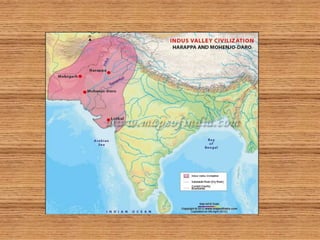
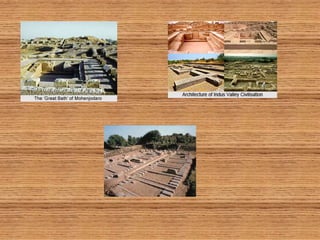
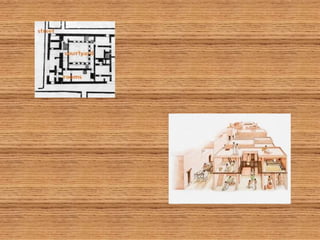
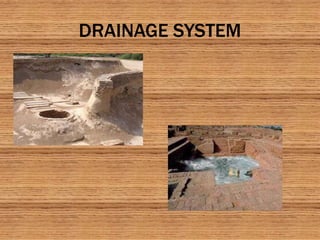
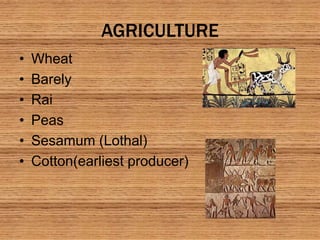
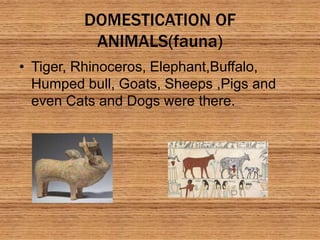
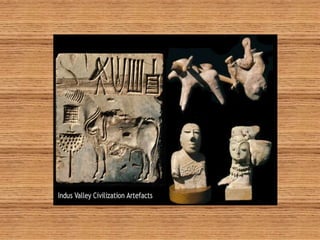
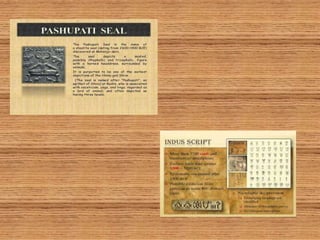
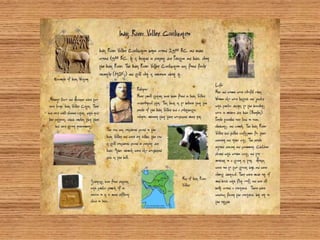
The Indus Valley Civilization was discovered in 1921 in modern-day Pakistan and northwest India. It consisted of over 1,500 sites spread across 1.3 million square kilometers, including major cities like Harappa, Mohenjo-Daro, and Lothal. The civilization demonstrates sophisticated urban planning and infrastructure, including standardized bricks, streets, drainage systems, and water supply. Residents practiced agriculture and domesticated animals, and engaged in regional trade of materials, shells, and other goods. Though the script remains undeciphered, the civilization likely had its own religious beliefs and language. It declined around 1500 BCE possibly due to environmental changes like floods. Recent excavations continue adding to understanding of the advanced Bronze Age