ICT AND THE COMPUTER
ITS ROLES AND HISTORY
EDUCATIONAL TECHNOLOGY 2
ICT transformed every aspect in the teaching and learning
process. Here are the roles of ICT in education
 It can serve multiple teaching functions. ICT can be used as drill and practice,
to help solve problems, to access information in different field.
 It can be used in teaching and learning modes. These learning modes include
classroom interactive learning, organizational learning and managed learning.
 Information ca be delivered in an instant. Because of the internet, you can
deliver information in a wide coverage at low cost.
EVOLUTION OF ICT IN EDUCATION
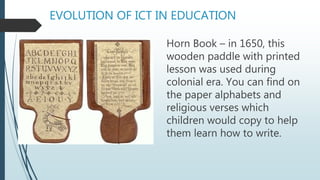
Horn Book – in 1650, this
wooden paddle with printed
lesson was used during
colonial era. You can find on
the paper alphabets and
religious verses which
children would copy to help
them learn how to write.
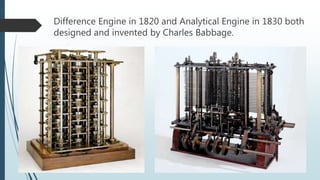
Difference Engine in 1820 and Analytical Engine in 1830 both
designed and invented by Charles Babbage.
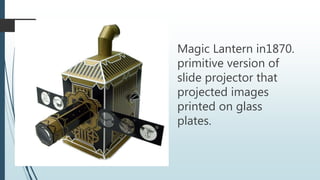
Magic Lantern in1870.
primitive version of
slide projector that
projected images
printed on glass
plates.
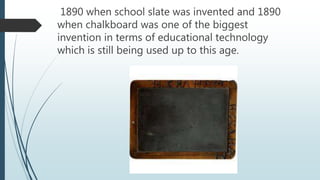
1890 when school slate was invented and 1890
when chalkboard was one of the biggest
invention in terms of educational technology
which is still being used up to this age.
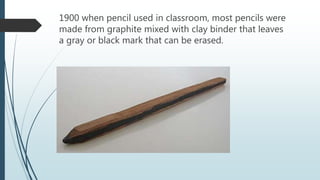
1900 when pencil used in classroom, most pencils were
made from graphite mixed with clay binder that leaves
a gray or black mark that can be erased.
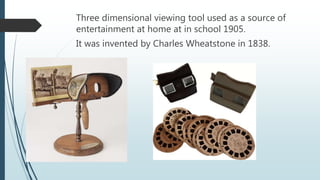
Three dimensional viewing tool used as a source of
entertainment at home at in school 1905.
It was invented by Charles Wheatstone in 1838.
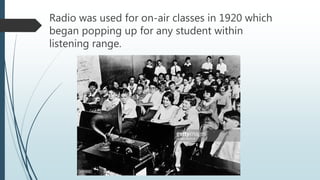
Radio was used for on-air classes in 1920 which
began popping up for any student within
listening range.
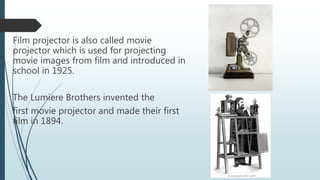
Film projector is also called movie
projector which is used for projecting
movie images from film and introduced in
school in 1925.
The Lumiere Brothers invented the
first movie projector and made their first
film in 1894.
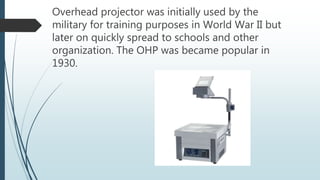
Overhead projector was initially used by the
military for training purposes in World War II but
later on quickly spread to schools and other
organization. The OHP was became popular in
1930.
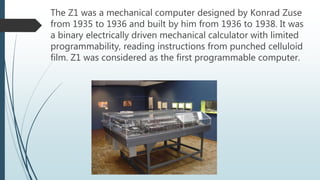
The Z1 was a mechanical computer designed by Konrad Zuse
from 1935 to 1936 and built by him from 1936 to 1938. It was
a binary electrically driven mechanical calculator with limited
programmability, reading instructions from punched celluloid
film. Z1 was considered as the first programmable computer.
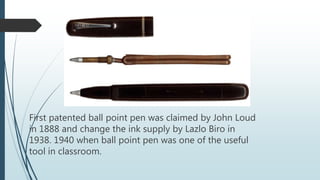
First patented ball point pen was claimed by John Loud
in 1888 and change the ink supply by Lazlo Biro in
1938. 1940 when ball point pen was one of the useful
tool in classroom.
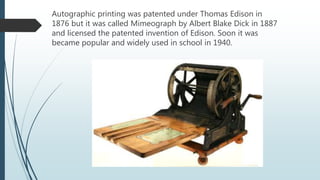
Autographic printing was patented under Thomas Edison in
1876 but it was called Mimeograph by Albert Blake Dick in 1887
and licensed the patented invention of Edison. Soon it was
became popular and widely used in school in 1940.
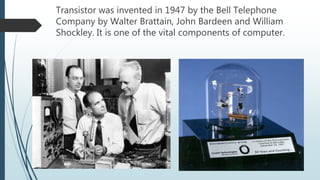
Transistor was invented in 1947 by the Bell Telephone
Company by Walter Brattain, John Bardeen and William
Shockley. It is one of the vital components of computer.
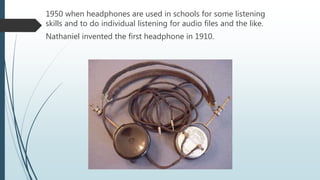
1950 when headphones are used in schools for some listening
skills and to do individual listening for audio files and the like.
Nathaniel invented the first headphone in 1910.
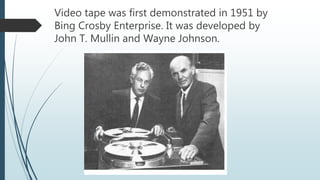
Video tape was first demonstrated in 1951 by
Bing Crosby Enterprise. It was developed by
John T. Mullin and Wayne Johnson.
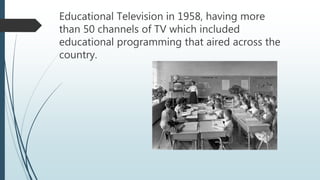
Educational Television in 1958, having more
than 50 channels of TV which included
educational programming that aired across the
country.
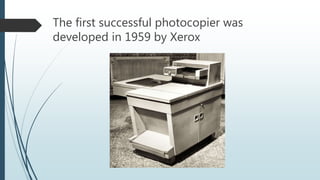
The first successful photocopier was
developed in 1959 by Xerox
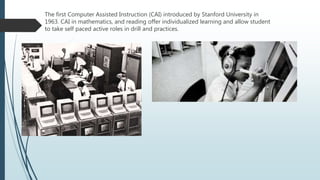
The first Computer Assisted Instruction (CAI) introduced by Stanford University in
1963. CAI in mathematics, and reading offer individualized learning and allow student
to take self paced active roles in drill and practices.
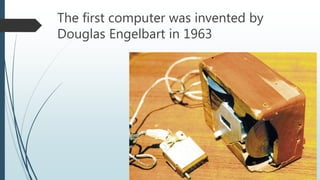
The first computer was invented by
Douglas Engelbart in 1963
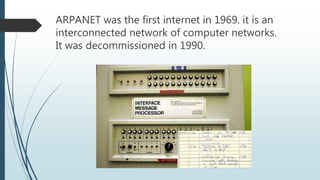
ARPANET was the first internet in 1969. it is an
interconnected network of computer networks.
It was decommissioned in 1990.
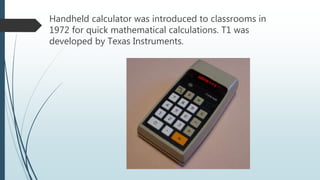
Handheld calculator was introduced to classrooms in
1972 for quick mathematical calculations. T1 was
developed by Texas Instruments.
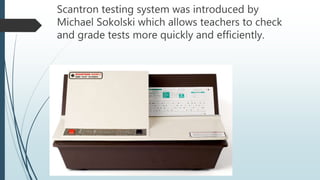
Scantron testing system was introduced by
Michael Sokolski which allows teachers to check
and grade tests more quickly and efficiently.
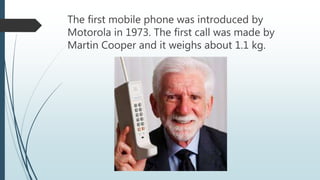
The first mobile phone was introduced by
Motorola in 1973. The first call was made by
Martin Cooper and it weighs about 1.1 kg.
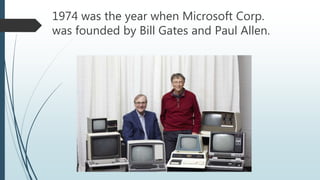
1974 was the year when Microsoft Corp.
was founded by Bill Gates and Paul Allen.
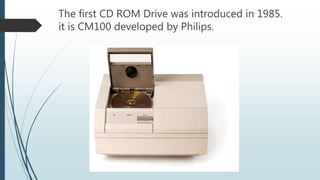
The first CD ROM Drive was introduced in 1985.
it is CM100 developed by Philips.
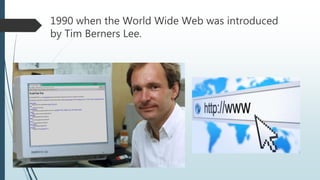
1990 when the World Wide Web was introduced
by Tim Berners Lee.
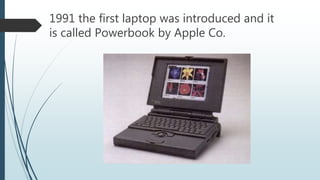
1991 the first laptop was introduced and it
is called Powerbook by Apple Co.
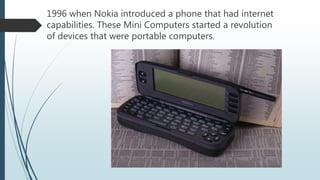
1996 when Nokia introduced a phone that had internet
capabilities. These Mini Computers started a revolution
of devices that were portable computers.
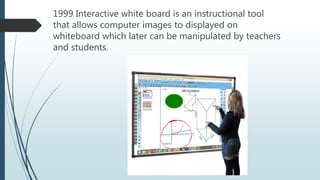
1999 Interactive white board is an instructional tool
that allows computer images to displayed on
whiteboard which later can be manipulated by teachers
and students.
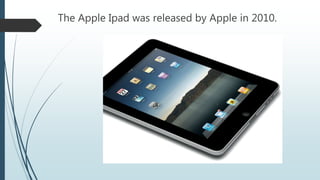
The Apple Ipad was released by Apple in 2010.
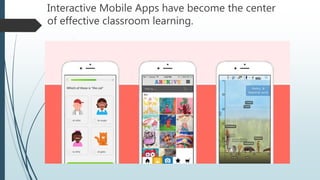
Interactive Mobile Apps have become the center
of effective classroom learning.
Roles and Functions of Computers
1. Computers can increase productivity.
2. Computers facilitate communication between students,
teachers and administrators.
3. Computers are used to access large amount of
4. Computers are brilliant teaching aid.
5. Computers facilitate an electronic format for storage of
information.
6. Computer can teach subjects and enhance learning of the
students.

Ict and the computer

  • 1.
    ICT AND THECOMPUTER ITS ROLES AND HISTORY EDUCATIONAL TECHNOLOGY 2
  • 2.
    ICT transformed everyaspect in the teaching and learning process. Here are the roles of ICT in education  It can serve multiple teaching functions. ICT can be used as drill and practice, to help solve problems, to access information in different field.  It can be used in teaching and learning modes. These learning modes include classroom interactive learning, organizational learning and managed learning.  Information ca be delivered in an instant. Because of the internet, you can deliver information in a wide coverage at low cost.
  • 3.
    EVOLUTION OF ICTIN EDUCATION Horn Book – in 1650, this wooden paddle with printed lesson was used during colonial era. You can find on the paper alphabets and religious verses which children would copy to help them learn how to write.
  • 4.
    Difference Engine in1820 and Analytical Engine in 1830 both designed and invented by Charles Babbage.
  • 5.
    Magic Lantern in1870. primitiveversion of slide projector that projected images printed on glass plates.
  • 6.
    1890 when schoolslate was invented and 1890 when chalkboard was one of the biggest invention in terms of educational technology which is still being used up to this age.
  • 7.
    1900 when pencilused in classroom, most pencils were made from graphite mixed with clay binder that leaves a gray or black mark that can be erased.
  • 8.
    Three dimensional viewingtool used as a source of entertainment at home at in school 1905. It was invented by Charles Wheatstone in 1838.
  • 9.
    Radio was usedfor on-air classes in 1920 which began popping up for any student within listening range.
  • 10.
    Film projector isalso called movie projector which is used for projecting movie images from film and introduced in school in 1925. The Lumiere Brothers invented the first movie projector and made their first film in 1894.
  • 11.
    Overhead projector wasinitially used by the military for training purposes in World War II but later on quickly spread to schools and other organization. The OHP was became popular in 1930.
  • 12.
    The Z1 wasa mechanical computer designed by Konrad Zuse from 1935 to 1936 and built by him from 1936 to 1938. It was a binary electrically driven mechanical calculator with limited programmability, reading instructions from punched celluloid film. Z1 was considered as the first programmable computer.
  • 13.
    First patented ballpoint pen was claimed by John Loud in 1888 and change the ink supply by Lazlo Biro in 1938. 1940 when ball point pen was one of the useful tool in classroom.
  • 14.
    Autographic printing waspatented under Thomas Edison in 1876 but it was called Mimeograph by Albert Blake Dick in 1887 and licensed the patented invention of Edison. Soon it was became popular and widely used in school in 1940.
  • 15.
    Transistor was inventedin 1947 by the Bell Telephone Company by Walter Brattain, John Bardeen and William Shockley. It is one of the vital components of computer.
  • 16.
    1950 when headphonesare used in schools for some listening skills and to do individual listening for audio files and the like. Nathaniel invented the first headphone in 1910.
  • 17.
    Video tape wasfirst demonstrated in 1951 by Bing Crosby Enterprise. It was developed by John T. Mullin and Wayne Johnson.
  • 18.
    Educational Television in1958, having more than 50 channels of TV which included educational programming that aired across the country.
  • 19.
    The first successfulphotocopier was developed in 1959 by Xerox
  • 20.
    The first ComputerAssisted Instruction (CAI) introduced by Stanford University in 1963. CAI in mathematics, and reading offer individualized learning and allow student to take self paced active roles in drill and practices.
  • 21.
    The first computerwas invented by Douglas Engelbart in 1963
  • 22.
    ARPANET was thefirst internet in 1969. it is an interconnected network of computer networks. It was decommissioned in 1990.
  • 23.
    Handheld calculator wasintroduced to classrooms in 1972 for quick mathematical calculations. T1 was developed by Texas Instruments.
  • 24.
    Scantron testing systemwas introduced by Michael Sokolski which allows teachers to check and grade tests more quickly and efficiently.
  • 25.
    The first mobilephone was introduced by Motorola in 1973. The first call was made by Martin Cooper and it weighs about 1.1 kg.
  • 26.
    1974 was theyear when Microsoft Corp. was founded by Bill Gates and Paul Allen.
  • 27.
    The first CDROM Drive was introduced in 1985. it is CM100 developed by Philips.
  • 28.
    1990 when theWorld Wide Web was introduced by Tim Berners Lee.
  • 29.
    1991 the firstlaptop was introduced and it is called Powerbook by Apple Co.
  • 30.
    1996 when Nokiaintroduced a phone that had internet capabilities. These Mini Computers started a revolution of devices that were portable computers.
  • 31.
    1999 Interactive whiteboard is an instructional tool that allows computer images to displayed on whiteboard which later can be manipulated by teachers and students.
  • 32.
    The Apple Ipadwas released by Apple in 2010.
  • 33.
    Interactive Mobile Appshave become the center of effective classroom learning.
  • 34.
    Roles and Functionsof Computers 1. Computers can increase productivity. 2. Computers facilitate communication between students, teachers and administrators. 3. Computers are used to access large amount of 4. Computers are brilliant teaching aid. 5. Computers facilitate an electronic format for storage of information. 6. Computer can teach subjects and enhance learning of the students.