DISEASE-CATARACT
What is CATARCT?
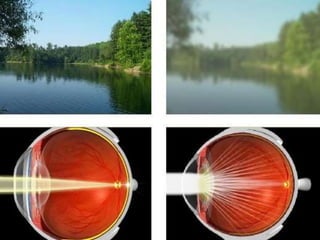
 It is the clouding of lens inside eye leading to decrease in
vision.
 Most common cause of blindness and conventionally
treated with surgery.
 Over 20 million Americans over the age of 40 have
cataracts in one or both eyes, and 6 million have had
corrective surgery.
Development of disease:
 Clumps of protein reduce the sharpness of image reaching
the retina.
 Clear lens changes to yellowish/brownish color, adding a
brownish tint to vision.
Symptoms of CATARCT:
 Cloudy or blurry vision.
 Colors seem faded.
 Glare, highlight, lamps, or sunlight may appear too bright.
 Poor night vision.
 Double vision or multiple images in one eye.
 Frequent prescription changes in eyeglasses or contact
lenses.
 Progressive nearsightedness in older people often called
"second sight" because they may no longer need reading
glasses.
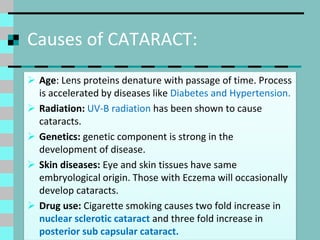
Causes of CATARACT:
 Age: Lens proteins denature with passage of time. Process
is accelerated by diseases like Diabetes and Hypertension.
 Radiation: UV-B radiation has been shown to cause
cataracts.
 Genetics: genetic component is strong in the
development of disease.
 Skin diseases: Eye and skin tissues have same
embryological origin. Those with Eczema will occasionally
develop cataracts.
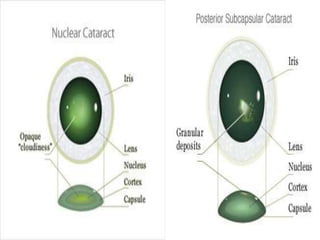
 Drug use: Cigarette smoking causes two fold increase in
nuclear sclerotic cataract and three fold increase in
posterior sub capsular cataract.
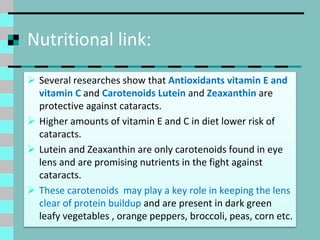
Nutritional link:
 Several researches show that Antioxidants vitamin E and
vitamin C and Carotenoids Lutein and Zeaxanthin are
protective against cataracts.
 Higher amounts of vitamin E and C in diet lower risk of
cataracts.
 Lutein and Zeaxanthin are only carotenoids found in eye
lens and are promising nutrients in the fight against
cataracts.
 These carotenoids may play a key role in keeping the lens
clear of protein buildup and are present in dark green
leafy vegetables , orange peppers, broccoli, peas, corn etc.
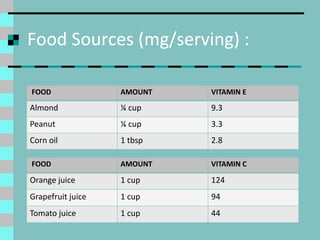
Food Sources (mg/serving) :
FOOD AMOUNT VITAMIN E
Almond ¼ cup 9.3
Peanut ¼ cup 3.3
Corn oil 1 tbsp 2.8
FOOD AMOUNT VITAMIN C
Orange juice 1 cup 124
Grapefruit juice 1 cup 94
Tomato juice 1 cup 44
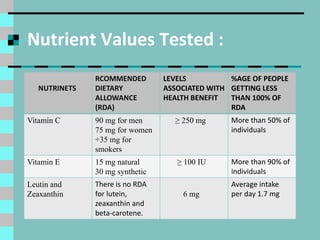
Nutrient Values Tested :
NUTRINETS
RCOMMENDED
DIETARY
ALLOWANCE
(RDA)
LEVELS
ASSOCIATED WITH
HEALTH BENEFIT
%AGE OF PEOPLE
GETTING LESS
THAN 100% OF
RDA
Vitamin C 90 mg for men
75 mg for women
+35 mg for
smokers
≥ 250 mg More than 50% of
individuals
Vitamin E 15 mg natural
30 mg synthetic
≥ 100 IU More than 90% of
individuals
Leutin and
Zeaxanthin
There is no RDA
for lutein,
zeaxanthin and
beta-carotene.
6 mg
Average intake
per day 1.7 mg
disease Cataract

disease Cataract

  • 1.
  • 2.
    What is CATARCT? It is the clouding of lens inside eye leading to decrease in vision.  Most common cause of blindness and conventionally treated with surgery.  Over 20 million Americans over the age of 40 have cataracts in one or both eyes, and 6 million have had corrective surgery. Development of disease:  Clumps of protein reduce the sharpness of image reaching the retina.  Clear lens changes to yellowish/brownish color, adding a brownish tint to vision.
  • 4.
    Symptoms of CATARCT: Cloudy or blurry vision.  Colors seem faded.  Glare, highlight, lamps, or sunlight may appear too bright.  Poor night vision.  Double vision or multiple images in one eye.  Frequent prescription changes in eyeglasses or contact lenses.  Progressive nearsightedness in older people often called "second sight" because they may no longer need reading glasses.
  • 5.
    Causes of CATARACT: Age: Lens proteins denature with passage of time. Process is accelerated by diseases like Diabetes and Hypertension.  Radiation: UV-B radiation has been shown to cause cataracts.  Genetics: genetic component is strong in the development of disease.  Skin diseases: Eye and skin tissues have same embryological origin. Those with Eczema will occasionally develop cataracts.  Drug use: Cigarette smoking causes two fold increase in nuclear sclerotic cataract and three fold increase in posterior sub capsular cataract.
  • 7.
    Nutritional link:  Severalresearches show that Antioxidants vitamin E and vitamin C and Carotenoids Lutein and Zeaxanthin are protective against cataracts.  Higher amounts of vitamin E and C in diet lower risk of cataracts.  Lutein and Zeaxanthin are only carotenoids found in eye lens and are promising nutrients in the fight against cataracts.  These carotenoids may play a key role in keeping the lens clear of protein buildup and are present in dark green leafy vegetables , orange peppers, broccoli, peas, corn etc.
  • 8.
    Food Sources (mg/serving): FOOD AMOUNT VITAMIN E Almond ¼ cup 9.3 Peanut ¼ cup 3.3 Corn oil 1 tbsp 2.8 FOOD AMOUNT VITAMIN C Orange juice 1 cup 124 Grapefruit juice 1 cup 94 Tomato juice 1 cup 44
  • 9.
    Nutrient Values Tested: NUTRINETS RCOMMENDED DIETARY ALLOWANCE (RDA) LEVELS ASSOCIATED WITH HEALTH BENEFIT %AGE OF PEOPLE GETTING LESS THAN 100% OF RDA Vitamin C 90 mg for men 75 mg for women +35 mg for smokers ≥ 250 mg More than 50% of individuals Vitamin E 15 mg natural 30 mg synthetic ≥ 100 IU More than 90% of individuals Leutin and Zeaxanthin There is no RDA for lutein, zeaxanthin and beta-carotene. 6 mg Average intake per day 1.7 mg