IGCSE GEOGRAPHY
6. PLATE TECTONICS
THE STRUCTURE OF EARTH
PLATE TECTONICS
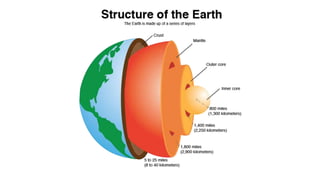
The Earth is made up of four distinct layers:
The inner core is in the centre and is the hottest part of the
Earth. It is solid and made up of iron and nickel with
temperatures of up to 5,500°C.
With its immense heat energy, the inner core is like the
engine room of the Earth.
The outer core is the layer surrounding the inner core.
It is a liquid layer, also made up of iron and nickel.
It is still extremely hot, with temperatures similar to the
inner core.
The mantle is the widest section of the Earth.
It has a diameter of approximately 2,900 km.
The mantle is made up of semi-molten rock called magma.
In the upper parts of the mantle the rock is hard, but lower
down the rock is soft and beginning to melt.
The crust is the outer layer of the earth.
It is a thin layer between 0-60 km thick.
The crust is the solid rock layer upon which we live.
There are two different types of crust: continental crust, which
carries land, and oceanic crust, which carries water.
The diagram below shows the structure of the earth.
In geography, taking a slice through a structure to see inside is
called a cross section.
The Earth's crust is broken up into pieces called plates.
Heat rising and falling inside the mantle creates convection
currents generated by radioactive decay in the core. The
convection currents move the plates.
Where convection currents diverge near the Earth's crust,
plates move apart. Where convection currents converge, plates
move towards each other. The movement of the plates, and the
activity inside the Earth, is called plate tectonics.
Plate tectonics cause earthquakes and volcanoes.
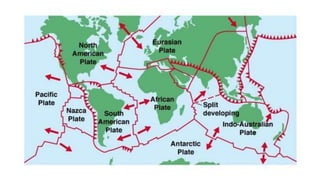
The point where two plates meet is called a plate boundary.
Earthquakes and volcanoes are most likely to occur either on or
near plate boundaries.
At a tensional, constructive or divergent boundary the plates
move apart.
At a compressional, destructive or convergent boundary the
plates move towards each other.
At a conservative or transform boundary the plates slide past
each other.
At a tensional or constructive boundary the plates are moving
apart.
The plates move apart due to convection currents inside the
Earth.
As the plates move apart (very slowly), magma rises from the
mantle. The magma erupts to the surface of the Earth. This is
also accompanied by earthquakes.
When the magma reaches the surface, it cools and solidifies to
form a new crust of igneous rock. This process is repeated
many times, over a long period of time.
Eventually the new rock builds up to form a volcano.
Constructive boundaries tend to be found under the sea, eg the
Mid Atlantic Ridge. Here, chains of underwater volcanoes have
formed along the plate boundary.
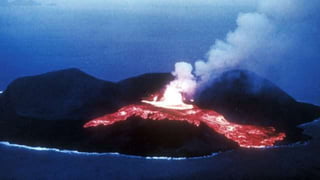
One of these volcanoes may become so large that it erupts out
of the sea to form a volcanic island, eg Surtsey and the
Westman Islands near Iceland.
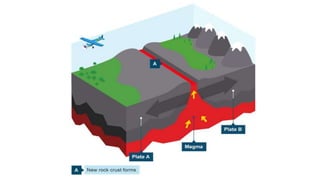
The diagram below shows how magma pushes up between the
two plates, causing a chain of volcanoes along the constructive
plate boundary.
At a compressional or destructive boundary the plates are
moving towards each other. This usually involves a continental
plate and an oceanic plate.
The oceanic plate is denser than the continental plate so, as
they move together, the oceanic plate is forced underneath the
continental plate. The point at which this happens is called the
subduction zone.
As the oceanic plate is forced below the continental plate it
melts to form magma and earthquakes are triggered. The
magma collects to form a magma chamber. This magma then
rises up through cracks in the continental crust. As pressure
builds up, a volcanic eruption may occur.
As the plates push together, the continental crust is squashed
together and forced upwards. This is called folding.
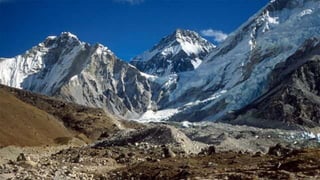
The process of folding creates fold mountains. Fold mountains
can also be formed where two continental plates push towards
each other.
This is how mountain ranges such as the Himalayas and the
Alps were formed.

GEOGRAPHY IGCSE: PLATE TECTONICS

  • 1.
    IGCSE GEOGRAPHY 6. PLATETECTONICS THE STRUCTURE OF EARTH PLATE TECTONICS
  • 2.
    The Earth ismade up of four distinct layers: The inner core is in the centre and is the hottest part of the Earth. It is solid and made up of iron and nickel with temperatures of up to 5,500°C. With its immense heat energy, the inner core is like the engine room of the Earth.
  • 3.
    The outer coreis the layer surrounding the inner core. It is a liquid layer, also made up of iron and nickel. It is still extremely hot, with temperatures similar to the inner core.
  • 4.
    The mantle isthe widest section of the Earth. It has a diameter of approximately 2,900 km. The mantle is made up of semi-molten rock called magma. In the upper parts of the mantle the rock is hard, but lower down the rock is soft and beginning to melt.
  • 5.
    The crust isthe outer layer of the earth. It is a thin layer between 0-60 km thick. The crust is the solid rock layer upon which we live.
  • 6.
    There are twodifferent types of crust: continental crust, which carries land, and oceanic crust, which carries water. The diagram below shows the structure of the earth. In geography, taking a slice through a structure to see inside is called a cross section.
  • 8.
    The Earth's crustis broken up into pieces called plates. Heat rising and falling inside the mantle creates convection currents generated by radioactive decay in the core. The convection currents move the plates. Where convection currents diverge near the Earth's crust, plates move apart. Where convection currents converge, plates move towards each other. The movement of the plates, and the activity inside the Earth, is called plate tectonics. Plate tectonics cause earthquakes and volcanoes. The point where two plates meet is called a plate boundary. Earthquakes and volcanoes are most likely to occur either on or near plate boundaries.
  • 10.
    At a tensional,constructive or divergent boundary the plates move apart. At a compressional, destructive or convergent boundary the plates move towards each other. At a conservative or transform boundary the plates slide past each other.
  • 11.
    At a tensionalor constructive boundary the plates are moving apart. The plates move apart due to convection currents inside the Earth.
  • 13.
    As the platesmove apart (very slowly), magma rises from the mantle. The magma erupts to the surface of the Earth. This is also accompanied by earthquakes. When the magma reaches the surface, it cools and solidifies to form a new crust of igneous rock. This process is repeated many times, over a long period of time.
  • 14.
    Eventually the newrock builds up to form a volcano. Constructive boundaries tend to be found under the sea, eg the Mid Atlantic Ridge. Here, chains of underwater volcanoes have formed along the plate boundary. One of these volcanoes may become so large that it erupts out of the sea to form a volcanic island, eg Surtsey and the Westman Islands near Iceland. The diagram below shows how magma pushes up between the two plates, causing a chain of volcanoes along the constructive plate boundary.
  • 16.
    At a compressionalor destructive boundary the plates are moving towards each other. This usually involves a continental plate and an oceanic plate. The oceanic plate is denser than the continental plate so, as they move together, the oceanic plate is forced underneath the continental plate. The point at which this happens is called the subduction zone. As the oceanic plate is forced below the continental plate it melts to form magma and earthquakes are triggered. The magma collects to form a magma chamber. This magma then rises up through cracks in the continental crust. As pressure builds up, a volcanic eruption may occur.
  • 18.
    As the platespush together, the continental crust is squashed together and forced upwards. This is called folding. The process of folding creates fold mountains. Fold mountains can also be formed where two continental plates push towards each other. This is how mountain ranges such as the Himalayas and the Alps were formed.