FLT LT (DR) YKKS BANDARA
SCHOOL MEDICAL OFFICER
SLAF CTS - DIYATALAWA
What is a Fracture?
• BREAK IN THE STRUCTURAL CONTINUITY OF A BONE
• If the overlying skin remains intact – closed (simple fracture)
• If skin or one of the body cavities is breached - open (compound
fracture)
Types
• Complete
• Incomplete
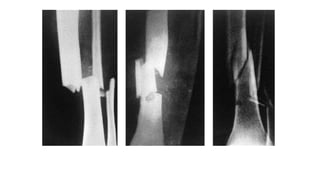
Complete fracture
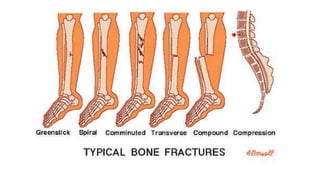
• Bone is split into two or more fragments
• Transverse
• Oblique
• Impacted
• Comminute
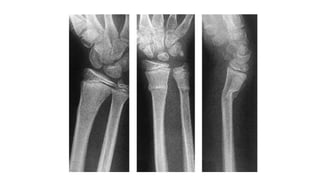
Incomplete fracture
• The bone is incompletely divided and the periosteum remains in
continuity
• Greenstick
• Compressed
How fractures are displaced
• Force of the injury
• Effects of gravity
• Pull of muscles attached to the site
• Age of the Patient
Mechanism of injury
• Injury
• Repetitive stress
• Pathological fractures
Injury
• Direct force - With a direct force, the bone breaks at the point of
impact; the soft tissues also are damaged
• Indirect force - the bone breaks at a distance from where the force is
applied
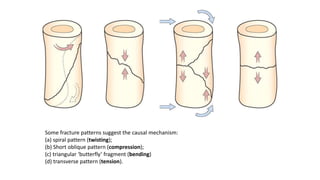
Some fracture patterns suggest the causal mechanism:
(a) spiral pattern (twisting);
(b) Short oblique pattern (compression);
(c) triangular ‘butterfly’ fragment (bending)
(d) transverse pattern (tension).
Stress fractures / Fatigue
• Occur in normal bone, subject to repeated heavy loading, typically in
athletes, dancers or military personnel
• Drugs like steroids and methotrexate
Pathological fractures
• Occurs in a bone that is made weak by some disease
Symptoms
• A history of injury, followed by inability to use the injured limb
• Pain
• Bruising
• Swelling
• Deformity
• Numbness or Loss of movement
• Difficulty with breathing
Bone Healing
• Primary - Surgical
• Secondary – Non Surgical
FACTORS AFFECTING BONE HEALING
• Age: Fractures unite faster in children
• Type of bone: Faster union in flat and cancellous bone
• Pattern of fracture: Spiral # > oblique # > transverse # > comminute #
• Disturbed pathoanatomic: soft tissue interposition and ischaemic #
prevent faster healing
• Type of reduction: good apposition of fracture results in faster healing
• Immobilisation: depends on the fracture site eg. Fracture ribs and
scapula do not require immobilisation
• Open fractures: often go into delayed union and non-union
Complications
• Organ Injuries
• Blood vessel Injuries
• Blood clots
• Nerve Injuries
• Tendon / Muscle injuries
• Infections
• Deformity
• Shortening of limbs
• Movements limitation
Treatment
• Assess
• Call for help
• Immobilize
• Splint
• POP Cast
• Traction
• Surgery if necessary
What is a Dislocation
• When the bones at a joint are no longer in proper contact
• Can be caused by severe twisting or indirect force, or even a muscular
contraction
• Most frequently dislocated joints
• Shoulder
• Elbow
• Thumb
• Finger
• Jaw
• Knee
Signs and Symptoms
• Deformity or abnormal appearance
• Pain and tenderness aggravated by movement
• Loss of normal function
• Joint may be locked in one position
• Swelling of the joint
• Redness
Treatment
• Stop the activity.
• Survey the injured area.
• First Aid if qualified.
• Get help if not.
• Determine if additional medical attention is necessary
•R - Rest
•I - Ice
•C - Compression
•E - Elevate
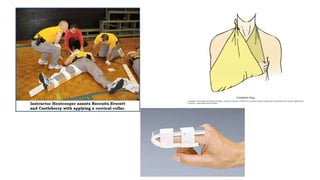
Further Treatment
• Splint
• Cast
• Traction
• Surgery if necessary
Fractures and dislocations

Fractures and dislocations

  • 1.
    FLT LT (DR)YKKS BANDARA SCHOOL MEDICAL OFFICER SLAF CTS - DIYATALAWA
  • 2.
    What is aFracture? • BREAK IN THE STRUCTURAL CONTINUITY OF A BONE • If the overlying skin remains intact – closed (simple fracture) • If skin or one of the body cavities is breached - open (compound fracture)
  • 3.
  • 4.
    Complete fracture • Boneis split into two or more fragments • Transverse • Oblique • Impacted • Comminute
  • 6.
    Incomplete fracture • Thebone is incompletely divided and the periosteum remains in continuity • Greenstick • Compressed
  • 8.
    How fractures aredisplaced • Force of the injury • Effects of gravity • Pull of muscles attached to the site • Age of the Patient
  • 9.
    Mechanism of injury •Injury • Repetitive stress • Pathological fractures
  • 10.
    Injury • Direct force- With a direct force, the bone breaks at the point of impact; the soft tissues also are damaged • Indirect force - the bone breaks at a distance from where the force is applied
  • 11.
    Some fracture patternssuggest the causal mechanism: (a) spiral pattern (twisting); (b) Short oblique pattern (compression); (c) triangular ‘butterfly’ fragment (bending) (d) transverse pattern (tension).
  • 13.
    Stress fractures /Fatigue • Occur in normal bone, subject to repeated heavy loading, typically in athletes, dancers or military personnel • Drugs like steroids and methotrexate
  • 14.
    Pathological fractures • Occursin a bone that is made weak by some disease
  • 15.
    Symptoms • A historyof injury, followed by inability to use the injured limb • Pain • Bruising • Swelling • Deformity • Numbness or Loss of movement • Difficulty with breathing
  • 16.
    Bone Healing • Primary- Surgical • Secondary – Non Surgical
  • 17.
    FACTORS AFFECTING BONEHEALING • Age: Fractures unite faster in children • Type of bone: Faster union in flat and cancellous bone • Pattern of fracture: Spiral # > oblique # > transverse # > comminute # • Disturbed pathoanatomic: soft tissue interposition and ischaemic # prevent faster healing • Type of reduction: good apposition of fracture results in faster healing • Immobilisation: depends on the fracture site eg. Fracture ribs and scapula do not require immobilisation • Open fractures: often go into delayed union and non-union
  • 18.
    Complications • Organ Injuries •Blood vessel Injuries • Blood clots • Nerve Injuries • Tendon / Muscle injuries • Infections • Deformity • Shortening of limbs • Movements limitation
  • 19.
    Treatment • Assess • Callfor help • Immobilize • Splint • POP Cast • Traction • Surgery if necessary
  • 20.
    What is aDislocation • When the bones at a joint are no longer in proper contact • Can be caused by severe twisting or indirect force, or even a muscular contraction • Most frequently dislocated joints • Shoulder • Elbow • Thumb • Finger • Jaw • Knee
  • 21.
    Signs and Symptoms •Deformity or abnormal appearance • Pain and tenderness aggravated by movement • Loss of normal function • Joint may be locked in one position • Swelling of the joint • Redness
  • 23.
    Treatment • Stop theactivity. • Survey the injured area. • First Aid if qualified. • Get help if not. • Determine if additional medical attention is necessary
  • 24.
    •R - Rest •I- Ice •C - Compression •E - Elevate
  • 25.
    Further Treatment • Splint •Cast • Traction • Surgery if necessary