


































Marketing
Management
Under
Proff. Sameer Mathur
Marketing Professor
IIM Lucknow
The
Internship
was
Divided
into Four
Modules
M
O
D
U
L
E
4
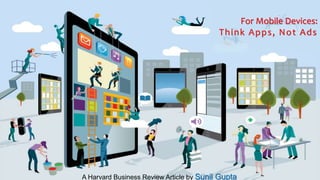
For Mobile Devices:
Think Apps, Not Ads
A Harvard Business Review Article by Sunil Gupta
Mobile account
for 10% of time
spent with Media
but Advertisers
spend only 1%
on Mobile
Advertising
Smart Marketers will Embrace
Mobile as a Communication
Platform.
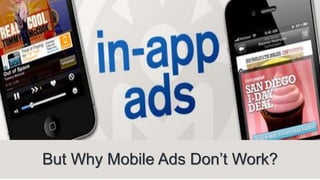
But Why Mobile Ads Don’t Work?
People find mobile ads more intrusive than desktop
ads, because mobile is a more private venue.
People Don’t Like Them
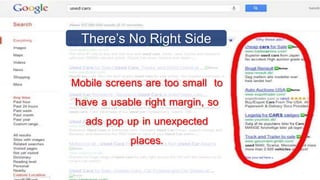
Mobile screens are too small to
have a usable right margin, so
ads pop up in unexpected
places.
There’s No Right Side
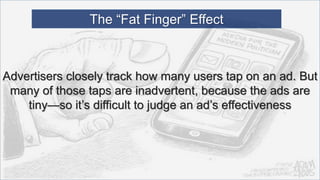
Advertisers closely track how many users tap on an ad. But
many of those taps are inadvertent, because the ads are
tiny—so it’s difficult to judge an ad’s effectiveness
The “Fat Finger” Effect
New Media Require New Advertising
So We Need APPS not Ads
Consumers don’t
perceive APPs as
Advertising—they
value them for their
Functionality.
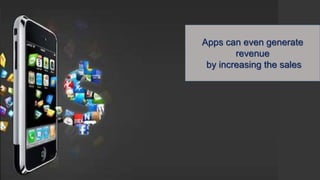
Apps can even generate
revenue
by increasing the sales
Different Types Of APPs
• Games and entertainment
• Social networks (especially Facebook)
• Utilities, including maps, clocks, calendars,
cameras, and e-mail
• Discovery, including apps for Yelp,
TripAdvisor, and Flixster
• Brands, such as Nike and Red Bull.
So Marketers should produce APPs
which
• Add Convenience
• Offer Unique Value
• Provide Social Value
• Offer Incentives
• Enterntain
Applying this
Concepts in
an INDIAN
Context
1. Add Convenience
The smartphone apps function more quickly and smoothly, so most
customers prefer them. Apps should add convenience to customer
life Every time a consumer uses one of these apps, it increases
their exposure to the brand. Like SBI Freedom and Book my show.
People can now book their tickets from
anywhere using this App
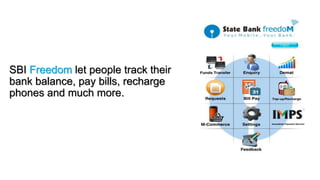
SBI Freedom let people track their
bank balance, pay bills, recharge
phones and much more.
2. Offer Unique Value
Some apps take advantage of mobile capabilities to do things
traditional desktop computers can’t. Mobile users don’t want ads;
they want apps that deliver unique benefits. Like
Scandid, Breathfree and Accu chek
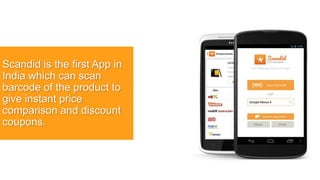
Scandid is the first App in
India which can scan
barcode of the product to
give instant price
comparison and discount
coupons.
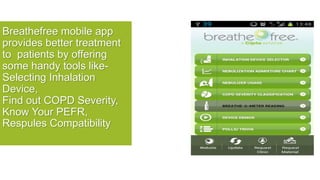
Breathefree mobile app
provides better treatment
to patients by offering
some handy tools like-
Selecting Inhalation
Device,
Find out COPD Severity,
Know Your PEFR,
Respules Compatibility
3. Provide Social Value
Ads are not much Effective on social media sites, because
ads interrupt the user experience of connecting with
friends. Activities that enhance connections among People
are more effective like Shadi.com and Social gifting app
Printvenue
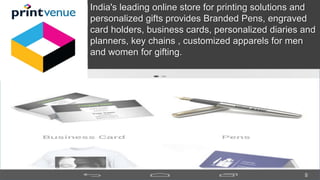
India's leading online store for printing solutions and
personalized gifts provides Branded Pens, engraved
card holders, business cards, personalized diaries and
planners, key chains , customized apparels for men
and women for gifting.
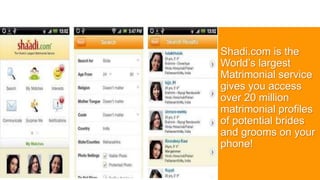
Shadi.com is the
World’s largest
Matrimonial service
gives you access
over 20 million
matrimonial profiles
of potential brides
and grooms on your
phone!
4. Offer Incentives
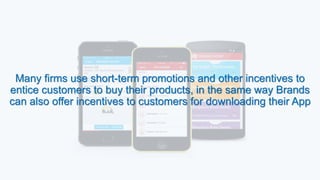
Many firms use short-term promotions and other incentives to
entice customers to buy their products, in the same way Brands
can also offer incentives to customers for downloading their App
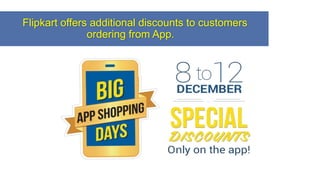
Flipkart offers additional discounts to customers
ordering from App.
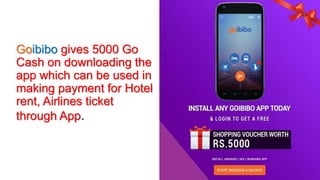
Goibibo gives 5000 Go
Cash on downloading the
app which can be used in
making payment for Hotel
rent, Airlines ticket
through App.
5. Enterntian
Smartphone users spend more than 40% of their app time playing
games. This represents a huge opportunity for Marketing &
Promotion.
Whenever a customer hits “Play,” he’s engaging with the Brand.
Like Bollywood film’s game Apps
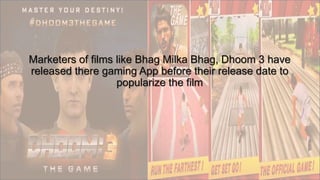
Marketers of films like Bhag Milka Bhag, Dhoom 3 have
released there gaming App before their release date to
popularize the film
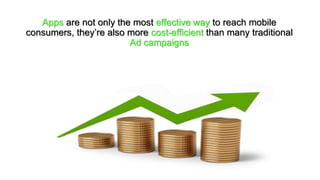
Apps are not only the most effective way to reach mobile
consumers, they’re also more cost-efficient than many traditional
Ad campaigns
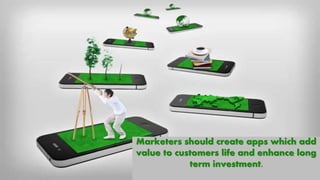
Marketers should create apps which add
value to customers life and enhance long
term investment.
M
O
D
U
L
E
2
Learning from the Book
A South Asian
Perspective 14th Edition
textbook by
Philip Kotler, Kevin Lane
Keller, Abraham Koshy,
Mithileshwar Jha
What is Marketing?
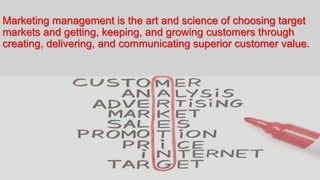
Marketing management is the art and science of choosing target
markets and getting, keeping, and growing customers through
creating, delivering, and communicating superior customer value.
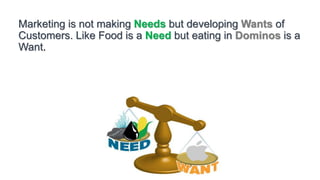
Marketing is not making Needs but developing Wants of
Customers. Like Food is a Need but eating in Dominos is a
Want.
So, What are the Main Marketing Management
Tasks?
1.Developing Marketing
Strategies and Plans
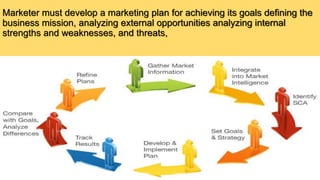
Marketer must develop a marketing plan for achieving its goals defining the
business mission, analyzing external opportunities analyzing internal
strengths and weaknesses, and threats,
2. Identifying Value
Analyzing The Market
Targeting the Right Customers
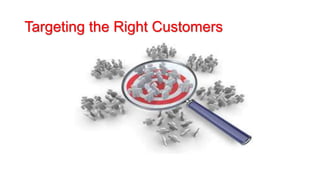
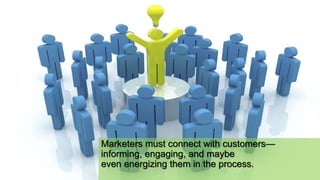
Marketers must connect with customers—
informing, engaging, and maybe
even energizing them in the process.
3. Choosing Value
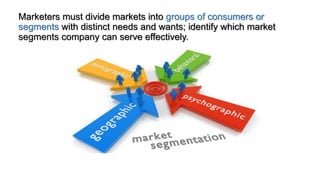
Marketers must divide markets into groups of consumers or
segments with distinct needs and wants; identify which market
segments company can serve effectively.
He must Identify an important market gap and
position its product through appropriate differentiation
strategies to ensure success.
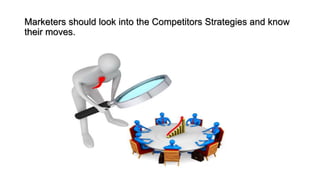
Marketers should look into the Competitors Strategies and know
their moves.
Build Brand image, A strong brand commands intense
Consumer loyalty–at its heart is a great product or
service.
4.Designing Value
Marketing planning begins with formulating an
offering to meet target customers.
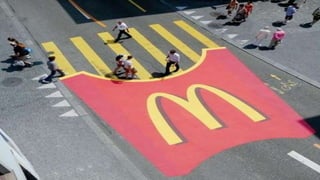
Creative Packaging can popularize the new offering.
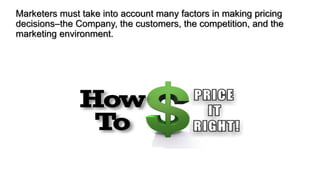
Marketers must take into account many factors in making pricing
decisions–the Company, the customers, the competition, and the
marketing environment.
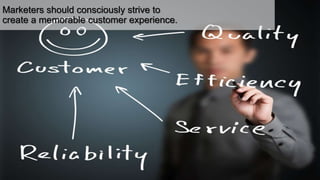
Marketers should consciously strive to
create a memorable customer experience.
5. Delivering Value
Companies today must build and manage a
continuously evolving and increasingly
complex
channel system and Value network.
And also Managing Retailing,
Wholesaling , and Logistics
5. Communicating Value
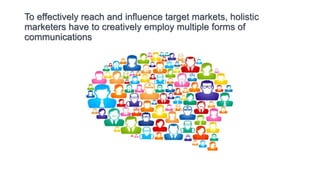
To effectively reach and influence target markets, holistic
marketers have to creatively employ multiple forms of
communications
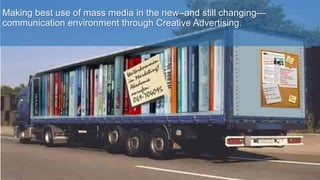
Making best use of mass media in the new–and still changing—
communication environment through Creative Advertising.
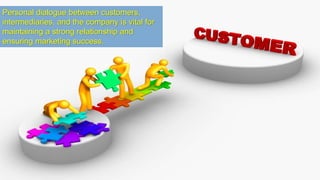
Personal dialogue between customers,
intermediaries, and the company is vital for
maintaining a strong relationship and
ensuring marketing success.
7. Sustaining Growth
and Value
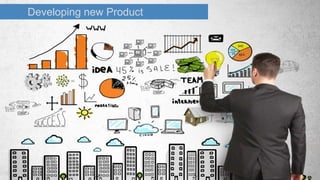
Developing new Product
Expand into the Global Market
M
O
D
U
L
E
3
CASE
1
GINO SA:
C A S E
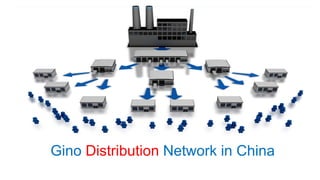
Gino Distribution Network in China
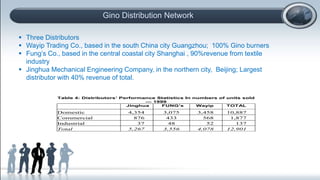
 Three Distributors
 Wayip Trading Co., based in the south China city Guangzhou; 100% Gino burners
 Fung’s Co., based in the central coastal city Shanghai , 90%revenue from textile
industry
 Jinghua Mechanical Engineering Company, in the northern city, Beijing; Largest
distributor with 40% revenue of total.
Gino Distribution Network
Table 4: Distributors’ Performance Statistics In numbers of units sold
— 1999
Jinghua FUNG’s Wayip TOTAL
Domestic 4,354 3,075 3,458 10,887
Commercial 876 433 568 1,877
Industrial 37 48 52 137
Total 5,267 3,556 4,078 12,901
Current
Situation
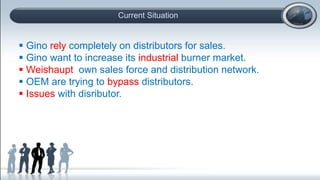
Current Situation
 Gino rely completely on distributors for sales.
 Gino want to increase its industrial burner market.
 Weishaupt own sales force and distribution network.
 OEM are trying to bypass distributors.
 Issues with disributor.
Distribution
Related
Issues
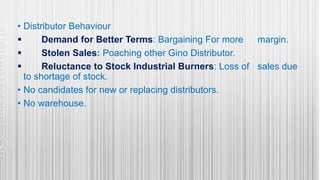
• Distributor Behaviour
 Demand for Better Terms: Bargaining For more margin.
 Stolen Sales: Poaching other Gino Distributor.
 Reluctance to Stock Industrial Burners: Loss of sales due
to shortage of stock.
• No candidates for new or replacing distributors.
• No warehouse.
Main Problem
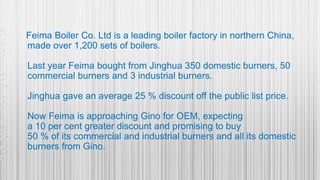
Feima Boiler Co. Ltd is a leading boiler factory in northern China,
made over 1,200 sets of boilers.
Last year Feima bought from Jinghua 350 domestic burners, 50
commercial burners and 3 industrial burners.
Jinghua gave an average 25 % discount off the public list price.
Now Feima is approaching Gino for OEM, expecting
a 10 per cent greater discount and promising to buy
50 % of its commercial and industrial burners and all its domestic
burners from Gino.
lll
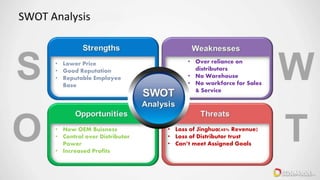
• Lower Price
• Good Reputation
• Reputable Employee
Base
• Over reliance on
distributors
• No Warehouse
• No workforce for Sales
& Service
• New OEM Buisness
• Control over Distributor
Power
• Increased Profits
• Loss of Jinghua(40% Revenue)
• Loss of Distributor trust
• Can’t meet Assigned Goals
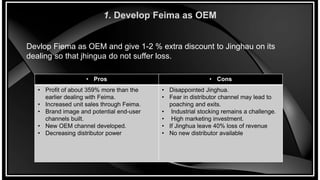
1. Develop Feima as OEM
Devlop Fiema as OEM and give 1-2 % extra discount to Jinghau on its
dealing so that jhingua do not suffer loss.
• Pros • Cons
• Profit of about 359% more than the
earlier dealing with Feima.
• Increased unit sales through Feima.
• Brand image and potential end-user
channels built.
• New OEM channel developed.
• Decreasing distributor power
• Disappointed Jinghua.
• Fear in distributor channel may lead to
poaching and exits.
• Industrial stocking remains a challenge.
• High marketing investment.
• If Jinghua leave 40% loss of revenue
• No new distributor available
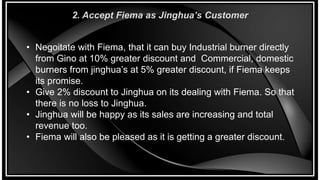
2. Accept Fiema as Jinghua’s Customer
• Negoitate with Fiema, that it can buy Industrial burner directly
from Gino at 10% greater discount and Commercial, domestic
burners from jinghua’s at 5% greater discount, if Fiema keeps
its promise.
• Give 2% discount to Jinghua on its dealing with Fiema. So that
there is no loss to Jinghua.
• Jinghua will be happy as its sales are increasing and total
revenue too.
• Fiema will also be pleased as it is getting a greater discount.
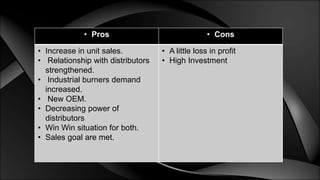
• Pros • Cons
• Increase in unit sales.
• Relationship with distributors
strengthened.
• Industrial burners demand
increased.
• New OEM.
• Decreasing power of
distributors
• Win Win situation for both.
• Sales goal are met.
• A little loss in profit
• High Investment
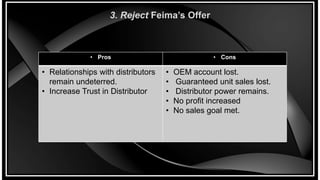
3. Reject Feima’s Offer
• Pros • Cons
• Relationships with distributors
remain undeterred.
• Increase Trust in Distributor
• OEM account lost.
• Guaranteed unit sales lost.
• Distributor power remains.
• No profit increased
• No sales goal met.
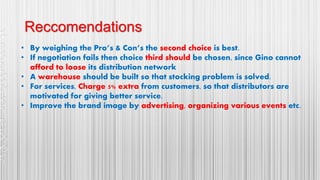
Reccomendations
• By weighing the Pro’s & Con’s the second choice is best.
• If negotiation fails then choice third should be chosen, since Gino cannot
afford to loose its distribution network
• A warehouse should be built so that stocking problem is solved.
• For services, Charge 5% extra from customers, so that distributors are
motivated for giving better service.
• Improve the brand image by advertising, organizing various events etc.
CASE
2
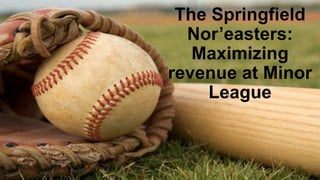
The Springfield
Nor’easters:
Maximizing
revenue at Minor
League
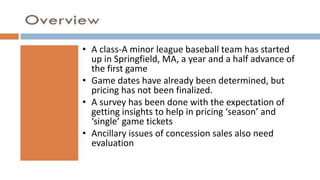
A class-A minor league baseball team has started
up in Springfield, MA, a year and a half advance of
the first game
Game dates have already been determined, but pricing has not been finalized.
A survey has been done with the expectation of getting insights to help in pricing
‘season’ and ‘single’ game tickets
Ancillary issues of concession sales also need
evaluation
• A class-A minor league baseball team has started
up in Springfield, MA, a year and a half advance of
the first game
• Game dates have already been determined, but
pricing has not been finalized.
• A survey has been done with the expectation of
getting insights to help in pricing ‘season’ and
‘single’ game tickets
• Ancillary issues of concession sales also need
evaluation
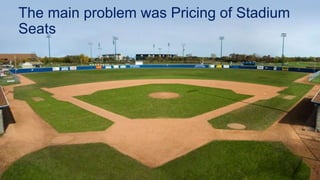
The main problem was Pricing of Stadium
Seats
How We did that
• Determined the optimal pricing
strategy from willingness-to-pay.
What WE Learned
• Understand the relationship between
pricing and its impact on the sales of
auxiliary products.
• To use quantitative analysis methods to
develop "scaled" pricing strategy for a
perishable service that reflects constant
costs per production unit (in this case,
stadium seats)
What WE Learned
• Illustrate the implementation, and
interpretation of
• research surveys
• o Evaluate primary research studies,
• o Setting research objectives,
• o Questionnaire design,
• o Data analysis and interpretation
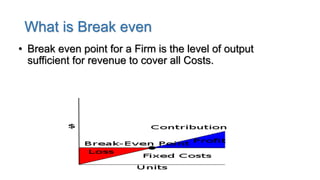
What is Break even
• Break even point for a Firm is the level of output
sufficient for revenue to cover all Costs.
CASE
3
Mountain Man Brewing
Company:
Bringing the Brand to
Light
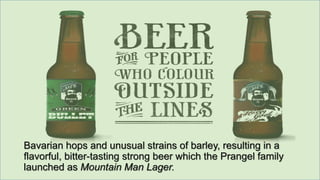
Bavarian hops and unusual strains of barley, resulting in a
flavorful, bitter-tasting strong beer which the Prangel family
launched as Mountain Man Lager.
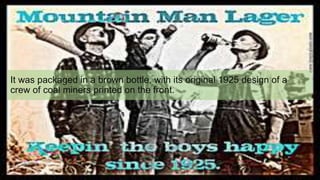
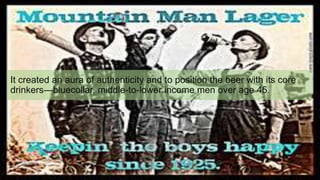
It was packaged in a brown bottle, with its original 1925 design of a
crew of coal miners printed on the front.
It created an aura of authenticity and to position the beer with its core
drinkers—bluecollar, middle-to-lower income men over age 45.
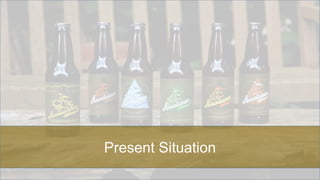
Present Situation
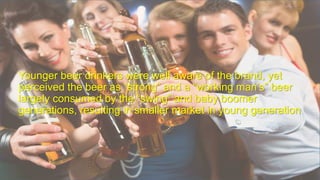
Younger beer drinkers were well aware of the brand, yet
perceived the beer as “strong” and a “working man’s” beer
largely consumed by the “swing” and baby boomer
generations, resulting in smaller market in young generation
“Light” beer category which had been steadily
gaining in market share and accounted for 50.4% of volume sales
in 2005. Decreasing market of Strong beer
Situation in MMBC
•Chris Prangel, MBA graduate, had returned home to manage the marketing
operations of the Mountain Man Beer Company (MMBC),
•Mountain Man’s 2005 revenues were down 2% relative to the prior fiscal year.
•Chris wanted to launch Mountain Man Light, a “light beer” formulation of Mountain
Man Lager,
Pros
•First, light beer was a newer, fast-growing product category and the only
beer category demonstrating consistent growth.
• Light beer would help MMBC gain share in on premise locations
restaurants and bars.
•Light beers appealed to younger drinkers overall, and to women, both
groups that frequented these locations.
•Mountain Man Light’s popularity could boost the sales of Mountain Man
Lager
Cons
•Mountain Man Light could alienate the core customer base and erode
and dilute the Mountain Man brand equity
•It can hurt the sales of larger by 5%
•Mountain Man Light would just replace facings earned for Mountain Man
Lager
•High SG&A Cost
•Less margin on light beer.
Calculating
•Light beer product share increasing at 4% annually.
•Mountain Man steadily growing its share of the regional light beer market
by a quarter of a percent each year off of a 2006 base market share of
0.25%
•Assuming that Mountain Man Lager lost its share by 2% if light beer is
not launched and 5% loss if launched.
•Total SG&A Cost =$1,650,000
Recommendation
Chris should go ahead with
decision of launching
Mountian Man Light as it will
Break Even in two years of its
launch and will bring profits
after that.
M
O
D
U
L
E
1
Learning From the Presentations
Giants
AND
Garr
Reynolds
Using
Crap
Quality
Pictures
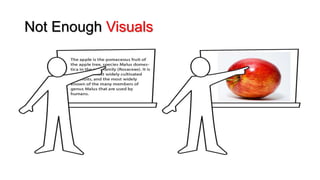
Not Enough Visuals
Visual Vomit
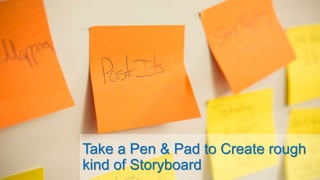
Take a Pen & Pad to Create rough
kind of Storyboard
Have a Sound and Clear
Structure
Use A COLOR Scheme
Use Good Fonts
Use Stunning Images
Use Audio or Video
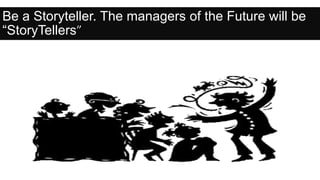
Be a Storyteller. The managers of the Future will be
“StoryTellers”
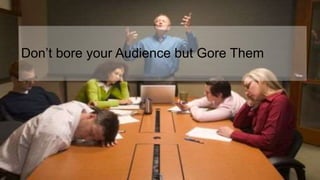
Don’t bore your Audience but Gore Them
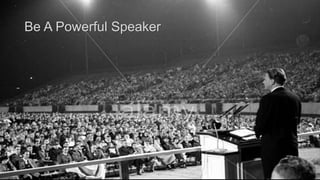
Be A Powerful Speaker
Sir,
For your Valuable Guidance and making
this Internship such a
Wonderful Learning Experience.
Created by ROHAN GUPTA,
IIT (BHU) Varanasi,
during an internship by
Prof. SAMEER MATHUR,
IIM Lucknow
www.iiminternship.com

Final assignment

  • 1.
  • 2.
  • 3.
  • 4.
    For Mobile Devices: ThinkApps, Not Ads A Harvard Business Review Article by Sunil Gupta
  • 5.
    Mobile account for 10%of time spent with Media but Advertisers spend only 1% on Mobile Advertising
  • 6.
    Smart Marketers willEmbrace Mobile as a Communication Platform.
  • 7.
    But Why MobileAds Don’t Work?
  • 8.
    People find mobileads more intrusive than desktop ads, because mobile is a more private venue. People Don’t Like Them
  • 9.
    Mobile screens aretoo small to have a usable right margin, so ads pop up in unexpected places. There’s No Right Side
  • 10.
    Advertisers closely trackhow many users tap on an ad. But many of those taps are inadvertent, because the ads are tiny—so it’s difficult to judge an ad’s effectiveness The “Fat Finger” Effect
  • 11.
    New Media RequireNew Advertising So We Need APPS not Ads
  • 12.
    Consumers don’t perceive APPsas Advertising—they value them for their Functionality.
  • 14.
    Apps can evengenerate revenue by increasing the sales
  • 15.
    Different Types OfAPPs • Games and entertainment • Social networks (especially Facebook) • Utilities, including maps, clocks, calendars, cameras, and e-mail • Discovery, including apps for Yelp, TripAdvisor, and Flixster • Brands, such as Nike and Red Bull.
  • 16.
    So Marketers shouldproduce APPs which • Add Convenience • Offer Unique Value • Provide Social Value • Offer Incentives • Enterntain
  • 17.
  • 18.
  • 19.
    The smartphone appsfunction more quickly and smoothly, so most customers prefer them. Apps should add convenience to customer life Every time a consumer uses one of these apps, it increases their exposure to the brand. Like SBI Freedom and Book my show.
  • 20.
    People can nowbook their tickets from anywhere using this App
  • 21.
    SBI Freedom letpeople track their bank balance, pay bills, recharge phones and much more.
  • 22.
  • 23.
    Some apps takeadvantage of mobile capabilities to do things traditional desktop computers can’t. Mobile users don’t want ads; they want apps that deliver unique benefits. Like Scandid, Breathfree and Accu chek
  • 24.
    Scandid is thefirst App in India which can scan barcode of the product to give instant price comparison and discount coupons.
  • 25.
    Breathefree mobile app providesbetter treatment to patients by offering some handy tools like- Selecting Inhalation Device, Find out COPD Severity, Know Your PEFR, Respules Compatibility
  • 26.
  • 27.
    Ads are notmuch Effective on social media sites, because ads interrupt the user experience of connecting with friends. Activities that enhance connections among People are more effective like Shadi.com and Social gifting app Printvenue
  • 28.
    India's leading onlinestore for printing solutions and personalized gifts provides Branded Pens, engraved card holders, business cards, personalized diaries and planners, key chains , customized apparels for men and women for gifting.
  • 29.
    Shadi.com is the World’slargest Matrimonial service gives you access over 20 million matrimonial profiles of potential brides and grooms on your phone!
  • 30.
  • 31.
    Many firms useshort-term promotions and other incentives to entice customers to buy their products, in the same way Brands can also offer incentives to customers for downloading their App
  • 32.
    Flipkart offers additionaldiscounts to customers ordering from App.
  • 33.
    Goibibo gives 5000Go Cash on downloading the app which can be used in making payment for Hotel rent, Airlines ticket through App.
  • 34.
  • 35.
    Smartphone users spendmore than 40% of their app time playing games. This represents a huge opportunity for Marketing & Promotion. Whenever a customer hits “Play,” he’s engaging with the Brand. Like Bollywood film’s game Apps
  • 36.
    Marketers of filmslike Bhag Milka Bhag, Dhoom 3 have released there gaming App before their release date to popularize the film
  • 37.
    Apps are notonly the most effective way to reach mobile consumers, they’re also more cost-efficient than many traditional Ad campaigns
  • 38.
    Marketers should createapps which add value to customers life and enhance long term investment.
  • 39.
  • 40.
    Learning from theBook A South Asian Perspective 14th Edition textbook by Philip Kotler, Kevin Lane Keller, Abraham Koshy, Mithileshwar Jha
  • 41.
  • 42.
    Marketing management isthe art and science of choosing target markets and getting, keeping, and growing customers through creating, delivering, and communicating superior customer value.
  • 43.
    Marketing is notmaking Needs but developing Wants of Customers. Like Food is a Need but eating in Dominos is a Want.
  • 44.
    So, What arethe Main Marketing Management Tasks?
  • 45.
  • 46.
    Marketer must developa marketing plan for achieving its goals defining the business mission, analyzing external opportunities analyzing internal strengths and weaknesses, and threats,
  • 47.
  • 48.
  • 49.
  • 50.
    Marketers must connectwith customers— informing, engaging, and maybe even energizing them in the process.
  • 51.
  • 52.
    Marketers must dividemarkets into groups of consumers or segments with distinct needs and wants; identify which market segments company can serve effectively.
  • 53.
    He must Identifyan important market gap and position its product through appropriate differentiation strategies to ensure success.
  • 54.
    Marketers should lookinto the Competitors Strategies and know their moves.
  • 55.
    Build Brand image,A strong brand commands intense Consumer loyalty–at its heart is a great product or service.
  • 56.
  • 57.
    Marketing planning beginswith formulating an offering to meet target customers.
  • 58.
    Creative Packaging canpopularize the new offering.
  • 59.
    Marketers must takeinto account many factors in making pricing decisions–the Company, the customers, the competition, and the marketing environment.
  • 60.
    Marketers should consciouslystrive to create a memorable customer experience.
  • 61.
  • 62.
    Companies today mustbuild and manage a continuously evolving and increasingly complex channel system and Value network.
  • 63.
    And also ManagingRetailing, Wholesaling , and Logistics
  • 64.
  • 65.
    To effectively reachand influence target markets, holistic marketers have to creatively employ multiple forms of communications
  • 66.
    Making best useof mass media in the new–and still changing— communication environment through Creative Advertising.
  • 68.
    Personal dialogue betweencustomers, intermediaries, and the company is vital for maintaining a strong relationship and ensuring marketing success.
  • 69.
  • 70.
  • 72.
    Expand into theGlobal Market
  • 74.
  • 75.
  • 76.
  • 77.
  • 78.
     Three Distributors Wayip Trading Co., based in the south China city Guangzhou; 100% Gino burners  Fung’s Co., based in the central coastal city Shanghai , 90%revenue from textile industry  Jinghua Mechanical Engineering Company, in the northern city, Beijing; Largest distributor with 40% revenue of total. Gino Distribution Network Table 4: Distributors’ Performance Statistics In numbers of units sold — 1999 Jinghua FUNG’s Wayip TOTAL Domestic 4,354 3,075 3,458 10,887 Commercial 876 433 568 1,877 Industrial 37 48 52 137 Total 5,267 3,556 4,078 12,901
  • 79.
  • 80.
    Current Situation  Ginorely completely on distributors for sales.  Gino want to increase its industrial burner market.  Weishaupt own sales force and distribution network.  OEM are trying to bypass distributors.  Issues with disributor.
  • 81.
  • 82.
    • Distributor Behaviour Demand for Better Terms: Bargaining For more margin.  Stolen Sales: Poaching other Gino Distributor.  Reluctance to Stock Industrial Burners: Loss of sales due to shortage of stock. • No candidates for new or replacing distributors. • No warehouse.
  • 83.
  • 84.
    Feima Boiler Co.Ltd is a leading boiler factory in northern China, made over 1,200 sets of boilers. Last year Feima bought from Jinghua 350 domestic burners, 50 commercial burners and 3 industrial burners. Jinghua gave an average 25 % discount off the public list price. Now Feima is approaching Gino for OEM, expecting a 10 per cent greater discount and promising to buy 50 % of its commercial and industrial burners and all its domestic burners from Gino.
  • 86.
    lll • Lower Price •Good Reputation • Reputable Employee Base • Over reliance on distributors • No Warehouse • No workforce for Sales & Service • New OEM Buisness • Control over Distributor Power • Increased Profits • Loss of Jinghua(40% Revenue) • Loss of Distributor trust • Can’t meet Assigned Goals
  • 88.
    1. Develop Feimaas OEM Devlop Fiema as OEM and give 1-2 % extra discount to Jinghau on its dealing so that jhingua do not suffer loss. • Pros • Cons • Profit of about 359% more than the earlier dealing with Feima. • Increased unit sales through Feima. • Brand image and potential end-user channels built. • New OEM channel developed. • Decreasing distributor power • Disappointed Jinghua. • Fear in distributor channel may lead to poaching and exits. • Industrial stocking remains a challenge. • High marketing investment. • If Jinghua leave 40% loss of revenue • No new distributor available
  • 89.
    2. Accept Fiemaas Jinghua’s Customer • Negoitate with Fiema, that it can buy Industrial burner directly from Gino at 10% greater discount and Commercial, domestic burners from jinghua’s at 5% greater discount, if Fiema keeps its promise. • Give 2% discount to Jinghua on its dealing with Fiema. So that there is no loss to Jinghua. • Jinghua will be happy as its sales are increasing and total revenue too. • Fiema will also be pleased as it is getting a greater discount.
  • 90.
    • Pros •Cons • Increase in unit sales. • Relationship with distributors strengthened. • Industrial burners demand increased. • New OEM. • Decreasing power of distributors • Win Win situation for both. • Sales goal are met. • A little loss in profit • High Investment
  • 91.
    3. Reject Feima’sOffer • Pros • Cons • Relationships with distributors remain undeterred. • Increase Trust in Distributor • OEM account lost. • Guaranteed unit sales lost. • Distributor power remains. • No profit increased • No sales goal met.
  • 92.
    Reccomendations • By weighingthe Pro’s & Con’s the second choice is best. • If negotiation fails then choice third should be chosen, since Gino cannot afford to loose its distribution network • A warehouse should be built so that stocking problem is solved. • For services, Charge 5% extra from customers, so that distributors are motivated for giving better service. • Improve the brand image by advertising, organizing various events etc.
  • 93.
  • 94.
  • 95.
    A class-A minorleague baseball team has started up in Springfield, MA, a year and a half advance of the first game Game dates have already been determined, but pricing has not been finalized. A survey has been done with the expectation of getting insights to help in pricing ‘season’ and ‘single’ game tickets Ancillary issues of concession sales also need evaluation • A class-A minor league baseball team has started up in Springfield, MA, a year and a half advance of the first game • Game dates have already been determined, but pricing has not been finalized. • A survey has been done with the expectation of getting insights to help in pricing ‘season’ and ‘single’ game tickets • Ancillary issues of concession sales also need evaluation
  • 96.
    The main problemwas Pricing of Stadium Seats
  • 97.
    How We didthat • Determined the optimal pricing strategy from willingness-to-pay.
  • 98.
    What WE Learned •Understand the relationship between pricing and its impact on the sales of auxiliary products. • To use quantitative analysis methods to develop "scaled" pricing strategy for a perishable service that reflects constant costs per production unit (in this case, stadium seats)
  • 99.
    What WE Learned •Illustrate the implementation, and interpretation of • research surveys • o Evaluate primary research studies, • o Setting research objectives, • o Questionnaire design, • o Data analysis and interpretation
  • 100.
    What is Breakeven • Break even point for a Firm is the level of output sufficient for revenue to cover all Costs.
  • 101.
  • 102.
  • 103.
    Bavarian hops andunusual strains of barley, resulting in a flavorful, bitter-tasting strong beer which the Prangel family launched as Mountain Man Lager.
  • 104.
    It was packagedin a brown bottle, with its original 1925 design of a crew of coal miners printed on the front.
  • 105.
    It created anaura of authenticity and to position the beer with its core drinkers—bluecollar, middle-to-lower income men over age 45.
  • 106.
  • 107.
    Younger beer drinkerswere well aware of the brand, yet perceived the beer as “strong” and a “working man’s” beer largely consumed by the “swing” and baby boomer generations, resulting in smaller market in young generation
  • 108.
    “Light” beer categorywhich had been steadily gaining in market share and accounted for 50.4% of volume sales in 2005. Decreasing market of Strong beer
  • 109.
    Situation in MMBC •ChrisPrangel, MBA graduate, had returned home to manage the marketing operations of the Mountain Man Beer Company (MMBC), •Mountain Man’s 2005 revenues were down 2% relative to the prior fiscal year. •Chris wanted to launch Mountain Man Light, a “light beer” formulation of Mountain Man Lager,
  • 110.
    Pros •First, light beerwas a newer, fast-growing product category and the only beer category demonstrating consistent growth. • Light beer would help MMBC gain share in on premise locations restaurants and bars. •Light beers appealed to younger drinkers overall, and to women, both groups that frequented these locations. •Mountain Man Light’s popularity could boost the sales of Mountain Man Lager
  • 111.
    Cons •Mountain Man Lightcould alienate the core customer base and erode and dilute the Mountain Man brand equity •It can hurt the sales of larger by 5% •Mountain Man Light would just replace facings earned for Mountain Man Lager •High SG&A Cost •Less margin on light beer.
  • 112.
    Calculating •Light beer productshare increasing at 4% annually. •Mountain Man steadily growing its share of the regional light beer market by a quarter of a percent each year off of a 2006 base market share of 0.25% •Assuming that Mountain Man Lager lost its share by 2% if light beer is not launched and 5% loss if launched. •Total SG&A Cost =$1,650,000
  • 114.
  • 115.
    Chris should goahead with decision of launching Mountian Man Light as it will Break Even in two years of its launch and will bring profits after that.
  • 116.
  • 118.
    Learning From thePresentations Giants
  • 120.
  • 121.
  • 124.
  • 125.
  • 126.
  • 128.
    Take a Pen& Pad to Create rough kind of Storyboard
  • 129.
    Have a Soundand Clear Structure
  • 131.
  • 132.
  • 134.
  • 135.
  • 136.
    Be a Storyteller.The managers of the Future will be “StoryTellers”
  • 138.
    Don’t bore yourAudience but Gore Them
  • 139.
  • 141.
    Sir, For your ValuableGuidance and making this Internship such a Wonderful Learning Experience.
  • 142.
    Created by ROHANGUPTA, IIT (BHU) Varanasi, during an internship by Prof. SAMEER MATHUR, IIM Lucknow www.iiminternship.com