RPN J.A van Wyk
EXTUBATION
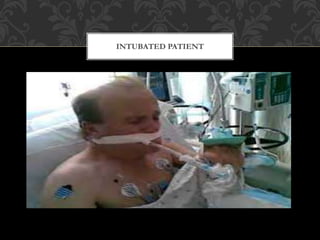
INTUBATED PATIENT
Extubation refers to removal of the endotracheal tube
(ETT). It is the final step in liberating a patient from
mechanical ventilation.
At the end of the weaning process, it may be apparent
that a patient no longer requires mechanical ventilation
to maintain sufficient ventilation and oxygenation.
However, extubation should not be ordered until it has
been determined that the patient is able to protect the
airway and the airway is patent.
EXTUBATION
Airway protection is the ability to guard against aspiration during spontaneous
breathing. It requires sufficient cough strength and an adequate level of
consciousness, each of which should be assessed prior to extubation. The
amount of secretions should also be considered prior to extubation because
airway protection is significantly more difficult when secretions are increased.
AIRWAY PROTECTION
1. Hemodynamically stable
• No dysrhythmias
• Minimal inotrope requirements
• Optimal fluid balance
2. Adequate ventilation & oxygenation
• FIO2 < 0.5
• Vital capacity of >10ml/kg.
• Tidal volume > 5ml/kg
• Respiratory rate < 25 BPM
CRITERIA FOR EXTUBATION
3. Arterial Blood Gas
• PCO2 < 6kPa.
• PO2 > 8kPa on FIO2 of 40% & PEEP5.
• PH with a normal range (7.35 – 7.45)
4. Other :
• Sedating agents must be stopped for > 24hrs.
• Causative condition resolved/under control.
• Paralysing agents stopped > 24hrs.
• Normal metabolic status. Electrolytes balance must be normal.
• Patient must be neurologically intact. Awake, well motivated, follows verbal
commands & intact gag/ cough reflex.
• Take into consideration aspiration risk and airway edema.
CRITERIA FOR EXTUBATION
• Local haemorrhage at tracheostomy site.
• Air embolism
• Infection
• Tracheal necrosis
• Tracheal stenosis
• Tracheoesophageal fistula
• Failure of tracheostomy tube
• Obstruction of tracheostomy
• Accidental extubation
• Tube displacement
• Pneumothorax
• Swallowing dysfunction
COMPLICATIONS ASSOCIATED WITH
ET & TRACHEOSTOMY TUBES
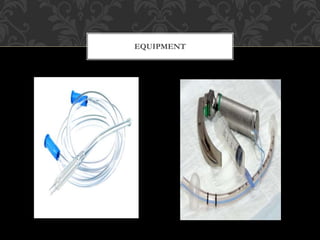
• Suctioning equipment
• Personal protective equipment
• Sterile suction catheter
• Self – inflating manual resuscitating bag – valve device connected to 100% O2
source.
• O2 source and tubing.
• Scissors
• Supplemental oxygen
• 10ml syringe
• A rigid pharyngeal suction tip ( yankauer)
• Sterile dressing for stoma
• ET intubation supplies
• Emergency trolley
EQUIPMENT
EQUIPMENT
1. Ensure the availability and functioning of your oxygen therapy, suction
equipment, emergency equipment.
2. Ensure the privacy of the patient.
3. Explain the procedure to the patient.
4. Assess the patients readiness for extubation:
• Cardiovascular status: BP, HR, Rhythm
• Respiratory status : RR, SpO2
• Neurological status: LOC
• Stop feeds
• Make sure mechanical restraints are off
PREPARATION AND ASSESSMENT
• Wash hands put on sterile gloves
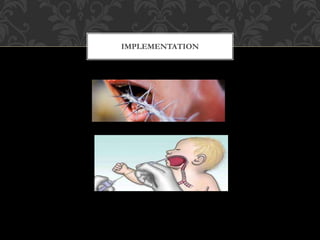
• Hyper oxygenate the patient and suction the patient via ET / tracheostomy
tube
• Position the patient in high fowlers position
• Cut & remove tracheostomy tapes/ plaster of ET tube
• Deflate the cuff with 10 ml syringe and instruct the patient to breath
• Introduce suction catheter into tube
• Ask patient to cough
• Withdraw the tube and suction simultaneously
• Ask patient to cough again ( to determine laryngeal paralysis)
IMPLEMENTATION
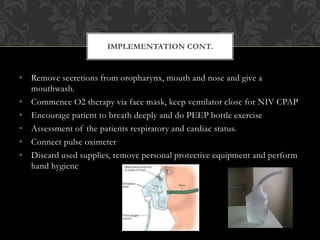
• Remove secretions from oropharynx, mouth and nose and give a
mouthwash.
• Commence O2 therapy via face mask, keep ventilator close for NIV CPAP
• Encourage patient to breath deeply and do PEEP bottle exercise
• Assessment of the patients respiratory and cardiac status.
• Connect pulse oximeter
• Discard used supplies, remove personal protective equipment and perform
hand hygiene
IMPLEMENTATION CONT.
IMPLEMENTATION
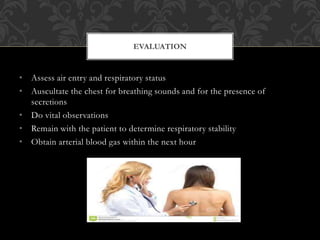
• Assess air entry and respiratory status
• Auscultate the chest for breathing sounds and for the presence of
secretions
• Do vital observations
• Remain with the patient to determine respiratory stability
• Obtain arterial blood gas within the next hour
EVALUATION
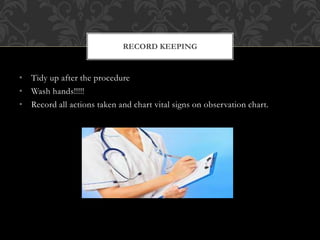
• Tidy up after the procedure
• Wash hands!!!!!
• Record all actions taken and chart vital signs on observation chart.
RECORD KEEPING
???
QUESTIONS
Thank you!
THE END

Extubation presentation

  • 1.
    RPN J.A vanWyk EXTUBATION
  • 2.
  • 3.
    Extubation refers toremoval of the endotracheal tube (ETT). It is the final step in liberating a patient from mechanical ventilation. At the end of the weaning process, it may be apparent that a patient no longer requires mechanical ventilation to maintain sufficient ventilation and oxygenation. However, extubation should not be ordered until it has been determined that the patient is able to protect the airway and the airway is patent. EXTUBATION
  • 4.
    Airway protection isthe ability to guard against aspiration during spontaneous breathing. It requires sufficient cough strength and an adequate level of consciousness, each of which should be assessed prior to extubation. The amount of secretions should also be considered prior to extubation because airway protection is significantly more difficult when secretions are increased. AIRWAY PROTECTION
  • 5.
    1. Hemodynamically stable •No dysrhythmias • Minimal inotrope requirements • Optimal fluid balance 2. Adequate ventilation & oxygenation • FIO2 < 0.5 • Vital capacity of >10ml/kg. • Tidal volume > 5ml/kg • Respiratory rate < 25 BPM CRITERIA FOR EXTUBATION
  • 6.
    3. Arterial BloodGas • PCO2 < 6kPa. • PO2 > 8kPa on FIO2 of 40% & PEEP5. • PH with a normal range (7.35 – 7.45) 4. Other : • Sedating agents must be stopped for > 24hrs. • Causative condition resolved/under control. • Paralysing agents stopped > 24hrs. • Normal metabolic status. Electrolytes balance must be normal. • Patient must be neurologically intact. Awake, well motivated, follows verbal commands & intact gag/ cough reflex. • Take into consideration aspiration risk and airway edema. CRITERIA FOR EXTUBATION
  • 7.
    • Local haemorrhageat tracheostomy site. • Air embolism • Infection • Tracheal necrosis • Tracheal stenosis • Tracheoesophageal fistula • Failure of tracheostomy tube • Obstruction of tracheostomy • Accidental extubation • Tube displacement • Pneumothorax • Swallowing dysfunction COMPLICATIONS ASSOCIATED WITH ET & TRACHEOSTOMY TUBES
  • 8.
    • Suctioning equipment •Personal protective equipment • Sterile suction catheter • Self – inflating manual resuscitating bag – valve device connected to 100% O2 source. • O2 source and tubing. • Scissors • Supplemental oxygen • 10ml syringe • A rigid pharyngeal suction tip ( yankauer) • Sterile dressing for stoma • ET intubation supplies • Emergency trolley EQUIPMENT
  • 9.
  • 10.
    1. Ensure theavailability and functioning of your oxygen therapy, suction equipment, emergency equipment. 2. Ensure the privacy of the patient. 3. Explain the procedure to the patient. 4. Assess the patients readiness for extubation: • Cardiovascular status: BP, HR, Rhythm • Respiratory status : RR, SpO2 • Neurological status: LOC • Stop feeds • Make sure mechanical restraints are off PREPARATION AND ASSESSMENT
  • 11.
    • Wash handsput on sterile gloves • Hyper oxygenate the patient and suction the patient via ET / tracheostomy tube • Position the patient in high fowlers position • Cut & remove tracheostomy tapes/ plaster of ET tube • Deflate the cuff with 10 ml syringe and instruct the patient to breath • Introduce suction catheter into tube • Ask patient to cough • Withdraw the tube and suction simultaneously • Ask patient to cough again ( to determine laryngeal paralysis) IMPLEMENTATION
  • 12.
    • Remove secretionsfrom oropharynx, mouth and nose and give a mouthwash. • Commence O2 therapy via face mask, keep ventilator close for NIV CPAP • Encourage patient to breath deeply and do PEEP bottle exercise • Assessment of the patients respiratory and cardiac status. • Connect pulse oximeter • Discard used supplies, remove personal protective equipment and perform hand hygiene IMPLEMENTATION CONT.
  • 13.
  • 14.
    • Assess airentry and respiratory status • Auscultate the chest for breathing sounds and for the presence of secretions • Do vital observations • Remain with the patient to determine respiratory stability • Obtain arterial blood gas within the next hour EVALUATION
  • 15.
    • Tidy upafter the procedure • Wash hands!!!!! • Record all actions taken and chart vital signs on observation chart. RECORD KEEPING
  • 16.
  • 17.