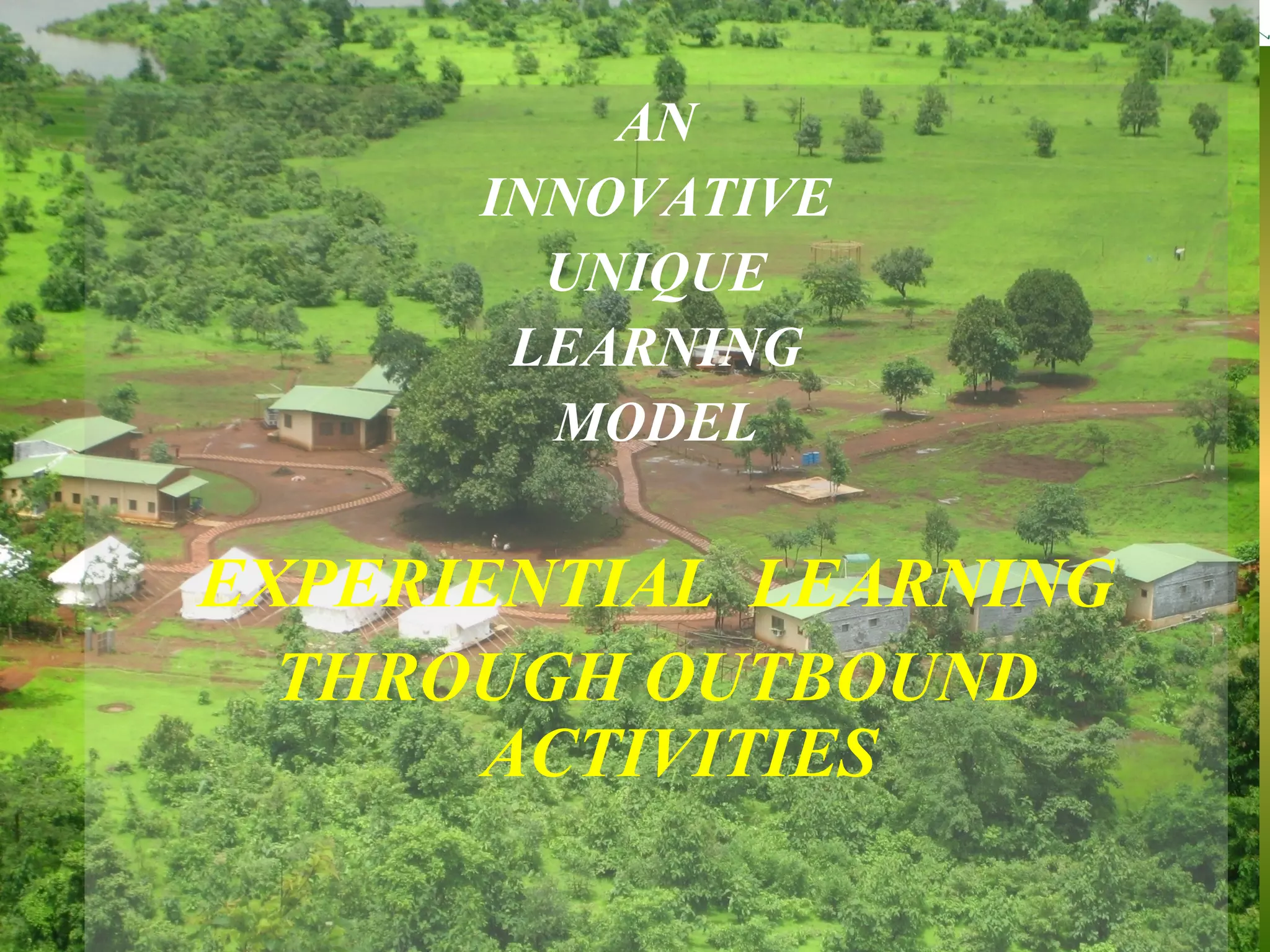
AN
INNOVATIVE
UNIQUE
LEARNING
MODEL

EXPERIENTIAL LEARNING
THROUGH OUTBOUND
ACTIVITIES
“Tell me, and I will forget.
Show me, and I may remember.
Involve me, and I will understand.”
- Confucius
SOME RESEARCH FACTS
• Students remember fieldwork and outdoor
visits for many years. Dierking and Falk
(1997) found that 96 percent of a group (128
children and adults) could recall field trips
taken during their early years at school.
• Recent Studies have shown that the skills
learned in the wilderness find application
long after the course is finished.
• The most universally effective form of
leadership training—one that is used by
NASA, Harvard Medical School, and
the Wharton School of Business—is the
Outdoor Experiential Education model.
• Characteristics such as self-esteem,
confidence, self-efficacy, leadership, and
even academic achievement showed longterm improvement after the completion of
an outdoor education course.
• Study of secondary students from 11
Californian schools used an
environmentally focused curriculum.
• The students scored higher in 72 per cent of
the academic assessments (reading, science,
math, attendance rates and grade point
averages) than students from traditional
schools (SEER, 2000).
• The need for effective follow-up work after
outdoor experiences is stressed by several
authors (for example, Orion and Hofstein,
1994).
• A blend of indoor and outdoor trainings is
more effective. Indoor training provides for
more theoretical understanding and allows
a large amount of content to be covered in
relatively short durations.
Outdoor trainings are inarguably the best
way to learn application of concepts.
Learners identify their own potential, push
skills to the limit, understand the behaviors
that come naturally to him when working
with various constraints and identify
weaknesses and thereby work on them.
With organizing, planning and facilitation,
outdoor activities afford the opportunity for
valuable lessons in acquiring the skills and
values necessary for teamwork, problem
solving, building trust, and decision making
for the good of all constituents.
Challenging outdoor experiences in an
adventure context builds self-esteem and
offers practical experience in leading and
following. Youthful participants can
observe the characteristics of successful
leadership and/or “followership” in these
adventure challenges, and with proper
oversight, be involved in the decisionmaking and execution of the resulting plan
of action.
This approach teaches the importance of
doing your share because others are
dependent on you, accepting full ownership
of what is required, and doing it to the best
of your ability for the benefit of all. Thus,
delegating a “teamwork share” of
the responsibility is an excellent way to
teach youth to contribute by taking their
share of ownership of the action plan.
•
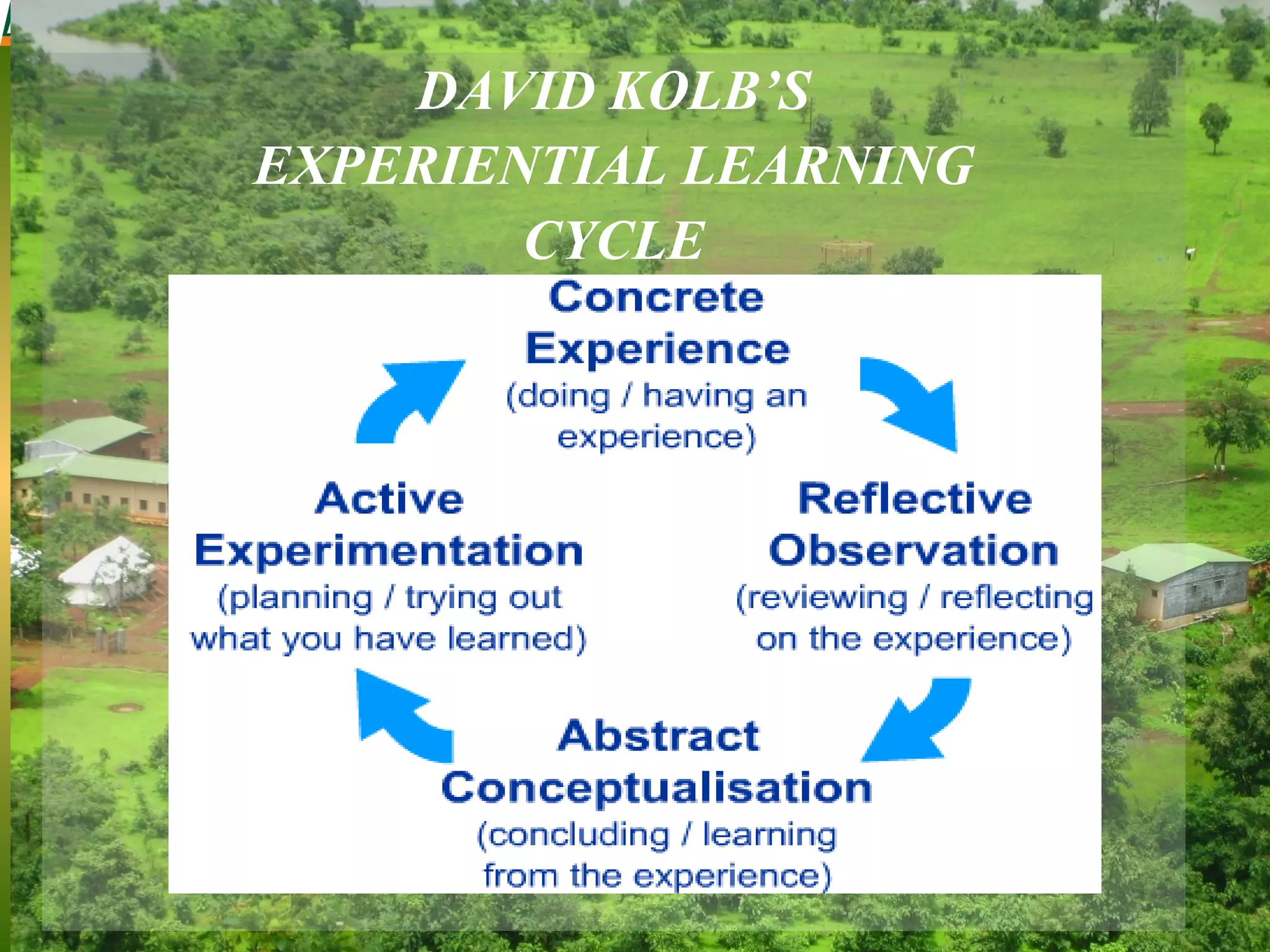
DAVID KOLB’S
EXPERIENTIAL LEARNING
CYCLE
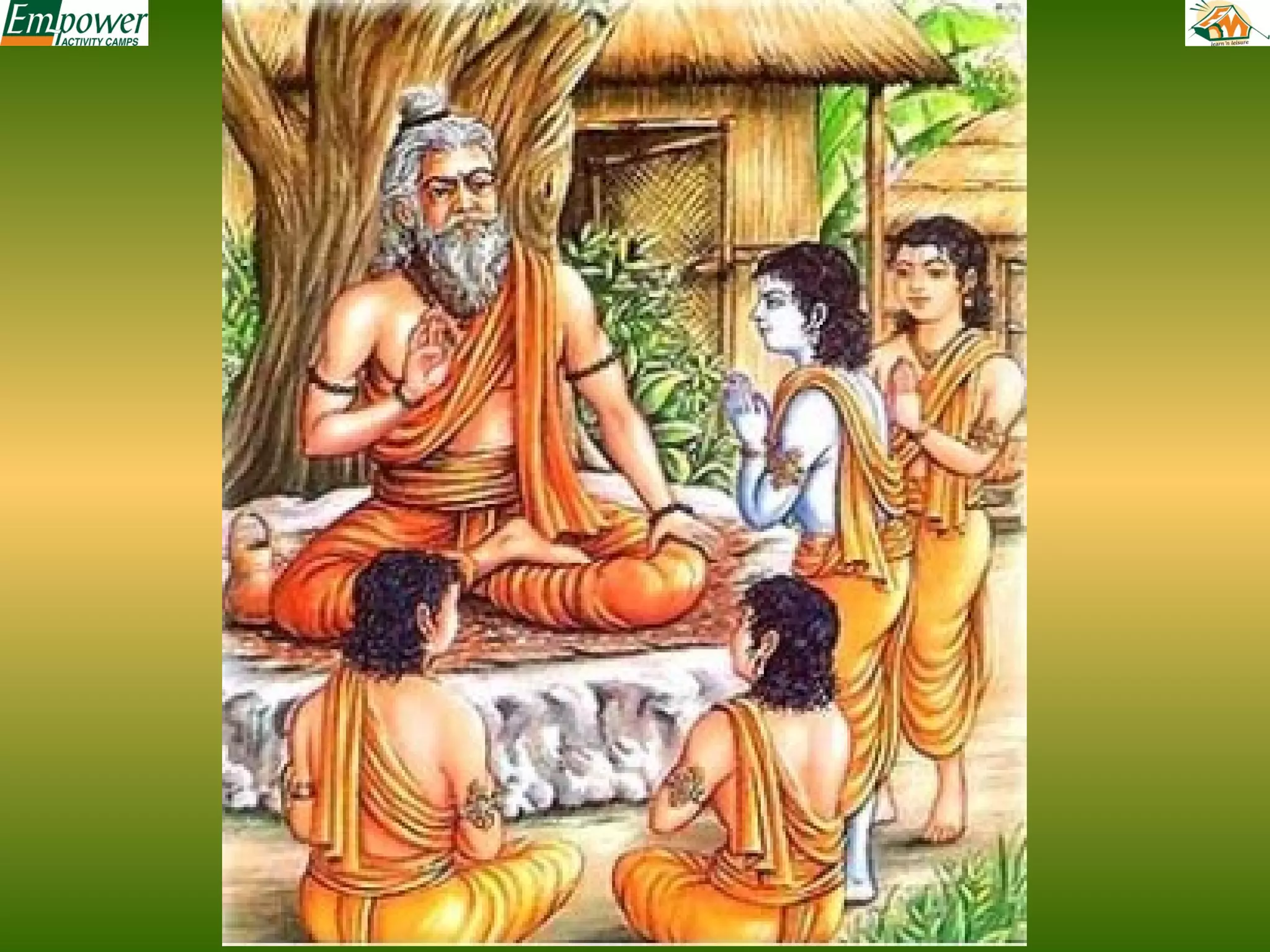
GURUKUL SYSTEM
Learnings and Takeaways
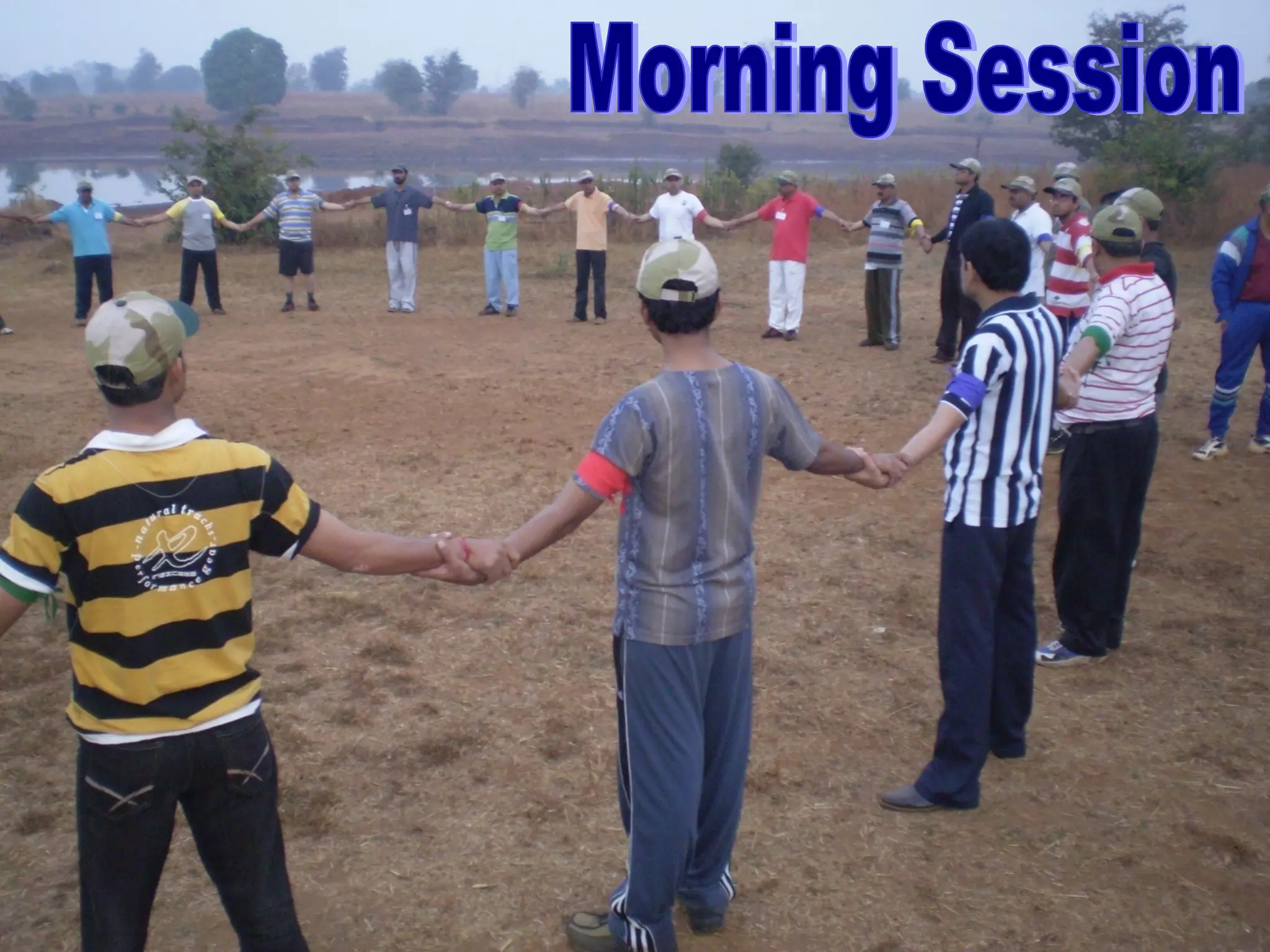
Morning Sessions
North South East West
• Working together towards One Goal
• Cooperation
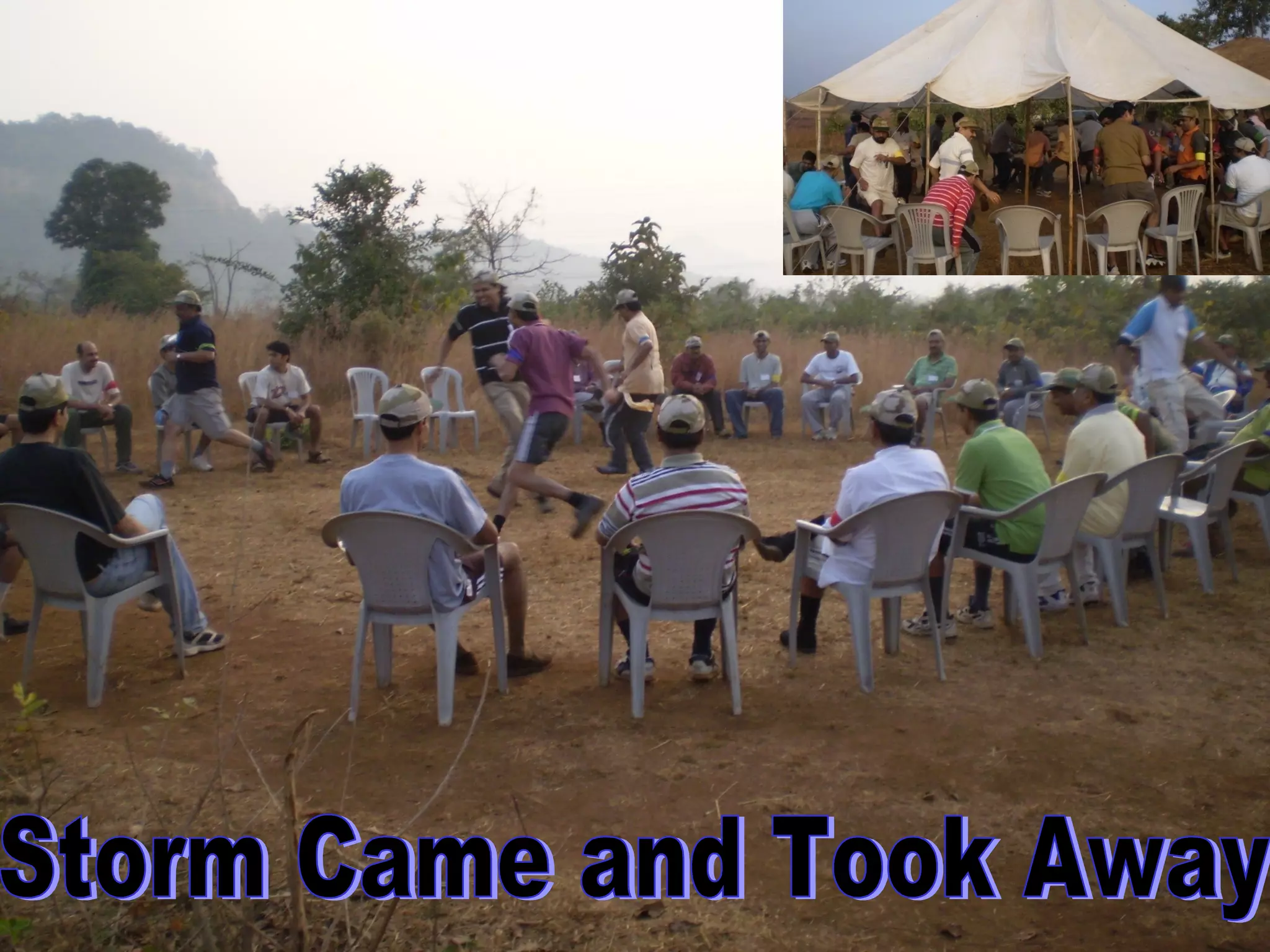
Storm Came and Took Away…
• Creative Thinking
• Lateral Thinking
• Alertness and Awareness
Learnings and Takeaways
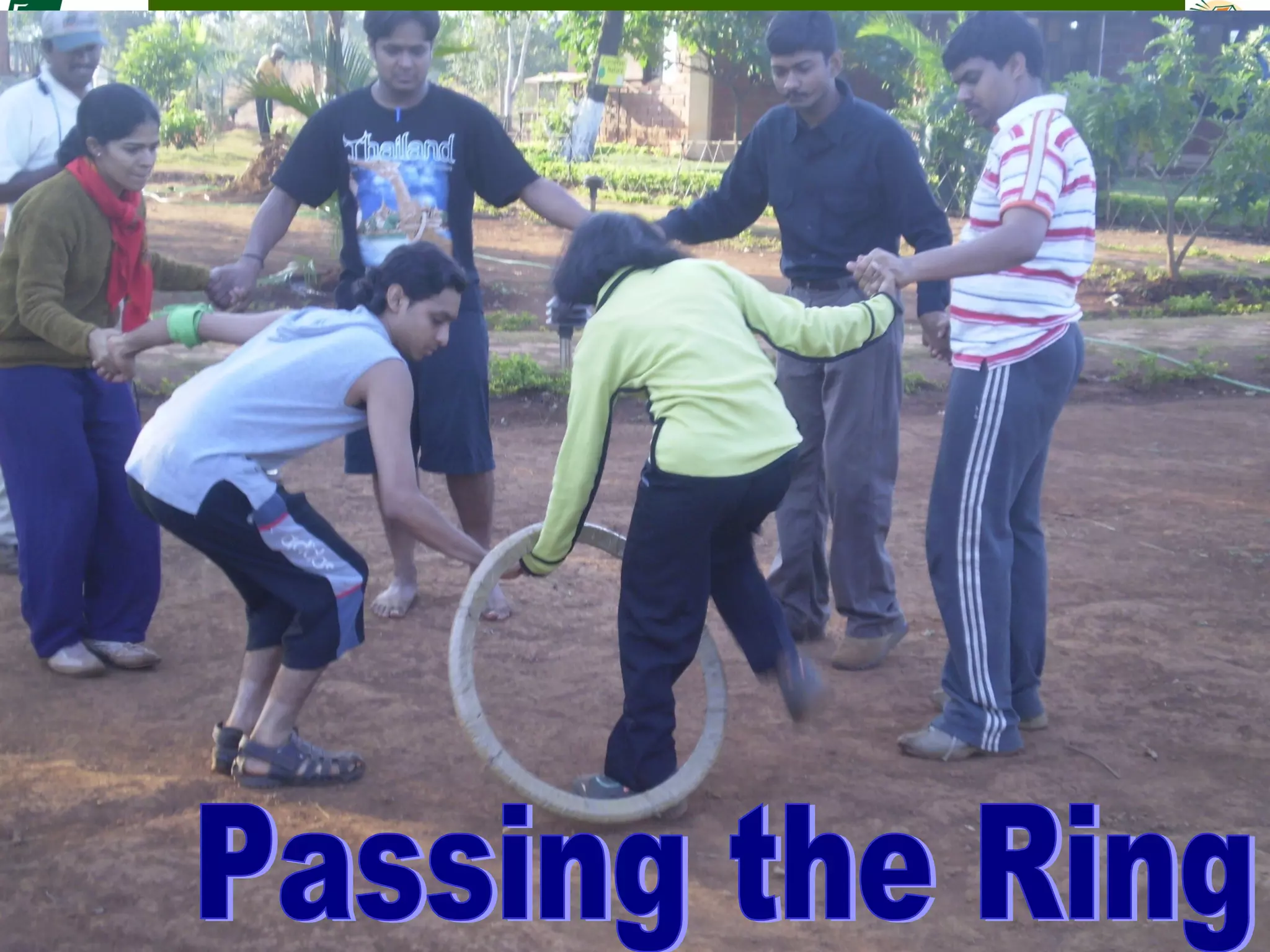
Passing the Ring
• Role of a Leader
• Strategizing and Planning
• NOT Underestimating Oneself and
Team Mates
• Achievement Motivation
• Setting S t r e t c h Goals
• Teamwork
• Time Management
Learnings and Takeaways
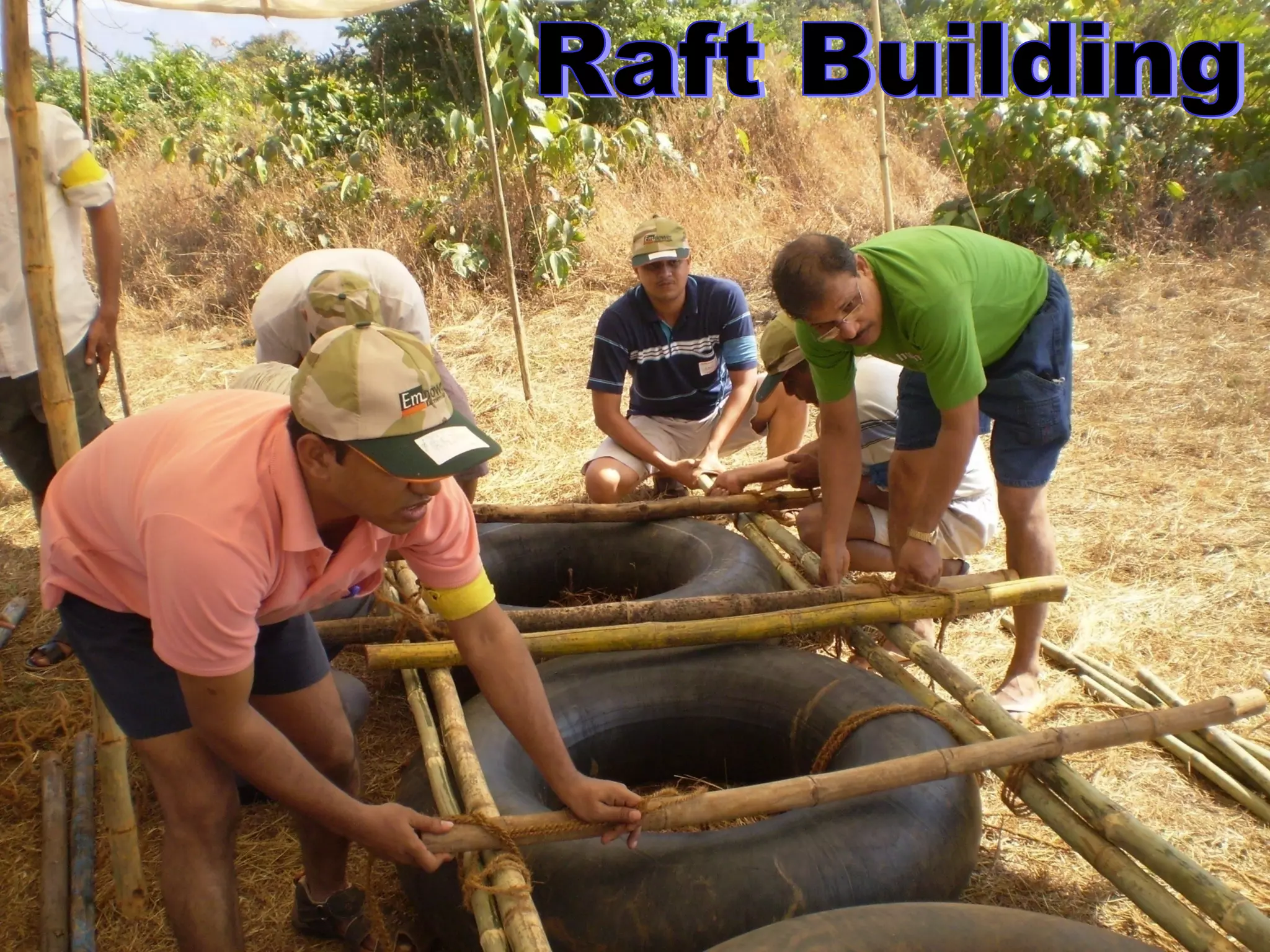
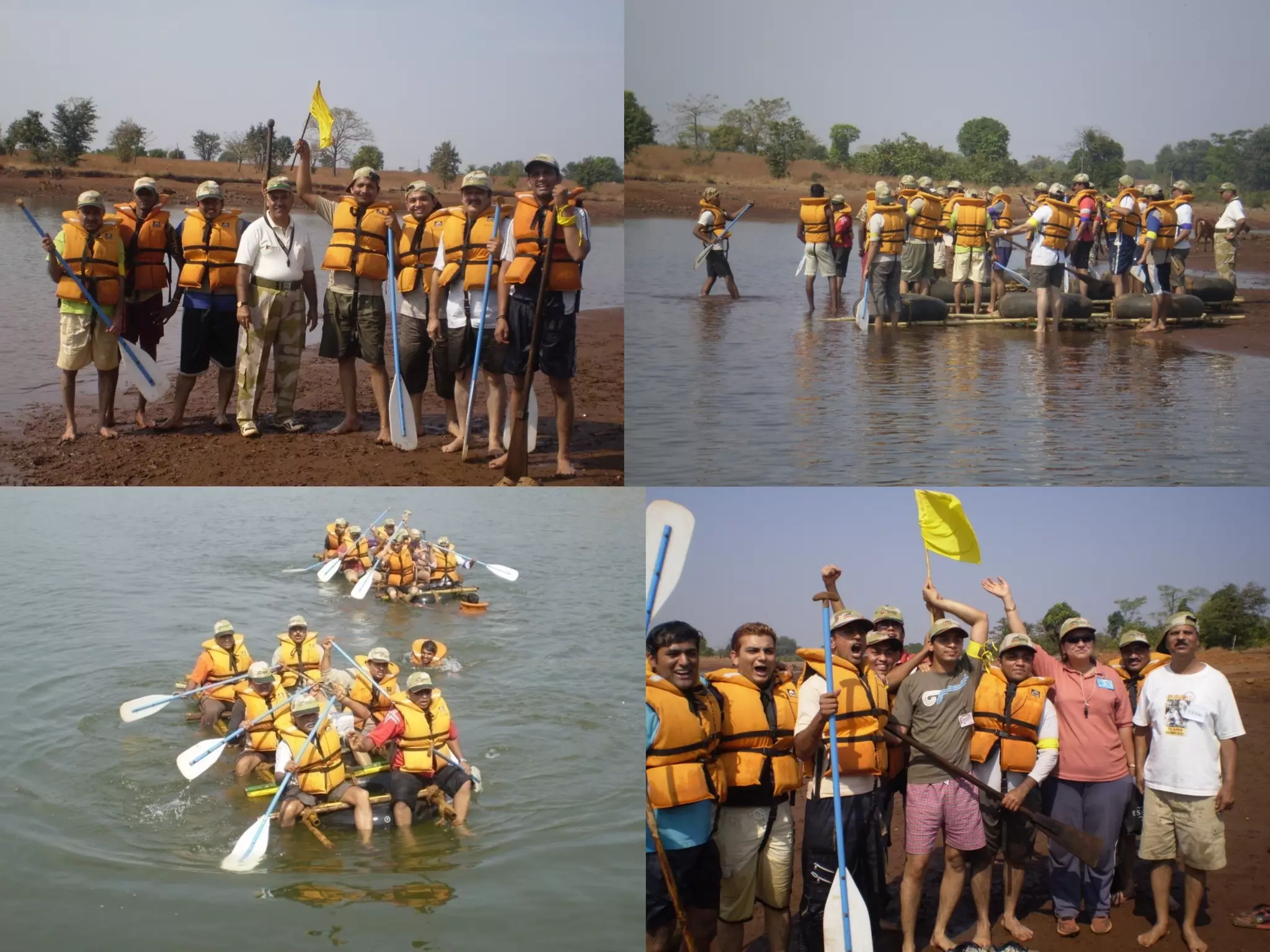
Raft Building and Competitive Rowing
• Changing business environment, resources
availability, working and designing within the
budget… all brings out the importance of
inter-department inter-dependence, and
• Team-work and Handling Crisis together
with,
• Coordination and Cooperation during each
step of the activity…
• Importance of Quality checks
• Encouraging and bringing out the best in
others, leadership
• Time Management etc…
Learnings and Takeaways
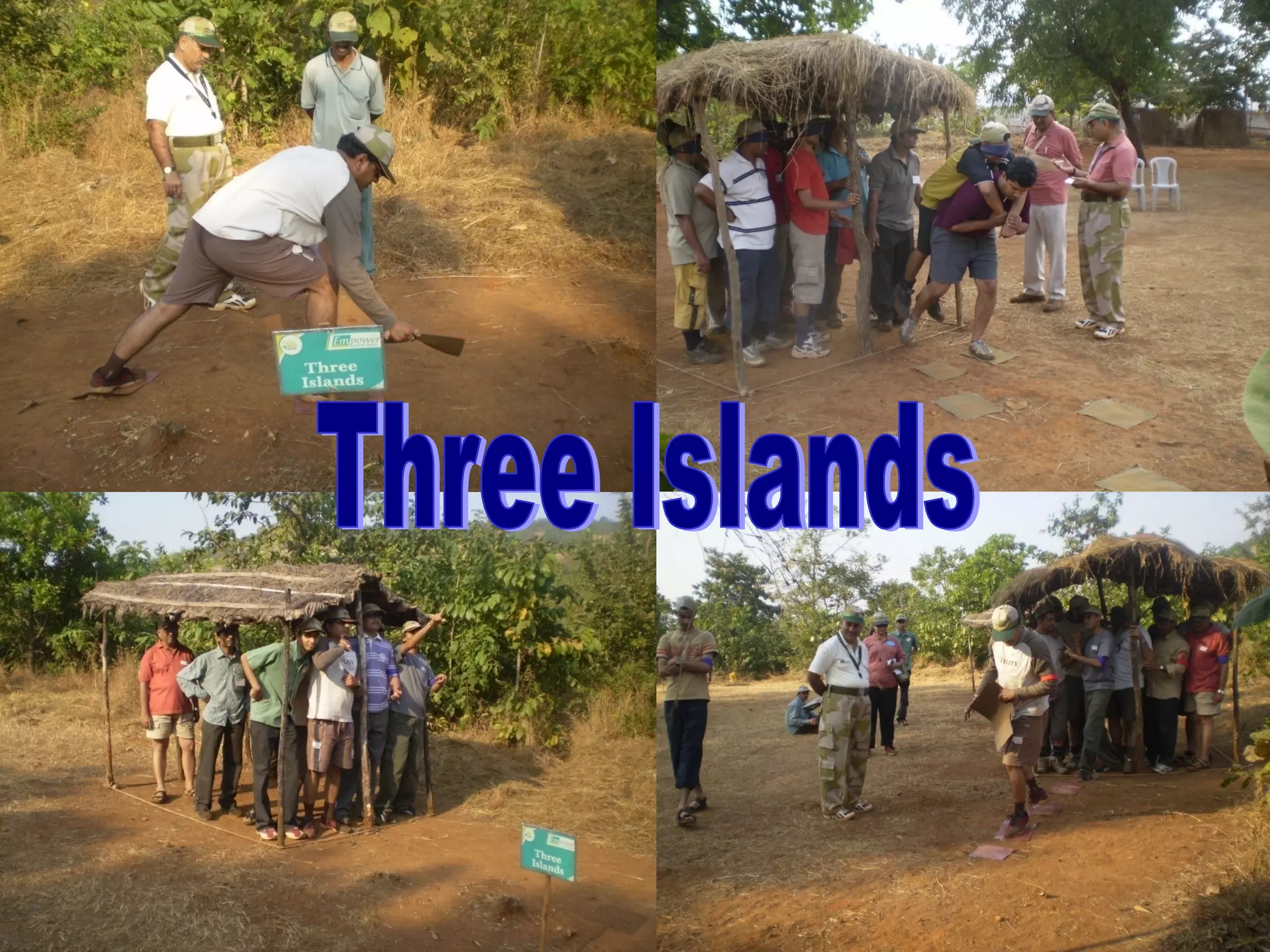
Three Islands
• Communication – again importance of
inter-department inter-dependence and
Listening carefully
• Planning (Task Analysis) - importance
of information dissemination
• Interpersonal Relations, Coordination
and Team-Work
• Effective use of resources
• Encouraging and bringing out the best
in others—importance of Leadership
Learnings and Takeaways
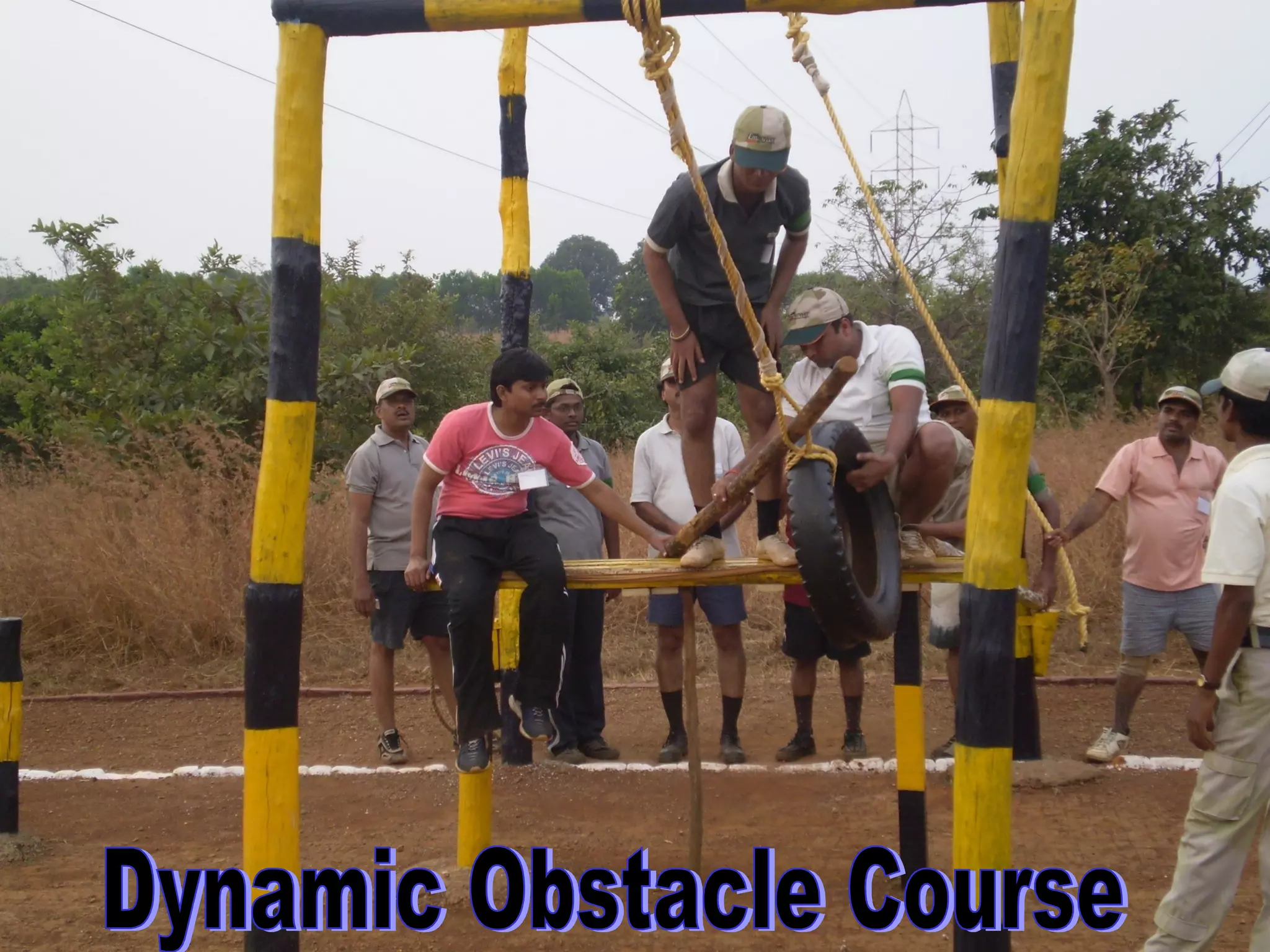
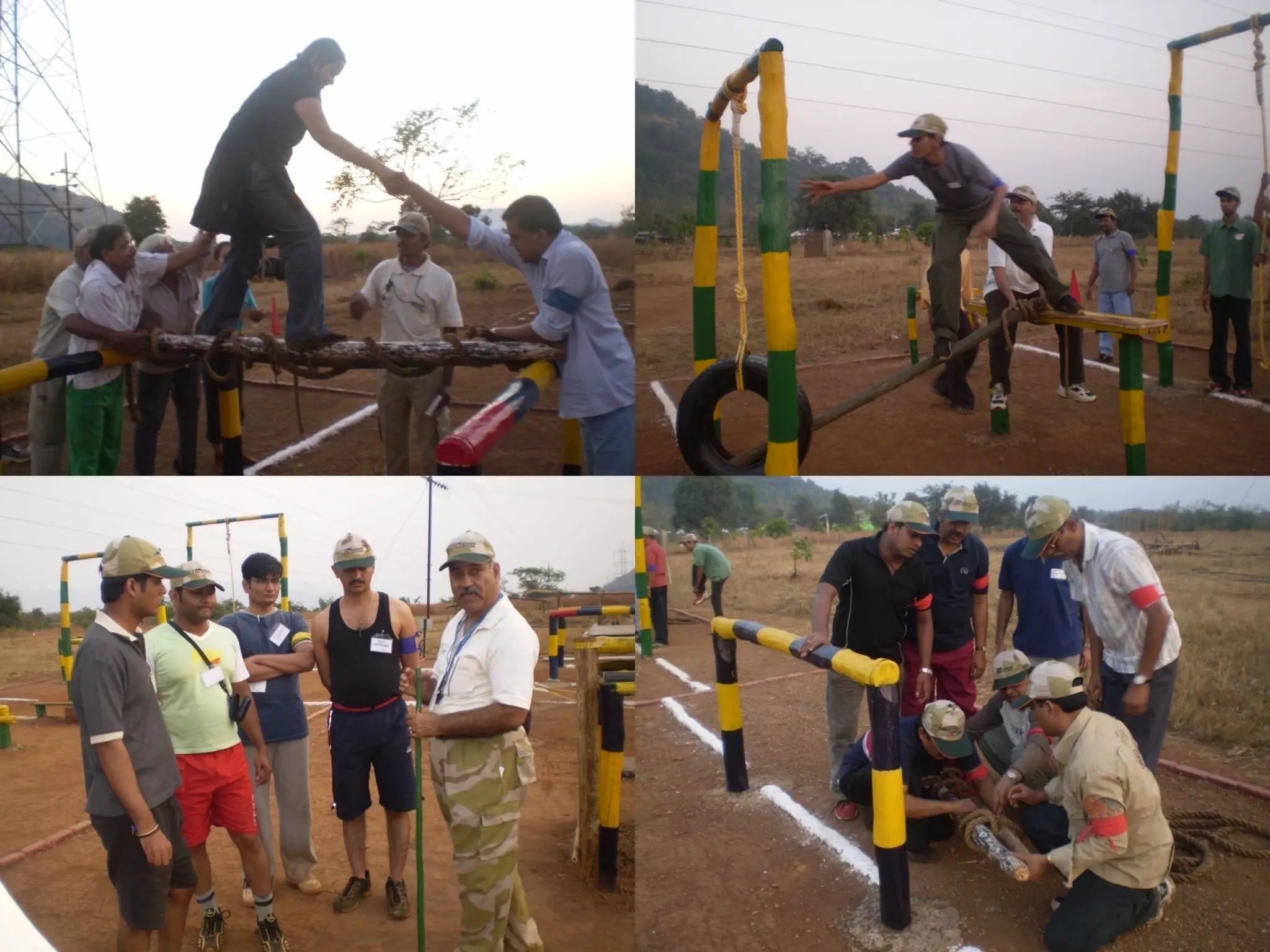
Dynamic Obstacle Course
• Leadership, Team work, Goal Setting,
Planning
and
Strategizing,
Time
Management, Task analysis, Optimum use of
resources, Decision making, Trust Building
etc. and…
• The major Learnings were that of importance
of Coordination and Cooperation
• The importance of Calculated Risk Taking &
• Ensuring a Win-Win for the entire Team
PED and helping each other
• Sharing
some
of
the
Leadership
Responsibilities in order to support the
leader
Learnings and Takeaways
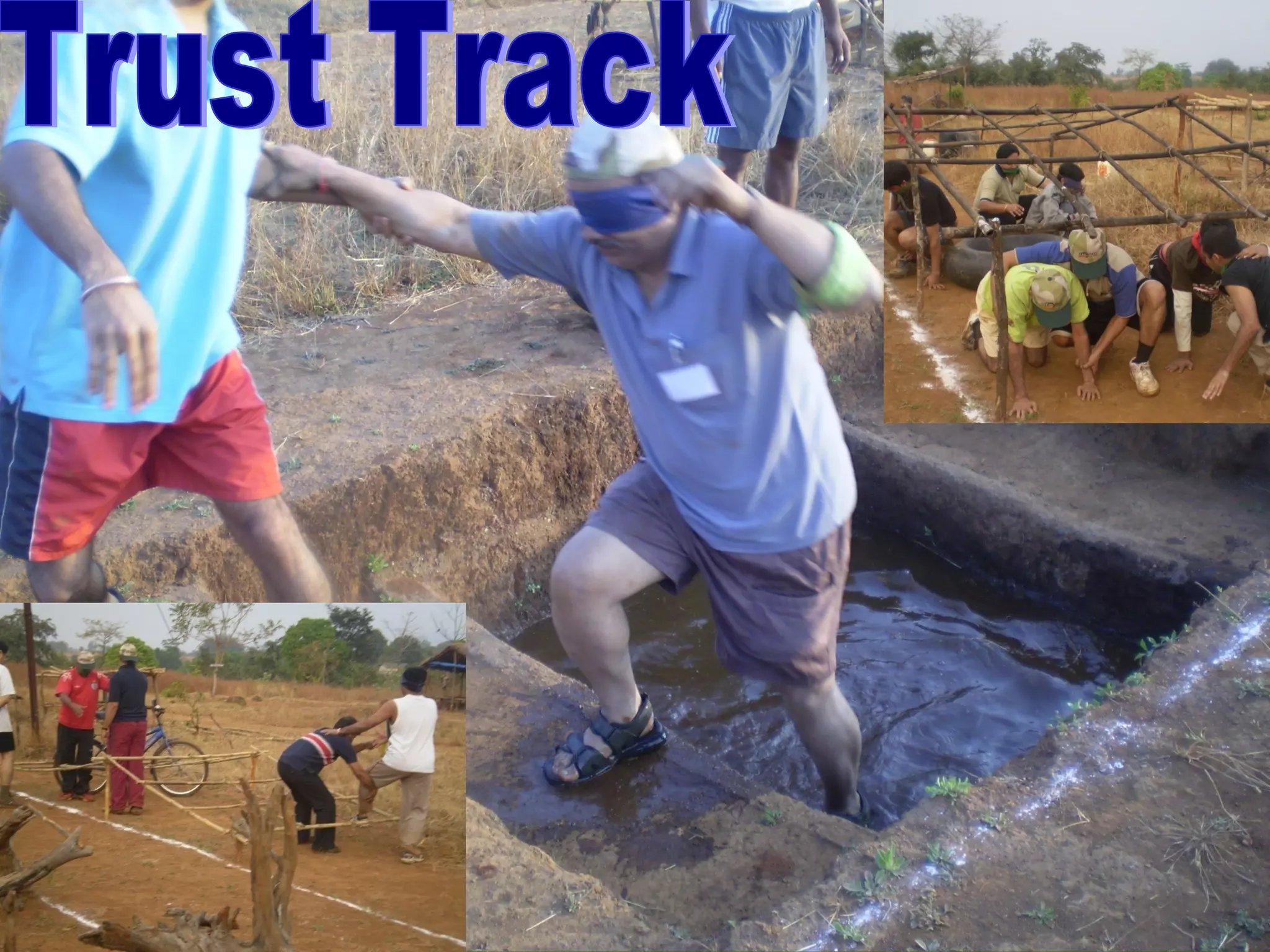
Trust Track
• Trust and Belief in your Partner /
Others, Faith and Belief in Self
• Planning and Time management
• Understanding Team member’s
strength and Teamwork
• Importance of Nonverbal
Communication
Learnings and Takeaways
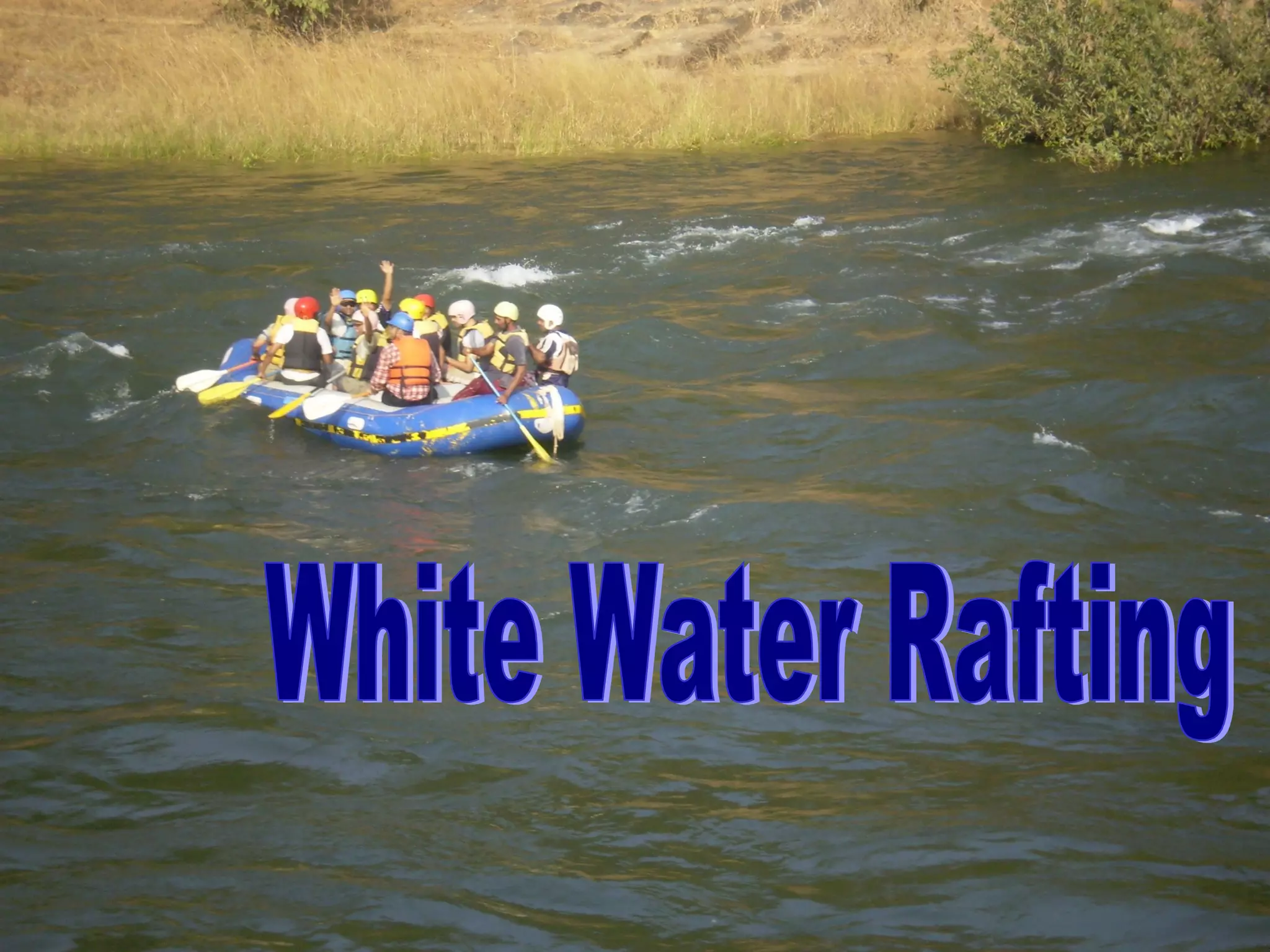
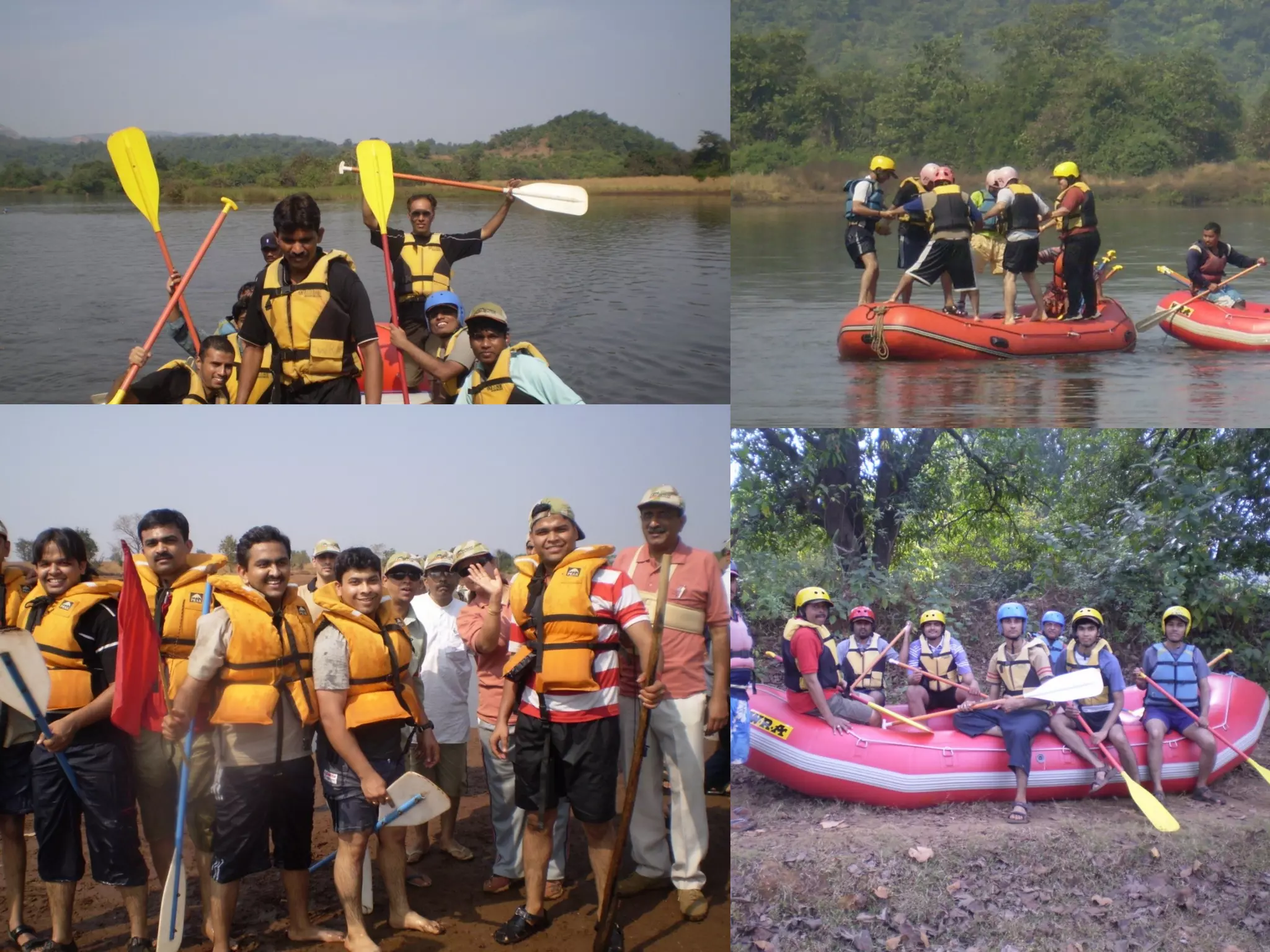
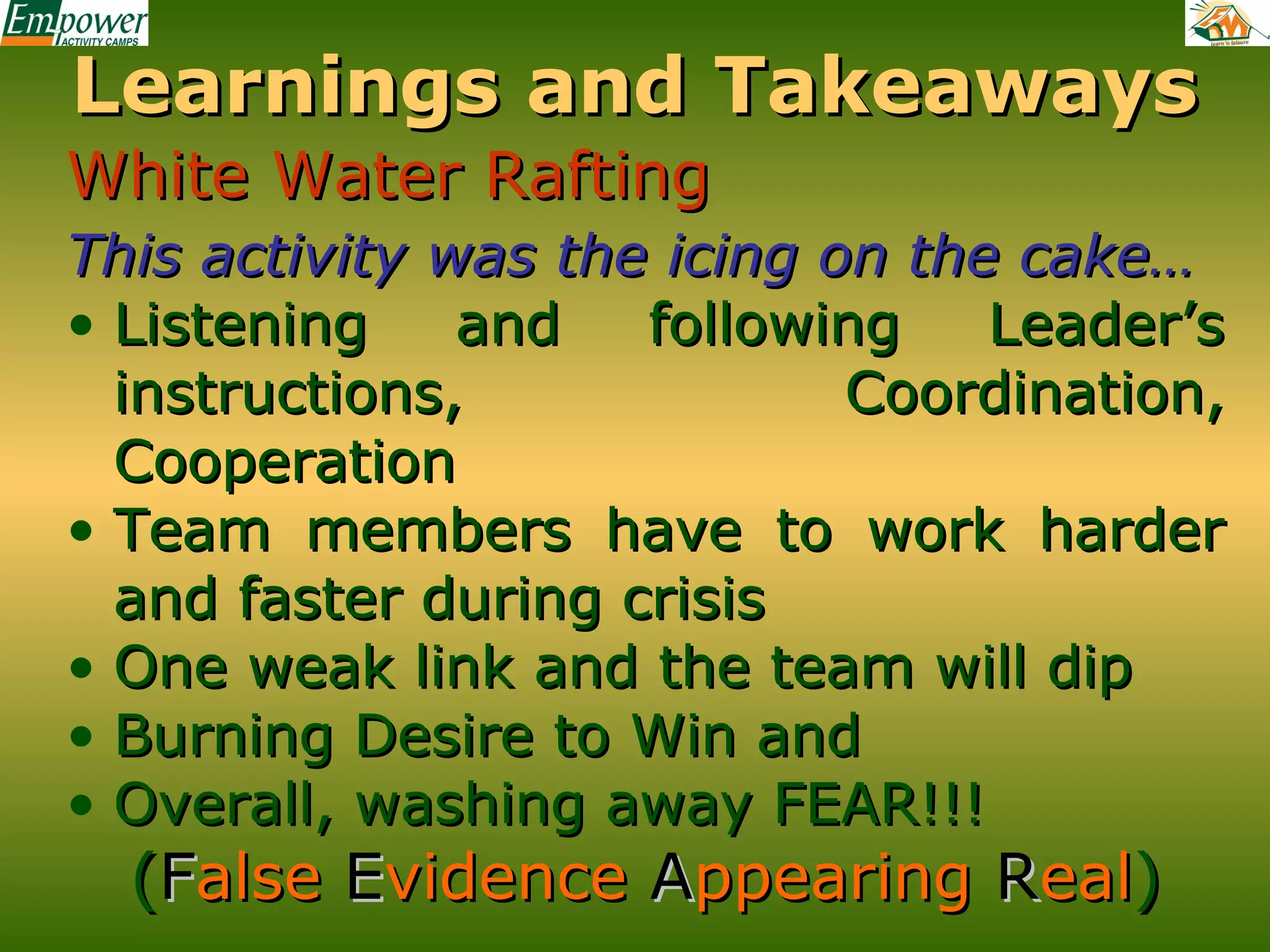
White Water Rafting
This activity was the icing on the cake…
• Listening
and
following
Leader’s
instructions,
Coordination,
Cooperation
• Team members have to work harder
and faster during crisis
• One weak link and the team will dip
• Burning Desire to Win and
• Overall, washing away FEAR!!!

(False Evidence Appearing Real)
Thank you for your interest, ideas,
time, and effort…

Experiential learning

  • 1.
  • 2.
    “Tell me, andI will forget. Show me, and I may remember. Involve me, and I will understand.” - Confucius
  • 3.
    SOME RESEARCH FACTS •Students remember fieldwork and outdoor visits for many years. Dierking and Falk (1997) found that 96 percent of a group (128 children and adults) could recall field trips taken during their early years at school. • Recent Studies have shown that the skills learned in the wilderness find application long after the course is finished.
  • 4.
    • The mostuniversally effective form of leadership training—one that is used by NASA, Harvard Medical School, and the Wharton School of Business—is the Outdoor Experiential Education model. • Characteristics such as self-esteem, confidence, self-efficacy, leadership, and even academic achievement showed longterm improvement after the completion of an outdoor education course.
  • 5.
    • Study ofsecondary students from 11 Californian schools used an environmentally focused curriculum. • The students scored higher in 72 per cent of the academic assessments (reading, science, math, attendance rates and grade point averages) than students from traditional schools (SEER, 2000).
  • 6.
    • The needfor effective follow-up work after outdoor experiences is stressed by several authors (for example, Orion and Hofstein, 1994). • A blend of indoor and outdoor trainings is more effective. Indoor training provides for more theoretical understanding and allows a large amount of content to be covered in relatively short durations.
  • 7.
    Outdoor trainings areinarguably the best way to learn application of concepts. Learners identify their own potential, push skills to the limit, understand the behaviors that come naturally to him when working with various constraints and identify weaknesses and thereby work on them.
  • 8.
    With organizing, planningand facilitation, outdoor activities afford the opportunity for valuable lessons in acquiring the skills and values necessary for teamwork, problem solving, building trust, and decision making for the good of all constituents.
  • 9.
    Challenging outdoor experiencesin an adventure context builds self-esteem and offers practical experience in leading and following. Youthful participants can observe the characteristics of successful leadership and/or “followership” in these adventure challenges, and with proper oversight, be involved in the decisionmaking and execution of the resulting plan of action.
  • 10.
    This approach teachesthe importance of doing your share because others are dependent on you, accepting full ownership of what is required, and doing it to the best of your ability for the benefit of all. Thus, delegating a “teamwork share” of the responsibility is an excellent way to teach youth to contribute by taking their share of ownership of the action plan. •
  • 11.
  • 12.
  • 17.
    Learnings and Takeaways MorningSessions North South East West • Working together towards One Goal • Cooperation Storm Came and Took Away… • Creative Thinking • Lateral Thinking • Alertness and Awareness
  • 19.
    Learnings and Takeaways Passingthe Ring • Role of a Leader • Strategizing and Planning • NOT Underestimating Oneself and Team Mates • Achievement Motivation • Setting S t r e t c h Goals • Teamwork • Time Management
  • 22.
    Learnings and Takeaways RaftBuilding and Competitive Rowing • Changing business environment, resources availability, working and designing within the budget… all brings out the importance of inter-department inter-dependence, and • Team-work and Handling Crisis together with, • Coordination and Cooperation during each step of the activity… • Importance of Quality checks • Encouraging and bringing out the best in others, leadership • Time Management etc…
  • 24.
    Learnings and Takeaways ThreeIslands • Communication – again importance of inter-department inter-dependence and Listening carefully • Planning (Task Analysis) - importance of information dissemination • Interpersonal Relations, Coordination and Team-Work • Effective use of resources • Encouraging and bringing out the best in others—importance of Leadership
  • 27.
    Learnings and Takeaways DynamicObstacle Course • Leadership, Team work, Goal Setting, Planning and Strategizing, Time Management, Task analysis, Optimum use of resources, Decision making, Trust Building etc. and… • The major Learnings were that of importance of Coordination and Cooperation • The importance of Calculated Risk Taking & • Ensuring a Win-Win for the entire Team PED and helping each other • Sharing some of the Leadership Responsibilities in order to support the leader
  • 29.
    Learnings and Takeaways TrustTrack • Trust and Belief in your Partner / Others, Faith and Belief in Self • Planning and Time management • Understanding Team member’s strength and Teamwork • Importance of Nonverbal Communication
  • 32.
    Learnings and Takeaways WhiteWater Rafting This activity was the icing on the cake… • Listening and following Leader’s instructions, Coordination, Cooperation • Team members have to work harder and faster during crisis • One weak link and the team will dip • Burning Desire to Win and • Overall, washing away FEAR!!! (False Evidence Appearing Real)
  • 33.
    Thank you foryour interest, ideas, time, and effort…