International Journal of Excellence Innovation and Development
||Volume 1, Issue 1, Nov. 2018||Page No. 014-017||
www.ijeid.com {IJEID © 2018} All Rights Reserved Page | 14
Efficacy of Foeniculum Vulgare Seeds Powder
on Feed Intake and Feed Conversion Ratio in
Broilers
Saleh Lemrabt1
, Ram Pal Singh2
, Kamin Alexander3
, Pramod W. Ramteke4
, Neeraj5
1
Ph.D Scholar, Department of Biological Sciences, SHUATS, Allahabad, U.P., India.
2
Assistant Professor, Department of Animal Husbandry and Dairying, SHUATS, Allahabad, U.P., India.
3
Assistant Professor, Department of Biological Sciences, SHUATS, Allahabad, U.P., India.
4
Prof.(Dr.) Department of Biological Sciences, SHUATS, Allahabad , U.P., India.
5
Prof.(Dr.) Department of Animal Husbandry and Dairying, SHUATS, Allahabad , U.P., India.
Abstract––An experiment which fed with standard
broiler starter ration from day 1 to day 21 (3 weeks) and
then standard broiler finisher ration from day 22 to day
35 (4th and 5th weeks). The two types of ration (starter
and finisher) were supplemented with different levels of
deferent Foeniculum vulgare seeds powder. The
experiment was laid out in Randomized Block Design
(RBD). There were four treatments like T0, T1, T2 & T3
and 28 chicks in each treatment were distributed. Chicks
of each treatment with variable proportions of (T
0:(control) basal diet with on supplement,
T1:Foeniculum vulgare seeds powder 250 gm+50 kg
diet, T2:Foeniculum vulgare seeds powder 500 gm+50
kg diet and T3:Foeniculum vulgare seeds powder 750
gm+50 kg diet). Combined supplements T3(Foeniculum
vulgare seeds powder 750 gm+50 kg diet) of feed gave
the best performance (p < 0.05) in all growth
performance traits – final body weight, weekly weight
gain, weekly feed intake and feed conversion ratio and
T0 the least. Administration of Foeniculum vulgare
seeds powder to broiler chickens increased their
performance as well as improved their general well-
being. It is, thus, recommended in broiler chicken
production.
Keywords––Foeniculum vulgare seeds powder, feed
intake, and FCR
INTRODUCTION
In the past decades poultry industry, the significance of
chicken meat represents up to 80 percent of the whole
meat production having their origin from birds. Meat
production is still the fastest increasing component in the
meat industry today. Analysis shows that, production
and as well as consumption of chicken meat, is bound to
rise because of good feed conversion when related to
other animal species. Poultry meats are healthy (low fat
and high protein content), has good sensory qualities,
low price and fast production which mean a short
generative time. Poultry diseases count a significant
limitation to the efficiency and productivity and hence
affects its profitability. Basically, the same range of
poultry pathogens are accountable for losses in livability
of poultry, production of eggs, chick’s growth rate and
feed efficiency worldwide (Shane, 2004). The poultry
growers who wants high performance from his/her
broilers flock must carefully meet up with the bird’s
requirement suggested by controlled management
programmer. This requirement includes appropriate
housing, proper lighting, good nutrition, effective
disease control (Goodell, 1981).
Broiler production today occupies the place of pride in
the poultry industry. The growth and progress of the
commercial broiler farming during the last decades has
been spectacular. Scientific production and management
have made substantial progress to make broiler farming
the most fastest growing industry of Indian agriculture.
Aromatic plants are now more important because of its
antimicrobial activity. They possess biological activities
like that of antioxidants, as hypocholesterolemic, the
stimulant effect on animal’s digestive systems, to
increase digestive enzymes production and then improve
utilization of digestive products through enhanced liver
functions. In limited research, the inclusion of aromatic
plants in the feeds and water promotes feed intakes, feed
conversion ratio and carcass yield stated that fennel
(Foeniculum vulgare) is one of these aromatic plants
which is containing a significant percentage of fatty
acids, linoleic and stearic. Also, fennel has 16.81%
Trans - anethole pulse 47.20% estragole with a total
sweeting contents of 64.01% of essential oil. Indicated
that body weight was increased at the same time
improved feed conversion utilizing fennel components in
the diets. (Abdullah and Rabia, 2009).
Fennel seeds usually contain around 26% of essential oil
with trans-anethole as the key compound. The study of
growing Japanese quail in response to meals is enriched
with diverse levels of fennel seeds (0.25, 0.50 and 0.75
g/kg), it was finalized that live body weight gain in the
quail chicks meaningfully increased. Feed diet
encompassing 0.50 g/kg fennel seed achieved the
superlative values of feed conversion ratio, net return
together with the highest value of economic efficacy
between the experimental treatments. The inclusion of
fennel seeds in the basal diet (0.5%) and the combination
of fenugreek and fennel (0.25% + 0.25%) can improve
performance and also health conditions of the broiler
chicks. Treatments containing medical plants revealed
better performance with lower total number of bacteria
compared with the control.
Efficacy of foeniculum vulgare seeds powder on feed intake and feed Lemrabt et al.
www.ijeid.com {IJEID © 2018} All Rights Reserved Page | 15
The weight and length of the small intestine together
with the carcass yield in bird’s fed with medicinal plants
are usually higher than they are in the control. Major
improvements in the final body weight and feed
efficiency are recorded when broiler chickens were fed
with a mixture of fennel added the diet. In addition,
chicks feed that has fennel significantly higher in
number of red blood cells, hemoglobin and packed cell
volume attracts best results (Acimovicet al., 2016).
MATERIAL AND METHODS
The experiment was carried out at poultry farm at
Department of Animal Husbandry and Dairying Sam
Higginbottom University of Agriculture, Technology
&Science, Allahabad, India, during year 2017. The
experimental technical programmer with one hundred
twelve (112) day old broiler chicks of the same day
hatch was procured at Broiler Production Unit. The
chicks were weighed, put mark to determine each chick
and distributed in to 4 groups of 28 chicks in each
treatment. Chicks of each treatment were further divided
into 16 subgroups of 7 chicks in each. Chicks of each
sub group were housed comfortably by providing space
1 sq.ft per bird. All the chamber, feeders, water troughs
and other equipment were properly cleaned, disinfected
and sterilized before using them. The data on various
parameters viz, body weight of day-old chicks, weekly
body weight, gain in weight, weeklyfeed consumption
and feed efficiency were recorded week and ANOVA
for the same was calculated by using RBD.
Experimental design
A total of 112-day old broiler chicks of same hatch was
procured and were randomly divided into 7 groups as per
following dietary regimens:
T0: ( control) basal diet with no supplement.
T1: Foeniculum vulgare seeds powder 250 gm+50 kg diet.
T2: Foeniculum vulgare seeds powder 500 gm+50 kg diet.
T3: Foeniculum vulgare seeds powder 750 gm+50 kg diet.
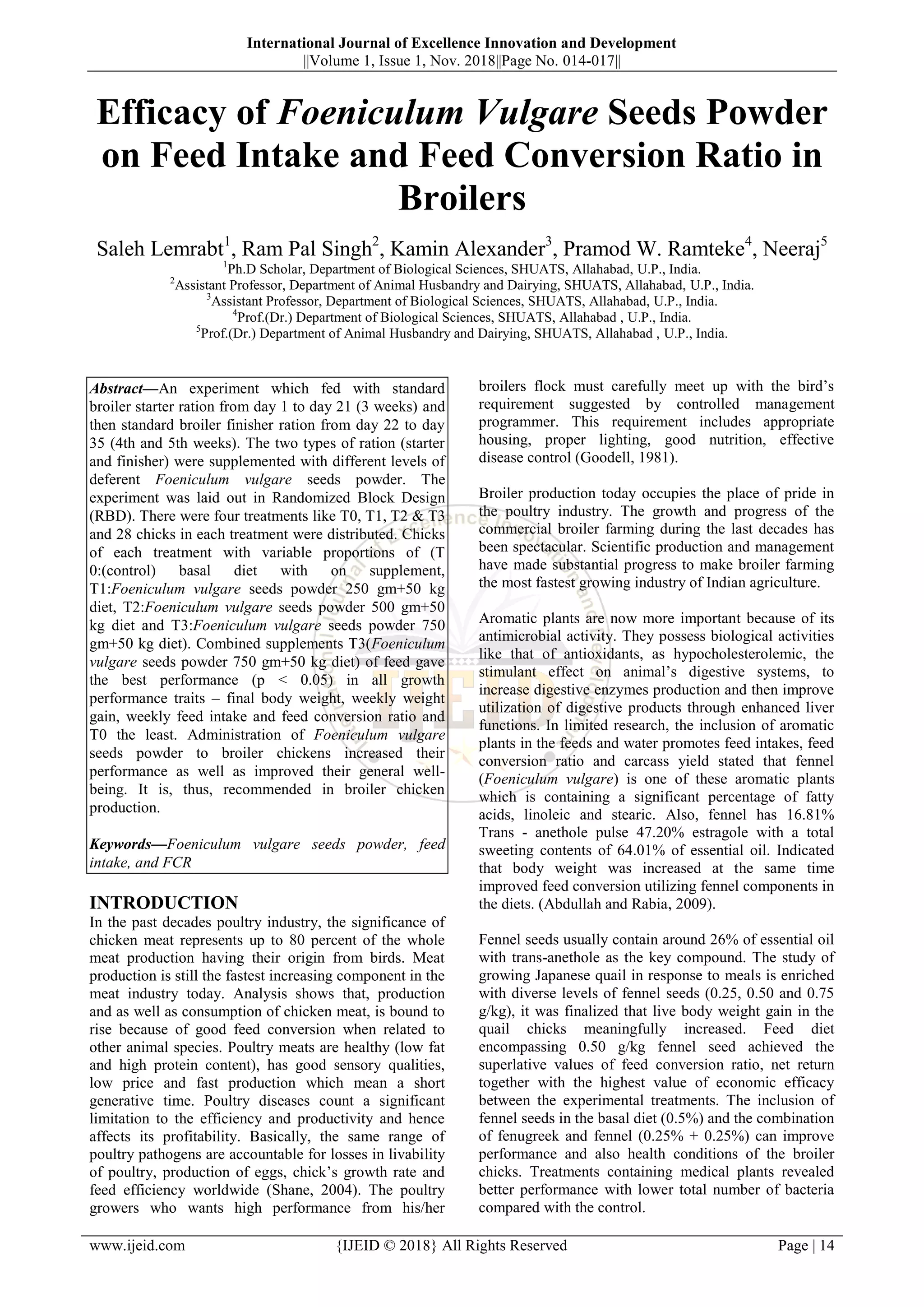
Table 1: Ingredients and nutrient composition of
experimental diet.
Ingredients (%)
Starter
(1-21d)
Finisher
(22-35d)
Corn 54.789 63.765
Soybean Meal 38.733 30.51
Oil-Vegetables 1.313 1.649
DL-Methionine 0.26 0.204
L-Lysine. HCl 0.152 0.16
L-Threonine 0.037 0.028
Choline Chloride 0.074 0
Di Ca- Phosphate 2.247 1.662
CaCO3 1.267 0.904
Na-Bicarbonate 0.244 0.222
NaCl 0.183 0.196
Vit. & Mineral Mixture 0.6 0.6
Filler 0.1 0.1
Vitamin A: 3,600,000 IU/kg; Vitamin D3: : 800,000
IU/kg; Vitamin E: 7,200IU/kg; Vitamin K3: 800 mg/kg;
Vitamin B1: 720 mg/kg; VitaminB2: 2,640 mg/kg;
Vitamin B3 (Calcium Pantothenate): 4,000 mg/kg;
Vitamin B5 (Niacin): 12,000 mg/kg; Vitamin B6: 1,200
mg/kg; Vitamin B9(Folic acid): 400 mg/kg; Vitamin
B12: 6 mg/kg; Vitamin H2 (Biotin): 40 mg/kg; Choline:
100,000 mg/kg; Antioxidant: 40,000 mg/kg and 1mg/kg
Excipient; Mn: 39,680 mg/kg; Fe: 20,000 mg/kg; Zn:
33,880 mg/kg; Cu: 4,000 mg/kg; I: 400 mg/kg; Se: 80
mg/kg; Choline: 100,000 mg/kg and 1 mg/kg Excipient.
(Gharehsheikhlouet al., 2018).
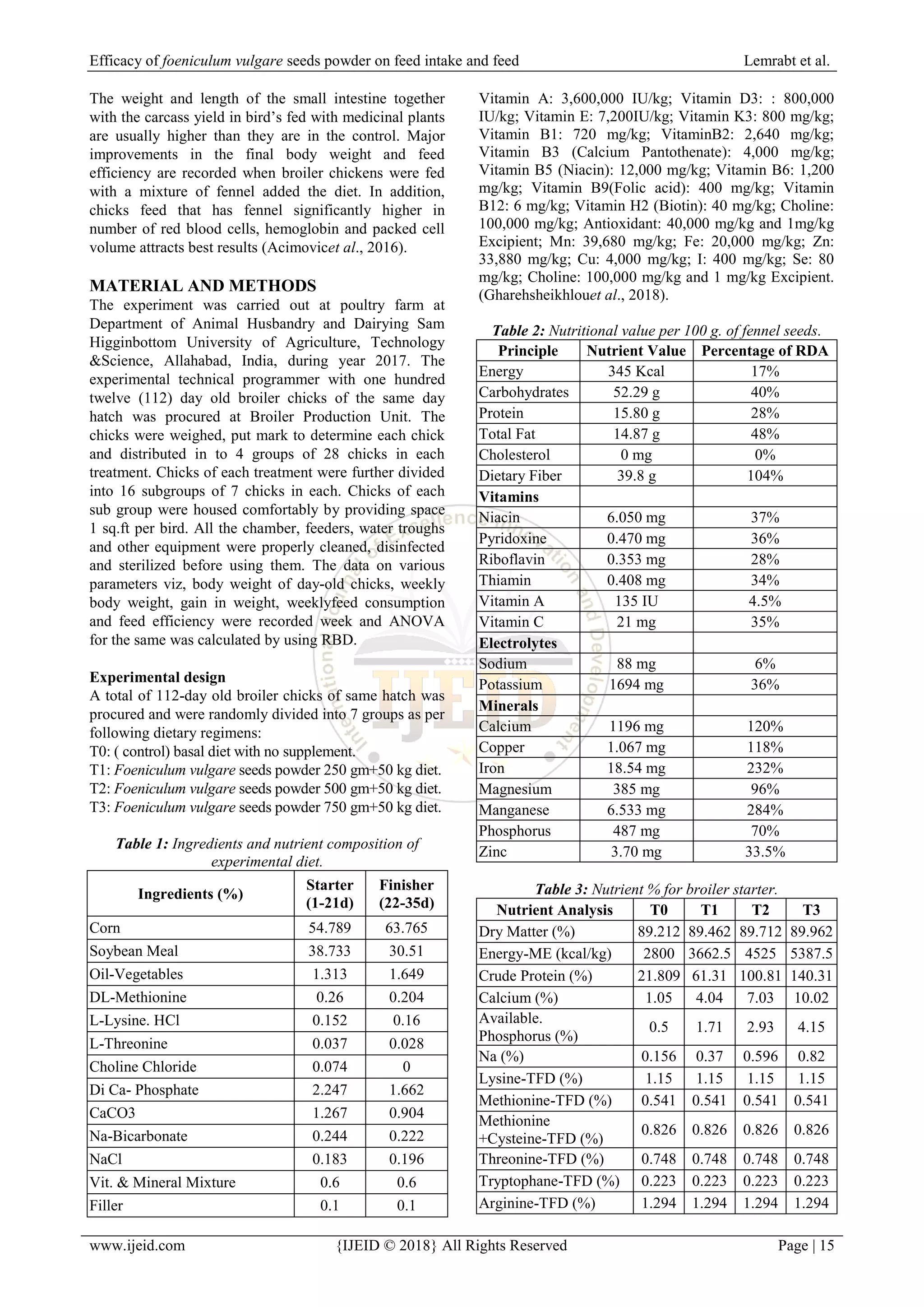
Table 2: Nutritional value per 100 g. of fennel seeds.
Principle Nutrient Value Percentage of RDA
Energy 345 Kcal 17%
Carbohydrates 52.29 g 40%
Protein 15.80 g 28%
Total Fat 14.87 g 48%
Cholesterol 0 mg 0%
Dietary Fiber 39.8 g 104%
Vitamins
Niacin 6.050 mg 37%
Pyridoxine 0.470 mg 36%
Riboflavin 0.353 mg 28%
Thiamin 0.408 mg 34%
Vitamin A 135 IU 4.5%
Vitamin C 21 mg 35%
Electrolytes
Sodium 88 mg 6%
Potassium 1694 mg 36%
Minerals
Calcium 1196 mg 120%
Copper 1.067 mg 118%
Iron 18.54 mg 232%
Magnesium 385 mg 96%
Manganese 6.533 mg 284%
Phosphorus 487 mg 70%
Zinc 3.70 mg 33.5%
Table 3: Nutrient % for broiler starter.
Nutrient Analysis T0 T1 T2 T3
Dry Matter (%) 89.212 89.462 89.712 89.962
Energy-ME (kcal/kg) 2800 3662.5 4525 5387.5
Crude Protein (%) 21.809 61.31 100.81 140.31
Calcium (%) 1.05 4.04 7.03 10.02
Available.
Phosphorus (%)
0.5 1.71 2.93 4.15
Na (%) 0.156 0.37 0.596 0.82
Lysine-TFD (%) 1.15 1.15 1.15 1.15
Methionine-TFD (%) 0.541 0.541 0.541 0.541
Methionine
+Cysteine-TFD (%)
0.826 0.826 0.826 0.826
Threonine-TFD (%) 0.748 0.748 0.748 0.748
Tryptophane-TFD (%) 0.223 0.223 0.223 0.223
Arginine-TFD (%) 1.294 1.294 1.294 1.294
International Journal of Excellence Innovation and Development
||Volume 1, Issue 1, Nov. 2018||Page No. 014-017||
www.ijeid.com {IJEID © 2018} All Rights Reserved Page | 16
Table 4: Nutrient % for broiler finisher.
Nutrient Analysis T0 T1 T2 T3
Dry Matter (%) 88.964 89.214 89.464 89.714
Energy-ME (kcal/kg) 2935 3797.5 4660 5522.5
Crude Protein (%) 18.194 57.694 97.194 136.694
Calcium (%) 0.776 3.766 6.756 9.746
Available.
Phosphorus (%)
0.338 1.555 2.773 3.990
Na (%) 0.155 0.37 0.595 0.815
Lysine-TFD (%) 0.976 0.976 0.976 0.976
Methionine-TFD (%) 0.455 0.455 0.455 0.455
Methionine
+Cysteine-TFD (%)
0.71 0.71 0.71 0.71
Threonine-TFD (%) 0.635 0.635 0.635 0.635
Tryptophane-TFD (%) 0.185 0.185 0.185 0.185
Arginine-TFD (%) 1.087 1.087 1.087 1.087
RESULTS AND DISCUSSION
Feed intake (g)
The data regarding feed intake of the chicks randomly
distributed into control (T0) and four different treatments
(T0, T1, T2, and T3) are presented in the Tables 5. From
the perusal of data on weekly feed intake of broilers,
contained in Table 5, it may be notedthat feedintake of
broilers, irrespective of treatments at one, two ,three
,four and five weeks of age was64.90, 370.75, 515.80,
546.35 and 847.02g, respectively. And the differences in
these were significant, indicating thereby a significant
effect of age on the feed intake of broilers in all
treatments. the results were expected, because under
normal phenomenon. The increase in feed intake with
increased age, is what are world expected with increase
of age. When treatment was feed intake was recorded,
the mean highest feed intake was significant in broilers
of T0(497.41), followed by T1(479.54), T2(449.81),
T3(449.09). And the differences in this volume were
found significant. This indicate that supplementation of
Foeniculum vulgare seeds powder dietis influence the
feed intake of broilers. However, feed intake was
recorded lower in treatment groups compared to control.
Results showed that supplementation of Foeniculum
vulgare seeds powder 750 gm+50 kg diet in ration
caused significant increase in growth in higher body
growth.
FCR (g.feed per kg of gain in weight)
The data regarding the feed conversion ratio of chicks
randomly distributed into control (T0) and four different
treatments (T0, T1, T2, and T3) are presented in the Table
6. From the perusal of data on weekly FCR per broiler,
contained in Table 6, it may be noted that FCR per
broiler, irrespective of treatments at first, second, third,
fourth and fifth weeks of age was 0.74, 1.50, 1.90, 1.19
and 1.88 of age on the FCR of broilers in all treatments.
When treatment wise FCR was recorded highest FCR
observed in T0(1.60), followed by T1(1.47), T2(1.36),
and T3(1.33)g. However these in accordance with the
results on feed on feed intake and gain in weight of
broilers. Similar findings with respect to improvement in
body weight gain was observed by earlier researchers
[Zanu, et al. (2011) and Adeyemo, et al. (2013)]. The
improvement in weight gain might be due to anti-
protozoal and immunostimulatory properties of
Foeniculum vulgare seeds powder that help to reduce the
microbial load and improved the performance [Wankar,
et al. (2009)]. In the contrary to our findings, there is
also some reports in which birds exhibited poor
performance and lower body weights in all treatment
groups [Deore, et al. (2005)]. While some earlier reports
showed no significant variations in weight gain of
broilers [Nidaullah, et al. (2010), Nnenna, and A.A.
(2013)].
Table 5: Average weekly mean feed intake of broiler
chicks (g) in different treatments.
Treatments W1 W2 W3 W4 W5 Mean
T1 84.22 393.07 536.51 575.03 898.20 497.41
T2 72.28 381.22 524.46 557.19 862.58 479.54
T3 50.74 353.62 496.87 524.61 823.20 449.81
T4 52.34 355.09 505.34 528.58 804.09 449.09
Mean 64.90 370.75 515.80 546.35 847.02
Table 6: Average weekly mean FCR of broiler chicks (g)
in different treatments.
Treatments W1 W2 W3 W4 W5 Mean
T0 1.00 1.64 1.93 1.37 2.08 1.60
T1 0.87 1.57 2.01 1.17 1.73 1.47
T2 0.55 1.40 1.88 1.12 1.86 1.36
T3 0.54 1.38 1.77 1.11 1.84 1.33
Mean 0.74 1.50 1.90 1.19 1.88
420
430
440
450
460
470
480
490
500
510
T0 T1 T2 T3
Mean of feed intake of broiler
chicks(g)
0
0.2
0.4
0.6
0.8
1
1.2
1.4
1.6
1.8
T0 T1 T2 T3
Mean of FCR of broiler chicks(g)
Efficacy of foeniculum vulgare seeds powder on feed intake and feed Lemrabt et al.
www.ijeid.com {IJEID © 2018} All Rights Reserved Page | 17
REFERENCES
[1] Abdullah A. Mohammed and Rabia J. Abbas
(2009). The Effect of Using Fennel Seeds
(Foeniculum vulgare) on Productive Performance
of Broiler Chickens, International Journal of
Poultry Science 8(7): 642-644.
[2] Adeyemo, G.O. and Akanmu, A.M. (2013).
Effects of neem (Azadirachtaindica) and Pawpaw
(Carica papaya) leaves supplementation on
performance and
carcass characteristics of broilers. Available from:
http://wwwen.engormix.com/MA-poultry
industry/ nutrition/ articles. Last accessed on 08-
12-2013.
[3] Acimovic, M. G., Kostadinovic, L. M., Puvaca, N.
M., Popovic, S. J., &Urosevic, M. I. (2016).
Phytochemical constituents of selected plants from
Apiaceae family and their biological effects in
poultry. Food and Feed Research, 43(1), 35-41.
[4] Deore, U.B., Ingole, R.S., Waghmare, S.P.,
Pathak, V.P. and Joshi, M.V. (2005).
Clinicopathological investigations in broilers
given different levels of neem oil supplementation
in feed. J. Bombay Vet. Coll., 13(1-2): 110-111.
[5] Gharehsheikhlou, H.R. M. Chamani, A.R. Seidavi,
A.A. Sadeghi and M. Mohiti-Asli(2018). Effect
offennel and savory essential oils on performance,
carcass characteristics and blood parameters of
broilers. Journal of Livestock Science, 9: 23-31.
[6] Goodell, R. H. (1981). Pig and poultry production.
International Fair. Hannover, West Germany, p.76.
[7] Nidaullah, H., Durrani, F.R., Ahmad, S., Jan, I.U.
and Gul, S. (2010). Aqueous extract from different
medicinal plants as anticoccidial, growth
promotive and immunostimulant in broilers. J.
Agric. Biol. Sci., 5(1): 53-59.
[8] Nnenna, O.P. and Okey, A.A. (2013). Toxicity
and nutritional assessment of aqueous
Azadirachtaindica (neem) leaf extract in broiler
chicks. Int. J. Biosci., 3(6): 172-180.
[9] Shane S.(2004). Practical biosecurity. A
perspective for China. American Soybean
Association. Poultry Seminar programme, China.
April 17th, 2004, p. 1-3.
[10] Wankar, A.K., Shirbhate, R.N., Bahiram, K.B.,
Dhenge, S.A. and Jasutkar, R.A. (2009). Effect of
neem leaf powder supplementation on growth in
broilers. Vet. World., 2(10): 396-397.
[11] Zanu, H.K., Kagya-Agyemang, J.K., Kwenin,
W.K.J., Bonsu, F.R.K., Antwi, E., and Ateni, S.
(2011). Physiological response of broiler chickens
to neem and akakapenpen decoctions:
Performance and carcass characteristics. Int. J.
Poult. Sci., 10(9): 730-733.

Efficacy of Foeniculum Vulgare Seeds Powder on Feed Intake and Feed Conversion Ratio in Broilers

  • 1.
    International Journal ofExcellence Innovation and Development ||Volume 1, Issue 1, Nov. 2018||Page No. 014-017|| www.ijeid.com {IJEID © 2018} All Rights Reserved Page | 14 Efficacy of Foeniculum Vulgare Seeds Powder on Feed Intake and Feed Conversion Ratio in Broilers Saleh Lemrabt1 , Ram Pal Singh2 , Kamin Alexander3 , Pramod W. Ramteke4 , Neeraj5 1 Ph.D Scholar, Department of Biological Sciences, SHUATS, Allahabad, U.P., India. 2 Assistant Professor, Department of Animal Husbandry and Dairying, SHUATS, Allahabad, U.P., India. 3 Assistant Professor, Department of Biological Sciences, SHUATS, Allahabad, U.P., India. 4 Prof.(Dr.) Department of Biological Sciences, SHUATS, Allahabad , U.P., India. 5 Prof.(Dr.) Department of Animal Husbandry and Dairying, SHUATS, Allahabad , U.P., India. Abstract––An experiment which fed with standard broiler starter ration from day 1 to day 21 (3 weeks) and then standard broiler finisher ration from day 22 to day 35 (4th and 5th weeks). The two types of ration (starter and finisher) were supplemented with different levels of deferent Foeniculum vulgare seeds powder. The experiment was laid out in Randomized Block Design (RBD). There were four treatments like T0, T1, T2 & T3 and 28 chicks in each treatment were distributed. Chicks of each treatment with variable proportions of (T 0:(control) basal diet with on supplement, T1:Foeniculum vulgare seeds powder 250 gm+50 kg diet, T2:Foeniculum vulgare seeds powder 500 gm+50 kg diet and T3:Foeniculum vulgare seeds powder 750 gm+50 kg diet). Combined supplements T3(Foeniculum vulgare seeds powder 750 gm+50 kg diet) of feed gave the best performance (p < 0.05) in all growth performance traits – final body weight, weekly weight gain, weekly feed intake and feed conversion ratio and T0 the least. Administration of Foeniculum vulgare seeds powder to broiler chickens increased their performance as well as improved their general well- being. It is, thus, recommended in broiler chicken production. Keywords––Foeniculum vulgare seeds powder, feed intake, and FCR INTRODUCTION In the past decades poultry industry, the significance of chicken meat represents up to 80 percent of the whole meat production having their origin from birds. Meat production is still the fastest increasing component in the meat industry today. Analysis shows that, production and as well as consumption of chicken meat, is bound to rise because of good feed conversion when related to other animal species. Poultry meats are healthy (low fat and high protein content), has good sensory qualities, low price and fast production which mean a short generative time. Poultry diseases count a significant limitation to the efficiency and productivity and hence affects its profitability. Basically, the same range of poultry pathogens are accountable for losses in livability of poultry, production of eggs, chick’s growth rate and feed efficiency worldwide (Shane, 2004). The poultry growers who wants high performance from his/her broilers flock must carefully meet up with the bird’s requirement suggested by controlled management programmer. This requirement includes appropriate housing, proper lighting, good nutrition, effective disease control (Goodell, 1981). Broiler production today occupies the place of pride in the poultry industry. The growth and progress of the commercial broiler farming during the last decades has been spectacular. Scientific production and management have made substantial progress to make broiler farming the most fastest growing industry of Indian agriculture. Aromatic plants are now more important because of its antimicrobial activity. They possess biological activities like that of antioxidants, as hypocholesterolemic, the stimulant effect on animal’s digestive systems, to increase digestive enzymes production and then improve utilization of digestive products through enhanced liver functions. In limited research, the inclusion of aromatic plants in the feeds and water promotes feed intakes, feed conversion ratio and carcass yield stated that fennel (Foeniculum vulgare) is one of these aromatic plants which is containing a significant percentage of fatty acids, linoleic and stearic. Also, fennel has 16.81% Trans - anethole pulse 47.20% estragole with a total sweeting contents of 64.01% of essential oil. Indicated that body weight was increased at the same time improved feed conversion utilizing fennel components in the diets. (Abdullah and Rabia, 2009). Fennel seeds usually contain around 26% of essential oil with trans-anethole as the key compound. The study of growing Japanese quail in response to meals is enriched with diverse levels of fennel seeds (0.25, 0.50 and 0.75 g/kg), it was finalized that live body weight gain in the quail chicks meaningfully increased. Feed diet encompassing 0.50 g/kg fennel seed achieved the superlative values of feed conversion ratio, net return together with the highest value of economic efficacy between the experimental treatments. The inclusion of fennel seeds in the basal diet (0.5%) and the combination of fenugreek and fennel (0.25% + 0.25%) can improve performance and also health conditions of the broiler chicks. Treatments containing medical plants revealed better performance with lower total number of bacteria compared with the control.
  • 2.
    Efficacy of foeniculumvulgare seeds powder on feed intake and feed Lemrabt et al. www.ijeid.com {IJEID © 2018} All Rights Reserved Page | 15 The weight and length of the small intestine together with the carcass yield in bird’s fed with medicinal plants are usually higher than they are in the control. Major improvements in the final body weight and feed efficiency are recorded when broiler chickens were fed with a mixture of fennel added the diet. In addition, chicks feed that has fennel significantly higher in number of red blood cells, hemoglobin and packed cell volume attracts best results (Acimovicet al., 2016). MATERIAL AND METHODS The experiment was carried out at poultry farm at Department of Animal Husbandry and Dairying Sam Higginbottom University of Agriculture, Technology &Science, Allahabad, India, during year 2017. The experimental technical programmer with one hundred twelve (112) day old broiler chicks of the same day hatch was procured at Broiler Production Unit. The chicks were weighed, put mark to determine each chick and distributed in to 4 groups of 28 chicks in each treatment. Chicks of each treatment were further divided into 16 subgroups of 7 chicks in each. Chicks of each sub group were housed comfortably by providing space 1 sq.ft per bird. All the chamber, feeders, water troughs and other equipment were properly cleaned, disinfected and sterilized before using them. The data on various parameters viz, body weight of day-old chicks, weekly body weight, gain in weight, weeklyfeed consumption and feed efficiency were recorded week and ANOVA for the same was calculated by using RBD. Experimental design A total of 112-day old broiler chicks of same hatch was procured and were randomly divided into 7 groups as per following dietary regimens: T0: ( control) basal diet with no supplement. T1: Foeniculum vulgare seeds powder 250 gm+50 kg diet. T2: Foeniculum vulgare seeds powder 500 gm+50 kg diet. T3: Foeniculum vulgare seeds powder 750 gm+50 kg diet. Table 1: Ingredients and nutrient composition of experimental diet. Ingredients (%) Starter (1-21d) Finisher (22-35d) Corn 54.789 63.765 Soybean Meal 38.733 30.51 Oil-Vegetables 1.313 1.649 DL-Methionine 0.26 0.204 L-Lysine. HCl 0.152 0.16 L-Threonine 0.037 0.028 Choline Chloride 0.074 0 Di Ca- Phosphate 2.247 1.662 CaCO3 1.267 0.904 Na-Bicarbonate 0.244 0.222 NaCl 0.183 0.196 Vit. & Mineral Mixture 0.6 0.6 Filler 0.1 0.1 Vitamin A: 3,600,000 IU/kg; Vitamin D3: : 800,000 IU/kg; Vitamin E: 7,200IU/kg; Vitamin K3: 800 mg/kg; Vitamin B1: 720 mg/kg; VitaminB2: 2,640 mg/kg; Vitamin B3 (Calcium Pantothenate): 4,000 mg/kg; Vitamin B5 (Niacin): 12,000 mg/kg; Vitamin B6: 1,200 mg/kg; Vitamin B9(Folic acid): 400 mg/kg; Vitamin B12: 6 mg/kg; Vitamin H2 (Biotin): 40 mg/kg; Choline: 100,000 mg/kg; Antioxidant: 40,000 mg/kg and 1mg/kg Excipient; Mn: 39,680 mg/kg; Fe: 20,000 mg/kg; Zn: 33,880 mg/kg; Cu: 4,000 mg/kg; I: 400 mg/kg; Se: 80 mg/kg; Choline: 100,000 mg/kg and 1 mg/kg Excipient. (Gharehsheikhlouet al., 2018). Table 2: Nutritional value per 100 g. of fennel seeds. Principle Nutrient Value Percentage of RDA Energy 345 Kcal 17% Carbohydrates 52.29 g 40% Protein 15.80 g 28% Total Fat 14.87 g 48% Cholesterol 0 mg 0% Dietary Fiber 39.8 g 104% Vitamins Niacin 6.050 mg 37% Pyridoxine 0.470 mg 36% Riboflavin 0.353 mg 28% Thiamin 0.408 mg 34% Vitamin A 135 IU 4.5% Vitamin C 21 mg 35% Electrolytes Sodium 88 mg 6% Potassium 1694 mg 36% Minerals Calcium 1196 mg 120% Copper 1.067 mg 118% Iron 18.54 mg 232% Magnesium 385 mg 96% Manganese 6.533 mg 284% Phosphorus 487 mg 70% Zinc 3.70 mg 33.5% Table 3: Nutrient % for broiler starter. Nutrient Analysis T0 T1 T2 T3 Dry Matter (%) 89.212 89.462 89.712 89.962 Energy-ME (kcal/kg) 2800 3662.5 4525 5387.5 Crude Protein (%) 21.809 61.31 100.81 140.31 Calcium (%) 1.05 4.04 7.03 10.02 Available. Phosphorus (%) 0.5 1.71 2.93 4.15 Na (%) 0.156 0.37 0.596 0.82 Lysine-TFD (%) 1.15 1.15 1.15 1.15 Methionine-TFD (%) 0.541 0.541 0.541 0.541 Methionine +Cysteine-TFD (%) 0.826 0.826 0.826 0.826 Threonine-TFD (%) 0.748 0.748 0.748 0.748 Tryptophane-TFD (%) 0.223 0.223 0.223 0.223 Arginine-TFD (%) 1.294 1.294 1.294 1.294
  • 3.
    International Journal ofExcellence Innovation and Development ||Volume 1, Issue 1, Nov. 2018||Page No. 014-017|| www.ijeid.com {IJEID © 2018} All Rights Reserved Page | 16 Table 4: Nutrient % for broiler finisher. Nutrient Analysis T0 T1 T2 T3 Dry Matter (%) 88.964 89.214 89.464 89.714 Energy-ME (kcal/kg) 2935 3797.5 4660 5522.5 Crude Protein (%) 18.194 57.694 97.194 136.694 Calcium (%) 0.776 3.766 6.756 9.746 Available. Phosphorus (%) 0.338 1.555 2.773 3.990 Na (%) 0.155 0.37 0.595 0.815 Lysine-TFD (%) 0.976 0.976 0.976 0.976 Methionine-TFD (%) 0.455 0.455 0.455 0.455 Methionine +Cysteine-TFD (%) 0.71 0.71 0.71 0.71 Threonine-TFD (%) 0.635 0.635 0.635 0.635 Tryptophane-TFD (%) 0.185 0.185 0.185 0.185 Arginine-TFD (%) 1.087 1.087 1.087 1.087 RESULTS AND DISCUSSION Feed intake (g) The data regarding feed intake of the chicks randomly distributed into control (T0) and four different treatments (T0, T1, T2, and T3) are presented in the Tables 5. From the perusal of data on weekly feed intake of broilers, contained in Table 5, it may be notedthat feedintake of broilers, irrespective of treatments at one, two ,three ,four and five weeks of age was64.90, 370.75, 515.80, 546.35 and 847.02g, respectively. And the differences in these were significant, indicating thereby a significant effect of age on the feed intake of broilers in all treatments. the results were expected, because under normal phenomenon. The increase in feed intake with increased age, is what are world expected with increase of age. When treatment was feed intake was recorded, the mean highest feed intake was significant in broilers of T0(497.41), followed by T1(479.54), T2(449.81), T3(449.09). And the differences in this volume were found significant. This indicate that supplementation of Foeniculum vulgare seeds powder dietis influence the feed intake of broilers. However, feed intake was recorded lower in treatment groups compared to control. Results showed that supplementation of Foeniculum vulgare seeds powder 750 gm+50 kg diet in ration caused significant increase in growth in higher body growth. FCR (g.feed per kg of gain in weight) The data regarding the feed conversion ratio of chicks randomly distributed into control (T0) and four different treatments (T0, T1, T2, and T3) are presented in the Table 6. From the perusal of data on weekly FCR per broiler, contained in Table 6, it may be noted that FCR per broiler, irrespective of treatments at first, second, third, fourth and fifth weeks of age was 0.74, 1.50, 1.90, 1.19 and 1.88 of age on the FCR of broilers in all treatments. When treatment wise FCR was recorded highest FCR observed in T0(1.60), followed by T1(1.47), T2(1.36), and T3(1.33)g. However these in accordance with the results on feed on feed intake and gain in weight of broilers. Similar findings with respect to improvement in body weight gain was observed by earlier researchers [Zanu, et al. (2011) and Adeyemo, et al. (2013)]. The improvement in weight gain might be due to anti- protozoal and immunostimulatory properties of Foeniculum vulgare seeds powder that help to reduce the microbial load and improved the performance [Wankar, et al. (2009)]. In the contrary to our findings, there is also some reports in which birds exhibited poor performance and lower body weights in all treatment groups [Deore, et al. (2005)]. While some earlier reports showed no significant variations in weight gain of broilers [Nidaullah, et al. (2010), Nnenna, and A.A. (2013)]. Table 5: Average weekly mean feed intake of broiler chicks (g) in different treatments. Treatments W1 W2 W3 W4 W5 Mean T1 84.22 393.07 536.51 575.03 898.20 497.41 T2 72.28 381.22 524.46 557.19 862.58 479.54 T3 50.74 353.62 496.87 524.61 823.20 449.81 T4 52.34 355.09 505.34 528.58 804.09 449.09 Mean 64.90 370.75 515.80 546.35 847.02 Table 6: Average weekly mean FCR of broiler chicks (g) in different treatments. Treatments W1 W2 W3 W4 W5 Mean T0 1.00 1.64 1.93 1.37 2.08 1.60 T1 0.87 1.57 2.01 1.17 1.73 1.47 T2 0.55 1.40 1.88 1.12 1.86 1.36 T3 0.54 1.38 1.77 1.11 1.84 1.33 Mean 0.74 1.50 1.90 1.19 1.88 420 430 440 450 460 470 480 490 500 510 T0 T1 T2 T3 Mean of feed intake of broiler chicks(g) 0 0.2 0.4 0.6 0.8 1 1.2 1.4 1.6 1.8 T0 T1 T2 T3 Mean of FCR of broiler chicks(g)
  • 4.
    Efficacy of foeniculumvulgare seeds powder on feed intake and feed Lemrabt et al. www.ijeid.com {IJEID © 2018} All Rights Reserved Page | 17 REFERENCES [1] Abdullah A. Mohammed and Rabia J. Abbas (2009). The Effect of Using Fennel Seeds (Foeniculum vulgare) on Productive Performance of Broiler Chickens, International Journal of Poultry Science 8(7): 642-644. [2] Adeyemo, G.O. and Akanmu, A.M. (2013). Effects of neem (Azadirachtaindica) and Pawpaw (Carica papaya) leaves supplementation on performance and carcass characteristics of broilers. Available from: http://wwwen.engormix.com/MA-poultry industry/ nutrition/ articles. Last accessed on 08- 12-2013. [3] Acimovic, M. G., Kostadinovic, L. M., Puvaca, N. M., Popovic, S. J., &Urosevic, M. I. (2016). Phytochemical constituents of selected plants from Apiaceae family and their biological effects in poultry. Food and Feed Research, 43(1), 35-41. [4] Deore, U.B., Ingole, R.S., Waghmare, S.P., Pathak, V.P. and Joshi, M.V. (2005). Clinicopathological investigations in broilers given different levels of neem oil supplementation in feed. J. Bombay Vet. Coll., 13(1-2): 110-111. [5] Gharehsheikhlou, H.R. M. Chamani, A.R. Seidavi, A.A. Sadeghi and M. Mohiti-Asli(2018). Effect offennel and savory essential oils on performance, carcass characteristics and blood parameters of broilers. Journal of Livestock Science, 9: 23-31. [6] Goodell, R. H. (1981). Pig and poultry production. International Fair. Hannover, West Germany, p.76. [7] Nidaullah, H., Durrani, F.R., Ahmad, S., Jan, I.U. and Gul, S. (2010). Aqueous extract from different medicinal plants as anticoccidial, growth promotive and immunostimulant in broilers. J. Agric. Biol. Sci., 5(1): 53-59. [8] Nnenna, O.P. and Okey, A.A. (2013). Toxicity and nutritional assessment of aqueous Azadirachtaindica (neem) leaf extract in broiler chicks. Int. J. Biosci., 3(6): 172-180. [9] Shane S.(2004). Practical biosecurity. A perspective for China. American Soybean Association. Poultry Seminar programme, China. April 17th, 2004, p. 1-3. [10] Wankar, A.K., Shirbhate, R.N., Bahiram, K.B., Dhenge, S.A. and Jasutkar, R.A. (2009). Effect of neem leaf powder supplementation on growth in broilers. Vet. World., 2(10): 396-397. [11] Zanu, H.K., Kagya-Agyemang, J.K., Kwenin, W.K.J., Bonsu, F.R.K., Antwi, E., and Ateni, S. (2011). Physiological response of broiler chickens to neem and akakapenpen decoctions: Performance and carcass characteristics. Int. J. Poult. Sci., 10(9): 730-733.