Effective specification writing  Dr J Gordon Murray
Your challenge Find a partner Find a space Sit back-to-back with your partner One partner (a) will be given a picture Describe the picture you have been given to your partner (b) Partner (b) produces description of what the partner (a) has told them Do not share your results


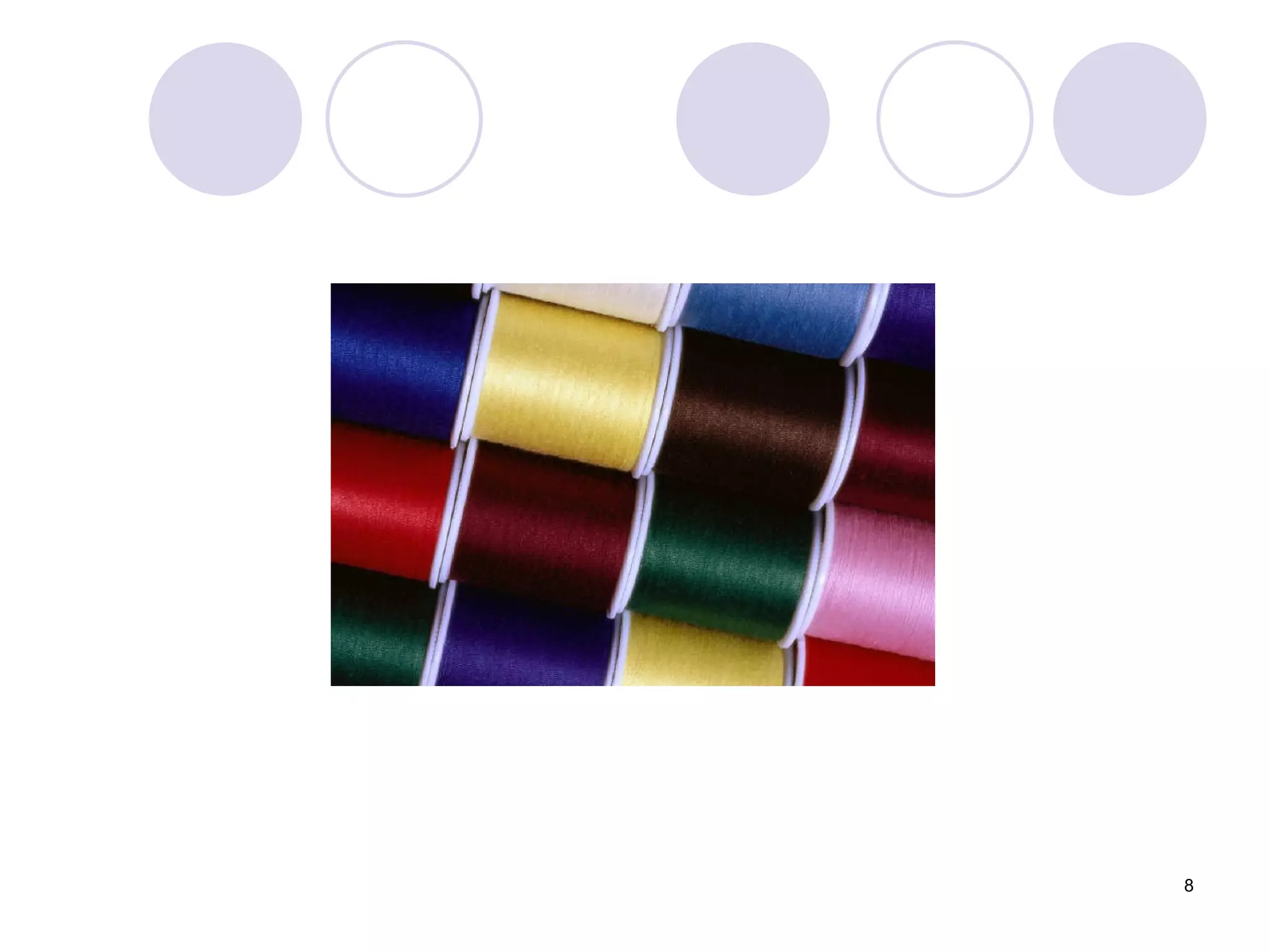
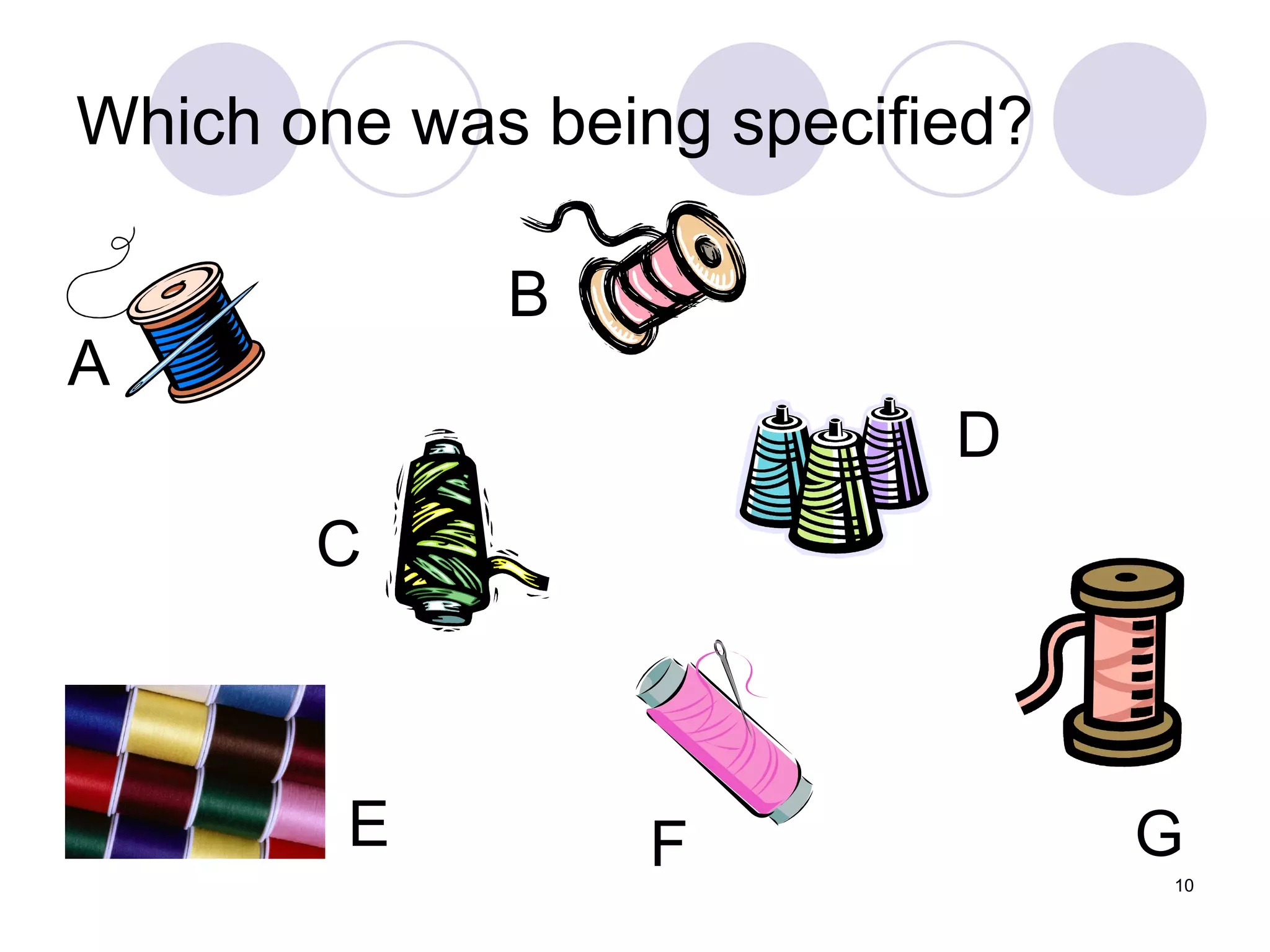
Which one was being specified? A B C G D E F
What do you consider to be the purpose of a specification?
A specification is a document describing the buyer’s needs, which enables providers to propose an appropriately costed solution to meet those needs.  In parallel it provides a means to tender evaluation.
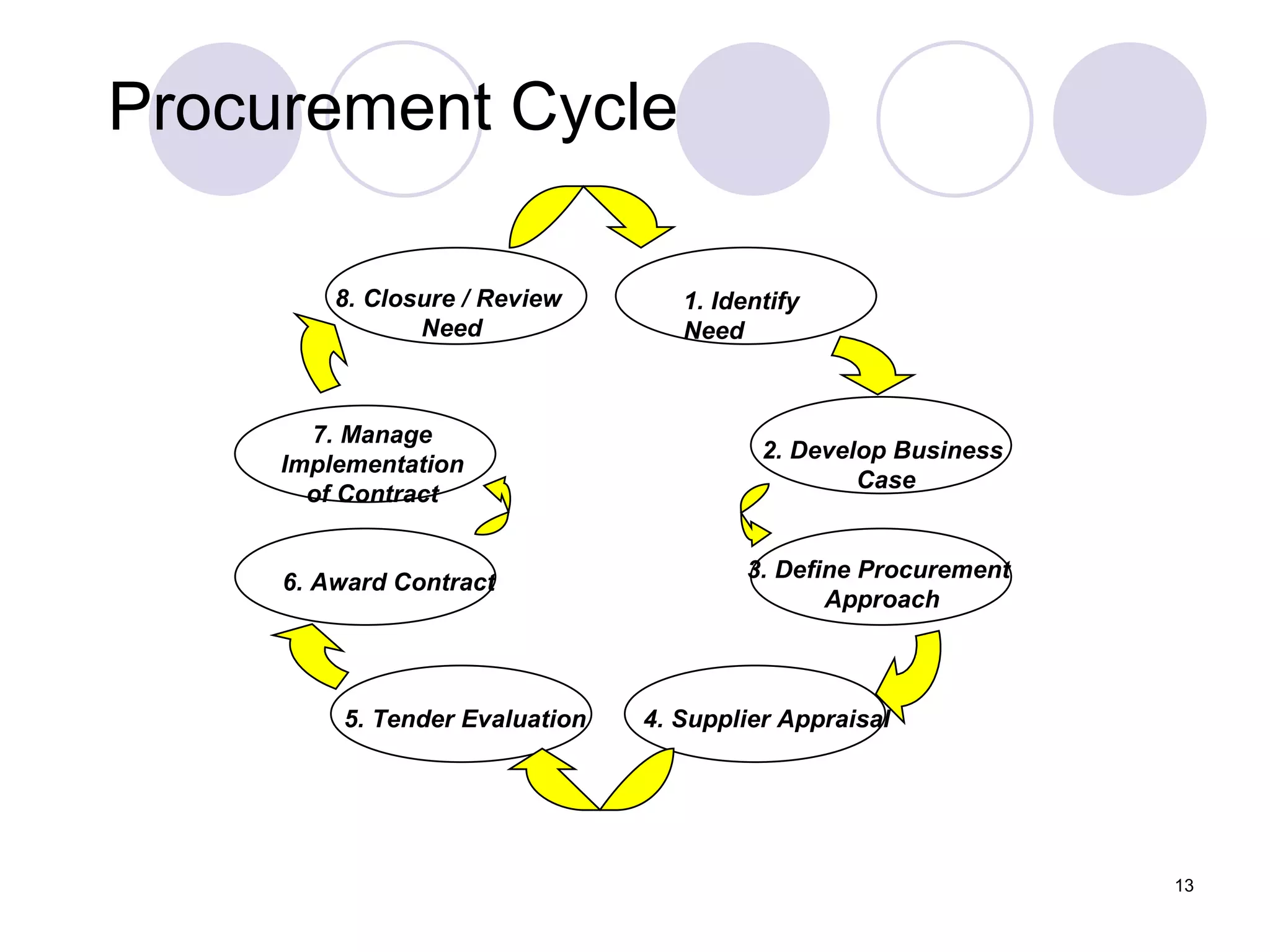
Procurement Cycle  8. Closure / Review  Need 1. Identify Need 2. Develop Business  Case 3. Define Procurement  Approach 4. Supplier Appraisal 5. Tender Evaluation 6. Award Contract 7. Manage Implementation of Contract
What do you consider to be the minimum requirements of an effective specification?
Minimum requirements of a specification Set out the buyer’s requirements Provide a shared understanding of each party’s responsibilities Reflect users views Link to the evaluation criteria Form the basis for future contract management Fit with T&Cs Be clear, complete, concise, consistent and in plain English
Why are specifications important?
Why specifications matter Mistakes may affect end users Mistakes may undermine strategic aims A critical contract management document A critical legal document Information omitted can lead to suppliers making wrong assumptions Over-specifying leads to increased cost Overly prescriptive restricts innovation Media attention
A specification … Can encourage providers to focus on outcomes Can encourages innovation which stating essential requirements Provide a structure for delivery Timescale Payments and incentives Flexibility to test innovation Performance measurement Contract management activities Can improve organisation’s profile
EU principles Equal treatment Non-discrimination Transparency Proportionality Objectivity (Traffic Signs and Equipment Ltd and  DPRD & DFI, High Court NI, WEA8075)
What would be a good specification writing process?
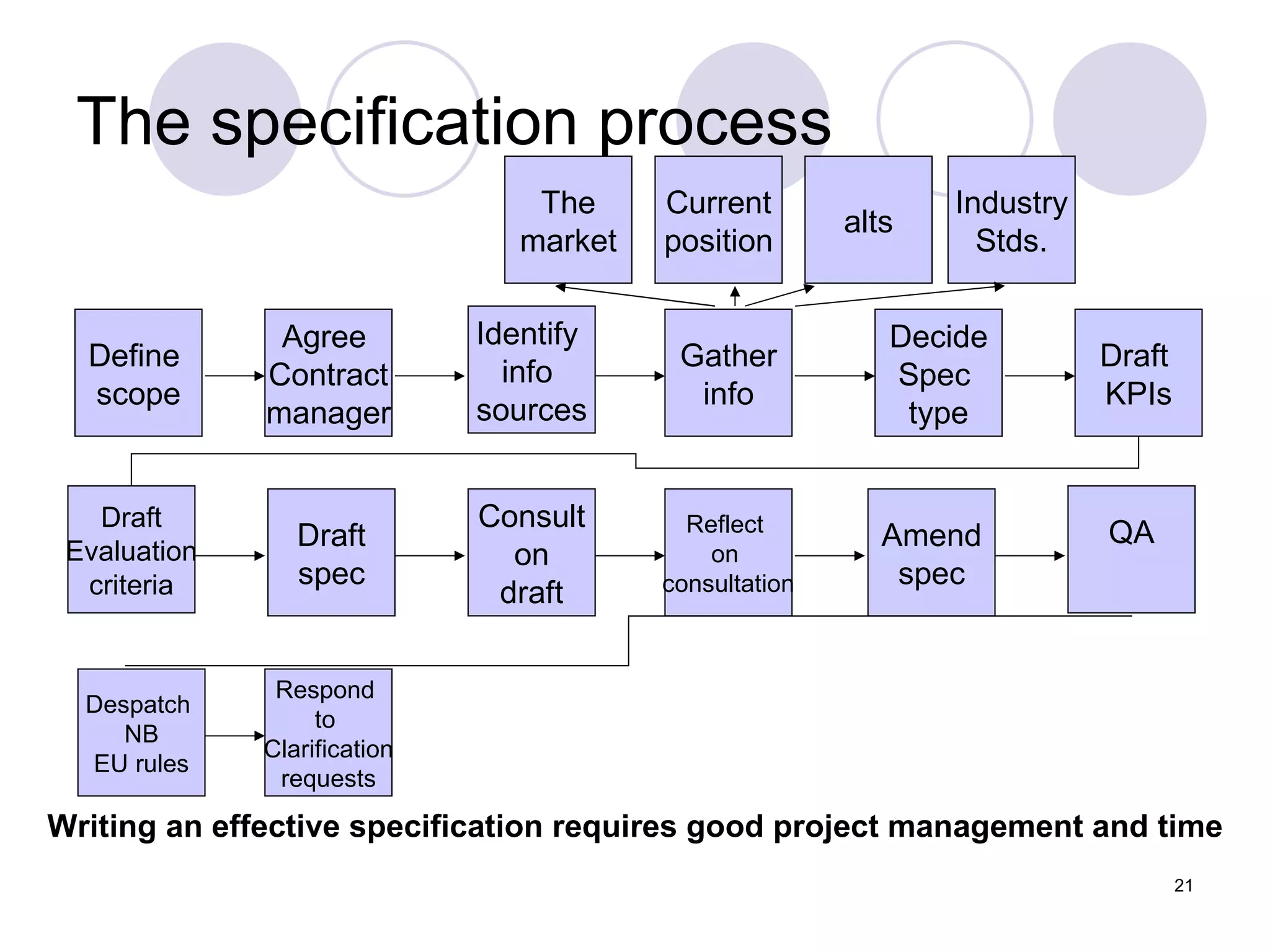
The specification process Define  scope Identify  info  sources Gather info Agree  Contract manager Decide Spec  type Draft  KPIs Draft Evaluation criteria Draft spec Reflect  on  consultation Amend spec Consult on draft QA Writing an effective specification requires good project management and time The market Current position Industry Stds. alts Respond  to  Clarification requests Despatch  NB EU rules
Who should be involved in writing the specification?
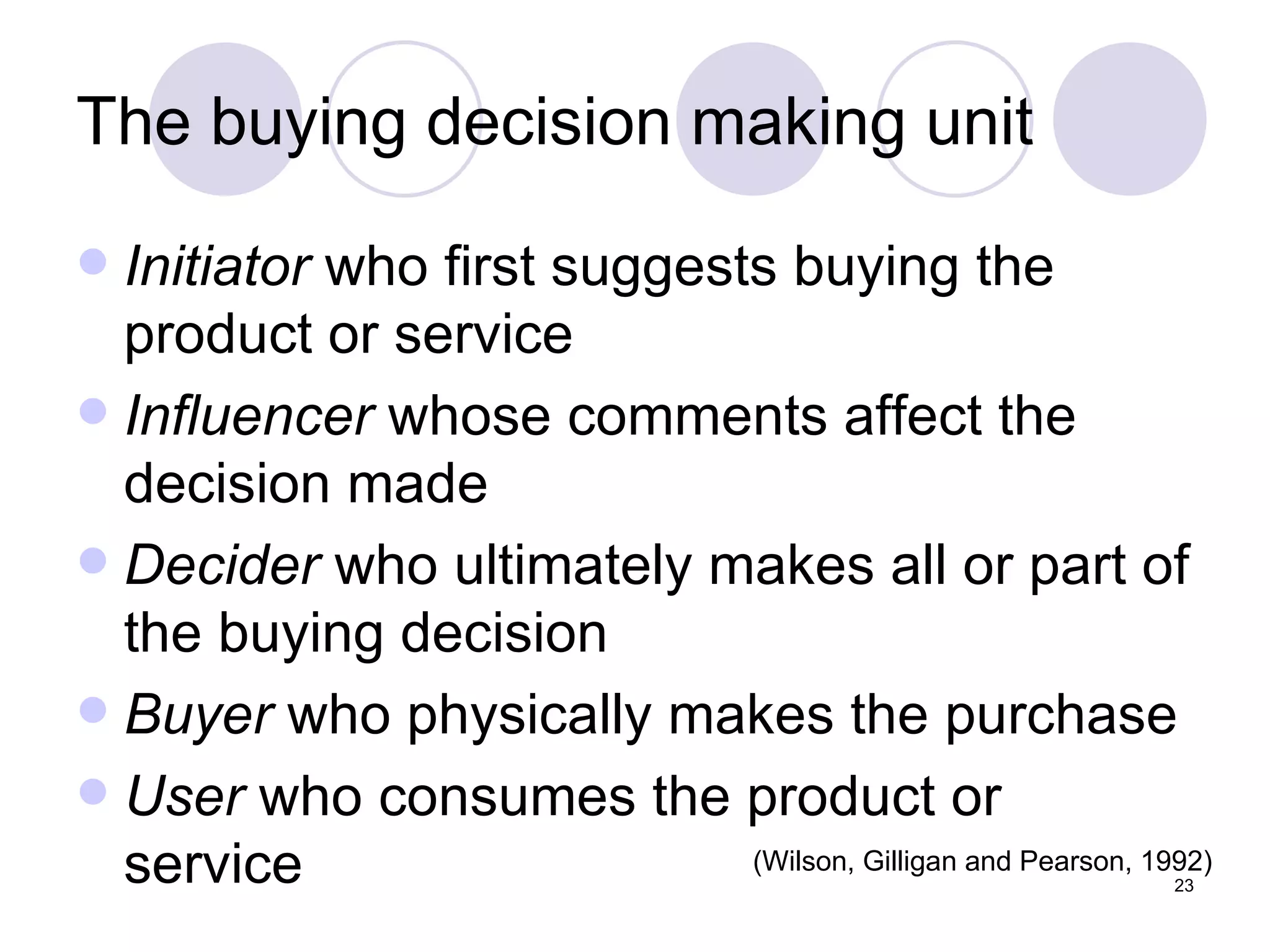
The buying decision making unit Initiator  who first suggests buying the product or service Influencer  whose comments affect the decision made  Decider  who ultimately makes all or part of the buying decision Buyer  who physically makes the purchase User  who consumes the product or service (Wilson, Gilligan and Pearson, 1992)
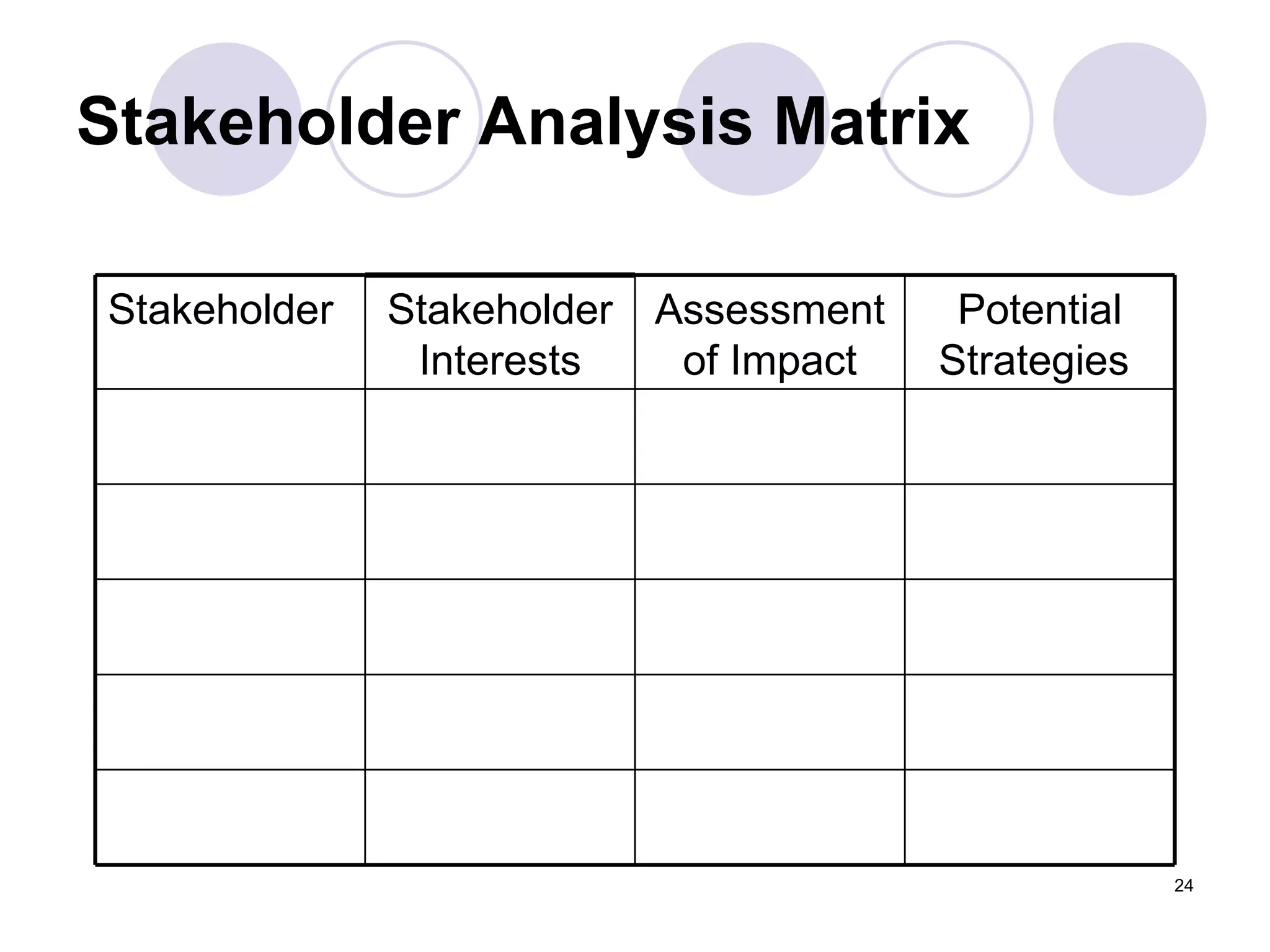
Stakeholder Analysis Matrix   Potential Strategies  Assessment of Impact Stakeholder Interests Stakeholder
Pick a contract you are familiar with and conduct a stakeholder analysis
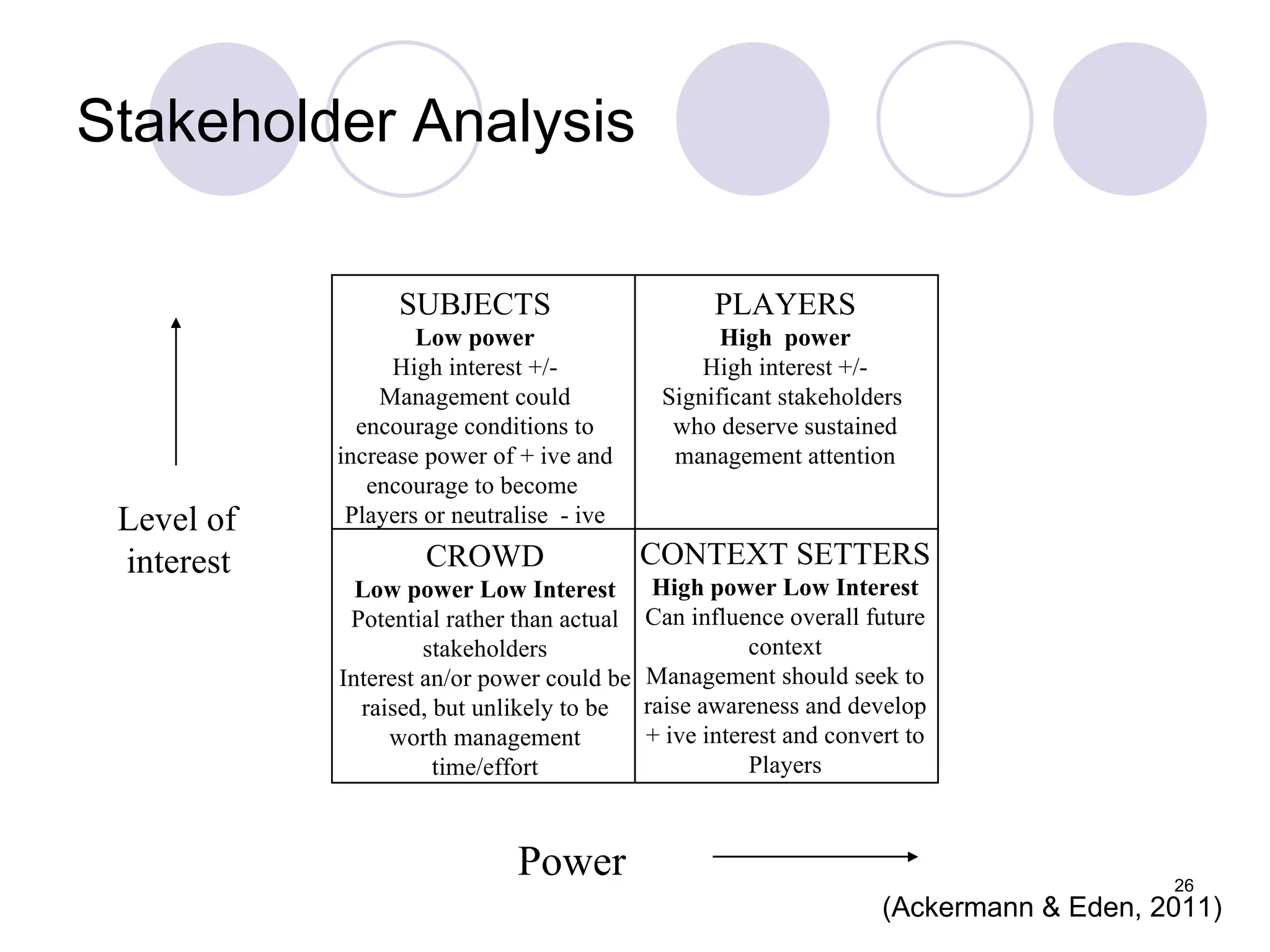
Stakeholder Analysis SUBJECTS Low power High interest +/- Management could encourage conditions to increase power of + ive and encourage to become  Players or neutralise  - ive Power Level of interest PLAYERS High  power High interest +/- Significant stakeholders  who deserve sustained management attention CROWD Low power Low Interest Potential rather than actual stakeholders Interest an/or power could be raised, but unlikely to be worth management time/effort CONTEXT SETTERS High power Low Interest Can influence overall future context Management should seek to raise awareness and develop + ive interest and convert to Players (Ackermann & Eden, 2011)
What could go wrong with a specification?
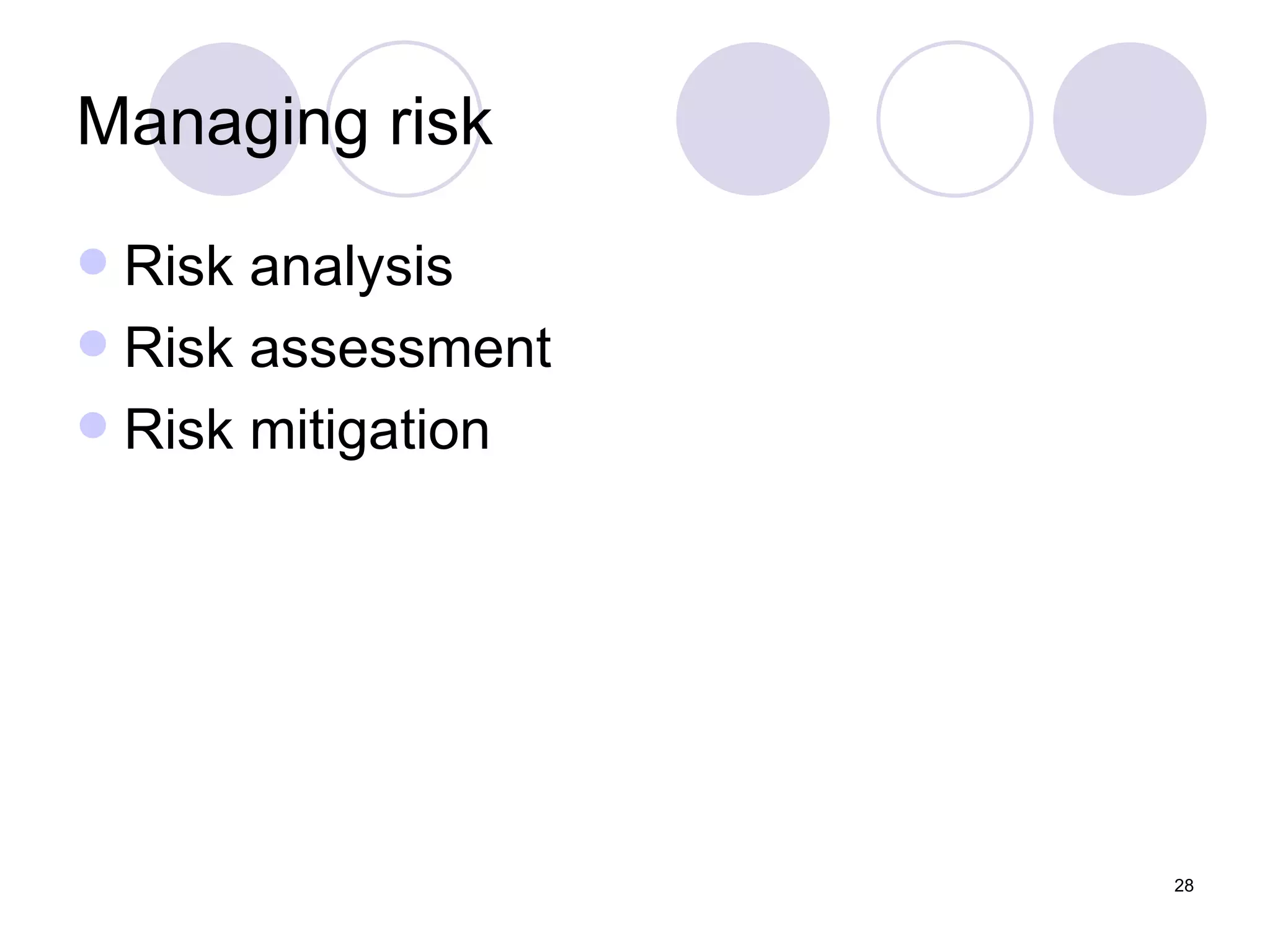
Managing risk Risk analysis  Risk assessment Risk mitigation
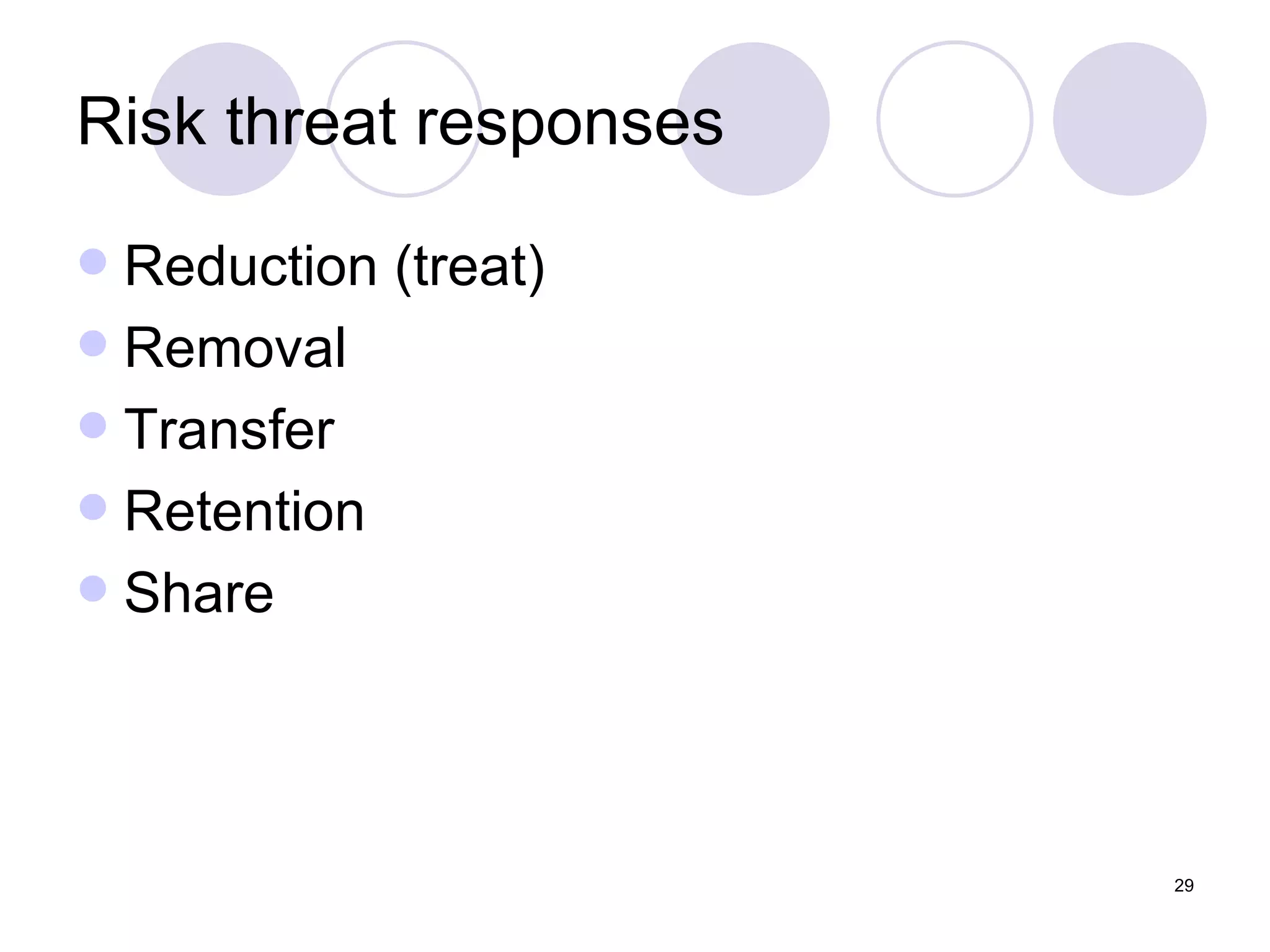
Risk threat responses Reduction (treat) Removal Transfer Retention Share
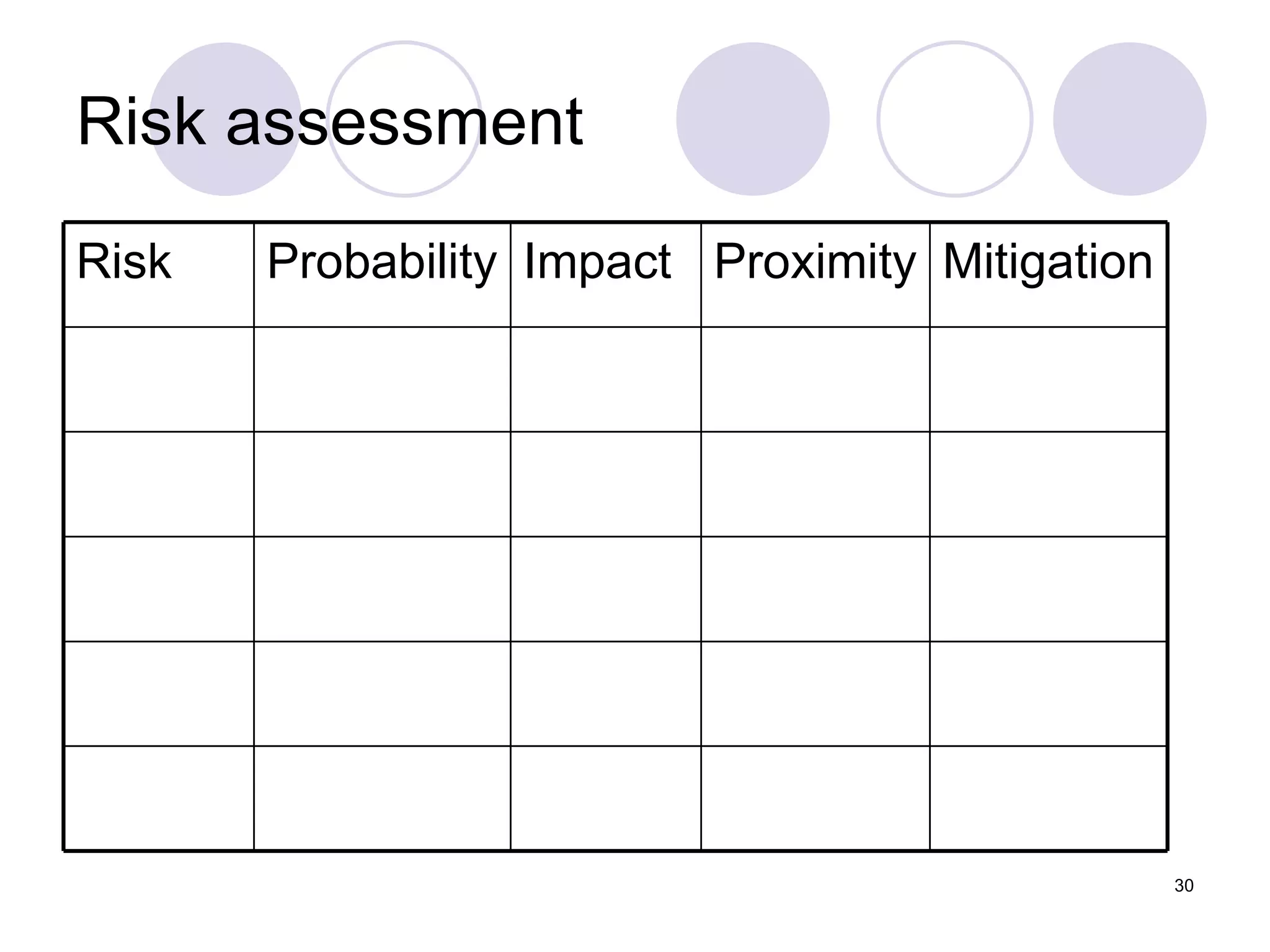
Risk assessment Mitigation Proximity Impact Probability Risk
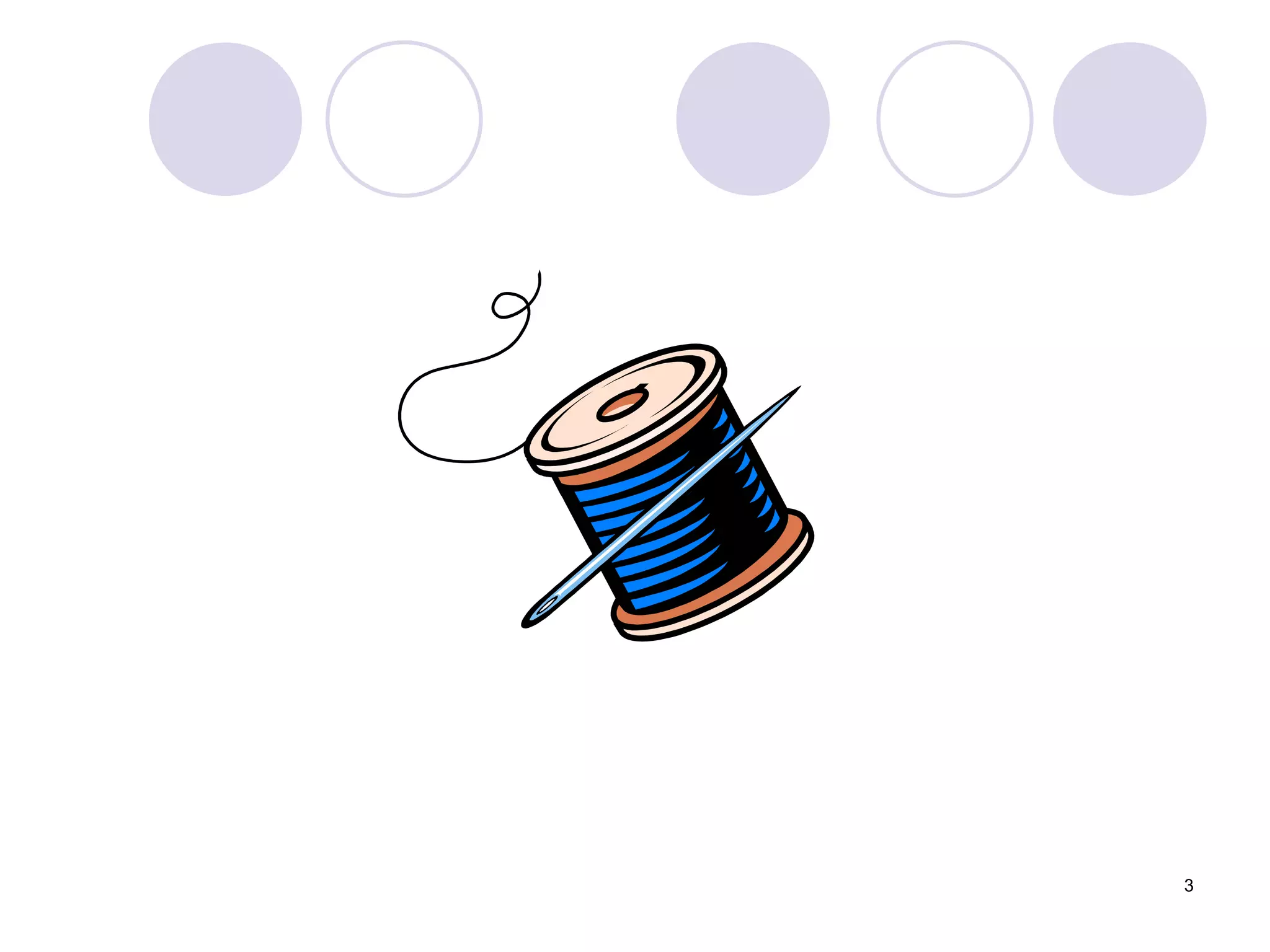
Thinking of your spool of thread, carry out a procurement risk assessment
Outcomes, outputs and inputs: what’s the difference?
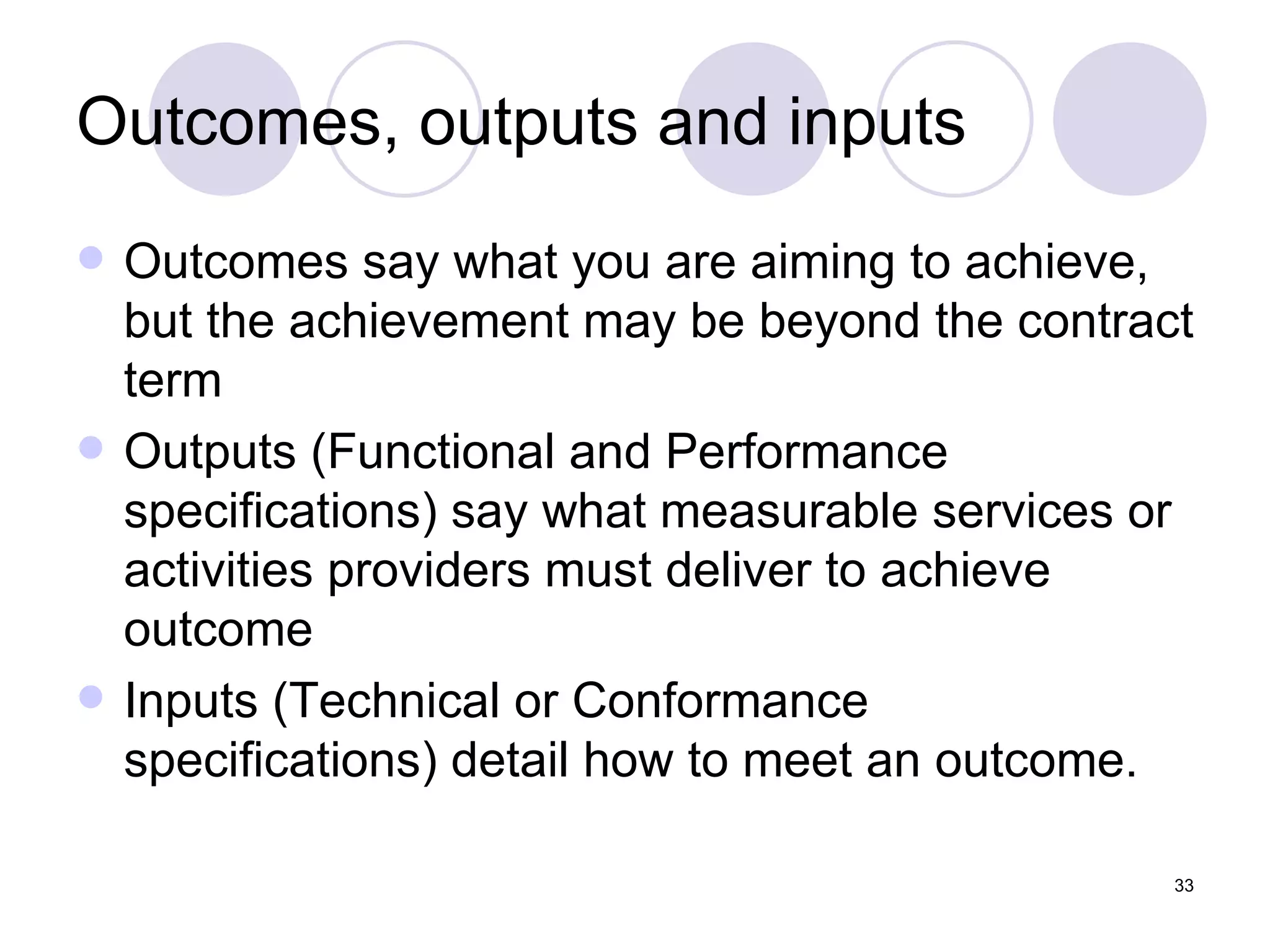
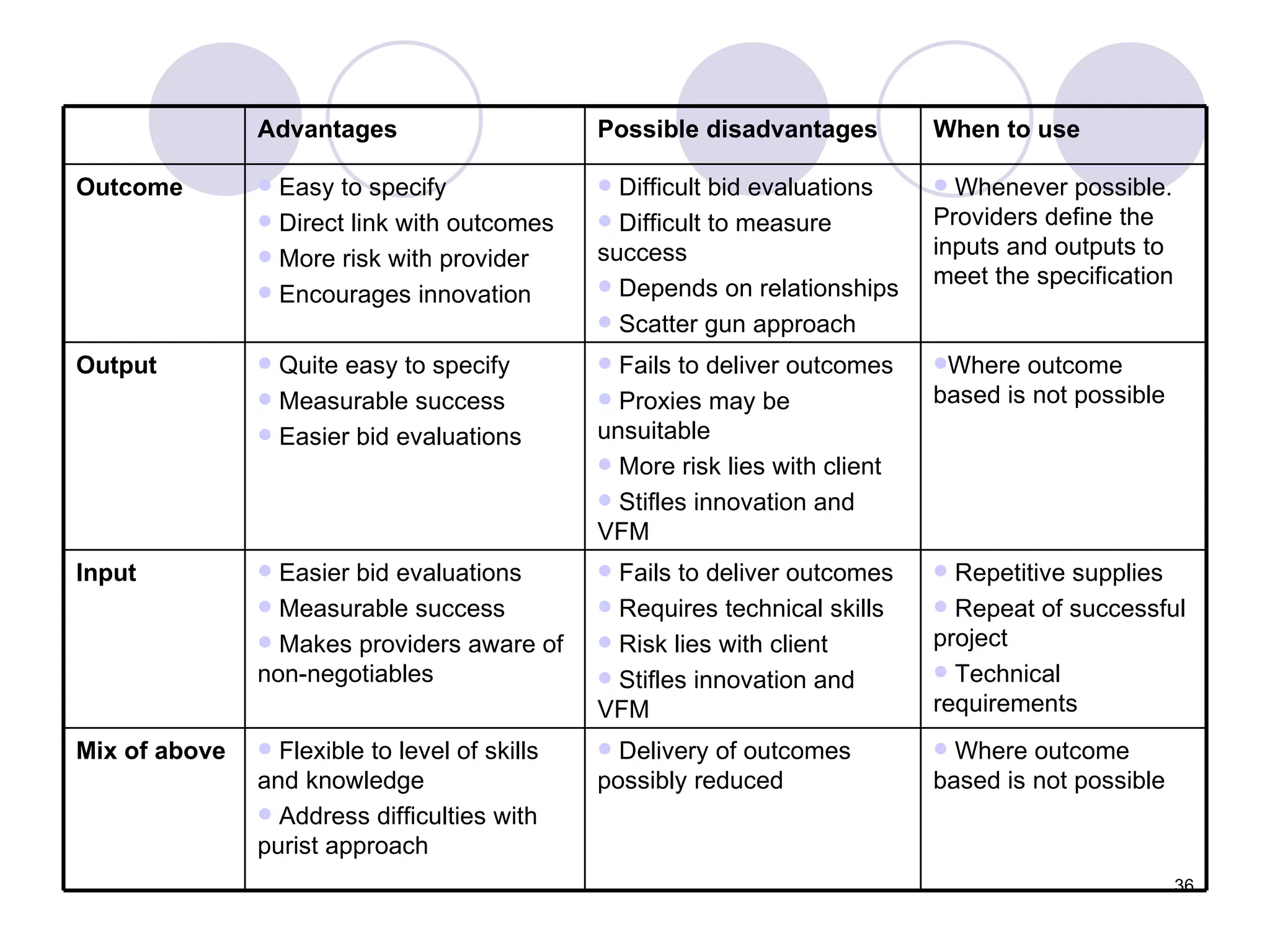
Outcomes, outputs and inputs Outcomes say what you are aiming to achieve, but the achievement may be beyond the contract term Outputs (Functional and Performance specifications) say what measurable services or activities providers must deliver to achieve outcome Inputs (Technical or Conformance specifications) detail how to meet an outcome.
Using the thread example you worked on earlier: Define: outcome, output, input
What are the relative pros and cons of outcome, output and input specifications?
Where outcome based is not possible Delivery of outcomes possibly reduced Flexible to level of skills and knowledge Address difficulties with purist approach Mix of above Repetitive supplies Repeat of successful project Technical requirements Fails to deliver outcomes Requires technical skills Risk lies with client Stifles innovation and VFM Easier bid evaluations Measurable success Makes providers aware of non-negotiables Input Where outcome based is not possible Fails to deliver outcomes Proxies may be unsuitable More risk lies with client Stifles innovation and VFM Quite easy to specify Measurable success Easier bid evaluations Output Whenever possible.  Providers define the inputs and outputs to meet the specification Difficult bid evaluations Difficult to measure success Depends on relationships Scatter gun approach Easy to specify Direct link with outcomes More risk with provider Encourages innovation Outcome When to use Possible disadvantages Advantages
What’s the difference between a mandatory and desirable feature?
Evaluation criteria EU rules apply
Evaluation criteria: EU position Must be linked to the subject mater of the contract MEAT or lowest price Including: Quality  Price Technical merit Aesthetic and functional characteristics Environmental characteristics Running costs Cost effectiveness After sales service Technical assistance Delivery date and delivery period Period of completion …
Using the thread example you worked on earlier: Draft performance measures and evaluation criteria
What should be in the specification?
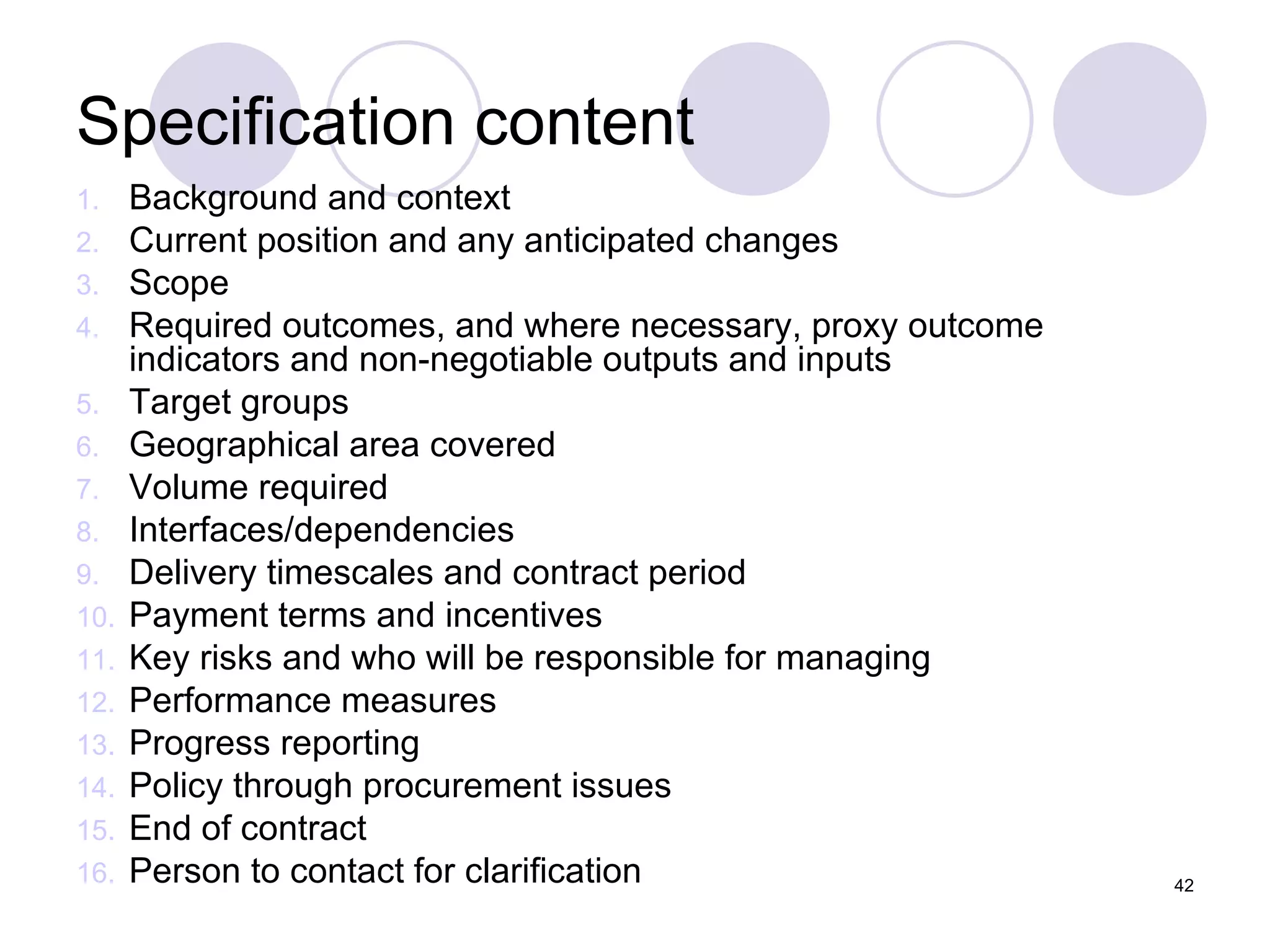
Specification content Background and context Current position and any anticipated changes Scope Required outcomes, and where necessary, proxy outcome indicators and non-negotiable outputs and inputs Target groups Geographical area covered Volume required Interfaces/dependencies Delivery timescales and contract period Payment terms and incentives Key risks and who will be responsible for managing Performance measures Progress reporting Policy through procurement issues End of contract Person to contact for clarification
Using the thread example you worked on earlier: Draft a specification
How can you ensuring the spec is fit for purpose?
Market sounding
Market sounding Presenting draft specification to the market can: Improve likelihood of receiving bids Increase potential for competition Avoid ‘brand’ specifying Contribute to value analysis and value engineering Demonstrate good will Demonstrate transparency Reduce costs Assist with QA  Heath warning: handle with care, risk manage
Pass your draft specification to a different team for QA
QA for specifications Is it clear: Who requires it? What is required? Why it is required? Where it is required? When it is required? How it is required? Could anything have more than one interpretation? Has plain English been used? Is the information in the specification still current? Does the specification fit with evaluation criteria? Is it legal? Does the specification conflict with T&Cs? Has opportunity for fraud been minimised? Are there suppliers who can delivery? Is it skewed towards a small number of providers? If everything asked for was provided, would we have what we are really looking for? Is risk appropriately allocated? Are H&S and equalities addressed? Has any change to the budget been signed off? Have stakeholders, particularly users, been prepared for any change the procurement may bring?
Recommended reading:  CIPS Contract Management Guide  by R.D. Elsey, 2007.
Effective specification writing Dr J Gordon Murray [email_address] www.Twitter.com/DrGordy www.slideshare.net/drgordonmurray
How can you use the specification to achieve cost reduction and policy through procurement objectives?
Outcome based specifications Detail the outcomes you want to achieve  Avoid saying how the outcomes are to be achieved Encourage innovation Help ensure you meet user needs Can reduce costs

Effective Specification Writing

  • 1.
  • 2.
    Your challenge Finda partner Find a space Sit back-to-back with your partner One partner (a) will be given a picture Describe the picture you have been given to your partner (b) Partner (b) produces description of what the partner (a) has told them Do not share your results
  • 3.
  • 4.
  • 5.
  • 6.
  • 7.
  • 8.
  • 9.
  • 10.
    Which one wasbeing specified? A B C G D E F
  • 11.
    What do youconsider to be the purpose of a specification?
  • 12.
    A specification isa document describing the buyer’s needs, which enables providers to propose an appropriately costed solution to meet those needs. In parallel it provides a means to tender evaluation.
  • 13.
    Procurement Cycle 8. Closure / Review Need 1. Identify Need 2. Develop Business Case 3. Define Procurement Approach 4. Supplier Appraisal 5. Tender Evaluation 6. Award Contract 7. Manage Implementation of Contract
  • 14.
    What do youconsider to be the minimum requirements of an effective specification?
  • 15.
    Minimum requirements ofa specification Set out the buyer’s requirements Provide a shared understanding of each party’s responsibilities Reflect users views Link to the evaluation criteria Form the basis for future contract management Fit with T&Cs Be clear, complete, concise, consistent and in plain English
  • 16.
  • 17.
    Why specifications matterMistakes may affect end users Mistakes may undermine strategic aims A critical contract management document A critical legal document Information omitted can lead to suppliers making wrong assumptions Over-specifying leads to increased cost Overly prescriptive restricts innovation Media attention
  • 18.
    A specification …Can encourage providers to focus on outcomes Can encourages innovation which stating essential requirements Provide a structure for delivery Timescale Payments and incentives Flexibility to test innovation Performance measurement Contract management activities Can improve organisation’s profile
  • 19.
    EU principles Equaltreatment Non-discrimination Transparency Proportionality Objectivity (Traffic Signs and Equipment Ltd and DPRD & DFI, High Court NI, WEA8075)
  • 20.
    What would bea good specification writing process?
  • 21.
    The specification processDefine scope Identify info sources Gather info Agree Contract manager Decide Spec type Draft KPIs Draft Evaluation criteria Draft spec Reflect on consultation Amend spec Consult on draft QA Writing an effective specification requires good project management and time The market Current position Industry Stds. alts Respond to Clarification requests Despatch NB EU rules
  • 22.
    Who should beinvolved in writing the specification?
  • 23.
    The buying decisionmaking unit Initiator who first suggests buying the product or service Influencer whose comments affect the decision made Decider who ultimately makes all or part of the buying decision Buyer who physically makes the purchase User who consumes the product or service (Wilson, Gilligan and Pearson, 1992)
  • 24.
    Stakeholder Analysis Matrix Potential Strategies Assessment of Impact Stakeholder Interests Stakeholder
  • 25.
    Pick a contractyou are familiar with and conduct a stakeholder analysis
  • 26.
    Stakeholder Analysis SUBJECTSLow power High interest +/- Management could encourage conditions to increase power of + ive and encourage to become Players or neutralise - ive Power Level of interest PLAYERS High power High interest +/- Significant stakeholders who deserve sustained management attention CROWD Low power Low Interest Potential rather than actual stakeholders Interest an/or power could be raised, but unlikely to be worth management time/effort CONTEXT SETTERS High power Low Interest Can influence overall future context Management should seek to raise awareness and develop + ive interest and convert to Players (Ackermann & Eden, 2011)
  • 27.
    What could gowrong with a specification?
  • 28.
    Managing risk Riskanalysis Risk assessment Risk mitigation
  • 29.
    Risk threat responsesReduction (treat) Removal Transfer Retention Share
  • 30.
    Risk assessment MitigationProximity Impact Probability Risk
  • 31.
    Thinking of yourspool of thread, carry out a procurement risk assessment
  • 32.
    Outcomes, outputs andinputs: what’s the difference?
  • 33.
    Outcomes, outputs andinputs Outcomes say what you are aiming to achieve, but the achievement may be beyond the contract term Outputs (Functional and Performance specifications) say what measurable services or activities providers must deliver to achieve outcome Inputs (Technical or Conformance specifications) detail how to meet an outcome.
  • 34.
    Using the threadexample you worked on earlier: Define: outcome, output, input
  • 35.
    What are therelative pros and cons of outcome, output and input specifications?
  • 36.
    Where outcome basedis not possible Delivery of outcomes possibly reduced Flexible to level of skills and knowledge Address difficulties with purist approach Mix of above Repetitive supplies Repeat of successful project Technical requirements Fails to deliver outcomes Requires technical skills Risk lies with client Stifles innovation and VFM Easier bid evaluations Measurable success Makes providers aware of non-negotiables Input Where outcome based is not possible Fails to deliver outcomes Proxies may be unsuitable More risk lies with client Stifles innovation and VFM Quite easy to specify Measurable success Easier bid evaluations Output Whenever possible. Providers define the inputs and outputs to meet the specification Difficult bid evaluations Difficult to measure success Depends on relationships Scatter gun approach Easy to specify Direct link with outcomes More risk with provider Encourages innovation Outcome When to use Possible disadvantages Advantages
  • 37.
    What’s the differencebetween a mandatory and desirable feature?
  • 38.
  • 39.
    Evaluation criteria: EUposition Must be linked to the subject mater of the contract MEAT or lowest price Including: Quality Price Technical merit Aesthetic and functional characteristics Environmental characteristics Running costs Cost effectiveness After sales service Technical assistance Delivery date and delivery period Period of completion …
  • 40.
    Using the threadexample you worked on earlier: Draft performance measures and evaluation criteria
  • 41.
    What should bein the specification?
  • 42.
    Specification content Backgroundand context Current position and any anticipated changes Scope Required outcomes, and where necessary, proxy outcome indicators and non-negotiable outputs and inputs Target groups Geographical area covered Volume required Interfaces/dependencies Delivery timescales and contract period Payment terms and incentives Key risks and who will be responsible for managing Performance measures Progress reporting Policy through procurement issues End of contract Person to contact for clarification
  • 43.
    Using the threadexample you worked on earlier: Draft a specification
  • 44.
    How can youensuring the spec is fit for purpose?
  • 45.
  • 46.
    Market sounding Presentingdraft specification to the market can: Improve likelihood of receiving bids Increase potential for competition Avoid ‘brand’ specifying Contribute to value analysis and value engineering Demonstrate good will Demonstrate transparency Reduce costs Assist with QA Heath warning: handle with care, risk manage
  • 47.
    Pass your draftspecification to a different team for QA
  • 48.
    QA for specificationsIs it clear: Who requires it? What is required? Why it is required? Where it is required? When it is required? How it is required? Could anything have more than one interpretation? Has plain English been used? Is the information in the specification still current? Does the specification fit with evaluation criteria? Is it legal? Does the specification conflict with T&Cs? Has opportunity for fraud been minimised? Are there suppliers who can delivery? Is it skewed towards a small number of providers? If everything asked for was provided, would we have what we are really looking for? Is risk appropriately allocated? Are H&S and equalities addressed? Has any change to the budget been signed off? Have stakeholders, particularly users, been prepared for any change the procurement may bring?
  • 49.
    Recommended reading: CIPS Contract Management Guide by R.D. Elsey, 2007.
  • 50.
    Effective specification writingDr J Gordon Murray [email_address] www.Twitter.com/DrGordy www.slideshare.net/drgordonmurray
  • 51.
    How can youuse the specification to achieve cost reduction and policy through procurement objectives?
  • 52.
    Outcome based specificationsDetail the outcomes you want to achieve Avoid saying how the outcomes are to be achieved Encourage innovation Help ensure you meet user needs Can reduce costs