



SYSTEMATIC 
APPROACH TO 
INSTRUCTIONAL 
TECHNOLOGY
WHAT IS INSTRUCTIONAL TECHNOLOGY? 
Instructional Technology is a 
field of practice. It is a 
concept. 
There is not one universally 
accepted definition of the 
term “instructional 
technology.”
WHAT IS INSTRUCTIONAL TECHNOLOGY? 
The desire to enhance education 
with technology has existed for 
thousands of years. 
The scholarly study of this emerged in 
the 20th century. It is called 
Instructional Technology. 
Source: lecture notes: Michael Orey, PhD.
WHAT IS TECHNOLOGY? 
It is a “planned, SYSTEMATIC 
method of working to achieve 
planned outcomes-a process 
not a product. Technology is 
the applied side of the 
scientific development.” 
(Dale, 1969)
SYSTEM MEANS 
“an organized set of doctrines, 
ideas, or principles usually 
intended to explain the 
arrangement or working of a 
systematic whole” 
(Merriam-Webster Dictionary)
The systems approach 
views the entire 
educational program 
as a system of closely 
interrelated parts.
Such an approach 
integrates the older, more 
familiar methods and tools 
of instruction with the new 
ones such as the computer.
PARTS OF A SYSTEMATIC 
INSTRUCTION 
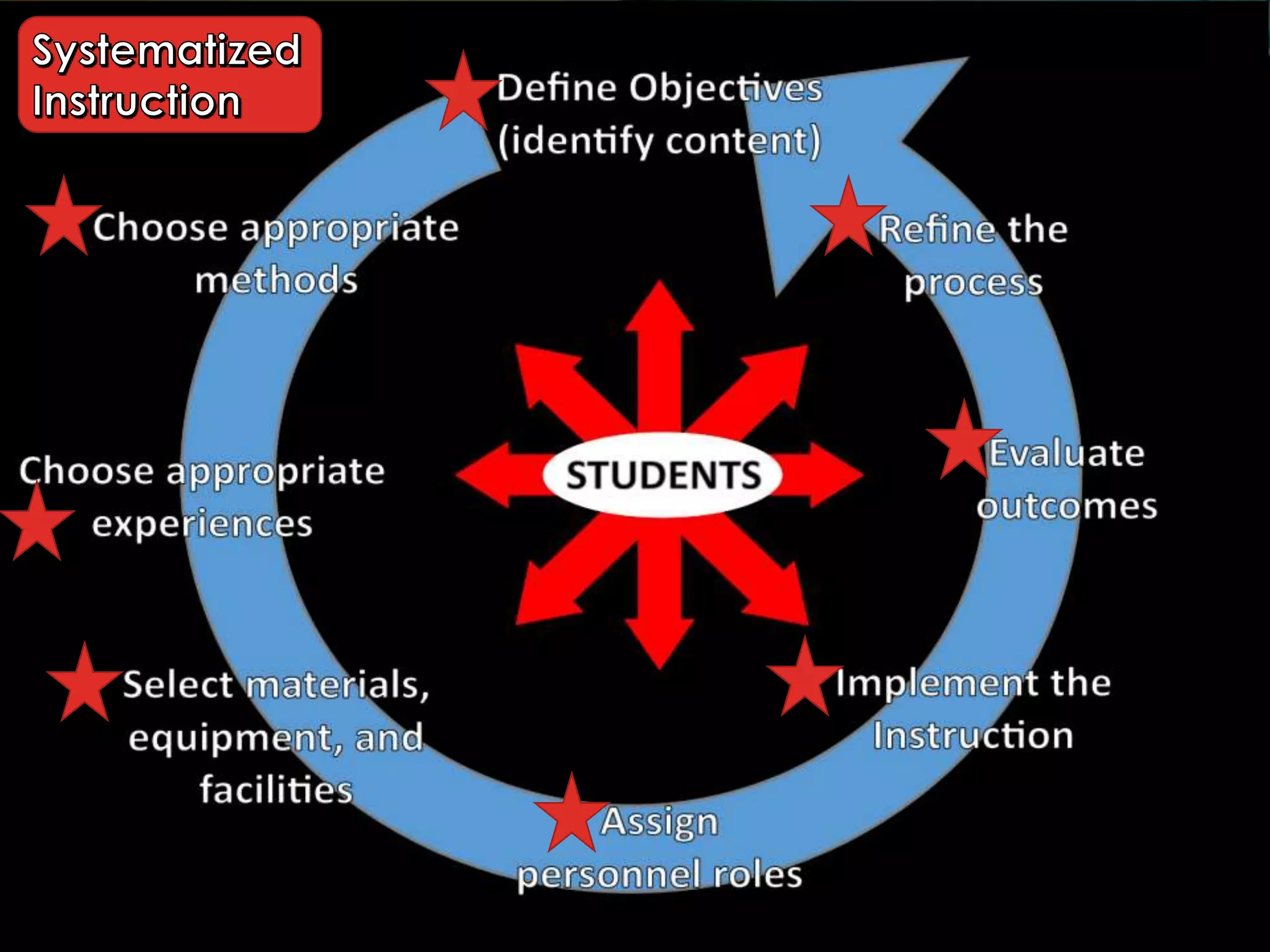
As depicted in the chart, 
the focus of the 
systematic instructional 
planning is the STUDENT.
PARTS OF A 
SYSTEMATIC 
INSTRUCTION
Considers 
the student’s 
need, interest 
and 
readiness. 
1.Define 
Objectives
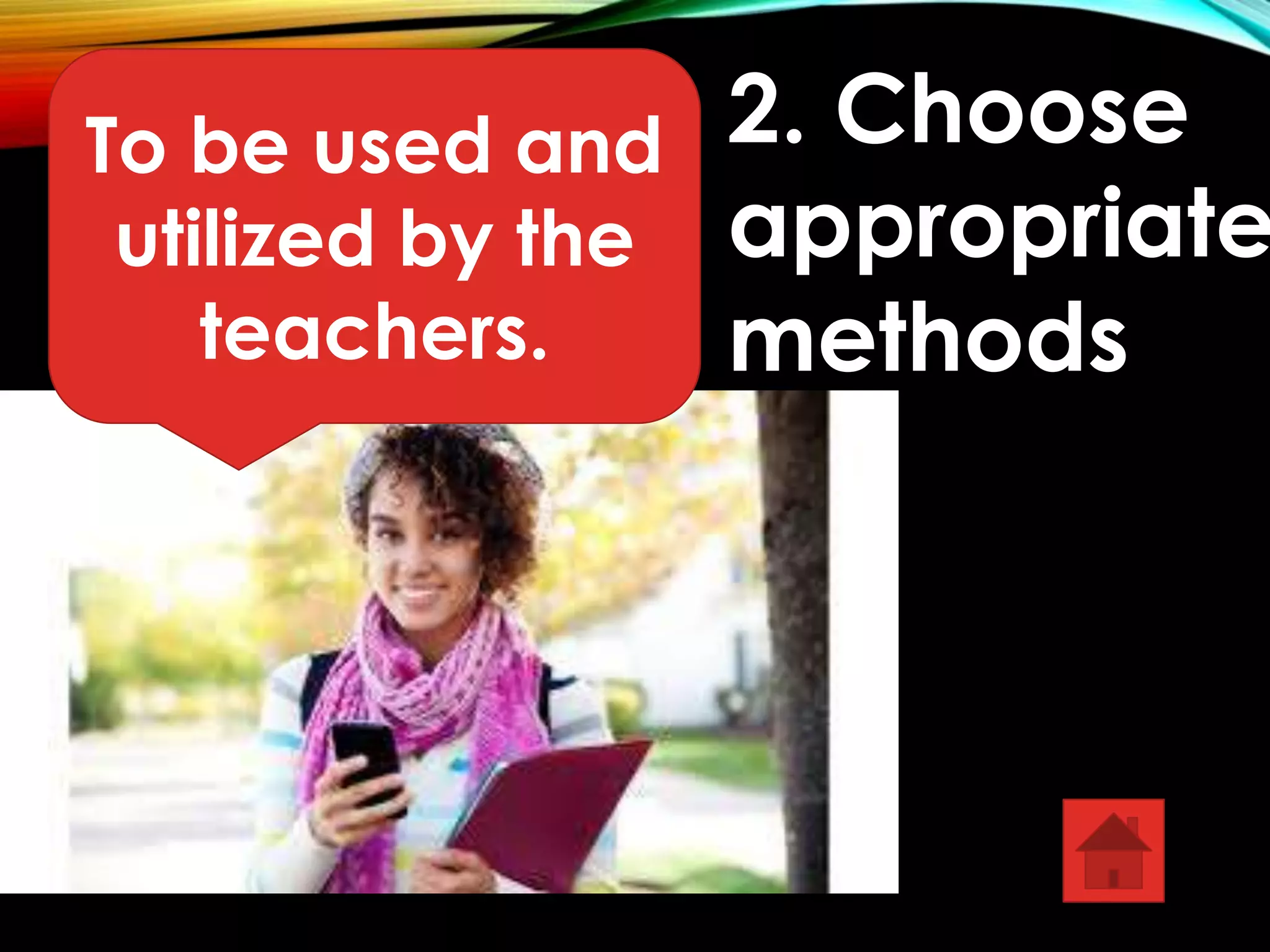
To be used and 
utilized by the 
teachers. 
2. Choose 
appropriate 
methods
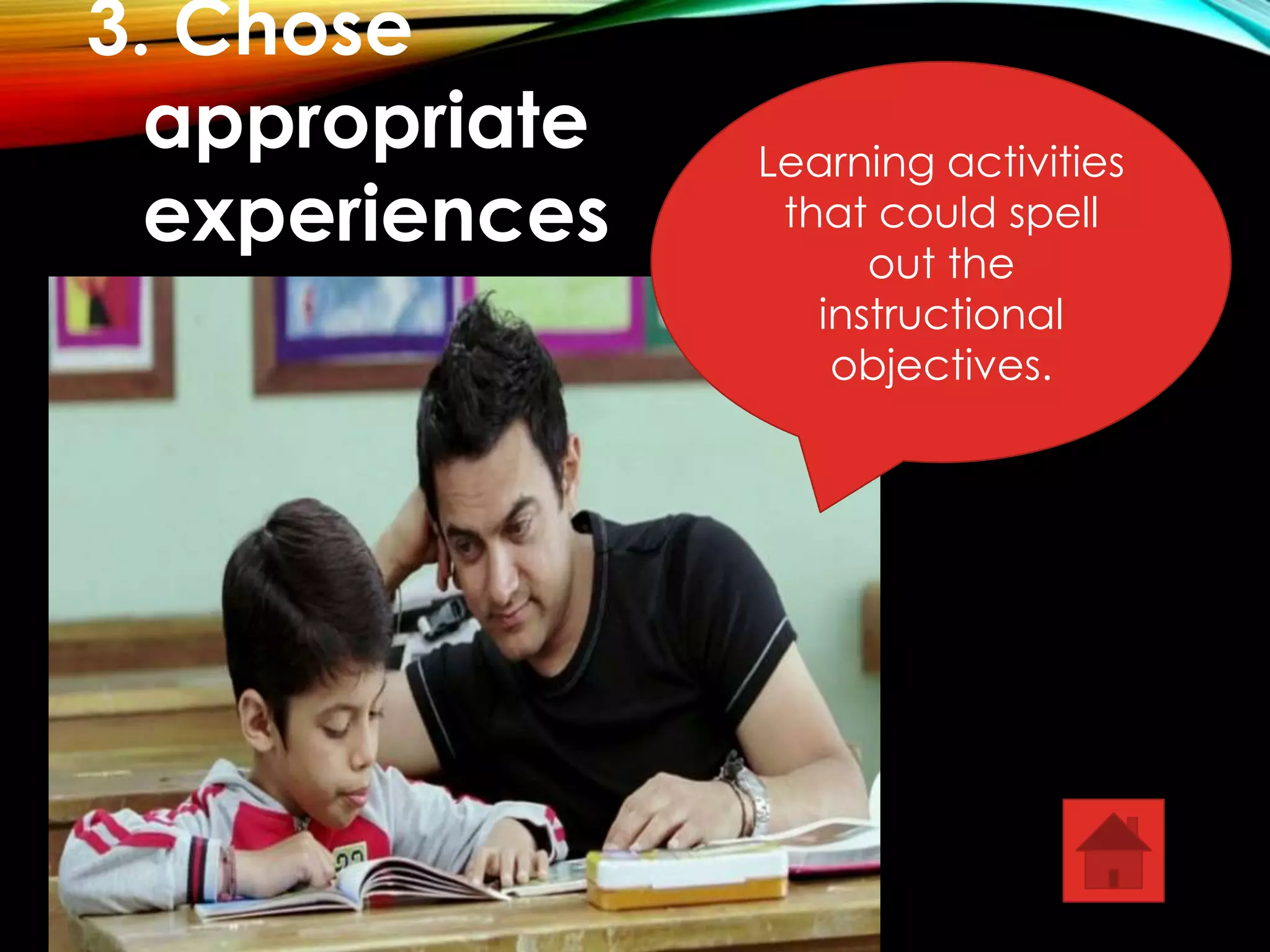
Learning activities 
that could spell 
out the 
instructional 
objectives. 
3. Chose 
appropriate 
experiences
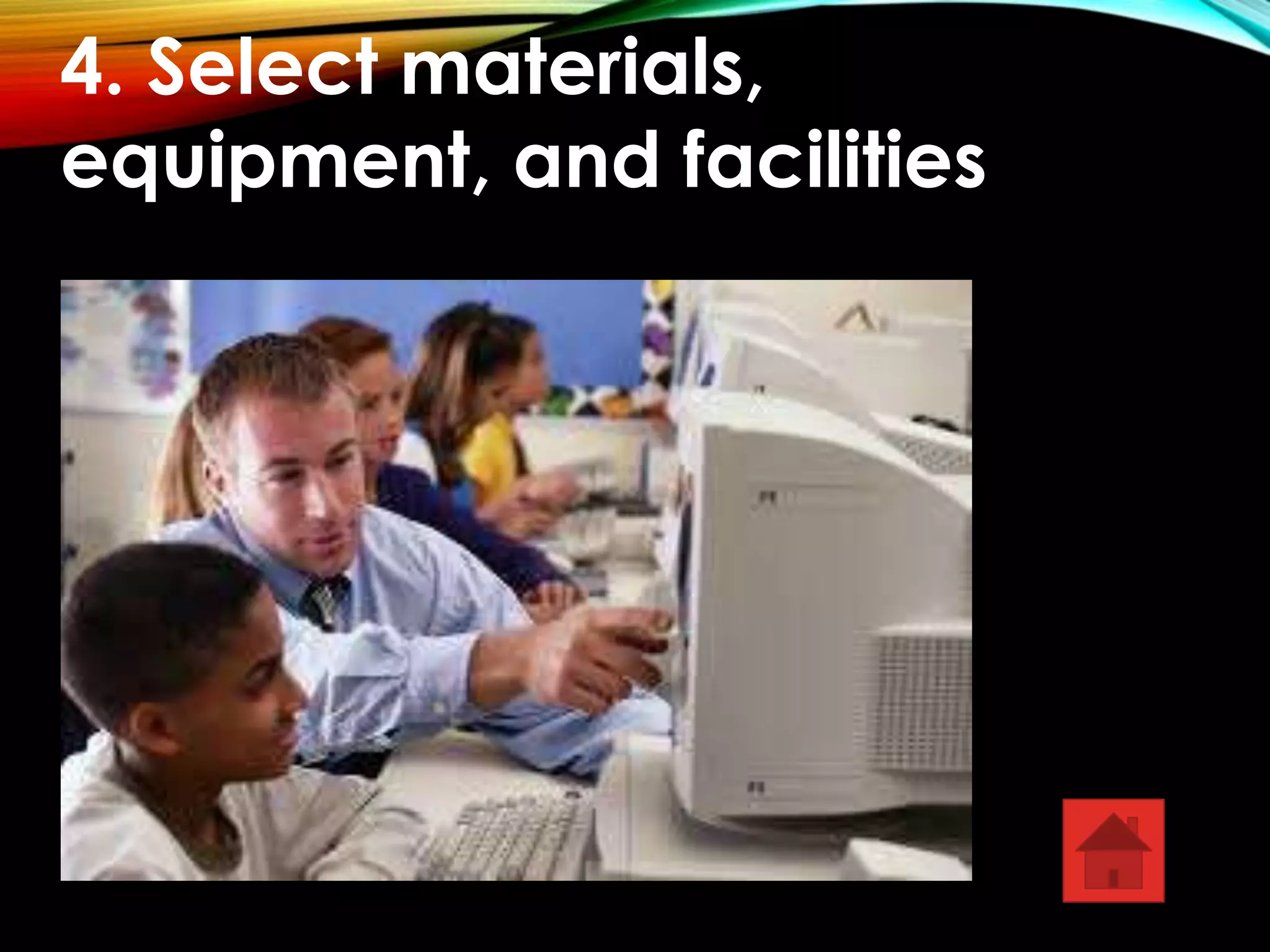
4. Select materials, 
equipment, and facilities
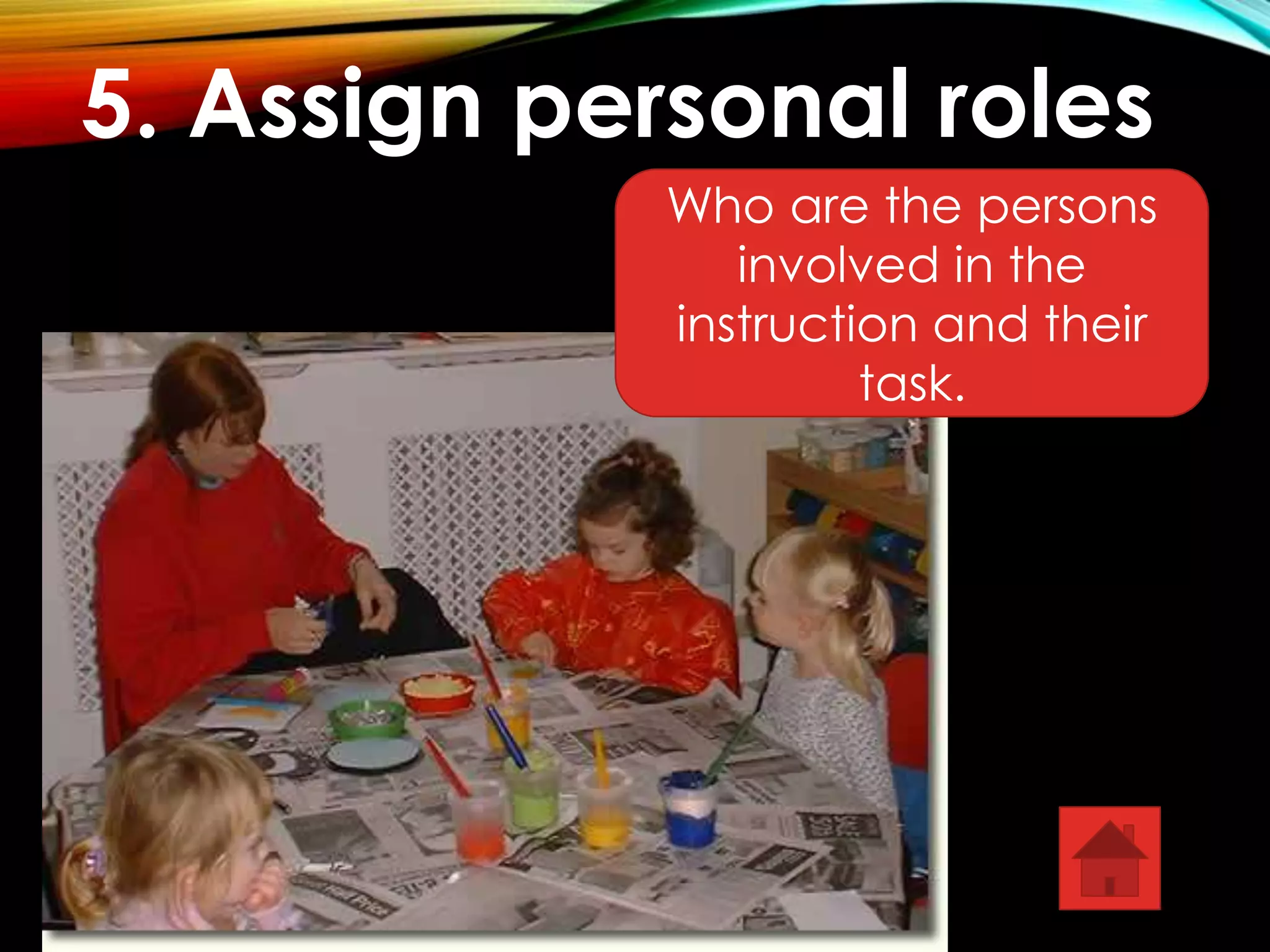
5. Assign personal roles 
Who are the persons 
involved in the 
instruction and their 
task.
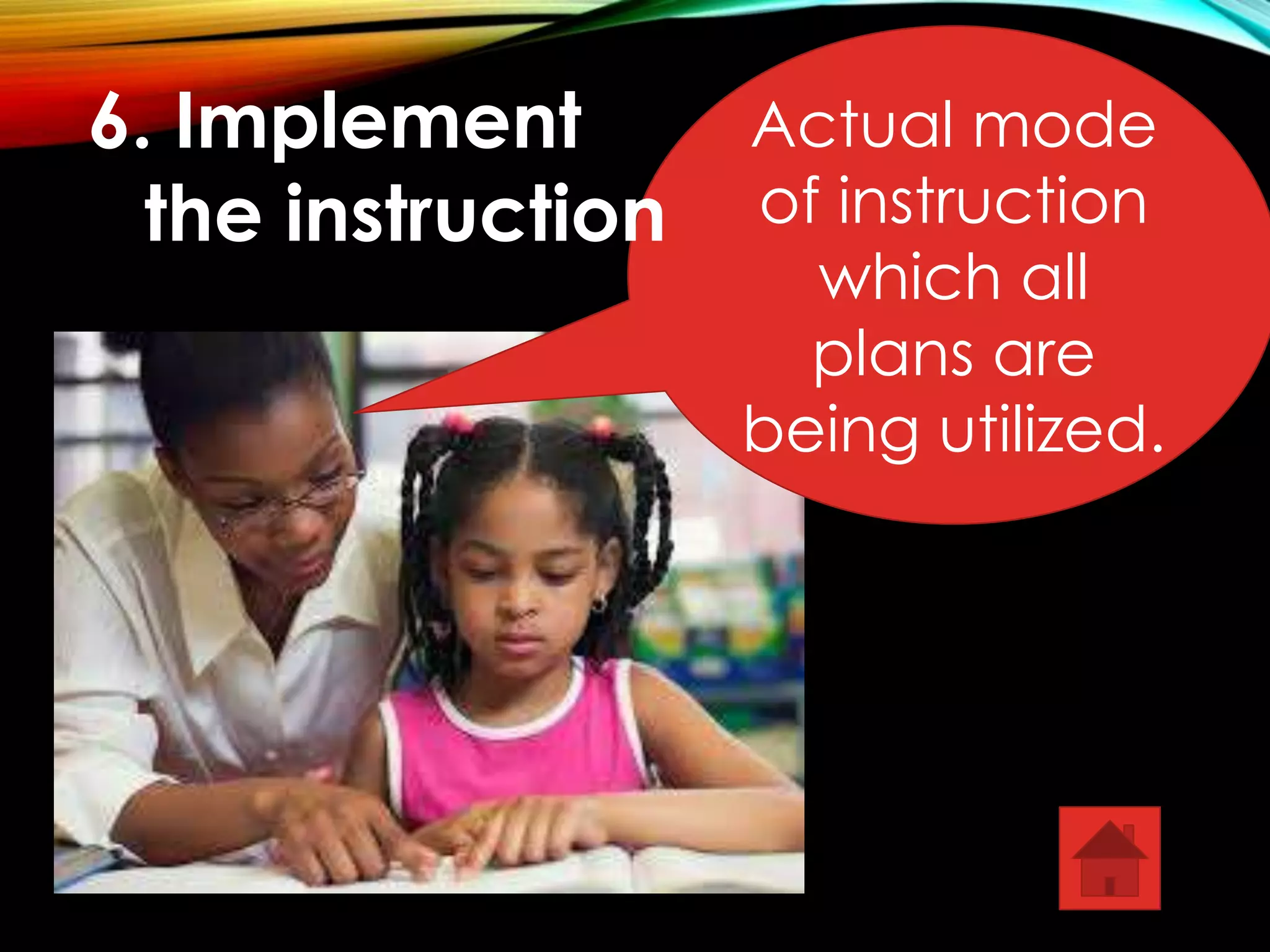
Actual mode 
of instruction 
which all 
plans are 
being utilized. 
6. Implement 
the instruction
7. Evaluate outcomes 
Examining if the instructional objectives 
was attained or not.
8. Refine the process 
Getting the system 
fix before entering 
to another cycle.
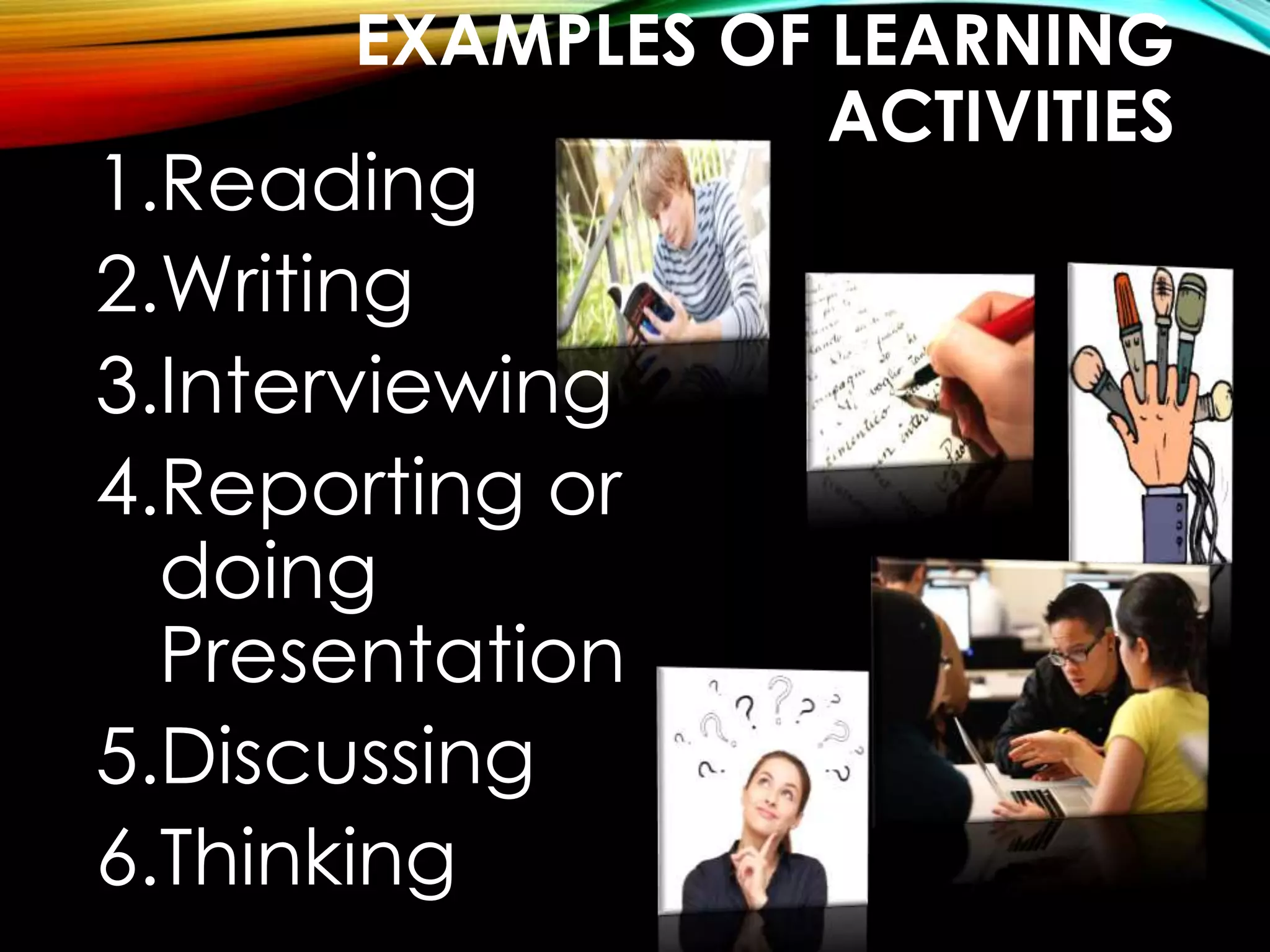
EXAMPLES OF LEARNING 
ACTIVITIES 
1.Reading 
2.Writing 
3.Interviewing 
4.Reporting or 
doing 
Presentation 
5.Discussing 
6.Thinking
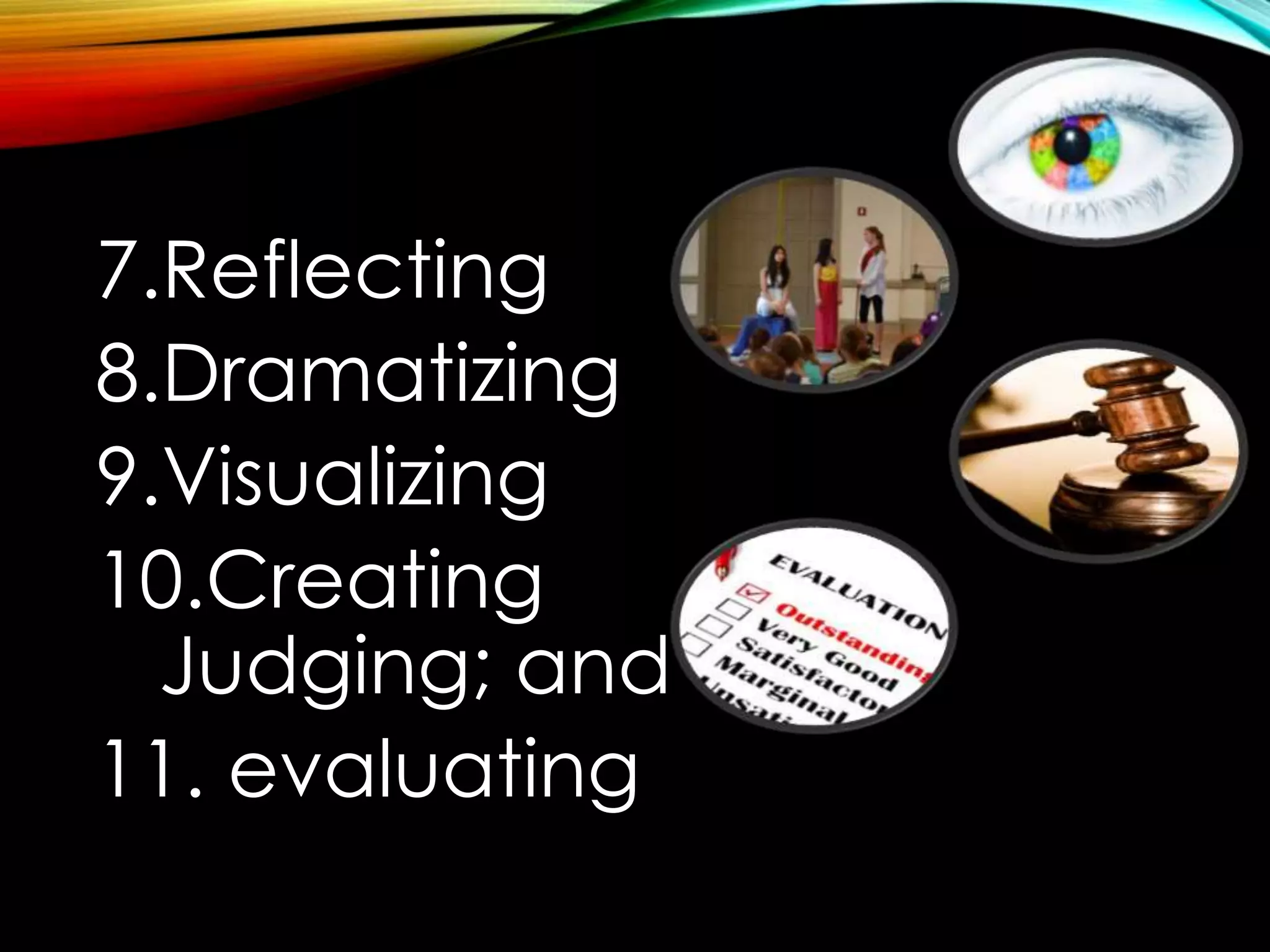
7.Reflecting 
8.Dramatizing 
9.Visualizing 
10.Creating 
Judging; and 
11. evaluating
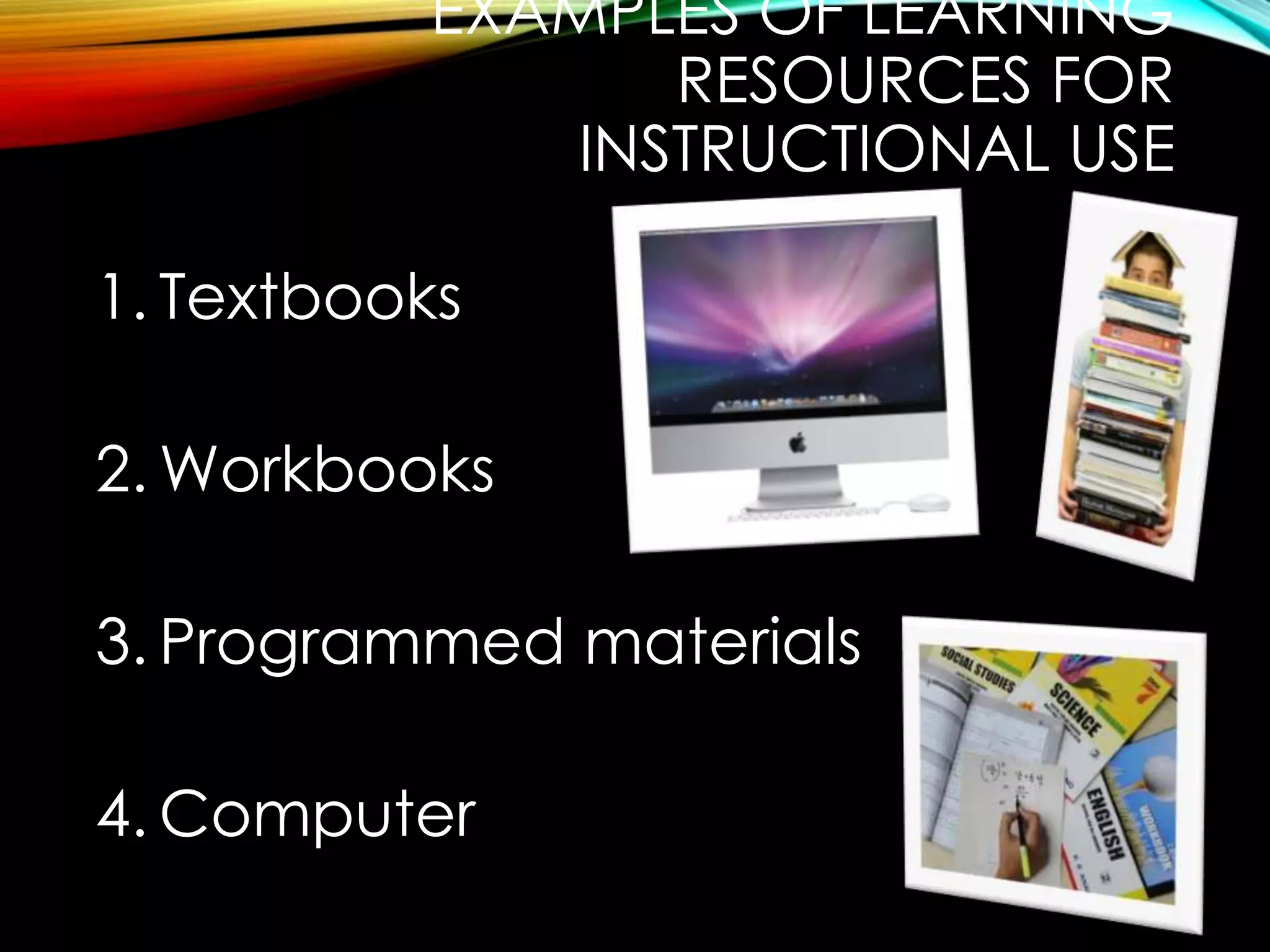
EXAMPLES OF LEARNING 
RESOURCES FOR 
INSTRUCTIONAL USE 
1. Textbooks 
2. Workbooks 
3. Programmed materials 
4.Computer
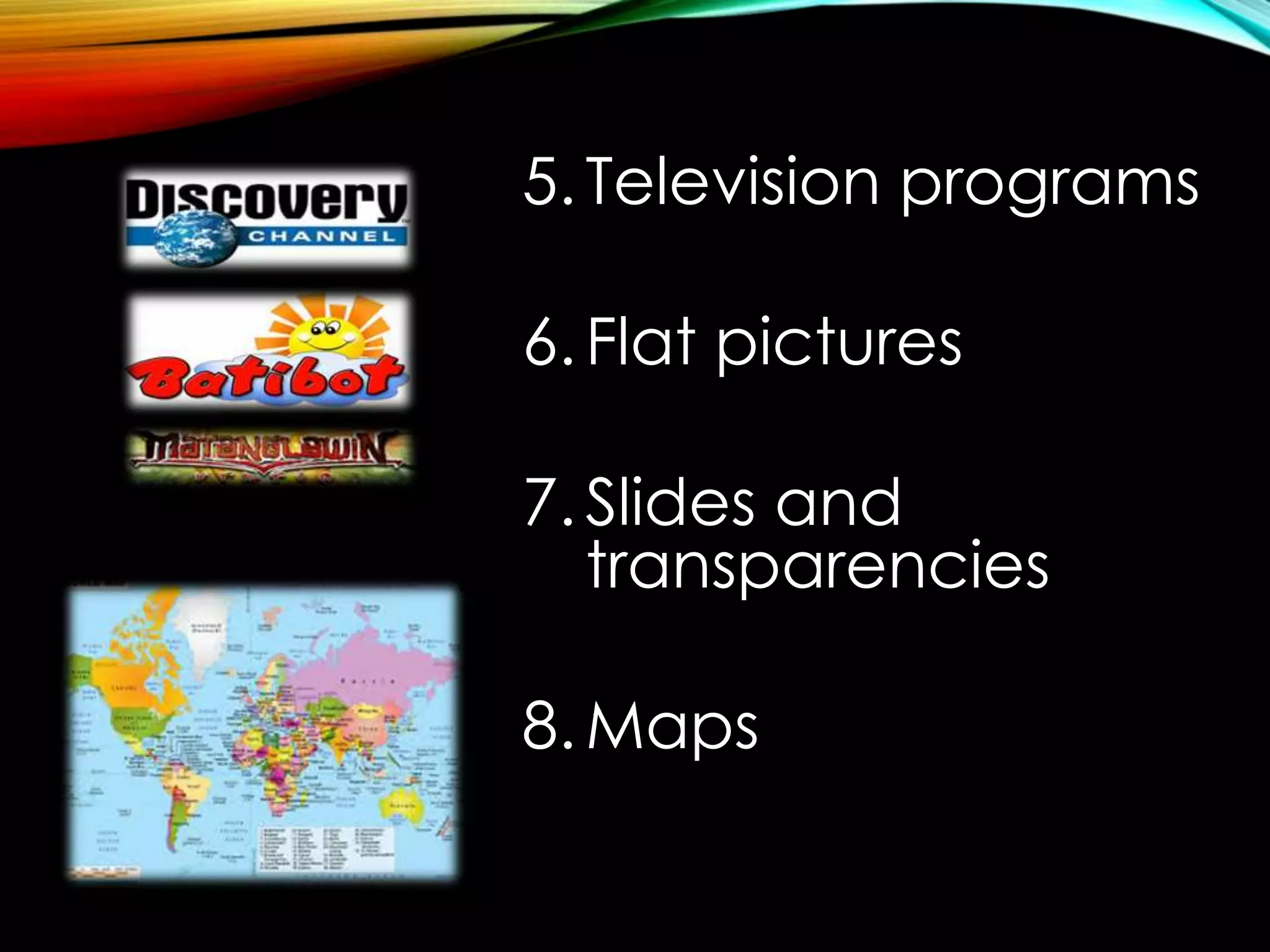
5. Television programs 
6. Flat pictures 
7. Slides and 
transparencies 
8.Maps
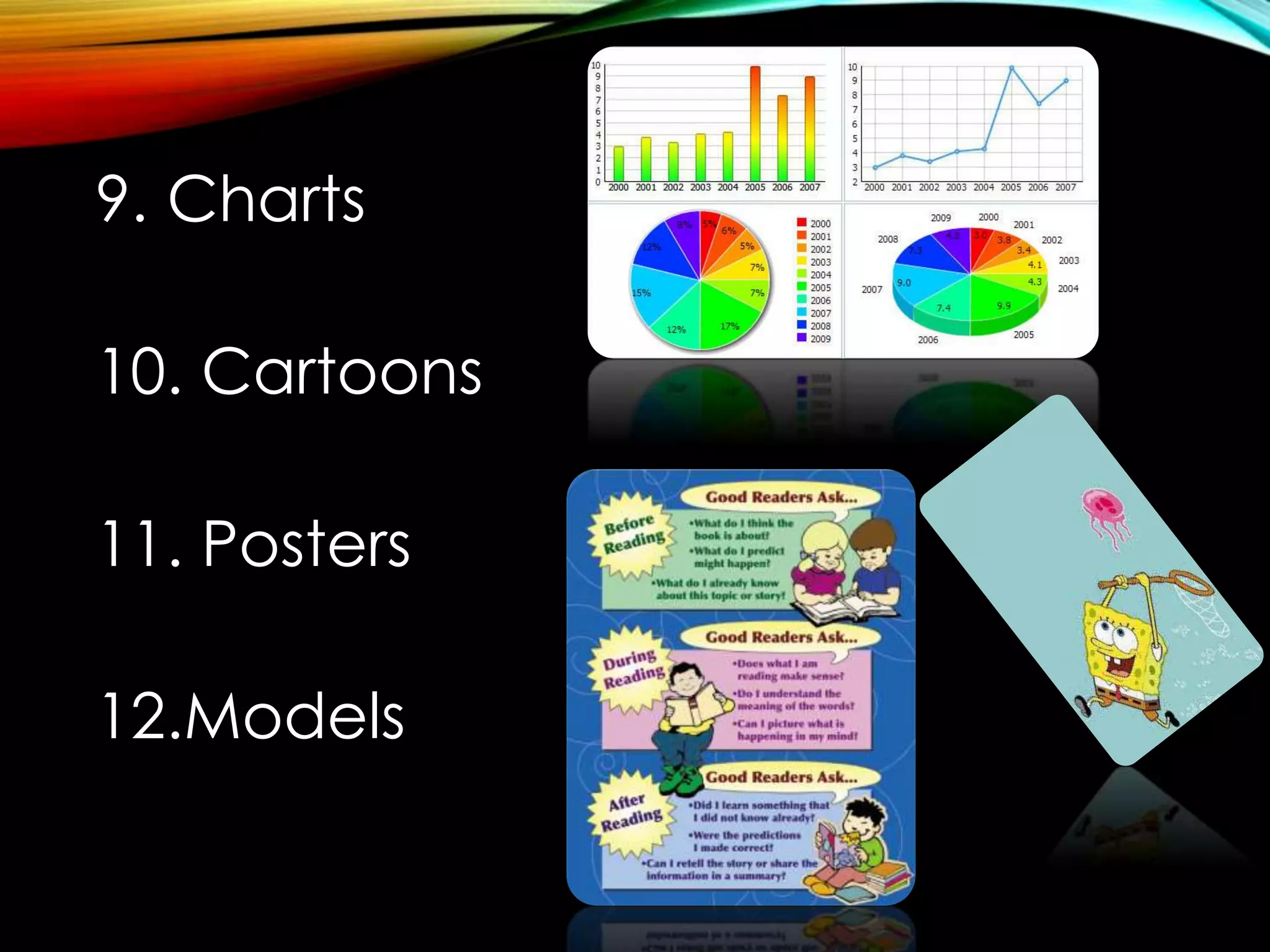
9. Charts 
10. Cartoons 
11. Posters 
12.Models
13.Mock ups 
14. Flannel board materials 
15.Chalkboard 
16.Real objects
The purpose of a system 
instructional design is “to 
ensure orderly relationships and 
interactions of human, 
technical, and environmental 
resources to fulfill the goals 
which have been established 
for instructions.” 
(Brown, 1969)
Ed tech 1   systematic approach to instructional technology

Ed tech 1 systematic approach to instructional technology

  • 1.
    SYSTEMATIC APPROACH TO INSTRUCTIONAL TECHNOLOGY
  • 2.
    WHAT IS INSTRUCTIONALTECHNOLOGY? Instructional Technology is a field of practice. It is a concept. There is not one universally accepted definition of the term “instructional technology.”
  • 3.
    WHAT IS INSTRUCTIONALTECHNOLOGY? The desire to enhance education with technology has existed for thousands of years. The scholarly study of this emerged in the 20th century. It is called Instructional Technology. Source: lecture notes: Michael Orey, PhD.
  • 4.
    WHAT IS TECHNOLOGY? It is a “planned, SYSTEMATIC method of working to achieve planned outcomes-a process not a product. Technology is the applied side of the scientific development.” (Dale, 1969)
  • 5.
    SYSTEM MEANS “anorganized set of doctrines, ideas, or principles usually intended to explain the arrangement or working of a systematic whole” (Merriam-Webster Dictionary)
  • 6.
    The systems approach views the entire educational program as a system of closely interrelated parts.
  • 7.
    Such an approach integrates the older, more familiar methods and tools of instruction with the new ones such as the computer.
  • 9.
    PARTS OF ASYSTEMATIC INSTRUCTION As depicted in the chart, the focus of the systematic instructional planning is the STUDENT.
  • 10.
    PARTS OF A SYSTEMATIC INSTRUCTION
  • 11.
    Considers the student’s need, interest and readiness. 1.Define Objectives
  • 12.
    To be usedand utilized by the teachers. 2. Choose appropriate methods
  • 13.
    Learning activities thatcould spell out the instructional objectives. 3. Chose appropriate experiences
  • 14.
    4. Select materials, equipment, and facilities
  • 15.
    5. Assign personalroles Who are the persons involved in the instruction and their task.
  • 16.
    Actual mode ofinstruction which all plans are being utilized. 6. Implement the instruction
  • 17.
    7. Evaluate outcomes Examining if the instructional objectives was attained or not.
  • 18.
    8. Refine theprocess Getting the system fix before entering to another cycle.
  • 19.
    EXAMPLES OF LEARNING ACTIVITIES 1.Reading 2.Writing 3.Interviewing 4.Reporting or doing Presentation 5.Discussing 6.Thinking
  • 20.
    7.Reflecting 8.Dramatizing 9.Visualizing 10.Creating Judging; and 11. evaluating
  • 21.
    EXAMPLES OF LEARNING RESOURCES FOR INSTRUCTIONAL USE 1. Textbooks 2. Workbooks 3. Programmed materials 4.Computer
  • 22.
    5. Television programs 6. Flat pictures 7. Slides and transparencies 8.Maps
  • 23.
    9. Charts 10.Cartoons 11. Posters 12.Models
  • 24.
    13.Mock ups 14.Flannel board materials 15.Chalkboard 16.Real objects
  • 25.
    The purpose ofa system instructional design is “to ensure orderly relationships and interactions of human, technical, and environmental resources to fulfill the goals which have been established for instructions.” (Brown, 1969)

Editor's Notes

  • #10 There are lots of elements or factors that the teacher has to take into consideration – students’ needs, interests, home background, prior experiences, developmental stage, nature and the like.
  • #22 The teacher, in the choice of the most appropriate teaching method, learning activities, and learning resources, considers the nature of her subject matter, availability of resources, her/his capability, the developmental stage of his students, and of course his/her lesson objective.