PREVENTIVE COMMUNITY RELOCATIONS: 
INSTITUTIONAL MECHANISMS AND CONSTRAINTS 
FOR DISASTER RISK REDUCTION STRATEGIES 
IDRC 
DAVOS 2014 
Robin Bronen, JD, PhD 
University of Alaska Fairbanks 
rbronen@yahoo.com
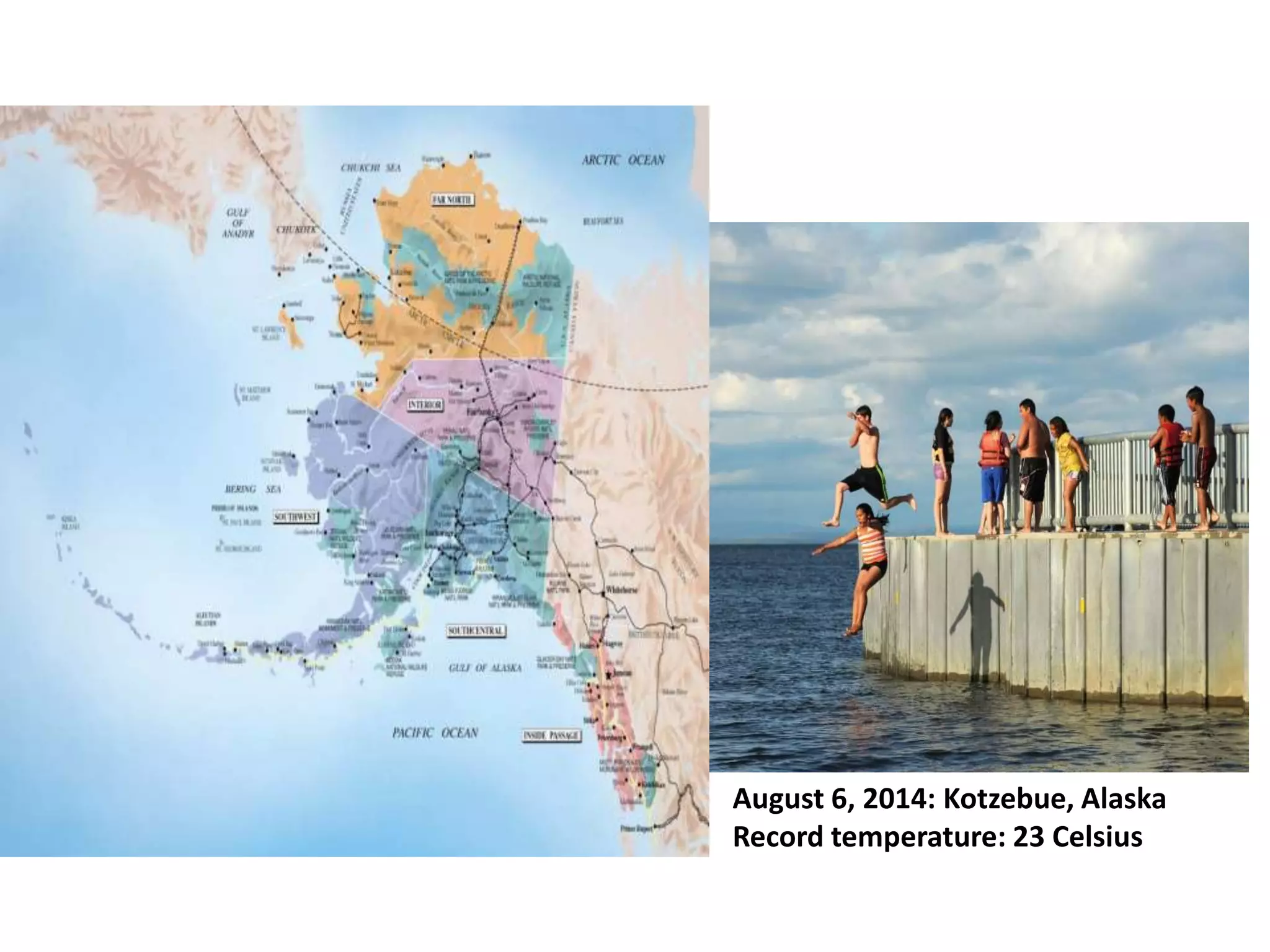
August 6, 2014: Kotzebue, Alaska 
Record temperature: 23 Celsius
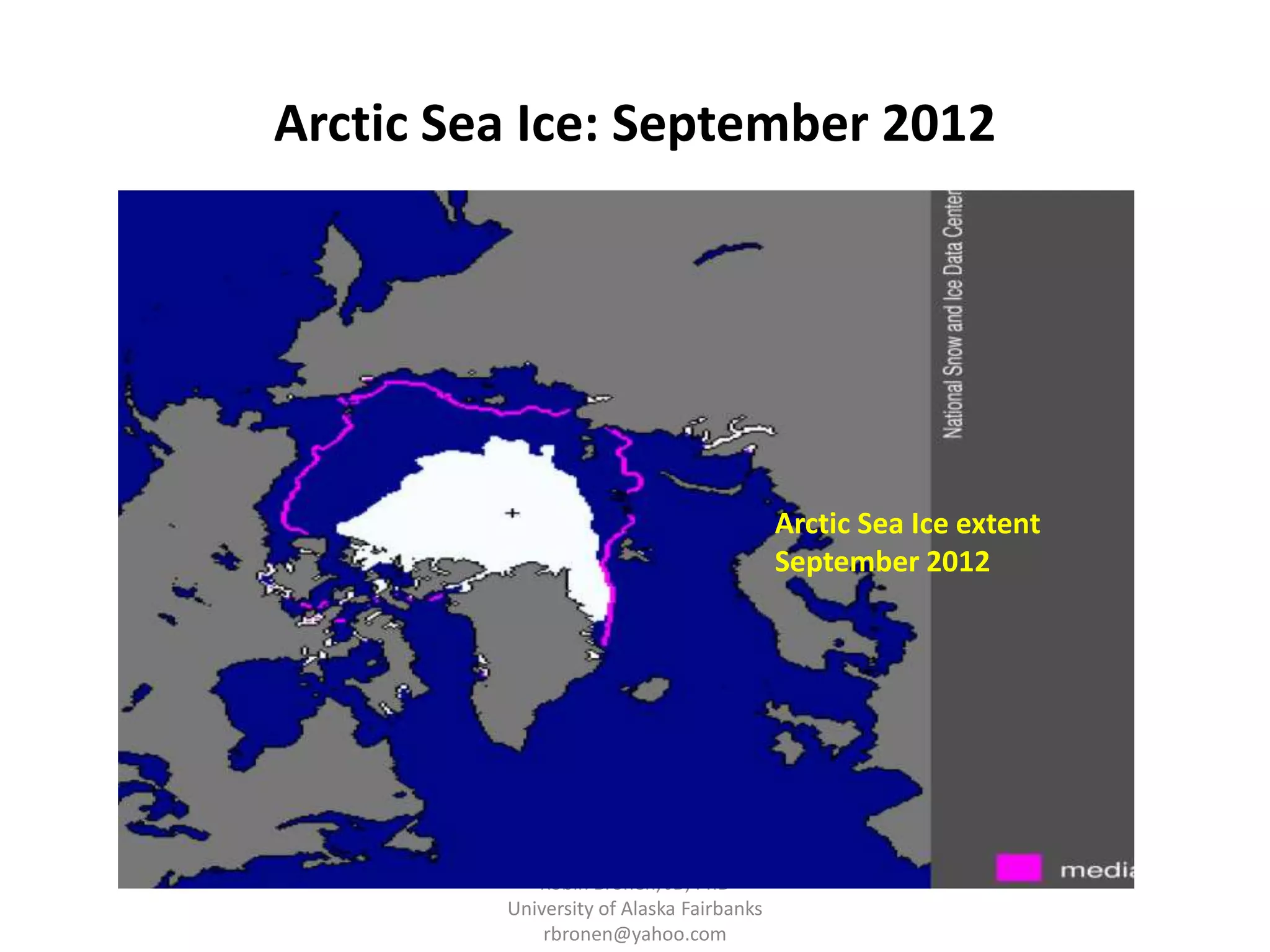
Arctic Sea Ice: September 2012 
Robin Bronen, JD, PhD 
University of Alaska Fairbanks 
rbronen@yahoo.com 
Arctic Sea Ice extent 
September 2012
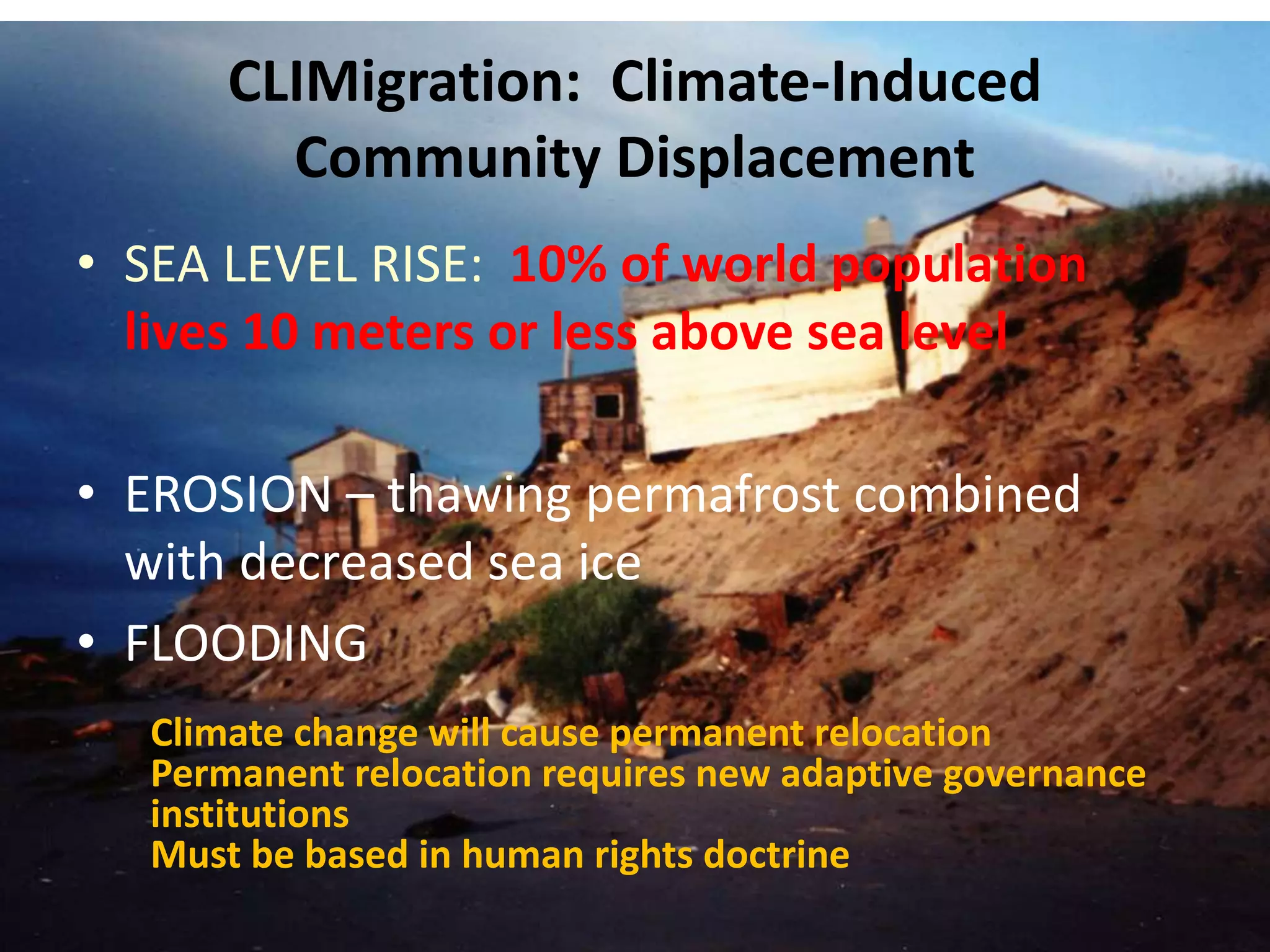
CLIMigration: Climate-Induced 
Community Displacement 
• SEA LEVEL RISE: 10% of world population 
lives 10 meters or less above sea level 
• EROSION – thawing permafrost combined 
with decreased sea ice 
• FLOODING 
Climate change will cause permanent relocation 
Permanent relocation requires new adaptive governance 
institutions 
Must be based in human rights doctrine 
Robin Bronen Resilience and 
Adaptation Program 
rbronen@yahoo.com
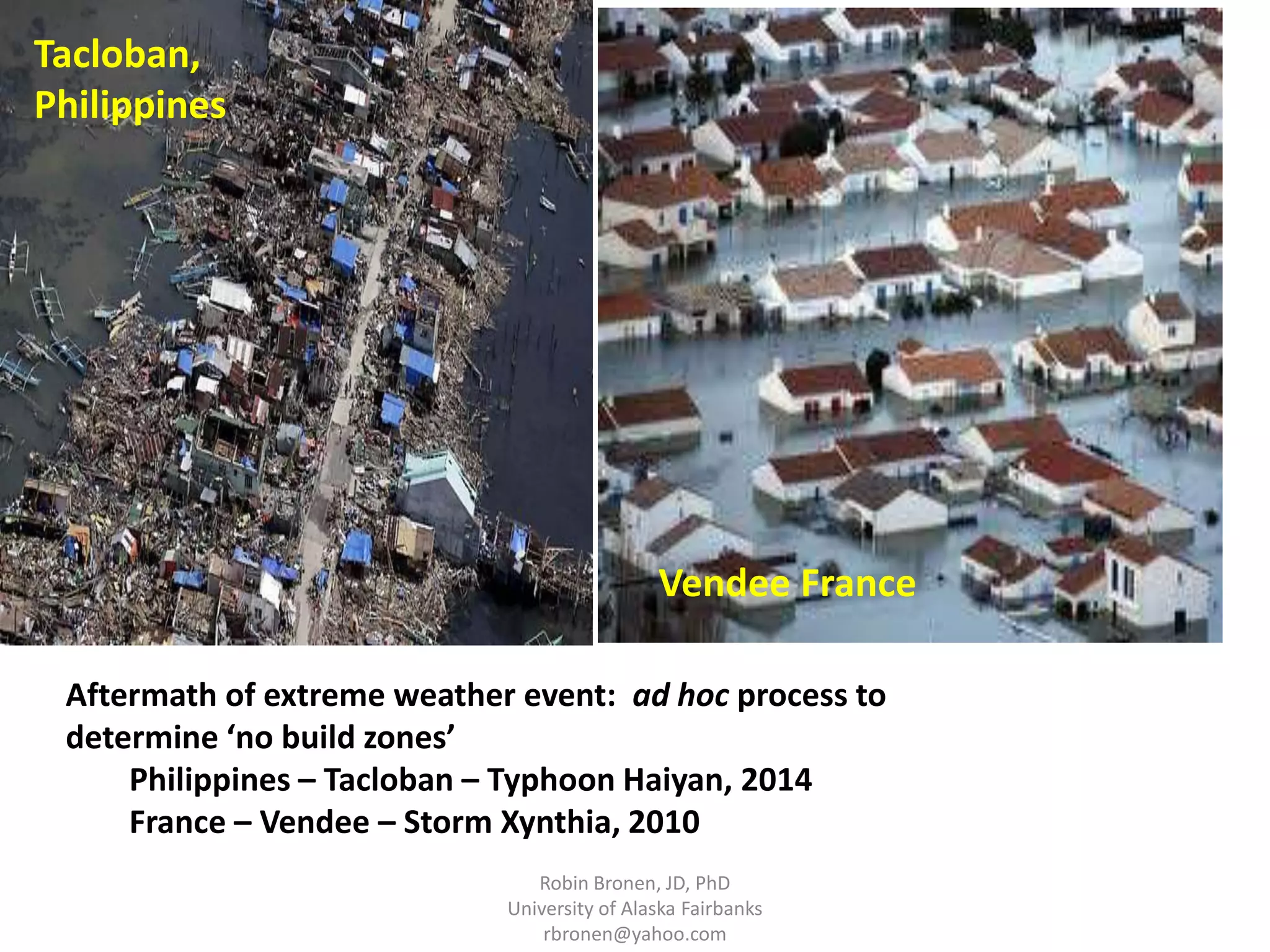
Vendee France 
Aftermath of extreme weather event: ad hoc process to 
determine ‘no build zones’ 
Philippines – Tacloban – Typhoon Haiyan, 2014 
France – Vendee – Storm Xynthia, 2010 
Robin Bronen, JD, PhD 
University of Alaska Fairbanks 
rbronen@yahoo.com 
Tacloban, 
Philippines
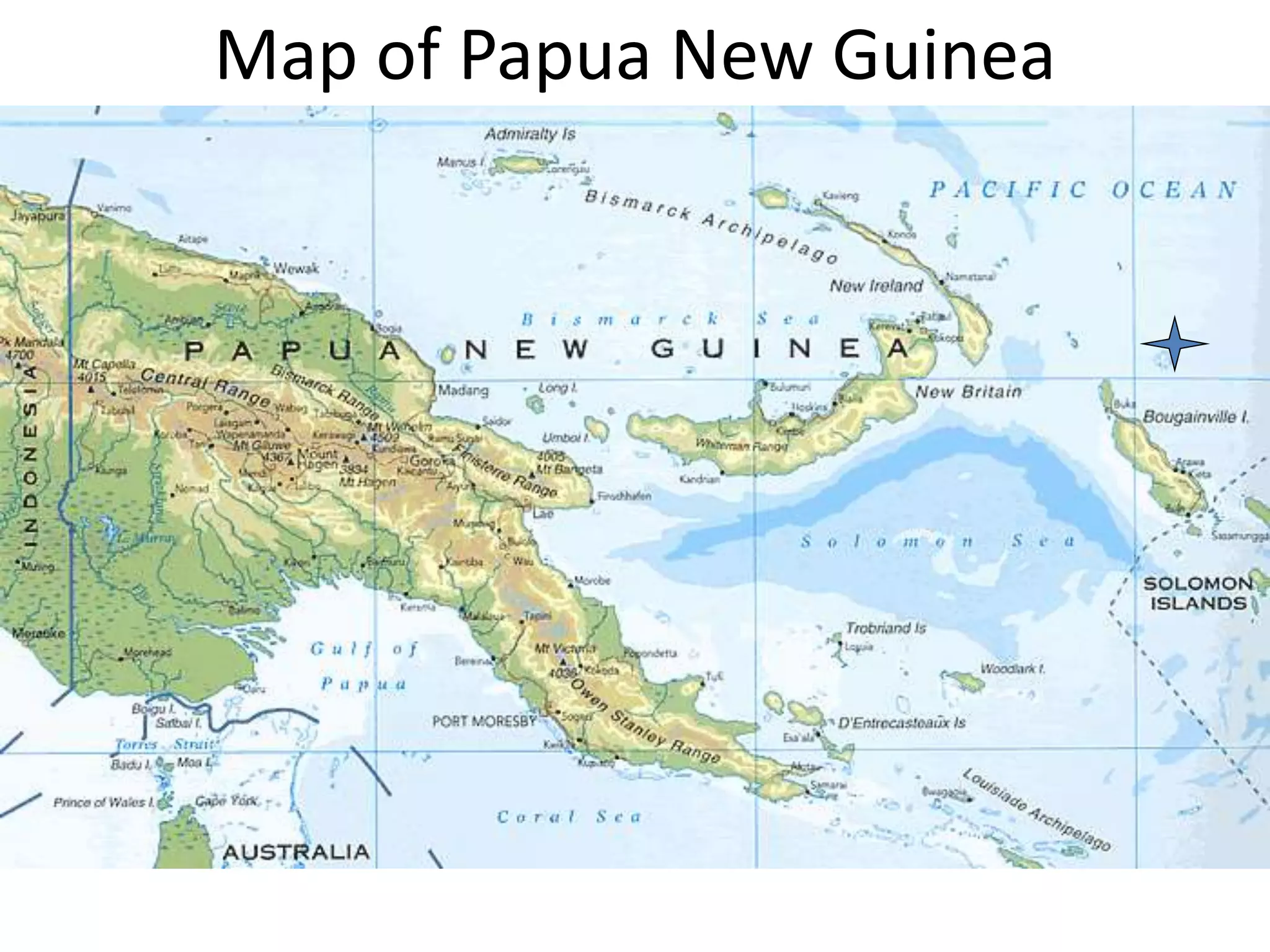
Map of Papua New Guinea
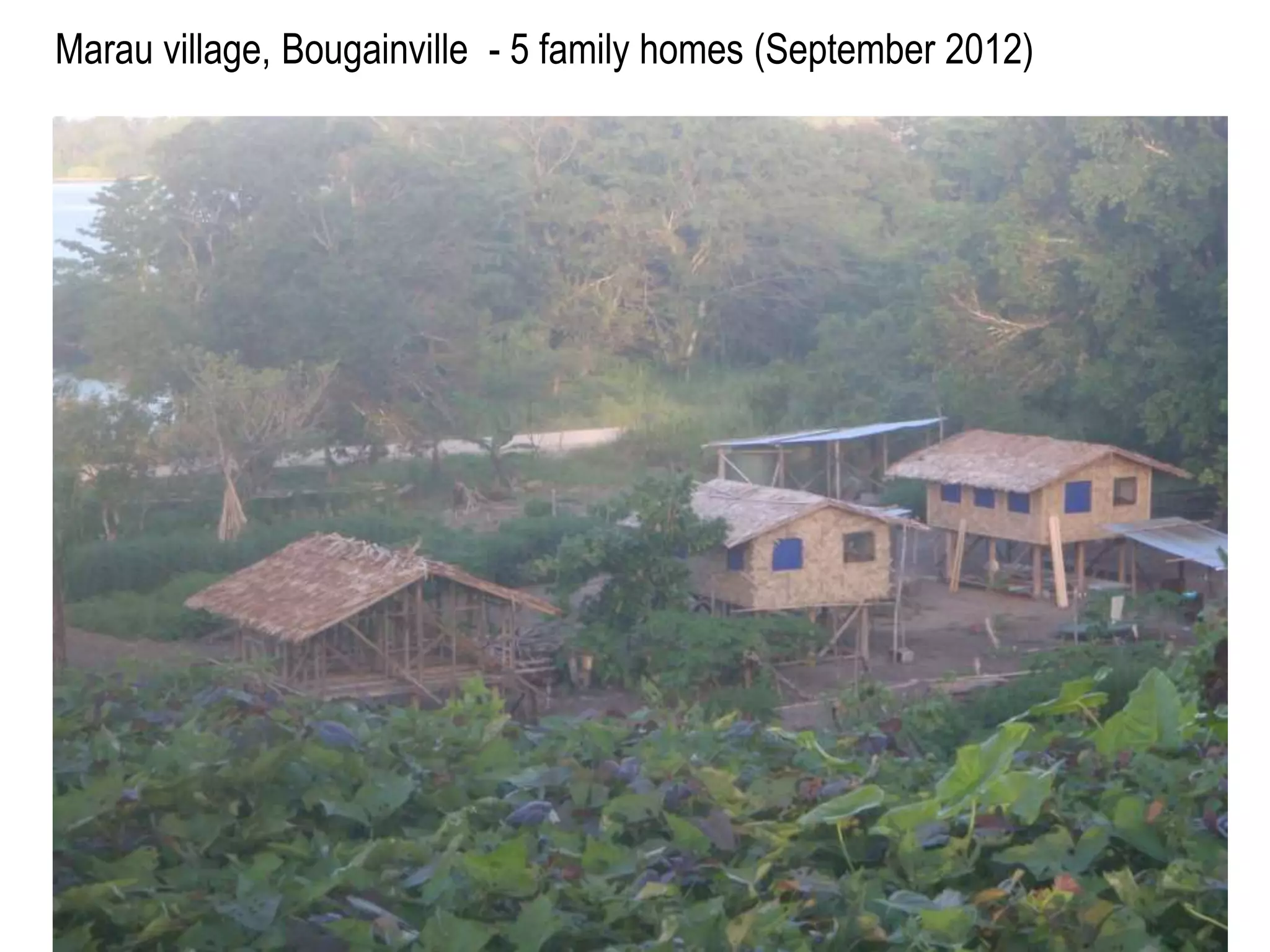
Marau village, Bougainville - 5 family homes (September 2012)
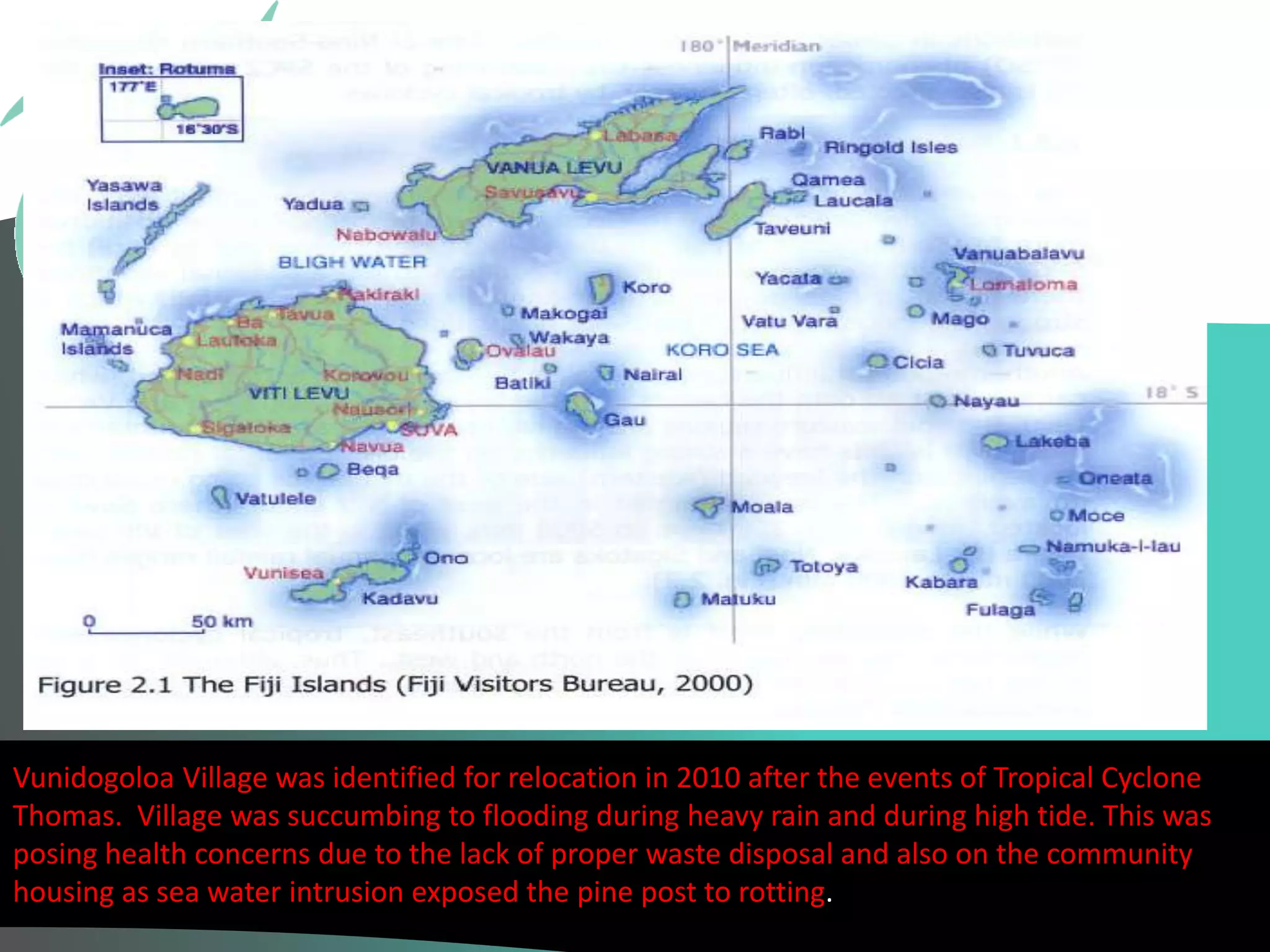
Background of Fiji 
Vunidogoloa Village was identified for relocation in 2010 after the events of Tropical Cyclone 
Thomas. Village was succumbing to flooding during heavy rain and during high tide. This was 
posing health concerns due to the lack of proper waste disposal and also on the community 
housing as sea water intrusion exposed the pine post to rotting.
DYNAMIC ADAPTIVE GOVERNANCE 
RESPONSE BASED IN HUMAN RIGHTS 
Protection in Place: Disaster relief and hazard mitigation 
Multi-level social-ecological monitoring and assessments: 
Social-ecological indicators : 
• Repetitive loss of structure; 
• Imminent danger to community; 
• Community has no further ability to mitigate through flood 
protection, erosion control; 
• Loss of livelihoods; public health; 
• Predicted sea level rise, erosion and flooding 
Relocation – human rights protections, including collective right 
to self-determination 
Robin Bronen, JD, PhD 
University of Alaska Fairbanks 
rbronen@yahoo.com
Thank YOU 
Robin Bronen, JD, PhD 
University of Alaska Fairbanks 
rbronen@yahoo.com

DRR_2014_August2014

  • 1.
    PREVENTIVE COMMUNITY RELOCATIONS: INSTITUTIONAL MECHANISMS AND CONSTRAINTS FOR DISASTER RISK REDUCTION STRATEGIES IDRC DAVOS 2014 Robin Bronen, JD, PhD University of Alaska Fairbanks rbronen@yahoo.com
  • 2.
    August 6, 2014:Kotzebue, Alaska Record temperature: 23 Celsius
  • 3.
    Arctic Sea Ice:September 2012 Robin Bronen, JD, PhD University of Alaska Fairbanks rbronen@yahoo.com Arctic Sea Ice extent September 2012
  • 4.
    CLIMigration: Climate-Induced CommunityDisplacement • SEA LEVEL RISE: 10% of world population lives 10 meters or less above sea level • EROSION – thawing permafrost combined with decreased sea ice • FLOODING Climate change will cause permanent relocation Permanent relocation requires new adaptive governance institutions Must be based in human rights doctrine Robin Bronen Resilience and Adaptation Program rbronen@yahoo.com
  • 5.
    Vendee France Aftermathof extreme weather event: ad hoc process to determine ‘no build zones’ Philippines – Tacloban – Typhoon Haiyan, 2014 France – Vendee – Storm Xynthia, 2010 Robin Bronen, JD, PhD University of Alaska Fairbanks rbronen@yahoo.com Tacloban, Philippines
  • 7.
    Map of PapuaNew Guinea
  • 8.
    Marau village, Bougainville- 5 family homes (September 2012)
  • 9.
    Background of Fiji Vunidogoloa Village was identified for relocation in 2010 after the events of Tropical Cyclone Thomas. Village was succumbing to flooding during heavy rain and during high tide. This was posing health concerns due to the lack of proper waste disposal and also on the community housing as sea water intrusion exposed the pine post to rotting.
  • 10.
    DYNAMIC ADAPTIVE GOVERNANCE RESPONSE BASED IN HUMAN RIGHTS Protection in Place: Disaster relief and hazard mitigation Multi-level social-ecological monitoring and assessments: Social-ecological indicators : • Repetitive loss of structure; • Imminent danger to community; • Community has no further ability to mitigate through flood protection, erosion control; • Loss of livelihoods; public health; • Predicted sea level rise, erosion and flooding Relocation – human rights protections, including collective right to self-determination Robin Bronen, JD, PhD University of Alaska Fairbanks rbronen@yahoo.com
  • 11.
    Thank YOU RobinBronen, JD, PhD University of Alaska Fairbanks rbronen@yahoo.com