By Guided By
Nishikant Bawiskar V.A. Kulkarni
 Direct Diesel Injection.
 Indirect Diesel Injection.
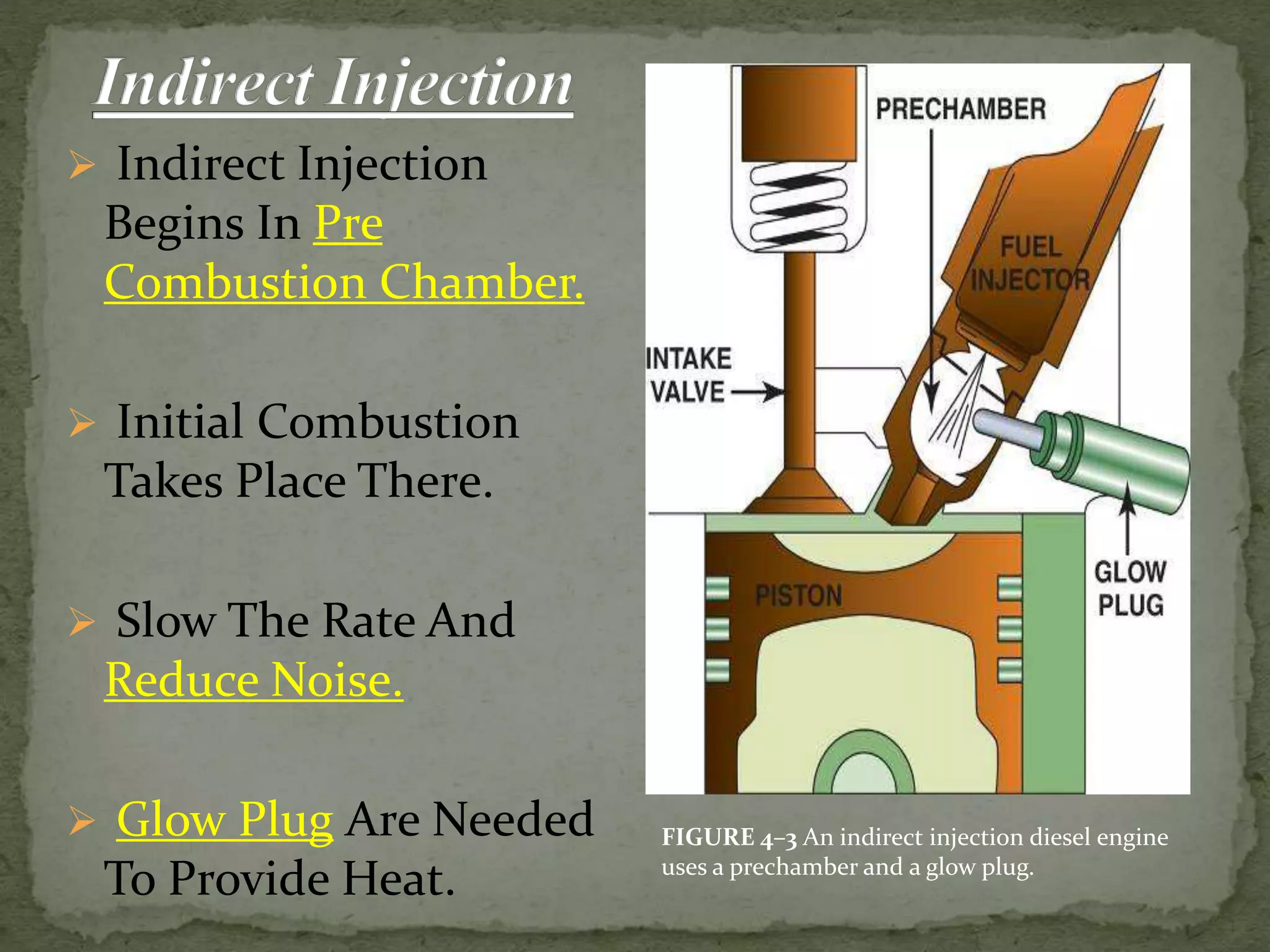
FIGURE 4–3 An indirect injection diesel engine
uses a prechamber and a glow plug.
 Indirect Injection
Begins In Pre
Combustion Chamber.
 Initial Combustion
Takes Place There.
 Slow The Rate And
Reduce Noise.
 Glow Plug Are Needed
To Provide Heat.
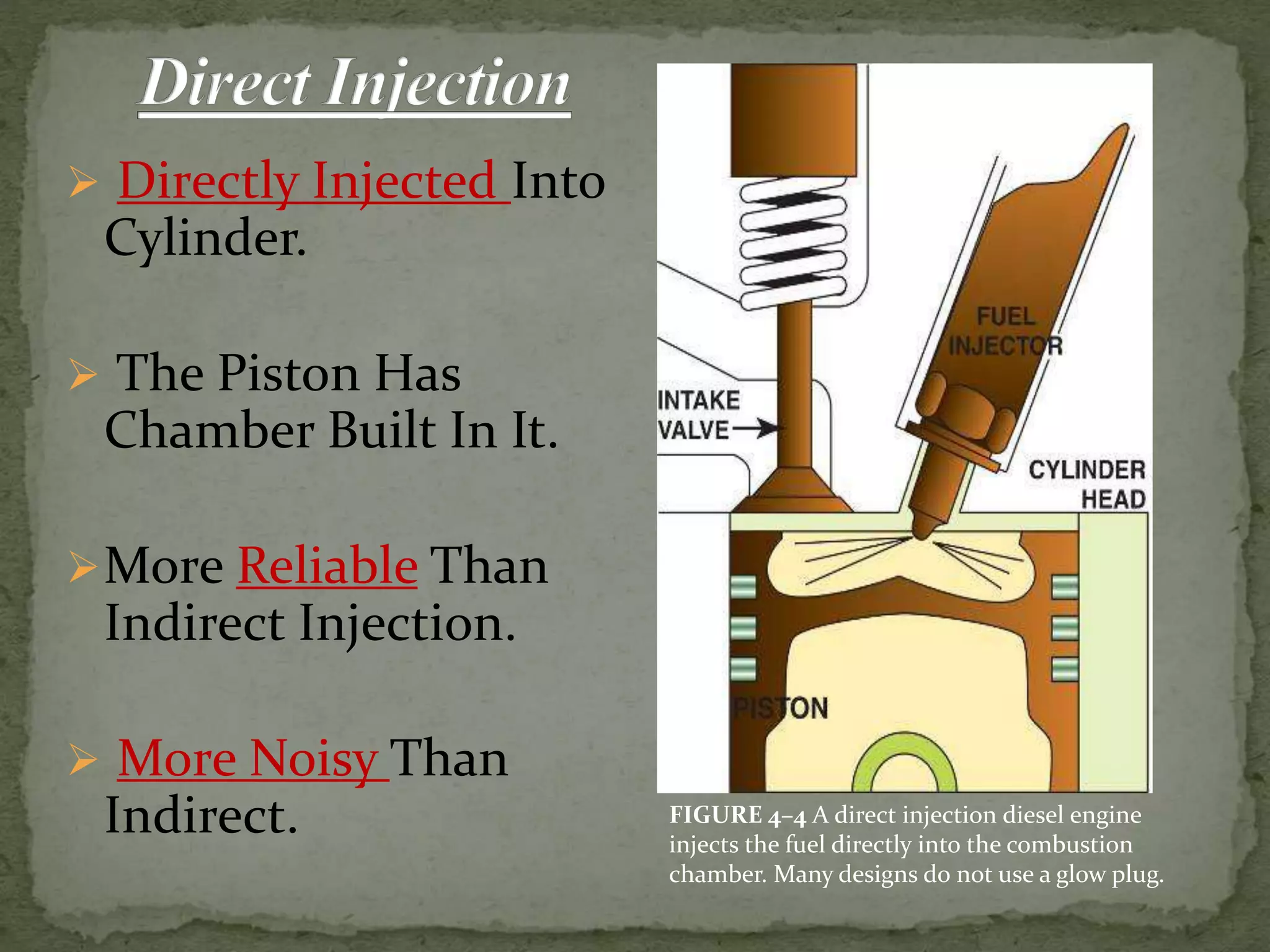
FIGURE 4–4 A direct injection diesel engine
injects the fuel directly into the combustion
chamber. Many designs do not use a glow plug.
 Directly Injected Into
Cylinder.
 The Piston Has
Chamber Built In It.
More Reliable Than
Indirect Injection.
 More Noisy Than
Indirect.
 Diesel Directly Supplied to Cylinder.
Injectors Exposed To Heat And Pressure.
 The Piston Has Chamber Built In It.
 The Entire Intake Is Dry, Makes This A
very Clean System.
 Ignition occurs in a diesel engine by
injecting fuel into the air charge, which has
been heated by compression to a
temperature greater than the ignition point
of the fuel or about 1000°F (538°C).
 System Prototype Was Developed In 1960
By Robert Huber.
 Technology Was Developed By Dr. Marco
Ganser In 1995.
 Dr. Shohei Itoch Developed The Direct
Diesel Injection System.
 The DDis Engine Was First Mounted On
Hino Rising Ranger Truck.
 Denso Claims The First Commercial High
Pressure Direct Diesel System In 1995.
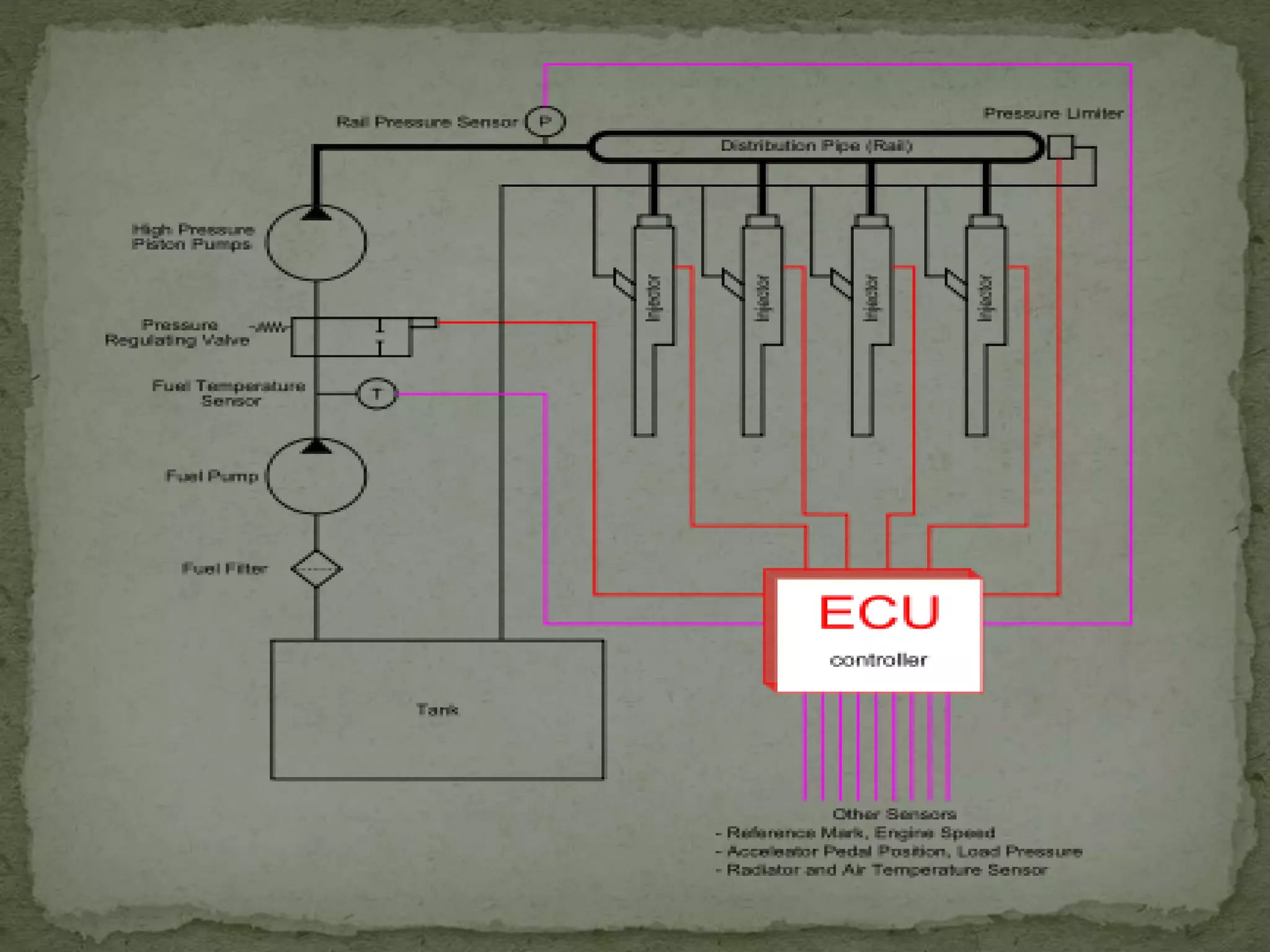
 Solenoid Or Piezoelectric Valves Make
Possible Fine Electronic Control Over The
Fuel Injection Time And Quantity.
 It Provides Better Fuel Atomization.
 In Order To Reduce Engine Noise, Engine’s
ECU Can Inject Small Amount Of Just
Before The main Injection.
 This Reducing Its Explosiveness And
Vibrations.
As Well As It Optimize injecting Timing And
For Variations In Fuel Quality.
 DDis Engine Require Very Short (<10
Seconds) Or No Heating Time.
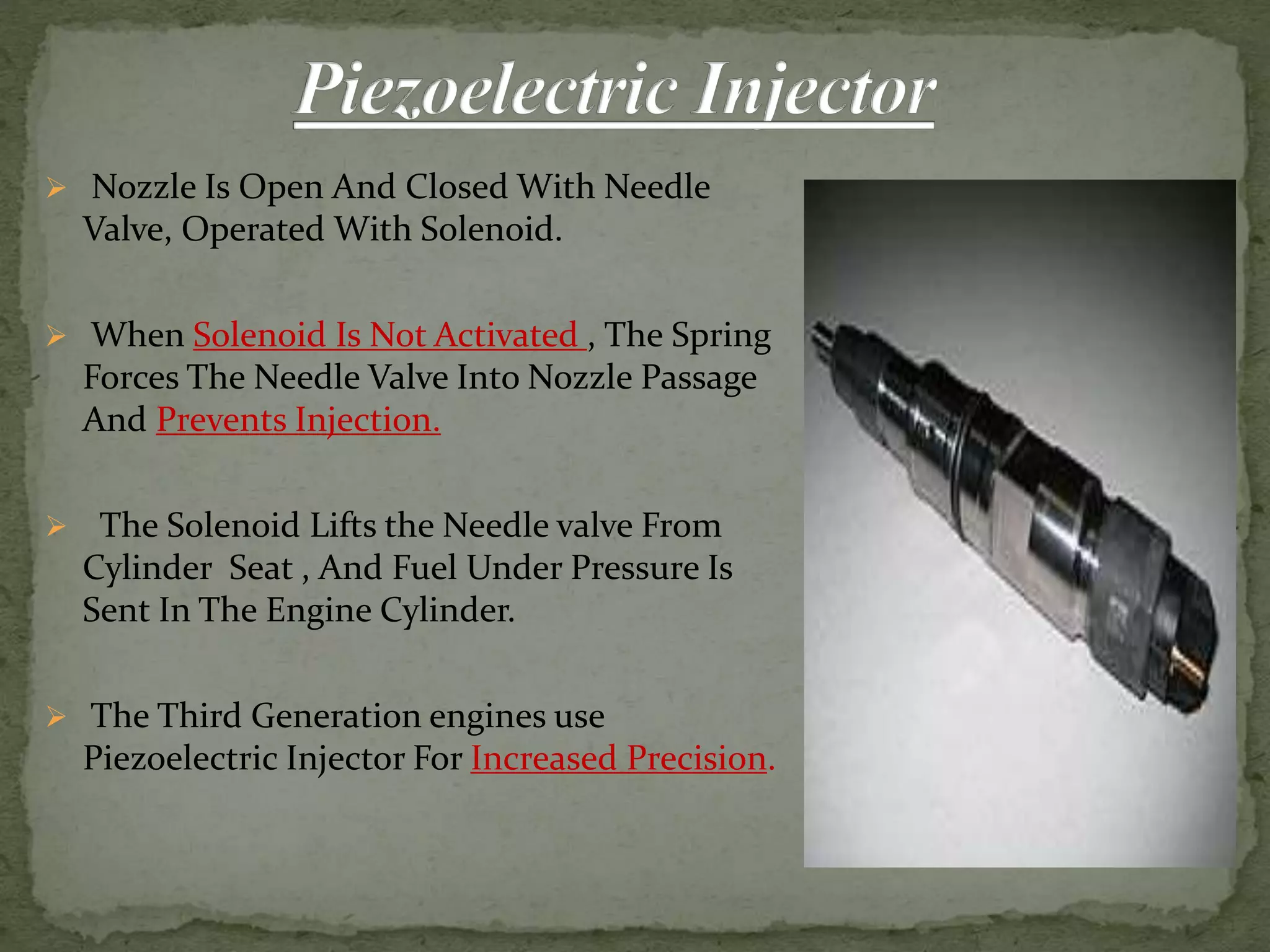
 Nozzle Is Open And Closed With Needle
Valve, Operated With Solenoid.
 When Solenoid Is Not Activated , The Spring
Forces The Needle Valve Into Nozzle Passage
And Prevents Injection.
 The Solenoid Lifts the Needle valve From
Cylinder Seat , And Fuel Under Pressure Is
Sent In The Engine Cylinder.
 The Third Generation engines use
Piezoelectric Injector For Increased Precision.
 Low Emission.
 High Fuel Efficiency.
 The Engine Is Smooth And Responsive.
 Lower Fuel Consumption-20%.
 High Volumetric Efficiency.
 Pressure Rise Can Be Very High.
 Knocking At High Injection Pressure.
High quality Fuel Required.
 More Noise than Indirect Injection.
 Used In Marine And Locomotives
Machines.
 Used In All Types Of Road Cars With Diesel
Engines.
Also Used In Stationary Engines.
 Ashok Leyland- CRS Engines In U Truck And E4
Busses.
 BMW- D Engines.
Daimler- CDI And CRD Engines.
Fiat- JTD, Multijet, TiD, Ttid, Ddis.
 Mitsubishi- DI-D.
 1.3 Litre DDis Technology.
 Maximum Power Of 75 HP.
 Fuel Consumption Is 67.3 mpg.
 Acquires 0-62 mph In 12.7 Seconds.
Direct diesel injection system

Direct diesel injection system

  • 1.
    By Guided By NishikantBawiskar V.A. Kulkarni
  • 2.
     Direct DieselInjection.  Indirect Diesel Injection.
  • 3.
    FIGURE 4–3 Anindirect injection diesel engine uses a prechamber and a glow plug.  Indirect Injection Begins In Pre Combustion Chamber.  Initial Combustion Takes Place There.  Slow The Rate And Reduce Noise.  Glow Plug Are Needed To Provide Heat.
  • 4.
    FIGURE 4–4 Adirect injection diesel engine injects the fuel directly into the combustion chamber. Many designs do not use a glow plug.  Directly Injected Into Cylinder.  The Piston Has Chamber Built In It. More Reliable Than Indirect Injection.  More Noisy Than Indirect.
  • 5.
     Diesel DirectlySupplied to Cylinder. Injectors Exposed To Heat And Pressure.  The Piston Has Chamber Built In It.  The Entire Intake Is Dry, Makes This A very Clean System.
  • 6.
     Ignition occursin a diesel engine by injecting fuel into the air charge, which has been heated by compression to a temperature greater than the ignition point of the fuel or about 1000°F (538°C).
  • 7.
     System PrototypeWas Developed In 1960 By Robert Huber.  Technology Was Developed By Dr. Marco Ganser In 1995.  Dr. Shohei Itoch Developed The Direct Diesel Injection System.
  • 8.
     The DDisEngine Was First Mounted On Hino Rising Ranger Truck.  Denso Claims The First Commercial High Pressure Direct Diesel System In 1995.
  • 9.
     Solenoid OrPiezoelectric Valves Make Possible Fine Electronic Control Over The Fuel Injection Time And Quantity.  It Provides Better Fuel Atomization.  In Order To Reduce Engine Noise, Engine’s ECU Can Inject Small Amount Of Just Before The main Injection.
  • 10.
     This ReducingIts Explosiveness And Vibrations. As Well As It Optimize injecting Timing And For Variations In Fuel Quality.  DDis Engine Require Very Short (<10 Seconds) Or No Heating Time.
  • 11.
     Nozzle IsOpen And Closed With Needle Valve, Operated With Solenoid.  When Solenoid Is Not Activated , The Spring Forces The Needle Valve Into Nozzle Passage And Prevents Injection.  The Solenoid Lifts the Needle valve From Cylinder Seat , And Fuel Under Pressure Is Sent In The Engine Cylinder.  The Third Generation engines use Piezoelectric Injector For Increased Precision.
  • 13.
     Low Emission. High Fuel Efficiency.  The Engine Is Smooth And Responsive.  Lower Fuel Consumption-20%.  High Volumetric Efficiency.
  • 14.
     Pressure RiseCan Be Very High.  Knocking At High Injection Pressure. High quality Fuel Required.  More Noise than Indirect Injection.
  • 15.
     Used InMarine And Locomotives Machines.  Used In All Types Of Road Cars With Diesel Engines. Also Used In Stationary Engines.
  • 16.
     Ashok Leyland-CRS Engines In U Truck And E4 Busses.  BMW- D Engines. Daimler- CDI And CRD Engines. Fiat- JTD, Multijet, TiD, Ttid, Ddis.  Mitsubishi- DI-D.
  • 18.
     1.3 LitreDDis Technology.  Maximum Power Of 75 HP.  Fuel Consumption Is 67.3 mpg.  Acquires 0-62 mph In 12.7 Seconds.