Downloaded 175 times
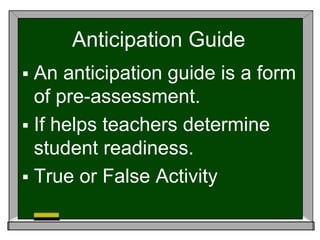
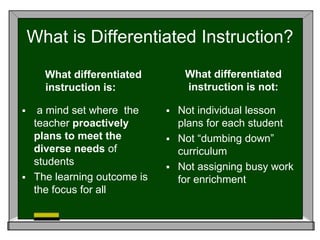
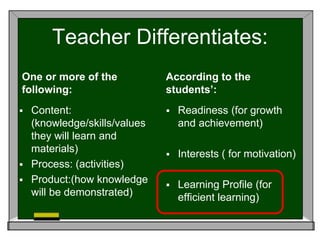
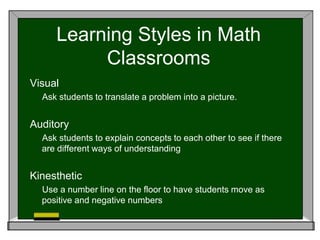

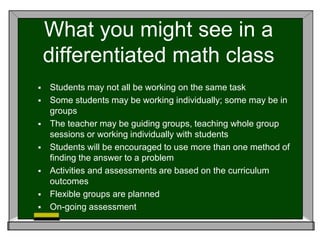
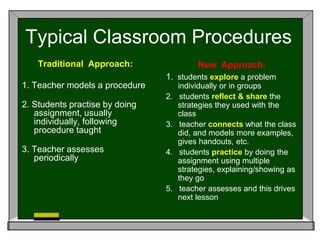
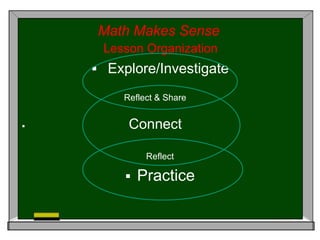
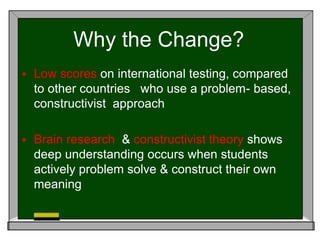
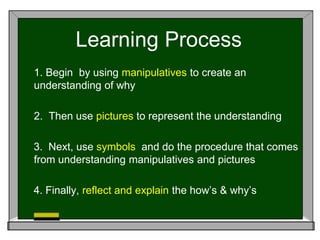
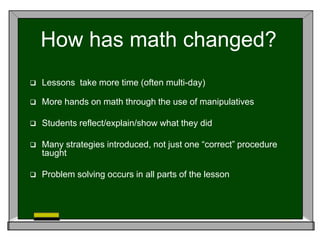
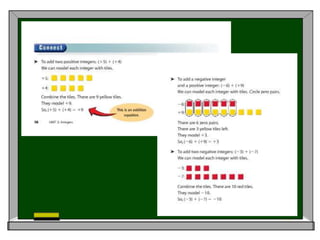
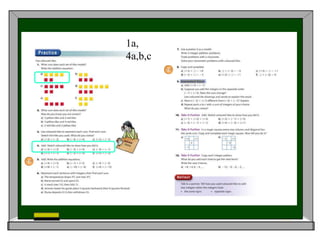
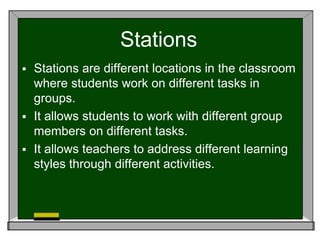
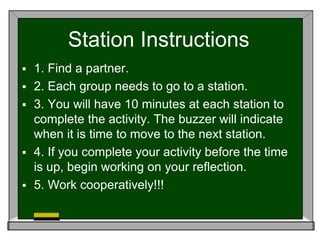
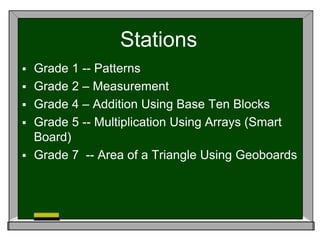


This document discusses differentiated instruction strategies for teaching math. It defines differentiated instruction as proactively planning to meet diverse student needs by focusing on learning outcomes and adjusting the content, process, or product based on student readiness, interests, and learning profiles. Examples of strategies discussed include using learning stations, the anticipation guide pre-assessment technique, and determining student learning styles. The "new math" approach emphasizes exploring problems, reflecting on different strategies, and having students explain their reasoning over traditionally teaching a single procedure.


![Lesson Plan in Math 6 for Demo-Teaching [Division of Integers]](https://cdn.slidesharecdn.com/ss_thumbnails/lessonplaninmathematics6divisionofintegers-190930130204-thumbnail.jpg?width=640&height=640&fit=bounds)


