




















Development Stage in Middle and
Late Adolescence
Penn T. Villanueva Larena ,CPS,CPE,MPA
 1. classify various developmental tasks according to
development stage.
 2. Evaluate one’s development in comparison with
persons of the same age group.
 3. list ways on how to become a responsible
adolescent prepared for adult life
Learning Objectives
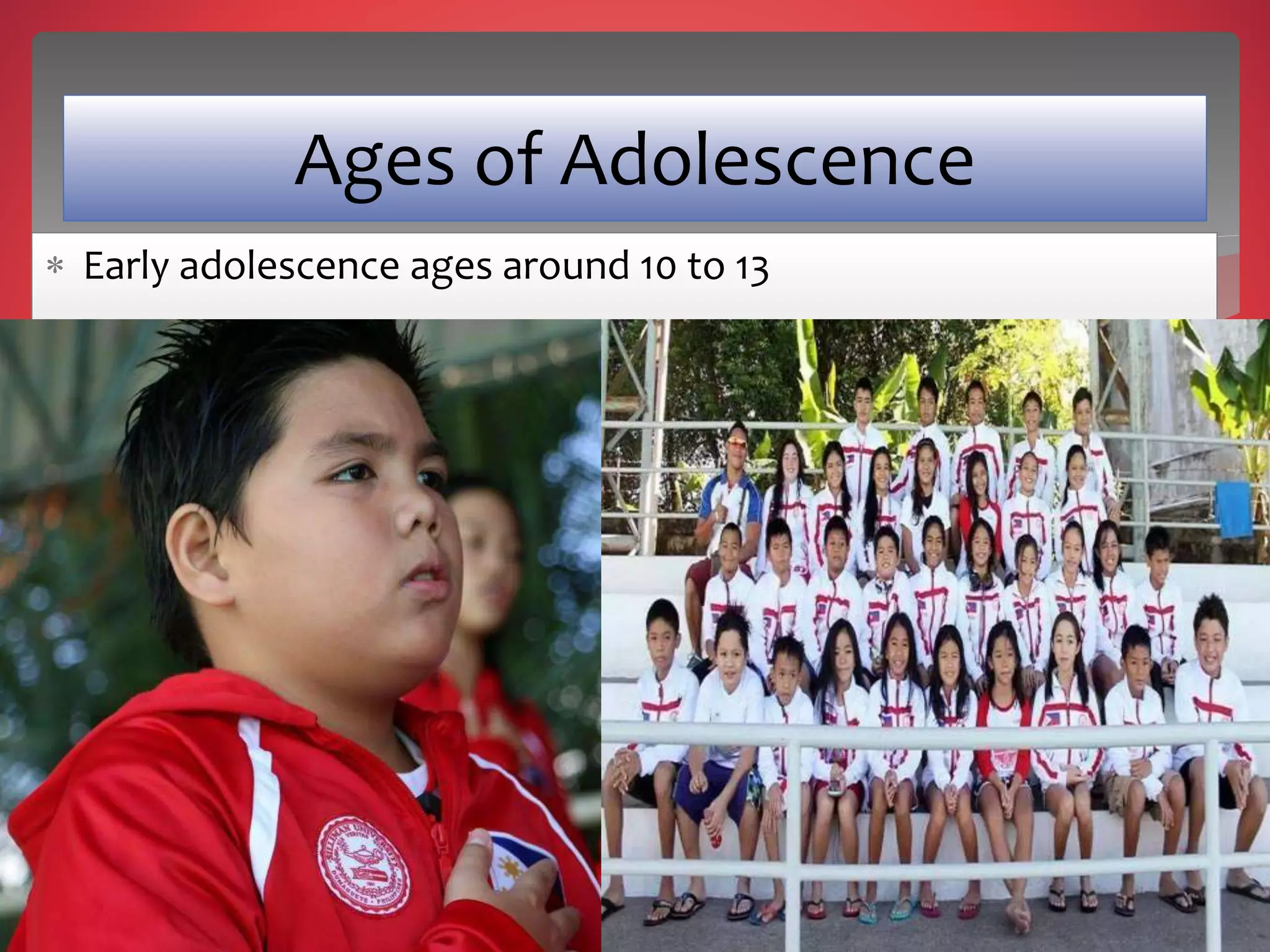
 Early adolescence ages around 10 to 13
Ages of Adolescence
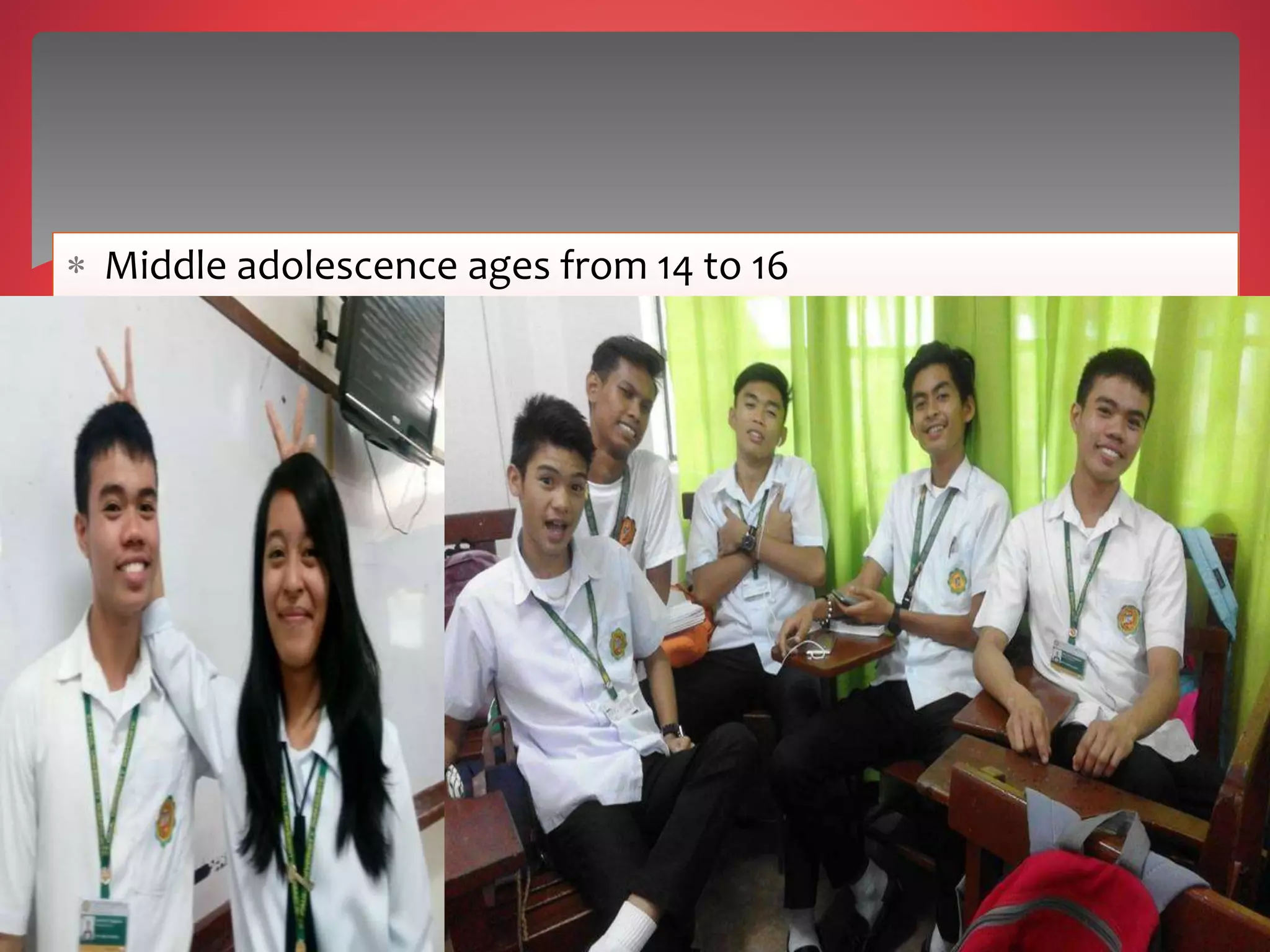
 Middle adolescence ages from 14 to 16
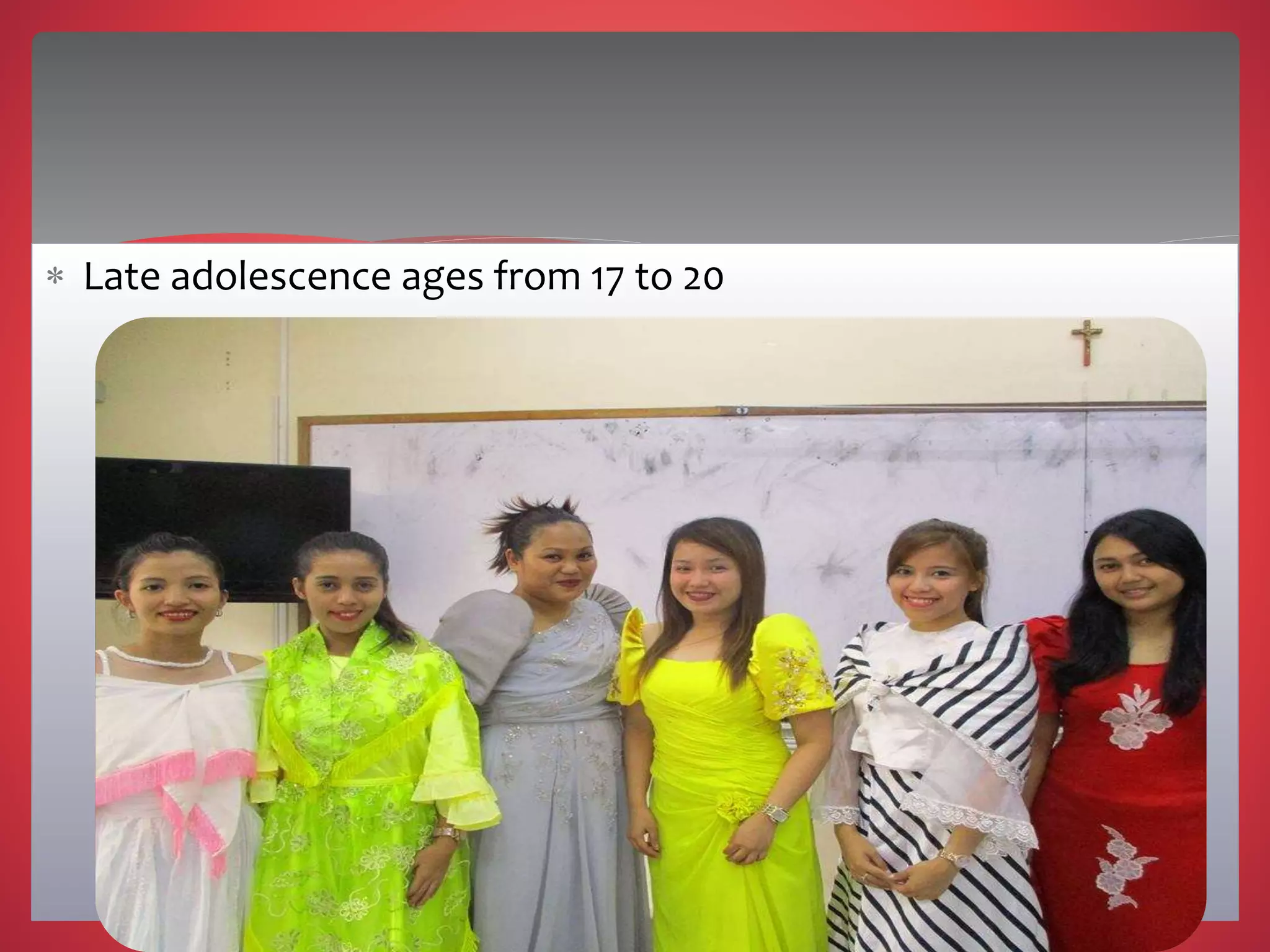
 Late adolescence ages from 17 to 20
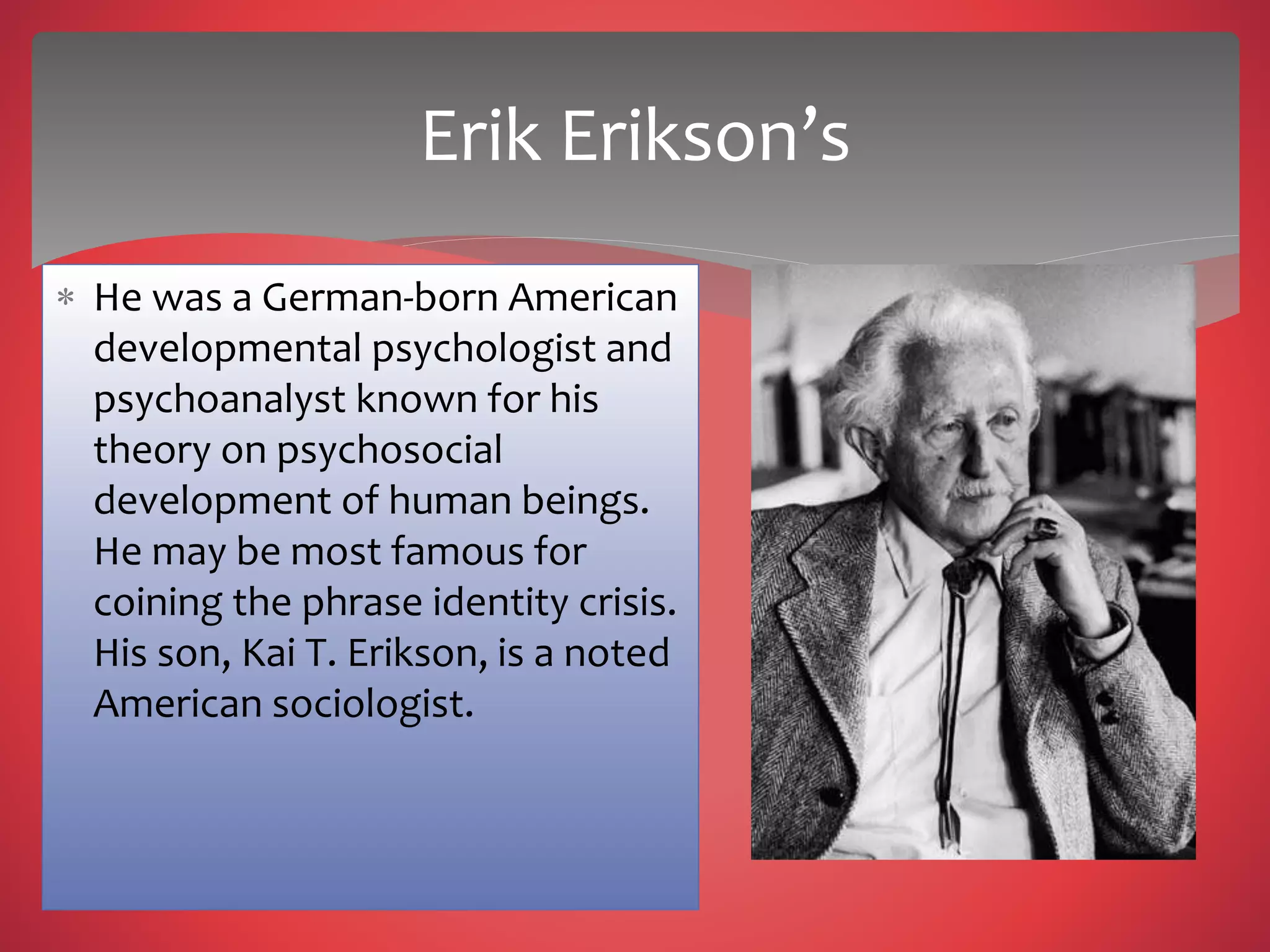
 He was a German-born American
developmental psychologist and
psychoanalyst known for his
theory on psychosocial
development of human beings.
He may be most famous for
coining the phrase identity crisis.
His son, Kai T. Erikson, is a noted
American sociologist.
Erik Erikson’s
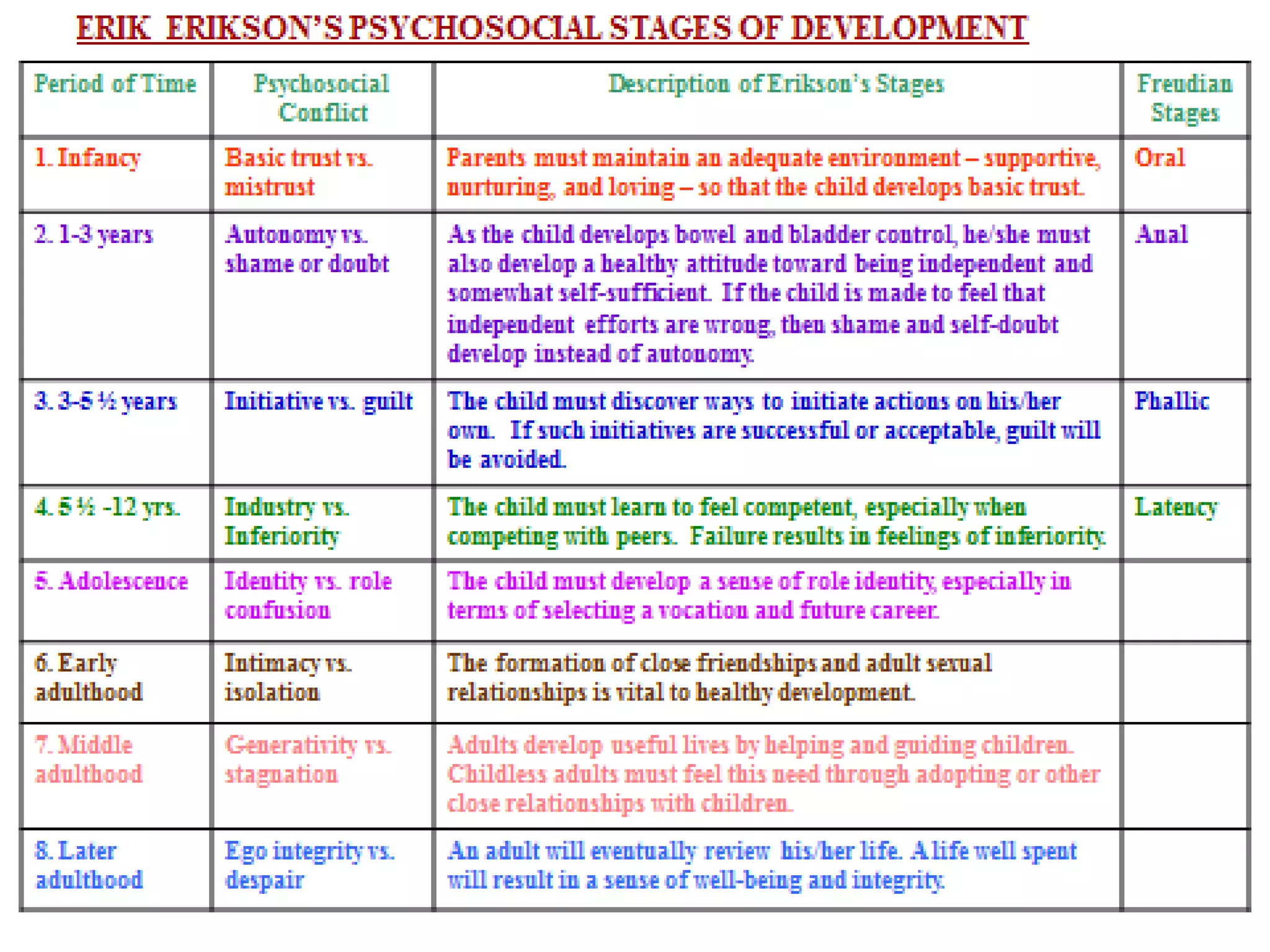
Erikson’s Eight stages of Personality development
Infancy
Early Childhood 2week/2 years
Late Childhood (Pre –School)
School Age ( 6-12YEARS)
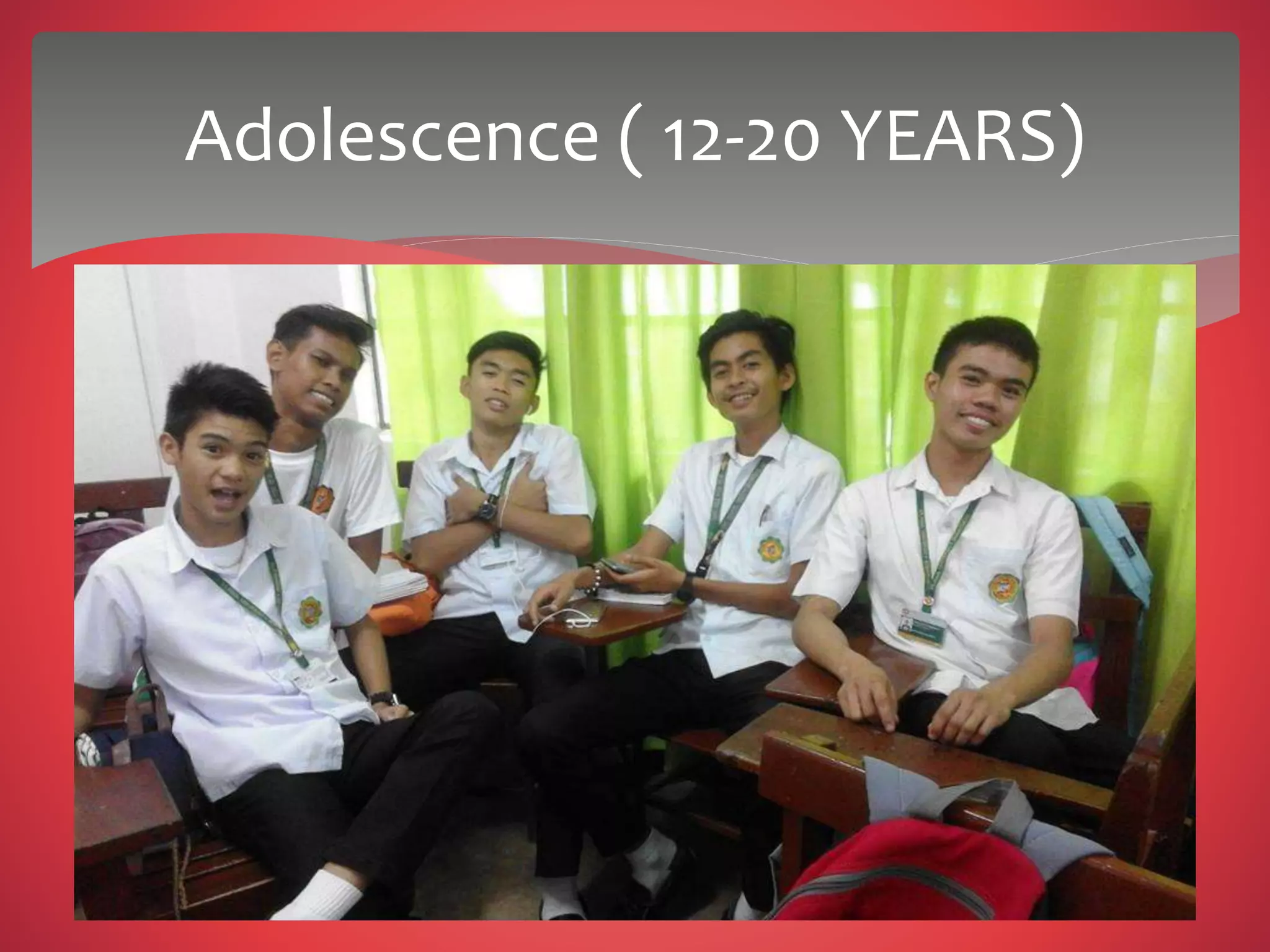
Adolescence ( 12-20 YEARS)
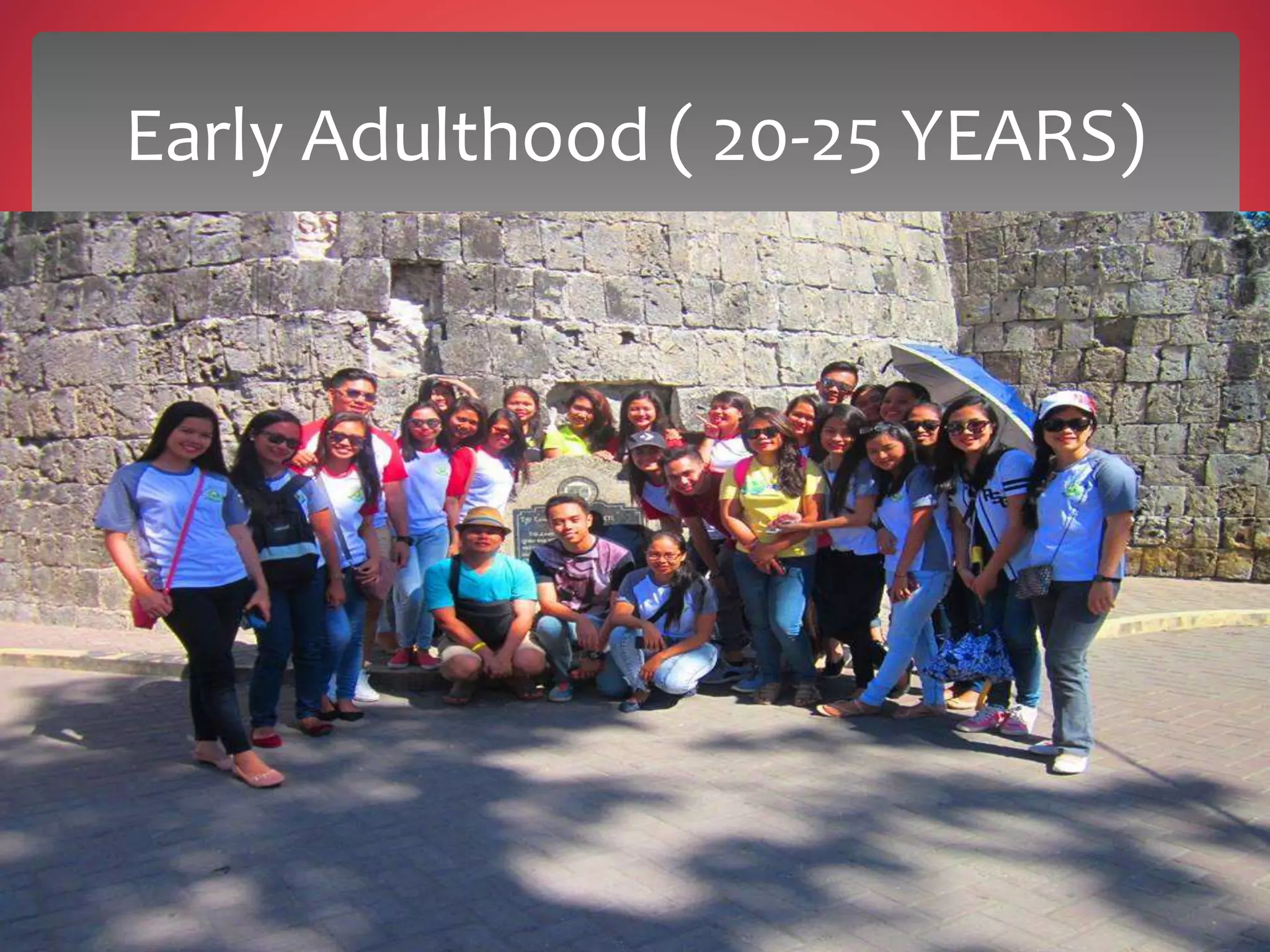
Early Adulthood ( 20-25 YEARS)
Middle Adulthood ( 25-65 years)
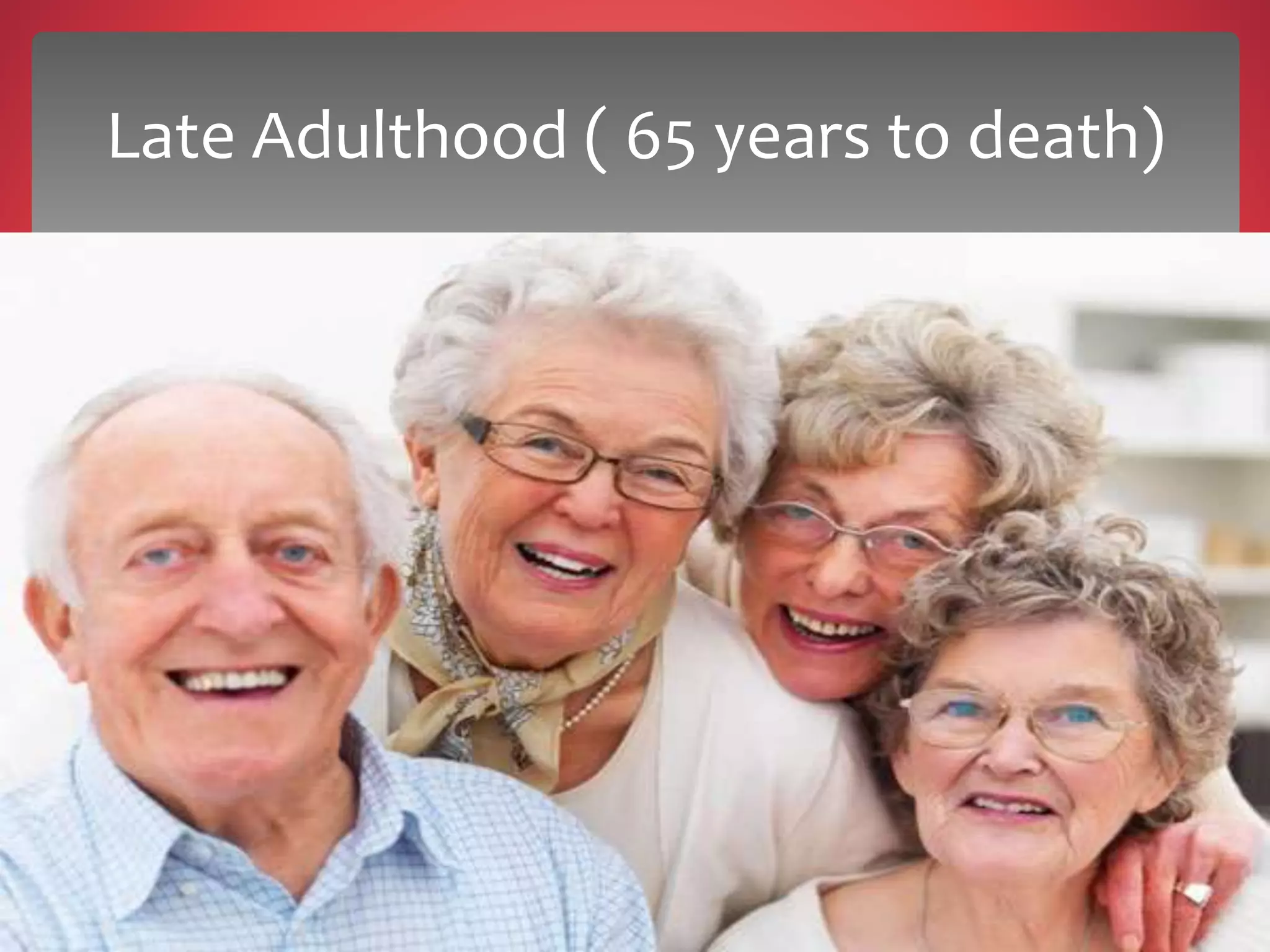
Late Adulthood ( 65 years to death)
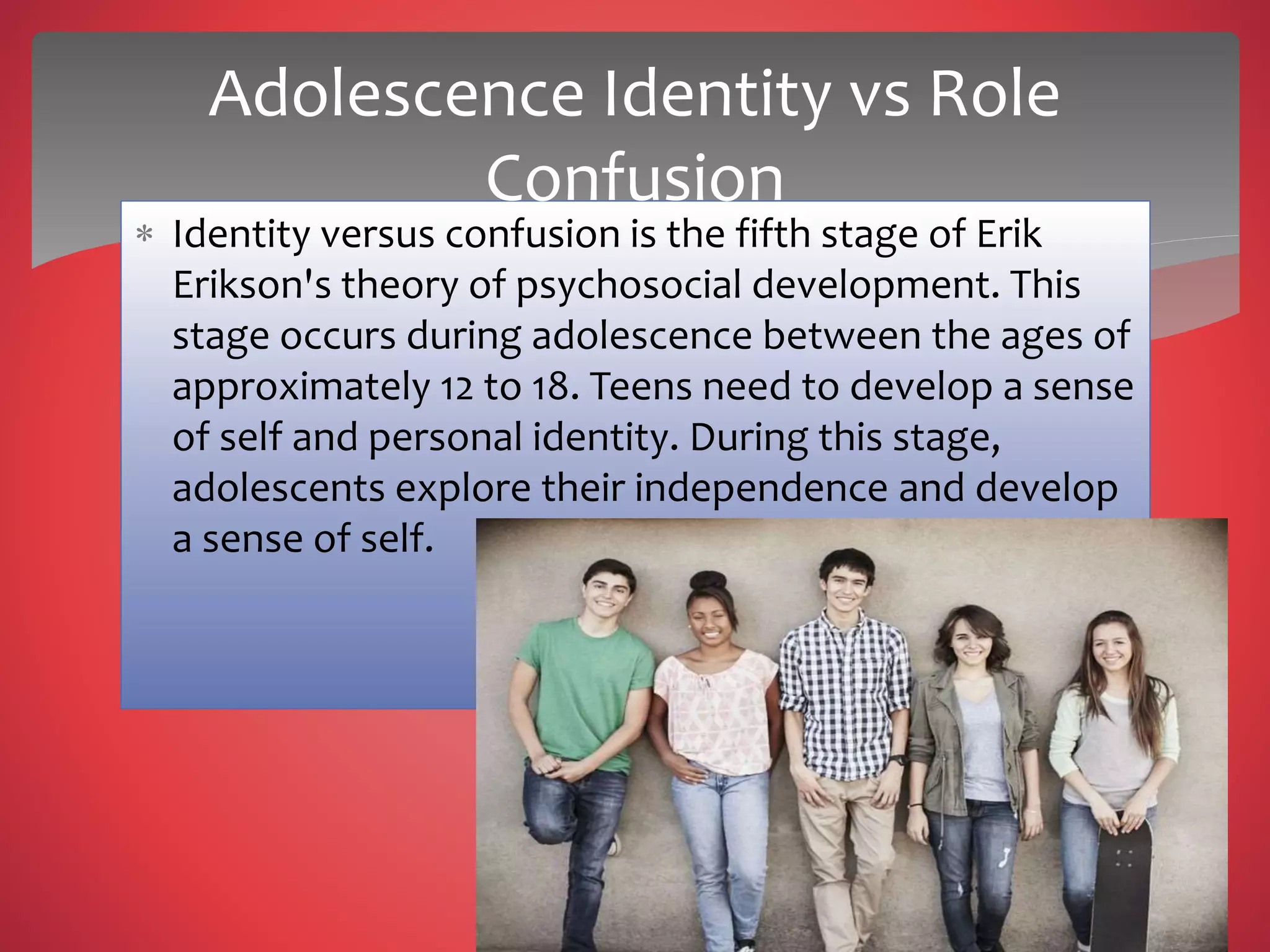
 Identity versus confusion is the fifth stage of Erik
Erikson's theory of psychosocial development. This
stage occurs during adolescence between the ages of
approximately 12 to 18. Teens need to develop a sense
of self and personal identity. During this stage,
adolescents explore their independence and develop
a sense of self.
Adolescence Identity vs Role
Confusion
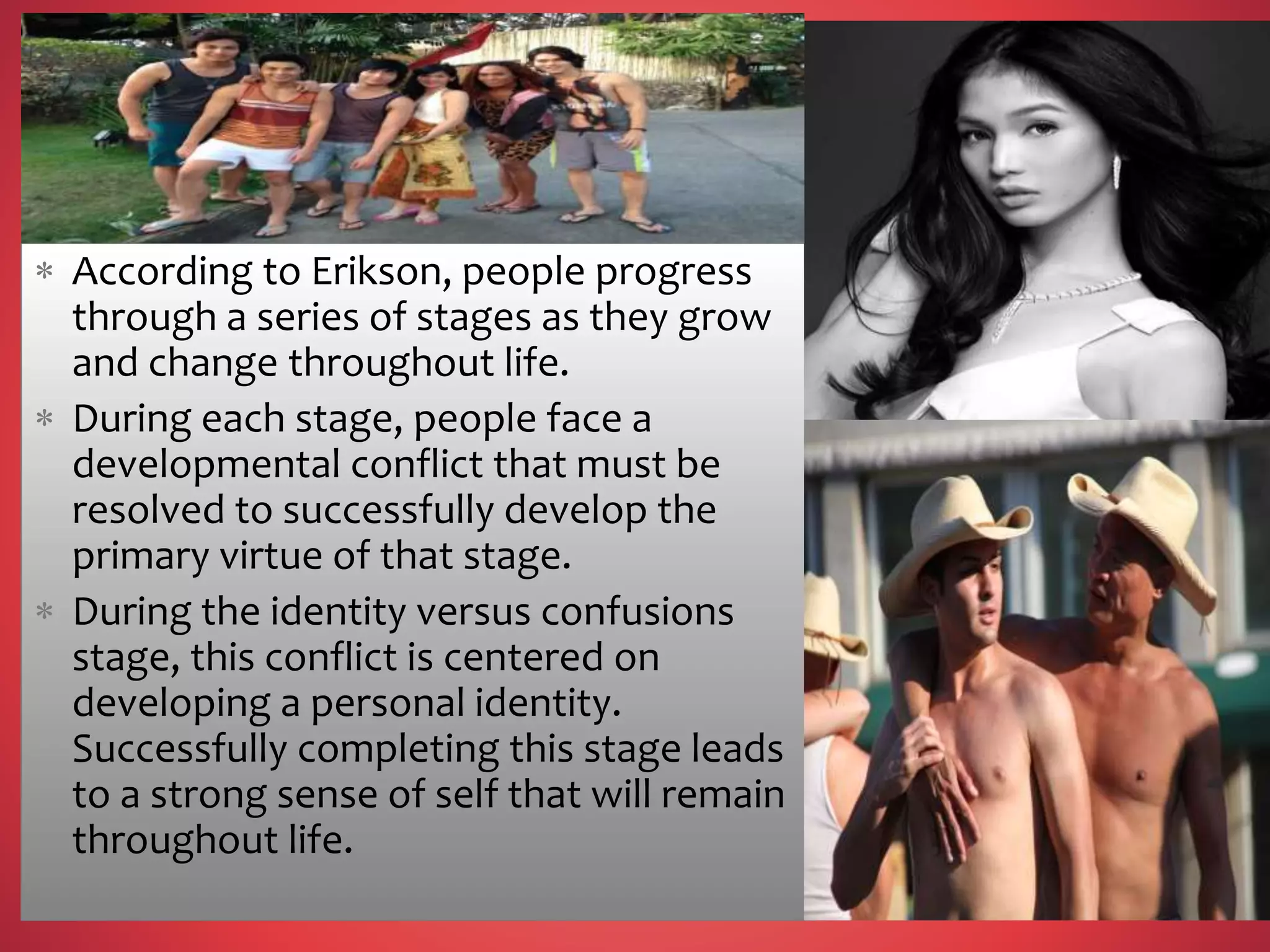
 According to Erikson, people progress
through a series of stages as they grow
and change throughout life.
 During each stage, people face a
developmental conflict that must be
resolved to successfully develop the
primary virtue of that stage.
 During the identity versus confusions
stage, this conflict is centered on
developing a personal identity.
Successfully completing this stage leads
to a strong sense of self that will remain
throughout life.
 The period between childhood and young adulthood is a
period of rapid change – physical, emotional, cognitive and
social. During this time, children’s bodies change in different
ways at different times. No two teenage bodies are the
same.
 Physical changes during adolescence
 For girls, you might start to see early physical changes from
about 10 or 11 years, but they might start as young as 8 years
or as old as 13 years. Physical changes around puberty include:
 breast development
 changes in body shape and height
 growth of pubic and body hair
 the start of periods (menstruation).
Changes during Adolescence
 For boys, physical changes usually start around 11 or 12 years,
but they might start as young as 9 years or as old as 14 years.
Physical changes include:
 growth of the penis and testes (testicles)
 changes in body shape and height
 erections with ejaculation or Masturbation
 growth of body and facial hair
 changes to voice.
 Adolescence is the period of developmental transition
between childhood and adulthood. It involves changes in
personality, as well as in physical, intellectual and social
development. During this time of change, teens are faced with
many issues and decisions. The following addresses some of
the key issues that can have an impact on a teen's social
development.
 1. Self-esteem is how you feel about yourself.
 2. Peer pressure- As children grow, they begin to spend more
time with their friends and less time with their parents.
 3. Teens and sex-Talking with your teenager is important to
help him or her develop healthy attitudes toward sex and to
learn responsible sexual behavior.
Adolescence and Social Behavior
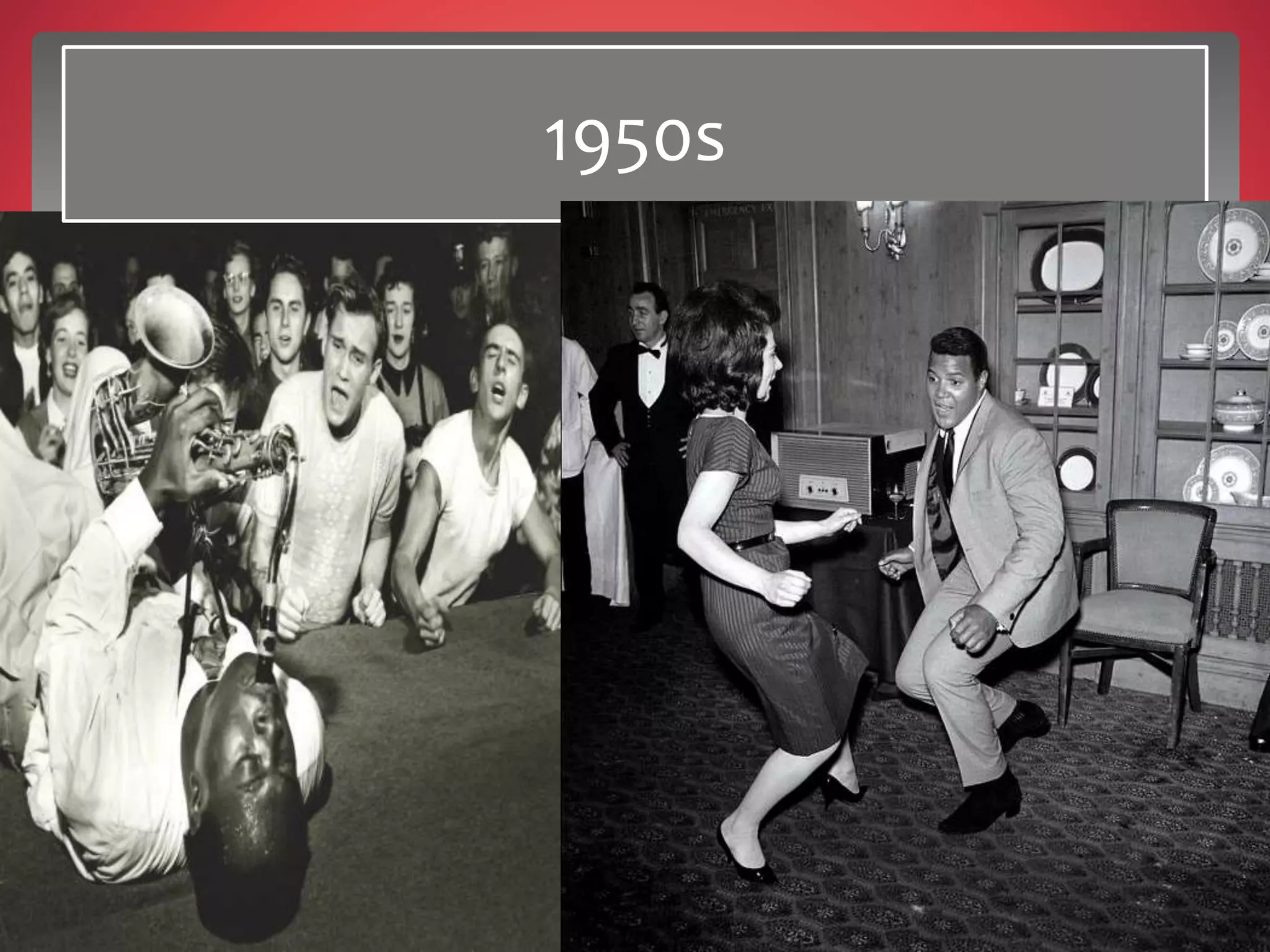
1950s
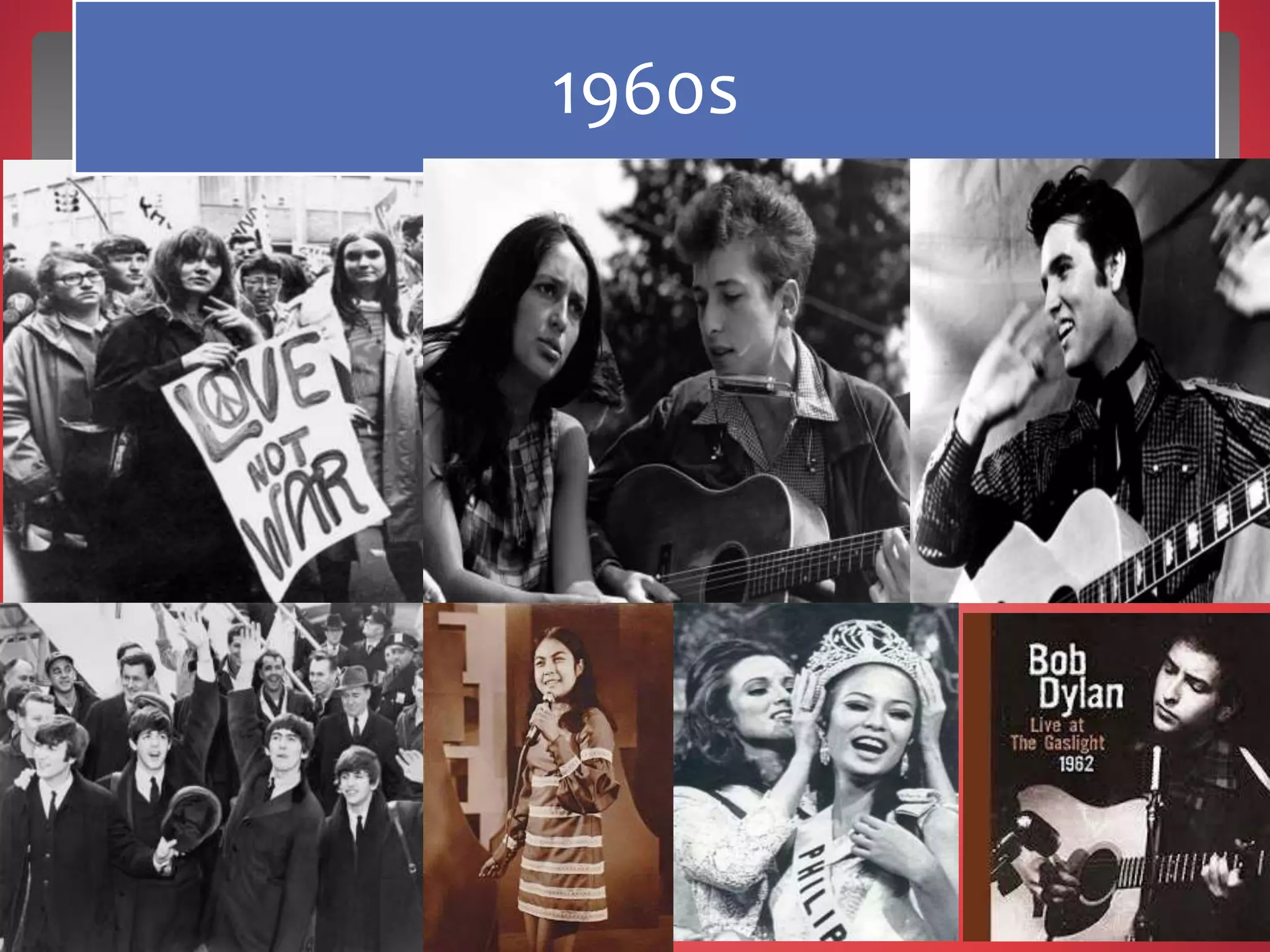
1960s
1970s
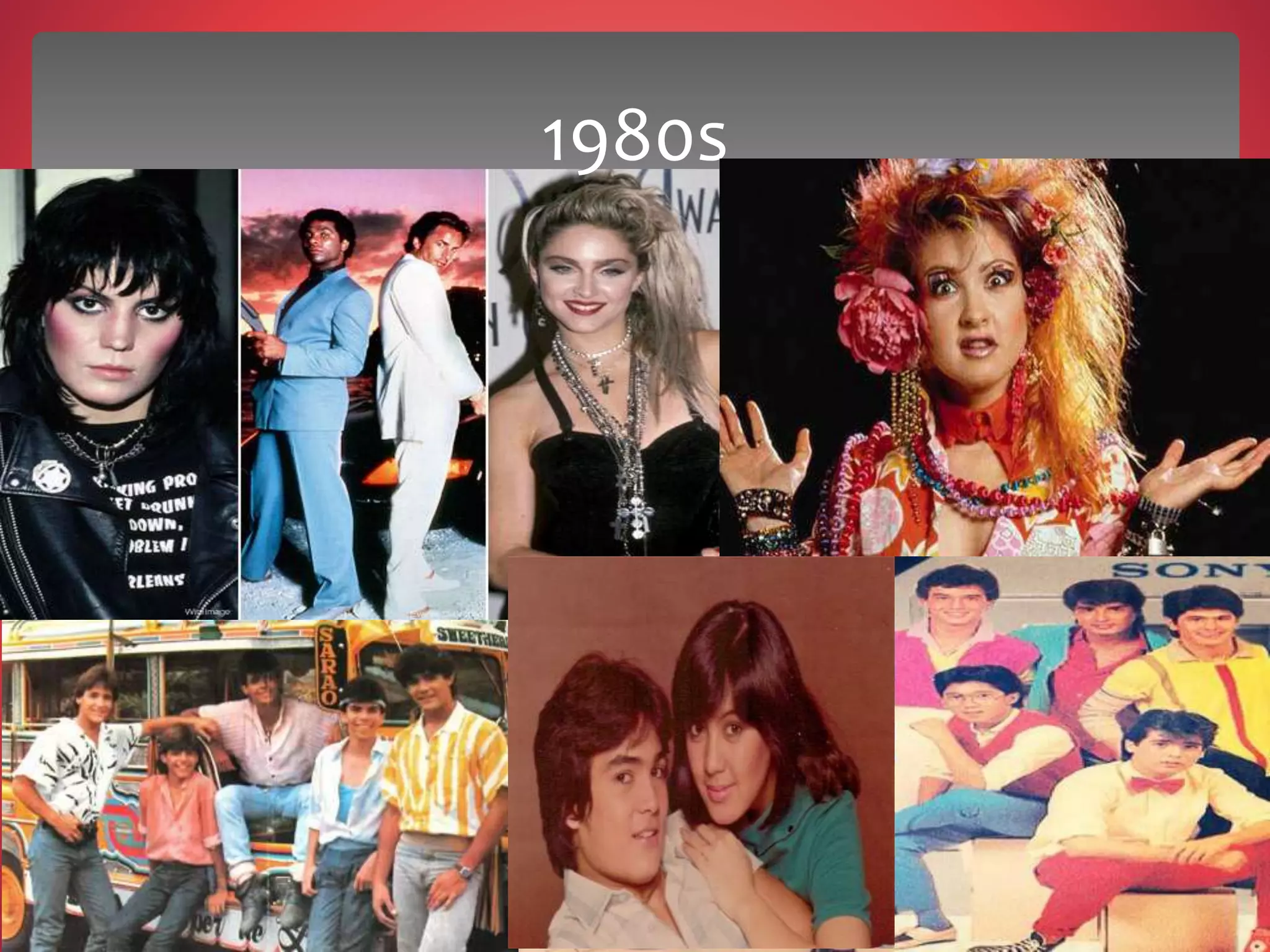
1980s
Edsa Revolution
1990s
Millennials
 A true midlife crisis usually involves changing your entire life in a
hurry, says Calvin Colarusso, MD, a clinical professor of psychiatry at
the University of California San Diego. An example is a man he
counseled who wrote a note to his wife, withdrew his money from
the bank, and moved to another city without warning.
 This type of midlife crisis is rare, Colarusso says. More often, men go
through a midlife process in which they make smaller changes over
time.
 "You might tell your wife, 'I’ve got to get out of this job,' and you do.
Or you say to your wife, 'I’m done. The marriage isn’t working for
me.' You don’t change everything and you don’t do it frantically," he
says. "And for many people, after this agonizing reappraisal, they
decide to stay with what they’ve got."
 Signs that you're going through this midlife phase, or that you may
soon, include:
 You've hit your 40th birthday. Colarusso, who has a special interest
in issues that affect adults as they age, most often sees men
struggling with these midlife questions in their 40s and early 50s.
How to Spot a Man Midlife Crisis
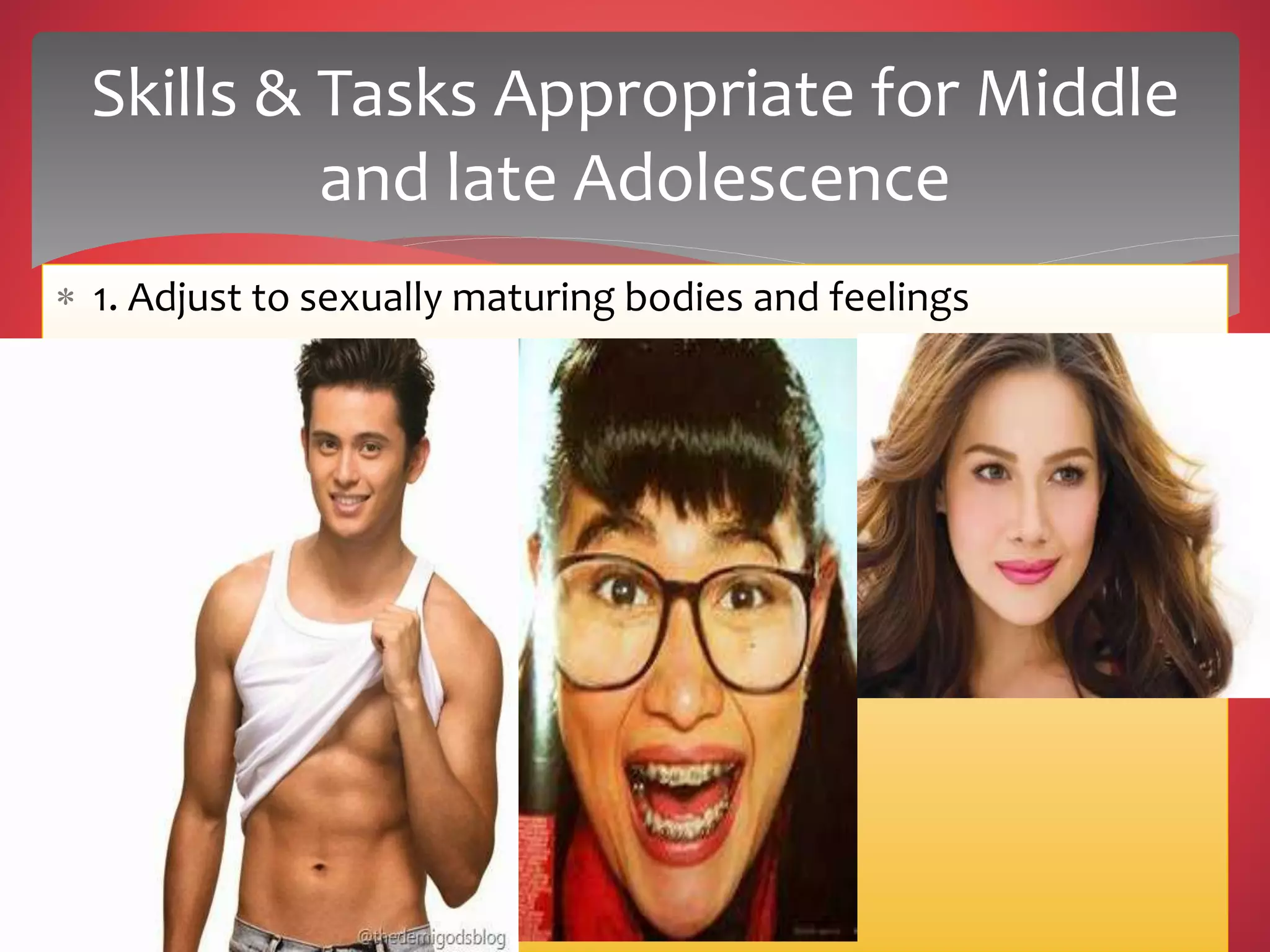
 1. Adjust to sexually maturing bodies and feelings
Skills & Tasks Appropriate for Middle
and late Adolescence
 2. Develop and apply abstract thinking skills
 3.Develop and apply a new perspective on human relationships
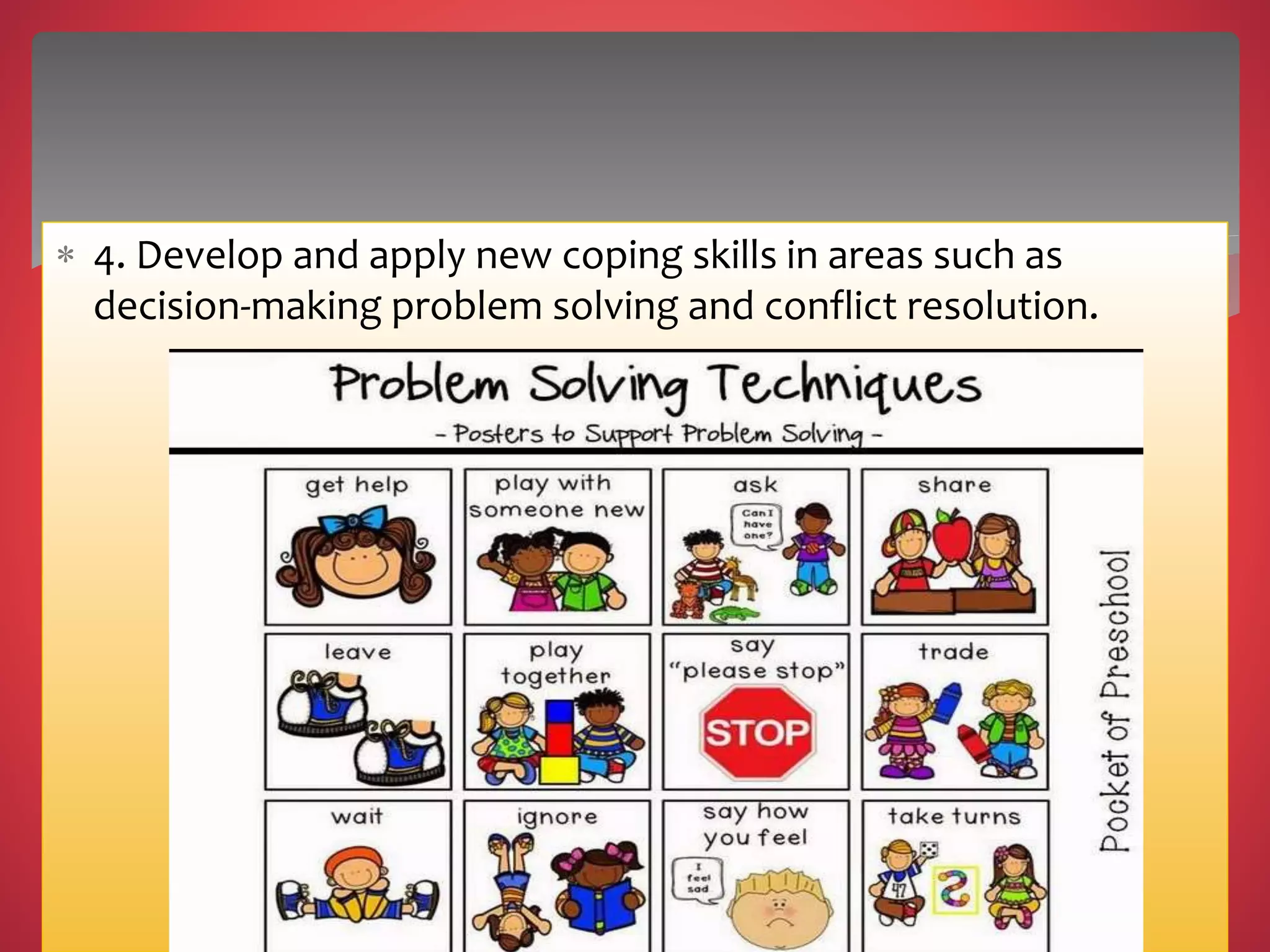
 4. Develop and apply new coping skills in areas such as
decision-making problem solving and conflict resolution.
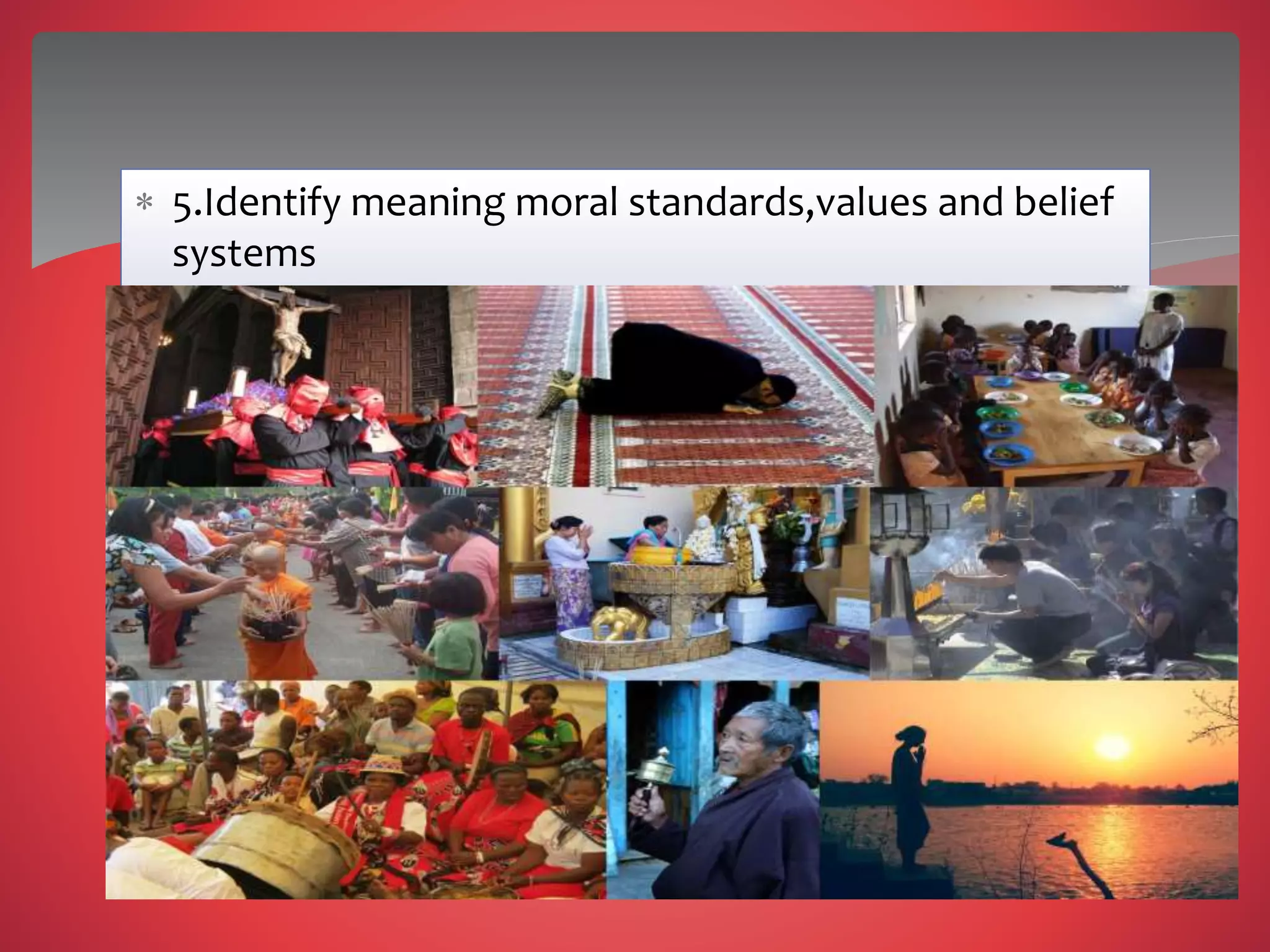
 5.Identify meaning moral standards,values and belief
systems
 6.Understand and express more complex emotional
experiences.
 7.Form friendships that are multually close and supportive
 8.Establish key aspects of identity
 9.Meet the demands of increasingly mature roles and
responsibilities
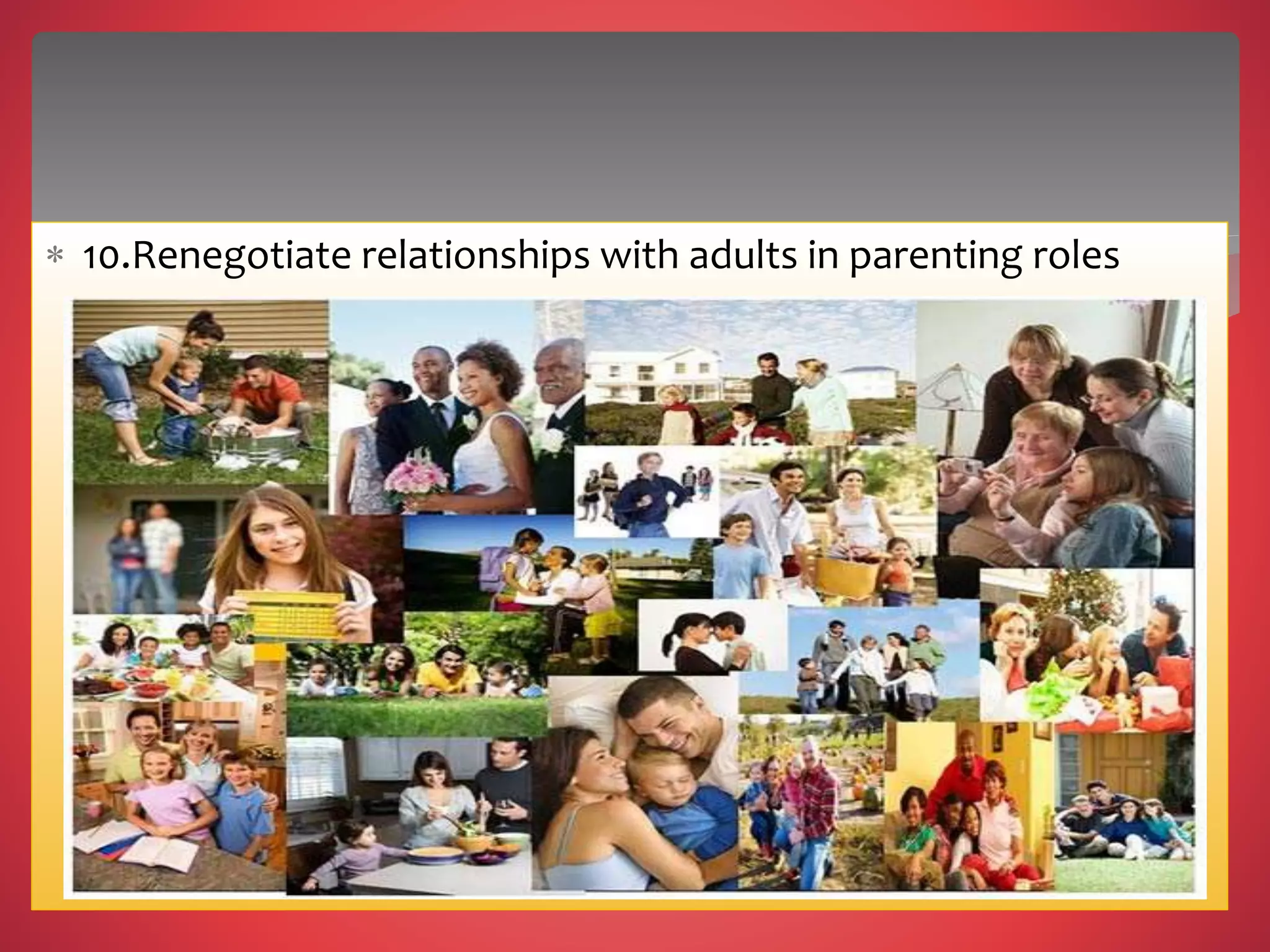
 10.Renegotiate relationships with adults in parenting roles
Child and Adolescent
Development ( Corpuz 2010)
1.Developing Occupational Skills
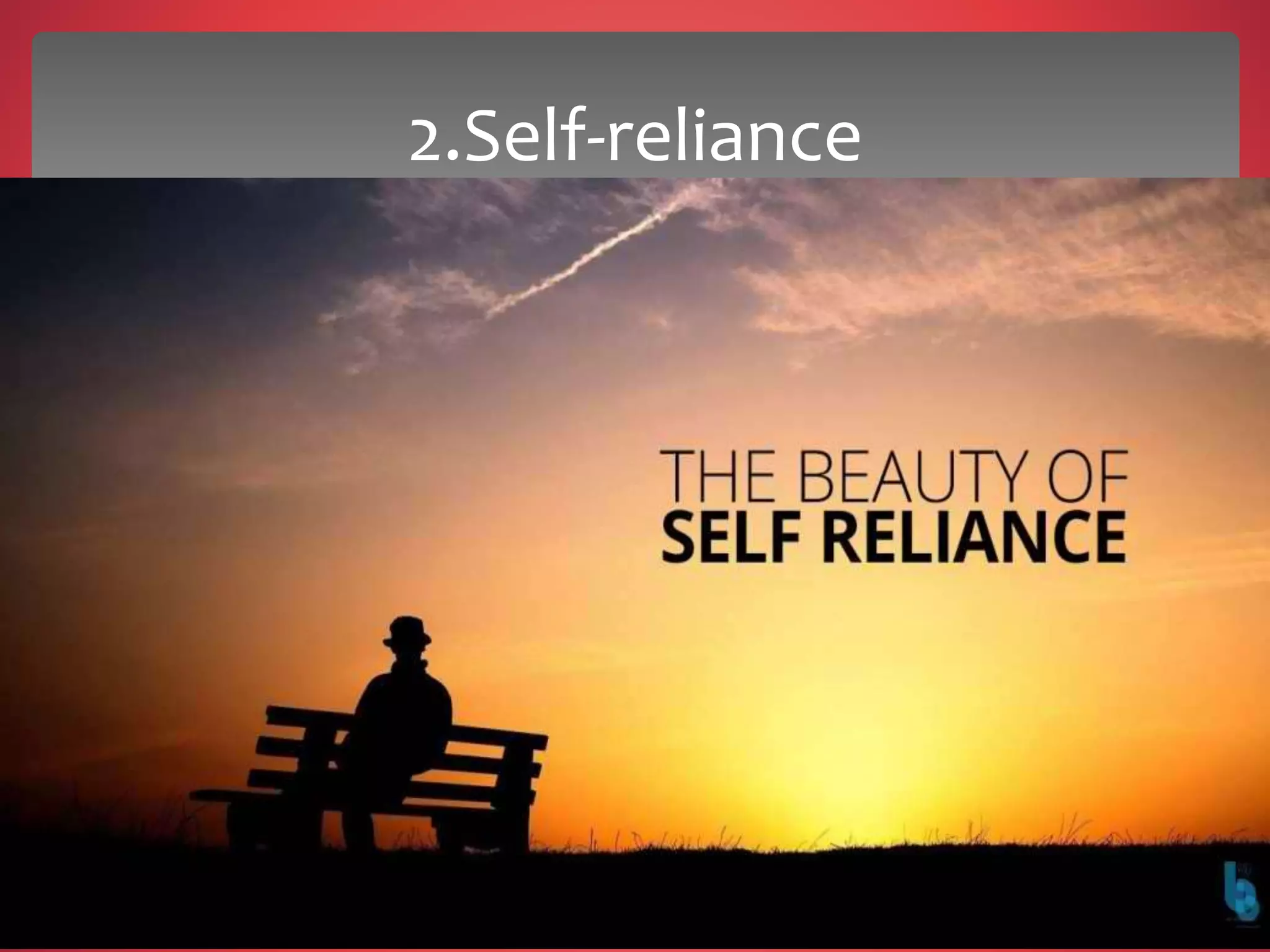
2.Self-reliance
3.Ability to manage their finances
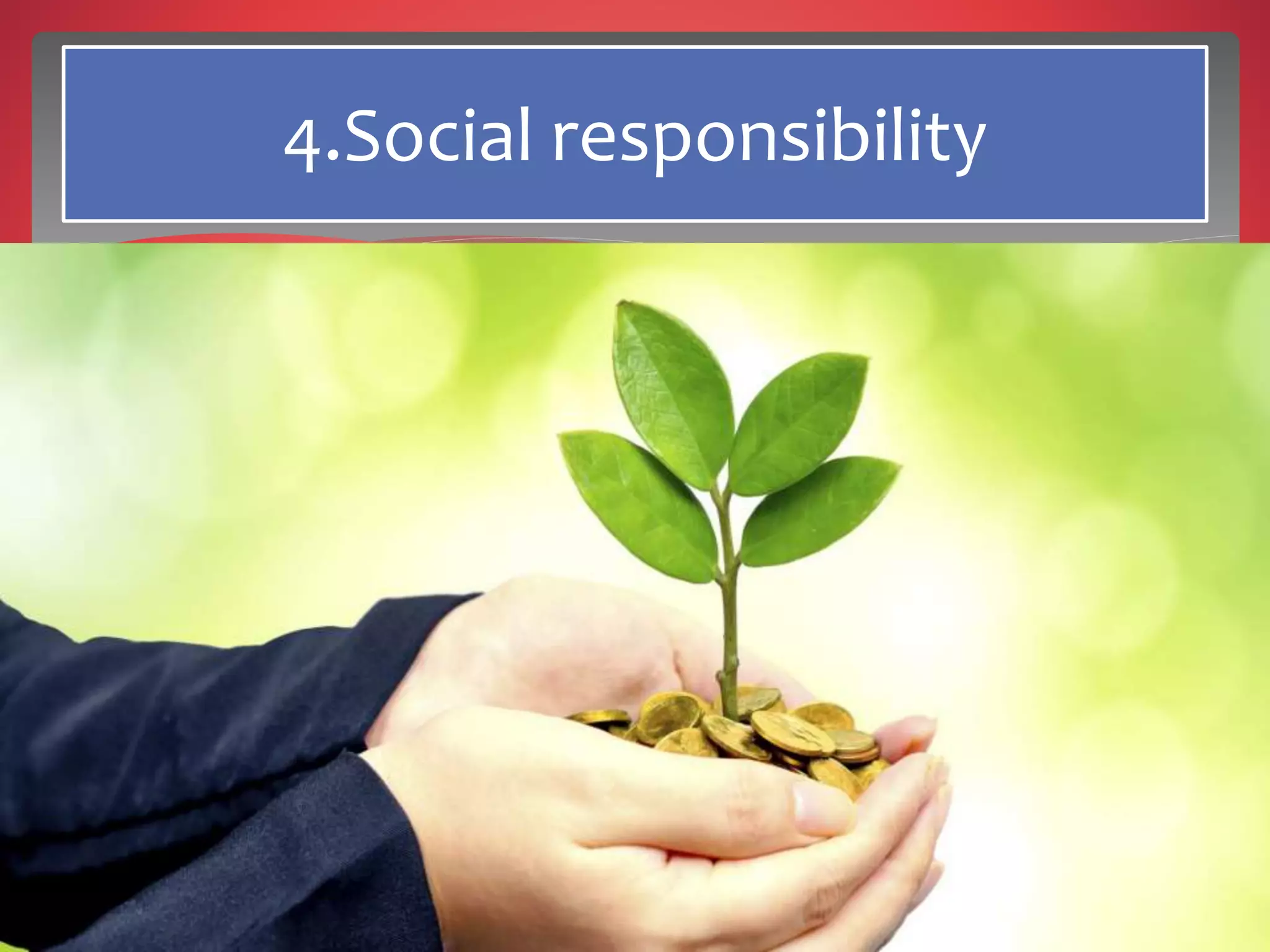
4.Social responsibility
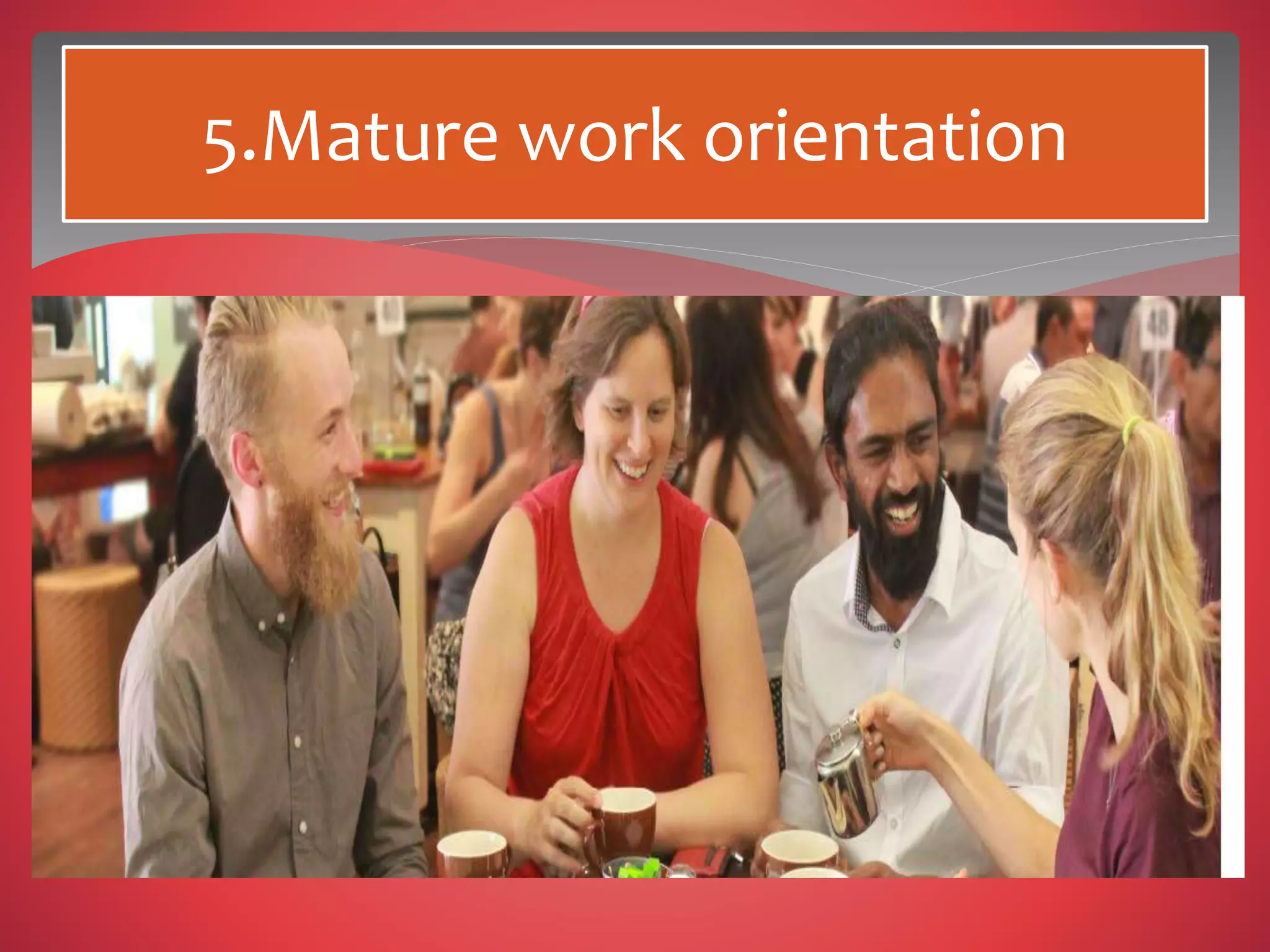
5.Mature work orientation
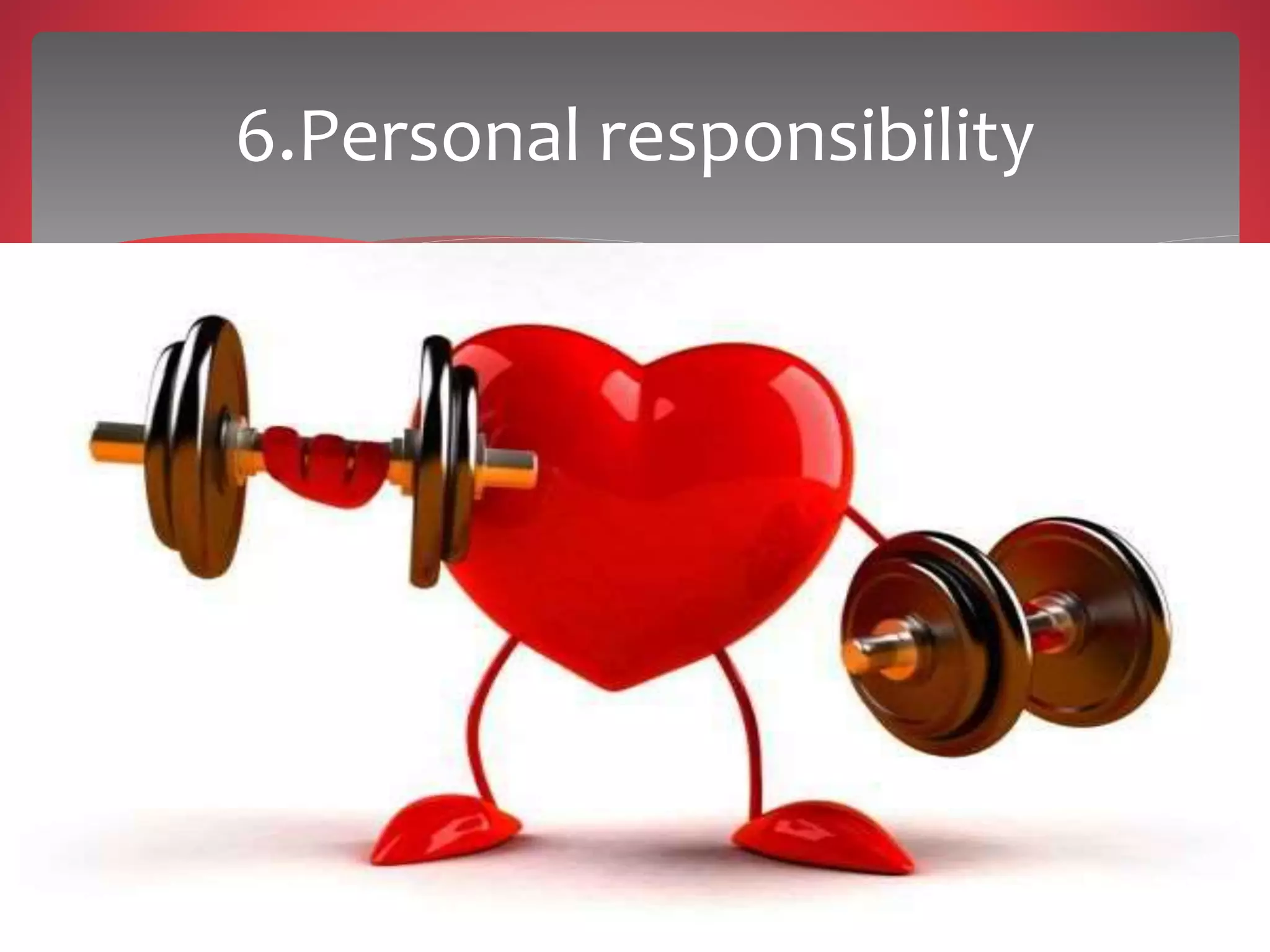
6.Personal responsibility
7.Positive attitude toward work
Thank you so much

Development Stage in Middle and late Adolescence

  • 1.
    Development Stage inMiddle and Late Adolescence Penn T. Villanueva Larena ,CPS,CPE,MPA
  • 2.
     1. classifyvarious developmental tasks according to development stage.  2. Evaluate one’s development in comparison with persons of the same age group.  3. list ways on how to become a responsible adolescent prepared for adult life Learning Objectives
  • 3.
     Early adolescenceages around 10 to 13 Ages of Adolescence
  • 4.
     Middle adolescenceages from 14 to 16
  • 5.
     Late adolescenceages from 17 to 20
  • 6.
     He wasa German-born American developmental psychologist and psychoanalyst known for his theory on psychosocial development of human beings. He may be most famous for coining the phrase identity crisis. His son, Kai T. Erikson, is a noted American sociologist. Erik Erikson’s
  • 7.
    Erikson’s Eight stagesof Personality development
  • 8.
  • 9.
  • 10.
  • 11.
    School Age (6-12YEARS)
  • 12.
  • 13.
    Early Adulthood (20-25 YEARS)
  • 14.
    Middle Adulthood (25-65 years)
  • 15.
    Late Adulthood (65 years to death)
  • 16.
     Identity versusconfusion is the fifth stage of Erik Erikson's theory of psychosocial development. This stage occurs during adolescence between the ages of approximately 12 to 18. Teens need to develop a sense of self and personal identity. During this stage, adolescents explore their independence and develop a sense of self. Adolescence Identity vs Role Confusion
  • 17.
     According toErikson, people progress through a series of stages as they grow and change throughout life.  During each stage, people face a developmental conflict that must be resolved to successfully develop the primary virtue of that stage.  During the identity versus confusions stage, this conflict is centered on developing a personal identity. Successfully completing this stage leads to a strong sense of self that will remain throughout life.
  • 18.
     The periodbetween childhood and young adulthood is a period of rapid change – physical, emotional, cognitive and social. During this time, children’s bodies change in different ways at different times. No two teenage bodies are the same.  Physical changes during adolescence  For girls, you might start to see early physical changes from about 10 or 11 years, but they might start as young as 8 years or as old as 13 years. Physical changes around puberty include:  breast development  changes in body shape and height  growth of pubic and body hair  the start of periods (menstruation). Changes during Adolescence
  • 19.
     For boys,physical changes usually start around 11 or 12 years, but they might start as young as 9 years or as old as 14 years. Physical changes include:  growth of the penis and testes (testicles)  changes in body shape and height  erections with ejaculation or Masturbation  growth of body and facial hair  changes to voice.
  • 20.
     Adolescence isthe period of developmental transition between childhood and adulthood. It involves changes in personality, as well as in physical, intellectual and social development. During this time of change, teens are faced with many issues and decisions. The following addresses some of the key issues that can have an impact on a teen's social development.  1. Self-esteem is how you feel about yourself.  2. Peer pressure- As children grow, they begin to spend more time with their friends and less time with their parents.  3. Teens and sex-Talking with your teenager is important to help him or her develop healthy attitudes toward sex and to learn responsible sexual behavior. Adolescence and Social Behavior
  • 21.
  • 22.
  • 23.
  • 24.
  • 25.
  • 26.
  • 27.
  • 28.
     A truemidlife crisis usually involves changing your entire life in a hurry, says Calvin Colarusso, MD, a clinical professor of psychiatry at the University of California San Diego. An example is a man he counseled who wrote a note to his wife, withdrew his money from the bank, and moved to another city without warning.  This type of midlife crisis is rare, Colarusso says. More often, men go through a midlife process in which they make smaller changes over time.  "You might tell your wife, 'I’ve got to get out of this job,' and you do. Or you say to your wife, 'I’m done. The marriage isn’t working for me.' You don’t change everything and you don’t do it frantically," he says. "And for many people, after this agonizing reappraisal, they decide to stay with what they’ve got."  Signs that you're going through this midlife phase, or that you may soon, include:  You've hit your 40th birthday. Colarusso, who has a special interest in issues that affect adults as they age, most often sees men struggling with these midlife questions in their 40s and early 50s. How to Spot a Man Midlife Crisis
  • 29.
     1. Adjustto sexually maturing bodies and feelings Skills & Tasks Appropriate for Middle and late Adolescence
  • 30.
     2. Developand apply abstract thinking skills
  • 31.
     3.Develop andapply a new perspective on human relationships
  • 32.
     4. Developand apply new coping skills in areas such as decision-making problem solving and conflict resolution.
  • 33.
     5.Identify meaningmoral standards,values and belief systems
  • 34.
     6.Understand andexpress more complex emotional experiences.
  • 35.
     7.Form friendshipsthat are multually close and supportive
  • 36.
     8.Establish keyaspects of identity
  • 37.
     9.Meet thedemands of increasingly mature roles and responsibilities
  • 38.
     10.Renegotiate relationshipswith adults in parenting roles
  • 39.
  • 40.
  • 41.
  • 42.
    3.Ability to managetheir finances
  • 43.
  • 44.
  • 45.
  • 46.
  • 48.