http://www.youtube.com/watch?v=DppbibMhAXU
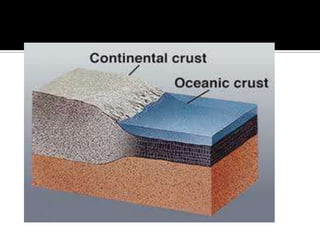
I. Crust – the surface layer of the earth
A. Continental: land not under the oceans
B. Average of 32km, but can be as thick as

70km
II. Oceanic

A. Ocean floor
B. Average of 8km thick

Review: Which one is denser?
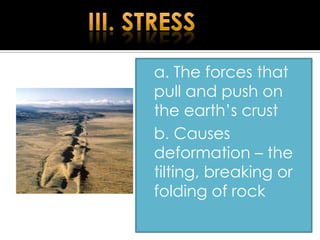
a. The forces that
pull and push on
the earth’s crust
b. Causes
deformation – the
tilting, breaking or
folding of rock
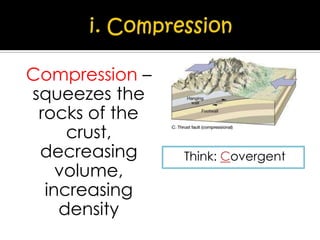
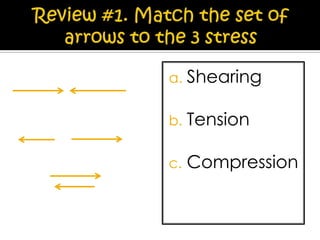
Compression –
squeezes the
rocks of the
crust,
decreasing
volume,
increasing
density

Think: Covergent
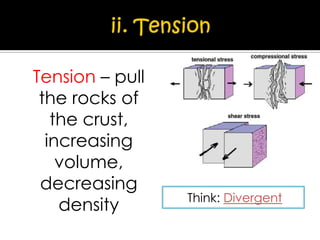
Tension – pull
the rocks of
the crust,
increasing
volume,
decreasing
density

Think: Divergent
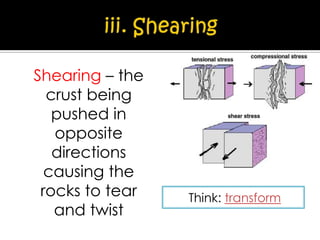
Shearing – the
crust being
pushed in
opposite
directions
causing the
rocks to tear
and twist

Think: transform
a.

Shearing

b.

Tension

c.

Compression
c. Fracture – cracks in rocks
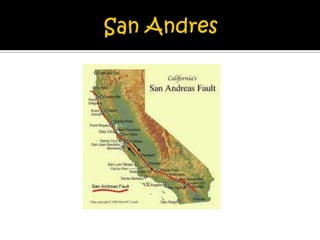
d. Fault – crack along which rocks move
sideways, up, or down.
i. Fault block mountains form from the
normal faults pushing up rock
ii. Rift valleys form when land between
normal faults slide down
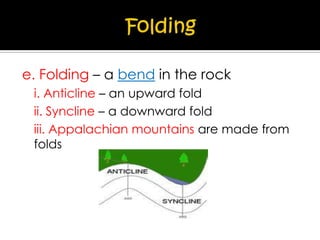
e. Folding – a bend in the rock
i. Anticline – an upward fold
ii. Syncline – a downward fold
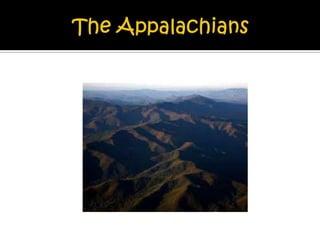
iii. Appalachian mountains are made from
folds
i. Higher temperatures will cause folding/lower
temps. cause faulting
ii. Greater pressure causes folding/lower
pressure causes faulting

Rock type
iii. Brittle rock will more likely fault
iv. Ductile (bendable) rock will more likely fold
v. Pressure applied gradually will cause
folding/fast will cause faulting
What’s the difference
between anticline and
syncline folding?!

Deformation

  • 1.
  • 2.
    I. Crust –the surface layer of the earth A. Continental: land not under the oceans B. Average of 32km, but can be as thick as 70km II. Oceanic A. Ocean floor B. Average of 8km thick Review: Which one is denser?
  • 4.
    a. The forcesthat pull and push on the earth’s crust b. Causes deformation – the tilting, breaking or folding of rock
  • 5.
    Compression – squeezes the rocksof the crust, decreasing volume, increasing density Think: Covergent
  • 6.
    Tension – pull therocks of the crust, increasing volume, decreasing density Think: Divergent
  • 7.
    Shearing – the crustbeing pushed in opposite directions causing the rocks to tear and twist Think: transform
  • 8.
  • 9.
    c. Fracture –cracks in rocks d. Fault – crack along which rocks move sideways, up, or down. i. Fault block mountains form from the normal faults pushing up rock ii. Rift valleys form when land between normal faults slide down
  • 11.
    e. Folding –a bend in the rock i. Anticline – an upward fold ii. Syncline – a downward fold iii. Appalachian mountains are made from folds
  • 13.
    i. Higher temperatureswill cause folding/lower temps. cause faulting ii. Greater pressure causes folding/lower pressure causes faulting Rock type iii. Brittle rock will more likely fault iv. Ductile (bendable) rock will more likely fold v. Pressure applied gradually will cause folding/fast will cause faulting
  • 14.
    What’s the difference betweenanticline and syncline folding?!