Contrast Induce Nephropathy
Collage Of Medicine – Al-Qadisiya University
Iraq
Done By :- Ziyad Salih
Index :
• Introduction
• Definition
• Epidemiology
• Pathophysiology
• Risk markers
• Risk score
• Contrast agents
• Management
INTRODUCTION
• CIN (CI -AKI ) it’s a leading cause of acute
kidney injury in hospitalized patients.
• Most frequent renal complication of
endovascular interventional procedures.
• Increases short and long term morbidity and
mortality.
• Treatment is limited to supportive measures
while awaiting the resolution of renal
impairement
QUESTIONS IN MIND
• How CIN occurs ?
• What is the definition of CIN ?
• Are contrast agents directly nephrotoxic ?
• How can it be prevented ?
• Will CIN be never having an effective
treatment ?
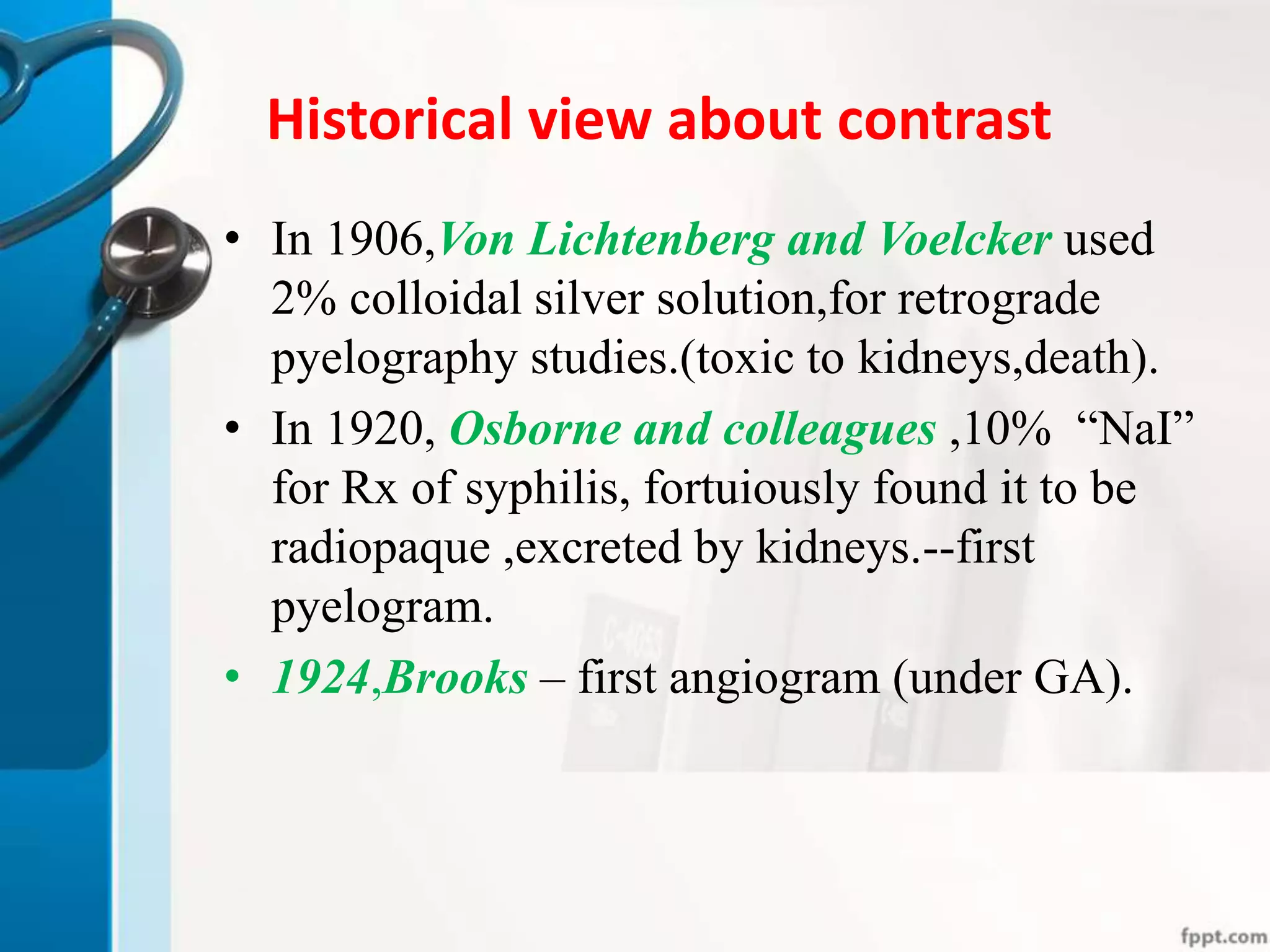
Historical view about contrast
• In 1906,Von Lichtenberg and Voelcker used
2% colloidal silver solution,for retrograde
pyelography studies.(toxic to kidneys,death).
• In 1920, Osborne and colleagues ,10% “NaI”
for Rx of syphilis, fortuiously found it to be
radiopaque ,excreted by kidneys.--first
pyelogram.
• 1924,Brooks – first angiogram (under GA).
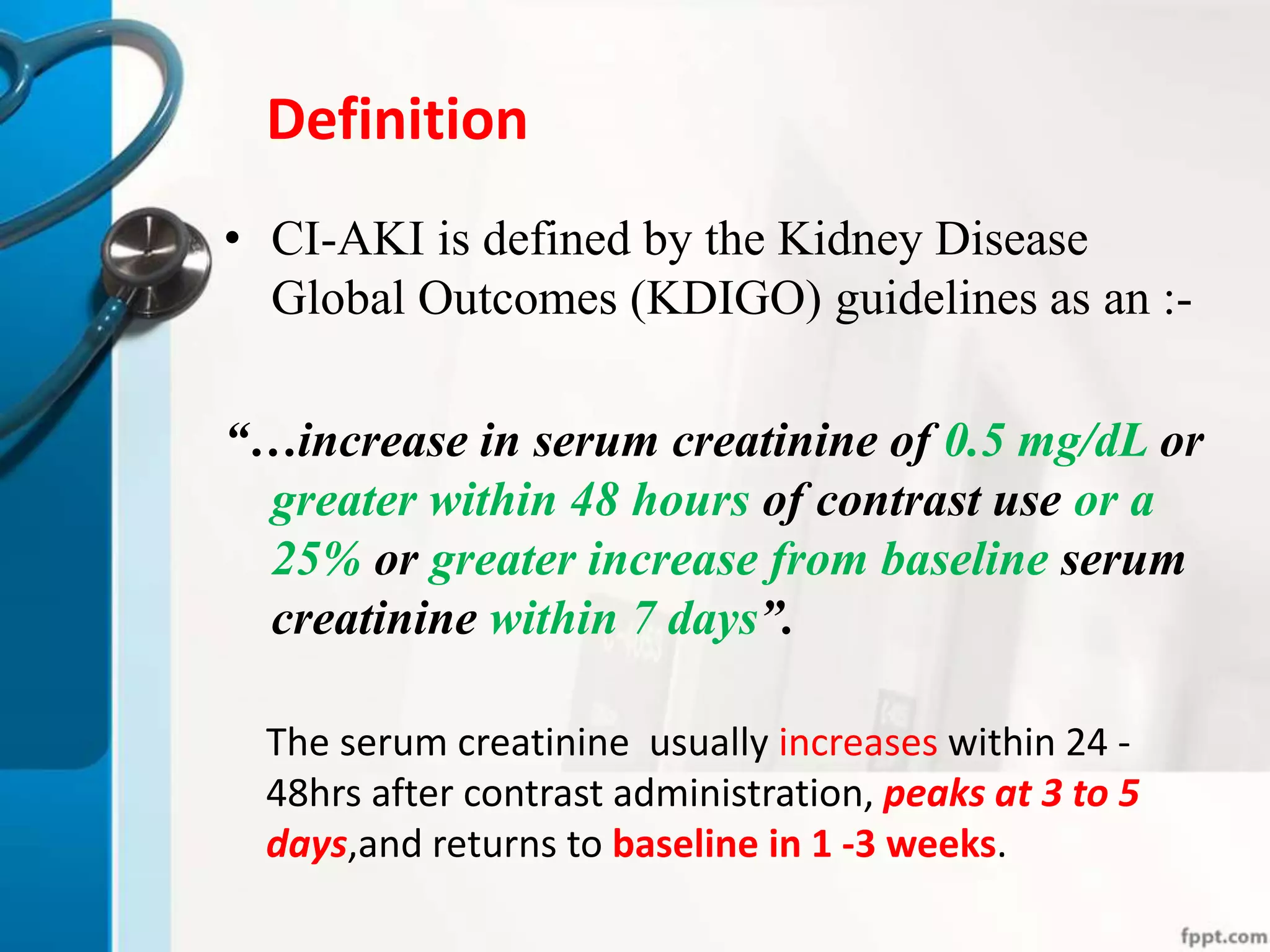
Definition
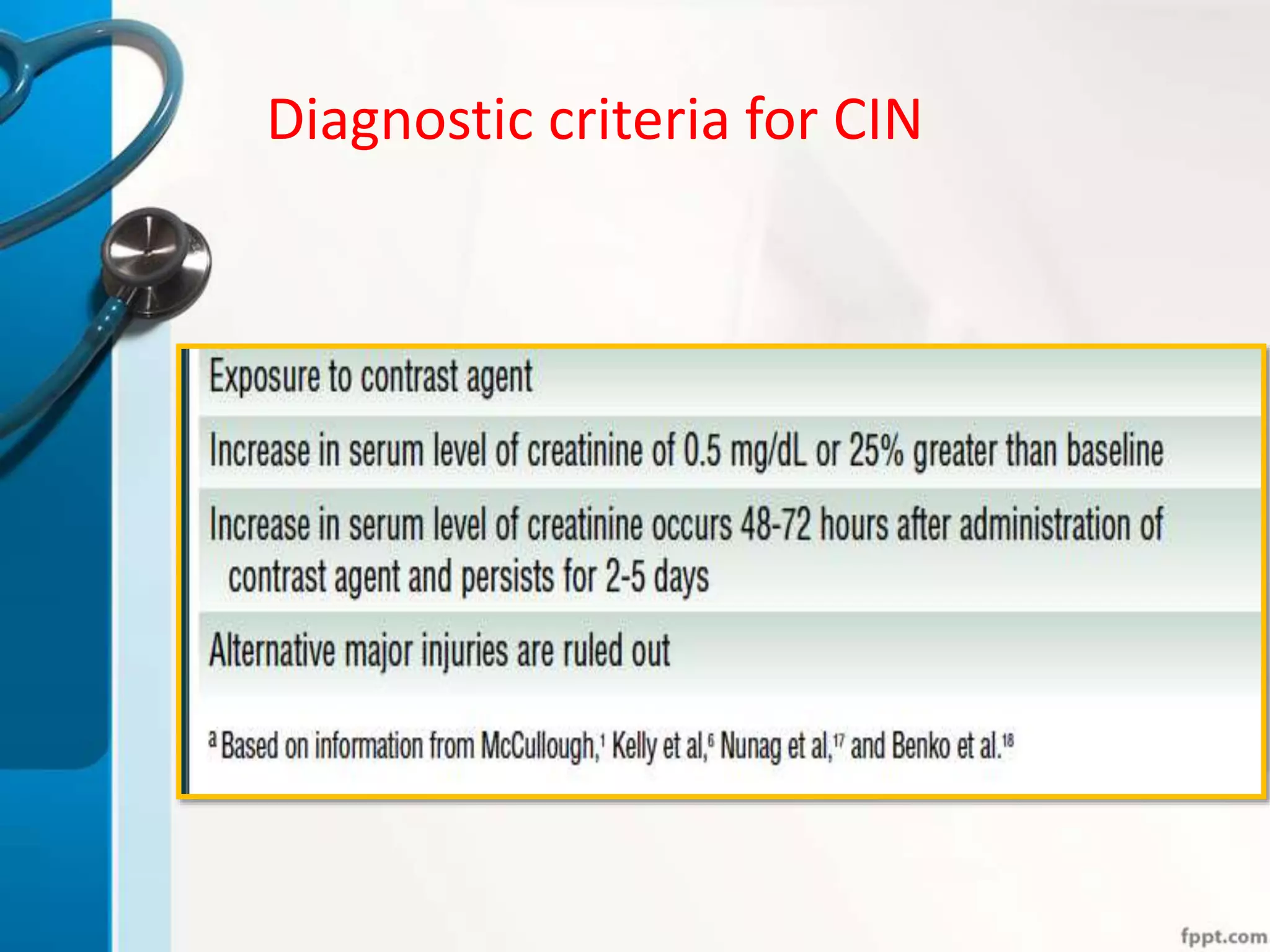
• CI-AKI is defined by the Kidney Disease
Global Outcomes (KDIGO) guidelines as an :-
“…increase in serum creatinine of 0.5 mg/dL or
greater within 48 hours of contrast use or a
25% or greater increase from baseline serum
creatinine within 7 days”.
The serum creatinine usually increases within 24 -
48hrs after contrast administration, peaks at 3 to 5
days,and returns to baseline in 1 -3 weeks.
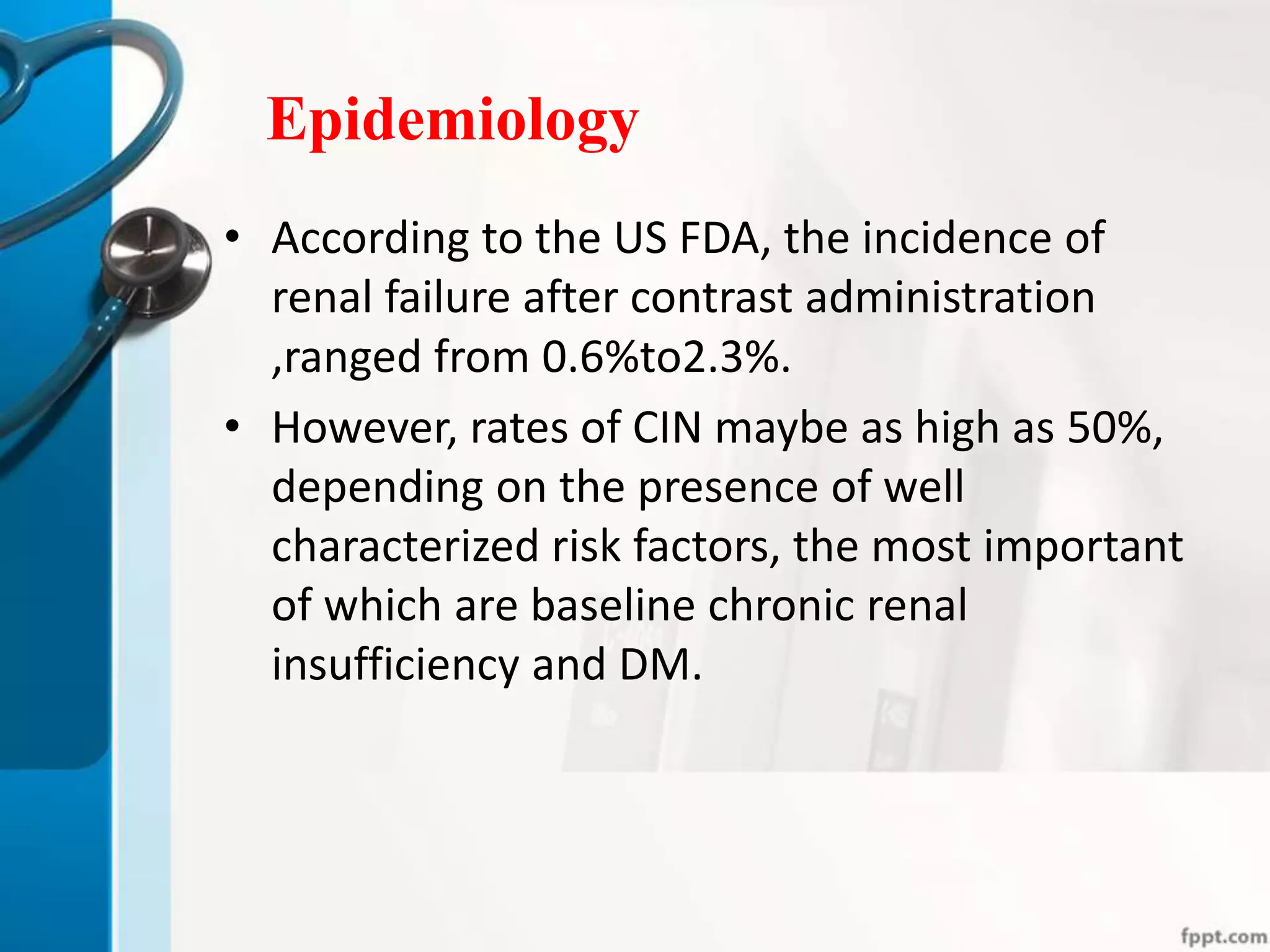
Epidemiology
• According to the US FDA, the incidence of
renal failure after contrast administration
,ranged from 0.6%to2.3%.
• However, rates of CIN maybe as high as 50%,
depending on the presence of well
characterized risk factors, the most important
of which are baseline chronic renal
insufficiency and DM.
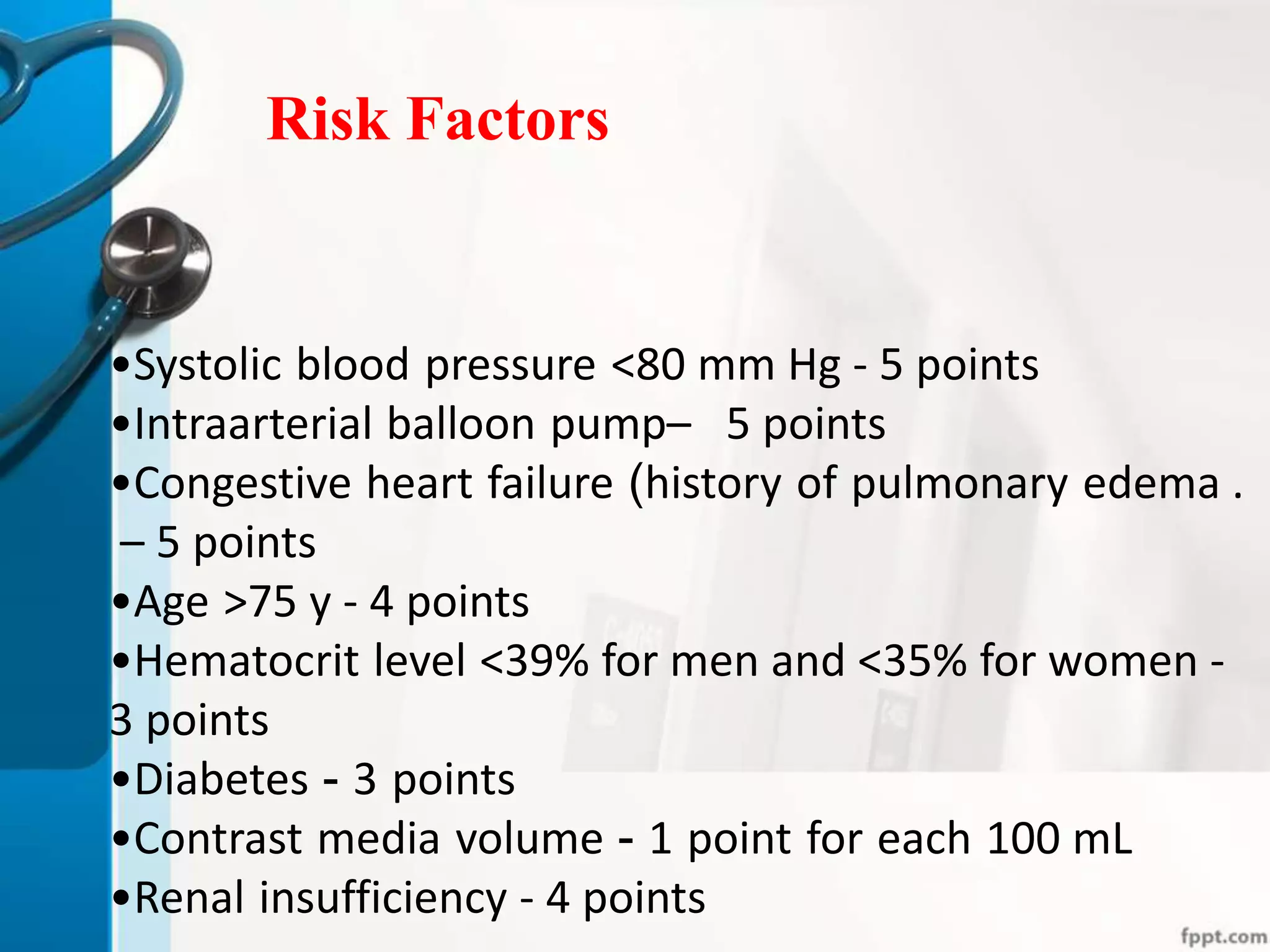
Risk Factors
•Systolic blood pressure <80 mm Hg - 5 points
•Intraarterial balloon pump– 5 points
•Congestive heart failure (history of pulmonary edema .
– 5 points
•Age >75 y - 4 points
•Hematocrit level <39% for men and <35% for women -
3 points
•Diabetes - 3 points
•Contrast media volume - 1 point for each 100 mL
•Renal insufficiency - 4 points
Risk Factors
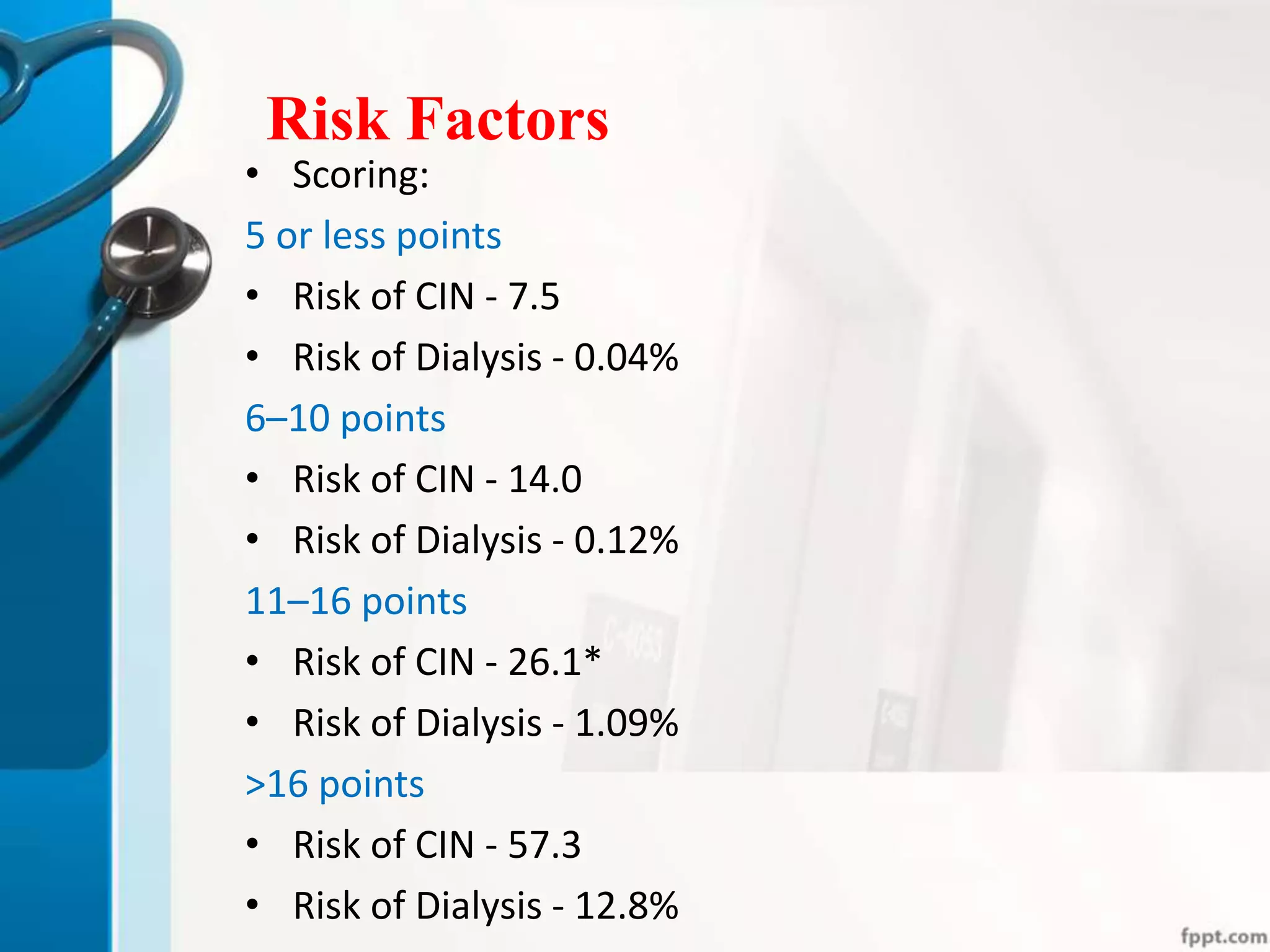
• Scoring:
5 or less points
• Risk of CIN - 7.5
• Risk of Dialysis - 0.04%
6–10 points
• Risk of CIN - 14.0
• Risk of Dialysis - 0.12%
11–16 points
• Risk of CIN - 26.1*
• Risk of Dialysis - 1.09%
>16 points
• Risk of CIN - 57.3
• Risk of Dialysis - 12.8%
Risk Factors
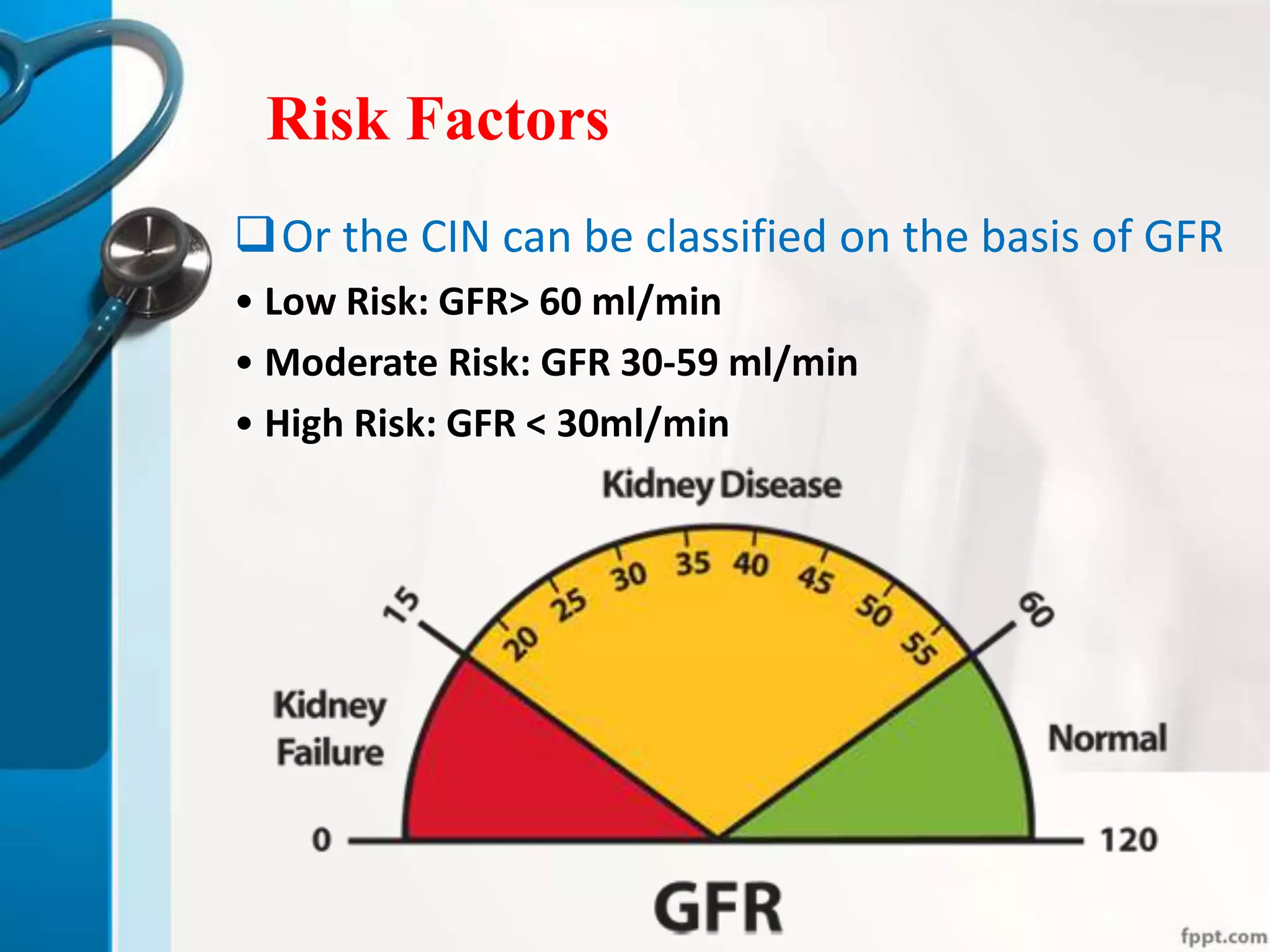
Or the CIN can be classified on the basis of GFR
• Low Risk: GFR> 60 ml/min
• Moderate Risk: GFR 30-59 ml/min
• High Risk: GFR < 30ml/min
Pathophysiology
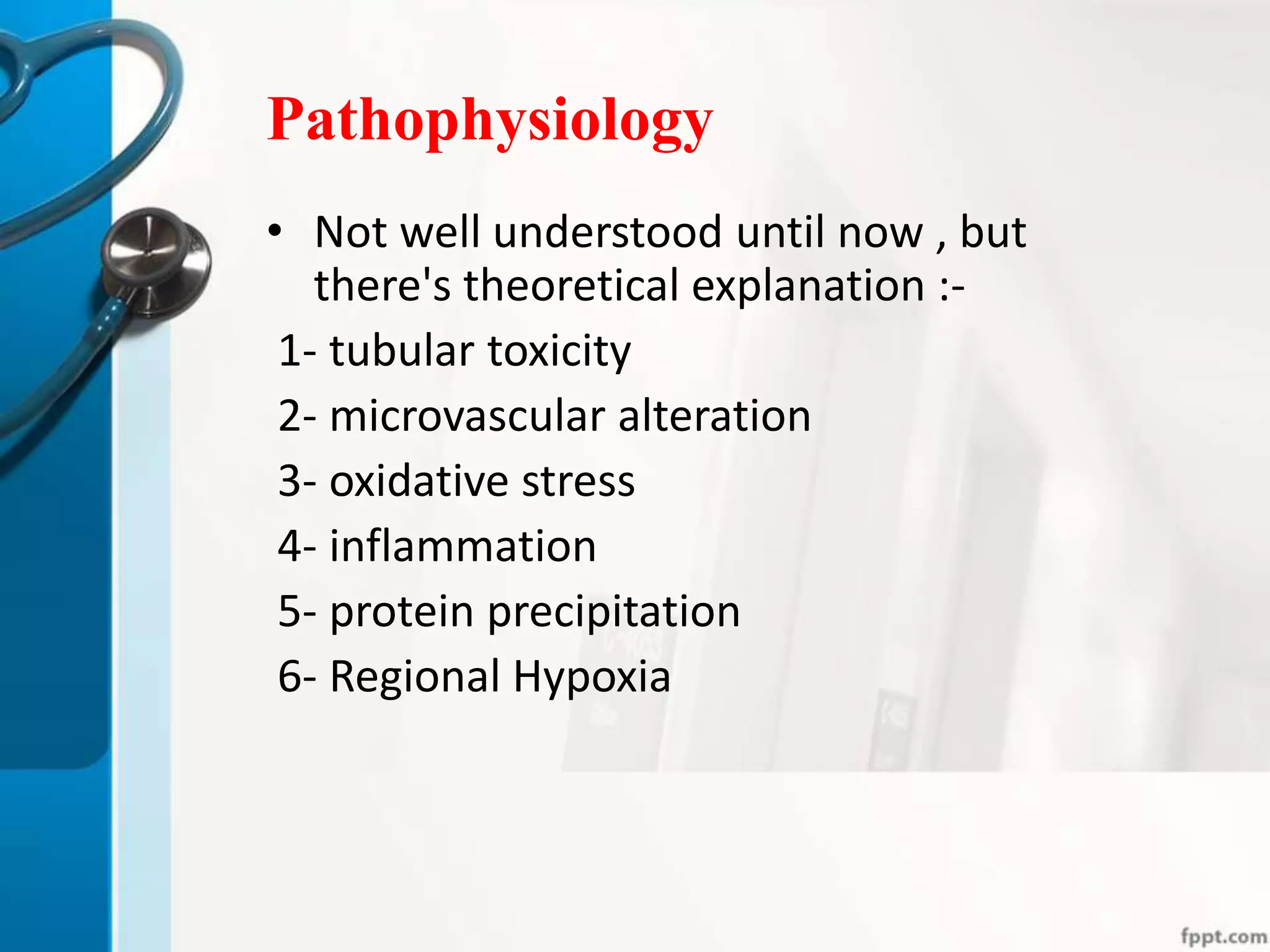
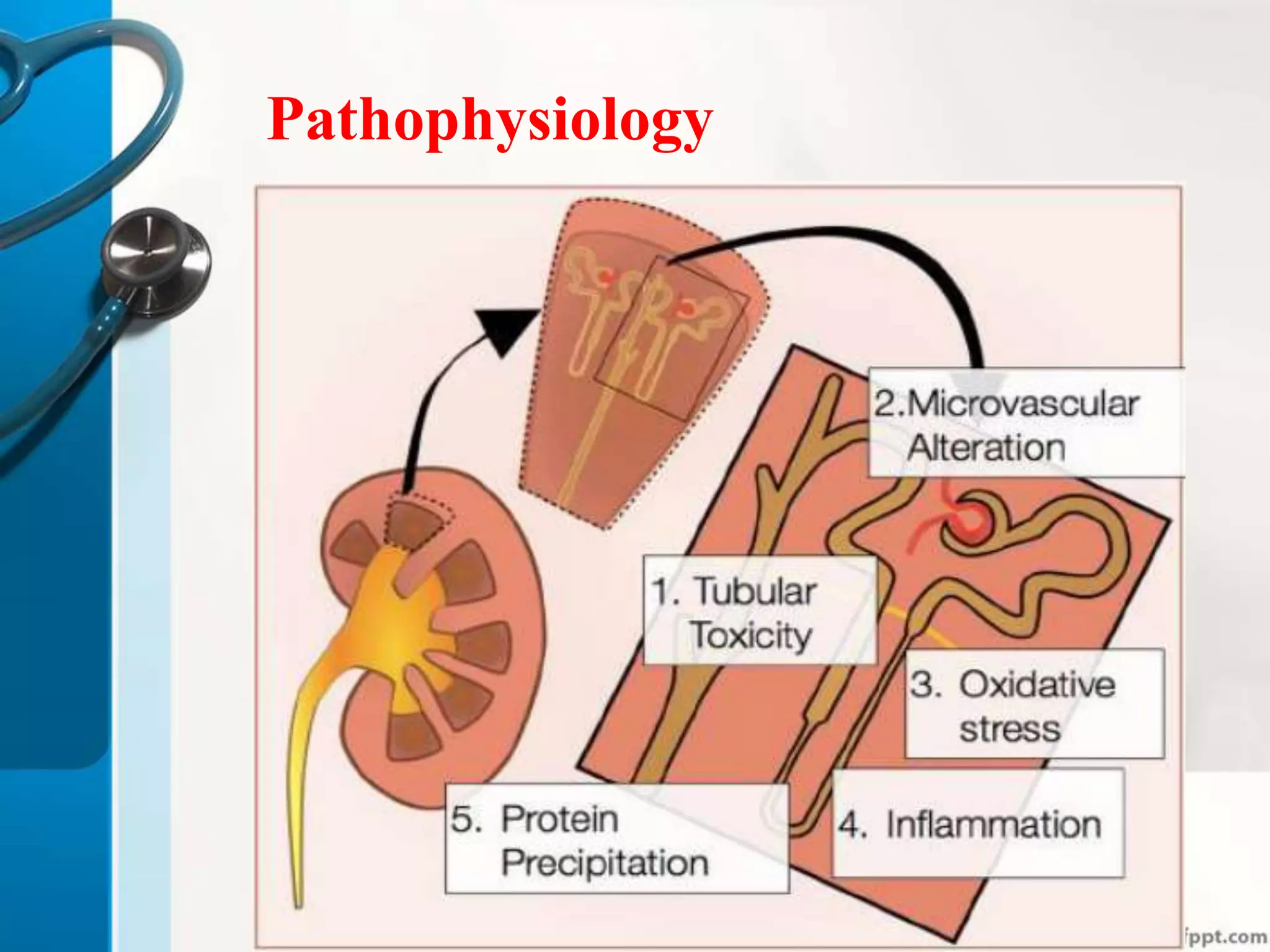
• Not well understood until now , but
there's theoretical explanation :-
1- tubular toxicity
2- microvascular alteration
3- oxidative stress
4- inflammation
5- protein precipitation
6- Regional Hypoxia
Pathophysiology
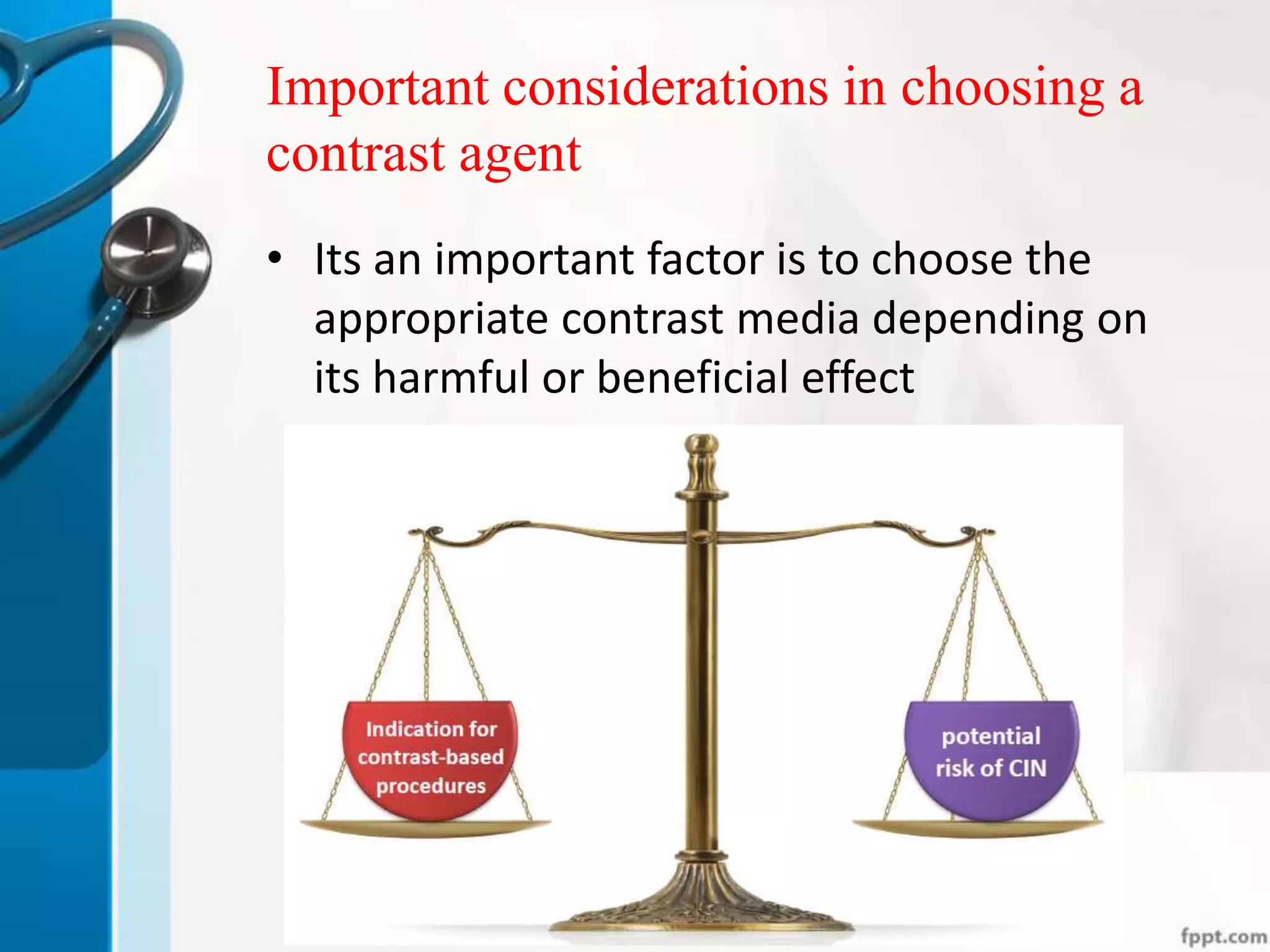
Important considerations in choosing a
contrast agent
• Its an important factor is to choose the
appropriate contrast media depending on
its harmful or beneficial effect
Types Of Contrast Media
A decreased incidence of contrast nephropathy
appears to be associated with nonionic agents
,which, are either low osmolal or iso-osmolal
• SOLUBILITY Classified into ionic and nonionic
groups based on water solubility.
• OSMOLALITY ( High – Iso – Low )
• VISCOSITY ( High – Low )
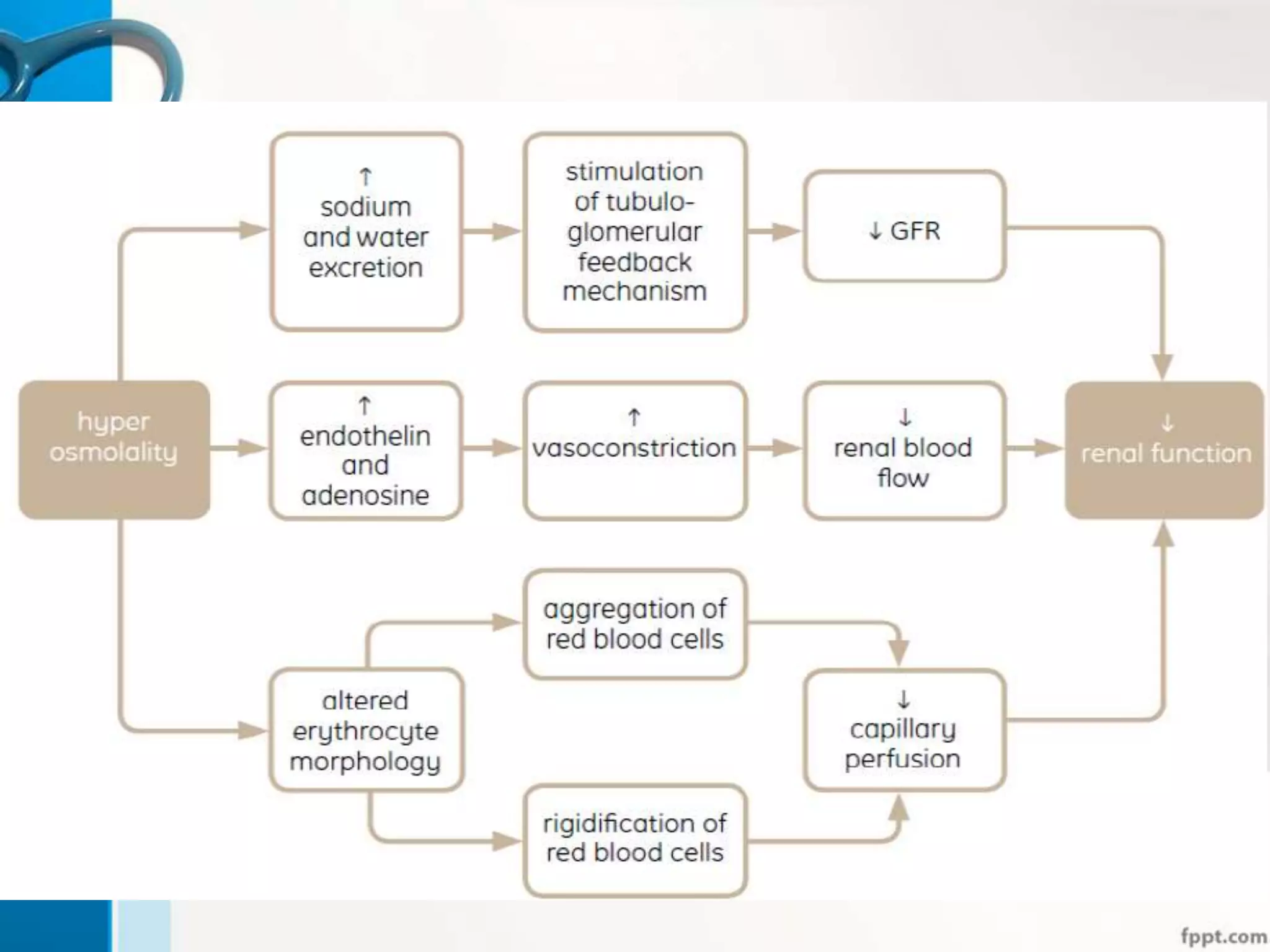
How could hyperosmolality
cause nephropathy ?
How could hyperosmolality
cause nephropathy ?
Types Of Contrast Media
• So, recommended to use of either Isosmolar
or Low Osmolar iodinated contrast media,
rather than High Osmolar iodinated contrast
media in patients at increased risk of CI-AKI.
Why we use Iso-Osmolar ?
• ISOSMOLAR Iodinated contrast media is
recommended for the following groups of
patients:
• –All high risk patients (eGFR<30 mL/min)
• –Dialysis patients
• –Moderate Risk (eGFR<60 mL/min) patients
for intra-arterial procedures
Is there any role for drugs in CIN ?
• The use of some drugs that had been found
to increase the posibility of Contrast induced
nephropthy , through , their mechanism of
action ..
The following drugs should be discontinued 24
hours before until 48 hours after contrast media
administration
–NSAIDs
–Aminoglycosides
–Metformin
–Anti-virals(Acyclovir and
Foscarnet)
–Amphotericin B
–High dose diuretics
–ACE-inhibitors
–ARBs
Clinical Manifestaion
• Contrast-induced nephropathy most
commonly manifests as a nonoliguric and
asymptomatic transient decline in renal
function.
• The serum creatinine level begins to rise
within 24 hr of contrast administration,
usually peaks within 3–5 days, and returns to
baseline within 10–14 day
Clinical Manifestaion
• Oliguric acute renal failure requiring
hemodialysis can also occur. This condition
presents with oliguria (24-hr urine volume <
400 mL) within 24 hr of contrast
administration and typically persists for 2–5
days.
• Morbidity and mortality rates are
significantly higher in this group of patients
when compared with those who have
nonoliguric renal failure
Investigations
o Urinary epithelial cell casts,
o debris,
o urate and calcium oxalate crystals
are nonspecific findings in contrast-induced
nephropathy.
o Low urinary sodium and fractional excretion
of sodium (< 1%) have been reported as being
distinctive characteristics of this condition.
Diagnostic criteria for CIN
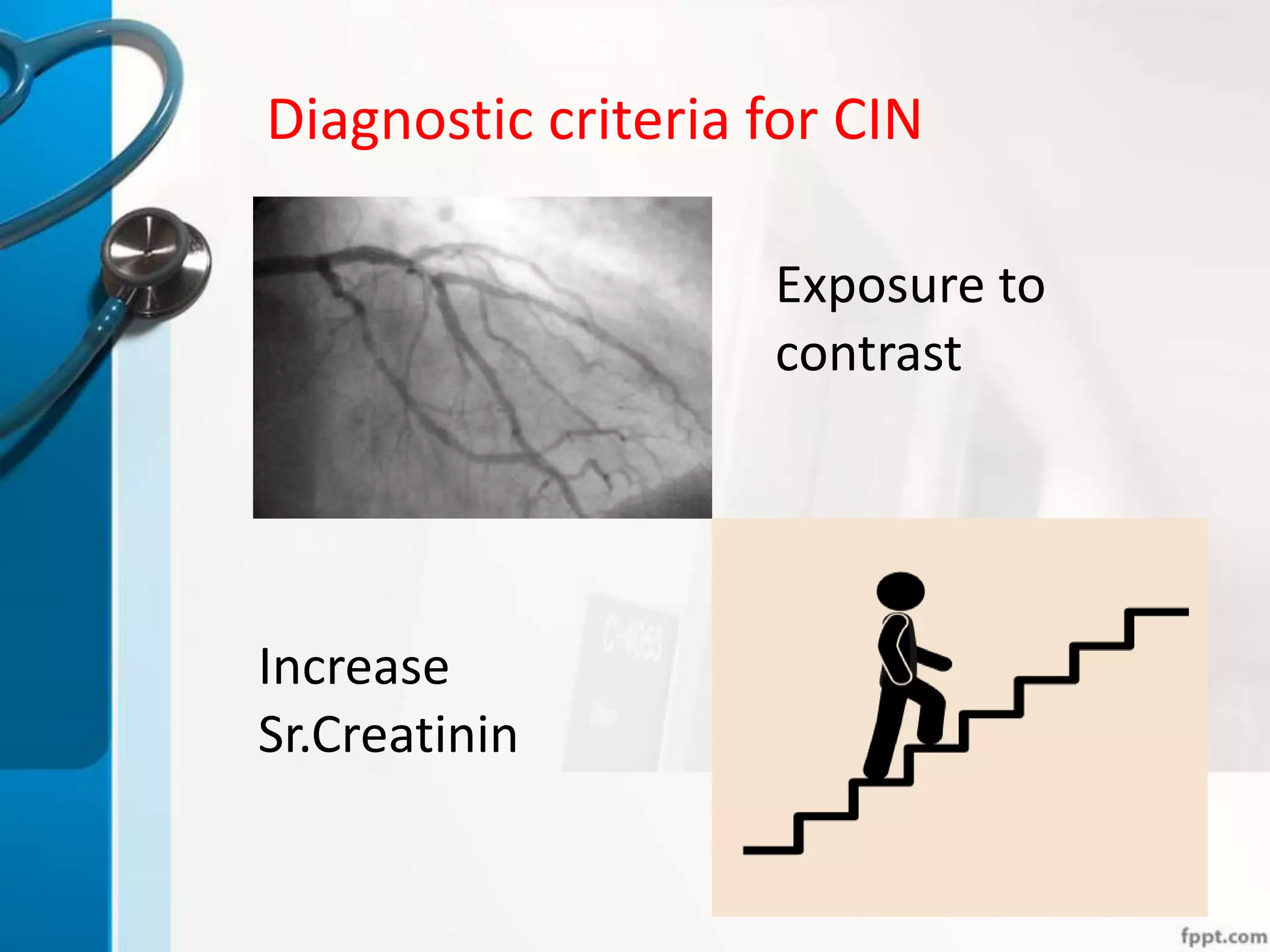
Exposure to
contrast
Increase
Sr.Creatinin
Prevention ….
o Hydration ... Hydraion ... And Hyrdraion
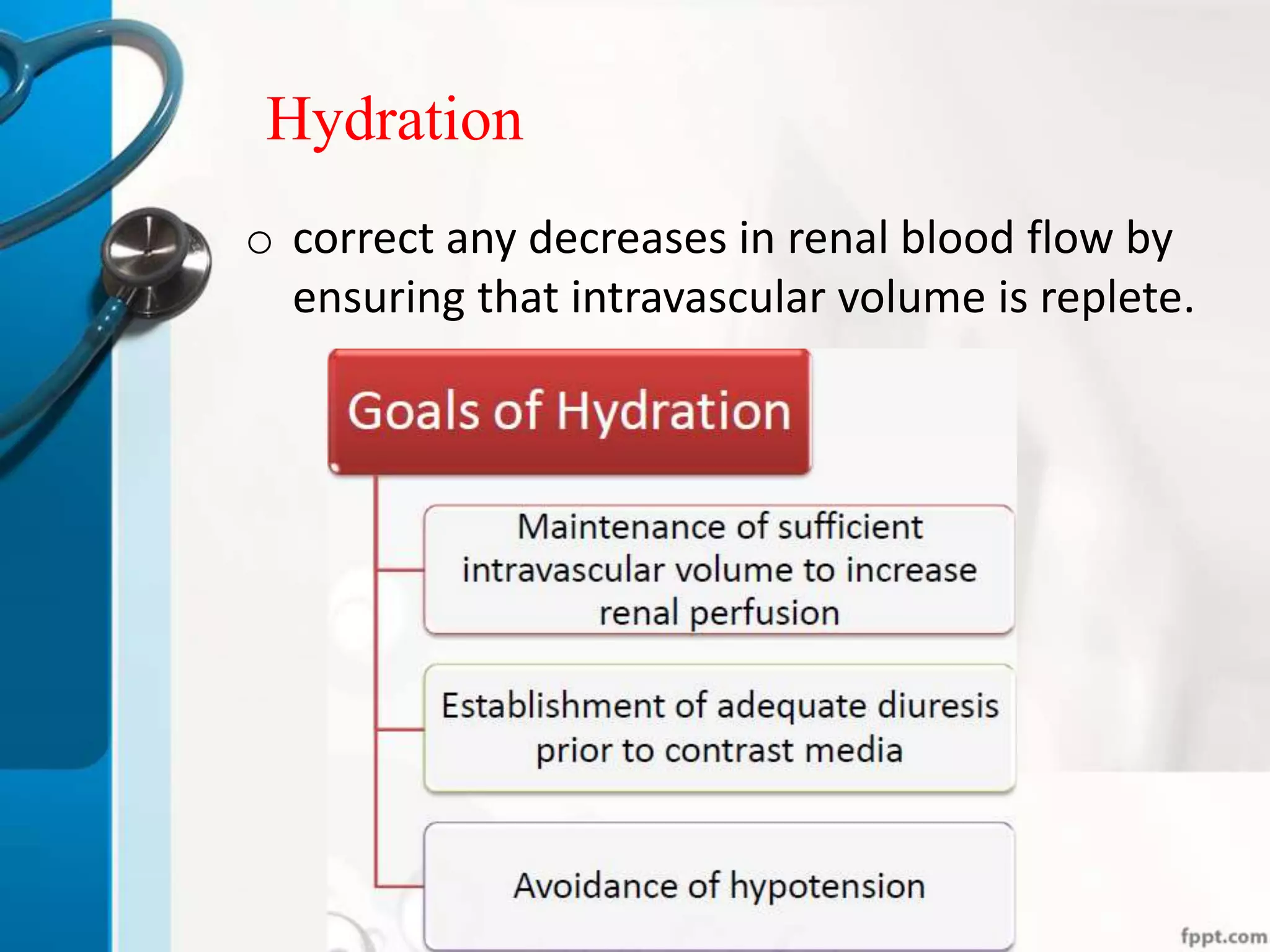
Hydration
o correct any decreases in renal blood flow by
ensuring that intravascular volume is replete.
Hydration
• Simplest and most effective way of protecting
renal function.(decreases by 50% chance of
CI-AKI)
• Effect of contrast agents on kidney is
prolonged in dehydration.(RBF,GFR) … so
the hydration is very important .
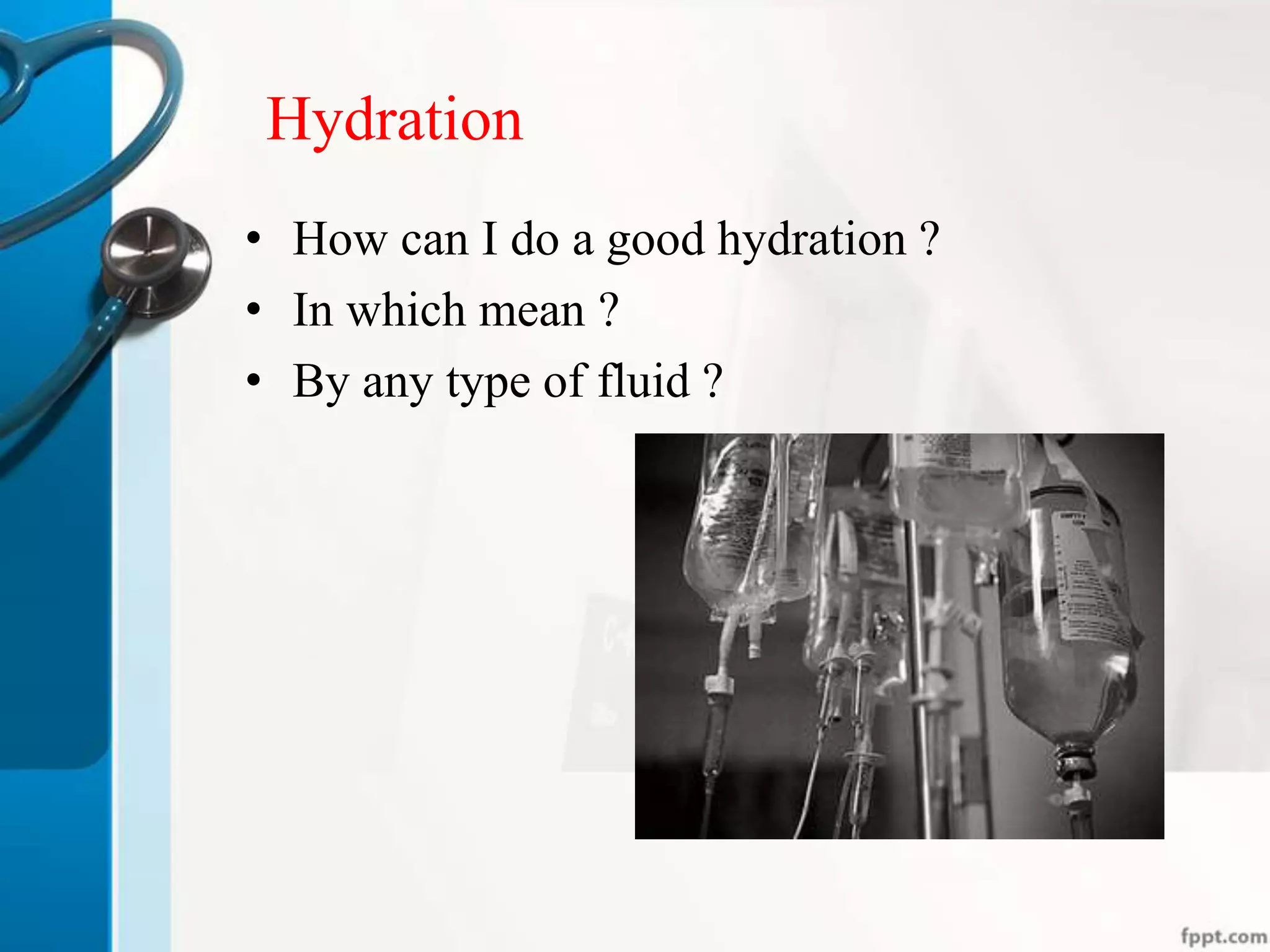
Hydration
• How can I do a good hydration ?
• In which mean ?
• By any type of fluid ?
Hydration
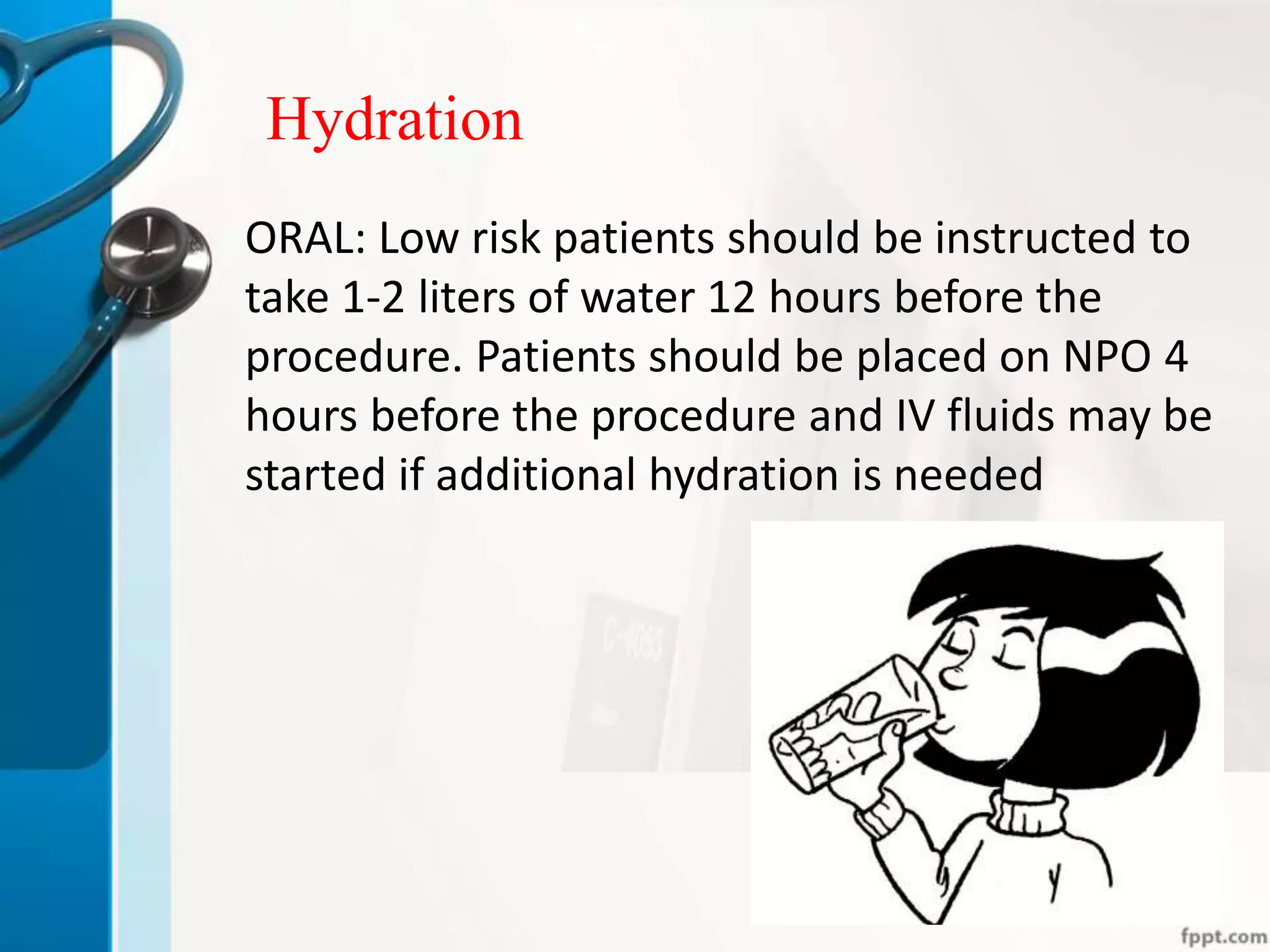
ORAL: Low risk patients should be instructed to
take 1-2 liters of water 12 hours before the
procedure. Patients should be placed on NPO 4
hours before the procedure and IV fluids may be
started if additional hydration is needed
Hydration
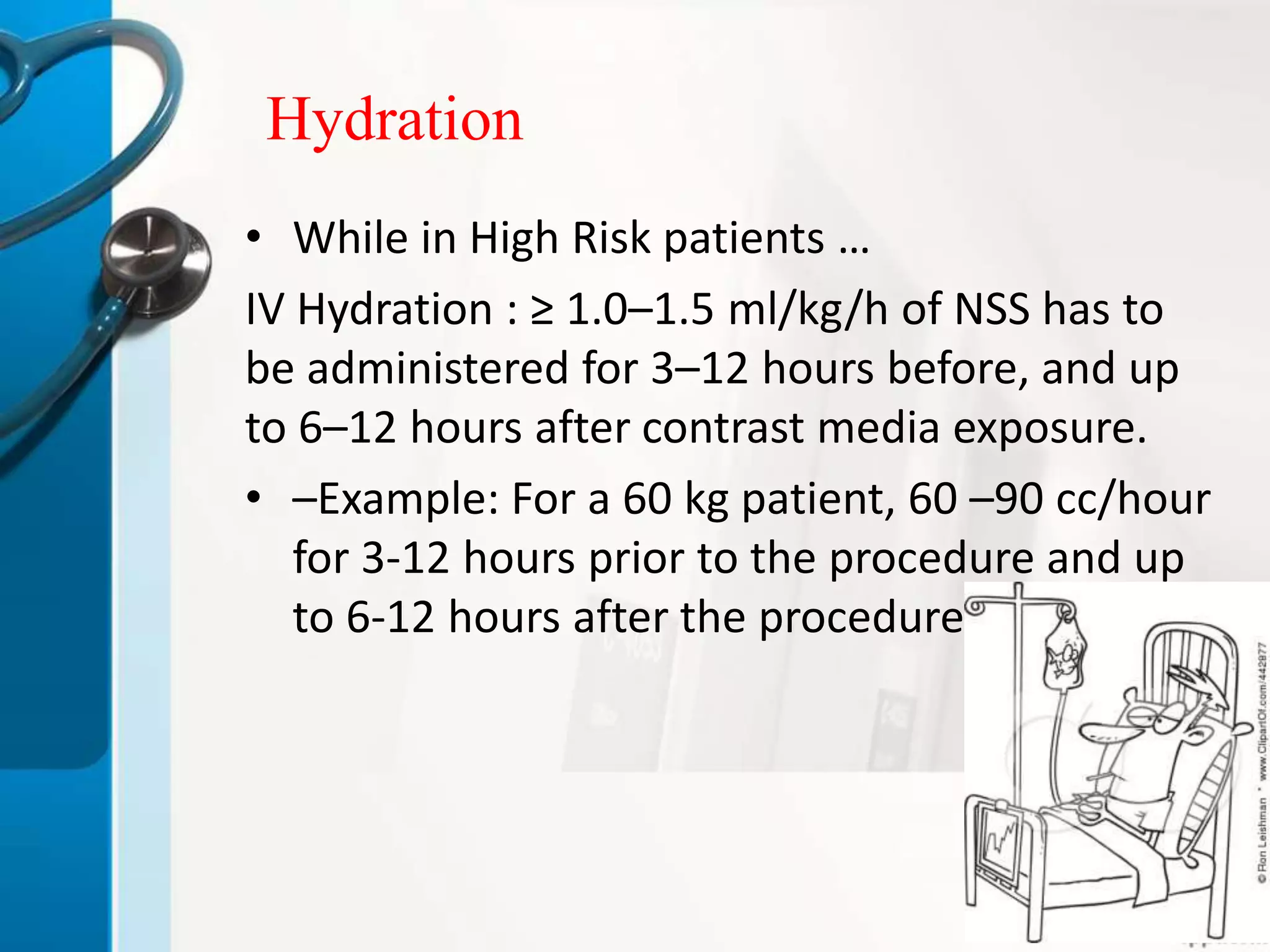
• While in High Risk patients …
IV Hydration : ≥ 1.0–1.5 ml/kg/h of NSS has to
be administered for 3–12 hours before, and up
to 6–12 hours after contrast media exposure.
• –Example: For a 60 kg patient, 60 –90 cc/hour
for 3-12 hours prior to the procedure and up
to 6-12 hours after the procedure.
Hydration
• In patients with poor systolic function Or
Chronic Renal failure use lower dose ( 0.5
ml/kg/hr )
Hydration
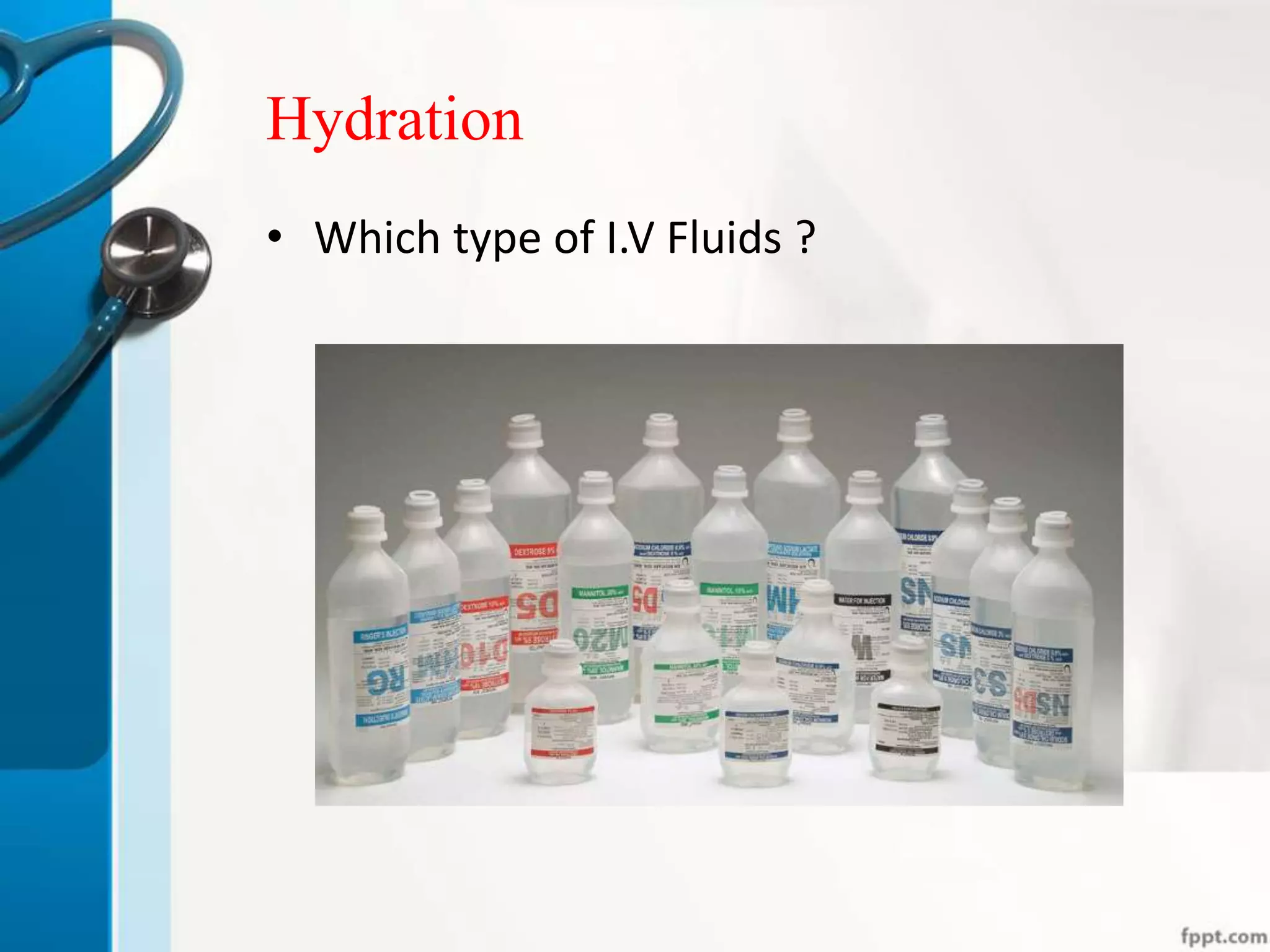
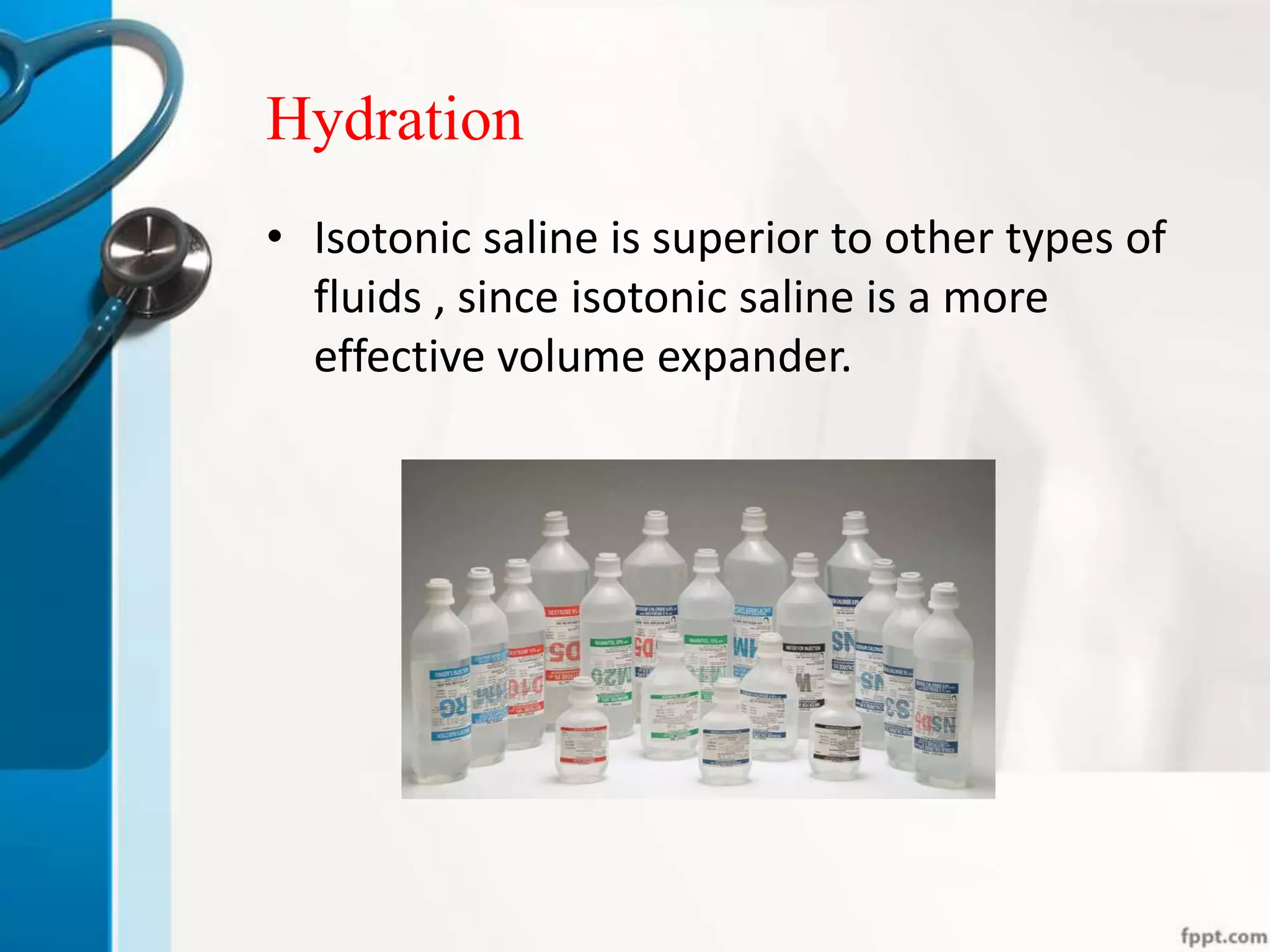
• Which type of I.V Fluids ?
Hydration
• Isotonic saline is superior to other types of
fluids , since isotonic saline is a more
effective volume expander.
NaHCo3
• Since alkalinization may protect against free
radical injury, the possibility that sodium
bicarbonate may be so important
• 3 ml/kg bolus (MAX 300 ml) 1 hour prior to
procedure and 1 mL/kg/hour (MAX 100
ml/hr) during and for 6 hours post-
procedure.
• Prepare = 150 meq of sodium bicarbonate
in 850 ml of Dextrose
N-acetylcysteine
• There are great heterogeneity and
conflicting results in the available clinical
trials and study-analyses examining the
effectiveness of acetylcysteine in the
prevention of contrast nephropathy
• Being a precursor for glutathione synthesis,
NAC has the potential to diminish oxidative
stress by directly scavenging superoxide
radicals and increasing intracellular
glutathione.
N-acetylcysteine
Acetylcysteine Dosing :-
• Tolerating PO intake?
600-1200 mg capsules PO Q12h.
4 doses :-
2 doses pre-contrast and
2 doses post-contrast is optimal
• Emergent Procedure?
1 dose before and 3 doses post procedure is
acceptable (Q12h x 4 doses total)
N-acetylcysteine
Acetylcysteine Dosing :-
For a high risk patient undergoing cardiac
catheterization or PE protocol CT scan with no
PO access
• IV Acetylcysteine?
600-1200 mg IV x 1 over 15 minutes, then
600-1200 mg PO q12h x 4 doses post-
procedure .
Statins
• Statins may improve endothelial function,
• Reduce arterial stiffness, and reduce
inflammation and oxidative stress.
• There are no sufficient data to support the
use of statins for the prevention of contrast
nephropathy.
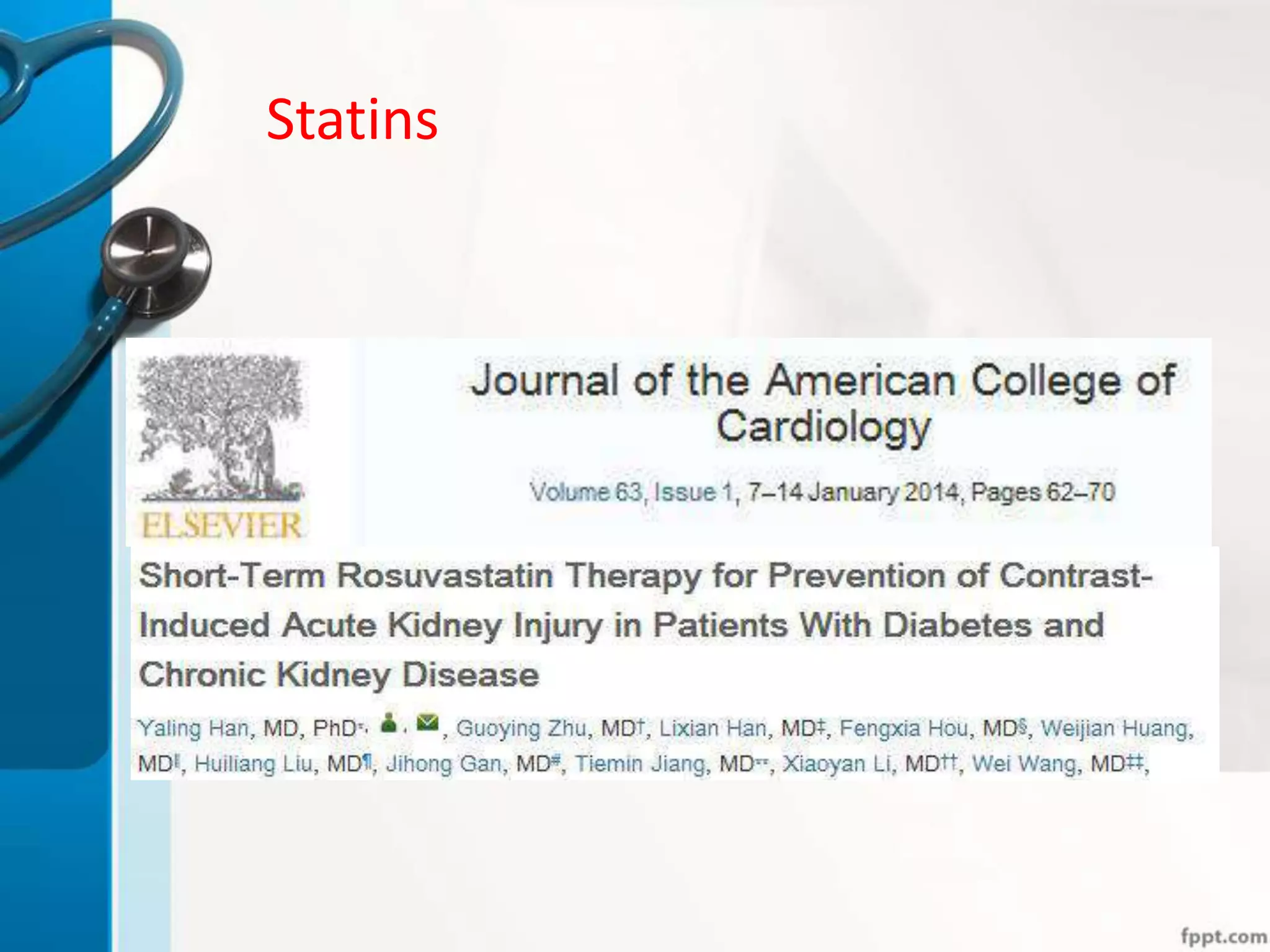
Statins
Statins
• 2998 patients with type2 diabetes and CKD
were assigned to receive rosuvastatin or to
a control group prior to adiagnostic
angiogram with or without percutaneous
intervention.
• Patients assigned to rosuvastatin received
10 mg daily two days prior and three days
after the scheduled procedure.
Contrast-induced was less common among
patients assigned to rosuvastat incompared
with control.
theophylline
• In a randomized study, prophylactic
intravenous administration of theophylline
200mg reduced the incidence of CIN in 100
patients at risk ,as compared with placebo .
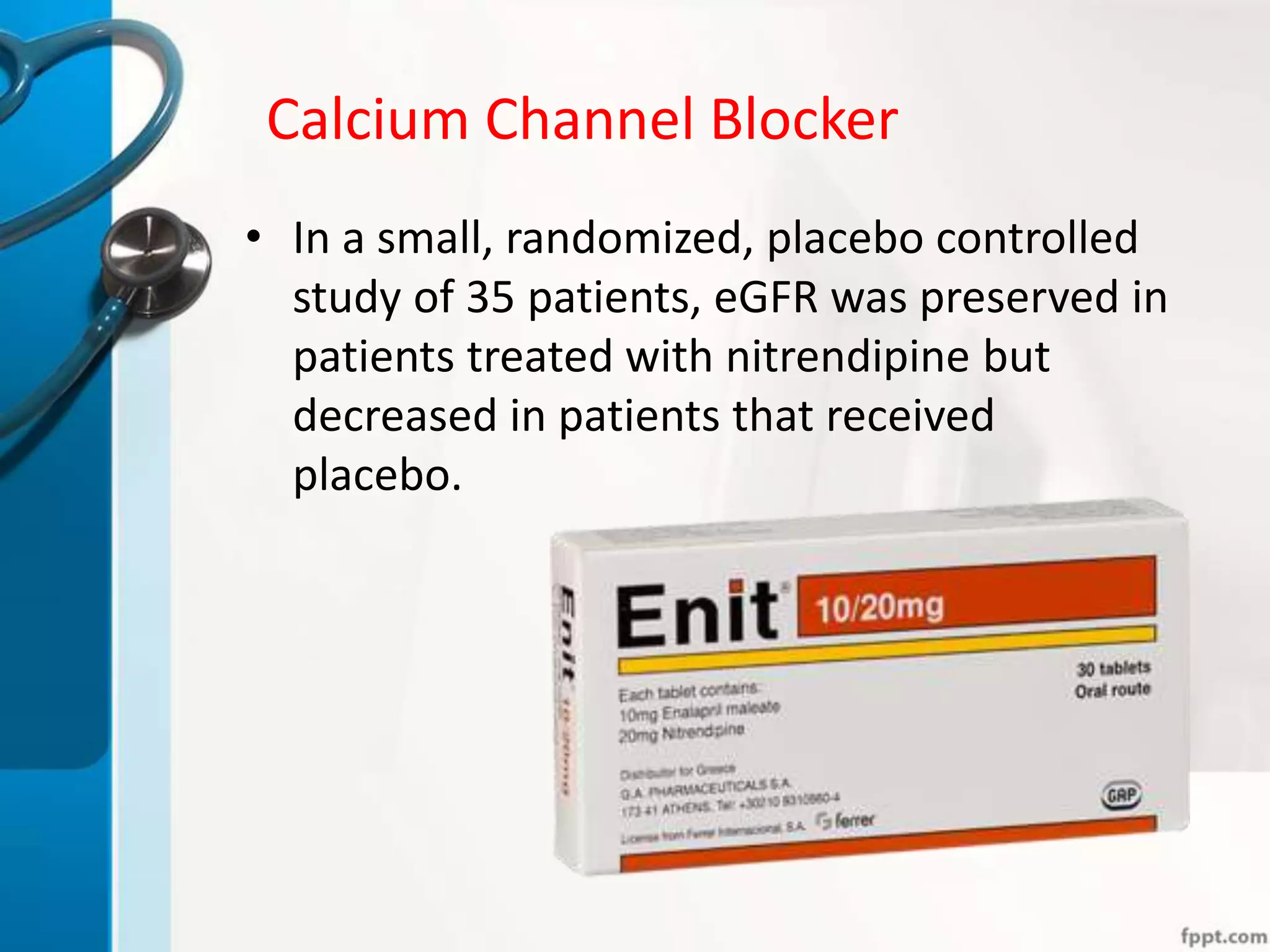
Calcium Channel Blocker
• In a small, randomized, placebo controlled
study of 35 patients, eGFR was preserved in
patients treated with nitrendipine but
decreased in patients that received
placebo.
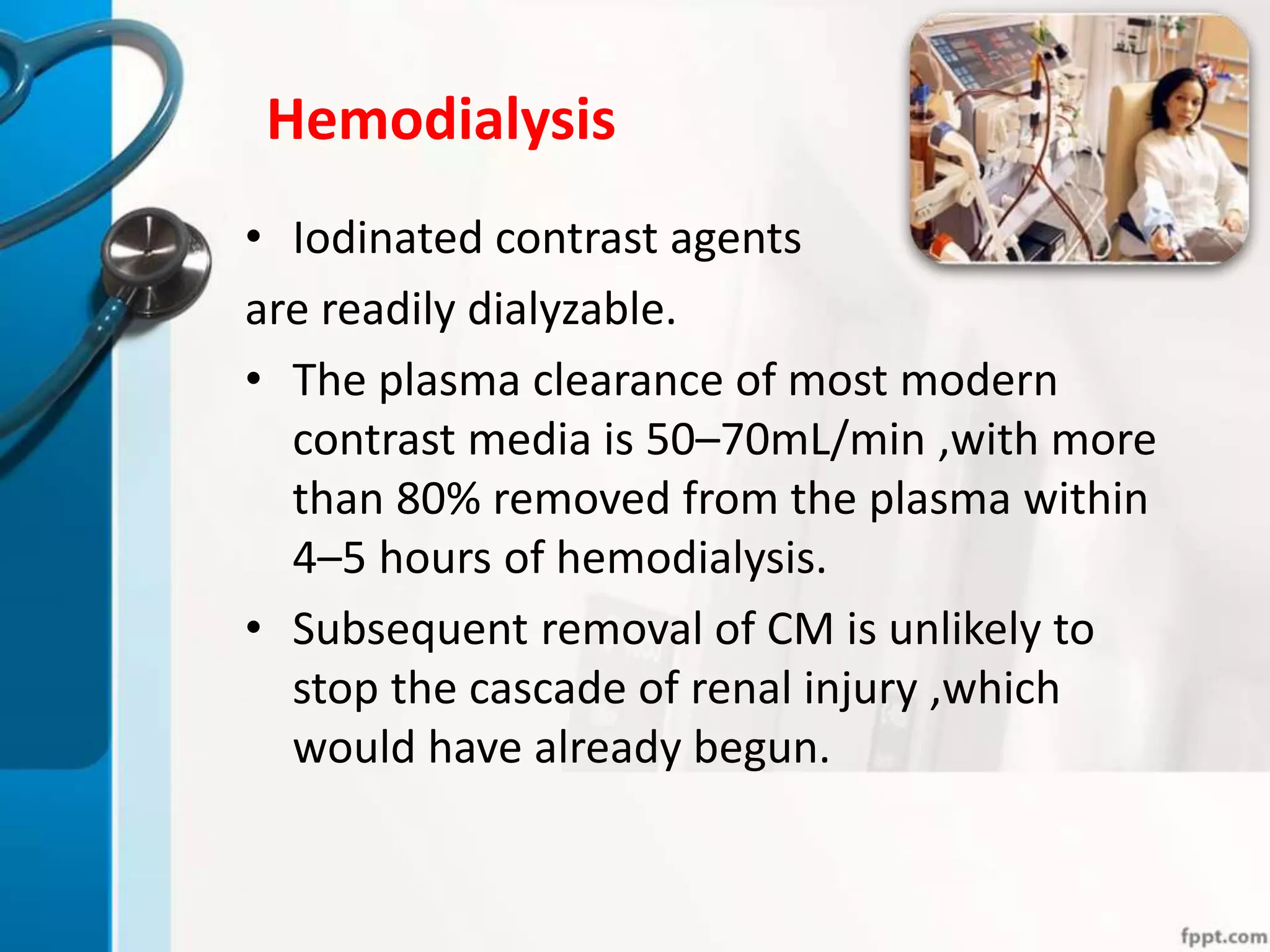
Hemodialysis
• Iodinated contrast agents
are readily dialyzable.
• The plasma clearance of most modern
contrast media is 50–70mL/min ,with more
than 80% removed from the plasma within
4–5 hours of hemodialysis.
• Subsequent removal of CM is unlikely to
stop the cascade of renal injury ,which
would have already begun.
Contrast Induce Nephropathy

Contrast Induce Nephropathy

  • 1.
    Contrast Induce Nephropathy CollageOf Medicine – Al-Qadisiya University Iraq Done By :- Ziyad Salih
  • 2.
    Index : • Introduction •Definition • Epidemiology • Pathophysiology • Risk markers • Risk score • Contrast agents • Management
  • 3.
    INTRODUCTION • CIN (CI-AKI ) it’s a leading cause of acute kidney injury in hospitalized patients. • Most frequent renal complication of endovascular interventional procedures. • Increases short and long term morbidity and mortality. • Treatment is limited to supportive measures while awaiting the resolution of renal impairement
  • 4.
    QUESTIONS IN MIND •How CIN occurs ? • What is the definition of CIN ? • Are contrast agents directly nephrotoxic ? • How can it be prevented ? • Will CIN be never having an effective treatment ?
  • 5.
    Historical view aboutcontrast • In 1906,Von Lichtenberg and Voelcker used 2% colloidal silver solution,for retrograde pyelography studies.(toxic to kidneys,death). • In 1920, Osborne and colleagues ,10% “NaI” for Rx of syphilis, fortuiously found it to be radiopaque ,excreted by kidneys.--first pyelogram. • 1924,Brooks – first angiogram (under GA).
  • 6.
    Definition • CI-AKI isdefined by the Kidney Disease Global Outcomes (KDIGO) guidelines as an :- “…increase in serum creatinine of 0.5 mg/dL or greater within 48 hours of contrast use or a 25% or greater increase from baseline serum creatinine within 7 days”. The serum creatinine usually increases within 24 - 48hrs after contrast administration, peaks at 3 to 5 days,and returns to baseline in 1 -3 weeks.
  • 7.
    Epidemiology • According tothe US FDA, the incidence of renal failure after contrast administration ,ranged from 0.6%to2.3%. • However, rates of CIN maybe as high as 50%, depending on the presence of well characterized risk factors, the most important of which are baseline chronic renal insufficiency and DM.
  • 8.
    Risk Factors •Systolic bloodpressure <80 mm Hg - 5 points •Intraarterial balloon pump– 5 points •Congestive heart failure (history of pulmonary edema . – 5 points •Age >75 y - 4 points •Hematocrit level <39% for men and <35% for women - 3 points •Diabetes - 3 points •Contrast media volume - 1 point for each 100 mL •Renal insufficiency - 4 points
  • 9.
    Risk Factors • Scoring: 5or less points • Risk of CIN - 7.5 • Risk of Dialysis - 0.04% 6–10 points • Risk of CIN - 14.0 • Risk of Dialysis - 0.12% 11–16 points • Risk of CIN - 26.1* • Risk of Dialysis - 1.09% >16 points • Risk of CIN - 57.3 • Risk of Dialysis - 12.8%
  • 10.
    Risk Factors Or theCIN can be classified on the basis of GFR • Low Risk: GFR> 60 ml/min • Moderate Risk: GFR 30-59 ml/min • High Risk: GFR < 30ml/min
  • 11.
    Pathophysiology • Not wellunderstood until now , but there's theoretical explanation :- 1- tubular toxicity 2- microvascular alteration 3- oxidative stress 4- inflammation 5- protein precipitation 6- Regional Hypoxia
  • 12.
  • 13.
    Important considerations inchoosing a contrast agent • Its an important factor is to choose the appropriate contrast media depending on its harmful or beneficial effect
  • 14.
    Types Of ContrastMedia A decreased incidence of contrast nephropathy appears to be associated with nonionic agents ,which, are either low osmolal or iso-osmolal • SOLUBILITY Classified into ionic and nonionic groups based on water solubility. • OSMOLALITY ( High – Iso – Low ) • VISCOSITY ( High – Low )
  • 15.
  • 16.
  • 17.
    Types Of ContrastMedia • So, recommended to use of either Isosmolar or Low Osmolar iodinated contrast media, rather than High Osmolar iodinated contrast media in patients at increased risk of CI-AKI.
  • 18.
    Why we useIso-Osmolar ? • ISOSMOLAR Iodinated contrast media is recommended for the following groups of patients: • –All high risk patients (eGFR<30 mL/min) • –Dialysis patients • –Moderate Risk (eGFR<60 mL/min) patients for intra-arterial procedures
  • 19.
    Is there anyrole for drugs in CIN ? • The use of some drugs that had been found to increase the posibility of Contrast induced nephropthy , through , their mechanism of action ..
  • 20.
    The following drugsshould be discontinued 24 hours before until 48 hours after contrast media administration –NSAIDs –Aminoglycosides –Metformin –Anti-virals(Acyclovir and Foscarnet) –Amphotericin B –High dose diuretics –ACE-inhibitors –ARBs
  • 21.
    Clinical Manifestaion • Contrast-inducednephropathy most commonly manifests as a nonoliguric and asymptomatic transient decline in renal function. • The serum creatinine level begins to rise within 24 hr of contrast administration, usually peaks within 3–5 days, and returns to baseline within 10–14 day
  • 22.
    Clinical Manifestaion • Oliguricacute renal failure requiring hemodialysis can also occur. This condition presents with oliguria (24-hr urine volume < 400 mL) within 24 hr of contrast administration and typically persists for 2–5 days. • Morbidity and mortality rates are significantly higher in this group of patients when compared with those who have nonoliguric renal failure
  • 23.
    Investigations o Urinary epithelialcell casts, o debris, o urate and calcium oxalate crystals are nonspecific findings in contrast-induced nephropathy. o Low urinary sodium and fractional excretion of sodium (< 1%) have been reported as being distinctive characteristics of this condition.
  • 24.
  • 25.
    Diagnostic criteria forCIN Exposure to contrast Increase Sr.Creatinin
  • 26.
    Prevention …. o Hydration... Hydraion ... And Hyrdraion
  • 27.
    Hydration o correct anydecreases in renal blood flow by ensuring that intravascular volume is replete.
  • 28.
    Hydration • Simplest andmost effective way of protecting renal function.(decreases by 50% chance of CI-AKI) • Effect of contrast agents on kidney is prolonged in dehydration.(RBF,GFR) … so the hydration is very important .
  • 29.
    Hydration • How canI do a good hydration ? • In which mean ? • By any type of fluid ?
  • 30.
    Hydration ORAL: Low riskpatients should be instructed to take 1-2 liters of water 12 hours before the procedure. Patients should be placed on NPO 4 hours before the procedure and IV fluids may be started if additional hydration is needed
  • 31.
    Hydration • While inHigh Risk patients … IV Hydration : ≥ 1.0–1.5 ml/kg/h of NSS has to be administered for 3–12 hours before, and up to 6–12 hours after contrast media exposure. • –Example: For a 60 kg patient, 60 –90 cc/hour for 3-12 hours prior to the procedure and up to 6-12 hours after the procedure.
  • 32.
    Hydration • In patientswith poor systolic function Or Chronic Renal failure use lower dose ( 0.5 ml/kg/hr )
  • 33.
    Hydration • Which typeof I.V Fluids ?
  • 34.
    Hydration • Isotonic salineis superior to other types of fluids , since isotonic saline is a more effective volume expander.
  • 35.
    NaHCo3 • Since alkalinizationmay protect against free radical injury, the possibility that sodium bicarbonate may be so important • 3 ml/kg bolus (MAX 300 ml) 1 hour prior to procedure and 1 mL/kg/hour (MAX 100 ml/hr) during and for 6 hours post- procedure. • Prepare = 150 meq of sodium bicarbonate in 850 ml of Dextrose
  • 36.
    N-acetylcysteine • There aregreat heterogeneity and conflicting results in the available clinical trials and study-analyses examining the effectiveness of acetylcysteine in the prevention of contrast nephropathy • Being a precursor for glutathione synthesis, NAC has the potential to diminish oxidative stress by directly scavenging superoxide radicals and increasing intracellular glutathione.
  • 37.
    N-acetylcysteine Acetylcysteine Dosing :- •Tolerating PO intake? 600-1200 mg capsules PO Q12h. 4 doses :- 2 doses pre-contrast and 2 doses post-contrast is optimal • Emergent Procedure? 1 dose before and 3 doses post procedure is acceptable (Q12h x 4 doses total)
  • 38.
    N-acetylcysteine Acetylcysteine Dosing :- Fora high risk patient undergoing cardiac catheterization or PE protocol CT scan with no PO access • IV Acetylcysteine? 600-1200 mg IV x 1 over 15 minutes, then 600-1200 mg PO q12h x 4 doses post- procedure .
  • 39.
    Statins • Statins mayimprove endothelial function, • Reduce arterial stiffness, and reduce inflammation and oxidative stress. • There are no sufficient data to support the use of statins for the prevention of contrast nephropathy.
  • 40.
  • 41.
    Statins • 2998 patientswith type2 diabetes and CKD were assigned to receive rosuvastatin or to a control group prior to adiagnostic angiogram with or without percutaneous intervention. • Patients assigned to rosuvastatin received 10 mg daily two days prior and three days after the scheduled procedure. Contrast-induced was less common among patients assigned to rosuvastat incompared with control.
  • 42.
    theophylline • In arandomized study, prophylactic intravenous administration of theophylline 200mg reduced the incidence of CIN in 100 patients at risk ,as compared with placebo .
  • 43.
    Calcium Channel Blocker •In a small, randomized, placebo controlled study of 35 patients, eGFR was preserved in patients treated with nitrendipine but decreased in patients that received placebo.
  • 44.
    Hemodialysis • Iodinated contrastagents are readily dialyzable. • The plasma clearance of most modern contrast media is 50–70mL/min ,with more than 80% removed from the plasma within 4–5 hours of hemodialysis. • Subsequent removal of CM is unlikely to stop the cascade of renal injury ,which would have already begun.