The document is a course description for a concept design course taught by Dr. Mariana Salgado. It provides an overview of the course structure and topics that will be covered during the 5 class meetings. These include defining concept design, developing concepts through scenarios and personas, testing concepts, and final presentations. It also describes some of the methods that will be used during the classes like brainstorming, visualizations, and applying Edward de Bono's 6 Thinking Hats technique to analyze concepts.
Concept Design Coursedescription, definition and starting the process Dr. Mariana Salgado 19.09.2011 Mediatuottamisen ylempi ammattikorkeakoulu tutkinto/ Metropolia
2.
About me Headof the MBA in User Centered Design in Laurea University of Applied Sciences. Doctor of Arts from the University of Art and Design Helsinki Design-researcher- Interaction Designer Research Interest: participatory design, user centered design, sustainable design, and design for all. Argentinean- Living in Finland for aprox. 12 years And I think concept design is THE key to innovation and understanding design as a research discipline
3.
About me Itis the first time I run this course I need feedback from you constantly even when I do not ask for it I use a lot of design jargon, so please, stop and ask. My presentations can be found in http://www.slideshare.net/marianasalgado/ My mail is [email_address] Or [email_address] Other places where you find me: http://pinatasdigitales.wordpress.com/ http://www.mendeley.com/profiles/mariana-salgado/
About this course1- We have 5 meetings Today! 29.09 13.10 27.10 3.11 17.11 2- If you do not come to one meeting you get an extra-task. Please ask in advance for it, so it is easier to complete it. 3- There is a final assignment that is a compilation of your work during the course.
6.
About this course4- You will be working on your thesis 5- From one class to the other you get a task and readings. 6- The deadline for the task is at least 3 days before our next meeting. 7- Every class consists in a lecture and a hand-on exercise. 8- Though your thesis project might be individual project, you work in groups during the class.
7.
About this course9- Topics of each class: Today: Definition and Starting the process- Brainstorming 13.10- Developing the concept- Scenarios 27.10- Testing concept design- Personas/ Paper prototyping 3.11- Re-designing and evaluation of concepts- Future visions 17.11-Final presentations 10- Questions? Suggestions? Are these topics familiar to you?
Konsepti Definition fromWikipedia Konsepti, kirjallisen työn luonnos, puhtaaksikirjoittamaton työ Konsepti, suullista esitystä varten tehty käsikirjoitus Konseptikuva ja konseptikuvitus, erilaisten produktioiden kuvallinen luonnos tai suunnitelma
10.
Ups! Wikipediahas not a definition of what is Concept Design Does it exists? Can we add the definition after today?
Yes!!! Brainstorming-Visualizing- Making Scenarios & Personas- Understanding design process- Nurturing the dialogue with the users- Dicussing- Testing- Evaluating-Being critical
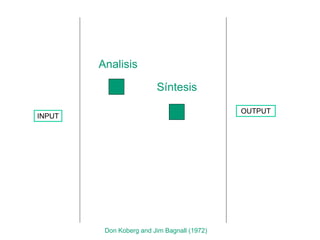
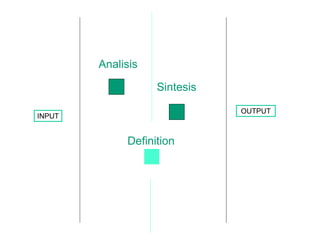
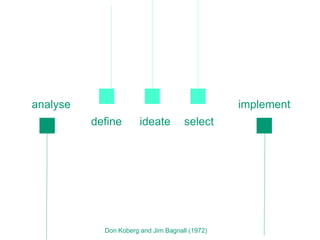
define tselect ideate t implement analyse t Don Koberg and Jim Bagnall (1972) t
48.
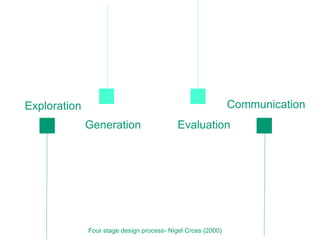
Generation tEvaluation Communication Exploration t Four stage design process- Nigel Cross (2000) t
49.
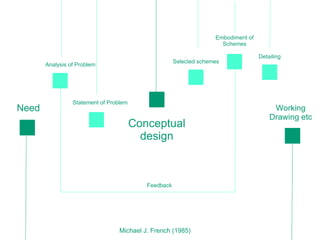
Analysis of Problem t Conceptual design Working Drawing etc Need t Michael J. French (1985) t Statement of Problem t Selected schemes Embodiment of Schemes Detailing Feedback
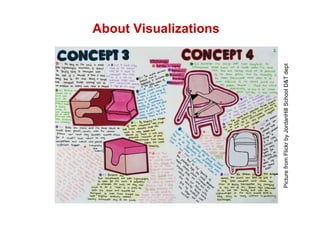
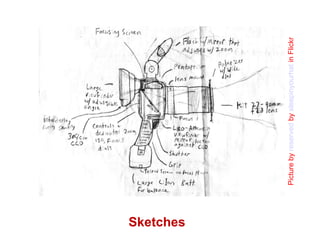
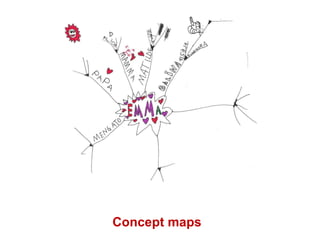
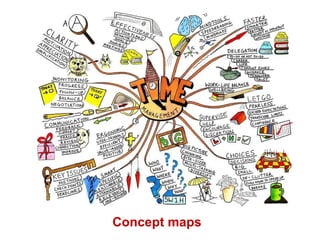
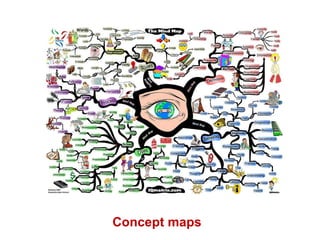
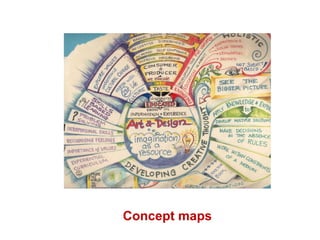
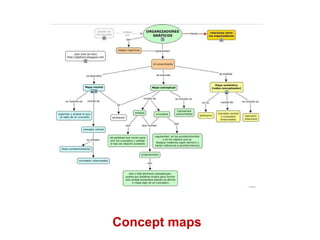
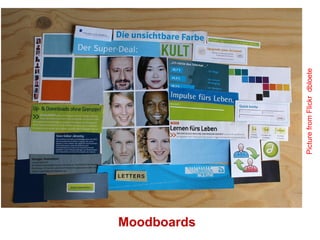
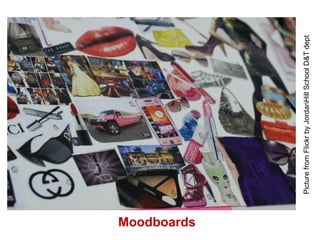
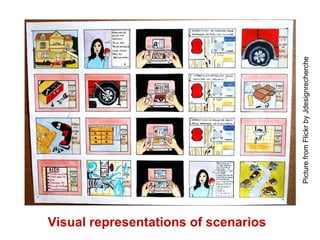
Sketches- Mood boards-ConcepMaps- Scenarios are use during concept design and all through the design process. Do not panic! We won’t test your drawing skills here
67.
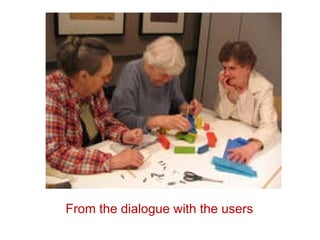
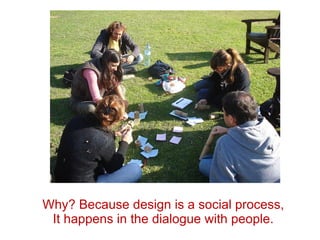
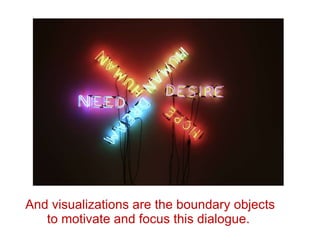
Why? Because designis a social process, It happens in the dialogue with people.
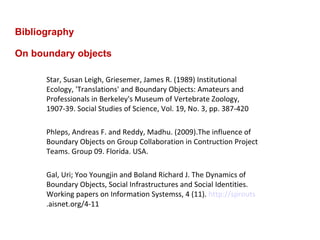
Bibliography On boundaryobjects Star, Susan Leigh, Griesemer, James R. (1989) Institutional Ecology, 'Translations' and Boundary Objects: Amateurs and Professionals in Berkeley's Museum of Vertebrate Zoology, 1907-39. Social Studies of Science, Vol. 19, No. 3, pp. 387-420 Phleps, Andreas F. and Reddy, Madhu. (2009).The influence of Boundary Objects on Group Collaboration in Contruction Project Teams. Group 09. Florida. USA. Gal, Uri; Yoo Youngjin and Boland Richard J. The Dynamics of Boundary Objects, Social Infrastructures and Social Identities. Working papers on Information Systemss, 4 (11). http://sprouts .aisnet.org/4-11
74.
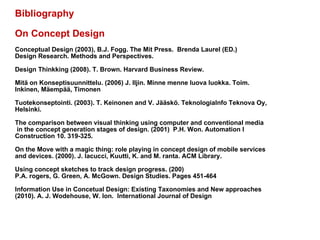
Bibliography On ConceptDesign Conceptual Design (2003), B.J. Fogg. The Mit Press. Brenda Laurel (ED.) Design Research. Methods and Perspectives. Design Thinkking (2008). T. Brown. Harvard Business Review. Mitä on Konseptisuunnittelu. (2006) J. Iljin. Minne menne luova luokka. Toim. Inkinen, Mäempää, Timonen Tuotekonseptointi. (2003). T. Keinonen and V. Jääskö. TeknologiaInfo Teknova Oy, Helsinki. The comparison between visual thinking using computer and conventional media in the concept generation stages of design. (2001) P.H. Won. Automation I Construction 10. 319-325. On the Move with a magic thing: role playing in concept design of mobile services and devices. (2000). J. Iacucci, Kuutti, K. and M. ranta. ACM Library. Using concept sketches to track design progress. (200) P.A. rogers, G. Green, A. McGown. Design Studies. Pages 451-464 Information Use in Concetual Design: Existing Taxonomies and New approaches (2010). A. J. Wodehouse, W. Ion. International Journal of Design
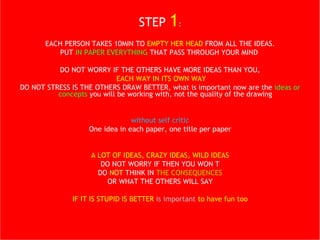
STEP 1: EACH PERSON TAKES 10MIN TO EMPTY HER HEAD FROM ALL THE IDEAS. PUT IN PAPER EVERYTHING THAT PASS THROUGH YOUR MIND DO NOT WORRY IF THE OTHERS HAVE MORE IDEAS THAN YOU, EACH WAY IN ITS OWN WAY DO NOT STRESS IS THE OTHERS DRAW BETTER, what is important now are the ideas or concepts you will be working with, not the quality of the drawing without self critic One idea in each paper, one title per paper DO NOT WRITE A LOT A LOT OF IDEAS, CRAZY IDEAS, WILD IDEAS DO NOT WORRY IF THEN YOU WON T DO NOT THINK IN THE CONSEQUENCES OR WHAT THE OTHERS WILL SAY IF IT IS STUPID IS BETTER is important to have fun too
83.
STEP 2 : Make groups of 2 persons Choose a part of the classroom and hang your papers Explain your ideas to your classmate Both of you talk and get opinions from the other
84.
STEP 3: Both work with 1 project during 15min Try to give good critics Be honest Fundament why it is good or bad idea something RE DESIGN COMBINE AND IMPROVE OTHERS IDEAS Develop or improve part of the next steps description Think in the parts that are not yet clear: background research, research questions, goals, methods, etc...
85.
STEP 4 : Both work with 2nd thesis project during 15min RE DESIGN COMBINE AND IMPROVE OTHERS IDEAS Try to give good critics Be honest why it is good or bad idea something Fundament Develop or improve part of the next steps description Think in the parts that are not yet clear: background research, research questions, goals, methods, etc...
86.
STEP 5 : PRESENTATION to the whole group Tell what you will do next + what did you change after the discussion with your classmate All the others give ideas, comments and critics to the one presenting Discussion
87.
Task for nextclass Read the following articles Conceptual Designs . The fastest way to capture and share your idea by BJ Fogg Design Thinking by Tim Brown . Analyze 2 of your concepts using the 6 hats from Edward de Bono. Document this analysis. Add references to the articles and other research publications that link to your work. If you have any questions ask now or mail me.
88.
6 Thinking HatsEdward De Bono This presentation slides are from Edward De Bono and was found in Slideshare and modified.
89.
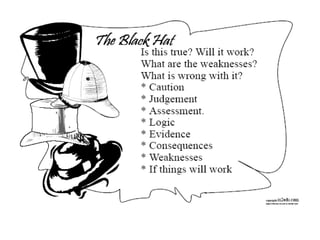
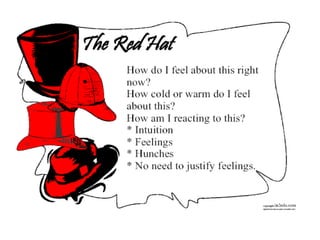
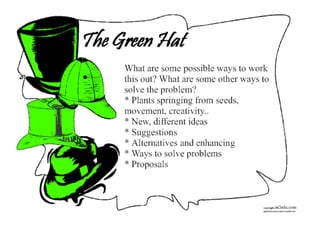
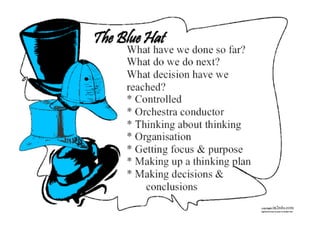
Dr. Edward DeBono Expert in creative thinking. The 6 Thinking Hats is one such technique. The main idea is to have the group only “wear one hat at a time” when considering a problem. The wearing of the hat is metaphorical . At any one time, you will wear the same colour, in other words, look at the problem at hand from only one perspective, the perspective indicated by the hat colour.
90.
91.
92.
93.
94.
95.
96.
The Unique BlueHat The blue hat is different from the other hats because it is involved with directing the thinking process itself. We are actually using the blue hat whenever we suggest the next hat to be used. The blue hat need not be acknowledged at every turn however there are some points which it is often helpful i.e., At the outset of a discussion – Lets decide what we want to think about and which hats we will use? At a midpoint to restate the thinking goal – I think we are getting away from what we wanted to talk about. Can someone recall what we decided to talk about? At the end to summarise what thinking has been done – Think of a sentence that tells about what we have been doing today?
97.
Single Hat andSequence Use The hats can be used singly at any point in thinking. In general, this is the major use. The hats are used as a convenience for directing thinking and for switching thinking. Simple sequences of two or three hats may be used together for a particular purpose. For example , the yellow hat followed by the black hat may be used to assess an idea. The black hat followed by the green hat may be used to improve a design. (All Weather bike)
98.
Evaluation Sequence Todiscover the positive aspects and negative aspects of an idea. You use the yellow hat before the black hat . You could follow up with the green hat (new ideas) and red hat (feelings) thinking. Examples: Consider positive and negative Not doing homework one night. Swapping toys with friends.
99.
Caution Sequence Lookingcritically at situations. You are first considering facts with the white hat . Then use the black hat to discover difficulties. This can be followed up with some blue hat or red hat thinking. Examples: consider the consequences Throwing most of your lunch in the bin everyday. Not letting someone know where you are going.
100.
Design Sequence Encouragestudents to create new ideas, products or improvements to existing designs. Use the blue , green and red hats. Example : use design sequence to create a new concept for your thesis project
101.
Other Sequences Red + White Comparing fact and opinion Black + Yellow + Green Comparing and synthesising (coming up with new ideas from the known) White + Blue What do we know (facts) and where are we going (planning)
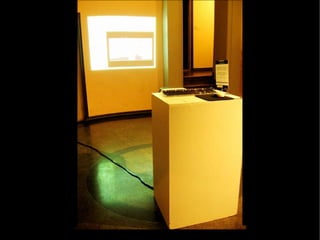
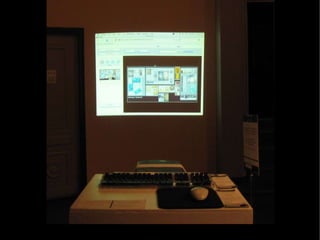
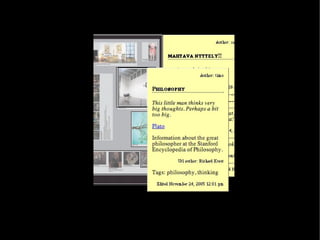
#18 It was an interactive guest book, with open ended comments. We have used, ImaNote, which is open source software developed in Systems of Representation Research Group, here in Media lab.